Search Result
Results for "
calcification
" in MedChemExpress (MCE) Product Catalog:
2
Biochemical Assay Reagents
3
Isotope-Labeled Compounds
| Cat. No. |
Product Name |
Target |
Research Areas |
Chemical Structure |
-
- HY-D0886
-
|
|
Phosphatase
Endogenous Metabolite
ERK
|
Metabolic Disease
Cancer
|
|
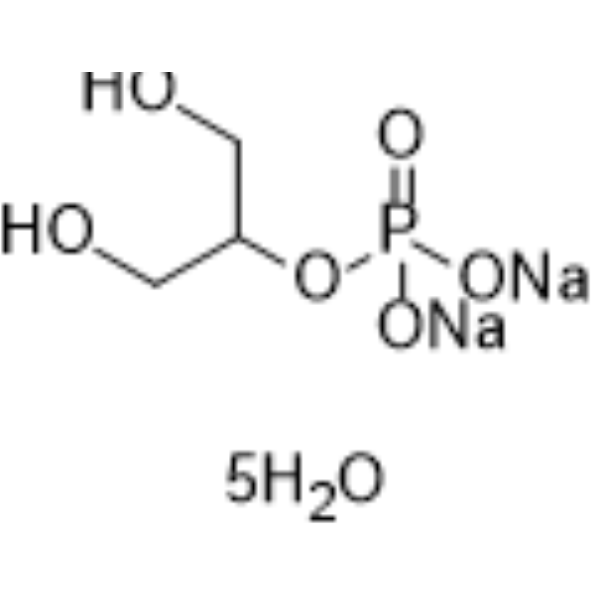
β-Glycerophosphate disodium salt pentahydrate is a bioactive endogenous metabolite and a phosphatase inhibitor. β-Glycerophosphate disodium salt pentahydrate plays an important role in inducing and maintaining osteoblast differentiation, mineral metabolism and signal transduction, and can be used as a drug carrier to form heat-sensitive hydrogels. β-Glycerophosphate disodium salt hydrate accelerates the calcification of vascular smooth muscle cells .
|
-
-
- HY-126304
-
|
|
Phosphatase
Endogenous Metabolite
ERK
|
Metabolic Disease
|
|
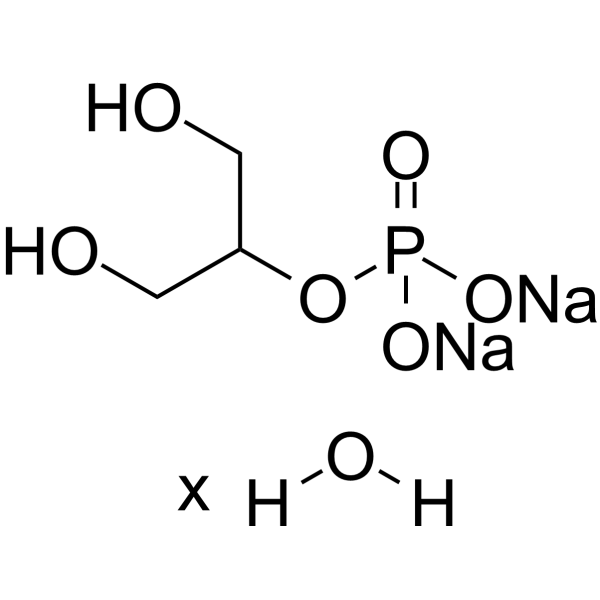
β-Glycerophosphate disodium salt pentahydrate is a bioactive endogenous metabolite and a phosphatase inhibitor. β-Glycerophosphate disodium salt pentahydrate plays an important role in inducing and maintaining osteoblast differentiation, mineral metabolism and signal transduction, and can be used as a drug carrier to form heat-sensitive hydrogels. β-Glycerophosphate disodium salt hydrate accelerates the calcification of vascular smooth muscle cells .
|
-
-
- HY-B0561
-
|
SC9420
|
Mineralocorticoid Receptor
Androgen Receptor
Autophagy
Calcium Channel
|
Cardiovascular Disease
Metabolic Disease
Endocrinology
Cancer
|
|
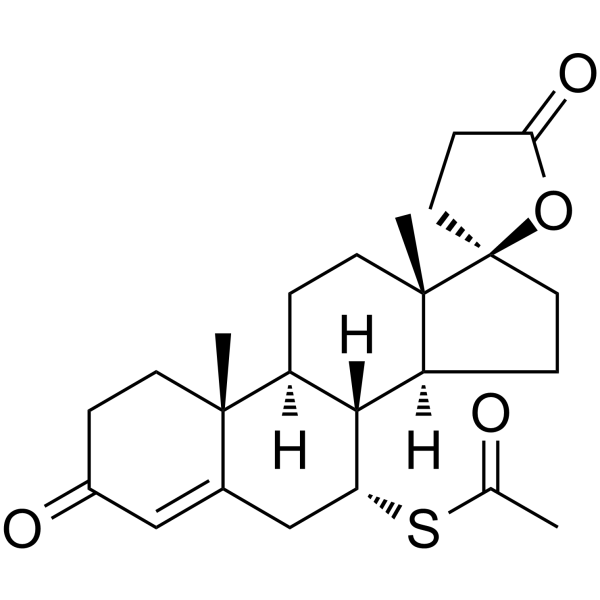
Spironolactone is an aldosterone antagonist that acts on the aldosterone mineralocorticoid receptor (IC50=24 nM) and androgen receptor (IC50=77 nM), promotes podocyte autophagy and regulates pain. Spironolactone improves hypertension-related vascular hypertrophy and remodeling by reducing angiotensin II (Ang II)-induced inflammation, reduces aldosterone-induced vascular and soft tissue calcification through PIT1-dependent signaling, and alleviates vascular dysfunction in type II diabetic mice by reducing oxidative stress and restoring NO/GC signaling; at low concentrations, it and its metabolites can interfere with aldosterone biosynthesis in the adrenal cortex and inhibit voltage-dependent Ca 2+ channels to exert antihypertensive effects .
|
-
-
- HY-112499
-
|
Vitamin K2-7; Vitamin K2(35); Vitamin MK-7
|
TGF-beta/Smad
|
Cardiovascular Disease
|
|
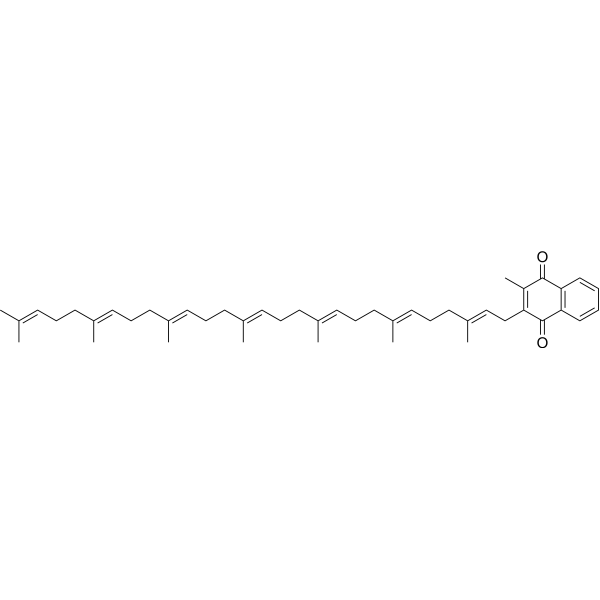
Menaquinone-7 (Vitamin K2-7), belongs to a class of K2-vitamin homologs (orally active), is originally discovered as the anti-hemorrhagic factors. Menaquinone-7 inhibits osteoclast bone resorption in vitro and stimulates bone formation in femoral tissue of aged female rats. Menaquinone-7 has a well-researched potential in the prevention of aging-induced bone degeneration. Menaquinone-7 is also a pharmacological option for activating Gla matrix protein and intervening in the progression of calcific aortic stenosis (CAVS) .
|
-
-
- HY-108611
-
AACOCF3
4 Publications Verification
Arachidonyl trifluoromethyl ketone
|
Phospholipase
|
Cardiovascular Disease
|
|
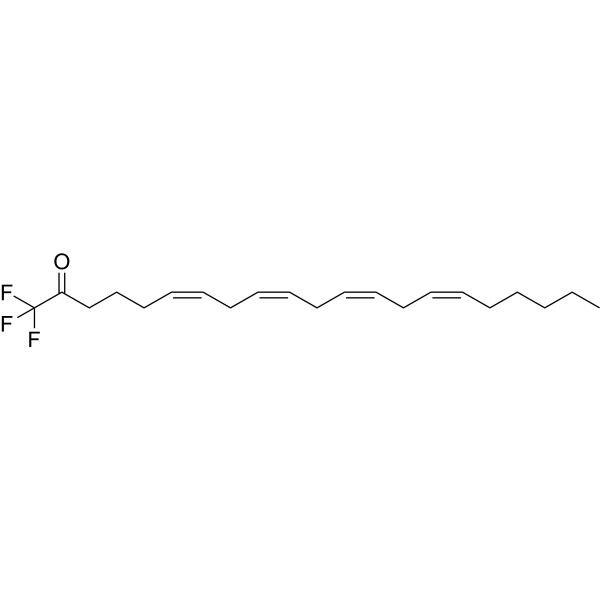
AACOCF3 (Arachidonyl trifluoromethyl ketone) is a cell-permeant trifluoromethyl ketone analog of arachidonic acid. AACOCF3 is a potent and selective slow binding inhibitor of the 85-kDa cytosolic phospholipase A2 (cPLA2). AACOCF3 blocks production of arachidonate and 12-hydroxyeicosatetraenoic acid by calcium ionophore-challenged platelets. AACOCF3 inhibits glucose-induced insulin secretion from isolated rat islets. AACOCF3 has the potential for the research of cardiovascular disease .
|
-
-
- HY-B0302
-
|
Etidronate; HEDPA; HEDP
|
Environmental Pollutants
Apoptosis
|
Metabolic Disease
Cancer
|
|
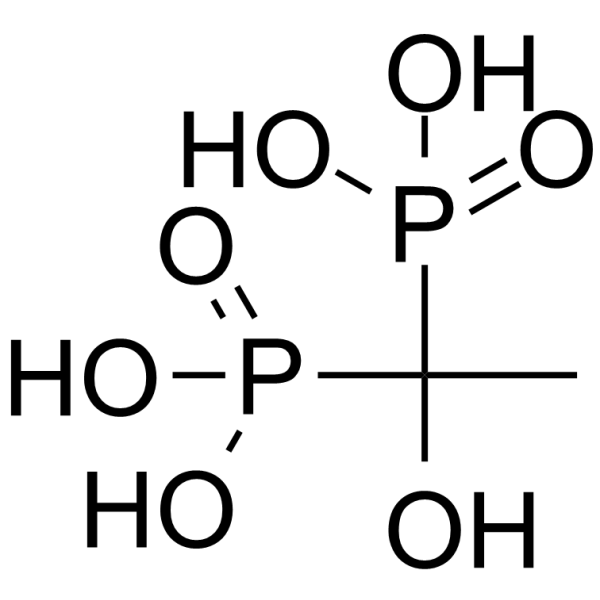
Etidronic acid (Etidronate) is an orally and intravenously active bisphosphonate. Etidronic acid inhibits resorption of bone, reduces arterial calcification and can be used for osteoporosis research. Etidronic acid has anticancer activity. Etidronic acid is a chelating agent and can be used to remove heavy metal in water .
|
-
-
- HY-B0302A
-
|
Etidronate disodium; HEDPA disodium; HEDP disodium
|
Apoptosis
|
Metabolic Disease
Cancer
|
|
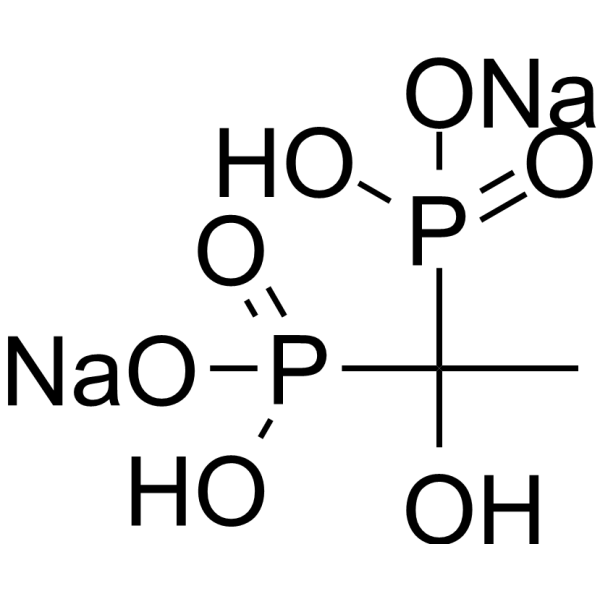
Etidronic acid (Etidronate) disodium is an orally and intravenously active bisphosphonate. Etidronic acid disodium inhibits resorption of bone, reduces arterial calcification and can be used for osteoporosis research. Etidronic acid disodium has anticancer activity. Etidronic acid disodium is a chelating agent and can be used to remove heavy metal in water .
|
-
-
- HY-W015370
-
-
-
- HY-103265
-
|
FPL 67156 trisodium
|
NTPDase
|
Cardiovascular Disease
Inflammation/Immunology
|
|
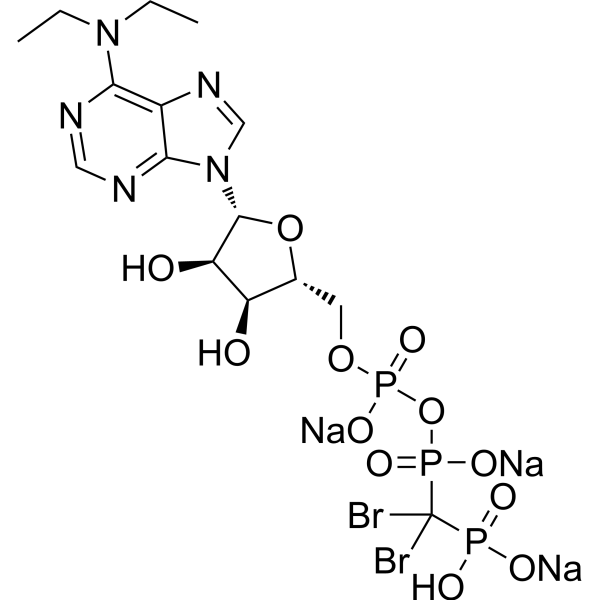
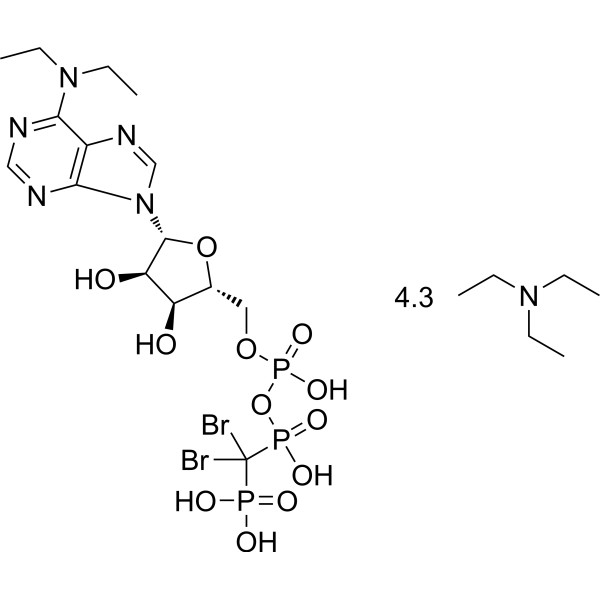
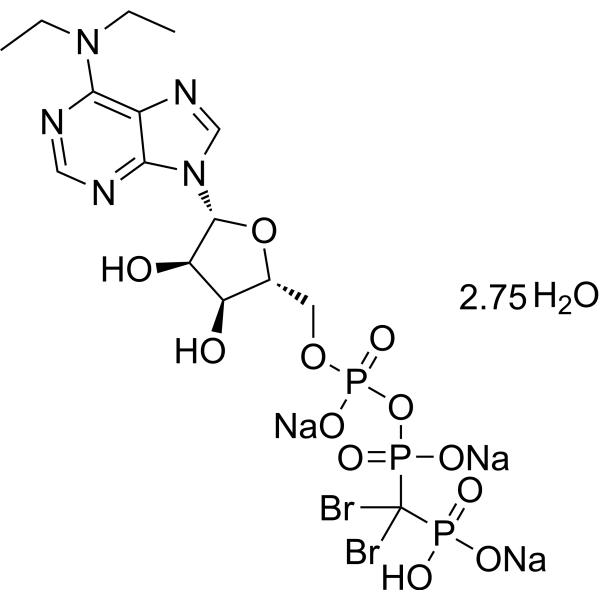
ARL67156 (FPL 67156) trisodium is a selective small molecular inhibitor, targeting to ecto-ATPase, CD39, and CD73. ARL67156 trisodium is also a competitive inhibitor of NTPDase1 (CD39), NTPDase3 and NPP1, with Kis of 11, 18 and 12?μM, respectively. ARL67156 trisodium can be used in the research of calcific aortic valve disease, asthma .
|
-
-
- HY-171099
-
|
LI-2124
|
IPK Superfamily
|
Cardiovascular Disease
Endocrinology
|
|
SC-919 is an orally active IP6K inhibitor, with an IC50 of < 5.2 nM against IP6K1, < 3.8 nM against IP6K2, and 0.65 nM against IP6K3. By inhibiting the activity of IP6K, SC-919 reduces intracellular IP7 levels, thereby suppressing XPR1-mediated cellular phosphate efflux. SC-919 increases intracellular phosphate and ATP levels while reducing phosphate entry into the bloodstream, thus decreasing plasma phosphate levels. SC-919 can be used in research related to chronic kidney disease and hyperphosphatemia .
|
-
-
- HY-Y1324
-
|
Disodium hydrogen phosphate dodecahydrate; Disodium phosphate dodecahydrate
|
Environmental Pollutants
Biochemical Assay Reagents
|
Endocrinology
|
|
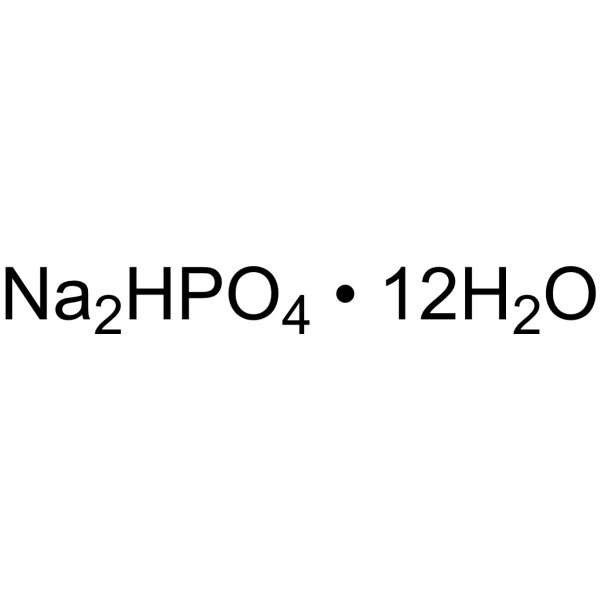
Phosphoric acid disodium dodecahydrate is an inorganic compound and food additive. Phosphoric acid disodium dodecahydrate promotes gel formation, improves food texture and thermal properties of materials. Phosphoric acid disodium dodecahydrate induces glomerular calcification. Phosphoric acid disodium dodecahydrate can be used in kidney disease research .
|
-
-
- HY-N6031
-
-
-
- HY-14210
-
|
|
Phosphatase
|
Inflammation/Immunology
|
|
TNAP-IN-1 (Compound 1) is a selective tissue-nonspecific alkaline phosphatase (TNAP) inhibitor, with an IC50 of 0.19 μM. TNAP-IN-1 can be used for the research of soft tissue calcification .
|
-
-
- HY-119093
-
-
-
- HY-109106A
-
|
SK-1403; AJT240; PLS240
|
CaSR
|
Endocrinology
|
|
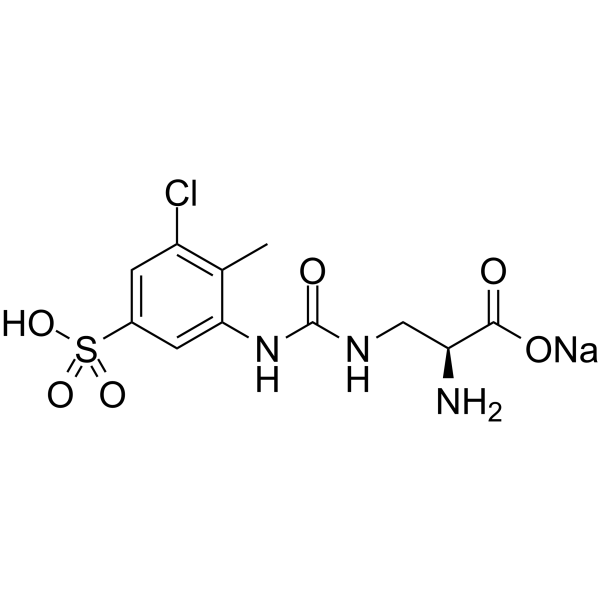
Upacicalcet sodium is a non-peptide calcimimetic that acts as a CaSR agonist (EC50 = 10.8 nM). Upacicalcet sodium reduces serum intact parathyroid hormone (iPTH) and serum Ca 2+ levels, reducing hypocalcemia and gastrointestinal complications. Upacicalcet sodium sodium improves vascular calcification and bone disorders in the Adenine (HY-B0152)-induced secondary hyperparathyroidism (SHPT) rat model. Upacicalcet sodium sodium inhibits cortical pore formation and reduces bone fibrosis in rats with chronic kidney disease (CKD). Upacicalcet sodium is useful for studying SHPT .
|
-
-
- HY-138822
-
|
2,3-DPG pentasodium salt
|
Endogenous Metabolite
|
Cardiovascular Disease
|
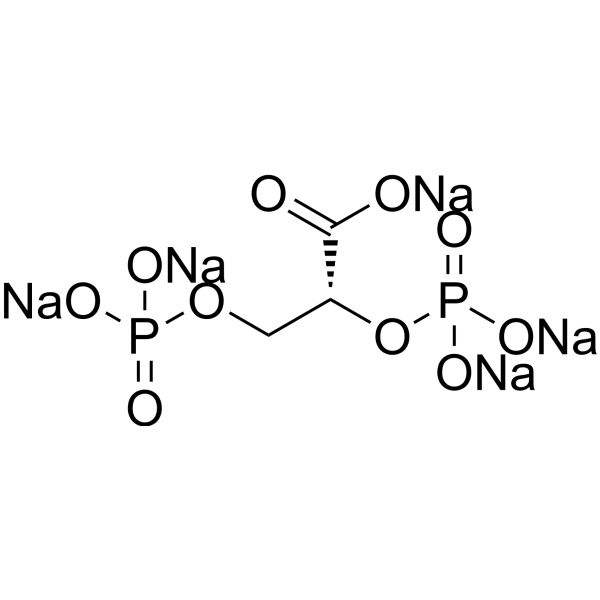
2,3-Diphospho-D-glyceric acid (2,3-DPG) pentasodium salt is a hemoglobin binder and vascular calcification inhibitor that reduces the oxygen affinity of hemoglobin. 2,3-Diphospho-D-glyceric acid pentasodium salt also specifically delays the transformation of colloidal calciprotein particles into crystalline forms, thereby effectively inhibiting vascular smooth muscle cell calcification without affecting the normal formation of osteoid nodules in osteoblast-like cells. 2,3-Diphospho-D-glyceric acid pentasodium salt shows no cytotoxicity to tested cell lines and only weakly interferes with β-hematin formation mediated by glyceryl monopalmitate. 2,3-Diphospho-D-glyceric acid pentasodium salt can be used to study the pathological mechanisms of vascular calcification and malaria-related conditions .
|
-
-
- HY-103265B
-
|
FPL 67156 trisodium hydrate
|
NTPDase
|
Cardiovascular Disease
Inflammation/Immunology
|
|
ARL67156 (FPL 67156) trisodium hydrate is a selective small is a selective samll molecular inhibitor, targeting to ecto-ATPase, CD39, and CD73. ARL67156 trisodium hydrate is also a competitive inhibitor of NTPDase1 (CD39), NTPDase3 and NPP1, with Kis of 11, 18 and 12 μM, respectively. ARL67156 trisodium hydrate can be used in the research of disease like calcific aortic valve disease, asthma .
|
-
-
- HY-135517
-
|
RXP-470
|
MMP
|
Cardiovascular Disease
|
|
RXP470.1 (RXP-470) is a potent, selective MMP-12 inhibitor with a Ki of 0.2 nM against human MMP-12. RXP470.1 is 2 to 4 orders of magnitude less potent against other MMPs. RXP470.1 significantly reduces atherosclerotic plaque cross-sectional area in mouse. RXP470.1 results in less complex plaques with increased smooth muscle cell:macrophage ratio, less macrophage apoptosis, increased cap thickness, smaller necrotic cores, and decreased incidence of calcification .
|
-
-
- HY-103265D
-
|
FPL 67156 triethylamine
|
NTPDase
|
Cardiovascular Disease
Inflammation/Immunology
|
|
ARL67156 (FPL 67156) triethylamine is a selective small is a selective samll molecular inhibitor, targeting to ecto-ATPase, CD39, and CD73. ARL67156 triethylamine is also a competitive inhibitor of NTPDase1 (CD39), NTPDase3 and NPP1, with Kis of 11, 18 and 12 μM, respectively. ARL67156 triethylamine can be used in the research of disease like calcific aortic valve disease, asthma .
|
-
-
- HY-Y0308D
-
|
Disodium hydrogen phosphate, meets analytical specification of Ph. Eur. BP USP FCC E339
|
Biochemical Assay Reagents
|
Endocrinology
|
|
Sodium phosphate dibasic (Disodium hydrogen phosphate), meets analytical specification of Ph. Eur. BP USP FCC E339 is an inorganic dibasic phosphate that functions as an electrolyte supplement, a buffer carrier for injectable drugs, while also exhibiting nephrotoxicity. Sodium phosphate dibasic, meets analytical specification of Ph. Eur. BP USP FCC E339 induces extensive nephrotic syndrome-like changes, including systemic symptoms such as persistent proteinuria, lipemia, hypercholesterolemia, and anemia, and causes severe renal pathological alterations such as renal enlargement, glomerular calcification, podocyte injury, and tubulointerstitial lesions. Sodium phosphate dibasic, meets analytical specification of Ph. Eur. BP USP FCC E339 has the ability to induce phosphate-induced nephropathy and glomerular calcification, and can be widely used in studies on nephrotic syndrome and related renal pathological mechanisms .
|
-
-
- HY-158791
-
-
-
- HY-15872
-
|
|
Farnesyl Transferase
Ras
ERK
mTOR
Caspase
Apoptosis
Akt
PI3K
Bacterial
|
Cardiovascular Disease
Neurological Disease
Cancer
|
|
FTI-277 is a farnesyltransferase (FTase) inhibitor. FTI-277 inhibits Ras farnesylation, blocks the phosphorylation of downstream ERK1/2 and mTOR, and reduces membrane-bound active N-ras protein. FTI-277 activates caspase 3, upregulates Bim expression, induces cell apoptosis, suppresses regulatory T cell expansion, enhances macrophage phagocytosis, and improves bacterial clearance. FTI-277 activates the PI3K/Akt signaling pathway, inhibits osteoblast differentiation, and reduces the proliferation ability of neuroblastoma cells. FTI-277 can be used in research related to head and neck squamous cell carcinoma, neuroblastoma, sepsis, and vascular calcification .
|
-
-
- HY-110038
-
|
|
Farnesyl Transferase
Ras
ERK
mTOR
Apoptosis
Caspase
Akt
PI3K
Bacterial
|
Cardiovascular Disease
Neurological Disease
Cancer
|
|
FTI-277 TFA is a farnesyltransferase (FTase) inhibitor. FTI-277 TFA inhibits Ras farnesylation, blocks the phosphorylation of downstream ERK1/2 and mTOR, and reduces membrane-bound active N-ras protein. FTI-277 TFA activates caspase 3, upregulates Bim expression, induces cell apoptosis, suppresses regulatory T cell expansion, enhances macrophage phagocytosis, and improves bacterial clearance. FTI-277 TFA activates the PI3K/Akt signaling pathway, inhibits osteoblast differentiation, and reduces the proliferation ability of neuroblastoma cells. FTI-277 TFA can be used in research related to head and neck squamous cell carcinoma, neuroblastoma, sepsis, and vascular calcification .
|
-
-
- HY-W014606
-
-
-
- HY-153335
-
|
|
Phosphodiesterase (PDE)
|
Infection
Cardiovascular Disease
Metabolic Disease
Inflammation/Immunology
Cancer
|
|
Enpp-1-IN-16 (compound 54) is an ENPP1 inhibitor. Enpp-1-IN-16 has the potential to study cancer, especially in cases of high ENPP1 expression or elevated cytoplasmic DNA levels. Enpp-1-IN-16 can also be used in other diseases mediated by ENPP1, such as bacterial or viral infections, insulin resistance and type II diabetes, chondrocalcinosis and osteoarthritis, calcium pyrophosphate deposition disorder (CPPD), low Phosphatase disease and soft tissue calcification disorders .
|
-
-
- HY-112499S
-
|
Vitamin K2-7-d7; Vitamin K2(35)-d7; Vitamin MK-7-d7
|
Isotope-Labeled Compounds
|
Cardiovascular Disease
|
|
Menaquinone-7-d7 is the deuterium labeled Menaquinone-7. Menaquinone-7 (Vitamin K2-7), belongs to a class of K2-vitamin homologs, is originally discovered as the anti-hemorrhagic factors . Menaquinone-7 (Vitamin K2-7) is identified as the most bioactive cofactor for the carboxylation reaction of Gla-proteins . Supplementation with Menaquinone-7 (Vitamin K2-7) is a pharmacological option for activating matrix Gla protein and intervening in the progression of calcific aortic valve stenosis (CAVS) .
|
-
-
- HY-112499R
-
|
Vitamin K2-7(Standard); Vitamin K2(35)(Standard); Vitamin MK-7 (Standard)
|
Endogenous Metabolite
Reference Standards
|
Cardiovascular Disease
|
|
Menaquinone-7 (Standard) is the analytical standard of Menaquinone-7. This product is intended for research and analytical applications. Menaquinone-7 (Vitamin K2-7), belongs to a class of K2-vitamin homologs (orally active), is originally discovered as the anti-hemorrhagic factors. Menaquinone-7 inhibits osteoclast bone resorption in vitro and stimulates bone formation in femoral tissue of aged female rats. Menaquinone-7 has a well-researched potential in the prevention of aging-induced bone degeneration. Menaquinone-7 is also a pharmacological option for activating Gla matrix protein and intervening in the progression of calcific aortic stenosis (CAVS) .
|
-
-
- HY-126304R
-
|
|
Reference Standards
Phosphatase
Endogenous Metabolite
ERK
|
Metabolic Disease
|
|
β-Glycerophosphate disodium salt hydrate (Standard) is the analytical standard of β-Glycerophosphate disodium salt hydrate (HY-126304). This product is intended for research and analytical applications. β-Glycerophosphate disodium salt pentahydrate is a bioactive endogenous metabolite and a phosphatase inhibitor. β-Glycerophosphate disodium salt pentahydrate plays an important role in inducing and maintaining osteoblast differentiation, mineral metabolism and signal transduction, and can be used as a drug carrier to form heat-sensitive hydrogels. β-Glycerophosphate disodium salt hydrate accelerates the calcification of vascular smooth muscle cells.
|
-
-
- HY-116307
-
|
|
P2Y Receptor
|
Cardiovascular Disease
|
|
2-Thio-UTP is a selective P2Y2 inhibitor with an EC50 value of 50 nM. 2-Thio-UTP reduces pro-fibrotic gene expression and protein α-smooth muscle actin. 2-Thio-UTP has the potential for the research of calcific aortic valve stenosis (CAVS) .
|
-
-
- HY-P991677
-
|
INZ-701
|
Phosphodiesterase (PDE)
|
Cardiovascular Disease
Endocrinology
|
|
Efmirenpase alfa is an Fc-ENPP1 fusion protein (human IgG1 Fc domain linked to a modified human ENPP1). Efmirenpase alfa has prolonged half-life and enhanced receptor affinity compared with native human ENPP1. Efmirenpase alfa can be used as an enzyme replacement therapy for ENPP1 deficiency such as arterial calcification and hypophosphatemic rickets research .
|
-
-
- HY-124044
-
|
|
Phosphatase
|
Cardiovascular Disease
|
|
ML 086 is a highly selective PHOSPHO1 phosphatase inhibitor (IC50=0.14 μM). ML 086 is promising for research of hereditary vascular calcification disorders (e.g., generalized arterial calcification of infancy) and spinal ligament ossification .
|
-
-
- HY-109106
-
|
SK-1403 free acid; AJT240 free acid; PLS240 free acid
|
CaSR
|
Endocrinology
|
|
Upacicalcet is a non-peptide calcimimetic that acts as a CaSR agonist (EC50 = 10.8 nM). Upacicalcet reduces serum intact parathyroid hormone (iPTH) and serum Ca2+ levels, reducing hypocalcemia and gastrointestinal complications. Upacicalcet improves vascular calcification and bone disorders in the Adenine (HY-B0152)-induced secondary hyperparathyroidism (SHPT) rat model. Upacicalcet inhibits cortical pore formation and reduces bone fibrosis in rats with chronic kidney disease (CKD). Upacicalcet is useful for studying SHPT .
|
-
-
- HY-112499S1
-
|
Vitamin K2-7-13C6; Vitamin K2(35)-13C6; Vitamin MK-7-13C6
|
Isotope-Labeled Compounds
|
Cardiovascular Disease
|
|
Menaquinone-7- 13C6 is the 13C-labeled Menaquinone-7. Menaquinone-7 (Vitamin K2-7), belongs to a class of K2-vitamin homologs, is originally discovered as the anti-hemorrhagic factors . Menaquinone-7 (Vitamin K2-7) is identified as the most bioactive cofactor for the carboxylation reaction of Gla-proteins . Supplementation with Menaquinone-7 (Vitamin K2-7) is a pharmacological option for activating matrix Gla protein and intervening in the progression of calcific aortic valve stenosis (CAVS) .
|
-
-
- HY-B0561S4
-
|
|
Isotope-Labeled Compounds
Mineralocorticoid Receptor
Androgen Receptor
Autophagy
Calcium Channel
|
Cardiovascular Disease
Metabolic Disease
Cancer
|
|
Spironolactone-d6-1 is the deuterium labeled Spironolactone (HY-B0561). Spironolactone is an aldosterone antagonist that acts on the aldosterone mineralocorticoid receptor (IC50=24 nM) and androgen receptor (IC50=77 nM), promotes podocyte autophagy and regulates pain. Spironolactone improves hypertension-related vascular hypertrophy and remodeling by reducing angiotensin II (Ang II)-induced inflammation, reduces aldosterone-induced vascular and soft tissue calcification through PIT1-dependent signaling, and alleviates vascular dysfunction in type II diabetic mice by reducing oxidative stress and restoring NO/GC signaling; at low concentrations, it and its metabolites can interfere with aldosterone biosynthesis in the adrenal cortex and inhibit voltage-dependent Ca 2+ channels to exert antihypertensive effects .
|
-
-
- HY-W014606R
-
|
|
Reference Standards
Endogenous Metabolite
|
Others
Inflammation/Immunology
|
|
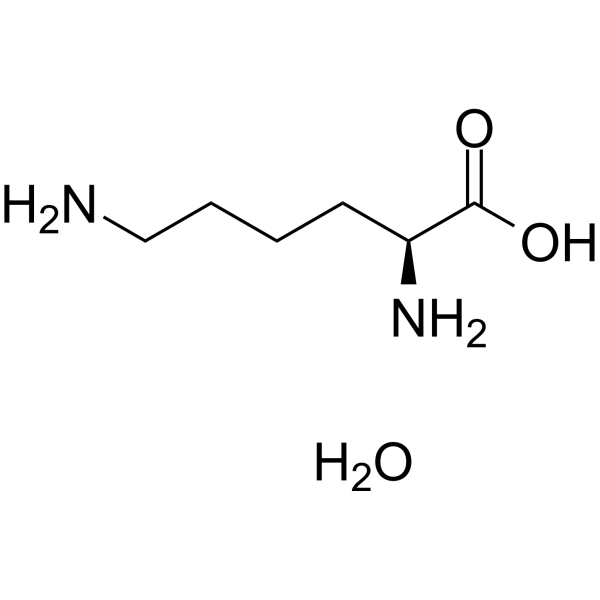
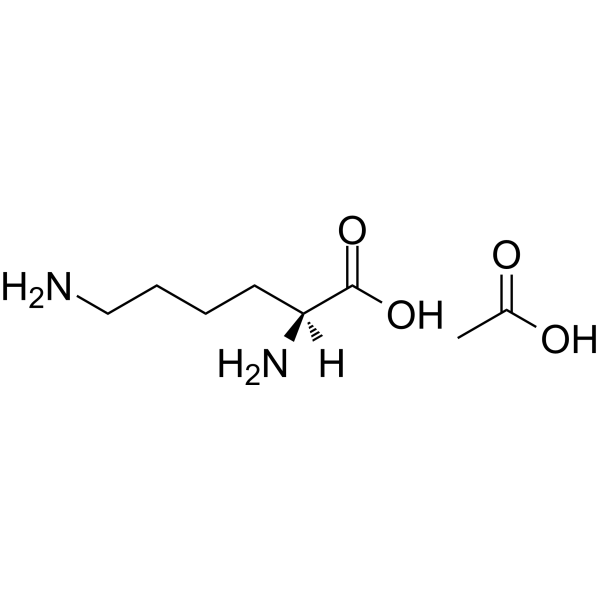
L-Lysine (acetate) (Standard) is the analytical standard of L-Lysine (acetate). This product is intended for research and analytical applications. L-Lysine acetate is an essential amino acid. L-Lysine acetate can be research for vascular calcification (VC) and Acute pancreatitis .
|
-
-
- HY-B0302R
-
|
Etidronate (Standard); HEDPA (Standard); HEDP (Standard)
|
Apoptosis
Reference Standards
|
Metabolic Disease
Cancer
|
|
Etidronic acid,60% in water (Standard) is the analytical standard of Etidronic acid,60% in water. This product is intended for research and analytical applications. Etidronic acid (Etidronate) is an orally and intravenously active bisphosphonate. Etidronic acid inhibits resorption of bone, reduces arterial calcification and can be used for osteoporosis research. Etidronic acid has anticancer activity. Etidronic acid is a chelating agent and can be used to remove heavy metal in water .
|
-
-
- HY-W015370R
-
|
|
Reference Standards
Endogenous Metabolite
|
Others
Inflammation/Immunology
|
|
Squalane (Standard) is the analytical standard of Squalane. This product is intended for research and analytical applications. Squalane, found in certain fish oils (especially shark liver oil), and some vegetable oils, is a saturated derivative of Squalene. Squalane shows anticancer, antioxidant, skin hydrating, and emollient activities .
|
-
-
- HY-119093R
-
|
|
Phospholipase
Dopamine Receptor
|
Neurological Disease
Cancer
|
|
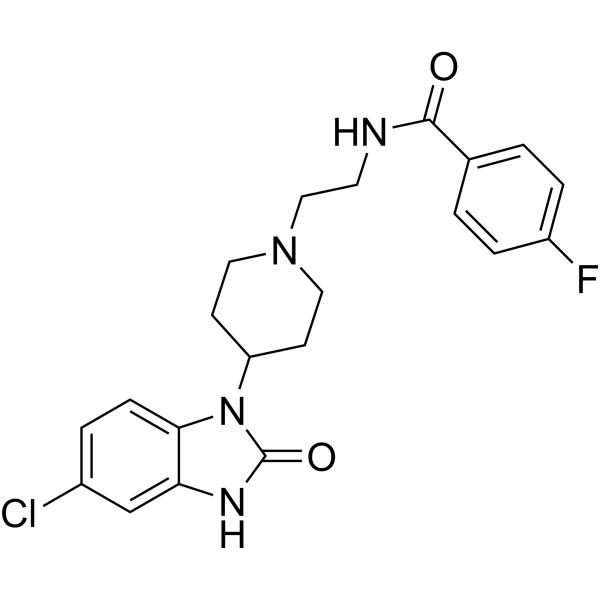
Halopemide (Standard) is the analytical standard of Halopemide. This product is intended for research and analytical applications. Halopemide is a potent phospholipase D (PLD) inhibitor, with IC50s of 220 and 310 nM for human PLD1 and PLD2, respectively. Halopemid is a dopamine receptors antagonist, and acts a psychotropic agent .
|
-
-
- HY-B0302AR
-
|
Etidronate disodium (Standard); HEDPA disodium (Standard); HEDP disodium (Standard)
|
Reference Standards
Apoptosis
|
Metabolic Disease
Cancer
|
|
Etidronic acid (disodium) (Standard) is the analytical standard of Etidronic acid (disodium). This product is intended for research and analytical applications. Etidronic acid (Etidronate) disodium is an orally and intravenously active bisphosphonate. Etidronic acid disodium inhibits resorption of bone, reduces arterial calcification and can be used for osteoporosis research. Etidronic acid disodium has anticancer activity. Etidronic acid disodium is a chelating agent and can be used to remove heavy metal in water .
|
-
-
- HY-109106B
-
|
(Rac)-SK-1403 free acid; (Rac)-AJT240 free acid; (Rac)-PLS240 free acid
|
CaSR
|
Endocrinology
|
|
(Rac)-Upacicalcet is the racemate of Upacicalcet (HY-109106). Upacicalcet is a non-peptide calcimimetic that acts as a CaSR agonist (EC50 = 10.8 nM). Upacicalcet reduces serum intact parathyroid hormone (iPTH) and serum Ca2+ levels, reducing hypocalcemia and gastrointestinal complications. Upacicalcet improves vascular calcification and bone disorders in the Adenine (HY-B0152)-induced secondary hyperparathyroidism (SHPT) rat model. Upacicalcet inhibits cortical pore formation and reduces bone fibrosis in rats with chronic kidney disease (CKD). Upacicalcet is useful for studying SHPT .
|
-
-
- HY-P0109
-
|
|
Cathepsin
|
Others
|
|
(S,S)-Z-FA-FMK is a cell-permeable, irreversible cathepsin B inhibitor. (S,S)-Z-FA-FMK blocks LPS-induced production of IL-1α and IL-1β. (S,S)-Z-FA-FMK can be used as a negative control for caspase-1 and caspase-2 inhibitors because it lacks an aspartic acid residue at the P1 position .
|
-
-
- HY-P1775B
-
|
|
Endogenous Metabolite
|
Metabolic Disease
|
|
Carbonic Anhydrase, Human (EC 4.2.1.1) is a zinc metalloenzyme that catalyzes the hydration of carbon dioxide to form carbonic acid. Carbonic Anhydrase participates in a variety of important physiological processes, such as the maintenance of pH and carbon dioxide homeostasis, the transport of bicarbonate and carbon dioxide, biosynthetic reactions, bone resorption, calcification, and tumorigenesis.
|
-
-
- HY-E70986
-
|
|
Endogenous Metabolite
|
Metabolic Disease
|
|
Carbonic Anhydrase I, Human (EC 4.2.1.1) is a zinc metalloenzyme that catalyzes the hydration of carbon dioxide to form carbonic acid. Carbonic Anhydrase I participates in a variety of important physiological processes, such as the maintenance of pH and carbon dioxide homeostasis, the transport of bicarbonate and carbon dioxide, biosynthetic reactions, bone resorption, calcification, and tumorigenesis.
|
-
-
- HY-159978
-
|
|
Sodium Phosphate Cotransporter
|
Metabolic Disease
Inflammation/Immunology
|
|
EOS789 is an orally active sodium-dependent phosphate transporter inhibitor, with IC50 values of 6.8, 1.5, and 1.7 μM against human NaPi-IIb, PiT-1, PiT-2, respectively; and IC50 values of 3.9, 1.9, and 1.7 μM against rat NaPi-IIb, PiT-1, PiT-2, respectively. EOS789 inhibits intestinal phosphate absorption, increases fecal phosphate excretion, reduces urinary phosphate excretion, and decreases the levels of serum phosphate, FGF23, and adult parathyroid hormone. EOS789 ameliorates ectopic thoracic aortic calcification, renal injury and hyperphosphatemia, and inhibits the expression of fibrosis markers. EOS789 can be used for the research of hyperphosphatemia and chronic kidney disease-mineral and bone disorder (CKD-MBD) .
|
-
-
-
HY-L131
-
|
|
867 compounds
|
|
Ossification is a tightly regulated process, performed by specialized cells called osteoblasts. Dysregulation of this process may cause inadequate or excessive mineralization of bones or ectopic calcification, all of which have grave consequences for human health.
Osteoblasts play important roles in the process of osteogenesis and prevention of osteonecrosis. Osteoblast formation and bone formation are regulated by hormones, growth factors, cytokines, etc.
MCE offers a unique collection of 867 bone formation compounds with identified and potential inducing osteogenesis activity. MCE bone formation compound library is a useful tool for the study of bone disease drugs and pharmacology.
|
| Cat. No. |
Product Name |
Type |
-
- HY-Y1324
-
|
Disodium hydrogen phosphate dodecahydrate; Disodium phosphate dodecahydrate
|
Biochemical Assay Reagents
|
|
Phosphoric acid disodium dodecahydrate is an inorganic compound and food additive. Phosphoric acid disodium dodecahydrate promotes gel formation, improves food texture and thermal properties of materials. Phosphoric acid disodium dodecahydrate induces glomerular calcification. Phosphoric acid disodium dodecahydrate can be used in kidney disease research .
|
-
- HY-Y0308D
-
|
Disodium hydrogen phosphate, meets analytical specification of Ph. Eur. BP USP FCC E339
|
Biochemical Assay Reagents
|
|
Sodium phosphate dibasic (Disodium hydrogen phosphate), meets analytical specification of Ph. Eur. BP USP FCC E339 is an inorganic dibasic phosphate that functions as an electrolyte supplement, a buffer carrier for injectable drugs, while also exhibiting nephrotoxicity. Sodium phosphate dibasic, meets analytical specification of Ph. Eur. BP USP FCC E339 induces extensive nephrotic syndrome-like changes, including systemic symptoms such as persistent proteinuria, lipemia, hypercholesterolemia, and anemia, and causes severe renal pathological alterations such as renal enlargement, glomerular calcification, podocyte injury, and tubulointerstitial lesions. Sodium phosphate dibasic, meets analytical specification of Ph. Eur. BP USP FCC E339 has the ability to induce phosphate-induced nephropathy and glomerular calcification, and can be widely used in studies on nephrotic syndrome and related renal pathological mechanisms .
|
| Cat. No. |
Product Name |
Target |
Research Area |
-
- HY-P0109
-
|
|
Cathepsin
|
Others
|
|
(S,S)-Z-FA-FMK is a cell-permeable, irreversible cathepsin B inhibitor. (S,S)-Z-FA-FMK blocks LPS-induced production of IL-1α and IL-1β. (S,S)-Z-FA-FMK can be used as a negative control for caspase-1 and caspase-2 inhibitors because it lacks an aspartic acid residue at the P1 position .
|
| Cat. No. |
Product Name |
Target |
Research Area |
Image |
-
- HY-P991677
-
|
INZ-701
|
Phosphodiesterase (PDE)
|
Cardiovascular Disease
Endocrinology
|
|
Efmirenpase alfa is an Fc-ENPP1 fusion protein (human IgG1 Fc domain linked to a modified human ENPP1). Efmirenpase alfa has prolonged half-life and enhanced receptor affinity compared with native human ENPP1. Efmirenpase alfa can be used as an enzyme replacement therapy for ENPP1 deficiency such as arterial calcification and hypophosphatemic rickets research .
|
-
(5)
| Cat. No. |
Product Name |
Category |
Target |
Chemical Structure |
| Cat. No. |
Product Name |
Chemical Structure |
-
- HY-112499S
-
|
|
|
Menaquinone-7-d7 is the deuterium labeled Menaquinone-7. Menaquinone-7 (Vitamin K2-7), belongs to a class of K2-vitamin homologs, is originally discovered as the anti-hemorrhagic factors . Menaquinone-7 (Vitamin K2-7) is identified as the most bioactive cofactor for the carboxylation reaction of Gla-proteins . Supplementation with Menaquinone-7 (Vitamin K2-7) is a pharmacological option for activating matrix Gla protein and intervening in the progression of calcific aortic valve stenosis (CAVS) .
|
-
-
- HY-112499S1
-
|
|
|
Menaquinone-7- 13C6 is the 13C-labeled Menaquinone-7. Menaquinone-7 (Vitamin K2-7), belongs to a class of K2-vitamin homologs, is originally discovered as the anti-hemorrhagic factors . Menaquinone-7 (Vitamin K2-7) is identified as the most bioactive cofactor for the carboxylation reaction of Gla-proteins . Supplementation with Menaquinone-7 (Vitamin K2-7) is a pharmacological option for activating matrix Gla protein and intervening in the progression of calcific aortic valve stenosis (CAVS) .
|
-
-
- HY-B0561S4
-
|
|
|
Spironolactone-d6-1 is the deuterium labeled Spironolactone (HY-B0561). Spironolactone is an aldosterone antagonist that acts on the aldosterone mineralocorticoid receptor (IC50=24 nM) and androgen receptor (IC50=77 nM), promotes podocyte autophagy and regulates pain. Spironolactone improves hypertension-related vascular hypertrophy and remodeling by reducing angiotensin II (Ang II)-induced inflammation, reduces aldosterone-induced vascular and soft tissue calcification through PIT1-dependent signaling, and alleviates vascular dysfunction in type II diabetic mice by reducing oxidative stress and restoring NO/GC signaling; at low concentrations, it and its metabolites can interfere with aldosterone biosynthesis in the adrenal cortex and inhibit voltage-dependent Ca 2+ channels to exert antihypertensive effects .
|
-
| Cat. No. |
Product Name |
|
Classification |
-
- HY-Y1324
-
|
Disodium hydrogen phosphate dodecahydrate; Disodium phosphate dodecahydrate
|
|
pH Modifiers
|
|
Phosphoric acid disodium dodecahydrate is an inorganic compound and food additive. Phosphoric acid disodium dodecahydrate promotes gel formation, improves food texture and thermal properties of materials. Phosphoric acid disodium dodecahydrate induces glomerular calcification. Phosphoric acid disodium dodecahydrate can be used in kidney disease research .
|
Your information is safe with us. * Required Fields.
Inquiry Information
- Product Name:
- Cat. No.:
- Quantity:
- MCE Japan Authorized Agent:

