35 Results for "

cataract

" in MedChemExpress (MCE) Product Catalog:
Products (35)

35 Results for "cataract" in MCE Product Catalog:

111
111 Publications Verification
Cat. No.: HY-19696B
CAS No.: 117609-50-4
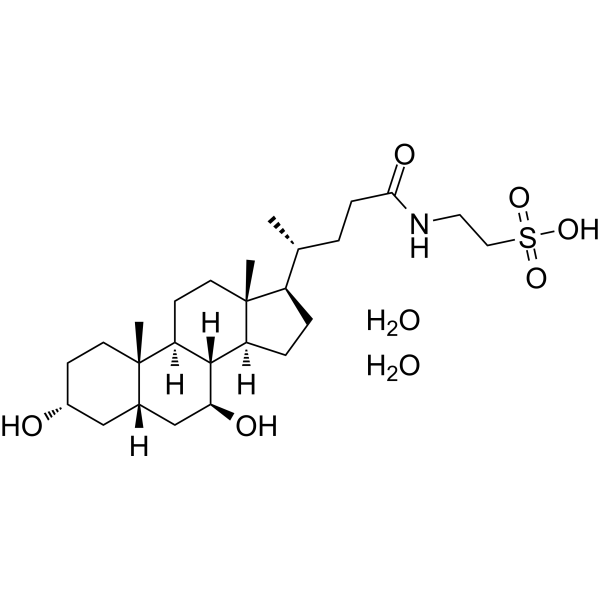
Synonyms: Tauroursodeoxycholic acid dihydrate; TUDCA dihydrate; UR 906 dihydrate
Tauroursodeoxycholate dehydrate is an orally active taurine conjugate of Ursodeoxycholic acid (HY-13771). Tauroursodeoxycholate dehydrate inhibits caspase-3/7, Apoptosis, IRE1α/TRAF2/NF-κB, prevents JNK phosphorylation, inhibits ROS generation, and activates Akt signaling. Tauroursodeoxycholate dehydrate prevents cataract formation, reduces renal tubular damage in type 2 diabetic mice, reduces I/R injury in liver, and inhibits intestinal inflammation and barrier disruption in nonalcoholic fatty liver disease .
loading...
    loading...
7
7 Cited Publications
Cat. No.: HY-10016
CAS No.: 870843-42-8
Purity:  97.08%
Target:  

γ-secretase

Research Areas:  

Neurological Disease

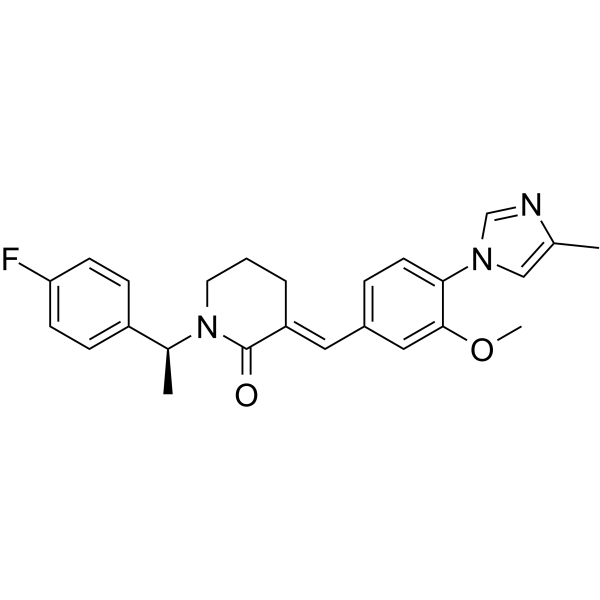
E 2012 is a potent gamma (γ) secretase modulator without affecting Notch processing. E 2012 inhibits 3β-hydroxysterol Δ24-reductase (DHCR24) at the final step in the cholesterol biosynthesis. E 2012 aims at Alzheimer's disease by reduction of amyloid β-42, and induces cataract following repeated doses in the rat .
loading...
    loading...
3
3 Cited Publications
Cat. No.: HY-66012
CAS No.: 5875-06-9
Synonyms: Proxymetacaine hydrochloride
Target:  

Sodium Channel

Research Areas:  

Neurological Disease

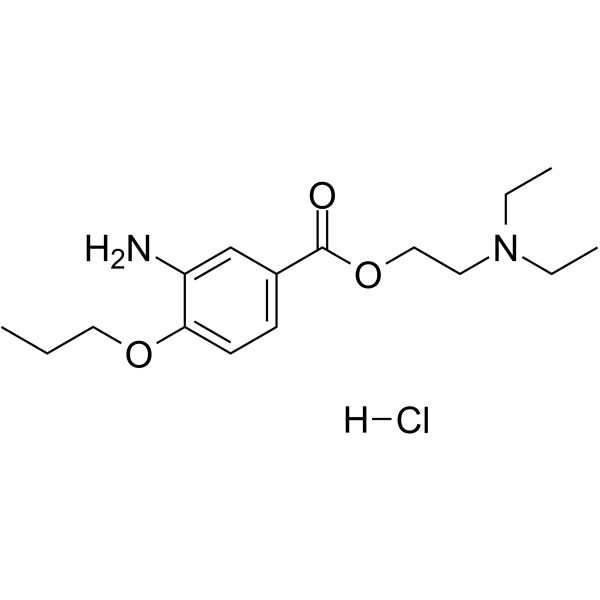
Proparacaine (Proxymetacaine) hydrochloride is a local anesthetic. Proparacaine hydrochloride blocks voltage-gated sodium channels on neuronal cell membranes, thereby inhibiting signal conduction and nociceptive signal transmission. Proparacaine hydrochloride blocks nociceptive signals in the eye and induces ocular muscle relaxation to reduce eye movement during surgery. Proparacaine hydrochloride is used in research related to cataracts .
loading...
    loading...
2
2 Cited Publications
Cat. No.: HY-B2165
CAS No.: 81919-14-4
Research Areas:  

Others

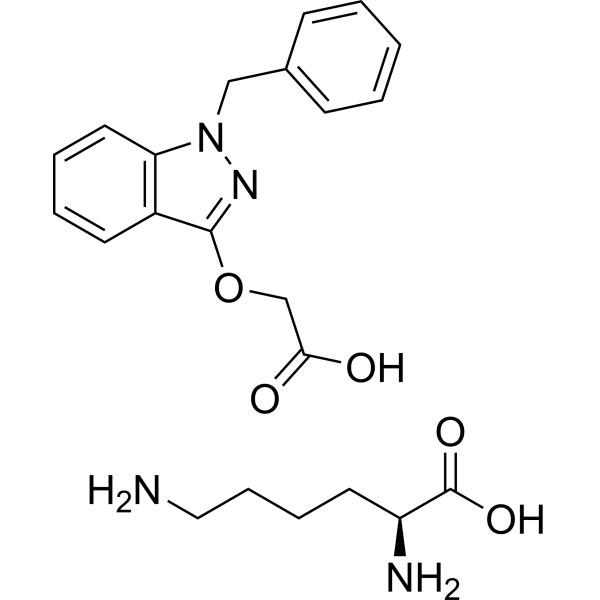
Bendazac L-Lysine is one of agents that have been introduced for the management of cataracts, protecting the level of vision in patients, thus delaying the need for surgical intervention.
loading...
    loading...
1
1 Cited Publications
Cat. No.: HY-B0400B
CAS No.: 50-70-4
Synonyms: Sorbito, for cell culture; D-Glucitol, for cell culture
D-Sorbitol (D-Glucitol), for cell culture is a six-carbon sugar alcohol that can be used as a sugar substitute. D-Sorbitol, for cell culture serves as an osmotic regulator, cryoprotectant and carbon source in various plant and microbial cell culture media .
loading...
    loading...
1
1 Cited Publications
Cat. No.: HY-118933
CAS No.: 190274-53-4
Purity:  ≥95.0%
Synonyms: SJA6017
Target:  

Proteasome

Research Areas:  

Others

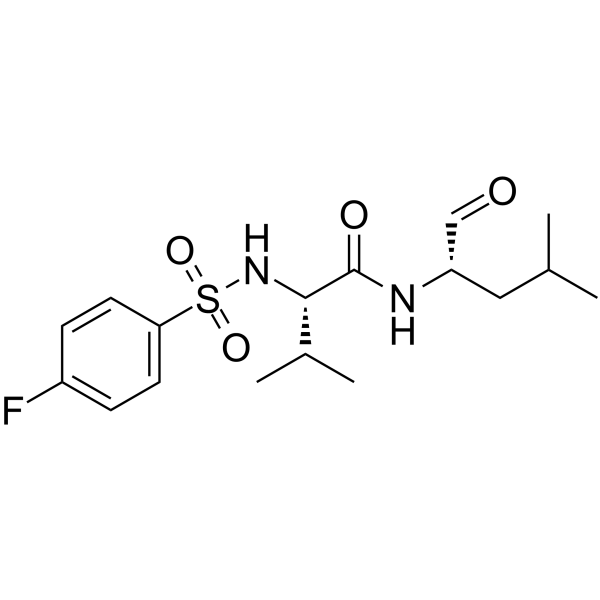
Calpain Inhibitor VI (SJA6017) is a synthesized peptide aldehyde inhibitor of calpain. Calpain Inhibitor VI inhibits purified m-calpain with the IC50 of 80 nM. Calpain Inhibitor VI can be used for the research of cataract .
loading...
    loading...
Cat. No.: HY-133026
CAS No.: 56353-15-2
Purity:  99.92%
Synonyms: N-Acetyl-L-carnosine
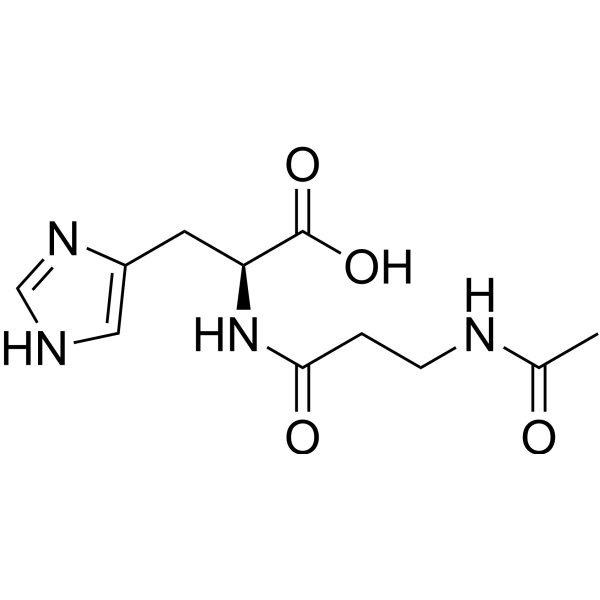
N-Acetylcarnosine, a natural histidine-containing dipeptide, is a source of pharmacological principal L-carnosine. N-Acetylcarnosine is a potent ophthalmic agent in human cataracts .
loading...
    loading...
Cat. No.: HY-108296
CAS No.: 1043-21-6
Purity:  ≥95.0%
Synonyms: Catalin K
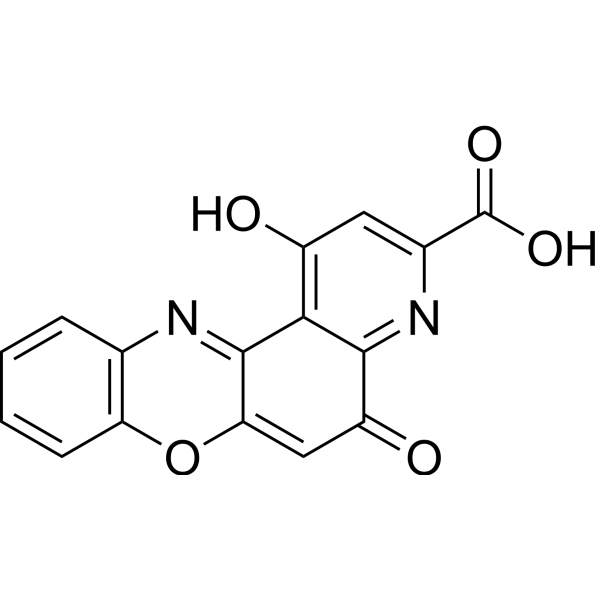
Pirenoxine (Catalin K) is an antioxidant with lens-protective activity. Pirenoxine inhibits lens sclerosis, prevents lipid peroxidation and suppresses lens protein opacification. Pirenoxine blocks benzoquinone acetic acid-induced cataract progression. Pirenoxine can be used in research related to presbyopia and cataracts .
loading...
    loading...
Cat. No.: HY-151231
CAS No.: 18003-33-3
Purity:  98.15%
Target:  

Aldose Reductase

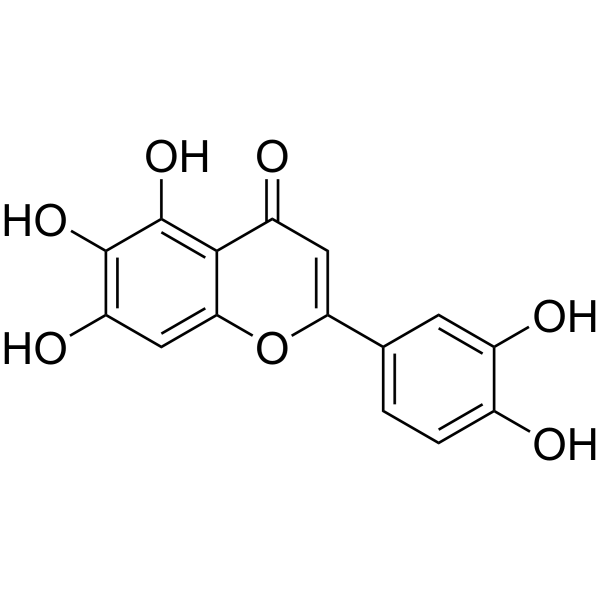
6-Hydroxyluteolin (Compound 17) is a flavonoid derivative and also an inhibitor of Aldose reductase, with an experimental -log IC50 value of 6.690. 6-Hydroxyluteolin can be isolated from the leaves of multiple plant families, including Plantaginaceae, Globulariaceae and Labiatae. 6-Hydroxyluteolin serves as a phylogenetic marker for higher plants. 6-Hydroxyluteolin can be used in the research of diabetic cataract .
loading...
    loading...
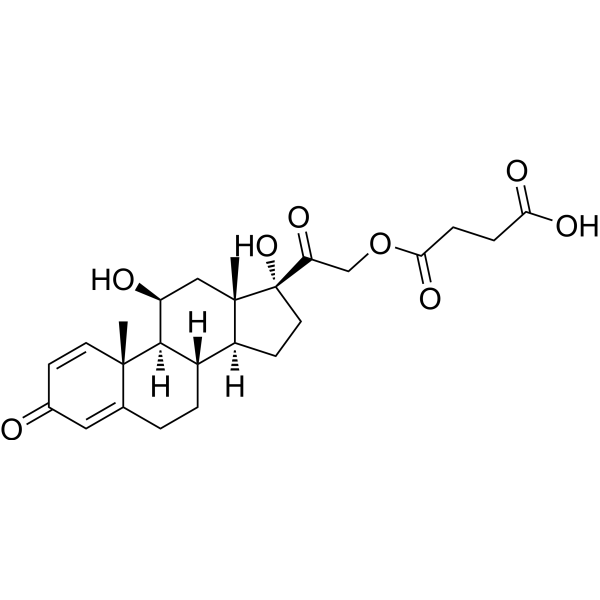
Cat. No.: HY-B1087
CAS No.: 2920-86-7
Synonyms: Prednisolone 21-hemisuccinate
Research Areas:  

Neurological Disease

Prednisolone hemisuccinate (Prednisolone 21-hemisuccinate) is a prodrug of Prednisolone (HY-17463) and a glucocorticoid. Prednisolone hemisuccinate converts to Prednisolone in vivo. Prednisolone hemisuccinate induces the inactivation of glyceraldehyde-3-phosphate dehydrogenase (GAP-DH) in vitro. Prednisolone hemisuccinate can be used in research related to cataracts .
loading...
    loading...
Cat. No.: HY-113033
CAS No.: 124505-87-9
Pentosidine is a fluorescent advanced glycation end product (AGE) and cross-linker. Pentosidine is a fluorescent cross-linked structure formed by lysine and arginine in sugar oxidation reactions, and it is commonly found in collagen, skin, bone, lens and plasma proteins . Pentosidine is used in research related to type 1 diabetes, brown cataracts, rheumatoid arthritis, atherosclerosis and neurodegenerative diseases .
loading...
    loading...
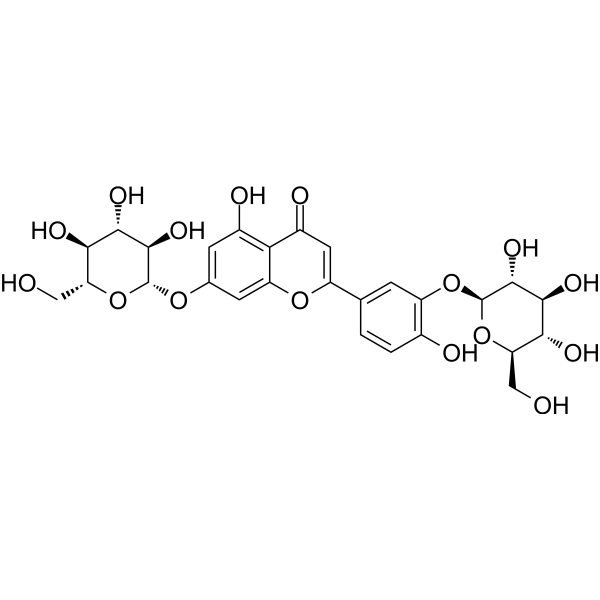
Cat. No.: HY-N8318
CAS No.: 52187-80-1
Luteolin-3′,7-diglucoside is a glycoside that can be isolated from R. luteolin. Luteolin-3′,7-diglucoside significantly inhibits cataracts induced in ovine lenses. Luteolin-3′,7-diglucoside inhibits the activity of Ureaplasma urealyticumATCC and clinical strains .
loading...
    loading...
Cat. No.: HY-Y0785
CAS No.: 107-22-2
Target:  

Drug Metabolite

Research Areas:  

Metabolic Disease

Glyoxal is a cytotoxic α-oxoaldehyde. Glyoxal induces cell damage and promotes protein glycation to form advanced glycation end-products (AGEs). Glyoxal is promising for research of oxidative stress-related diseases (such as atherosclerosis, cataract, Alzheimer's disease), and the formation of calcium oxalate kidney stones .
loading...
    loading...
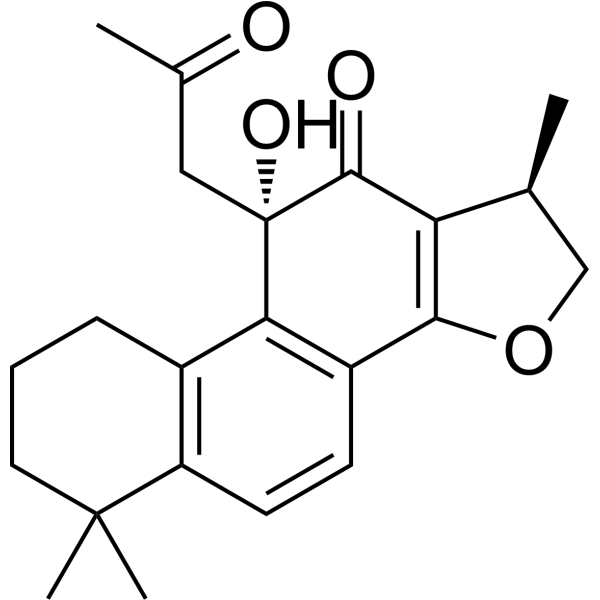
Cat. No.: HY-122963
CAS No.: 189308-09-6
Danshenol B is a diterpenoid. Danshenol B has strong aldose reductase (AR) inhibitory activity with IC50 value of 0.042μM. Danshenol B can be used for the research of diabetic related complication resulted by metabolic abnormality, such as cataracts, retinopathy, neuropathy, and nephropathy .
loading...
    loading...
Cat. No.: HY-Y0785S
CAS No.: 16355-99-0
Glyoxal-d2 is the deuterium labeled Glyoxal (HY-Y0785). Glyoxal is a cytotoxic α-oxoaldehyde. Glyoxal induces cell damage and promotes protein glycation to form advanced glycation end-products (AGEs). Glyoxal is promising for research of oxidative stress-related diseases (such as atherosclerosis, cataract, Alzheimer's disease), and the formation of calcium oxalate kidney stones .
loading...
    loading...
Cat. No.: HY-112573A
CAS No.: 3863-80-7
Synonyms: Quinax sodium; Phacolysine sodium
Research Areas:  

Metabolic Disease

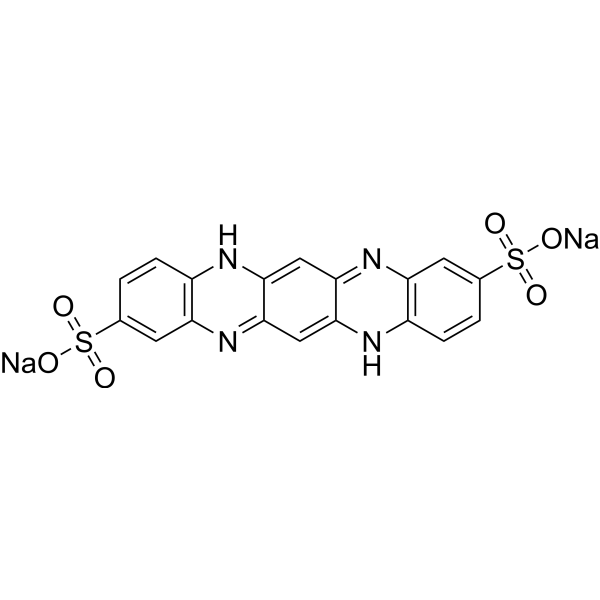
Azapentacene sodium is an anti-cataract agent .
loading...
    loading...
Cat. No.: HY-W601605
CAS No.: 102916-95-0
Target:  

Aldose Reductase

Research Areas:  

Endocrinology

Methosorbinil is an aldose reductase inhibitor with anti-cataract activity .
loading...
    loading...
Cat. No.: HY-185048
PCB-OAA is a biocompatible multivinyl polycarboxybetaine macromonomer and that exhibits anti-fouling activity. PCB-OAA can form a hydrogel in vitreous cavity and shows an appealing ability to prevent significantly inflammatory response, fibrosis and complications such as raised intraocular pressure, and cataract formation. PCB-OAA can be used for the research of vitreous substitution .
loading...
    loading...
Cat. No.: HY-W795259
CAS No.: 66254-56-6
Target:  

MMP

L-Val-P is a potent leucine aminopeptidase (LAP) inhibitor with a Ki of 0.15 μM. L-Val-P is promising for research of HIV infection, inflammation, eye lens cataract and cancer .
loading...
    loading...
Cat. No.: HY-106198
CAS No.: 245116-90-9
Purity:  99.50%
Synonyms: IDD-676
Target:  

Aldose Reductase

Research Areas:  

Metabolic Disease

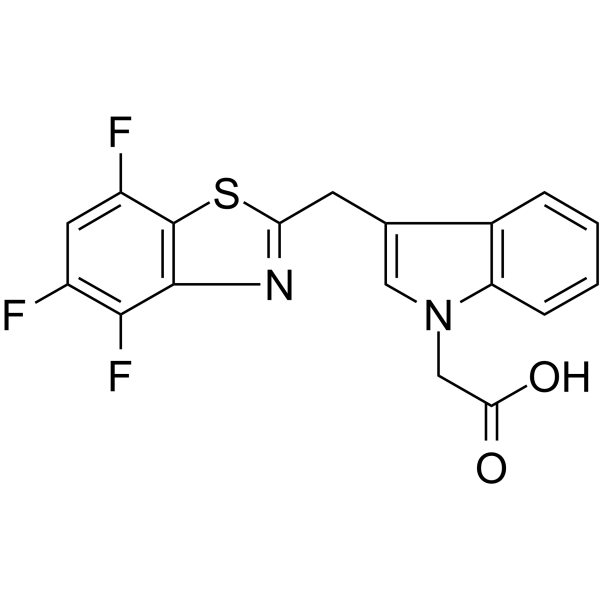
Lidorestat (IDD-676) is a potent, selective and orally active aldose reductase inhibitor with an IC50 of 5 nM. Lidorestat can be used for chronic diabetes complications. Lidorestat also improves nerve conduction and reduces cataract formation .
loading...
    loading...

