232 Results for "

cellular apoptosis

" in MedChemExpress (MCE) Product Catalog:
Products (232)

232 Results for "cellular apoptosis" in MCE Product Catalog:

48
48 Publications Verification
Cat. No.: HY-13001
CAS No.: 950769-58-1
Purity:  99.08%
Synonyms: AC220
Target:  

FLT3 Apoptosis PDGFR c-Kit

Research Areas:  

Cancer

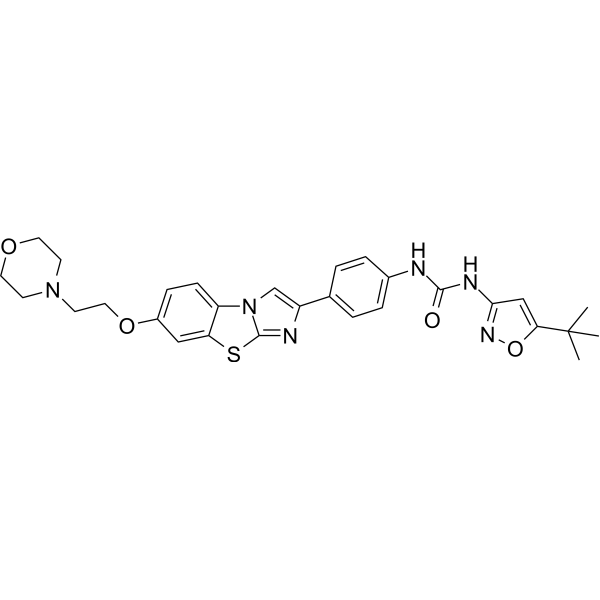
Quizartinib (AC220) is an orally active, potent and selective FLT3 inhibitor. Quizartinib inhibits kinase activity of mutant-FLT3, -PDGFRA and -KIT isoforms and inhibits autophosphorylation. Quizartinib inhibits cellular proliferation, induces apoptosis in cancer cells. Quizartinib can be used for the research of cancer .
loading...
    loading...
48
48 Publications Verification
Cat. No.: HY-14217
CAS No.: 1132827-21-4
Purity:  99.81%
Synonyms: AC220 dihydrochloride
Target:  

FLT3 Apoptosis PDGFR c-Kit

Research Areas:  

Cancer

Quizartinib (AC220) dihydrochloride is an orally active, potent and selective FLT3 inhibitor. Quizartinib dihydrochloride inhibits kinase activity of mutant-FLT3, -PDGFRA and -KIT isoforms and inhibits autophosphorylation. Quizartinib dihydrochloride inhibits cellular proliferation, induces apoptosis in cancer cells. Quizartinib dihydrochloride can be used for the research of cancer .
loading...
    loading...
45
45 Cited Publications
Cat. No.: HY-19543
CAS No.: 14907-98-3
Synonyms: NSC 172924
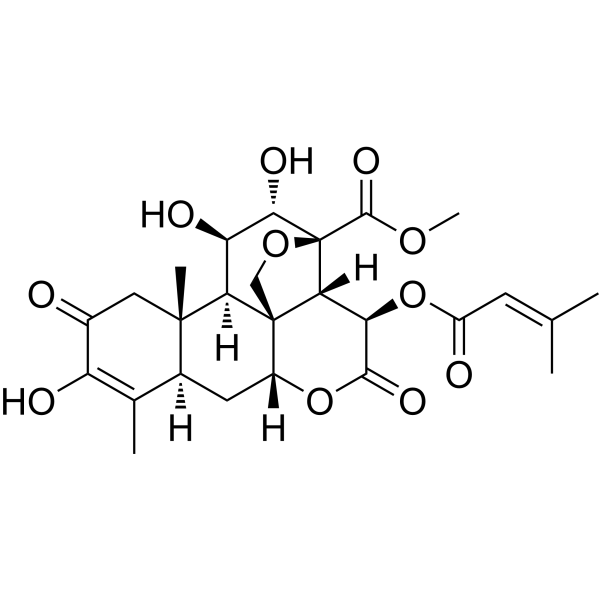
Brusatol (NSC 172924) is a unique inhibitor of the Nrf2 pathway that sensitizes a broad spectrum of cancer cells to Cisplatin and other chemotherapeutic agents. Brusatol enhances the efficacy of chemotherapy by inhibiting the Nrf2-mediated defense mechanism. Brusatol can be developed into an adjuvant chemotherapeutic agent . Brusatol increases cellular apoptosis .
loading...
    loading...
17
17 Cited Publications
Cat. No.: HY-N6733
CAS No.: 38966-21-1
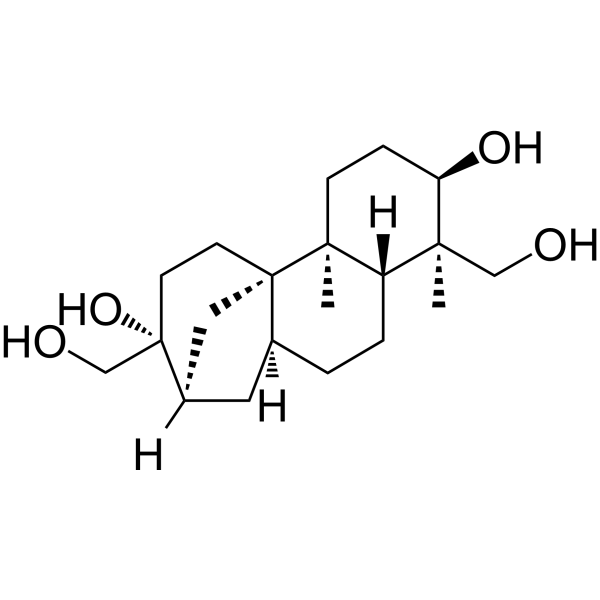
Aphidicolin is an inhibitor of DNA polymerase α and δ, prevents mitotic cell division by interfering DNA polymerase activity. Aphidicolin is an antibiotic produced by mold Cephalosporium aphidicola, inhibits cellular deoxyribonucleic acid synthesis and the growth of herpes simplex virus. Aphidicolin exhibits anti-orthopoxvirus activity and potentiates apoptosis induced by arabinosyl nucleosides in a human promyelocytic leukemia cell line .
loading...
    loading...
13
13 Cited Publications
Cat. No.: HY-19980
CAS No.: 5291-32-7
Synonyms: APR-246; PRIMA-1Met
Research Areas:  

Cancer

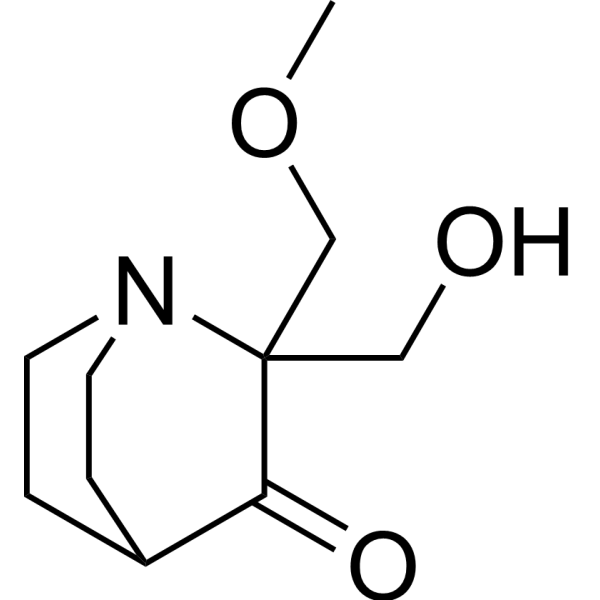
Eprenetapopt (APR-246) is a first-in-class, small molecule that restores wild-type p53 functions in TP53-mutant cells. Eprenetapopt triggers apoptosis in tumor cells. Eprenetapopt also targets the selenoprotein thioredoxin reductase 1 (TrxR1), a key regulator of cellular redox balance .
loading...
    loading...
12
12 Cited Publications
Cat. No.: HY-120394
CAS No.: 1533438-83-3
Purity:  99.69%
Research Areas:  

Cancer

TVB-3166 is an orally-available, reversible, and selective fatty acid synthase (FASN) inhibitor with IC50s of 42 nM and 81 nM for biochemical FASN and cellular palmitate synthesis, respectively. TVB-3166 induces apoptosis, and inhibits in-vivo xenograft tumor growth .
loading...
    loading...
12
12 Cited Publications
Cat. No.: HY-13208
CAS No.: 1071992-57-8
Purity:  98.01%
Synonyms: AT-406 hydrochloride; Debio 1143 hydrochloride; SM-406 hydrochloride
Target:  

IAP Apoptosis

Research Areas:  

Cancer

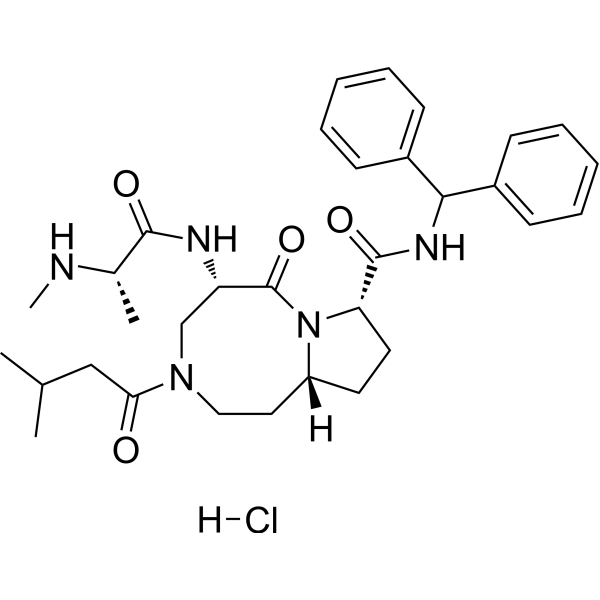
Xevinapant (AT-406) hydrochloride is a potent and orally bioavailable Smac mimetic and an antagonist of the inhibitor of apoptosis proteins (IAPs). Xevinapant hydrochloride binds to XIAP, cIAP1, and cIAP2 proteins with Kis of 66.4, 1.9, and 5.1 nM, respectively. Xevinapant hydrochloride effectively antagonizes XIAP BIR3 protein in a cell-free functional assay, induces rapid degradation of cellular cIAP1 protein, and inhibits cancer cell growth in various human cancer cell lines. Xevinapant hydrochloride is highly effective in induction of apoptosis in xenograft tumors .
loading...
    loading...
11
11 Cited Publications
Cat. No.: HY-108540
CAS No.: 20448-79-7
Purity:  99.13%
Synonyms: 2-Amino-2-norbornanecarboxylic acid; LAT1-IN-1
Target:  

Apoptosis

Research Areas:  

Cancer

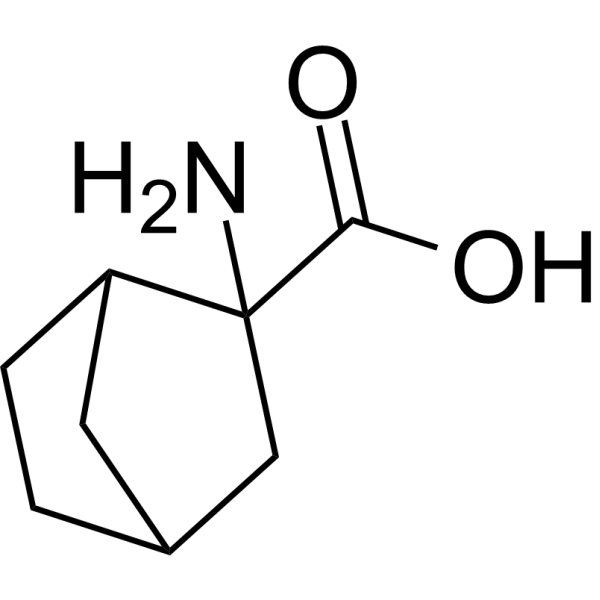
BCH (2-Amino-2-norbornanecarboxylic acid) is a selective and competitive inhibitor of large neutral amino acid transporter 1 (LAT1) significantly inhibit cellular uptake of amino acids and mTOR phosphorylation, which induces the suppression of cancer growth and apoptosis .
loading...
    loading...
11
11 Cited Publications
Cat. No.: HY-13007
CAS No.: 898044-15-0
Purity:  99.79%
Synonyms: PF-03758309
Target:  

PAK Apoptosis

Research Areas:  

Cancer

PF-3758309 (PF-03758309) is a potent, orally available, and reversible ATP-competitive inhibitor of PAK4 (Kd= 2.7 nM; Ki=18.7 nM). PF-3758309 has the expected cellular functions of a PAK4 inhibitor: inhibition of anchorage-independent growth, induction of apoptosis, cytoskeletal remodeling, and inhibition of proliferation .
loading...
    loading...
9
9 Cited Publications
Cat. No.: HY-112055
CAS No.: 151358-47-3
Purity:  99.05%
Research Areas:  

Cancer

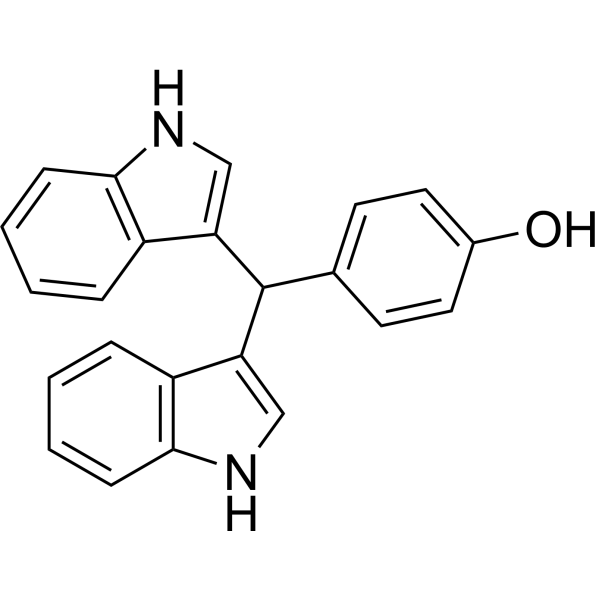
DIM-C-pPhOH is a nuclear receptor 4A1 (NR4A1) antagonist. DIM-C-pPhOH inhibits cancer cell growth and mTOR signaling, induce apoptosis and cellular stress. DIM-C-pPhOH reduces cell proliferation with IC50 values of 13.6 μM and 13.0 μM for ACHN cells and 786-O cells, respectively .
loading...
    loading...
7
7 Cited Publications
Cat. No.: HY-15898
CAS No.: 288250-47-5
Purity:  99.03%
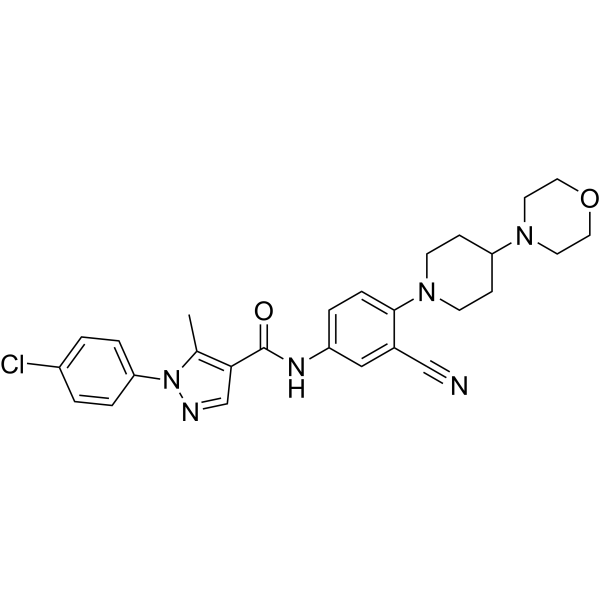
Y-320 is a potent, orally active phenylpyrazoleanilide immunomodulator. Y-320 inhibits IL-17 production by CD4 T cells stimulated with IL-15 with IC50 values of 20 to 60 nM. Y-320 enhances TP53, DMD, and COL17A1 PTC readthrough by G418 and increases cellular protein levels and protein synthesis. Y-320 concomitants use of with a low dose of Paclitaxel (HY-B0015) significantly sensitized multidrug resistance (MDR) tumors by inducing G2/M phase arrest and apoptosis. Y-320 can be used for research of rheumatoid arthritis (RA) and cancer .
loading...
    loading...
6
6 Cited Publications
Cat. No.: HY-106634
CAS No.: 459-86-9
Purity:  99.33%
Synonyms: Methylglyoxal-bis(guanylhydrazone); MGBG; Methyl-GAG
Target:  

HIV Apoptosis

Research Areas:  

Infection Cancer

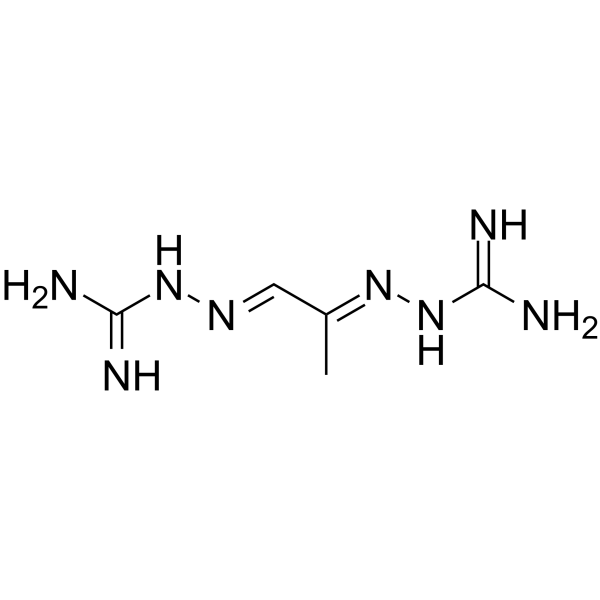
Mitoguazone (Methylglyoxal-bis(guanylhydrazone)) is a synthetic polycarbonyl derivative with potent antineoplastic activity. Mitoguazone is a brain-penetrant and competitive S-adenosyl-methionine decarboxylase (SAMDC) inhibitor that disrupts polyamine biosynthesis. Mitoguazone induces cell apoptosis. Mitoguazone inhibits HIV DNA integration into the cellular DNA in both monocytes and macrophages. Mitoguazone has the potential for acute leukemia, Hodgkin's and non-Hodgkin's lymphoma treatment .
loading...
    loading...
6
6 Cited Publications
Cat. No.: HY-P5321
CAS No.: 152051-61-1
Target:  

FGFR

Research Areas:  

Cancer

bFGF (119-126) is a ligand of bFGF. The complex formed by bFGF (119-126) and bFGF can bind to FGFR1, while inhibiting the bFGF-FGFR1 interaction, FGFR1 phosphorylation and downstream signaling pathways. Therefore, bFGF (119-126) induces cell apoptosis and inhibits cell proliferation, migration, angiogenesis and metastasis. When conjugated with a carrier, bFGF (119-126) enhances cellular uptake via FGFR-mediated endocytosis and serves as an effective FGFR-targeted ligand. When used in combination with ultrasound and Doxorubicin (HY-15142A), bFGF (119-126) significantly enhances the inhibitory effect on tumors. bFGF (119-126) is applicable to research related to lung cancer, breast cancer, glioblastoma and ovarian cancer .
loading...
    loading...
5
5 Cited Publications
Cat. No.: HY-111790
CAS No.: 2285330-15-4
Purity:  ≥98.0%
Target:  

Proteasome Apoptosis

Research Areas:  

Cancer

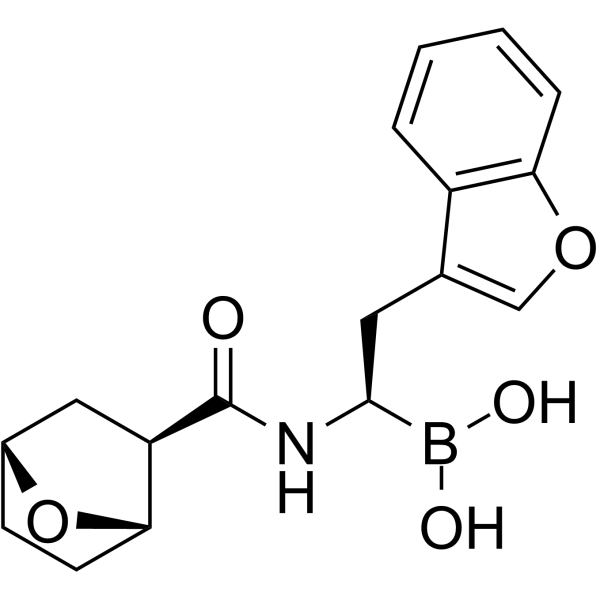
M3258 is an orally bioavailable, potent, reversible and highly selective immunoproteasome subunit LMP7 (β5i) inhibitor. M3258 exerts high biochemical (IC50=3.6 nM) and cellular (IC50=3.4 nM) potency against the LMP7 subunit. M3258 shows strong antitumor efficacy in multiple myeloma xenograft models. M3258 leads to a significant and prolonged suppression of tumor LMP7 activity and ubiquitinated protein turnover and the induction of apoptosis in multiple myeloma cells .
loading...
    loading...
3
3 Cited Publications
Cat. No.: HY-N0189
CAS No.: 481-72-1
Synonyms: Rhabarberone; 3-Hydroxymethylchrysazine
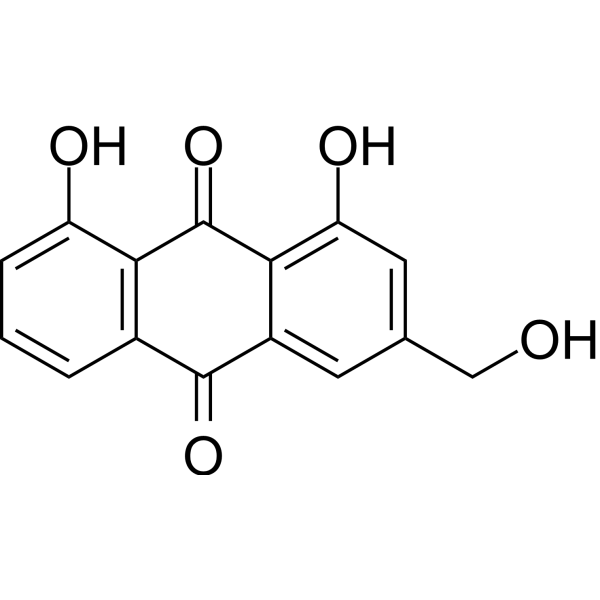
Aloe emodin (Rhabarberone) is a natural hydroxyanthraquinone with antitumor activities. aloe-emodin can bind with mTORC2 and inhibit its kinase activity. Aloe emodin exerts antiproliferation effects and induces cellular apoptosis . Aloe emodin also exhibits antiviral activity that against influenza A virus .
loading...
    loading...
3
3 Cited Publications
Cat. No.: HY-135954A
CAS No.: 2310262-11-2
Purity:  99.72%
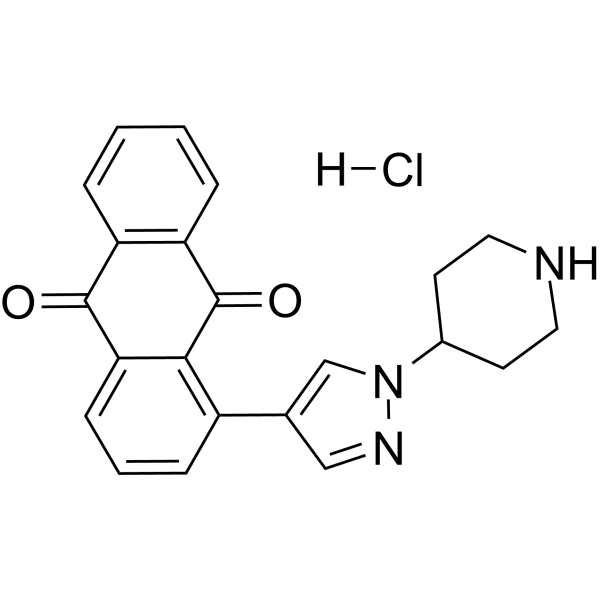
PDK4-IN-1 hydrochloride is an anthraquinone derivative and a potent and orally active pyruvate dehydrogenase kinase 4 (PDK4) inhibitor with an IC50 value of 84 nM. PDK4-IN-1 hydrochloride potently represses cellular transformation and cellular proliferation and induces apoptosis. PDK4-IN-1 hydrochloride has antidiabetic, anticancer and anti-allergic activity .
loading...
    loading...
3
3 Cited Publications
Cat. No.: HY-135954
CAS No.: 2310262-10-1
Purity:  99.34%
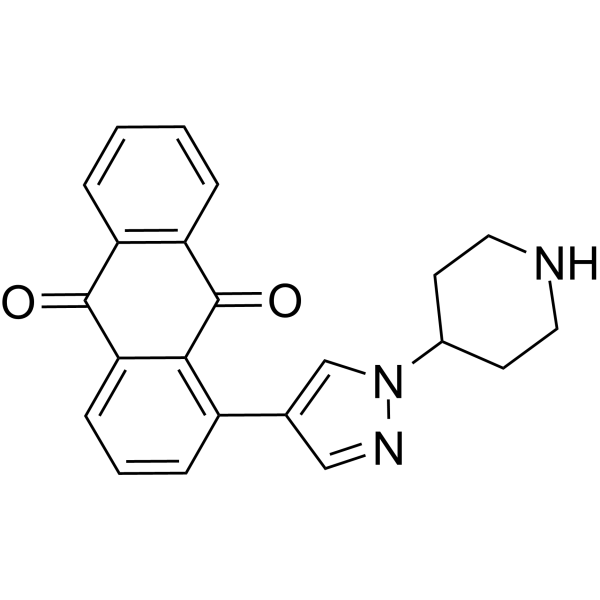
PDK4-IN-1 is an anthraquinone derivative and a potent and orally active pyruvate dehydrogenase kinase 4 (PDK4) inhibitor with an IC50 value of 84 nM. PDK4-IN-1 potently represses cellular transformation and cellular proliferation and induces apoptosis. PDK4-IN-1 has antidiabetic, anticancer and anti-allergic activity .
loading...
    loading...
3
3 Cited Publications
Cat. No.: HY-113225B
CAS No.: 103192-46-7
Synonyms: GTP tritris solution (100 mM)
Research Areas:  

Cancer

Guanosine triphosphate tritris (GTP tritris) (100 mM) serves as a vital enhancer of myogenic cell differentiation and plays a critical role in modulating miRNA-myogenic regulator factors. It also facilitates the release of exosomes enriched with guanosine and guanosine-derived molecules, and is regarded as an activated precursor for RNA synthesis. In mitochondrial function, GTP participates in the import of proteins into the matrix, which is essential for various regulated pathways, and is involved in initiating peptide synthesis through the binding of formylmethionyl-tRNA to the ribosome, as well as polypeptide chain elongation. Additionally, GTP acts as a phosphate and pyrophosphate carrier that channels chemical energy into specific biosynthetic pathways. It activates signal transducing G proteins that regulate cellular processes such as proliferation and differentiation, and its hydrolysis by small GTPases, including Ras and Rho, is integral to both proliferation and apoptosis. Furthermore, the small GTPase Rab is instrumental in vesicle docking, fusion, and formation. Beyond signal transduction, GTP is an energy-rich precursor in the enzymatic biosynthesis of DNA and RNA.
loading...
    loading...
2
2 Cited Publications
Cat. No.: HY-Y0808
CAS No.: 106-65-0
Dimethyl succinate is an orally active cell permeable succinate analogue. Dimethyl succinate can disrupt the TCA cycle by elevating intracellular succinate levels, leading to reduced protein synthesis and impairs myogenic differentiation. Dimethyl succinate can induce apoptosis. Dimethyl succinate can decrease maximal cellular respiration and reserve capacity. Dimethyl succinate can rescue synapse loss in AD. Dimethyl succinate can be used for the researches of metabolic and neurological disease [1][2].
loading...
    loading...
2
2 Cited Publications
Cat. No.: HY-113341
CAS No.: 566-27-8
Purity:  99.98%
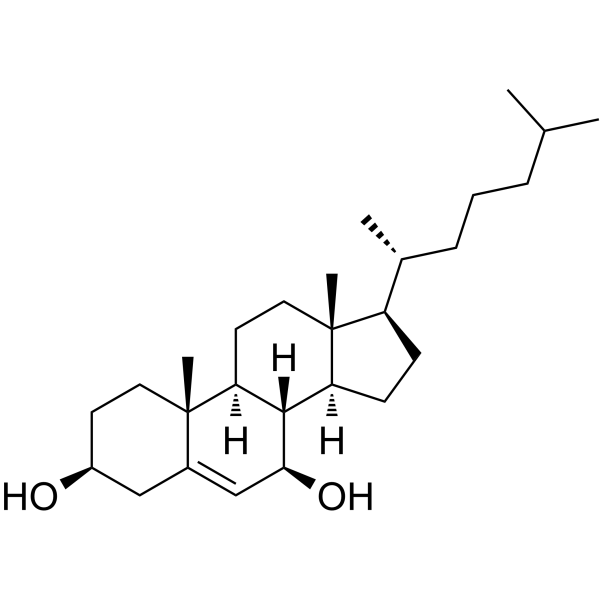
7β-Hydroxycholesterol is an oxysterol that derived by the oxidation of cholesterol. 7β-hydroxycholesterol can induce cellular oxidative stress, apoptosis, and necrosis, resulting in cytotoxicity. 7β-hydroxycholesterol has antitumor activity .
loading...
    loading...

