563 Results for "

cerebral

" in MedChemExpress (MCE) Product Catalog:
Products (563)

563 Results for "cerebral" in MCE Product Catalog:

72
72 Publications Verification
Cat. No.: HY-17412
CAS No.: 13614-98-7
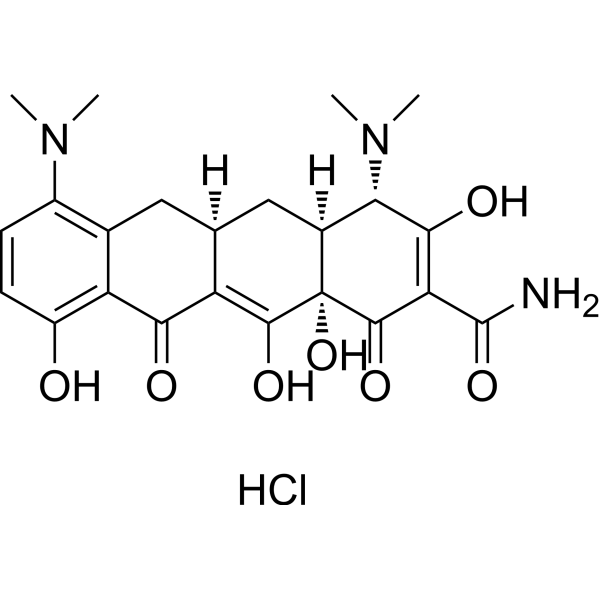
Minocycline hydrochloride is an orally active, potent and BBB-penetrated semi-synthetic tetracycline antibiotic. Minocycline hydrochloride is a hypoxia-inducible factor (HIF)-1α inhibitor. Minocycline hydrochloride shows anti-cancer, anti-inflammatory, and glutamate antagonist effects. Minocycline hydrochloride reduces glutamate neurotransmission and shows neuroprotective properties and antidepressant effects. Minocycline hydrochloride inhibits bacterial protein synthesis through binding with the 30S subunit of the bacterial ribosome, resulting in a bacteriostatic effect .
loading...
    loading...
72
72 Publications Verification
Cat. No.: HY-17412A
CAS No.: 10118-90-8
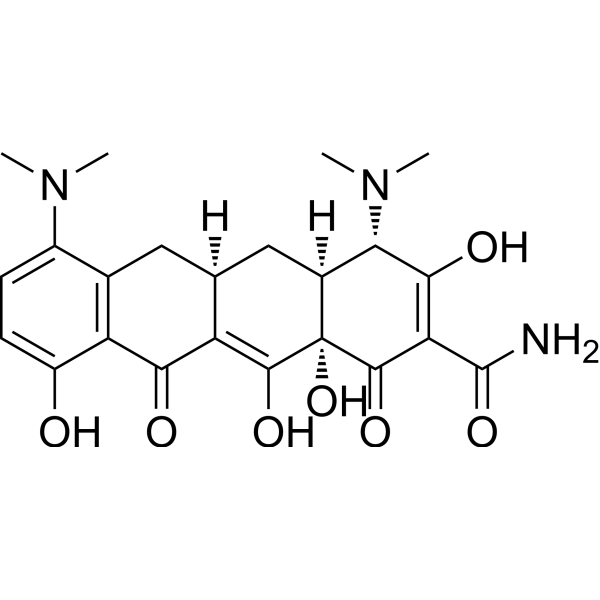
Minocycline is an orally active, potent and BBB-penetrated semi-synthetic tetracycline antibiotic. Minocycline is a hypoxia-inducible factor (HIF)-1α inhibitor. Minocycline shows anti-cancer, anti-inflammatory, and glutamate antagonist effects. Minocycline reduces glutamate neurotransmission and shows neuroprotective properties and antidepressant effects. Minocycline inhibits bacterial protein synthesis through binding with the 30S subunit of the bacterial ribosome, resulting in a bacteriostatic effect .
loading...
    loading...
70
70 Cited Publications
Cat. No.: HY-107202
CAS No.: 24939-03-5
Purity:  99.40%
Synonyms: Poly(I:C)
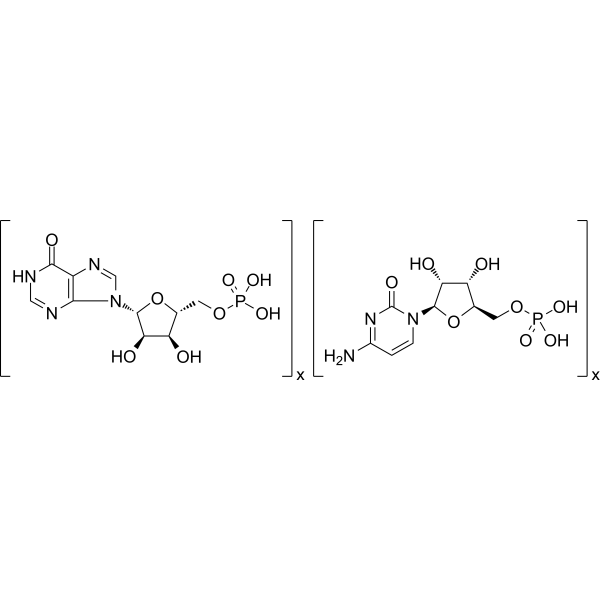
Polyinosinic-polycytidylic acid (Poly(I:C)) is a synthetic analog of double-stranded RNA and an agonist of toll-like receptor 3 (TLR3) and retinoic acid inducible gene I (RIG-I)-like receptors (RIG-I and MDA5). Polyinosinic-polycytidylic acid can be used as a vaccine adjuvant to enhance innate and adaptive immune responses, and to alter the tumor microenvironment. Polyinosinic-polycytidylic acid can directly trigger cancer cells to undergo apoptosis .
loading...
    loading...
49
49 Cited Publications
Cat. No.: HY-W404916
CAS No.: 23795-03-1
Probenecid sodium is an orally active, blood-brain barrier-permeable Pannexin 1 channel inhibitor. Probenecid sodium exhibits anti-inflammatory, antiviral, and neuroprotective activities. Probenecid sodium can be used in research related to multiple sclerosis, focal cerebral ischemic injury, influenza virus infection, and nephropathy .
loading...
    loading...
48
48 Cited Publications
Cat. No.: HY-N2332A
CAS No.: 351344-10-0
Synonyms: MLA citrate
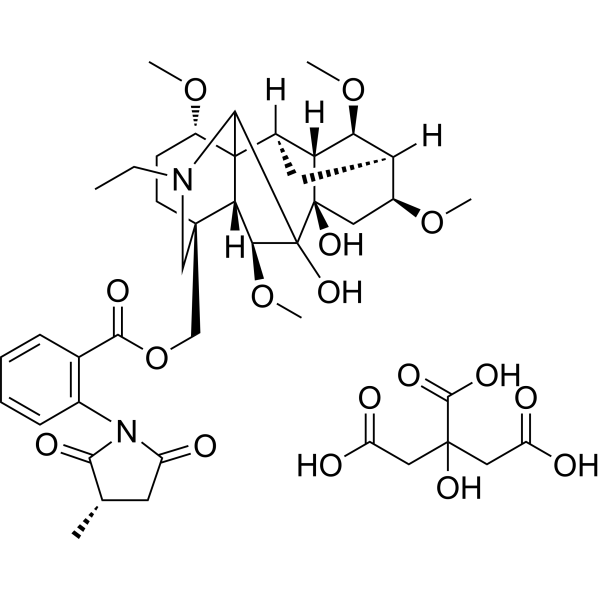
Methyllycaconitine (MLA) citrate is a blood-brain barrier-permeable antagonist of α7 nicotinic acetylcholine receptor (α7nAChR) with an IC50 of 2 nM. Methyllycaconitine citrate inhibits Aβ25-35-induced autophagy by restoring the mTOR pathway, and prevents reactive oxygen species (ROS) production, microglial activation, reduced dopamine uptake, loss of dopaminergic terminals and catecholamine secretion. Methyllycaconitine citrate induces hippocampal glutamate efflux, enhances long-term potentiation, and improves memory acquisition. Methyllycaconitine citrate can be used in research related to Alzheimer's disease, cerebral palsy, Parkinson's disease and schizophrenia .
loading...
    loading...
30
30 Cited Publications
Cat. No.: HY-14536
CAS No.: 61-73-4
Purity:  95.05%
Synonyms: Basic Blue 9; CI-52015; Methylthioninium chloride
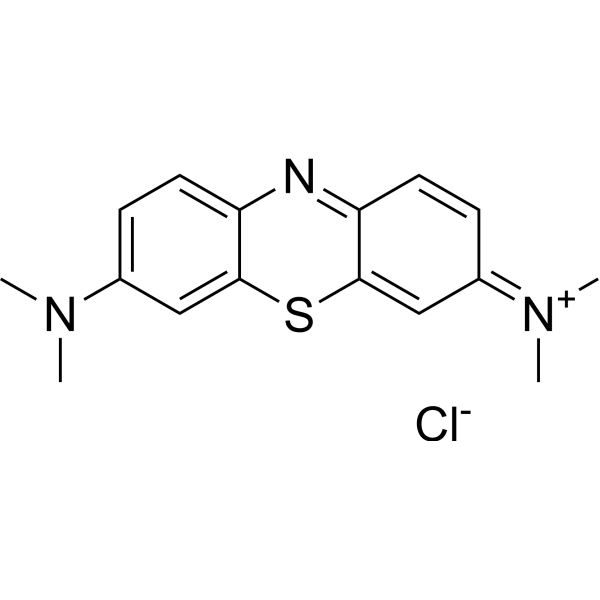
Methylene blue (Basic Blue 9) is a guanylyl cyclase (sGC), monoamine oxidase A (MAO-A) and NO synthase (NOS) inhibitor. Methylene blue is a vasopressor and is often used as a dye in several medical procedures. Methylene blue through the nitric oxide syntase/guanylate cyclase signalling pathway to reduce prepulse inhibition. Methylene blue is a REDOX cycling compound and able to cross the blood-brain barrier. Methylene blue is a Tau aggregation inhibitor. Methylene Blue is a photosensitizer and redox agent. Methylene blue reduces cerebral edema, attenuated microglial activation and reduced neuroinflammation .
loading...
    loading...
29
29 Cited Publications
Cat. No.: HY-18730
CAS No.: 180001-34-7
Synonyms: W1400
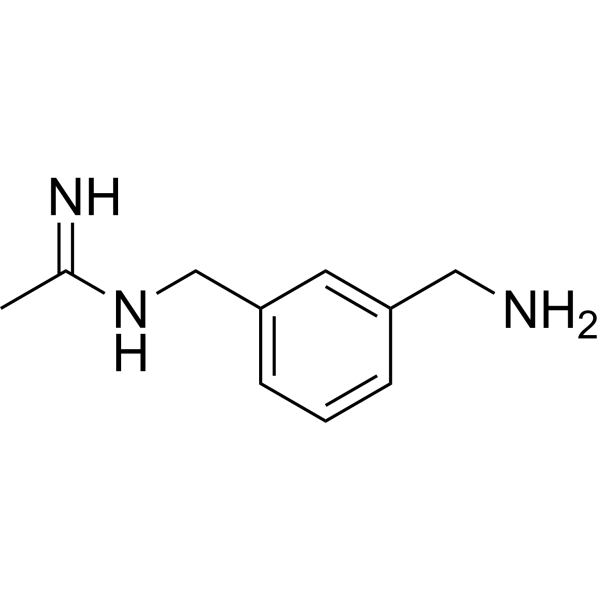
1400W is a slow, tight binding, and highly selective inducible nitric-oxide synthase (iNOS) inhibitor, with a Kd value ≤ 7 nM. 1400W inhibits iNOS induction in microglial cells, and reduces generation of NO, thereby mitigating oxidative stress and neuronal cell apoptosis in the rat cerebral cortex, and improving the spatial memory dysfunction caused by acute hypobaric hypoxia-reoxygenation .
loading...
    loading...
29
29 Cited Publications
Cat. No.: HY-18731
CAS No.: 214358-33-5
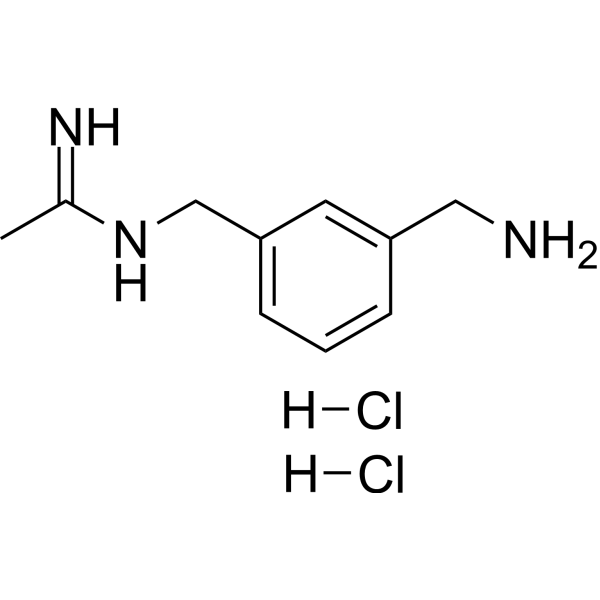
1400W dihydrochloride is the dihydrochloride form of 1400W (HY-18730). 1400W is a slow, tight binding, and highly selective inducible nitric-oxide synthase (iNOS) inhibitor, with a Kd value ≤ 7 nM. 1400W inhibits iNOS induction in microglial cells, and reduces generation of NO, thereby mitigating oxidative stress and neuronal cell apoptosis in the rat cerebral cortex, and improving the spatial memory dysfunction caused by acute hypobaric hypoxia-reoxygenation .
loading...
    loading...
27
27 Cited Publications
Cat. No.: HY-D0958
CAS No.: 122965-43-9
Synonyms: Basic Blue 9 hydrate; CI-52015 hydrate; Methylthioninium chloride hydrate
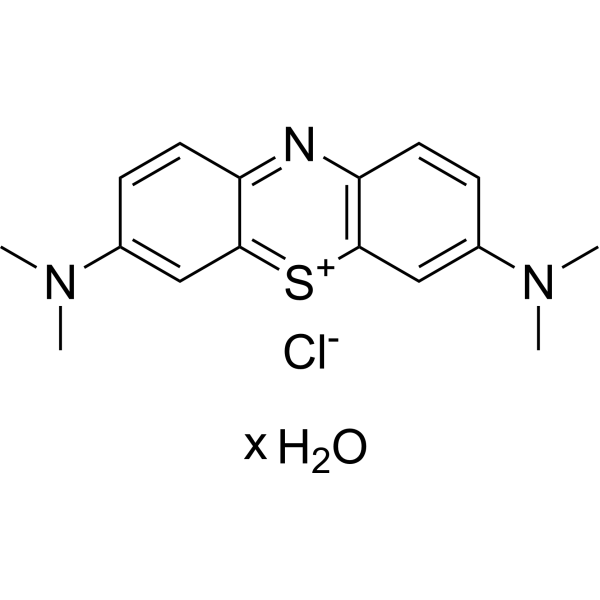
Methylene blue (Basic Blue 9) hydrate is a guanylyl cyclase (sGC), monoamine oxidase A (MAO-A) and NO synthase (NOS) inhibitor. Methylene blue is a vasopressor and is often used as a dye in several medical procedures. Methylene blue hydrate through the nitric oxide syntase/guanylate cyclase signalling pathway to reduce prepulse inhibition. Methylene blue hydrate is a REDOX cycling compound and able to cross the blood-brain barrier. Methylene blue hydrate is a Tau aggregation inhibitor. Methylene blue hydrate reduces cerebral edema, attenuated microglial activation and reduced neuroinflammation .
loading...
    loading...
25
25 Cited Publications
Cat. No.: HY-13817
CAS No.: 314245-33-5
Purity:  99.30%
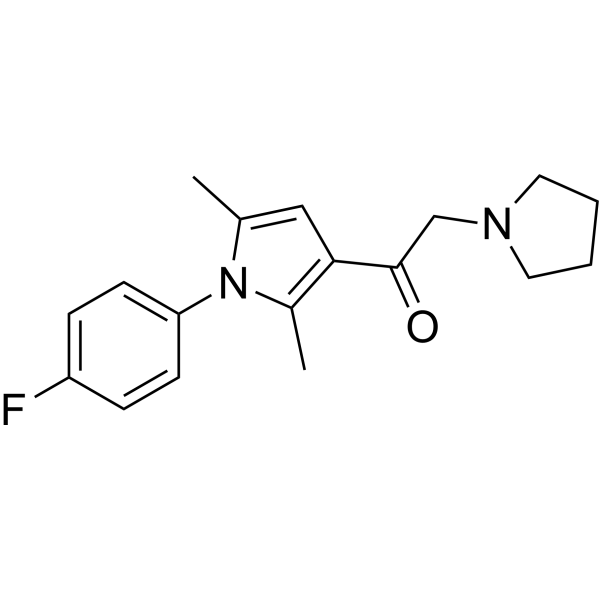
IU1 is a selective, reversible USP14 inhibitor with an IC50 of 4-5 μM. IU1 binds USP14’s catalytic cleft to block deubiquitinase activity. IU1 induces calpain-dependent Tau cleavage, causes ATP deficits, reduces E1~Ub thioester levels and 26S proteasome assembly. IU1 enhances 26S proteasome chymotrypsin-like activity, modulates LC3B-dependent autophagy flux, reduces cancer cell proliferation and migration, and blocks G0/G1 to S phase cell cycle transition in follicular thyroid cancer cells. IU1 activates autophagy-lysosomal and ubiquitin-proteasome pathways, triggers apoptosis, and reduces cervical cancer cell growth. IU1 enhances degradation of proteasome substrates linked to neurodegenerative disease, accelerates oxidized protein degradation, and increases oxidative stress resistance. IU1 can be used for the research of Alzheimer’s disease, follicular thyroid cancer, ischemic stroke, cervical cancer, and neurodegenerative disease .
loading...
    loading...
19
19 Cited Publications
Cat. No.: HY-17468
CAS No.: 28395-03-1
Synonyms: Ro 10-6338; PF 1593
Target:  

NKCC

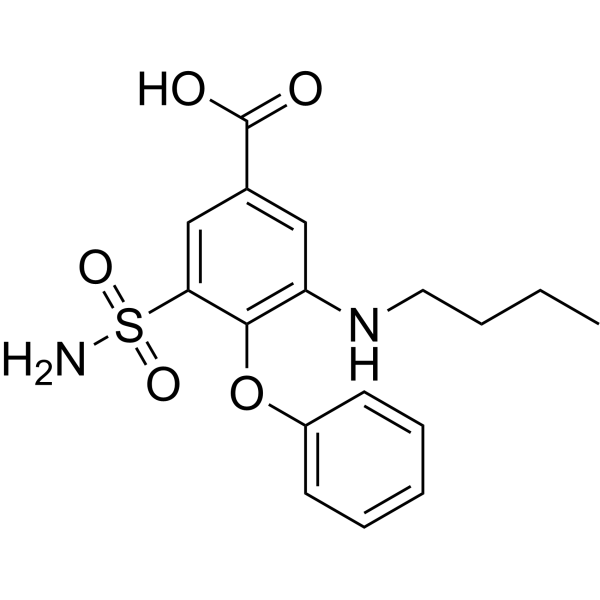
Bumetanide (Ro 10-6338; PF 1593), a highly potent loop diuretic, is a Na +-K +-Cl + cotransporter (NKCC) blocker. Bumetanide is a selective NKCC1 inhibitor, but also inhibits NKCC2, with IC50s of 0.68 μM and 4.0 μM for hNKCC1A and hNKCC2A, respectively .
loading...
    loading...
16
16 Cited Publications
Cat. No.: HY-N0045
CAS No.: 22427-39-0
Synonyms: Panaxoside A; Panaxoside Rg1
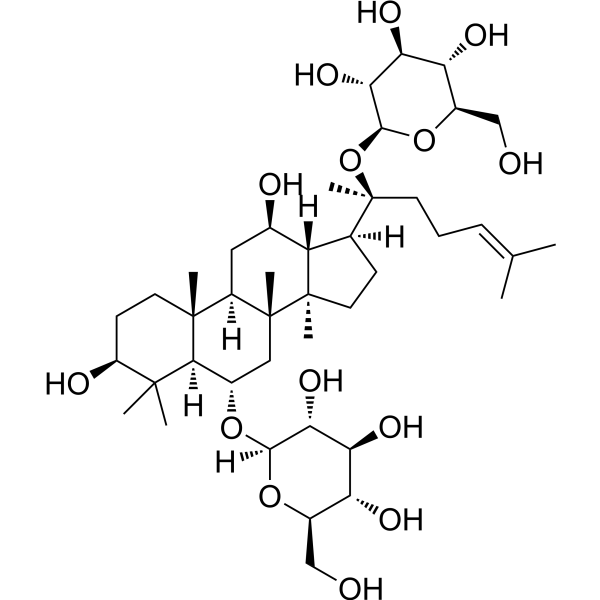
Ginsenoside Rg1 is one of the major active components of Panax ginseng. Ginsenoside Rg1 ameliorates the impaired cognitive function, displays promising effects by reducing cerebral levels. Ginsenoside Rg1 also reduces NF-κB nuclear translocation.
loading...
    loading...
14
14 Cited Publications
Cat. No.: HY-B0410
CAS No.: 104632-26-0
Target:  

Dopamine Receptor

Research Areas:  

Neurological Disease

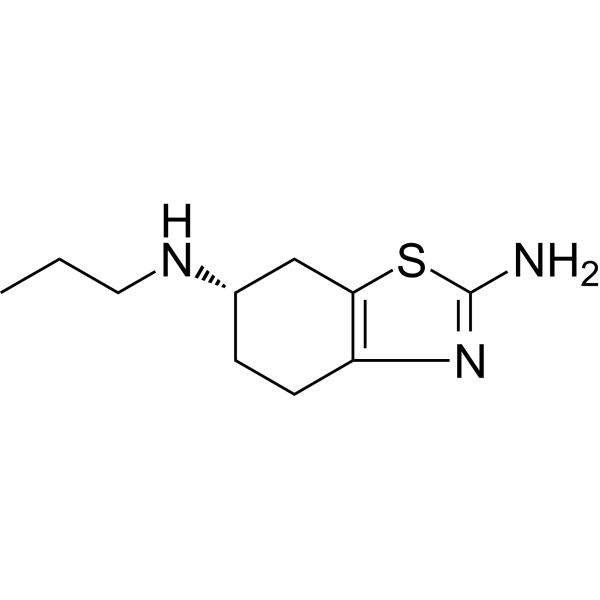
Pramipexole is a selective and blood-brain barrier (BBB) penetrant dopamine D2-type receptor agonist, with Kis of 2.2 nM, 3.9 nM, 0.5 nM and 1.3 nM for D2-type receptor, D2, D3 and D4 receptors, respectively. Pramipexole can be used for the research of Parkinson's disease (PD) and restless legs syndrome (RLS) .
loading...
    loading...
14
14 Cited Publications
Cat. No.: HY-B0410A
CAS No.: 191217-81-9
Target:  

Dopamine Receptor

Research Areas:  

Neurological Disease

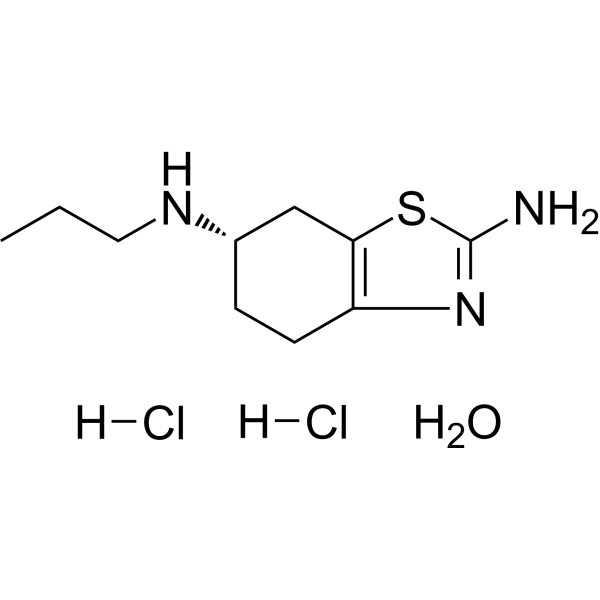
Pramipexole dihydrochloride hydrate is a selective and blood-brain barrier (BBB) penetrant dopamine D2-type receptor agonist, with Kis of 2.2 nM, 3.9 nM, 0.5 nM and 1.3 nM for D2-type receptor, D2, D3 and D4 receptors, respectively. Pramipexole dihydrochloride hydrate can be used for the research of Parkinson's disease (PD) and restless legs syndrome (RLS) .
loading...
    loading...
14
14 Cited Publications
Cat. No.: HY-17355
CAS No.: 104632-25-9
Target:  

Dopamine Receptor

Research Areas:  

Neurological Disease

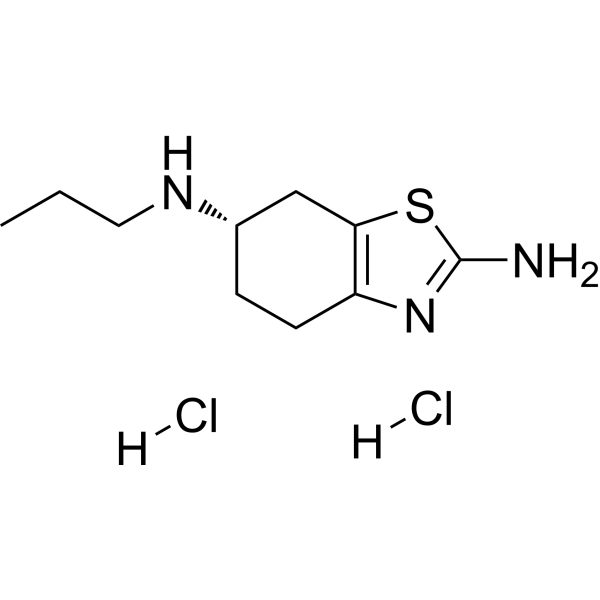
Pramipexole dihydrochloride is a selective and blood-brain barrier (BBB) penetrant dopamine D2-type receptor agonist, with Kis of 2.2 nM, 3.9 nM, 0.5 nM and 1.3 nM for D2-type receptor, D2, D3 and D4 receptors, respectively. Pramipexole dihydrochloride can be used for the research of Parkinson's disease (PD) and restless legs syndrome (RLS) .
loading...
    loading...
13
13 Cited Publications
Cat. No.: HY-B0331
CAS No.: 75847-73-3
Synonyms: MK-421
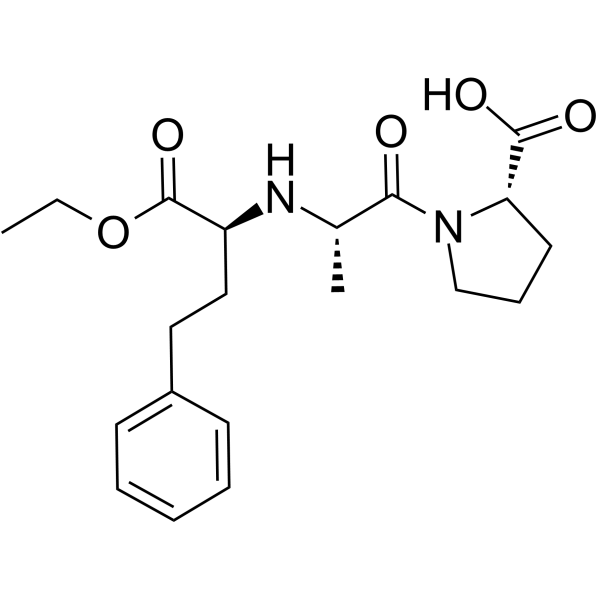
Enalapril (MK-421) is an orally active angiotensin-converting enzyme inhibitor. Enalapril blocks the conversion of angiotensin I to angiotensin II, regulates the renin-angiotensin system, reduces preload and afterload, and decreases plasma angiotensin II levels. Enalapril inhibits apoptosis, reduces nitric oxide metabolite levels, stabilizes endothelial cells, enhances endothelial antioxidant defense, scavenges reactive oxygen species (ROS), and alleviates neuronal damage. Enalapril attenuates glutathione depletion, protein/lipid oxidation, tissue damage, and type III collagen immunolabeling in organs of diabetic rats. Enalapril reduces systolic blood pressure and urinary albumin excretion, and delays the progression of diabetic cardiac/renal injury. Enalapril is used in research related to asymptomatic left ventricular dysfunction, congestive heart failure, Alzheimer's disease, diabetes mellitus, acute myocardial infarction, atrial fibrillation, hypertension, cerebral ischemia, chronic heart failure, and single-ventricle physiology .
loading...
    loading...
13
13 Cited Publications
Cat. No.: HY-B0331A
CAS No.: 76095-16-4
Synonyms: MK-421 maleate
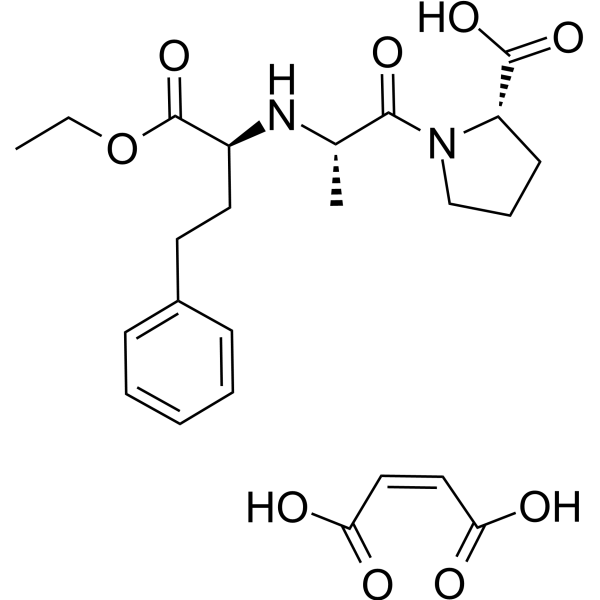
Enalapril maleate (MK-421 maleate) is an orally active angiotensin-converting enzyme inhibitor. Enalapril maleate blocks the conversion of angiotensin I to angiotensin II, regulates the renin-angiotensin system, reduces preload and afterload, and decreases plasma angiotensin II levels. Enalapril maleate inhibits apoptosis, reduces nitric oxide metabolite levels, stabilizes endothelial cells, enhances endothelial antioxidant defense, scavenges reactive oxygen species (ROS), and alleviates neuronal damage. Enalapril maleate attenuates glutathione depletion, protein/lipid oxidation, tissue damage, and type III collagen immunolabeling in organs of diabetic rats. Enalapril maleate reduces systolic blood pressure and urinary albumin excretion, and delays the progression of diabetic cardiac/renal injury. Enalapril maleate is used in research related to asymptomatic left ventricular dysfunction, congestive heart failure, Alzheimer's disease, diabetes mellitus, acute myocardial infarction, atrial fibrillation, hypertension, cerebral ischemia, chronic heart failure, and single-ventricle physiology .
loading...
    loading...
12
12 Cited Publications
Cat. No.: HY-B0647
CAS No.: 6066-49-5
Synonyms: 3-n-Butylphthalide; 3-Butylphthalide
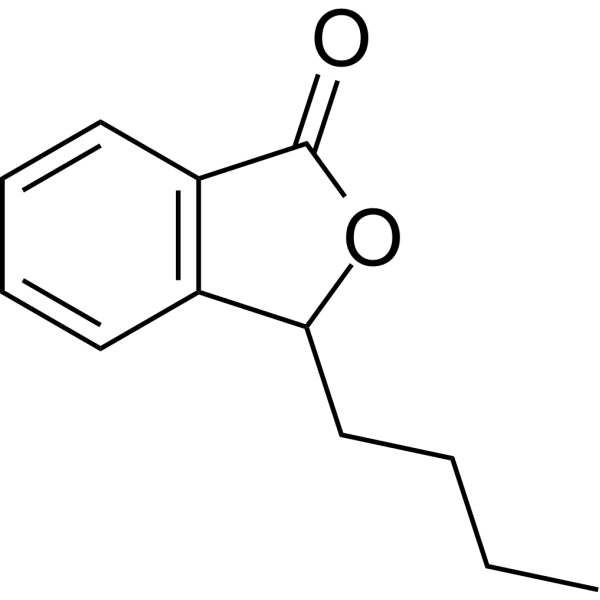
Butylphthalide (3-n-Butylphthalide) is an active molecule against cerebral ischemia. It was originally isolated from celery species and has been shown to be effective in stroke animal models.
loading...
    loading...
12
12 Cited Publications
Cat. No.: HY-100611
CAS No.: 407587-33-1
Purity:  99.35%
Target:  

Chloride Channel

Research Areas:  

Inflammation/Immunology Cancer

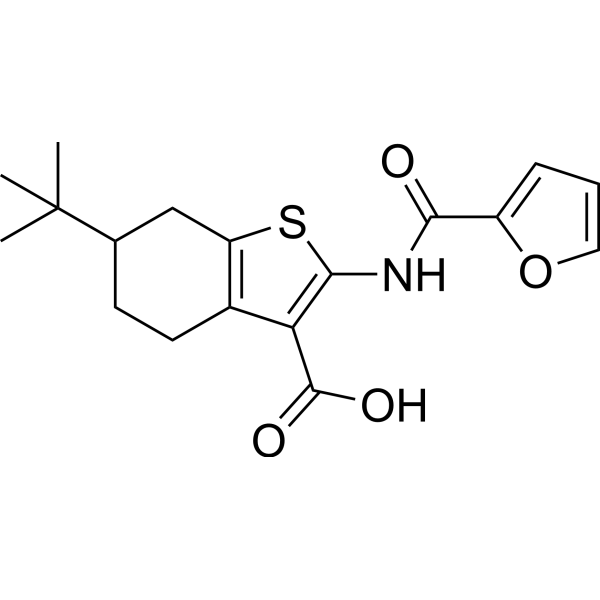
CaCCinh-A01 is an inhibitor of both TMEM16A and calcium-activated chloride channel (CaCC) with IC50s of 2.1 and 10 μM, respectively.
loading...
    loading...
11
11 Cited Publications
Cat. No.: HY-12882
CAS No.: 23210-56-2
Purity:  99.94%
Synonyms: NP-120; RC-61-91
Ifenprodil (NP-120), a cerebral vasodilator, is a noncompetitive NMDA receptor antagonist. Ifenprodil exerts high affinity at NR1A/NR2B receptors (IC50=0.34 μM) over 400-fold than at NR1A/NR2A receptors (IC50=146 μM) . Ifenprodil is an α1 adrenergic receptor antagonist. Ifenprodil inhibits GIRK (Kir3), reduces inward currents through the basal GIRK activity. Ifenprodil has reliable inhibitory effects against A/H1N1 strains (EC50 of 6.6 µM). Ifenprodil has neuroprotective, anticonvulsant and antinociceptive effects. Ifenprodil can be used for the study of cerebrovascular diseases and peripheral arterial obliterative disease .
loading...
    loading...

