Search Result
Results for "
chronic active hepatitis
" in MedChemExpress (MCE) Product Catalog:
2
Isotope-Labeled Compounds
| Cat. No. |
Product Name |
Target |
Research Areas |
Chemical Structure |
-
- HY-14648A
-
|
Dexamethasone 21-acetate; Hexadecadrol acetate
|
Glucocorticoid Receptor
|
Inflammation/Immunology
|
|
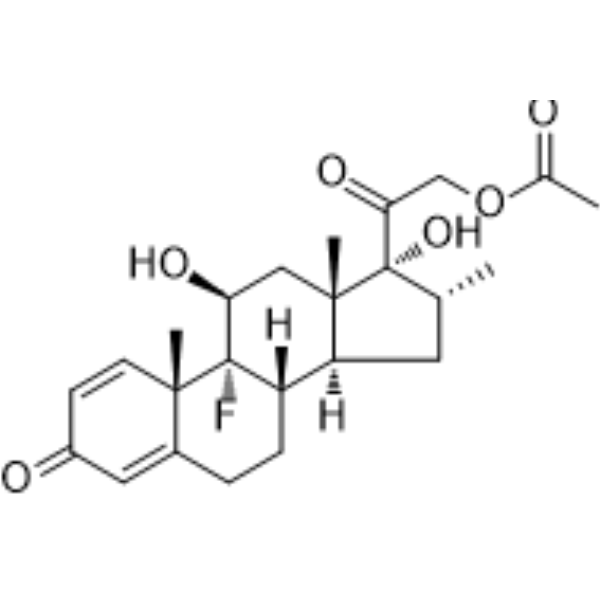
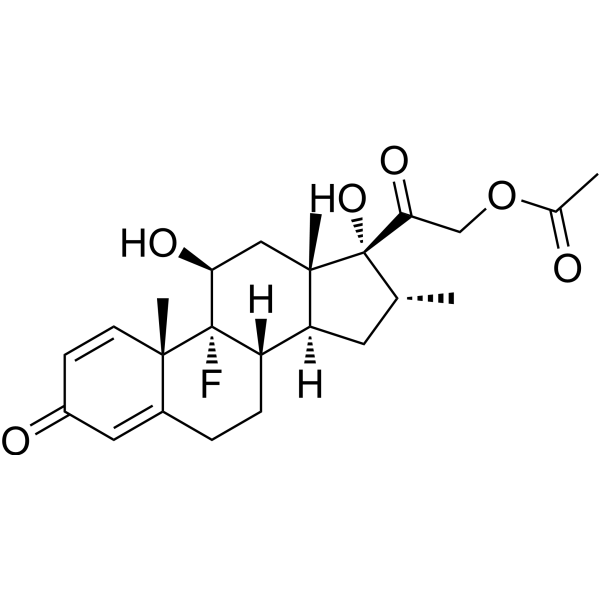
Dexamethasone acetate (Dexamethasone 21-acetate) is the acetate form of the glucocorticoid Dexamethasone (HY-14648). Dexamethasone acetate has a longer duration of action than Dexamethasone. Dexamethasone acetate can accumulate at inflammatory sites, in mouse liver and mouse lung via nanostructured lipid carriers. Dexamethasone acetate can be used to prepare topical formulations for studies related to sensorineural hearing loss, γ-carrageenan-induced paw edema, chronic active hepatitis, pulmonary diseases, and inflammation after vitreoretinal surgery .
|
-
-
- HY-B0766
-
|
SY801
|
Autophagy
Apoptosis
HBV
HCV
HSP
Reactive Oxygen Species (ROS)
Bcl-2 Family
Glutathione S-transferase
p38 MAPK
NF-κB
Microtubule/Tubulin
ERK
JNK
TNF Receptor
Interleukin Related
CDK
Cyclin G-associated Kinase (GAK)
mTOR
P-glycoprotein
Ferroptosis
|
Infection
Inflammation/Immunology
Cancer
|
|
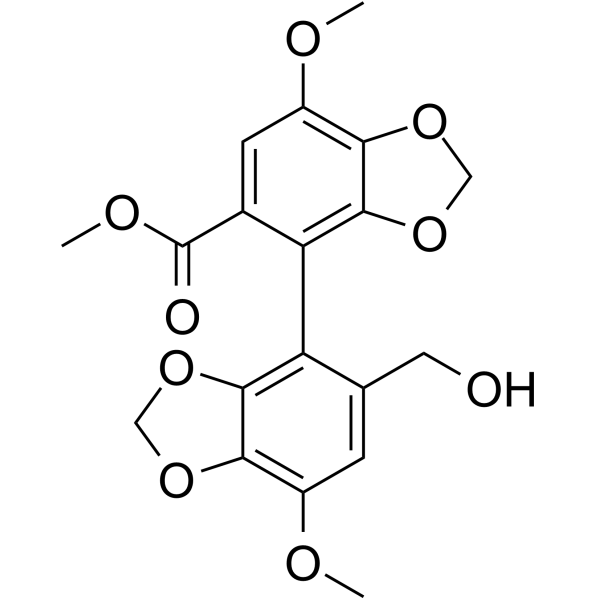
Bicyclol (SY801) is an orally active derivative of the traditional Chinese medicine Schisandra chinensis, which has antiviral, anti-inflammatory, immunomodulatory, antioxidant, anti-steatosis, anti-fibrotic and anti-tumor activities. Bicyclol regulates the expression of heat shock proteins and plays an anti-apoptosis role in hepatocytes. Bicyclol reduces the activation of NF-κB and the levels of inflammatory factors in hepatocytes infected with hepatitis C virus (HCV) by inhibiting the activation of the ROS-MAPK-NF-κB pathway, and prevents ferroptosis in acute liver injury. Bicyclol can change the expression of Mdr-1, GSH/GST and Bcl-2, increase the intracellular concentration of anticancer drugs, and sensitize drug-resistant cells to anticancer drugs. Bicyclol inhibits the proliferation of human malignant hepatoma cells by regulating the PI3K/AKT pathway and the Ras/Raf/MEK/ERK pathway. Bicyclol can be used in the study of chronic hepatitis, acute liver injury, nonalcoholic fatty liver disease, liver fibrosis and hepatocellular carcinoma .
|
-
-
- HY-15790
-
|
A 3309; AZD 7806
|
Apical Sodium-Dependent Bile Acid Transporter
|
Metabolic Disease
Inflammation/Immunology
Cancer
|
|
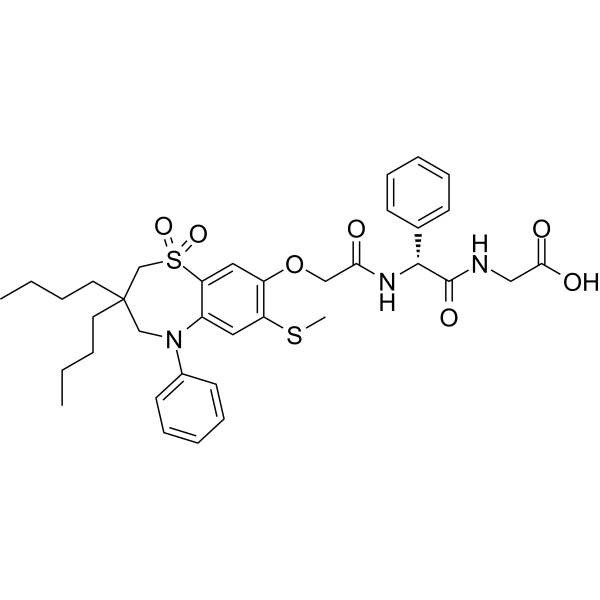
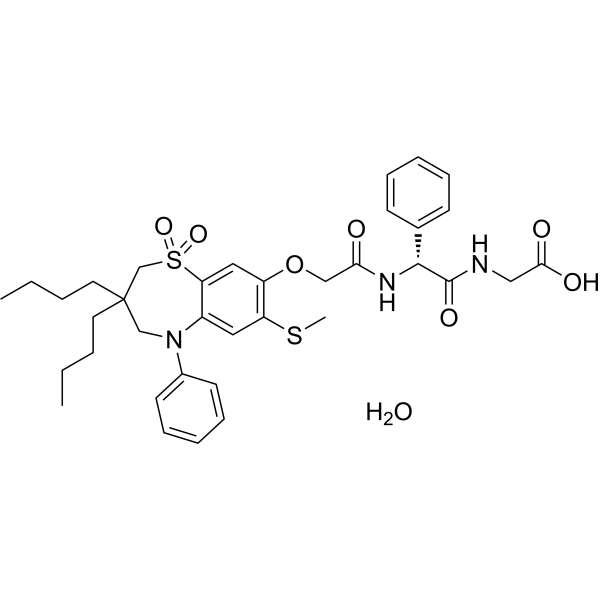
Elobixibat (A 3309; AZD 7806) is an orally active, bile acid transporter (IBAT) inhibitor with IC50 values ??of 0.53 nM (human IBAT), 0.13 nM (mouse IBAT), and 5.8 nM (canine IBAT). Elobixibat can lower LDL cholesterol, increase serum GLP-1, promote colonic motility, and has the potential to study metabolic syndrome. Elobixibat can be used in the study of chronic functional constipation (CIC), dyslipidemia, non-alcoholic hepatitis, and liver tumors in the elderly .
|
-
-
- HY-N0249
-
|
|
MMP
|
Infection
Inflammation/Immunology
|
|
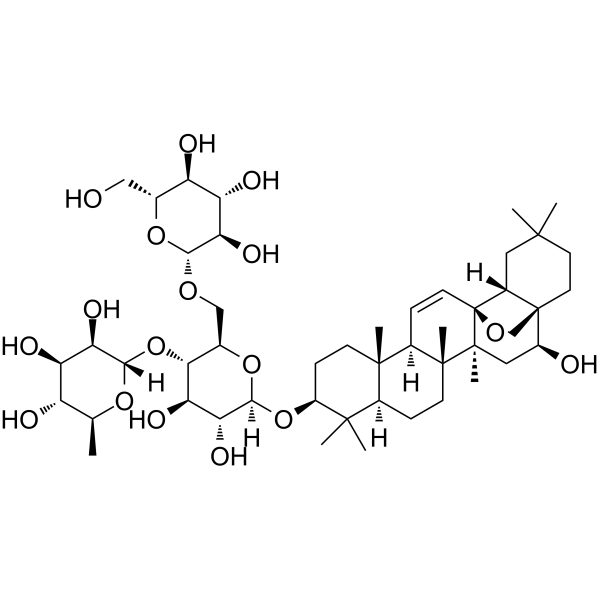
Saikosaponin C is an orally active MMP-2 inducer. Saikosaponin C induces the survival, growth, migration and capillary tube formation of endothelial cells. Saikosaponin C inhibits the early stage of hepatitis C virus infection. Saikosaponin C can be used in research related to ischemic tissue diseases, chronic kidney diseases and hepatitis C virus infection .
|
-
-
- HY-W018791
-
|
DDB
|
HBV
Autophagy
Cytochrome P450
Atg8/LC3
p62
P-glycoprotein
|
Infection
Cardiovascular Disease
Cancer
|
|
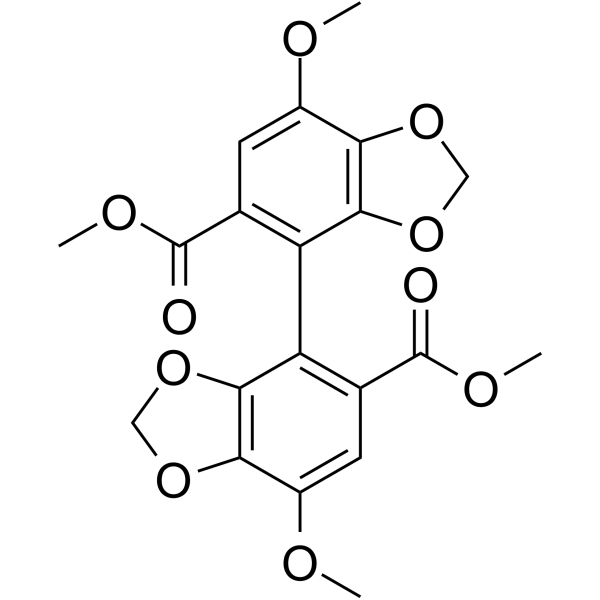
Bifendate (DDB), extracted from Schisandrae chinensis, is an orally active anti-HBV agent against chronic hepatitis B. Bifendate inhibits ATG5-dependent autophagy and attenuates oleic acid-induced lipid accumulation with anti-oxidant properties in vitro. Bifendate can decrease alanine transaminase (ALT) level in mice. Bifendate attenuates hepatic steatosis in cholesterol/bile salt- and high-fat diet-induced hypercholesterolemia in mice. Bifendate potently increases the activity of cytochrome proteins (CYPs) and reverse P-gp-mediated multi-drug resistance (MDR) .
|
-
-
- HY-N0444
-
|
|
Reactive Oxygen Species (ROS)
NF-κB
HBV
Apoptosis
Bacterial
Fungal
Parasite
|
Infection
Neurological Disease
Metabolic Disease
Inflammation/Immunology
Cancer
|
|
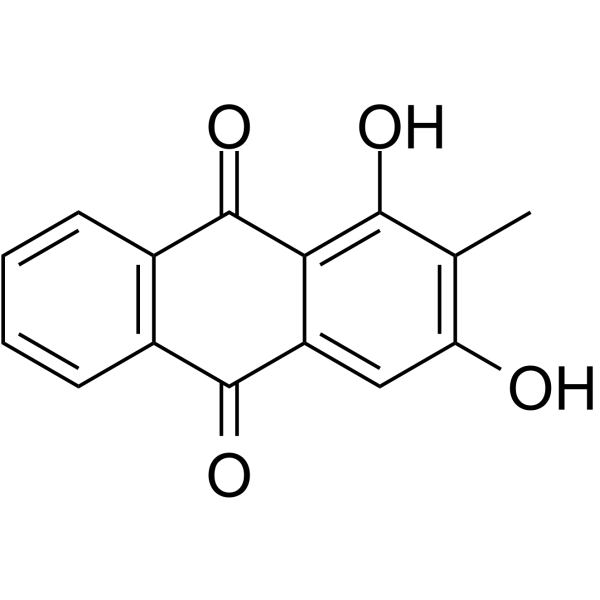
Rubiadin is an orally active free radical scavenger that inhibits the activation of the NF-κB pathway. Rubiadin inhibits osteoclast formation, bone resorption, lipid peroxidation, HBV DNA replication and cancer cell proliferation; reduces pro-inflammatory cytokine levels; induces cancer cell apoptosis; and possesses antifungal, antimalarial, antibacterial and anticonvulsant activities. Rubiadin can be used in the research of osteoporosis, acute inflammation, chronic inflammation, carbon tetrachloride-induced liver injury, Alzheimer's disease, breast cancer, iron overload disorders, hepatitis B virus infection, colon cancer, liver cancer, T-lymphocytic leukemia, cervical cancer, diabetic nephropathy, epileptic seizures, fungal infections, malaria and bacterial infections .
|
-
-
- HY-148348
-
|
|
HBV
|
Infection
|
|
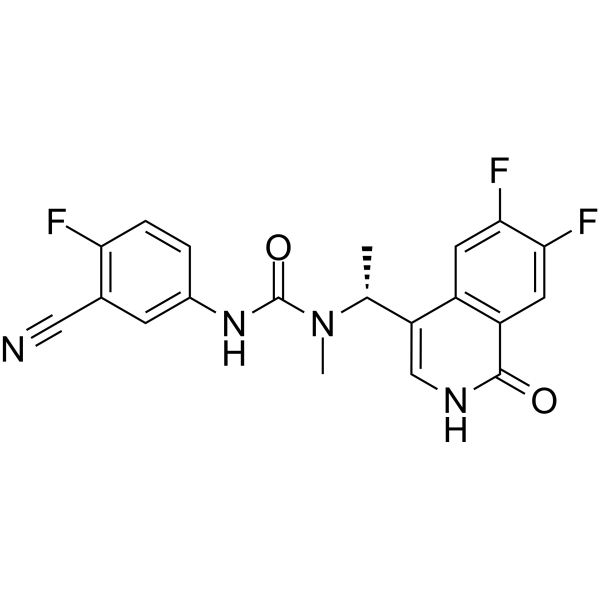
AB-836 is an orally active HBV capsid inhibitor. AB-836 inhibits viral replication by interacting with HBV core protein. AB-836 can be used in research related to chronic hepatitis B .
|
-
-
- HY-W074930
-
|
(S)-GS 1278; (S)-PMPA; (S)-TDF
|
HIV
HBV
|
Infection
|
|
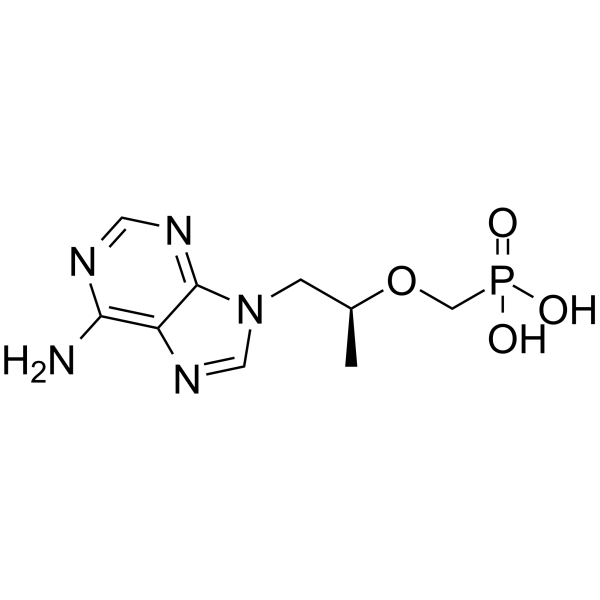
(S)-Tenofovir is the less active S-enantiomer of Tenofovir (HY-13910). Tenofovir is a nucleotide reverse transcriptase inhibitor to treat HIV and chronic Hepatitis B (HBV). (S)-Tenofovir has low activity to Orf virus. (S)-Tenofovir can be used for research on contagious pustular dermatitis .
|
-
-
- HY-135644
-
|
CRV431
|
Cyclophilin
Sirtuin
Nuclear Factor of activated T Cells (NFAT)
Interleukin Related
|
Cancer
|
|
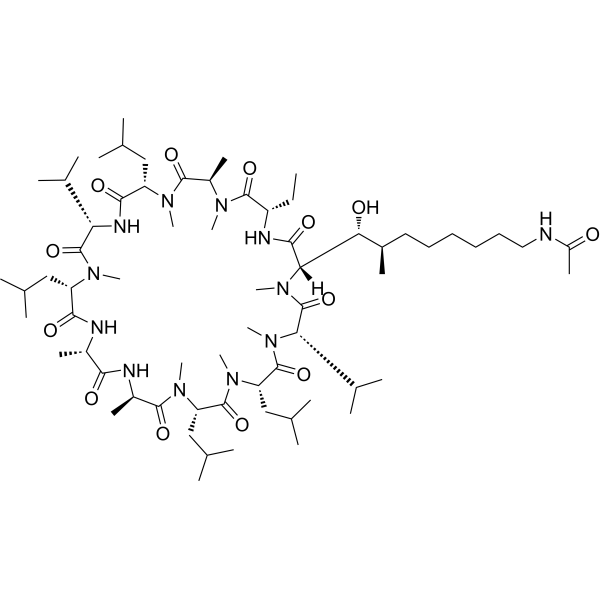
Rencofilstat (CRV431) is an orally active pan-cyclophilin inhibitor with IC50 values of 2.5 nM, 3.1 nM, 2.8 nM, 7.3 nM for Cyp A, CypB, Cyp D and Cyp G, respectively. Rencofilstat reduces fibrosis and tumor growth in models of chronic liver disease. Rencofilstat can be used for the study of nonalcoholic steatohepatitis (NASH), hepatocellular carcinoma and viral hepatitis-induced liver disease .
|
-
-
- HY-177022
-
|
|
HBV
|
Infection
|
|
ALG-001075, a capsid assembly modulator (CAM), is an orally active HBV inhibitor. ALG-001075 effectively blocks not only HBV DNA production but also extracellular HBsAg/HBeAg and intracellular HBV RNA in primary human hepatocytes. ALG-001075 shows pronounced reductions of circulating HBV DNA in the AAV-HBV mouse model. ALG-001075 can be used for the study of Chronic hepatitis B (CHB) .
|
-
-
- HY-15790A
-
|
A 3309 hydrate; AZD 7806 hydrate
|
Apical Sodium-Dependent Bile Acid Transporter
|
Metabolic Disease
Cancer
|
|
Elobixibat (A 3309; AZD 7806) hydrate is an orally active, bile acid transporter (IBAT) inhibitor with IC50 values ??of 0.53 nM (human IBAT), 0.13 nM (mouse IBAT), and 5.8 nM (canine IBAT). Elobixibat hydrate can lower LDL cholesterol, increase serum GLP-1, promote colonic motility, and has the potential to study metabolic syndrome. Elobixibat hydrate can be used in the study of chronic functional constipation (CIC), dyslipidemia, non-alcoholic hepatitis, and liver tumors in the elderly .
|
-
-
- HY-N5112A
-
|
Arnebin 1
|
FGFR
Necroptosis
Apoptosis
CDK
JNK
|
Inflammation/Immunology
|
|
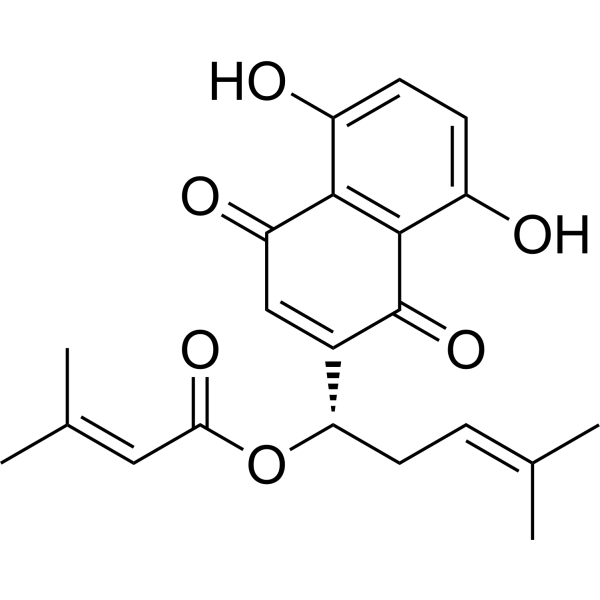
β,β-Dimethylacrylalkannin (Arnebin 1) is an orally active FGFR1 inhibitor (IC50=2.5 μM) and the main active component of Lithospermum erythrorhizon. β,β-Dimethylacrylalkannin blocks downstream signaling by binding to the ATP pocket of FGFR1, and regulates the CDK1/Cdc25C pathway and ROS-JNK axis, thereby inducing G2/M phase arrest, necrosis and apoptosis in cancer cells, and inhibiting tumor proliferation. β,β-Dimethylacrylalkannin also acts as a colistin adjuvant to disrupt the cell membrane of Gram-negative bacteria. β,β-Dimethylacrylalkannin exhibits significant tumor-inhibitory effects with no obvious toxicity in PDX models, but chronic exposure to high doses may alter the relative lung/liver weights of rats, while acute exposure to high doses causes responses such as reduced motor activity. β,β-Dimethylacrylalkannin finds wide application in studies related to hepatocellular carcinoma, colorectal cancer, colistin-resistant bacterial infections, hepatitis and psoriasis .
|
-
-
- HY-137453
-
|
HS-10234
|
HBV
|
Infection
|
|
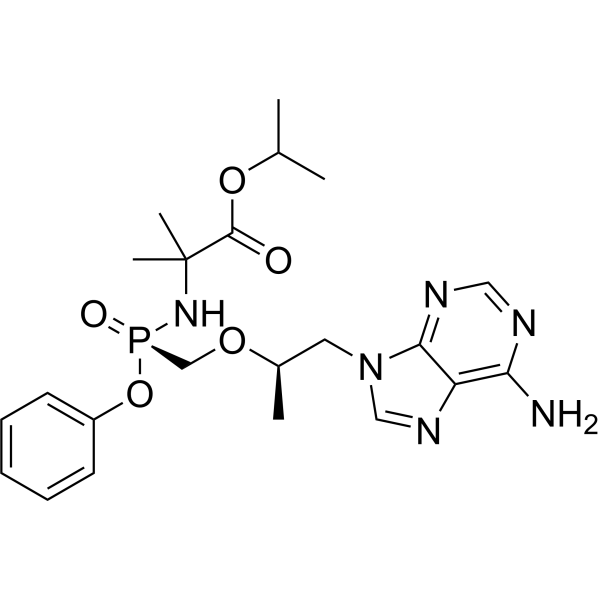
Tenofovir amibufenamide (HS-10234), a Tenofovir prodrug, is an orally active antiviral agent. Tenofovir amibufenamide inhibits HBV, and can be used for chronic hepatitis B (CHB) study .
|
-
-
- HY-N13250
-
|
|
Apoptosis
AMPK
Elastase
Bcl-2 Family
Interleukin Related
Caspase
PI3K
Akt
SOD
|
Cardiovascular Disease
|
|
Hawthorn Extract is an orally active hawthorn extract. Hawthorn Extract decreases Bax expression and increases Bcl-2 expression in the aorta. Hawthorn Extract regulates the AMPK signaling pathway, induces apoptosis, enhances the hepatic antioxidant system, and ameliorates symptoms of liver injury, inflammation and cancer. Hawthorn Extract reduces plasma levels of pro-inflammatory factors, increases plasma levels of anti-inflammatory adiponectin, and alleviates atherosclerotic plaque lesions in the aorta. Hawthorn Extract improves symptoms associated with chronic heart failure . Hawthorn Extract inhibits FMLP-induced superoxide anion production, Elastase release, ILB4 generation and calcium signaling in neutrophils, and also reduces LPS-induced cytokine production in neutrophils. Hawthorn Extract induces autophagy and inhibits the proliferation of intestinal stem cells. Hawthorn Extract can be used in research related to atherosclerosis, hepatitis, alcoholic liver disease, non-alcoholic fatty liver disease, hepatocellular carcinoma, chronic heart failure and hypotension .
|
-
-
- HY-15256
-
|
BI 201335
|
HCV Protease
|
Infection
|
|
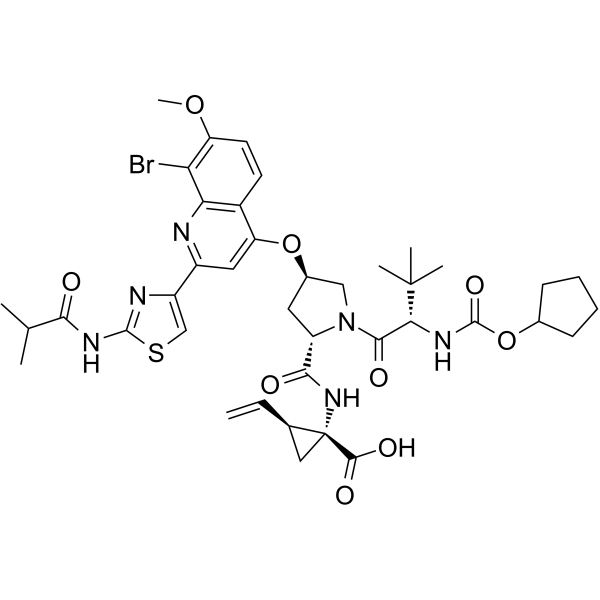
Faldaprevir (BI 201335) is a potent, orally active and selective noncovalent inhibitor of NS3/4A protease of HCV (hepatitis C virus) genotypes 1a and 1b, with Ki values of 2.6 and 2.0 nM, respectively. Faldaprevir inhibits HCV RNA replication, with EC50 values of 6.5 and 3.1 nM, respectively. Faldaprevir has potent antiviral activity against chronic HCV infection .
|
-
-
- HY-N6666
-
|
|
Nucleoside Antimetabolite/Analog
DNA/RNA Synthesis
HSV
VZV
CMV
EBV
|
Infection
|
|
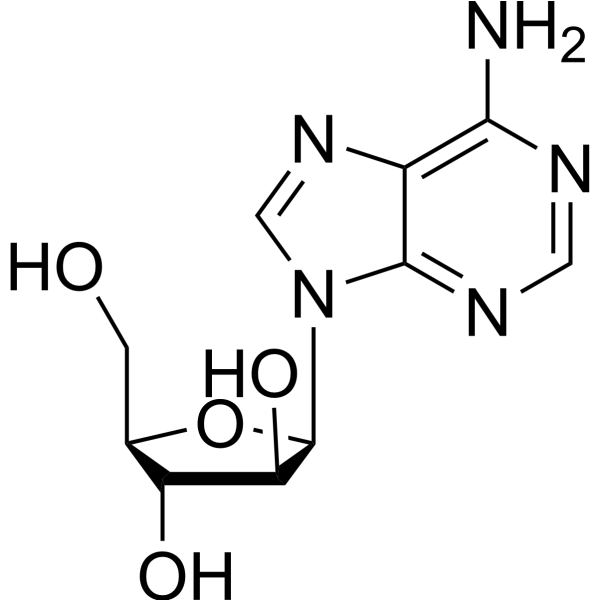
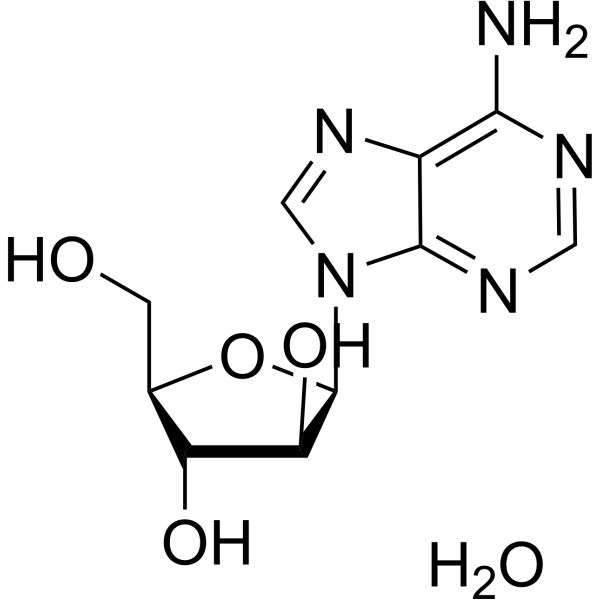
Vidarabine monohydrate is a Purine nucleoside derivative and Antiviral agent. The triphosphate derivative of Vidarabine monohydrate competitively inhibits DNA polymerase, incorporates into the terminus of elongating DNA molecules, and interferes with the early steps of viral DNA synthesis. Vidarabine monohydrate inhibits the replication of herpes simplex virus, varicella-zoster virus, cytomegalovirus, Epstein-Barr virus and vaccinia virus, reduces viral shedding, and accelerates skin healing. Vidarabine monohydrate is metabolized to arabinosyl hypoxanthine, causes minimal impairment of corneal wound healing in rabbit models, and is associated with recurrence of herpes simplex encephalitis. Vidarabine monohydrate can be used in the research of herpetic keratoconjunctivitis, herpes simplex encephalitis, herpetic uveitis, and chronic active hepatitis associated with hepatitis B virus .
|
-
-
- HY-14648AR
-
|
Dexamethasone 21-acetate (Standard); Hexadecadrol acetate (Standard)
|
Reference Standards
Glucocorticoid Receptor
|
Inflammation/Immunology
|
|
Dexamethasone acetate (Standard) (Dexamethasone 21-acetate (Standard)) is the analytical standard of Dexamethasone acetate (HY-14648A). This product is intended for research and analytical applications. Dexamethasone acetate (Dexamethasone 21-acetate) is the acetate form of the glucocorticoid Dexamethasone (HY-14648). Dexamethasone acetate has a longer duration of action than Dexamethasone. Dexamethasone acetate can accumulate at inflammatory sites, in mouse liver and mouse lung via nanostructured lipid carriers. Dexamethasone acetate can be used to prepare topical formulations for studies related to sensorineural hearing loss, γ-carrageenan-induced paw edema, chronic active hepatitis, pulmonary diseases, and inflammation after vitreoretinal surgery.
|
-
-
- HY-106235
-
|
|
HBV
DNA/RNA Synthesis
|
Infection
|
|
LB80317 is an active metabolite of LB80380 and suppresses the DNA synthesis of HBV with an EC50 of 0.5 μM. LB80317 has antiviral effect and has the potential for chronic hepatitis B treatment .
|
-
-
- HY-148768
-
|
|
HBV
|
Inflammation/Immunology
|
|
AB-506 is an orally active inhibitor of HBV replication targeting the viral core protein. AB-506 can bind to HBV core protein, accelerate capsid assembly and inhibit HBV pgRNA encapsidation. AB-506 can be used in chronic hepatitis B (CHB) research .
|
-
-
- HY-W018791R
-
|
DDB (Standard)
|
Reference Standards
HBV
Autophagy
Cytochrome P450
Atg8/LC3
p62
P-glycoprotein
|
Infection
Cardiovascular Disease
Cancer
|
|
Bifendate (DDB), extracted from Schisandrae chinensis, is an orally active anti-HBV agent against chronic hepatitis B. Bifendate inhibits ATG5-dependent autophagy and attenuates oleic acid-induced lipid accumulation with anti-oxidant properties in vitro. Bifendate can decrease alanine transaminase (ALT) level in mice. Bifendate attenuates hepatic steatosis in cholesterol/bile salt- and high-fat diet-induced hypercholesterolemia in mice. Bifendate potently increases the activity of cytochrome proteins (CYPs) and reverse P-gp-mediated multi-drug resistance (MDR) .
|
-
-
- HY-N0444R
-
|
|
Reference Standards
Reactive Oxygen Species (ROS)
Apoptosis
Fungal
Parasite
NF-κB
HBV
Bacterial
|
Infection
Neurological Disease
Metabolic Disease
Inflammation/Immunology
Cancer
|
|
Rubiadin (Standard) is the analytical standard of Rubiadin (HY-N0444). This product is intended for research and analytical applications. Rubiadin is an orally active free radical scavenger that inhibits the activation of the NF-κB pathway. Rubiadin inhibits osteoclast formation, bone resorption, lipid peroxidation, HBV DNA replication and cancer cell proliferation; reduces pro-inflammatory cytokine levels; induces cancer cell apoptosis; and possesses antifungal, antimalarial, antibacterial and anticonvulsant activities. Rubiadin can be used in the research of osteoporosis, acute inflammation, chronic inflammation, carbon tetrachloride-induced liver injury, Alzheimer's disease, breast cancer, iron overload disorders, hepatitis B virus infection, colon cancer, liver cancer, T-lymphocytic leukemia, cervical cancer, diabetic nephropathy, epileptic seizures, fungal infections, malaria and bacterial infections.
|
-
-
- HY-177300
-
|
|
Toll-like Receptor (TLR)
HBV
IFNAR
Interleukin Related
|
Infection
Inflammation/Immunology
|
|
TLR7/8 agonist 13 is an orally active dual agonist of TLR7 (lowest effective concentrations (LEC) [hTLR7] = 1.6 μM) and TLR8 (LEC [hTLR8] = 1.6 μM). TLR7/8 agonist 13 exhibits agonistic activity against human peripheral blood mononuclear cells (hPBMCs) (LEC [hPBMC] = 0.5 μM). TLR7/8 agonist 13 induces endogenous IFNα, activating myeloid dendritic cells and monocytes toward a TH1 phenotype in mice and cynomolgus monkeys. TLR7/8 agonist 13 reduces viral load and HBV surface antigen expression in a mouse model of chronic AAV-HBV infection. TLR7/8 agonist 13 has the potential to indirectly induce IFNγ, which may promote HBV antigen-specific CD8 T cell-mediated responses. TLR7/8 agonist 13 can be used to study hepatitis B virus .
|
-
-
- HY-147358C
-
|
(1R,4S)-Emitasvir diphosphate; (1R,4S)-DAG-181 diphosphate
|
HCV
|
Infection
|
|
Yimitasvir (Emitasvir) diphosphate is an orally active hepatitis C virus (HCV) nonstructural protein 5A (NS5A) inhibitor and can be used for research of chronic hepatitis C virus infection .
|
-
-
- HY-119161
-
-
-
- HY-W074930R
-
|
(S)-GS 1278 (Standard); (S)-PMPA (Standard); (S)-TDF (Standard)
|
Reference Standards
HIV
HBV
|
Infection
|
|
(S)-Tenofovir (Standard) is the analytical standard of (S)-Tenofovir. This product is intended for research and analytical applications. (S)-Tenofovir is the less active S-enantiomer of Tenofovir (HY-13910). Tenofovir is a nucleotide reverse transcriptase inhibitor to treat HIV and chronic Hepatitis B (HBV). (S)-Tenofovir has low activity to Orf virus. (S)-Tenofovir can be used for research on contagious pustular dermatitis .
|
-
-
- HY-15256A
-
|
BI 201335 sodium
|
HCV Protease
|
Infection
|
|
Faldaprevir sodium is a potent, orally active and selective noncovalent inhibitor of NS3/4A protease of HCV (hepatitis C virus) genotypes 1a and 1b, with Ki values of 2.6 and 2.0 nM, respectively. Faldaprevir sodium inhibits HCV RNA replication, with EC50 values of 6.5 and 3.1 nM, respectively. Faldaprevir sodium has potent antiviral activity against chronic HCV infection .
|
-
-
- HY-145713A
-
|
HBV-IN-19 TFA
|
HBV
|
Infection
|
|
GS-8873 TFA is the TFA salt form of GS-8873 (HY-145713). GS-8873 TFA is an orally active inhibitor for the production of hepatitis B virus (HBV) surface antigen (HBsAg) with an EC50 of 4 nM. GS-8873 TFA exhibits good pharmacokinetic characters in rats and metabolic stability in human hepatocytes. GS-8873 TFA causes neurofunctional deficits in rats and cynomolgus monkeys .
|
-
-
- HY-145713
-
|
HBV-IN-19
|
HBV
|
Infection
|
|
GS-8873 is an orally active inhibitor for the production of hepatitis B virus (HBV) surface antigen (HBsAg) with an EC50 of 4 nM. GS-8873 exhibits good pharmacokinetic characters in rats and metabolic stability in human hepatocytes. GS-8873 causes neurofunctional deficits in rats and cynomolgus monkeys .
|
-
-
- HY-15790S
-
|
A 3309-d5; AZD 7806-d5
|
Isotope-Labeled Compounds
Apical Sodium-Dependent Bile Acid Transporter
|
Metabolic Disease
Inflammation/Immunology
Cancer
|
|
Elobixibat-d5 is the deuterium labeled Elobixibat (HY-15790). Elobixibat (A 3309; AZD 7806) is orally active, bile acid transporter (IBAT) inhibitor with IC50 values ??of 0.53 nM (human IBAT), 0.13 nM (mouse IBAT), and 5.8 nM (canine IBAT). Elobixibat can lower LDL cholesterol, increase serum GLP-1, promote colonic motility, and has the potential to treat metabolic syndrome. Elobixibat can be used in the study of chronic functional constipation (CIC), dyslipidemia, non-alcoholic hepatitis, and liver tumors in the elderly .
|
-
-
- HY-15790R
-
|
A 3309 (Standard); AZD 7806 (Standard)
|
Apical Sodium-Dependent Bile Acid Transporter
Reference Standards
|
Metabolic Disease
Inflammation/Immunology
Cancer
|
|
Elobixibat (Standard) is the analytical standard of Elobixibat (HY-15790). This product is intended for research and analytical applications. Elobixibat (A 3309; AZD 7806) is orally active, bile acid transporter (IBAT) inhibitor with IC50 values ??of 0.53 nM (human IBAT), 0.13 nM (mouse IBAT), and 5.8 nM (canine IBAT). Elobixibat can lower LDL cholesterol, increase serum GLP-1, promote colonic motility, and has the potential to treat metabolic syndrome. Elobixibat can be used in the study of chronic functional constipation (CIC), dyslipidemia, non-alcoholic hepatitis, and liver tumors in the elderly .
|
-
-
- HY-W744577
-
|
Dexamethasone 21-acetate-d5; Hexadecadrol acetate-d5
|
Isotope-Labeled Compounds
Glucocorticoid Receptor
|
Inflammation/Immunology
|
|
Dexamethasone acetate-d5 (Dexamethasone 21-acetate-d5; Hexadecadrol acetate-d5) is the deuterium labeled Dexamethasone acetate (HY-14648A). Dexamethasone acetate (Dexamethasone 21-acetate) is the acetate form of the glucocorticoid Dexamethasone (HY-14648). Dexamethasone acetate has a longer duration of action than Dexamethasone. Dexamethasone acetate can accumulate at inflammatory sites, in mouse liver and mouse lung via nanostructured lipid carriers. Dexamethasone acetate can be used to prepare topical formulations for studies related to sensorineural hearing loss, γ-carrageenan-induced paw edema, chronic active hepatitis, pulmonary diseases, and inflammation after vitreoretinal surgery.
|
-
-
- HY-181348
-
|
|
HBV
|
Infection
|
|
HBV-IN-56 is an orally active HBsAg production inhibitor. HBV-IN-56 inhibits HBsAg production both in vitro and in vivo. HBV-IN-56 can be used for the research of chronic hepatitis B virus infection .
|
-
-
- HY-182691
-
|
|
HCV
|
Infection
|
|
Amphihevir is an orally active HCV NS4B inhibitor. Amphihevir exhibits activity against HCV genotype 1a and 1b replicons and reduces HCV RNA levels. Amphihevir can be used in the research of chronic hepatitis C .
|
-
-
- HY-183260
-
|
|
HBV
Cytochrome P450
|
Infection
|
|
HBV-IN-57 is an orally active HBV inhibitor with pan-genotypic efficacy against HBV genotypes B/C. HBV-IN-57 inhibits HBV DNA replication and HBV capsid assembly. HBV-IN-57 can be used for the research of chronic hepatitis B .
|
-
-
- HY-19009B
-
|
|
CCR
|
Metabolic Disease
Inflammation/Immunology
Cancer
|
|
Propagermanium is an orally active and selective CCR2 inhibitor. Propagermanium enhances IFN-γ, IL-2, 2',5'-oligoadenylate synthetase, and unspecified cytokine production, and induces mature cytolytic NK cell subsets. Propagermanium reduces HBe antigen and HBV DNA polymerase levels, promotes HBV clearance and lowers serum ALT. Propagermanium downregulates STAT1, inhibits pro-inflammatory microglia polarization, pro-inflammatory cytokine release, and monocyte/macrophage infiltration. Propagermanium can be used for the research of chronic hepatitis B, atherosclerosis, breast cancer, non-alcoholic steatohepatitis, insulin resistance, refractory gastric cancer, multiple myeloma, type 2 diabetes .
|
-
| Cat. No. |
Product Name |
Category |
Target |
Chemical Structure |
-
- HY-N0249
-
-
-
- HY-N0444
-
|
|
Quinones
Structural Classification
Classification of Application Fields
Anthraquinones
Rubiaceae
Phenols
Polyphenols
Plants
Morinda officinalis How
Inflammation/Immunology
Disease Research Fields
Source Classification
|
Reactive Oxygen Species (ROS)
NF-κB
HBV
Apoptosis
Bacterial
Fungal
Parasite
|
|
Rubiadin is an orally active free radical scavenger that inhibits the activation of the NF-κB pathway. Rubiadin inhibits osteoclast formation, bone resorption, lipid peroxidation, HBV DNA replication and cancer cell proliferation; reduces pro-inflammatory cytokine levels; induces cancer cell apoptosis; and possesses antifungal, antimalarial, antibacterial and anticonvulsant activities. Rubiadin can be used in the research of osteoporosis, acute inflammation, chronic inflammation, carbon tetrachloride-induced liver injury, Alzheimer's disease, breast cancer, iron overload disorders, hepatitis B virus infection, colon cancer, liver cancer, T-lymphocytic leukemia, cervical cancer, diabetic nephropathy, epileptic seizures, fungal infections, malaria and bacterial infections .
|
-
-
- HY-N5112A
-
|
Arnebin 1
|
Quinones
Structural Classification
other families
Classification of Application Fields
Other Diseases
Plants
Naphthalene Quinones
Pteris livida Mett.
Disease Research Fields
|
FGFR
Necroptosis
Apoptosis
CDK
JNK
|
|
β,β-Dimethylacrylalkannin (Arnebin 1) is an orally active FGFR1 inhibitor (IC50=2.5 μM) and the main active component of Lithospermum erythrorhizon. β,β-Dimethylacrylalkannin blocks downstream signaling by binding to the ATP pocket of FGFR1, and regulates the CDK1/Cdc25C pathway and ROS-JNK axis, thereby inducing G2/M phase arrest, necrosis and apoptosis in cancer cells, and inhibiting tumor proliferation. β,β-Dimethylacrylalkannin also acts as a colistin adjuvant to disrupt the cell membrane of Gram-negative bacteria. β,β-Dimethylacrylalkannin exhibits significant tumor-inhibitory effects with no obvious toxicity in PDX models, but chronic exposure to high doses may alter the relative lung/liver weights of rats, while acute exposure to high doses causes responses such as reduced motor activity. β,β-Dimethylacrylalkannin finds wide application in studies related to hepatocellular carcinoma, colorectal cancer, colistin-resistant bacterial infections, hepatitis and psoriasis .
|
-
-
- HY-N13250
-
|
|
Cardiovascular Disease
Classification of Application Fields
Rosaceae
Plants
Disease Research Fields
Source Classification
|
Apoptosis
AMPK
Elastase
Bcl-2 Family
Interleukin Related
Caspase
PI3K
Akt
SOD
|
|
Hawthorn Extract is an orally active hawthorn extract. Hawthorn Extract decreases Bax expression and increases Bcl-2 expression in the aorta. Hawthorn Extract regulates the AMPK signaling pathway, induces apoptosis, enhances the hepatic antioxidant system, and ameliorates symptoms of liver injury, inflammation and cancer. Hawthorn Extract reduces plasma levels of pro-inflammatory factors, increases plasma levels of anti-inflammatory adiponectin, and alleviates atherosclerotic plaque lesions in the aorta. Hawthorn Extract improves symptoms associated with chronic heart failure . Hawthorn Extract inhibits FMLP-induced superoxide anion production, Elastase release, ILB4 generation and calcium signaling in neutrophils, and also reduces LPS-induced cytokine production in neutrophils. Hawthorn Extract induces autophagy and inhibits the proliferation of intestinal stem cells. Hawthorn Extract can be used in research related to atherosclerosis, hepatitis, alcoholic liver disease, non-alcoholic fatty liver disease, hepatocellular carcinoma, chronic heart failure and hypotension .
|
-
-
- HY-N0444R
-
|
|
Quinones
Structural Classification
Anthraquinones
Rubiaceae
Phenols
Polyphenols
Plants
Morinda officinalis How
Source Classification
|
Reference Standards
Reactive Oxygen Species (ROS)
Apoptosis
Fungal
Parasite
NF-κB
HBV
Bacterial
|
|
Rubiadin (Standard) is the analytical standard of Rubiadin (HY-N0444). This product is intended for research and analytical applications. Rubiadin is an orally active free radical scavenger that inhibits the activation of the NF-κB pathway. Rubiadin inhibits osteoclast formation, bone resorption, lipid peroxidation, HBV DNA replication and cancer cell proliferation; reduces pro-inflammatory cytokine levels; induces cancer cell apoptosis; and possesses antifungal, antimalarial, antibacterial and anticonvulsant activities. Rubiadin can be used in the research of osteoporosis, acute inflammation, chronic inflammation, carbon tetrachloride-induced liver injury, Alzheimer's disease, breast cancer, iron overload disorders, hepatitis B virus infection, colon cancer, liver cancer, T-lymphocytic leukemia, cervical cancer, diabetic nephropathy, epileptic seizures, fungal infections, malaria and bacterial infections.
|
-
| Cat. No. |
Product Name |
Chemical Structure |
-
- HY-15790S
-
|
|
|
Elobixibat-d5 is the deuterium labeled Elobixibat (HY-15790). Elobixibat (A 3309; AZD 7806) is orally active, bile acid transporter (IBAT) inhibitor with IC50 values ??of 0.53 nM (human IBAT), 0.13 nM (mouse IBAT), and 5.8 nM (canine IBAT). Elobixibat can lower LDL cholesterol, increase serum GLP-1, promote colonic motility, and has the potential to treat metabolic syndrome. Elobixibat can be used in the study of chronic functional constipation (CIC), dyslipidemia, non-alcoholic hepatitis, and liver tumors in the elderly .
|
-
-
- HY-W744577
-
|
|
|
Dexamethasone acetate-d5 (Dexamethasone 21-acetate-d5; Hexadecadrol acetate-d5) is the deuterium labeled Dexamethasone acetate (HY-14648A). Dexamethasone acetate (Dexamethasone 21-acetate) is the acetate form of the glucocorticoid Dexamethasone (HY-14648). Dexamethasone acetate has a longer duration of action than Dexamethasone. Dexamethasone acetate can accumulate at inflammatory sites, in mouse liver and mouse lung via nanostructured lipid carriers. Dexamethasone acetate can be used to prepare topical formulations for studies related to sensorineural hearing loss, γ-carrageenan-induced paw edema, chronic active hepatitis, pulmonary diseases, and inflammation after vitreoretinal surgery.
|
-
Your information is safe with us. * Required Fields.
Inquiry Information
- Product Name:
- Cat. No.:
- Quantity:
- MCE Japan Authorized Agent:

