
Search Result
Results for "
clathrin
" in MedChemExpress (MCE) Product Catalog:
5
Biochemical Assay Reagents
| Cat. No. |
Product Name |
Target |
Research Areas |
Chemical Structure |
-
- HY-101461
-
|
Methyl-beta-cyclodextrin
|
Environmental Pollutants
Biochemical Assay Reagents
|
Cancer
|
|
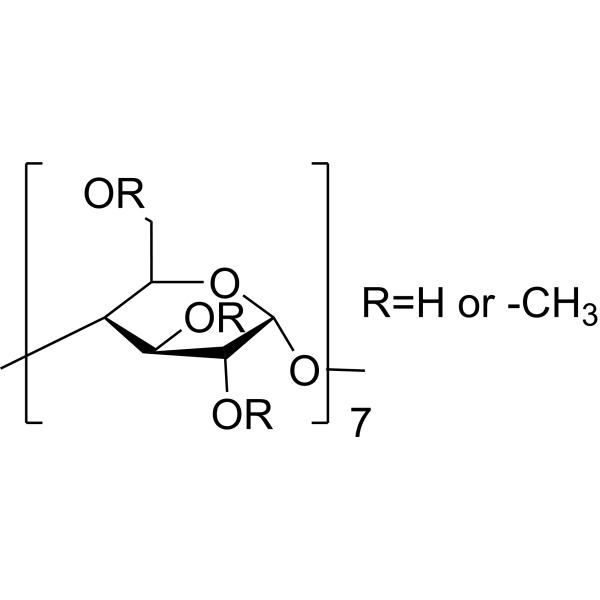
Methyl-β-cyclodextrin (Methyl-beta-cyclodextrin) is a cyclic heptasaccharide used to deliver hydrophobic agents based on its property of solubilizing non-polar substances. Methyl-β-cyclodextrin is also extensively used as a cholesterol-depleting reagent . Methyl-β-cyclodextrin strongly reduces clathrin-dependent endocytosis . Methyl-β-cyclodextrin blocks cell migrasome formation .
|
-
-
- HY-12708
-
Chlorpromazine
Maximum Cited Publications
128 Publications Verification
|
Dopamine Receptor
Cytochrome P450
Autophagy
5-HT Receptor
|
Cardiovascular Disease
Neurological Disease
Cancer
|
|
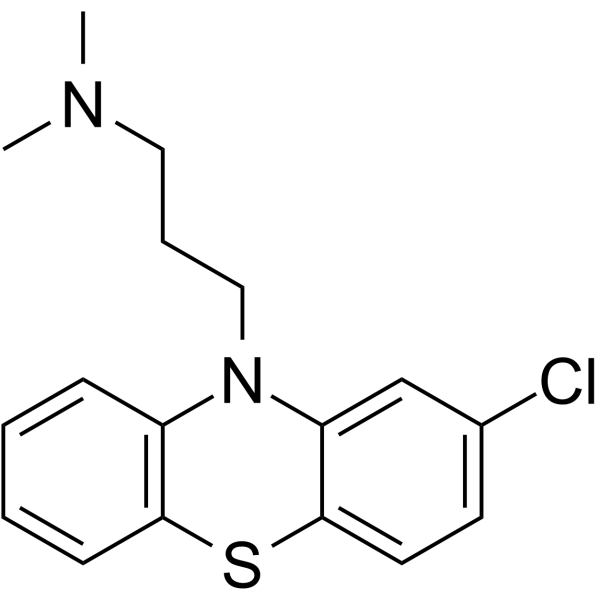
Chlorpromazine is an orally active, blood-brain barrier-transparent antipsychotic agent that effectively antagonises D2 dopamine receptors and 5-HT2A, which is widely used in schizophrenia and other psychiatric disorders. Chlorpromazine exerts anti-cancer activity through a variety of pathways, including anti-proliferation, induction of autophagy and cycle arrest (G2-M phase), inhibition of cytochrome c oxidase (CcO), inhibition of tumour growth and metastasis, and inhibition of tumour immune escape. Chlorpromazine also blocks hNav1.7 channels (IC50=25.9 μM; concentration-dependent) and HERG potassium channels (IC50=21.6 μM), which has potential for analgesic and cardiac arrhythmic studies. Chlorpromazine also can inhibit clathrin-mediated endocytosis .
|
-
-
- HY-115604
-
|
|
Apoptosis
|
Cancer
|
|
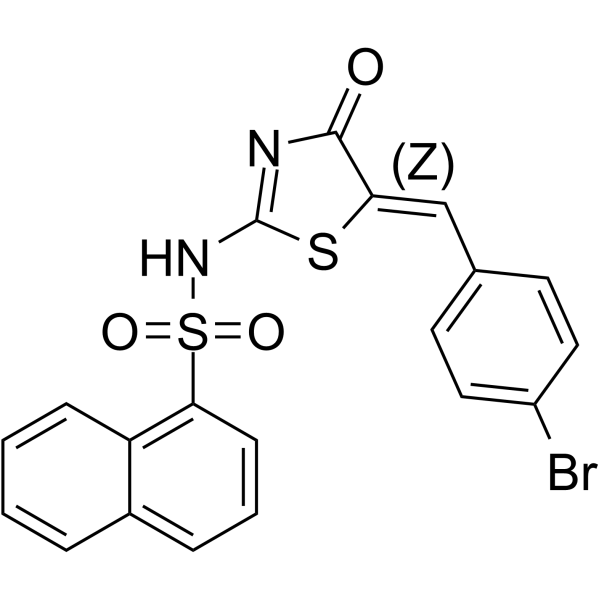
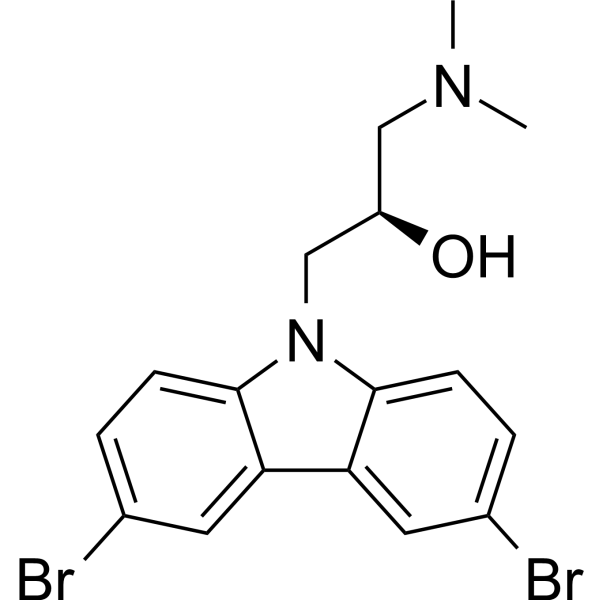
Pitstop 2 is a clathrin inhibitor which inhibits clathrin-mediated endocytosis (CME) by associating with the terminal domain of clathrin. Pitstop 2 has the potential for anti-cancer research .
|
-
-
- HY-B0407A
-
|
|
Dopamine Receptor
Autophagy
Cytochrome P450
5-HT Receptor
|
Cardiovascular Disease
Neurological Disease
Cancer
|
|
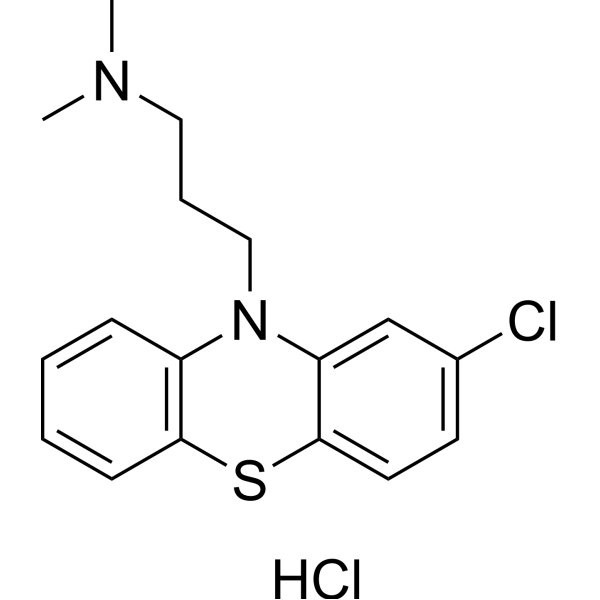
Chlorpromazine hydrochloride is an orally active, blood-brain barrier-transparent antipsychotic agent that effectively antagonises D2 dopamine receptors and 5-HT2A, which is widely used in schizophrenia and other psychiatric disorders. Chlorpromazine hydrochloride exerts anti-cancer activity through a variety of pathways, including anti-proliferation, induction of autophagy and cycle arrest (G2-M phase), inhibition of cytochrome c oxidase (CcO), inhibition of tumour growth and metastasis, and inhibition of tumour immune escape. Chlorpromazine hydrochloride also blocks hNav1.7 channels (IC50=25.9 μM; concentration-dependent) and HERG potassium channels (IC50=21.6 μM), which has potential for analgesic and cardiac arrhythmic studies. Chlorpromazine hydrochloride also can inhibit clathrin-mediated endocytosis .
|
-
-
- HY-131683
-
ES9-17
1 Publications Verification
|
Dynamin
Clathrin
|
Others
|
|
ES9-17 is an analog of ES9 (endosidin9), which is an inhibitor of clathrin heavy chain (CHC). ES9-17 is an inhibitor of clathrin-mediated endocytosis (CME), a major route for internalization of plasma membrane proteins and molecules from the extracellular environment in plants. ES9-17 inhibits the uptake of transferrin and FM4-64. ES9-17 also inhibits root growth of Arabidopsis seedings .
|
-
-
- HY-P5423
-
|
|
Exosomes
Liposome
|
Cancer
|
|
GALA is a pH-responsive amphipathic peptide consisting of 30 amino acids, which acts as a lung endothelium-targeting ligand. GALA undergoes a conformational transition from random coil to α-helix in an acidic environment at pH 5.0, thereby inducing endosomal membrane destabilization and fusion. GALA-modified liposomes traverse lung endothelial cells via clathrin-dependent endocytosis and transcytosis, and specifically accumulate in the lungs after intravenous injection. GALA significantly promotes the cytosolic release of cargos carried by exosomes, plasmids and liposomes, effectively enhances gene transfection efficiency, and drives gene knockdown of functional macromolecules (such as siRNA) in alveolar epithelial cells (with no significant cytotoxicity at effective concentrations). GALA serves as a critical tool for studies on lung cancer metastasis (e.g., melanoma lung metastasis) and lung-targeted drug delivery systems .
|
-
-
- HY-12534
-
|
|
Arp2/3 Complex
|
Neurological Disease
|
|
Wiskostatin is a potent and selective inhibitor of neuronal Wiskott-Aldrich syndrome protein (N-WASP)-mediated actin polymerization by stabilization of the closed, autoinhibited conformation, thereby preventing Arp2/3 complex activation. Wiskostatin is also a dynamin inhibitor with an IC50 value of 20.7 μM and a potent inhibitor of clathrin-mediated endocytosis with an IC50 value of 6.9 μM. Wiskostatin causes a rapid, profound, and irreversible decrease in cellular ATP levels. Wiskostatin also induces disassembly of podosomes in a murine monocyte cell line .
|
-
-
- HY-119764
-
|
|
Antibiotic
|
Others
|
|
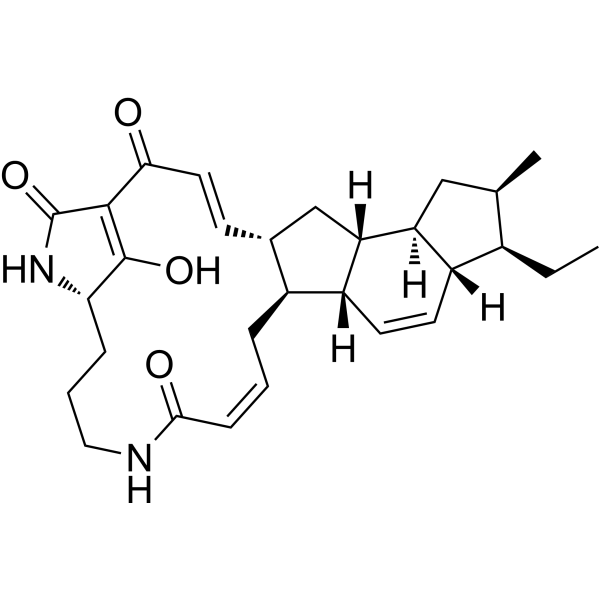
Ikarugamycin is an antibiotic and a inhibitor of clathrin-mediated endocytosis (CME) .
|
-
-
- HY-152218
-
|
|
Dynamin
|
Neurological Disease
|
|
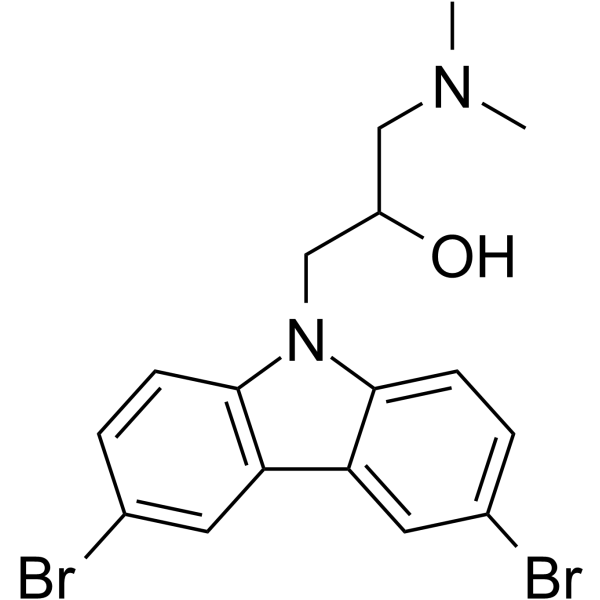
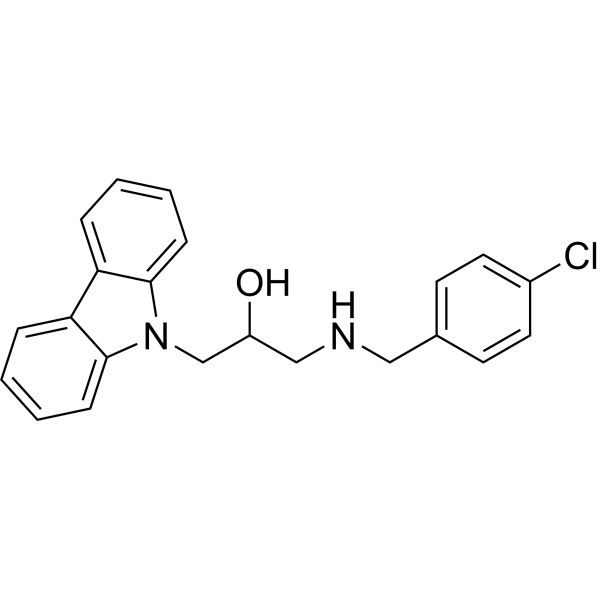
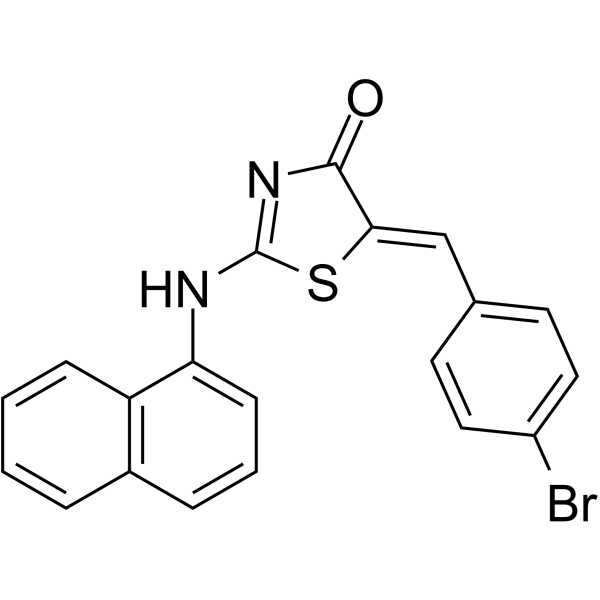
Clathrin-IN-4 (compound 8b), a Wiskostatin?(HY-12534) analogue, is a potent inhibitor of clathrin mediated endocytosis with an IC50 of 2.1 μM. Clathrin-IN-4 is a dynamin I GTPase activity inhibitor with an IC50 of 9.1 μM .
|
-
-
- HY-145080
-
|
|
Dynamin
|
Neurological Disease
|
|
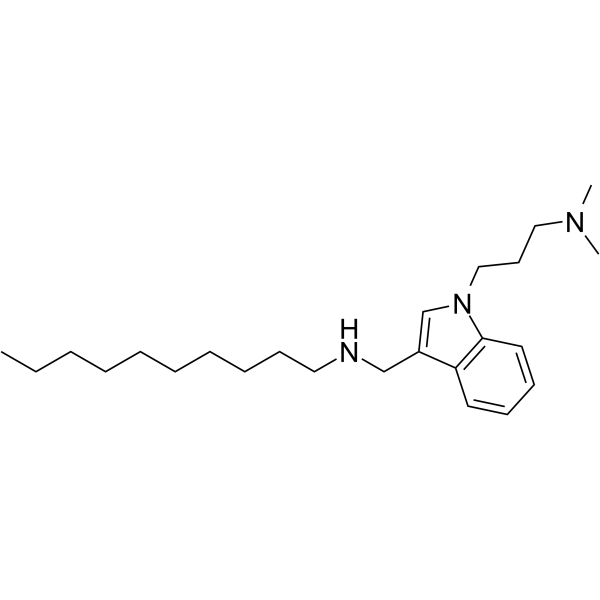
Dynole 2−24 is an indole-based dynamin GTPase inhibitor (IC50=0.56 μM for dynamin I). Dynole 2−24 is nontoxic and shows increased potency against dynamin I and II in vitro and in cells (IC₅₀(CME)=1.9 μM). Dynole 2−24 also shows 4.4-fold selectivity for dynamin I. Dynole 2−24 is active in-cell inhibitor of clathrin-mediated endocytosis . CME: Clathrin mediated endocytosis
|
-
-
- HY-152216
-
|
|
Dynamin
|
Neurological Disease
|
|
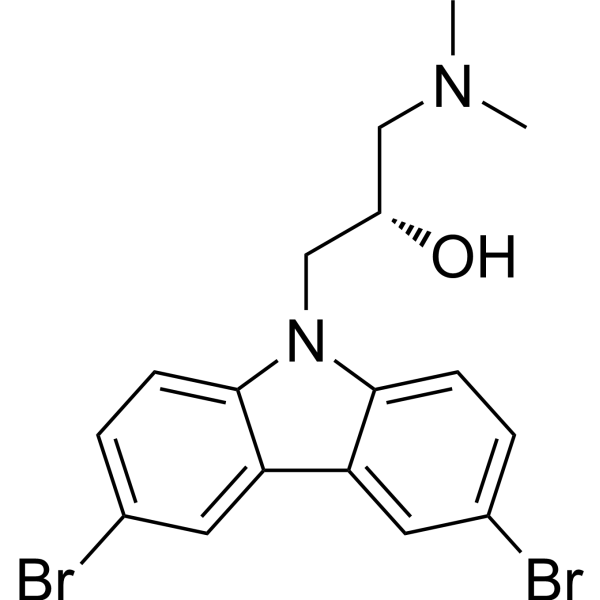
Dynamin IN-2 (compound 43), a Wiskostatin (HY-12534) analogue, is a potent dynamin inhibitor, with an IC50 of 1.0 μM for dynamin I GTPase. Dynamin IN-2 also blocks clathrin mediated endocytosis (CME), with an IC50 of 9.5 μM .
|
-
-
- HY-W105318
-
|
PBP
|
TGF-beta/Smad
Apoptosis
|
Cancer
|
|
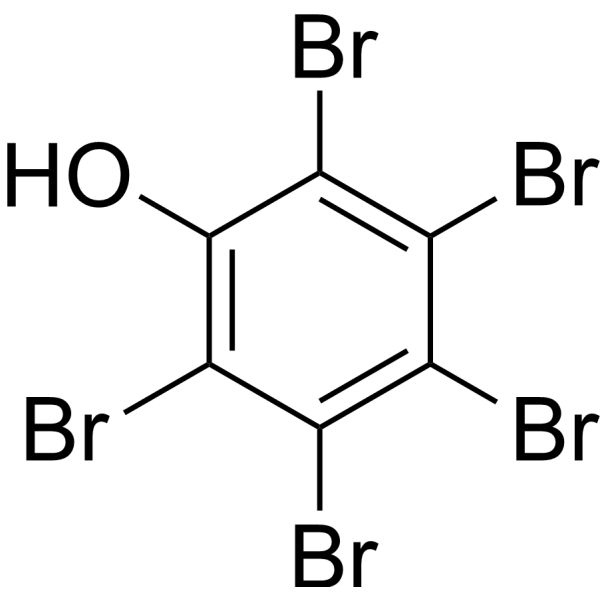
Pentabromophenol (PBP) is a brominated flame retardant (BFR) widely used in various consumer products to reduce the flammability of materials used in different utility items. Pentabromophenol can accelerate the degradation of transforming growth factor-β (TGF-β) receptors by promoting clathrin-mediated endocytosis, thereby inhibiting the TGF-β signaling pathway. Additionally, Pentabromophenol can also induce apoptosis in peripheral blood mononuclear cells (PBMCs) .
|
-
-
- HY-145081
-
|
|
Drug Derivative
|
Infection
|
|
Pitnot-2 is an inactive analog of clathrin inhibitor Pitstop 2. Pitnot-2 can be used as negative control .
|
-
-
- HY-152217
-
-
-
- HY-118244
-
|
|
Dynamin
|
Others
|
|
Clathrin-IN-3 (Compound 25) is a Clathrin inhibitor (IC50: 6.9 μM). Clathrin-IN-3 potenly inhibits clathrin terminal domain-amphiphysin PPI .
|
-
-
- HY-186018
-
|
|
Clathrin
|
Infection
|
|
Pitstop 2d is a Clathrin inhibitor with an IC50 of <2 μM. Pitstop 2d binds to Clathrin N-terminal β-propeller domain, inhibits Clathrin function and dynamics and impairs VSV entry. Pitstop 2d inhibits Clathrin-mediated Endocytosis. Pitstop 2d does not inhibit clathrin-independent Endocytosis .
|
-
-
- HY-171905
-
|
|
Liposome
|
Others
|
|
N-Sterol is a sterol lipid that has been used to generate lipid nanoparticles (LNPs) for delivery of mRNA in vitro and in vivo. N-Sterol LNPs are taken up in J774A.1 macrophages in a lipid composition-dependent manner via clathrin caveolae, caveolin-mediated endocytosis, micropinocytosis, or phagocytosis at different frequencies .
|
-
-
- HY-172531
-
|
|
Dynamin
Ras
|
Neurological Disease
|
|
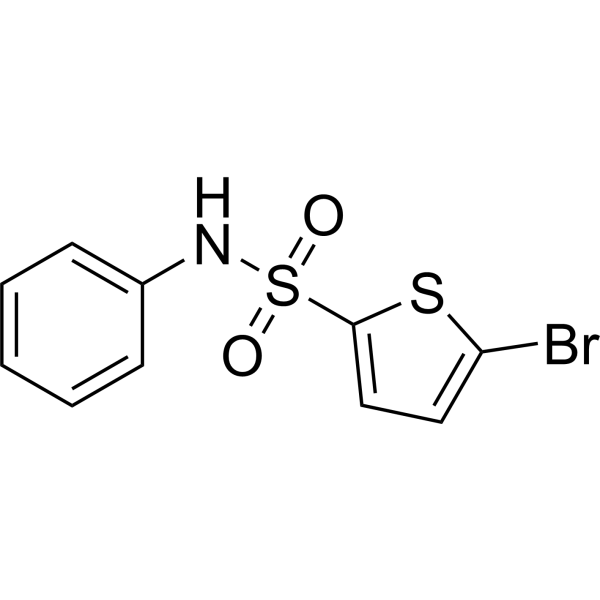
Sulfonadyn-47 is a GTP-competitive dynamin I (dynI) inhibitor that targets the active site in the GTPase domain of dynamin I, with IC50 values of 3.5 μM against dynI, 27.3 μM in clathrin-mediated endocytosis (CME) assays, and 12.3 μM in synaptic vesicle endocytosis (SVE) assays. Sulfonadyn-47 increases seizure threshold. Sulfonadyn-47 can be used the study for the seizure.
|
-
-
- HY-P991105
-
|
|
Dynamin
|
Others
|
|
Anti-Clathrin Heavy Chain Antibody is a human antibody expressed in CHO cells, targeting Clathrin Heavy Chain. Anti-Clathrin Heavy Chain Antibody can be referenced as Human IgG1 kappa, Isotype Control (HY-P99001).
|
-
-
- HY-B0407AR
-
|
|
Reference Standards
Dopamine Receptor
Autophagy
Cytochrome P450
5-HT Receptor
|
Cardiovascular Disease
Neurological Disease
Cancer
|
|
Chlorpromazine (hydrochloride) (Standard) is the analytical standard of Chlorpromazine (hydrochloride). This product is intended for research and analytical applications. Chlorpromazine hydrochloride is an orally active, blood-brain barrier-transparent antipsychotic agent that effectively antagonises D2 dopamine receptors and 5-HT2A, which is widely used in schizophrenia and other psychiatric disorders. Chlorpromazine hydrochloride exerts anti-cancer activity through a variety of pathways, including anti-proliferation, induction of autophagy and cycle arrest (G2-M phase), inhibition of cytochrome c oxidase (CcO), inhibition of tumour growth and metastasis, and inhibition of tumour immune escape. Chlorpromazine hydrochloride also blocks hNav1.7 channels (IC50=25.9 μM; concentration-dependent) and HERG potassium channels (IC50=21.6 μM), which has potential for analgesic and cardiac arrhythmic studies. Chlorpromazine hydrochloride also can inhibit clathrin-mediated endocytosis .
|
-
-
- HY-145082
-
|
|
Drug Derivative
|
Others
|
|
4-Sulfo-N-(4-aminobenzyl)-1,8-naphthalimide potassium is an inactive 1,8-Naphthalimide derivative. 4-Sulfo-N-(4-aminobenzyl)-1,8-naphthalimide potassium can be used as a negative control for the clathrin inhibitor 3-Sulfo-N-benzyl-1,8-naphthalimide, potassium salt .
|
-
-
- HY-181933
-
|
|
Clathrin
Dynamin
|
Infection
|
|
Clathrin-IN-5 (Compound 9) is a Clathrin N-terminal domain-Amphiphysin protein-protein interaction inhibitor with an IC50 of 2.77 μM. Clathrin-IN-5 inhibits the protein-protein interaction between the clathrin N-terminal domain and amphiphysin. Clathrin-IN-5 inhibits clathrin-mediated endocytosis with an IC50 of 4.6 μM. Clathrin-IN-5 inhibits the GTPase activity of Dynamin I with an IC50 of 29.7 μM .
|
-
-
- HY-158097
-
|
|
Influenza Virus
|
Infection
|
|
IAV-IN-2 (Compound MC-22) inhibits for Influenza A Virus (IAV) through blocking the entry of IAV into host cell via clathrin-mediated endocytosis (CME) .
|
-
-
- HY-164290
-
|
|
Dynamin
|
Infection
Neurological Disease
|
|
Rhodady C10 (Compound C10) is a dynamin I GTPase inhibitor. Rhodady C10 blocks receptor-mediated endocytosis (IC50: 7 μM). Dynamin is involved in clathrin-independent endocytosis, phagocytosis, and caveolae internalization .
|
-
-
- HY-122564
-
|
|
Dynamin
|
Others
|
|
Pyrimidyn 7 is an inhibitor of dynamin I/II with IC50 values of 1.1 μM and 1.8 μM, respectively. Pyrimidyn 7 competitively inhibits the interactions between GTP and phospholipids with dynamin I. Additionally, Pyrimidyn 7 reversibly inhibits clathrin-mediated endocytosis (CME) of transferrin and epidermal growth factor (EGF) in various non-neuronal cell linecell [1.
|
-
-
- HY-W041470R
-
|
|
Reference Standards
Endogenous Metabolite
|
Metabolic Disease
|
|
Chlorpromazine (hydrochloride) (Standard) is the analytical standard of Chlorpromazine (hydrochloride). This product is intended for research and analytical applications. Chlorpromazine hydrochloride is an orally active, blood-brain barrier-transparent antipsychotic agent that effectively antagonises D2 dopamine receptors and 5-HT2A, which is widely used in schizophrenia and other psychiatric disorders. Chlorpromazine hydrochloride exerts anti-cancer activity through a variety of pathways, including anti-proliferation, induction of autophagy and cycle arrest (G2-M phase), inhibition of cytochrome c oxidase (CcO), inhibition of tumour growth and metastasis, and inhibition of tumour immune escape. Chlorpromazine hydrochloride also blocks hNav1.7 channels (IC50=25.9 μM; concentration-dependent) and HERG potassium channels (IC50=21.6 μM), which has potential for analgesic and cardiac arrhythmic studies. Chlorpromazine hydrochloride also can inhibit clathrin-mediated endocytosis .
|
-
-
- HY-186017
-
|
|
Clathrin
|
Infection
|
|
Pitstop 2c is a Clathrin inhibitor with an IC50 of <2 μM. Pitstop 2c binds to Clathrin N-terminal β-propeller domain, inhibits Clathrin function and dynamics and impairs VSV entry. Pitstop 2c inhibits Clathrin-mediated Endocytosis. Pitstop 2d does not inhibit clathrin-independent Endocytosis .
|
-
-
- HY-125188
-
|
|
Parasite
DNA/RNA Synthesis
AMPK
Clathrin
|
Infection
|
|
NEU-4438 is an antimalarial agent. NEU-4438 inhibits DNA synthesis, reduces AMPK-γ, and increases Clathrin heavy chain. NEU-4438 exhibits antiparasitic activity against Trypanosoma brucei. NEU-4438 reduces trypanosome tissue burden in a chronic HAT mouse model .
|
-
-
- HY-D3432
-
|
|
Fluorescent Dye
|
Neurological Disease
Inflammation/Immunology
Cancer
|
|
WazaGaY-1 is an aza-BODIPY derivative, functions as a NIR-I/NIR-II fluorescent contrast agent. WazaGaY-1 undergoes internalization into tumor cells predominantly via clathrin-coated pits. WazaGaY-1 can be used for the research of glioblastoma, ovarian carcinoma and melanoma (Ex/Em = 685/820 nm) .
|
-
-
- HY-P11591
-
|
PSMA-DOTA-PEI2
|
Radionuclide-Drug Conjugates (RDCs)
PSMA
|
Cancer
|
|
PDI2 (PSMA-DOTA-PEI2) is a prostate-specific membrane antigen (PSMA) ligand that acts as a tumor retention agent, renal uptake reducer, imaging agent and antitumor agent, applicable in SPECT diagnostic imaging and radiotheranostics. PDI2 specifically binds to PSMA on prostate cancer cells, enters cells via clathrin-dependent endocytosis, and exhibits higher tumor retention rate and lower renal uptake level. PDI2 is applicable in research related to prostate cancer and castration-resistant metastatic prostate cancer .
|
-
-
- HY-P11797
-
|
|
Transmembrane Glycoprotein
|
Cardiovascular Disease
|
|
EP9 is a 7-amino acid peptide targeting CD63. EP9 binds specifically to the extracellular region of CD63, including a groove in the large extracellular loop (EC2) or the extracellular end of CD63’s central cavity, triggering endocytosis of decorated nanoemulsions/liposomes into cells. EP9 promotes cellular uptake of decorated nanoemulsions/liposomes into activated cardiac fibroblasts and epicardial stromal cells via caveolae and/or clathrin-coated pits. EP9 can be used for the research of myocardial infarction, cardiac fibrosis .
|
-
-
- HY-182098A
-
|
|
Liposome
|
Cancer
|
|
DSPE-PEG2000-GALA is a PEG compound which composed of DSPE and a lung endothelium-targeting peptide GALA (HY-P5423). GALA is a pH-responsive amphipathic peptide consisting of 30 amino acids, which acts as a lung endothelium-targeting ligand. GALA undergoes a conformational transition from random coil to α-helix in an acidic environment at pH 5.0, thereby inducing endosomal membrane destabilization and fusion. GALA-modified liposomes traverse lung endothelial cells via clathrin-dependent endocytosis and transcytosis, and specifically accumulate in the lungs after intravenous injection. DSPE-PEG2000-GALA can be used for drug delivery .
|
-
-
- HY-182098C
-
|
|
Liposome
|
Cancer
|
|
DSPE-PEG5000-GALA is a PEG compound which composed of DSPE and a lung endothelium-targeting peptide GALA (HY-P5423). GALA is a pH-responsive amphipathic peptide consisting of 30 amino acids, which acts as a lung endothelium-targeting ligand. GALA undergoes a conformational transition from random coil to α-helix in an acidic environment at pH 5.0, thereby inducing endosomal membrane destabilization and fusion. GALA-modified liposomes traverse lung endothelial cells via clathrin-dependent endocytosis and transcytosis, and specifically accumulate in the lungs after intravenous injection. DSPE-PEG5000-GALA can be used for drug delivery .
|
-
-
- HY-182098
-
|
|
Liposome
|
Cancer
|
|
DSPE-PEG1000-GALA is a PEG compound which composed of DSPE and a lung endothelium-targeting peptide GALA (HY-P5423). GALA is a pH-responsive amphipathic peptide consisting of 30 amino acids, which acts as a lung endothelium-targeting ligand. GALA undergoes a conformational transition from random coil to α-helix in an acidic environment at pH 5.0, thereby inducing endosomal membrane destabilization and fusion. GALA-modified liposomes traverse lung endothelial cells via clathrin-dependent endocytosis and transcytosis, and specifically accumulate in the lungs after intravenous injection. DSPE-PEG1000-GALA can be used for drug delivery .
|
-
-
- HY-182098B
-
|
|
Liposome
|
Cancer
|
|
DSPE-PEG3400-GALA is a PEG compound which composed of DSPE and a lung endothelium-targeting peptide GALA (HY-P5423). GALA is a pH-responsive amphipathic peptide consisting of 30 amino acids, which acts as a lung endothelium-targeting ligand. GALA undergoes a conformational transition from random coil to α-helix in an acidic environment at pH 5.0, thereby inducing endosomal membrane destabilization and fusion. GALA-modified liposomes traverse lung endothelial cells via clathrin-dependent endocytosis and transcytosis, and specifically accumulate in the lungs after intravenous injection. DSPE-PEG3400-GALA can be used for drug delivery .
|
-
-
- HY-179558
-
|
|
PD-1/PD-L1
|
Cancer
|
|
MS1-96 is an orally active PD-L1 (programmed death-ligand 1) degrader. MS1-96 effectively reduced PD-L1 protein levels across multiple colorectal cancer (CRC) cell lines. MS1-96 directly binds to PD-L1 (KD = 2.58 μM) and enhances the interaction between HIP1R and PD-L1, thereby altering the intracellular trafficking of PD-L1 within clathrin-coated vesicles. MS1-96 induces abnormal N-glycosylation of PD-L1, destabilizing the protein and hastening its lysosome-mediated degradation. MS1-96 can be used for the study of colorectal cancer .
|
-
| Cat. No. |
Product Name |
Type |
-
- HY-D3432
-
|
|
Fluorescent Dye
|
|
WazaGaY-1 is an aza-BODIPY derivative, functions as a NIR-I/NIR-II fluorescent contrast agent. WazaGaY-1 undergoes internalization into tumor cells predominantly via clathrin-coated pits. WazaGaY-1 can be used for the research of glioblastoma, ovarian carcinoma and melanoma (Ex/Em = 685/820 nm) .
|
| Cat. No. |
Product Name |
Type |
-
- HY-101461
-
|
Methyl-beta-cyclodextrin
|
Biochemical Assay Reagents
|
|
Methyl-β-cyclodextrin (Methyl-beta-cyclodextrin) is a cyclic heptasaccharide used to deliver hydrophobic agents based on its property of solubilizing non-polar substances. Methyl-β-cyclodextrin is also extensively used as a cholesterol-depleting reagent . Methyl-β-cyclodextrin strongly reduces clathrin-dependent endocytosis . Methyl-β-cyclodextrin blocks cell migrasome formation .
|
-
- HY-182098A
-
|
|
Biochemical Assay Reagents
|
|
DSPE-PEG2000-GALA is a PEG compound which composed of DSPE and a lung endothelium-targeting peptide GALA (HY-P5423). GALA is a pH-responsive amphipathic peptide consisting of 30 amino acids, which acts as a lung endothelium-targeting ligand. GALA undergoes a conformational transition from random coil to α-helix in an acidic environment at pH 5.0, thereby inducing endosomal membrane destabilization and fusion. GALA-modified liposomes traverse lung endothelial cells via clathrin-dependent endocytosis and transcytosis, and specifically accumulate in the lungs after intravenous injection. DSPE-PEG2000-GALA can be used for drug delivery .
|
-
- HY-182098C
-
|
|
Biochemical Assay Reagents
|
|
DSPE-PEG5000-GALA is a PEG compound which composed of DSPE and a lung endothelium-targeting peptide GALA (HY-P5423). GALA is a pH-responsive amphipathic peptide consisting of 30 amino acids, which acts as a lung endothelium-targeting ligand. GALA undergoes a conformational transition from random coil to α-helix in an acidic environment at pH 5.0, thereby inducing endosomal membrane destabilization and fusion. GALA-modified liposomes traverse lung endothelial cells via clathrin-dependent endocytosis and transcytosis, and specifically accumulate in the lungs after intravenous injection. DSPE-PEG5000-GALA can be used for drug delivery .
|
-
- HY-182098
-
|
|
Biochemical Assay Reagents
|
|
DSPE-PEG1000-GALA is a PEG compound which composed of DSPE and a lung endothelium-targeting peptide GALA (HY-P5423). GALA is a pH-responsive amphipathic peptide consisting of 30 amino acids, which acts as a lung endothelium-targeting ligand. GALA undergoes a conformational transition from random coil to α-helix in an acidic environment at pH 5.0, thereby inducing endosomal membrane destabilization and fusion. GALA-modified liposomes traverse lung endothelial cells via clathrin-dependent endocytosis and transcytosis, and specifically accumulate in the lungs after intravenous injection. DSPE-PEG1000-GALA can be used for drug delivery .
|
-
- HY-182098B
-
|
|
Biochemical Assay Reagents
|
|
DSPE-PEG3400-GALA is a PEG compound which composed of DSPE and a lung endothelium-targeting peptide GALA (HY-P5423). GALA is a pH-responsive amphipathic peptide consisting of 30 amino acids, which acts as a lung endothelium-targeting ligand. GALA undergoes a conformational transition from random coil to α-helix in an acidic environment at pH 5.0, thereby inducing endosomal membrane destabilization and fusion. GALA-modified liposomes traverse lung endothelial cells via clathrin-dependent endocytosis and transcytosis, and specifically accumulate in the lungs after intravenous injection. DSPE-PEG3400-GALA can be used for drug delivery .
|
| Cat. No. |
Product Name |
Target |
Research Area |
-
- HY-P5423
-
|
|
Exosomes
Liposome
|
Cancer
|
|
GALA is a pH-responsive amphipathic peptide consisting of 30 amino acids, which acts as a lung endothelium-targeting ligand. GALA undergoes a conformational transition from random coil to α-helix in an acidic environment at pH 5.0, thereby inducing endosomal membrane destabilization and fusion. GALA-modified liposomes traverse lung endothelial cells via clathrin-dependent endocytosis and transcytosis, and specifically accumulate in the lungs after intravenous injection. GALA significantly promotes the cytosolic release of cargos carried by exosomes, plasmids and liposomes, effectively enhances gene transfection efficiency, and drives gene knockdown of functional macromolecules (such as siRNA) in alveolar epithelial cells (with no significant cytotoxicity at effective concentrations). GALA serves as a critical tool for studies on lung cancer metastasis (e.g., melanoma lung metastasis) and lung-targeted drug delivery systems .
|
-
- HY-P11591
-
|
PSMA-DOTA-PEI2
|
Radionuclide-Drug Conjugates (RDCs)
PSMA
|
Cancer
|
|
PDI2 (PSMA-DOTA-PEI2) is a prostate-specific membrane antigen (PSMA) ligand that acts as a tumor retention agent, renal uptake reducer, imaging agent and antitumor agent, applicable in SPECT diagnostic imaging and radiotheranostics. PDI2 specifically binds to PSMA on prostate cancer cells, enters cells via clathrin-dependent endocytosis, and exhibits higher tumor retention rate and lower renal uptake level. PDI2 is applicable in research related to prostate cancer and castration-resistant metastatic prostate cancer .
|
-
- HY-P11797
-
|
|
Transmembrane Glycoprotein
|
Cardiovascular Disease
|
|
EP9 is a 7-amino acid peptide targeting CD63. EP9 binds specifically to the extracellular region of CD63, including a groove in the large extracellular loop (EC2) or the extracellular end of CD63’s central cavity, triggering endocytosis of decorated nanoemulsions/liposomes into cells. EP9 promotes cellular uptake of decorated nanoemulsions/liposomes into activated cardiac fibroblasts and epicardial stromal cells via caveolae and/or clathrin-coated pits. EP9 can be used for the research of myocardial infarction, cardiac fibrosis .
|
| Cat. No. |
Product Name |
Target |
Research Area |
Image |
-
- HY-P991105
-
|
|
Dynamin
|
Others
|
|
Anti-Clathrin Heavy Chain Antibody is a human antibody expressed in CHO cells, targeting Clathrin Heavy Chain. Anti-Clathrin Heavy Chain Antibody can be referenced as Human IgG1 kappa, Isotype Control (HY-P99001).
|
-
(5)
| Cat. No. |
Product Name |
Category |
Target |
Chemical Structure |
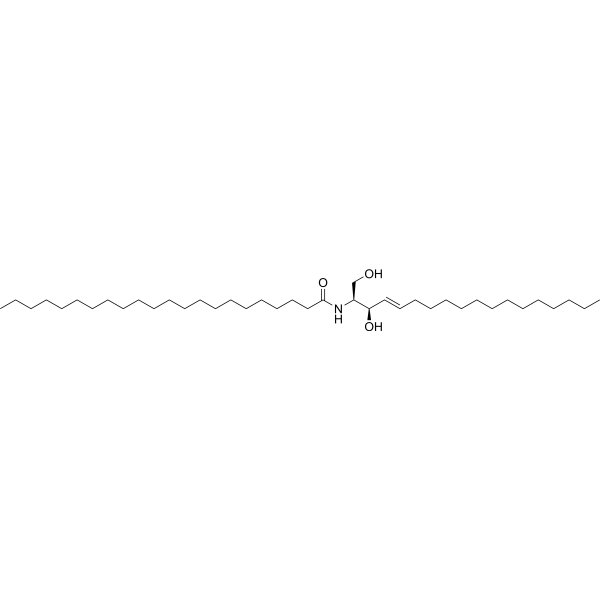
-
- HY-119764
-
-
-
- HY-W041470R
-
|
|
Ketones, Aldehydes, Acids
Endogenous metabolite
Source Classification
|
Reference Standards
Endogenous Metabolite
|
|
Chlorpromazine (hydrochloride) (Standard) is the analytical standard of Chlorpromazine (hydrochloride). This product is intended for research and analytical applications. Chlorpromazine hydrochloride is an orally active, blood-brain barrier-transparent antipsychotic agent that effectively antagonises D2 dopamine receptors and 5-HT2A, which is widely used in schizophrenia and other psychiatric disorders. Chlorpromazine hydrochloride exerts anti-cancer activity through a variety of pathways, including anti-proliferation, induction of autophagy and cycle arrest (G2-M phase), inhibition of cytochrome c oxidase (CcO), inhibition of tumour growth and metastasis, and inhibition of tumour immune escape. Chlorpromazine hydrochloride also blocks hNav1.7 channels (IC50=25.9 μM; concentration-dependent) and HERG potassium channels (IC50=21.6 μM), which has potential for analgesic and cardiac arrhythmic studies. Chlorpromazine hydrochloride also can inhibit clathrin-mediated endocytosis .
|
-
| Cat. No. |
Product Name |
|
Classification |
-
- HY-171905
-
|
|
|
Cholesterol
|
|
N-Sterol is a sterol lipid that has been used to generate lipid nanoparticles (LNPs) for delivery of mRNA in vitro and in vivo. N-Sterol LNPs are taken up in J774A.1 macrophages in a lipid composition-dependent manner via clathrin caveolae, caveolin-mediated endocytosis, micropinocytosis, or phagocytosis at different frequencies .
|
Your information is safe with us. * Required Fields.
Inquiry Information
- Product Name:
- Cat. No.:
- Quantity:
- MCE Japan Authorized Agent:

