
Search Result
Results for "
cytosines
" in MedChemExpress (MCE) Product Catalog:
3
Biochemical Assay Reagents
23
Isotope-Labeled Compounds
| Cat. No. |
Product Name |
Target |
Research Areas |
Chemical Structure |
-
- HY-A0004
-
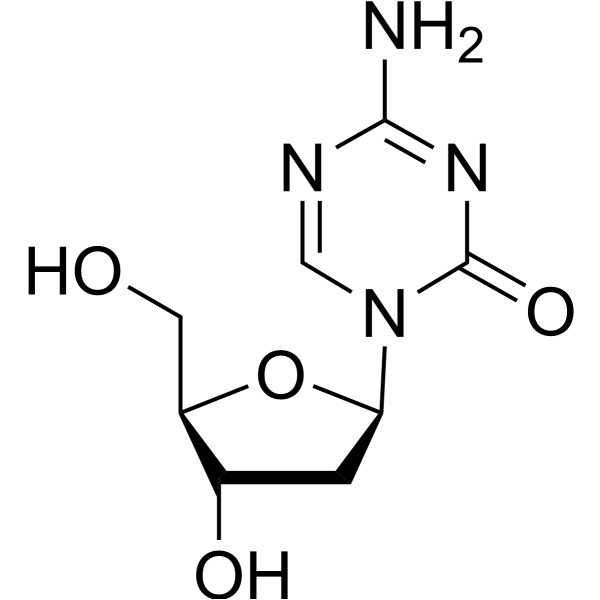
Decitabine
Maximum Cited Publications
168 Publications Verification
5-Aza-2'-deoxycytidine; 5-AZA-CdR; NSC 127716
|
DNA Methyltransferase
Apoptosis
Nucleoside Antimetabolite/Analog
|
Cancer
|
|
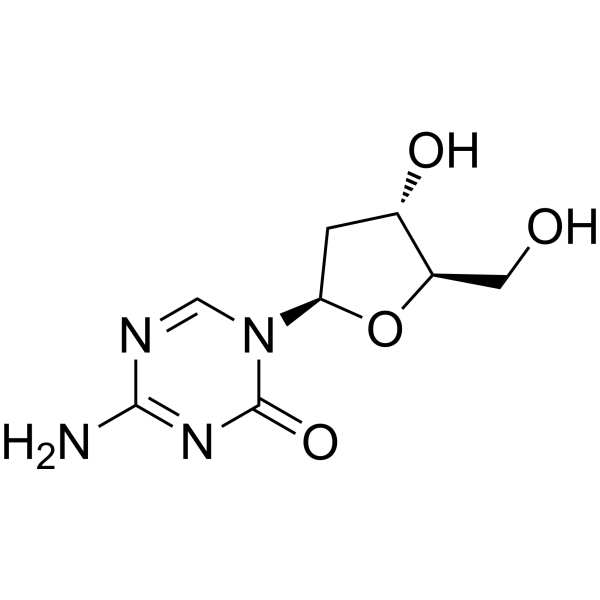
Decitabine (NSC 127716) is an orally active deoxycytidine analogue antimetabolite and a DNA methyltransferase inhibitor. Decitabine incorporates into DNA in place of cytosine can covalently trap DNA methyltransferase to DNA causing irreversible inhibition of the enzyme. Decitabine induces cell G2/M arrest and cell apoptosis. Decitabine has potent anticancer activity .
|
-
-
- HY-129046
-
|
Ribonuclease A; EC 4.6.1.18; RNase A
|
Endonuclease
DNA/RNA Synthesis
|
Others
|
|
RNase A (Bovine pancreatic RNase) is a widely used Endonuclease in DNA purification by specifically hydrolyzing cytosine or uracil residues of RNA. RNase A degrades the RNA in the RNA/DNA duplex. RNase A catalyses the breakdown of 3',5'-phosphodiester linkages of single stranded RNA. RNase A family members in organisms are tightly involved in various physiological and pathological processes including cell growth and development, proliferation, differentiation and migration. Dysregulation of RNase A activity or expression level is closely related to pancreatic, ovarian, bladder and thyroid cancer. RNase A has tumor cell-killing ability .
|
-
-
- HY-I0626
-
|
|
Endogenous Metabolite
|
Cancer
|
|
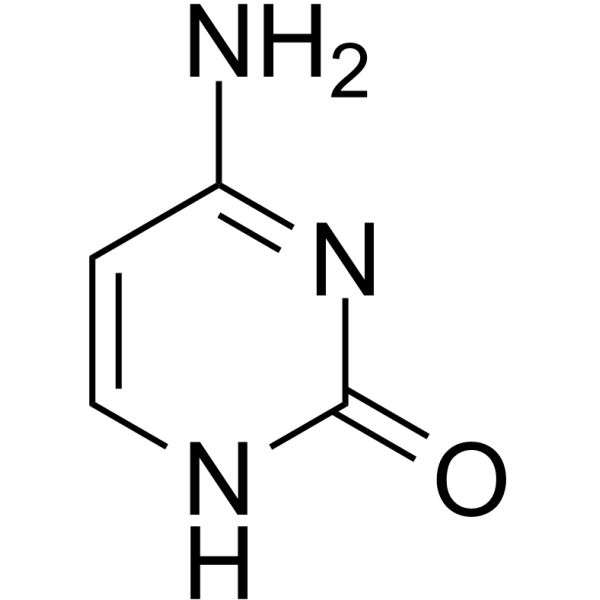
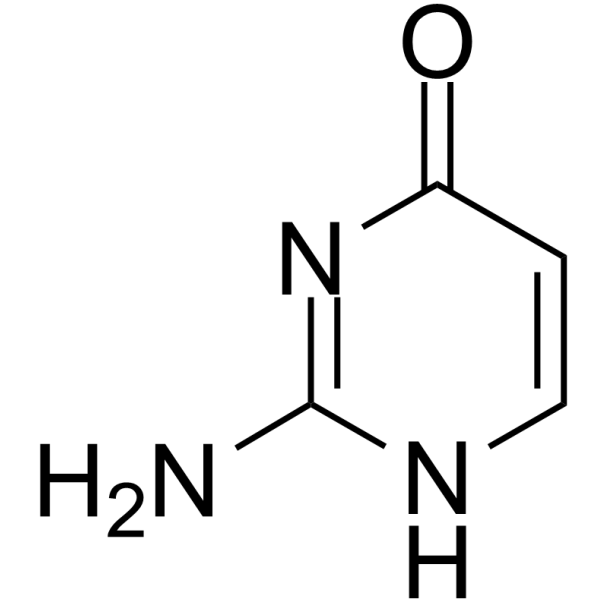
Cytosine is one of the four main bases found in DNA and RNA. Cytosine modifications exhibit circadian oscillations that are involved in epigenetic diversity and aging. Cytosine can be used in cancer research .
|
-
-
- HY-111558
-
|
|
DNA Methyltransferase
TET Protein
|
Cancer
|
|
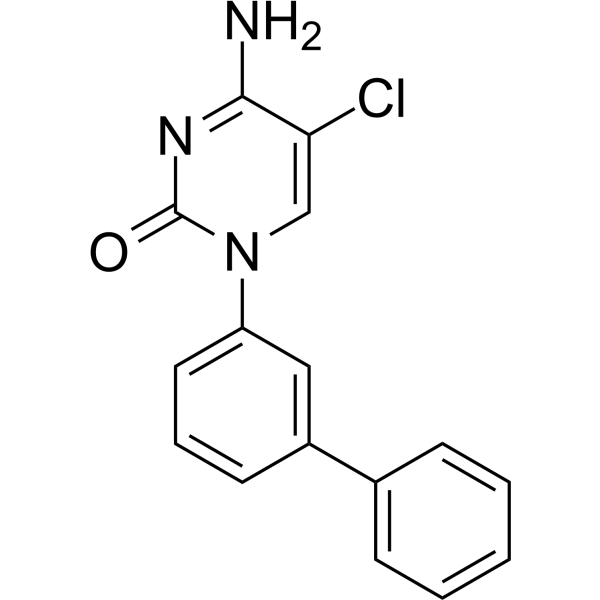
Bobcat339 is a potent and selective cytosine-based inhibitor of TET enzyme, with IC50s of 33 μM and 73 μM for TET1 and TET2, respectively. Bobcat339 is useful to the field of epigenetics and serves as a starting point for new therapeutics that target DNA methylation and gene transcription .
|
-
-
- HY-402410
-
TETi76
1 Publications Verification
|
TET Protein
|
Cancer
|
|
TETi76 is an orally active TET family inhibitor with IC50 values ??of 1.5, 9.4 and 8.8 μM for TET1, TET2 and TET3, respectively. TETi76 competitively binds to the active site of TET enzymes, reduces cytosine hydroxymethylation and restricts clonal growth of TET2 mutants in vitro and in vivo, but does not affect the growth of normal hematopoietic precursor cells. TETi76 can be used for leukemia research .
|
-
-
- HY-W009162
-
|
5'-Cytidylic acid; 5'-CMP
|
Endogenous Metabolite
|
Metabolic Disease
|
|
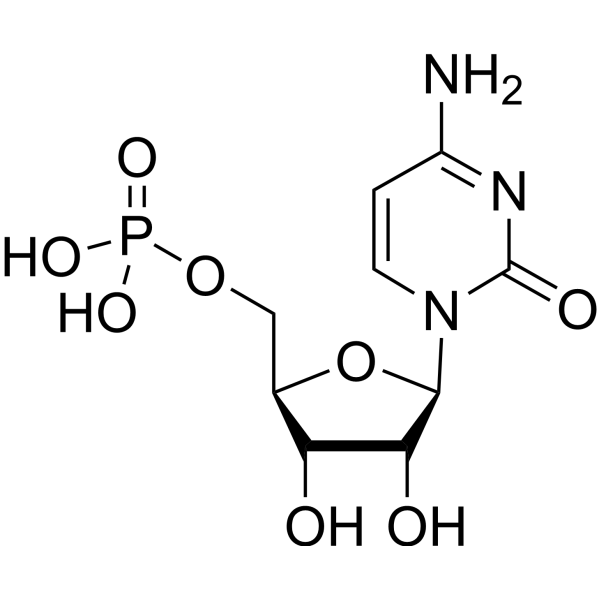
Cytidine 5'-monophosphate (5'-Cytidylic acid) is a nucleotide which is used as a monomer in RNA. Cytidine 5'-monophosphate consists of the nucleobase cytosine, the pentose sugar ribose, and the phosphate group .
|
-
-
- HY-111558A
-
|
|
DNA Methyltransferase
TET Protein
|
Cancer
|
|
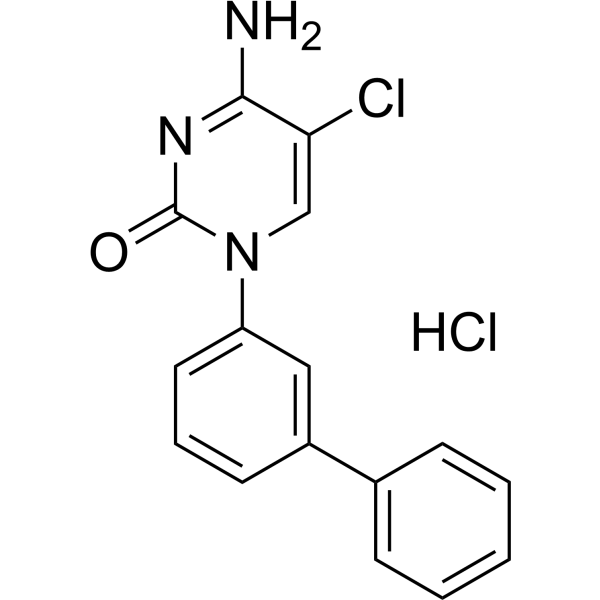
Bobcat339 hydrochloride is a potent and selective cytosine-based inhibitor of TET enzyme, with the IC50s of 33 μM and 73 μM for TET1 and TET2, respectively. Bobcat339 hydrochloride is useful to the field of epigenetics and serves as a starting point for new therapeutics that target DNA methylation and gene transcription .
|
-
-
- HY-I0960
-
Uracil
4 Publications Verification
|
Endogenous Metabolite
Drug Derivative
|
Infection
Cancer
|
|
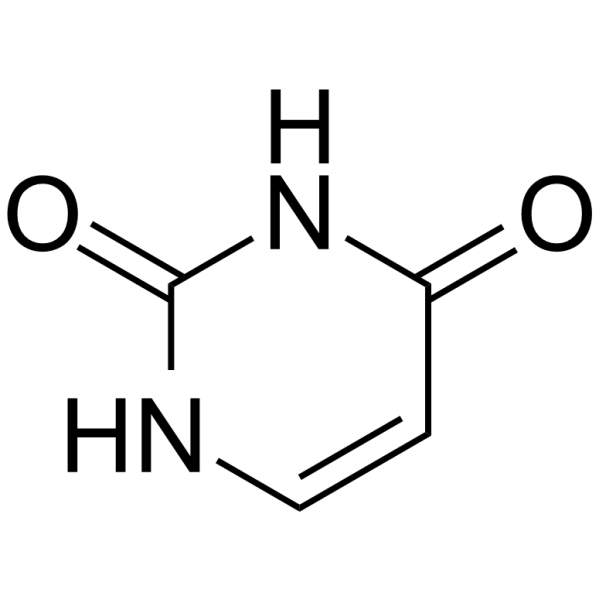
Uracil is a pyrimidine derivative and one of the four nucleobases in the nucleic acid of RNA. Uracil is a frequently occurring DNA base damage that results from the spontaneous or chemically induced deamination of cytosine and is mutagenic at the level of replication. Uracil could potentially alter transcriptional fidelity, resulting in production of mutant proteins .
|
-
-
- HY-129046C
-
|
Ribonuclease B, Bovine Pancreas
|
Endonuclease
DNA/RNA Synthesis
|
Endocrinology
Cancer
|
|
RNase A (Bovine pancreatic RNase) is a widely used Endonuclease in DNA purification by specifically hydrolyzing cytosine or uracil residues of RNA. RNase A degrades the RNA in the RNA/DNA duplex. RNase A catalyses the breakdown of 3',5'-phosphodiester linkages of single stranded RNA. RNase A family members in organisms are tightly involved in various physiological and pathological processes including cell growth and development, proliferation, differentiation and migration. Dysregulation of RNase A activity or expression level is closely related to pancreatic, ovarian, bladder and thyroid cancer. RNase A has tumor cell-killing ability. RNase B, Bovine Pancreas (Ribonuclease B, Bovine Pancreas) is the N-glycosylated form of RNase A. RNase B, Bovine Pancreas can promote the folding of polypeptide chains and play a role similar to molecular chaperones .
|
-
-
- HY-129046I
-
|
|
DNA/RNA Synthesis
Endonuclease
|
Endocrinology
Cancer
|
|
RNase A (Bovine pancreatic RNase) is a widely used Endonuclease in DNA purification by specifically hydrolyzing cytosine or uracil residues of RNA. RNase A degrades the RNA in the RNA/DNA duplex. RNase A catalyses the breakdown of 3',5'-phosphodiester linkages of single stranded RNA. RNase A family members in organisms are tightly involved in various physiological and pathological processes including cell growth and development, proliferation, differentiation and migration. Dysregulation of RNase A activity or expression level is closely related to pancreatic, ovarian, bladder and thyroid cancer. RNase A has tumor cell-killing ability. RNase A, Recombinant (animal free) is recombinant RNase A with no animal-derived components .
|
-
-
- HY-17564
-
|
2'-Deoxycytidine monohydrochloride; Deoxycytidine hydrochloride; NSC 83251
|
Endogenous Metabolite
Nucleoside Antimetabolite/Analog
|
Cancer
|
|
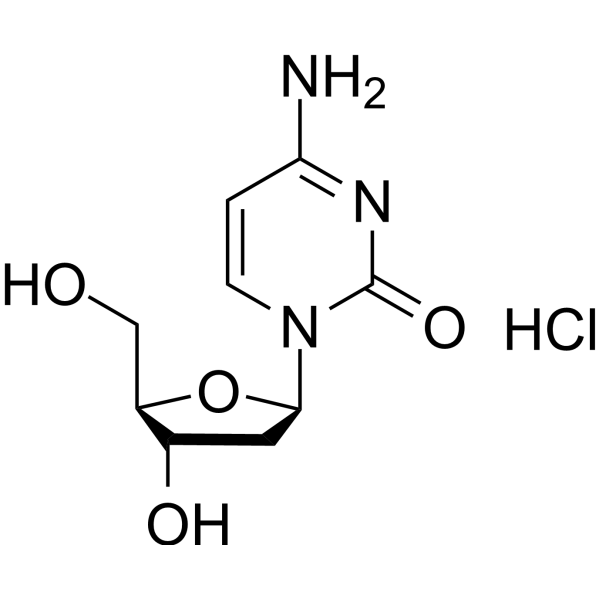
2'-Deoxycytidine hydrochloride (2'-Deoxycytidine monohydrochloride; NSC 83251) is an orally active nucleic acid biosynthesis enzyme inhibitor. 2'-Deoxycytidine hydrochloride competes with nucleic acid biosynthesis enzymes and nucleoside transporters, thereby reducing the toxicity of cytarabine. 2'-Deoxycytidine hydrochloride can be used in the research of L1210 lymphoblastic leukemia .
|
-
-
- HY-101400A
-
|
dCTP trisodium solution (100 mM); 2′-Deoxycytidine-5′-triphosphate trisodium solution (100 mM)
|
DNA/RNA Synthesis
Nucleoside Antimetabolite/Analog
Endogenous Metabolite
|
Metabolic Disease
|
|
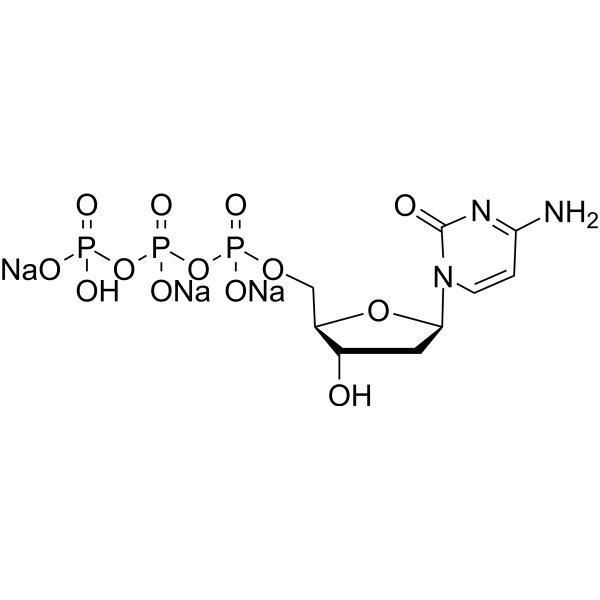
Deoxycytidine triphosphate trisodium (dCTP trisodium) solution (100 mM) is a nucleoside triphosphate that can be used for DNA synthesis. Deoxycytidine triphosphate trisodium salt has many applications, such as real-time PCR, cDNA synthesis, and DNA sequencing .
|
-
-
- HY-129046D
-
|
Ribonuclease A, Recombinant
|
Endonuclease
DNA/RNA Synthesis
|
Endocrinology
Cancer
|
|
RNase A (Bovine pancreatic RNase) is a widely used Endonuclease in DNA purification by specifically hydrolyzing cytosine or uracil residues of RNA. RNase A degrades the RNA in the RNA/DNA duplex. RNase A catalyses the breakdown of 3',5'-phosphodiester linkages of single stranded RNA. RNase A family members in organisms are tightly involved in various physiological and pathological processes including cell growth and development, proliferation, differentiation and migration. Dysregulation of RNase A activity or expression level is closely related to pancreatic, ovarian, bladder and thyroid cancer. RNase A has tumor cell-killing ability. RNase A, Recombinant (Ribonuclease A, Recombinant) is a recombinant form of RNase A .
|
-
-
- HY-D1668
-
|
|
DNA Stain
Reverse Transcriptase
|
Infection
Neurological Disease
Cancer
|
|
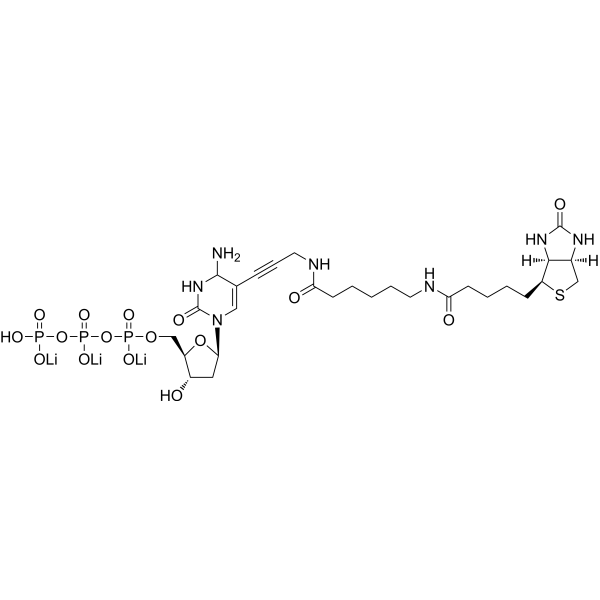
Biotin-11-dCTP is a biotinylated deoxynucleoside triphosphate and an important DNA labeling reagent. In random primer DNA labeling reactions, Biotin-11-dCTP incorporates into newly synthesized DNA strands to generate labeled DNA probes suitable for hybridization applications. In addition, Biotin-11-dCTP can serve as a substrate for terminal deoxynucleotidyl transferase to end-label oligonucleotides for telomere sequence detection, or to label the cut ends of linearized DNA molecules, thereby supporting streptavidin-based electron microscopy analysis. For example, Biotin-11-dCTP can label the cut ends of linearized DNA molecules under the action of dGTP and avian myeloblastosis virus reverse transcriptase .
|
-
-
- HY-W587907
-
-
-
- HY-W002272
-
|
|
Nucleoside Antimetabolite/Analog
|
Others
|
|
Isocytosine is a non-natural nucleobase and an isomer of cytosine. It is used in combination with Isoguanine in studies of unnatural nucleic acid analogues of the normal base pairs in DNA and used as a nucleobase of hachimoji RNA .
|
-
-
- HY-A0004R
-
|
5-Aza-2'-deoxycytidine (Standard); 5-AZA-CdR (Standard); NSC 127716 (Standard)
|
Reference Standards
DNA Methyltransferase
Apoptosis
Nucleoside Antimetabolite/Analog
|
Cancer
|
|
Decitabine (Standard) is the analytical standard of Decitabine. This product is intended for research and analytical applications. Decitabine (NSC 127716) is an orally active deoxycytidine analogue antimetabolite and a DNA methyltransferase inhibitor. Decitabine incorporates into DNA in place of cytosine can covalently trap DNA methyltransferase to DNA causing irreversible inhibition of the enzyme. Decitabine induces cell G2/M arrest and cell apoptosis. Decitabine has potent anticancer activity .
|
-
-
- HY-B0158S7
-
|
Cytosine β-D-riboside-13C9; Cytosine-1-β-D-ribofuranoside-13C9
|
Nucleoside Antimetabolite/Analog
Endogenous Metabolite
Isotope-Labeled Compounds
|
Neurological Disease
|
|
Cytidine- 13C9 (Cytosine β-D-riboside- 13C9) is 13C labeled Cytidine (HY-B0158). Cytidine is a pyrimidine nucleoside and acts as a component of RNA. Cytidine is a precursor of uridine. Cytidine controls neuronal-glial glutamate cycling, affecting cerebral phospholipid metabolism, catecholamine synthesis, and mitochondrial function .
|
-
-
- HY-112817
-
|
8-Oxo-Deoxyguanosine triphosphate
|
Apoptosis
|
Cardiovascular Disease
Neurological Disease
Cancer
|
|
8-Oxo-dGTP (8-Oxo-Deoxyguanosine triphosphate) is an oxidized guanine nucleotide formed by ROS-mediated oxidative modification of dGTP, and it also serves as a key substrate for 8-oxo-dGTP pyrophosphohydrolases (such as hMTH1 and E. coli MutT). 8-Oxo-dGTP acts as a DNA mutagen, inserts into nascent DNA and pairs with adenine and cytosine, inducing A:T to C:G transversion mutations. Furthermore, 8-Oxo-dGTP causes oxidative DNA base modification, strand breakage and S-phase arrest, and ultimately triggers AIF-mediated apoptosis and promotes spontaneous carcinogenesis in mth1-deficient mice. Accumulation of 8-Oxo-dGTP in cells induces genomic instability, but it exhibits a tumor-suppressive effect that reduces tumor incidence in mouse models instead. 8-Oxo-dGTP is widely used in studies related to spontaneous carcinogenesis, Parkinson's disease, Alzheimer's disease, heart failure and tumor mechanisms .
|
-
-
- HY-I0626R
-
|
|
Reference Standards
Endogenous Metabolite
|
Others
|
|
Cytosine (Standard) is the analytical standard of Cytosine. This product is intended for research and analytical applications. Cytosine is one of the four main bases found in DNA and RNA. Cytosine modifications exhibit circadian oscillations that are involved in epigenetic diversity and aging .
|
-
-
- HY-135218A
-
|
|
DNA/RNA Synthesis
|
Cancer
|
|
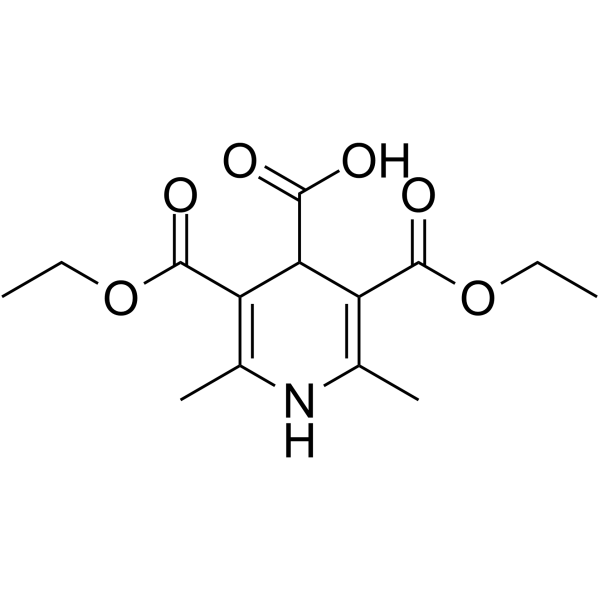
AV-153 free base, a 1,4-dihydropyridine (1,4-DHP) derivative, is an antimutagenic. AV-153 free base intercalates to DNA in a single strand break and reduces DNA damage, stimulates DNA repair in human cells in vitro. AV-153 free base interacts with thymine and cytosine and has an influence on poly(ADP)ribosylation. AV-153 free base has anti-cancer activity .
|
-
-
- HY-W009162S5
-
|
5'-Cytidylic acid-13C9,15N3 dilithium; 5'-CMP-13C9,15N3 dilithium
|
Isotope-Labeled Compounds
Endogenous Metabolite
|
Metabolic Disease
|
|
Cytidine 5′-monophosphate- 13C9, 15N3 (5'-Cytidylic acid- 13C9, 15N3 dilithium; 5'-CMP- 13C9, 15N3) dilithium is 13C and 15N-labeled Cytidine 5'-monophosphate (HY-W009162). Cytidine 5'-monophosphate (5'-Cytidylic acid) is a nucleotide which is used as a monomer in RNA. Cytidine 5'-monophosphate consists of the nucleobase cytosine, the pentose sugar ribose, and the phosphate group.
|
-
-
- HY-129046E
-
|
Ribonuclease A DNase & Protease Free, Recombinant
|
Endonuclease
DNA/RNA Synthesis
|
Endocrinology
Cancer
|
|
RNase A (Bovine pancreatic RNase) is a widely used Endonuclease in DNA purification by specifically hydrolyzing cytosine or uracil residues of RNA. RNase A degrades the RNA in the RNA/DNA duplex. RNase A catalyses the breakdown of 3',5'-phosphodiester linkages of single stranded RNA. RNase A family members in organisms are tightly involved in various physiological and pathological processes including cell growth and development, proliferation, differentiation and migration. Dysregulation of RNase A activity or expression level is closely related to pancreatic, ovarian, bladder and thyroid cancer. RNase A has tumor cell-killing ability. RNase A (DNase & Protease Free), Recombinant is recombinant RNase A, which does not contain DNase and protease .
|
-
-
- HY-129046B
-
|
Ribonuclease A DNase & Protease Free
|
Endonuclease
DNA/RNA Synthesis
|
Others
Endocrinology
Cancer
|
|
RNase A (Bovine pancreatic RNase) is a widely used Endonuclease in DNA purification by specifically hydrolyzing cytosine or uracil residues of RNA. RNase A degrades the RNA in the RNA/DNA duplex. RNase A catalyses the breakdown of 3',5'-phosphodiester linkages of single stranded RNA. RNase A family members in organisms are tightly involved in various physiological and pathological processes including cell growth and development, proliferation, differentiation and migration. Dysregulation of RNase A activity or expression level is closely related to pancreatic, ovarian, bladder and thyroid cancer. RNase A has tumor cell-killing ability. RNase A, Bovine Pancreas (DNase & Protease Free) is RNase A derived from bovine pancreas and does not contain DNase or protease .
|
-
-
- HY-128425A
-
|
L-Ureidosuccinic acid
|
Fungal
|
Infection
|
|
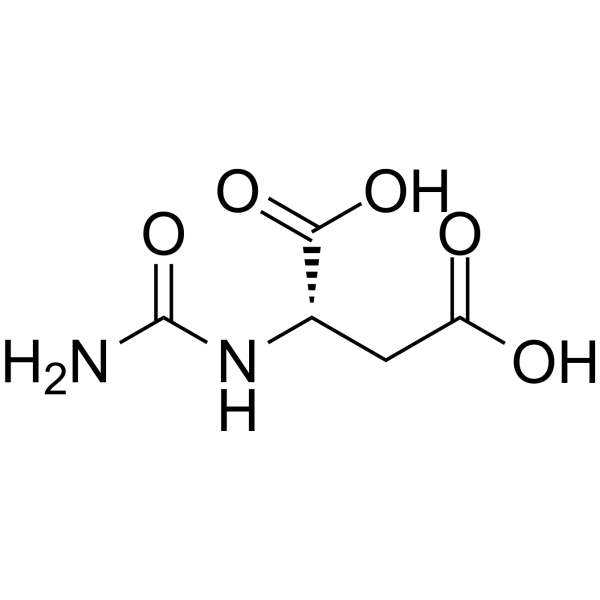
N-Carbamoyl-L-aspartic acid (L-Ureidosuccinic acid) is an important pyrimidine metabolic precursor and intermediate metabolite. N-Carbamoyl-L-aspartic acid reverses the growth inhibition of Ura + strains induced by 2-thiouracil (with growth rate increasing linearly with its concentration), but fails to support the growth of uracil-requiring Ura - strains. N-Carbamoyl-L-aspartic acid inhibits the cell growth of *Saccharomyces cerevisiae* by suppressing the purine biosynthetic pathway at a pre-step of 5-aminoimidazole nucleotide synthesis. The growth inhibitory effect of N-Carbamoyl-L-aspartic acid on yeast can be alleviated by purines, and the sensitivity of strains is closely related to the activity level of dihydroorotase .
|
-
-
- HY-W042357
-
|
|
Phosphoramidites
DNA/RNA Synthesis
|
Others
|
|
Ac-rC Phosphoramidite is a cytosine phosphoramidite used in the chemical synthesis of RNA oligonucleotides. Ac-rC Phosphoramidite enables the incorporation of cytidine nucleotides into synthetic RNA strands, and its unique protecting groups ensure the structural integrity of the molecule throughout complex synthetic processes .
|
-
-
- HY-I0626S2
-
|
|
Endogenous Metabolite
|
Others
|
|
Cytosine-d2 is the deuterium labeled Cytosine . Cytosine is one of the four main bases found in DNA and RNA. Cytosine modifications exhibit circadian oscillations that are involved in epigenetic diversity and aging .
|
-
-
- HY-131991
-
|
|
DNA Methyltransferase
|
Cancer
|
|
Benzyl selenocyanate is a chemopreventive agent for various chemically induced tumors in animal models at both the initiation and postinitiation stages. Benzyl selenocyanate is an inhibitor of DNA (cytosine-5)-methyltransferase (Mtase), with an with an IC50 of 8.4 µM .
|
-
-
- HY-106777
-
|
CPEC; NSC 375575
|
DNA/RNA Synthesis
Nucleoside Antimetabolite/Analog
Apoptosis
Necroptosis
Influenza Virus
HSV
|
Infection
Cancer
|
|
Cyclopentenylcytosine (CPEC), a carbocyclic nucleoside analog of cytosine, is a potent inhibitor of CTP synthetase and causes depletion of CTP and dCTP pools. Cyclopentenylcytosine shows broad-spectrum (both DNA and RNA viruses) antiviral activity. Cyclopentenyl cytosine increases Gemcitabine (HY-17026) radiosensitisation in human pancreatic cancer cells. Cyclopentenylcytosine shows effective antiviral activity in the Ad5/NZW rabbit ocular replication model and shows anti-tumor activity in various tumor xenografts model. Cyclopentenylcytosine can be used for the study of infection and cancer .
|
-
-
- HY-W015205
-
|
|
DNA Alkylator/Crosslinker
Drug Derivative
|
Others
|
|
5-Bromocytosine is a Cytosine (HY-I0626) derivative. 5-Bromocytosine can be incorporated into cellular DNA and promote DNA chain breakage and cross-linking under ultraviolet irradiation .
|
-
-
- HY-E70206
-
|
CpG
|
DNA Methyltransferase
Biochemical Assay Reagents
|
Others
Cancer
|
|
CpG Methyltransferase is a DNA methyltransferase. CpG Methyltransferase can methylate the C5 position on the base moiety of all cytosine nucleotides contained in unmethylated or hemimethylated double stranded DNA in a 5’-CpG-3’ context .
|
-
-
- HY-W541025
-
|
|
Biochemical Assay Reagents
|
Others
|
|
Deoxyribonucleic acid is a polymer formed by two polynucleotide chains twisted around each other to form a double-helix structure. Deoxyribonucleic acid exists in all dividing cells and is a fundamental component of chromosomes .
|
-
-
- HY-129046H
-
|
|
DNA/RNA Synthesis
Endonuclease
|
Endocrinology
Cancer
|
|
RNase A (Bovine pancreatic RNase) is a widely used Endonuclease in DNA purification by specifically hydrolyzing cytosine or uracil residues of RNA. RNase A degrades the RNA in the RNA/DNA duplex. RNase A catalyses the breakdown of 3',5'-phosphodiester linkages of single stranded RNA. RNase A family members in organisms are tightly involved in various physiological and pathological processes including cell growth and development, proliferation, differentiation and migration. Dysregulation of RNase A activity or expression level is closely related to pancreatic, ovarian, bladder and thyroid cancer. RNase A has tumor cell-killing ability. RNase A, Recombinant (Protease & DNase free, animal free) is recombinant RNase A that does not contain protease and DNase and does not contain animal components .
|
-
-
- HY-E70210
-
|
GpC
|
DNA Methyltransferase
|
Cancer
|
|
GpC Methyltransferase (GpC) is a DNA methylating enzyme. GpC Methyltransferase methylates cytosines in GpC dinucleotides in non-nucleosomal DNA in vitro .
|
-
-
- HY-106218
-
|
5-Fluorocyclocytidine; 5'-Fluorocyclocytidine
|
Nucleoside Antimetabolite/Analog
|
Cancer
|
|
Flurocitabine (5-Fluorocyclocytidine) is a fluorinated anlydride analog of cytosine arabinoside, partially hydrolysecl in vivo into two active antitumor substances (arabinosyl-tluorocytosine (ara-FC) and arabinosyl-fluorouracil (ara-FU)). Flurocitabine (5-Fluorocyclocytidine) has antitumor activity during phase I studies in acute leukemia and solid tumors .
|
-
-
- HY-I0626S1
-
|
|
Endogenous Metabolite
|
Others
|
|
Cytosine- 13C, 15N2 is the 13C and 15N labeled Cytosine . Cytosine is one of the four main bases found in DNA and RNA. Cytosine modifications exhibit circadian oscillations that are involved in epigenetic diversity and aging .
|
-
-
- HY-W009162R
-
|
5'-Cytidylic acid (Standard); 5'-CMP (Standard)
|
Reference Standards
Endogenous Metabolite
|
Metabolic Disease
|
|
Cytidine 5'-monophosphate (Standard) is the analytical standard of Cytidine 5'-monophosphate. This product is intended for research and analytical applications. Cytidine 5'-monophosphate (5'-Cytidylic acid) is a nucleotide which is used as a monomer in RNA. Cytidine 5'-monophosphate consists of the nucleobase cytosine, the pentose sugar ribose, and the phosphate group .
|
-
-
- HY-W777859
-
|
5-Methylcytosine hydrochloride-13C,15N2
|
Isotope-Labeled Compounds
DNA/RNA Synthesis
Endogenous Metabolite
|
Others
|
|
5-Methyl cytosine- 13C, 15N2 hydrochloride (5-Methylcytosine hydrochloride- 13C, 15N2) is the 13C- and 15N-labeled 5-Methylcytosine hydrochloride (HY-W008091A). 5-Methylcytosine hydrochloride plays a crucial role in regulating gene expression, facilitating genomic imprinting, and suppressing transposable elements, while also being intricately linked to translational fidelity and tRNA recognition.
|
-
-
- HY-176891
-
|
|
Drug Metabolite
DNA/RNA Synthesis
|
Cancer
|
|
Cyslopentenyl cytosine triphosphoric is an active metabolite of the antitumor nucleoside analogue cyclopentenyl cytosine (CPEC) within cells. Cyslopentenyl cytosine triphosphoric can inhibit CTP synthetase and deplete the pools of cytidine nucleotides. Cyslopentenyl cytosine triphosphoric can be used for the research of cancer, such as leukemia .
|
-
-
- HY-129594
-
|
|
Fluorescent Dye
|
Others
|
|
DANP is a bulge base recognition probe that strongly and specifically binds to the single cytosine and thymine bulges. DANP could stabilize not only a single cytosine but also the thymine bulge in duplex DNA .
|
-
-
- HY-I0626S
-
|
|
Endogenous Metabolite
|
Others
|
|
Cytosine- 13C2, 15N3 is the 13C-labeled and 15N-labeled Cytosine. Cytosine is one of the four main bases found in DNA and RNA. Cytosine modifications exhibit circadian oscillations that are involved in epigenetic diversity and aging .
|
-
-
- HY-161164
-
|
|
DNA Stain
|
Others
|
|
Tricyclic cytosine tC is a fluorescent base analogue that can be used as a fluorescent probe in nucleic acid-containing systems. The excitation wavelength is 385 nm and the emission wavelength is 505 nm .
|
-
-
- HY-177596
-
|
Cp3C
|
CCR
|
Others
|
|
Dicytidine 5′-triphosphate (Cp3C) is a cytosine-containing dinucleoside polyphosphate. Dicytidine 5′-triphosphate inhibits the intracellular accumulation of trans-resveratrol and trans-piceid. Dicytidine 5′-triphosphate induces the expression of CCR2 and upregulates the expression of PAL1 and 4CL1 .
|
-
-
- HY-177596A
-
|
Cp3C trisodium
|
CCR
|
Others
|
|
Dicytidine 5′-triphosphate (Cp3C) trisodium is a cytosine-containing dinucleoside polyphosphate. Dicytidine 5′-triphosphate trisodium inhibits the intracellular accumulation of trans-resveratrol and trans-piceid. Dicytidine 5′-triphosphate trisodium induces the expression of CCR2 and upregulates the expression of PAL1 and 4CL1 .
|
-
-
- HY-D0184S3
-
|
Deoxycytidine-13C9,15N3; Cytosine deoxyriboside-13C9,15N3; Deoxyribose cytidine-13C9,15N3
|
Isotope-Labeled Compounds
Endogenous Metabolite
|
Others
|
|
2'-Deoxycytidine- 13C9, 15N3 (Deoxycytidine- 13C9, 15N3; Cytosine deoxyriboside- 13C9, 15N3; Deoxyribose cytidine- 13C9, 15N3) is 13C and 15N-labeled 2'-Deoxycytidine (HY-D0184). 2'-Deoxycytidine, a deoxyribonucleoside, could inhibit biological effects of Bromodeoxyuridine (Brdu).
|
-
-
- HY-E70584
-
|
|
DNA/RNA Synthesis
|
Infection
|
|
Recombinant APOBEC3A (A3A) Protein is a single-domain cytosine deaminase with antiviral activity that deaminates cytosine to uracil, thereby specifically detecting DNA methylation levels. Recombinant APOBEC3A (A3A) Protein is recombinantly expressed in E.coli and is suitable for bisulfite-free 5-hydroxymethylcytosine whole-genome sequencing (such as ACE-Seq), cytosine deamination, etc .
|
-
-
- HY-135218
-
|
|
DNA/RNA Synthesis
|
Cancer
|
|
AV-153, a 1,4-dihydropyridine (1,4-DHP) derivative, is an antimutagenic. AV-153 intercalates to DNA in a single strand break and reduces DNA damage, stimulates DNA repair in human cells in vitro. AV-153 interacts with thymine and cytosine and has an influence on poly(ADP)ribosylation. AV-153 has anti-cancer activity .
|
-
-
- HY-N14308
-
|
|
Antibiotic
Bacterial
|
Infection
|
|
Aspiculamycin, a cytosine nucleoside, is an antibiotic. Aspiculamycin has a broad spectrum of antibacterial activity .
|
-
-
- HY-W654126
-
|
Cytosine β-D-arabinofuranoside--13C3; Cytosine Arabinoside--13C3; Ara-C-13C3
|
Isotope-Labeled Compounds
|
Others
|
|
Cytarabine- 13C3 (Cytosine β-D-arabinofuranoside- 13C3) is 13C labeled Cytarabine .
|
-
-
- HY-W006395R
-
-
- HY-154707
-
-
- HY-101400S3
-
-
- HY-101400S
-
-
- HY-101400S4
-
-
- HY-101400S2
-
|
dCTP-13C9,15N3 dilithium; 2′-Deoxycytidine-5′-triphosphate-13C9,15N3 dilithium
|
Isotope-Labeled Compounds
Nucleoside Antimetabolite/Analog
DNA/RNA Synthesis
Endogenous Metabolite
|
Metabolic Disease
|
|
Deoxycytidine triphosphate- 13C9, 15N3 (dCTP- 13C9, 15N3 dilithium; 2′-Deoxycytidine-5′-triphosphate- 13C9, 15N3) dilithium is 13C and 15N-labeled Deoxycytidine triphosphate (HY-101400). Deoxycytidine triphosphate (dCTP) is a nucleoside triphosphate that can be used for DNA synthesis. Deoxycytidine triphosphate has many applications, such as real-time PCR, cDNA synthesis, and DNA sequencing.
|
-
- HY-101400S1
-
|
dCTP-15N3,d14 dilithium; 2′-Deoxycytidine-5′-triphosphate-15N3,d14 dilithium
|
Isotope-Labeled Compounds
Nucleoside Antimetabolite/Analog
DNA/RNA Synthesis
Endogenous Metabolite
|
Metabolic Disease
|
|
Deoxycytidine triphosphate- 15N3,d14 (dCTP- 15N3,d14 dilithium; 2′-Deoxycytidine-5′-triphosphate- 15N3,d14) dilithium is deuterium and 15N labeled Deoxycytidine triphosphate (HY-101400). Deoxycytidine triphosphate (dCTP) is a nucleoside triphosphate that can be used for DNA synthesis. Deoxycytidine triphosphate has many applications, such as real-time PCR, cDNA synthesis, and DNA sequencing.
|
-
- HY-154356
-
|
|
Nucleoside Antimetabolite/Analog
|
Cancer
|
|
1-(alpha-L-Threofuranosyl)cytosine is a purine nucleoside analog. Purine nucleoside analogs have broad antitumor activity targeting indolent lymphoid malignancies. Anticancer mechanisms in this process rely on inhibition of DNA synthesis, induction of apoptosis, etc .
|
-
- HY-E70585
-
|
|
DNA/RNA Synthesis
|
Others
|
|
T4 Phage β-glucosyltransferase is a DNA-modifying enzyme encoded by bacteriophage T4. T4 Phage β-glucosyltransferase transfers glucose from uridine diphosphoglucose to 5-hydroxymethyl cytosine bases of phage T4 DNA .
|
-
- HY-152664
-
|
|
Nucleoside Antimetabolite/Analog
|
Cancer
|
|
1-(2,3-Dideoxy-β-D-erythro-hexo pyranosyl)cytosine is a purine nucleoside analog. Purine nucleoside analogs have broad antitumor activity targeting indolent lymphoid malignancies. Anticancer mechanisms in this process rely on inhibition of DNA synthesis, induction of apoptosis, etc .
|
-
- HY-W357201
-
|
N-[1-(6-Hydroxymethyl-4-trityl-morpholin-2-yl)-2-oxo-1,2-dihydro-pyrimidin-4-yl]-benzamide
|
Nucleoside Antimetabolite/Analog
|
Cancer
|
|
N4-Benzoyl-7’-OH-N-trityl morpholino cytosine is a purine nucleoside analog. Purine nucleoside analogs have broad antitumor activity targeting indolent lymphoid malignancies. Anticancer mechanisms in this process rely on inhibition of DNA synthesis, induction of apoptosis, etc .
|
-
- HY-D0184S4
-
|
Deoxycytidine-d13; Cytosine deoxyriboside-d13; Deoxyribose cytidine-d13
|
Isotope-Labeled Compounds
Endogenous Metabolite
|
Others
|
|
2'-Deoxycytidine-d13 (Deoxycytidine-d13; Cytosine deoxyriboside-d13; Deoxyribose cytidine-d13) is deuterium labeled 2'-Deoxycytidine (HY-D0184). 2'-Deoxycytidine, a deoxyribonucleoside, could inhibit biological effects of Bromodeoxyuridine (Brdu).
|
-
- HY-D0184S5
-
|
Deoxycytidine-13C9; Cytosine deoxyriboside-13C9; Deoxyribose cytidine-13C9
|
Isotope-Labeled Compounds
Endogenous Metabolite
|
Others
|
|
2'-Deoxycytidine- 13C9 (Deoxycytidine- 13C9; Cytosine deoxyriboside- 13C9; Deoxyribose cytidine- 13C9) is 13C-labeled 2'-Deoxycytidine (HY-D0184). 2'-Deoxycytidine, a deoxyribonucleoside, could inhibit biological effects of Bromodeoxyuridine (Brdu).
|
-
- HY-W009162S
-
|
|
Isotope-Labeled Compounds
Endogenous Metabolite
|
Metabolic Disease
|
|
Cytidine 5′-monophosphate- 15N3 (disodium) is the 15N labeled Cytidine 5'-monophosphate disodium . Cytidine 5'-monophosphate (5'-Cytidylic acid) disodium is a nucleotide which is used as a monomer in RNA. Cytidine 5'-monophosphate disodium consists of the nucleobase cytosine, the pentose sugar ribose, and the phosphate group .
|
-
- HY-B0158S8
-
|
Cytosine β-D-riboside-d13; Cytosine-1-β-D-ribofuranoside-d13
|
Nucleoside Antimetabolite/Analog
Endogenous Metabolite
Isotope-Labeled Compounds
|
Neurological Disease
|
|
Cytidine-d13 (Cytosine β-D-riboside-d13) is deuterium labeled Cytidine (HY-B0158). Cytidine is a pyrimidine nucleoside and acts as a component of RNA. Cytidine is a precursor of uridine. Cytidine controls neuronal-glial glutamate cycling, affecting cerebral phospholipid metabolism, catecholamine synthesis, and mitochondrial function .
|
-
- HY-W009162S2
-
|
5'-Cytidylic acid-d12 dilithium; 5'-CMP-d12 dilithium
|
Isotope-Labeled Compounds
Endogenous Metabolite
|
Metabolic Disease
|
|
Cytidine 5′-monophosphate-d12 (5'-Cytidylic acid-d12 dilithium; 5'-CMP-d12) dilithium is deuterium labeled Cytidine 5'-monophosphate (HY-W009162). Cytidine 5'-monophosphate (5'-Cytidylic acid) is a nucleotide which is used as a monomer in RNA. Cytidine 5'-monophosphate consists of the nucleobase cytosine, the pentose sugar ribose, and the phosphate group.
|
-
- HY-W009162S4
-
|
5'-Cytidylic acid-15N3 dilithium; 5'-CMP-15N3 dilithium
|
Isotope-Labeled Compounds
Endogenous Metabolite
|
Metabolic Disease
|
|
Cytidine 5′-monophosphate- 15N3 (5'-Cytidylic acid- 15N3 dilithium; 5'-CMP- 15N3) dilithium is 15N labeled Cytidine 5'-monophosphate (HY-W009162). Cytidine 5'-monophosphate (5'-Cytidylic acid) is a nucleotide which is used as a monomer in RNA. Cytidine 5'-monophosphate consists of the nucleobase cytosine, the pentose sugar ribose, and the phosphate group.
|
-
- HY-W009162S1
-
|
5'-Cytidylic acid-13C9 dilithium; 5'-CMP-13C9 dilithium
|
Isotope-Labeled Compounds
Endogenous Metabolite
|
Metabolic Disease
|
|
Cytidine 5′-monophosphate- 13C9 (5'-Cytidylic acid- 13C9 dilithium; 5'-CMP- 13C9) dilithium is 13C-labeled Cytidine 5'-monophosphate (HY-W009162). Cytidine 5'-monophosphate (5'-Cytidylic acid) is a nucleotide which is used as a monomer in RNA. Cytidine 5'-monophosphate consists of the nucleobase cytosine, the pentose sugar ribose, and the phosphate group.
|
-
- HY-10019AS1
-
|
|
Isotope-Labeled Compounds
nAChR
|
Inflammation/Immunology
|
|
Varenicline-d4 hydrochloride is a deuterium labeled Varenicline (dihydrochloride) (HY-10019A) . Varenicline (CP 526555) dihydrochloride is a potent partial agonist for α4β2 nicotinic acetylcholine receptor (nAChR) with an EC50 value of 2.3 μM. Varenicline dihydrochloride is a full agonist for α3β4 and α7 nAChRs with EC50 values of 55 μM and 18 μM, respectively . Varenicline dihydrochloride is a nicotinic ligand based on the structure of cytosine, and has the potential for smoking cessation treatment .
|
-
- HY-A0004S
-
|
5-Aza-2'-deoxycytidine-13C5; 5-AZA-CdR-13C5; NSC 127716-13C5
|
Isotope-Labeled Compounds
DNA Methyltransferase
Nucleoside Antimetabolite/Analog
Apoptosis
|
Cancer
|
|
Decitabine- 13C5 (5-Aza-2'-deoxycytidine- 13C5) is 13C labeled Decitabine. Decitabine (NSC 127716) is an orally active deoxycytidine analogue antimetabolite and a DNA methyltransferase inhibitor. Decitabine incorporates into DNA in place of cytosine can covalently trap DNA methyltransferase to DNA causing irreversible inhibition of the enzyme. Decitabine induces cell G2/M arrest and cell apoptosis. Decitabine has potent anticancer activity .
|
-
- HY-N8470
-
|
NSC 204855; U 40615
|
Bacterial
|
Infection
|
|
Steffimycin B is an anthracycline bacterial metabolite originally isolated from Streptomyces. It binds to DNA, preferentially intercalating at sites containing cytosine and guanine.2 Steffimycin B is cytotoxic to MCF-7, KB, NCI-H187, and Vero cells (IC50s=3.5, 6.75, 3.28, and 10.5 μM, respectively). It is active against M. tuberculosis (MIC=5.2 nM), B. cereus (MIC=1.56 μg/mL), and P. falciparum (IC50=2.19 μM).
|
-
- HY-W009162S3
-
|
5'-Cytidylic acid-15N3,d12 dilithium; 5'-CMP-15N3,d12 dilithium
|
Isotope-Labeled Compounds
Endogenous Metabolite
|
Metabolic Disease
|
|
Cytidine 5′-monophosphate- 15N3,d12 (5'-Cytidylic acid- 15N3,d12 dilithium; 5'-CMP- 15N3,d12) dilithium is deuterium and 15N labeled Cytidine 5'-monophosphate (HY-W009162). Cytidine 5'-monophosphate (5'-Cytidylic acid) is a nucleotide which is used as a monomer in RNA. Cytidine 5'-monophosphate consists of the nucleobase cytosine, the pentose sugar ribose, and the phosphate group.
|
-
- HY-183466
-
-
- HY-129594A
-
|
|
Fluorescent Dye
|
Others
|
|
DANP dihydrochloride is a bulge base recognition probe that strongly and specifically binds to the single cytosine and thymine bulges. DANP dihydrochloride could stabilize not only a single cytosine but also the thymine bulge in duplex DNA .
|
-
- HY-W784624
-
|
|
Drug Intermediate
|
Others
|
|
Boc‑PNA‑C (Z)‑OH is a cytosine-containing peptide nucleic acid monomer, in which the amino group and cytosine are protected by tert-butoxycarbonyl (Boc) and benzyloxycarbonyl groups, respectively. Boc‑PNA‑C (Z)‑OH can be used for the synthesis of peptide nucleic acids .
|
-
- HY-E71200E
-
-
- HY-E71200H
-
-
- HY-E71200D
-
|
|
Biochemical Assay Reagents
|
Others
|
|
16S rRNA (cytosine1402-N4)-Methyltransferase (EC 2.1.1.199) catalyses the N4-methylation of cytosine1402 andRsmI (EC 2.1.1.198) catalyses the 2'-O-methylation of cytosine1402 in 16S rRNA. Both methylations are necessary for efficient translation initiation at the UUG and GUG codons.
|
-
- HY-181962
-
|
|
RNA MTase
|
Cancer
|
|
ZINC-1000507789 is a non-covalent and reversible RNA cytosine-5 methyltransferase NSUN2 inhibitor. ZINC-1000507789 is applicable to the research of NSUN2-driven malignancies .
|
-
- HY-181963
-
|
|
DNA Methyltransferase
PI3K
Akt
p38 MAPK
ERK
|
Cancer
|
|
ZINC-1000507824 is a non-covalent reversible RNA cytosine-5 methyltransferase NSUN2 inhibitor. ZINC-1000507824 targets the SAM cofactor binding pocket of NSUN2 and forms stable NSUN2-ligand complexes. ZINC-1000507824 destabilizes oncogenic mRNAs encoding PI3K/AKT and MAPK/ERK pathway components, attenuates growth signals, reduces proliferative drive, and restores therapy sensitivity in cancer cells. ZINC-1000507824 can be used for the research of NSUN2-driven malignancies .
|
-
- HY-P11684
-
|
|
DNA/RNA Synthesis
|
Others
|
|
Fmoc-PNA-C(Boc)-OH is a protected peptide nucleic acid (PNA) monomer for solid-phase synthesis. Fmoc-PNA-C(Boc)-OH possesses Fmoc-protected skeletal amino groups and Boc-protected cytosine bases, designed to construct stable synthetic DNA analogs. Fmoc-PNA-C(Boc)-OH can be used to prepare highly specific, enzyme-stable antisense probes and diagnostic probes.
|
-
- HY-185452
-
|
|
Drug Intermediate
|
Others
|
|
N4-Acetyldeoxycytidine triphosphate is a terminal deoxynucleotidyl transferase substrate. N4-Acetyldeoxycytidine triphosphate acts as a substrate for calf thymus terminal deoxynucleotidyl transferase and undergoes polymerization to form extended polydeoxynucleotide chains .
|
-
- HY-112817A
-
|
8-Oxo-Deoxyguanosine triphosphate trisodium
|
Apoptosis
|
Others
|
|
8-Oxo-dGTP (8-Oxo-Deoxyguanosine triphosphate) trisodium solution (100mM) is an oxidized guanine nucleotide formed by ROS-mediated oxidative modification of dGTP, and it also serves as a key substrate for 8-oxo-dGTP pyrophosphohydrolases (such as hMTH1 and E. coli MutT). 8-Oxo-dGTP trisodium solution (100mM) acts as a DNA mutagen, inserts into nascent DNA and pairs with adenine and cytosine, inducing A:T to C:G transversion mutations. Furthermore, 8-Oxo-dGTP trisodium solution (100mM) causes oxidative DNA base modification, strand breakage and S-phase arrest, and ultimately triggers AIF-mediated apoptosis and promotes spontaneous carcinogenesis in mth1-deficient mice. Accumulation of 8-Oxo-dGTP trisodium solution (100mM) in cells induces genomic instability, but it exhibits a tumor-suppressive effect that reduces tumor incidence in mouse models instead. 8-Oxo-dGTP trisodium solution (100mM) is widely used in studies related to spontaneous carcinogenesis, Parkinson's disease, Alzheimer's disease, heart failure and tumor mechanisms .
|
-
| Cat. No. |
Product Name |
Type |
-
- HY-D1668
-
|
|
Fluorescent Dyes
|
|
Biotin-11-dCTP is a biotinylated deoxynucleoside triphosphate and an important DNA labeling reagent. In random primer DNA labeling reactions, Biotin-11-dCTP incorporates into newly synthesized DNA strands to generate labeled DNA probes suitable for hybridization applications. In addition, Biotin-11-dCTP can serve as a substrate for terminal deoxynucleotidyl transferase to end-label oligonucleotides for telomere sequence detection, or to label the cut ends of linearized DNA molecules, thereby supporting streptavidin-based electron microscopy analysis. For example, Biotin-11-dCTP can label the cut ends of linearized DNA molecules under the action of dGTP and avian myeloblastosis virus reverse transcriptase .
|
| Cat. No. |
Product Name |
Type |
-
- HY-101400A
-
|
dCTP trisodium solution (100 mM); 2′-Deoxycytidine-5′-triphosphate trisodium solution (100 mM)
|
Biochemical Assay Reagents
|
|
Deoxycytidine triphosphate trisodium (dCTP trisodium) solution (100 mM) is a nucleoside triphosphate that can be used for DNA synthesis. Deoxycytidine triphosphate trisodium salt has many applications, such as real-time PCR, cDNA synthesis, and DNA sequencing .
|
-
- HY-W015205
-
|
|
Biochemical Assay Reagents
|
|
5-Bromocytosine is a Cytosine (HY-I0626) derivative. 5-Bromocytosine can be incorporated into cellular DNA and promote DNA chain breakage and cross-linking under ultraviolet irradiation .
|
-
- HY-W541025
-
|
|
Biochemical Assay Reagents
|
|
Deoxyribonucleic acid is a polymer formed by two polynucleotide chains twisted around each other to form a double-helix structure. Deoxyribonucleic acid exists in all dividing cells and is a fundamental component of chromosomes .
|
| Cat. No. |
Product Name |
Target |
Research Area |
-
- HY-W784624
-
|
|
Drug Intermediate
|
Others
|
|
Boc‑PNA‑C (Z)‑OH is a cytosine-containing peptide nucleic acid monomer, in which the amino group and cytosine are protected by tert-butoxycarbonyl (Boc) and benzyloxycarbonyl groups, respectively. Boc‑PNA‑C (Z)‑OH can be used for the synthesis of peptide nucleic acids .
|
-
- HY-P11684
-
|
|
DNA/RNA Synthesis
|
Others
|
|
Fmoc-PNA-C(Boc)-OH is a protected peptide nucleic acid (PNA) monomer for solid-phase synthesis. Fmoc-PNA-C(Boc)-OH possesses Fmoc-protected skeletal amino groups and Boc-protected cytosine bases, designed to construct stable synthetic DNA analogs. Fmoc-PNA-C(Boc)-OH can be used to prepare highly specific, enzyme-stable antisense probes and diagnostic probes.
|
| Cat. No. |
Product Name |
Category |
Target |
Chemical Structure |
-
- HY-I0626
-
-
-
- HY-W009162
-
-
-
- HY-I0960
-
-
-
- HY-17564
-
-
-
- HY-101400A
-
-
-
- HY-W002272
-
-
-
- HY-112817
-
|
8-Oxo-Deoxyguanosine triphosphate
|
Microorganisms
Source Classification
|
Apoptosis
|
|
8-Oxo-dGTP (8-Oxo-Deoxyguanosine triphosphate) is an oxidized guanine nucleotide formed by ROS-mediated oxidative modification of dGTP, and it also serves as a key substrate for 8-oxo-dGTP pyrophosphohydrolases (such as hMTH1 and E. coli MutT). 8-Oxo-dGTP acts as a DNA mutagen, inserts into nascent DNA and pairs with adenine and cytosine, inducing A:T to C:G transversion mutations. Furthermore, 8-Oxo-dGTP causes oxidative DNA base modification, strand breakage and S-phase arrest, and ultimately triggers AIF-mediated apoptosis and promotes spontaneous carcinogenesis in mth1-deficient mice. Accumulation of 8-Oxo-dGTP in cells induces genomic instability, but it exhibits a tumor-suppressive effect that reduces tumor incidence in mouse models instead. 8-Oxo-dGTP is widely used in studies related to spontaneous carcinogenesis, Parkinson's disease, Alzheimer's disease, heart failure and tumor mechanisms .
|
-
-
- HY-I0626R
-
-
-
- HY-128425A
-
|
L-Ureidosuccinic acid
|
Structural Classification
Natural Products
Classification of Application Fields
Other Diseases
Endogenous metabolite
Disease Research Fields
Source Classification
|
Fungal
|
|
N-Carbamoyl-L-aspartic acid (L-Ureidosuccinic acid) is an important pyrimidine metabolic precursor and intermediate metabolite. N-Carbamoyl-L-aspartic acid reverses the growth inhibition of Ura + strains induced by 2-thiouracil (with growth rate increasing linearly with its concentration), but fails to support the growth of uracil-requiring Ura - strains. N-Carbamoyl-L-aspartic acid inhibits the cell growth of *Saccharomyces cerevisiae* by suppressing the purine biosynthetic pathway at a pre-step of 5-aminoimidazole nucleotide synthesis. The growth inhibitory effect of N-Carbamoyl-L-aspartic acid on yeast can be alleviated by purines, and the sensitivity of strains is closely related to the activity level of dihydroorotase .
|
-
-
- HY-W009162R
-
-
-
- HY-N14308
-
-
| Cat. No. |
Product Name |
Chemical Structure |
-
- HY-B0158S7
-
|
|
|
Cytidine- 13C9 (Cytosine β-D-riboside- 13C9) is 13C labeled Cytidine (HY-B0158). Cytidine is a pyrimidine nucleoside and acts as a component of RNA. Cytidine is a precursor of uridine. Cytidine controls neuronal-glial glutamate cycling, affecting cerebral phospholipid metabolism, catecholamine synthesis, and mitochondrial function .
|
-
-
- HY-W009162S5
-
|
|
|
Cytidine 5′-monophosphate- 13C9, 15N3 (5'-Cytidylic acid- 13C9, 15N3 dilithium; 5'-CMP- 13C9, 15N3) dilithium is 13C and 15N-labeled Cytidine 5'-monophosphate (HY-W009162). Cytidine 5'-monophosphate (5'-Cytidylic acid) is a nucleotide which is used as a monomer in RNA. Cytidine 5'-monophosphate consists of the nucleobase cytosine, the pentose sugar ribose, and the phosphate group.
|
-
-
- HY-I0626S2
-
|
|
|
Cytosine-d2 is the deuterium labeled Cytosine . Cytosine is one of the four main bases found in DNA and RNA. Cytosine modifications exhibit circadian oscillations that are involved in epigenetic diversity and aging .
|
-
-
- HY-I0626S1
-
|
|
|
Cytosine- 13C, 15N2 is the 13C and 15N labeled Cytosine . Cytosine is one of the four main bases found in DNA and RNA. Cytosine modifications exhibit circadian oscillations that are involved in epigenetic diversity and aging .
|
-
-
- HY-W777859
-
|
|
|
5-Methyl cytosine- 13C, 15N2 hydrochloride (5-Methylcytosine hydrochloride- 13C, 15N2) is the 13C- and 15N-labeled 5-Methylcytosine hydrochloride (HY-W008091A). 5-Methylcytosine hydrochloride plays a crucial role in regulating gene expression, facilitating genomic imprinting, and suppressing transposable elements, while also being intricately linked to translational fidelity and tRNA recognition.
|
-
-
- HY-I0626S
-
|
|
|
Cytosine- 13C2, 15N3 is the 13C-labeled and 15N-labeled Cytosine. Cytosine is one of the four main bases found in DNA and RNA. Cytosine modifications exhibit circadian oscillations that are involved in epigenetic diversity and aging .
|
-
-
- HY-D0184S3
-
|
|
|
2'-Deoxycytidine- 13C9, 15N3 (Deoxycytidine- 13C9, 15N3; Cytosine deoxyriboside- 13C9, 15N3; Deoxyribose cytidine- 13C9, 15N3) is 13C and 15N-labeled 2'-Deoxycytidine (HY-D0184). 2'-Deoxycytidine, a deoxyribonucleoside, could inhibit biological effects of Bromodeoxyuridine (Brdu).
|
-
-
- HY-W654126
-
|
|
|
Cytarabine- 13C3 (Cytosine β-D-arabinofuranoside- 13C3) is 13C labeled Cytarabine .
|
-
-
- HY-101400S3
-
|
|
|
Deoxycytidine triphosphate- 15N3 (dCTP- 15N3 dilithium; 2′-Deoxycytidine-5′-triphosphate- 15N3) dilithium is 15N labeled Deoxycytidine triphosphate (HY-101400). Deoxycytidine triphosphate (dCTP) is a nucleoside triphosphate that can be used for DNA synthesis. Deoxycytidine triphosphate has many applications, such as real-time PCR, cDNA synthesis, and DNA sequencing.
|
-
-
- HY-101400S
-
|
|
|
Deoxycytidine triphosphate-d14 (dCTP-d14 dilithium; 2′-Deoxycytidine-5′-triphosphate-d14) dilithium is deuterium labeled Deoxycytidine triphosphate (HY-101400). Deoxycytidine triphosphate (dCTP) is a nucleoside triphosphate that can be used for DNA synthesis. Deoxycytidine triphosphate has many applications, such as real-time PCR, cDNA synthesis, and DNA sequencing.
|
-
-
- HY-101400S4
-
|
|
|
Deoxycytidine triphosphate- 13C9 (dCTP- 13C9 dilithium; 2′-Deoxycytidine-5′-triphosphate- 13C9) dilithium is 13C-labeled Deoxycytidine triphosphate (HY-101400). Deoxycytidine triphosphate (dCTP) is a nucleoside triphosphate that can be used for DNA synthesis. Deoxycytidine triphosphate has many applications, such as real-time PCR, cDNA synthesis, and DNA sequencing.
|
-
-
- HY-101400S2
-
|
|
|
Deoxycytidine triphosphate- 13C9, 15N3 (dCTP- 13C9, 15N3 dilithium; 2′-Deoxycytidine-5′-triphosphate- 13C9, 15N3) dilithium is 13C and 15N-labeled Deoxycytidine triphosphate (HY-101400). Deoxycytidine triphosphate (dCTP) is a nucleoside triphosphate that can be used for DNA synthesis. Deoxycytidine triphosphate has many applications, such as real-time PCR, cDNA synthesis, and DNA sequencing.
|
-
-
- HY-101400S1
-
|
|
|
Deoxycytidine triphosphate- 15N3,d14 (dCTP- 15N3,d14 dilithium; 2′-Deoxycytidine-5′-triphosphate- 15N3,d14) dilithium is deuterium and 15N labeled Deoxycytidine triphosphate (HY-101400). Deoxycytidine triphosphate (dCTP) is a nucleoside triphosphate that can be used for DNA synthesis. Deoxycytidine triphosphate has many applications, such as real-time PCR, cDNA synthesis, and DNA sequencing.
|
-
-
- HY-D0184S4
-
|
|
|
2'-Deoxycytidine-d13 (Deoxycytidine-d13; Cytosine deoxyriboside-d13; Deoxyribose cytidine-d13) is deuterium labeled 2'-Deoxycytidine (HY-D0184). 2'-Deoxycytidine, a deoxyribonucleoside, could inhibit biological effects of Bromodeoxyuridine (Brdu).
|
-
-
- HY-D0184S5
-
|
|
|
2'-Deoxycytidine- 13C9 (Deoxycytidine- 13C9; Cytosine deoxyriboside- 13C9; Deoxyribose cytidine- 13C9) is 13C-labeled 2'-Deoxycytidine (HY-D0184). 2'-Deoxycytidine, a deoxyribonucleoside, could inhibit biological effects of Bromodeoxyuridine (Brdu).
|
-
-
- HY-W009162S
-
|
|
|
Cytidine 5′-monophosphate- 15N3 (disodium) is the 15N labeled Cytidine 5'-monophosphate disodium . Cytidine 5'-monophosphate (5'-Cytidylic acid) disodium is a nucleotide which is used as a monomer in RNA. Cytidine 5'-monophosphate disodium consists of the nucleobase cytosine, the pentose sugar ribose, and the phosphate group .
|
-
-
- HY-B0158S8
-
|
|
|
Cytidine-d13 (Cytosine β-D-riboside-d13) is deuterium labeled Cytidine (HY-B0158). Cytidine is a pyrimidine nucleoside and acts as a component of RNA. Cytidine is a precursor of uridine. Cytidine controls neuronal-glial glutamate cycling, affecting cerebral phospholipid metabolism, catecholamine synthesis, and mitochondrial function .
|
-
-
- HY-W009162S2
-
|
|
|
Cytidine 5′-monophosphate-d12 (5'-Cytidylic acid-d12 dilithium; 5'-CMP-d12) dilithium is deuterium labeled Cytidine 5'-monophosphate (HY-W009162). Cytidine 5'-monophosphate (5'-Cytidylic acid) is a nucleotide which is used as a monomer in RNA. Cytidine 5'-monophosphate consists of the nucleobase cytosine, the pentose sugar ribose, and the phosphate group.
|
-
-
- HY-W009162S4
-
|
|
|
Cytidine 5′-monophosphate- 15N3 (5'-Cytidylic acid- 15N3 dilithium; 5'-CMP- 15N3) dilithium is 15N labeled Cytidine 5'-monophosphate (HY-W009162). Cytidine 5'-monophosphate (5'-Cytidylic acid) is a nucleotide which is used as a monomer in RNA. Cytidine 5'-monophosphate consists of the nucleobase cytosine, the pentose sugar ribose, and the phosphate group.
|
-
-
- HY-W009162S1
-
|
|
|
Cytidine 5′-monophosphate- 13C9 (5'-Cytidylic acid- 13C9 dilithium; 5'-CMP- 13C9) dilithium is 13C-labeled Cytidine 5'-monophosphate (HY-W009162). Cytidine 5'-monophosphate (5'-Cytidylic acid) is a nucleotide which is used as a monomer in RNA. Cytidine 5'-monophosphate consists of the nucleobase cytosine, the pentose sugar ribose, and the phosphate group.
|
-
-
- HY-10019AS1
-
|
|
|
Varenicline-d4 hydrochloride is a deuterium labeled Varenicline (dihydrochloride) (HY-10019A) . Varenicline (CP 526555) dihydrochloride is a potent partial agonist for α4β2 nicotinic acetylcholine receptor (nAChR) with an EC50 value of 2.3 μM. Varenicline dihydrochloride is a full agonist for α3β4 and α7 nAChRs with EC50 values of 55 μM and 18 μM, respectively . Varenicline dihydrochloride is a nicotinic ligand based on the structure of cytosine, and has the potential for smoking cessation treatment .
|
-
-
- HY-A0004S
-
|
|
|
Decitabine- 13C5 (5-Aza-2'-deoxycytidine- 13C5) is 13C labeled Decitabine. Decitabine (NSC 127716) is an orally active deoxycytidine analogue antimetabolite and a DNA methyltransferase inhibitor. Decitabine incorporates into DNA in place of cytosine can covalently trap DNA methyltransferase to DNA causing irreversible inhibition of the enzyme. Decitabine induces cell G2/M arrest and cell apoptosis. Decitabine has potent anticancer activity .
|
-
-
- HY-W009162S3
-
|
|
|
Cytidine 5′-monophosphate- 15N3,d12 (5'-Cytidylic acid- 15N3,d12 dilithium; 5'-CMP- 15N3,d12) dilithium is deuterium and 15N labeled Cytidine 5'-monophosphate (HY-W009162). Cytidine 5'-monophosphate (5'-Cytidylic acid) is a nucleotide which is used as a monomer in RNA. Cytidine 5'-monophosphate consists of the nucleobase cytosine, the pentose sugar ribose, and the phosphate group.
|
-
| Cat. No. |
Product Name |
|
Classification |
-
- HY-D1668
-
|
|
|
Labeling and Fluorescence Imaging
|
|
Biotin-11-dCTP is a biotinylated deoxynucleoside triphosphate and an important DNA labeling reagent. In random primer DNA labeling reactions, Biotin-11-dCTP incorporates into newly synthesized DNA strands to generate labeled DNA probes suitable for hybridization applications. In addition, Biotin-11-dCTP can serve as a substrate for terminal deoxynucleotidyl transferase to end-label oligonucleotides for telomere sequence detection, or to label the cut ends of linearized DNA molecules, thereby supporting streptavidin-based electron microscopy analysis. For example, Biotin-11-dCTP can label the cut ends of linearized DNA molecules under the action of dGTP and avian myeloblastosis virus reverse transcriptase .
|
| Cat. No. |
Product Name |
|
Classification |
-
- HY-W009162
-
|
5'-Cytidylic acid; 5'-CMP
|
|
Nucleotide Analogs
|
|
Cytidine 5'-monophosphate (5'-Cytidylic acid) is a nucleotide which is used as a monomer in RNA. Cytidine 5'-monophosphate consists of the nucleobase cytosine, the pentose sugar ribose, and the phosphate group .
|
-
- HY-17564
-
|
2'-Deoxycytidine monohydrochloride; Deoxycytidine hydrochloride; NSC 83251
|
|
Nucleoside Analogs
Cytidine
|
|
2'-Deoxycytidine hydrochloride (2'-Deoxycytidine monohydrochloride; NSC 83251) is an orally active nucleic acid biosynthesis enzyme inhibitor. 2'-Deoxycytidine hydrochloride competes with nucleic acid biosynthesis enzymes and nucleoside transporters, thereby reducing the toxicity of cytarabine. 2'-Deoxycytidine hydrochloride can be used in the research of L1210 lymphoblastic leukemia .
|
-
- HY-101400A
-
|
dCTP trisodium solution (100 mM); 2′-Deoxycytidine-5′-triphosphate trisodium solution (100 mM)
|
|
Nucleotide Analogs
|
|
Deoxycytidine triphosphate trisodium (dCTP trisodium) solution (100 mM) is a nucleoside triphosphate that can be used for DNA synthesis. Deoxycytidine triphosphate trisodium salt has many applications, such as real-time PCR, cDNA synthesis, and DNA sequencing .
|
-
- HY-W587907
-
-
- HY-W042357
-
|
|
|
Phosphoramidites
Cytosine
|
|
Ac-rC Phosphoramidite is a cytosine phosphoramidite used in the chemical synthesis of RNA oligonucleotides. Ac-rC Phosphoramidite enables the incorporation of cytidine nucleotides into synthetic RNA strands, and its unique protecting groups ensure the structural integrity of the molecule throughout complex synthetic processes .
|
-
- HY-153734
-
|
|
|
Antisense Oligonucleotides
|
|
Inactive ASO (in vivo) sodium is an inactive Antisense Oligonucleotide. ASO is a class of oligonucleotide molecules, usually composed of 20-30 bases, used to interfere with or regulate gene expression. Inactive ASO (in vivo) sodium is not targeted in the rodent genome and can be used as a negative control for Tofersen. Inactive ASO (in vivo) sodium contains thiophosphate skeleton modification and MOE modification. Cytosine in Inactive ASO (in vivo) is 5' methylcytosine. See References for the location of chemical modifications
|
-
- HY-177596A
-
|
Cp3C trisodium
|
|
Nucleotide Analogs
|
|
Dicytidine 5′-triphosphate (Cp3C) trisodium is a cytosine-containing dinucleoside polyphosphate. Dicytidine 5′-triphosphate trisodium inhibits the intracellular accumulation of trans-resveratrol and trans-piceid. Dicytidine 5′-triphosphate trisodium induces the expression of CCR2 and upregulates the expression of PAL1 and 4CL1 .
|
-
- HY-154707
-
|
|
|
Phosphoramidites
Cytosine
|
|
N-DMTr-N4-Benzoyl-morpholino-cytosine-5'-O-phosphoramidite is a phosphorite monomer that can be used in the synthesis of oligonucleotides.
|
-
- HY-154356
-
|
|
|
Nucleoside Analogs
Cytidine
|
|
1-(alpha-L-Threofuranosyl)cytosine is a purine nucleoside analog. Purine nucleoside analogs have broad antitumor activity targeting indolent lymphoid malignancies. Anticancer mechanisms in this process rely on inhibition of DNA synthesis, induction of apoptosis, etc .
|
-
- HY-152664
-
|
|
|
Nucleoside Analogs
Cytidine
|
|
1-(2,3-Dideoxy-β-D-erythro-hexo pyranosyl)cytosine is a purine nucleoside analog. Purine nucleoside analogs have broad antitumor activity targeting indolent lymphoid malignancies. Anticancer mechanisms in this process rely on inhibition of DNA synthesis, induction of apoptosis, etc .
|
-
- HY-112817A
-
|
8-Oxo-Deoxyguanosine triphosphate trisodium
|
|
Nucleotide Analogs
Guanine Nucleotide
|
|
8-Oxo-dGTP (8-Oxo-Deoxyguanosine triphosphate) trisodium solution (100mM) is an oxidized guanine nucleotide formed by ROS-mediated oxidative modification of dGTP, and it also serves as a key substrate for 8-oxo-dGTP pyrophosphohydrolases (such as hMTH1 and E. coli MutT). 8-Oxo-dGTP trisodium solution (100mM) acts as a DNA mutagen, inserts into nascent DNA and pairs with adenine and cytosine, inducing A:T to C:G transversion mutations. Furthermore, 8-Oxo-dGTP trisodium solution (100mM) causes oxidative DNA base modification, strand breakage and S-phase arrest, and ultimately triggers AIF-mediated apoptosis and promotes spontaneous carcinogenesis in mth1-deficient mice. Accumulation of 8-Oxo-dGTP trisodium solution (100mM) in cells induces genomic instability, but it exhibits a tumor-suppressive effect that reduces tumor incidence in mouse models instead. 8-Oxo-dGTP trisodium solution (100mM) is widely used in studies related to spontaneous carcinogenesis, Parkinson's disease, Alzheimer's disease, heart failure and tumor mechanisms .
|
Your information is safe with us. * Required Fields.
Inquiry Information
- Product Name:
- Cat. No.:
- Quantity:
- MCE Japan Authorized Agent:

