

1. Search Result
Search Result
Results for "

dehydration

" in MedChemExpress (MCE) Product Catalog:

70

Inhibitors & Agonists

25

Biochemical Assay Reagents

2

Peptides

20

Natural
Products

2

Isotope-Labeled Compounds

2

Oligonucleotides

Cat. No. Product Name Target Research Areas Chemical Structure
  • HY-D0178

    Biochemical Assay Reagents Others
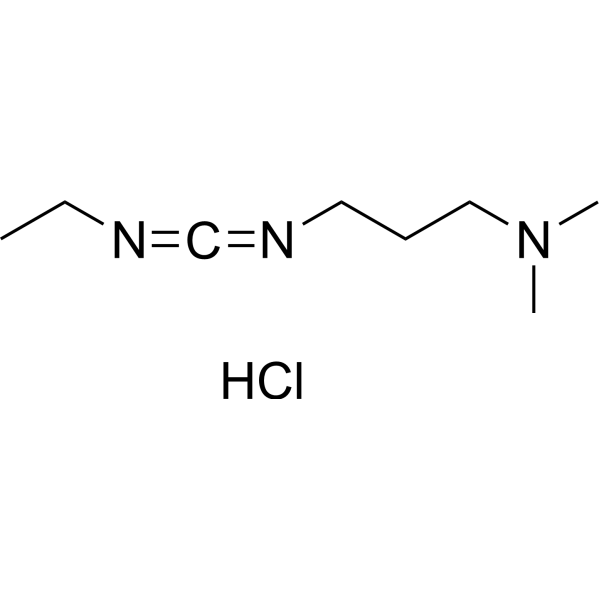
    1-Ethyl-(3-dimethylaminopropyl)carbodiimide hydrochloride is a carbodiimide reagent that can form nucleic acid and compounds with amide bonds. 1-(3-Dimethylaminopropyl)-3-ethylcarbodiimide hydrochloride accelerates the formation reaction of esters, amides, and peptides, as a condensing and dehydrating agent, which are often used for polynucleotide synthesis, anhydroxydation, lactonization and esterification .
    1-Ethyl-(3-dimethylaminopropyl)carbodiimide hydrochloride
  • HY-B0710
    Betaine
    5 Publications Verification

    Trimethylglycine; carboxy-N,N,N-trimethylmethanaminium

    Environmental Pollutants Endogenous Metabolite Metabolic Disease
    Betaine (Trimethylglycine) is a natural compound found in many foods and also an active methyl-donor which can maintain normal DNA methylation patterns [1,2]. Betaine is found ubiquitously in plants, animals, microorganisms, and rich dietary sources including seafood, spinach, and wheat bran. Betaine also acts as an osmolyte, to maintain the avian’s cellular water and ion balance to improve the avian’s capacity against heat stress via preventing dehydration and osmotic inactivation. It helps in maintaining the protective osmolytic activity, especially in heat-stressed birds. Betaine may promote various intestinal microbes against osmotic variations and thus improve microbial fermentation activity .
    Betaine
  • HY-116282C

    DSS (MW 35000-45000); DXS (MW 35000-45000)

    Apoptosis Infection Inflammation/Immunology Cancer
    Dextran sulfate sodium salt (DSS) (MW 35000-45000) is a polymer of dehydrated glucose with a molecular weight of approximately 35000-45000. DSS with different molecular weights exhibits different biological activities. Dextran sulfate sodium salt (DSS) (MW 35000-45000) is a potent inducer of colitis. Dextran sulfate sodium salt (DSS) (MW 35000-45000) can be used to induce model acute colitis, chronic colitis, and colitis-related colon cancer. Dextran sulfate sodium salt (DSS) (MW 35000-45000) may be related to macrophage dysfunction, intestinal flora dysbiosis, and is particularly toxic to the colonic epithelium .
    Dextran sulfate sodium salt (MW 35000-45000)
  • HY-116282
    Dextran sulfate sodium salt (MW 5000)
    5 Publications Verification

    DSS (MW 5000); DXS (MW 5000)

    HIV Complement System Apoptosis Infection Inflammation/Immunology
    Dextran sulfate sodium salt (DSS) (MW 5000) is a polymer of dehydrated glucose with a molecular weight of approximately 5000. Dextran sulfate sodium salt (DSS) with different molecular weights exhibits different biological activities. Dextran sulfate sodium salt (MW 5000) is an inhibitor of complement and coagulation pathways, and belongs to the glycosaminoglycans (GAG) family. Dextran sulfate sodium salt (MW 5000) acts as an anticoagulant, antiviral, and anti-lipemic agent. Dextran sulfate sodium salt (DSS) stops HIV-1 virus adsorption to host cells. Dextran sulfate sodium salt (MW 5000) prevents NK cell-mediated cytotoxicity. Dextran sulfate sodium salt (MW 5000) inhibits instant blood-mediated inflammatory reaction (IBMIR) .
    Dextran sulfate sodium salt (MW 5000)
  • HY-B1610
    Sodium citrate dihydrate
    10+ Cited Publications

    Trisodium citrate dihydrate; Citric acid trisodium salt dihydrate

    Environmental Pollutants Endogenous Metabolite Apoptosis Bacterial Infection Cardiovascular Disease Cancer
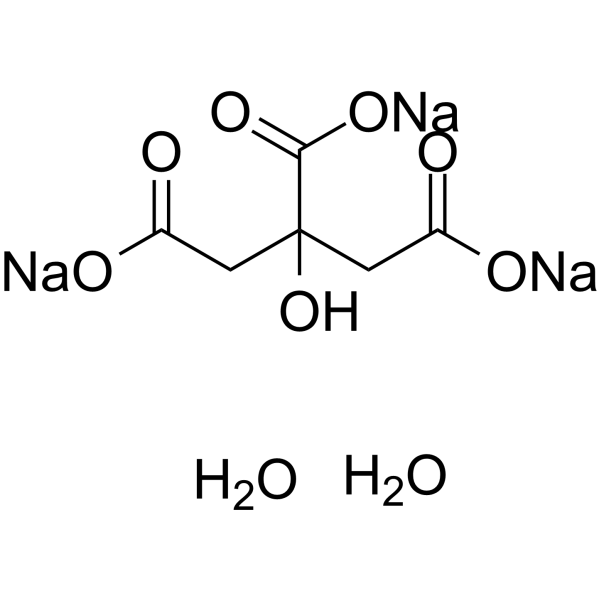
    Sodium citrate dehydrate (Trisodium citrate dihydrate) is a natural product with oral activity that can be found in citrus fruits. Sodium citrate dehydrate can inhibit the proliferation of tumor cells and induce apoptosis. Sodium citrate dehydrate has antibacterial, anti-tumor and antioxidant activities. Sodium citrate dehydrate can be prepared as a cosolvent or buffer .
    Sodium citrate dihydrate
  • HY-Y0682A

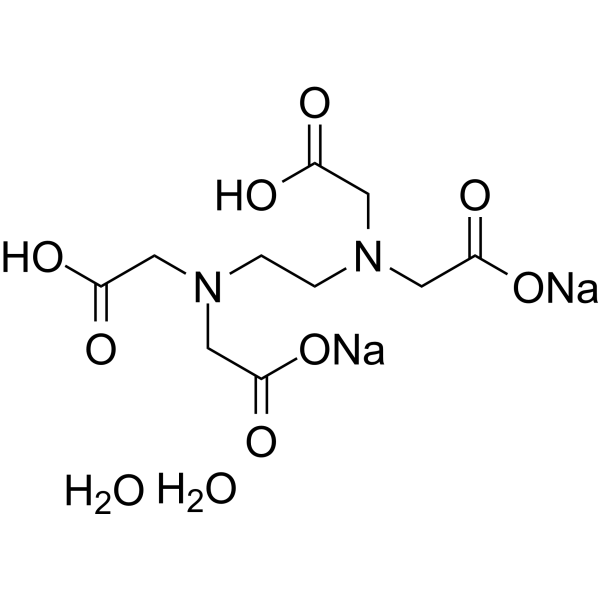
    EDTA disodium dihydrate

    Environmental Pollutants Biochemical Assay Reagents Bacterial SOD Cardiovascular Disease Neurological Disease Cancer
    Ethylenediaminetetraacetic acid (EDTA) disodium dehydrate is a kind of metal chelating agent (binds to bivalent and trivalent metal cations, including calcium). Ethylenediaminetetraacetic acid disodium dehydrate has antibacterial, anti-inflammatory, antioxidant, anti-hypercalcemia and anticoagulant activities. Ethylenediaminetetraacetic acid disodium dehydrate decreases the metal ion-catalyzed oxidative damage to proteins, and allows maintenance of reducing environment during protein purification. Ethylenediaminetetraacetic acid disodium dehydrate can alleviate the liver fibrosis. Ethylenediaminetetraacetic acid disodium dehydrate can be used for coronary artery disease and neural system disease research .
    Ethylenediaminetetraacetic acid disodium dihydrate
  • HY-A0119
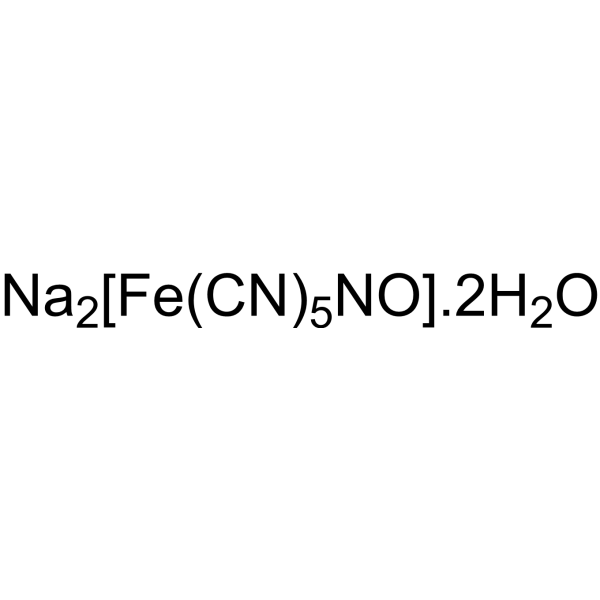
    Nitroprusside disodium dihydrate
    15+ Cited Publications

    Sodium nitroprusside dihydrate; Sodium Nitroferricyanide(III) Dihydrate

    Autophagy Cardiovascular Disease Cancer
    Nitroprusside disodium dehydrate (Sodium nitroprusside dihydrate) is a vasodilator that available for the research of acute hypertension, heart failure. Nitroprusside disodium dehydrate induces autophagy in glutathione-depleted osteoblasts. Nitroprusside disodium dehydrate acts as a nitric oxide (NO) donor in a rat intestinal ischemia reperfusion model .
    Nitroprusside disodium dihydrate
  • HY-Y1092
    N,N-Dicyclohexylcarbodiimide(DCC)
    2 Publications Verification

    Biochemical Assay Reagents Adenylate Cyclase Others
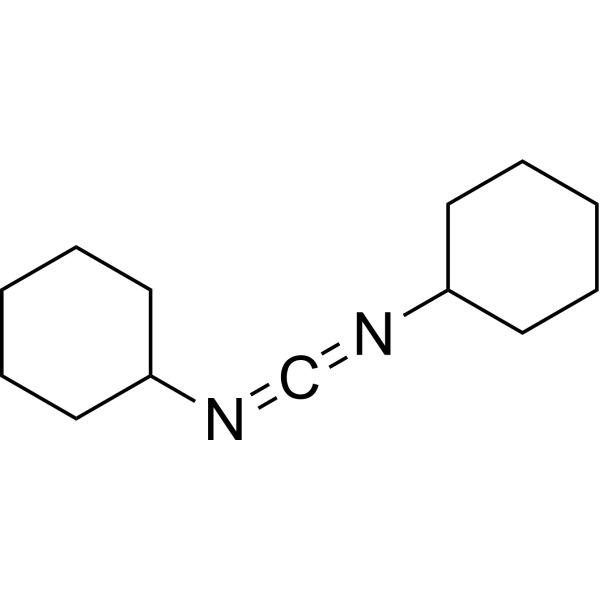
    N,N-Dicyclohexylcarbodiimide(DCC) is a dehydrating and condensing agent. N,N-Dicyclohexylcarbodiimide(DCC) enhances adenylate cyclase activity. N,N-Dicyclohexylcarbodiimide(DCC) inhibits amine accumulation. N,N-Dicyclohexylcarbodiimide(DCC) is used to prepare 3-phenylcoumarin derivatives, sulfated derivatives of purslane polysaccharides .
    N,N-Dicyclohexylcarbodiimide(DCC)
  • HY-50694
    Senicapoc
    10+ Cited Publications

    ICA-17043

    Potassium Channel Others
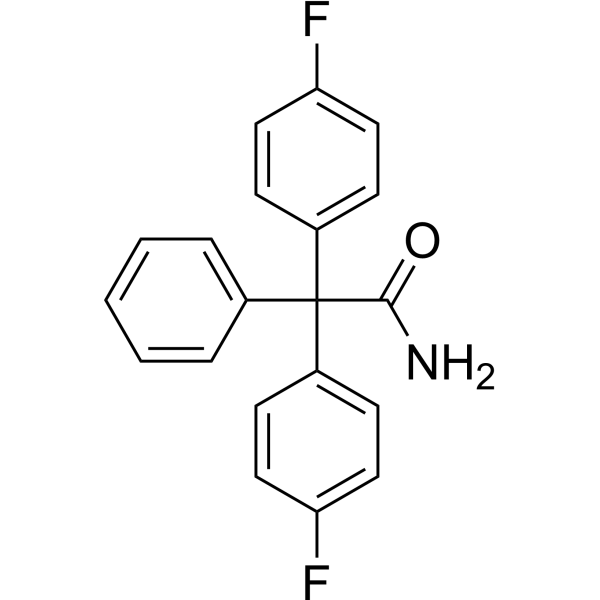
    Senicapoc (ICA-17043) is a potent and selective Gardos channel (Ca 2+-activated K + channel; KCa3.1) blocker with an IC50 of 11 nM. Senicapoc blocks Ca 2+-induced rubidium flux from human RBCs with an IC50 value of 11 nM and inhibits RBC dehydration with IC50 of 30 nM .
    Senicapoc
  • HY-112624L

    Dextran 10; Dextran D10; Dextran T10(MW 8000-12000)

    Biochemical Assay Reagents Cancer
    Dextran T10 (MW 10,000) (Dextran 10) is a dehydrated glucose polymer with an average molecular weight of 10,000. Dextran T10 (MW 10,000) is composed of repeated glucose units, and it has abundant hydroxyl (-OH) groups, which can be used as a natural "magnetic marker" for chemical exchange saturation transfer (CEST) MRI imaging .
    Dextran T10 (MW 10,000)
  • HY-116282A

    DSS (MW 4500-5500); DXS (MW 4500-5500)

    HIV Apoptosis Complement System Infection Inflammation/Immunology
    Dextran sulfate sodium salt (DSS) (MW 4500-5500) is a polymer of dehydrated glucose with a molecular weight of approximately 4500-5500. Dextran sulfate sodium salt with different molecular weights exhibits different biological activities. Dextran sulfate sodium salt (MW 4500-5500) is an inhibitor of complement and coagulation pathways, and belongs to the glycosaminoglycans (GAG) family. Dextran sulfate sodium salt (MW 4500-5500) acts as an anticoagulant, antiviral, and anti-lipemic agent. Dextran sulfate sodium salt (MW 4500-5500) stops HIV-1 virus adsorption to host cells. Dextran sulfate sodium salt (MW 4500-5500) prevents NK cell-mediated cytotoxicity. Dextran sulfate sodium salt (MW 4500-5500) inhibits instant blood-mediated inflammatory reaction (IBMIR) .
    Dextran sulfate sodium salt (MW 4500-5500)
  • HY-W016420
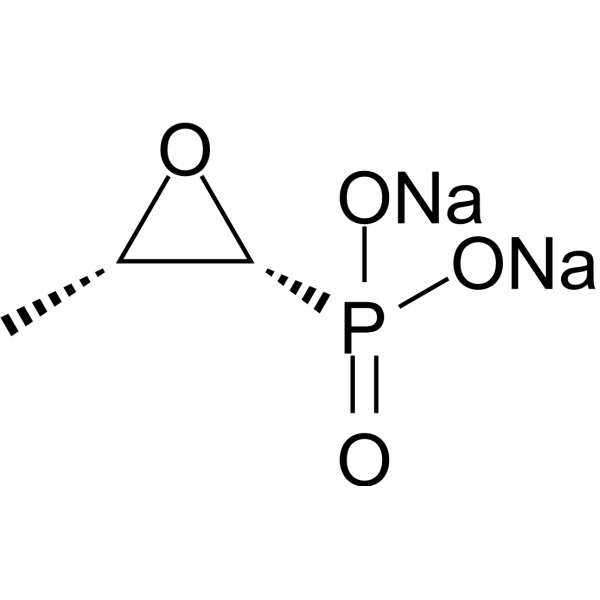
    Fosfomycin sodium
    10+ Cited Publications

    MK-0955 sodium

    Bacterial Antibiotic Infection Cancer
    Fosfomycin (MK-0955) sodium is a blood-brain barrier penetrating, broad-spectrum antibiotic by irreversibly inhibiting an early stage in cell wall synthesis. Fosfomycin sodium shows both in vivo and in vitro activity against a wide range of bacteria, including multidrug-resistant (MDR), extensively drug-resistant (XDR), and pan-drug-resistant (PDR) bacteria .
    Fosfomycin sodium
  • HY-121965

    Biochemical Assay Reagents Endogenous Metabolite Others
    β-D-Glucose, also known as glucose, is a monosaccharide, the most important carbohydrate in biological systems, the main energy source of cells, and plays a key role in various metabolic processes. β-D-Glucose has unique chemical properties that make it an abundant component in plant and animal tissues and is readily metabolized by organisms to produce cellular energy. It is commonly used to improve hypoglycemia and dehydration, and as a sweetener and preservative in food and beverage production.
    β-D-Glucose
  • HY-116282D

    DSS (MW 450000-550000); DXS (MW 450000-550000)

    HIV Influenza Virus Others
    Dextran sulfate sodium salt (DSS) (MW 450000-550000) is a polymer of dehydrated glucose with a molecular weight of approximately 450000-550000. Dextran sulfate sodium salt with different molecular weights exhibits different biological activities. Dextran sulfate sodium salt (MW 450000-550000) inhibits replication of HIV-1 and influenza A virus. Dextran sulfate sodium salt (MW 450000-550000) can be formulated as nanoparticles and shows antibacterial activity. Dextran sulfate sodium salt (MW 450000-550000) can be used for functional material preparation .
    Dextran sulfate sodium salt (MW 450000-550000)
  • HY-B0002A

    GR 38032 hydrochloride dihydrate; SN 307 hydrochloride dihydrate

    5-HT Receptor Neurological Disease
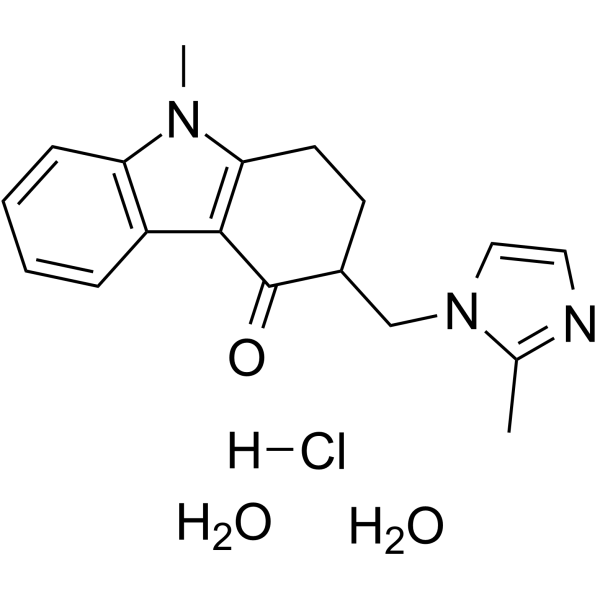
    Ondansetron (GR 38032; SN 307) hydrochloride dehydrate is a highly selective 5-HT3 receptor antagonist with an IC50 value of 103 pM. Ondansetron hydrochloride dehydrate exerts its antiemetic effect by antagonizing 5-HT receptors located in localized neurons in the peripheral and central nervous systems. Ondansetron hydrochloride dehydrate can inhibit nausea and vomiting induced by chemotherapy and radiotherapy .
    Ondansetron hydrochloride dihydrate
  • HY-N7495

    Anhydrovitamin A

    Drug Metabolite Metabolic Disease
    all-trans-Anhydro Retinol (Anhydrovitamin A) is an orally active degradation product formed by the dehydration of vitamin A alcohol and its esters under conditions such as acidic catalysis or hydroxylic solvents, with a biological activity only 0.4% of that of Vitamin A (HY-B1342). In rats, all-trans-Anhydro Retinol can be metabolized into hydroxy derivatives and their esters, but it cannot be converted into Vitamin A (HY-B1342) and has a low storage capacity in the body .
    all-trans-Anhydro Retinol
  • HY-112624A

    Dextran 1; Dextran D1; Dextran T1(MW 800-1200)

    Biochemical Assay Reagents Others
    Dextran T1 (Dextran 1; Dextran D1) (with a molecular weight of 1,000) is a dehydrated glucose polymer with an average molecular weight of 1,000. Dextran T1 (MW 1,000) has excellent biodegradability and biocompatibility, and can be used as a nanobody carrier scaffold and a freeze-drying protectant. Dextran T1 (MW 1,000) promotes the retention of circulating tumor cells in the capillary bed .
    Dextran T1 (MW 1,000)
  • HY-N2024A
    Maltose monohydrate
    1 Publications Verification

    Endogenous Metabolite Glycosidase Metabolic Disease
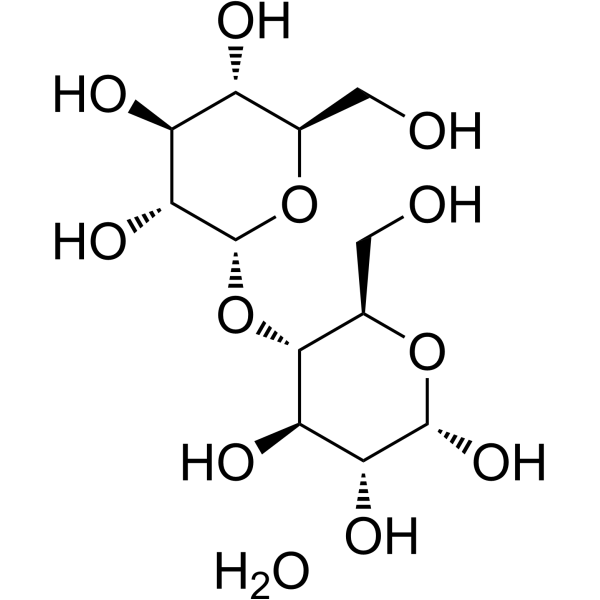
    Maltose monohydrate is a disaccharide composed of two glucose molecules linked together. Maltose monohydrate is an endogenous metabolic product in plants, yeast, or bacteria, and it participates in carbon source storage and metabolism. Maltose monohydrate is a key core metabolite and main transport form in the temporary starch degradation, carbon output, and subsequent sucrose synthesis metabolism of the night chloroplast. In X. dendrorhous, maltose can act as a sugar donor and is converted into isomaltulose by α-glucosidase. Maltose monohydrate can act as a osmotic agent, supporting continuous capillary ultrafiltration and preventing severe metabolic disorders .
    Maltose monohydrate
  • HY-B1075
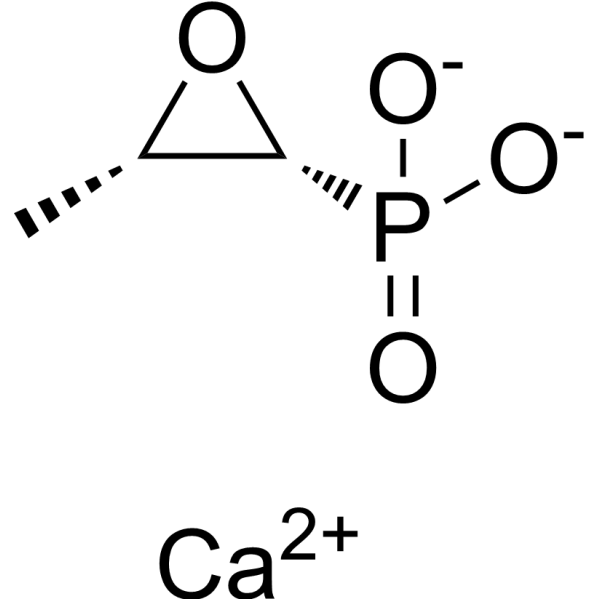
    Fosfomycin calcium
    10+ Cited Publications

    MK-​0955 calcium

    Bacterial Antibiotic Infection Cancer
    Fosfomycin (MK-0955) calcium is a blood-brain barrier penetrating, broad-spectrum antibiotic by irreversibly inhibiting an early stage in cell wall synthesis. Fosfomycin calcium shows both in vivo and in vitro activity against a wide range of bacteria, including multidrug-resistant (MDR), extensively drug-resistant (XDR), and pan-drug-resistant (PDR) bacteria .
    Fosfomycin calcium
  • HY-D0850

    Sodium tartrate dibasic dihydrate; Sodium tartrate dihydrate

    Phosphatase Endogenous Metabolite Cardiovascular Disease
    Tartaric acid disodium dehydrate (L-(+) -tartaric acid) is an orally active weak organic acid that can be isolated from grapes. Tartaric acid disodium dehydrate has vasodilatory and antihypertensive effects. Tartaric acid disodium dehydrate can be used as flavorings and antioxidants in a range of foods and beverages. Tartaric acid disodium dehydrate can be used in laser frequency doubling and optical limiting applications .
    Tartaric acid disodium dihydrate
  • HY-116282B

    DSS (MW 16000-24000); DXS (MW 16000-24000)

    Biochemical Assay Reagents STING Others
    Dextran sulfate sodium salt (DSS) (MW 16000-24000) is a polymer of dehydrated glucose with a molecular weight of approximately 16000-24000. Dextran sulfate sodium salt with different molecular weights exhibits different biological activities. Dextran sulfate sodium salt (MW 16000-24000) induces STING polymerization and TBK1 activation .
    Dextran sulfate sodium salt (MW 16000-24000)
  • HY-41456

    Biochemical Assay Reagents Others
    Ethyl 2-cyano-2-(hydroxyimino) acetate (Oxyma) is a peptide coupling additive. Ethyl 2-cyano-2-(hydroxyimino) acetate suppresses racemization during peptide coupling and improves the coupling efficiency of both solution-phase and solid-phase peptide synthesis .
    Ethyl 2-cyano-2-(hydroxyimino)acetate
  • HY-19696B
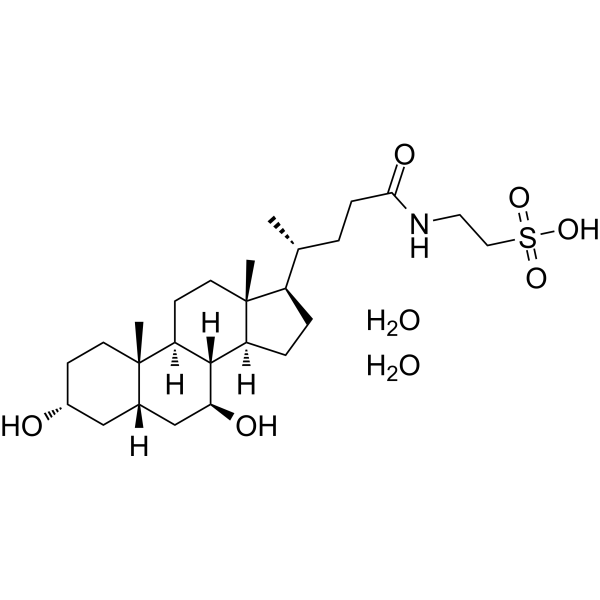
    Tauroursodeoxycholate dihydrate
    Maximum Cited Publications
    104 Publications Verification

    Tauroursodeoxycholic acid dihydrate; TUDCA dihydrate; UR 906 dihydrate

    Caspase Apoptosis Endogenous Metabolite IRE1 NF-κB JNK Reactive Oxygen Species (ROS) Akt Neurological Disease Metabolic Disease Inflammation/Immunology
    Tauroursodeoxycholate dehydrate is an orally active taurine conjugate of Ursodeoxycholic acid (HY-13771). Tauroursodeoxycholate dehydrate inhibits caspase-3/7, Apoptosis, IRE1α/TRAF2/NF-κB, prevents JNK phosphorylation, inhibits ROS generation, and activates Akt signaling. Tauroursodeoxycholate dehydrate prevents cataract formation, reduces renal tubular damage in type 2 diabetic mice, reduces I/R injury in liver, and inhibits intestinal inflammation and barrier disruption in nonalcoholic fatty liver disease .
    Tauroursodeoxycholate dihydrate
  • HY-B1075A

    MK-0955

    Bacterial Antibiotic Infection Cancer
    Fosfomycin (MK-0955) is a broad-spectrum antibiotic. Fosfomycin can cross blood-brain barrier penetrating, and irreversibly inhibits an early stage in cell wall synthesis. Fosfomycin shows anti-bacteria activity for a range of bacteria, including multidrug-resistant (MDR), extensively drug-resistant (XDR), and pan-drug-resistant (PDR) bacteria .
    Fosfomycin
  • HY-111974

    ABA-GE; (S)-cis,trans-Abscisic acid glucosyl ester

    Proton Pump Endocrinology
    β-D-Glucopyranosyl abscisate (ABA-GE) is a hydrolyzable abscisic acid (ABA) conjugate that accumulates in the vacuole and presumably also in the endoplasmic reticulum. The deconjugation of β-D-Glucopyranosyl abscisate allows the rapid formation of free ABA in response to abiotic stress conditions such as dehydration and salt stress. β-D-Glucopyranosyl abscisate contributes to the maintenance of ABA homeostasis .
    β-D-Glucopyranosyl abscisate
  • HY-Y1939A

    Glacial phosphoric acid, 33.5-36.5%

    Biochemical Assay Reagents Others
    Metaphosphoric acid, 33.5-36.5% (Glacial phosphoric acid, 33.5-36.5%) is a precipitant used for rapid enzymatic measurement of blood lactate and pyruvate. Metaphosphoric acid, 33.5-36.5% can also be used as a dehydrating agent, and its derivative sodium hexametaphosphate can be used as a chelating agent and food additive .
    Metaphosphoric acid, 33.5-36.5%
  • HY-112624N

    Dextran 200; Dextran D200; Dextran T200(MW 180000-220000)

    Biochemical Assay Reagents Others
    Dextran T200 (Dextran 200; Dextran D200) (MW 200,000) is a dehydrated glucose polymer with an average molecular weight of 200,000. Dextran T200 (MW 200,000) has excellent biodegradability and good biocompatibility, and can be used as a high-molecular-weight tracer and optical clearing agent .
    Dextran T200 (MW 200,000)
  • HY-112624M

    Dextran 150; Dextran D150; Dextran T150(MW 130000-170000)

    Biochemical Assay Reagents Others
    Dextran T150 (Dextran 150; Dextran D150) (MW 150,000) is a dehydrated glucose polymer with an average molecular weight of 150,000. Dextran T150 (MW 150,000) has excellent biodegradability and good biocompatibility, and can be used as a fluorescent labeling tracer and a high-molecular cross-linking agent .
    Dextran T150 (MW 150,000)
  • HY-112624U

    Dextran 20; Dextran D20; Dextran T20(MW 16000-24000)

    Biochemical Assay Reagents Others
    Dextran T20 (Dextran 20; Dextran D20) (MW 20,000) is a dehydrated glucose polymer with an average molecular weight of 20,000. Dextran T20 (MW 20,000) has excellent biodegradability and good biocompatibility, and can be used as a gene delivery vector, an immune adjuvant carrier, and a hemoglobin stabilizer .
    Dextran T20 (MW 20,000)
  • HY-32742

    Drug Intermediate Others
    4-Bromo-2-fluoropyridine is a drug intermediate that can be used for the synthesis of [1,2,4]Triazolo[4,3-a]pyridines .
    4-Bromo-2-fluoropyridine
  • HY-112624O

    Dextran 100; Dextran D100; Dextran T100(MW 90000-110000)

    Biochemical Assay Reagents Others
    Dextran T100 (MW 100,000) (Dextran 100; Dextran D100) is a dehydrated glucose polymer with an average molecular weight of 100,000. Dextran T100 (MW 100,000) has an α-(1→6)-linked D-glucose backbone and α-(1→4)-, α-(1→3)- or α-(1→2)-linked D-glucose side chains, and it is synthesized by lactic acid bacteria or their enzymes. Dextran T100 (MW 100,000) possesses favorable biodegradability and biocompatibility, and it can be used in the fields of food, pharmaceuticals, cosmetics and research .
    Dextran T100 (MW 100,000)
  • HY-B0609
    Fosfomycin tromethamine
    10+ Cited Publications

    MK-0955 tromethamine

    Bacterial Antibiotic Infection Cancer
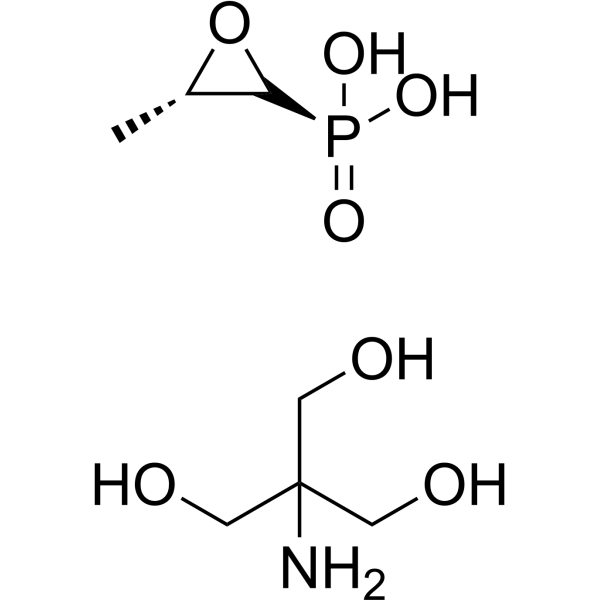
    Fosfomycin (MK-0955) tromethamine is a blood-brain barrier penetrating, broad-spectrum antibiotic by irreversibly inhibiting an early stage in cell wall synthesis. Fosfomycin tromethamine shows both in vivo and in vitro activity against a wide range of bacteria, including multidrug-resistant (MDR), extensively drug-resistant (XDR), and pan-drug-resistant (PDR) bacteria .
    Fosfomycin tromethamine
  • HY-B0189B
    Mosapride citrate dihydrate
    5+ Cited Publications

    TAK-370 citrate dihydrate; AS-4370 citrate dihydrate

    5-HT Receptor Potassium Channel Cytochrome P450 Metabolic Disease Cancer
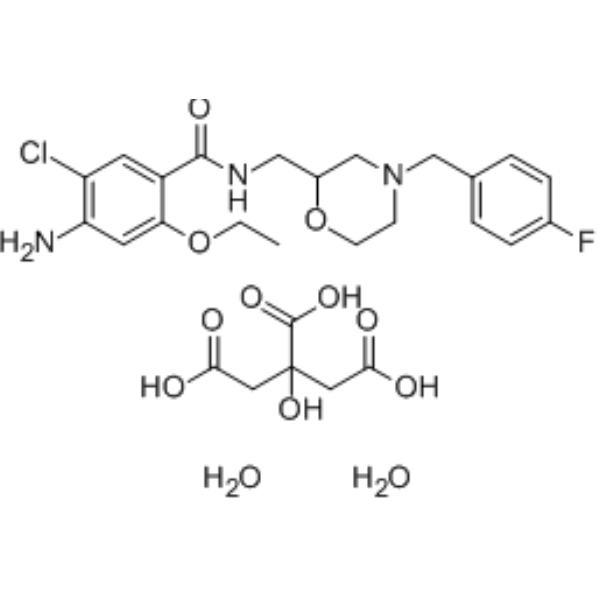
    Mosapride (TAK-370) citrate dehydrate is a gastroprokinetic agent with 5-hydroxytryptamine4 receptor agonist activity and has been widely used in the research of a variety of gastrointestinal disorders. Mosapride citrate dihydrate potently inhibits Kv4.3 in a concentration-dependent manner with IC50 values of 15.2 μM . Mosapride citrate dihydrateselectively stimulates upper GI motility in vivo .
    Mosapride citrate dihydrate
  • HY-B1610I

    Trisodium citrate dihydrate, for molecular biology

    Biochemical Assay Reagents Others
    Sodium citrate dihydrate, for molecular biology is an antacid used in studies to neutralize gastric acid. Sodium citrate dehydrate is often used to prepare biological buffers and can be used in molecular biology research .
    Sodium citrate dihydrate, for molecular biology
  • HY-B0710R

    Trimethylglycine (Standard); carboxy-N,N,N-trimethylmethanaminium (Standard)

    Endogenous Metabolite Metabolic Disease
    Betaine (Standard) is the analytical standard of Betaine. This product is intended for research and analytical applications. Betaine (Trimethylglycine) is a natural compound found in many foods and also an active methyl-donor which can maintain normal DNA methylation patterns [1,2]. Betaine is found ubiquitously in plants, animals, microorganisms, and rich dietary sources including seafood, spinach, and wheat bran. Betaine also acts as an osmolyte, to maintain the avian’s cellular water and ion balance to improve the avian’s capacity against heat stress via preventing dehydration and osmotic inactivation. It helps in maintaining the protective osmolytic activity, especially in heat-stressed birds. Betaine may promote various intestinal microbes against osmotic variations and thus improve microbial fermentation activity .
    Betaine (Standard)
  • HY-113053

    Endogenous Metabolite Apoptosis Neurological Disease Inflammation/Immunology Endocrinology Cancer
    Prostaglandin A1 is a dehydration derivate of Prostaglandin E1. Prostaglandin A1 exhibits inhibitory activities against tumor growth, inflammation, virus replication, platelet aggregation and excitotoxin-induced neurons apoptosis .
    Prostaglandin A1
  • HY-116282H

    DSS (MW 9000-20000); DXS (MW 9000-20000)

    Biochemical Assay Reagents Inflammation/Immunology
    Dextran sulfate sodium salt (DSS) (MW 9000-20000) is a polymer of dehydrated glucose with a molecular weight of approximately 9000-20000. Dextran sulfate sodium salt with different molecular weights exhibits different biological activities. Dextran sulfate sodium salt (MW 9000-20000) is a biocompatible and biodegradable biochemical reagent and can be used for pharmaceutical and biomedical applications .
    Dextran sulfate sodium salt (MW 9000-20000)
  • HY-113505

    Δ12-PGJ2

    Endogenous Metabolite Apoptosis Cancer
    Delta-12-Prostaglandin J2 (Δ12-PGJ2) is a cyclopentenone prostaglandin (PG) with anti-proliferative effect on various tumor cell growth. Delta-12-Prostaglandin J2, a naturally occurring dehydration product of prostaglandin D2, is able to induce apoptosis in HeLa cells via caspase activation .
    Delta-12-Prostaglandin J2
  • HY-Y1092R

    Biochemical Assay Reagents Reference Standards Others
    N,N-Dicyclohexylcarbodiimide(DCC) (Standard) is the analytical standard of N,N-Dicyclohexylcarbodiimide(DCC). This product is intended for research and analytical applications. N,N-Dicyclohexylcarbodiimide(DCC) is a dehydrating and condensing agent. N,N-Dicyclohexylcarbodiimide(DCC) enhances adenylate cyclase activity. N,N-Dicyclohexylcarbodiimide(DCC) inhibits amine accumulation. N,N-Dicyclohexylcarbodiimide(DCC) is used to prepare 3-phenylcoumarin derivatives, sulfated derivatives of purslane polysaccharides .
    N,N-Dicyclohexylcarbodiimide(DCC) (Standard)
  • HY-116282W

    DSS (MW 6500-10000); DXS (MW 6500-10000)

    HIV Inflammation/Immunology
    Dextran sulfate sodium salt (DSS) (MW 6500-10000) is a polymer of dehydrated glucose with a molecular weight of approximately 5000. Dextran sulfate sodium salt with different molecular weights exhibits different biological activities. Dextran sulfate sodium salt (MW 6500-10000) has antiviral activity against HIV-1 and HIV-2. Dextran sulfate sodium salt (MW 6500-10000) blocks the binding of virions to CD4 T lymphocytes and inhibits syncytia formation. Dextran sulfate sodium salt (MW 6500-10000) also prevents experimental urolithiasis due to its cytoprotective actions. Moreover, because of its biocompatible and highly charged properties, Dextran sulfate sodium salt (MW 6500-10000) is a suitable choice for pharmaceutical systems .
    Dextran sulfate sodium salt (MW 6500-10000)
  • HY-B0710S

    Trimethylglycine-13C3; Carboxy-N,N,N-trimethylmethanaminium-13C3

    Isotope-Labeled Compounds Metabolic Disease
    Betaine- 13C3 (Trimethylglycine- 13C3) is the 13C labeled isotope of Betaine (HY-B0710). Betaine (Trimethylglycine) is a natural compound found in many foods and also an active methyl-donor which can maintain normal DNA methylation patterns [1,2]. Betaine is found ubiquitously in plants, animals, microorganisms, and rich dietary sources including seafood, spinach, and wheat bran. Betaine also acts as an osmolyte, to maintain the avian’s cellular water and ion balance to improve the avian’s capacity against heat stress via preventing dehydration and osmotic inactivation. It helps in maintaining the protective osmolytic activity, especially in heat-stressed birds. Betaine may promote various intestinal microbes against osmotic variations and thus improve microbial fermentation activity .
    Betaine-13C3
  • HY-P10670

    ABA Receptor Others
    CLE25 peptide moves from the roots to the leaves and modulates NCED3 expression in leaves in association with the receptor-like kinases BAM1 and BAM3. CLE25 peptide induces stomatal closure by modulating abscisic acid accumulation and thereby enhances resistance to dehydration stress .
    CLE25 Peptide
  • HY-172626A

    Ras Cancer
    (R)-KRAS G12D inhibitor 28 hydrochloride dehydrate is the hydrochloride dehydrate of (R)-KRAS G12D inhibitor 28 (HY-172626). KRAS G12D inhibitor 28 (Compound 2) is a KRAS G12D inhibitor. KRAS G12D inhibitor 28 (Compound 2) can be used in the cancer research .
    (R)-KRAS G12D inhibitor 28 hydrochloride dihydrate
  • HY-W016420R

    MK-0955 sodium (Standard)

    Reference Standards Bacterial Antibiotic Infection Cancer
    Pulchinenoside C (Standard) is the analytical standard of Pulchinenoside C. This product is intended for research and analytical applications. Pulchinenoside C (Anemoside B4) is a natural compound of the herbaceous peony saponin B4, which has many biological effects, such as antitumor, neuroprotective, and anti-angiogenic activities.
    Fosfomycin sodium (Standard)
  • HY-B1610R

    Trisodium citrate dihydrate (Standard); Citric acid trisodium salt dihydrate (Standard)

    Reference Standards Bacterial Endogenous Metabolite Apoptosis Infection Cardiovascular Disease Cancer
    Sodium citrate (dihydrate) (Standard) is the analytical standard of Sodium citrate (dihydrate). This product is intended for research and analytical applications. Sodium citrate dehydrate (Trisodium citrate dihydrate) is a natural product with oral activity that can be found in citrus fruits. Sodium citrate dehydrate can inhibit the proliferation of tumor cells and induce apoptosis. Sodium citrate dehydrate has antibacterial, anti-tumor and antioxidant activities. Sodium citrate dehydrate can be prepared as a cosolvent or buffer .
    Sodium citrate dihydrate (Standard)
  • HY-B1610H

    Trisodium citrate dihydrate (Pharmaceutical primary standard, USP)

    Biochemical Assay Reagents Others
    Sodium citrate dihydrate, United States Pharmacopeia (USP) Reference Standard is an antacid used in studies to neutralize gastric acid. Sodium citrate dehydrate can also be used to prepare biological buffers. Sodium citrate dehydrate is a reference standard grade of the United States Pharmacopeia (USP) and a first-class pharmaceutical standard .
    Sodium citrate dihydrate, United States Pharmacopeia (USP) Reference Standard
  • HY-W127628

    Biochemical Assay Reagents Others
    Decyl β-D-glucopyranoside is a nonionic surfactant commonly used in biochemical and molecular biology research. It can be used for the extraction, purification and structural analysis of cell membranes, and is widely used in the fields of proteomics and genetic engineering. In addition, this compound is also used as an auxiliary reagent and dehydrating agent in some biochemical experiments.
    Decyl β-D-glucopyranoside
  • HY-125770
    5(S)​-​HPETE
    1 Publications Verification

    Endogenous Metabolite Inflammation/Immunology
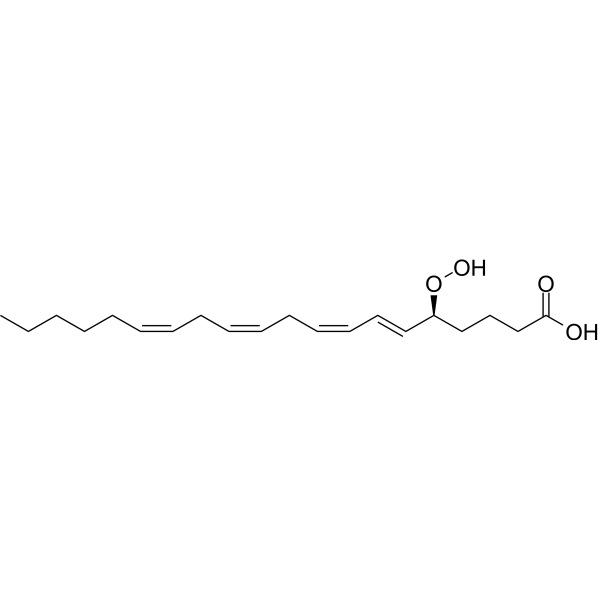
    5(S)-HPETE is a 5-lipoxygenase substrate and Arachidonic acid (HY-109590) metabolite. 5(S)-HPETE forms via 5-LOX-catalyzed hydroperoxidation of arachidonic acid. 5(S)-HPETE undergoes 5-LOX-catalyzed epoxidation (dehydration) to form leukotriene A4. 5(S)-HPETE can be used for the research of asthma, rheumatoid arthritis .
    5(S)​-​HPETE
  • HY-B1075R

    MK-​0955 calcium (Standard)

    Reference Standards Bacterial Antibiotic Infection Cancer
    Fosfomycin (calcium) (Standard) is the analytical standard of Fosfomycin (calcium). This product is intended for research and analytical applications. Fosfomycin (MK-0955) calcium is a blood-brain barrier penetrating, broad-spectrum antibiotic by irreversibly inhibiting an early stage in cell wall synthesis. Fosfomycin calcium shows both in vivo and in vitro activity against a wide range of bacteria, including multidrug-resistant (MDR), extensively drug-resistant (XDR), and pan-drug-resistant (PDR) bacteria .
    Fosfomycin calcium (Standard)
  • HY-N15680

    Drug Derivative Others
    Anhydrolutein II, a carotenoid, is a dehydration product of Lutein (HY-N6947) .
    Anhydrolutein II

Inquiry Online

Your information is safe with us. * Required Fields.

Salutation


Country or Region *

Applicant Name *


Organization Name *

Department *


Email Address *


Product Name *

Cat. No.


Requested quantity *

Phone Number *


Remarks

Inquiry Online

Inquiry Information

Product Name:
Cat. No.:
Quantity:
MCE Japan Authorized Agent:

