




1. Search Result
Search Result
Results for "

destruction

" in MedChemExpress (MCE) Product Catalog:

81

Inhibitors & Agonists

4

Screening Libraries

1

Fluorescent Dyes

2

Biochemical Assay Reagents

11

Peptides

9

Inhibitory Antibodies

6

Natural
Products

3

Isotope-Labeled Compounds

1

Oligonucleotides

1

GMP Molecules

Cat. No. Product Name Target Research Areas Chemical Structure
  • HY-12238
    IWR-1
    Maximum Cited Publications
    61 Publications Verification

    endo-IWR 1; IWR-1-endo

    Organoid Wnt Inflammation/Immunology Cancer
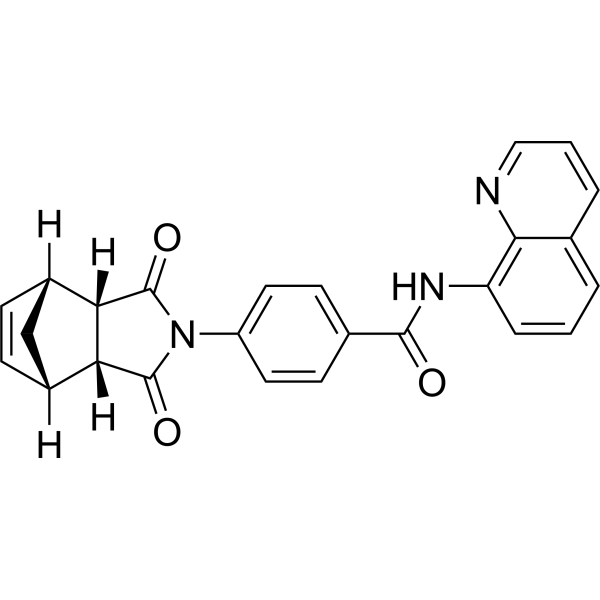
    IWR-1 (IWR-1-endo) is a tankyrase inhibitor targeting Wnt/β-catenin (IC50 = 180 nM). IWR-1 compromises critical steps of the canonical Wnt signaling, namely translocation of β-catenin to the nucleus and subsequent TCF/LEF activation and expression of Wnt/β-catenin downstream targets. IWR-1 promotes β-catenin phosphorylation by promoting stability of Axin-scaffolded destruction complexes. IWR-1 can be studied in research for anti-tumor purposes, and diseases such as osteosarcoma, colorectal cancer and psoriasis .
    IWR-1
  • HY-127105
    Iptacopan
    10+ Cited Publications

    LNP023

    Complement System Metabolic Disease Inflammation/Immunology
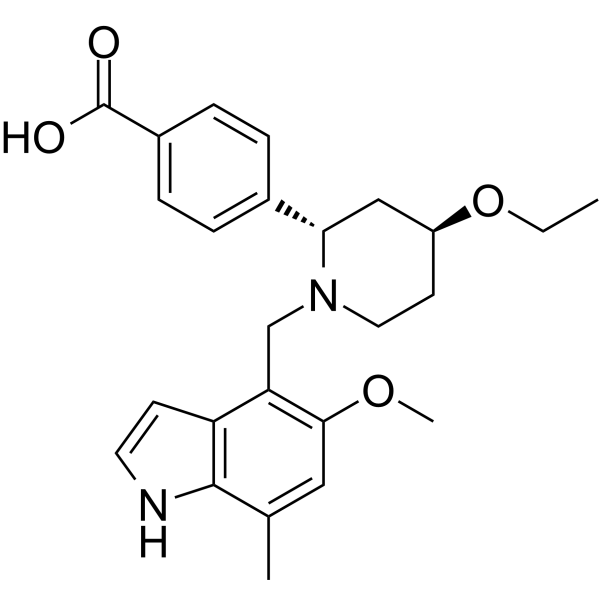
    Iptacopan (LNP023) is an effective and orally-active highly selective factor B inhibitor with an IC50 value of 10 nM and KD of 7.9 nM. Iptacopan exerts a proximal effect in the complement cascade reaction, preventing the destruction (hemolysis) of red blood cells in PNH and the damage of renal cells in IgAN and C3G. Iptacopan can be used for the study of complement-mediated diseases, particularly paroxysmal nocturnal hemoglobinuria (PNH), primary immunoglobulin A nephropathy (IgAN), and complement 3 glomerulopathy (C3G) .
    Iptacopan
  • HY-B0636
    Triamcinolone acetonide
    5+ Cited Publications

    Glucocorticoid Receptor FGFR Cardiovascular Disease Inflammation/Immunology Endocrinology Cancer
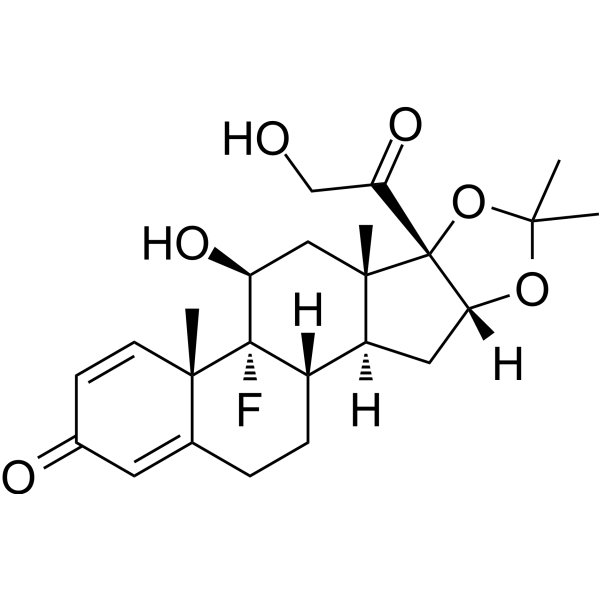
    Triamcinolone acetonide inhibits basic fibroblast growth factor (bFGF) induced proliferation of retinal endothelial cells. Triamcinolone acetonide reduces chondrocyte viability and leads to cartilage destruction. Triamcinolone acetonide activates macrophage with anti-inflammatory characteristics. Triamcinolone acetonide can be used in the study of diseases such as atopic dermatitis .
    Triamcinolone acetonide
  • HY-N6973
    Boldine
    1 Publications Verification

    RANKL/RANK Apoptosis Inflammation/Immunology Cancer
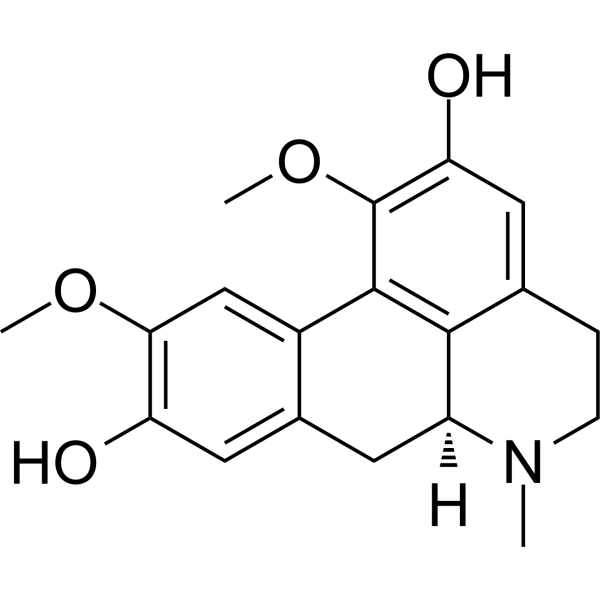
    Boldine is an apomorphine isoquinoline alkaloid extracted from the root of the pheasant pepper (Litsea cubeba). Boldine is an oral effective antioxidant, anti-inflammatory, antitumor agent, and can inhibit osteoclast formation. Boldine induces apoptosis of human bladder cancer cells by regulating ERK, AKT and GSK-3β. Boldine ameliorates bone destruction by down-regulating the OPG/RANKL/RANK signaling pathway. It can be used in rheumatoid arthritis research .
    Boldine
  • HY-127105A
    Iptacopan hydrochloride
    10+ Cited Publications

    LNP023 hydrochloride

    Complement System Metabolic Disease Inflammation/Immunology
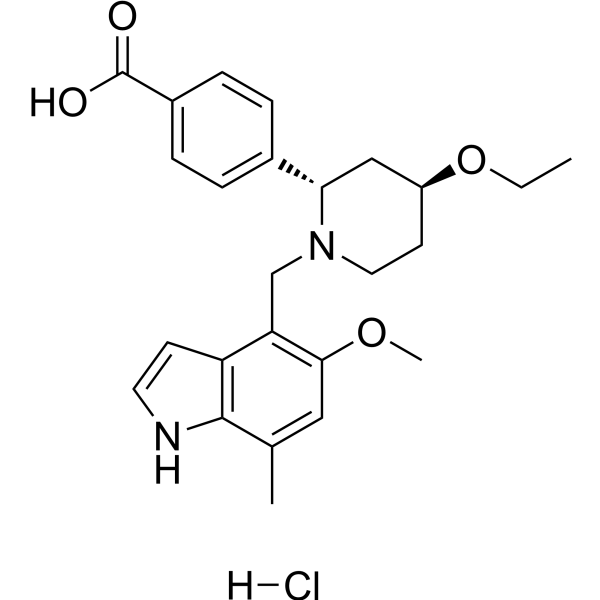
    Iptacopan (LNP023) hydrochloride is an effective and orally-active highly selective factor B inhibitor with an IC50 value of 10 nM and KD of 7.9 nM. Iptacopan hydrochloride exerts a proximal effect in the complement cascade reaction, preventing the destruction (hemolysis) of red blood cells in PNH and the damage of renal cells in IgAN and C3G. Iptacopan hydrochloride can be used for the study of complement-mediated diseases, particularly paroxysmal nocturnal hemoglobinuria (PNH), primary immunoglobulin A nephropathy (IgAN), and complement 3 glomerulopathy (C3G) .
    Iptacopan hydrochloride
  • HY-N0070
    Solasonine
    3 Publications Verification

    Ferroptosis Glutathione Peroxidase Reactive Oxygen Species (ROS) Cancer
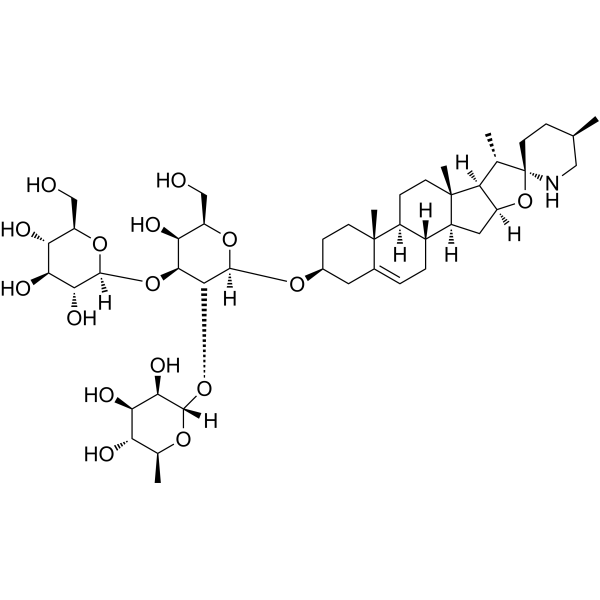
    Solasonine is a ferroptosis inducer which can be isolated from Solanum melongena that has anti-infection, anti-cancer, and neurogenesis promoting properties. Solasonine promotes ferroptosis of HCC cells via destruction of the glutathione redox system induced by inhibiting GPX4, and can be used for cancer research .
    Solasonine
  • HY-114996
    ADAMTS-5 Inhibitor
    4 Publications Verification

    ADAMTS Inflammation/Immunology
    ADAMTS-5 Inhibitor is a potent ADAMTS-5 (aggrecanase-2) inhibitor, with an IC50 of 1.1 µM. ADAMTS-5 Inhibitor shows >40-fold functional selectivity over ADAMTS-4 (aggrecanase-1) .
    ADAMTS-5 Inhibitor
  • HY-P99111

    CNTO-148

    TNF Receptor Apoptosis Interleukin Related Caspase Inflammation/Immunology Cancer
    Golimumab (CNTO-148) is a potent human IgG1 TNFα antagonist monoclonal antibody. Golimumab has anti-inflammation activitity and inhibits IL-6 and IL-1β production. Golimumab acts via targeting and neutralizing TNF to prevent inflammation and destruction of cartilage and bone. Golimumab has the anticancer activity and induces cell apoptosis. Golimumab can be used for rheumatoid arthritis, Crohn's disease and cancer research .
    Golimumab
  • HY-123606
    GSK484
    45+ Cited Publications

    Protein Arginine Deiminase MHC Cardiovascular Disease Inflammation/Immunology
    GSK484 is a PAD4 inhibitor that effectively inhibits protein citrullination and the formation of neutrophil extracellular traps (NETs) by blocking the catalytic activity of PAD4. GSK484 suppresses the production of histone H3, MHC-I expression, CD8 + T cell activation, proliferation and inflammatory cytokine release. GSK484 reduces inflammation and bone destruction in collagen-induced rheumatoid arthritis, alleviates pain and mast cell activation in sickle cell disease, and improves myocardial ischemia-reperfusion injury and experimental colitis. In addition, GSK484 restores intestinal microbial homeostasis by reversing ferroptosis-induced dysbiosis. GSK484 can be used to study the disease mechanisms of rheumatoid arthritis, sickle cell disease, thrombosis, myocardial injury, colitis and other conditions .
    GSK484
  • HY-10408
    Ki20227
    4 Publications Verification

    c-Fms VEGFR c-Kit PDGFR Inflammation/Immunology
    Ki20227 is an orally active and highly selective c-Fms tyrosine kinase (CSF1R) inhibitor with IC50s of 2 nM, 12 nM, 451 and 217 nM for CSF1R, VEGFR2 (vascular endothelial growth factor receptor-2), c-Kit (stem cell factor receptor) and PDGFRβ (platelet-derived growth factor receptor β). Ki20227 suppresses osteoclast differentiation and osteolytic bone destruction .
    Ki20227
  • HY-17644
    Redaporfin
    1 Publications Verification

    LUZ11; F2BMet

    Reactive Oxygen Species (ROS) Cancer
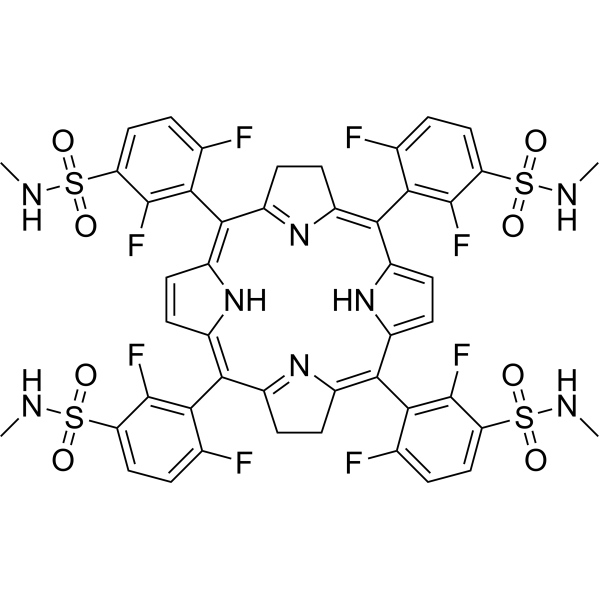
    Redaporfin (LUZ11) acts as a potent photosensitizer. Redaporfin causes direct antineoplastic effects as well as indirect immune-dependent destruction of malignant lesions .
    Redaporfin
  • HY-114169
    WRG-28
    2 Publications Verification

    Discoidin Domain Receptor Inflammation/Immunology Cancer
    WRG-28 is a selective, extracellularly acting DDR2 allosteric inhibitor, with an IC50 of 230 nM. WRG-28 inhibits tumor invasion, migration and tumor-supporting effects of cancer-associated fibroblasts (CAFs). WRG-28 inhibits metastatic breast tumor cell colonization in the lungs. WRG-28 also shows good activity of relieving rheumatoid arthritis in CAIA model of mice .
    WRG-28
  • HY-P99259

    FPA 008; Anti-Human CSF1R Recombinant Antibody

    c-Fms Inflammation/Immunology Cancer
    Cabiralizumab (FPA 008) is an anti-CSF1R monoclonal antibody (MAb). Cabiralizumab enhances T cell infiltration and antitumor T cell immune responses. Cabiralizumab inhibits the activation of osteoclasts and blocks bone destruction, and can be used in the research of rheumatoid arthritis (RA). Cabiralizumab can combine with Nivolumab (HY-P9903) for lung cancer research .
    Cabiralizumab
  • HY-P99625

    SAR441344; INX-021

    TNF Receptor Metabolic Disease Inflammation/Immunology
    Frexalimab (SAR441344) is a second-generation monoclonal antibody targeting the CD40 ligand (CD40L) with a good safety profile. Frexalimab inhibits the binding between CD40 and CD40L to modulate immune response. Frexalimab is likely to help prevent the process of β-cell destruction. Frexalimab is proming for multiple sclerosis, lupus erythematosus, Sj gren’s syndrome and type I diabetes research .
    Frexalimab
  • HY-114164G

    Thrombin Protease Activated Receptor (PAR) MMP VEGFR Epigenetic Reader Domain Cardiovascular Disease Neurological Disease Inflammation/Immunology
    Murine Thrombin is a murine serine protease that plays a central role in blood coagulation. Murine Thrombin stimulates macrophages to polarize into a unique phenotype characterized by anti-inflammatory and pro-repair properties. Murine Thrombin activates PAR1, induces the production of MCP-1, MMP3 and VEGF in mouse intervertebral discs, and causes degradation of the cartilage matrix and destruction of intervertebral disc structure. Murine Thrombin activity increases significantly in paraoxon-induced status epilepticus .
    Murine Thrombin
  • HY-19364
    Ferroquine
    1 Publications Verification

    Ferrochloroquine; SSR97193

    Parasite Infection
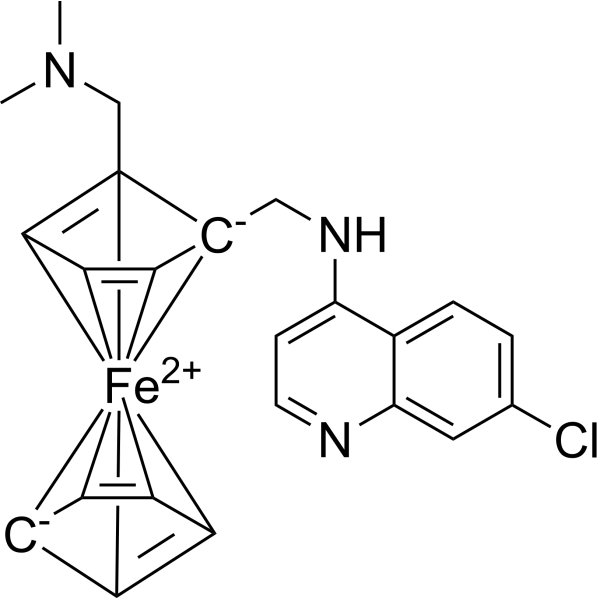
    Ferroquine (Ferrochloroquine), a ferrocenyl analogue of Chloroquine, is an antimalarial agent. Ferroquine shows parasiticidal effect on Plasmodium by inducing oxidative stress and the subsequent destruction of the membrane .
    Ferroquine
  • HY-B0771A

    SCE-2787 hydrochloride

    Antibiotic Bacterial Penicillin-binding protein (PBP) Infection
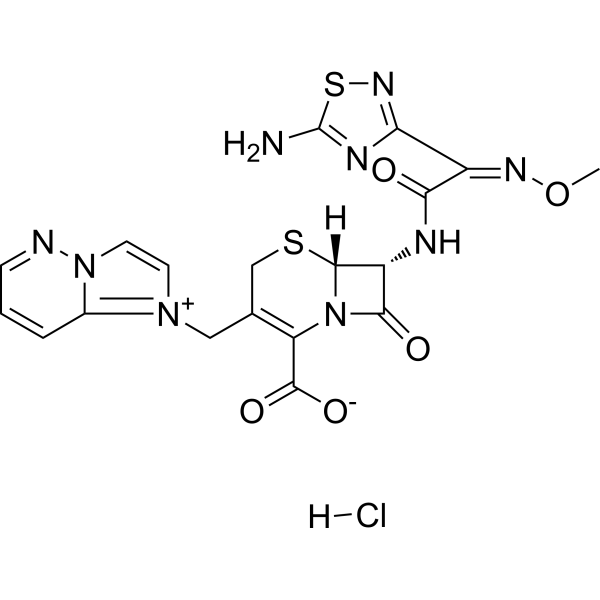
    Cefozopran (SCE-2787) hydrochloride is a potent antibiotic with broad-spectrum antibacterial activity. Cefozopran hydrochloride binds PBPs, induces cell wall destruction, cell elongation, filamentation, irregular septa formation, and bactericidal, bacteriolytic activity. Cefozopran hydrochloride reduces bacterial counts and eradicates bacteria in mouse respiratory, urinary, and thigh muscle infections. Cefozopran hydrochloride can be used for the research of bacterial infections .
    Cefozopran hydrochloride
  • HY-P99605

    PRS 343

    EGFR TNF Receptor Cancer
    Cinrebafusp alfa (PRS 343) is a high affinity CD137/HER2 bispecfic anticalin-based drug. Cinrebafusp alfa binds to recombinant human HER2 (Kd=0.3 nM) and human monomeric CD137 (4-1BB; Kd=5 nM). Cinrebafusp alfa facilitates T-cell costimulation by tumor-localized, HER2-dependent 4-1BB clustering and activation, further enhancing T-cell receptor-mediated activity and leading to tumor destruction. Cinrebafusp alfa has the potential for HER2+ solid tumors research .
    Cinrebafusp alfa
  • HY-128380

    N-​(2-​Chloroethyl)​dibenzylamine hydrochloride

    Adrenergic Receptor Metabolic Disease
    Dibenamine hydrochloride is a competitive and irreversible adrenergic blocking agent and is known to modify the pharmacological effects of epinephrine. Dibenamine hydrochloride cause a significant increase in the rate of destruction of I-epinephrine in the mouse .
    Dibenamine hydrochloride
  • HY-108004

    Septefril; Decametoxin

    Bacterial Fungal Infection
    Decamethoxine (Septefril) is a cationic gemini surfactant. Decamethoxine exhibits strong bactericidal and fungicidal effects. Decamethoxine modifies the permeability of the microbial cell membrane, resulting in the destruction and death of diverse microorganisms .
    Decamethoxine
  • HY-P0009
    Cetrorelix
    1 Publications Verification

    SB-75

    GnRH Receptor Endocrinology
    Cetrorelix is a potent gonadotrophin-releasing hormone (GnRH) antagonist. Cetrorelix inhibits the endogenous luteinizing hormone surge during ovarian stimulation. Cetrorelix reduces cyclophosphamide induced ovarian follicular destruction in mice .
    Cetrorelix
  • HY-128075

    Environmental Pollutants Herbicide Cancer
    Acifluorfen, a protoporphyrinogen oxidase (PROTOX) inhibitor herbicide, promotes the accumulation of protoporphyrin IX (PPIX), and induces tumors in the rodent liver. Acifluorfen causes strong photooxidative destruction of pigments and lipids in sensitive plant species .
    Acifluorfen
  • HY-P99105

    CAEL-101

    Apolipoprotein Amyloid-β Neurological Disease
    Anselamimab (CAEL-101) is a chimeric monoclonal antibody for systemic light chain (AL) amyloidosis. Anselamimab can promote phagocytic destruction and subsequent clearance of amyloid deposits. Anselamimab can be used in the research of amyloidosis .
    Anselamimab
  • HY-W040206

    Environmental Pollutants Acetolactate Synthase (ALS) Herbicide Others
    Diflufenican is a Herbicide. Diflufenican inhibits phytoene desaturase (PDS) in the carotenoid synthesis pathway. Diflufenican suppresses the production of PDS, blocks carotenoid biosynthesis, thereby inducing chlorophyll destruction and cell membrane rupture, and ultimately causes the death of broadleaf weeds. The combination of Diflufenican and Flufenacet can be used to control Lolium rigidum populations resistant to ALS/ACCase .
    Diflufenican
  • HY-W040194

    Environmental Pollutants Herbicide Metabolic Disease
    Clomazone is a broad spectrum herbicide, mainly used to control annual broadleaf weeds and grass weeds in various crops such as rice, soybeans, and peanuts. Clomazone inhibits carotenoid biosynthesis, and treated plants show typical "albinism" symptoms due to the destruction of chloroplast membrane structure leading to chlorophyll degradation. Clomazone exhibits multiple toxic effects on non-target organisms, including aquatic lethality, developmental malformations, liver damage, mitochondrial dysfunction, and hematotoxicity .
    Clomazone
  • HY-136990

    p38 MAPK Cancer
    GLPG0259 is a ATP-competitive inhibitor of MAPK-activated protein kinase 5 (MK5) with oral activity. GLPG0259 reduces inflammation and bone destruction in a mouse model of collagen-induced arthritis. GLPG0259 also inhibited the metastasis of prostate cancer (PCa) cells .
    GLPG0259
  • HY-P4191A

    CCR Inflammation/Immunology
    Met-RANTES (human) acetate is the acetate form of Met-RANTES (human) (HY-P4191). Met-RANTES (human) acetate is the antagonist for CCR1 and CCR5. Met-RANTES (human) acetate inhibits chemokines human MIP-1α and MIP-1β with IC50 of 5 and 2 nM. Met-RANTES (human) acetate reduces bone destruction and ameliorates rats adjuvant-induced arthritis (AIA) .
    Met-RANTES (human) acetate
  • HY-P2612

    TNF Receptor RANKL/RANK Apoptosis Inflammation/Immunology
    WP9QY is an inhibitor targeting TNFα and RANKL, which blocks the TNFα-TNFR1 interaction and inhibits TNFα-mediated apoptosis, cytotoxicity and bone destruction. WP9QY inhibits osteoclastogenesis and promotes osteoblast differentiation, induces chondrocyte proliferation and glycosaminoglycan production, and synergizes with TGF-β3 to promote chondrogenesis. WP9QY effectively repairs full-thickness articular cartilage defects in rabbits via intra-articular injection, and inhibits methylmercury-induced reduction of NeuN-positive cells in mouse brain slices. WP9QY can be applied to the research of diseases related to methylmercury-induced neuronal death, cartilage injury, osteoarthritis and bone loss .
    WP9QY
  • HY-N9794

    Others Inflammation/Immunology
    Isoboldine is a pyridine alkaloid. Isoboldine effectively alleviates inflammation and joint destruction in collagen-induced arthritis in mice .
    Isoboldine
  • HY-76701

    Drug Derivative Cancer
    4-Nitrothalidomide is a nitrosylated Thalidomide analogue. Thalidomide is a ligand for E3 ligase, which ubiquitinylates proteins, thus committing their fate to proteolytic destruction.
    4-Nitrothalidomide
  • HY-105063

    HSP Metabolic Disease Inflammation/Immunology
    DiaPep277 is a 24 amino acid peptide derived from positions 437-460 in HSP60. DiaPep277 arrests the progression of β-cell destruction in NOD mice. DiaPep277 has an immune modulatory effect on diabetogenic T cells in animal models of diabetes .
    DiaPep277
  • HY-124958

    NF-κB Dipeptidyl Peptidase Metabolic Disease Inflammation/Immunology
    NDMC101 is a potent osteoclastogenesis inhibitor and inhibits osteoclast differentiation via down-regulation of NFATc1-modulated gene expression. NDMC101 is similar to the DPP4 substrate and is a significant inhibitor of early T-cell activation via DPP4 inhibition. NDMC101can be used for study of bone disorders, such as rheumatoid arthritis, and synovial inflammation et al .
    NDMC101
  • HY-P10438

    Raf Cancer
    TAT-Braftide is a peptide inhibitor designed to block the dimerization of BRAF, thereby inhibiting its kinase activity. The destruction of BRAF dimer by TAT-Braftide makes BRAF protein more susceptible to proteasome degradation, directly inhibits the activity of BRAF kinase, and reduces the activation of MAPK signaling pathway. Tat-braftide can be used for the role of RAF kinase in MAPK signaling pathway and for the study of BRAF mutant cancers .
    TAT-Braftide
  • HY-164826

    Interleukin Related Reactive Oxygen Species (ROS) MMP Pyroptosis Ferroptosis Notch Keap1-Nrf2 PINK1/Parkin Mitophagy Caspase Apoptosis Inflammation/Immunology Cancer
    Acetyl zingerone is an analog of Zingerone (HY-14621). Acetyl zingerone downregulates the expression of ROS metabolism-related genes, fibroblast senescence-related genes, keratinocyte differentiation-related genes, and IL-17A target genes. Acetyl zingerone inhibits the activities of MMP-1, MMP-3, and MMP-12, as well as the activation of NLRP3 inflammasome, pyroptosis (pyroptosis), ferroptosis (ferroptosis), cartilage destruction, and UVA-induced cyclobutane pyrimidine dimer formation. Acetyl zingerone upregulates the expression of collagen, proteoglycan, extracellular matrix glycoprotein, Notch pathway, and GPX4 gene, activates Nrf2 and HO-1, induces extracellular matrix synthesis and PINK1/Parkin-mediated mitophagy (mitophagy), and promotes chondrocyte survival. Acetyl zingerone alleviates the progression of osteoarthritis in mice . Acetyl zingerone can be used in research related to skin aging, inflammatory skin diseases, osteoarthritis, melanoma, and non-melanoma skin cancer .
    Acetyl zingerone
  • HY-174156

    RANKL/RANK TNF Receptor Inflammation/Immunology
    Y2641, a etrahydro-β-carboline derivative, is an orally active dual RANKL/TNF-α inhibitor with Kd values of 3.984 μM and 18.59 μM for RANKL and TNF-α, respectively. Y2641 inhibits RANKL-induced osteoclastogenic and has anti-inflammatory and cartilage destruction. Y2641 can be used for study of osteoarthritis .
    Y2641
  • HY-N6973R
    Boldine (Standard)
    1 Publications Verification

    Reference Standards RANKL/RANK Inflammation/Immunology
    Boldine (Standard) is the analytical standard of Boldine. This product is intended for research and analytical applications. Boldine is an aporphine isoquinoline alkaloid extracted from the root of Litsea cubeba and also possesses these properties, including antioxidant, anti-inflammatory and cytoprotective effects. Boldine suppresses osteoclastogenesis, improves bone destruction by down-regulating the OPG/RANKL/RANK signal pathway and may be a potential therapeutic agent for rheumatoid arthritis .
    Boldine (Standard)
  • HY-P2612A

    TNF Receptor Others Cancer
    WP9QY, TNF-a Antagonist, TNF-a Antagonist is a biological active peptide. (This cyclic peptide is designed to mimic the most critical tumor necrosis factor (TNF) recognition loop on TNF receptor I. It prevents interactions of TNF with its receptor. This TNF antagonist is a useful template for the development of small molecular inhibitors to prevent both inflammatory bone destruction and systemic bone loss in rheumatoid arthritis.)
    WP9QY TFA
  • HY-B0771

    SCE-2787

    Antibiotic Bacterial Penicillin-binding protein (PBP) Infection
    Cefozopran (SCE-2787) is a potent antibiotic with broad-spectrum antibacterial activity. Cefozopran binds PBPs, induces cell wall destruction, cell elongation, filamentation, irregular septa formation, and bactericidal, bacteriolytic activity. Cefozopran reduces bacterial counts and eradicates bacteria in mouse respiratory, urinary, and thigh muscle infections. Cefozopran can be used for the research of bacterial infections .
    Cefozopran
  • HY-P10370

    Bacterial Apoptosis Infection Cancer
    d-(KLAKLAK)2, as an antibacterial and anti-tumor polypeptide, is a representative of the antimicrobial peptide group, and also has good anticancer properties. d-(KLAKLAK)2 is able to kill bacteria by damaging their cell membranes, causing cell contents to leak out. d-(KLAKLAK)2 can also inhibit tumor cell proliferation by causing mitochondrial swelling and mitochondrial membrane destruction, triggering apoptosis (programmed cell death) .
    d-(KLAKLAK)2, Proapoptotic Peptide
  • HY-114164F

    Thrombin Protease Activated Receptor (PAR) MMP VEGFR Epigenetic Reader Domain Cardiovascular Disease
    Canine Thrombin is a Canine serine protease that plays a central role in blood coagulation. Canine Thrombin stimulates macrophages to polarize into a unique phenotype characterized by anti-inflammatory and pro-repair properties. Canine Thrombin activates PAR1, induces the production of MCP-1, MMP3 and VEGF in intervertebral discs, and causes degradation of the cartilage matrix and destruction of intervertebral disc structure. Canine Thrombin activity increases significantly in paraoxon-induced status epilepticus .
    Canine Thrombin
  • HY-19295

    CXCR Inflammation/Immunology Endocrinology
    TRK-530 sodium is an orally active bisphosphonate. TRK-530 sodium inhibits CINC-1. TRK-530 sodium inhibits dental calculus formation. TRK-530 sodium also inhibits paw edema, joint destruction and osteomyelitis .
    TRK-530 sodium
  • HY-24574

    (E)-Octadec-5-ene

    Others Endocrinology
    (E)-5-Octadecene ((E)-Octadec-5-ene) is a sex pheromone or a related chemical component. (E)-5-Octadecene has effect on destruction of sexual attraction of female moth of rice borers moth (Chilo suppressalis Walker) .
    (E)-5-Octadecene
  • HY-154996

    Fungal γ-Glutamyl Transferase (GGT) Infection
    Gamma-Glutamyl Transferase-IN-2 (compound 4dq) is a β-carboline 1-hydrazide inhibitor with antifungal and antibacterial activities, targeting to glutamyltransferase. Gamma-Glutamyl Transferase-IN-2 acts function by resulting the accumulation of reactive oxygen species, destruction of cell membranes, and dysregulation of histone acetylation .
    Gamma-Glutamyl Transferase-IN-2
  • HY-P4191

    MSPYSSDTTPCCFAYIARPLPRAHIKEYFYTSGKCSN

    CCR Inflammation/Immunology
    Met-RANTES (human) is the antagonist for CCR1 and CCR5. Met-RANTES (human) inhibits chemokines human MIP-1α and MIP-1β with IC50 of 5 and 2 nM. Met-RANTES (human) reduces bone destruction and ameliorates rats adjuvant-induced arthritis (AIA) .
    Met-RANTES (human)
  • HY-154993

    Fungal γ-Glutamyl Transferase (GGT) Infection
    Gamma-Glutamyl Transferase-IN-1 (compound 4de) is a β-carboline 1-hydrazide inhibitor with antifungal and antibacterial activities, targeting to glutamyltransferase. Gamma-Glutamyl Transferase-IN-1 acts function by resulting the accumulation of reactive oxygen species, destruction of cell membranes, and dysregulation of histone acetylation .
    Gamma-Glutamyl Transferase-IN-1
  • HY-W127809

    Biochemical Assay Reagents Others
    Chlorin e4 is an organic compound belonging to the family of chlorins, which are macrocyclic compounds with a similar structure to porphyrins. It is commonly used to improve photodynamic therapy for cancer and other diseases. Chlorin e4 has multiple applications in medical research, including as a photosensitizer for localized tumor destruction. In addition, its antimicrobial properties and potential use in disinfection applications were investigated.
    Chlorin e4
  • HY-P10743

    Radionuclide-Drug Conjugates (RDCs) PSMA Cancer
    BQ7876 is a probe targeting prostate-specific membrane antigen (PSMA) that contains a DOTA chelator. BQ7876, after being radiolabeled with radionuclide (177Lu), functions in both radionuclide imaging and tumor cell destruction by specifically binding to PSMA. BQ7876 shows potential for research in the field of metastatic castration-resistant prostate cancer (mCRPC) . BQ7876 can be used for the synthesis/research of Radionuclide-Drug Conjugates (RDCs).
    BQ7876
  • HY-105048A

    Bacterial Infection
    Omiganan pentahydrochloride is a cationic peptide compound with a broad antibacterial profile. Omiganan pentahydrochloride is capable of inhibiting a variety of bacteria, including yeast, and is active against both gram-positive and gram-negative bacteria. Omiganan pentahydrochloride is able to interact with the bacterial cell membrane, causing the destruction of the cell membrane and the death of the bacteria. Omiganan pentahydrochloride can be used for the study of antimicrobial activity against pathogens commonly associated with catheter-associated infections, including strains with drug-resistant phenotypes .
    Omiganan pentahydrochloride
  • HY-200854

    LNP023 hydrochloride hydrate

    Complement System Metabolic Disease Inflammation/Immunology
    Iptacopan (LNP023) hydrochloride hydrate is an effective and orally-active highly selective factor B inhibitor with an IC50 value of 10 nM and KD of 7.9 nM. Iptacopan hydrochloride hydrate exerts a proximal effect in the complement cascade reaction, preventing the destruction (hemolysis) of red blood cells in PNH and the damage of renal cells in IgAN and C3G. Iptacopan hydrochloride hydrate can be used for the study of complement-mediated diseases, particularly paroxysmal nocturnal hemoglobinuria (PNH), primary immunoglobulin A nephropathy (IgAN), and complement 3 glomerulopathy (C3G) .
    Iptacopan hydrochloride hydrate
  • HY-12238G

    endo-IWR 1; IWR-1-endo

    Organoid Wnt Inflammation/Immunology Cancer
    IWR-1 (IWR-1-endo) (GMP) is the IWR-1 (HY-12238) produced by using GMP guidelines. GMP small molecules work appropriately as an auxiliary reagent for cell therapy manufacture. IWR-1 (IWR-1-endo) is a tankyrase inhibitor targeting Wnt/β-catenin (IC50 = 180 nM). IWR-1 compromises critical steps of the canonical Wnt signaling, namely translocation of β-catenin to the nucleus and subsequent TCF/LEF activation and expression of Wnt/β-catenin downstream targets. IWR-1 promotes β-catenin phosphorylation by promoting stability of Axin-scaffolded destruction complexes. IWR-1 can be studied in research for anti-tumor purposes, and diseases such as osteosarcoma, colorectal cancer and psoriasis .
    IWR-1

Inquiry Online

Your information is safe with us. * Required Fields.

Salutation


Country or Region *

Applicant Name *


Organization Name *

Department *


Email Address *


Product Name *

Cat. No.


Requested quantity *

Phone Number *


Remarks

Inquiry Online

Inquiry Information

Product Name:
Cat. No.:
Quantity:
MCE Japan Authorized Agent:

