
Search Result
Results for "
edema model
" in MedChemExpress (MCE) Product Catalog:
2
Isotope-Labeled Compounds
| Cat. No. |
Product Name |
Target |
Research Areas |
Chemical Structure |
-
- HY-N0378
-
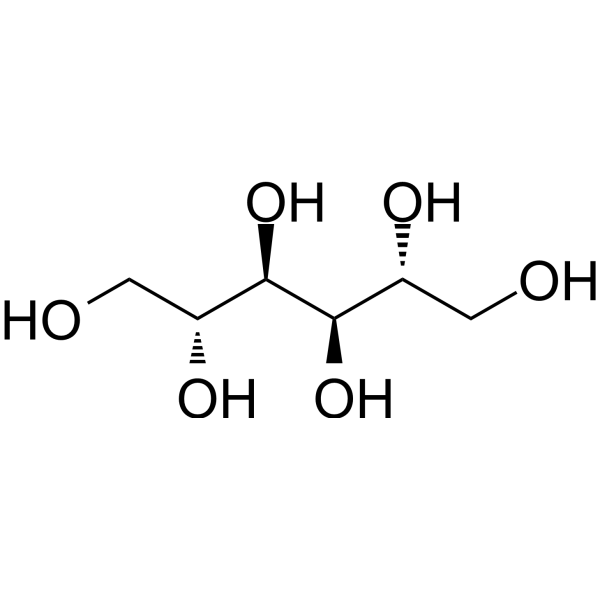
D-Mannitol
Maximum Cited Publications
13 Publications Verification
Mannitol; Mannite
|
Environmental Pollutants
Endogenous Metabolite
Apoptosis
PGC-1α
PKA
Adrenergic Receptor
|
Cardiovascular Disease
Metabolic Disease
Cancer
|
|
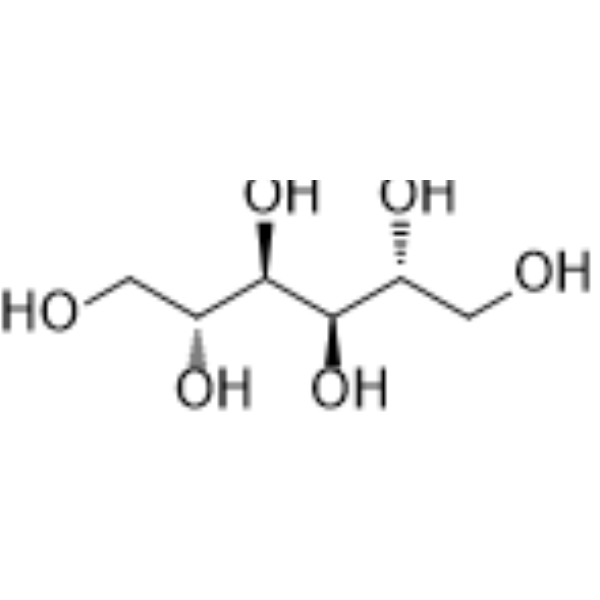
D-Mannitol (Mannitol) is an oral, resistant sugar widely used in the food and pharmaceutical industries to promote the absorption and retention of calcium and magnesium through cecal fermentation, while acting as a osmotic diuretic to reduce tissue edema. D-Mannitol can enhance brown fat formation, improve insulin effect, reduce blood sugar levels, And through the start the β3-adrenergic receptor (β3-AR), PGC1α and PKA induced by means of white fat cells into brown fat cells . D-Mannitol is commonly used to maintain osmotic pressure between the plant cytoplasm and the culture medium and protect cells when the cell wall is weakened or even removed .
|
-
-
- HY-P99116
-
|
RG7716; RO-6867461
|
VEGFR
|
Cardiovascular Disease
Metabolic Disease
Inflammation/Immunology
|
|
Faricimab, an overall good safety and tolerability profile, is a bispecific antibody targeting Angiopoietin-2 (Ang-2) and vascular endothelial growth factor-A (VEGF-A). Faricimab prevents retinal vascular leakage, cell death and inflammation in retinal ischemia/reperfusion (I/R) injury and sCNV mouse models. Faricimab demonstrates statistically superior visual acuity gains versus Ranibizumab (HY-P9951). Faricimab can be used for retinal diseases, such as age-related macular degeneration (w-AMD), diabetic macular edema (DME) and macular edema following retinal vein occlusion (RVO) .
|
-
-
- HY-B1138
-
|
CL-82204
|
COX
Caspase
|
Infection
Neurological Disease
Inflammation/Immunology
Cancer
|
|
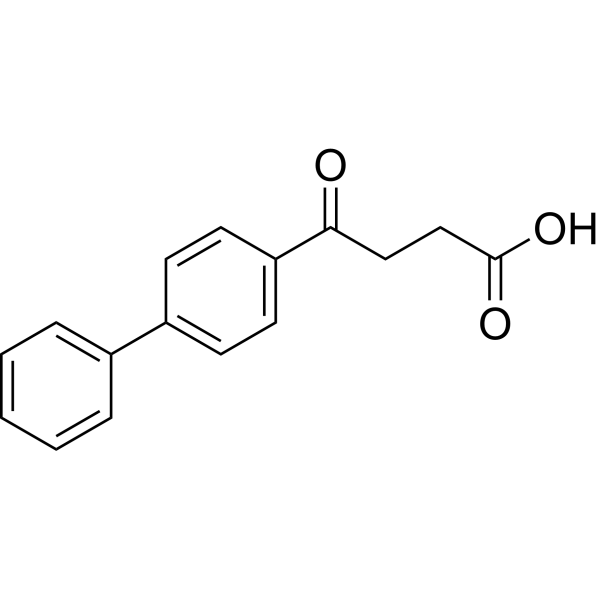
Fenbufen (CL-82204) is an orally active non-steroidal anti-inflammatory drug (NSAID), with analgetic and antipyretic effects. Fenbufen has potent activity in a variety of animal model, including carageenin edema, UV erythema and adjuvant arthritis. Fenbufen has inhibitory activities against COX-1 and COX-2 with IC50s of 3.9 μM and 8.1 μM, respectively. Fenbufen is a caspases (caspase-1, 3, 4, 5, 9) inhibitor .
|
-
-
- HY-N0745
-
|
|
Caspase
ERK
Keap1-Nrf2
Heme Oxygenase (HO)
Apoptosis
|
Neurological Disease
Inflammation/Immunology
|
|
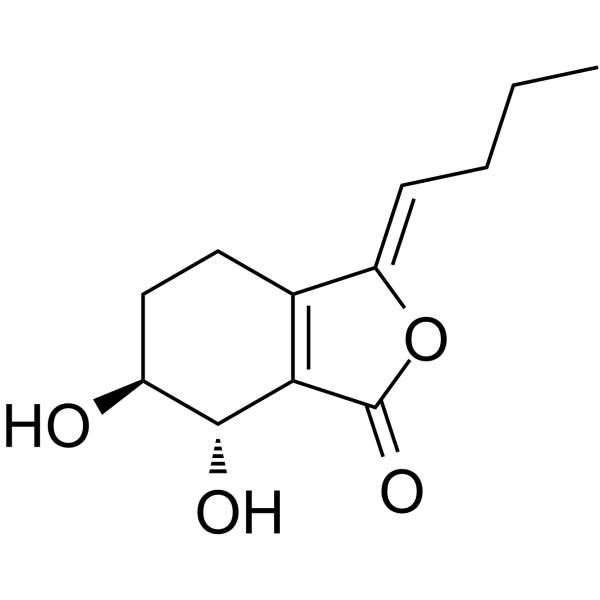
Senkyunolide I is an orally active, blood-brain barrier-permeable metabolite of Z-ligustilide (HY-N0401A) . Senkyunolide I is isolated from Ligusticum chuanxiong. Senkyunolide I upregulates p-Erk1/2 and Nrf2/HO-1, and inhibits Caspase 3. Senkyunolide I alleviates Apoptosis. Senkyunolide I increases the pain threshold in mice and reduces acetic acid-induced writhing responses in mice. Senkyunolide I improves neurological deficits, reduces infarct volume and alleviates cerebral edema in rats with focal cerebral ischemia-reperfusion injury. Senkyunolide I protects renal function and structural integrity in a mouse model of renal ischemia-reperfusion injury. Senkyunolide I is applicable to research related to focal cerebral ischemia-reperfusion injury, migraine, and renal ischemia-reperfusion injury .
|
-
-
- HY-N0378R
-
|
Mannitol(Standard); Mannite (Standard)
|
Reference Standards
Endogenous Metabolite
Apoptosis
PGC-1α
Adrenergic Receptor
PKA
|
Cardiovascular Disease
Metabolic Disease
Cancer
|
|
D-Mannitol (Standard) is the analytical standard of D-Mannitol (HY-N0378). This product is intended for research and analytical applications. D-Mannitol (Mannitol) is an oral, resistant sugar widely used in the food and pharmaceutical industries to promote the absorption and retention of calcium and magnesium through cecal fermentation, while acting as a osmotic diuretic to reduce tissue edema. D-Mannitol can enhance brown fat formation, improve insulin effect, reduce blood sugar levels, And through the start the β3-adrenergic receptor (β3-AR), PGC1α and PKA induced by means of white fat cells into brown fat cells . D-Mannitol is commonly used to maintain osmotic pressure between the plant cytoplasm and the culture medium and protect cells when the cell wall is weakened or even removed .
|
-
-
- HY-W324435
-
|
Sodium 2,4-dinitrobenzenesulfonate; DNBS sodium salt; DNBSO sodium salt
|
NF-κB
p38 MAPK
COX
|
Inflammation/Immunology
|
|
2,4-Dinitrobenzenesulfonic acid (DNBS; DNBSO) sodium salt (Sodium 2,4-dinitrobenzenesulfonate) is a classic colitis inducer that relies on activation of the NF-κB p65/COX-2/p38 pathway. As a hapten, 2,4-Dinitrobenzenesulfonic acid sodium salt stimulates the production of immune responses in colonic tissues, triggers oxidative stress and inflammatory reactions, and thereby leads to colonic injury. 2,4-Dinitrobenzenesulfonic acid sodium salt successfully induces models of colitis and ulcerative colitis in rats, causing pathological changes such as ulcers, edema, stenosis, shortening and organ adhesion in the distal colon, along with significant increases in the levels of inflammatory indicators and endoplasmic reticulum stress marker proteins. 2,4-Dinitrobenzenesulfonic acid sodium salt is widely used in studies on the mechanisms related to colitis and ulcerative colitis .
|
-
-
- HY-P1108
-
|
|
CRFR
|
Neurological Disease
Inflammation/Immunology
|
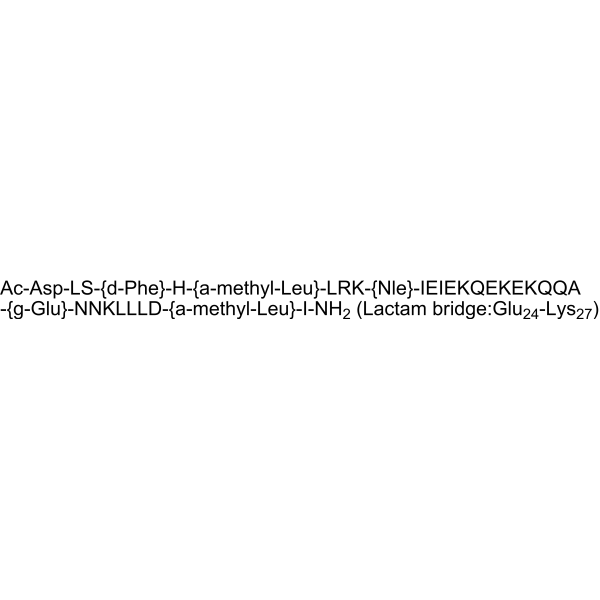
Astressin 2B is a blood-brain barrier-impermeable, highly selective CRFR2 antagonist (rCRFR2, IC50=0.57 nM). Astressin 2B blocks the protective effects mediated by CRFR2, thereby exacerbating indomethacin (HY-14397)-induced hemorrhagic intestinal injury in rats. Astressin 2B reverses the protective effects of Urocortin 1 against intestinal hypermotility, bacterial invasion and upregulation of inflammatory mediators. Astressin 2B also blocks the anxiogenic effect of Urocortin 2 and attenuates stress-induced anxiety-related behaviors. In the Clostridioides difficile toxin A (C. difficile toxin A)-mediated enteritis model, Astressin 2B mimics the phenotype of CRFR2-deficient mice, significantly exacerbating intestinal epithelial damage, edema, neutrophil migration and the expression of multiple proinflammatory cytokines. Astressin 2B is an important tool molecule for investigating the intestinal protective mechanisms of CRFR2 .
|
-
-
- HY-P1108A
-
|
|
CRFR
|
Neurological Disease
Inflammation/Immunology
|
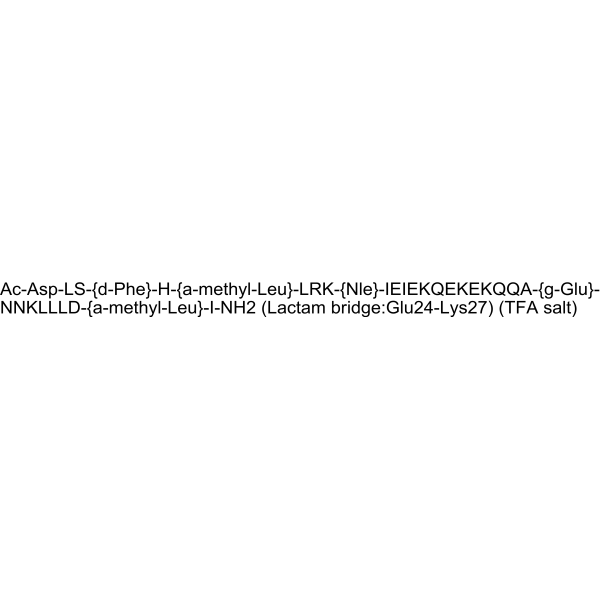
Astressin 2B TFA is a blood-brain barrier-impermeable, highly selective CRFR2 antagonist (rCRFR2, IC50=0.57 nM). Astressin 2B TFA blocks the protective effects mediated by CRFR2, thereby exacerbating indomethacin (HY-14397)-induced hemorrhagic intestinal injury in rats. Astressin 2B TFA reverses the protective effects of Urocortin 1 against intestinal hypermotility, bacterial invasion and upregulation of inflammatory mediators. Astressin 2B TFA also blocks the anxiogenic effect of Urocortin 2 and attenuates stress-induced anxiety-related behaviors. In the Clostridioides difficile toxin A (C. difficile toxin A)-mediated enteritis model, Astressin 2B TFA mimics the phenotype of CRFR2-deficient mice, significantly exacerbating intestinal epithelial damage, edema, neutrophil migration and the expression of multiple proinflammatory cytokines. Astressin 2B TFA is an important tool molecule for investigating the intestinal protective mechanisms of CRFR2 .
|
-
-
- HY-176222
-
|
|
Caspase
|
Inflammation/Immunology
|
|
IRF1 antagonist 1 (8003-3282) is a potent IRF1 (interferon regulatory factor) antagonist with anti-inflammatory activity. IRF1 antagonist 1 can maintain blood-brain barrier integrity and reduce brain edema. IRF1 antagonist 1 can improve neurological outcomes in an acute traumatic brain injury (TBI) mouse model .
|
-
-
- HY-N1465
-
|
Aristolochic acid-IVa
|
Phosphodiesterase (PDE)
CDK
Interleukin Related
|
Inflammation/Immunology
Cancer
|
|
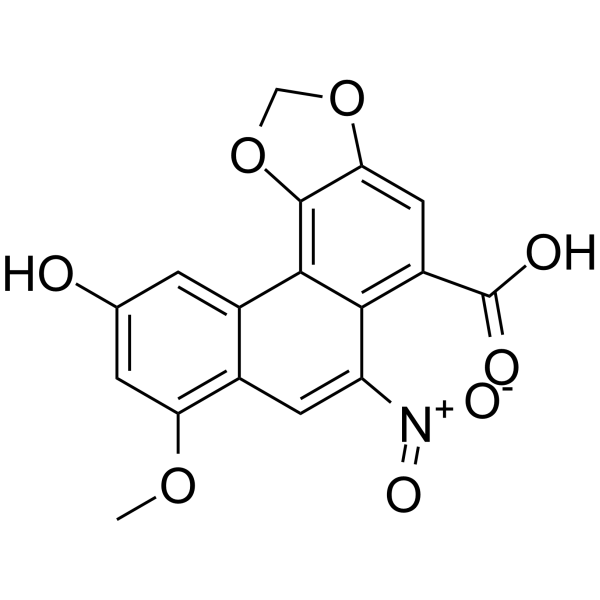
Aristolochic acid D (Aristolochic acid-IVa) is an orally active PDE2 (IC50: 4.673 μM) and CDK2 (IC50: 25 μM) inhibitor that can be isolated from Aristolochia indica L. Aristolochic acid D exhibits anti-inflammatory activity and is non-carcinogenic and non-nephrotoxic. Aristolochic acid D can be used in the research of inflammation and tumor-related diseases .
|
-
-
- HY-P990012
-
|
EBI-031
|
Interleukin Related
|
Inflammation/Immunology
|
|
Vamikibart (RG6179) is a monoclonal antibody targeting IL-6 that can be used to inhibit uveal macular edema (UME) and reduce retinal leakage. Vamikibart can reduce anterior chamber (AC) cell density, indicating a reduction in intraocular inflammation. Vamikibart can also be used to assess the leakage dynamics of ultra-wide-angle fluorescein angiography (UWFA) in the UME model to quantify changes in retinal leakage reflecting the effect of UME inhibition .
|
-
-
- HY-N2542
-
-
-
- HY-11095
-
|
|
mGluR
CaSR
PI3K
Akt
mTOR
Autophagy
Apoptosis
Bcl-2 Family
Caspase
|
Cardiovascular Disease
Neurological Disease
|
|
NPS 2390 is an allosteric antagonist of calcium-sensing receptor (CaSR) and mGluR1/5. NPS 2390 inhibits the PI3K/Akt/mTOR signaling pathway, reduces hypoxia-induced intracellular calcium elevation, decreases the expression of autophagy (autophagy) proteins, regulates the expression of phenotypic marker proteins, and inhibits the proliferation of pulmonary artery smooth muscle cells. NPS 2390 attenuates the endogenous apoptosis (apoptosis) pathway, increases the expression level of Bcl-2, downregulates the expression levels of Bax, cytochrome c and caspase-3, alleviates cerebral edema and improves neurological function in rat models. NPS 2390 can be used in studies related to hypoxic pulmonary hypertension, traumatic brain injury, stroke and pain .
|
-
-
- HY-N2556
-
|
|
Others
|
Inflammation/Immunology
|
|
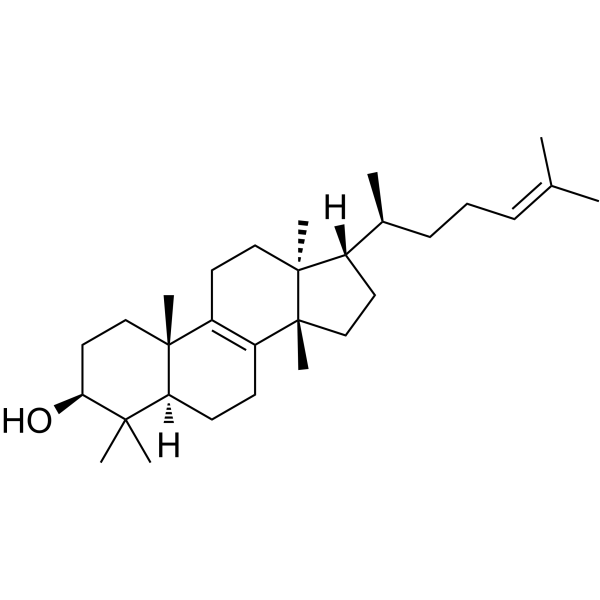
Tirucallol, a tetracyclic triterpene, is isolated from Euphorbia lacteal latex. Tirucallol has topical anti-inflammatory effect. Tirucallol can suppress ear edema in the mouse model and inhibit nitrite production in lipopolysaccharide-stimulated macrophages .
|
-
-
- HY-A0235
-
|
Stakane
|
COX
|
Neurological Disease
|
|
Antrafenine (Stakane) is a non-narcotic analgesic. Antrafenine demonstrates central analgesic effects in acetic acid writhing test and mouse hot plate test experiments. Antrafenine significantly alleviates the pain of osteoarthritis. Antrafenine exhibits mild anti-inflammatory activity in a rat toe edema model. Antrafenine can be used in pain and anti-inflammatory research .
|
-
-
- HY-147907
-
|
|
Adenosine Receptor
|
Neurological Disease
Inflammation/Immunology
Cancer
|
|
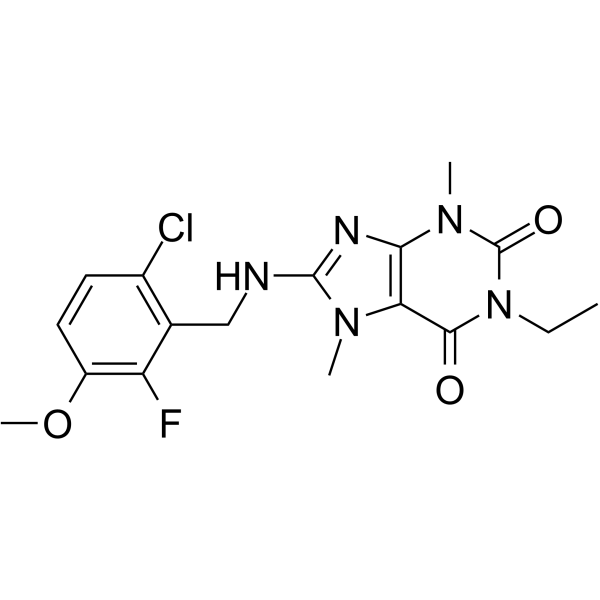
Adenosine receptor inhibitor 1 is a potent and selective adenosine receptor (AR) inhibitor with Ki values of >1000, 68.5, >1000, >1000 nM for A1AR, A2AAR, A2BAR, A3AR, respectively. Adenosine receptor inhibitor 1 shows antinociceptive activity, anti-inflammatory effect and peripheral analgesic effect. Adenosine receptor inhibitor 1 has the potential for the research of cancer or neurodegenerative diseases .
|
-
-
- HY-N7694
-
|
|
TGF-β Receptor
JAK
STAT
Apoptosis
|
Inflammation/Immunology
Cancer
|
|
Isotoosendanin is an orally active TGFβR1 inhibitor and abrogating its kinase activity (IC50 = 6732 nM). Isotoosendanin inhibits the JAK/STAT3 signaling pathway by directly targeting SHP-2, enhancing its stability, and reducing its ubiquitination. Isotoosendanin inhibits TGF-β-induced reduces the migration, invasion, and metastasis in triple-negative breast cancer (TNBC) cells. Isotoosendanin exhibits anti-tumor efficacy in TNBC xenograft models and A549 xenograft tumors. Isotoosendanin exhibits significant anti-inflammatory effects in acetic acid-induced vascular permeability and λ-carrageenan-induced hind paw edema tests. Isotoosendanin can be used for the study of non-small cell lung cancer (NSCLC), TNBC and inflammation .
|
-
-
- HY-116763
-
|
|
COX
LOX-1
|
|
|
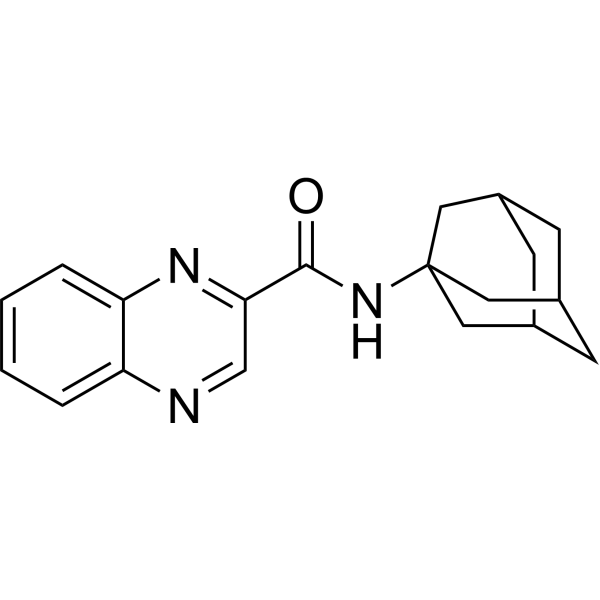
COX-2/5-LOX-IN-4 (Compound 1) is a dual inhibitor that acts on both COX-2 and 5-LOX, with IC50 values of 0.05 μM for COX-2 and 0.003 μM for 5-LOX. By inhibiting the arachidonic acid metabolism pathway, COX-2/5-LOX-IN-4 reduces the production of prostaglandins and leukotrienes, alleviating inflammatory responses. In a rat ear edema model, intravenous administration (0.01 and 0.1 mg/kg) reduced edema by 41% and 44%, respectively, demonstrating significant anti-inflammatory effects. COX-2/5-LOX-IN-4 shows promise for studying the mechanisms of inflammatory diseases .
|
-
-
- HY-116005
-
|
|
Adenosine Kinase
|
Neurological Disease
Inflammation/Immunology
|
|
A-286501 is an orally active and potent carbocyclic nucleoside adenosine kinase inhibitor with an IC50 value of 0.47 nM, which shows analgesic and anti-inflammatory effects. A-286501 reduces nociception in animal models of acute (thermal), inflammatory (formalin and carrageenan) and neuropathic (L5/L6 nerve ligation and streptozotocin-induced diabetic) pain. A-286501 also reduces Carrageenan (HY-125474)-induced paw edema and myeloperoxidase activity in the injured paw. A-286501 is promising for research of analgesic and anti-inflammatory agents .
|
-
-
- HY-119912
-
|
Stakane dihydrochloride
|
COX
|
Neurological Disease
Inflammation/Immunology
|
|
Antrafenine (Stakane) dihydrochloride is a non-narcotic analgesic. Antrafenine dihydrochloride demonstrates central analgesic effects in acetic acid writhing test and mouse hot plate test experiments. Antrafenine dihydrochloride significantly alleviates osteoarthritis pain. Antrafenine dihydrochloride exhibits mild anti-inflammatory activity in a rat toe edema model. Antrafenine dihydrochloride can be used for pain and anti-inflammatory research .
|
-
-
- HY-134521
-
|
|
COX
|
Inflammation/Immunology
|
|
Diclofenac amide is a prodrug for Diclofenac sodium (HY-15037). Diclofenac amide is an orally active inhibitor for COX-1/2, that inhibits the production of prostaglandins (PG) and thromboxanes (TX). Diclofenac amide exhibits anti-inflammatory efficacy in Carrageenan (HY-125474)-induced rat paw edema model without causing gastric ulcer (300 μmol/kg) .
|
-
-
- HY-14343
-
|
|
NO Synthase
|
Neurological Disease
|
|
KLYP961 is a selective and orally active dual inhibitor of inducible and neuronal NO synthase (IC50 = 50-400 nM). KLYP961 can inhibit endotoxin-evoked plasma nitrates increases and attenuate pain behaviors in a mouse formalin model. KLYP961 can attenuate carrageenin-induced edema and inflammatory hyperalgesia and writhing response elicited by Phenylbenzoquinone (HY-W275039). KLYP961 can be used for the research of neurological disease .
|
-
-
- HY-15131
-
|
|
Interleukin Related
|
Inflammation/Immunology
|
|
PNRI-299 is a selective AP-1 transcription inhibitor with an IC50 of 20 uM. PNRI-299 is a selective APE/Ref-1 inhibitor. PNRI-299 has no effect on NF-κB transcription or thioredoxin (up to 200 uM). PNRI-299 significantly reduces airway eosinophil infiltration, mucus hypersecretion, edema, and IL-4 levels in a mouse asthma model .
|
-
-
- HY-119298
-
|
|
p38 MAPK
|
Inflammation/Immunology
|
|
AW-814141 is a selective and orally active p38 MAP kinase inhibitor. AW-814141 has an IC50 values of 100 nM and 158 nM for p38-α and β isoforms, respectively. AW-814141 can inhibit the production of TNF-α induced by LPS (HY-D1056). AW-814141 can inhibit paw edema in rats in a dose-dependent manner. AW-814141 exhibits anti-inflammatory activity and can be used in the research of inflammatory diseases such as rheumatoid arthritis .
|
-
-
- HY-107592
-
|
|
IKK
STAT
Apoptosis
|
Inflammation/Immunology
Cancer
|
|
ACHP (compound 4j) is a selective and orally active IκB kinase inhibitor with IC50 values of 8.5 nM and 250 nM for IKKβ and IKKα, respectively. ACHP can effectively inhibit the STAT3 signaling pathway and induce cancer cell cycle arrest and apoptosis. ACHP shows anti-inflammatory activity in a mouse ear edema model. ACHP can be used in anti-inflammatory and anti-cancer (such as multiple myeloma and leukemia) studies .
|
-
-
- HY-124517
-
|
|
Histamine Receptor
Adrenergic Receptor
|
Neurological Disease
Inflammation/Immunology
|
|
Burimamide is a blocker of histamine H2-receptor. Burimamide inhibits gastric acid secretion evoked by Pentagastrin (HY-A0261) or Gastrin. Burimamide also has alpha-adrenoceptor blocking activity. Burimamide in combination with the H1-receptor antagonist Mepyramine (HY-B1281) shows anti-inflammatory activity in a rat paw edema model induced by Compound 48/80 (HY-115768) .
|
-
-
- HY-175521
-
|
|
HIF/HIF Prolyl-Hydroxylase
IKK
NF-κB
Apoptosis
Reactive Oxygen Species (ROS)
|
Inflammation/Immunology
|
|
HIF-1α-IN-8 is an orally active HIF-1α inhibitor, with an IC50 of 2.02 μM. HIF-1α-IN-8 significantly suppresses the expression of inflammation factors of IL-6 and NO, reduces hypoxia-induced ROS production and apoptosis in C8-D1A cells. HIF-1α-IN-8 inhibits HIF-1α/IKKα/NF-κB signaling pathway and reduces the expression of blood-brain barrier permeability-related proteins. HIF-1α-IN-8 reduces brain water content and oxidative stress level in mice with high altitude cerebral edema (HACE) model. HIF-1α-IN-8 can be used for the study of high altitude cerebral edema (HACE) .
|
-
-
- HY-178919
-
|
|
Formyl Peptide Receptor (FPR)
Apoptosis
Bacterial
|
Inflammation/Immunology
|
|
N-19004 is a FPR1 antagonist. N-19004 shows broad-spectrum antibacterial effects against a variety of pathogens. N-19004 exhibits significant retinal protective effects in the rd10 mouse model of retinitis pigmentosa (RP). N-19004 can attenuate retinal dysfunction, mitigate rod and cone degeneration, and reduce immune cell activation, gliosis, inflammation, oxidative stress, and apoptosis. N-19004 can reduce the size of laser-induced choroidal lesions and promote edema absorption through dual anti-inflammatory and anti-angiogenic effects. N-19004 can be used for the research of retinal degenerative diseases such as retinitis pigmentosa .
|
-
-
- HY-146054
-
|
|
CXCR
|
Inflammation/Immunology
|
|
CXCR4 modulator-2 (compound Z7R) is a highly potent CXCR4 modulator with an IC50 value of 1.25 nM. CXCR4 modulator-2 has acceptable stability (t1/2 = 77.1 min) in mouse serum and exhibits anti-inflammatory activity in mouse edema model .
|
-
-
- HY-155821
-
|
|
NF-κB
NO Synthase
TNF Receptor
Interleukin Related
|
Inflammation/Immunology
|
|
Anti-inflammatory agent 55 (compound 9j) is a derivative of Coixol and has anti-inflammatory activity. Anti-inflammatory agent 54 inhibits the NF-κB pathway and downregulates the expression of iNOS, TNF-α, IL-6 and IL-1β. Anti-inflammatory agent 54 inhibits LPS-induced nitric oxide (NO) production in RAW264.7 macrophages (IC50: 0.8 μM) and exerts in vivo anti-inflammatory activity in a mouse auricular edema model .
|
-
-
- HY-155820
-
|
|
NF-κB
NO Synthase
TNF Receptor
Interleukin Related
|
Inflammation/Immunology
|
|
Anti-inflammatory agent 54 (compound 9c) is a derivative of Coixol and has anti-inflammatory activity. Anti-inflammatory agent 54 inhibits the NF-κB pathway and downregulates the expression of iNOS, TNF-α, IL-6 and IL-1β. Anti-inflammatory agent 54 inhibits LPS-induced nitric oxide (NO) production in RAW264.7 macrophages (IC50: 2.4 μM) and exerts in vivo anti-inflammatory activity in a mouse auricular edema model .
|
-
-
- HY-116873
-
|
|
COX
|
Inflammation/Immunology
|
|
Flunoxaprofen is an orally active COX inhibitor. Flunoxaprofen shows anti-inflammatory activity in a rat paw edema model. Flunoxaprofen may be used in research on immune system diseases such as arthritis .
|
-
-
- HY-168211
-
|
|
Epoxide Hydrolase
|
Inflammation/Immunology
|
|
LQ-38 is an orally active inhibitor for soluble epoxide hydrolase (sEH) with an IC50 of 5.2 nM. LQ-38 exhibits anti-inflammatory activity in rat foot edema model and mouse acute pancreatitis model, exhibits analgesic effect in Acetic acid (HY-Y0319)-induced writhing mouse model .
|
-
-
- HY-142123
-
|
|
Glucocorticoid Receptor
|
Inflammation/Immunology
|
|
Fluocortolone is an orally active anti-inflammatory agent that effectively reduces plasma fibrinogen levels. Fluocortolone inhibits Mycobacterium butyricum-induced foot edema in a rat model of adjuvanted joint inflammation (3-12 mg/kg) .
|
-
-
- HY-119279
-
|
|
Histamine Receptor
|
Inflammation/Immunology
|
|
VUF 10214 is a H4 receptor ligand with a pKi of 8.25. VUF 10214 exhibits significant anti-inflammatory activity in a carrageenan-induced paw edema rat model and can be used for research in the field of inflammatory diseases .
|
-
-
- HY-155133
-
|
|
COX
|
Inflammation/Immunology
|
|
COX-2-IN-34 (compound 8a) is a selective and orally active inhibitor of COX-2 , with an IC50 of 0.42 μM. COX-2-IN-34 has no gastric ulcer toxicity but has anti-inflammatory effects .
|
-
-
- HY-172105
-
|
|
PPAR
|
Metabolic Disease
Inflammation/Immunology
|
|
Anti-NASH agent 2 (compound 21) is an inhibitor of de novo adipogenesis activity and α-SMA gene expression. Anti-NASH agent 2 improves hepatic steatosis, edema, inflammatory infiltrates, and liver fibrosis in NASH mouse models .
|
-
-
- HY-N8458
-
|
NSC 272693
|
PGE synthase
|
Inflammation/Immunology
|
|
Cryogenine is an alkaloid originally isolated from H. salicifolia that has anti-inflammatory activity. It inhibits prostaglandin synthetase (IC50=424 μM). Cryogenine (100 mg/kg per day, p.o.) reduces paw edema and the mean arthritic index in a rat model of adjuvant-induced polyarthritis.
|
-
-
- HY-142123R
-
|
|
Glucocorticoid Receptor
Reference Standards
|
Inflammation/Immunology
|
|
Fluocortolone (Standard) is the analytical standard of Fluocortolone. This product is intended for research and analytical applications. Fluocortolone is an orally active anti-inflammatory agent that effectively reduces plasma fibrinogen levels. Fluocortolone inhibits Mycobacterium butyricum-induced foot edema in a rat model of adjuvanted joint inflammation (3-12 mg/kg) .
|
-
-
- HY-155405
-
|
|
ROS Kinase
Interleukin Related
|
Inflammation/Immunology
|
|
Anti-inflammatory agent 64 (compound 4b) inhibits the secretion of IL-6 and TNF-α. Anti-inflammatory agent 64 has antioxidant and anti-inflammatory activity in vitro and in vivo. Anti-inflammatory agent 64 can effectively reduce paw edema .
|
-
-
- HY-123639
-
|
N-(2-Phenylethyl)-indomethacin amide
|
COX
|
Inflammation/Immunology
Cancer
|
|
LM-4108 (N-(2-Phenylethyl)-indomethacin amide) is a selective and orally active COX-2 inhibitor with an IC50 of 0.06 μM for purified human COX-2. LM-4108 shows anti-inflammatory activity and may be effective in prevention of cancer. Half-lives for the disappearance of 10 μM LM-4108 in rat, human, and mouse liver microsomes were 11 min, 21 min, and 51 min, respectively .
|
-
-
- HY-170492
-
|
|
Epoxide Hydrolase
Interleukin Related
TNF Receptor
|
Inflammation/Immunology
|
|
sEH inhibitor-19 (Compound (R)-14i) is an orally active inhibitor for soluble epoxide hydrolase (sEH) with an IC50 of 1.2 nM. sEH inhibitor-19 inhibits the expression of TNF-α and IL-6, exhibits anti-inflammatory activity in mouse acute pancreatitis or Carrageenan (HY-125474)-induced edema models .
|
-
-
- HY-147719
-
|
|
COX
|
Inflammation/Immunology
|
|
COX-2-IN-16 (compound 2b) is a potent, selective and orally active COX-2 inhibitor with an IC50 of 102 µM. COX-2-IN-16 inhibits the NO production. COX-2-IN-16 shows anti-inflammatory activity .
|
-
-
- HY-162004
-
|
|
NF-κB
Toll-like Receptor (TLR)
|
Inflammation/Immunology
|
|
NF-κB-IN-14 (compound 5e) significantly inhibits nitric oxide production in LPS-induced macrophages (IC50: 6.4 μM). NF-κB-IN-14 disrupts the TLR4-MyD88 protein interaction, leading to the suppression of the NF-κB signaling pathway suppression. NF-κB-IN-14 reduces ear edema and inflammation in an atopic dermatitis mouse model .
|
-
-
- HY-138063
-
|
|
TNF Receptor
NF-κB
|
Inflammation/Immunology
|
|
Siegeskaurolic acid is an orally active anti-inflammatory agent. Siegeskaurolic acid inhibits the productions of nitric oxide (NO), prostaglandin E(2) (PGE(2)), tumor necrosis factor-alpha (TNF-alpha) and the activationon of nuclear factor-kappaB .
|
-
-
- HY-168340
-
|
|
COX
Lipoxygenase
|
Inflammation/Immunology
|
|
COX-2/15-LOX-IN-6 (Compound 5l) is the dual inhibitor for COX-2 and 15-LOX, with IC50 of 0.201 μM and 11.723 μM. COX-2/15-LOX-IN-6 inhibits the expression of PGE, TNF-α, IL-6 and iNOS in serum, and exhibits anti-inflammatory effect in Carrageenan (HY-125474)-induced rats edema model .
|
-
-
- HY-W747879
-
|
|
Isotope-Labeled Compounds
COX
|
Inflammation/Immunology
|
|
Diclofenac Amide- 13C6 is the 13C-labeled Diclofenac amide (HY-134521). Diclofenac amide is a prodrug for Diclofenac sodium (HY-15037). Diclofenac amide is an orally active inhibitor for COX-1/2, that inhibits the production of prostaglandins (PG) and thromboxanes (TX). Diclofenac amide exhibits anti-inflammatory efficacy in Carrageenan (HY-125474)-induced rat paw edema model without causing gastric ulcer (300 μmol/kg) .
|
-
-
- HY-165492
-
|
|
Reactive Oxygen Species (ROS)
NF-κB
Apoptosis
|
Neurological Disease
Inflammation/Immunology
|
|
OPC-14117 is an orally active superoxide radical scavenger that can cross the blood-brain barrier. OPC-14117 inhibits the oxidative stress cascade reaction, significantly reducing the increase in tissue osmotic pressure and alleviating brain edema in the brain contusion model. OPC-14117 blocks the NF-κB-dependent apoptotic pathway in the striatum neuron apoptosis model induced by Quinolinic acid (HY-100807). OPC-14117 can reduce the necrotic volume, protect hippocampal CA3 neurons and restore cognitive function. OPC-14117 can be used to study secondary brain injury and improve neurological prognosis .
|
-
-
- HY-161996
-
|
|
Indoleamine 2,3-Dioxygenase (IDO)
|
Inflammation/Immunology
|
IDO1-IN-25 is a dual inhibitor of IDO1/TDO2, with IC50 values of 0.17 μM and 3.2 μM, respectively. IDO1-IN-25 can effectively inhibit the production of NO in RAW264.7 cells stimulated by lipopolysaccharide (LPS). IDO1-IN-25 can exert anti-inflammatory effects in a mouse ear edema acute inflammation model induced by croton oil .
|
-
-
- HY-B1138R
-
|
CL-82204 (Standard)
|
Reference Standards
COX
Caspase
|
Inflammation/Immunology
|
|
Fenbufen (Standard) is the analytical standard of Fenbufen. This product is intended for research and analytical applications. Fenbufen (CL-82204) is an orally active non-steroidal anti-inflammatory drug (NSAID), with analgetic and antipyretic effects. Fenbufen has potent activity in a variety of animal model, including carageenin edema, UV erythema and adjuvant arthritis. Fenbufen has inhibitory activities against COX-1 and COX-2 with IC50s of 3.9 μM and 8.1 μM, respectively. Fenbufen is a caspases (caspase-1, 3, 4, 5, 9) inhibitor .
|
-
- HY-B1138S
-
|
|
Isotope-Labeled Compounds
COX
Caspase
|
Inflammation/Immunology
|
|
Fenbufen-d9 (CL-82204-d9) is the deuterium labeled Fenbufen. Fenbufen (CL-82204) is an orally active non-steroidal anti-inflammatory drug (NSAID), with antipyretic effects. Fenbufen has potent activity in a variety of animal model, including carageenin edema, UV erythema and adjuvant arthritis. Fenbufen has inhibitory activities against COX-1 and COX-2 with IC50s of 3.9 μM and 8.1 μM, respectively. Fenbufen is a caspases (caspase-1, 3, 4, 5, 9) inhibitor .
|
-
- HY-W423707
-
|
|
VEGFR
|
Cardiovascular Disease
|
|
TG 100948 is a dual VEGFR and tyrosine kinase Src inhibitor. TG 100948 reduces retinal edema and retinal thickening, and eliminates bullous edema cysts in a rat model of ischemic retinal vein occlusion. TG 100948 can be used for the research of ischemic retinal vein occlusion .
|
-
- HY-180800
-
|
|
COX
|
Neurological Disease
Inflammation/Immunology
|
Anti-inflammatory agent 110 (Compound 7b) is a analgesic/anti-inflammatory agent. Anti-inflammatory agent 110 has a good binding affinity for COX-2. Anti-inflammatory agent 110 demonstrated potent analgesic and anti-inflammatory activities in the mouse hot plate test and the rat carrageenan edema model .
|
-
- HY-175643
-
|
|
COX
|
Inflammation/Immunology
|
|
COX-2-IN-58 is a COX-2 inhibitor. COX-2-IN-58 exhibits remarkable anti-inflammatory activity in Carrageenan (HY-125474)-induced paw edema model of Balb/C mice. COX-2-IN-58 can be used for the research of inflammation .
|
-
- HY-W740009
-
|
|
Drug Metabolite
Prostaglandin Receptor
|
Inflammation/Immunology
|
|
4-Oxoetodolac, Etodolac (HY-76251) metabolite, is an orally active antiinflammatory agent. 4-Oxoetodolac blocks prostaglandin production in cultured chondrocyte cells. 4-Oxoetodolac exhibits slight antiinflammatory activity in a rat adjuvant edema model. 4-Oxoetodolac can be used for the research of inflammation .
|
-
- HY-19086
-
|
|
COX
Lipoxygenase
|
Inflammation/Immunology
|
|
SKF-105809 is a dual-action inhibitor of lipoxygenase and COX. SKF-105809 inhibits edema and inflammatory cell infiltration in mouse models of ear, paw, and peritoneum inflammation. SKF-105809 inhibits the production of relevant acute-phase reactive proteins in a mouse model of arthritis. SKF-105809 exhibits analgesic activity in a mouse abdominal contraction test and inhibits ulceration. SKF-105809 can be used in research on inflammatory and immune system diseases such as peritonitis and arthritis .
|
-
- HY-183289
-
|
|
Ferroptosis
Reactive Oxygen Species (ROS)
Drug Derivative
|
Neurological Disease
|
|
Ferroptosis-IN-25, Trolox (HY-101445) derivative, is a selective ferroptosis inhibitor. Ferroptosis-IN-25 selectively inhibits ferroptosis by scavenging ROS and suppressing lipid peroxidation independently of glutathion. Ferroptosis-IN-25 reduces corneal neovascularization and edema in murine corneal alkali burn models via topical administration.Ferroptosis-IN-25 can be used for the research of ocular surface diseases .
|
-
- HY-179700
-
|
|
COX
|
Inflammation/Immunology
|
|
COX-2-IN-61 is an orally active COX-2 inhibitor with an IC50 of 22 µM, also inhibits COX-1 with an IC50 of 43 µM. COX-2-IN-61 exhibits anti-inflammation effects in a Carrageenan (HY-125474) induced rat paw edema model, with promising safety profiles. COX-2-IN-61 can be used for the research of inflammation .
|
-
- HY-181549
-
|
|
Phosphodiesterase (PDE)
|
Cardiovascular Disease
Neurological Disease
|
|
PDE4-IN-32 (Compound B05) is a selective, blood-brain barrier permeable PDE4B and PDE4D inhibitor with IC50 values of 13.7 nM and 23.8 nM, respectively. PDE4-IN-32 promotes the recovery of motor and cognitive function in MCAO/R mouse models. PDE4-IN-32 reduces cerebral edema. PDE4-IN-32 can be used for the research of ischemic stroke .
|
-
- HY-180822
-
|
|
COX
TNF Receptor
Interleukin Related
|
Inflammation/Immunology
|
|
COX-2-IN-63 (Compound 6k) is an orally active COX-2 inhibitor with an IC50 of 0.89 μM. COX-2-IN-63 reduces the levels of inflammatory mediators PGE2, TNF-α, and IL-6. COX-2-IN-63 can effectively alleviate acute inflammation in a rat paw edema model and has a lower risk of gastrointestinal side effects. COX-2-IN-63 can be used in anti-inflammatory research .
|
-
- HY-181235
-
|
|
COX
Cytochrome P450
|
Inflammation/Immunology
Cancer
|
|
COX-2/Aromatase-IN-1 is a potent dual inhibitor of COX-2 and aromatase. COX-2/Aromatase-IN-1 can simultaneously inhibit COX-2 and aromatase, significantly suppress inflammation and induce proliferation inhibition of breast cancer cells. COX-2/Aromatase-IN-1 exerts anti-breast cancer and anti-inflammatory effects in the MCF-7 breast cancer cell and carrageenan-induced rat paw edema model. COX-2/Aromatase-IN-1 can be used for the study of inflammation and breast cancer .
|
-
- HY-181236
-
|
|
COX
Cytochrome P450
|
Inflammation/Immunology
Cancer
|
|
COX-2/Aromatase-IN-2 is a potent dual inhibitor of COX-2 and aromatase. COX-2/Aromatase-IN-2 can simultaneously inhibit COX-2 and aromatase, suppress inflammation and induce proliferation inhibition of breast cancer cells. COX-2/Aromatase-IN-2 exerts anti-breast cancer and anti-inflammatory effects in the MCF-7 breast cancer cell and carrageenan-induced rat paw edema model. COX-2/Aromatase-IN-2 can be used for the study of inflammation and breast cancer .
|
-
- HY-181123
-
|
|
COX
|
Neurological Disease
Inflammation/Immunology
|
|
AS1-6 is a selective COX-2 inhibitor with an IC50 of 2.7 μM. AS1-6 has an IC50 of 12.6 μM for COX-1. AS1-6 exerts significant anti-inflammatory and analgesic activities. AS1-6 can be used in research on non-steroidal anti-inflammatory agents .
|
-
- HY-184027
-
|
|
Indoleamine 2,3-Dioxygenase (IDO)
TNF Receptor
Interleukin Related
|
Inflammation/Immunology
|
|
IDO1/TDO-IN-12 is an IDO1/TDO2 inhibitor with IC50 values of 0.825 and 4.04 μM, respectively. IDO1/TDO-IN-12 interacts with the ferrous heme cofactor in IDO1 as a non-competitive tryptophan inhibitor. IDO1/TDO-IN-12 inhibits nitric oxide production in LPS (HY-D1056)-stimulated immune cells. IDO1/TDO-IN-12 relieves pulmonary edema and lung injury in LPS-induced mouse models. IDO1/TDO-IN-12 can be used for the research of acute lung injury (ALI) .
|
-
- HY-107387
-
|
|
PI3K
|
Metabolic Disease
Inflammation/Immunology
|
|
PF-376304 is an orally active non-specific class I phosphoinositide 3-kinase (PI3K) inhibitor with an IC50 of 0.197 μM against PI3Kγ. PF-376304 induces dose-dependent glucose and lipid metabolic disorders in rats, causes rapid death at high doses, and leads to metabolic abnormalities that are self-reversible at low doses. PF-376304 is applicable to the research of metabolic and inflammatory diseases .
|
-
- HY-183654
-
|
|
HIF/HIF Prolyl-Hydroxylase
|
Cardiovascular Disease
Neurological Disease
|
|
Vadadustat prodrug-1 is a near-infrared activated photocaged, blood-brain barrier-permeable neuroprotective prodrug of Vadadustat. Vadadustat prodrug-1 masks the acidic pharmacophore of Vadadustat, and releases active Vadadustat upon irradiation at 650 nm to inhibit PHD2. Vadadustat prodrug-1 reduces cell damage, infarct volume and cerebral edema, and promotes neurological function recovery. Vadadustat prodrug-1 can be used for the research of ischemic stroke .
|
-
| Cat. No. |
Product Name |
Target |
Research Area |
-
- HY-P1108
-
|
|
CRFR
|
Neurological Disease
Inflammation/Immunology
|
Astressin 2B is a blood-brain barrier-impermeable, highly selective CRFR2 antagonist (rCRFR2, IC50=0.57 nM). Astressin 2B blocks the protective effects mediated by CRFR2, thereby exacerbating indomethacin (HY-14397)-induced hemorrhagic intestinal injury in rats. Astressin 2B reverses the protective effects of Urocortin 1 against intestinal hypermotility, bacterial invasion and upregulation of inflammatory mediators. Astressin 2B also blocks the anxiogenic effect of Urocortin 2 and attenuates stress-induced anxiety-related behaviors. In the Clostridioides difficile toxin A (C. difficile toxin A)-mediated enteritis model, Astressin 2B mimics the phenotype of CRFR2-deficient mice, significantly exacerbating intestinal epithelial damage, edema, neutrophil migration and the expression of multiple proinflammatory cytokines. Astressin 2B is an important tool molecule for investigating the intestinal protective mechanisms of CRFR2 .
|
-
- HY-P1108A
-
|
|
CRFR
|
Neurological Disease
Inflammation/Immunology
|
Astressin 2B TFA is a blood-brain barrier-impermeable, highly selective CRFR2 antagonist (rCRFR2, IC50=0.57 nM). Astressin 2B TFA blocks the protective effects mediated by CRFR2, thereby exacerbating indomethacin (HY-14397)-induced hemorrhagic intestinal injury in rats. Astressin 2B TFA reverses the protective effects of Urocortin 1 against intestinal hypermotility, bacterial invasion and upregulation of inflammatory mediators. Astressin 2B TFA also blocks the anxiogenic effect of Urocortin 2 and attenuates stress-induced anxiety-related behaviors. In the Clostridioides difficile toxin A (C. difficile toxin A)-mediated enteritis model, Astressin 2B TFA mimics the phenotype of CRFR2-deficient mice, significantly exacerbating intestinal epithelial damage, edema, neutrophil migration and the expression of multiple proinflammatory cytokines. Astressin 2B TFA is an important tool molecule for investigating the intestinal protective mechanisms of CRFR2 .
|
-
- HY-P5581
-
|
|
Peptides
|
Infection
Inflammation/Immunology
Cancer
|
|
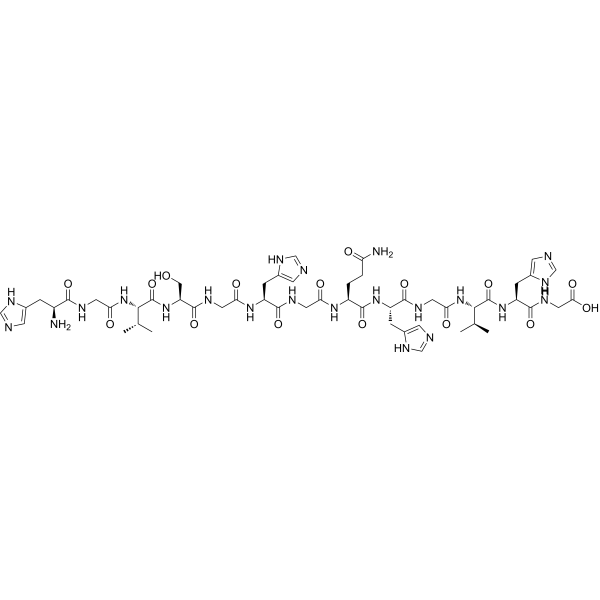
Alloferon 1 is an antiviral and antitumoral peptide. Alloferon 1 stimulates natural cytotoxicity of human peripheral blood lymphocytes. Alloferon 1 also induces IFN synthesis, and enhances antiviral and antitumor resistance in mice. Alloferon 1 also shows anti-inflammatory activity in λ-carrageenan-induced paw edema model. Alloferon 1 can be isolated from the blood of the blow fly Calliphora vicina (Diptera) .
|
| Cat. No. |
Product Name |
Target |
Research Area |
Image |
-
- HY-P99116
-
|
RG7716; RO-6867461
|
VEGFR
|
Cardiovascular Disease
Metabolic Disease
Inflammation/Immunology
|
|
Faricimab, an overall good safety and tolerability profile, is a bispecific antibody targeting Angiopoietin-2 (Ang-2) and vascular endothelial growth factor-A (VEGF-A). Faricimab prevents retinal vascular leakage, cell death and inflammation in retinal ischemia/reperfusion (I/R) injury and sCNV mouse models. Faricimab demonstrates statistically superior visual acuity gains versus Ranibizumab (HY-P9951). Faricimab can be used for retinal diseases, such as age-related macular degeneration (w-AMD), diabetic macular edema (DME) and macular edema following retinal vein occlusion (RVO) .
|
-
(5)
-
- HY-P990012
-
|
EBI-031
|
Interleukin Related
|
Inflammation/Immunology
|
|
Vamikibart (RG6179) is a monoclonal antibody targeting IL-6 that can be used to inhibit uveal macular edema (UME) and reduce retinal leakage. Vamikibart can reduce anterior chamber (AC) cell density, indicating a reduction in intraocular inflammation. Vamikibart can also be used to assess the leakage dynamics of ultra-wide-angle fluorescein angiography (UWFA) in the UME model to quantify changes in retinal leakage reflecting the effect of UME inhibition .
|
-
(5)
| Cat. No. |
Product Name |
Category |
Target |
Chemical Structure |
| Cat. No. |
Product Name |
Chemical Structure |
-
- HY-W747879
-
|
|
|
Diclofenac Amide- 13C6 is the 13C-labeled Diclofenac amide (HY-134521). Diclofenac amide is a prodrug for Diclofenac sodium (HY-15037). Diclofenac amide is an orally active inhibitor for COX-1/2, that inhibits the production of prostaglandins (PG) and thromboxanes (TX). Diclofenac amide exhibits anti-inflammatory efficacy in Carrageenan (HY-125474)-induced rat paw edema model without causing gastric ulcer (300 μmol/kg) .
|
-
-
- HY-B1138S
-
|
|
|
Fenbufen-d9 (CL-82204-d9) is the deuterium labeled Fenbufen. Fenbufen (CL-82204) is an orally active non-steroidal anti-inflammatory drug (NSAID), with antipyretic effects. Fenbufen has potent activity in a variety of animal model, including carageenin edema, UV erythema and adjuvant arthritis. Fenbufen has inhibitory activities against COX-1 and COX-2 with IC50s of 3.9 μM and 8.1 μM, respectively. Fenbufen is a caspases (caspase-1, 3, 4, 5, 9) inhibitor .
|
-
Your information is safe with us. * Required Fields.
Inquiry Information
- Product Name:
- Cat. No.:
- Quantity:
- MCE Japan Authorized Agent:

