
From 11:00 pm to 12:00 pm EST ( 8:00 pm to 9:00 pm PST ) on January 6th, the website will be under maintenance. We are sorry for the inconvenience. Please arrange your schedule properly.
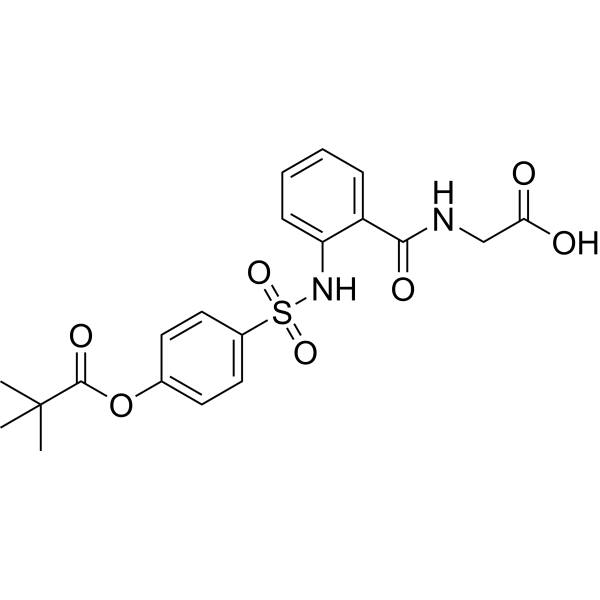
Sivelestat (EI546) is a competitive inhibitor of human neutrophil elastase, with an IC50 of 44 nM and a Ki of 200 nM. Sivelestat (EI546) has the potential for the study of acute lung injury/acute respiratory distress syndrome or disseminated intravascular coagulation in COVID-19 .
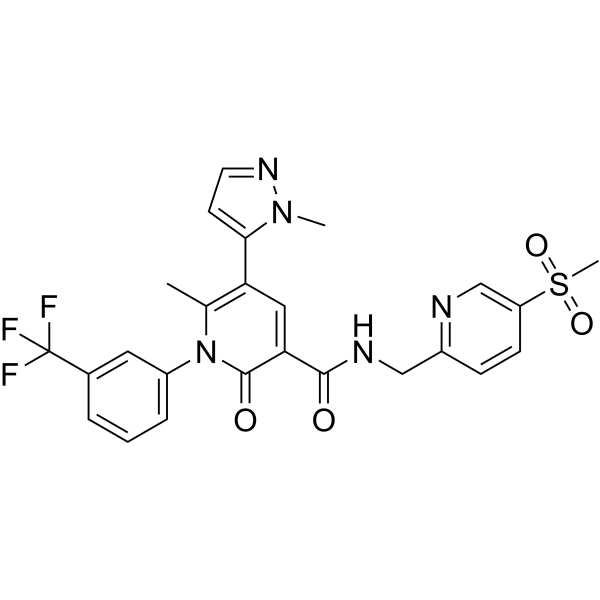
Alvelestat (AZD9668) is an orally bioavailable, affinity and selective inhibitor of neutrophil elastase (NE) with a pIC50 value of 7.9 nM, a Ki value of 9.4 nM and a Kd value of 9.5 nM .
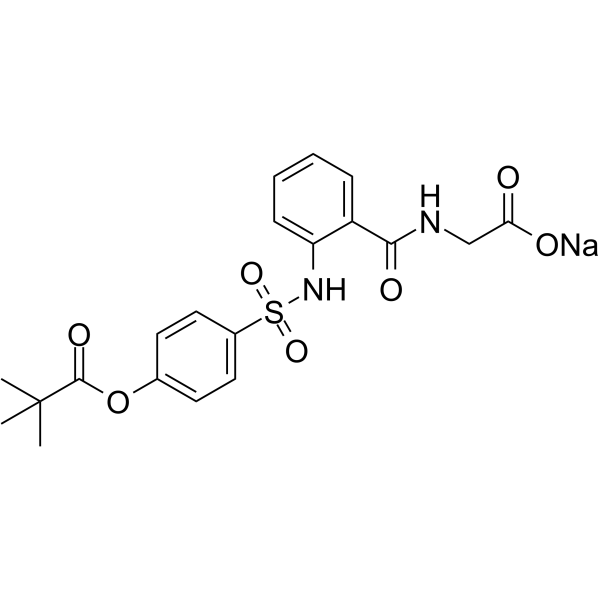
Sivelestat (EI546) sodium is a competitive inhibitor of human neutrophil elastase, with an IC50 of 44 nM and a Ki of 200 nM. Sivelestat (EI546) sodium has the potential for the study of acute lung injury/acute respiratory distress syndrome or disseminated intravascular coagulation in COVID-19 .
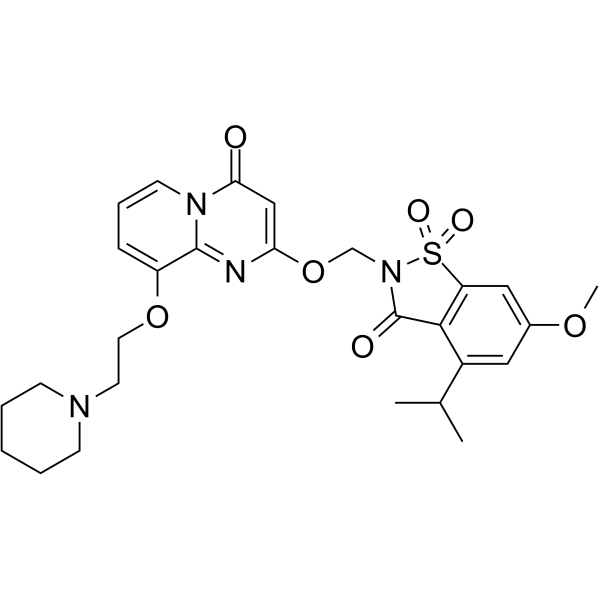
BOS-318 is a potent, slowly dissociating, highly selective, and cell-permeable furininhibitor with IC50 value of 1.9 nM. BOS-318 protects ENaC from subsequent activation by neutrophil elastase. BOS-318 can be used for the rsearch for CF lung disease .
GW-311616 is a potent, orally bioavailable, long duration and selective human neutrophil elastase (HNE) inhibitor with IC50 value of 22 nM and Ki value of 0.31 nM .
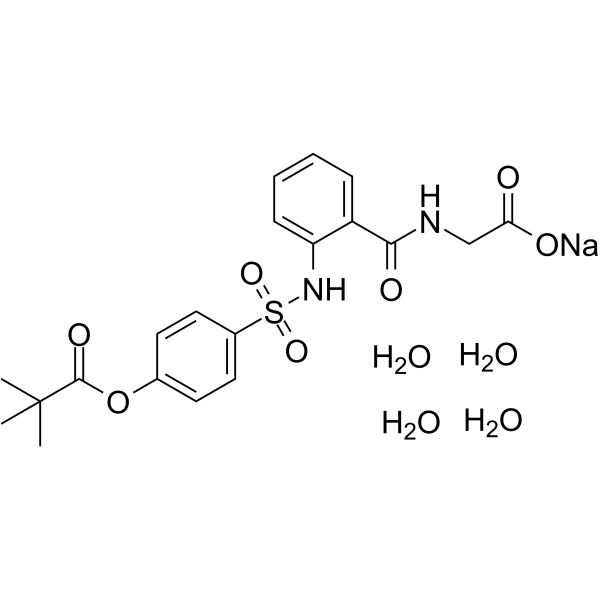
Sivelestat (EI546) sodium tetrahydrate is a competitive inhibitor of human neutrophil elastase, with an IC50 of 44 nM and a Ki of 200 nM. Sivelestat (EI546) sodium tetrahydrate has the potential for the study of acute lung injury/acute respiratory distress syndrome or disseminated intravascular coagulation in COVID-19 .
SSR69071 is a potent, orally active and selective inhibitor of neutrophil elastase. SSR69071 reduces myocardial infarct size following ischemia-reperfusion injury . SSR69071 displays a higher affinity for human elastase (Ki=0.0168 nM) than for rat (Ki=3 nM), mouse (Ki=1.8 nM), and rabbit (Ki= 58 nM) elastases .
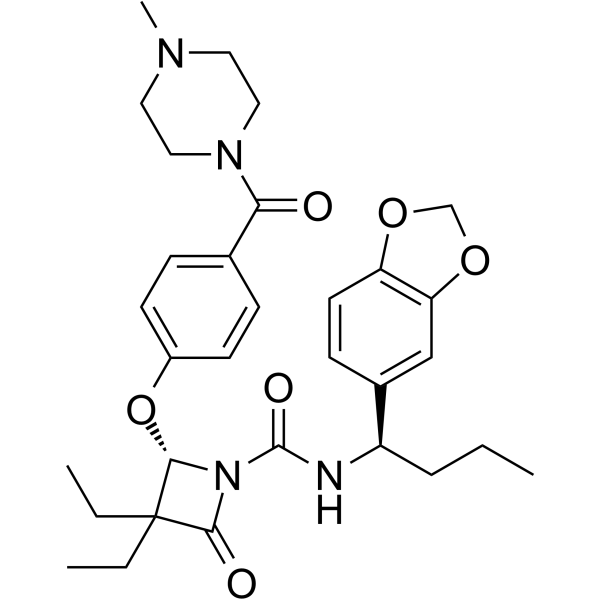
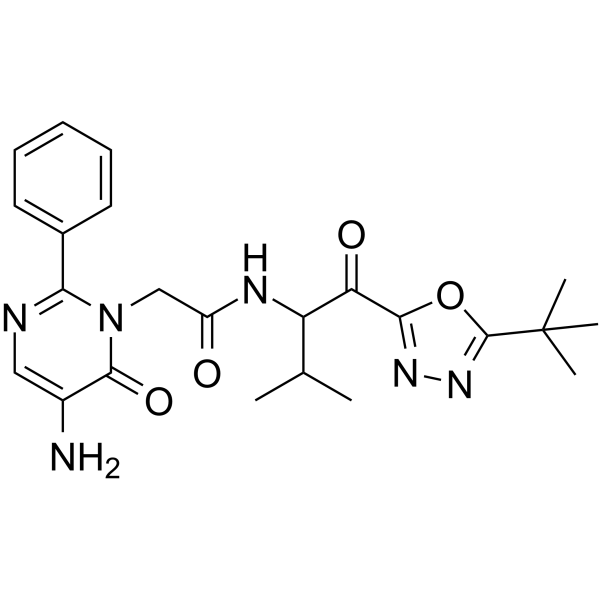
Freselestat (ONO-6818) is a potent and orally active neutrophil elastaseinhibitor with a Ki of 12.2 nM. Freselestat is >100-fold less-active against other proteases such as trypsin, protein-ase 3, pancreatic elastase, plasmin, thrombin, collagenase, cathepsin G, and murine macrophage elastase. Freselestat has a potent anti-inflammatory activity .
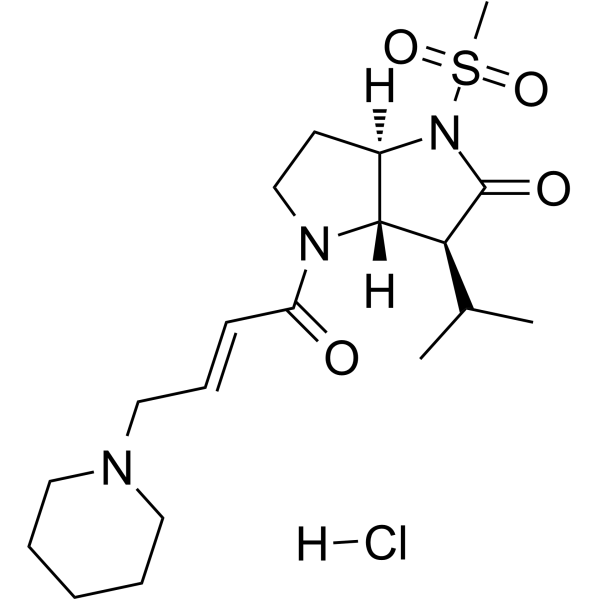
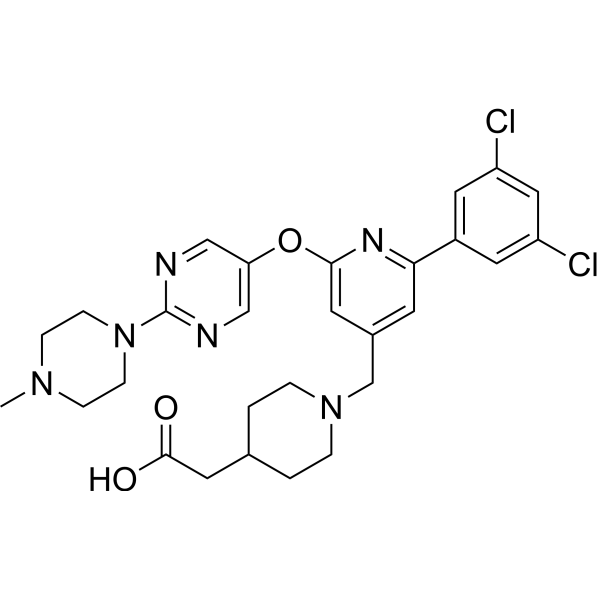
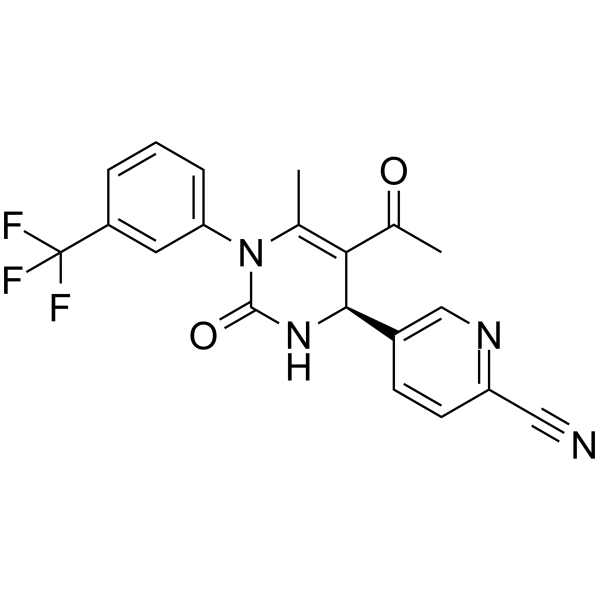
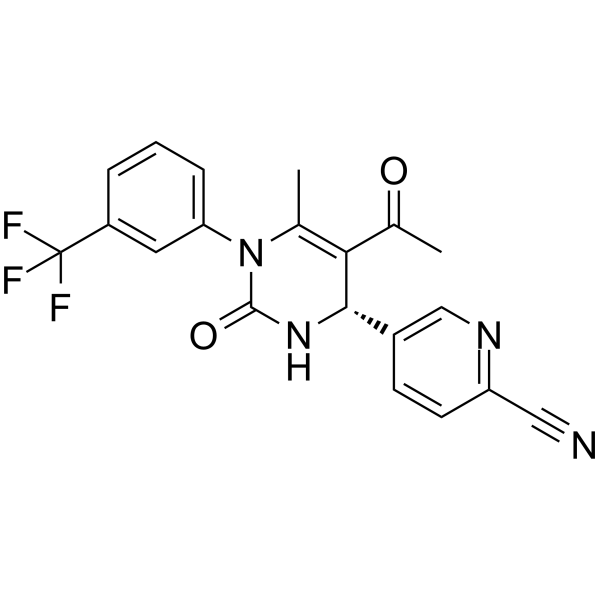
BAY-678 is an orally bioavailable, highly potent, selective and cell-permeable inhibitor of human neutrophil elastase(HNE), with an IC50 of 20 nM. BAY-678 is also nominated as a chemical probe to the public via the Structural Genomics Consortium (SGC).
Neutrophil elastaseinhibitor 5 (compound 29) is a dual inhibitor of HNE (human neutrophil elastase) and proteinase 3 (PR3) with IC50 values of 4.91 μM and 20.69 μM, respectively. Neutrophil elastaseinhibitor 5 can be used in the study of neutrophil inflammatory diseases .
MeOSuc-AAPV-CMK (ElastaseInhibitor III) is an elastaseinhibitor. MeOSuc-AAPV-CMK also inhibitscathepsin G and proteinase 3.MeOSuc-AAPV-CMK blocks the cleavage of adiponectin by leukocyte elastase .
ZD-0892 is a selective and potent inhibitor of a neutrophil elastase with Kis of 6.7 and 200 nM for human neutrophil elastase and porcine pancreatic elastase, respectively.
Elastase-IN-3 (Compound 2i) is an Elastaseinhibitor of Pseudomonas aeruginosa. Elastase-IN-3 inhibits the quorum sensing system of Pseudomonas aeruginosa by targeting the LasR protein (KD value of 7.04 M), thereby preventing food spoilage caused by Pseudomonas aeruginosa .
FK706 is a potent, slow-binding and competitive inhibitor of human neutrophil elastase with an IC50 of 83 nM and a Ki of 4.2 nM. FK706 also inhibitsmouse neutrophil elastase and porcine pancreatic elastase with IC50s of 22 nM and 100 nM, respectively, and has no inhibitory activity against other serine proteinases such as human pancreatic trypsin, human pancreatic α-chymotrypsin and human leukocyte cathepsin G. FK706 has anti-inflammatory effect .
Neutrophil elastaseinhibitor 3 (compound 13), a benzoxazinone analog, shows effects on superoxide anion generation and exhibits as a neutrophil elastase (NE)inhibitor, with an IC50 of 80.8 nM for NE release .
Tiprelestat is a potent human neutrophil elastaseinhibitor. Tiprelestat has antimicrobial and anti-inflammatory activities. Tiprelestat can be used in the research of inflammation/immune disease .
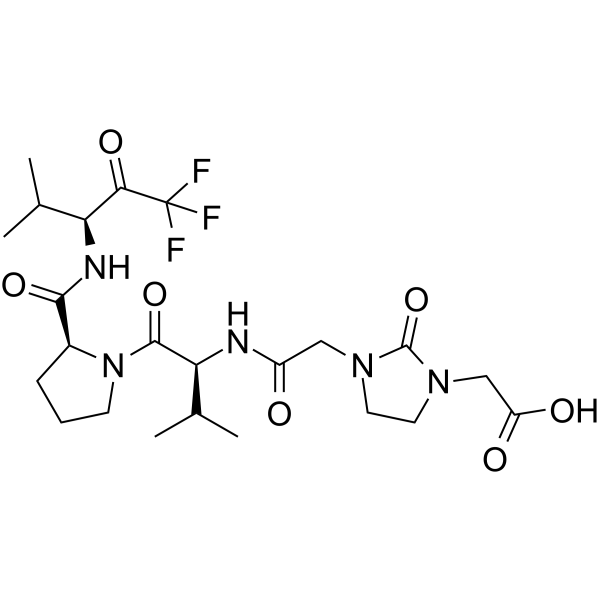
Lonodelestat (POL6014) is a potent, orally active and selective peptide inhibitor of human neutrophil elastase (hNE). Lonodelestat (POL6014) has the potential for the research of cystic fibrosis (CF) .
GW-311616 is a potent, orally bioavailable, long duration and selective human neutrophil elastase (HNE) inhibitor with IC50 value of 22 nM and Ki value of 0.31 nM .
Z-L-Val-OH (N-Cbz-L-valine) is an amino acid derivative and key intermediate in organic synthesis. Z-L-Val-OH can be used in the synthesis of anti-cytomegalovirus compounds and peptide inhibitors of human spleen plasminogen activator (SFP) and human leukocyte elastase-like protease (ELP) .
MDL 101146 is an orally active neutrophil elastaseinhibitor. MDL 101146 inhibits neutrophil elastase for human with a Ki value of 25 nM. MDL 101146 can be used for the research of arthritis .
Lonodelestat TFA (POL6014 TFA) is a potent, orally active and selective peptide inhibitor of human neutrophil elastase (hNE). Lonodelestat TFA has the potential for the research of cystic fibrosis (CF) .
JO146 is a Chlamydia trachomatis high temperature requirement A (CtHtrA) protease inhibitor with IC50s of 21.86 and 1.15 μM for CtHtrA and human neutrophil elastase (HNE), respectively. JO146 can be used to inhibits bacterial infections .
LM-030 (BPR277), cyclic depsipeptide, is a potent kallikrein-related peptidase 7 (KLK7) and human neutrophil elastaseinhibitor with IC50 values of 1 and 10 nM. LM-030 can be used for the study of Netherton syndrome .
Skullcapflavone I can be isolated from A. nallamalayana. Skullcapflavone I inhibitscollagenase and elastase enzyme with IC50s of 106.74 μM and 186.70 μM. Skullcapflavone I has anticancer activities by down-regulating miR-23a .
(S)-MDL-101146 is the S-isomer of MDL-101146. MDL-101146 is an orally active, competitive and reversible inhibitor against human neutrophil elastase (HNE) with a Ki value of 25 nM. MDL-101146 inhibitsHNE-induced hemorrhage in hamsters. MDL-101146 is promising for research of emphysema, rheumatoid arthritis, chronic bronchitis, cystic fibrosis, adult respiratory distress syndrome and glomerulonephritis .
Elafin,also known as elafin-specific inhibitor (ESI) or skin anti-leucoprotease (SKALP), is a low molecular weight inhibitor of human neutrophil elastase (HNE) and proteinase 3 in lung. Elafin is antibiotic against Pseudomonas aeruginosa and Staphylococcus aureus .
ICI-200880 is a potent, selective and reversible human neutrophil elastase (HNE) inhibitor. ICI-200880 is promising for research of inflammatory lung diseases related to neutrophil elastase, such as chronic obstructive pulmonary disease (COPD) and cystic fibrosis (CF) .
Secologanoside is a triterpenoid isolated from Poraqueiba sericea, weakly inhibitselastase with an IC50 of 164 μg/mL. Secologanoside is moderate cytotoxic to fibroblasts .
Alvelestat (tosylate) is an orally bioavailable, affinity and selective inhibitor of neutrophil elastase (NE) with a pIC50 value of 7.9 nM, a Ki value of 9.4 nM and a Kd value of 9.5 nM .
BI-9740 is an orally active and selective cathepsin C (CatC) inhibitor, with an IC50 of 0.6 nM in mice and 2.6 nM in rats. BI-9740 can inhibit the production of active neutrophil elastase. Additionally, BI-9740 is capable of reducing the activities of neutrophil elastase and cathepsin G in the bone marrow of rats, alleviating pathological damage to grafts after heart transplantation, shortening the reperfusion time, and improving left ventricular function. BI-9740 can be used in research related to organ transplantation .
Scyptolin B, a cyclic depsipeptides, is a secondary metabolite. Scyptolin B can be isolated from axenic cultures of Scytonema hofmanni PCC 7110. Scyptolin B selective inhibits porcine pancreatic Elastase with an IC50 of 3.1 μg/mL .
Alvelestat (Standard) is the analytical standard of Alvelestat. This product is intended for research and analytical applications. Alvelestat (AZD9668) is an orally bioavailable, affinity and selective inhibitor of neutrophil elastase (NE) with a pIC50 value of 7.9 nM, a Ki value of 9.4 nM and a Kd value of 9.5 nM .
CE-1037 (MDL 201,404YA) is a selective inhibitor of human neutrophil elastase (HNE) (Ki: 0.45 nM). CE-1037 prevents the pulmonary hemorrhage induced by intratracheal instillation of HNE. CE-1037 can be used for research of pulmonary diseases, such as COPD .
DPP-1-IN-1 (Compound 14) is an orally active inhibitor of Cathepsin C (also known as Dipeptidyl peptidase I) with an IC50 of 5.31 nM. DPP-1-IN-1 can inhibit the activity of Cathepsin C downstream Neutrophil elastase in neutrophils. DPP-1-IN-1 can be used in the research of inflammatory diseases .
Sivelestat (Standard) is the analytical standard of Sivelestat. This product is intended for research and analytical applications. Sivelestat (EI546) is a competitive inhibitor of human neutrophil elastase, with an IC50 of 44 nM and a Ki of 200 nM. Sivelestat (EI546) has the potential for the study of acute lung injury/acute respiratory distress syndrome or disseminated intravascular coagulation in COVID-19 .
Elasnin is a selective granulocyte elastaseinhibitor. Elasnin is almost ineffective for pancreatic elastase, trypsin, chymotrypsin, thermolysin and papain .
Midesteine (MR 889) is a proteinaseinhibitor that can inhibit porcine pancreatic elastase, human neutrophil elastase and bovine chymotrypsin. Midesteine has the potential for chronic obstructive pulmonary disease (COPD) and chronic bronchitis research .
XDS-23 is a selective biofilm inhibitor with an IC50 of 1.26 µM against Pseudomonas aeruginosa. XDS-23 exerts a dual inhibitory effect on the LasI/LasR System (las) and Pseudomonas Quinolone Signal System (pqs). XDS-23 suppress the production of key virulence factors including elastase, pyocyanin, and extracellular polysaccharides. XDS-23 exhibits synergistic antibacterial activity and can enhance the efficacy of multiple antibiotics in both in vitro and in vivo models, while maintaining a favorable safety profile. XDS-23 can be employed for research in combating biofilm-mediated drug-resistant P. aeruginosa infections .
Elastatinal is a potent and competitive inhibitor of elastase, with a Ki of 0.21 μM. Elastatinal more potently inhibits pancreatic elastase versus leucocyte elastase. Elastatinal shows no activity on human leucocyte chymotrypsin-like protease .
JCP174 is an inhibitor of palmitoyl protein thioesterase-1 (TgPPT1), a depalmitoylase in the parasite T. gondii . JCP174 is also an inhibitor of porcine pancreatic elastase and human leukocyte elastase .
L-683845 is an orally active inhibitor of human leukocyte elastase. L-683845 can be used in the research of physiological and pathological processes related to human leukocyte elastase .
Freselestat quarterhydrate (ONO-6818 quarterhydrate) is a potent and orally active neutrophil elastaseinhibitor with a Ki of 12.2 nM. Freselestat quarterhydrate is >100-fold less-active against other proteases such as trypsin, protein-ase 3, pancreatic elastase, plasmin, thrombin, collagenase, cathepsin G, and murine macrophage elastase. Freselestat quarterhydrate has a potent anti-inflammatory activity .
Roseltide rT1 is a neutrophil elastaseinhibitor (IC50=0.47 μM) rich in cysteine and one of the Roseltide (rT1-rT8) family members. Roseltide rT1 improves cAMP accumulation stimulated by neutrophil elastase in vitro, showing potential for inhibiting related diseases .
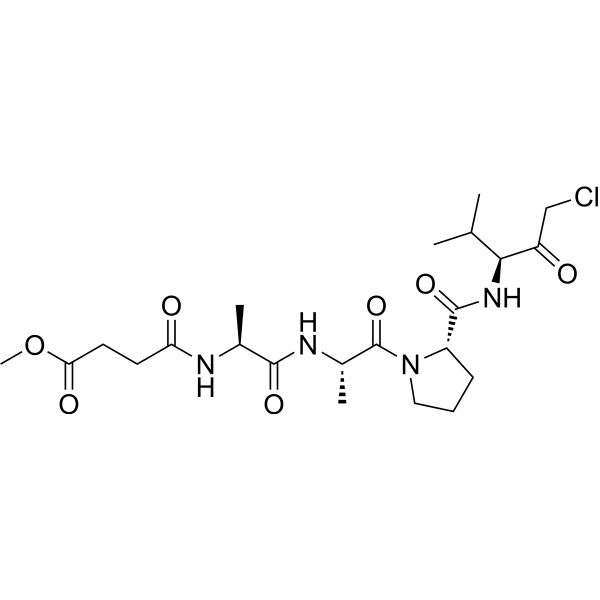
Ala-Ala-Pro-Val-chloromethylketone is an irreversible human neutrophil elastase (NE) inhibitor for use in the study of chronic inflammatory airway diseases .
ICI 186756 is a compound that inhibits the activity of human neutrophil elastase, has a competitive inhibitory effect on the enzyme, can inhibit enzyme-induced lung changes, and can also modulate hamster lung lesions.
Pyracrenic acid is an elastaseinhibitor (IC50 = 2.42 µM), can be obtained from the bark of Pyracantha crenulata. Pyracrenic acid has DPPH free radical scavenging activity and anti-inflammatory activity .
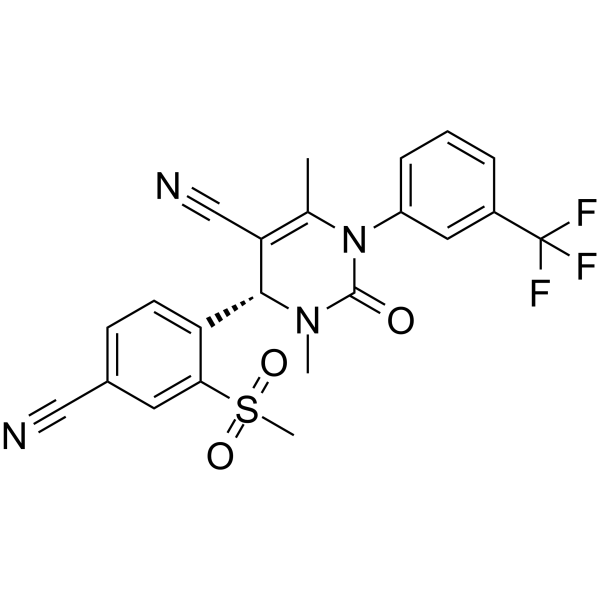
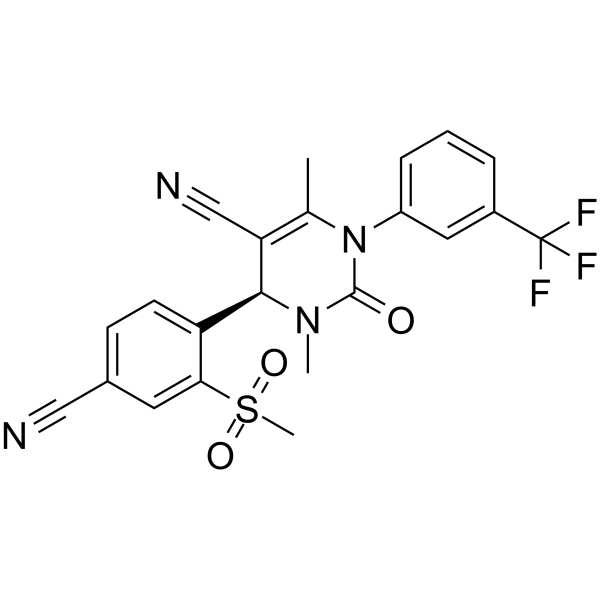
(R)-BAY-85-8501 is the less active Enantiomer of BAY-85-8501. BAY-85-8501 is a selective and potent inhibitor of Human Neutrophil Elastase (HNE), with an IC50 of 65 pM .
Neltenexine, a mucolytic agent, is an Elastaseinhibitor. Neltenexine diminishes anion secretion in in bronchial epithelial cells by inhibiting the Cl− and HCO3- uptake via Na/K/2Cl++− and Na+/HCO3- cotransporter without blockade of the CFTR channel, and also diminishes anion secretion via stimulation of Cl−/HCO3- exchanger. Neltenexine significantly prevents pulmonary emphysema with a reduction of alveolar deformation in rat models induced by Elastase. Neltenexine can be used for lung diseases such as chronic obstructive pulmonary disease (COPD) research .
BAY-678 racemate is a racemate of BAY-678. BAY-678 is an orally bioavailable, highly potent, selective and cell-permeable inhibitor of human neutrophil elastase(HNE), with an IC50 of 20 nM. BAY-678 is also nominated as a chemical probe to the public via the Structural Genomics Consortium (SGC).
BAY-677 is an inactive control for BAY-678. BAY-678 is an orally bioavailable, highly potent, selective and cell-permeable inhibitor of human neutrophil elastase(HNE), with an IC50 of 20 nM . BAY-678 is also nominated as a chemical probe to the public via the Structural Genomics Consortium (SGC) .
Cathepsin C-IN-6 (compound 2) is a E-64c-hydrazideas based inhibitor of cathepsin C with anti-inflammatory activity. Cathepsin C-IN-6 inhibts activation of neutrophil elastase,exhibits potential efficacy in inflammatory diseases with high neutrophil load (e.g.,chronic obstructive pulmonary disease) .
MeO-Suc-Ala-Ala-Pro-Ala-CMK (MSACK) is an inhibitor of human neutrophil elastase (HNE), with an IC50 of 20.3 μM. MeO-Suc-Ala-Ala-Pro-Ala-CMK can inhibit the hydrolysis of substrates such as elastin in lung tissue by HNE. MeO-Suc-Ala-Ala-Pro-Ala-CMK can be used in the research of related diseases such as chronic obstructive pulmonary disease (COPD) .
(R)-MDL-101146 is the R-isomer of MDL-101146. MDL-101146 is an orally active, competitive and reversible inhibitor against human neutrophil elastase (HNE) with a Ki value of 25 nM. MDL-101146 inhibitsHNE-induced hemorrhage in hamsters. MDL-101146 is promising for research of emphysema, rheumatoid arthritis, chronic bronchitis, cystic fibrosis, adult respiratory distress syndrome and glomerulonephritis .
Sivelestat (sodium tetrahydrate) (Standard) is the analytical standard of Sivelestat (sodium tetrahydrate). This product is intended for research and analytical applications. Sivelestat (EI546) sodium tetrahydrate is a competitive inhibitor of human neutrophil elastase, with an IC50 of 44 nM and a Ki of 200 nM. Sivelestat (EI546) sodium tetrahydrate has the potential for the study of acute lung injury/acute respiratory distress syndrome or disseminated intravascular coagulation in COVID-19 .
L-680833 is a monocyclic β-lactaminhibitor of human polymorphonuclear leukocyte elastase (PMNE) inhibitor. L-680833 can be used for the study of PMNE-damaged tissue diseases .
Elastase LasB-IN-1 (Compound 4b) has antibacterial activity. Elastase LasB-IN-1 (Compound 4b) is a selective elastase LasB inhibitor with an IC50 value of 76 nM .
LasB-IN-1 (compound 5f) is a potent and orally active inhibitor of LasB (IC50 = 8.7 μM). LasB-IN-1 effectively attenuates elastase production and biofilm formation by P. aeruginosa while alleviating the inflammatory response through downregulating MAPK and NF-κB pathways. LasB-IN-1 is potential to be a novel anti-infective candidate against drug-resistant infections .
L 659286 is an inhibitor of human polymorphonuclear leukocyte elastase (PMN elastase) (Ki=0.4 μM). Intratracheal injection of L 659286 can induce lung injury in hamsters.
Cyclotheonellazole A is a natural macrocyclic peptide and a potent elastaseinhibitor (IC50=0.034 nM). Cyclotheonellazole A inhibitschymotrypsin with an IC50 value of 0.62 nM .
Rivulariapeptolides 1155 is a potent serine proteaseinhibitor with IC50s of 41.84, 4.94, 56.54 nM for chymotrypsin, elastase, prpteinase K, respectively .
3'-O-Methylmurraol is a coumarinthat can be found in Cnidium monnieri. 3'-O-Methylmurraol inhibits superoxide radical anion generation and elastase release .
Rivulariapeptolides 1121 is a high potent and selective serine proteaseinhibitor with IC50 values of 35.52 nM, 13.24 nM and 48.05 nM for chymotrypsin, elastase and proteinase K, respectively .
Rivulariapeptolides 1185 is a high potent and selective serine proteaseinhibitor with IC50 values of 13.17 nM, 23.59 nM and 55.26 nM for chymotrypsin, elastase and proteinase K, respectively .
Rivulariapeptolides 988 is a high potent and selective serine proteaseinhibitor with IC50 values of 95.46 nM, 15.29 nM and 85.50 nM for chymotrypsin, elastase and proteinase K, respectively .
Secologanoside (Standard) is the analytical standard of Secologanoside. This product is intended for research and analytical applications. Secologanoside is a triterpenoid isolated from Poraqueiba sericea, weakly inhibitselastase with an IC50 of 164 μg/mL. Secologanoside is moderate cytotoxic to fibroblasts .
SP-Chymostatin B (α-MAPI) is a strong inhibitor of many proteases, including chymotrypsin, papain, chymotrypsin-like serine proteinases, chymases, and lysosomal cysteine proteinases such as cathepsins A,B,C, H, and L. SP-Chymostatin B weakly inhibits human leucocyte elastase .
FPR1 antagonist 3 (compound 10) is a potent and selective FPR1 antagonist. FPR1 antagonist 3 inhibits superoxide anion generation and elastase release with IC50s of 0.33 and 0.84 μM, respectively .
L-684248 is an inhibitor of human leukocyte elastase (HLE). L-684248 exerts its inhibitory effect on HLE by forming a covalent bond with the active site of the enzyme, showing potential value for applications in anti-inflammatory and anti-tumor research .
ONO-EI-601 is the major metabolite of human neutrophil elastaseinhibitor ONO-5046. ONO-5046 has the potential for the study of acute lung injury/acute respiratory distress syndrome or disseminated intravascular coagulation in COVID-19 .
N-Decanoyl cyclopentylamide (C10-CPA) is a potent inhibitor of quorum sensing in Pseudomonas aeruginosa. N-Decanoyl cyclopentylamide interferes with expression of Pseudomonas aeruginosa virulence factors regulated by the las and rhl quorum-sensing systems. N-Decanoyl cyclopentylamide inhibits production of elastase, pyocyanin, and rhamnolipid and biofilm formation .
F-17 is a potential inhibitor of virulence factor. F-17 shows very significant inhibitory effect on biofilm, elastase, pyocyanin, and swarming motility. F-17 also shows a good binding effect on LasR and PqsR. F-17 has no obvious cytotoxicity .
Human SERPINA1 mRNA encodes the human serpin family A member 1 (SERPINA1) protein, a serine protease inhibitor belonging to the serpin superfamily. SERPINA1’s major physiological function is the protection of the lower respiratory tract against proteolytic destruction by human leukocyte elastase (HLE).
CH 5450 (Z-Ile-Glu-Pro-Phe-Ome) is a selective short peptide human cardiac chymaseinhibitor. CH-5450 inhibits the action of rat MAB elastase 2 on substrate Ang I with an IC50 value of 49 µM and N-succinyl-Ala-Ala-Pro-Phe-p-nitroanilide with an IC50 value of 4.8 µM .
Tamarixetin 3-O-β-d-apiofuranosyl-(1 → 2)-β-d-galactopyranoside (compound 4) is an inhibitor of collagenase and elastase with potential anti-inflammatory activity. Tamarixetin 3-O-β-d-apiofuranosyl-(1 → 2)-β-d-galactopyranoside can be isolated from the methanol extract of the Balkan endemic species Astragalus thracicus Griseb .
Quorum sensing-IN-9 (Compound 7d) inhibitsquorum sensing in Pseudomonas aeruginosa by binding PqsR proteins. Quorum sensing-IN-9 inhibits the expression of quorum sensing systems related genes lasB, rhlA and pqsA, blocks the generation of virulence factors elastase, pyocyanin and rhamnolipid. Quorum sensing-IN-9 destorys the motility of P. aeruginosa, inhibits the biofilm formation, decreasing the virulence and pathogenicity of P. aeruginosa. Quorum sensing-IN-9 exhibits anti-infectious activity in Galleria mellonella larval model .
KRP-109 is a neutrophil elastase (NE) inhibitor with activity in reducing lung inflammation. KRP-109 improves survival in mouse models and reduces the number of neutrophils and inflammation in the alveolar walls. KRP-109 significantly reduced cell and neutrophil counts in bronchoalveolar lavage fluid, as well as cytokine levels such as interleukin 1β and macrophage inflammatory protein 2. KRP-109 can be used in the research of severe pneumonia .
CHF-6333 chloride is a neutrophil elastase (NE) inhibitor (IC50 = 0.21 nM; KD = 0.16 nM). CHF-6333 chloride retains its activity in both human (IC50 = 0.22 nM) and rat (IC50 = 3.63 nM) proteases. CHF-6333 chloride exhibits inhibitory activity against Proteinase 3 (IC50 = 22 nM). CHF-6333 chloride can be used for the study of bronchiectasis (BE) .
CHF-6333 is a neutrophil elastase (NE) inhibitor (IC50 = 0.21 nM; KD = 0.16 nM). CHF-6333 retains its activity in both human (IC50 = 0.22 nM) and rat (IC50 = 3.63 nM) proteases. CHF-6333 exhibits inhibitory activity against Proteinase 3 (IC50 = 22 nM). CHF-6333 can be used for the study of bronchiectasis (BE) .
Neutrophil elastase-IN-7 (Compound 12) is an effective inhibitor of neutrophil elastase (HNE), with an IC50 value of 0.54 μM. Neutrophil elastase-IN-7 also exhibits significant inhibitory activity against various coagulation proteins, with the IC50 values for thrombin, FXa, FXIa, and FXIIIa being 8.2, 12.7, 1.2, and 5.7 μM, respectively. Neutrophil elastase-IN-7 can be used for research on inflammation, innate immune responses, and tissue remodeling .
PV-DPD-19 is an autoinducer-2 (AI-2) quorum sensing inhibitor. PV-DPD-19 reduces AI-2 production and inhibits the expression of multiple MSCRAMMs. In co-culture systems with Staphylococcus aureus, PV-DPD-19 decreases the production of pyocyanin and Elastase in Pseudomonas aeruginosa. PV-DPD-19 impairs the adhesion ability of Staphylococcus aureus to lung epithelial cells. PV-DPD-19 inhibits biofilm formation of Pseudomonas aeruginosa (MBIC50 = 27 μg/mL) and Staphylococcus aureus (MBIC50 = 35 μg/mL). PV-DPD-19 shows no cytotoxicity in both in vitro lung epithelial cell models and in vivoGalleria mellonella larva models .
Eglin c (60-63) is a selective Elastaseinhibitor, with a Ki value of 2.3e-3 M against human leukocyte hElastase and a Ki value of 4.8e-3 M against porcine pancreatic Elastase. Eglin c (60-63) can be used in research related to rheumatoid arthritis .
Eupatobenzofuran is a dihydrobenzofuran derivative that can be found in the aerial part of Eupatorium cannabinum subsp. asiaticum. Eupatobenzofuran inhibits fMLP/CB-induced elastase release by human neutrophils with an IC50 value of 11.3 μM .
(1'S,2'S)-1'-O-Methylvaginol, a coumarin found in the fruits of Cnidium monnieri, is an elastaseinhibitor. (1'S,2'S)-1'-O-Methylvaginol exhibits 11.99% inhibition of superoxide anion generation and 6.42% inhibition of elastase release by human neutrophils at 10 µg/mL. (1'S,2'S)-1'-O-Methylvaginol can be used for research on inflammatory diseases .
CHF-6333 xinafoate is a neutrophil elastase (NE) inhibitor (IC50 = 0.21 nM; KD = 0.16 nM). CHF6333 xinafoate retains its activity in both human (IC50 = 0.22 nM) and rat (IC50 = 3.63 nM) proteases. CHF6333 xinafoate exhibits inhibitory activity against Proteinase 3 (IC50 = 22 nM). CHF-6333 xinafoate can be used for the study of bronchiectasis (BE) .
Endosidin1 (Prieurianin) is a Prieurianin with cleaved A and B rings. Endosidin1 is isolated from the roots of Aphanamixis polystachya. Endosidin1 inhibits superoxide anion production and Elastase release in neutrophils, with an IC50 >10 μg/mL. Endosidin1 exhibits mild cytotoxic activity against laryngeal cancer cells in vitro. Endosidin1 shows anti-inflammatory activity. Endosidin1 can be used in studies related to laryngeal cancer .\n
KRP-109 is a neutrophil elastase (NE) inhibitor with activity in reducing lung inflammation. KRP-109 improves survival in mouse models and reduces the number of neutrophils and inflammation in the alveolar walls. KRP-109 significantly reduced cell and neutrophil counts in bronchoalveolar lavage fluid, as well as cytokine levels such as interleukin 1β and macrophage inflammatory protein 2. KRP-109 can be used in the research of severe pneumonia .
HCH6-1 is a potent and competitive dipeptide antagonist of Formyl peptide receptor 1 (FPR1). HCH6-1 inhibits chemotaxis, superoxide anion generation, and elastase release in human neutrophils specifically activated by fMLF (an FPR1 agonist). HCH6-1 has protective effects against acute lung injury (ALI) in vivo and can be used for the research of FPR1-involved inflammatory lung diseases .
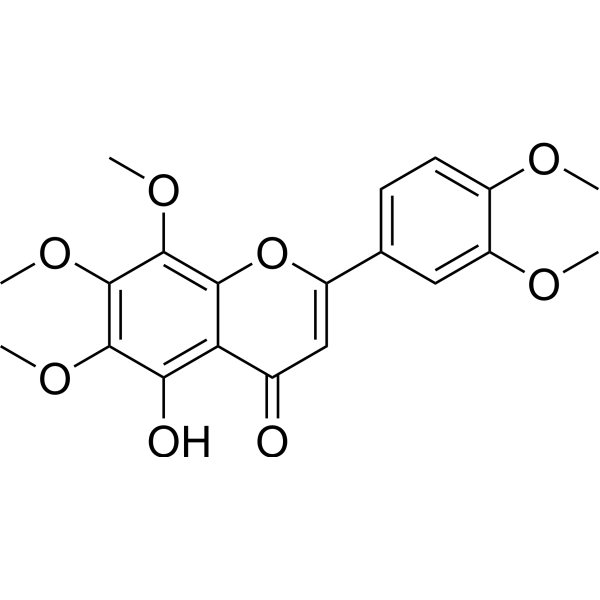
5-O-Demethylnobiletin (5-Demethylnobiletin), a polymethoxyflavone isolated from Citrus jambhiri Lush., is a direct inhibition of 5-LOX (IC50=0.1 μM), without affecting the expression of COX-2. 5-O-Demethylnobiletin (5-Demethylnobiletin) has anti-inflammatory activity, inhibits leukotriene B (4)(LTB4) formation in rat neutrophils and elastase release in human neutrophils with an IC50 of 0.35 μM .
MK 287 is a potent, selective and orally active antagonist of platelet-activating factor receptor (PAFR). MK 287 can inhibit [3H]C18-PAF binding to human platelet, polymorphonuclear leukocyte (PMN) and lung membranes with K1 values of 6.1, 3.2, and 5.49 nM, respectively. MK 287 can inhibit PAF-induced aggregation of platelets in plasma or gel-filtered platelets and elastase release from PMNs with ED50 values of 56, 1.5 and 4.4 nM. MK 287 can be used for the research of cardiovascular disease, such as thrombosis .
LasB-IN-3 is a protease elastase (LasB) inhibitor of Pseudomonas aeruginosa with an IC50 value of 8.5 nM. LasB-IN-3 shows an IC50 of 58.9 nM for the Met128Val mutant. LasB-IN-3 binds to active sites of wild-type and Met128Val mutant LasB, coordinates zinc ions, forms hydrogen bonds and CH-π interactions, and inhibits LasB proteolytic activity. LasB-IN-3 increases survival rate in LasB-induced acute lung injury mice models. LasB-IN-3 can be used for the research of Pseudomonas aeruginosa infection .
CE-2072 is an inhibitor of serine proteases neutrophil elastase and proteinase-3. CE-2072 inhibitsHIV-1 production and p24 production in response to IL-18 or NaCl in infected U1 monocytic cells, reduces virus replication in infected peripheral blood mononuclear cells and blocks infection of permissive HeLa cells. CE-2072 suppresses activation of the HIV-1-inducing transcription factor NF-kB in U1 cells. CE-2072 is promising for research of HIV-1-related disease .
Ciluprevir (BILN 2061; BILN 2061ZW) is an orally active macrocyclic peptide inhibitor of hepatitis C virus (HCV)NS3 protease, with an IC50 of 3 nM. Ciluprevir has Kᵢ values of 0.66 nM and 0.30 nM against genotypes 1b and 1a, respectively. Ciluprevir inhibits HCV RNA replication with an EC50 of 1.2 nM, and its EC50 values against genotypes 1b and 1a are 3 nM and 4 nM, respectively. Ciluprevir shows no significant inhibition against human leukocyte elastase and hepatic cathepsin B. Ciluprevir can be used for genotype 1 HCV infection .
ISD sodium is an interferon-stimulatory DNA, a 45 bp non-CpG double-stranded oligonucleotide derived from the genome of Listeria monocytogenes. ISD sodium potently induces type I interferon production via the cGAS‑STING‑TBK1‑IRF3 pathway .
Multitarget AD-IN-6 (Compound 39) is a multi-target inhibitor, with an IC50 of 15.54 μM against PDE4B, 15.15 μM against PDE7A, 8.39 μM against PDE3A, and a Kd of 37.7 μM against CHIT1. Multitarget AD-IN-6 acts as a TRPA1 antagonist, reduces the level of the NLRP3 inflammasome multiprotein complex to inhibit its activation, while inhibitingPDE4B, PDE7A and CHIT1, and decreasing the phosphorylation of NF-κB. Multitarget AD-IN-6 improves the pathology of elastase-induced emphysema in mice. Multitarget AD-IN-6 is applicable for the research of chronic obstructive pulmonary disease .
(R,R)-MK 287 (L-680574) is a tetrahydrofuran derivative that potently inhibits the binding of [3H]C18-PAF to human platelets, polymorphonuclear leukocytes (PMNs), and lung membranes with Ki values of 6.1, 3.2, and 5.49 nM, respectively. (R,R)-MK 287 potently and selectively inhibits PAF-induced platelet aggregation (ED50=56 nM) and elastase release from PMNs (ED50=4.4 nM). (R,R)-MK 287 inhibits PAF-induced lethality in mice (ED50=0.8 mg/kg, po) and PAF-induced bronchospasm in guinea pigs (ED50=0.18 mg/kg) .
Safflower oil (from Carthamus tinctorius seed) is rich in unsaturated fatty acids such as linoleic acid and oleic acid, as well as tocopherols and phenolic compounds, and exhibits antioxidant, anti-aging and blood lipid-regulating effects. Safflower oil (from Carthamus tinctorius seed) inhibits the activities of collagenase and elastase, and exerts antioxidant activity by scavenging free radicals. Linoleic acid in safflower oil (from Carthamus tinctorius seed) reduces blood cholesterol levels. Safflower oil (from Carthamus tinctorius seed) can be applied to research in fields such as skin aging, atherosclerosis, edible oil processing and industrial raw material development .
(rel)-MK 287 ((rel)-L-680573) is a relative configuration of MK 287. MK 287 is a potent, selective and orally active antagonist of platelet-activating factor receptor (PAFR). MK 287 can inhibit [3H]C18-PAF binding to human platelet, polymorphonuclear leukocyte (PMN) and lung membranes with K1 values of 6.1, 3.2, and 5.49 nM, respectively. MK 287 can inhibit PAF-induced aggregation of platelets in plasma or gel-filtered platelets and elastase release from PMNs with ED50 values of 56, 1.5 and 4.4 nM. MK 287 can be used for the research of cardiovascular disease, such as thrombosis .
HCH6-1 (Standard) is the analytical standard of HCH6-1 (HY-101283). This product is intended for research and analytical applications. HCH6-1 is a potent and competitive dipeptide antagonist of Formyl peptide receptor 1 (FPR1). HCH6-1 inhibits chemotaxis, superoxide anion generation, and elastase release in human neutrophils specifically activated by fMLF (an FPR1 agonist). HCH6-1 has protective effects against acute lung injury (ALI) in vivo and can be used for the research of FPR1-involved inflammatory lung diseases .
5-O-Demethylnobiletin (Standard) is the analytical standard of 5-O-Demethylnobiletin. This product is intended for research and analytical applications. 5-O-Demethylnobiletin (5-Demethylnobiletin), a polymethoxyflavone isolated from Citrus jambhiri Lush., is a direct inhibition of 5-LOX (IC50=0.1 μM), without affecting the expression of COX-2. 5-O-Demethylnobiletin (5-Demethylnobiletin) has anti-inflammatory activity, inhibits leukotriene B (4)(LTB4) formation in rat neutrophils and elastase release in human neutrophils with an IC50 of 0.35 μM .
FOXJ1 agonist 1 (compound 16c) is an orally effective small molecule that can effectively enhance the expression of FOXJ1. Foxj1-IN-1 acts on the mammalian airway system composed of multiciliated cells (MCC) to prevent the development and onset of chronic obstructive pulmonary disease (COPD). Foxj1-IN-1 can induce the production of motile cilia in the respiratory system of zebrafish and mammals, and inhibitelastase-induced COPD mouse models. Foxj1-IN-1 has good liver microsomal stability, in vivo PK curve and AUC; it has no significant inhibition of CYP and hERG, and does not have significant cytotoxicity .
Trifolirhizin is a pterocarpan flavonoid found in the roots of Sophora flavescens. Trifolirhizin is a tyrosinaseinhibitor with an IC50 value of 506.77 μM. Trifolirhizin reduces intracellular melanin production and modulates multiple signaling pathways including NFκB-MAPK, AMPK/mTOR, PI3K/Akt, MAPK-NFATc1 and EGFR-MAPK. Trifolirhizin targets biological molecules including PTK6 and COX-2, inhibits the activities of hyaluronidase, collagenase and elastase, induces apoptosis, autophagy and cell cycle arrest, and suppresses the proliferation, migration and invasion of cancer cells. Trifolirhizin exerts diverse pharmacological effects including anti-inflammatory, anti-asthmatic, bone-protective, renoprotective, antibacterial, antifungal, hepatoprotective, antiplatelet, estrogenic and wound-healing activities. Trifolirhizin can be used to investigate a broad range of malignant, inflammatory, metabolic and infectious disorders .
Pegtarazimod (RLS-0071) is a dual-target anti-inflammatory peptide that exerts its effects by simultaneously regulating the complement system and neutrophil-associated inflammatory pathways. Pegtarazimod reduces ROS production both in vitro and in vivo, and decreases the level of neutrophil elastase, a marker of neutrophil extracellular traps (NETs), in vivo, thereby alleviating inflammatory responses. Pegtarazimod significantly improves the survival rate of mice in multiple in vivo models of acute graft-versus-host disease (aGVHD). Pegtarazimod inhibits the activation of the C1 complex, reduces the herpes zoster-like spread of herpes simplex virus type 1 skin infection, and improves the survival rate of infected mice . Pegtarazimod can be used in research related to acute graft-versus-host disease, acute pulmonary diseases, and skin herpes simplex virus type 1 infection .
Hawthorn Extract is an orally active hawthorn extract. Hawthorn Extract decreases Bax expression and increases Bcl-2 expression in the aorta. Hawthorn Extract regulates the AMPK signaling pathway, induces apoptosis, enhances the hepatic antioxidant system, and ameliorates symptoms of liver injury, inflammation and cancer. Hawthorn Extract reduces plasma levels of pro-inflammatory factors, increases plasma levels of anti-inflammatory adiponectin, and alleviates atherosclerotic plaque lesions in the aorta. Hawthorn Extract improves symptoms associated with chronic heart failure . Hawthorn Extract inhibits FMLP-induced superoxide anion production, Elastase release, ILB4 generation and calcium signaling in neutrophils, and also reduces LPS-induced cytokine production in neutrophils. Hawthorn Extract induces autophagy and inhibits the proliferation of intestinal stem cells. Hawthorn Extract can be used in research related to atherosclerosis, hepatitis, alcoholic liver disease, non-alcoholic fatty liver disease, hepatocellular carcinoma, chronic heart failure and hypotension .
VIP236 is a small-molecule drug conjugate targeting αvβ3 integrin. VIP236 achieves tumor homing via specific binding to αvβ3 integrin and delivers its payload to the tumor microenvironment. The linker of VIP236 is cleavable by neutrophil elastase, which is highly expressed in the tumor microenvironment, to release the payload 7-ethylcamptothecin. This payload induces DNA damage by inhibiting topoisomerase 1, thereby exerting anti-tumor effects. VIP236 exhibits excellent plasma stability and tumor targeting property, with a tumor/plasma payload ratio 10-fold higher than that of the single administration. It effectively induces tumor regression, reduces metastasis formation, and shows good tolerance in mouse models. VIP236 has been used in studies related to non-small cell lung cancer, clear cell renal cell carcinoma, colon cancer, triple-negative breast cancer, small cell lung cancer, and metastatic solid tumors .
Z-L-Val-OH (N-Cbz-L-valine) is an amino acid derivative and key intermediate in organic synthesis. Z-L-Val-OH can be used in the synthesis of anti-cytomegalovirus compounds and peptide inhibitors of human spleen plasminogen activator (SFP) and human leukocyte elastase-like protease (ELP) .
Safflower oil (from Carthamus tinctorius seed) is rich in unsaturated fatty acids such as linoleic acid and oleic acid, as well as tocopherols and phenolic compounds, and exhibits antioxidant, anti-aging and blood lipid-regulating effects. Safflower oil (from Carthamus tinctorius seed) inhibits the activities of collagenase and elastase, and exerts antioxidant activity by scavenging free radicals. Linoleic acid in safflower oil (from Carthamus tinctorius seed) reduces blood cholesterol levels. Safflower oil (from Carthamus tinctorius seed) can be applied to research in fields such as skin aging, atherosclerosis, edible oil processing and industrial raw material development .
MeOSuc-AAPV-CMK (ElastaseInhibitor III) is an elastaseinhibitor. MeOSuc-AAPV-CMK also inhibitscathepsin G and proteinase 3.MeOSuc-AAPV-CMK blocks the cleavage of adiponectin by leukocyte elastase .
Tiprelestat is a potent human neutrophil elastaseinhibitor. Tiprelestat has antimicrobial and anti-inflammatory activities. Tiprelestat can be used in the research of inflammation/immune disease .
Lonodelestat (POL6014) is a potent, orally active and selective peptide inhibitor of human neutrophil elastase (hNE). Lonodelestat (POL6014) has the potential for the research of cystic fibrosis (CF) .
Pegtarazimod (RLS-0071) is a dual-target anti-inflammatory peptide that exerts its effects by simultaneously regulating the complement system and neutrophil-associated inflammatory pathways. Pegtarazimod reduces ROS production both in vitro and in vivo, and decreases the level of neutrophil elastase, a marker of neutrophil extracellular traps (NETs), in vivo, thereby alleviating inflammatory responses. Pegtarazimod significantly improves the survival rate of mice in multiple in vivo models of acute graft-versus-host disease (aGVHD). Pegtarazimod inhibits the activation of the C1 complex, reduces the herpes zoster-like spread of herpes simplex virus type 1 skin infection, and improves the survival rate of infected mice . Pegtarazimod can be used in research related to acute graft-versus-host disease, acute pulmonary diseases, and skin herpes simplex virus type 1 infection .
Lonodelestat TFA (POL6014 TFA) is a potent, orally active and selective peptide inhibitor of human neutrophil elastase (hNE). Lonodelestat TFA has the potential for the research of cystic fibrosis (CF) .
LM-030 (BPR277), cyclic depsipeptide, is a potent kallikrein-related peptidase 7 (KLK7) and human neutrophil elastaseinhibitor with IC50 values of 1 and 10 nM. LM-030 can be used for the study of Netherton syndrome .
Elafin,also known as elafin-specific inhibitor (ESI) or skin anti-leucoprotease (SKALP), is a low molecular weight inhibitor of human neutrophil elastase (HNE) and proteinase 3 in lung. Elafin is antibiotic against Pseudomonas aeruginosa and Staphylococcus aureus .
Scyptolin B, a cyclic depsipeptides, is a secondary metabolite. Scyptolin B can be isolated from axenic cultures of Scytonema hofmanni PCC 7110. Scyptolin B selective inhibits porcine pancreatic Elastase with an IC50 of 3.1 μg/mL .
Roseltide rT1 is a neutrophil elastaseinhibitor (IC50=0.47 μM) rich in cysteine and one of the Roseltide (rT1-rT8) family members. Roseltide rT1 improves cAMP accumulation stimulated by neutrophil elastase in vitro, showing potential for inhibiting related diseases .
Ala-Ala-Pro-Val-chloromethylketone is an irreversible human neutrophil elastase (NE) inhibitor for use in the study of chronic inflammatory airway diseases .
CH 5450 (Z-Ile-Glu-Pro-Phe-Ome) is a selective short peptide human cardiac chymaseinhibitor. CH-5450 inhibits the action of rat MAB elastase 2 on substrate Ang I with an IC50 value of 49 µM and N-succinyl-Ala-Ala-Pro-Phe-p-nitroanilide with an IC50 value of 4.8 µM .
Eglin c (60-63) is a selective Elastaseinhibitor, with a Ki value of 2.3e-3 M against human leukocyte hElastase and a Ki value of 4.8e-3 M against porcine pancreatic Elastase. Eglin c (60-63) can be used in research related to rheumatoid arthritis .
Trifolirhizin is a pterocarpan flavonoid found in the roots of Sophora flavescens. Trifolirhizin is a tyrosinaseinhibitor with an IC50 value of 506.77 μM. Trifolirhizin reduces intracellular melanin production and modulates multiple signaling pathways including NFκB-MAPK, AMPK/mTOR, PI3K/Akt, MAPK-NFATc1 and EGFR-MAPK. Trifolirhizin targets biological molecules including PTK6 and COX-2, inhibits the activities of hyaluronidase, collagenase and elastase, induces apoptosis, autophagy and cell cycle arrest, and suppresses the proliferation, migration and invasion of cancer cells. Trifolirhizin exerts diverse pharmacological effects including anti-inflammatory, anti-asthmatic, bone-protective, renoprotective, antibacterial, antifungal, hepatoprotective, antiplatelet, estrogenic and wound-healing activities. Trifolirhizin can be used to investigate a broad range of malignant, inflammatory, metabolic and infectious disorders .
5-O-Demethylnobiletin (5-Demethylnobiletin), a polymethoxyflavone isolated from Citrus jambhiri Lush., is a direct inhibition of 5-LOX (IC50=0.1 μM), without affecting the expression of COX-2. 5-O-Demethylnobiletin (5-Demethylnobiletin) has anti-inflammatory activity, inhibits leukotriene B (4)(LTB4) formation in rat neutrophils and elastase release in human neutrophils with an IC50 of 0.35 μM .
Hawthorn Extract is an orally active hawthorn extract. Hawthorn Extract decreases Bax expression and increases Bcl-2 expression in the aorta. Hawthorn Extract regulates the AMPK signaling pathway, induces apoptosis, enhances the hepatic antioxidant system, and ameliorates symptoms of liver injury, inflammation and cancer. Hawthorn Extract reduces plasma levels of pro-inflammatory factors, increases plasma levels of anti-inflammatory adiponectin, and alleviates atherosclerotic plaque lesions in the aorta. Hawthorn Extract improves symptoms associated with chronic heart failure . Hawthorn Extract inhibits FMLP-induced superoxide anion production, Elastase release, ILB4 generation and calcium signaling in neutrophils, and also reduces LPS-induced cytokine production in neutrophils. Hawthorn Extract induces autophagy and inhibits the proliferation of intestinal stem cells. Hawthorn Extract can be used in research related to atherosclerosis, hepatitis, alcoholic liver disease, non-alcoholic fatty liver disease, hepatocellular carcinoma, chronic heart failure and hypotension .
Skullcapflavone I can be isolated from A. nallamalayana. Skullcapflavone I inhibitscollagenase and elastase enzyme with IC50s of 106.74 μM and 186.70 μM. Skullcapflavone I has anticancer activities by down-regulating miR-23a .
Secologanoside is a triterpenoid isolated from Poraqueiba sericea, weakly inhibitselastase with an IC50 of 164 μg/mL. Secologanoside is moderate cytotoxic to fibroblasts .
Elastatinal is a potent and competitive inhibitor of elastase, with a Ki of 0.21 μM. Elastatinal more potently inhibits pancreatic elastase versus leucocyte elastase. Elastatinal shows no activity on human leucocyte chymotrypsin-like protease .
Pyracrenic acid is an elastaseinhibitor (IC50 = 2.42 µM), can be obtained from the bark of Pyracantha crenulata. Pyracrenic acid has DPPH free radical scavenging activity and anti-inflammatory activity .
Rivulariapeptolides 1155 is a potent serine proteaseinhibitor with IC50s of 41.84, 4.94, 56.54 nM for chymotrypsin, elastase, prpteinase K, respectively .
3'-O-Methylmurraol is a coumarinthat can be found in Cnidium monnieri. 3'-O-Methylmurraol inhibits superoxide radical anion generation and elastase release .
Rivulariapeptolides 1121 is a high potent and selective serine proteaseinhibitor with IC50 values of 35.52 nM, 13.24 nM and 48.05 nM for chymotrypsin, elastase and proteinase K, respectively .
Rivulariapeptolides 1185 is a high potent and selective serine proteaseinhibitor with IC50 values of 13.17 nM, 23.59 nM and 55.26 nM for chymotrypsin, elastase and proteinase K, respectively .
Rivulariapeptolides 988 is a high potent and selective serine proteaseinhibitor with IC50 values of 95.46 nM, 15.29 nM and 85.50 nM for chymotrypsin, elastase and proteinase K, respectively .
Secologanoside (Standard) is the analytical standard of Secologanoside. This product is intended for research and analytical applications. Secologanoside is a triterpenoid isolated from Poraqueiba sericea, weakly inhibitselastase with an IC50 of 164 μg/mL. Secologanoside is moderate cytotoxic to fibroblasts .
Tamarixetin 3-O-β-d-apiofuranosyl-(1 → 2)-β-d-galactopyranoside (compound 4) is an inhibitor of collagenase and elastase with potential anti-inflammatory activity. Tamarixetin 3-O-β-d-apiofuranosyl-(1 → 2)-β-d-galactopyranoside can be isolated from the methanol extract of the Balkan endemic species Astragalus thracicus Griseb .
5-O-Demethylnobiletin (Standard) is the analytical standard of 5-O-Demethylnobiletin. This product is intended for research and analytical applications. 5-O-Demethylnobiletin (5-Demethylnobiletin), a polymethoxyflavone isolated from Citrus jambhiri Lush., is a direct inhibition of 5-LOX (IC50=0.1 μM), without affecting the expression of COX-2. 5-O-Demethylnobiletin (5-Demethylnobiletin) has anti-inflammatory activity, inhibits leukotriene B (4)(LTB4) formation in rat neutrophils and elastase release in human neutrophils with an IC50 of 0.35 μM .
Eupatobenzofuran is a dihydrobenzofuran derivative that can be found in the aerial part of Eupatorium cannabinum subsp. asiaticum. Eupatobenzofuran inhibits fMLP/CB-induced elastase release by human neutrophils with an IC50 value of 11.3 μM .
(1'S,2'S)-1'-O-Methylvaginol, a coumarin found in the fruits of Cnidium monnieri, is an elastaseinhibitor. (1'S,2'S)-1'-O-Methylvaginol exhibits 11.99% inhibition of superoxide anion generation and 6.42% inhibition of elastase release by human neutrophils at 10 µg/mL. (1'S,2'S)-1'-O-Methylvaginol can be used for research on inflammatory diseases .
Endosidin1 (Prieurianin) is a Prieurianin with cleaved A and B rings. Endosidin1 is isolated from the roots of Aphanamixis polystachya. Endosidin1 inhibits superoxide anion production and Elastase release in neutrophils, with an IC50 >10 μg/mL. Endosidin1 exhibits mild cytotoxic activity against laryngeal cancer cells in vitro. Endosidin1 shows anti-inflammatory activity. Endosidin1 can be used in studies related to laryngeal cancer .\n
Serpin B1 protein is an important neutrophil serine protease inhibitor that regulates innate immune responses by protecting cells from cytoplasmic proteases during stress. It inhibits various neutrophil proteases, including elastase and chymotrypsin, and blocks GZMH activity intracellularly. Serpin B1 Protein, Human (HEK293, His) is the recombinant human-derived Serpin B1 protein, expressed by HEK293 , with C-6*His labeled tag.
The leukocyte elastase inhibitor/SERPINB1 protein is an important neutrophil serine protease inhibitor that regulates innate immune responses by protecting cells from cytoplasmic proteases during stress. It inhibits various neutrophil proteases, including elastase and chymotrypsin, and blocks GZMH activity intracellularly. Serpin B1 Protein, Pig (His, Myc) is the recombinant pig-derived Leukocyte elastase inhibitor/SERPINB1 protein, expressed by E. coli , with N-His, C-Myc labeled tag.
Elafin/Trappin-2, a skin-specific inhibitor of neutrophil and pancreatic elastase, safeguards tissues against elastase-mediated proteolysis. Its inhibitory range extends to the alpha-4-beta-2/CHRNA2-CHRNB2 nicotinic acetylcholine receptor. Elafin/Trappin-2 also weakly inhibits Kv11.1/KCNH2/ERG1 and transient receptor potential cation channel subfamily V member 1 (TRPV1), as reported in studies. Elafin/Trappin-2 Protein, Human (HEK293, His) is the recombinant human-derived Elafin/Trappin-2 protein, expressed by HEK293 , with C-6*His labeled tag.
ISD sodium is an interferon-stimulatory DNA, a 45 bp non-CpG double-stranded oligonucleotide derived from the genome of Listeria monocytogenes. ISD sodium potently induces type I interferon production via the cGAS‑STING‑TBK1‑IRF3 pathway .
Safflower oil (from Carthamus tinctorius seed) is rich in unsaturated fatty acids such as linoleic acid and oleic acid, as well as tocopherols and phenolic compounds, and exhibits antioxidant, anti-aging and blood lipid-regulating effects. Safflower oil (from Carthamus tinctorius seed) inhibits the activities of collagenase and elastase, and exerts antioxidant activity by scavenging free radicals. Linoleic acid in safflower oil (from Carthamus tinctorius seed) reduces blood cholesterol levels. Safflower oil (from Carthamus tinctorius seed) can be applied to research in fields such as skin aging, atherosclerosis, edible oil processing and industrial raw material development .
Human SERPINA1 mRNA encodes the human serpin family A member 1 (SERPINA1) protein, a serine protease inhibitor belonging to the serpin superfamily. SERPINA1’s major physiological function is the protection of the lower respiratory tract against proteolytic destruction by human leukocyte elastase (HLE).
Inquiry Online
Your information is safe with us. * Required Fields.
Western blot analysis of extracts from THP-1(lane 2(20μg), Jurkat (lane 3(20μg) and NIH3T3(lane 4(20μg) using FOXO1A (HY-P80132) Rabbit mAb. Proteins were transferred
to a PVDF membrane and blocked with 5% non-fat milk in TBST for 2 hour at room temperature. The primary antibody (1/1000) and Loading control antibody (Beta Actin, HY-P80438, 1/10000) was
used in 5% non-fat milk in TBST at 4°C overnight. Goat Anti-Mouse/Rabbit IgG-HRP Secondary Antibody (1/10000) was used for 1 hour at room temperature.
Western blot analysis of extracts from THP-1(lane 2(20μg), Jurkat (lane 3(20μg) and NIH3T3(lane 4(20μg) using FOXO1A (HY-P80132) Rabbit mAb. Proteins were transferred
to a PVDF membrane and blocked with 5% non-fat milk in TBST for 2 hour at room temperature. The primary antibody (1/1000) and Loading control antibody (Beta Actin, HY-P80438, 1/10000) was
used in 5% non-fat milk in TBST at 4°C overnight. Goat Anti-Mouse/Rabbit IgG-HRP Secondary Antibody (1/10000) was used for 1 hour at room temperature.
Western blot analysis of extracts from THP-1(lane 2(20μg), Jurkat (lane 3(20μg) and NIH3T3(lane 4(20μg) using FOXO1A (HY-P80132) Rabbit mAb. Proteins were transferred
to a PVDF membrane and blocked with 5% non-fat milk in TBST for 2 hour at room temperature. The primary antibody (1/1000) and Loading control antibody (Beta Actin, HY-P80438, 1/10000) was
used in 5% non-fat milk in TBST at 4°C overnight. Goat Anti-Mouse/Rabbit IgG-HRP Secondary Antibody (1/10000) was used for 1 hour at room temperature.
Western blot analysis of extracts from THP-1(lane 2(20μg), Jurkat (lane 3(20μg) and NIH3T3(lane 4(20μg) using FOXO1A (HY-P80132) Rabbit mAb. Proteins were transferred
to a PVDF membrane and blocked with 5% non-fat milk in TBST for 2 hour at room temperature. The primary antibody (1/1000) and Loading control antibody (Beta Actin, HY-P80438, 1/10000) was
MedchemExpress Validation 03
Western blot analysis of extracts from THP-1(lane 2(20μg), Jurkat (lane 3(20μg) and NIH3T3(lane 4(20μg) using FOXO1A (HY-P80132) Rabbit mAb. Proteins were transferred
MedchemExpress Validation 04
Western blot analysis of extracts from THP-1(lane 2(20μg), Jurkat (lane 3(20μg) and NIH3T3(lane 4(20μg) using FOXO1A (HY-P80132) Rabbit mAb. Proteins were transferred
to a PVDF membrane and blocked with 5% non-fat milk in TBST for 2 hour at room temperature. The primary antibody (1/1000) and Loading control antibody (Beta Actin, HY-P80438, 1/10000) was
used in 5% non-fat milk in TBST at 4°C overnight. Goat Anti-Mouse/Rabbit IgG-HRP Secondary Antibody (1/10000) was used for 1 hour at room temperature.
MedchemExpress Validation
Western blot analysis of extracts from THP-1(lane 2(20μg), Jurkat (lane 3(20μg) and NIH3T3(lane 4(20μg) using FOXO1A (HY-P80132) Rabbit mAb. Proteins were transferred
to a PVDF membrane and blocked with 5% non-fat milk in TBST for 2 hour at room temperature. The primary antibody (1/1000) and Loading control antibody (Beta Actin, HY-P80438, 1/10000) was
used in 5% non-fat milk in TBST at 4°C overnight. Goat Anti-Mouse/Rabbit IgG-HRP Secondary Antibody (1/10000) was used for 1 hour at room temperature.
Western blot analysis of extracts from THP-1(lane 2(20μg), Jurkat (lane 3(20μg) and NIH3T3(lane 4(20μg) using FOXO1A (HY-P80132) Rabbit mAb. Proteins were transferred
to a PVDF membrane and blocked with 5% non-fat milk in TBST for 2 hour at room temperature. The primary antibody (1/1000) and Loading control antibody (Beta Actin, HY-P80438, 1/10000) was
used in 5% non-fat milk in TBST at 4°C overnight. Goat Anti-Mouse/Rabbit IgG-HRP Secondary Antibody (1/10000) was used for 1 hour at room temperature.
MedchemExpress Validation
Western blot analysis of extracts from THP-1(lane 2(20μg), Jurkat (lane 3(20μg) and NIH3T3(lane 4(20μg) using FOXO1A (HY-P80132) Rabbit mAb. Proteins were transferred
to a PVDF membrane and blocked with 5% non-fat milk in TBST for 2 hour at room temperature. The primary antibody (1/1000) and Loading control antibody (Beta Actin, HY-P80438, 1/10000) was
used in 5% non-fat milk in TBST at 4°C overnight. Goat Anti-Mouse/Rabbit IgG-HRP Secondary Antibody (1/10000) was used for 1 hour at room temperature.
MedchemExpress Validation
Western blot analysis of extracts from THP-1(lane 2(20μg), Jurkat (lane 3(20μg) and NIH3T3(lane 4(20μg) using FOXO1A (HY-P80132) Rabbit mAb. Proteins were transferred
to a PVDF membrane and blocked with 5% non-fat milk in TBST for 2 hour at room temperature. The primary antibody (1/1000) and Loading control antibody (Beta Actin, HY-P80438, 1/10000) was
used in 5% non-fat milk in TBST at 4°C overnight. Goat Anti-Mouse/Rabbit IgG-HRP Secondary Antibody (1/10000) was used for 1 hour at room temperature.
MedchemExpress Validation
Western blot analysis of extracts from THP-1(lane 2(20μg), Jurkat (lane 3(20μg) and NIH3T3(lane 4(20μg) using FOXO1A (HY-P80132) Rabbit mAb. Proteins were transferred
to a PVDF membrane and blocked with 5% non-fat milk in TBST for 2 hour at room temperature. The primary antibody (1/1000) and Loading control antibody (Beta Actin, HY-P80438, 1/10000) was
used in 5% non-fat milk in TBST at 4°C overnight. Goat Anti-Mouse/Rabbit IgG-HRP Secondary Antibody (1/10000) was used for 1 hour at room temperature.
MedchemExpress Validation
Western blot analysis of extracts from THP-1(lane 2(20μg), Jurkat (lane 3(20μg) and NIH3T3(lane 4(20μg) using FOXO1A (HY-P80132) Rabbit mAb. Proteins were transferred
to a PVDF membrane and blocked with 5% non-fat milk in TBST for 2 hour at room temperature. The primary antibody (1/1000) and Loading control antibody (Beta Actin, HY-P80438, 1/10000) was
used in 5% non-fat milk in TBST at 4°C overnight. Goat Anti-Mouse/Rabbit IgG-HRP Secondary Antibody (1/10000) was used for 1 hour at room temperature.
MedchemExpress Validation
Western blot analysis of extracts from THP-1(lane 2(20μg), Jurkat (lane 3(20μg) and NIH3T3(lane 4(20μg) using FOXO1A (HY-P80132) Rabbit mAb. Proteins were transferred
to a PVDF membrane and blocked with 5% non-fat milk in TBST for 2 hour at room temperature. The primary antibody (1/1000) and Loading control antibody (Beta Actin, HY-P80438, 1/10000) was
used in 5% non-fat milk in TBST at 4°C overnight. Goat Anti-Mouse/Rabbit IgG-HRP Secondary Antibody (1/10000) was used for 1 hour at room temperature.
MedchemExpress Validation
Western blot analysis of extracts from THP-1(lane 2(20μg), Jurkat (lane 3(20μg) and NIH3T3(lane 4(20μg) using FOXO1A (HY-P80132) Rabbit mAb. Proteins were transferred
to a PVDF membrane and blocked with 5% non-fat milk in TBST for 2 hour at room temperature. The primary antibody (1/1000) and Loading control antibody (Beta Actin, HY-P80438, 1/10000) was
used in 5% non-fat milk in TBST at 4°C overnight. Goat Anti-Mouse/Rabbit IgG-HRP Secondary Antibody (1/10000) was used for 1 hour at room temperature.
MedChemExpress values your privacy and your trust is important to us. We use cookies to enhance your website experience. Some cookies are necessary to run the website.
Privacy and Cookie Policy

