
1. Search Result
Search Result
Pathways Recommended: Cell Cycle/DNA Damage
Results for "

endothelial damage

" in MedChemExpress (MCE) Product Catalog:

29

Inhibitors & Agonists

1

Biochemical Assay Reagents

1

Inhibitory Antibodies

13

Natural
Products

1

Oligonucleotides

Targets Recommended:
Cat. No. Product Name Target Research Areas Chemical Structure
  • HY-P9930
    Evolocumab
    3 Publications Verification

    AMG 145

    NF-κB Ser/Thr Protease Toll-like Receptor (TLR) Cardiovascular Disease Metabolic Disease Inflammation/Immunology Cancer
    Evolocumab (AMG 145) is a human monoclonal antibody that inhibits PCSK9. Evolocumab is used in the study of hypercholesterolemia and atherosclerotic cardiovascular disease. Evolocumab binds to circulating PCSK9 protein and inhibits its binding to LDLR. Evolocumab has antioxidant and cytoprotective activities against H2O2-induced oxidative damage to endothelial cells. Evolocumab may also negatively regulate activation of the TLR-4/NF-κB signaling pathway to prevent inflammation .
    Evolocumab
  • HY-B1142
    Lipoamide
    Maximum Cited Publications
    9 Publications Verification

    (±)-α-Lipoamide; DL-Lipoamide; DL-6,8-Thioctamide

    NO Synthase Others
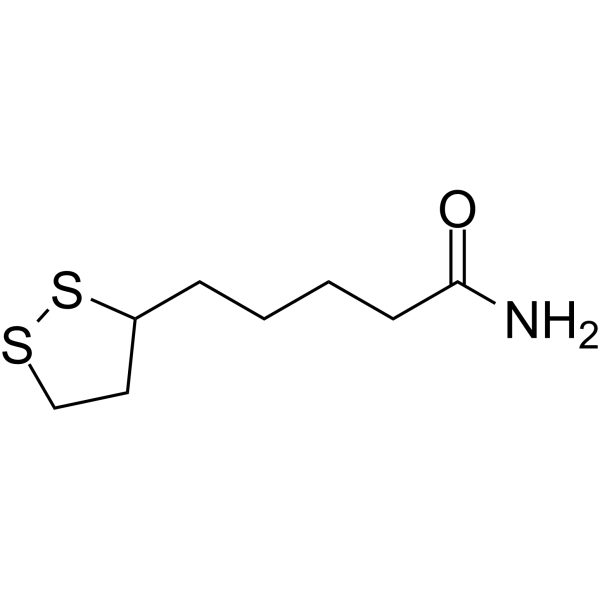
    Lipoamide ((±)-α-Lipoamide) is a monocarboxylic acid derivative of a neutral amide, formed by the condensation of the carboxyl group of lipoic acid and ammonia. Lipoamide protects against oxidative stress-mediated neuronal cell damage and also acts as a coenzyme to transfer acetyl groups and hydrogen during pyruvate deacylation. Lipoamide also stimulates mitochondrial biogenesis in adipocytes through the endothelial NO synthase-cGMP-protein kinase G signaling pathway .
    Lipoamide
  • HY-124293
    AA147
    4 Publications Verification

    ATF6 Reactive Oxygen Species (ROS) Neurological Disease Metabolic Disease
    AA147 is a endoplasmic reticulum (ER) proteostasis regulator. AA147 promotes protection against oxidative damage in neuronal cells and prevents endothelial barrier dysfunction by activating ATF6 arm (selectively) of the unfolded protein response (UPR) and the NRF2 oxidative stress response. AA147 can rebalances XBP1s expression in vivo, and also induces survival motor neuron (SMN) expression and spinal motorneuron (MN) protection .
    AA147
  • HY-E70005K

    Proteasome Others
    Collagenase (Type A, animal free) is a proteolytic enzyme targeting collagen, capable of releasing corneal endothelial cells (CECs) without damaging cell junctions .
    Collagenase (Type A, animal free)
  • HY-N1353
    Rhamnocitrin
    2 Publications Verification

    p38 MAPK Cardiovascular Disease Inflammation/Immunology
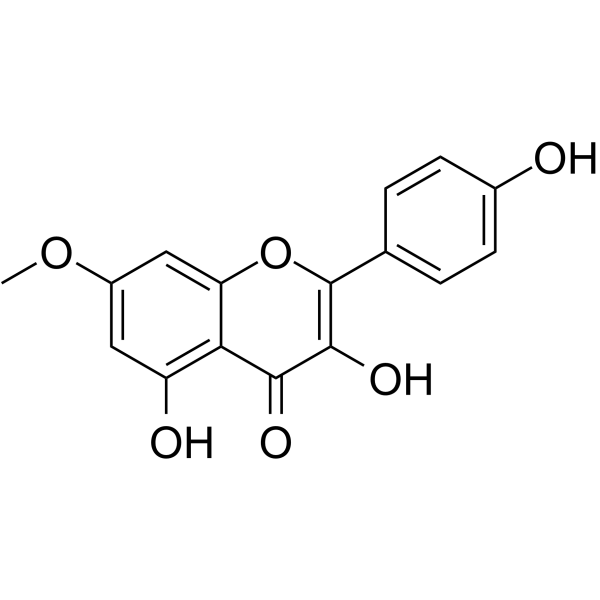
    Rhamnocitrin is an anti-inflammatory and antioxidant agent that targets STIM-1, NFATc3 and MAPK pathways and can scavenge DPPH (IC50=28.38 mM). Rhamnocitrin selectively inhibits oxidative stress and inflammatory responses in vascular endothelial cells and neurons. Rhamnocitrin up-regulates miR-185 to inhibit STIM-1-mediated store-operated calcium entry (SOCE), thereby blocking NFATc3 nuclear translocation and downstream inflammatory factor expression, while inducing heme oxygenase HO-1 expression and regulating the ERK/p38 MAPK pathway, inhibiting antioxidant and pro-inflammatory cytokines (such as IL-6, IL-8) and adhesion molecules (such as ICAM-1, VCAM-1). Rhamnocitrin can be used in the study of endothelial-related inflammatory diseases (such as sepsis, acute lung injury, atherosclerosis) and neuroprotection (such as oxidative damage of PC12 cells) .
    Rhamnocitrin
  • HY-N0859

    Schizanhenol; Gomisin-K3

    UGT Cholinesterase (ChE) Tau Protein SOD Sirtuin Neurological Disease Inflammation/Immunology Cancer
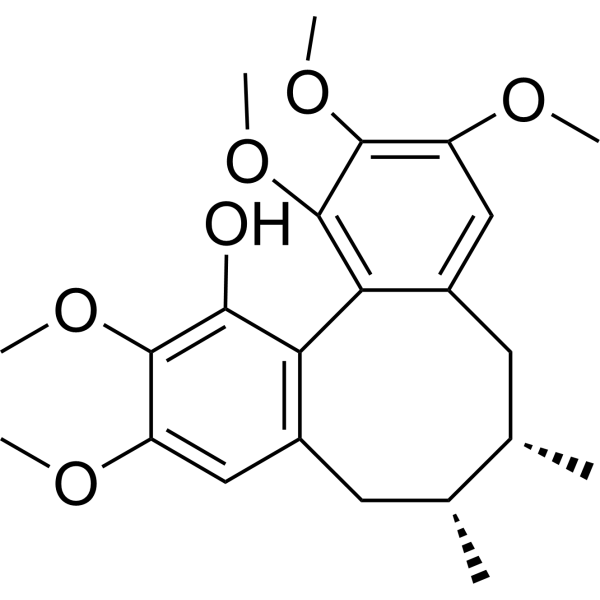
    Schisanhenol (Schizanhenol), a lignan, is an orally active antioxidant. Schisanhenol reduces AChE activity, increases SIRT1 and PGC-1α expression, and decreases phosphorylated Tau (Ser 396) levels. Schisanhenol increases SOD and glutathione peroxidase activity, decreases malondialdehyde (MDA) content, and inhibits UGT2B7 activitY. Schisanhenol attenuates ox-LDL-induced apoptosis, intracellular reactive oxygen species generation, and cytotoxicity in endothelial cells. Schisanhenol inhibits LDL oxidation, brain mitochondrial and membrane peroxidative damage, and brain mitochondrial swelling and disintegration. Schisanhenol can be used for the research of Alzheimer’s disease, atherosclerosis, brain ischemia, and age-related brain deterioration .
    Schisanhenol
  • HY-E70005M

    Proteasome Others
    Collagenase (Type C, animal free) is a proteolytic enzyme targeting collagen, capable of releasing corneal endothelial cells (CECs) without damaging cell junctions .
    Collagenase (Type C, animal free)
  • HY-19393

    Phosphodiesterase (PDE) Cardiovascular Disease Inflammation/Immunology Cancer
    SCH 351591 is a highly selective, orally active PDE4 inhibitor, with IC50 values of 58 nM and 153 nM in humans and rats, respectively. SCH 351591 effectively inhibits pathological processes such as cytokine production, eosinophilia, airway hyperresponsiveness and bronchospasm. SCH 351591 also induces microvascular injury, activates mast cells and endothelial cells, and causes increases in serum histamine and various inflammatory factors, leading to early vascular damage. SCH 351591 has been widely used in studies related to asthma, chronic obstructive pulmonary disease and drug-induced vascular injury .
    SCH 351591
  • HY-W002199

    6:2 FTOH; 1H,1H,2H,2H-Perfluoro-1-octanol; 2-(Perfluorohexyl)ethanol

    Bacterial Apoptosis ERK TNF Receptor Infection Neurological Disease
    6:2 Fluorotelomer alcohol (6:2 FTOH) is an orally active, blood-brain barrier-permeable modulator of cyclin D1 and ETS1. 6:2 Fluorotelomer alcohol downregulates cyclin D1 expression, upregulates ETS1 via the TNF-α/ERK 1/2 pathway, impairs mitochondrial membrane potential and respiratory function, increases reactive oxygen species levels, disrupts calcium homeostasis and activates endoplasmic reticulum stress markers, and induces cell proliferation inhibition and endothelial-mesenchymal transition. Furthermore, 6:2 Fluorotelomer alcohol induces morphological abnormalities in zebrafish embryos and liver developmental damage, while disrupting the brain immune microenvironment in mice, causing systemic toxicity and delayed pup maturation in CD-1 mice. 6:2 Fluorotelomer alcohol also induces cortical neuron apoptosis, glial cell activation, synaptic abnormalities, colonic barrier damage, intestinal dysbiosis and autism spectrum disorder-like symptoms in mice. 6:2 Fluorotelomer alcohol shows no mutagenic, clastogenic, primary skin/eye irritation or skin sensitizing effects, exhibits no selective reproductive toxicity in CD-1 mice, and is classified as GHS Category 4 for acute oral toxicity. 6:2 Fluorotelomer alcohol can be used in studies of neurodevelopmental disorders and autism spectrum disorders .
    6:2 Fluorotelomer alcohol
  • HY-N2445
    Flavokawain C
    4 Publications Verification

    Apoptosis Akt JNK PERK Caspase PARP MDM-2/p53 IAP Reactive Oxygen Species (ROS) SOD FABP Autophagy AMPK mTOR GLUT EGFR PI3K HSP VEGFR FAK Cancer
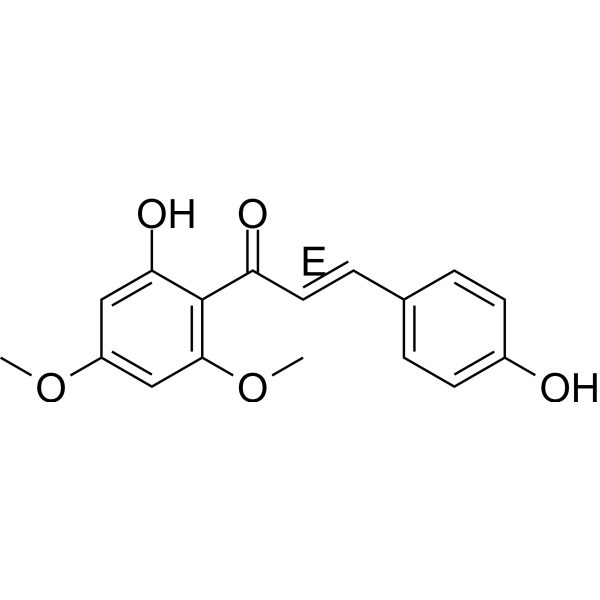
    Flavokawain C is an orally active natural chalcone. Flavokawain C inhibits the proliferation of various cancer cells. Flavokawain C upregulates GADD153 in cancer cells, inhibits the phosphorylation of Akt and JNK, suppresses early ERK phosphorylation, activates late ERK phosphorylation, activates caspase related subtypes, induces PARP-1 cleavage, causes upregulation of p21 and p27, downregulation of mutant p53 and anti-apoptotic IAP proteins, elevates intracellular ROS levels, reduces SOD activity, and induces apoptosis. Flavokawain C downregulates FABP4, induces autophagy in cancer cells, and activates the AMPK/mTOR pathway . Flavokawain C decreases the expression of glycolysis-related proteins GLUT1 and HK2, and inhibits glycolysis in nasopharyngeal carcinoma cells. Flavokawain C inhibits the activation of the EGFR/PI3K/Akt/mTOR signaling pathway and reduces the expression of HSP90B1. Flavokawain C inhibits angiogenesis by decreasing the expression of angiogenic proteins Ang-1 and VEGF in human umbilical vein endothelial cells. Flavokawain C increases γ-H2AX levels in cells, inhibits the phosphorylation of FAK, PI3K and AKT in cells, and induces DNA damage in cells. Flavokawain C exerts anti-tumor activity in multiple tumor xenograft mouse models. Flavokawain C is applicable to research related to colorectal cancer, colon adenocarcinoma, nephroblastoma, nasopharyngeal carcinoma and liver cancer .
    Flavokawain C
  • HY-E70005L

    Proteasome Others
    Collagenase (Type B, animal free) is a proteolytic enzyme targeting collagen, capable of releasing corneal endothelial cells (CECs) without damaging cell junctions .
    Collagenase (Type B, animal free)
  • HY-N8210

    Drug Metabolite Autophagy Apoptosis Reactive Oxygen Species (ROS) Keap1-Nrf2 MMP Caspase PARP MDM-2/p53 Neurological Disease Inflammation/Immunology Cancer
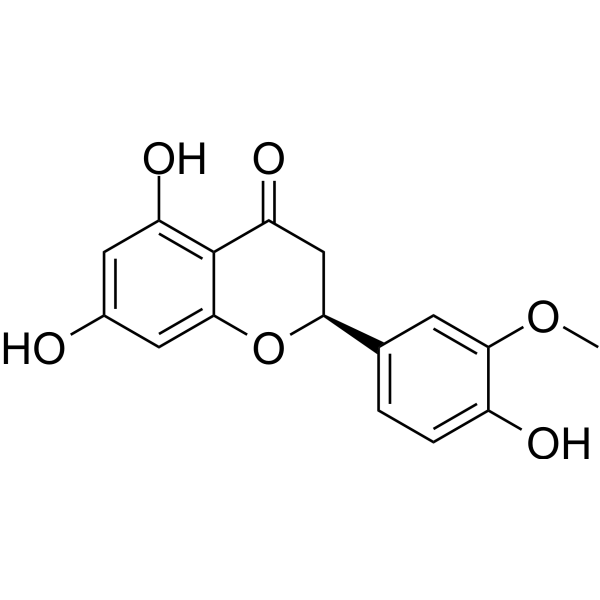
    Homoeriodictyol is an orally active, bitter-tasting flavanone that can penetrate the blood-brain barrier. Homoeriodictyol enhances synaptic-related protein expression through NCOA4-mediated ferritin autophagy. Homoeriodictyol improves memory impairment in mice by inhibiting the NLRP3 inflammasome. Homoeriodictyol protects human endothelial cells from oxidative damage by activating Nrf2 and inhibiting mitochondrial dysfunction. Homoeriodictyol enhances ROS activity and induces apoptosis, exhibiting anticancer effects. Homoeriodictyol inhibits the survival and migration of androgen-resistant prostate cancer cells in vitro. Homoeriodictyol exerts antinociceptive activity in mice in vivo .
    Homoeriodictyol
  • HY-172705

    Liposome nAChR Neurological Disease
    DSPE-PEG2000-RVG29 is a PEG conjugate composed of DSPE and rabies virus glycoprotein 29 (RVG29). RVG29 specifically binds to nicotinic acetylcholine receptors (nAChR) at the blood-brain barrier (BBB), crosses the BBB, and mediates receptor-dependent transcytosis. DSPE-PEG2000-RVG29 can be used for brain-targeted drug delivery, surface modification of nanocarriers, as well as gene and nucleic acid delivery. DSPE-PEG2000-RVG29 is applicable to research related to hypoxic-ischemic brain injury, Parkinson's disease, and other conditions .
    DSPE-PEG2000-RVG29
  • HY-W023144

    Tris(1-chloropropan-2-yl) phosphate

    Environmental Pollutants Apoptosis DNA/RNA Synthesis Reactive Oxygen Species (ROS) Mitochondrial Metabolism Biochemical Assay Reagents Cardiovascular Disease
    Tris (1-chloro-2-propyl) phosphate (Tris (1-chloropropan-2-yl) phosphate) is a chlorinated organophosphate flame retardant. Tris (1-chloro-2-propyl) phosphate induces DNA damage, elevates intracellular ROS levels, and triggers oxidative stress. Tris (1-chloro-2-propyl) phosphate disrupts mitochondrial membrane potential, leading to mitochondrial dysfunction. Tris (1-chloro-2-propyl) phosphate can trigger cell Apoptosis. Tris (1-chloro-2-propyl) phosphate reduces the survival rate of umbilical vein endothelial cells at relatively high concentrations .
    Tris(1-chloro-2-propyl) phosphate
  • HY-160901

    Complement System Inflammation/Immunology
    CP-289,503 is an inhibitor of the complement C5a receptor with an IC50 of 1 μM. C5a acts as an activator of leukocytes and phagocytes during complement system activation. The C5a receptor can bind to C5a, which can stimulate the upregulation of cell surface integrins and degranulation of inflammatory cells, leading to endothelial cell damage. C5a receptor inhibitors can block C5a signaling and inhibit a variety of inflammatory diseases .
    CP-289,503
  • HY-N2673

    5-n-Heptadecylresorcinol; AR-C17

    Sirtuin Cardiovascular Disease Metabolic Disease
    5-Heptadecylresorcinol (AR-C17), a phenolic lipid component, is also an orally active mitochondrial protector. 5-Heptadecylresorcinol improves mitochondrial function via sirtuin3 signaling pathway, thus alleviates endothelial cell damage and apoptosis. 5-Heptadecylresorcinol induces sirtuin3-mediated autophagy. 5-Heptadecylresorcinol reduces the atherosclerotic plaques in the aortic root region of mice heart. 5-Heptadecylresorcinol can be used for research of atherosclerosis prevention and obesity .
    5-Heptadecylresorcinol
  • HY-118622

    Others Others
    Isogentisin is a cell protector. Isogentisin can shield human umbilical vein endothelial cells (HUVEC) from cell death caused by H202 and UV exposure. Isogentisin can also prevent endothelial damage triggered by smoking by activating cell repair functions to promote cell survival .
    Isogentisin
  • HY-E70005O

    Proteasome Others
    Collagenase (Type A, filtered, animal free) is a proteolytic enzyme targeting collagen, capable of releasing corneal endothelial cells (CECs) without damaging cell junctions .
    Collagenase (Type A, filtered, animal free)
  • HY-N8788

    Others Inflammation/Immunology Cancer
    Baicalein 7-O-β-D-ethylglucuronide is a natural flavone glycoside that can be extracted from Scutellaria baicalensis Georgi. Baicalein 7-O-β-D-ethylglucuronide has antioxidant activity. Baicalein 7-O-β-D-ethylglucuronide inhibits FeSO4-Cys-induced lipid peroxidation of liver homogenate. Baicalein 7-O-β-D-ethylglucuronide also shows strong cytoprotective effect on H2O2-induced oxidative damage of human umbilical vein endothelial cells .
    Baicalein 7-O-β-D-ethylglucuronide
  • HY-136903

    Calcium Channel Proteasome Reactive Oxygen Species (ROS) Cardiovascular Disease Neurological Disease Inflammation/Immunology
    SNJ-1945 is an orally active Calpain inhibitor that can cross the blood-brain barrier. SNJ-1945 protects rat hearts against cardiac arrest-reperfusion injury by inhibiting the hydrolysis of α-fodrin. SNJ-1945 inhibits VEGF-induced angiogenesis in retinal endothelial cells. SNJ-1945 also protects SH-SY5Y cells from damage induced by MPP+ (HY-W008719) and Rotenone (HY-B1756). SNJ-1945 exhibits anti-inflammatory and neuroprotective activities in a mouse model of multiple sclerosis. SNJ-1945 can be used for the research of cardiovascular, nervous system and inflammatory diseases .
    SNJ-1945
  • HY-N2673R

    5-n-Heptadecylresorcinol (Standard); AR-C17 (Standard)

    Reference Standards Sirtuin Cardiovascular Disease Metabolic Disease
    5-Heptadecylresorcinol (AR-C17), a phenolic lipid component, is also an orally active mitochondrial protector. 5-Heptadecylresorcinol improves mitochondrial function via sirtuin3 signaling pathway, thus alleviates endothelial cell damage and apoptosis. 5-Heptadecylresorcinol induces sirtuin3-mediated autophagy. 5-Heptadecylresorcinol reduces the atherosclerotic plaques in the aortic root region of mice heart. 5-Heptadecylresorcinol can be used for research of atherosclerosis prevention and obesity .
    5-Heptadecylresorcinol (Standard)
  • HY-106987

    NO Synthase Cardiovascular Disease Inflammation/Immunology
    SP/W-5186 is a nitric oxide (NO) donor agent containing a cysteine structure. SP/W-5186 can improve cardiac function, reduce myocardial damage, protect vascular endothelial function and inhibit inflammation and oxidative stress. SP/W-5186 has the ability to inhibit oxidative damage induced by peroxynitrite (ONOO⁻). SP/W-5186 can be used in the research of myocardial ischemia-reperfusion injury .
    SP/W 5186
  • HY-116778

    Reactive Oxygen Species (ROS) Cardiovascular Disease Neurological Disease Inflammation/Immunology
    Prostaglandin G2 is a prostaglandin peroxide. Prostaglandin G2 acts as a precursor for thromboxane A2 production, inducing platelet aggregation and serotonin release. Prostaglandin G2 also induces cerebral arteriole injury in anesthetized cats via the generation of reactive oxygen free radicals, triggering persistent vasodilation, reduced reactivity to hypocapnia, and endothelial damage. Prostaglandin G2 can be used in studies related to cerebral arteriole injury .
    Prostaglandin G2
  • HY-101304

    S-isopropyl ITU; IPTU

    NO Synthase Cardiovascular Disease Neurological Disease
    S-Isopropylisothiourea hydrobromide (S-isopropyl ITU; IPTU) is a blood-brain barrier (BBB) penetrant NOS inhibitor with IC50 values of 0.66, 0.75 and 0.29 μM against mouse spinal cord, cerebellar, bovine aortic and porcine endothelial cell NOS. S-Isopropylisothiourea exhibits a significant blood pressure-raising effect without damaging the perfusion of vital organs and can also inhibit the late-phase pain response induced by formalin. S-Isopropylisothiourea hydrobromide is used in the researchs for hemorrhagic shock and pain response based on NOS .
    S-Isopropylisothiourea hydrobromide
  • HY-N1353R

    Reference Standards Others p38 MAPK Cardiovascular Disease Inflammation/Immunology
    Rhamnocitrin (Standard) is the analytical standard of Rhamnocitrin. This product is intended for research and analytical applications. Rhamnocitrin is an anti-inflammatory and antioxidant agent that targets STIM-1, NFATc3 and MAPK pathways and can scavenge DPPH (IC50=28.38 mM). Rhamnocitrin selectively inhibits oxidative stress and inflammatory responses in vascular endothelial cells and neurons. Rhamnocitrin up-regulates miR-185 to inhibit STIM-1-mediated store-operated calcium entry (SOCE), thereby blocking NFATc3 nuclear translocation and downstream inflammatory factor expression, while inducing heme oxygenase HO-1 expression and regulating the ERK/p38 MAPK pathway, inhibiting antioxidant and pro-inflammatory cytokines (such as IL-6, IL-8) and adhesion molecules (such as ICAM-1, VCAM-1). Rhamnocitrin can be used in the study of endothelial-related inflammatory diseases (such as sepsis, acute lung injury, atherosclerosis) and neuroprotection (such as oxidative damage of PC12 cells) .
    Rhamnocitrin (Standard)
  • HY-N8210R

    Reference Standards Drug Metabolite Autophagy Apoptosis Reactive Oxygen Species (ROS) Keap1-Nrf2 MMP Caspase PARP MDM-2/p53 Neurological Disease Inflammation/Immunology Cancer
    Homoeriodictyol (Standard) is the analytical standard of Homoeriodictyol (HY-N8210). This product is intended for research and analytical applications. Homoeriodictyol is an orally active, bitter-tasting flavanone that can penetrate the blood-brain barrier. Homoeriodictyol enhances synaptic-related protein expression through NCOA4-mediated ferritin autophagy. Homoeriodictyol improves memory impairment in mice by inhibiting the NLRP3 inflammasome. Homoeriodictyol protects human endothelial cells from oxidative damage by activating Nrf2 and inhibiting mitochondrial dysfunction. Homoeriodictyol enhances ROS activity and induces apoptosis, exhibiting anticancer effects. Homoeriodictyol inhibits the survival and migration of androgen-resistant prostate cancer cells in vitro. Homoeriodictyol exerts antinociceptive activity in mice in vivo .
    Homoeriodictyol (Standard)
  • HY-N0859R

    Schizanhenol (Standard); Gomisin-K3 (Standard)

    UGT Reference Standards Cholinesterase (ChE) Tau Protein SOD Sirtuin Neurological Disease Inflammation/Immunology Cancer
    Schisanhenol (Standard) (Schizanhenol (Standard)) is the analytical standard of Schisanhenol (HY-N0859). This product is intended for research and analytical applications. Schisanhenol, a lignan, is an orally active antioxidant. Schisanhenol reduces AChE activity, increases SIRT1 and PGC-1α expression, and decreases phosphorylated Tau (Ser 396) levels. Schisanhenol increases SOD and glutathione peroxidase activity, decreases malondialdehyde (MDA) content, and inhibits UGT2B7 activitY. Schisanhenol attenuates ox-LDL-induced apoptosis, intracellular reactive oxygen species generation, and cytotoxicity in endothelial cells. Schisanhenol inhibits LDL oxidation, brain mitochondrial and membrane peroxidative damage, and brain mitochondrial swelling and disintegration. Schisanhenol can be used for the research of Alzheimer’s disease, atherosclerosis, brain ischemia, and age-related brain deterioration.
    Schisanhenol (Standard)
  • HY-180828

    NO Synthase Cardiovascular Disease Neurological Disease
    iNOs-IN-8 (Compound 13h) is an efficient and highly selective inducible nitric oxide synthase (iNOS) inhibitor, with an IC50 of 238 nM. iNOs-IN-8 exhibits significant neuroprotective effects in oxygen-glucose deprivation/reoxygenation (OGD/R) and hydrogen peroxide-induced neuronal and endothelial cell damage. iNOs-IN-8 significantly reduces the volume of cerebral infarction and improves neurological function in rat models. iNOs-IN-8 can be used for the study of ischemic stroke .
    iNOs-IN-8
  • HY-183353

    Keap1-Nrf2 Apoptosis Ferroptosis Reactive Oxygen Species (ROS) Cardiovascular Disease Metabolic Disease
    Nrf2 activator-25 is a Nrf2 activator. Nrf2 activator-25 promotes the dissociation of Nrf2 from Keap1 (with a Kd of 21.3 μM for Keap1), drives Nrf2 nuclear translocation, and increases the production of downstream antioxidant enzymes. Nrf2 activator-25 inhibits apoptosis, ferroptosis and vascular fibrosis, and protects vascular endothelial cells from damage. Nrf2 activator-25 can be used in the research of diabetic vascular diseases .
    Nrf2 activator-25

Inquiry Online

Your information is safe with us. * Required Fields.

Salutation


Country or Region *

Applicant Name *


Organization Name *

Department *


Email Address *


Product Name *

Cat. No.


Requested quantity *

Phone Number *


Remarks

Inquiry Online

Inquiry Information

Product Name:
Cat. No.:
Quantity:
MCE Japan Authorized Agent:

