1. Search Result
Search Result
Results for "

estrogen activity

" in MedChemExpress (MCE) Product Catalog:

245

阻害剤およびアゴニスト

1

スクリーニングライブラリ

1

蛍光色素

4

生化学アッセイ試薬

2

ペプチド

61

天然物

41

同位体標識化合物

1

クリックケミストリー

Targets Recommended:
製品番号 製品名 Target 研究分野 構造式
  • HY-13757A
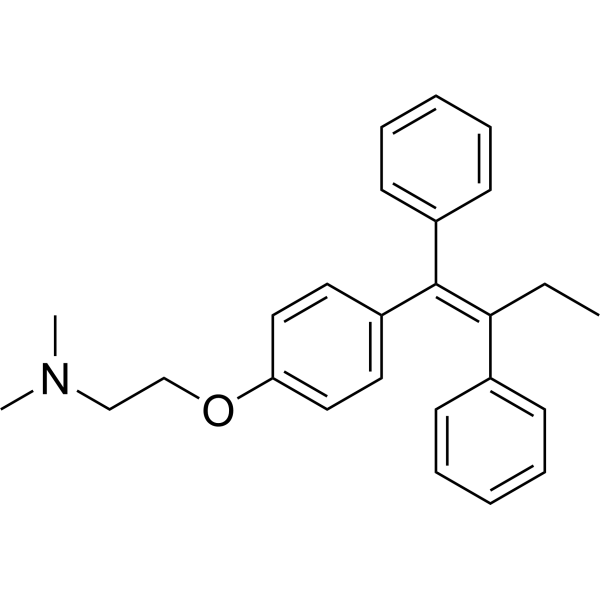
    Tamoxifen
    Maximum Cited Publications
    229 Publications Verification

    ICI 47699; (Z)-Tamoxifen; trans-Tamoxifen

    Estrogen Receptor/ERR HSP Autophagy Apoptosis Infection Neurological Disease Metabolic Disease Inflammation/Immunology Cancer
    Tamoxifen (ICI 47699) is an orally active, selective estrogen receptor modulator (SERM) which blocks estrogen action in breast cells and can activate estrogen activity in other cells, such as bone, liver, and uterine cells. Tamoxifen is a potent Hsp90 activator and enhances the Hsp90 molecular chaperone ATPase activity. Tamoxifen also potent inhibits infectious EBOV Zaire and Marburg (MARV) with IC50 of 0.1 μM and 1.8 μM, respectively. Tamoxifen activates autophagy and induces apoptosis. Tamoxifen can also be dissolved in corn oil (HY-Y1888) for use in inducing gene knockout in CreER transgenic mice. Tamoxifen has better solubility in corn oil compared to Tamoxifen Citrate (HY-13757) .
    Tamoxifen
  • HY-13757
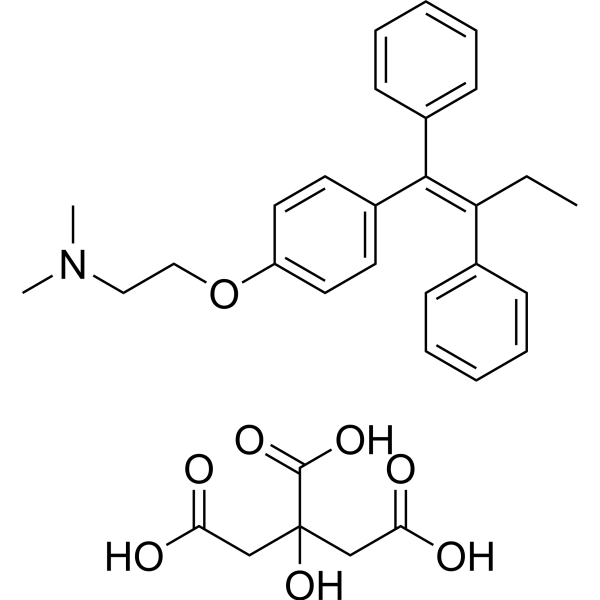
    Tamoxifen Citrate
    Maximum Cited Publications
    229 Publications Verification

    ICI 46474; (Z)-Tamoxifen Citrate; trans-Tamoxifen Citrate

    Estrogen Receptor/ERR HSP Autophagy Apoptosis Infection Neurological Disease Inflammation/Immunology Cancer
    Tamoxifen Citrate (ICI 46474) is an orally active, selective estrogen receptor modulator (SERM) which blocks estrogen action in breast cells and can activate estrogen activity in other cells, such as bone, liver, and uterine cells.Tamoxifen Citrate is a potent Hsp90 activator and enhances the Hsp90 molecular chaperone ATPase activity. Tamoxifen Citrate also potent inhibits infectious EBOV Zaire and Marburg (MARV) with IC50 of 0.1 μM and 1.8 μM, respectively. Tamoxifen Citrate activates autophagy and induces apoptosis. Tamoxifen Citrate can also be used to induce gene knockout in CreER transgenic mice .
    Tamoxifen Citrate
  • HY-16950A
    (E/Z)-4-Hydroxytamoxifen
    3 Publications Verification

    Afimoxifene; 4-OHT

    Estrogen Receptor/ERR Adhesion G Protein-coupled Receptors (AGPCRs) Drug Metabolite Metabolic Disease Cancer
    (E/Z)-4-Hydroxytamoxifen (Afimoxifene) is a racemic compound of (Z)-4-Hydroxytamoxifen and (E)-4-Hydroxytamoxifen isomers. (E/Z)-4-Hydroxytamoxifen is a selective estrogen receptor modulator with mixed estrogenic and antiestrogenic activity, which is also an active metabolite of Tamoxifen (HY-13757A). (E/Z)-4-Hydroxytamoxifen is an agonist of the G protein-coupled estrogen receptor (GPER) with relatively low affinity (100-1000 nM). (E/Z)-4-Hydroxytamoxifen is promising for research of cyclical mastalgia, such as breast pain, tenderness, and nodularity .
    (E/Z)-4-Hydroxytamoxifen
  • HY-18719E
    Endoxifen
    1 Publications Verification

    Cytochrome P450 Estrogen Receptor/ERR Drug Metabolite Parasite Cancer
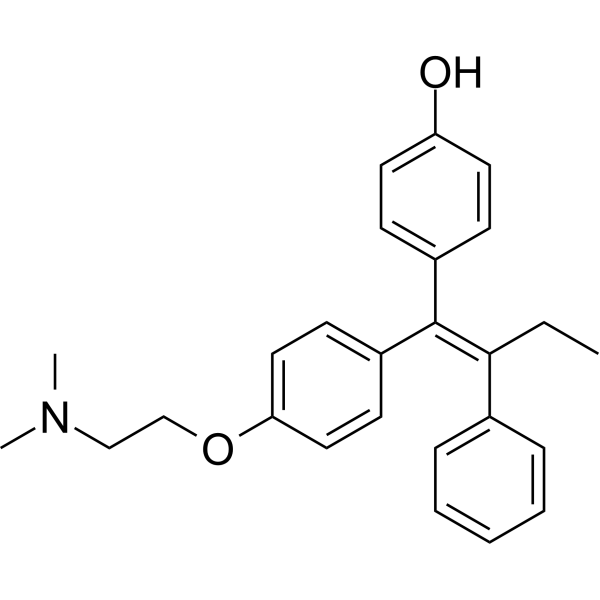
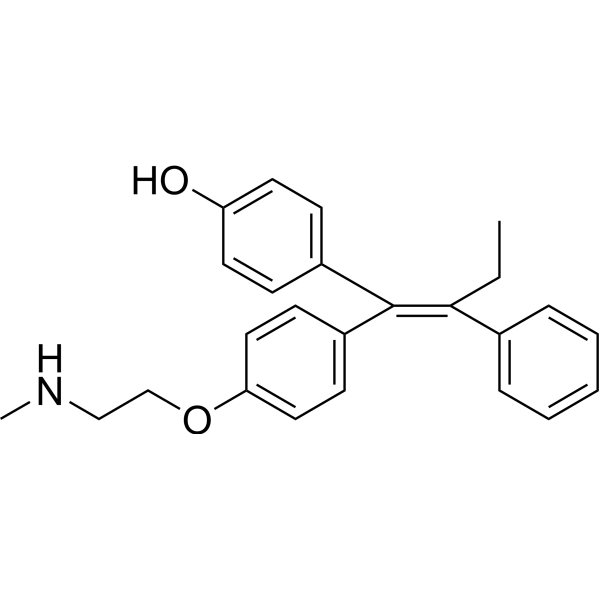
    Endoxifen is a key active metabolite of tamoxifen (TAM) with higher affinity and specificity to estrogen receptor that also inhibits aromatase activity. Endoxifen has the potential for breast cancer study .
    Endoxifen
  • HY-B0723
    Ospemifene
    2 Publications Verification

    FC-1271a

    Estrogen Receptor/ERR Caspase Neurological Disease Endocrinology Cancer
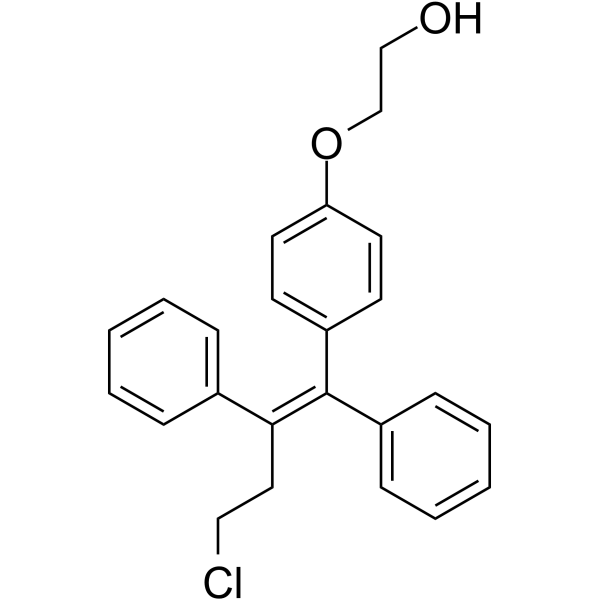
    Ospemifene (FC-1271a) is an orally active and non-estrogenic selective estrogen receptor modulator (SERM) with Ki values of 380 and 410 nM for estrogen receptor α (ERα) and ERβ, respectively. Ospemifene inhibits caspase-3 activity. Ospemifene inhibits neuronal degeneration, prevents bone loss, and increases vaginal weight and vaginal epithelial height. Ospemifene has anticancer activity against breast cancer .
    Ospemifene
  • HY-B0887
    Permethrin
    1 Publications Verification

    NRDC-143

    Environmental Pollutants Parasite Mitochondrial Metabolism Sodium Channel Infection Neurological Disease
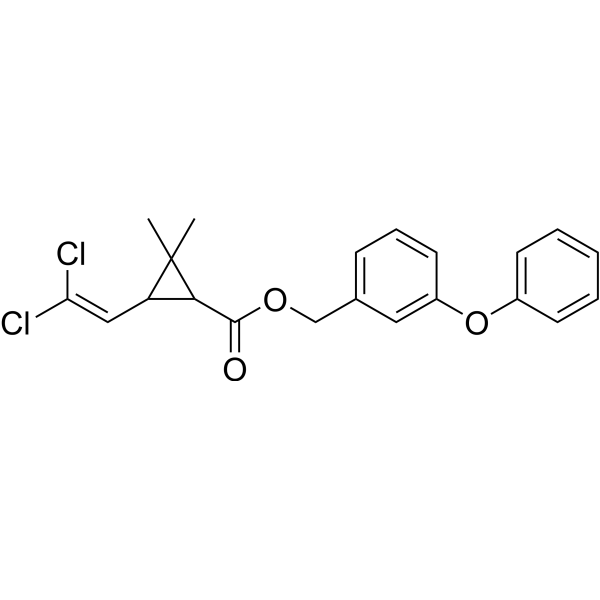
    Permethrin (NRDC-143) is an insecticide, acaricide and a high selectively inhibitor of the Mitochondrial complex I, found in sediment and water samples. Permethrin shows estrogenic in vivo and anti-estrogenic activity in vitro. Permethrin also acts as a neurotoxin affecting neuron membranes by prolonging Sodium channel activation. Permethrin decreases resistance to bacterial infections in medaka (Oryzias latipes) .
    Permethrin
  • HY-N0250
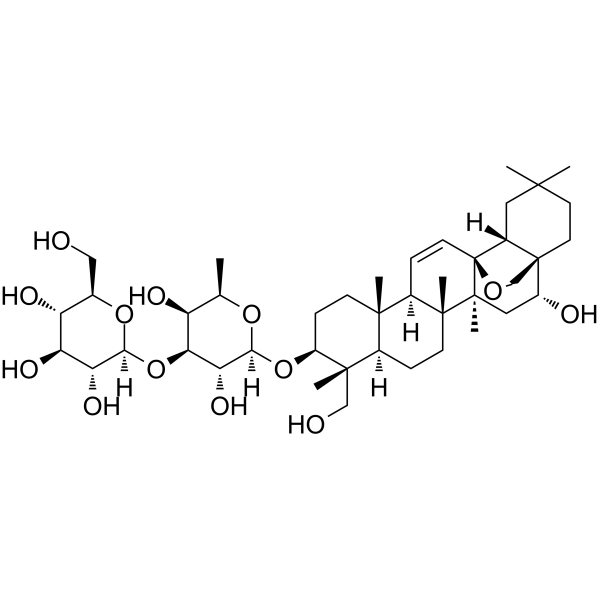
    Saikosaponin D
    Maximum Cited Publications
    10 Publications Verification

    STAT NF-κB Estrogen Receptor/ERR Bacterial Infection Inflammation/Immunology Cancer
    Saikosaponin D is a triterpene saponin isolated from Bupleurum, with anti-inflammatory, anti-bacterial, anti-tumor, and anti-allergic activities; Saikosaponin D inhibits selectin, STAT3 and NF-kB and activates estrogen receptor-β.
    Saikosaponin D
  • HY-124489
    2-Hydroxyestradiol
    2 Publications Verification

    Endogenous Metabolite Metabolic Disease
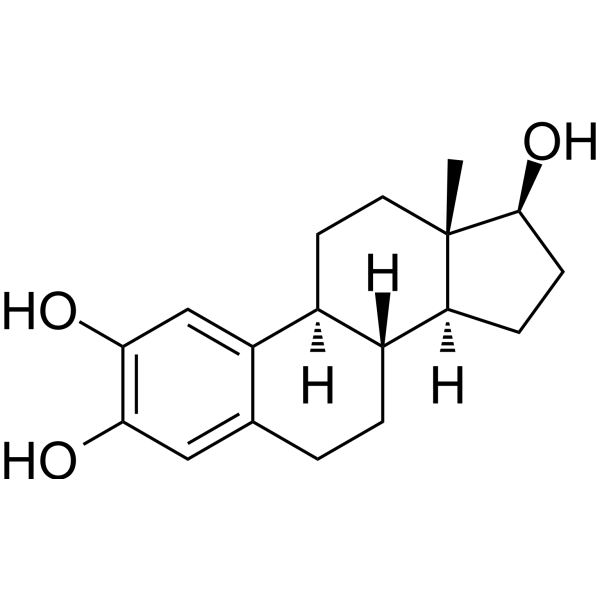
    2-Hydroxyestradiol, a metabolite of 17β-estradiol with minimal estrogenic activity, possesses antioxidant effects and reacts with DNA to form stable adducts and exerts genotoxicity .
    2-Hydroxyestradiol
  • HY-13757AR
    Tamoxifen (Standard)
    210+ Cited Publications

    ICI 47699(Standard); (Z)-Tamoxifen(Standard); trans-Tamoxifen (Standard)

    Reference Standards Estrogen Receptor/ERR HSP Autophagy Apoptosis Endocrinology Cancer
    Tamoxifen (Standard) is the analytical standard of Tamoxifen (HY-13757A). This product is intended for research and analytical applications. Tamoxifen (ICI 47699) is an orally active, selective estrogen receptor modulator (SERM) which blocks estrogen action in breast cells and can activate estrogen activity in other cells, such as bone, liver, and uterine cells . Tamoxifen is a potent Hsp90 activator and enhances the Hsp90 molecular chaperone ATPase activity. Tamoxifen also potent inhibits infectious EBOV Zaire and Marburg (MARV) with IC50 of 0.1 μM and 1.8 μM, respectively . Tamoxifen activates autophagy and induces apoptosis . Tamoxifen also can induce gene knockout of CreER(T2) transgenic mouse .
    Tamoxifen (Standard)
  • HY-18295
    Erteberel
    2 Publications Verification

    LY500307

    Estrogen Receptor/ERR Neurological Disease Cancer
    Erteberel (LY500307) is a potent and selective estrogen receptor beta (ERβ) agonist with Ki and EC50 of 1.54 nM and 3.61 nM, respectively. Erteberel has anti-tumor activities .
    Erteberel
  • HY-W100026

    Environmental Pollutants Estrogen Receptor/ERR Glutathione S-transferase Metabolic Disease
    Galaxolide is a polycyclic musk synthetic fragrance. Galaxolide possesses endocrine-disrupting activity and can exert anti-androgenic/estrogenic effects. Galaxolide exhibits in vivo androgenic activity in immature rats . Galaxolide can be used in studies related to endocrine disruption .
    Galaxolide
  • HY-15731

    Estrogen Receptor/ERR Endogenous Metabolite NO Synthase Cardiovascular Disease Cancer
    Estetrol, an orally active estrogen synthesized exclusively during pregnancy by the human fetal liver, is a selective nuclear estrogen receptor modulator. Estetrol binds ERα as well as ERβ (with a fourfold lower affinity). Estetrol increases eNOS expression/activity and NO synthesis in endothelial cells. Estetrol exerts estrogenic actions on the endometrium or the central nervous system but presents antagonistic effects on the breast. Estetrol can be used in contraception and menopausal hormone research .
    Estetrol
  • HY-N7128
    Flavanone
    1 Publications Verification

    Cytochrome P450 ERK p38 MAPK NF-κB MMP PAI-1 Cancer
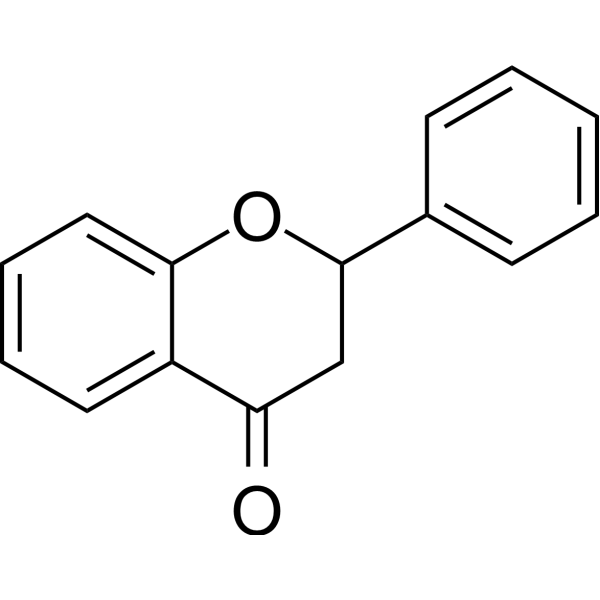
    Flavanone is a naturally occurring flavone. Flavanone has inhibitory activity for human estrogen synthetase (aromatase). Flavanone is the inhibitor for ERK/p38/NF-κB signaling pathway. Flavanone exhibits oral activity and antitumor efficacy .
    Flavanone
  • HY-P2232

    Ovotransferrin

    Bacterial Cardiovascular Disease Infection Metabolic Disease Inflammation/Immunology Cancer
    Conalbumin (Ovotransferrin) is an iron-binding protein present in egg white with antibacterial activity. Conalbumin can also be used to induce bronchial asthma. Conalbumin exhibits induced mRNA accumulation in chicken oviduct cells by estrogen and progesterone .
    Conalbumin
  • HY-W013935

    Endogenous Metabolite Estrogen Receptor/ERR Reactive Oxygen Species (ROS) Endocrinology
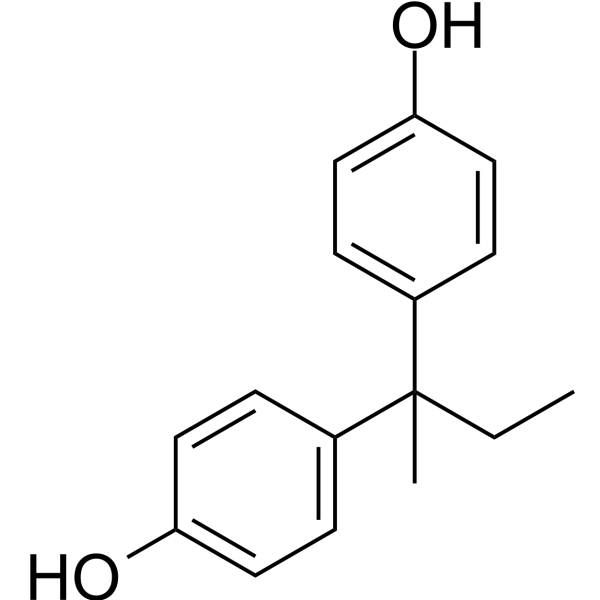
    Bisphenol B is a close structural analog of Bisphenol A (BPA) (HY-18260). Bisphenol B is a potent, orally active endocrine disruptor (ED). Bisphenol B binds to G protein-coupled estrogen receptor (GPER) (IC50 = 3.3 μM) with higher affinity and agonistic activity than BPA. Bisphenol B promotes GPER mediated cell migration. Bisphenol B exerts estrogenic effects via GPER pathway at nanomolar concentration. Bisphenol B is used in the manufacture of polycarbonate resin with ED properties .
    Bisphenol B
  • HY-B1027

    Nonoxynol; Nonoxinol

    Environmental Pollutants Biochemical Assay Reagents Others
    4-Nonylphenol polyethoxylate (Nonoxynol) is a non-ionic surfactant. 4-Nonylphenol polyethoxylate forms degradation products including 4-nonylphenol and short ethoxyl chain polyethoxylates. 4-Nonylphenol polyethoxylate generates degradation products that exhibit estrogenic activity, persist in aquatic environments, and bioaccumulate in the food chain .
    4-Nonylphenol polyethoxylate
  • HY-W011100

    Dengue Virus Estrogen Receptor/ERR Flavivirus Infection Endocrinology
    Cyclofenil is a selective estrogen receptor modulator and an ovulation-inducing agent. Cyclofenil shows an inhibitory effect on dengue virus replication in Vero cells with an EC50 of 1.62 μM. Cyclofenil has anti-dengue-virus activity .
    Cyclofenil
  • HY-N6714

    Topoisomerase Androgen Receptor Estrogen Receptor/ERR Apoptosis Infection Cancer
    Alternariol is an orally ingested mycotoxin produced by Alternaria, capable of inhibiting the activity of topoisomerase I and II (topoisomerase I, topoisomerase II). Alternariol has weak estrogenic (Estrogen Receptor/ERR) and androgen/antiandrogen (Androgen Receptor) effects. Alternariol can induce apoptosis, trigger cell cycle arrest, suppress innate immune responses, and exhibit anti-tumor activity. Alternariol has genotoxic, mutagenic, and endocrine-disrupting effects .
    Alternariol
  • HY-123047

    Progesterone Receptor Androgen Receptor Estrogen Receptor/ERR Endocrinology
    Tibolone is a broad spectrum gonadal steroid agonist with progestagenic, androgenic, and estrogenic activities. Tibolone can be used for postmenopausal osteoporosis research .
    Tibolone
  • HY-18719B
    Endoxifen hydrochloride
    1 Publications Verification

    Cytochrome P450 Estrogen Receptor/ERR Drug Metabolite Parasite Cancer
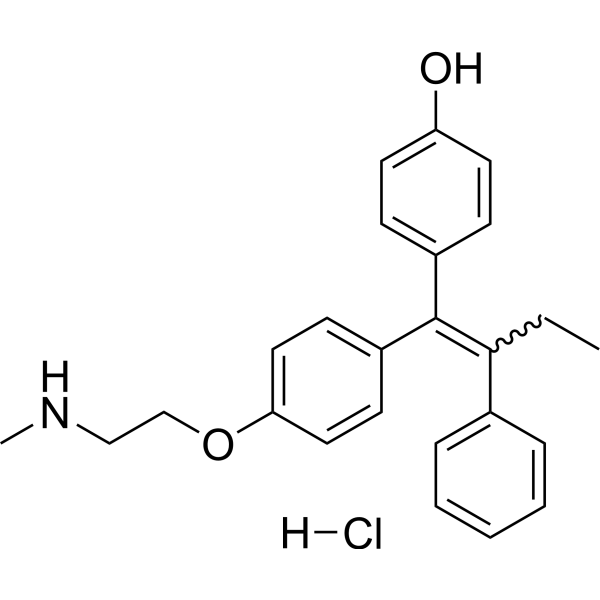
    Endoxifen hydrochloride is a key active metabolite of Tamoxifen (TAM) with higher affinity and specificity to estrogen receptor that also inhibits aromatase activity. Endoxifen hydrochloride has the potential for breast cancer study .
    Endoxifen hydrochloride
  • HY-B2158

    Estrogen Receptor/ERR COX Cardiovascular Disease Endocrinology
    Chlorotrianisene is a long-acting non-steroidal estrogen and an orally active estrogen receptor modulator. Chlorotrianisene exhibits antiestrogenic activity. Chlorotrianisene potently inhibits the enzyme COX-1 and inhibits platelet aggregation in whole blood .
    Chlorotrianisene
  • HY-125703

    Estrogen Receptor/ERR Apoptosis Infection Inflammation/Immunology Endocrinology Cancer
    Ferutinin, a natural terpenoid compound, is an estrogen receptor ERα agonist and estrogen ERβ-receptor agonist/antagonist with IC50s of 33.1 nM and 180.5 nM, respectively. Ferutinin acts as an electrogenic Ca 2+-ionophore that increases calcium permeability of lipid bilayer membranes, mitochondria. Ferutinin possesses estrogenic, antitumor, antibacterial and antiinflammatory activities .
    Ferutinin
  • HY-N11707

    Others Others
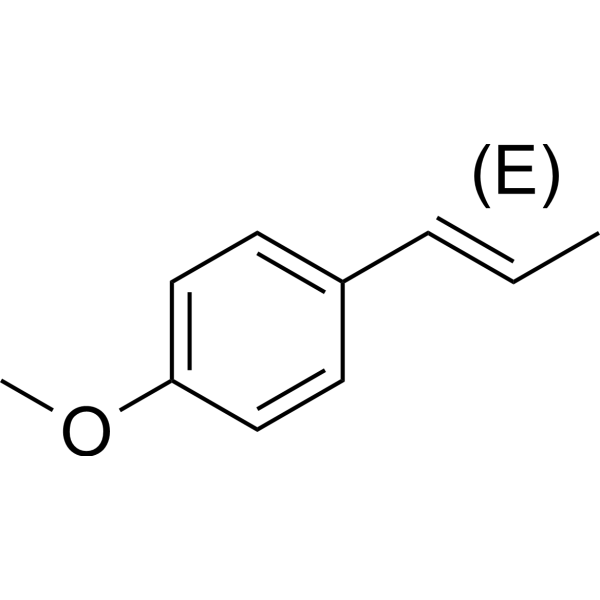
    Piscidic acid is an ester compound derived from Cimicifuga racemosa. Piscidic acid has in vitro estrogen activity .
    Piscidic acid
  • HY-N6709

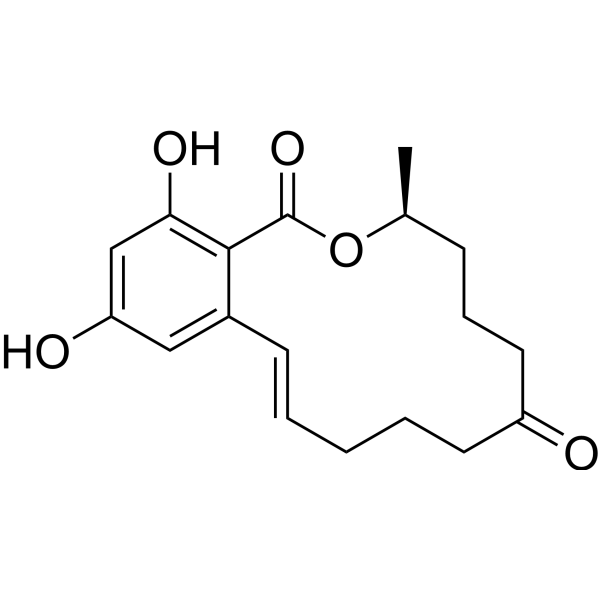
    α-Zearalanol

    Estrogen Receptor/ERR Endocrinology
    Zeranol, a metabolite of the mycoestrogen zearalenone, is an estrogen receptor agonist. Zeranol is used as a growth promoter of livestock due to its strong estrogenic activity .
    Zeranol
  • HY-145716

    Nafoxidene

    Estrogen Receptor/ERR Cancer
    Nafoxidine, a nonsteroidal estrogen antagonist, is shown to possess antitumor activity against breast cancer.
    Nafoxidine
  • HY-13636A

    ICI 182780 (S enantiomer); ZD 9238 (S enantiomer); ZM 182780 (S enantiomer)

    Drug Isomer Estrogen Receptor/ERR p38 MAPK Apoptosis Cancer
    Fulvestrant (ICI 182780; ZD 9238) S enantiomer is the S-enantiomer of Fulvestrant (HY-13636), a potent estrogen receptor inhibitor. Fulvestrant binds to and blocks the estrogen receptor, promotes its degradation, and thereby inhibits receptor dimerization, nucleocytoplasmic shuttling and transcriptional activity. Fulvestrant effectively blocks estrogen signaling, MAPK pathway activation and ER-regulated protein expression. Fulvestrant induces apoptosis, inhibits the proliferation of breast cancer and prolactinoma cells, and reduces the mineralization level, alkaline phosphatase activity and osteocalcin expression of preosteoblasts. Prenatal exposure to Fulvestrant impairs ovarian follicular development and causes ovarian structural damage. Fulvestrant has been widely used in studies related to breast cancer, prolactinoma and other conditions .
    Fulvestrant (S enantiomer)
  • HY-W087008

    Cytochrome P450 Endocrinology Cancer
    7-Hydroxyflavanone is a potent inhibitor of aromatase (CYP19) activity with the IC50 of 65 μM. 7-Hydroxyflavanone exerts various biological effects, including anticarcinogenic, antioxidant and (anti-)estrogenic effects, and modula
    7-Hydroxyflavanone
  • HY-147402A

    D-0502 meglumine

    Estrogen Receptor/ERR Cancer
    Taragarestrant (D-0502) meglumine is a potent, orally active and selective estrogen receptor degrader (SERD). Taragarestrant meglumine shows potent activity in various ER+ breast cancer cell lines and xenograft models .
    Taragarestrant meglumine
  • HY-16023B

    EM-343; (Rac)-EM-652

    Estrogen Receptor/ERR Cancer
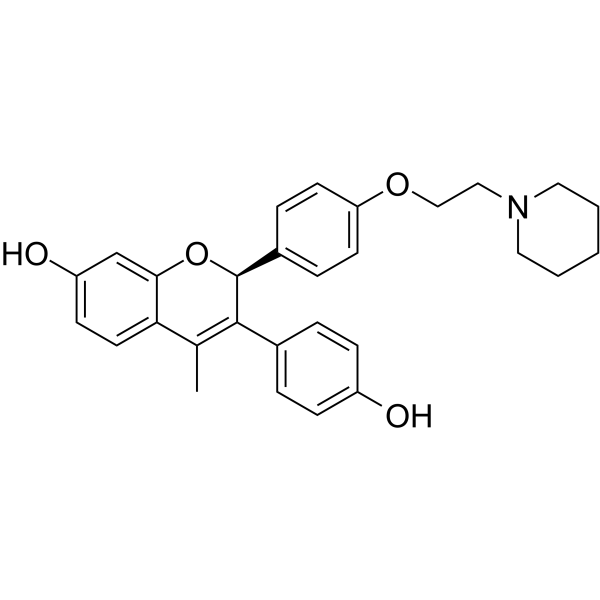
    (Rac)-Acolbifene (EM-343; (Rac)-EM-652) is the racemic form of EM652 (estrogen receptor?antagonist), has anti-estrogenic and estrogenic activities. (Rac)-Acolbifene (EM-343; (Rac)-EM-652) contains a piperidine ring, shows good pharmacological profile,relative binding affinity (RBA)=380 .
    (Rac)-Acolbifene
  • HY-19822D

    RAD1901 S enantiomer

    Estrogen Receptor/ERR Cancer
    Elacestrant S enantiomer (RAD1901 S enantiomer) is an low activity enantiomer of elacestrant. Elacestrant (RAD1901) is a selective and orally available estrogen receptor (ERR) degrader with IC50 values of 48 and 870 nM for ERα and ERβ, respectively .
    Elacestrant (S enantiomer)
  • HY-W091820

    4HDPM

    Drug Derivative Others
    4-Benzylphenol (4HDPM), a structural analog of Bisphenol F (HY-W014901), has estrogenic activity in vitro and in vivo. 4-Benzylphenol can be used in plastics as a germicide, antiseptic, preservative, and antioxidant, and can be used in during organic synthesis .
    4-Benzylphenol
  • HY-Z12208

    Drug Derivative Cancer
    N1-Phenylsuberamide is an organic amide compound, and its structure can be regarded as a simplified analogue of Vorinostat (HY-10221). N1-Phenylsuberamide exhibits moderate anti-proliferative activity against MDA-MB-231 and MCF-7 cells. N1-Phenylsuberamide does not show significant HDAC inhibitory activity and can only weakly induce the expression of the p21 gene. N1-Phenylsuberamide has extremely low relative binding affinity of estrogen receptor. N1-Phenylsuberamide can be used as a control compound .
    N1-Phenylsuberamide
  • HY-N11785

    Estrogen Receptor/ERR Metabolic Disease Cancer
    Glyceollin I is a selective estrogen receptor (ER) modulator with anticancer, antioxidant, and anti-inflammatory activities. Glyceollin I is promising for research of estrogen-related cancers (e.g., breast, ovarian) and metabolic disorders (e.g., hypercholesterolemia) .
    Glyceollin I
  • HY-W777284

    Isotope-Labeled Compounds Estrogen Receptor/ERR Endocrinology
    Zeranol-d5 (mixture of diastereomers) is the deuterium labeled Zeranol (HY-N6709). Zeranol, a metabolite of the mycoestrogen zearalenone, is an estrogen receptor agonist. Zeranol is used as a growth promoter of livestock due to its strong estrogenic activity .
    Zeranol-d5 (mixture of diastereomers)
  • HY-N3943

    Tyrosinase Neurological Disease
    Glabrene, an isoflavene derived from licorice root, shows estrogen-like activity. Glabrene is a tyrosinase inhibitor with an IC50 of 3.5 μM .
    Glabrene
  • HY-117726

    Estrogen Receptor/ERR NF-κB Inflammation/Immunology
    WAY-169916 is a pathway-selective ligand of ER (estrogen receptor) that acts by inhibiting NF-kB transcriptional activity. WAY-169916 has potent anti-inflammatory effect .
    WAY-169916
  • HY-147402

    D-0502

    Estrogen Receptor/ERR Cancer
    Taragarestrant (D-0502) is a potent, orally active and selective estrogen receptor degrader (SERD). Taragarestrant shows potent activity in various ER+ breast cancer cell lines and xenograft models .
    Taragarestrant
  • HY-19822B

    RAD1901 S enantiomer dihydrochloride

    Estrogen Receptor/ERR Cancer
    Elacestrant S enantiomer dihydrochloride (RAD1901 S enantiomer dihydrochloride) is an low activity enantiomer of elacestrant dihydrochloride. Elacestrant (RAD1901) dihydrochloride is a selective and orally available estrogen receptor (ERR) degrader with IC50 values of 48 and 870 nM for ERα and ERβ, respectively.
    Elacestrant S enantiomer dihydrochloride
  • HY-19498

    SIM-688

    NF-κB Inflammation/Immunology
    WAY-204688 is an estrogen receptor (ER-α) selective, orally active inhibitor of NF-κB transcriptional activity with an IC50 of 122 ± 30 nM for NF-κB-luciferase (NF-κB-luc) in HAECT-1 cells.
    WAY-204688
  • HY-N2448

    Estrogen Receptor/ERR Endocrinology
    Lindleyin, isolated from Rhei rhizoma, mediates hormonal effects through estrogen receptors. Lindleyin binds to ERα with estrogenic activity .
    Lindleyin
  • HY-N6709R

    α-Zearalanol (Standard)

    Reference Standards Estrogen Receptor/ERR Endocrinology
    Zeranol, a metabolite of the mycoestrogen zearalenone, is an estrogen receptor agonist. Zeranol is used as a growth promoter of livestock due to its strong estrogenic activity .
    Zeranol (Standard)
  • HY-111484A

    SRN-927 Racemate

    Estrogen Receptor/ERR Cancer
    GDC-0927 Racemate (SRN-927 Racemate) is an estrogen receptor (ER) degrader that can effectively inhibit the activity of ER-α with an IC50 value of 0.2 nM and can be used in diseases related to estrogen receptors.
    GDC-0927 Racemate
  • HY-W106688

    Estrogen Receptor/ERR Endocrinology
    Triisopropyl phosphate inhibits TFF1 and EGR3 gene expression, exhibits anti-estrogenic activity that inhibits Estradiol (HY-B0141)-induced MCF-7 cell proliferation with an EC50 of 341 μM. Triisopropyl phosphate inhibits the estrogen response element (ERE)-stimulated luciferase activity in MVLN cells with an EC50 of 900 μM .
    Triisopropyl phosphate
  • HY-125263

    Estrogen Receptor/ERR Cancer
    OP-1074, a pure anti-estrogen drug, is a selective ER degrader (PA-SERD) with specific anti-estrogenic activity against ERα and ERβ, inhibiting 17β-estradiol (E2)-stimulated transcription with IC50 values of 1.6 and 3.2 nM, respectively.
    OP-1074
  • HY-N7504

    Bacterial Infection Metabolic Disease Cancer
    Isopsoralenoside is a benzofuran glycoside from Psoralea corylifolia. Isopsoralenoside can be quickly metabolized to Psoralen (HY-N0053) in digestive tract contents. Isopsoralenoside show estrogen-like activity, osteoblastic proliferation accelerating activity, antitumor effects and antibacterial activity .
    Isopsoralenoside
  • HY-76737S

    4-CDE-d5

    Isotope-Labeled Compounds Estrogen Receptor/ERR Endocrinology
    4-Chlorodiphenyl ether-d5 (4-CDE-d5) is the deuterium labeled 4-Chlorodiphenyl ether. 4-Chlorodiphenyl ether is an estrogen-mimicking active compound. 4-Chlorodiphenyl ether maintains the survival of endometriotic cysts and exhibits estrogenic activity associated with the growth of endometriotic implants. 4-Chlorodiphenyl ether can be used in research related to endometriosis.
    4-Chlorodiphenyl ether-d5
  • HY-19822S

    RAD1901-d4

    Isotope-Labeled Compounds Estrogen Receptor/ERR Cancer
    Elacestrant-d4 (RAD1901-d4) is a deuterated labeled Elacestrant (HY-19822). Elacestrant (RAD1901) is a selective estrogen receptor (estrogen receptor, ER) degrader (SERD) with oral activity, with IC50 values of 48 and 870 nM for ERα and ERβ, respectively. Elacestrant can also effectively inhibit the growth of ER + breast cancer cell lines both in vitro and in vivo.
    Elacestrant-d4
  • HY-W653896

    Isotope-Labeled Compounds Androgen Receptor Apoptosis Topoisomerase Estrogen Receptor/ERR Infection
    Alternariol-d2 is deuterium labeled Alternariol. Alternariol is an orally ingested mycotoxin produced by Alternaria, capable of inhibiting the activity of topoisomerase I and II (topoisomerase I, topoisomerase II). Alternariol has weak estrogenic (Estrogen Receptor/ERR) and androgen/antiandrogen (Androgen Receptor) effects. Alternariol can induce apoptosis, trigger cell cycle arrest, suppress innate immune responses, and exhibit anti-tumor activity. Alternariol has genotoxic, mutagenic, and endocrine-disrupting effects .
    Alternariol-d2
  • HY-13757S

    ICI 46474-d3 hydrochloride; (Z)-Tamoxifen-d3 hydrochloride; trans-Tamoxifen-d3 hydrochloride

    Apoptosis Estrogen Receptor/ERR Autophagy HSP Isotope-Labeled Compounds Cancer
    Tamoxifen-d3 hydrochloride is deuterated labeled Tamoxifen (Citrate) (HY-13757). Tamoxifen Citrate (ICI 46474) is an orally active, selective estrogen receptor modulator (SERM) which blocks estrogen action in breast cells and can activate estrogen activity in other cells, such as bone, liver, and uterine cells .Tamoxifen Citrate is a potent Hsp90 activator and enhances the Hsp90 molecular chaperone ATPase activity. Tamoxifen Citrate also potent inhibits infectious EBOV Zaire and Marburg (MARV) with IC50 of 0.1 μM and 1.8 μM, respectively . Tamoxifen Citrate activates autophagy and induces apoptosis .Tamoxifen Citrate also can induce gene knockout of CreER(T2) transgenic mouse .
    Tamoxifen-d3 hydrochloride
  • HY-13757R

    ICI 46474 (Standard); (Z)-Tamoxifen Citrate (Standard); trans-Tamoxifen Citrate (Standard)

    Reference Standards Estrogen Receptor/ERR HSP Autophagy Apoptosis Cancer
    Tamoxifen (Citrate) (Standard) is the analytical standard of Tamoxifen (Citrate). This product is intended for research and analytical applications. Tamoxifen Citrate (ICI 46474) is an orally active, selective estrogen receptor modulator (SERM) which blocks estrogen action in breast cells and can activate estrogen activity in other cells, such as bone, liver, and uterine cells .Tamoxifen Citrate is a potent Hsp90 activator and enhances the Hsp90 molecular chaperone ATPase activity. Tamoxifen Citrate also potent inhibits infectious EBOV Zaire and Marburg (MARV) with IC50 of 0.1 μM and 1.8 μM, respectively . Tamoxifen Citrate activates autophagy and induces apoptosis .Tamoxifen Citrate also can induce gene knockout of CreER(T2) transgenic mouse .
    Tamoxifen Citrate (Standard)

オンラインお問い合わせ

入力情報は安全に管理されます. 必須入力項目.

タイトル


国或いは地域 *

お名前 *


組纖名 *

デパートメント *


メールアドレス *


製品名 *

製品番号


カスタマ需要量 *

電話番号 *


必ず会社名を記載ください。個人への返信は行いません。

備考

バルクお問い合わせ

Inquiry Information

製品名:
製品番号:
数量:
MCE 日本正規代理店:

