1. Search Result
Search Result
Results for "

fluorescence substrate

" in MedChemExpress (MCE) Product Catalog:

78

Inhibitors & Agonists

28

Fluorescent Dye

4

Biochemical Assay Reagents

44

Peptides

1

Click Chemistry

Targets Recommended:
Cat. No. Product Name Target Research Areas Chemical Structure
  • HY-W019823
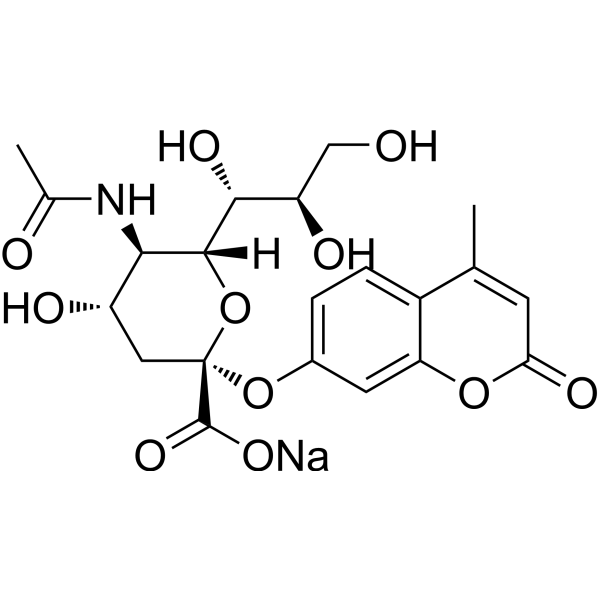
    4-MUNANA
    2 Publications Verification

    Fluorescent Dye Infection Neurological Disease
    4-MUNANA is a substrate of influenza virus neuraminidase (NA) with high selectivity and irreversible reaction. In the enzymatic reaction, 4-MUNANA is hydrolyzed by NA to generate fluorescent 4-methylumbelliferone (4-MU). By detecting the fluorescence intensity of 4-MU, quantitative analysis of NA activity can be achieved. 4-MUNANA can be used in influenza-related research, such as screening NA inhibitors, developing new anti-influenza drugs, and studying the infection mechanism of influenza viruses .
    4-MUNANA
  • HY-110210

    BODIPY FL,SE

    Fluorescent Dye Others
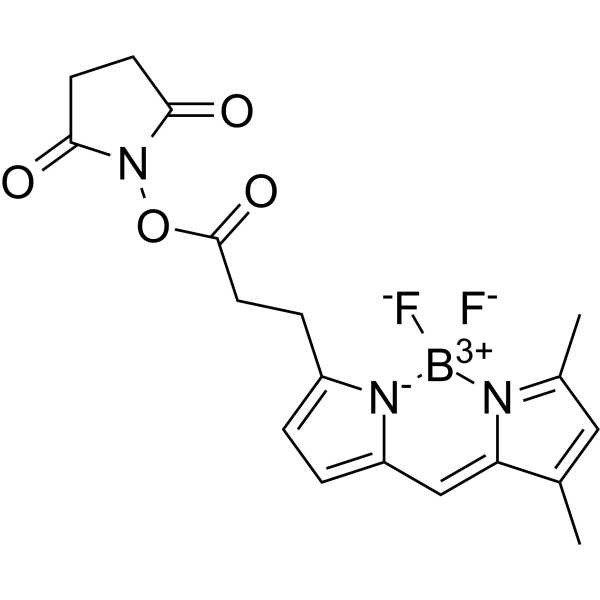
    BODIPY FL NHS ester (BODIPY FL, SE) is a cell membranes-penatrable amine-reactive fluorescent probe. The maximum excitation/emission wavelength of the BODIPY-FL NHS ester are 502/511 nm, respectively. BODIPY-FL NHS ester has high stability and is insensitive to the polarity, pH and type of solvent, and can maintain stable fluorescence properties under different environmental conditions. BODIPY-FL NHS ester can be used for the synthesis of protease substrates, live cell imaging, protein labeling and immunoassay .
    BODIPY-FL NHS ester
  • HY-137875

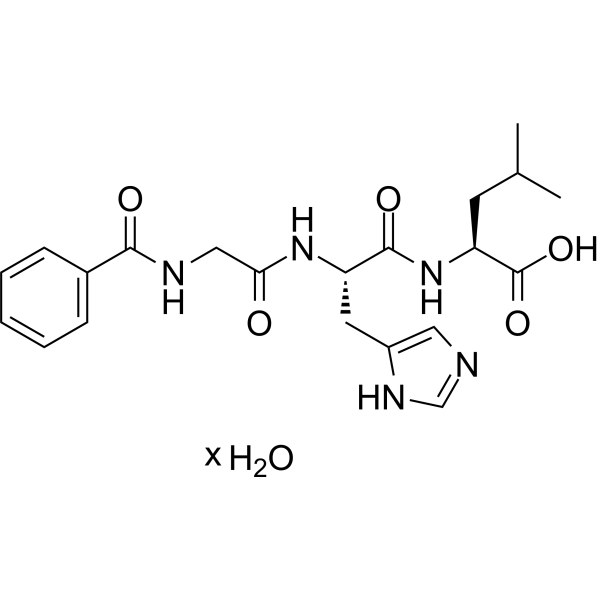
    N-Benzoyl-Gly-His-Leu hydrate

    Angiotensin-converting Enzyme (ACE) Amino Acid Derivatives Cardiovascular Disease
    Hippuryl-His-Leu-OH (N-Benzoyl-Gly-His-Leu) hydrate is a specific substrate for angiotensin-converting enzyme ACE I and is a molecular tool used for ACE activity detection in in vitro experiments. Hippuryl-His-Leu-OH hydrate is hydrolyzed by ACE through competitive binding. Under ACE catalysis, Hippuryl-His-Leu-OH hydrate undergoes hydrolysis to produce hippuric acid (HA). The amount of HA produced can be used to quantitatively assess ACE activity or screen for ACE inhibitors. The His-Leu released from Hippuryl-His-Leu-OH hydrate can also react with o-phthalaldehyde or Fluorescamine (HY-D0715) for fluorescence detection. Hippuryl-His-Leu-OH hydrate can be applied to the in vitro screening of ACE inhibitors for hypertension and cardiovascular diseases, and is also used in the study of changes in ACE activity during physiological and pathological processes such as renal compensatory hypertrophy .
    Hippuryl-His-Leu-OH hydrate
  • HY-150145A

    Nucleoside Antimetabolite/Analog Fluorescent Dye Others
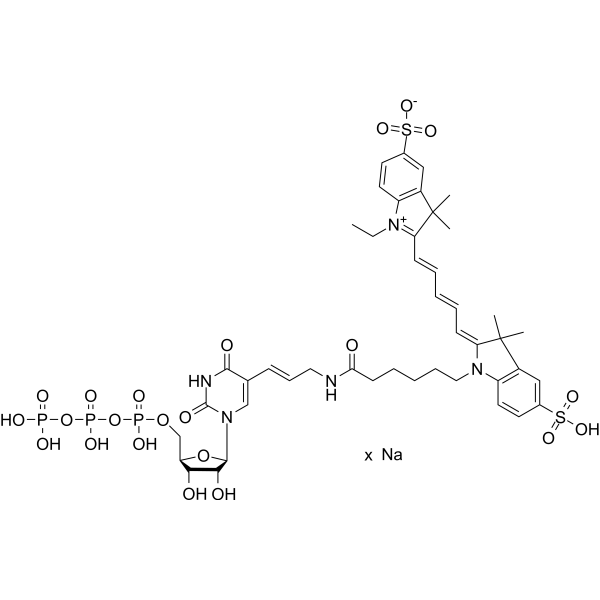
    Cy5-UTP sodium (10 mM in water) is a fluorescently labeled ribonucleotide triphosphate that can be used as a substrate for terminal deoxynucleotide transferase (TdT). Cy5-UTP sodium can be used to label RNA probes generated in vitro (Ex/Em: 650/665 nm). Cy5-UTP sodium can be applied in FISH, multi-color fluorescence analysis, especially in dual-color expression arrays combined with Cy5-UTP .
    Cy5-UTP sodium (10 mM in water)
  • HY-15943
    6-TAMRA
    1 Publications Verification

    6-Carboxytetramethylrhodamine

    Fluorescent Dye Others
    6-TAMRA (6-Carboxytetramethylrhodamine) is a fluorescent dye. 6-TAMRA is often used in combination with 6-FAM (HY-66021) as an acceptor or fluorescence quencher for fluorescence resonance energy transfer (FRET) in biochemical studies such as potassium ion detection and ribonuclease activity assays .
    6-TAMRA
  • HY-P1003
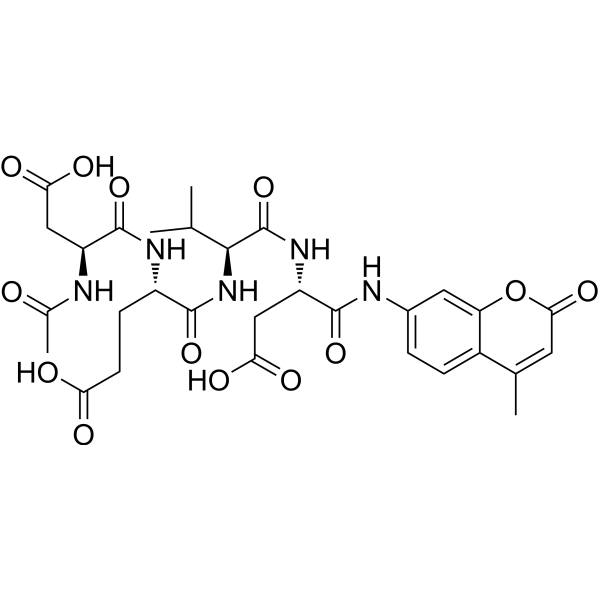
    Ac-DEVD-AMC
    4 Publications Verification

    Fluorescent Dye Others
    Ac-DEVD-AMC is a fluorescent substrate of caspase-3/caspase-7. When treating Ac-DEVD-AMC with cell lysate, Ac-DEVD-AMC releases amino-4-methylcoumarin (AMC) for fluorescence detection, with an excitation wavelength of 380 nm and an emission wavelength of 460 nm .
    Ac-DEVD-AMC
  • HY-170316

    Ras Cancer
    Ibetazol is a Importin β1 (KPNB1) inhibitor and nucleocytoplasmic transport disruptor. Ibetazol binds covalently to Cys585 of Importin β1, blocks both Importin β1-mediated direct transport and Importin α-dependent nuclear import processes, without affecting transport mediated by other nucleocytoplasmic transport proteins. Ibetazol induces cytoplasmic accumulation of Importin α1, and inhibits nuclear import of substrates carrying nuclear localization signals (NLS), including the NLS-cMyc reporter gene, RelA/p65 and SREBP1. Ibetazol triggers spindle malformation and chromosome misalignment by disrupting the mitotic function of Importin β1. Ibetazol inhibits the proliferation of cells expressing wild-type Importin β1. Ibetazol has a high activity-cytotoxicity window, lacks intrinsic fluorescence, and acts rapidly on nucleocytoplasmic transport processes. Ibetazol serves as a tool compound for investigating nuclear import processes specifically mediated by Importin β1 .
    Ibetazol
  • HY-D2919

    Fluorescent Dye Infection
    DMN-Tre is a conjugate of a solvatochromic fluorescent dye and trehalose. DMN-Tre takes advantage of the substrate promiscuity of the endogenous antigen 85 protein complex in mycobacteria to be metabolically integrated into the hydrophobic mycobacterial membrane. Once entering this hydrophobic environment, the linked DMN dye fluorescence is "turned on", enabling specific labeling . DMN-Tre can be used to reflect bacterial metabolic activity and support physiological studies of Mycobacterium tuberculosis .
    DMN-Tre
  • HY-P1986

    Caspase Cancer
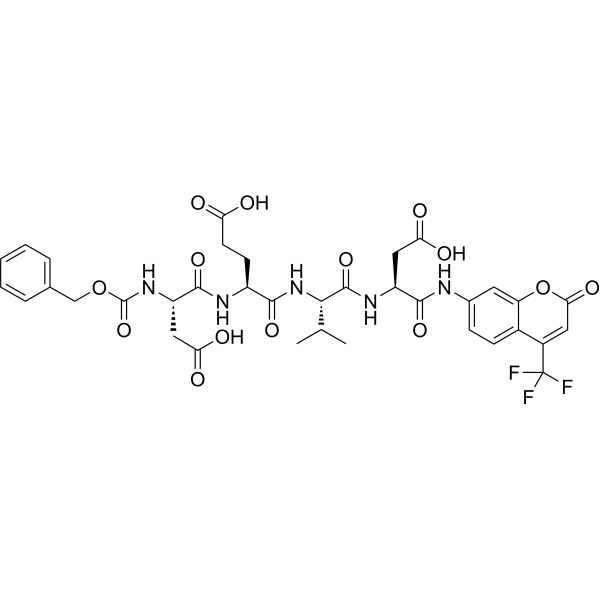
    Z-DEVD-AFC is a cell-permeant substrate for caspase-3, which causes a shift in fluorescence uponcleavage of the AFC fluorophore. Z-DEVD-AFC can be used to detect caspase-3-like enzymes activity .
    Z-DEVD-AFC
  • HY-117095

    Fluorescent Dye Metabolic Disease
    4-Methylumbelliferyl oleate is a fluorogenic substrate for acid and alkaline lipases. 4-Methylumbelliferyl oleate is cleaved by lipases, liberating 4-Methylumbelliferyl (Ex/Em=320/450 nm) .
    4-Methylumbelliferyl oleate
  • HY-142021

    Cathepsin Parasite Infection Inflammation/Immunology
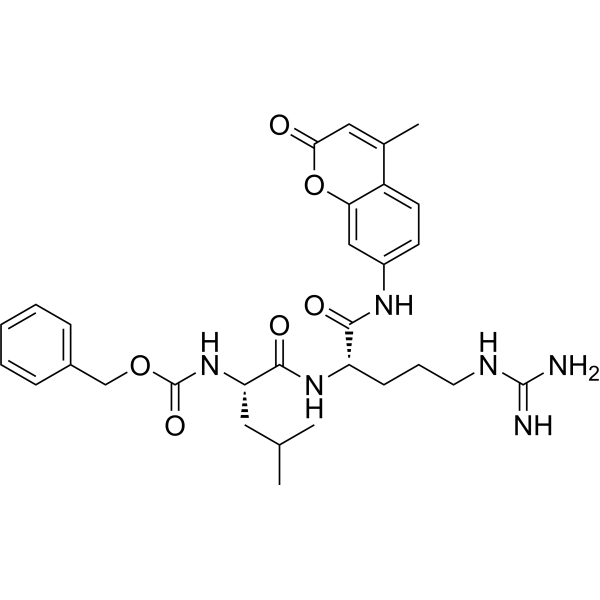
    Z-Leu-Arg-AMC is a fluorogenic peptide substrate for cysteine proteases (e.g., Cathepsin) (Ex=350 nm,Em=460 nm). Z-Leu-Arg-AMC is preferentially cleaved by Cathepsin K and S under weakly acidic conditions, while its hydrolysis relies on residual Cathepsin S activity at neutral pH. Z-Leu-Arg-AMC serves as a substrate for recombinant Sphenophorus levis Cathepsin L, falcipain-2, falcipain-3, berghepain-2, knowlepain-2, vivapain-2, as well as falcipain-2 chimeras and constructs. It enables quantitative detection of cysteine protease activity in human inflammatory bronchoalveolar lavage fluid via fluorescence generation. Z-Leu-Arg-AMC can be used in research related to pulmonary inflammatory diseases and malaria .
    Z-Leu-Arg-AMC
  • HY-137873

    4-Methylumbelliferyl-α-D-Glucose; 4-Methylumbelliferyl-α-D-Glucoside; 4-MU-α-D-Glucopyranoside

    Fluorescent Dye Glycosidase Others
    4-Methylumbelliferyl-α-D-Glucopyranoside (4-Methylumbelliferyl-α-D-Glucose) is a fluorescent substrate for α-glucosidase, which releases the fluorescent moiety 4-methylumbelliferyl (4-MU) upon cleavage. 4-MU has pH-dependent fluorescence excitation activity, with excitation wavelengths of 320 nm at low pH (1.97-6.72) and 360 nm at high pH (7.12-10.3), respectively. The emission wavelength of 4-Methylumbelliferyl-α-D-Glucopyranoside increases with decreasing pH, ranging from 445-455 nm. 4-Methylumbelliferyl-α-D-Glucopyranoside can be used as a biomarker for Fabry and Pompe diseases to quantify α-glucosidase activity in infant blood spot samples.
    4-Methylumbelliferyl-α-D-Glucopyranoside
  • HY-P3722
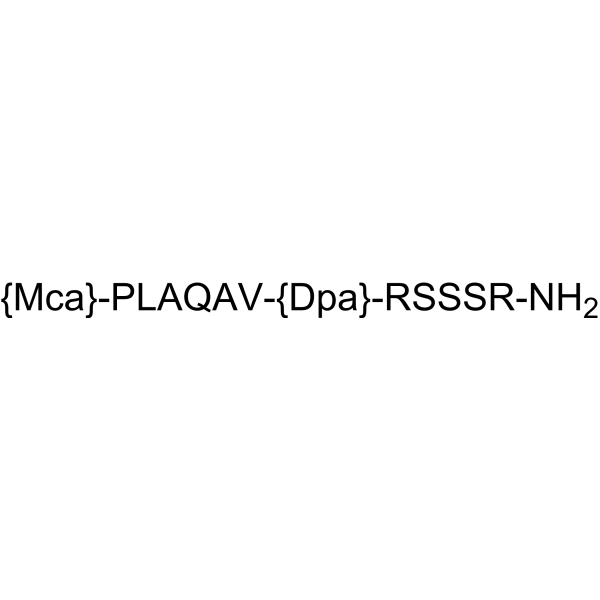
    Mca-PLAQAV-Dpa-RSSSR-NH2
    1 Publications Verification

    Fluorescent Dye MMP Others
    Mca-PLAQAV-Dpa-RSSSR-NH2 is a fluorescent substrate peptide that can be used to detect ADAM9, ADAM10, and tumor necrosis factor-α converting enzyme (TACE/ADAM17). Mca-PLAQAV-Dpa-RSSSR-NH2 is a fluorescence resonance energy transfer-based substrate, and its activity can be determined by changes in fluorescence intensity upon cleavage (Ex = 320 nm ; Em = 405 nm) .
    Mca-PLAQAV-Dpa-RSSSR-NH2
  • HY-P3749

    Fluorescent Dye Others
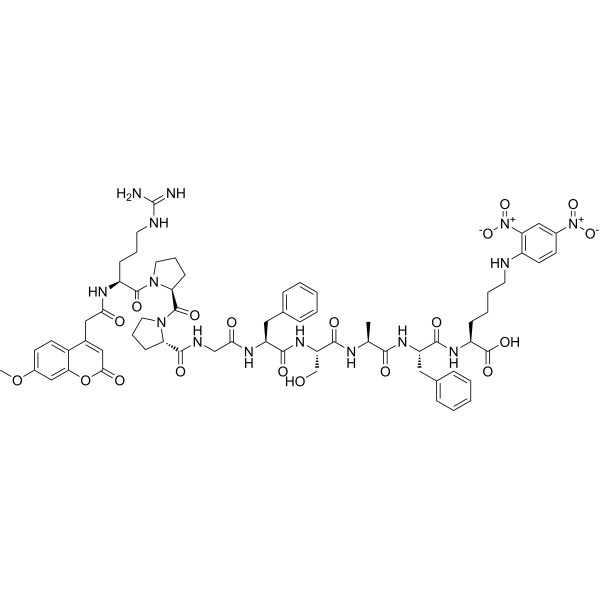
    Mca-(ala7,lys(dnp)9)-bradykinin is a sensitive fluorogenic substrate for ECE-1 (endothelin-converting enzyme-1). The incorporation of a (7-methoxycoumarin-4-yl)acetyl (Mca) fluorescent group and a 2,4-dinitrophenyl (Dnp) quenching group has resulted in a large fluorescence increase upon substrate cleavage .
    Mca-(ala7,lys(dnp)9)-bradykinin
  • HY-135070

    Ac-Arg-Leu-Arg-AMC

    Proteasome Others
    Ac-RLR-AMC (Ac-Arg-Leu-Arg-AMC) is a fluorogenic substrate for the 26S proteasome (Ex/Em: 380/440-460 nm). AMC is released upon cleavage, and its fluorescence can be used to quantify the trypsin-like activity of 26S proteasomes .
    Ac-RLR-AMC
  • HY-137855

    Biochemical Assay Reagents Others
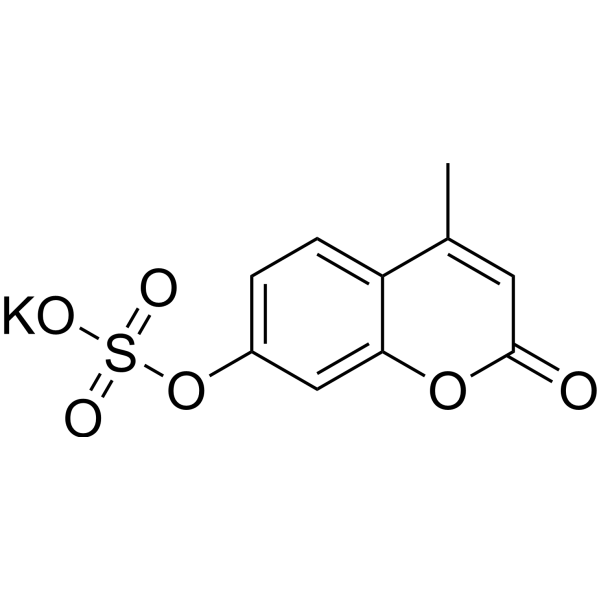
    4-Methylumbelliferyl sulfate (potassium), a fluorescent substrate, is commonly used to detect sulfatase activity in biochemical and biomedical research. It consists of a sulfate group attached to a fluorescent molecule, which can be cleaved by sulfatase enzymes. Upon cleavage, 4-Methylumbelliferyl sulfate releases a highly fluorescent product that can be detected using fluorescence microscopy or spectroscopy. The use of 4-Methylumbelliferyl sulfate as a substrate for sulfatase enzymes allows accurate detection and quantification of these enzymes in a variety of biological samples.
    4-Methylumbelliferyl sulfate potassium
  • HY-P3722A
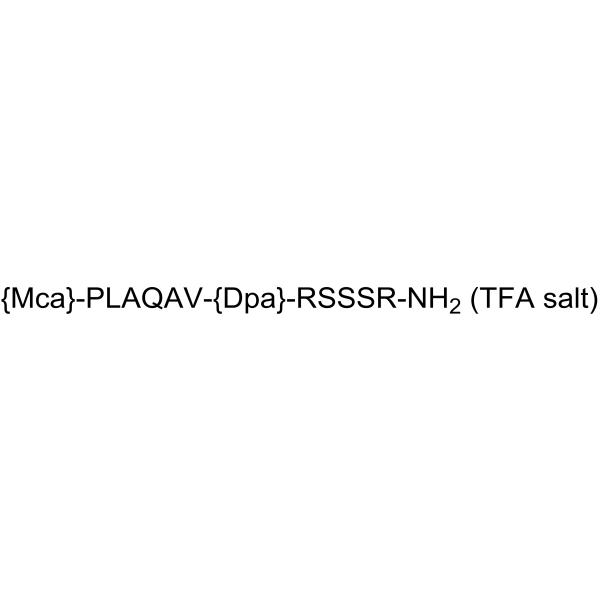
    Mca-PLAQAV-Dpa-RSSSR-NH2 TFA
    1 Publications Verification

    Fluorescent Dye MMP Others
    Mca-PLAQAV-Dpa-RSSSR-NH2 TFA is a fluorescent substrate peptide that can be used to detect ADAM9, ADAM10, and tumor necrosis factor-α converting enzyme (TACE/ADAM17). Mca-PLAQAV-Dpa-RSSSR-NH2 TFA is a fluorescence resonance energy transfer-based substrate, and its activity can be determined by changes in fluorescence intensity upon cleavage (Ex = 320 nm ; Em = 405 nm) .
    Mca-PLAQAV-Dpa-RSSSR-NH2 TFA
  • HY-111956B
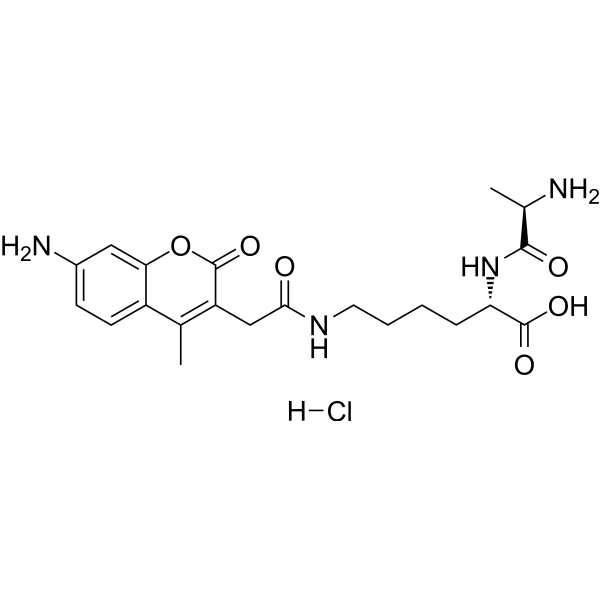
    D-Ala-Lys-AMCA hydrochloride
    1 Publications Verification

    Fluorescent Dye Cancer
    D-Ala-Lys-AMCA hydrochloride is a known proton-coupled oligopeptide transporter 1 (PEPT1) substrate that emits blue fluorescence. D-Ala-Lys-AMCA hydrochloride may be transported into liver cancer cells and Caco-2 cells based on fluorescence analysis. D-Ala-Lys-AMCA hydrochloride can be used for characterizing PEPT1-specific substrates or inhibitors (Ex/Em = 390/480 nm) .
    D-Ala-Lys-AMCA hydrochloride
  • HY-131009

    PARP Others
    Fluorescein-NAD+ is an alternative to radiolabeled NAD and a substrate for ADP-ribosylation. Fluorescein-NAD+ can be used in PARP assays by fluorescence microscopy. Extinction Coefficient: 262 nm.
    Fluorescein-NAD+
  • HY-131475

    Biochemical Assay Reagents Others
    Naphthol AS-BI phosphate is a substrate for acid and alkaline phosphatase and can be used in fluorescence assays. Naphthol AS-BI phosphate is a kind of biological materials or organic compounds that are widely used in life science research .
    Naphthol AS-BI phosphate
  • HY-D1652

    Caspase Others
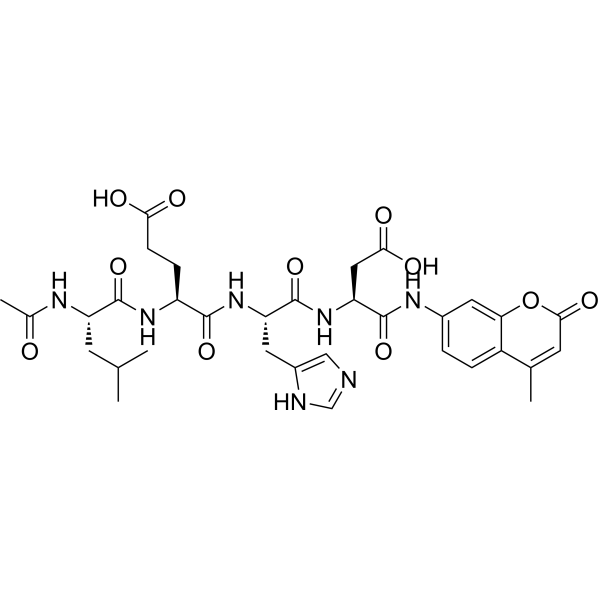
    Ac-LEHD-AMC is a fluorogenic substrate for caspase-9 (Excitation: 341 nm; Emission: 441 nm). Caspase-9 can induce hydrolysis of Ac-LEHD-AMC, resulting in the release of AMC fluorophore and its fluorescence can be used to quantify caspase-9 activity .
    Ac-LEHD-AMC
  • HY-131618

    Bz-Gly-Arg

    Amino Acid Derivatives Others
    Hippuryl-Arg (Bz-Gly-Arg) is a substrate used for fluorescence detection and is commonly used in biochemical studies, especially in studying enzyme activity. The phenylalanine portion of Hippuryl-Arg is connected by an aromatic side chain, which allows it to be detected under ultraviolet light. Hippuryl-Arg is used to detect enzymes that recognize and cut peptide bonds containing arginine .
    Hippuryl-Arg
  • HY-P2185A

    MMP Others
    NFF-3 TFA, the peptide, is a selective MMP substrate. NFF-3 TFA selectively binds to MMP-3 and MMP-10 to be hydrolyzed. NFF-3 TFA is also cleaved by trypsin, hepatocyte growth factor activator, and factor Xa. Label NFF-3 TFA with a CyDye pair, Cy3/Cy5Q, can produce fluorescence in cell assays to detect cell activity .
    NFF-3 TFA
  • HY-150145

    Nucleoside Antimetabolite/Analog Fluorescent Dye Others
    Cy5-UTP is a fluorescently labeled ribonucleotide triphosphate that can be used as a substrate for terminal deoxynucleotidyl transferase (TdT). Cy5-UTP can be employed to label RNA probes generated in vitro (Ex/Em: 650/665 nm). Cy5-UTP can be applied in FISH, multi-color fluorescence analysis, especially in dual-color expression arrays that combine with Cy5-UTP .
    Cy5-UTP
  • HY-DY1034

    Fluorescent Dye Infection Neurological Disease
    4-MUNANA (solution) is a substrate of influenza virus neuraminidase (NA) with high selectivity and irreversible reaction. In the enzymatic reaction, 4-MUNANA is hydrolyzed by NA to generate fluorescent 4-methylumbelliferone (4-MU). By detecting the fluorescence intensity of 4-MU, quantitative analysis of NA activity can be achieved. 4-MUNANA can be used in influenza-related research, such as screening NA inhibitors, developing new anti-influenza drugs, and studying the infection mechanism of influenza viruses .
    Solvent and Concentration: Sterile water: 10 mM
    4-MUNANA (solution)
  • HY-131006

    Monoamine Transporter Neurological Disease
    FFN200 dihydrochloride, a fluorescent substrate of VMAT2, selectively trace monoamine exocytosis in both neuronal cell culture and brain tissue. The fluorescence excitation and emission maxima of FFN200 are determined to be 352 and 451 nm, respectively .
    FFN200 dihydrochloride
  • HY-P10144

    Biochemical Assay Reagents Others
    Ac-Orn-Phe-Arg-AMC is a potent fluorescent substrate of cd-Tryptase and β 1-Tryptase. Ac-Orn-Phe-Arg-AMC releases amino-4-methylcoumarin (AMC) for fluorescence detection .
    Ac-Orn-Phe-Arg-AMC
  • HY-P4331

    Fluorescent Dye Ser/Thr Protease Cardiovascular Disease
    Boc-Gln-Gly-Arg-AMC is a fluorogenic substrate for kallikrein (PKa), coagulation factor XIIa (FXIIa) and coagulation factor XIa (FXIa). Boc-Gln-Gly-Arg-AMC enables fluorescence-based activity assays for PKa, FXIIa and FXIa .
    Boc-Gln-Gly-Arg-AMC
  • HY-110334

    Fluorescent Dye Others
    FFN 206 dihydrochloride, a fluorescent probe, is used as an excellent Vesicular Monoamine Transporter 2 (VMAT2) substrate with an apparent Km of 1.16 μM. FFN 206 dihydrochloride is capable of detecting VMAT2 activity in intact cells using fluorescence microscopy, with subcellular localization to VMAT2-expressing acidic compartments without apparent labeling of other organelles .
    FFN 206 dihydrochloride
  • HY-169491

    Fluorescent Dye Metabolic Disease
    Pantothenate-AMC is a fluorogenic substrate used for detecting the enzymatic activity of vanin-1, an enzyme involved in the recycling of L-pantothenic acid. Upon enzymatic cleavage by vanin-1, 7-amino-7-methylcoumarin (AMC) is released, and its fluorescence can be used to quantify vanin-1 activity. The excitation/emission maxima of AMC are 340-360 nm and 440-460 nm, respectively .
    Pantothenate-AMC
  • HY-P5485

    Bacterial Others
    Dabcyl-QALPETGEE-Edans is a synthetic peptide substrate for fluorescence resonance energy transfer (FRET) detection of Sortase A (SrtA) enzymatic activity. Dabcyl-QALPETGEE-Edans is labeled at both ends with the fluorescent group Edans (donor) and the quencher Dabcyl (acceptor), respectively. Dabcyl-QALPETGEE-Edans's central sequence contains a conserved motif specifically recognized by SrtA. Dabcyl-QALPETGEE-Edans demonstrates high sensitivity in vitro assays, enabling precise determination of the half-maximal inhibitory concentration of SrtA .
    Dabcyl-QALPETGEE-Edans
  • HY-P2208

    Fluorescent Dye Cancer
    Z-IETD-AFC, a specific fluorescence substrate, can be used to determine the caspase-8 catalytic activity .
    Z-IETD-AFC
  • HY-P5280

    Ser/Thr Protease Others
    Ac-KQL-AMC is a fluorogenic substrate that can be used to quantify Trypsin-like activity, resulting in detectable fluorescence when cleaved by the proteasome .
    Ac-KQL-AMC
  • HY-111956

    Fluorescent Dye Cancer
    D-Ala-Lys-AMCA is a known proton-coupled oligopeptide transporter 1 (PEPT1) substrate that emits blue fluorescence. D-Ala-Lys-AMCA may be transported into liver cancer cells and Caco-2 cells based on fluorescence analysis. D-Ala-Lys-AMCA can be used for characterizing PEPT1-specific substrates or inhibitors (Ex/Em = 390/480 nm) .
    D-Ala-Lys-AMCA
  • HY-P4725

    Fluorescent Dye Others
    Abz-Thr-Ile-Nle-p-nitro-Phe-Gln-Arg-NH2 is a fluorogenic substrate, that can be used for the fluorescence screening assay .
    Abz-Thr-Ile-Nle-p-nitro-Phe-Gln-Arg-NH2
  • HY-P10172

    Angiotensin-converting Enzyme (ACE) Neurological Disease
    Abz-SDK(Dnp)P-OH is a fluorescence peptide. Abz-SDK(Dnp)P-OH is the substrate of angiotensin I-converting enzyme (ACE). Abz-SDK(Dnp)P-OH has fluorescent donor-acceptor pair Abz and Dnp (2,4-dinitrophenyl) .
    Abz-SDK(Dnp)P-OH
  • HY-P3363

    Caspase Cancer
    Z-DEVD-AMC is a selective caspase-3 substrate that can be measured by fluorescence spectrometry. AMC can be used as a fluorescence reference standard for AMC-based enzyme substrates including AMC-based caspase substrates .
    Z-DEVD-AMC
  • HY-P11302

    CHIKV Virus Protease Infection
    DABCYL-RAGGYIFS-(E-EDANS)-NH2, an octapeptide, is a FRET-based substrate peptide of CHIKV nsP2protease with highly sensitivity. DABCYL-RAGGYIFS-(E-EDANS)-NH2 can be cleaved by the active CHIKV nsP2protease, separating fluorophore and quencher and resulting in an increase of fluorescence signal. DABCYL-RAGGYIFS-(E-EDANS)-NH2 can used for the determination of CHIKV nsP2protease activity .
    DABCYL-RAGGYIFS-(E-EDANS)-NH2
  • HY-D1520

    Phosphatase Others
    Naphthol AS-GR phosphate disodium is substrates for acid and alkaline phosphatases. Naphthol AS-GR phosphate disodium has an intense green fluorescence used in histochemical studies .
    Naphthol AS-GR phosphate disodium
  • HY-P4931A

    Fluorescent Dye Others
    Mca-KPLGL-Dap(Dnp)-AR-NH2 TFA is a fluorogenic substrate for matrix metalloproteinases (MMPs). 7-methoxycoumarin-4 acetyl (Mac) is released and its fluorescence can be used to quantify MMP activity. Mac displays Ex/Em of 328/420 nm .
    Mca-KPLGL-Dap(Dnp)-AR-NH2 TFA
  • HY-P3123A

    Fluorescent Dye Others
    Dnp-RPLALWRS TFA is a fluorescent peptide substrate designed for human matrilysin (MMP-7). After enzymatic cleavage of Dnp-RPLALWRS TFA at the alanine-leucine bond, the release of the Dnp group alleviates fluorescence quenching, thereby enabling real-time quantitative analysis of MMP-7 activity by increasing tryptophan emission. Dnp-RPLALWRS TFA provides a sensitive and efficient detection method for kinetic studies and inhibitor screenin .
    Dnp-RPLALWRS TFA
  • HY-P2185

    MMP Others
    NFF-3, the peptide, is a selective MMP substrate. NFF-3 selectively binds to MMP-3 and MMP-10 to be hydrolyzed. NFF-3 is also cleaved by trypsin, hepatocyte growth factor activator, and factor Xa. Label NFF-3 with a CyDye pair, Cy3/Cy5Q, can produce fluorescence in cell assays to detect cell activity .
    NFF-3
  • HY-P4551

    N-Benzoyl-Gly-His-Leu

    Angiotensin-converting Enzyme (ACE) Amino Acid Derivatives Cardiovascular Disease
    Hippuryl-His-Leu-OH (N-Benzoyl-Gly-His-Leu) is a specific substrate for angiotensin-converting enzyme (ACE I) and a molecular tool used for ACE activity detection in in vitro experiments. Hippuryl-His-Leu-OH is hydrolyzed by ACE through competitive binding. Under ACE catalysis, Hippuryl-His-Leu-OH undergoes hydrolysis to produce hippuric acid (HA). The amount of HA produced can be used to quantitatively assess ACE activity or screen for ACE inhibitors. The released His-Leu can also react with o-phthalaldehyde or Fluorescamine (HY-D0715) for fluorescence detection. Hippuryl-His-Leu-OH can be applied to the in vitro screening of ACE inhibitors for hypertension and cardiovascular diseases, and is also used in the study of ACE activity changes in physiological and pathological processes such as renal compensatory hypertrophy .
    Hippuryl-His-Leu-OH
  • HY-D1678

    Fluorescent Dye Others
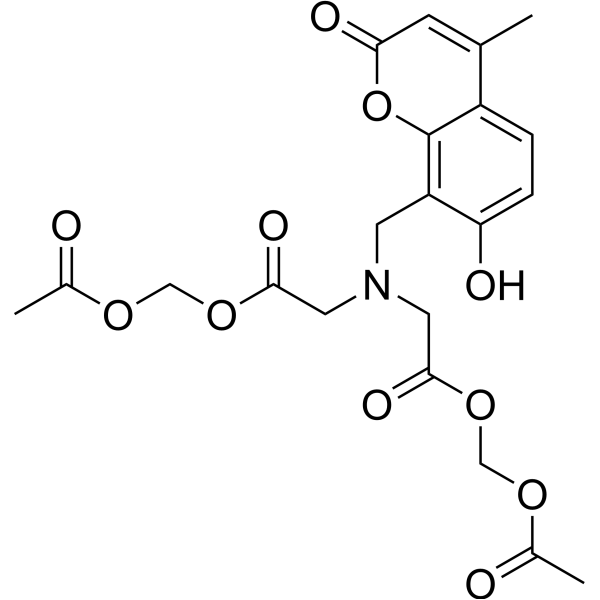
    5(6)-Carboxynaphthofluorescein diacetate is a fluorescent substrate for esterase assays that can be cleaved by intracellular esterases, producing red fluorescence to measure enzyme activity (Ex = 590 nm; Em = 645 nm) .
    5(6)-Carboxynaphthofluorescein diacetate
  • HY-P10344

    Fluorescent Dye Infection
    MCA-AVLQSGFR-Lys(Dnp)-Lys-NH2 is a fluorescent substrate used for fluorescence resonance energy transfer (FRET) protease assays. This substrate is employed to measure the activity of SARS-CoV-2 3CLpro .
    MCA-AVLQSGFR-Lys(Dnp)-Lys-NH2
  • HY-131009A

    PARP Others
    Fluorescein-NAD+ sodium is an alternative to radiolabeled NAD and a substrate for ADP-ribosylation. Fluorescein-NAD+ sodium can be used in PARP assays by fluorescence microscopy. Extinction Coefficient: 262 nm.
    Fluorescein-NAD+ sodium
  • HY-W324458

    Fluorescent Dye Others
    MCA succinimidyl ester is a derivative of MCA (HY-W027544). MCA succinimidyl ester has succinimidyl ester can react selectively with amines. MCA succinimidyl ester can be used as peptide substrate for fluorescence resonance energy transfer .
    MCA succinimidyl ester
  • HY-P10144A

    Biochemical Assay Reagents Others
    Ac-Orn-Phe-Arg-AMC acetate is a potent fluorescent substrate of cd-Tryptase and β 1-Tryptase. Ac-Orn-Phe-Arg-AMC acetate releases amino-4-methylcoumarin (AMC) for fluorescence detection .
    Ac-Orn-Phe-Arg-AMC acetate
  • HY-P10322

    Fluorescent Dye Cancer
    Z-IETD-R110 is a fluorescent substrate of caspases. Z-IETD-R110 acts as a substrate for caspase-8. When caspase-8 is activated, it can recognize and cut Z-IETD-R110, releasing fluorophore, which can be detected by fluorescence microscopy. Z-IETD-R110 can be used to study oxidative stress-induced apoptosis, particularly in pancreatic acinar cells .
    Z-IETD-R110
  • HY-D2931

    Fluorescent Dye Others
    SNAP-FAM is a FAM-labeled SNAP tag fluorescent probe, specifically designed for live-cell protein labeling and real-time imaging applications .
    SNAP-FAM

Inquiry Online

Your information is safe with us. * Required Fields.

Salutation


Country or Region *

Applicant Name *


Organization Name *

Department *


Email Address *


Product Name *

Cat. No.


Requested quantity *

Phone Number *


Remarks

Inquiry Online

Inquiry Information

Product Name:
Cat. No.:
Quantity:
MCE Japan Authorized Agent:

