


Search Result
Results for "
fluorescent lipids
" in MedChemExpress (MCE) Product Catalog:
18
Biochemical Assay Reagents
1
Isotope-Labeled Compounds
| Cat. No. |
Product Name |
Target |
Research Areas |
Chemical Structure |
-
- HY-D0718
-
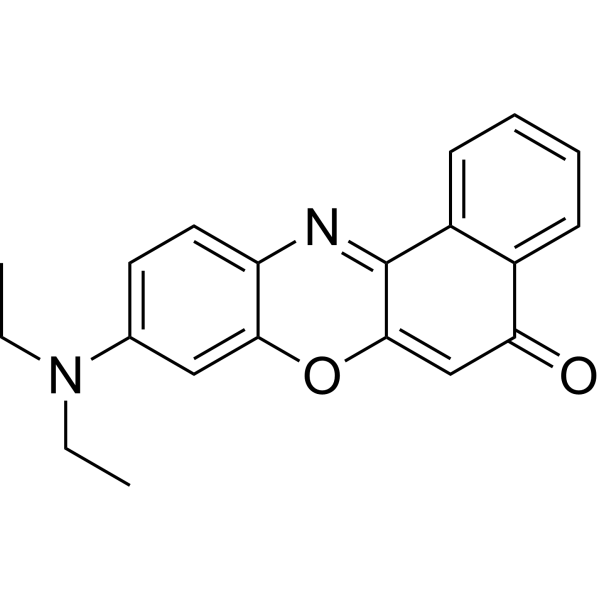
Nile Red
Maximum Cited Publications
116 Publications Verification
Nile Blue A oxazone; Phenoxazone 9
|
Fluorescent Dye
|
Others
|
|
Nile red (Nile blue oxazone) is a lipophilic stain. Nile red has environment-sensitive fluorescence. Nile red is intensely fluorescent in a lipid-rich environment while it has minimal fluorescence in aqueous media. Nile red is an excellent vital stain for the detection of intracellular lipid droplets by fluorescence microscopy and flow cytof uorometry. Nile red stains intracellular lipid droplets red. The fluorescence wavelength is 559/635 nm .
|
-
-
- HY-D0040
-
|
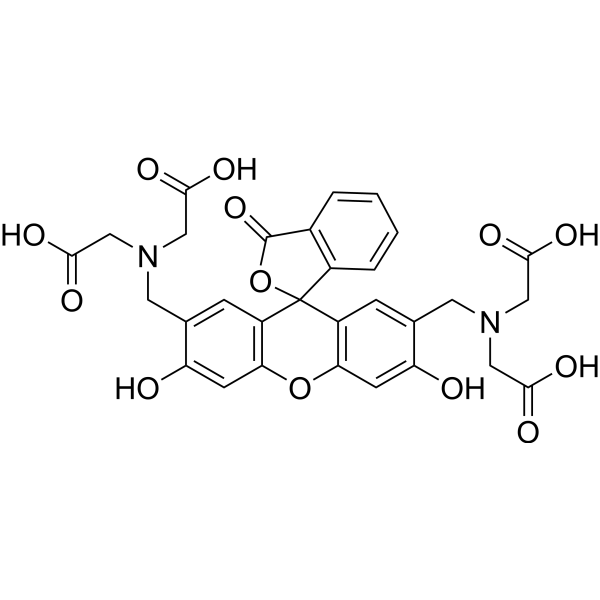
Fluorexon
|
Fluorescent Dye
|
Others
|
|
Calcein is a fluorescent dye and self-quenching probe, used as an indicator of lipid vesicle leakage, and also as a complexometric indicator for titration of calcium ions with EDTA, and for fluorometric determination of calcium. Calcein cannot directly cross the intact cell membrane of a living cell, unlike Calcein-AM (HY-D0041) which is cell-permeable. Calcein can also be used as a model drug for evaluating efficiency and bioavailability of drug delivery systems .
|
-
-
- HY-D1451
-
|
|
Fluorescent Dye
|
Others
|
|
PKH 26 is a red fluorescent dye, PKH 26 can stably bind to the lipid region of cell membrane and emit red fluorescence (Ex/Em=551/567 nm), which is mainly used for in vitro cell labeling, in vitro cell proliferation studies and in vivo and in vitro cell tracing studies .
|
-
-
- HY-D1237
-
|
|
Fluorescent Dye
|
Metabolic Disease
|
|
BODIPY505/515 is a BODIPY dye. BODIPY dye is a small molecule dye with strong ultraviolet absorption ability, its fluorescence peak is relatively sharp, and the quantum yield is high. They are relatively insensitive to the polarity and pH of the environment and are relatively stable under different physiological conditions. Due to its structural asymmetry, BODIPY derives a variety of structural products. BODIPY lipid droplet dyes can well pass through the cell membrane into the cell, and localize the neutral lipids in the cell to specifically stain the lipid droplets, which can be used for labeling of live cells and fixed cells . Maximum excitation/emission wavelength: 505/515 nm .
|
-
-
- HY-125623
-
|
|
Fluorescent Dye
|
Others
|
|
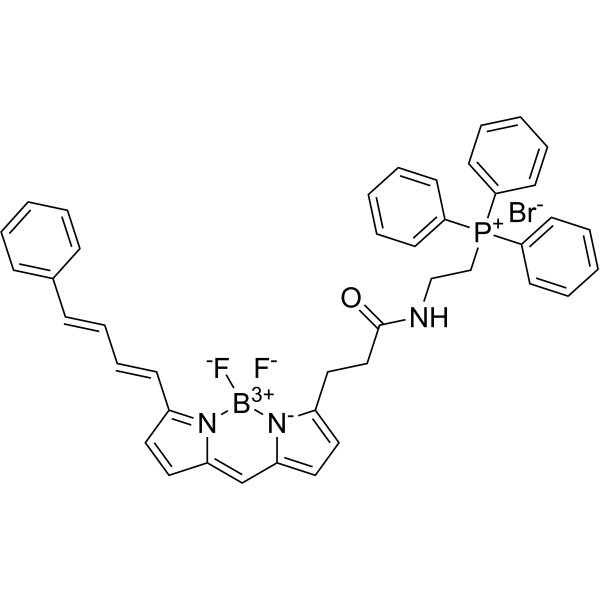
MitoPerOx is a mitochondrial-targeted, lipid peroxidation-indicating fluorescent probe with BODIPY581/591 fluorophores. The triphenylphosphine cation (TPP+) of MitoPerOx can be selectively enriched in mitochondria (depending on membrane potential) and can be used to detect lipid peroxidation in the inner mitochondrial membrane. Under the action of lipid peroxides, the BODIPY581/591 fluorophores of MitoPerOx shift their emission wavelength from 590 nm (reduced state) to 520 nm (oxidized state), and ratiometric detection can be performed at an excitation wavelength of 488 nm. MitoPerOx can specifically monitor the peroxidation of mitochondrial phospholipids (especially cardiolipin) and is used in the study of oxidative stress-related diseases (such as aging, neurodegenerative diseases, and mitochondrial dysfunction)[1][2].
|
-
-
- HY-D1736
-
|
|
Fluorescent Dye
|
Others
|
|
BODIPY FL-C16 is a BODIPY-labeled analog of Palmitic acid (HY-N0830), which serves as a fluorescent lipid tracer. BODIPY FL-C16 also acts as a ligand for liver fatty acid-binding protein (L-FABP) and intestinal fatty acid-binding protein (I-FABP) , with Kd values of 270 nM and 330 nM, respectively. BODIPY FL-C16 is rapidly taken up by cells, and after metabolic conversion to phospholipids, it is incorporated into the membrane structures of intracellular organelles and extracellular vesicles .
|
-
-
- HY-D1683
-
NBD-PE
2 Publications Verification
|
Fluorescent Dye
|
Others
|
|
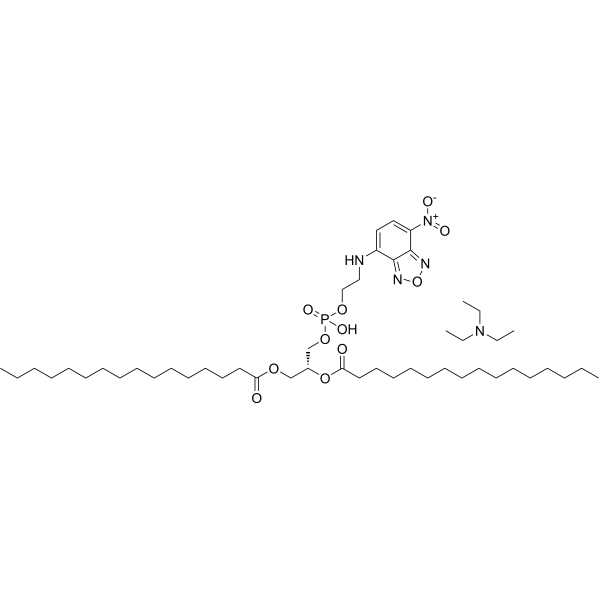
NBD-PE is an effective lipid fluorescent probe (Excitation/Emission: 465/535 nm; Color: Green). NBD-PE offers a wide array of applications in membrane and cell biology .
|
-
-
- HY-D1378
-
|
|
Fluorescent Dye
|
Others
|
|
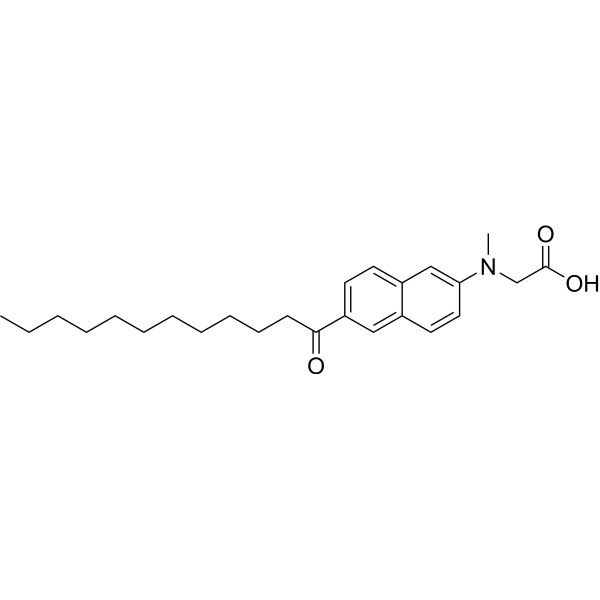
C-Laurdan is a modified Laurdan (HY-D0080) probe that imaging lipid rafts with environmentally sensitive fluorescence. C-Laurdan can be used in research of lipid arrangement and fluidity in biological membranes or artificial lipid membranes .
|
-
-
- HY-D0286
-
|
2,8-Dimethylnaphtho[3,2,1-kl]xanthene
|
Fluorescent Dye
|
Others
|
|
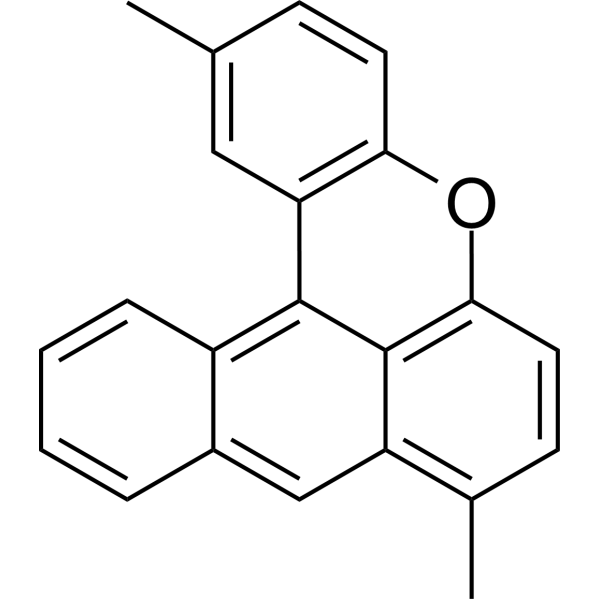
Fluorol Yellow 088 is a fluorescent dye that can be used as a biological material or an organic compound for life science research. Fluorol Yellow 088 is suitable for lipid staining in plant tissues, particularly for the fluorescence imaging of suberized cell walls and hydrophobic structures, with an excitation wavelength of 365 nm and an emission wavelength of ≥420 nm .
|
-
-
- HY-162543
-
|
18:1 Lissamine rhodamine PE
|
Fluorescent Dye
|
Others
|
|
18:1 Liss Rhod (18:1 Lissamine rhodamine) PE is a fluorescent phospholipid and fluorescent probe.18:1 Liss Rhod PE admixes into phospholipid inks for large-scale monitoring of dip-pen nanolithography-generated lithographic structures via fluorescence microscopy.18:1 Liss Rhod PE undergoes phase separation or self-quenching under certain conditions in thin lipid membrane stacks .
|
-
-
- HY-DY1008
-
|
|
Fluorescent Dye
|
Others
|
Nile Red (solution) is a lipophilic stain. Nile red has environment-sensitive fluorescence. Nile red is intensely fluorescent in a lipid-rich environment while it has minimal fluorescence in aqueous media. Nile red is an excellent vital stain for the detection of intracellular lipid droplets by fluorescence microscopy and flow cytof uorometry. Nile red stains intracellular lipid droplets red. The fluorescence wavelength is 559/635 nm . Solvent and concentration: DMSO: 1 mM
|
-
-
- HY-D1570
-
|
|
Fluorescent Dye
|
Others
|
|
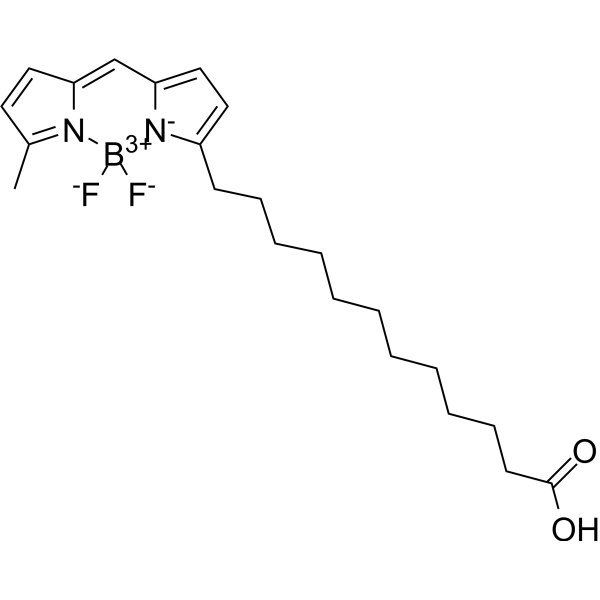
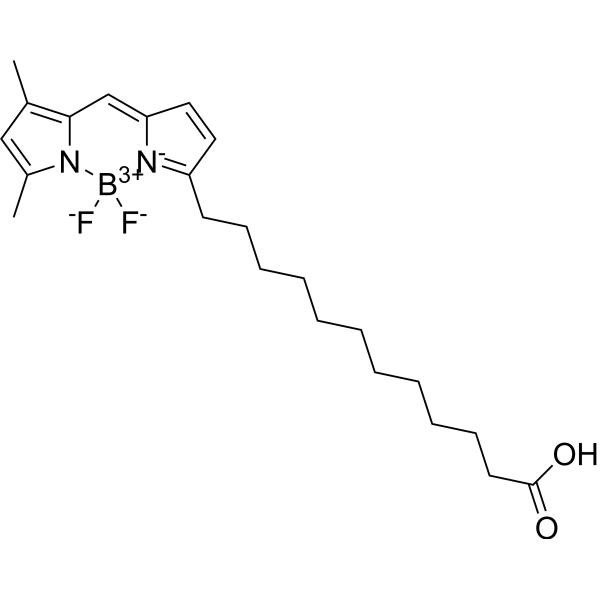
BODIPYFL C12 is a BODIPY dye. BODIPY dye is a small molecule dye with strong ultraviolet absorption ability, its fluorescence peak is relatively sharp, and the quantum yield is high. They are relatively insensitive to the polarity and pH of the environment and are relatively stable under different physiological conditions. Due to its structural asymmetry, BODIPY derives a variety of structural products. BODIPY lipid droplet dyes can well pass through the cell membrane into the cell, and localize the neutral lipids in the cell to specifically stain the lipid droplets, which can be used for labeling of live cells and fixed cells . Maximum excitation/emission wavelength: 480/508 nm .
|
-
-
- HY-118159
-
|
DPPP
|
Fluorescent Dye
|
Others
|
|
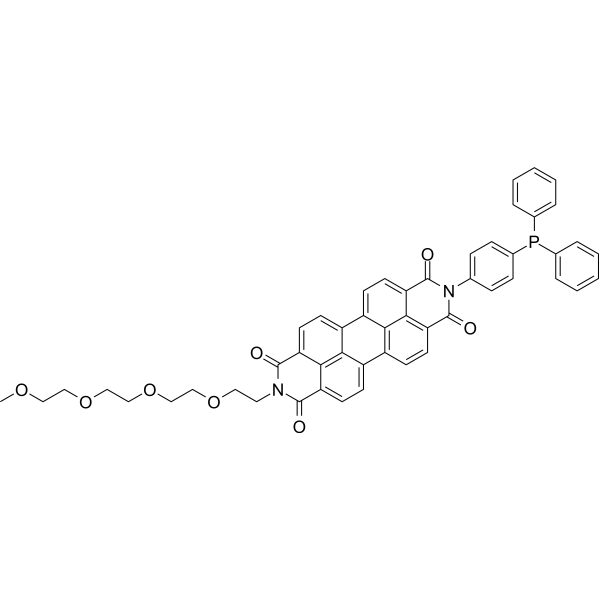
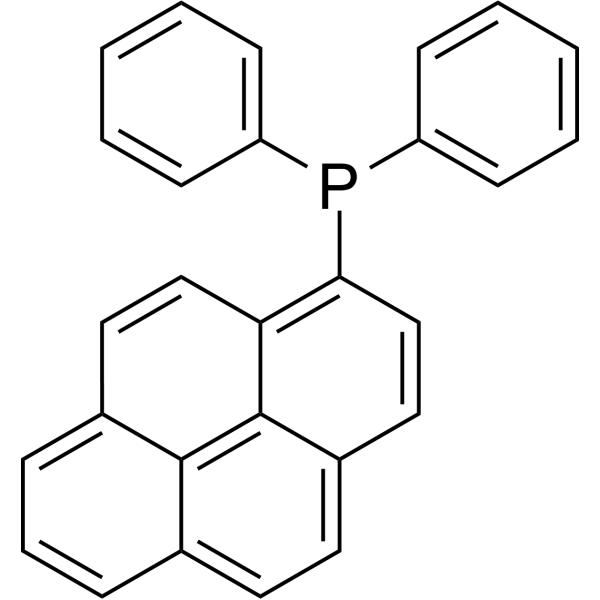
Diphenyl-1-pyrenylphosphine (DPPP) is a functional organic molecule with both fluorescent properties and metal coordination ability, which is commonly used in materials and coordination chemistry research. Upon exposure to ultraviolet light, Diphenyl-1-pyrenylphosphine undergoes photoinduced phosphorus atom oxidation to form O-DPPP, triggering a transition from aggregation-induced emission (AIE) to aggregation-caused quenching (ACQ). Diphenyl-1-pyrenylphosphine reacts stoichiometrically with lipid hydroperoxides to produce fluorescent diphenyl-1-pyrenylphosphine oxide. Diphenyl-1-pyrenylphosphine can insert into cell membranes to monitor lipid peroxidation processes in living cells .
|
-
-
- HY-D1617
-
|
|
Fluorescent Dye
|
Others
|
|
BODIPY 500/510 C1, C12 is a BODIPY dye. BODIPY dye is a small molecule dye with strong ultraviolet absorption ability, its fluorescence peak is relatively sharp, and the quantum yield is high. They are relatively insensitive to the polarity and pH of the environment and are relatively stable under different physiological conditions. Due to its structural asymmetry, BODIPY derives a variety of structural products. BODIPY lipid droplet dyes can well pass through the cell membrane into the cell, and localize the neutral lipids in the cell to specifically stain the lipid droplets, which can be used for labeling of live cells and fixed cells . Maximum excitation/emission wavelength: 500/510 nm . Protect from light, stored at -20°C.
|
-
-
- HY-D1581
-
|
|
Fluorescent Dye
|
Others
|
|
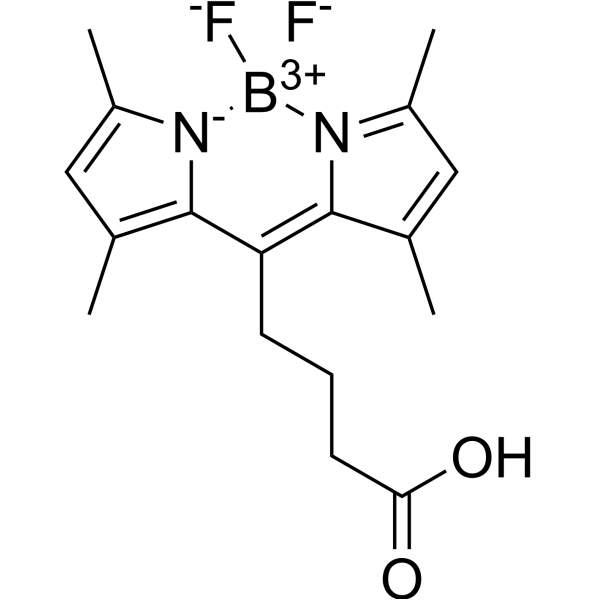
BODIPY 505/515-8-C3-COOH is a green fluorescing derivative, as a fluorescent dye for imaging lipid droplets in nannochloropsis. BODIPY 505/515-8-C3-COOH can be used for the research of flow cytometric high-throughput screening and cell sorting .
|
-
-
- HY-DY1011
-
|
|
Fluorescent Dye
|
Others
|
PKH 26 (solution) is a red fluorescent dye, PKH 26 can stably bind to the lipid region of cell membrane and emit red fluorescence (Ex/Em=551/567 nm) , which is mainly used for in vitro cell labeling, in vitro cell proliferation studies and in vivo and in vitro cell tracing studies . Solvent and concentration: DMSO: 5 mM
|
-
-
- HY-153229
-
|
|
mRNA
Biochemical Assay Reagents
|
Others
|
|
Firefly luciferase mRNA-LNP is a lipid nanoparticle (LNP) containing firefly luciferase mRNA. Firefly luciferase mRNA-LNP exhibits a stable nanostructure, in which LNP plays a key role in effectively protecting and transporting mRNA to cells. Luciferase is a bioluminescent reporter gene for gene regulation and functional studies. Firefly Luciferase mRNA-LNP expresses firefly luciferase protein after entering the cells, which is often used for promoter activity detection or dual fluorescent molecular complementation experiments. Firefly luciferase mRNA-LNP is studied in research for RNA delivery, cell viability, and translation efficiency .
|
-
-
- HY-D1602
-
|
|
Fluorescent Dye
|
Others
|
|
BODIPY FL DHPE is a green-fluorescent phospholipid probe. BODIPY FL DHPE labels lipid 1,2-dihexadecanoyl-sn-glycero-phosphoethanolamine (DHPE), labeled liposomes can be internalized by membrane fusion. BODIPY FL DHPE can be used for investigations of membrane surface and membrane fusion. (λex=505 nm, λem=511 nm) .
|
-
-
- HY-D1459
-
|
|
Fluorescent Dye
|
Metabolic Disease
|
|
BODIPY 665/676 is a lipophilic radical-sensitive fluorescent probe that can be used to study radical-driven lipid autoxidation (Ex/Em=665/676 nm) .
|
-
-
- HY-W013967
-
|
|
Fluorescent Dye
|
Infection
|
|
1,6-Diphenylhexa-1,3,5-triene is a membrane intercalator and hydrophobic fluorescent probe. 1,6-Diphenylhexa-1,3,5-triene intercalates into the non-polar region of lipid bilayers of adipocyte membranes with probe/membrane equilibrium affected by temperature, probe concentration, and membrane concentration. 1,6-Diphenylhexa-1,3,5-triene’s fluorescence intensity correlating with adipocyte membrane probe incorporation (Ex/Em = 350/452 nm) .
|
-
-
- HY-D1610
-
|
|
Fluorescent Dye
|
Others
|
|
BODIPY FL C5 is a green fluorescent fatty acid. BODIPY FL C5 can be used as a precursor for the synthesis of various fluorescent phospholipids. BODIPY FL C5 is relatively insensitive to the environment and fluoresces in both water-soluble and lipid environments .
|
-
-
- HY-143702
-
|
NBD-DOTAP
|
Fluorescent Dye
Liposome
|
Inflammation/Immunology
Cancer
|
|
Fluorescent DOTAP (NBD-DOTAP) is a cationic lipid which can be used for nucleic acid and protein delivery. Fluorescent DOTAP is labeled with a fluorophore NBD (maximum excitation/emission wavelength ∼463/536 nm). Fluorescent DOTAP can be used for gene delivery systems, drug delivery, as well as cell imaging and nanocarrier tracking. Fluorescent DOTAP is an ideal candidate for both biological and pharmaceutical formulation (e.g. co-delivery of vaccines) research .
|
-
-
- HY-DY1073
-
|
|
Fluorescent Dye
|
Others
|
MitoPerOx (solution) is a mitochondrial-targeted, lipid peroxidation-indicating fluorescent probe with BODIPY581/591 fluorophores. The triphenylphosphine cation (TPP+) of MitoPerOx can be selectively enriched in mitochondria (depending on membrane potential) and can be used to detect lipid peroxidation in the inner mitochondrial membrane. Under the action of lipid peroxides, the BODIPY581/591 fluorophores of MitoPerOx shift their emission wavelength from 590 nm (reduced state) to 520 nm (oxidized state) , and ratiometric detection can be performed at an excitation wavelength of 488 nm. MitoPerOx can specifically monitor the peroxidation of mitochondrial phospholipids (especially cardiolipin) and is used in the study of oxidative stress-related diseases (such as aging, neurodegenerative diseases, and mitochondrial dysfunction) . Solvent and concentration: DMSO: 2 mM
|
-
-
- HY-153232
-
|
|
Fluorescent Dye
Liposome
|
Others
|
|
eGFP circRNA-LNP is a lipid nanoparticle (LNP) containing eGFP circRNA, suitable for assays of RNA delivery, translation efficiency, cell viability, etc. eGFP circRNA carries Enhanced Green Fluorescent Protein (Enhanced Green Fluorescent Protein) eGFP, which will express green fluorescent protein after entering the cell. eGFP is commonly used as a reporter gene detectable by fluorescence microscopy or flow cytometry .
|
-
-
- HY-D2100B
-
|
|
Fluorescent Dye
|
Others
|
|
Cy5-DSPE chloride is a far-infrared fluorescent phospholipid (λex/λem = 600/665 nm). Cy5-DSPE chloride is used to label liposomes, membranes and lipid nanoparticles, and can be applied to tracking and imaging studies of liposomes .
|
-
-
- HY-124197
-
|
|
Fluorescent Dye
|
Others
|
|
Coumarin hydrazine is a fluorescent chemical probe (λex=420–450/λem=468nm) to label cellular protein- and lipid-bound carbonyls .
|
-
-
- HY-D2100
-
|
|
Fluorescent Dye
|
Others
|
|
Cy5-DSPE is a far-infrared fluorescent phospholipid (λex/λem = 600/665 nm). Cy5-DSPE is used to label liposomes, membranes and lipid nanoparticles, and can be applied to tracking and imaging studies of liposomes .
|
-
-
- HY-D1594
-
|
|
Fluorescent Dye
|
Others
|
|
BODIPY TR Cadaverine, a cadaverine derivative, is a red fluorescent dye. BODIPY TR Cadaverine can be used in a a highly sensitive and robust fluorescent displacement assay, which binds to native LPS strongly, specifically recognizing lipid A, and is competitively displaced by compounds displaying an affinity for lipid A .
|
-
-
- HY-DY1076
-
|
|
Fluorescent Dye
|
Others
|
BODIPY TR Cadaverine (solution) , a cadaverine derivative, is a red fluorescent dye. BODIPY TR Cadaverine can be used in a a highly sensitive and robust fluorescent displacement assay, which binds to native LPS strongly, specifically recognizing lipid A, and is competitively displaced by compounds displaying an affinity for lipid A . Solvent and concentration: DMSO: 2 mM
|
-
-
- HY-153231A
-
|
|
Fluorescent Dye
Liposome
|
Others
|
|
eGFP mRNA-LNP (500 ng/μL) is a lipid nanoparticle (LNP) containing eGFP mRNA. eGFP mRNA-LNP carries Enhanced Green Fluorescent Protein (eGFP), which will express green fluorescent protein after entering the cell. eGFP is commonly used as a reporter gene detectable by fluorescence microscopy or flow cytometry (excitation wavelength = 488 nm; emission wavelength = 535/40 bandpass). eGFP mRNA-LNP can be used for RNA delivery, translation efficiency and cell viability .
|
-
-
- HY-160278
-
|
|
Fluorescent Dye
|
Others
|
|
DSPE-PEG2000-Fluor 647 is a fluorescent lipid (Ex/Em=648/671 nm) composed of PEG-lipid-dye conjugation. DSPE is a phospholipid. Fluor 647 is a fluorescent dye. DSPE-PEG2000-Fluor 647 can be used to prepare nanoparticles or liposomes with fluorescent signals.
|
-
-
- HY-W442295
-
|
|
Fluorescent Dye
|
Others
|
|
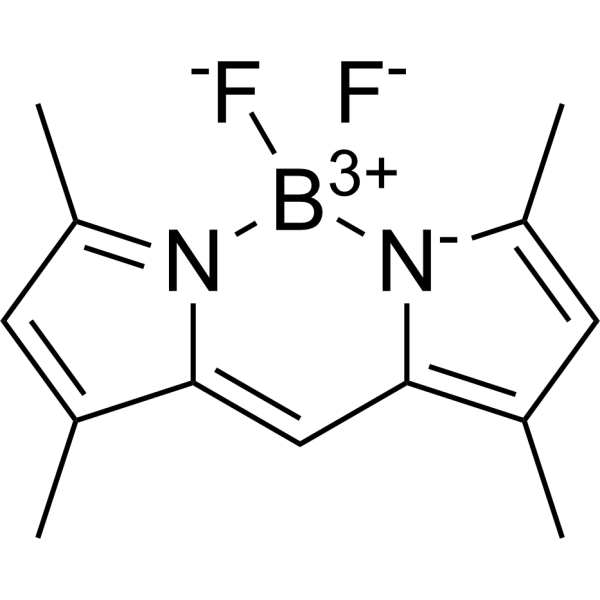
Dipyrrometheneboron difluoride is a green-fluorescent dye used for labeling nonpolar lipids and detecting calcium.
|
-
-
- HY-166883
-
-
-
- HY-D1556
-
|
1,2-dioleoyl-sn-glycero-3-phosphoethanolamine-N-(carboxyfluorescein) ammonium
|
Fluorescent Dye
|
Cancer
|
|
18:1 PE CF (1,2-dioleoyl-sn-glycero-3-phosphoethanolamine-N-(carboxyfluorescein) (ammonium)) is a pH-sensitive fluorescent indicator. 18:1 PE CF exhibits changes in fluorescence intensity in response to pH variations and reflects the electrostatic states of cationic liposomes and lipoplexes. 18:1 PE CF supports real-time visualization of pH distribution and membrane deformation in giant unilamellar vesicles and is suitable for steady-state fluorescence testing in large unilamellar vesicle membranes. 18:1 PE CF is capable of monitoring the surface electrical potential of cationic liposomes and lipoplexes and can effectively label lipid bilayers and nanomicelles. 18:1 PE CF can be used for the research of the investigation of lung cancer (Ex = 495 nm; Em = 520 nm) .
|
-
-
- HY-154927
-
|
|
Liposome
|
Cancer
|
|
DSPE-PEG-Cy5 is a fluorescent lipophilic PEG lipid. DSPE-PEG-Cy5 can insert into cell membranes and localize uniformly on them. DSPE-PEG-Cy5 can serve as a fluorescent model molecule to optimize and validate membrane insertion conditions for cell surface functionalization. DSPE-PEG-Cy5 can be used in research on drug delivery, cancer, and other fields .
|
-
-
- HY-176513
-
|
|
Fluorescent Dye
|
Others
|
|
Cy-OH-LP is a turn-on fluorescent and photoacoustic probe that can detect lipid-associated hydroxyl radicals. Cy-OH-LP can be oxidized to Cy7 in the presence of hydroxyl radicals, which displays weak fluorescent and photoacoustic signals in water-soluble environments and strong fluorescent and photoacoustic signals in lipid-rich environments due to its lipid solubility. Cy-OH-LP can be used for in vivo photoacoustic imaging of hydroxyl radicals .
|
-
-
- HY-125385
-
|
|
Endogenous Metabolite
|
Metabolic Disease
|
|
Sulforhodamine 101 DHPE is a fluorescent probe made from the conjugation of the phospholipid 1,2-dipalmitoyl-sn-glycero-3-PE to sulforhodamine 101, a red fluorescent dye that displays excitation/emission spectra of 586/605 nm, respectively. It integrates into phospholipid bilayers and has been used for imaging of solid supported lipid bilayers, detection of protein-ligand binding on bilayers, and to monitor colocalization of lipid probes in liposomes via resonance energy transfer (RET).
|
-
-
- HY-W440939
-
|
|
Liposome
|
Others
|
|
Stearic acid-PEG3400-FITC is a PEG lipid which forms micelles in water and can be used for drug delivery applications. The FITC fluorescent can be easily traced by miscroscopy. FITC is a green dye with peak absorption at 494 nm and maximum emission at 520 nm and can be used for staining biological samples or nanoparticles. FITC can be easily traced by fluorescence microscopy.
|
-
-
- HY-D1595
-
|
|
Fluorescent Dye
|
Others
|
|
BODIPY FL Cholesterol is a green fluorescent, lipophilic probe. BODIPY FL Cholesterol can be used for the research of lipid transport processes and lipid-protein interactions .
|
-
-
- HY-D1412
-
|
|
Ferroptosis
|
Others
|
|
LPd peroxida probe-1, a marker of ferroptosis, is a useful fluorescent probe for investigating the roles of lipid peroxidation in a variety of cell pathophysiologies. LPd peroxida probe-1 reduces lipid hydroperoxides to lipid alcohols and is used for imaging lipid hydroperoxides in living cells .
|
-
-
- HY-D2762
-
|
|
Fluorescent Dye
|
Cancer
|
|
18:1 PE AF 594 triammonium is a fluorescently labeled phospholipid probe. 18:1 PE AF 594 triammonium can be used as a fluorescent tracer for lipid nanoparticles (LNPs). 18:1 PE AF 594 triammonium is promising for research of drug delivery systems .
|
-
-
- HY-D1671
-
|
|
Fluorescent Dye
|
Others
|
|
TRITC-DHPE is a rhodamine-labeled glycerophosphate ethanolamine lipid, with head groups marked with bright red fluorescent TRITC dye (λEx/λEm=514/580 nm). TRITC-DHPE can be used for membrane fusion assay to trace lipid processing in intracellular phagocytosis. TRITC-DHPE can serves as an energy transfer receptor for NBD, BODIPY and fluorescein lipid probes .
|
-
-
- HY-D0421
-
|
|
Fluorescent Dye
|
Others
|
|
C.I. Solvent yellow 18 is a lipid-soluble fluorescent azo dye, which is widely used in industries such as textiles, medicine, food, cosmetics, plastics, paints, inks, photography and papermaking .
|
-
-
- HY-113217F
-
|
|
Fluorescent Dye
Liposome
|
Metabolic Disease
|
|
BODIPY 480/508-cholesteryl oleate is a fluorescently tagged derivative of Cholesteryl oleate (HY-113217). BODIPY 480/508-cholesteryl oleate can be used to monitor lipid transport mechanisms in mammalian cells (Ex/Em = 480/508 nm) .
|
-
-
- HY-160279
-
|
|
Fluorescent Dye
|
Others
|
|
DSPE-PEG5000-Fluor 647 is a fluorescent lipid (Ex/Em=648/671 nm) composed of PEG-lipid-dye conjugation. DSPE is a phospholipid. Fluor 647 is a fluorescent dye. DSPE-PEG5000-Fluor 647 can be used to prepare nanoparticles or liposomes with fluorescent signals.
|
-
-
- HY-160273
-
-
-
- HY-N15908
-
-
-
- HY-N15884
-
-
-
- HY-121271
-
|
|
Others
|
Inflammation/Immunology
|
|
Kadsurin, a natural compound from the stems of Kadsura heteroclita (Schizandraceae), results in significant decreases of CCL4- induced lipid-peroxidation products, such as thiobarbituric acid reactive substances (TBA-RS), conjugated dienes and fluorescent products in the liver of mice .
|
-
-
- HY-D1074
-
|
3,3'-Dipropyloxacarbocyanine iodide
|
Fluorescent Dye
|
Others
|
|
DiOC3(3) (3,3'-Dipropyloxacarbocyanine iodide) is a green fluorescent lipophilic dye with cell membrane permeability. DiOC3(3) can be used to stain cell membranes and other lipid-soluble biological structures .
|
-
- HY-160274
-
|
|
Fluorescent Dye
|
Others
|
|
DSPE-PEG2000-Fluor 555 is a PEG lipid conjugate with a DSPE group and a Fluor 555 dye. DSPE is a phosphoethanolamine (PE) lipid that can be used in the synthesis of liposomes. And Fluor 555 is a fluorescent dye .
|
-
- HY-160271
-
|
|
Fluorescent Dye
|
Others
|
|
DSPE-CH2-PEG2000-Fluor 488 is a PEG lipid conjugate with a DSPE group and a Fluor 488 dye. DSPE is a phosphoethanolamine (PE) lipid that can be used in the synthesis of liposomes. And Fluor 488 is a fluorescent dye .
|
-
- HY-160275
-
|
|
Liposome
|
Others
|
|
DOPE-PEG2000-Fluor 555 is a PEG-lipid-dye conjugate featuring a DOPE phospholipid and a Fluor 555 dye. DOPE (HY-112005) is a neutral helper lipid for cationic liposome. Fluor 555 is a fluorescent dye .
|
-
- HY-D1745
-
|
fac-[Re(CO)3(phen)L]
|
Fluorescent Dye
|
Others
|
|
Liptracker-green (fac-[Re(CO)3(phen)L]) is a cell-permeable fluorogenic probe that localizes to polar lipids, and can be used to label lipid droplets and other high lipid-content compartments in live and fixed cells using fluorescent microscopy.
|
-
- HY-N15859
-
-
- HY-W340832
-
|
|
Liposome
|
Cancer
|
|
18:1 Biotinyl Cap PE is a fluorescent lipid, which features a head group that has been altered to include biotinyl cap PE.
|
-
- HY-N16234
-
|
|
Fluorescent Dye
|
Others
|
|
Chol-PEG1000 fluorescein is a fluorescent lipid that consists of a cholesterol-PEG1000 unit conjugated to fluorescein. Chol-PEG1000 fluorescein can be used to prepare lipid nanoparticles for drug delivery research (Ex/Em = 480/520 nm).
|
-
- HY-N15954
-
|
|
Fluorescent Dye
|
Others
|
|
18:1 SquareFluor(629/648) PE ammonium is a fluorescent lipid that can be used to visualize cell membranes (Ex/Em = 629/648 nm).
|
-
- HY-W020798
-
|
|
Fluorescent Dye
|
Others
|
|
1-Palmitoyl-2-[3-(diphenylhexatriene)propanoyl]-sn-phosphatidylcholine is a fluorescent probe with a polar phosphatidylethanolamine head group for the determination of surface lipid oxidation in lipoproteins and plasma .
|
-
- HY-D2100A
-
|
|
Fluorescent Dye
|
Others
|
|
Cy5-DSPE chloride ammonium is a far-infrared fluorescent phospholipid (λex/λem = 600/665 nm). Cy5-DSPE chloride ammonium is used to label liposomes, membranes and lipid nanoparticles, and can be applied to tracking and imaging studies of liposomes .
|
-
- HY-W440921
-
|
|
Liposome
|
Others
|
|
DSPE-PEG5000-Rhodamine is a phospholipid polyPEG with red fluorescent. The polymer can form lipid bilayer and be used to prepare nanoparticles or liposomes for targeted drug delivery. Rhodamine has maximum absorption at 570 nm and emission around 595 nm and can be easily traced using an imaging technique.
|
-
- HY-W440920
-
|
|
Liposome
|
Others
|
|
DSPE-PEG3400-Rhodamine is a phospholipid polyPEG with red fluorescent. The polymer can form lipid bilayer and be used to prepare nanoparticles or liposomes for targeted drug delivery. Rhodamine has maximum absorption at 570 nm and emission around 595 nm and can be easily traced using an imaging technique.
|
-
- HY-149596
-
|
|
Fluorescent Dye
|
Metabolic Disease
|
|
PTZ-LD is a phenothiazine (HY-Y0055)-based fluorescent probe for lipid droplets (LDs) detection. PTZ-LD is apparently emissive in LDs with high specificity. (Ex/Em=488/570-620 nm). PTZ-LD can be used for diabetic cataract (DC) research .
|
-
- HY-W440940
-
|
|
Liposome
|
Others
|
|
Stearic acid-PEG5000-FITC is a PEG lipid which forms micelles in water and can be used for drug delivery applications. The FITC fluorescent can be easily traced by miscroscopy. FITC is a green dye with peak absorption at 494 nm and maximum emission at 520 nm and can be used for staining biological samples or nanoparticles. FITC can be easily traced by fluorescence microscopy.
|
-
- HY-147181
-
|
|
Fluorescent Dye
|
Others
|
|
1,3-Di-(2-pyrenyl)propane is a fluorescent indicator. 1,3-Di-(2-pyrenyl)propane can be used in fluidity of bacterial membrane lipids monitored by intramolecular excimerization. 1,3-Di-(2-pyrenyl)propane shows temperature dependence of fluorescence lifetime distributions .
|
-
- HY-W419044A
-
|
|
Fluorescent Dye
|
Others
|
|
Calcein calcium potassium is a fluorescent dye and self-quenching probe, used as an indicator of lipid vesicle leakage, and also as a complexometric indicator for titration of calcium ions with EDTA, and for fluorometric determination of calcium. Calcein cannot directly cross the intact cell membrane of a living cell, unlike Calcein-AM (HY-D0041) which is cell-permeable. Calcein can also be used as a model drug for evaluating efficiency and bioavailability of drug delivery systems .
|
-
- HY-W329161
-
|
|
Fluorescent Dye
|
Others
|
|
Calcein sodium is a fluorescent dye and self-quenching probe, used as an indicator of lipid vesicle leakage, and also as a complexometric indicator for titration of calcium ions with EDTA, and for fluorometric determination of calcium. Calcein cannot directly cross the intact cell membrane of a living cell, unlike Calcein-AM (HY-D0041) which is cell-permeable. Calcein can also be used as a model drug for evaluating efficiency and bioavailability of drug delivery systems .
|
-
- HY-153230
-
|
|
Liposome
Biochemical Assay Reagents
|
Others
|
|
Firefly luciferase circRNA-LNP is a lipid nanoparticle (LNP) containing Firefly luciferase circRNA, suitable for assays of RNA delivery, translation efficiency, cell viability, etc. Luciferase is commonly used as a bioluminescent reporter gene for gene regulation and function studies. Firefly Luciferase circRNA will express firefly luciferase protein after entering the cells, which is often used for promoter activity detection or dual fluorescent molecular complementation experiments. Common luciferase are firefly luciferase and sea kidney luciferase .
|
-
- HY-158726
-
|
|
Fluorescent Dye
Apoptosis
|
Cancer
|
|
Complex 3 is a fluorescent dithiocarbazate-copper complex with anticancer activity, which localizes to mitochondria. Complex 3 displays excitation/emission maxima of 455-495/535 nm, respectively. Complex 3 inhibits the growth of BxPC-3, AsPC-1, PANC-1, and WI38 pancreatic cancer cells with IC50 values of 0.74, 0.41, 0.62, and 2.06 µM, respectively. Complex 3 induces lipid peroxidation and mitochondrial rupture and shrinkage in AsPC-1 cells. Complex 3 also induces mitochondrial apoptosis and cytokine-cytokine receptor interaction dysfunction in AsPC-1 cells. Complex 3 reduces tumor volume in an AsPC-1 mouse xenograft model .
|
-
- HY-D3007
-
|
|
Fluorescent Dye
|
Others
|
|
LD-CK is a fluorescent probe based on a coumarin-chromone structure, specifically designed to visualize lipid droplet polarity changes and endowed with multimodal imaging capability. LD-CK contains a high-performance lipophilic coumarin moiety, which enables it to specifically target lipid droplets upon cellular entry while minimizing background fluorescence to the greatest extent. LD-CK has an excitation wavelength (Ex) of 488 nm and an emission wavelength (Em) of 540 nm (in low-polarity environments such as toluene) or 640 nm (in high-polarity environments such as glycerol), with its emission peak undergoing a redshift as solvent polarity increases .
|
-
- HY-179775
-
|
|
Fluorescent Dye
|
Others
|
|
C11-BODIPY 505/515 Ceramide-1-phosphate ammonium is a C11-BODIPY 505/515-labeled ceramide-1-phosphate ammonium that can be used to prepare lipid nanoparticles for drug delivery (Ex/Em = 505/515 nm).
|
-
- HY-179849
-
-
- HY-D3381
-
|
|
Fluorescent Dye
|
Others
|
|
MitoCLox is a mitochondria-targeted ratiometric fluorescent probe for measuring mitochondrial inner membrane lipid peroxidation .
|
-
- HY-N16315
-
|
|
Fluorescent Dye
|
Others
|
|
Di-sulfo squarefluor 640/660 free acid is a fluorescent lipid that can be used to visualize cell membranes (Ex/Em = 640/660 nm).
|
-
- HY-N16311
-
|
|
Fluorescent Dye
|
Others
|
|
18:0 Sulfo-cyanine 5 PE ammonium is a fluorescent lipid that can be used to visualize cell membranes (Ex/Em = 650/670 nm).
|
-
- HY-D3198
-
|
|
Fluorescent Dye
Endogenous Metabolite
|
Cancer
|
|
NIR-fluorescent ceramide is a neutral near-infrared (NIF) fluorescent probe (λem=650 nm) based on the C-bridged nitrobenzoxadiazole SCOTfluor core, which enables visualization of lipid metabolic processes such as sphingolipid trafficking. The emission signal of NIR-fluorescent ceramide increases significantly in liposomal environments. NIR-fluorescent ceramide acts as an intracellular trafficking tracer, localizing to regions surrounding the endoplasmic reticulum and Golgi apparatus within a short period, and then translocating to recycling lysosomes over a longer period, thus enabling real-time visualization of sphingolipid trafficking and biological lipid functions in living cells. NIR-fluorescent ceramide also generates metabolic uptake profiles and provides multiple metabolic readouts in human cancer cell lines .
|
-
- HY-N16233
-
|
|
Fluorescent Dye
|
Others
|
|
Chol-PEG2000 fluorescein is a fluorescent lipid that consists of a cholesterol-PEG2000 unit conjugated to fluorescein. Chol-PEG2000 fluorescein can be used to prepare lipid nanoparticles for drug delivery research (Ex/Em = 480/520 nm).
|
-
- HY-N15847
-
|
|
Fluorescent Dye
|
Others
|
|
18:1 Bromo-squarefluor (632/649) PE ammonium is a fluorescent lipid that can be used to visualize cell membranes (Ex/Em = 632/649 nm).
|
-
- HY-N15943
-
|
|
Fluorescent Dye
|
Others
|
|
18:0 SquareFluor(629/648) PE ammonium is a fluorescent lipid that can be used to visualize cell membranes (Ex/Em = 629/648 nm).
|
-
- HY-N16235
-
|
|
Fluorescent Dye
|
Others
|
|
18:0 Bromo-squarefluor (632/649) PE ammonium is a fluorescent lipid that can be used to visualize cell membranes (Ex/Em = 632/647 nm).
|
-
- HY-D3447
-
|
|
Fluorescent Dye
Ferroptosis
|
Others
|
|
LPd peroxida probe-2 (Compound I-1) is a lipid peroxidation fluorescent indicator (Ex = 488 nm, Em = 535 nm). LPd peroxida probe-2 undergoes fluorescence spectral changes in response to lipid hydroperoxides and can be used for Ferroptosis detection and cell imaging.
|
-
- HY-N16330
-
|
|
Fluorescent Dye
|
Others
|
|
14:0-6:0(C2 NBD) PI(4,5)P2 TEA is a fluorescent lipid labeled with Nitrobenzoxadiazole (NBD) (Ex/Em = 460/540 nm).
|
-
- HY-124197S
-
|
|
Isotope-Labeled Compounds
Fluorescent Dye
|
Others
|
|
Coumarin hydrazine-d7 is the deuterium labeled Coumarin hydrazine (HY-124197). Coumarin hydrazine is a fluorescent chemical probe (λex=420–450/λem=468nm) to label cellular protein- and lipid-bound carbonyls .
|
-
- HY-D2938
-
|
|
Fluorescent Dye
|
Others
|
|
BG-PEG11-Cya-NR is a high-performance, non washable, fluorescent opening probe. BG-PEG11-Cya-NR has very weak fluorescence in polar environments (such as aqueous solutions), while its fluorescence is significantly enhanced in non-polar environments (such as the lipid bilayer of cell membranes) .
|
-
- HY-D3375
-
|
|
Fluorescent Dye
|
Neurological Disease
|
|
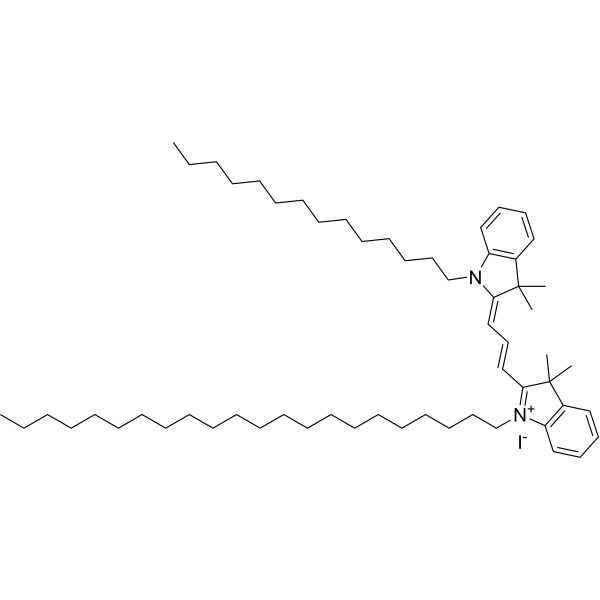
RAPID DiI is a cyanine dye with orange-red fluorescenc (EX≈550 nm; Em≈565 nm). RAPID DiI is a lipophilic dye that labels cell membranes by inserting its two long hydrocarbon (C18 carbon) chains into the lipid bilayer. RAPID DiI is weakly fluorescent until incorporated into membranes. RAPID DiI diffuses laterally to stain the entire cell, allowing it to be used as an anterograde and retrograde tracer of neurons.
|
-
- HY-203233
-
|
|
Fluorescent Dye
|
Others
|
|
Rhodamine-DHPE is a fluorescently labeled phosphatidylethanolamine lipid that labels phospholipid bilayers. Rhodamine-DHPE serves as a fluorescence quenching substrate and membrane stain. The fluorescence lifetime of Rhodamine-DHPE decreases significantly in the presence of Cu 2+-PS complexes. Rhodamine-DHPE effectively stains the membranes of human red blood cells and mouse fibroblasts, and supports lifetime-resolved imaging via pump-probe fluorescence microscopy .
|
-
- HY-D3372
-
|
Dilinoleyl DiO
|
Fluorescent Dye
|
Neurological Disease
|
|
RAPID DiO (Dilinoleyl DiO) is a cyanine dye with green fluorescence (EX≈490 nm; Em≈505 nm). RAPID DiO is a lipophilic dye that labels cell membranes by inserting its two long hydrocarbon (C18 carbon) chains into the lipid bilayer. RAPID DiO is weakly fluorescent until incorporated into membranes. RAPID DiO diffuses laterally to stain the entire cell, allowing it to be used as an anterograde and retrograde tracer of neurons.
|
-
- HY-DY1091
-
|
Fluorexon (solution)
|
Fluorescent Dye
|
Others
|
Calcein (solution) (Fluorexon (solution)) is a fluorescent dye and self-quenching probe, used as an indicator of lipid vesicle leakage, and also as a complexometric indicator for titration of calcium ions with EDTA, and for fluorometric determination of calcium. Calcein cannot directly cross the intact cell membrane of a living cell, unlike Calcein-AM (HY-D0041) which is cell-permeable. Calcein can also be used as a model drug for evaluating efficiency and bioavailability of drug delivery systems . Solvent and concentration: DMSO: 2 mM The 1 mL volume is defined as the base specification. All larger sizes correspond to incremental volumes of this base.
|
-
- HY-DY1102
-
|
|
Fluorescent Dye
|
Others
|
BODIPY FL-C16 (solution) is a BODIPY-labeled analog of Palmitic acid (HY-N0830), which serves as a fluorescent lipid tracer. BODIPY FL-C16 (solution) also acts as a ligand for liver fatty acid-binding protein (L-FABP) and intestinal fatty acid-binding protein (I-FABP) , with Kd values of 270 nM and 330 nM, respectively. BODIPY FL-C16 (solution) is rapidly taken up by cells, and after metabolic conversion to phospholipids, it is incorporated into the membrane structures of intracellular organelles and extracellular vesicles . Solvent and concentration: DMSO: 5 mM
|
-
| Cat. No. |
Product Name |
Type |
-
- HY-D0718
-
Nile Red
Maximum Cited Publications
116 Publications Verification
Nile Blue A oxazone; Phenoxazone 9
|
Fluorescent Dyes
|
|
Nile red (Nile blue oxazone) is a lipophilic stain. Nile red has environment-sensitive fluorescence. Nile red is intensely fluorescent in a lipid-rich environment while it has minimal fluorescence in aqueous media. Nile red is an excellent vital stain for the detection of intracellular lipid droplets by fluorescence microscopy and flow cytof uorometry. Nile red stains intracellular lipid droplets red. The fluorescence wavelength is 559/635 nm .
|
-
- HY-D0040
-
|
Fluorexon
|
Fluorescent Dyes
|
|
Calcein is a fluorescent dye and self-quenching probe, used as an indicator of lipid vesicle leakage, and also as a complexometric indicator for titration of calcium ions with EDTA, and for fluorometric determination of calcium. Calcein cannot directly cross the intact cell membrane of a living cell, unlike Calcein-AM (HY-D0041) which is cell-permeable. Calcein can also be used as a model drug for evaluating efficiency and bioavailability of drug delivery systems .
|
-
- HY-D1451
-
|
|
Fluorescent Dyes
|
|
PKH 26 is a red fluorescent dye, PKH 26 can stably bind to the lipid region of cell membrane and emit red fluorescence (Ex/Em=551/567 nm), which is mainly used for in vitro cell labeling, in vitro cell proliferation studies and in vivo and in vitro cell tracing studies .
|
-
- HY-D1237
-
|
|
Fluorescent Dyes
|
|
BODIPY505/515 is a BODIPY dye. BODIPY dye is a small molecule dye with strong ultraviolet absorption ability, its fluorescence peak is relatively sharp, and the quantum yield is high. They are relatively insensitive to the polarity and pH of the environment and are relatively stable under different physiological conditions. Due to its structural asymmetry, BODIPY derives a variety of structural products. BODIPY lipid droplet dyes can well pass through the cell membrane into the cell, and localize the neutral lipids in the cell to specifically stain the lipid droplets, which can be used for labeling of live cells and fixed cells . Maximum excitation/emission wavelength: 505/515 nm .
|
-
- HY-125623
-
|
|
Fluorescent Dyes
|
|
MitoPerOx is a mitochondrial-targeted, lipid peroxidation-indicating fluorescent probe with BODIPY581/591 fluorophores. The triphenylphosphine cation (TPP+) of MitoPerOx can be selectively enriched in mitochondria (depending on membrane potential) and can be used to detect lipid peroxidation in the inner mitochondrial membrane. Under the action of lipid peroxides, the BODIPY581/591 fluorophores of MitoPerOx shift their emission wavelength from 590 nm (reduced state) to 520 nm (oxidized state), and ratiometric detection can be performed at an excitation wavelength of 488 nm. MitoPerOx can specifically monitor the peroxidation of mitochondrial phospholipids (especially cardiolipin) and is used in the study of oxidative stress-related diseases (such as aging, neurodegenerative diseases, and mitochondrial dysfunction)[1][2].
|
-
- HY-D1736
-
|
|
Fluorescent Dyes
|
|
BODIPY FL-C16 is a BODIPY-labeled analog of Palmitic acid (HY-N0830), which serves as a fluorescent lipid tracer. BODIPY FL-C16 also acts as a ligand for liver fatty acid-binding protein (L-FABP) and intestinal fatty acid-binding protein (I-FABP) , with Kd values of 270 nM and 330 nM, respectively. BODIPY FL-C16 is rapidly taken up by cells, and after metabolic conversion to phospholipids, it is incorporated into the membrane structures of intracellular organelles and extracellular vesicles .
|
-
- HY-D1683
-
NBD-PE
2 Publications Verification
|
Fluorescent Dyes
|
|
NBD-PE is an effective lipid fluorescent probe (Excitation/Emission: 465/535 nm; Color: Green). NBD-PE offers a wide array of applications in membrane and cell biology .
|
-
- HY-D1378
-
|
|
Fluorescent Dyes
|
|
C-Laurdan is a modified Laurdan (HY-D0080) probe that imaging lipid rafts with environmentally sensitive fluorescence. C-Laurdan can be used in research of lipid arrangement and fluidity in biological membranes or artificial lipid membranes .
|
-
- HY-D0286
-
|
2,8-Dimethylnaphtho[3,2,1-kl]xanthene
|
Fluorescent Dyes
|
|
Fluorol Yellow 088 is a fluorescent dye that can be used as a biological material or an organic compound for life science research. Fluorol Yellow 088 is suitable for lipid staining in plant tissues, particularly for the fluorescence imaging of suberized cell walls and hydrophobic structures, with an excitation wavelength of 365 nm and an emission wavelength of ≥420 nm .
|
-
- HY-DY1008
-
|
|
Fluorescent Dyes
|
Nile Red (solution) is a lipophilic stain. Nile red has environment-sensitive fluorescence. Nile red is intensely fluorescent in a lipid-rich environment while it has minimal fluorescence in aqueous media. Nile red is an excellent vital stain for the detection of intracellular lipid droplets by fluorescence microscopy and flow cytof uorometry. Nile red stains intracellular lipid droplets red. The fluorescence wavelength is 559/635 nm . Solvent and concentration: DMSO: 1 mM
|
-
- HY-D1570
-
|
|
Fluorescent Dyes
|
|
BODIPYFL C12 is a BODIPY dye. BODIPY dye is a small molecule dye with strong ultraviolet absorption ability, its fluorescence peak is relatively sharp, and the quantum yield is high. They are relatively insensitive to the polarity and pH of the environment and are relatively stable under different physiological conditions. Due to its structural asymmetry, BODIPY derives a variety of structural products. BODIPY lipid droplet dyes can well pass through the cell membrane into the cell, and localize the neutral lipids in the cell to specifically stain the lipid droplets, which can be used for labeling of live cells and fixed cells . Maximum excitation/emission wavelength: 480/508 nm .
|
-
- HY-118159
-
|
DPPP
|
Fluorescent Dyes
|
|
Diphenyl-1-pyrenylphosphine (DPPP) is a functional organic molecule with both fluorescent properties and metal coordination ability, which is commonly used in materials and coordination chemistry research. Upon exposure to ultraviolet light, Diphenyl-1-pyrenylphosphine undergoes photoinduced phosphorus atom oxidation to form O-DPPP, triggering a transition from aggregation-induced emission (AIE) to aggregation-caused quenching (ACQ). Diphenyl-1-pyrenylphosphine reacts stoichiometrically with lipid hydroperoxides to produce fluorescent diphenyl-1-pyrenylphosphine oxide. Diphenyl-1-pyrenylphosphine can insert into cell membranes to monitor lipid peroxidation processes in living cells .
|
-
- HY-D1617
-
|
|
Fluorescent Dyes
|
|
BODIPY 500/510 C1, C12 is a BODIPY dye. BODIPY dye is a small molecule dye with strong ultraviolet absorption ability, its fluorescence peak is relatively sharp, and the quantum yield is high. They are relatively insensitive to the polarity and pH of the environment and are relatively stable under different physiological conditions. Due to its structural asymmetry, BODIPY derives a variety of structural products. BODIPY lipid droplet dyes can well pass through the cell membrane into the cell, and localize the neutral lipids in the cell to specifically stain the lipid droplets, which can be used for labeling of live cells and fixed cells . Maximum excitation/emission wavelength: 500/510 nm . Protect from light, stored at -20°C.
|
-
- HY-D1581
-
|
|
Fluorescent Dyes
|
|
BODIPY 505/515-8-C3-COOH is a green fluorescing derivative, as a fluorescent dye for imaging lipid droplets in nannochloropsis. BODIPY 505/515-8-C3-COOH can be used for the research of flow cytometric high-throughput screening and cell sorting .
|
-
- HY-DY1011
-
|
|
Fluorescent Dyes
|
PKH 26 (solution) is a red fluorescent dye, PKH 26 can stably bind to the lipid region of cell membrane and emit red fluorescence (Ex/Em=551/567 nm) , which is mainly used for in vitro cell labeling, in vitro cell proliferation studies and in vivo and in vitro cell tracing studies . Solvent and concentration: DMSO: 5 mM
|
-
- HY-D1602
-
|
|
Fluorescent Dyes
|
|
BODIPY FL DHPE is a green-fluorescent phospholipid probe. BODIPY FL DHPE labels lipid 1,2-dihexadecanoyl-sn-glycero-phosphoethanolamine (DHPE), labeled liposomes can be internalized by membrane fusion. BODIPY FL DHPE can be used for investigations of membrane surface and membrane fusion. (λex=505 nm, λem=511 nm) .
|
-
- HY-D1459
-
|
|
Fluorescent Dyes
|
|
BODIPY 665/676 is a lipophilic radical-sensitive fluorescent probe that can be used to study radical-driven lipid autoxidation (Ex/Em=665/676 nm) .
|
-
- HY-W013967
-
|
|
Fluorescent Dyes
|
|
1,6-Diphenylhexa-1,3,5-triene is a membrane intercalator and hydrophobic fluorescent probe. 1,6-Diphenylhexa-1,3,5-triene intercalates into the non-polar region of lipid bilayers of adipocyte membranes with probe/membrane equilibrium affected by temperature, probe concentration, and membrane concentration. 1,6-Diphenylhexa-1,3,5-triene’s fluorescence intensity correlating with adipocyte membrane probe incorporation (Ex/Em = 350/452 nm) .
|
-
- HY-D1610
-
|
|
Fluorescent Dyes
|
|
BODIPY FL C5 is a green fluorescent fatty acid. BODIPY FL C5 can be used as a precursor for the synthesis of various fluorescent phospholipids. BODIPY FL C5 is relatively insensitive to the environment and fluoresces in both water-soluble and lipid environments .
|
-
- HY-DY1073
-
|
|
Fluorescent Dyes
|
MitoPerOx (solution) is a mitochondrial-targeted, lipid peroxidation-indicating fluorescent probe with BODIPY581/591 fluorophores. The triphenylphosphine cation (TPP+) of MitoPerOx can be selectively enriched in mitochondria (depending on membrane potential) and can be used to detect lipid peroxidation in the inner mitochondrial membrane. Under the action of lipid peroxides, the BODIPY581/591 fluorophores of MitoPerOx shift their emission wavelength from 590 nm (reduced state) to 520 nm (oxidized state) , and ratiometric detection can be performed at an excitation wavelength of 488 nm. MitoPerOx can specifically monitor the peroxidation of mitochondrial phospholipids (especially cardiolipin) and is used in the study of oxidative stress-related diseases (such as aging, neurodegenerative diseases, and mitochondrial dysfunction) . Solvent and concentration: DMSO: 2 mM
|
-
- HY-D2100B
-
|
|
Fluorescent Dyes
|
|
Cy5-DSPE chloride is a far-infrared fluorescent phospholipid (λex/λem = 600/665 nm). Cy5-DSPE chloride is used to label liposomes, membranes and lipid nanoparticles, and can be applied to tracking and imaging studies of liposomes .
|
-
- HY-124197
-
|
|
Fluorescent Dyes
|
|
Coumarin hydrazine is a fluorescent chemical probe (λex=420–450/λem=468nm) to label cellular protein- and lipid-bound carbonyls .
|
-
- HY-D2100
-
|
|
Fluorescent Dyes
|
|
Cy5-DSPE is a far-infrared fluorescent phospholipid (λex/λem = 600/665 nm). Cy5-DSPE is used to label liposomes, membranes and lipid nanoparticles, and can be applied to tracking and imaging studies of liposomes .
|
-
- HY-D1594
-
|
|
Fluorescent Dyes
|
|
BODIPY TR Cadaverine, a cadaverine derivative, is a red fluorescent dye. BODIPY TR Cadaverine can be used in a a highly sensitive and robust fluorescent displacement assay, which binds to native LPS strongly, specifically recognizing lipid A, and is competitively displaced by compounds displaying an affinity for lipid A .
|
-
- HY-DY1076
-
|
|
Fluorescent Dyes
|
BODIPY TR Cadaverine (solution) , a cadaverine derivative, is a red fluorescent dye. BODIPY TR Cadaverine can be used in a a highly sensitive and robust fluorescent displacement assay, which binds to native LPS strongly, specifically recognizing lipid A, and is competitively displaced by compounds displaying an affinity for lipid A . Solvent and concentration: DMSO: 2 mM
|
-
- HY-W442295
-
|
|
Fluorescent Dyes
|
|
Dipyrrometheneboron difluoride is a green-fluorescent dye used for labeling nonpolar lipids and detecting calcium.
|
-
- HY-D1556
-
|
1,2-dioleoyl-sn-glycero-3-phosphoethanolamine-N-(carboxyfluorescein) ammonium
|
Fluorescent Dyes
|
|
18:1 PE CF (1,2-dioleoyl-sn-glycero-3-phosphoethanolamine-N-(carboxyfluorescein) (ammonium)) is a pH-sensitive fluorescent indicator. 18:1 PE CF exhibits changes in fluorescence intensity in response to pH variations and reflects the electrostatic states of cationic liposomes and lipoplexes. 18:1 PE CF supports real-time visualization of pH distribution and membrane deformation in giant unilamellar vesicles and is suitable for steady-state fluorescence testing in large unilamellar vesicle membranes. 18:1 PE CF is capable of monitoring the surface electrical potential of cationic liposomes and lipoplexes and can effectively label lipid bilayers and nanomicelles. 18:1 PE CF can be used for the research of the investigation of lung cancer (Ex = 495 nm; Em = 520 nm) .
|
-
- HY-D1595
-
|
|
Fluorescent Dyes
|
|
BODIPY FL Cholesterol is a green fluorescent, lipophilic probe. BODIPY FL Cholesterol can be used for the research of lipid transport processes and lipid-protein interactions .
|
-
- HY-D1412
-
|
|
Fluorescent Dyes
|
|
LPd peroxida probe-1, a marker of ferroptosis, is a useful fluorescent probe for investigating the roles of lipid peroxidation in a variety of cell pathophysiologies. LPd peroxida probe-1 reduces lipid hydroperoxides to lipid alcohols and is used for imaging lipid hydroperoxides in living cells .
|
-
- HY-D2762
-
|
|
Fluorescent Dyes
|
|
18:1 PE AF 594 triammonium is a fluorescently labeled phospholipid probe. 18:1 PE AF 594 triammonium can be used as a fluorescent tracer for lipid nanoparticles (LNPs). 18:1 PE AF 594 triammonium is promising for research of drug delivery systems .
|
-
- HY-D1671
-
|
|
Fluorescent Dyes
|
|
TRITC-DHPE is a rhodamine-labeled glycerophosphate ethanolamine lipid, with head groups marked with bright red fluorescent TRITC dye (λEx/λEm=514/580 nm). TRITC-DHPE can be used for membrane fusion assay to trace lipid processing in intracellular phagocytosis. TRITC-DHPE can serves as an energy transfer receptor for NBD, BODIPY and fluorescein lipid probes .
|
-
- HY-D0421
-
|
|
Fluorescent Dyes
|
|
C.I. Solvent yellow 18 is a lipid-soluble fluorescent azo dye, which is widely used in industries such as textiles, medicine, food, cosmetics, plastics, paints, inks, photography and papermaking .
|
-
- HY-113217F
-
|
|
Fluorescent Dyes
|
|
BODIPY 480/508-cholesteryl oleate is a fluorescently tagged derivative of Cholesteryl oleate (HY-113217). BODIPY 480/508-cholesteryl oleate can be used to monitor lipid transport mechanisms in mammalian cells (Ex/Em = 480/508 nm) .
|
-
- HY-D1074
-
|
3,3'-Dipropyloxacarbocyanine iodide
|
Fluorescent Dyes
|
|
DiOC3(3) (3,3'-Dipropyloxacarbocyanine iodide) is a green fluorescent lipophilic dye with cell membrane permeability. DiOC3(3) can be used to stain cell membranes and other lipid-soluble biological structures .
|
-
- HY-D1745
-
|
fac-[Re(CO)3(phen)L]
|
Fluorescent Dyes
|
|
Liptracker-green (fac-[Re(CO)3(phen)L]) is a cell-permeable fluorogenic probe that localizes to polar lipids, and can be used to label lipid droplets and other high lipid-content compartments in live and fixed cells using fluorescent microscopy.
|
-
- HY-W020798
-
|
|
Fluorescent Dyes
|
|
1-Palmitoyl-2-[3-(diphenylhexatriene)propanoyl]-sn-phosphatidylcholine is a fluorescent probe with a polar phosphatidylethanolamine head group for the determination of surface lipid oxidation in lipoproteins and plasma .
|
-
- HY-D2100A
-
|
|
Fluorescent Dyes
|
|
Cy5-DSPE chloride ammonium is a far-infrared fluorescent phospholipid (λex/λem = 600/665 nm). Cy5-DSPE chloride ammonium is used to label liposomes, membranes and lipid nanoparticles, and can be applied to tracking and imaging studies of liposomes .
|
-
- HY-158726
-
|
|
Fluorescent Dyes
|
|
Complex 3 is a fluorescent dithiocarbazate-copper complex with anticancer activity, which localizes to mitochondria. Complex 3 displays excitation/emission maxima of 455-495/535 nm, respectively. Complex 3 inhibits the growth of BxPC-3, AsPC-1, PANC-1, and WI38 pancreatic cancer cells with IC50 values of 0.74, 0.41, 0.62, and 2.06 µM, respectively. Complex 3 induces lipid peroxidation and mitochondrial rupture and shrinkage in AsPC-1 cells. Complex 3 also induces mitochondrial apoptosis and cytokine-cytokine receptor interaction dysfunction in AsPC-1 cells. Complex 3 reduces tumor volume in an AsPC-1 mouse xenograft model .
|
-
- HY-D3007
-
|
|
Fluorescent Dyes
|
|
LD-CK is a fluorescent probe based on a coumarin-chromone structure, specifically designed to visualize lipid droplet polarity changes and endowed with multimodal imaging capability. LD-CK contains a high-performance lipophilic coumarin moiety, which enables it to specifically target lipid droplets upon cellular entry while minimizing background fluorescence to the greatest extent. LD-CK has an excitation wavelength (Ex) of 488 nm and an emission wavelength (Em) of 540 nm (in low-polarity environments such as toluene) or 640 nm (in high-polarity environments such as glycerol), with its emission peak undergoing a redshift as solvent polarity increases .
|
-
- HY-D3381
-
|
|
Fluorescent Dyes
|
|
MitoCLox is a mitochondria-targeted ratiometric fluorescent probe for measuring mitochondrial inner membrane lipid peroxidation .
|
-
- HY-D3198
-
|
|
Fluorescent Dyes
|
|
NIR-fluorescent ceramide is a neutral near-infrared (NIF) fluorescent probe (λem=650 nm) based on the C-bridged nitrobenzoxadiazole SCOTfluor core, which enables visualization of lipid metabolic processes such as sphingolipid trafficking. The emission signal of NIR-fluorescent ceramide increases significantly in liposomal environments. NIR-fluorescent ceramide acts as an intracellular trafficking tracer, localizing to regions surrounding the endoplasmic reticulum and Golgi apparatus within a short period, and then translocating to recycling lysosomes over a longer period, thus enabling real-time visualization of sphingolipid trafficking and biological lipid functions in living cells. NIR-fluorescent ceramide also generates metabolic uptake profiles and provides multiple metabolic readouts in human cancer cell lines .
|
-
- HY-D2938
-
|
|
Fluorescent Dyes
|
|
BG-PEG11-Cya-NR is a high-performance, non washable, fluorescent opening probe. BG-PEG11-Cya-NR has very weak fluorescence in polar environments (such as aqueous solutions), while its fluorescence is significantly enhanced in non-polar environments (such as the lipid bilayer of cell membranes) .
|
-
- HY-D3375
-
|
|
Fluorescent Dyes
|
|
RAPID DiI is a cyanine dye with orange-red fluorescenc (EX≈550 nm; Em≈565 nm). RAPID DiI is a lipophilic dye that labels cell membranes by inserting its two long hydrocarbon (C18 carbon) chains into the lipid bilayer. RAPID DiI is weakly fluorescent until incorporated into membranes. RAPID DiI diffuses laterally to stain the entire cell, allowing it to be used as an anterograde and retrograde tracer of neurons.
|
-
- HY-203233
-
|
|
Fluorescent Dyes
|
|
Rhodamine-DHPE is a fluorescently labeled phosphatidylethanolamine lipid that labels phospholipid bilayers. Rhodamine-DHPE serves as a fluorescence quenching substrate and membrane stain. The fluorescence lifetime of Rhodamine-DHPE decreases significantly in the presence of Cu 2+-PS complexes. Rhodamine-DHPE effectively stains the membranes of human red blood cells and mouse fibroblasts, and supports lifetime-resolved imaging via pump-probe fluorescence microscopy .
|
-
- HY-D3372
-
|
Dilinoleyl DiO
|
Fluorescent Dyes
|
|
RAPID DiO (Dilinoleyl DiO) is a cyanine dye with green fluorescence (EX≈490 nm; Em≈505 nm). RAPID DiO is a lipophilic dye that labels cell membranes by inserting its two long hydrocarbon (C18 carbon) chains into the lipid bilayer. RAPID DiO is weakly fluorescent until incorporated into membranes. RAPID DiO diffuses laterally to stain the entire cell, allowing it to be used as an anterograde and retrograde tracer of neurons.
|
-
- HY-DY1091
-
|
Fluorexon (solution)
|
Fluorescent Dyes
|
Calcein (solution) (Fluorexon (solution)) is a fluorescent dye and self-quenching probe, used as an indicator of lipid vesicle leakage, and also as a complexometric indicator for titration of calcium ions with EDTA, and for fluorometric determination of calcium. Calcein cannot directly cross the intact cell membrane of a living cell, unlike Calcein-AM (HY-D0041) which is cell-permeable. Calcein can also be used as a model drug for evaluating efficiency and bioavailability of drug delivery systems . Solvent and concentration: DMSO: 2 mM The 1 mL volume is defined as the base specification. All larger sizes correspond to incremental volumes of this base.
|
-
- HY-DY1102
-
|
|
Fluorescent Dyes
|
BODIPY FL-C16 (solution) is a BODIPY-labeled analog of Palmitic acid (HY-N0830), which serves as a fluorescent lipid tracer. BODIPY FL-C16 (solution) also acts as a ligand for liver fatty acid-binding protein (L-FABP) and intestinal fatty acid-binding protein (I-FABP) , with Kd values of 270 nM and 330 nM, respectively. BODIPY FL-C16 (solution) is rapidly taken up by cells, and after metabolic conversion to phospholipids, it is incorporated into the membrane structures of intracellular organelles and extracellular vesicles . Solvent and concentration: DMSO: 5 mM
|
| Cat. No. |
Product Name |
Type |
-
- HY-D0286
-
|
2,8-Dimethylnaphtho[3,2,1-kl]xanthene
|
Biochemical Assay Reagents
|
|
Fluorol Yellow 088 is a fluorescent dye that can be used as a biological material or an organic compound for life science research. Fluorol Yellow 088 is suitable for lipid staining in plant tissues, particularly for the fluorescence imaging of suberized cell walls and hydrophobic structures, with an excitation wavelength of 365 nm and an emission wavelength of ≥420 nm .
|
-
- HY-153229
-
|
|
Biochemical Assay Reagents
|
|
Firefly luciferase mRNA-LNP is a lipid nanoparticle (LNP) containing firefly luciferase mRNA. Firefly luciferase mRNA-LNP exhibits a stable nanostructure, in which LNP plays a key role in effectively protecting and transporting mRNA to cells. Luciferase is a bioluminescent reporter gene for gene regulation and functional studies. Firefly Luciferase mRNA-LNP expresses firefly luciferase protein after entering the cells, which is often used for promoter activity detection or dual fluorescent molecular complementation experiments. Firefly luciferase mRNA-LNP is studied in research for RNA delivery, cell viability, and translation efficiency .
|
-
- HY-143702
-
|
NBD-DOTAP
|
Biochemical Assay Reagents
|
|
Fluorescent DOTAP (NBD-DOTAP) is a cationic lipid which can be used for nucleic acid and protein delivery. Fluorescent DOTAP is labeled with a fluorophore NBD (maximum excitation/emission wavelength ∼463/536 nm). Fluorescent DOTAP can be used for gene delivery systems, drug delivery, as well as cell imaging and nanocarrier tracking. Fluorescent DOTAP is an ideal candidate for both biological and pharmaceutical formulation (e.g. co-delivery of vaccines) research .
|
-
- HY-153232
-
|
|
Biochemical Assay Reagents
|
|
eGFP circRNA-LNP is a lipid nanoparticle (LNP) containing eGFP circRNA, suitable for assays of RNA delivery, translation efficiency, cell viability, etc. eGFP circRNA carries Enhanced Green Fluorescent Protein (Enhanced Green Fluorescent Protein) eGFP, which will express green fluorescent protein after entering the cell. eGFP is commonly used as a reporter gene detectable by fluorescence microscopy or flow cytometry .
|
-
- HY-D2100
-
|
|
Biochemical Assay Reagents
|
|
Cy5-DSPE is a far-infrared fluorescent phospholipid (λex/λem = 600/665 nm). Cy5-DSPE is used to label liposomes, membranes and lipid nanoparticles, and can be applied to tracking and imaging studies of liposomes .
|
-
- HY-153231A
-
|
|
Biochemical Assay Reagents
|
|
eGFP mRNA-LNP (500 ng/μL) is a lipid nanoparticle (LNP) containing eGFP mRNA. eGFP mRNA-LNP carries Enhanced Green Fluorescent Protein (eGFP), which will express green fluorescent protein after entering the cell. eGFP is commonly used as a reporter gene detectable by fluorescence microscopy or flow cytometry (excitation wavelength = 488 nm; emission wavelength = 535/40 bandpass). eGFP mRNA-LNP can be used for RNA delivery, translation efficiency and cell viability .
|
-
- HY-160278
-
|
|
Biochemical Assay Reagents
|
|
DSPE-PEG2000-Fluor 647 is a fluorescent lipid (Ex/Em=648/671 nm) composed of PEG-lipid-dye conjugation. DSPE is a phospholipid. Fluor 647 is a fluorescent dye. DSPE-PEG2000-Fluor 647 can be used to prepare nanoparticles or liposomes with fluorescent signals.
|
-
- HY-166883
-
-
- HY-W440939
-
|
|
Biochemical Assay Reagents
|
|
Stearic acid-PEG3400-FITC is a PEG lipid which forms micelles in water and can be used for drug delivery applications. The FITC fluorescent can be easily traced by miscroscopy. FITC is a green dye with peak absorption at 494 nm and maximum emission at 520 nm and can be used for staining biological samples or nanoparticles. FITC can be easily traced by fluorescence microscopy.
|
-
- HY-160279
-
|
|
Biochemical Assay Reagents
|
|
DSPE-PEG5000-Fluor 647 is a fluorescent lipid (Ex/Em=648/671 nm) composed of PEG-lipid-dye conjugation. DSPE is a phospholipid. Fluor 647 is a fluorescent dye. DSPE-PEG5000-Fluor 647 can be used to prepare nanoparticles or liposomes with fluorescent signals.
|
-
- HY-160273
-
-
- HY-160274
-
|
|
Biochemical Assay Reagents
|
|
DSPE-PEG2000-Fluor 555 is a PEG lipid conjugate with a DSPE group and a Fluor 555 dye. DSPE is a phosphoethanolamine (PE) lipid that can be used in the synthesis of liposomes. And Fluor 555 is a fluorescent dye .
|
-
- HY-160271
-
|
|
Biochemical Assay Reagents
|
|
DSPE-CH2-PEG2000-Fluor 488 is a PEG lipid conjugate with a DSPE group and a Fluor 488 dye. DSPE is a phosphoethanolamine (PE) lipid that can be used in the synthesis of liposomes. And Fluor 488 is a fluorescent dye .
|
-
- HY-160275
-
|
|
Biochemical Assay Reagents
|
|
DOPE-PEG2000-Fluor 555 is a PEG-lipid-dye conjugate featuring a DOPE phospholipid and a Fluor 555 dye. DOPE (HY-112005) is a neutral helper lipid for cationic liposome. Fluor 555 is a fluorescent dye .
|
-
- HY-W440921
-
|
|
Biochemical Assay Reagents
|
|
DSPE-PEG5000-Rhodamine is a phospholipid polyPEG with red fluorescent. The polymer can form lipid bilayer and be used to prepare nanoparticles or liposomes for targeted drug delivery. Rhodamine has maximum absorption at 570 nm and emission around 595 nm and can be easily traced using an imaging technique.
|
-
- HY-W440920
-
|
|
Biochemical Assay Reagents
|
|
DSPE-PEG3400-Rhodamine is a phospholipid polyPEG with red fluorescent. The polymer can form lipid bilayer and be used to prepare nanoparticles or liposomes for targeted drug delivery. Rhodamine has maximum absorption at 570 nm and emission around 595 nm and can be easily traced using an imaging technique.
|
-
- HY-W440940
-
|
|
Biochemical Assay Reagents
|
|
Stearic acid-PEG5000-FITC is a PEG lipid which forms micelles in water and can be used for drug delivery applications. The FITC fluorescent can be easily traced by miscroscopy. FITC is a green dye with peak absorption at 494 nm and maximum emission at 520 nm and can be used for staining biological samples or nanoparticles. FITC can be easily traced by fluorescence microscopy.
|
-
- HY-153230
-
|
|
Biochemical Assay Reagents
|
|
Firefly luciferase circRNA-LNP is a lipid nanoparticle (LNP) containing Firefly luciferase circRNA, suitable for assays of RNA delivery, translation efficiency, cell viability, etc. Luciferase is commonly used as a bioluminescent reporter gene for gene regulation and function studies. Firefly Luciferase circRNA will express firefly luciferase protein after entering the cells, which is often used for promoter activity detection or dual fluorescent molecular complementation experiments. Common luciferase are firefly luciferase and sea kidney luciferase .
|
| Cat. No. |
Product Name |
Category |
Target |
Chemical Structure |
-
- HY-N15908
-
-
-
- HY-N15884
-
|
|
Lipid
|
Fluorescent Dye
|
|
NBD Palmitic Acid is a fluorescent lipid containing Palmitic acid (HY-N0830) .
|
-
-
- HY-121271
-
-
-
- HY-N15859
-
-
-
- HY-N16234
-
|
|
Lipid
|
Fluorescent Dye
|
|
Chol-PEG1000 fluorescein is a fluorescent lipid that consists of a cholesterol-PEG1000 unit conjugated to fluorescein. Chol-PEG1000 fluorescein can be used to prepare lipid nanoparticles for drug delivery research (Ex/Em = 480/520 nm).
|
-
-
- HY-N15954
-
|
|
Lipid
|
Fluorescent Dye
|
|
18:1 SquareFluor(629/648) PE ammonium is a fluorescent lipid that can be used to visualize cell membranes (Ex/Em = 629/648 nm).
|
-
-
- HY-N16315
-
|
|
Lipid
|
Fluorescent Dye
|
|
Di-sulfo squarefluor 640/660 free acid is a fluorescent lipid that can be used to visualize cell membranes (Ex/Em = 640/660 nm).
|
-
-
- HY-N16311
-
|
|
Lipid
|
Fluorescent Dye
|
|
18:0 Sulfo-cyanine 5 PE ammonium is a fluorescent lipid that can be used to visualize cell membranes (Ex/Em = 650/670 nm).
|
-
-
- HY-N16233
-
|
|
Lipid
|
Fluorescent Dye
|
|
Chol-PEG2000 fluorescein is a fluorescent lipid that consists of a cholesterol-PEG2000 unit conjugated to fluorescein. Chol-PEG2000 fluorescein can be used to prepare lipid nanoparticles for drug delivery research (Ex/Em = 480/520 nm).
|
-
-
- HY-N15847
-
|
|
Lipid
|
Fluorescent Dye
|
|
18:1 Bromo-squarefluor (632/649) PE ammonium is a fluorescent lipid that can be used to visualize cell membranes (Ex/Em = 632/649 nm).
|
-
-
- HY-N15943
-
|
|
Lipid
|
Fluorescent Dye
|
|
18:0 SquareFluor(629/648) PE ammonium is a fluorescent lipid that can be used to visualize cell membranes (Ex/Em = 629/648 nm).
|
-
-
- HY-N16235
-
|
|
Lipid
|
Fluorescent Dye
|
|
18:0 Bromo-squarefluor (632/649) PE ammonium is a fluorescent lipid that can be used to visualize cell membranes (Ex/Em = 632/647 nm).
|
-
-
- HY-N16330
-
|
|
Lipid
|
Fluorescent Dye
|
|
14:0-6:0(C2 NBD) PI(4,5)P2 TEA is a fluorescent lipid labeled with Nitrobenzoxadiazole (NBD) (Ex/Em = 460/540 nm).
|
-
| Cat. No. |
Product Name |
Chemical Structure |
-
- HY-124197S
-
|
|
|
Coumarin hydrazine-d7 is the deuterium labeled Coumarin hydrazine (HY-124197). Coumarin hydrazine is a fluorescent chemical probe (λex=420–450/λem=468nm) to label cellular protein- and lipid-bound carbonyls .
|
-
| Cat. No. |
Product Name |
|
Classification |
-
- HY-D1378
-
|
|
|
Fluorescent Lipids
|
|
C-Laurdan is a modified Laurdan (HY-D0080) probe that imaging lipid rafts with environmentally sensitive fluorescence. C-Laurdan can be used in research of lipid arrangement and fluidity in biological membranes or artificial lipid membranes .
|
-
- HY-162543
-
|
18:1 Lissamine rhodamine PE
|
|
Phospholipids
|
|
18:1 Liss Rhod (18:1 Lissamine rhodamine) PE is a fluorescent phospholipid and fluorescent probe.18:1 Liss Rhod PE admixes into phospholipid inks for large-scale monitoring of dip-pen nanolithography-generated lithographic structures via fluorescence microscopy.18:1 Liss Rhod PE undergoes phase separation or self-quenching under certain conditions in thin lipid membrane stacks .
|
-
- HY-153229
-
|
|
|
mRNA
Liposome
|
|
Firefly luciferase mRNA-LNP is a lipid nanoparticle (LNP) containing firefly luciferase mRNA. Firefly luciferase mRNA-LNP exhibits a stable nanostructure, in which LNP plays a key role in effectively protecting and transporting mRNA to cells. Luciferase is a bioluminescent reporter gene for gene regulation and functional studies. Firefly Luciferase mRNA-LNP expresses firefly luciferase protein after entering the cells, which is often used for promoter activity detection or dual fluorescent molecular complementation experiments. Firefly luciferase mRNA-LNP is studied in research for RNA delivery, cell viability, and translation efficiency .
|
-
- HY-143702
-
|
NBD-DOTAP
|
|
Cationic Lipids
|
|
Fluorescent DOTAP (NBD-DOTAP) is a cationic lipid which can be used for nucleic acid and protein delivery. Fluorescent DOTAP is labeled with a fluorophore NBD (maximum excitation/emission wavelength ∼463/536 nm). Fluorescent DOTAP can be used for gene delivery systems, drug delivery, as well as cell imaging and nanocarrier tracking. Fluorescent DOTAP is an ideal candidate for both biological and pharmaceutical formulation (e.g. co-delivery of vaccines) research .
|
-
- HY-153232
-
|
|
|
Liposome
|
|
eGFP circRNA-LNP is a lipid nanoparticle (LNP) containing eGFP circRNA, suitable for assays of RNA delivery, translation efficiency, cell viability, etc. eGFP circRNA carries Enhanced Green Fluorescent Protein (Enhanced Green Fluorescent Protein) eGFP, which will express green fluorescent protein after entering the cell. eGFP is commonly used as a reporter gene detectable by fluorescence microscopy or flow cytometry .
|
-
- HY-D2100
-
|
|
|
Fluorescent Lipids
|
|
Cy5-DSPE is a far-infrared fluorescent phospholipid (λex/λem = 600/665 nm). Cy5-DSPE is used to label liposomes, membranes and lipid nanoparticles, and can be applied to tracking and imaging studies of liposomes .
|
-
- HY-153231A
-
|
|
|
Liposome
|
|
eGFP mRNA-LNP (500 ng/μL) is a lipid nanoparticle (LNP) containing eGFP mRNA. eGFP mRNA-LNP carries Enhanced Green Fluorescent Protein (eGFP), which will express green fluorescent protein after entering the cell. eGFP is commonly used as a reporter gene detectable by fluorescence microscopy or flow cytometry (excitation wavelength = 488 nm; emission wavelength = 535/40 bandpass). eGFP mRNA-LNP can be used for RNA delivery, translation efficiency and cell viability .
|
-
- HY-160278
-
|
|
|
Pegylated Lipids
Fluorescent Lipids
|
|
DSPE-PEG2000-Fluor 647 is a fluorescent lipid (Ex/Em=648/671 nm) composed of PEG-lipid-dye conjugation. DSPE is a phospholipid. Fluor 647 is a fluorescent dye. DSPE-PEG2000-Fluor 647 can be used to prepare nanoparticles or liposomes with fluorescent signals.
|
-
- HY-166883
-
-
- HY-W440939
-
|
|
|
Pegylated Lipids
Fluorescent Lipids
|
|
Stearic acid-PEG3400-FITC is a PEG lipid which forms micelles in water and can be used for drug delivery applications. The FITC fluorescent can be easily traced by miscroscopy. FITC is a green dye with peak absorption at 494 nm and maximum emission at 520 nm and can be used for staining biological samples or nanoparticles. FITC can be easily traced by fluorescence microscopy.
|
-
- HY-D2762
-
|
|
|
Fluorescent Lipids
|
|
18:1 PE AF 594 triammonium is a fluorescently labeled phospholipid probe. 18:1 PE AF 594 triammonium can be used as a fluorescent tracer for lipid nanoparticles (LNPs). 18:1 PE AF 594 triammonium is promising for research of drug delivery systems .
|
-
- HY-160279
-
|
|
|
Pegylated Lipids
Fluorescent Lipids
|
|
DSPE-PEG5000-Fluor 647 is a fluorescent lipid (Ex/Em=648/671 nm) composed of PEG-lipid-dye conjugation. DSPE is a phospholipid. Fluor 647 is a fluorescent dye. DSPE-PEG5000-Fluor 647 can be used to prepare nanoparticles or liposomes with fluorescent signals.
|
-
- HY-160273
-
-
- HY-160274
-
|
|
|
Pegylated Lipids
Fluorescent Lipids
|
|
DSPE-PEG2000-Fluor 555 is a PEG lipid conjugate with a DSPE group and a Fluor 555 dye. DSPE is a phosphoethanolamine (PE) lipid that can be used in the synthesis of liposomes. And Fluor 555 is a fluorescent dye .
|
-
- HY-160271
-
|
|
|
Pegylated Lipids
Fluorescent Lipids
|
|
DSPE-CH2-PEG2000-Fluor 488 is a PEG lipid conjugate with a DSPE group and a Fluor 488 dye. DSPE is a phosphoethanolamine (PE) lipid that can be used in the synthesis of liposomes. And Fluor 488 is a fluorescent dye .
|
-
- HY-160275
-
|
|
|
Pegylated Lipids
Fluorescent Lipids
|
|
DOPE-PEG2000-Fluor 555 is a PEG-lipid-dye conjugate featuring a DOPE phospholipid and a Fluor 555 dye. DOPE (HY-112005) is a neutral helper lipid for cationic liposome. Fluor 555 is a fluorescent dye .
|
-
- HY-W340832
-
|
|
|
Phospholipids
|
|
18:1 Biotinyl Cap PE is a fluorescent lipid, which features a head group that has been altered to include biotinyl cap PE.
|
-
- HY-W440921
-
|
|
|
Pegylated Lipids
Fluorescent Lipids
|
|
DSPE-PEG5000-Rhodamine is a phospholipid polyPEG with red fluorescent. The polymer can form lipid bilayer and be used to prepare nanoparticles or liposomes for targeted drug delivery. Rhodamine has maximum absorption at 570 nm and emission around 595 nm and can be easily traced using an imaging technique.
|
-
- HY-W440920
-
|
|
|
Pegylated Lipids
Fluorescent Lipids
|
|
DSPE-PEG3400-Rhodamine is a phospholipid polyPEG with red fluorescent. The polymer can form lipid bilayer and be used to prepare nanoparticles or liposomes for targeted drug delivery. Rhodamine has maximum absorption at 570 nm and emission around 595 nm and can be easily traced using an imaging technique.
|
-
- HY-W440940
-
|
|
|
Pegylated Lipids
Fluorescent Lipids
|
|
Stearic acid-PEG5000-FITC is a PEG lipid which forms micelles in water and can be used for drug delivery applications. The FITC fluorescent can be easily traced by miscroscopy. FITC is a green dye with peak absorption at 494 nm and maximum emission at 520 nm and can be used for staining biological samples or nanoparticles. FITC can be easily traced by fluorescence microscopy.
|
-
- HY-153230
-
|
|
|
Liposome
|
|
Firefly luciferase circRNA-LNP is a lipid nanoparticle (LNP) containing Firefly luciferase circRNA, suitable for assays of RNA delivery, translation efficiency, cell viability, etc. Luciferase is commonly used as a bioluminescent reporter gene for gene regulation and function studies. Firefly Luciferase circRNA will express firefly luciferase protein after entering the cells, which is often used for promoter activity detection or dual fluorescent molecular complementation experiments. Common luciferase are firefly luciferase and sea kidney luciferase .
|
-
- HY-179775
-
|
|
|
Fluorescent Lipids
|
|
C11-BODIPY 505/515 Ceramide-1-phosphate ammonium is a C11-BODIPY 505/515-labeled ceramide-1-phosphate ammonium that can be used to prepare lipid nanoparticles for drug delivery (Ex/Em = 505/515 nm).
|
-
- HY-179849
-
Your information is safe with us. * Required Fields.
Inquiry Information
- Product Name:
- Cat. No.:
- Quantity:
- MCE Japan Authorized Agent:

