

Search Result
Results for "
fraction
" in MedChemExpress (MCE) Product Catalog:
6
Biochemical Assay Reagents
1
Isotope-Labeled Compounds
| Cat. No. |
Product Name |
Target |
Research Areas |
Chemical Structure |
-
- HY-Y1422D
-
|
|
Environmental Pollutants
Lipase
|
Others
|
|
Lipase,Candida antarctica (Immobilized) is an immobilized lipase isolated from Candida antarctica fraction B. Lipase,Candida antarctica (Immobilized) features high stability and selectivity. Lipase,Candida antarctica (Immobilized) is widely used in fields such as chemical synthesis, food oil modification, and biodiesel production .
|
-
-
- HY-112654
-
GCN2iB
Maximum Cited Publications
60 Publications Verification
|
Eukaryotic Initiation Factor (eIF)
Glutathione Peroxidase
|
Cardiovascular Disease
Metabolic Disease
Cancer
|
|
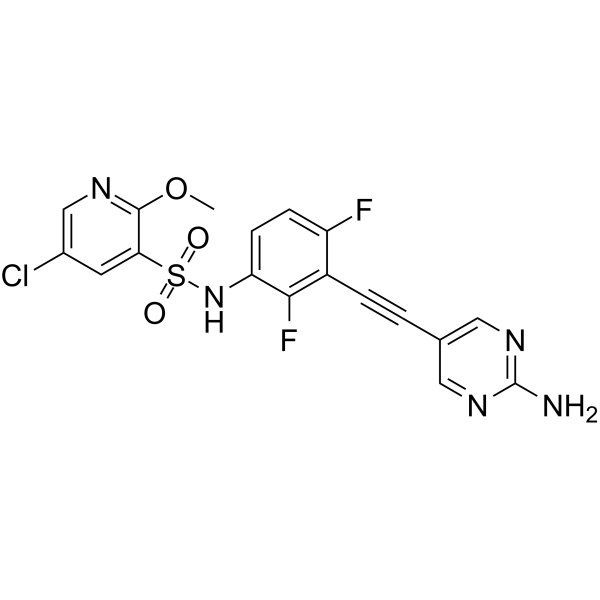
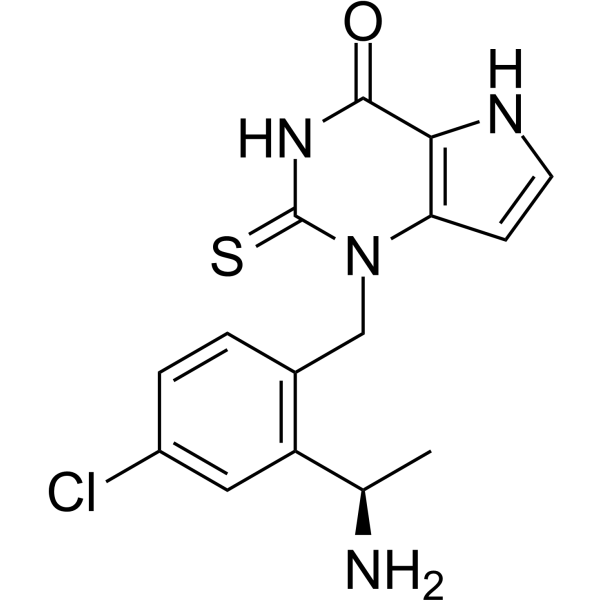
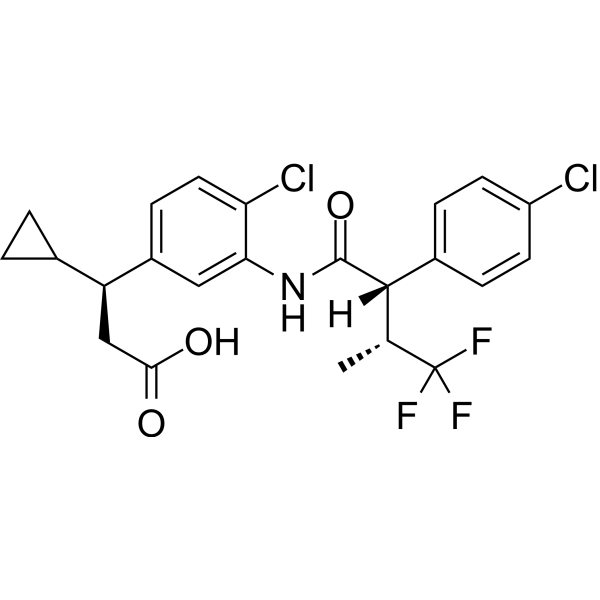
GCN2iB is an ATP-competitive, selective GCN2 inhibitor with an IC50 of 2.4 nM. GCN2iB inhibits the activation of the GCN2 pathway and upregulates GPX4. GCN2iB enhances the anticancer effect of ASNase against acute lymphoblastic leukemia. GCN2iB increases left ventricular ejection fraction, while reducing fasting blood glucose and myocardial fibrosis. GCN2iB can be used in research related to acute lymphoblastic leukemia, acute myeloid leukemia and diabetic cardiomyopathy .
|
-
-
- HY-W102714
-
|
CDTA
|
Biochemical Assay Reagents
|
Neurological Disease
|
|
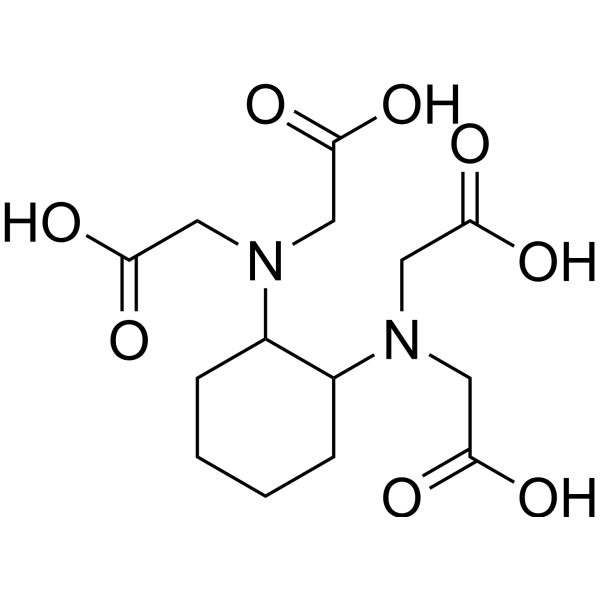
1,2-Cyclohexylenedinitrilotetraacetic acid (CDTA) is a chelating agent. 1,2-Cyclohexylenedinitrilotetraacetic acid has an ability to remove manganese from brain and liver (in vivo) and their sub-cellular fractions (in vitro), of rats pretreated with manganese sulphate .
|
-
-
- HY-N0554
-
|
|
HIV Protease
Monoamine Oxidase
|
Infection
Inflammation/Immunology
Cancer
|
|
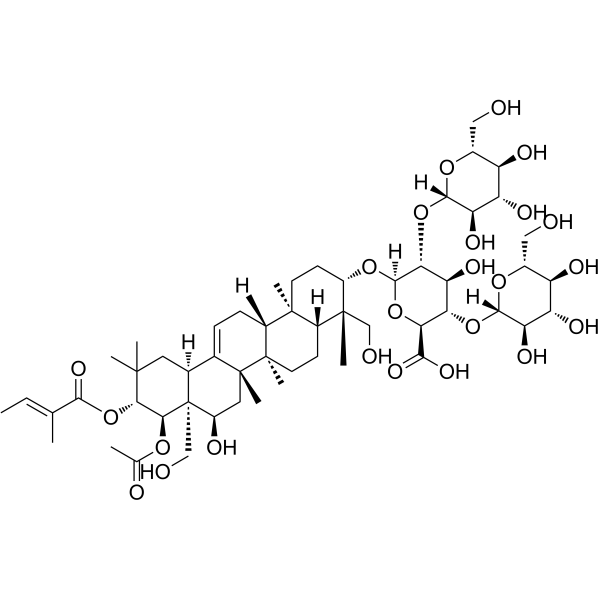
Escin IA is an oral LOXL2 inhibitor and EMT inhibitor, with selectivity for LOXL2-expressing cells. Escin IA suppresses invasion, migration, and metastasis of breast cancer cells, and acts as the primary anti-TNBC metastasis constituent of Aesculus chinensis Bunge fruit saponin fraction. Escin IA can be used for the research of triple-negative breast cancer, acute inflammation, and ethanol-induced gastric mucosal lesions .
|
-
-
- HY-W004307
-
|
Stearyl aldehyde
|
Endogenous Metabolite
|
Others
|
|
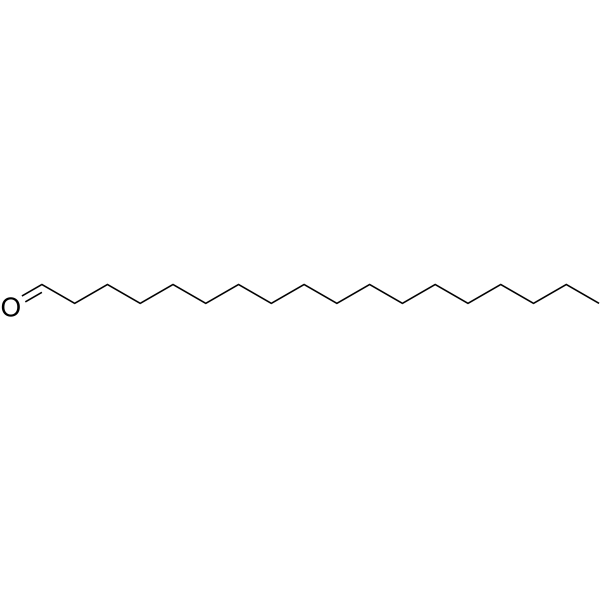
Octadecanal (Stearyl aldehyde) is a long-chain aldehyde component. Octadecanal exists in the phospholipid fractions of thigh and breast muscles of broiler chickens .
|
-
-
- HY-145581
-
|
AZD4831
|
Glutathione Peroxidase
Cytochrome P450
|
Cardiovascular Disease
Inflammation/Immunology
|
|
Mitiperstat (AZD4831) is an effective oral inhibitor of myeloperoxidase (MPO). Mitiperstat inhibits MPO and thyroid peroxidase (TPO) with IC50s of 1.5 nM and 0.69 μM. Mitiperstat exhibits a weak inhibitory activity against CYP3A4 with an IC50 of 6 μM. Mitiperstat can reduce inflammation and improve microvascular function, and it can be used in studies related to heart failure, preserved or mildly reduced ejection fraction, non-alcoholic fatty liver disease, and chronic obstructive pulmonary disease .
|
-
-
- HY-164027
-
|
|
E1/E2/E3 Enzyme
|
Metabolic Disease
Cancer
|
|
MyoMed 205 is an orally active muscle ring finger protein 1 (MuRF1) inhibitor. MyoMed-205 reduces ubiquitination and subsequent proteasomal degradation of muscle proteins by inhibiting MuRF1 activity. MyoMed 205 augments muscle performance, attenuates muscle weight loss and alleviates disease-induced weight loss. MyoMed 205 can be used for the research of cancer cachexia, type 2 diabetes mellitus, and heart failure with preserved ejection fraction .
|
-
-
- HY-138877
-
|
|
Endogenous Metabolite
|
Infection
|
|
Phosphoglycolic acid is a metabolite and a bacterial cytoplasmic component. Phosphoglycolic acid acts as a by-product generated during the preparation of phosphoglycolohydroxamic acid via hydrolysis of ethyl phosphoglycolate. Phosphoglycolic acid also functions as an active component of postbiotics .
|
-
-
- HY-109136
-
|
BAY 1101042
|
Guanylate Cyclase
|
Cardiovascular Disease
Metabolic Disease
|
|
Runcaciguat (BAY 1101042) is a selective, orally active, allosteric activator of soluble guanylate cyclase (sGC) that specifically targets its oxidized and heme-free form. Runcaciguat binds to sGC in a histidine-dependent manner and restores cyclic guanosine monophosphate (cGMP) production under oxidative stress, independent of nitric oxide (NO) or heme. Runcaciguat exhibits renoprotective and cardioprotective activities, such as reduced proteinuria and improved renal function. Runcaciguat is primarily being studied in chronic kidney disease (CKD) associated with hypertension, diabetes, and metabolic disorders, as well as potential cardiovascular indications such as heart failure with preserved ejection fraction (HFpEF) .
|
-
-
- HY-108693
-
|
|
Leukotriene Receptor
Apoptosis
|
Inflammation/Immunology
|
|
β-Tocotrienol is an isomer of vitamin E. β-Tocotrienol is a less potent antioxidant than α-tocotrienol. β-Tocotrienol can be found in the tocotrienol-rich fraction (TRF) of palm oil, which possesses anti-carcinogenic effects in vitro on human colon carcinoma and prostate cancer cells. β-Tocotrienol inhibits the growth of A549 (GI50 = 1.38 μM) and U87MG (GI50 = 2.53 μM) cells. β-Tocotrienol also induces apoptosis in cancer cells. β-Tocotrienol can inhibit PD-L1 expression and mitigates PD-L1-mediated immune suppression in vitro and in vivo .
|
-
-
- HY-138560
-
|
|
Biochemical Assay Reagents
|
Others
|
|
Cross-linked dextran G 50 is a gel filtration medium. Cross-linked dextran G 50 can be used in gel permeation chromatography for fractionation of the glycopeptide mixture (Sphere protein separation range: 1.5K-30K Da; Polysaccharide separation range: 500-10K Da) .
|
-
-
- HY-137295
-
|
|
PKC
Apoptosis
|
Inflammation/Immunology
|
|
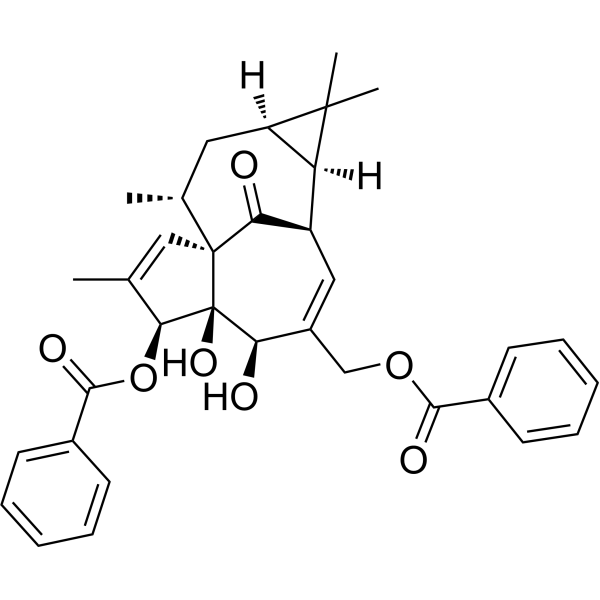
Ingenol 3,20-dibenzoate is a potent protein kinase C (PKC) isoform-selective agonist. Ingenol 3,20-dibenzoate induces selective translocation of nPKC-delta, -epsilon, and -theta and PKC-mu from the cytosolic fraction to the particulate fraction and induces morphologically typical apoptosis through de novo synthesis of macromolecules. Ingenol 3,20-dibenzoate increases the IFN-γ production and degranulation by NK cells, especially when NK cells are stimulated by NSCLC cells .
|
-
-
- HY-P1604
-
ATX-II
1 Publications Verification
|
Sodium Channel
|
Cardiovascular Disease
Inflammation/Immunology
|
|
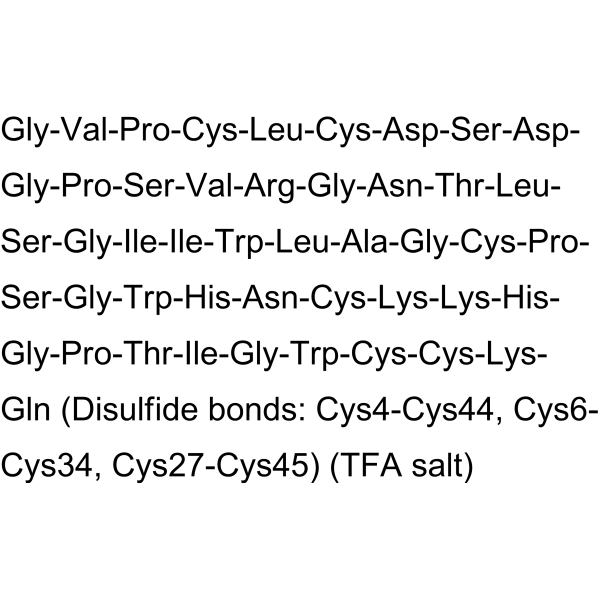
ATX-II is a selective sodium channel modulator toxin. ATX-II enhances late sodium current, prevents full sodium channel inactivation, and generates persistent current fractions. ATX-II has pro-arrhythmic effect. ATX-II slows intrinsic heart rate, prolongs QT interval and sinus node recovery time, and causes sinus pauses and arrests. ATX-II can be used for the research of atrial fibrillation, long QT syndrome, and long QT3 syndrome .
|
-
-
- HY-113020
-
-
-
- HY-P1604A
-
|
|
Sodium Channel
|
Cardiovascular Disease
Inflammation/Immunology
|
|
ATX-II TFA is a selective sodium channel modulator toxin. ATX-II TFA enhances late sodium current, prevents full sodium channel inactivation, and generates persistent current fractions. ATX-II TFA has pro-arrhythmic effect. ATX-II TFA slows intrinsic heart rate, prolongs QT interval and sinus node recovery time, and causes sinus pauses and arrests. ATX-II TFA can be used for the research of atrial fibrillation, long QT syndrome, and long QT3 syndrome .
|
-
-
- HY-W250145
-
|
Nigrosine
|
Biochemical Assay Reagents
|
Others
|
|
Acid Black 2 (Nigrosine) is an alcohol-soluble absorber used to mimic skin pigmentation in tissue-mimicking phantoms. Acid Black 2 acts as an absorber in silicone-based thin tissue phantoms to simulate varying melanosome volume fractions in skin .
|
-
-
- HY-N0860
-
|
Schizantherin-E
|
Others
|
Inflammation/Immunology
|
|
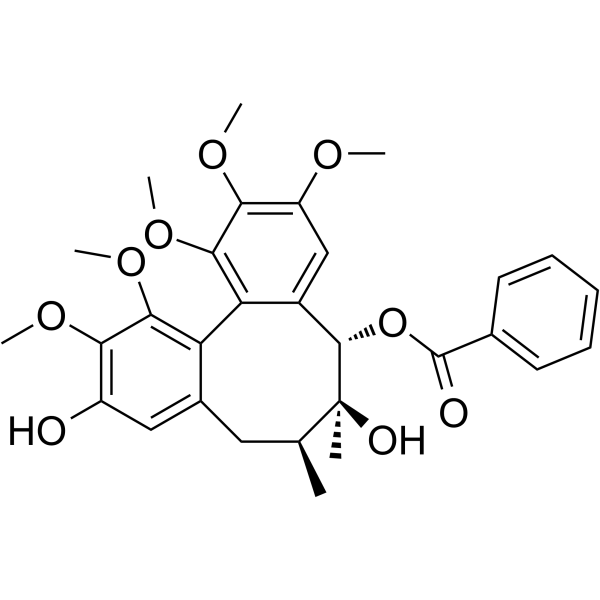
Schisantherin E is a natural compound isolated from the active fraction of the fruits of Schisandra sphenanthera Rehd. et Wils.
|
-
-
- HY-N0786
-
|
|
Others
|
Neurological Disease
|
|
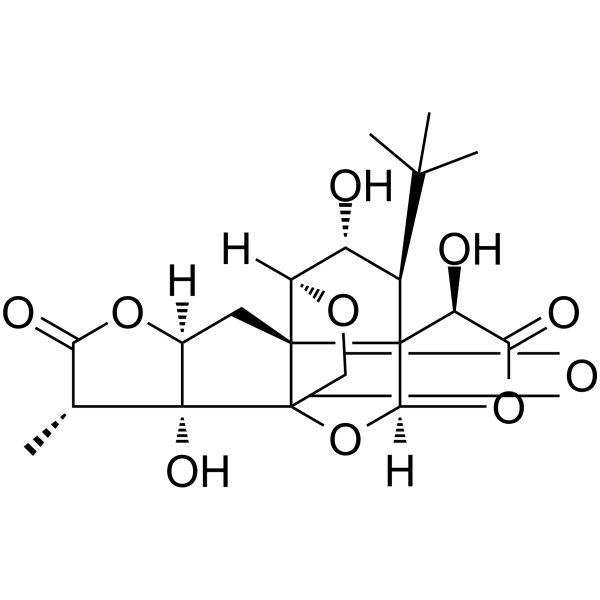
Ginkgolide J is a main constituent of the non-flavone fraction of Ginkgo biloba with an IC50 range of 12-54 µM, has neuroprotective and anti neuronal apoptotic ability .
|
-
-
- HY-N3433
-
|
|
Others
|
Others
|
|
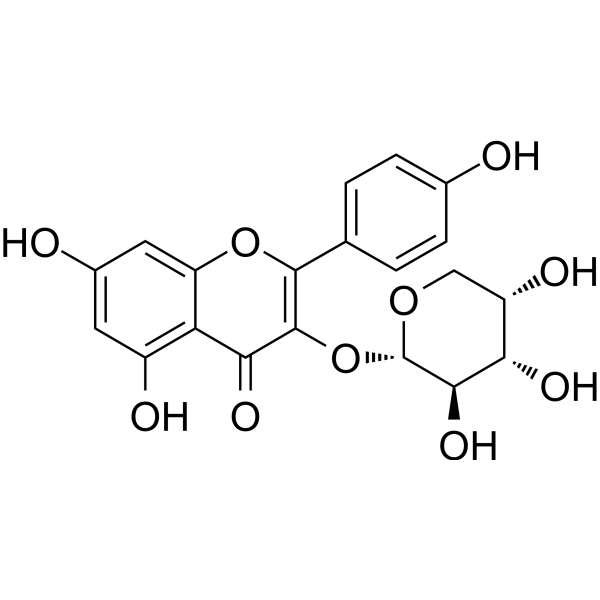
Kaempferol 3-O-arabinoside is an antioxidant flavonoids isolated from ethyl acetate fraction (EAF) obtained from the leaves of Nectandra hihua. Kaempferol 3-O-arabinoside has good antioxidant capacity .
|
-
-
- HY-N2018
-
|
α-D-Xylopyranose
|
Endogenous Metabolite
|
Metabolic Disease
|
|
α-D-Xylose (α-D-Xylopyranose) is a basic component of the five-carbon fraction of biomass and a precursor of hemicellulose. α-D-Xylose participates in a variety of enzyme-catalyzed reactions, which in turn participate in a variety of metabolic pathways. In addition, α-D-Xylose is also used in tanning, dyeing and as a diabetic food .
|
-
-
- HY-W782122
-
|
|
Biochemical Assay Reagents
|
Cancer
|
|
Photoclick cholesterol is a photoreactive cholesterol analog capable of undergoing click reactions. Photoclick cholesterol enables specific, saturable photoaffinity labeling of the mitochondrial translocator protein TSPO .
|
-
-
- HY-125361
-
|
|
Others
|
Others
|
|
Ganosporeric acid A, a natural product, is isolated from the ether-soluble fraction of the spores of Ganoderma lucidum. Ganosporeric acid A can be used for the research of liver injury .
|
-
-
- HY-N3955
-
|
Glutinone; Glutinone
|
Others
|
Others
|
|
Alnusenone (Glutinone) is a stabilised intermediate int he biogenesis of friedelin (XV) from squalene. Alnusenone is the major natural compound in fractions .
|
-
-
- HY-157538
-
|
|
PDHK
|
Cardiovascular Disease
|
|
PDK4-IN-2 (compound 8) is a pyruvate dehydrogenase kinase 4 (PDK4) inhibitor with an IC50 of 46 µM. PDK4-IN-2 improves ejection fraction of failing hearts by regulating bioenergetics via activation of the tricarboxylic acid cycle .
|
-
-
- HY-W283166
-
|
|
Biochemical Assay Reagents
|
Others
|
|
n-Undecyl β-D-maltopyranoside is an n-alkyl β-D-maltopyranoside detergent that can be used for solubilization and structural determination of membrane proteins. n-Undecyl β-D-maltopyranoside effectively solubilizes CST from Golgi-enriched fractions of Pichia pastoris, but fails to maintain the functional activity of CST during subsequent partial purification and reconstitution into proteoliposomes. n-Undecyl β-D-maltopyranoside is more suitable for structural analysis studies of membrane proteins rather than functional reconstitution experiments .
|
-
-
- HY-118852
-
|
|
Herbicide
|
Others
|
|
Isoxaben, a herbicide, inhibits incorporation of radiolabeled glucose into an acid insoluble cell wall fraction. Isoxaben is also a specific inhibitor of cell wall biosynthesis .
|
-
-
- HY-W709825
-
|
|
Others
|
Infection
|
|
(-)-Cyperene is a sesquiterpene hydrocarbon. (-)-Cyperene can be obtained from the n-hexane fraction of the smoke condensate of Goniothalamus andersonii. (-)-Cyperene can be used in the study of mosquitoes .
|
-
-
- HY-W011120
-
|
|
Endogenous Metabolite
|
Metabolic Disease
|
|
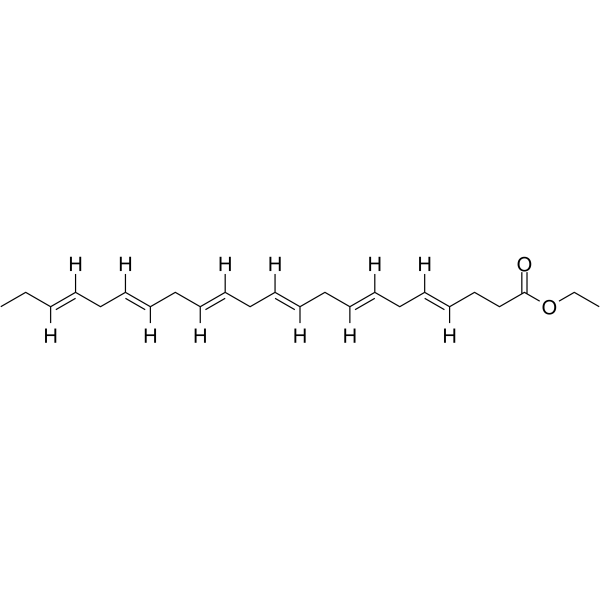
Ethyl cis-4,7,10,13,16,19-Docosahexaenoate, the ethyl ester of Docosahexaenoate (DHA), is enriched in the ethyl ester fraction by the selective alcoholysis of fatty acid ethyl esters originating from tuna oil with lauryl alcohol.
|
-
-
- HY-153168
-
|
|
Phosphodiesterase (PDE)
|
Cardiovascular Disease
|
|
Bemoradan (compound 10a) is an orally active and selective canine Phosphodiesterase (PDE) fraction III inhibitor. Bemoradan is a long-acting, potent, inotropic vasodilator and a novel cardiotonic agent, and can be used in congestive heart
failure research .
|
-
-
- HY-N2203A
-
|
|
Others
|
Others
|
|
Vitexin2''-O-p-trans-coumarate is a flavonoid, can be isolated from the Et acetate-soluble fraction of the ethanolic extract of the seeds of Trigonella foenum-graecum. Vitexin2''-O-p-trans-coumarate strongly promotes 2BS cell proliferation induced by H2O2 .
|
-
-
- HY-P11331
-
|
|
Proteasome
|
Others
|
|
Az-NC-002 is a Proteasome trypsin-like site (β2) and immunoproteasome β2i-specific active probe. Az-NC-002 has weak off-target effects with no significant inhibition for Cathepsin D (HY-P2750), but this inhibition reacts outside of the active site or influence on a small fraction of the enzyme .
|
-
-
- HY-116547
-
|
4,5-Methylenephenanthrene
|
Others
|
Others
|
|
Methylenephenanthrene (4,5-Methylenephenanthrene) can be isolated from the refined neutral fraction of anthracene oil
|
-
-
- HY-N12039
-
|
|
Others
|
Others
|
|
Juniper camphor is a sesquiterpene compound isolated from camphor blue oil, the high-boiling fraction of camphor .
|
-
-
- HY-P5700
-
|
|
Bacterial
|
Infection
|
|
SAAP Fraction 3 is an antimicrobial peptide. SAAP Fraction 3 is active against P. haemolytica in Zn-saline buffer .
|
-
-
- HY-W009934
-
|
α-Phenyl-2-pyridineacetonitrile
|
Drug Metabolite
|
Endocrinology
|
|
2-Phenyl-2-(2-pyridyl)acetonitrile is the major metabolite of SC 15396 metabolized by the supernatant fraction of rat liver homogenate. SC 15396 is an antigastrin that inhibits gastric secretion .
|
-
-
- HY-116494
-
|
|
BCRP
|
Cancer
|
|
ML753286 is an orally active and selective BCRP (Breast cancer resistance protein) inhibitor with an IC50 of 0.6 μM. ML753286 has high permeability and low to medium clearance in rodent and human liver S9 fractions, and is stable in plasma cross species .
|
-
-
- HY-125986
-
|
|
Phospholipase
|
Neurological Disease
|
GK187 is a potent and selective Group VIA calcium-independent phospholipase A2 (GVIA iPLA2) inhibitor with an XI(50) value of 0.0001. GK187 can be used for researching various neurological disorders .
[The XI(50) is the mole fraction of the inhibitor in the total substrate interface required to inhibit the enzyme by 50%.]
|
-
-
- HY-14240
-
|
PG 530742; PGE 530742; PGE 7113313
|
MMP
|
Cardiovascular Disease
|
|
PG 116800 (PGE 530742; PGE 7113313) is an orally active, selective and high-affinity inhibitor of MMP. PG 116800 acts as an inhibitor of ventricular remodeling, reduces left ventricular volumes and infarct zone collagen content, and improves ejection fraction. PG 116800 is generally well tolerated, but is associated with higher rates of arthralgia, joint stiffness, and dyspepsia. PG 116800 can be used for the research of myocardial infarction .
|
-
-
- HY-W710399
-
|
DG(16:0/0:0/18:0); 1-Palmitin-3-Stearin
|
Endogenous Metabolite
|
Metabolic Disease
|
|
1-Palmitoyl-3-stearoyl-rac-glycerol is a diacylglycerol that contains palmitic acid (HY-N0830) at the sn-1 position and stearic acid (HY-B2219) at the sn-3 position. It has been found in palm-based diacylglycerols produced from palm stearin, palm mid fraction, palm oil, and palm olein, as well as in wheat bran and brewer’s spent grain extracts.
|
-
-
- HY-P10996
-
|
Human Neutrophil Peptide-4 TFA
|
Bacterial
SARS-CoV
|
Infection
|
|
Corticostatin, human (Human Neutrophil Peptide-4) TFA is an antimicrobial peptide with demonstrated antiviral activity. Corticostatin, human TFA can kill Escherichia coli, Streptococcus faecalis, and Candida albicans. Corticostatin, human (HNP-4) TFA is more bactericidal against Gram-negative bacteria than any of HNP-1-3. Corticostatin, human TFA can be isolated from the azurophil granule fraction of discontinuous Percoll gradients .
|
-
-
- HY-138560A
-
|
|
Biochemical Assay Reagents
|
Others
|
|
Cross-linked dextran G 50, medium is a gel filtration medium. Cross-linked dextran G 50, medium can be used in gel permeation chromatography for fractionation of the glycopeptide mixture (Sphere protein separation range: 1.5K-30K Da; Polysaccharide separation range: 500-10K Da). Cross-linked dextran G 50, medium are microspheres with an average particle size of D50 = 220-250 μm .
|
-
-
- HY-138560B
-
|
|
Biochemical Assay Reagents
|
Others
|
|
Cross-linked dextran G 50, fine is a gel filtration medium. Cross-linked dextran G 50, fine can be used in gel permeation chromatography for fractionation of the glycopeptide mixture (Sphere protein separation range: 1.5K-30K Da; Polysaccharide separation range: 500-10K Da). Cross-linked dextran G 50, fineThe average particle size is D50=110-130 μmof microspheres .
|
-
-
- HY-N3621
-
|
|
Others
|
Others
|
|
Corchoionol C is a n-butanol-soluble fraction of the whole plant extract of Pulicaria undulate .
|
-
-
- HY-160658
-
|
|
CCR
|
Inflammation/Immunology
|
|
AZ760 is a CCR8 antagonist. AZ760 shows excellent potency, good lipophilicity and high free fraction in blood. AZ760 exhibits unacceptable hERG inhibition .
|
-
-
- HY-N4245
-
|
|
Others
|
Others
|
|
Siegesmethyletheric acid is isolated from the ethyl acetate fraction of Siegesbeckia orientalis L. (Asteraceae) .
|
-
-
- HY-156980
-
|
|
Bacterial
|
Infection
|
|
Podilfen is an active fraction of Delftia strains 2189 with antimicrobial effects .
|
-
-
- HY-167728
-
|
|
Others
|
Others
|
|
Taxusin is a natural product that can be isolated from the heartwood fraction of the yew tree (Taxus mairei) .
|
-
-
- HY-133610
-
|
|
DNA/RNA Synthesis
|
Others
|
|
3,4,6-trichlorocatechol (TCC) is the metabolite produced by industrial pollutant through post-mitochondrial liver fraction from Aroclor-1254 induced rats .
|
-
-
- HY-112738
-
|
|
Phospholipase
|
Inflammation/Immunology
|
|
AX048 is an inhibitor for calcium-dependent phospholipase A2 cPLA2 with a XI(50) of 0.022 mole fraction and reveals an antihyperalgesic efficacy .
|
-
-
- HY-B1370E
-
-
- HY-N9900
-
|
Demethyldaphnoretin-7-O-β-D-glucopyranoside
|
Others
|
Others
|
|
Demethyldaphnoretin-7-O-β-Dglucopyranoside (Demethyldaphnoretin-7-O-glucoside)(compound 1) is a natural product isolated from the ethyl acetate fraction of the roots of Daphne oleoides .
|
-
- HY-N9379
-
|
|
Others
|
Others
|
|
Fissistigine A is an alkaloid separated of the basic fractions from Formosan Fissistigma glaucescens, F. oldhamii and Goniothalamus amuyon . Fissistigine A has a weak inhibitory effect on amyloid beta 42 aggregation (IC50 50 µM).
|
-
- HY-P1495
-
-
- HY-N1014
-
|
|
Others
|
Others
|
|
11α,12β-Di-O-acetyltenacigenin B is a polyoxypregnane compound isolated from the CHCl(3)-soluble fraction of the ethanolic extract of the stem of Marsdenia tenacissima .
|
-
- HY-163079
-
|
|
FAP
|
Cancer
|
|
AlF-PD-FAPI has affinity for FAP , with the IC50 of 0.13 nM, and shows a specific uptake, high internalized fraction, and low cellular efflux in vitro. AlF-PD-FAPI can be used as FAP-targeting tracer .
|
-
- HY-N10791
-
|
|
Others
|
Infection
|
|
Neobritannilactone B, a sesquiterpene, can be isolated from the chloroform fraction of the I. britannica. Neobritannilactone B is cytotoxic. Other extracts of I. britannica are also Dihydrofolate reductase (DHFR) inhibitors, which inhibit Shigella dysenteriae type 1 .
|
-
- HY-N8254
-
|
|
Others
|
Others
|
|
Haginin A (compound 3)can be isolated from the EtOAc fraction of Lespedeza cyrtobotrya. Haginin A has radical scavenging activity with IC50 values of 9.0 μM and 37.7 μM in the ABTS system and DPPH system, respectively .
|
-
- HY-N0786R
-
|
|
Reference Standards
Others
|
Neurological Disease
|
|
Ginkgolide J (Standard) is the analytical standard of Ginkgolide J. This product is intended for research and analytical applications. Ginkgolide J is a main constituent of the non-flavone fraction of Ginkgo biloba with an IC50 range of 12-54 μM, has neuroprotective and anti neuronal apoptotic ability .
|
-
- HY-176233
-
|
|
Transthyretin (TTR)
|
Cardiovascular Disease
|
|
Transthyretin-IN-4 (Compound B26) is a bivalent inhibitor of transthyretin (TTR) amyloidosis (bIC50: 0.09 µM, pIC50: 1.4 µM). Transthyretin-IN-4 is used in the study of fatal heart failure with preserved ejection fraction (HFpEF) and fatal arrhythmias .
|
-
- HY-W209558
-
|
2,4,5-Trimethoxyphenylacetone
|
Endogenous Metabolite
|
Metabolic Disease
|
|
Acoramone (2,4,5-Trimethoxyphenylacetone) is a natural product that can be isolated from phenylpropane. Acoramone is one of the main metabolites identified in the 1H NMR spectrum of fraction b of the supernatant from the incubation of liver microsomes from Aroclor 1254-pretreated rats .
|
-
- HY-N2852
-
|
|
Reactive Oxygen Species (ROS)
|
Others
|
|
α-Terthienylmethanol is a terthiophene isolated from the n-hexane fraction of E. prostrata. α-Terthienylmethanol has potent cytotoxic activity against human endometrial cancer cells (Hec1A and Ishikawa) (IC50 < 1 μM). α-Terthienylmethanol increases the intracellular level of ROS and decreases that of GSH .
|
-
- HY-100125
-
|
SR1368
|
COX
|
Inflammation/Immunology
|
|
Timegadine, a new antiinflammatory agent, is found to be a potent, competitive inhibitor of cyclo-oxygenase (COX) and lipo-oxygenase, with IC50s ranging from 5 nM (washed rabbit platelets) to 20 μM (rat brain) for COX and 100 μM for lipo-oxygenase both in the cytosol fraction of horse platelet homogenates, and in washed rabbit platelets.
|
-
- HY-P1428A
-
|
|
Neuropeptide Y Receptor
|
Cardiovascular Disease
|
|
RFRP-1(human) TFA is a potent endogenous NPFF receptor agonist (EC50 values are 0.0011 and 29 nM for NPFF2 and NPFF1, respectively). Attenuates contractile function of isolated rat and rabbit cardiac myocytes. Reduces heart rate, stroke volume, ejection fraction and cardiac output, and increases plasma prolactin levels in rats.
|
-
- HY-N2274
-
|
12-Oleanene-3β,16β,23,28-tetrol; 3β,16β-12-Oleanene-3, 16,23,28-tetrol
|
Others
|
Cancer
|
|
23-Hydroxylongispinogenin (12-Oleanene-3β,16β,23,28-tetrol) is extracted from Lysimachia heterogenea Klatt. Lysimachia heterogenea Klatt is a perennial herb, which is used as a folk medicine in subduing swelling and detoxicating in China. The effective fraction LH-1 of L. heterogene has antitumor activity .
|
-
- HY-116494A
-
|
|
BCRP
|
Cancer
|
|
(6R)-ML753286 is an isomer of ML753286 (HY-116494). ML753286 is an orally active and selective BCRP (Breast cancer resistance protein) inhibitor with an IC50 of 0.6 μM. ML753286 has high permeability and low to medium clearance in rodent and human liver S9 fractions, and is stable in plasma cross species .
|
-
- HY-W102714R
-
|
CDTA (Standard)
|
Biochemical Assay Reagents
Reference Standards
|
Neurological Disease
|
|
1,2-Cyclohexylenedinitrilotetraacetic acid (Standard) is the analytical standard of 1,2-Cyclohexylenedinitrilotetraacetic acid (HY-W102714). This product is intended for research and analytical applications. 1,2-Cyclohexylenedinitrilotetraacetic acid (CDTA) is a chelating agent. 1,2-Cyclohexylenedinitrilotetraacetic acid has an ability to remove manganese from brain and liver (in vivo) and their sub-cellular fractions (in vitro), of rats pretreated with manganese sulphate .
|
-
- HY-131995
-
|
|
Cannabinoid Receptor
|
Metabolic Disease
|
|
O-Arachidonoyl glycidol (compound 1) is a 2-arachidonoylglycerol (2-AG) analog. O-Arachidonoyl glycidol inhibits cytosolic 2-oleoylglycerol (2-OG) hydrolysis with an IC50 value of 4.5 µM. O-Arachidonoyl glycidol blocks 2-OG hydrolysis in membrane fractions and anandamide hydrolysis with IC50s of 19, 12 µM, respectively .
|
-
- HY-N9300
-
|
|
Platelet-activating Factor Receptor (PAFR)
|
Inflammation/Immunology
|
|
1,6-Dihydro-4,7-epoxy-1-methoxy-3,4-methylenedioxy-6-oxo-3,8-lignan, a lignan derivative from the ethyl acetate soluble fraction of twigs of Magnolia denudate (Magnoliaceae), exhibits anti-platelet-activating factor (PAF) activity. PAF is a potent lipid mediator in inflammation and asthma .
|
-
- HY-N11526
-
|
|
Others
|
Inflammation/Immunology
|
|
3-Hydroxy-2-(palmitoyloxy)propyl stearat is a non-volatile compound. 3-Hydroxy-2-(palmitoyloxy)propyl stearat can be isolated from less polar fractions of the brown macroalga Fucus virsoides J. Agardh. This part of the substance has a good ability to scavenge free radicals and has a protective effect on the oxidative stress induced by hydrogen peroxide in zebrafish embryos .
|
-
- HY-W009934R
-
|
α-Phenyl-2-pyridineacetonitrile (Standard)
|
Drug Metabolite
Reference Standards
|
Endocrinology
|
|
2-Phenyl-2-(2-pyridyl)acetonitrile (Standard) is the analytical standard of 2-Phenyl-2-(2-pyridyl)acetonitrile. This product is intended for research and analytical applications. 2-Phenyl-2-(2-pyridyl)acetonitrile is the major metabolite of SC 15396 metabolized by the supernatant fraction of rat liver homogenate. SC 15396 is an antigastrin that inhibits gastric secretion[1].
|
-
- HY-W011120R
-
|
|
Endogenous Metabolite
Reference Standards
|
Metabolic Disease
|
|
Ethyl docosa-4,7,10,13,16,19-hexaenoate (Standard) is the analytical standard of Ethyl docosa-4,7,10,13,16,19-hexaenoate. This product is intended for research and analytical applications. Ethyl cis-4,7,10,13,16,19-Docosahexaenoate, the ethyl ester of Docosahexaenoate (DHA), is enriched in the ethyl ester fraction by the selective alcoholysis of fatty acid ethyl esters originating from tuna oil with lauryl alcohol.
|
-
- HY-W742940
-
|
|
Isotope-Labeled Compounds
Cannabinoid Receptor
|
Metabolic Disease
|
|
O-Arachidonoyl glycidol-d5 is the deuterium labeled O-Arachidonoyl glycidol (HY-131995). O-Arachidonoyl glycidol (compound 1) is a 2-arachidonoylglycerol (2-AG) analog. O-Arachidonoyl glycidol inhibits cytosolic 2-oleoylglycerol (2-OG) hydrolysis with an IC50 value of 4.5 μM. O-Arachidonoyl glycidol blocks 2-OG hydrolysis in membrane fractions and anandamide hydrolysis with IC50s of 19, 12 μM, respectively .
|
-
- HY-112654A
-
|
|
Eukaryotic Initiation Factor (eIF)
Glutathione Peroxidase
|
Cardiovascular Disease
Metabolic Disease
Cancer
|
|
GCN2iB acetate is an ATP-competitive, selective GCN2 inhibitor with an IC50 of 2.4 nM. GCN2iB acetate inhibits the activation of the GCN2 pathway and upregulates GPX4. GCN2iB acetate enhances the anticancer effect of ASNase against acute lymphoblastic leukemia. GCN2iB acetate increases left ventricular ejection fraction, while reducing fasting blood glucose and myocardial fibrosis. GCN2iB acetate can be used in research related to acute lymphoblastic leukemia, acute myeloid leukemia and diabetic cardiomyopathy .
|
-
- HY-131310
-
|
|
Endogenous Metabolite
|
Metabolic Disease
|
|
9(S)-HpOTrE is a monohydroperoxy polyunsaturated fatty acid produced by the action of 5-lipoxygenase (5-LO) on α-linolenic acid. It can be further metabolized to colnelenic acid by a divinyl ether synthase activity found in garlic and potato microsomal fractions. 9(S)-HpOTrE also serves as a substrate for further oxidation by both soybean and potato LOs, resulting in the formation of 9,16-dihydroperoxy acid.The suicide inactivation of LOs when 9(S)-HpOTrE is used as a substrate is thought to occur via formation of an unstable epoxide.
|
-
- HY-178451
-
|
|
Apoptosis
|
Cancer
|
|
NQO1-responsive prodrug is a prodrug of Gemcitabine (dFdC) (HY-17026) with anti-cancer effect. NQO1-responsive prodrug remains stable in plasma and liver/intestinal S9 fractions, releasing dFdC in an NQO1-dependent manner. NQO1-responsive prodrug induces S-phase arrest and apoptosis. NQO1-responsive prodrug inhibits tumor growth in an A549 xenograft mouse model. NQO1-responsive prodrug can be used for breast and non-small cell lung cancer (NSCLC) research .
|
-
- HY-N8977
-
|
|
Others
|
Others
|
|
4-O-Methylgrifolic acid is a farnesylphenols that can be isolated from the lipophilic fraction of Polyporus dispansus .
|
-
- HY-N12551
-
|
|
Others
|
Others
|
|
2-O-β-D-Glucopyranosylcucurbitacin F 25-acetate is a cucurbitacin glucoside that can isolated from the more polar fractions of the MeOH extract of Cigarrilla mexicana .
|
-
- HY-N6703A
-
|
(-)-ar-Turmerone
|
Drug Derivative
|
Others
|
|
(R)-ar-Turmerone is a sesquiterpene ketone that can be found in the sesquiterpene ketone fraction of Curcuma longa L. (R)-ar-Turmerone converts to ar-(+)-juvabione with juvenile hormone activity .
|
-
- HY-179114
-
|
|
Biochemical Assay Reagents
|
Others
|
|
VU0519975 is a raft destabilizing compound. VU0519975 reduces PMP22 raft partitioning and destabilizes ordered domains. VU0519975 significantly decreases the fraction of phase separated GPMVs .
|
-
- HY-118852R
-
|
|
Herbicide
Reference Standards
|
Others
|
|
Isoxaben (Standard) is the analytical standard of Isoxaben. This product is intended for research and analytical applications. Isoxaben, a herbicide, inhibits incorporation of radiolabeled glucose into an acid insoluble cell wall fraction. Isoxaben is also a specific inhibitor of cell wall biosynthesis .
|
-
- HY-182604
-
|
|
Heme Oxygenase (HO)
|
Cancer
|
|
QC-308 is a HO-1/HO-2 inhibitor with an HO-1 IC50 of 0.27 μM and an HO-2 IC50 of 0.46 μM. QC-308 coordinates heme iron(II) to disrupt catalysis. QC-308 can be used for research of HO-1 inhibition mechanisms in cancer .
|
-
- HY-N17537
-
|
|
Drug Derivative
|
Others
|
|
Norwogonin-7-O-glucoside is a flavonoid found in the root of Scutellaria discolor COLEBR .
|
-
- HY-169872
-
|
|
Endogenous Metabolite
|
Others
|
|
17-Hydroxystearic acid isolable from Torulopsis magnoliae fermentation oil. 17-Hydroxystearic acid is a saturated C18 ω2-hydroxy fatty acid existing in D- and L-enantiomeric forms .
|
-
- HY-N18198
-
|
|
Others
|
Others
|
|
Notoginsenoside A (Compound 6) is a dammarane-type triterpene oligoglycoside found in the roots of Panax quinquefolium L. .
|
-
- HY-N17505
-
|
|
Others
|
Others
|
|
(1S,2R,4S)-Borneol β-D-glucopyranoside (Compound 10) is a monoterpenoid glucoside.(1S,2R,4S)-Borneol β-D-glucopyranoside can be found in the leaf of Thymus vulgaris .
|
-
- HY-N18038
-
|
|
Drug Metabolite
|
Infection
|
|
Zoxamide metabolite 1 (Compound M1) is a monodechlorinated Zoxamide (HY-120921) metabolite. Zoxamide metabolite 1 undergoes dechlorination most plausibly at the reactive α-chloro ketone position .
|
-
- HY-122744
-
|
|
Cytochrome P450
|
Metabolic Disease
Cancer
|
|
CYP11B1-IN-1 (Compound 25) is a selective, orally active hCYP11B1 inhibitor, with an IC50 of 2 nM against hCYP11B1 and an IC50 of 1.8 μM against rat CYP11B1. CYP11B1-IN-1 can be used for the research of Cushing's disease .
|
-
- HY-W010667
-
|
1,3-Dipalmitoyl-2-oleoylglycerol; ?1,3-Palmitin-2-Olein; TG(16:0/18:1/16:0)
|
Endogenous Metabolite
|
Metabolic Disease
|
|
1,3-Dipalmitoyl-2-oleoyl glycerol (1,3-Palmitin-2-Olein; TG(16:0/18:1/16:0)) is a triacylglycerol that contains palmitic acid (HY-N0830) at the sn-1 and sn-3 positions and oleic acid (HY-N1446) at the sn-2 position. It has been found in cocoa butter, Chinese tallow butter, and the palm stearin fraction of palm oil.
|
-
- HY-N17590
-
|
|
Others
|
Others
|
|
Dihydrogingerenone B (Compound 78) is a diarylheptanoid that can be found in the dried mature fruit of Alpinia oxyphylla fructus .
|
-
- HY-N9899
-
|
|
Drug Derivative
|
Inflammation/Immunology
|
|
Giraldoid A (compound 1) is a dicoumarinoid glycoside found in the bark and rhizome of Daphne giraldii Nitsche.Giraldoid A can be used for the research of rheumatoid arthritis .
|
-
- HY-W054427
-
|
|
Parasite
|
Infection
Metabolic Disease
|
|
Ro 13-3978 is an orally active antischistosomal agent. Ro 13-3978 exhibits excellent in vivo antischistosomal activity against juvenile and adult Schistosoma mansoni infections. Ro 13-3978 shows no in vivo activity against E. caproni and F. hepatica. Ro 13-3978 blocks dihydrotestosterone-induced proliferation of androgen-dependent cells. Ro 13-3978 can be used in research related to schistosomiasis .
|
-
- HY-W100994
-
|
|
Others
|
Others
|
|
3-Methoxy-2-methyl-4H-pyran-4-one is a pyranone. 3-Methoxy-2-methyl-4H-pyran-4-one can be isolated from soy sauce .
|
-
- HY-185426
-
|
SC-011
|
Antibody-Drug Conjugates (ADCs)
|
Cancer
|
|
ABBV-011 (SC-011) is a SEZ6-targeted, antibody-drug conjugate (ADC). ABBV-011 binds cell surface-expressed SEZ6 by anti-SEZ6 antibody Turmetabart (HY-P991041), triggers ADC-receptor complex internalization into lysosomes, releases Calicheamicin (HY-19609) payload, and mediates cytotoxicity. ABBV-011 induces tumor regression and mediates selective killing of SEZ6-positive cells. ABBV-011 can be used for the research of small cell lung cancer .
|
-
- HY-180813
-
|
|
ROR
Interleukin Related
|
Inflammation/Immunology
|
|
RORγ-IN-3 (Compound 21) is a potent and highly selective RORγ inhibitor with an EC50 of 84 nM. RORγ-IN-3 can effectively inhibit the production of IL-17, with an IC₅₀ value of 1.0 μM. RORγ-IN-3 can be used for the study of autoimmune diseases .
|
-
- HY-N17911
-
|
|
Others
|
Others
|
|
Plicatol D is a phenanthrene found in the whole plant of Dendrobium fimbriatum Hook .
|
-
- HY-N17589
-
|
|
Others
|
Others
|
|
Purpurin-1-methylether (Compound 7) is an anthraquinone found in Galium spurium var. echinospermon Hayek .
|
-
- HY-N11241
-
|
|
Fungal
|
Infection
|
|
Cascaroside B is a flavonoid and antifungal agent found in the Pseudomonas aeruginosa Ld-08 .
|
-
- HY-W708825
-
|
Methyl isohexanoate
|
Others
|
Others
|
|
Methyl 4-methylpentanoate (Methyl isohexanoate) is a natural product. Methyl 4-methylpentanoate can be isolated from the essential oil of Bourbon geranium (Pelargonium sp.) from Reunion .
|
-
- HY-N18016
-
|
Hesperitin-5,7-dimethyl-ether
|
Drug Derivative
|
Others
|
|
4'-Hydroxy-5,7,3'-trimethoxyflavanone (Hesperitin-5,7-dimethyl-ether) (Compound 13) is an O-methylated flavanone and a derivative of Hesperetin (HY-N0168) .
|
-
- HY-182481
-
|
|
Monoamine Oxidase
|
Neurological Disease
|
|
MD-230254 is a reversible, competitive and selective inhibitor inhibitor of MAO-B with an IC50 value of 1.8 nM. MD-230254 can be used for the study of MAO-B-related neurodegenerative diseases including Parkinson’s disease and Alzheimer’s disease .
|
-
- HY-124187
-
|
Ethyl pinolenate
|
Biochemical Assay Reagents
|
Others
|
|
Pinolenic acid is a polyunsaturated fatty acid found in the seed oils of red pine (Pinus orientalis) and maritime pine (Pinus pinaster). Both oils were found to have lipid-lowering properties. A diet containing marine pine nut oil (MPSO) reduces HDL and ApoA1 levels in transgenic mice expressing human ApoA1. MPSO was found to reduce cholesterol efflux in vitro. Korean pine nut oil supplements may help obesity by reducing appetite. People who take this oil experience an increase in the satiety hormones CCK and GLP-1 and a decrease in appetite. The activity of the oil is attributed to pinolenic acid. Pinolenic acid is not metabolized to arachidonic acid and can reduce the level of arachidonic acid in the phosphatidylinositol fraction of HepG2 cells from 15.9% to 7.0%. Pinolenic acid ethyl ester is a neutral, more lipophilic form of the free acid.
|
-
- HY-N12973
-
-
- HY-N17374
-
|
|
Others
|
Others
|
|
Laevigatin A (Compound 8) is a hydrolyzable tannin found in Rosa laevigata .
|
-
- HY-180406
-
|
|
Neuropeptide Y Receptor
|
Neurological Disease
|
|
NPY Y2 antagonist 2 is a modulator targeting the neuropeptide Y (NPY) receptor Y2, with pKi values of 6.8 nM and 7.2 nM in human and rat brains, respectively, and demonstrating blood-brain barrier penetration. NPY Y2 antagonist 2 shows selectivity for the Y1 and Y5 receptors. NPY Y2 antagonist 2 blocks the negative feedback regulation mediated by the NPY Y2 receptor, thereby increasing endogenous NPY release and enhancing Y1 receptor activation, resulting in the modulation of central neurotransmitter release. NPY Y2 antagonist 2 exhibits moderate in vivo clearance, high free fraction in rat brain, and a favorable brain/plasma ratio and brain exposure. NPY Y2 antagonist 2 is applicable for research in conditions such as mood disorders, anxiety induced by alcohol withdrawal, and social anxiety associated with nicotine withdrawal .
|
-
- HY-108693R
-
|
|
Leukotriene Receptor
Reference Standards
Apoptosis
|
Inflammation/Immunology
|
|
β-Tocotrienol (Standard) is the analytical standard of β-Tocotrienol. This product is intended for research and analytical applications. β-Tocotrienol is an isomer of vitamin E. β-Tocotrienol is a less potent antioxidant than α-tocotrienol. β-Tocotrienol can be found in the tocotrienol-rich fraction (TRF) of palm oil, which possesses anti-carcinogenic effects in vitro on human colon carcinoma and prostate cancer cells. β-Tocotrienol inhibits the growth of A549 (GI50 = 1.38 μM) and U87MG (GI50 = 2.53 μM) cells. β-Tocotrienol also induces apoptosis in cancer cells. β-Tocotrienol can inhibit PD-L1 expression and mitigates PD-L1-mediated immune suppression in vitro and in vivo .
|
-
- HY-182517
-
|
|
TRP Channel
|
Inflammation/Immunology
|
|
AG1529 is a TRPV1 inhibitor and capsaicinoid-based soft agent with a human TRPV1 IC50 of 0.9-0.93 μM. AG1529 reversibly blocks capsaicin-evoked TRPV1 activation, binds to the TRPV1 capsaicin binding site, moderately affects pH-induced TRPV1 gating, and does not alter voltage- or heat-mediated TRPV1 responses. AG1529 suppresses TRPV1-mediated neuronal excitability, reduces capsaicin- and pH-evoked neuronal firing, abolishes histaminergic and inflammation-mediated TRPV1 sensitization. AG1529 exhibits anti-nociceptive and antipruritic effects, attenuates in vivo hyperalgesia and pruritus, dose-dependently reduces acute histaminergic itch in rodents, and mildly blocks hTRPA1 and hTRPM8 channel activity. AG1529 undergoes hydrolysis and dermal deactivation, minimizes TRPV1-associated side reactions, does not evoke capsaicin-like burning sensation, and does not disrupt physiological thermal regulation. AG1529 can be used for the research of inflammatory cutaneous nociception and acute histaminergic pruritus .
|
-
- HY-N18387
-
-
- HY-125864C
-
|
|
Biochemical Assay Reagents
|
Cardiovascular Disease
|
|
Porcine Fibrinogen is a coagulation protein, purified from porcine plasma with no plasminogen contained. Porcine Fibrinogen has excellent biocompatibility and does not induce aggregation of porcine platelets when in contact with porcine hepatocytes, aortic endothelial cells or hepatic sinusoidal endothelial cells. Porcine Fibrinogen is widely used in studies on the pathological mechanisms of cardiovascular diseases such as atherosclerosis and the development of related drugs .
|
-
- HY-181613
-
|
|
5-HT Receptor
|
Neurological Disease
|
|
5-HT2A&5-HT2C agonist-3 (compound 4e) is an orally bioavailable and blood-brain barrier penetrant agonist of 5-HT2A and 5-HT2C. 5-HT2A&5-HT2C agonist-3 increases intracellular calcium levels in cells overexpressing 5-HT2A or 5-HT2C receptors, and shows no activity against 5-HT2B receptors. 5-HT2A&5-HT2C agonist-3 can be used for the research of neuropsychiatric disorders .
|
-
- HY-175747
-
|
|
AMPK
|
Cardiovascular Disease
|
|
PF-07293893 is an AMPKγ3 activator. PF-07293893 increases glycogen content, improves lipid oxidation, enhances mitochondrial biogenesis and promotes vascular repair. PF-07293893 is applicable to research related to heart failure .
|
-
- HY-B1803
-
|
ICI 136753
|
GABA Receptor
|
Neurological Disease
|
|
Tracazolate (ICI 136753) is an orally active non-benzodiazepine anxiolytic. Tracazolate significantly enhances the binding of the radioligand 3H-flunitrazepam ( 3H-FLU) to brain tissue benzodiazepine receptors. Tracazolate enhances the binding of γ-aminobutyric acid (GABA) to its receptors. Tracazolate exhibits anticonvulsant activity. Tracazolate can be used in anxiety-related research .
|
-
- HY-116755
-
|
CR 605
|
Phosphodiesterase (PDE)
|
Neurological Disease
|
|
Tiropramide (CR 605) is a tyrosine derivative with antispastic properties. Tiropramide hydrochloride inhibits phosphodiesterase activity involved in cAMP catabolism in rabbit colon homogenates. Tiropramide relaxes smooth muscle in rabbit isolated colon. Tiropramide can be used for the research of irritable colon and biliary dyskinesia .
|
-
- HY-43934
-
|
CR 605 hydrochloride
|
Phosphodiesterase (PDE)
|
Neurological Disease
|
|
Tiropramide (CR 605) hydrochloride is a tyrosine derivative with antispastic properties. Tiropramide hydrochloride inhibits phosphodiesterase activity involved in cAMP catabolism in rabbit colon homogenates. Tiropramide hydrochloride relaxes smooth muscle in rabbit isolated colon. Tiropramide hydrochloride can be used for the research of irritable colon and biliary dyskinesia .
|
-
- HY-168366
-
|
|
Opioid Receptor
|
Neurological Disease
|
|
R-6890 is a Brorphine-related opioid receptor antagonist that exhibits differential binding activities toward rat opioid receptors (IC50=4.6 nM (0.05 M Tris; pH 7.4) and 170 nM (0.05 M Tris+0.1 M NaCl)). R-6890 displaces bound labeled opioids from receptors, and its binding affinity is affected by environmental factors, decreasing in the presence of NaCl. R-6890 crosses the blood-brain barrier (BBB) and exerts analgesic effects in the warm water-induced tail-flick reflex model of male Wistar rats .
|
-
- HY-125954
-
|
UDP-α-D-glucuronic acid
|
Endogenous Metabolite
|
Metabolic Disease
|
|
Uridine diphosphate glucuronic acid (UDP-α-D-glucuronic acid) is a glucuronic acid donor. Uridine diphosphate glucuronic acid transfers its glucuronic acid moiety to acceptor molecules, thereby forming "ether" glucuronides, while being converted into uridine 5'-pyrophosphate. Uridine diphosphate glucuronic acid serves as a substrate for Arabidopsis UDP-GlcA 4-epimerase 1, and undergoes reversible 4-epimerization to generate UDP-α-D-galacturonic acid .
|
-
- HY-45609
-
|
|
Drug Derivative
|
Metabolic Disease
|
|
L-Cysteine S-sulfate sodium hydrate is an S-sulfated derivative of L-cysteine (HY-Y0337). L-Cysteine S-sulfate sodium hydrate is the substrate for cystine lyase, it can be used in mass spectrometry and chromatography analyses .
|
-
- HY-182566
-
|
|
HIV
|
Infection
|
|
ITI-367 is a HIV-1 inhibitor that targets the nuclear localization signal 1 (NLS-1) of HIV-1 matrix protein and the interaction between HIV-1 pre-integration complex (PIC) and importin-β. ITI-367 inhibits HIV-1 replication at the pre-integration stage, reduces the formation of 2-LTR circles, and sequesters viral DNA in the cytoplasm. ITI-367 can be used for the research of HIV infection .
|
-
| Cat. No. |
Product Name |
Type |
-
- HY-W250145
-
|
Nigrosine
|
Fluorescent Dye
|
|
Acid Black 2 (Nigrosine) is an alcohol-soluble absorber used to mimic skin pigmentation in tissue-mimicking phantoms. Acid Black 2 acts as an absorber in silicone-based thin tissue phantoms to simulate varying melanosome volume fractions in skin .
|
| Cat. No. |
Product Name |
Type |
-
- HY-138877
-
|
|
Biochemical Assay Reagents
|
|
Phosphoglycolic acid is a metabolite and a bacterial cytoplasmic component. Phosphoglycolic acid acts as a by-product generated during the preparation of phosphoglycolohydroxamic acid via hydrolysis of ethyl phosphoglycolate. Phosphoglycolic acid also functions as an active component of postbiotics .
|
-
- HY-138560
-
|
|
Biochemical Assay Reagents
|
|
Cross-linked dextran G 50 is a gel filtration medium. Cross-linked dextran G 50 can be used in gel permeation chromatography for fractionation of the glycopeptide mixture (Sphere protein separation range: 1.5K-30K Da; Polysaccharide separation range: 500-10K Da) .
|
-
- HY-W283166
-
|
|
Biochemical Assay Reagents
|
|
n-Undecyl β-D-maltopyranoside is an n-alkyl β-D-maltopyranoside detergent that can be used for solubilization and structural determination of membrane proteins. n-Undecyl β-D-maltopyranoside effectively solubilizes CST from Golgi-enriched fractions of Pichia pastoris, but fails to maintain the functional activity of CST during subsequent partial purification and reconstitution into proteoliposomes. n-Undecyl β-D-maltopyranoside is more suitable for structural analysis studies of membrane proteins rather than functional reconstitution experiments .
|
-
- HY-124187
-
|
Ethyl pinolenate
|
Biochemical Assay Reagents
|
|
Pinolenic acid is a polyunsaturated fatty acid found in the seed oils of red pine (Pinus orientalis) and maritime pine (Pinus pinaster). Both oils were found to have lipid-lowering properties. A diet containing marine pine nut oil (MPSO) reduces HDL and ApoA1 levels in transgenic mice expressing human ApoA1. MPSO was found to reduce cholesterol efflux in vitro. Korean pine nut oil supplements may help obesity by reducing appetite. People who take this oil experience an increase in the satiety hormones CCK and GLP-1 and a decrease in appetite. The activity of the oil is attributed to pinolenic acid. Pinolenic acid is not metabolized to arachidonic acid and can reduce the level of arachidonic acid in the phosphatidylinositol fraction of HepG2 cells from 15.9% to 7.0%. Pinolenic acid ethyl ester is a neutral, more lipophilic form of the free acid.
|
-
- HY-138560A
-
|
|
Biochemical Assay Reagents
|
|
Cross-linked dextran G 50, medium is a gel filtration medium. Cross-linked dextran G 50, medium can be used in gel permeation chromatography for fractionation of the glycopeptide mixture (Sphere protein separation range: 1.5K-30K Da; Polysaccharide separation range: 500-10K Da). Cross-linked dextran G 50, medium are microspheres with an average particle size of D50 = 220-250 μm .
|
-
- HY-138560B
-
|
|
Biochemical Assay Reagents
|
|
Cross-linked dextran G 50, fine is a gel filtration medium. Cross-linked dextran G 50, fine can be used in gel permeation chromatography for fractionation of the glycopeptide mixture (Sphere protein separation range: 1.5K-30K Da; Polysaccharide separation range: 500-10K Da). Cross-linked dextran G 50, fineThe average particle size is D50=110-130 μmof microspheres .
|
| Cat. No. |
Product Name |
Target |
Research Area |
-
- HY-P1604
-
ATX-II
1 Publications Verification
|
Sodium Channel
|
Cardiovascular Disease
Inflammation/Immunology
|
|
ATX-II is a selective sodium channel modulator toxin. ATX-II enhances late sodium current, prevents full sodium channel inactivation, and generates persistent current fractions. ATX-II has pro-arrhythmic effect. ATX-II slows intrinsic heart rate, prolongs QT interval and sinus node recovery time, and causes sinus pauses and arrests. ATX-II can be used for the research of atrial fibrillation, long QT syndrome, and long QT3 syndrome .
|
-
- HY-P1604A
-
|
|
Sodium Channel
|
Cardiovascular Disease
Inflammation/Immunology
|
|
ATX-II TFA is a selective sodium channel modulator toxin. ATX-II TFA enhances late sodium current, prevents full sodium channel inactivation, and generates persistent current fractions. ATX-II TFA has pro-arrhythmic effect. ATX-II TFA slows intrinsic heart rate, prolongs QT interval and sinus node recovery time, and causes sinus pauses and arrests. ATX-II TFA can be used for the research of atrial fibrillation, long QT syndrome, and long QT3 syndrome .
|
-
- HY-P11331
-
|
|
Proteasome
|
Others
|
|
Az-NC-002 is a Proteasome trypsin-like site (β2) and immunoproteasome β2i-specific active probe. Az-NC-002 has weak off-target effects with no significant inhibition for Cathepsin D (HY-P2750), but this inhibition reacts outside of the active site or influence on a small fraction of the enzyme .
|
-
- HY-P5700
-
|
|
Bacterial
|
Infection
|
|
SAAP Fraction 3 is an antimicrobial peptide. SAAP Fraction 3 is active against P. haemolytica in Zn-saline buffer .
|
-
- HY-P10996
-
|
Human Neutrophil Peptide-4 TFA
|
Bacterial
SARS-CoV
|
Infection
|
|
Corticostatin, human (Human Neutrophil Peptide-4) TFA is an antimicrobial peptide with demonstrated antiviral activity. Corticostatin, human TFA can kill Escherichia coli, Streptococcus faecalis, and Candida albicans. Corticostatin, human (HNP-4) TFA is more bactericidal against Gram-negative bacteria than any of HNP-1-3. Corticostatin, human TFA can be isolated from the azurophil granule fraction of discontinuous Percoll gradients .
|
-
- HY-P1495
-
-
- HY-P1428A
-
|
|
Neuropeptide Y Receptor
|
Cardiovascular Disease
|
|
RFRP-1(human) TFA is a potent endogenous NPFF receptor agonist (EC50 values are 0.0011 and 29 nM for NPFF2 and NPFF1, respectively). Attenuates contractile function of isolated rat and rabbit cardiac myocytes. Reduces heart rate, stroke volume, ejection fraction and cardiac output, and increases plasma prolactin levels in rats.
|
| Cat. No. |
Product Name |
Category |
Target |
Chemical Structure |
-
- HY-N0554
-
-
-
- HY-W004307
-
-
-
- HY-125954
-
|
UDP-α-D-glucuronic acid
|
Human Gut Microbiota Metabolites
Microorganisms
Endogenous metabolite
Source Classification
|
Endogenous Metabolite
|
|
Uridine diphosphate glucuronic acid (UDP-α-D-glucuronic acid) is a glucuronic acid donor. Uridine diphosphate glucuronic acid transfers its glucuronic acid moiety to acceptor molecules, thereby forming "ether" glucuronides, while being converted into uridine 5'-pyrophosphate. Uridine diphosphate glucuronic acid serves as a substrate for Arabidopsis UDP-GlcA 4-epimerase 1, and undergoes reversible 4-epimerization to generate UDP-α-D-galacturonic acid .
|
-
-
- HY-45609
-
-
-
- HY-137295
-
-
-
- HY-113020
-
-
-
- HY-N0860
-
-
-
- HY-N0786
-
-
-
- HY-N3433
-
-
-
- HY-N2018
-
-
-
- HY-125361
-
-
-
- HY-N3955
-
-
-
- HY-W709825
-
-
-
- HY-N2203A
-
-
-
- HY-N12973
-
-
-
- HY-N12039
-
-
-
- HY-P5700
-
-
-
- HY-N3621
-
-
-
- HY-N4245
-
-
-
- HY-N9900
-
-
-
- HY-N9379
-
-
-
- HY-N10791
-
-
-
- HY-N8254
-
-
-
- HY-N0786R
-
-
-
- HY-W209558
-
-
-
- HY-N2852
-
-
-
- HY-N2274
-
|
12-Oleanene-3β,16β,23,28-tetrol; 3β,16β-12-Oleanene-3, 16,23,28-tetrol
|
Triterpenes
Classification of Application Fields
Terpenoids
Asclepiadaceae
Lysimachia heterogenea Klatt
Plants
Primulaceae
Disease Research Fields
Gymnema sylvestre (Retz.) Schult.
Source Classification
Cancer
|
Others
|
|
23-Hydroxylongispinogenin (12-Oleanene-3β,16β,23,28-tetrol) is extracted from Lysimachia heterogenea Klatt. Lysimachia heterogenea Klatt is a perennial herb, which is used as a folk medicine in subduing swelling and detoxicating in China. The effective fraction LH-1 of L. heterogene has antitumor activity .
|
-
-
- HY-N9300
-
-
-
- HY-N8977
-
-
-
- HY-N12551
-
-
-
- HY-N6703A
-
-
-
- HY-N17537
-
-
-
- HY-169872
-
-
-
- HY-N18198
-
-
-
- HY-N17505
-
-
-
- HY-N18038
-
-
-
- HY-N17590
-
-
-
- HY-N9899
-
-
-
- HY-N17911
-
-
-
- HY-N17589
-
-
-
- HY-N11241
-
-
-
- HY-W708825
-
-
-
- HY-N18016
-
-
-
- HY-N17374
-
-
-
- HY-N18387
-
-
| Cat. No. |
Compare |
Product Name |
Species |
Source |
Image |
Compare Products
|
| Products |
|
| Cat. No. |
|
| Species |
|
| Source |
|
| Tag |
|
| Accession |
|
| Gene ID |
|
| Molecular Weight |
|
| Purity |
|
| Endotoxin Level |
|
| Biological Activity |
|
| Appearance |
|
| Formulation |
|
| Storage & Stability |
|
| Shipping |
|
| Free Sample |
Yes
No
|
| Size |
* This product has been "discontinued".
Optimized version of product available:
|
| Cat. No. |
Product Name |
Chemical Structure |
-
- HY-W742940
-
|
|
|
O-Arachidonoyl glycidol-d5 is the deuterium labeled O-Arachidonoyl glycidol (HY-131995). O-Arachidonoyl glycidol (compound 1) is a 2-arachidonoylglycerol (2-AG) analog. O-Arachidonoyl glycidol inhibits cytosolic 2-oleoylglycerol (2-OG) hydrolysis with an IC50 value of 4.5 μM. O-Arachidonoyl glycidol blocks 2-OG hydrolysis in membrane fractions and anandamide hydrolysis with IC50s of 19, 12 μM, respectively .
|
-
| Cat. No. |
Product Name |
|
Classification |
-
- HY-W782122
-
|
|
|
Alkynes
|
|
Photoclick cholesterol is a photoreactive cholesterol analog capable of undergoing click reactions. Photoclick cholesterol enables specific, saturable photoaffinity labeling of the mitochondrial translocator protein TSPO .
|
-
- HY-P11331
-
|
|
|
Azide
|
|
Az-NC-002 is a Proteasome trypsin-like site (β2) and immunoproteasome β2i-specific active probe. Az-NC-002 has weak off-target effects with no significant inhibition for Cathepsin D (HY-P2750), but this inhibition reacts outside of the active site or influence on a small fraction of the enzyme .
|
Your information is safe with us. * Required Fields.
Inquiry Information
- Product Name:
- Cat. No.:
- Quantity:
- MCE Japan Authorized Agent:

