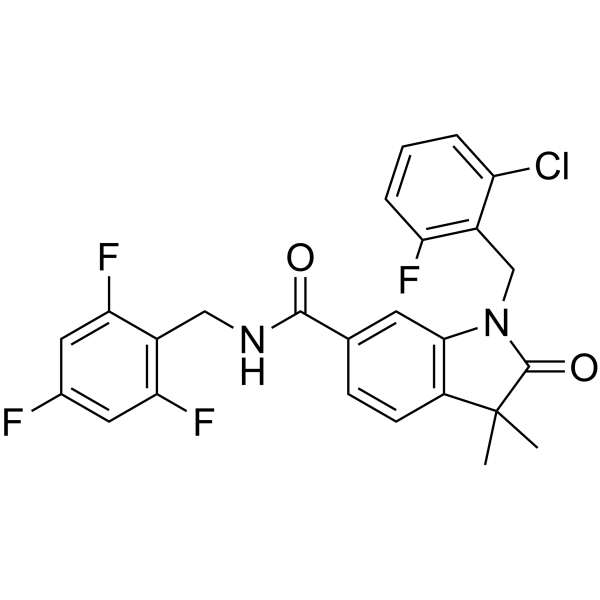
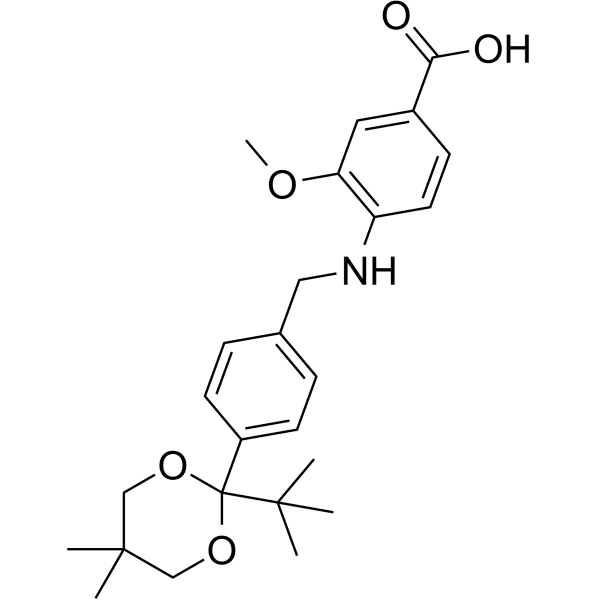
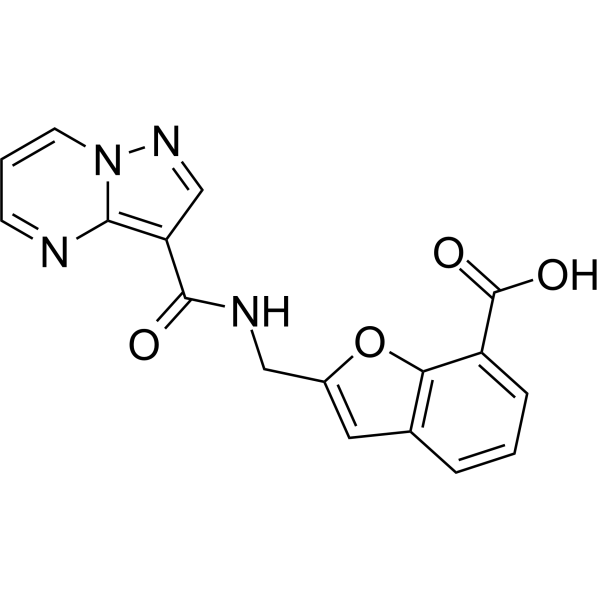
From 11:00 pm to 12:00 pm EST ( 8:00 pm to 9:00 pm PST ) on January 6th, the website will be under maintenance. We are sorry for the inconvenience. Please arrange your schedule properly.
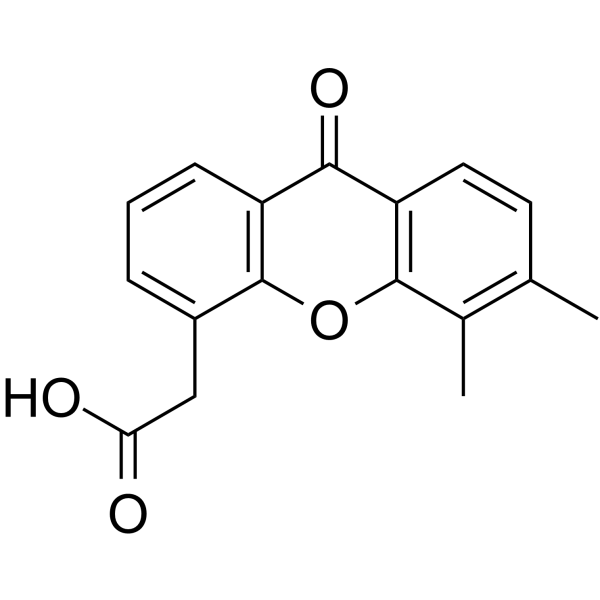
Vadimezan (DMXAA), the tumor vascular disrupting agent (tumor-VDA), is a murine agonist of the stimulator of interferon genes(STING) and also a potent inducer of type I IFNs and other cytokines. Vadimezan is unable to activate humanSTING. Vadimezan has anti-influenza virus H1N1-PR8 activities.
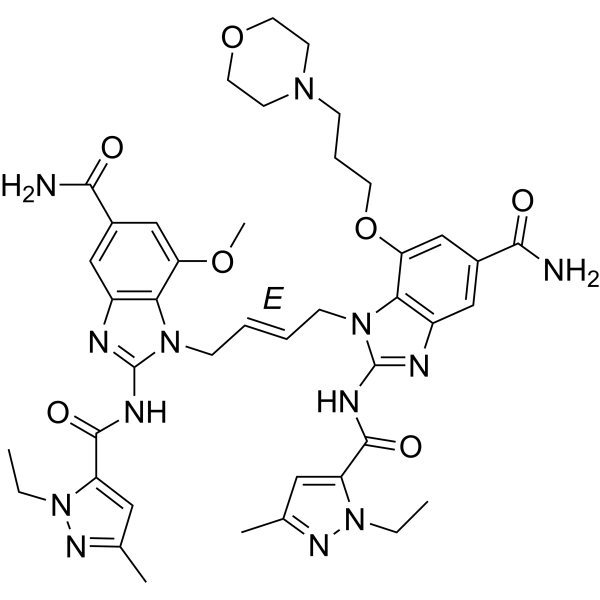
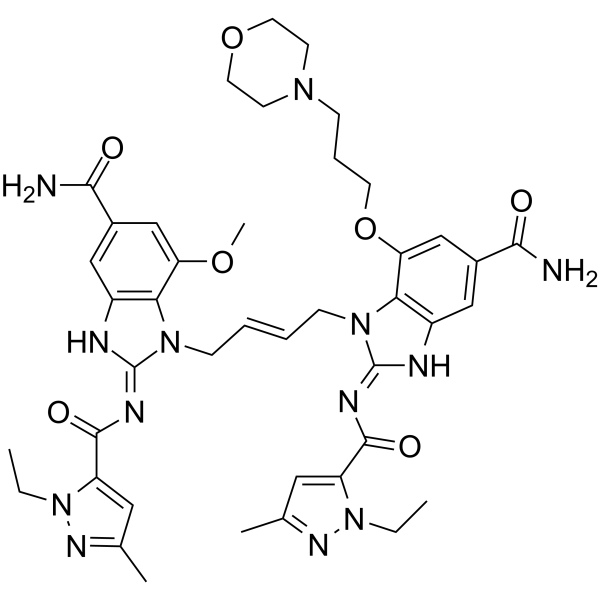
diABZI STING agonist-1 is a tautomerism of diABZI STING agonist-1 tautomerism (HY-112921). diABZI STING agonist-1 is a selective stimulator of interferon genes (STING) receptor agonist, with EC50s of 130, 186 nM for human and mouse, respectively .
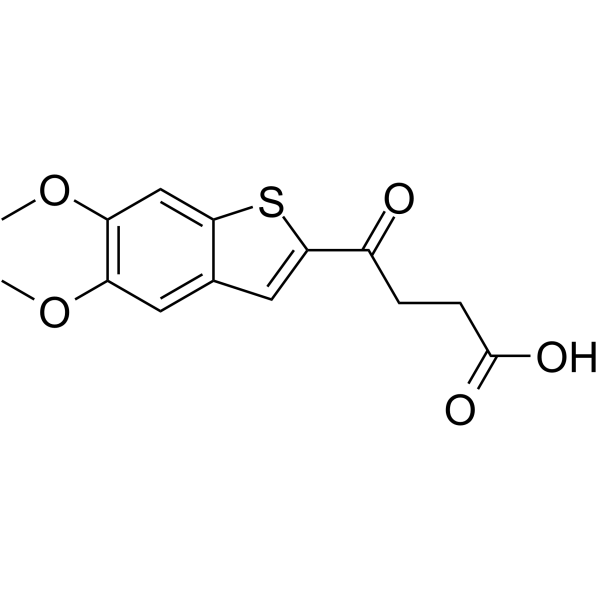
MSA-2, a potent and orally available non-nucleotide STING agonist, is bound to STING as a noncovalent dimer with nanomolar affinity. MSA-2 shows EC50s of 8.3 and 24 μM for humanSTING isoforms WT and HAQ, respectively. MSA-2 stimulates interferon-β secretion in tumors, induces tumor regression with durable antitumor immunity, and synergizes with anti-PD-1 in syngeneic mouse tumor models .
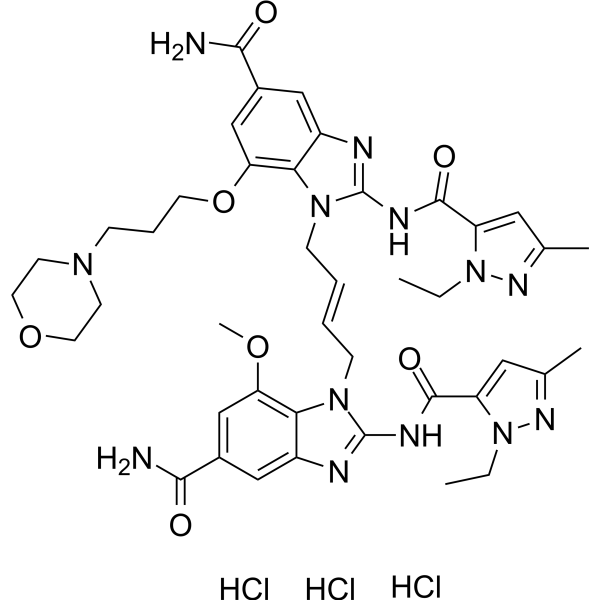
diABZI STING agonist-1 (trihydrochloride) is a selective stimulator of interferon genes (STING) receptor agonist, with EC50s of 130, 186 nM for human and mouse, respectively.
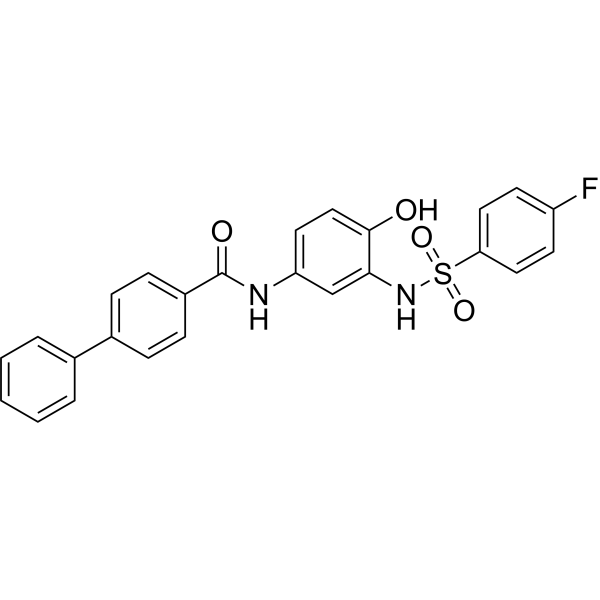
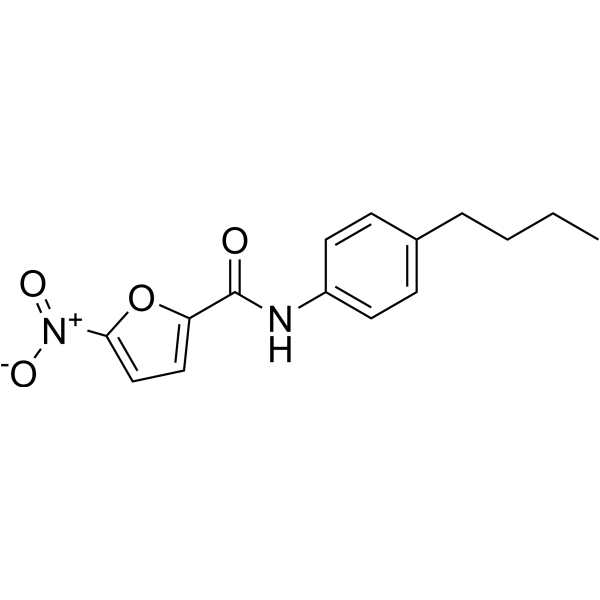
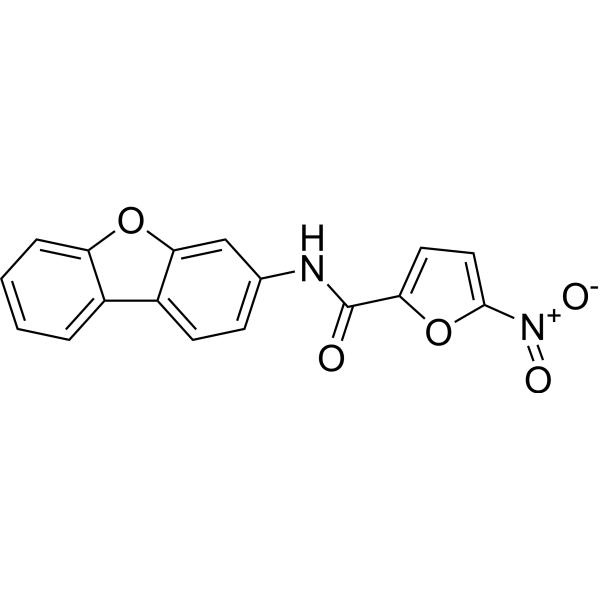
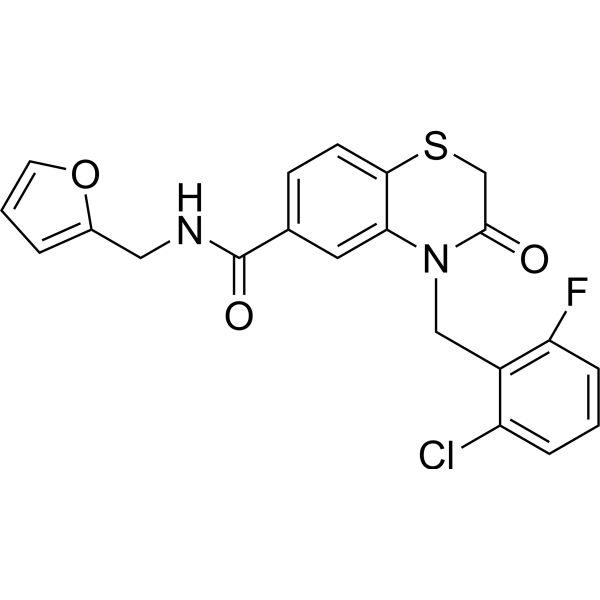
SN-011 is a potent and selective mouse and humanSTING inhibitor, with an IC50 of 76 nM for STING signaling. SN-011 competes with cyclic dinucleotide (CDN) for the binding pocket of the STING dimer, blocking CDN binding and STING activation. SN-011 can be used for the research of STING-driven autoimmune and inflammatory disease .
STING-IN-2 (C-170) is a potent and covalent STING inhibitor. STING-IN-2 efficiently inhibits both mouse STING (mmSTING) and humanSTING (hsSTING). STING-IN-2 can be used for autoinflammatory disease research .
diABZI STING agonist-1 tautomerism is a tautomerism of diABZI STING agonist-1 (HY-112921A). diABZI STING agonist-1 tautomerism is a selective stimulator of interferon genes (STING) receptor agonist, with EC50s of 130, 186 nM for human and mouse, respectively .
C-178 is a potent and selective covalent inhibitor of STING. C-178 binds to Cys91 and suppresses the STING responses elicited by distinct bona fide activators in mouse but not human .
STING agonist-1 (G10) is human-specific STING agonist that elicits antiviral activity against emerging Alphaviruses. G10 potently blocks replication of Alphavirus species Venezuelan Equine Encephalitis Virus (VEEV) with IC90 of 24.57 μM .
diABZI-4 is a STING activator and broad-spectrum antiviral agent with immunostimulatory activity. diABZI-4 triggers the TBK1-IRF3 and NF-κB signaling cascades by inducing STING oligomerization, thereby promoting the production of type I/III interferons and various proinflammatory cytokines. diABZI-4 exhibits broad-spectrum antiviral activity and effectively inhibits the replication of influenza A virus, SARS-CoV-2, herpes simplex virus, and other viruses. diABZI-4 also activates lymphocytes and macrophages to provide significant pre- and post-exposure protection in viral disease models. diABZI-4 can be used to study COVID-19, respiratory viral infections, and related immunopathological mechanisms .
SNX281 is a selective STING agonist, with IC50 values of 4.1, 4.5, 10.7, and 3.7 μM against human, mouse, rat, and monkey STING, respectively. SNX281 undergoes homodimerization at the STING binding site, triggering a conformational shift of STING from an inactive open state to an active closed state, thereby driving downstream STING-dependent signaling pathways. SNX281 induces type I interferons, IFN-β, TNF-α, IL-6, cytokine release, T cell responses, and long-lasting immune memory. SNX281 exhibits anti-tumor activity and is applicable to research related to colorectal cancer, melanoma, advanced solid tumors, lymphoma, and ovarian cancer .
STING agonist-45 is a selective STING agonist (EC50 = 0.28 μM). STING agonist-45 activates the innate immune response through the cGAS-STING pathway, upregulating key markers such as p-TBK1 and IRF3. STING agonist-45 exhibits robust STING activation in human peripheral blood mononuclear cells (PBMCs), inducing the production of type I interferons (such as IFN-β) and downstream cytokines (such as TNF-α and IL-6). STING agonist-45 enhances anti-tumor immunity, inhibits tumor growth, and increases CD8 + T cell infiltration in mouse models. STING agonist-45 is promising for the study of STING-related diseases .
NVS-STG2 is a molecular glue that targets STINGSTING-mediated immune signaling. NVS-STG2 induces higher-order oligomerization of humanSTING by binding to pockets between adjacent STING dimer transmembrane domains, effectively acting as a molecular glue. NVS-STGI enhances the activity of cGAMP by inducing the formation of more abundant and larger oligomers. NVS-STG2 produces antitumor activity in animal models .
diABZI-V/C-Mal is a STING agonist (with a STINGEC50 of 314 nM in TH1 dual reporter cells) and a Cathepsin B substrate. diABZI-V/C-Mal activates STING, thereby triggering the IRF3 signaling pathway. diABZI-V/C-Mal is cleaved by Cathepsin B to regenerate diABZI-NH2 .
STING-IN-15 is an orally active STING inhibitor, with an IC50 of 116 nM against h-STING and an IC50 of 96.3 nM against m-STING. STING-IN-15 inhibits the STING signaling pathway in cells, reduces the secretion of IFN-β and IP-10, downregulates the expression of ISG15, ISG56 and TNF-α, and suppresses the phosphorylation of TBK1/IRF3. STING-IN-15 alleviates systemic and renal inflammation induced by STING agonists in mice, reduces tissue damage and the expression of interferon pathway genes, and inhibits spontaneous tissue inflammation in mice. STING-IN-15 can be used for the research of acute kidney injury and autoimmune/inflammatory diseases .
STING agonist-7 is a non-nucleotide STING agonist. STING agonist-7 binds selectively to mouse STING but not humanSTING. STING agonist-7 penetrates cell membrane poorly .
Z-Val-Ala-OH is a dipeptide derivative of valine and alanine. Z-Val-Ala-OH undergoes cleavage by cathepsin B and other lysosomal proteases to enable payload release following lysosomal internalization.Z-Val-Ala-OH can be used for the research of antibody-drug conjugate (ADC) development[1] .
STING1 Human Pre-designed siRNA Set A contains three designed siRNAs for STING1 gene (Human), as well as a negative control, a positive control, and a FAM-labeled negative control.
G3-YSD is a cGAS agonist. G3-YSD directly interacts with cGAS to enhance its enzymatic activity, promote the conversion of ATP and GTP into cGAMP, and trigger STING-dependent IFN-α/β secretion. G3-YSD acts as a viral mimic to replace actual viral DNA . G3-YSD is applicable to research related to long COVID and type 1 human immunodeficiency virus infection .
STING agonist-14 (compound 12b) is a potent STING agonist that is efficacious across species. STING agonist-14 could activate the pathway by directly binding humanSTING. STING agonist-14 can be used for the research of tumours or viral infections .
diABZI-i is an orthogonal STING inhibitor. diABZI-i significantly inhibits cGAMP-induced IFNβ in PBMCs. diABZI-i also activates constitutive signaling of V155M SAVI and exerts potent agonistic effects in the STING V155M THP-1 cell model. diABZI-i can be used for research on monogenic autoinflammatory diseases such as SAVI .
S217879 is an orally active and selective NRF2 activator. S217879 activates the NRF2 pathway by specifically disrupting the KEAP1 (Kd: 4.15 nM)-NRF2 interaction, and upregulates the antioxidant response. S217879 also ameliorates steatohepatitis and reduces the degree of liver fibrosis. S217879 can be used in the research of metabolic dysfunction-associated steatotic liver disease and nonalcoholic steatohepatitis .
Vadimezan (Standard) (DMXAA (Standard)) is the analytical standard of Vadimezan (HY-10964). This product is intended for research and analytical applications. Vadimezan (DMXAA; ASA-404), the tumor vascular disrupting agent (tumor-VDA), is a murine agonist of the stimulator of interferon genes (STING) and also a potent inducer of type I IFNs and other cytokines. Vadimezan is unable to activate humanSTING. Vadimezan has anti-influenza virus H1N1-PR8 activities.
STING-IN-16 is a STING inhibitor with IC50 values of 44 nM (human) and 32 nM (mice) for cellular STING inhibition. STING-IN-16 effectively inhibits the activation of the STING axis in both human and murine cells. STING-IN-16 can restore renal mitochondrial function, suppress reactive oxygen species (ROS) production, and reduce cell apoptosis. STING-IN-16 shows robust anti-inflammatory efiicacy in vivo. STING-IN-16 can be used for the study of autoimmune and autoinflammatory diseases .
STING-IN-8 (Compound 15b) emerges as a potent stimulator of interferon gene (STING) inhibitor with an IC50 value of 0.121 μM in human and an IC50 value of 0.033 μM in mouse. STING-IN-8 inhibits MSA-2 (HY-136927) or 2’, 3’ -cGAMP (HY-100564)-stimulated STING signaling and suppresses immune-inflammatory cytokine levels in both human and murine cells. STING-IN-8 is promising for research in the field of STING-associated inflammatory and autoimmune diseases .
STING-IN-17 (compound 10a) is an orally active STING (humanSTINGIC50 = 29 nM, mouse STINGIC50 = 15 nM) inhibitor. STING-IN-17 can inhibit the phosphorylation of STING, TBK1 and IRF3. STING-IN-17 dose dependently inhibits the mRNA expression of IP10, IFNB1 and ISG56. STING-IN-17 can reduce ROS and inhibit the expression of cleaved-PARP/caspase-3. STING-IN-17 can improve kidney function. STING-IN-17 can be used for research on inflammatory conditions such as acute kidney injury .
diABZI-a1 is a orthosteric STING agonist with EC50 of 117 nM for IFNβ in human PBMCs. diABZI-a1 can be used for monogenic autoinflammatory disease like SAVI disease research .
hSTING activator-1 (Compound 68) is a STING agonist. hSTING activator-1 can effectively activate multiple humanSTING variants (R232, H232, HAQ) with EC50 values of 56 nM, 89 nM and 51 nM, respectively. hSTING activator-1 activates the type I interferon pathway by directly binding to STING protein and stabilizing its conformation, promoting downstream IRF3 phosphorylation and cytokine release. hSTING activator-1 inhibits fibrosarcoma tumor growth and has potential in cancer research .
M04 is an agonist of STING. It induces the expression of the IFN reporter gene in HEK293T cells expressing wild-type humanSTING, but does not induce this expression in HEK293T cells expressing the R71H-G230A-R293Q (HAQ) STING variant or in mouse RAW 264.7 cells, indicating that its activity is dependent on allelic and species variations. M04 induces the production of TNF-α, IL-10, IL-1β, and IL-12p70 in human peripheral blood mononuclear cells (PBMCs). At a concentration of 50 µM, M04 stimulates dendritic cells isolated from PBMCs to express the MHC class II cell surface receptor HLA-DR and co-stimulatory molecules CD40, CD80, and CD86, and also enhances their ability to activate T cells in an ex vivo assay. M04 can be used in research on inflammatory immune diseases .
STING antagonist-3 is a potent STING antagonist with an IC50 of 2.3 nM against human wild-type STING. STING antagonist-3 inhibits human wild-type STING and the gain-of-function STING mutants N154S and V155M. STING antagonist-3 suppresses IFN‑α2a production in stimulated human whole blood. STING antagonist-3 inhibits IP-10 production in activated human dermal microvascular endothelial cells (HMVEC-d). STING antagonist-3 can be used for the research of autoimmune diseases, autoinflammatory diseases, interferonopathies, and fibrotic disorders .
UM-259 hydrochloride is a STING inhibitor with activity against both murine and humanSTING (including the STINGR232 mutant). UM-259 hydrochloride inhibits STING-dependent signaling pathways, blocks STING oligomerization, and acts on human primary CD14 + monocytes. UM-259 hydrochloride can be used for research on amyotrophic lateral sclerosis, lupus erythematosus, Aicardi-Goutières syndrome, and infant-onset STING-associated vasculopathy .
UM-203 is a reversible covalent STING antagonist. UM-203 is effective against both mouse and humanSTING, and in particular, it inhibits the most common humanSTING R232 variant. UM-203 can inhibit STING oligomerization and reduce phosphorylation of downstream TBK1 and IRF3, thereby blocking the IRF3 and NF-κB-mediated signaling pathways and inhibiting IFNβ and IL-6 secretion. UM-203 can be used for the research of inflammation and immunology, such as systemic lupus erythematosus .
UM-200 is a covalent STING inhibitor with an EC50 of 1.10 μM. UM-200 covalently modifies the cysteine residues C292 or C309 of STING, thereby blocking its oligomerization and downstream signal transduction. UM-200 inhibits STING-dependent phosphorylation of TBK1 and IRF3. UM-200 inhibits the STING signaling pathway in mouse models. UM-200 can be used for research on STING-driven inflammatory and autoimmune diseases .
STING agonist-50 is an orally active STING agonist with an IC50 of 3.457 μM. STING agonist-50 activates the STING signaling pathway and promotes the phosphorylation of downstream TBK1 and IRF3. STING agonist-50 induces the expression of IFN-β, CXCL10 and IL-6. STING agonist-50 inhibits tumor growth in syngeneic mouse models. STING agonist-50 can be used for the research of colorectal cancer .
SMU-3k is a STING activator and PD-L1 inhibitor, with a PD-L1IC50 of 106 nM, a KD of 386 nM for humanPD-L1, and a KD of 352 nM for murine PD-L1. SMU-3k activates the STING pathway, induces phosphorylation of TBK1 and IRF3, and promotes the expression of IFN-β, IL-6 and CXCL10. SMU-3k blocks the PD-1/PD-L1 interaction, reduces PD-L1 levels and induces PD-L1 internalization. Through dual immunomodulation, SMU-3k exerts synergistic tumor growth inhibitory effects in a mouse colon cancer model. SMU-3k can be used for the research of colon cancer .
cGAS-IN-9 is a cyclic guanosine monophosphate-adenosine monophosphate synthase (cGAS) inhibitor, with IC50 values of 27.5 nM and 5.15 μM against human and murine cGAS, respectively. cGAS-IN-9 shows weak inhibitory activity against human soluble adenylate cyclase, with an IC50 of 26.4 μM. cGAS-IN-9 inhibits dsDNA-induced expression of IFNB1 and CXCL10, as well as activation of the NF-κB pathway, in human immune cells. cGAS-IN-9 can be used in research related to cGAS-dependent inflammatory diseases .
Enpp-1-IN-30 (compound 44a) is an orally bioavailable ENPP1 inhibitor with a humanIC50 of 13.1 nM. Enpp-1-IN-30 prevents cGAMP degradation, activates the STING pathway. Enpp-1-IN-30 induces cytokine release to enhance innate immune response. Enpp-1-IN-30 exerts antitumor efficacy in syngeneic mouse models. Enpp-1-IN-30 can be used for the research of colon carcinoma .
XL-20 is an orally active DNA polymerase θ (Polθ) ATPase inhibitor with an IC50 of 4.3 nM against human targets. XL-20 activates the cGAS-STING pathway. XL-20 upregulates the expression of PD-L1 in HR-deficient cancer cells. XL-20 acts synergistically with PARP inhibition in HR-deficient cancer cells and in vivo xenograft models. XL-20 can be used in studies related to HR-deficient cancers .
SN38-(PEG)2-Pom-α is a selective PROTAC RPL15 degrader. SN38-(PEG)2-Pom-α induces ubiquitin-mediated degradation of RPL15 without affecting TOP1. SN38-(PEG)2-Pom-α induces damage-associated molecular pattern (DAMP) secretion from cancer cells, which activated cGAS-STING signaling in dendritic cells. SN38-(PEG)2-Pom-α enhances anti-PD-1 immunotherapy in a murine melanoma tumor model expressing human CRBN. SN38-(PEG)2-Pom-α can be used for melanoma research .
Z-Val-Ala-OH is a dipeptide derivative of valine and alanine. Z-Val-Ala-OH undergoes cleavage by cathepsin B and other lysosomal proteases to enable payload release following lysosomal internalization.Z-Val-Ala-OH can be used for the research of antibody-drug conjugate (ADC) development[1] .
The TMEM173 protein acts as a promoter of innate immune signaling, acting as a sensor of bacterial and viral cytoplasmic DNA, ultimately promoting the production of type I interferons (IFN-α and IFN-β). This innate immune response is triggered in response to the delivery of non-CpG double-stranded DNA from viruses and bacteria into the cytoplasm. Sting1/TMEM173 Protein, Human (Sumo-His) is the recombinant human-derived TMEM173 protein, expressed by E. coli , with N-SUMO, N-6*His labeled tag.
The TMEM173 protein acts as a promoter of innate immune signaling, acting as a sensor of bacterial and viral cytoplasmic DNA, ultimately promoting the production of type I interferons (IFN-α and IFN-β). This innate immune response is triggered in response to the delivery of non-CpG double-stranded DNA from viruses and bacteria into the cytoplasm. Sting1/TMEM173 Protein, Human (N-His-Sumo) is the recombinant human-derived TMEM173 protein, expressed by E. coli , with N-6*His, N-SUMO labeled tag.
The TMEM173 protein acts as a promoter of innate immune signaling, acting as a sensor of bacterial and viral cytoplasmic DNA, ultimately promoting the production of type I interferons (IFN-α and IFN-β). This innate immune response is triggered in response to the delivery of non-CpG double-stranded DNA from viruses and bacteria into the cytoplasm. Sting1/TMEM173 Protein, Human (P. pastoris, His) is the recombinant human-derived TMEM173 protein, expressed by P. pastoris , with C-6*His labeled tag.
UM-203 is a reversible covalent STING antagonist. UM-203 is effective against both mouse and humanSTING, and in particular, it inhibits the most common humanSTING R232 variant. UM-203 can inhibit STING oligomerization and reduce phosphorylation of downstream TBK1 and IRF3, thereby blocking the IRF3 and NF-κB-mediated signaling pathways and inhibiting IFNβ and IL-6 secretion. UM-203 can be used for the research of inflammation and immunology, such as systemic lupus erythematosus .
STING1 Human Pre-designed siRNA Set A contains three designed siRNAs for STING1 gene (Human), as well as a negative control, a positive control, and a FAM-labeled negative control.
G3-YSD is a cGAS agonist. G3-YSD directly interacts with cGAS to enhance its enzymatic activity, promote the conversion of ATP and GTP into cGAMP, and trigger STING-dependent IFN-α/β secretion. G3-YSD acts as a viral mimic to replace actual viral DNA . G3-YSD is applicable to research related to long COVID and type 1 human immunodeficiency virus infection .
Inquiry Online
Your information is safe with us. * Required Fields.
Western blot analysis of extracts from THP-1(lane 2(20μg), Jurkat (lane 3(20μg) and NIH3T3(lane 4(20μg) using FOXO1A (HY-P80132) Rabbit mAb. Proteins were transferred
to a PVDF membrane and blocked with 5% non-fat milk in TBST for 2 hour at room temperature. The primary antibody (1/1000) and Loading control antibody (Beta Actin, HY-P80438, 1/10000) was
used in 5% non-fat milk in TBST at 4°C overnight. Goat Anti-Mouse/Rabbit IgG-HRP Secondary Antibody (1/10000) was used for 1 hour at room temperature.
Western blot analysis of extracts from THP-1(lane 2(20μg), Jurkat (lane 3(20μg) and NIH3T3(lane 4(20μg) using FOXO1A (HY-P80132) Rabbit mAb. Proteins were transferred
to a PVDF membrane and blocked with 5% non-fat milk in TBST for 2 hour at room temperature. The primary antibody (1/1000) and Loading control antibody (Beta Actin, HY-P80438, 1/10000) was
used in 5% non-fat milk in TBST at 4°C overnight. Goat Anti-Mouse/Rabbit IgG-HRP Secondary Antibody (1/10000) was used for 1 hour at room temperature.
Western blot analysis of extracts from THP-1(lane 2(20μg), Jurkat (lane 3(20μg) and NIH3T3(lane 4(20μg) using FOXO1A (HY-P80132) Rabbit mAb. Proteins were transferred
to a PVDF membrane and blocked with 5% non-fat milk in TBST for 2 hour at room temperature. The primary antibody (1/1000) and Loading control antibody (Beta Actin, HY-P80438, 1/10000) was
used in 5% non-fat milk in TBST at 4°C overnight. Goat Anti-Mouse/Rabbit IgG-HRP Secondary Antibody (1/10000) was used for 1 hour at room temperature.
Western blot analysis of extracts from THP-1(lane 2(20μg), Jurkat (lane 3(20μg) and NIH3T3(lane 4(20μg) using FOXO1A (HY-P80132) Rabbit mAb. Proteins were transferred
to a PVDF membrane and blocked with 5% non-fat milk in TBST for 2 hour at room temperature. The primary antibody (1/1000) and Loading control antibody (Beta Actin, HY-P80438, 1/10000) was
MedchemExpress Validation 03
Western blot analysis of extracts from THP-1(lane 2(20μg), Jurkat (lane 3(20μg) and NIH3T3(lane 4(20μg) using FOXO1A (HY-P80132) Rabbit mAb. Proteins were transferred
MedchemExpress Validation 04
Western blot analysis of extracts from THP-1(lane 2(20μg), Jurkat (lane 3(20μg) and NIH3T3(lane 4(20μg) using FOXO1A (HY-P80132) Rabbit mAb. Proteins were transferred
to a PVDF membrane and blocked with 5% non-fat milk in TBST for 2 hour at room temperature. The primary antibody (1/1000) and Loading control antibody (Beta Actin, HY-P80438, 1/10000) was
used in 5% non-fat milk in TBST at 4°C overnight. Goat Anti-Mouse/Rabbit IgG-HRP Secondary Antibody (1/10000) was used for 1 hour at room temperature.
MedchemExpress Validation
Western blot analysis of extracts from THP-1(lane 2(20μg), Jurkat (lane 3(20μg) and NIH3T3(lane 4(20μg) using FOXO1A (HY-P80132) Rabbit mAb. Proteins were transferred
to a PVDF membrane and blocked with 5% non-fat milk in TBST for 2 hour at room temperature. The primary antibody (1/1000) and Loading control antibody (Beta Actin, HY-P80438, 1/10000) was
used in 5% non-fat milk in TBST at 4°C overnight. Goat Anti-Mouse/Rabbit IgG-HRP Secondary Antibody (1/10000) was used for 1 hour at room temperature.
Western blot analysis of extracts from THP-1(lane 2(20μg), Jurkat (lane 3(20μg) and NIH3T3(lane 4(20μg) using FOXO1A (HY-P80132) Rabbit mAb. Proteins were transferred
to a PVDF membrane and blocked with 5% non-fat milk in TBST for 2 hour at room temperature. The primary antibody (1/1000) and Loading control antibody (Beta Actin, HY-P80438, 1/10000) was
used in 5% non-fat milk in TBST at 4°C overnight. Goat Anti-Mouse/Rabbit IgG-HRP Secondary Antibody (1/10000) was used for 1 hour at room temperature.
MedchemExpress Validation
Western blot analysis of extracts from THP-1(lane 2(20μg), Jurkat (lane 3(20μg) and NIH3T3(lane 4(20μg) using FOXO1A (HY-P80132) Rabbit mAb. Proteins were transferred
to a PVDF membrane and blocked with 5% non-fat milk in TBST for 2 hour at room temperature. The primary antibody (1/1000) and Loading control antibody (Beta Actin, HY-P80438, 1/10000) was
used in 5% non-fat milk in TBST at 4°C overnight. Goat Anti-Mouse/Rabbit IgG-HRP Secondary Antibody (1/10000) was used for 1 hour at room temperature.
MedchemExpress Validation
Western blot analysis of extracts from THP-1(lane 2(20μg), Jurkat (lane 3(20μg) and NIH3T3(lane 4(20μg) using FOXO1A (HY-P80132) Rabbit mAb. Proteins were transferred
to a PVDF membrane and blocked with 5% non-fat milk in TBST for 2 hour at room temperature. The primary antibody (1/1000) and Loading control antibody (Beta Actin, HY-P80438, 1/10000) was
used in 5% non-fat milk in TBST at 4°C overnight. Goat Anti-Mouse/Rabbit IgG-HRP Secondary Antibody (1/10000) was used for 1 hour at room temperature.
MedchemExpress Validation
Western blot analysis of extracts from THP-1(lane 2(20μg), Jurkat (lane 3(20μg) and NIH3T3(lane 4(20μg) using FOXO1A (HY-P80132) Rabbit mAb. Proteins were transferred
to a PVDF membrane and blocked with 5% non-fat milk in TBST for 2 hour at room temperature. The primary antibody (1/1000) and Loading control antibody (Beta Actin, HY-P80438, 1/10000) was
used in 5% non-fat milk in TBST at 4°C overnight. Goat Anti-Mouse/Rabbit IgG-HRP Secondary Antibody (1/10000) was used for 1 hour at room temperature.
MedchemExpress Validation
Western blot analysis of extracts from THP-1(lane 2(20μg), Jurkat (lane 3(20μg) and NIH3T3(lane 4(20μg) using FOXO1A (HY-P80132) Rabbit mAb. Proteins were transferred
to a PVDF membrane and blocked with 5% non-fat milk in TBST for 2 hour at room temperature. The primary antibody (1/1000) and Loading control antibody (Beta Actin, HY-P80438, 1/10000) was
used in 5% non-fat milk in TBST at 4°C overnight. Goat Anti-Mouse/Rabbit IgG-HRP Secondary Antibody (1/10000) was used for 1 hour at room temperature.
MedchemExpress Validation
Western blot analysis of extracts from THP-1(lane 2(20μg), Jurkat (lane 3(20μg) and NIH3T3(lane 4(20μg) using FOXO1A (HY-P80132) Rabbit mAb. Proteins were transferred
to a PVDF membrane and blocked with 5% non-fat milk in TBST for 2 hour at room temperature. The primary antibody (1/1000) and Loading control antibody (Beta Actin, HY-P80438, 1/10000) was
used in 5% non-fat milk in TBST at 4°C overnight. Goat Anti-Mouse/Rabbit IgG-HRP Secondary Antibody (1/10000) was used for 1 hour at room temperature.
MedchemExpress Validation
Western blot analysis of extracts from THP-1(lane 2(20μg), Jurkat (lane 3(20μg) and NIH3T3(lane 4(20μg) using FOXO1A (HY-P80132) Rabbit mAb. Proteins were transferred
to a PVDF membrane and blocked with 5% non-fat milk in TBST for 2 hour at room temperature. The primary antibody (1/1000) and Loading control antibody (Beta Actin, HY-P80438, 1/10000) was
used in 5% non-fat milk in TBST at 4°C overnight. Goat Anti-Mouse/Rabbit IgG-HRP Secondary Antibody (1/10000) was used for 1 hour at room temperature.
MedChemExpress values your privacy and your trust is important to us. We use cookies to enhance your website experience. Some cookies are necessary to run the website.
Privacy and Cookie Policy

