






1. Search Result
Search Result
Results for "

human systems

" in MedChemExpress (MCE) Product Catalog:

188

Inhibitors & Agonists

10

Screening Libraries

2

Fluorescent Dye

8

Biochemical Assay Reagents

33

Peptides

8

MCE Kits

10

Inhibitory Antibodies

25

Natural
Products

3

Isotope-Labeled Compounds

1

Click Chemistry

20

Oligonucleotides

Cat. No. Product Name Target Research Areas Chemical Structure
  • HY-P1071
    α-CGRP (human)
    4 Publications Verification

    Calcitonin gene-related peptide

    CGRP Receptor Cardiovascular Disease
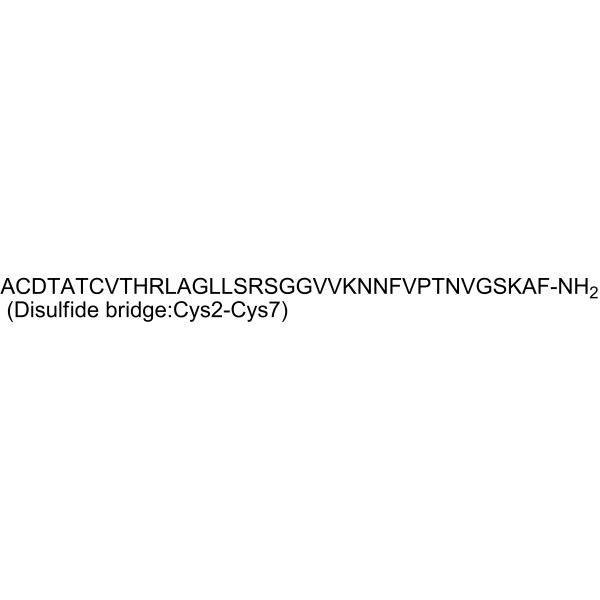
    α-CGRP (human) (Calcitonin gene-related peptide) is a regulatory neuropeptide of 37 amino acids. α-CGRP (human) is widely distributed in the central and peripheral nervous system. α-CGRP (human) is a potent vasodilator and has inotropic and chronotropic effects .
    α-CGRP (human)
  • HY-P1956
    Human serum albumin
    4 Publications Verification

    HSA

    NF-κB NO Synthase Cardiovascular Disease Inflammation/Immunology Cancer
    Human serum albumin (HSA) is the most abundant protein in plasma and is a major determinant of plasma oncotic pressure. Human serum albumin exhibits antioxidant, anticoagulant, anti-inflammatory, anti-platelet aggregation activities as well as colloid osmotic action. Human serum albumin can block the inhibitory effect of GML on human T cells, providing protective function for T cells. Human serum albumin is also associated with cardiovascular diseases and can partially prevent the LPS (HY-D1056) induced oxidative stress, as well as the upregulation of NF-κB, NF-κB, and peroxynitrite (ONOO ) in the vascular wall, contributing to the reduction of blood pressure .
    This product is recombinant Human Serum Albumin expressed in a microbial expression system.
    Human serum albumin
  • HY-13948A
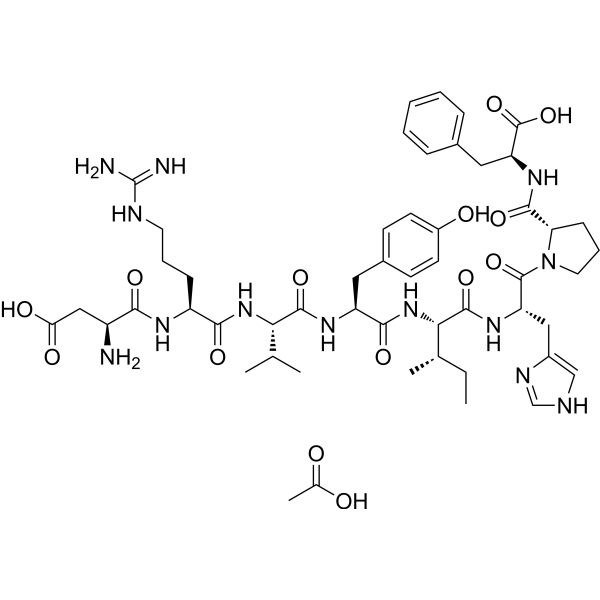
    Angiotensin II human acetate
    Maximum Cited Publications
    222 Publications Verification

    Angiotensin II acetate; Ang II acetate; DRVYIHPF acetate

    Angiotensin Receptor Apoptosis Cardiovascular Disease Infection Metabolic Disease Inflammation/Immunology Cancer
    Angiotensin II human (Angiotensin II) acetate is a vasoconstrictor and a major bioactive peptide of the renin/angiotensin system. Angiotensin II human acetate plays a central role in regulating human blood pressure, which is mainly mediated by interactions between Angiotensin II and the G-protein-coupled receptors (GPCRs) Angiotensin II type 1 receptor (AT1R) and Angiotensin II type 2 receptor (AT2R). Angiotensin II human acetate stimulates sympathetic nervous stimulation, increases aldosterone biosynthesis and renal actions. Angiotensin II human acetate induces growth of vascular smooth muscle cells, increases collagen type I and III synthesis in fibroblasts, leading to thickening of the vascular wall and myocardium, and fibrosis. Angiotensin II human acetate also induces apoptosis. Angiotensin II human acetate induces capillary formation from endothelial cells via the LOX-1 dependent redox-sensitive pathway .
    Angiotensin II human acetate
  • HY-N2327
    Oleamide
    1 Publications Verification

    Endogenous Metabolite Others
    Oleamide is an endogenous fatty acid amide which can be synthesized de novo in the mammalian nervous system, and has been detected in human plasma.
    Oleamide
  • HY-P3160
    Fibronectin
    5+ Cited Publications

    Integrin Cardiovascular Disease Inflammation/Immunology
    Fibronectin, a glycoprotein present in blood as well as in cells, is a biomarker of tissue injury. Fibronectin binds to membrane-spanning receptor proteins called integrins. Fibronectin also binds to other extracellular matrix proteins such as collagen, fibrin, and heparan sulfate proteoglycans .
    This product is a human Fibronectin obtained by recombinant expression in a rice expression system.
    Fibronectin
  • HY-P9914
    Eculizumab
    4 Publications Verification

    Anti-human C5, humanized Antibody; h5G1.1

    Complement System Cardiovascular Disease Neurological Disease
    Eculizumab (Anti-Human C5, Humanized Antibody) is a long-acting humanized monoclonal antibody targeted against complement C5. Eculizumab inhibits the cleavage of C5 into C5a and C5b and inhibits deployment of the terminal complement system including the formation of membrane attack complex (MAC). Eculizumab prevents anti-ganglioside antibody-mediated neuropathy in mice. Eculizumab can be used in hemolysis studies .
    Eculizumab
  • HY-P1036
    Compstatin
    3 Publications Verification

    Complement System Others
    Compstatin, a 13-residue cyclic peptide, is a potent inhibitor of the complement system C3 with species specificity. Compstatin binds to baboon C3 and is resistant to proteolytic cleavage in baboon blood (similar to humans). Compstatin inhibits only the activation of primates’ complement system. Compstatin exhibits IC50 values of 63 μM and 12 μM for classical and alterative complement pathway, respectively .
    Compstatin
  • HY-125934

    Endogenous Metabolite Cancer
    Allocholic acid is a typically fetal bile acid found in vertebrates and reappears during liver regeneration and carcinogenesis, besides it is also a conjugate acid of allocholate and an isomer of cholic acid. Allocholic acid is a potent and specific stimulant of the adult olfactory system, it has a role as a marine metabolite, a rat metabolite and a human metabolite .
    Allocholic acid
  • HY-P0254
    Kisspeptin-10, human
    1 Publications Verification

    Kisspeptin Receptor Cardiovascular Disease Cancer
    Kisspeptin-10, human is a potent vasoconstrictor and inhibitor of angiogenesis. Kisspeptin-10, human acts as a tumor metastasis suppressor via its receptor GPR54. Kisspeptin-10-GPR54 system plays an important role in embryonic kidney development. Kisspeptin-10/GPR54 signaling induces osteoblast differentiation via NFATc4-mediated BMP2 expression .
    Kisspeptin-10, human
  • HY-P99797

    JR-141

    Transferrin Receptor Neurological Disease
    Pabinafusp alfa (JR-141) is a transferrin receptor-targeting antibody consisting of Iduronate 2-sulfatase (HY-P76399) and an anti-human transferrin receptor antibody. Pabinafusp alfa is blood-brain permeable and prevents heparan sulfate (HS) deposition in the central nervous system of mucopolysaccharidosis II (MPS II) mice. Pabinafusp alfa improves learning and prevents central nervous system neuronal damage in mice .
    Pabinafusp alfa
  • HY-108912

    CAY10441

    Prostaglandin Receptor Inflammation/Immunology Endocrinology
    RO1138452 is a potent and selective IP (prostacyclin) receptor antagonist. RO1138452 displays high affinity for IP receptors. In human platelets, pKi is 9.3±0.1; in a recombinant IP receptor system, pKi is 8.7±0.06.
    RO1138452
  • HY-B1620H

    PVP K90; Polyvidone K90; Povidone K90

    Environmental Pollutants Biochemical Assay Reagents Infection
    Polyvinylpyrrolidone K90 can be used to prepare drug delivery systems, such as electrospun nanofibrous membranes. Polyvinylpyrrolidone K90 is widely used in human and veterinary medicine as an effective wound healing promoter and disinfectant when combined with iodine and other compounds. In addition, Polyvinylpyrrolidone K90 is also used to stabilize nanosuspensions, interact with the surface of drug crystals, and remain bound to the surface after drying .
    Polyvinylpyrrolidone K90
  • HY-W010981
    Acetyl tributyl citrate
    1 Publications Verification

    Tributyl O-acetylcitrate; ATBC

    Environmental Pollutants Biochemical Assay Reagents Others
    Acetyl tributyl citrate (Tributyl O-acetylcitrate) is a pharmaceutical excipient and biodegradable hydrophobic plasticizer. Acetyl tributyl citrate can be used in cosmetics, food packaging, and as a flavoring substance for food .
    Acetyl tributyl citrate
  • HY-107523
    WAY-213613
    3 Publications Verification

    EAAT Neurological Disease
    WAY-213613 is a potent and selective human EAAT2 inhibitor. WAY-213613 has potent EAAT2 inhibitory activity with an IC50 value of 85 nM. WAY-213613 can be used for the research of central nervous system
    WAY-213613
  • HY-P0204A

    Endothelin 3 (Rat,human) TFA

    Endothelin Receptor Integrin Neurological Disease
    Endothelin-3, human, mouse, rabbit, rat TFA (Endothelin 3 (Rat,Human) TFA) is an adhesion stimulant. Endothelin-3, human, mouse, rabbit, rat TFA stimulates the adhesion of enteric neural crest cells to various ECM components. Endothelin-3, human, mouse, rabbit, rat TFA plays an important role in the maintenance and self-renewal of intestinal progenitor cells, participates in the migration of enteric neural crest cells, and helps maintain a suitable environment for the colonization of enteric neural crest cells. Endothelin-3, human, mouse, rabbit, rat TFA acts synergistically with the β1-integrin signaling pathway during enteric nervous system development. Endothelin-3, human, mouse, rabbit, rat TFA can be used in studies related to distal aganglionosis .
    Endothelin-3, human, mouse, rabbit, rat TFA
  • HY-P2159

    Opioid Receptor Endogenous Metabolite Neurological Disease
    Dynorphin A (1-8) is a ligand with preference for the κ-opioid receptor, and its IC50 value against human placental κ-opioid receptor is 330 nM. Dynorphin A (1-8) mediates neuroprotective effects by inhibiting oxidative stress, suppressing apoptosis, and competitively displacing the binding of κ partial agonists. Dynorphin A (1-8) is the dominant opioid peptide in human placental villi and tissue extracts; it undergoes rapid hydrolysis and can enter the central nervous system via intranasal administration. Dynorphin A (1-8) can be used in studies related to ischemic stroke .
    Dynorphin A (1-8)
  • HY-P4058

    CGRP free acid

    CGRP Receptor Neurological Disease
    Calcitonin gene-related peptide (CGRP) free acid is a 37-amino acid neuropeptide, which represents the deamidated form of α-CGRP (human) (HY-P1071). Calcitonin gene-related peptide free acid is produced in the central and peripheral nervous systems of rats, and localizes to specific sensory, integrative and motor neuron systems, including those involved in nociception/thermoreception, feeding behavior, olfaction and visceral motor functions .
    Calcitonin gene-related peptide free acid
  • HY-B1113
    Diazinon
    2 Publications Verification

    Dimpylate

    Environmental Pollutants Parasite Infection
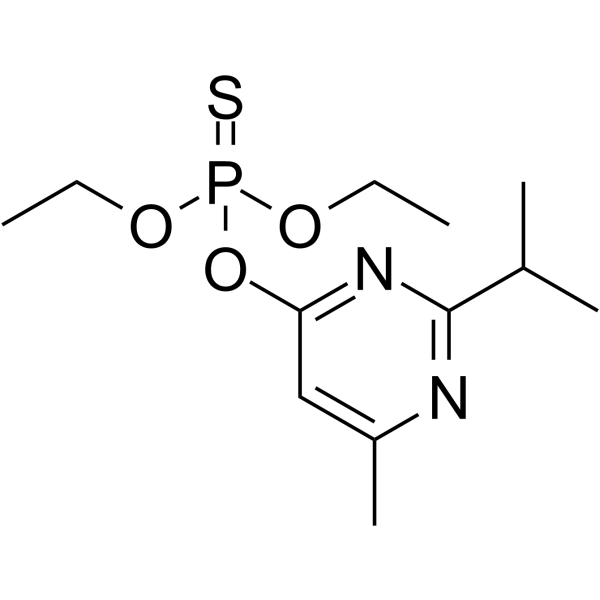
    Diazinon is an orally active, irreversible AChE inhibitor and insecticide that can be absorbed through the digestive system, skin or respiratory tract. Diazinon inhibits AChE, leading to accumulation of acetylcholine, which in turn overstimulates ACh receptors and affects the nervous system. Diazinon also produces reactive oxygen species (ROS), which induce oxidative stress in various tissues. Diazinon is mainly used in the agricultural field as an insecticide and may have potential effects on human and animal health .
    Diazinon
  • HY-121447

    Endogenous Metabolite Metabolic Disease
    Heneicosanoic acid is an odd-chain saturated fatty acid widely present in human milk, fish, seeds, and cerebrosides in the cell membranes of the nervous system. Heneicosanoic acid can form Langmuir monolayers and is often used as a model to study lipid self-assembly and disassembly processes in biological membranes and drug delivery systems. In the low-temperature L'2 and CS crystalline phases, Heneicosanoic acid undergoes local oscillations, which in turn drive the spontaneous formation and expulsion of micelles and vesicles .
    Heneicosanoic acid
  • HY-176949

    STAT Inflammation/Immunology
    STAT6-IN-10 is a STAT6 (signal transducer and activator of transcription 6) inhibitor with an EC50 of 2 nM. STAT6-IN-10 can inhibit the secretion of CCL17 in human peripheral whole blood. STAT6-IN-10 can be used in the research of dermatological and respiratory system diseases .
    STAT6-IN-10
  • HY-174166

    Aquaporin Metabolic Disease
    AqF026 is an aquaporin 1 (AQP1) agonist. AqF026 enhances the channel activity of human AQP1 in the Xenopus laevis oocyte system. AqF026 enhances the osmotic transport of water across the peritoneum in a mouse model of peritoneal dialysis. AqF026 can be used in studies related to ultrafiltration failure in peritoneal dialysis .
    AqF026
  • HY-B1435

    Thymoxamine hydrochloride

    Adrenergic Receptor Cardiovascular Disease Neurological Disease Metabolic Disease
    Moxisylyte (Thymoxamine) hydrochloride is a selective α1A-adrenergic receptor antagonist. Moxisylyte hydrochloride competitively antagonizes the activation mediated by norepinephrine. Moxisylyte hydrochloride relaxes penile cavernous smooth muscle and aids erectile function. Moxisylyte hydrochloride is applicable to research related to erectile dysfunction and multiple system atrophy .
    Moxisylyte hydrochloride
  • HY-107566

    Histamine Receptor Parasite MDM-2/p53 NF-κB FOXO Bacterial Infection Neurological Disease
    Conessine is an orally active and BBB-penetrable selective histamine H3 receptor antagonist. The pKi values of Conessine for rat and human H3 receptors are 7.61 and 8.27, respectively. Conessine is an inhibitor of the multidrug efflux pump system in Pseudomonas aeruginosa and can enhance the activity of antibiotics. Conessine has antimalarial activity. Conessine can also be used in the research of muscle atrophy .
    Conessine
  • HY-13948B
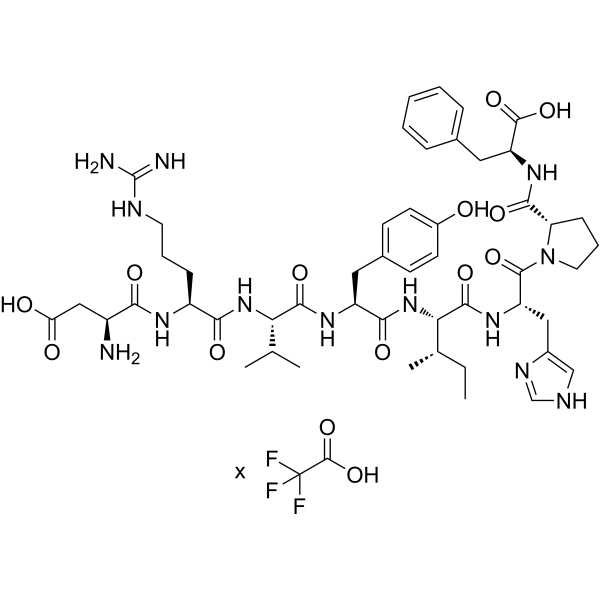
    Angiotensin II human TFA
    Maximum Cited Publications
    222 Publications Verification

    Angiotensin II TFA; Ang II TFA; DRVYIHPF TFA

    Angiotensin Receptor Apoptosis Cardiovascular Disease Metabolic Disease Cancer
    Angiotensin II human (Angiotensin II) TFA is a vasoconstrictor and a major bioactive peptide of the renin/angiotensin system. Angiotensin II human TFA plays a central role in regulating human blood pressure, which is mainly mediated by interactions between Angiotensin II and the G-protein-coupled receptors (GPCRs) Angiotensin II type 1 receptor (AT1R) and Angiotensin II type 2 receptor (AT2R). Angiotensin II human TFA stimulates sympathetic nervous stimulation, increases aldosterone biosynthesis and renal actions. Angiotensin II human TFA induces growth of vascular smooth muscle cells, increases collagen type I and III synthesis in fibroblasts, leading to thickening of the vascular wall and myocardium, and fibrosis. Angiotensin II human TFA also induces apoptosis. Angiotensin II human TFA induces capillary formation from endothelial cells via the LOX-1 dependent redox-sensitive pathway .
    Angiotensin II human TFA
  • HY-P1071A
    α-CGRP (human) TFA
    4 Publications Verification

    Calcitonin gene-related peptide TFA

    CGRP Receptor Cardiovascular Disease
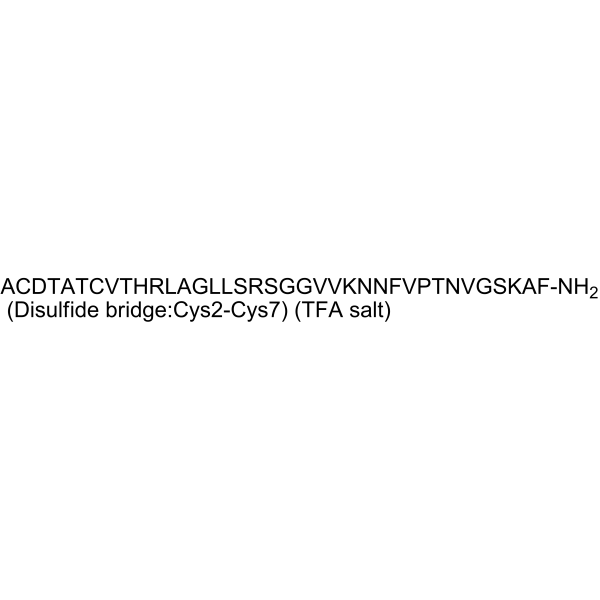
    α-CGRP (human) (TFA) is a regulatory neuropeptide of 37 amino acids. α-CGRP (human) (TFA) is widely distributed in the central and peripheral nervous system. α-CGRP (human) (TFA) is a potent vasodilator and has inotropic and chronotropic effects .
    α-CGRP (human) TFA
  • HY-B1399

    o-Cresotic acid; Hydroxytoluic acid

    Endogenous Metabolite Cardiovascular Disease
    3-Methylsalicylic acid (o-Cresotic acid) is a derivative of salicylic acid. 3-Methylsalicylic acid exhibits significant fibrinolytic activity in human plasma by activating the fibrinolytic system. 3-Methylsalicylic acid can be used as an intermediate for the synthesis of other compounds. 3-Methylsalicylic acid inhibits the feeding of midges .
    3-Methylsalicylic acid
  • HY-P0204
    Endothelin-3, human, mouse, rabbit, rat
    1 Publications Verification

    Endothelin 3 (Rat,human)

    Endothelin Receptor Integrin Neurological Disease
    Endothelin-3, human, mouse, rabbit, rat (Endothelin 3 (Rat,Human)) is an adhesion stimulant. Endothelin-3, human, mouse, rabbit, rat stimulates the adhesion of enteric neural crest cells to various ECM components. Endothelin-3, human, mouse, rabbit, rat plays an important role in the maintenance and self-renewal of intestinal progenitor cells, participates in the migration of enteric neural crest cells, and helps maintain a suitable environment for the colonization of enteric neural crest cells. Endothelin-3, human, mouse, rabbit, rat acts synergistically with the β1-integrin signaling pathway during enteric nervous system development. Endothelin-3, human, mouse, rabbit, rat can be used in studies related to distal aganglionosis .
    Endothelin-3, human, mouse, rabbit, rat
  • HY-107523A
    WAY-213613 hydrochloride
    3 Publications Verification

    EAAT Neurological Disease
    WAY-213613 (hydrochloride) is a potent and selective human EAAT2 inhibitor. WAY-213613 has potent EAAT2 inhibitory activity with an IC50 value of 85 nM. WAY-213613 can be used for the research of central nervous system .
    WAY-213613 hydrochloride
  • HY-103190

    Adenosine Receptor Neurological Disease Cancer
    MRS1220, a highly potent and selective human A3 adenosine receptor (hA3AR) antagonist with a Ki of 0.59 nM, has therapeutic potential for the research of diseases of the central nervous system . MRS1220 reduces glioblastoma tumor size and blood vessel formation in vivo .
    MRS1220
  • HY-106031

    Topoisomerase DNA/RNA Synthesis Cancer
    F-14512 is an anticancer agent that utilizes the polyamine transport system (PTS) to selectively deliver polyamine-containing drugs to cancer cells. F-14512 enhances the affinity of polyamines for DNA, thereby inhibiting topoisomerase II and achieving selective cellular uptake. F-14512 exhibits significant cytotoxicity against cells with high PTS activity and induces DNA damage. F-14512 demonstrates potent antitumor activity in the MX1 breast tumor xenograft model. F-14512 can be used to study breast cancer .
    F-14512
  • HY-P1036A
    Compstatin TFA
    3 Publications Verification

    Complement System Others
    Compstatin TFA, a 13-residue cyclic peptide, is a potent inhibitor of the complement system C3 with species specificity. Compstatin TFA binds to baboon C3 and is resistant to proteolytic cleavage in baboon blood (similar to humans). Compstatin TFA inhibits only the activation of primates’ complement system. Compstatin TFA exhibits IC50 values of 63 μM and 12 μM for classical and alterative complement pathway, respectively .
    Compstatin TFA
  • HY-P3019

    CRFR Cardiovascular Disease Neurological Disease Endocrinology
    Urocortin III (human) is a corticotropin-releasing factor (CRF)-related peptide. Urocortin III (human) preferentially binds and activates CRF-R2 and has a discrete central nervous system and peripheral distribution. Urocortin III (human) potently binds to type 2 CRF receptors, specifically mCRF (Ki = 13.5 nM) and rCRF (Ki = 21.7 nM), while demonstrating negligible affinity for hCRF1 (Ki >100 nM). Urocortin III (human) mediates somatostatin-dependent negative feedback control of Insulin (human) (HY-P0035) secretion [1][2].
    Urocortin III (human)
  • HY-P0254A
    Kisspeptin-10, human TFA
    1 Publications Verification

    Kisspeptin Receptor Cardiovascular Disease Cancer
    Kisspeptin-10, human TFA is a potent vasoconstrictor and inhibitor of angiogenesis. Kisspeptin-10, human TFA acts as a tumor metastasis suppressor via its receptor GPR54. Kisspeptin-10-GPR54 system plays an important role in embryonic kidney development. Kisspeptin-10/GPR54 signaling induces osteoblast differentiation via NFATc4-mediated BMP2 expression .
    Kisspeptin-10, human TFA
  • HY-164580

    Prostaglandin Receptor Neurological Disease Inflammation/Immunology
    RO3244794 is a potent and selective IP (prostacyclin) receptor antagonist, with a pKi of 7.7 and 6.9 in human platelet and recombinant IP receptor system, respectively. RO3244794 exhibits analgesic and anti-inflammatory potential .
    RO3244794
  • HY-P1303

    5-HT Receptor Neurological Disease
    CART(62-76)(human,rat) is a neuropeptide (62-76 residues of the CART peptide) with neurotransmitter-like effects. CART(62-76)(human,rat) can modulate the activity of striatal noradrenergic and corticostriatal and hypothalamic serotoninergic (5-HT) system in the rat brain .
    CART(62-76)(human,rat)
  • HY-108534

    AW 464

    TrxR Inflammation/Immunology Cancer
    PMX464 (AW 464), a thiol-reactive quinol, is the inhibitor of thioredoxin-thioredoxin reductase (Trx/TrxR) system. PMX464 can inhibit NF-κB-mediated proinflammatory activation of human type II alveolar epithelial cells .
    PMX464
  • HY-P3019A

    CRFR Cardiovascular Disease Neurological Disease Metabolic Disease
    Urocortin III (human) TFA is a corticotropin-releasing factor (CRF)-related peptide. Urocortin III (human) TFA preferentially binds and activates CRF-R2 and has a discrete central nervous system and peripheral distribution. Urocortin III (human) TFA potently binds to type 2 CRF receptors, specifically mCRF (Ki = 13.5 nM) and rCRF (Ki = 21.7 nM), while demonstrating negligible affinity for hCRF1 (Ki >100 nM). Urocortin III (human) TFA mediates somatostatin-dependent negative feedback control of Insulin (human) (HY-P0035) secretion .
    Urocortin III (human) TFA
  • HY-148420

    STING Inflammation/Immunology
    CDN-A is a cyclic di-nucleotide, it can be used to synthesis antibody-drug conjugate (ADC). Cyclic di-nucleotides are potent stimulators of innate and adaptive immune responses. In humans, cyclic di-nucleotide, which are either produced endogenously in response to foreign DNA or by invading bacterial pathogens, trigger the innate immune system by activating the expression of interferon genes .
    CDN-A
  • HY-13948BS

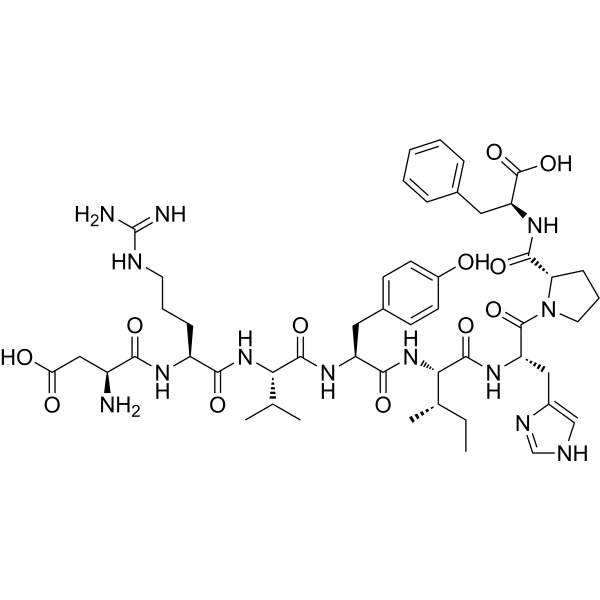
    Angiotensin II-13C6,15N TFA; Ang II-13C6,15N TFA; DRVY(I-13C6,15N)HPF TFA

    Isotope-Labeled Compounds Cancer
    Angiotensin II human- 13C6, 15N TFA (Ang II- 13C6, 15N TFA) is 13C- and 15N-labeled Angiotensin II human (TFA) (HY-13948B). Angiotensin II human (Angiotensin II) TFA is a vasoconstrictor and a major bioactive peptide of the renin/angiotensin system. Angiotensin II human TFA plays a central role in regulating human blood pressure, which is mainly mediated by interactions between Angiotensin II and the G-protein-coupled receptors (GPCRs) Angiotensin II type 1 receptor (AT1R) and Angiotensin II type 2 receptor (AT2R). Angiotensin II human TFA stimulates sympathetic nervous stimulation, increases aldosterone biosynthesis and renal actions .
    Angiotensin II human-13C6,15N TFA
  • HY-N4267

    Calcium Channel Platelet-activating Factor Receptor (PAFR) UGT Leukotriene Receptor TNF Receptor PGE synthase Interleukin Related Cardiovascular Disease Infection Inflammation/Immunology
    Yangambin is a PAF receptor antagonist and UGT1A1/UGT1A3 inhibitor, with an IC50 of 29.7 μM and a Ki of 17.1 μM against human UGT1A1, and an IC50 of 56.5 μM and a Ki of 66.8 μM against human UGT1A3. Yangambin blocks PAF-mediated responses, inhibits LTB4-mediated neutrophil infiltration, and suppresses inflammatory events and anaphylactic contraction. Yangambin acts as a central nervous system inhibitor to reduce spontaneous activity, and also exhibits analgesic, anticonvulsant, antileishmanial, vasodilatory and hypotensive effects. Yangambin blocks voltage-gated Ca 2+ channels, reduces the production of NO, TNF-α, IL-6 and PGE2 in cells, increases the production of IL-10, and exerts a protective effect against cardiovascular injury. Yangambin can be used in research related to allergies, cutaneous leishmaniasis, central nervous system diseases and cardiovascular diseases .
    Yangambin
  • HY-174728

    mRNA Inflammation/Immunology
    Human CXCR1 mRNA encodes the human C-X-C motif chemokine receptor 1 (CXCR1) protein, a member of the G-protein-coupled receptor family. CXCR1 is a receptor for interleukin 8 (IL8). It binds to IL8 with high affinity, and transduces the signal through a G-protein activated second messenger system.
    Human CXCR1 mRNA
  • HY-150741A

    Toll-like Receptor (TLR) Inflammation/Immunology
    Biotin-labeled ODN 2216 (sodium) is a human-specific TLR9 (toll-like receptor 9) ligand or agonist. Biotin-labeled ODN 2216 (sodium) can be used to evaluate CpG ODN cellular uptake and localization using a biotin detection system and light microscopy.
    Biotin-labeled ODN 2216 sodium
  • HY-P3758

    Natriuretic Peptide Receptor (NPR) Others
    BNP (1-21), Pro (Human) is a peptide containg 21 amino acids. B-Type Natriuretic Peptide (BNP), a cardiac natriuretic hormone. BNP together with the highly homologous atrial natriuretic peptide, it forms a dual natriuretic peptide system of the heart. BNP is responsible for changes in the heart organogenesis and is associated with transition to extrauterine life .
    BNP (1-21), Pro (Human)
  • HY-N13388

    UGT1A6

    Biochemical Assay Reagents Others
    5-Hydroxytryptophol-O-glucuronide is an authentic glucuronide standard and probe metabolite. 5-Hydroxytryptophol-O-glucuronide is used to detect the activity of human UGT1A6 in in vitro systems including human liver microsomes and recombinant UGT1A6 .
    5-Hydroxytryptophol-O-glucuronide
  • HY-174702

    mRNA Neurological Disease
    Human FGF2 mRNA encodes the human fibroblast growth factor 2 (FGF2) protein, a member of the fibroblast growth factor (FGF) family. FGF2 has been implicated in diverse biological processes, such as limb and nervous system development, wound healing, and tumor growth.
    Human FGF2 mRNA
  • HY-177835

    Liposome Metabolic Disease
    Liposomal Iron is a specialized delivery system that encapsulates inorganic iron within tiny liposomes. These liposomes act as protective shells, enhancing the absorption and bioavailability of iron. Iron is an essential trace element in the human body th
    Liposomal Iron
  • HY-174557

    mRNA Metabolic Disease
    Human PAX6 mRNA encodes the human paired box 6 (PAX6) protein, a member of the paired box (PAX) family. PAX6 may play an important role in the development of the eye, nose, central nervous system and pancreas. It is also required for the differentiation of pancreatic islet alpha cells.
    Human PAX6 mRNA
  • HY-P10287

    NPW30, human

    Neuropeptide B/W Receptor Neurological Disease
    Neuropeptide W-30 (human) is an important stress mediator in the central nervous system that modulates the hypothalamus-pituitary-adrenal (HPA) axis and sympathetic outflow. Neuropeptide W-30 (human) is an endogenous ligand for the two structurally related orphan G-protein-coupled receptors (GPCRs) GPR7 and GPR8. Neuropeptide W-30 (human) activates and binds to both GPR7 and GPR8 at similar effective doses .
    Neuropeptide W-30 (human)
  • HY-108055

    Urotensin Receptor Others Cardiovascular Disease
    Urantide is a selective and competitive urotensin-II (UT) receptor antagonist peptide (pKB=8.3) that blocks human urotensin-II (hU-II)-induced contractions in rat thoracic aorta ex vivo. Urantide can be used to study the (patho)physiological role of hU-II in the mammalian cardiovascular system .
    Urantide
  • HY-108912R

    CAY10441 (Standard)

    Prostaglandin Receptor Reference Standards Inflammation/Immunology Endocrinology
    RO1138452 (Standard) is the analytical standard of RO1138452. This product is intended for research and analytical applications. RO1138452 is a potent and selective IP (prostacyclin) receptor antagonist. RO1138452 displays high affinity for IP receptors. In human platelets, pKi is 9.3±0.1; in a recombinant IP receptor system, pKi is 8.7±0.06.
    RO1138452 (Standard)

Inquiry Online

Your information is safe with us. * Required Fields.

Salutation


Country or Region *

Applicant Name *


Organization Name *

Department *


Email Address *


Product Name *

Cat. No.


Requested quantity *

Phone Number *


Remarks

Inquiry Online

Inquiry Information

Product Name:
Cat. No.:
Quantity:
MCE Japan Authorized Agent:

