


1. Search Result
Search Result
Results for "

hydrogen peroxide

" in MedChemExpress (MCE) Product Catalog:

139

阻害剤およびアゴニスト

26

蛍光色素

6

生化学アッセイ試薬

6

ペプチド

24

天然物

4

同位体標識化合物

2

オリゴヌクレオチド

Targets Recommended:
製品番号 製品名 Target 研究分野 構造式
  • HY-N0828
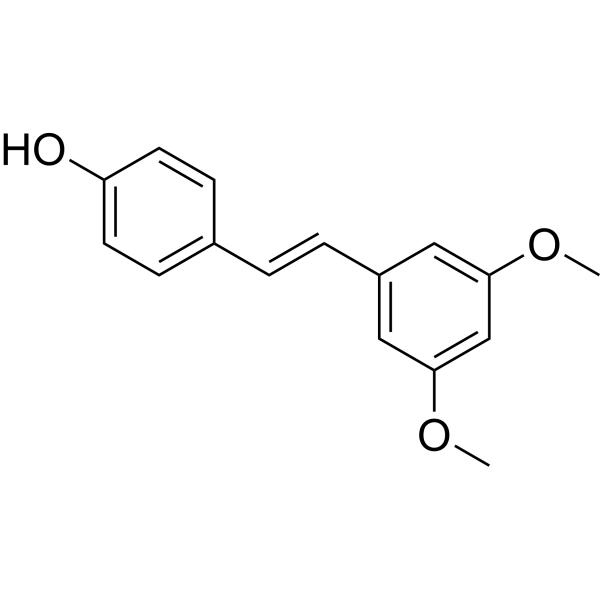
    Pterostilbene
    5+ Cited Publications

    Autophagy Inflammation/Immunology Cancer
    Pterostilbene is a stilbenoid isolated from blueberries and Pterocarpus marsupium . Shows anti-oxidant, anti-inflammatory, anti-carcinogenic, anti-diabetic and anti-obesity properties . Pterostilbene blocks ROS production , also exhibits inhibitory activity against various free radicals such as DPPH, ABTS, hydroxyl, superoxide and hydrogen peroxide .
    Pterostilbene
  • HY-P2902
    Glucose oxidase
    5+ Cited Publications

    Endogenous Metabolite Cancer
    Glucose oxidase is used in the food and beverage industry as a preservative and stabilizer and is commonly derived from the fungus Aspergillus niger. Glucose oxidase can react with intracellular glucose and oxygen (O2) to produce hydrogen peroxide (H2O2) and gluconic acid, which can cut off the nutrition source of cancer cells and consequently inhibit their proliferation .
    Glucose oxidase
  • HY-B1335
    Pentetic acid
    3 Publications Verification

    Diethylenetriaminepentaacetic acid; DTPA

    Environmental Pollutants Biochemical Assay Reagents Others
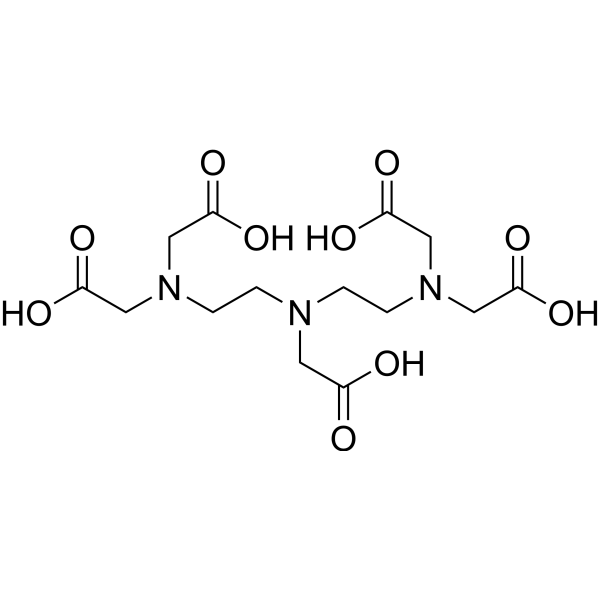
    Pentetic acid (Diethylenetriaminepentaacetic acid) is an orally active compound with biodegradability used to construct magnetic adsorbent, which can simultaneously remove heavy metal and dye from complex wastewater. Pentetic acid can form strong metal complexes, which prevents metal ions from catalysing the decomposition of peroxygen chemicals, especially hydrogen peroxide .
    Pentetic acid
  • HY-W011664
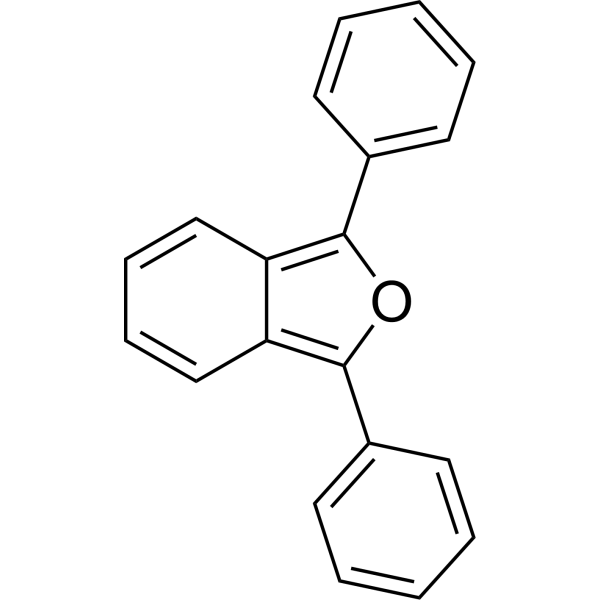
    1,3-Diphenylisobenzofuran
    Maximum Cited Publications
    28 Publications Verification

    DPBF

    Fluorescent Dye Reactive Oxygen Species (ROS) Others
    1,3-Diphenylisobenzofuran (DPBF) has been developed as a selective probe for the detection and quantitative determination of hydrogen peroxide in samples containing different reactive nitrogen and oxygen species (RNOS). DPBF is a fluorescent probe which, for almost 20 years, was believed to react in a highly specific manner toward some reactive oxygen species such as singlet oxygen and hydroxy, alkyloxy or alkylperoxy radicals .
    1,3-Diphenylisobenzofuran
  • HY-134757
    Lactate oxidase, Microorganism
    2 Publications Verification

    Endogenous Metabolite Others
    Lactate oxidase (EC 1.13.12.4) belongs to a group of FMN-dependent enzymes and they catalyze a conversion of lactate to pyruvate with a release of hydrogen peroxide. Lactate oxidase can be used in the detection of Lactate .
    Lactate oxidase, Microorganism
  • HY-D0169
    Phenol Red
    1 Publications Verification

    Phenolsulfonephthalein

    Environmental Pollutants Fluorescent Dye Others
    Phenol red (Phenolsulfonephthalein) is a pH indicator dye, relying on a distinct color change from pink to yellow in case of a positive reaction .
    Phenol Red
  • HY-100111
    GLX351322
    Maximum Cited Publications
    47 Publications Verification

    NADPH Oxidase Metabolic Disease
    GLX351322 is an inhibitor of NADPH oxidase 4 (Nox4), and inhibits hydrogen peroxide production from NOX4-overexpressing cells with an IC50 of 5 μM.
    GLX351322
  • HY-129064

    SOD

    SOD Inflammation/Immunology Cancer
    Superoxide dismutase, Porcine erythrocytes (SOD) is the only antioxidant enzyme that scavenges the superoxide anion by converting this free radical to oxygen and hydrogen peroxide, thus preventing peroxynitrite production and further damage. Superoxide dismutase, Porcine erythrocytes is extensively researched and used in anti-inflammatory, antitumor, radiation protection, and antisenility applications .
    Superoxide dismutase, Porcine erythrocytes
  • HY-121026
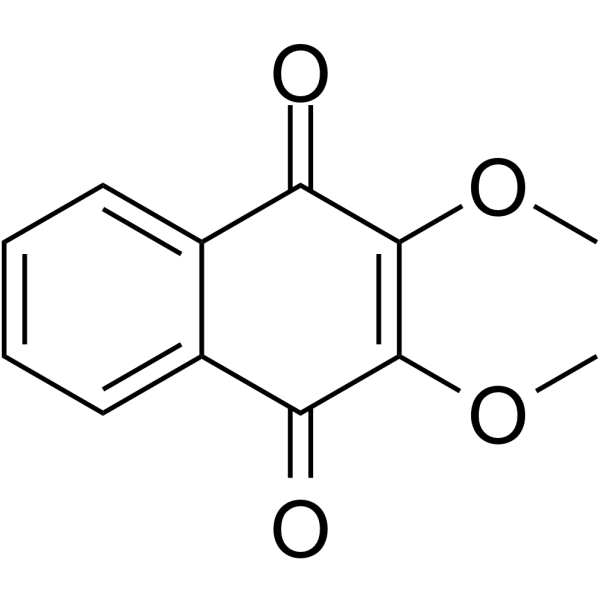
    DMNQ
    5+ Cited Publications

    Reactive Oxygen Species (ROS) ROS Kinase Cardiovascular Disease
    DMNQ is a redox cycling agent. DMNQ produces hydrogen peroxide in cells in a concentration-dependent manner. DMNQ can induce the increase of ROS production .
    DMNQ
  • HY-15930
    TMB
    5+ Cited Publications

    BM blue; Sure Blue TMB

    Fluorescent Dye MOFs Reactive Oxygen Species (ROS) Others
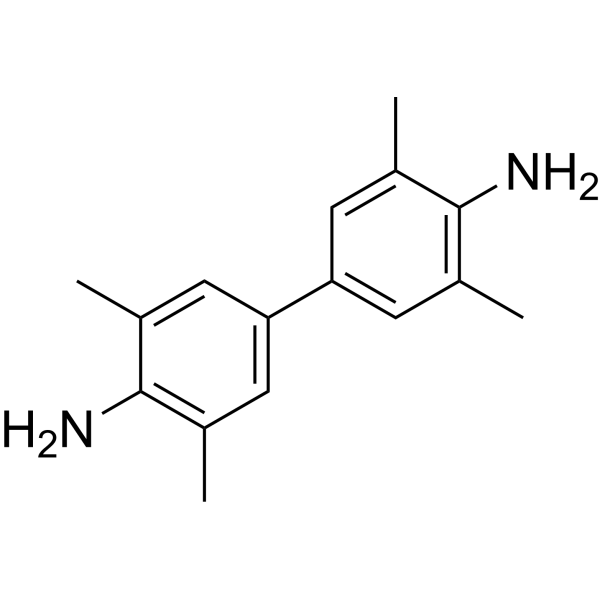
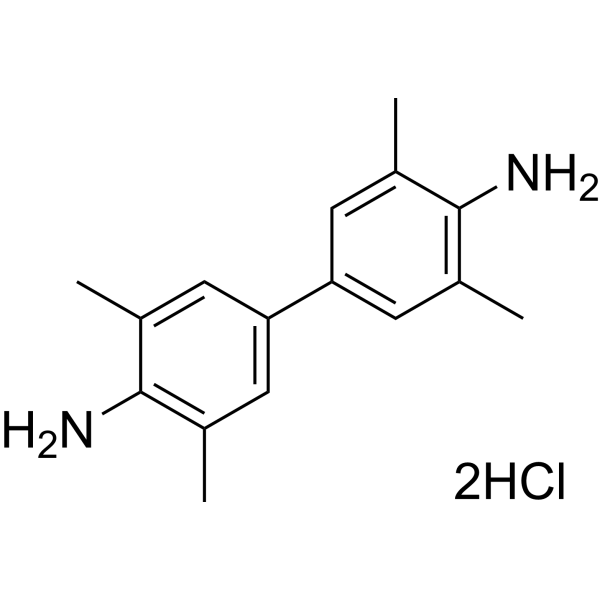
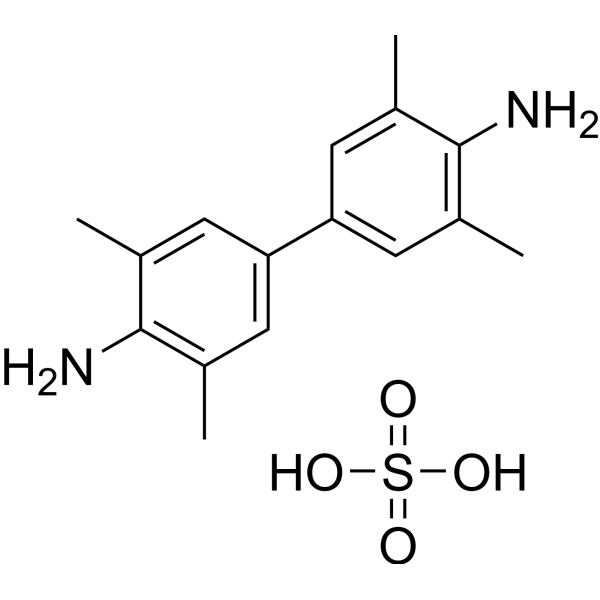
    TMB is a non-toxic, non-mutagenic, colorless dye that is also used as a chromogenic agent in enzyme detection systems based on horseradish peroxidase (HRP). TMB can function as a photoacoustic probe for reactive oxygen and nitrogen species (ROS/RNS), reacting with hypochlorite, hydrogen peroxide, singlet oxygen, and nitrogen dioxide to produce blue oxidation products. TMB can detect the singlet oxygen produced by the outer membrane of Escherichia coli ATCC 25922 .
    TMB
  • HY-B1770

    Environmental Pollutants Biochemical Assay Reagents Cardiovascular Disease Endocrinology
    Sodium Iodide is a compound composed of sodium ions and iodine ions. Sodium Iodide scavenges hydrogen peroxide. Sodium Iodide maintains the level of thyroid hormone T3 through its iodine component. Sodium Iodide protects tissues from oxidative damage and regulates thyroid homeostasis. Sodium Iodide relieves acute myocardial infarction .
    Sodium Iodide,99%
  • HY-15914

    DCHBS

    Fluorescent Dye Others
    DHBS (3, 5-dichloro-2-hydroxybenzenesulfonate) is used in conjunction with 4-aminoantipyrine (4-AAP) (HY-W100990) and hydrogen peroxide (H2O2) for chromogenic quantitation of peroxidase in coupled enzymatic reactions. Component of Trinder reagent for use with peroxidase to measure generation of hydrogen peroxide in automated systems .
    DHBS
  • HY-109110

    GC-4419; M-40419

    Reactive Oxygen Species (ROS) Inflammation/Immunology Cancer
    Avasopasem manganese (GC4419; M-40419) is a potent superoxide dismutase mimetic that rapidly and specifically converts O2 *- to hydrogen peroxide (H2O2), arresting the initiation of this cascade. Avasopasem manganese can be used for the research of severe oral mucositis (SOM) and cancer .
    Avasopasem manganese
  • HY-N0464
    D-(-)-Quinic acid
    3 Publications Verification

    Endogenous Metabolite Glycosidase Monoamine Oxidase Neurological Disease Metabolic Disease
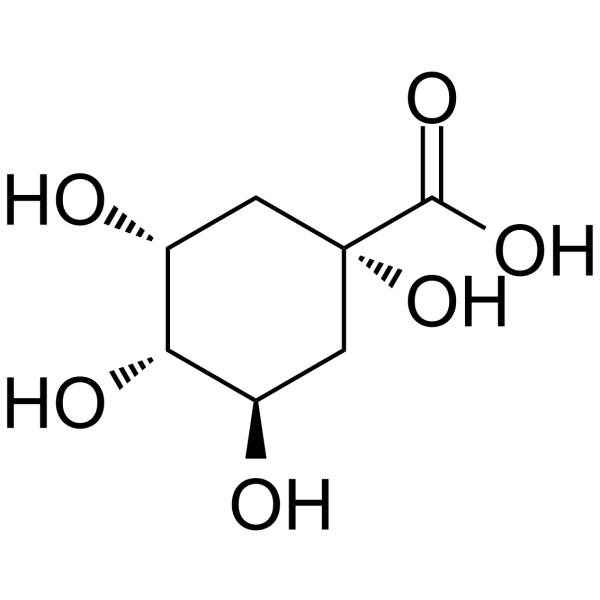
    D-(-)-Quinic acid scavenges hydrogen peroxide (IC50=87.11 μg/mL) and exhibits antioxidant activity. D-(-)-Quinic acid is the inhibitor for MAO and α-Glucosidase (IC50 =93.75 μg/mL). D-(-)-Quinic acid is orally active .
    D-(-)-Quinic acid
  • HY-P2833

    GSH-Px; EC 1.11.1.9

    Glutathione Peroxidase Metabolic Disease
    Glutathione Peroxidase (GSH-Px; EC 1.11.1.9) belongs to the peroxidase family and is commonly used in biochemical research. Glutathione Peroxidase can catalyze reduced glutathione (GSH) to form a disulfide bridge with another glutathione molecule, convert it into oxidized glutathione (GSSG), and react with hydrogen peroxide or lipid peroxide reaction, reducing it to H2O. Glutathione Peroxidase is an effective antioxidant against oxidative stress .
    Glutathione Peroxidase
  • HY-N0525
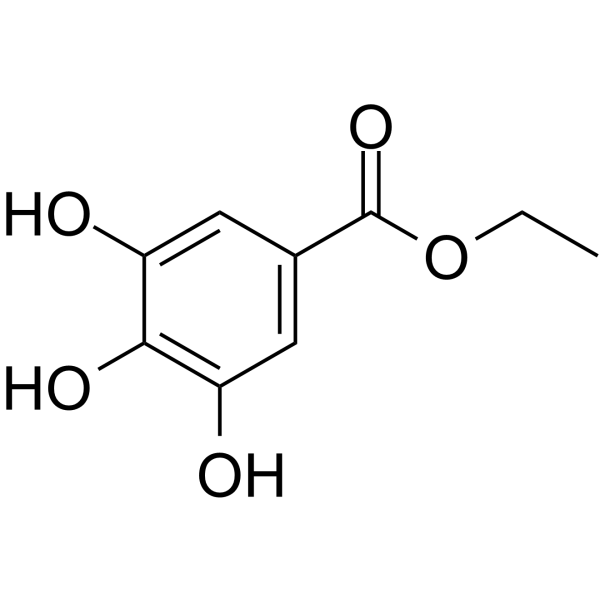
    Ethyl gallate
    2 Publications Verification

    Bacterial Metabolic Disease Cancer
    Ethyl gallate is a nonflavonoid phenolic compound and also a scavenger of hydrogen peroxide.
    Ethyl gallate
  • HY-120972

    Fluorescent Dye Others
    Pentafluorobenzenesulfonyl fluorescein is a H2O2-selective sensor that can be used to detect H2O2 levels in cells. Pentafluorobenzenesulfonyl fluorescein is generally non-fluorescent, but emits fluorescence when its sulfonyl bond undergoes perhydrolysis by H2O2 . Pentafluorobenzenesulfonyl fluorescein undergoes slight cleavage of its sulfonate ester bond by [Cu (phen)2] 2+, and can detect hydrogen peroxide around the ablation sites of fin tissues and keratinocytes in zebrafish larvae .
    Pentafluorobenzenesulfonyl fluorescein
  • HY-119171

    KMO Neurological Disease Inflammation/Immunology
    GSK 366 is a type II kynurenine-3-monooxygenase (KMO) inhibitor with IC50 values of 2.3 nM and 0.7 nM for human KMO and P. fluorescens-KMO (Pf-KMO). GSK 366 binds to KMO’s substrate site, prevents productive NADPH association, substrate binding, and FAD hydroperoxy species formation. GSK 366 does not stimulate hydrogen peroxide (H2O2) production and reduces H2O2 levels. GSK 366 can be used for the researches of inflammation and neurological disease, such as acute pancreatitis multiple organ dysfunction syndrome and Alzheimer’s disease .
    GSK 366
  • HY-D0169A
    Phenol Red sodium salt
    1 Publications Verification

    Phenolsulfonephthalein sodium salt

    Fluorescent Dye Glutathione Peroxidase Others
    Phenol red (Phenolsulfonephthalein) sodium salt is a pH indicator dye. Phenol Red sodium salt is also an antagonist of rat P2X1R. Phenol Red sodium salt enhances the halogenating activity of myeloperoxidase. Phenol Red sodium salt shows a distinct color change from pink to yellow in a positive pH reaction .
    Phenol Red sodium salt
  • HY-101859
    NucPE1
    5 Publications Verification

    Nuc-H2O2 Probe

    Reactive Oxygen Species (ROS) Others
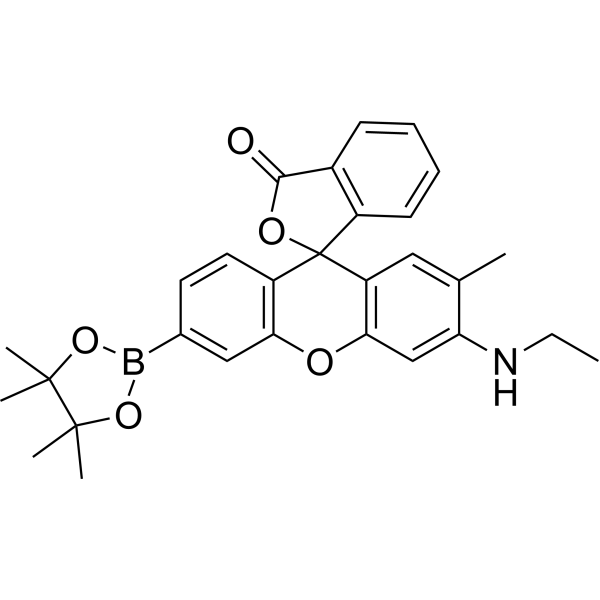
    NucPE1 (Nuc-H2O2 Probe) is a nuclear-localized fluorescent hydrogen peroxide that is specifically localized to cellular nuclei without appended targeting moieties.
    NucPE1
  • HY-D0945

    Fluorescent Dye Others
    Xylene Cyanol FF is an acid triphenylmethane dye. Xylene Cyanol FF can be used for histochemical staining of hemoglobin peroxidase or as a tracking dye for DNA sequencing in electrophoresis. Xylene Cyanol FF will be catalyzed by Fe and Al to accelerate oxidation under the addition of double oxidant hydrogen peroxide and potassium periodate. Xylene Cyanol FF thus enables the spectrophotometric determination of Fe and Al in the solution to be tested .
    Xylene Cyanol FF
  • HY-D1157
    HKPerox-2
    5 Publications Verification

    Fluorescent Dye Reactive Oxygen Species (ROS) Others
    HKPerox-2 is a highly sensitive green fluorescent probe for the specific detection of H2O2 in living cells with a maximum excitation wavelength and emission wavelength of 520 nm and 543 nm, respectively .
    HKPerox-2
  • HY-172942

    Mitochondrial Metabolism Reactive Oxygen Species (ROS) Dynamin Cardiovascular Disease Infection Neurological Disease Cancer
    SP11 is a mitochondrial fission protein 1 (Fis1) inhibitor with an IC50 of 9.4 μM. SP11 binds only to activated Fis1 by engaging Cys41. SP11 preserves mitochondrial integrity and function during oxidative stress, inhibits hydrogen peroxide-induced mitochondrial ROS production, mitochondrial fragmentation, and Drp1 mitochondrial translocation. SP11 can be used for the research of parkinson’s disease .
    SP11
  • HY-D0233

    Fluorescent Dye Others
    Leucocrystal violet is a cationic triarylmethane dye. Leucocrystal violet generates a colored purple product in the presence of hydrogen peroxide and horseradish peroxidase, or when oxidized by periodate under the catalysis of horseradish peroxidase. Leucocrystal violet serves as a chromogenic reagent for the determination of submicrogram-level hydrogen peroxide, with no interference from tryptophan, persulfate or chromate. Leucocrystal violet reacts with blood to produce a purple/violet color in the presence of hydrogen peroxide; it forms a very weak fluorophore when acting with whole blood in an unbuffered solution, with a maximum absorption wavelength of 630 nm and a maximum fluorescence emission wavelength of 665 nm upon excitation at 630 nm. Leucocrystal violet is widely used for staining blood residues on porous and non-porous materials .
    Leucocrystal violet
  • HY-E70385

    Endogenous Metabolite Others
    Oxalate Oxidase, or oxalate oxidase, catalyzes the oxidation of oxalic acid to hydrogen peroxide and carbon dioxide in the presence of oxygen. Oxalate Oxidase can be found in a variety of plants (such as barley) and microorganisms and can be used to treat wastewater and filtrates containing oxalic acid .
    Oxalate Oxidase
  • HY-P2910
    Galactose Oxidase, Dactylium dendroides
    2 Publications Verification

    GOase

    Endogenous Metabolite Others
    Galactose Oxidase, Dactylium dendroides (GOase) from fungus is often used in biochemical studies. Galactose oxidase is a type II copper metalloenzyme, and it containing a single polypeptide. Galactose oxidase catalyzes two-electron oxidation of primary alcohols to their corresponding aldehydes, coupling with the reduction of dioxygen to hydrogen peroxide .
    Galactose Oxidase, Dactylium dendroides
  • HY-P4280

    H-Arg-Tyr-OH

    Reactive Oxygen Species (ROS) Others
    Arg-Tyr is a dipeptide which has strong hydroxyl-radical and hydrogen-peroxide scavenging activity .
    Arg-Tyr
  • HY-105005

    AAD-2004

    Prostaglandin Receptor PGE synthase Reactive Oxygen Species (ROS) Apoptosis Neurological Disease Inflammation/Immunology
    Crisdesalazine (AAD-2004) is a microsomal prostaglandin E2 synthase-1 (mPGES-1) inhibitor. Crisdesalazine acts as a potent free radical scavenger that directly neutralizes reactive oxygen species (ROS) including hydrogen peroxide, exerting neuroprotective effects against apoptosis and axonal damage. Crisdesalazine inhibits PGE2 production, mediates inflammatory responses, and promotes the conversion of macrophages from the pro-inflammatory M1 phenotype to the anti-inflammatory M2 phenotype. Crisdesalazine is applicable to neuroprotection research in multiple sclerosis and spinal cord injury .
    Crisdesalazine
  • HY-D0830

    Fluorexon tetraethyl ester

    Fluorescent Dye Others
    Calcein tetraethyl ester is a tetraethylated derivative of calcein, with its core function serving as a live cell-specific fluorescent tracer. Calcein tetraethyl ester can diffuse between human periodontal ligament cells via gap junctions, thus enabling the evaluation of gap junction intercellular communication function, and its diffusion is enhanced under hydrogen peroxide induction. Calcein tetraethyl ester can be applied in the fields of cell biology and fluorescent labeling .
    Calcein (tetraethyl ester)
  • HY-135849C

    Reactive Oxygen Species (ROS) Inflammation/Immunology Cancer
    Catalase, trichoderma reesei is a catalase derived from Trichoderma reesei. Catalase, trichoderma reesei dismutates hydrogen peroxide into oxygen and water, helping cells resist oxidative damage caused by hydrogen peroxide .
    Catalase, trichoderma reesei
  • HY-126474

    Reactive Oxygen Species (ROS) Inflammation/Immunology
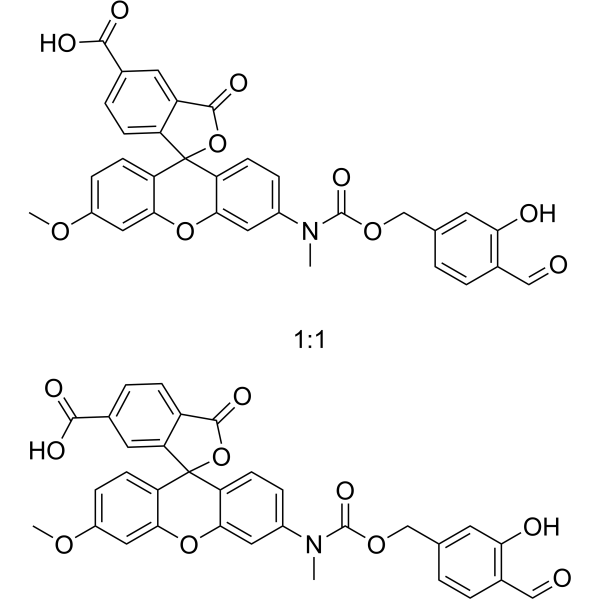
    MitoB bromide is an exomarker of mitochondrial hydrogen peroxide. MitoB bromide is a mitochondria-targeted ratiometric probe, and can be used to measure levels of one major ROS, hydrogen peroxide, within living animals .
    MitoB bromide
  • HY-E70074

    Monoamine Oxidase Neurological Disease
    Monoamine oxidase (EC 1.4.3.4) is an enzyme composed of different polypeptides. Monoamine oxidation catalyzes the oxidative deamination of various biological amines in brain and peripheral tissues by producing hydrogen peroxide. Monoamine oxidase plays an important role in maintaining the regulation of synaptic transmission, emotional behavior and other brain functions .
    Monoamine oxidase, plasma
  • HY-N0828R

    Reference Standards Autophagy Inflammation/Immunology Cancer
    Pterostilbene (Standard) is the analytical standard of Pterostilbene. This product is intended for research and analytical applications. Pterostilbene is a stilbenoid isolated from blueberries and Pterocarpus marsupium . Shows anti-oxidant, anti-inflammatory, anti-carcinogenic, anti-diabetic and anti-obesity properties . Pterostilbene blocks ROS production , also exhibits inhibitory activity against various free radicals such as DPPH, ABTS, hydroxyl, superoxide and hydrogen peroxide .
    Pterostilbene (Standard)
  • HY-W100959

    Tetramethylquinone

    Drug Derivative Others
    Duroquinone (Tetramethylquinone) is a model compound of amphiphilic quinone, which can be used as an oxidative-reductive activity probe. Duroquinone can be easily reduced by biological systems to hydrogen peroxide (DQH₂) or semi-quinone free radicals (DQ•⁻). Duroquinone can freely pass through the cell membrane, facilitating the study of the electron transfer process inside and outside the cells. Duroquinone can be used to investigate the relationship between metabolism in the pulmonary circulation and endothelial cells .
    Duroquinone
  • HY-W037819

    Drug Derivative Metabolic Disease
    6-Methylpterin is a derivative of the essential B vitamin Folic acid (HY-16637). 6-Methylpterin generates singlet oxygen and hydrogen peroxide when exposed to Photoirradiation. 6-Methylpterin can be used for the detection of pterins in urine .
    6-Methylpterin
  • HY-W415108

    Fluorescent Dye Others
    10-Methyl-9-(phenoxycarbonyl) acridinium trifluoromethanesulfonate is an acridinium ester that produces fluorescent 10-methyl-9-acridone upon oxidation with hydrogen peroxide, persulfate, and other oxidants under alkaline conditions. 10-Methyl-9-(phenoxycarbonyl) acridinium trifluoromethanesulfonate can be used in chemiluminescent assays, enzyme, antigen, antibody, and hormone immunoassays, and for the detection of oxidants in environmental, biological, and pharmaceutical samples .
    10-Methyl-9-(phenoxycarbonyl) acridinium trifluoromethanesulfonate
  • HY-W927359

    Fluorescent Dye Others
    Fluorescein hydrazide (3,6-Dihydroxyxanthane) is a fluorescein dye that can be used for the fluorophotometric determination of hydrogen peroxide (H2O2) and other reactive oxygen species (ROS) .
    Fluorescein hydrazide (3,6-Dihydroxyxanthane)
  • HY-132829

    GC4711

    Reactive Oxygen Species (ROS) Cancer
    Rucosopasem manganese (GC4711) is a selective superoxide dismutase mimetic that converts superoxide to hydrogen peroxide. Rucosopasem manganese can be used for the research of cancer .
    Rucosopasem manganese
  • HY-149234

    Monoamine Oxidase Neurological Disease
    MAO-B-IN-18 is a potent and selective MAO B inhibitor with IC50s of 52 nM and 14 μM for hMAO B and hMAO A, respectively. MAO-B-IN-18 enables promising cytoprotective effects against hydrogen peroxide insults in neuroblastoma and astrocytes cultures .
    MAO-B-IN-18
  • HY-132183

    Endogenous Metabolite Metabolic Disease
    Chloride peroxidase is a monomeric, heme-containing enzyme. Chloride peroxidase is capable of electrophilic chlorinations through the umpolung of chloride by oxidation with hydrogen peroxide .
    Chloride peroxidase
  • HY-139182

    Endogenous Metabolite Metabolic Disease
    CAY10762 is an inhibitor of monoacylglycerol lipase (MAGL; IC50=34.1 nM). It reduces hydrogen peroxide-induced lactate dehydrogenase (LDH) release from Neuro2a cells when used at a concentration of 1 μM. CAY10762 (10 mg/kg) increases levels of 2-arachidonoyl glycerol in mouse brain.
    MAGL-IN-3
  • HY-103385

    NO-Aspirin

    Apoptosis Inflammation/Immunology Cancer
    NCX4040 (NO-Aspirin), a non-steroidal anti-inflammatory drug (NSAID), is a nitric oxide (NO) releasing form of Aspirin. NCX4040 induces apoptosis in PC3 metastatic prostate cancer cells. NCX4040 has anti-inflammatory and anti-cancer effects .
    NCX4040
  • HY-113045

    Endogenous Metabolite Metabolic Disease
    Aquacobalamin is one of the major forms of vitamin B12 isolated from mammalian cells. Aquacobalamin accelerates the oxidation of azo-dye Orange II (HY-N1442) by HSO5 - in aqueous solutions. Aquacobalamin binds hydrogen peroxide reversibly to form a cobalt(III) hydroperoxo adduct with a 0.25 mM dissociation constant .
    Aquacobalamin
  • HY-P2742B

    Endogenous Metabolite Metabolic Disease
    Ascorbate oxidase, acremonium sp is a member of the multicopper blue oxidase family and primarily exists in plants as a free enzyme in the cytoplasm or bound to the cell wall. Ascorbate oxidase, acremonium sp has a high activity in catalyzing the oxidation of ascorbic acid to dehydroascorbic acid, regulating various cellular processes related to plant growth, protection, and development. Ascorbate oxidase, acremonium sp can be used to detect hydrogen peroxide .
    Ascorbate oxidase, acremonium sp
  • HY-P10400A

    Phytohormone Infection
    AtPep1 TFA is an endogenous inducer of innate immune responses. AtPep1 TFA can be isolated from Arabidopsis thaliana leaves. AtPep1 TFA activates the transcription of defensin (PDF1.2), the expression of PROPEP1, the synthesis of hydrogen peroxide (H2O2) near leaf veins, and the alkalization of Arabidopsis suspension cell culture medium. AtPep1 TFA induces the expression of genes encoding defensins and PR-1. AtPep1 TFA is applicable to studies related to Pythium irregulare infection and pathogen infection .
    AtPep1 TFA
  • HY-N8453

    Methyl 3,5-dicaffeoyl quinic acid

    p38 MAPK Neurological Disease
    Macranthoin G is an inhibitor of p38 MAPK. Macranthoin G protects the cytotoxicity induced by Aβ or hydrogen peroxide in neuronal cells by downregulating p38 MAPK. Macranthoin G can used in study Alzheimer’s Disease .
    Macranthoin G
  • HY-132178

    Endogenous Metabolite Metabolic Disease Cancer
    Cytochrome P450 is a family of monooxygenase enzymes that catalyzes the conversion of fatty acids to terminal alkenes using hydrogen peroxide as a cosubstrate. Cytochrome P450 as membrane-bound hemoproteins, plays important roles in the detoxification of drugs, cellular metabolism, and homeostasis .
    Cytochrome P450
  • HY-N0464S

    Isotope-Labeled Compounds Endogenous Metabolite Glycosidase Monoamine Oxidase Neurological Disease Metabolic Disease
    Quinic acid- 13C3 is the 13C-labeled D-(-)-Quinic acid. D-(-)-Quinic acid scavenges hydrogen peroxide (IC50=87.11 μg/mL) and exhibits antioxidant activity. D-(-)-Quinic acid is the inhibitor for MAO and α-Glucosidase (IC50 =93.75 μg/mL). D-(-)-Quinic acid is orally active .
    Quinic acid-13C3
  • HY-P2888A

    BOD, bacillus cereus

    Endogenous Metabolite Metabolic Disease
    Bilirubin oxidase, bacillus cereus is a multi-copper oxidase that catalyzes the oxidation of bilirubin into biliverdin, as well as other tetrapyrroles, phenols, and aryl diamines. Bilirubin oxidase, bacillus cereus can serve as a single-enzyme deoxygenator, catalyzing the direct reduction of oxygen to water in the presence of electron donor substrates, without releasing hydrogen peroxide. Bilirubin oxidase, bacillus cereus can be used to develop enzyme-based biosensors .
    Bilirubin oxidase, bacillus cereus
  • HY-P2888C

    BOD, Bacillus pumilus

    Endogenous Metabolite Metabolic Disease
    Bilirubin oxidase (BOD), Bacillus pumilus is a multicopper oxidase that catalyzes the oxidation of bilirubin to biliverdin, as well as other tetrapyrrole, phenols, and aryl diamines. Bilirubin oxidase, Bacillus pumilus can serve as a single-enzyme deoxygenator, catalyzing the direct reduction of oxygen to water in the presence of electron donor substrates, without releasing hydrogen peroxide. Bilirubin oxidase, Bacillus pumilus can be used to develop enzyme-based biosensors .
    Bilirubin oxidase, Bacillus pumilus

オンラインお問い合わせ

入力情報は安全に管理されます. 必須入力項目.

タイトル


国或いは地域 *

お名前 *


組纖名 *

デパートメント *


メールアドレス *


製品名 *

製品番号


カスタマ需要量 *

電話番号 *


必ず会社名を記載ください。個人への返信は行いません。

備考

バルクお問い合わせ

Inquiry Information

製品名:
製品番号:
数量:
MCE 日本正規代理店:

