
66 Results for "

hypoxic tumor

" in MedChemExpress (MCE) Product Catalog:
Products (66)

66 Results for "hypoxic tumor" in MCE Product Catalog:

119
119 Publications Verification
Cat. No.: HY-N6782
CAS No.: 1404-19-9
Oligomycin, an antifungal antibiotic, is an inhibitor of H +-ATP-synthase. Oligomycin blocks oxidative phosphorylation and the electron transport chain. Oligomycin inhibits HIF-1alpha expression in hypoxic tumor cells .
loading...
    loading...
109
109 Cited Publications
Cat. No.: HY-10231
CAS No.: 685898-44-6
Purity:  ≥98.0%
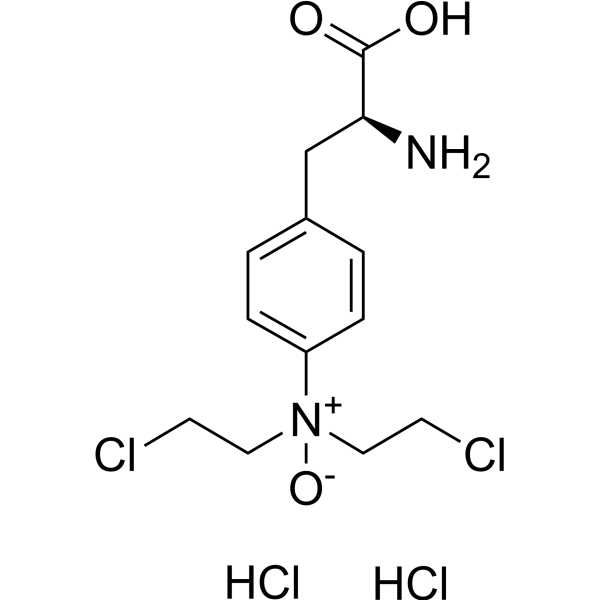
PX-478 is a multifunctional HIF-1α inhibitor with properties including radiosensitization, autophagy activation, and lipid accumulation inhibition. PX-478 also blocks hypoxia-induced VEGF production and regulates β-cell phenotypes under hypoxic conditions. PX-478 induces cell cycle arrest and DNA damage, restores autophagic function, reduces foam cell formation, and maintains glucose homeostasis. PX-478 is widely used in research on related diseases such as human tumors (e.g., prostate cancer), type 2 diabetes, and atherosclerosis .
loading...
    loading...
22
22 Cited Publications
Cat. No.: HY-B1247
CAS No.: 553-12-8
Synonyms: PPIX
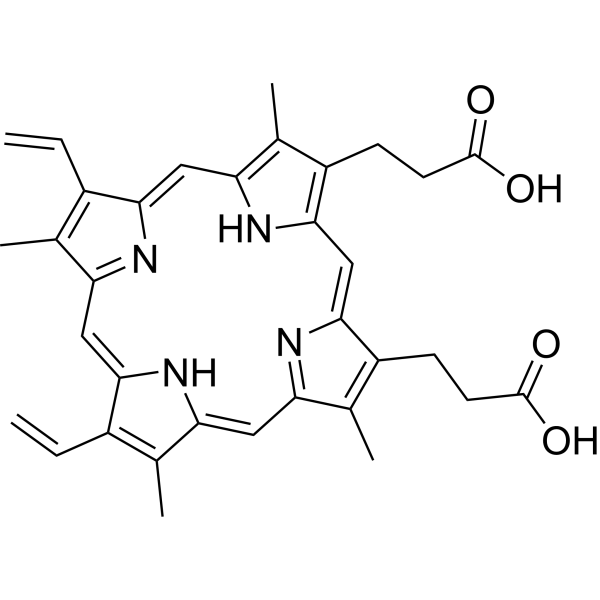
Protoporphyrin IX is a final intermediate in the heme biosynthetic pathway, which acts as a radiation sensitizer enhancing ROS generation even in a hypoxic state and inducing DNA damage. Protoporphyrin IX also acts as a photo sensitizer undergoing photobleaching that occurs through direct degradation by light irradiation. Protoporphyrin IX is formed and accumulated following 5-aminolevulinic acid (5-ALA) (HY-W000450) administration in the tumor cells of rats. Protoporphyrin IX causes selective improvement of basal cell carcinoma when activated red fluorescence of a peak wavelength at 405 nm. Protoporphyrin IX is promising for research of sonodynamic and photodynamic agents for a wide range of cancers, such as bladder cancer and nodular basal cell carcinoma .
loading...
    loading...
22
22 Cited Publications
Cat. No.: HY-B1247A
CAS No.: 50865-01-5
Synonyms: PPIX disodium
Target:  

Endogenous Metabolite

Research Areas:  

Cancer

Protoporphyrin IX disodium is a final intermediate in the heme biosynthetic pathway, which acts as a radiation sensitizer enhancing ROS generation even in a hypoxic state and inducing DNA damage. Protoporphyrin IX disodium also acts as a photo sensitizer undergoing photobleaching that occurs through direct degradation by light irradiation. Protoporphyrin IX disodium is formed and accumulated following 5-aminolevulinic acid (5-ALA) (HY-W000450) administration in the tumor cells of rats. Protoporphyrin IX disodium causes selective improvement of basal cell carcinoma when activated red fluorescence of a peak wavelength at 405 nm. Protoporphyrin IX disodium is promising for research of sonodynamic and photodynamic agents for a wide range of cancers, such as bladder cancer and nodular basal cell carcinoma .
loading...
    loading...
15
15 Cited Publications
Cat. No.: HY-13767
CAS No.: 27314-97-2
Purity:  99.02%
Synonyms: SR259075; SR4233; Win59075; SML 0552; SR 259075; Tirazone
Target:  

DNA/RNA Synthesis

Research Areas:  

Cancer

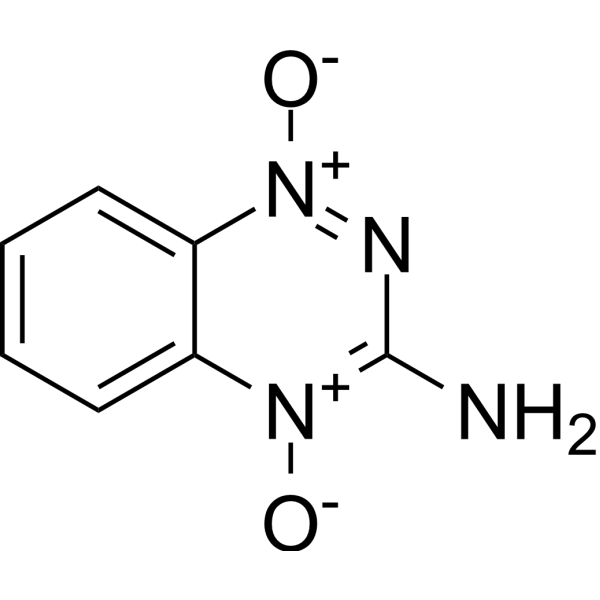
Tirapazamine (SR259075) is an anticancer agent that shows selective cytotoxicity for hypoxic cells in solid tumors, thereby inducing single-and double-strand breaks in DNA, base damage, and cell death. Tirapazamine is an anticancer and bioreductive agent.Tirapazamine (SR259075) can enhance the cytotoxic effects of ionizing radiation in hypoxic cells .
loading...
    loading...
9
9 Cited Publications
Cat. No.: HY-105129
CAS No.: 70132-51-3
Purity:  99.98%
Research Areas:  

Cancer

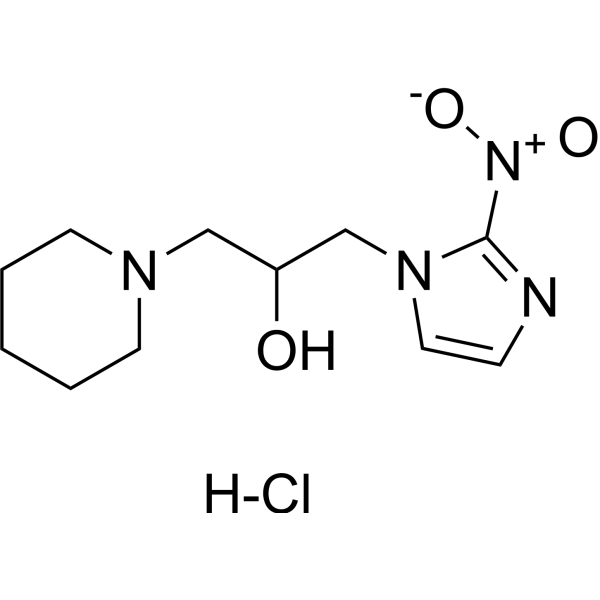
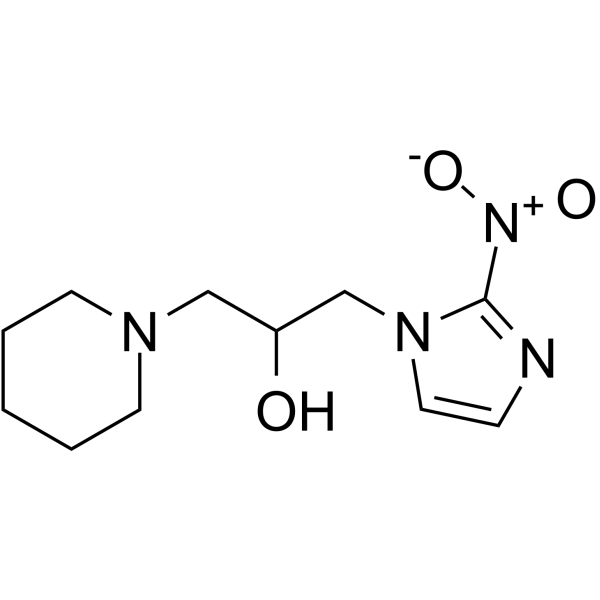
Pimonidazole is a novel hypoxia marker for complementary study of tumor hypoxia and cell proliferation in tumor . Pimonidazole accumulates in hypoxic cells via covalent binding with macromolecules or by forming reductive metabolites after reduction of its nitro group, it can be used for qualitative and quantitative assessment of tumor hypoxia .
loading...
    loading...
9
9 Cited Publications
Cat. No.: HY-105129A
CAS No.: 70132-50-2
Purity:  99.32%
Research Areas:  

Cancer

Pimonidazole is a novel hypoxia marker for complementary study of tumor hypoxia and cell proliferation in tumor . Pimonidazole accumulates in hypoxic cells via covalent binding with macromolecules or by forming reductive metabolites after reduction of its nitro group, it can be used for qualitative and quantitative assessment of tumor hypoxia .
loading...
    loading...
3
3 Cited Publications
Cat. No.: HY-18719
CAS No.: 112093-28-4
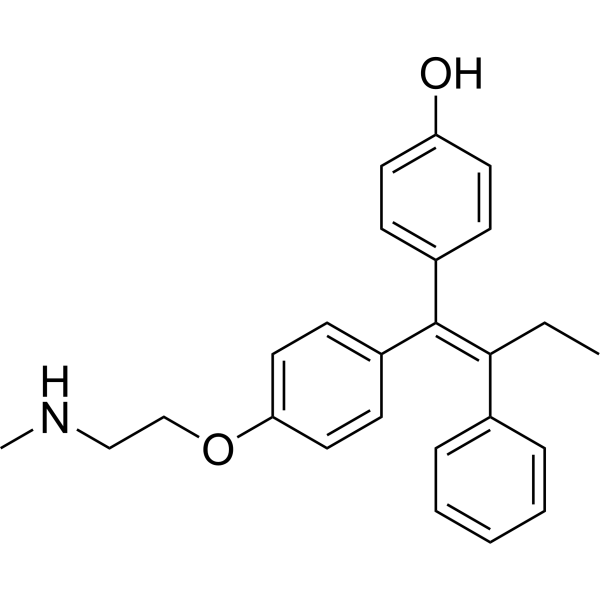
Endoxifen Z-isomer is an orally active selective PKCβ1 inhibitor with an IC50 of 360 nM against human PKCβ1. Endoxifen Z-isomer also acts as an estrogen receptor modulator and antiestrogen. Endoxifen Z-isomer binds to and blocks ERα, ERβ and PKCβ1, inhibits estrogen and PI3K/AKT/mTORC1 signaling pathways, suppresses the expression of genes associated with cell cycle, cell proliferation and extracellular matrix remodeling, and induces apoptosis, reactive oxygen species (ROS) production and hypoxic features. Endoxifen Z-isomer inhibits tumor growth in breast tumor and glioblastoma models, reduces bone turnover and blood lipid levels, and does not require metabolism via CYP2D6. Endoxifen Z-isomer can be used in research related to ER + breast cancer, invasive breast cancer, glioblastoma multiforme, type I bipolar disorder, desmoid tumor, gynecological malignancies, melanoma and hormone receptor-positive solid tumors .
loading...
    loading...
3
3 Cited Publications
Cat. No.: HY-18719A
CAS No.: 1032008-74-4
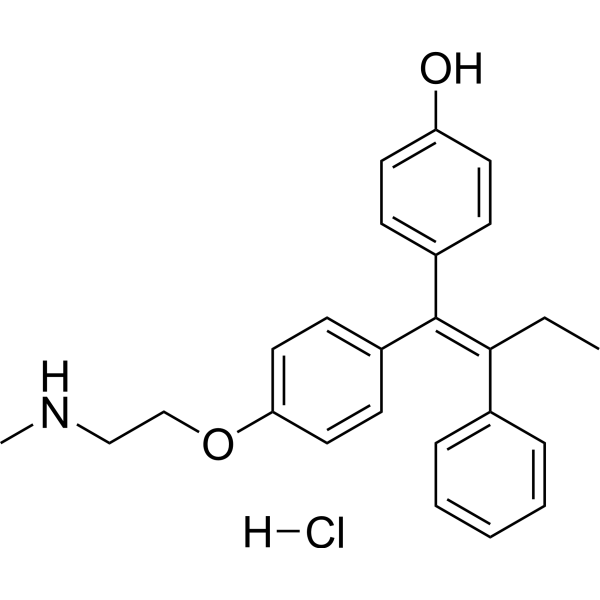
Endoxifen Z-isomer hydrochloride is an orally active selective PKCβ1 inhibitor with an IC50 of 360 nM against human PKCβ1. It also acts as an estrogen receptor modulator and antiestrogen. Endoxifen Z-isomer hydrochloride binds to and blocks ERα, ERβ and PKCβ1, inhibits estrogen and PI3K/AKT/mTORC1 signaling pathways, suppresses the expression of genes associated with cell cycle, cell proliferation and extracellular matrix remodeling, and induces apoptosis, reactive oxygen species (ROS) production and hypoxic features. Endoxifen Z-isomer hydrochloride inhibits tumor growth in breast tumor and glioblastoma models, reduces bone turnover and blood lipid levels, and does not require metabolism via CYP2D6. It can be used in research related to ER + breast cancer, invasive breast cancer, glioblastoma multiforme, type I bipolar disorder, desmoid tumor, gynecological malignancies, melanoma and hormone receptor-positive solid tumors .
loading...
    loading...
1
1 Cited Publications
Cat. No.: HY-124379
CAS No.: 402-71-1
Purity:  98.05%
Synonyms: L-1-Tosylamido-2-phenylethyl chloromethyl ketone; L-TPCK
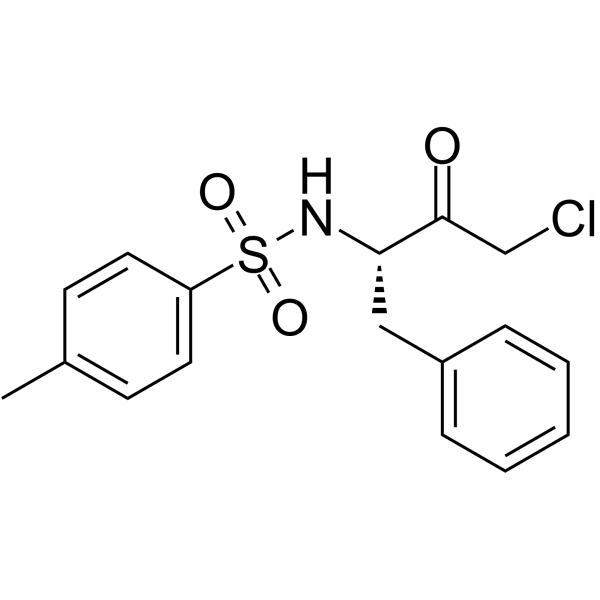
TPCK (L-1-Tosylamido-2-phenylethyl chloromethyl ketone; L-TPCK) is an effective serine protease inhibitor and also a blocker of the PDK1/Akt pathway. TPCK can modify the E7 protein in actively keratinocyte cells. TPCK can induce cellular apoptosis, suppress tumor growth, reduce hypoxic-ischemic brain injury in rat pups, and affect vascular permeability in inflamed rats .
loading...
    loading...
1
1 Cited Publications
Cat. No.: HY-W016409
CAS No.: 3943-89-3
Synonyms: Protocatechuic acid ethyl ester
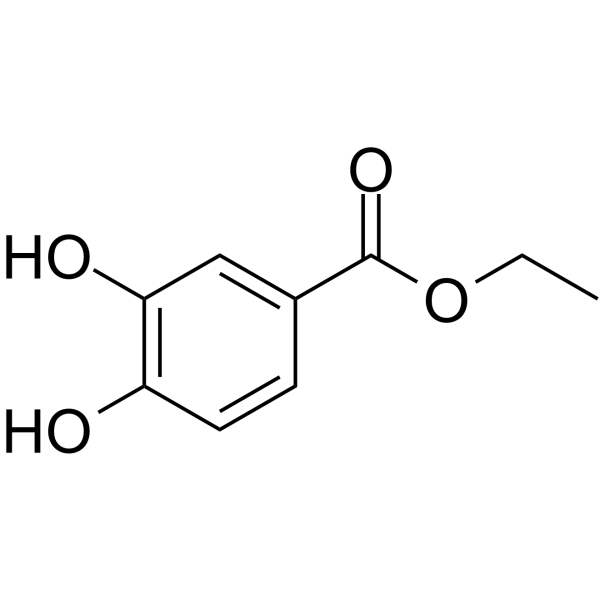
Ethyl 3,4-dihydroxybenzoate (Protocatechuic acid ethyl ester) is an orally effective, blood-brain barrier-permeable, competitive prolyl hydroxylase (PHD) inhibitor that inhibits the hydroxylation modification of hypoxia-inducible factor (HIF) by PHD. Ethyl 3,4-dihydroxybenzoate stabilizes HIF-1α by inhibiting PHD, activates downstream pathways to induce autophagy and apoptosis of tumor cells, and regulates inflammatory responses, inhibits the NF-κB pathway, improves vascular permeability, and promotes osteoblast differentiation. Ethyl 3,4-dihydroxybenzoate has anti-tumor, anti-hypoxic injury, and bone metabolism regulation effects. It can also be used in the research of cardiovascular protection (such as reducing myocardial ischemic damage), bone tissue engineering (promoting osteogenesis/inhibiting osteoclast differentiation), and prevention and treatment of high-altitude cerebral edema .
loading...
    loading...
Cat. No.: HY-119264
CAS No.: 903499-49-0
PRLX-93936 is a molecular Glues that binds to and reprograms the TRIM21 ubiquitin ligase to degrade nuclear pore complexes. PRLX-93936 binds to TRIM21, forms a ternary complex with TRIM21 and NUP98, and mediates the ubiquitination and proteasomal degradation of NUP98 and other nuclear pore complex proteins. PRLX-93936 induces the loss of short-lived cytoplasmic mRNA transcripts, triggers cancer cell apoptosis (Apoptosis), and inhibits the activated Ras pathway. PRLX-93936 inhibits HIF-1 under hypoxic conditions (IC50 = 0.09 μM in cell-based reporter gene assay). PRLX-93936 suppresses tumor growth in mouse models and improves survival rates in mouse models of multiple myeloma. PRLX-93936 is applicable to research related to pancreatic cancer and multiple myeloma .
loading...
    loading...
Cat. No.: HY-40136
CAS No.: 618-27-9
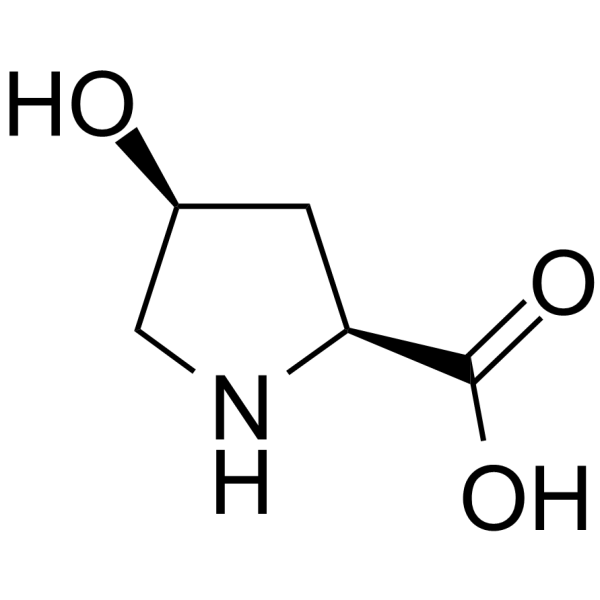
cis-4-Hydroxy-L-proline is an orally active proline analog and collagen production inhibitor. cis-4-Hydroxy-L-proline inhibits cell growth by preventing the deposition of triple helical collagen on the cell layer. cis-4-Hydroxy-L-proline inhibits N-nitrosomethylurea-induced breast tumor growth. cis-4-Hydroxy-L-proline improves lung compliance and reduces prostate weight. cis-4-Hydroxy-L-proline can be used in the study of hypoxic pulmonary hypertension .
loading...
    loading...
Cat. No.: HY-119264A
CAS No.: 1094210-96-4
Purity:  99.83%
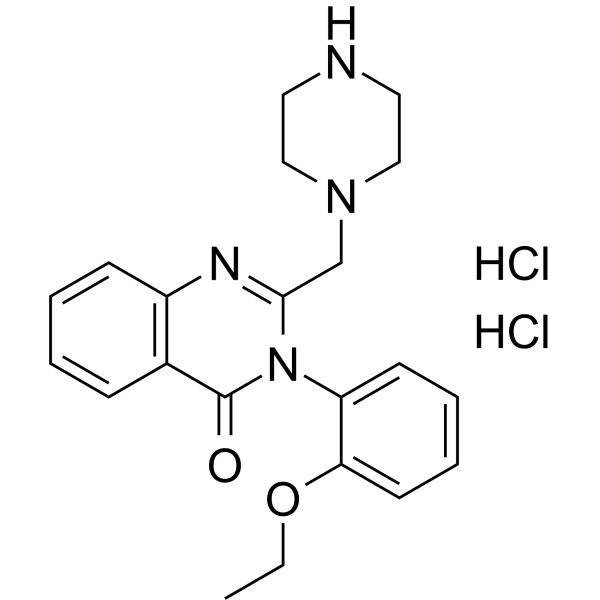
PRLX-93936 dihydrochloride is a molecular Glues that binds to and reprograms the TRIM21 ubiquitin ligase to degrade nuclear pore complexes. PRLX-93936 dihydrochloride binds to TRIM21, forms a ternary complex with TRIM21 and NUP98, and mediates the ubiquitination and proteasomal degradation of NUP98 and other nuclear pore complex proteins. PRLX-93936 dihydrochloride induces the loss of short-lived cytoplasmic mRNA transcripts, triggers cancer cell apoptosis (Apoptosis), and inhibits the activated Ras pathway. PRLX-93936 dihydrochloride inhibits HIF-1 under hypoxic conditions (IC50 = 0.09 μM in cell-based reporter gene assay). PRLX-93936 dihydrochloride suppresses tumor growth in mouse models and improves survival rates in mouse models of multiple myeloma. PRLX-93936 dihydrochloride is applicable to research related to pancreatic cancer and multiple myeloma .
loading...
    loading...
Cat. No.: HY-P1435
CAS No.: 1435893-78-9
Target:  

NADPH Oxidase

Research Areas:  

Cardiovascular Disease Cancer

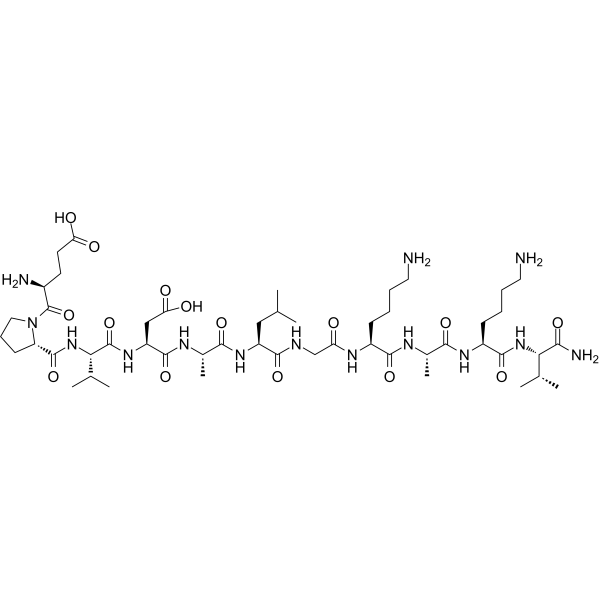
NoxA1ds is a potent and highly selective NADPH oxidase 1 (NOX1) inhibitor (IC50=20 nM). NoxA1ds inhibits NOX1-derived O 2- production in HT-29 human colon cancer cells. NoxA1ds attenuates VEGF-induced human pulmonary artery endothelial cell migration under hypoxic conditions in vitro. NoxA1ds can be used in the study of hypertension, atherosclerosis and tumors .
loading...
    loading...
Cat. No.: HY-B1247R
CAS No.: 553-12-8
Synonyms: PPIX (Standard)
Protoporphyrin IX (Standard) is the analytical standard of Protoporphyrin IX. This product is intended for research and analytical applications. Protoporphyrin IX is a final intermediate in the heme biosynthetic pathway, which acts as a radiation sensitizer enhancing ROS generation even in a hypoxic state and inducing DNA damage. Protoporphyrin IX also acts as a photo sensitizer undergoing photobleaching that occurs through direct degradation by light irradiation. Protoporphyrin IX is formed and accumulated following 5-aminolevulinic acid (5-ALA) (HY-W000450) administration in the tumor cells of rats. Protoporphyrin IX causes selective improvement of basal cell carcinoma when activated red fluorescence of a peak wavelength at 405 nm. Protoporphyrin IX is promising for research of sonodynamic and photodynamic agents for a wide range of cancers, such as bladder cancer and nodular basal cell carcinoma .
loading...
    loading...
Cat. No.: HY-N13009
CAS No.: 2744300-63-6
MO-2097 is a RAF-1/HIF-1α inhibitor. MO-2097 induces RAF-1 destabilization, leading to a reduction in EMT-associated transcription factors and mesenchymal markers. MO-2097 inhibits HIF-1a protein expression mediated by hnRNPA2B1 under hypoxic and mimetic hypoxia. MO-2097 induces mitochondrial ROS, which leads to apoptosis in cells. MO-2097 effectively suppresses colorectal cancer metastasis by inhibiting the RAF/MEK/ERK signaling pathway. MO-2097 attenuates tumor growth in a xenograft HCT116 cell mouse model. MO-2097 can be used for the study of colorectal cancer .
loading...
    loading...
Cat. No.: HY-13730
CAS No.: 801-52-5
Synonyms: N-Methylmitomycin C; NSC-56410; U-14743
Research Areas:  

Cancer

Porfiromycin (N-Methylmitomycin C) is a bioreductive alkylating agent that preferentially kill hypoxic tumor cells relative to other aerobic counterparts .
loading...
    loading...
Cat. No.: HY-D1450
CAS No.: 155613-98-2
Synonyms: S01448
Target:  

Fluorescent Dye

Research Areas:  

Cancer

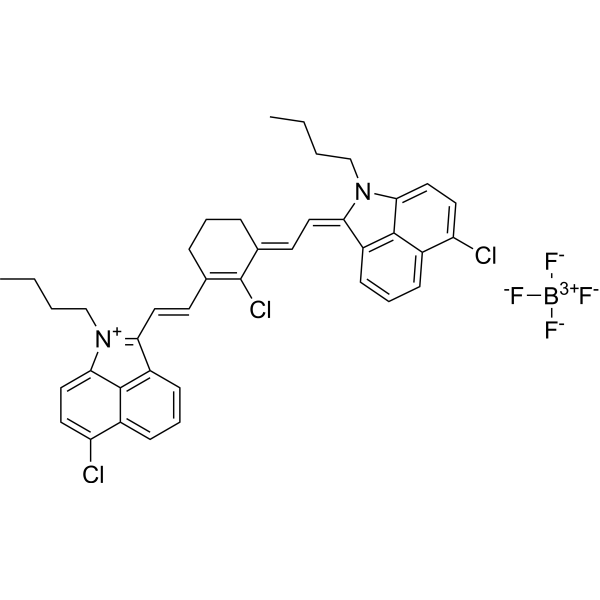
IR-1048 is a nitroreductase (NTR)-responsive near-infrared fluorescence (NIR)/photoacoustic (PA) imaging probe and photothermal agent. IR-1048 is coupled with a nitroimidazole group to form IR-1048-MZ. IR-1048-MZ is catalytically reduced by NTR in a hypoxic environment, restoring strong near-infrared absorption and fluorescence emission (NIR II window), while activating the photothermal effect. IR-1048 relies on NTR-mediated electron transfer to relieve intramolecular fluorescence quenching, achieving specific imaging and photothermal ablation of tumor hypoxic areas. IR-1048 is mainly used for high-contrast NIR II/photoacoustic imaging and photothermal therapy research and tumor diagnosis of the tumor hypoxic microenvironment .
loading...
    loading...
Cat. No.: HY-170779
CAS No.: 3078291-78-5
Target:  

FAP

Research Areas:  

Cancer

DOTA-NI-FAPI-04 is a FAP inhibitor (IC50 = 7.44 nM). By integrating FAP targeting with hypoxia-sensitive groups (nitroimidazole), DOTA-NI-FAPI-04 significantly enhances tumor uptake and retention capabilities. DOTA-NI-FAPI-04 chelates metallic isotopes (such as 68Ga and 177Lu) through DOTA to produce radioactive probes ([68Ga]Ga/DOTA-NI-FAPI-04 and [177Lu]Lu/DOTA-NI-FAPI-04), which can be used for research in tumor diagnostics and therapeutic agents. DOTA-NI-FAPI-04 holds dual targeting potential in the fields of cancer imaging, tumor microenvironment analysis, and radionuclide therapy, particularly suitable for scenarios where the tumor stroma and hypoxic regions synergistically interact .
loading...
    loading...

