



1. Search Result
Search Result
Results for "

immune mediators

" in MedChemExpress (MCE) Product Catalog:

208

Inhibitors & Agonists

4

Screening Libraries

7

Biochemical Assay Reagents

20

Peptides

45

Inhibitory Antibodies

21

Natural
Products

6

Isotope-Labeled Compounds

1

Click Chemistry

18

Oligonucleotides

Cat. No. Product Name Target Research Areas Chemical Structure
  • HY-12512
    cGAMP
    25+ Cited Publications

    Cyclic GMP-AMP; 3',3'-cGAMP

    STING Inflammation/Immunology
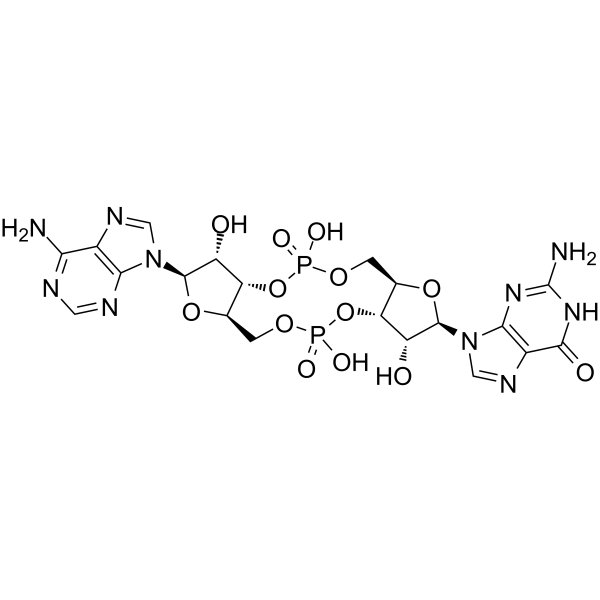
    cGAMP (Cyclic GMP-AMP) functions as an endogenous second messenger in metazoans and triggers interferon production in response to cytosolic DNA. cGAMP activates stimulator of interferon genes (STING), which activates a signaling cascade leading to the production of type I interferons and other immune mediators .
    cGAMP
  • HY-146244
    Agatolimod
    1 Publications Verification

    ODN 2006; PF-3512676; CpG 7909; ODN 7909

    Toll-like Receptor (TLR) Bacterial NO Synthase Apoptosis Infection Cancer
    Agatolimod ((ODN 2006; PF-3512676; CpG 7909)) is a TLR9 agonist and immunomodulator with an EC50 of 180 nM against human TLR9. Agatolimod activates and upregulates the expression of both TLR9 and TLR6, and mediates downstream signaling pathways via IRAK4, IRF5, IRF7. Agatolimod induces Th1-type innate and adaptive immune responses, activates various immune cells and promotes antigen presentation, regulates antibody levels and immune cell infiltration, upregulates the secretion of multiple cytokines, induces apoptosis and cell cycle arrest, enhances cytotoxicity, and clears intracellular Salmonella. Agatolimod is applicable to research on COVID-19, breast cancer, lung adenocarcinoma, HPV-related tumors, melanoma, and salmonellosis .
    Agatolimod
  • HY-12067
    R406
    35+ Cited Publications

    Syk FLT3 Apoptosis Inflammation/Immunology Cancer
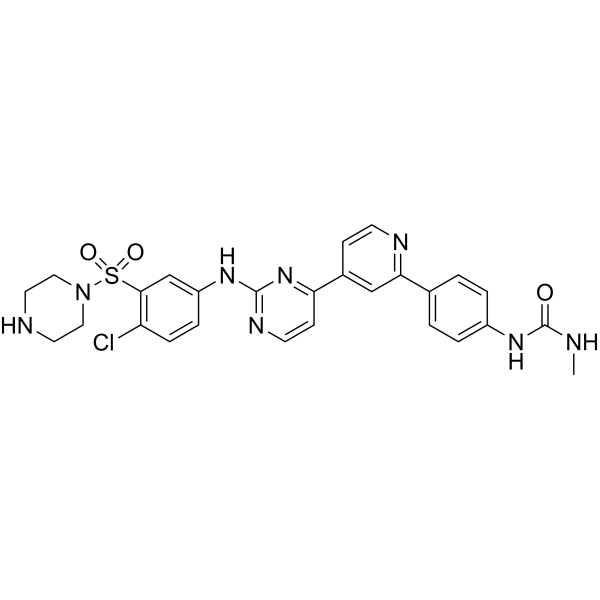
    R406 is an orally available and competitive Syk/FLT3 inhibitor for ATP binding with a Ki of 30 nM, potently inhibits Syk kinase activity in vitro with an IC50 of 41 nM, measured at an ATP concentration corresponding to its Km value. R406 reduces immune complex-mediated inflammation . R406 also inhibits Lyn (IC50=63 nM) and Lck (IC50=37 nM) .
    R406
  • HY-P3502

    RA101495; RA3193

    Complement System Inflammation/Immunology
    Zilucoplan (RA101495), a 15-amino acid macrocyclic peptide, is a potent complement component 5 (C5) inhibitor. Zilucoplan can be used in research of immune-mediated necrotising myopathy (IMNM) .
    Zilucoplan
  • HY-129393
    Etrumadenant
    5+ Cited Publications

    AB928

    Adenosine Receptor Inflammation/Immunology Cancer
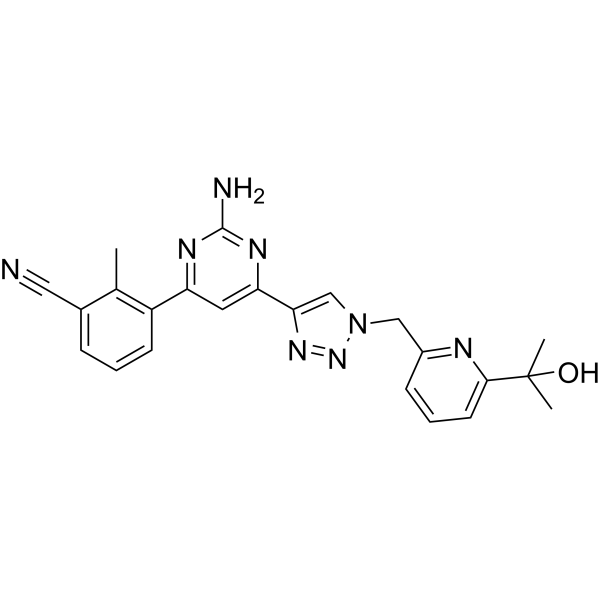
    Etrumadenant (AB928) is an orally bioavailable, selective dual adenosine receptor (A2aR/A2bR) antagonist. Etrumadenant relieves adenosine-mediated immune suppression. Etrumadenant has immunomodulatory and antitumor activities .
    Etrumadenant
  • HY-P99653

    VAY-736

    TNF Receptor Cancer
    Ianalumab (VAY-736) is a human, decarboxylated antibody against BAFF-R. Ianalumab can block the interaction between BAFF and BAFF-R and antagonize the apoptosis protection mediated by BAFF. Ianalumab exerts antibody-dependent cytotoxic (ADCC), depending on effector cell activation mediated by immune receptor tyrosine activation motif (ITAM) .
    Ianalumab
  • HY-107999
    CADD522
    5 Publications Verification

    Reactive Oxygen Species (ROS) Cancer
    CADD522 is a RUNX2-DNA binding inhibitor (downregulates RUNX2-mediated transcription of downstream target genes), with an IC50 of 10 nM. CADD522 inhibits primary tumor growth and experimental metastasis of tumor cells in the lungs of immune-compromised mice. CADD522 can be used in study of cancer .
    CADD522
  • HY-P99389

    JNJ-64304500; IPH-2301; NN-8555

    C-type Lectin-like Receptors (CTLRs) Inflammation/Immunology
    Tesnatilimab (JNJ-64304500) is a human IgG4 monoclonal antibody targeting NKG2D, with a KD value of 9.2 pM . Tesnatilimab blocks the binding of ligands to the NKG2D receptor, thereby inhibiting downstream proinflammatory cytokine, cytotoxic mediator signaling pathways and proinflammatory immune responses. Tesnatilimab is applicable to research related to Crohn's disease .
    Tesnatilimab
  • HY-W127575

    delta-3,5-Cholestadiene

    PI3K Akt Inflammation/Immunology
    Cholesta-3,5-diene is an inflammatory modulator that targets immune cells such as neutrophils and accelerates wound healing by promoting neutrophil chemotaxis and fibroblast migration. Cholesta-3,5-diene enhances immune cell recruitment and extracellular matrix deposition by activating chemokine receptor-mediated signaling pathways such as PI3K/Akt. Cholesta-3,5-diene can be applied topically to wound repair and has potential therapeutic value in chronic ulcers or skin lesions .
    Cholesta-3,5-diene
  • HY-P990083

    AT-1501

    TNF Receptor Inflammation/Immunology
    Tegoprubart (AT-1501) is a CD40 ligand inhibitor (EC50=100 ng/mL) and immunosuppressant that selectively inhibits the CD40 ligand, a co-stimulatory molecule involved in T cell activation. Tegoprubart suppresses immune rejection, prevents rejection in animal transplantation models, and reduces cell-mediated and antibody-mediated immune responses to create a more immunotolerant environment. Tegoprubart preserves renal function when combined with Mycophenolate (HY-B0421) and Corticosteroids, and maintains graft function in preclinical studies. Tegoprubart is applicable to research related to kidney transplantation and kidney transplant rejection .
    Tegoprubart
  • HY-110385
    cGAMP disodium
    Maximum Cited Publications
    26 Publications Verification

    Cyclic GMP-AMP disodium; 3',3'-cGAMP disodium

    STING Endogenous Metabolite Inflammation/Immunology
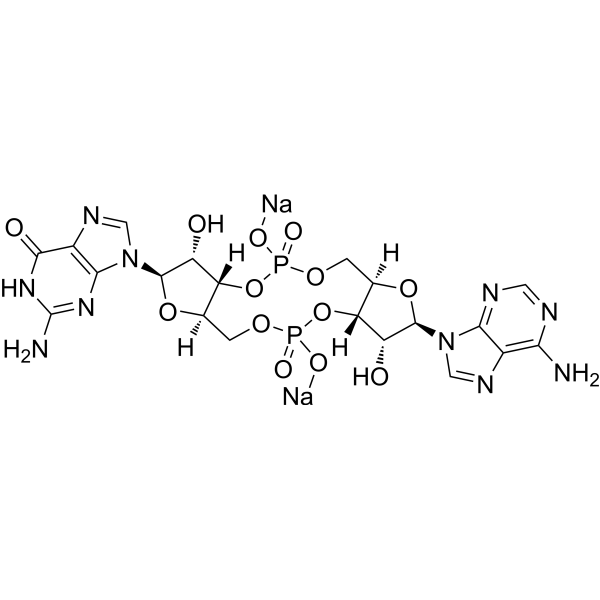
    cGAMP (Cyclic GMP-AMP) disodium functions as an endogenous second messenger in metazoans and triggers interferon production in response to cytosolic DNA. cGAMP diammonium activates stimulator of interferon genes (STING), which activates a signaling cascade leading to the production of type I interferons and other immune mediators .
    cGAMP disodium
  • HY-114492

    GSK'547

    RIP kinase Cancer
    GSK547 (GSK'547) is a highly selective and potent inhibitor of receptor-interacting serine/threonine protein kinase 1 (RIPK1), inhibits macrophage-mediated adaptive immune tolerance in pancreatic cancer .
    GSK547
  • HY-NP137

    Biochemical Assay Reagents Inflammation/Immunology
    NP-PE (Phycoerythrin) is a complex formed by 4-Hydroxy-3-nitrophenylacetyl (NP, a hapten) with Phycoerythrin (PE, a carrier protein). NP-PE (Phycoerythrin) can induce the formation of specific immune complexes and mediate the targeted encounter and activation of B cells with antigens. NP-PE (Phycoerythrin) can be used to study the mechanisms by which B cells capture and transport immune complexes in lymph nodes .
    NP-PE (Phycoerythrin)
  • HY-P10373

    JAK IFNAR Interleukin Related Infection Inflammation/Immunology
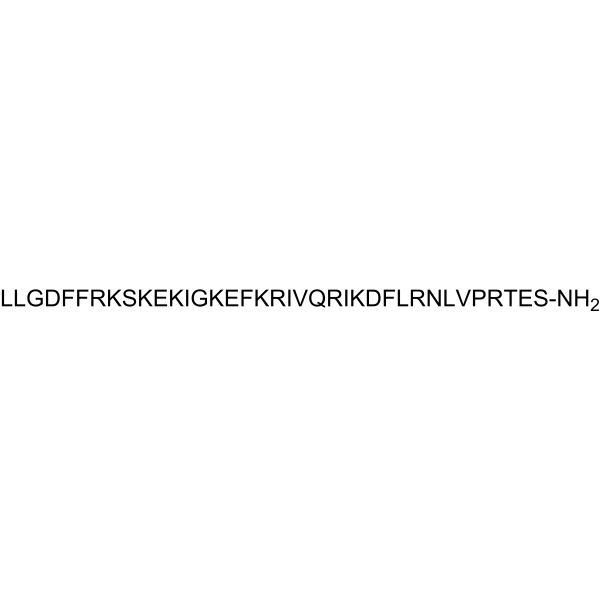
    pJAK2(1001-1013) is a cell-penetrating peptide that corresponds to the activation loop of JAK2 tyrosine kinase and functions as a SOCS1/3antagonist. pJAK2 (1001-1013) blocks SOCS1-mediated negative regulation of immune function, and enhances the biological activity of cytokines such as IFNγ and IL6. pJAK2(1001-1013) inhibits the replication of a broad range of viruses and exerts dose-dependent protective efficacy against lethal viral infections. pJAK2(1001-1013) can be used for the study of immune regulation and infection .
    pJAK2(1001-1013)
  • HY-P990685

    Cyclin G-associated Kinase (GAK) Cardiovascular Disease
    Romiplostim is an Fc-peptide fusion protein mimetic of TPO (thrombopoietin protein) and also a c-Mpl agonist. Romiplostim binds to c-Mpl, stimulates megakaryocyte-mediated thrombopoiesis, and activates the same downstream signaling pathways as endogenous TPO. Romiplostim is applicable to research related to hematopoietic acute radiation syndrome and chronic immune thrombocytopenia .
    Romiplostim
  • HY-D1056B3

    LPS, from bacterial (Klebsiella pneumoniae)

    Toll-like Receptor (TLR) Inflammation/Immunology
    Lipopolysaccharides, from Klebsiella pneumoniae (LPS, from bacterial (Klebsiella pneumoniae)) are lipopolysaccharide endotoxins and TLR4 activators derived from Klebsiella pneumoniae, and are classified as S-type LPS. Lipopolysaccharides, from Klebsiella pneumoniae exhibit a typical three-part structure: O-antigen, core oligosaccharide, and lipid A. Lipopolysaccharides, from Klebsiella pneumoniae may participate in bacterial immune evasion by inhibiting complement-mediated killing and suppressing the host's secretion of antimicrobial peptides, thereby allowing the bacteria to escape immune defenses. Lipopolysaccharides, from Klebsiella pneumoniae possess high viscosity and resistance to serum-mediated killing, which may lead to sepsis. Lipopolysaccharides, from Klebsiella pneumoniae can be used to construct Acute Lung Injury Model .
    It is recommended to prepare a solution with concentration ≥2 mg/mL. Vortex thoroughly for more than 10 minutes. Due to the adsorption characteristics of LPS, silanized container or low adsorption centrifuge tubes should be used for aliquoting and storage, and mix thoroughly before use.
    Lipopolysaccharides, from Klebsiella pneumoniae
  • HY-162065
    N6F11
    1 Publications Verification

    Ferroptosis Cancer
    N6F11 is a selective ferroptosis inducer, and can selectively induce ferroptosis by targeting TRIM25-mediated GPX4 degradation in cancer cells while sparing immune cells. N6F11 initiates HMGB1-dependent antitumor immunity mediated by CD8 + T cells .
    N6F11
  • HY-113446

    Endogenous Metabolite Cardiovascular Disease Inflammation/Immunology
    Leukotriene C4 is a eicosanoid lipid mediator and produced by immune cells during type 2 inflammation. Leukotriene C4 can mediate inflammation,allergy, bronchoconstriction, and vascular leakage .
    Leukotriene C4
  • HY-117295A

    Arrestin Inflammation/Immunology Cancer
    7-Fluorotryptamine hydrochloride is a potent agonist of GPRC5A. 7-Fluorotryptamine hydrochloride induces GPRC5A-mediated β-arrestin recruitment. 7-Fluorotryptamine hydrochloride can be used for research of immune and cancer signaling .
    7-Fluorotryptamine hydrochloride
  • HY-173189

    2′,5′-ApApA; 2′,5′-trioligoadenylate; 5'-O-Triphosphoryladenylyl-(2'→5')-adenylyl-(2'→5')-adenosine

    DNA/RNA Synthesis RSV Infection Cancer
    2-5A is a RNase L activator, signal mediator and innate immune second messenger. 2-5A induces the expression of interferons and interferon-stimulated genes in recipient cells in a RNase L-dependent manner. 2-5A inhibits tumor growth in mouse models via paracrine RNase L activation derived from cancer cells. 2-5A can be used in studies related to viral infection and cancer .
    2-5A
  • HY-150736
    ODN 20844
    1 Publications Verification

    Toll-like Receptor (TLR) Infection Inflammation/Immunology
    ODN 20844, a guanine-modified inhibitory oligonucleotide (INH-ODN), is a TLR7 and TLR9 (Toll-like receptor) inhibitor, and its parent is INH-ODN 2088. ODN 20844 disrupts TLR7- and TLR9-mediated immune cell immune responses. ODN 20844 sequence: 5'-TCCTGGCGc7GGGAAGT-3' .
    ODN 20844
  • HY-P991480

    Transmembrane Glycoprotein Tau Protein Amyloid-β Neurological Disease Cancer
    ONC-841 is a blood-brain barrier-permeable, humanized monoclonal antibody targeting SIGLEC10. As an immune checkpoint inhibitor, ONC-841 restores the functions of immune effector cells such as T cells and enhances anti-tumor immune responses by blocking inhibitory signals mediated by SIGLEC10. ONC-841 restores the phagocytic and migratory activities of microglia, and promotes the phagocytosis of Amyloid-β and Tau protein aggregates by microglia. ONC-841 is applicable to research related to solid tumors and Alzheimer's disease .
    ONC-841
  • HY-P99917

    F-652; rhIL-22 dimer

    STAT Infection Inflammation/Immunology
    Eflepedocokin alfa is a recombinant fusion protein. Eflepedocokin alfa consists of human IL-22 fused to human IgG2-Fc domain. Eflepedocokin alfa leads to the activation of IL-22/IL-22R-mediated signal transduction pathways as well as STAT3. Eflepedocokin alfa plays a role in immune response and bacterial infection, enhancing intestinal barrier function, intestinal immunity, and tissue repair .
    Eflepedocokin alfa
  • HY-P990023

    ADX-914

    Interleukin Related Metabolic Disease Inflammation/Immunology
    Bempikibart (ADX-914) is a fully human anti-IL-7Rα antibody that re-regulates adaptive immune function by blocking signaling mediated by both IL-7 and thymic stromal lymphopoietin (TSLP). Bempikibart can be used for the study of atopic dermatitis and alopecia areata .
    Bempikibart
  • HY-P991023

    6MW3211

    CD47 PD-1/PD-L1 Cancer
    Safimestomig (6MW3211) is an CD47/PD-L1-targeting bispecific antibody. Safimestomig blocks CD47-mediated 'don't eat me' signaling and selectively binds to CD47 on tumor cells. Safimestomig blocks PD-L1-mediated immune checkpoint signaling. Safimestomig can be used for the research of cancer .
    Safimestomig
  • HY-P10719

    MyD88 Infection Inflammation/Immunology
    Pepinh-MYD is a MyD88 inhibitor that contains a domain sequence from MyD88 TIR and a protein transduction sequence, enabling it to penetrate the cell membrane. Pepinh-MYD interferes with MyD88-mediated TLR signaling pathways, thereby inhibiting related immune responses. It holds potential for studying the role of MyD88 in viral infections .
    Pepinh-MYD
  • HY-P991201

    Interleukin Related Inflammation/Immunology
    REGN-7257 is a humanized monoclonal antibody targeting IL2RG. REGN-7257 blocks the signal transduction induced by common gamma chain (γc) cytokines via the IL2RG chain of the γc cytokine receptor complex. REGN-7257 is applicable for research on immune-mediated diseases and T cell-mediated diseases . Its corresponding isotype control is Human IgG4 kappa, Isotype Control (HY-P99003).
    REGN-7257
  • HY-114504

    Epigenetic Reader Domain Inflammation/Immunology
    RVX-297 is a potent, orally active BET bromodomain inhibitor with selectivity for BD2. RVX-297 shows IC50s of 0.08, 0.05, and 0.02 μM for BRD2(BD2), BRD3(BD2), and BRD4(BD2), respectively. RVX-297 suppresses inflammatory gene expression in multiple immune cell types. RVX-297 is effective in acute inflammation and autoimmunity models .
    RVX-297
  • HY-150746

    Toll-like Receptor (TLR) Inflammation/Immunology
    ODN 24991, a guanine-modified inhibitory oligonucleotide (INH-ODN), is a TLR3, TLR7 and TLR9 (Toll-like receptor) inhibitor, and its parent is INH-ODN 2088. ODN 24991 disrupts TLR3-, TLR7- and TLR9-mediated immune cell immune responses. ODN 24991 sequence: 5'-C-C-T-G-G-C-c7rGm-G-G-G-3' .
    ODN 24991
  • HY-W008293

    Drug Derivative Inflammation/Immunology
    Himic anhydride is an acid anhydride compound and sensitizer. Himic anhydride with cross-reactivity to hexahydrophthalic anhydride. Himic anhydride induces immunoglobulin E (IgE)-mediated sensitization and allergic immune responses. Himic anhydride can be used for the research of occupational asthma .
    Himic anhydride
  • HY-P990961

    IMM-2510; SYN-2510

    VEGFR PD-1/PD-L1 Cardiovascular Disease Inflammation/Immunology Cancer
    Palverafusp alfa (IMM-2510; SYN-2510) is a PD-L1/VEGF-targeting IgG1κ type humanized antibody. Palverafusp alfa blocks PD-1/PD-L1 binding, relieves immune suppression, mediates PD-L1-directed antibody-dependent cellular cytotoxicity (ADCC). Palverafusp alfa blocks VEGF/VEGFR binding, inhibits angiogenic signaling, relieves VEGF-induced immune suppression. Palverafusp alfa reduces endothelial cell proliferation, enhances ADCC and antibody-dependent cellular phagocytosis (ADCP), inhibits tumor growth, reverses T cell immune suppression. Palverafusp alfa exhibits immune stimulatory, antiangiogenic, and anti-tumor activity in the tumor microenvironment. Palverafusp alfa can be used for the research of cancer, such as solid tumors, non-small cell lung cancer .
    Palverafusp alfa
  • HY-156622

    HMC-C-01-A; MBS2320

    Mitochondrial Metabolism Cancer
    Leramistat (HMC-C-01-A; MBS2320) is a mitochondrial complex 1 inhibitor, involving in cell metabolism immune metabolism regulation. Leramistat also inhibits ATP production in Thp1 human monocytes (IC50: 0.63 μM). Leramistat inhibits atopic dermatitis and other skin diseases autoimmune diseases, inflammatory diseases, cancer; and also inhibits osteoclast mediated disease .
    Leramistat
  • HY-P3012

    Cathepsin ERK p38 MAPK PKC Protease Activated Receptor (PAR) MMP Inflammation/Immunology
    Cathepsin G is a pH-dependent serine protease. Cathepsin G hydrolyzes diverse synthetic and protein substrates and remodels extracellular matrix. Cathepsin G exerts immunomodulatory effects via recruiting phagocytes, enhancing T cell motility, activating ERK1/2 and p38 MAPK signaling, and mediating PKCζ membrane translocation. Cathepsin G regulates inflammatory responses by cleaving inflammatory mediators. Cathepsin G participates in vascular regulation by converting angiotensin I to angiotensin II. Cathepsin G induces PAR4-dependent platelet activation, facilitates platelet-neutrophil aggregation, and mediates VITT-related NETosis, thrombus formation. Cathepsin G can be used for the research of immune thrombotic thrombocytopenia, cardiovascular disease, and select autoimmune and inflammatory diseases .
    Cathepsin G
  • HY-150736A
    ODN 20844 sodium
    1 Publications Verification

    Toll-like Receptor (TLR) Infection
    ODN 20844 sodium, a guanine-modified inhibitory oligonucleotide (INH-ODN), is a TLR7 and TLR9 (Toll-like receptor) inhibitor, and its parent is INH-ODN 2088. ODN 20844 sodium disrupts TLR7- and TLR9-mediated immune cell immune responses. ODN 20844 sequence: 5'-TCCTGGCGc7GGGAAGT-3' .
    ODN 20844 sodium
  • HY-150746A

    Toll-like Receptor (TLR) Inflammation/Immunology
    ODN 24991 sodium, a guanine-modified inhibitory oligonucleotide (INH-ODN), is a TLR3, TLR7 and TLR9 (Toll-like receptor) inhibitor, and its parent is INH-ODN 2088. ODN 24991 sodium disrupts TLR3-, TLR7- and TLR9-mediated immune cell immune responses. ODN 24991 sequence: 5'-C-C-T-G-G-C-c7rGm-G-G-G-3' .
    ODN 24991 sodium
  • HY-176296

    SR-8541A

    Phosphodiesterase (PDE) STING Cancer
    Vizenpistat is an orally active ENPP1 inhibitor. Vizenpistat increases cGAMP levels, blocks 2′3′-cGAMP hydrolysis, inhibits adenosine production, regulates innate immune signaling mediated by the STING pathway, and modulates anti-tumor immune responses. Vizenpistat is applicable to research related to breast cancer and metastatic microsatellite-stable colorectal cancer .
    Vizenpistat
  • HY-113512

    Influenza Virus Inflammation/Immunology
    17-HDHA is a DHA-derived specialized proresolving mediator (SPM). 17-HDHA enhances the antibody-mediated immune response against influenza virus. 17-HDHA enhances the differentiation of B cells toward the CD27 + CD38 + antibody-secreting cell phenotype, thereby strongly increasing IgM and IgG production by activated B cells .
    17-HDHA
  • HY-155971

    Autophagy Inflammation/Immunology Cancer
    VISTA-IN-2 (Compound 1) is an inhibitor of V-domain Ig suppressor of T-cell activation (VISTA). VISTA-IN-2 induces VISTA degradation in cells through an autophagic mechanism. VISTA-IN-2 rescues VISTA-mediated immunosuppression, and enhances antitumor activity of immune cells. VISTA-IN-2 also activates the antitumor immunity and inhibits tumor growth in a CT26 mouse model .
    VISTA-IN-2
  • HY-159643

    MAP4K IFNAR Interleukin Related Inflammation/Immunology Cancer
    NDI-101150 is an orally active, potent and selective hematopoietic progenitor cell kinase 1 (HPK1) inhibitor with an IC50 of 0.7 nM. NDI-101150 blocks HPK1-mediated negative regulation of immune receptor signaling, inhibits immunosuppression of T cell activation, enhances antigen-specific antibody production and augments B-cell activation. NDI-101150 inhibits tumor growth in syngeneic tumor models, establishes durable antitumor immune memory, and synergizes with anti-PD1 to enhance exhausted T cell activity and drive tumor regressions. NDI-101150 can be used for the research of cancer, such as breast cancer and colon cancer .
    NDI-101150
  • HY-P991364

    PYX-106; BSI-060T

    Transmembrane Glycoprotein Cancer
    Aldastotug (PYX-106; BSI-060T) is a human monoclonal antibody (mAb) targeting Siglec-15/CD33L3. Aldastotug reverses Siglec-15-mediated immunosuppression and enhances T-cell proliferation. Aldastotug induces significantly increased levels of IFNγ and TNFα in T cells. Aldastotug can be used in cancer immunity research. Recommended isotype control: Human IgG1 kappa, Isotype Control (HY-P99001) .
    Aldastotug
  • HY-P2985A

    Endogenous Metabolite Inflammation/Immunology
    Alanine aminotransferase, human liver is an enzyme mainly produced in the liver. It is a pyridoxalase that catalyzes the reversible interconversion of L-alanine and 2-oxoglutamate to pyruvate and L-glutamate. Alanine aminotransferase, human liver is elevated in active anti-HMGCR myopathy. Alanine aminotransferase, human liver can be used in studies related to immune-mediated necrotizing myopathy and non-alcoholic fatty liver disease .
    Alanine aminotransferase, Human liver
  • HY-P991198

    Tim3 Cancer
    M6903 is a humanized monoclonal IgG2 antibody targeting T cell immunoglobulin and mucin domain-3 (TIM-3) (KD for human TIM-3 is 2.3 nM). M6903 binds to TIM-3, blocking the binding of TIM-3 to phosphatidylserine (PtdSer), carcinoembryonic antigen cell adhesion-related molecule 1 (CEACAM1), and galectin 9 (Gal-9), thus relieving TIM-3-mediated T cell inhibition and exerting the activities of activating antigen-specific T cells and enhancing anti-tumor immunity. M6903 is promising for research of cancers .
    M6903
  • HY-110385A
    cGAMP diammonium
    Maximum Cited Publications
    26 Publications Verification

    Cyclic GMP-AMP diammonium; 3',3'-cGAMP diammonium

    STING Endogenous Metabolite Inflammation/Immunology
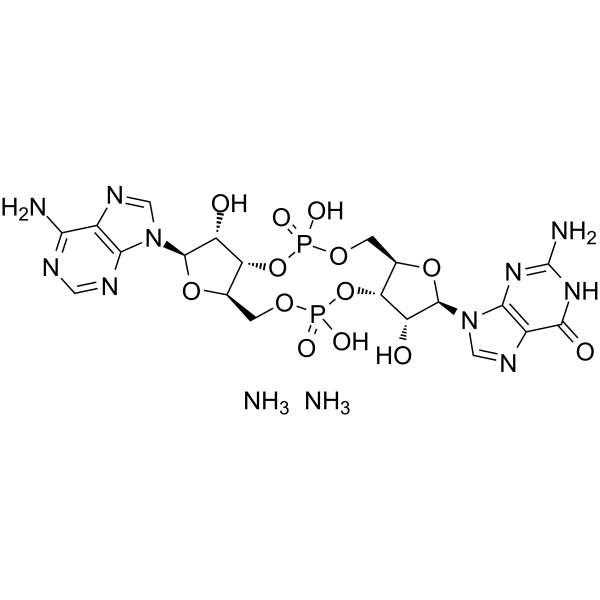
    cGAMP (Cyclic GMP-AMP) diammonium functions as an endogenous second messenger in metazoans and triggers interferon production in response to cytosolic DNA. cGAMP diammonium activates stimulator of interferon genes (STING), which activates a signaling cascade leading to the production of type I interferons and other immune mediators .
    cGAMP diammonium
  • HY-P991309

    C-type Lectin-like Receptors (CTLRs) Cancer
    ZM-008 is an anti-LLT1 monoclonal antibody. ZM-008 blocks the interaction between LLT1 and CD161 on the surface of NK cells and T cells. ZM-008 restores anti-tumor immune activity, shifts the tumor microenvironment to an immune-responsive state, and recovers NK cell-mediated cytotoxicity against tumor cells, thereby reversing immunosuppression in immune-resistant "cold" tumors. ZM-008 is applicable to the research of immune-resistant solid tumors .
    ZM-008
  • HY-P10719A

    MyD88 Infection Inflammation/Immunology
    Pepinh-MYD TFA is a MyD88 inhibitor that contains a domain sequence from MyD88 TIR and a protein transduction sequence, enabling it to penetrate the cell membrane. Pepinh-MYD TFA interferes with MyD88-mediated TLR signaling pathways, thereby inhibiting related immune responses. Pepinh-MYD TFA holds potential for studying the role of MyD88 in viral infections .
    Pepinh-MYD TFA
  • HY-177817

    RIG-I-like receptor (RLR) Infection
    CL9 sodium, a RIG-I-specific RNA aptamer, activates signaling pathways for IFNβ produciton and efficiently blocks viral replication. RIG-I is a cytosolic receptor for non-self RNA that mediates immune responses against viral infections through IFNα/β prod
    CL9 sodium
  • HY-175478

    Phosphodiesterase (PDE) STING Inflammation/Immunology Cancer
    Enpp-1-IN-27 is a selective ENPP1 inhibitor with an IC50 of 14.68 nM, exhibiting approximately 410-fold selectivity against ENPP2 and 10-fold selectivity against ENPP3. Enpp-1-IN-27 stabilizes cGAMP levels and activates the STING pathway, promoting cytokine release and enhancing innate immune responses. Enpp-1-IN-27 induces ISRE activation and amplified cGAMP-mediated immune responses and shows the desired antitumor efficacy in the 4T1 and CT26 syngeneic mouse models. Enpp-1-IN-27 can used for the studies of breast cancer and colon cancer .
    Enpp-1-IN-27
  • HY-143321

    STING Cancer
    STING agonist-13 is a stimulator of interferon genes (STING) agonist, for cancer immunity via STING-mediated immune activation. STING agonist-13 can stimulate STING downstream signaling and promoting type I interferon immune responses. STING agonist-13 significantly decreases tumor volume and shows immunological memory-derived cancer inhibition .
    STING agonist-13
  • HY-P991150

    Interleukin Related Inflammation/Immunology
    Ompekimig is a humanized immunoglobulin monoclonal antibody targeting human interleukin 4 (IL-4) and interleukin 13 (IL-13). Ompekimig is promising for research of immune-mediated inflammatory diseases, such as asthma and atopic dermatitis .
    Ompekimig
  • HY-150744A

    Toll-like Receptor (TLR) Inflammation/Immunology
    ODN 24888 sodium is an guanine-modified inhibitory oligonucleotides (INH-ODN), shows potent inhibition on TLR7/TLR9-mediated signaling. ODN 24888 sodium impairs IFN-α level and NF-κB activation, inhibits IL-6 release. ODN 24888 sodium involves in immune and inflammatory responses, can be used as a vaccine adjuvant .
    ODN 24888 sodium

Inquiry Online

Your information is safe with us. * Required Fields.

Salutation


Country or Region *

Applicant Name *


Organization Name *

Department *


Email Address *


Product Name *

Cat. No.


Requested quantity *

Phone Number *


Remarks

Inquiry Online

Inquiry Information

Product Name:
Cat. No.:
Quantity:
MCE Japan Authorized Agent:

