392 Results for "

ion channels

" in MedChemExpress (MCE) Product Catalog:
Products (392)

392 Results for "ion channels" in MCE Product Catalog:

175
175 Publications Verification
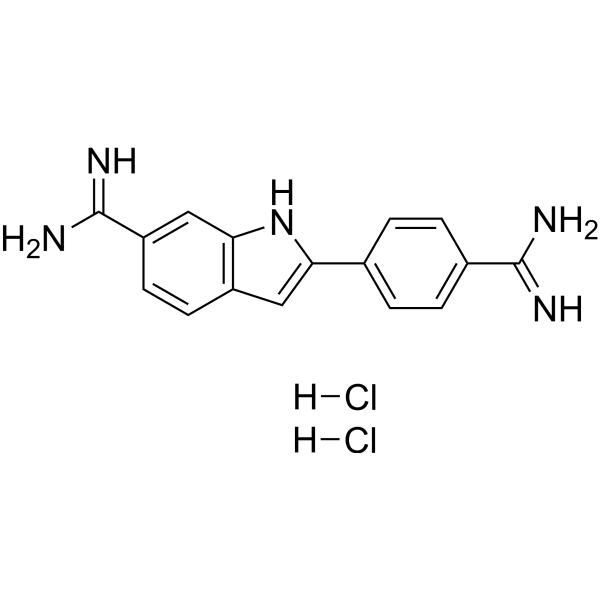
Cat. No.: HY-D0814
CAS No.: 28718-90-3
Synonyms: 4',6-Diamidino-2-phenylindole dihydrochloride
DAPI (4',6-Diamidino-2-phenylindole) dihydrochloride is a DAPI dye. DAPI is a fluorescent dye that binds strongly to DNA. It binds to the AT base pair of the double-stranded DNA minor groove, and one DAPI molecule can occupy three base pair positions. The fluorescence intensity of DAPI molecules bound to double-stranded DNA is increased by about 20 times, and it is commonly observed with fluorescence microscopy, and the amount of DNA can be determined based on the intensity of fluorescence. DAPI cannot penetrate intact cell membranes and is commonly used for staining damaged and fixed cells . DAPI (Compound 3) is an acid-sensing ion channel 3 (ASIC3) inhibitor. DAPI binds to ASIC3 and blocks the channel function. DAPI can be used in the study of chronic pain treatment (Ex/Em = 356/451 nm).
loading...
    loading...
159
159 Cited Publications
Cat. No.: HY-D2868
CAS No.: 47165-04-8
Synonyms: 4',6-Diamidino-2-phenylindole
DAPI (4',6-Diamidino-2-phenylindole) is a DAPI dye. DAPI is a fluorescent dye that binds strongly to DNA. It binds to the AT base pair of the double-stranded DNA minor groove, and one DAPI molecule can occupy three base pair positions. The fluorescence intensity of DAPI molecules bound to double-stranded DNA is increased by about 20 times, and it is commonly observed with fluorescence microscopy, and the amount of DNA can be determined based on the intensity of fluorescence. DAPI cannot penetrate intact cell membranes and is commonly used for staining damaged and fixed cells . DAPI (Compound 3) is an acid-sensing ion channel 3 (ASIC3) inhibitor. DAPI binds to ASIC3 and blocks the channel function. DAPI can be used in the study of chronic pain treatment (Ex/Em = 356/451 nm).
loading...
    loading...
129
129 Cited Publications
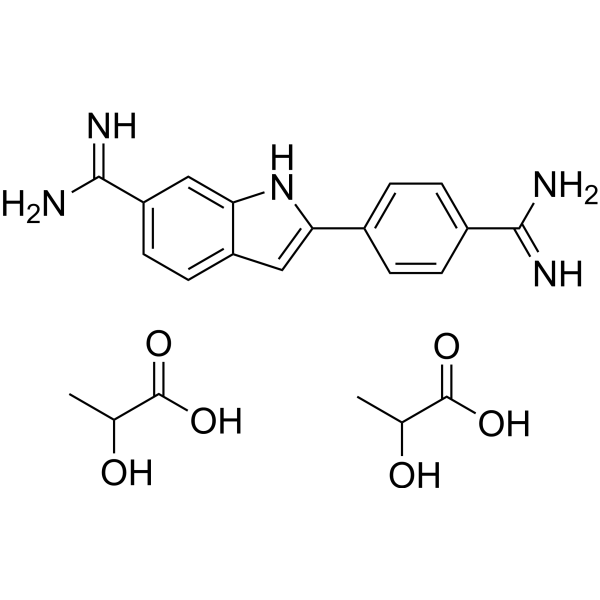
Cat. No.: HY-D1738
CAS No.: 28718-91-4
Synonyms: 4',6-Diamidino-2-phenylindole dilactate
DAPI (4',6-Diamidino-2-phenylindole) dilactate is a DAPI dye. DAPI is a fluorescent dye that binds strongly to DNA. It binds to the AT base pair of the double-stranded DNA minor groove, and one DAPI molecule can occupy three base pair positions. The fluorescence intensity of DAPI molecules bound to double-stranded DNA is increased by about 20 times, and it is commonly observed with fluorescence microscopy, and the amount of DNA can be determined based on the intensity of fluorescence. DAPI cannot penetrate intact cell membranes and is commonly used for staining damaged and fixed cells . DAPI (Compound 3) is an acid-sensing ion channel 3 (ASIC3) inhibitor. DAPI binds to ASIC3 and blocks the channel function. DAPI can be used in the study of chronic pain treatment (Ex/Em = 356/451 nm) .
loading...
    loading...
49
49 Cited Publications
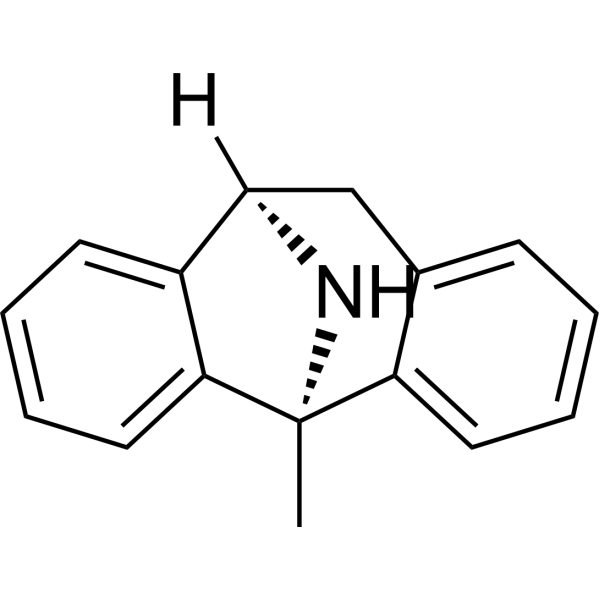
Cat. No.: HY-15084B
CAS No.: 77086-21-6
Purity:  99.90%
Synonyms: MK-801
Target:  

iGluR

Research Areas:  

Neurological Disease

Dizocilpine (MK-801), a potent anticonvulsant, is a selective and non-competitive NMDA receptor antagonist, with a Kd of 37.2 nM in rat brain membranes. Dizocilpine acts by binding to a site located within the NMDA associated ion channel and thus prevents Ca 2+ flux .
loading...
    loading...
49
49 Cited Publications
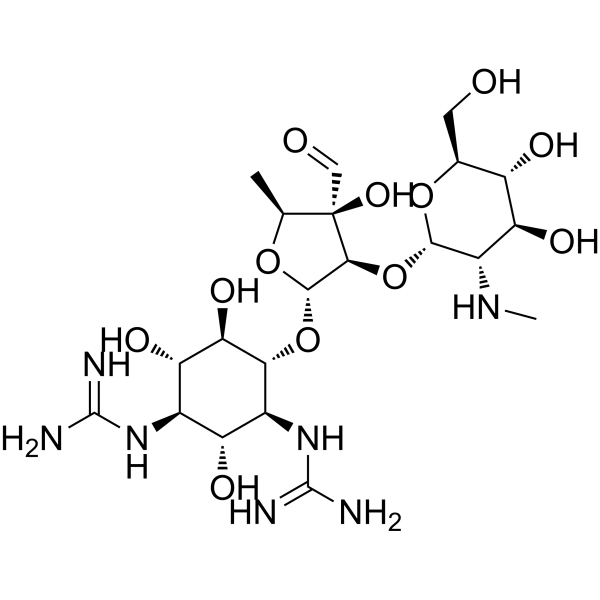
Cat. No.: HY-B1906
CAS No.: 57-92-1
Synonyms: Agrept; Agrimycin; Streptomycin A
Streptomycin (Agrept) is an effective antibiotic against M. tuberculosis, is used for the research of tuberculosis (TB). Streptomycin also is a bacteriocidal agent that can be used for the research of a number of bacterial infections. Streptomycin can bind strongly to nucleic acids, interferes and blocks protein synthesis while permitting continued RNA and DNA synthesis. Streptomycin, as a common antibiotic used in culture media, also is a blocker of stretch-activated and mechanosensitive ion channels in neurons and cardiac myocytes .
loading...
    loading...
28
28 Cited Publications
Cat. No.: HY-15206
CAS No.: 10238-21-8
Purity:  99.94%
Synonyms: Glyburide
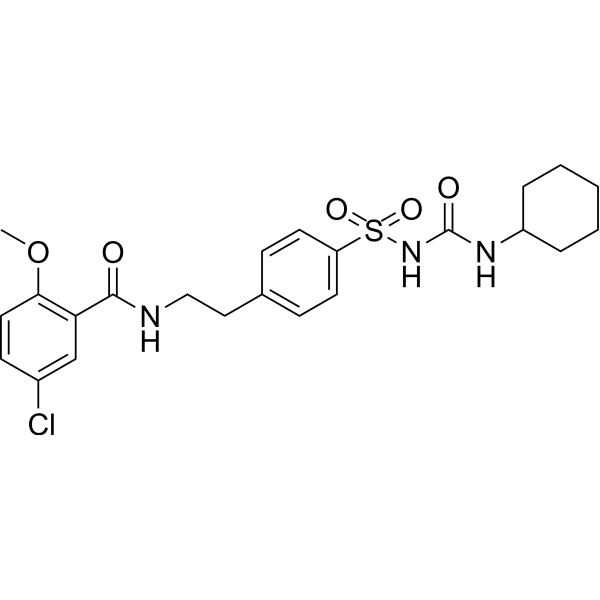
Glibenclamide (Glyburide) is an orally active ATP-sensitive K + channel (KATP) inhibitor and can be used for the research of diabetes and obesity . Glibenclamide inhibits P-glycoprotein. Glibenclamide directly binds and blocks the SUR1 subunits of KATP and inhibits the cystic fibrosis transmembrane conductance regulator protein (CFTR) . Glibenclamide interferes with mitochondrial bioenergetics by inducing changes on membrane ion permeability . Glibenclamide can induce autophagy .
loading...
    loading...
28
28 Cited Publications
Cat. No.: HY-100001
CAS No.: 130495-35-1
Purity:  ≥99.01%
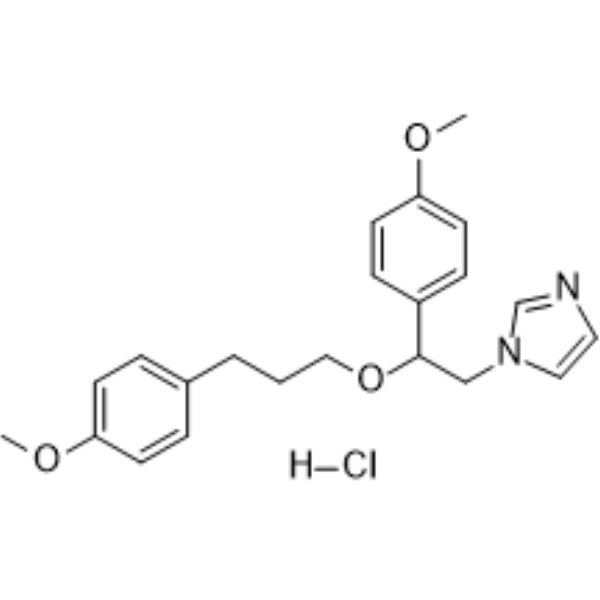
SKF-96365 hydrochloride is a TRPC channel antagonist and store-operated calcium entry (SOCE) inhibitor. SKF-96365 hydrochloride reduces calcium ion influx by inhibiting the activity and expression of TRPC6, STIM1 and Orai1. SKF-96365 hydrochloride inhibits voltage-gated sodium current (cardiac INa/NaV1.5) and slows myocardial conduction. SKF-96365 hydrochloride inhibits phosphorylation/activation of CaMKIIγ and suppresses the downstream AKT signaling pathway. SKF-96365 hydrochloride induces G2/M phase cell cycle arrest, apoptosis and cytoprotective autophagy in colorectal cancer cells. SKF-96365 hydrochloride alleviates allergic rhinitis symptoms by reducing inflammatory cytokine levels. SKF-96365 hydrochloride reduces intracellular calcium overload, inhibits Homer1 expression, prevents nuclear damage and suppresses apoptosis. SKF-96365 hydrochloride inhibits the growth of colorectal cancer xenografts in nude mice . SKF-96365 hydrochloride is applicable to research related to allergic rhinitis, colorectal cancer, Parkinson's disease, persistent spontaneous nociception and hyperalgesia .
loading...
    loading...
28
28 Cited Publications
Cat. No.: HY-125942
CAS No.: 162849-90-3
SKF-96365 is a TRPC channel antagonist and store-operated calcium entry (SOCE) inhibitor. SKF-96365 reduces calcium ion influx by inhibiting the activity and expression of TRPC6, STIM1 and Orai1. SKF-96365 inhibits voltage-gated sodium current (cardiac INa/NaV1.5) and slows myocardial conduction. SKF-96365 inhibits phosphorylation/activation of CaMKIIγ and suppresses the downstream AKT signaling pathway. SKF-96365 induces G2/M phase cell cycle arrest, apoptosis and cytoprotective autophagy in colorectal cancer cells. SKF-96365 alleviates allergic rhinitis symptoms by reducing inflammatory cytokine levels. SKF-96365 reduces intracellular calcium overload, inhibits Homer1 expression, prevents nuclear damage and suppresses apoptosis. SKF-96365 inhibits the growth of colorectal cancer xenografts in nude mice . SKF-96365 is applicable to research related to allergic rhinitis, colorectal cancer, Parkinson's disease, persistent spontaneous nociception and hyperalgesia .
loading...
    loading...
18
18 Cited Publications
Cat. No.: HY-B0246
CAS No.: 298-46-4
Synonyms: CBZ; NSC 169864
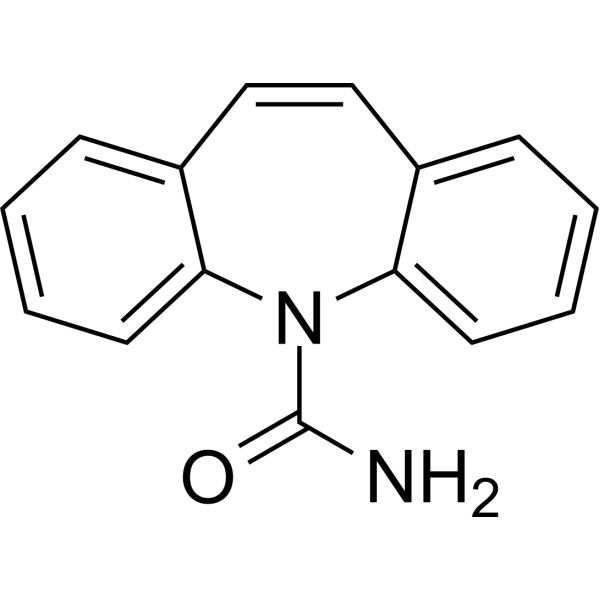
Carbamazepine is an orally active pressure-sensitive sodium ion channel blocker with an IC50 of 131 μM. Carbamazepine blocks voltage gated Na +, Ca 2+, and K + channels, and is also a HDAC inhibitor (IC50: 2 μM). Carbamazepine is an anticonvulsant and can be used for research of epilepsy and neuropathic pain .
loading...
    loading...
11
11 Cited Publications
Cat. No.: HY-B0402
CAS No.: 768-94-5
Synonyms: 1-Adamantanamine; 1-Aminoadamantane
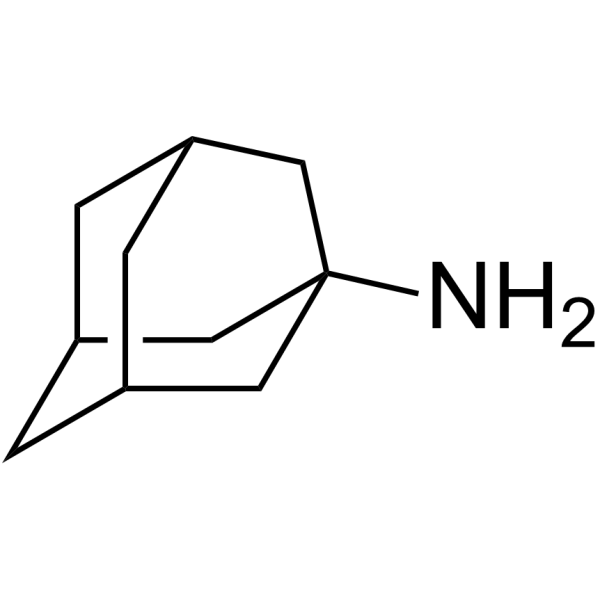
Amantadine (1-Adamantanamine) is an orally avtive and potent antiviral agent with activity against influenza A viruses. Amantadine inhibits several ion channels such as NMDA and M2, and also inhibits Coronavirus ion channels. Amantadine also has anti-orthopoxvirus and anticancer activity. Amantadine can be used for Parkinson's disease, postoperative cognitive dysfunction (POCD) and COVID-19 research .
loading...
    loading...
11
11 Cited Publications
Cat. No.: HY-B0402A
CAS No.: 665-66-7
Synonyms: 1-Adamantanamine hydrochloride; 1-Adamantylamine hydrochloride; 1-Aminoadamantane hydrochloride
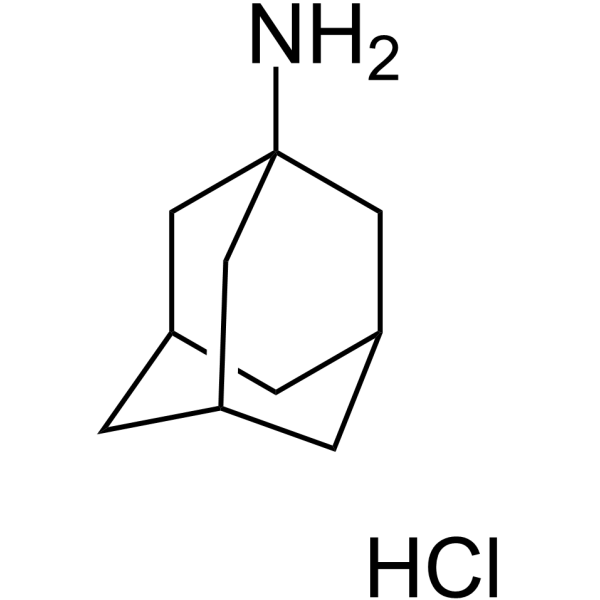
Amantadine (1-Adamantanamine) hydrochloride is an orally avtive and potent antiviral agent with activity against influenza A viruses. Amantadine hydrochloride inhibits several ion channels such as NMDA and M2, and also inhibits Coronavirus ion channels. Amantadine hydrochloride also has anti-orthopoxvirus and anticancer activity. Amantadine hydrochloride can be used for Parkinson's disease, postoperative cognitive dysfunction (POCD) and COVID-19 research .
loading...
    loading...
9
9 Cited Publications
Cat. No.: HY-B1221
CAS No.: 530-78-9
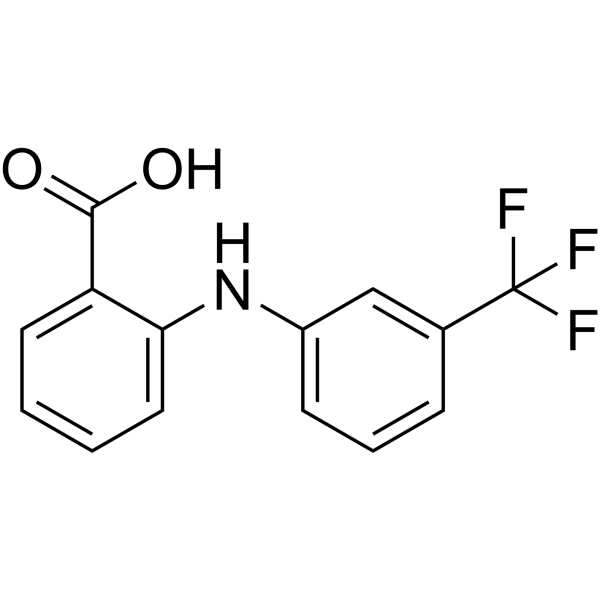
Flufenamic acid is a non-steroidal anti-inflammatory agent, inhibits cyclooxygenase (COX), activates AMPK, and also modulates ion channels, blocking chloride channels and L-type Ca 2+ channels, modulating non-selective cation channels (NSC), activating K + channels. Flufenamic acid binds to the central pocket of TEAD2 YBD and inhibits both TEAD function and TEAD-YAP-dependent processes, such as cell migration and proliferation.
loading...
    loading...
loading...
    loading...
8
8 Cited Publications
Cat. No.: HY-B0563
CAS No.: 84057-95-4
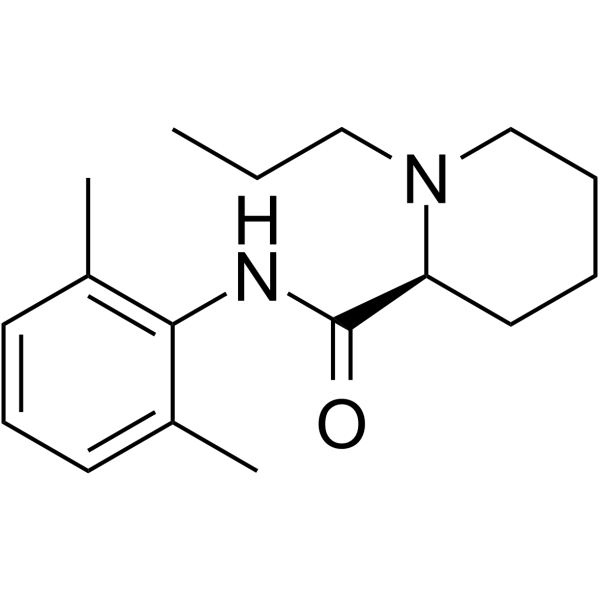
Ropivacain is a potent sodium channel blocker. Ropivacain blocks impulse conduction via reversible inhibition of sodium ion influx in nerve fibrese . Ropivacaine is also an inhibitor of K2P (two-pore domain potassium channel) TREK-1 with an IC50 of 402.7 μM in COS-7 cell's membrane . Ropivacaine is used for the research of neuropathic pain management .
loading...
    loading...
8
8 Cited Publications
Cat. No.: HY-B0563B
CAS No.: 98717-15-8
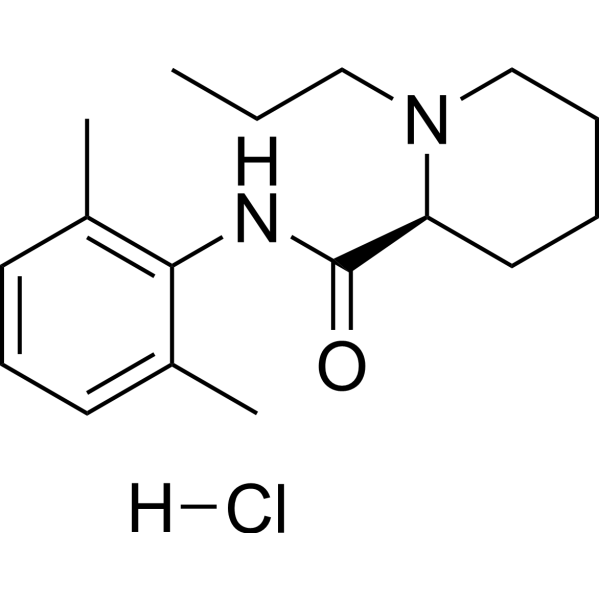
Ropivacaine hydrochloride is a potent sodium channel blocker and blocks impulse conduction via reversible inhibition of sodium ion influx in nerve fibrese . Ropivacaine is also an inhibitor of K2P (two-pore domain potassium channel) TREK-1 with an IC50 of 402.7 μM in COS-7 cell's membrane . Ropivacaine is widely used for neuropathic pain management in vivo .
loading...
    loading...
8
8 Cited Publications
Cat. No.: HY-B0563A
CAS No.: 132112-35-7
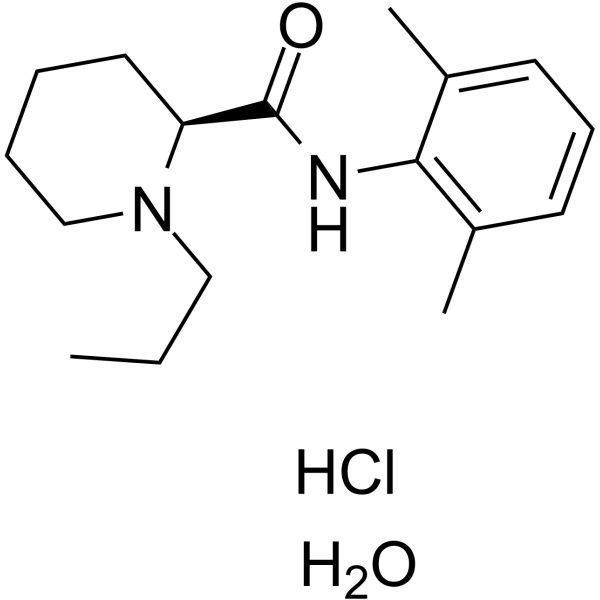
Ropivacaine hydrochloride monohydrate is a potent sodium channel blocker and blocks impulse conduction via reversible inhibition of sodium ion influx in nerve fibrese . Ropivacaine is also an inhibitor of K2P (two-pore domain potassium channel) TREK-1 with an IC50 of 402.7 μM in COS-7 cell's membrane . Ropivacaine is widely used for regional anesthesia and neuropathic pain management in vivo .
loading...
    loading...
8
8 Cited Publications
Cat. No.: HY-19765
CAS No.: 1419609-94-1
Target:  

TRP Channel

Research Areas:  

Cardiovascular Disease

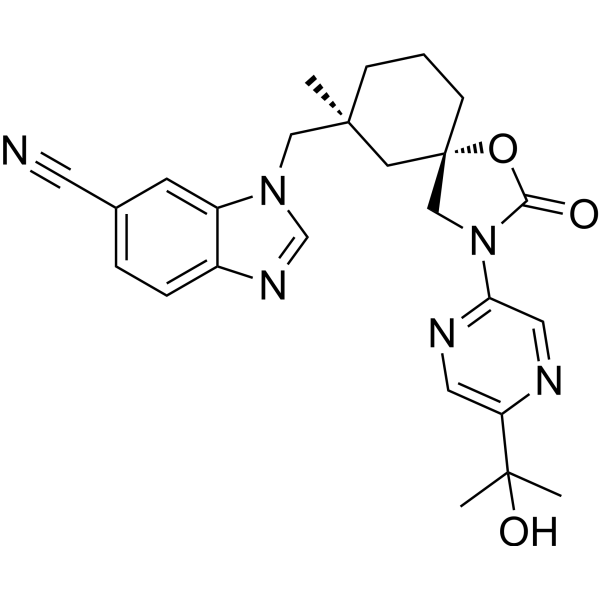
GSK2798745 is a potent, selective, and orally active transient receptor potential vanilloid 4 (TRPV4) ion channel blocker with IC50s of 1.8 and 1.6 nM for hTRPV4 and rTRPV4, respectively. GSK2798745 can be used in cardiac and respiratory diseases research .
loading...
    loading...
8
8 Cited Publications
Cat. No.: HY-12949
CAS No.: 5465-86-1
Purity:  98.45%
Target:  

TRP Channel

Research Areas:  

Neurological Disease

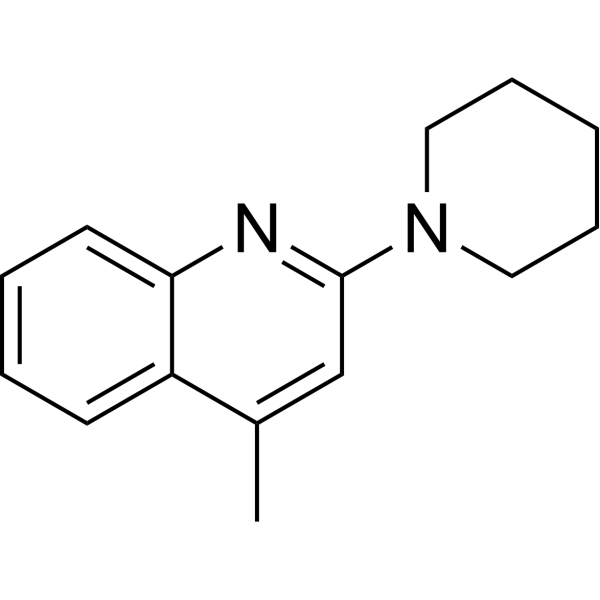
ML204 is a potent, selective TRPC4/TRPC5 channel inhibitor, with at least 19-fold selectivity against TRPC6 and no appreciable effect on all other TRP channels, nor on voltage-gated sodium, potassium, or Ca 2+ channels .
loading...
    loading...
8
8 Cited Publications
Cat. No.: HY-12949A
CAS No.: 2070015-10-8
Purity:  99.74%
Target:  

TRP Channel

Research Areas:  

Neurological Disease

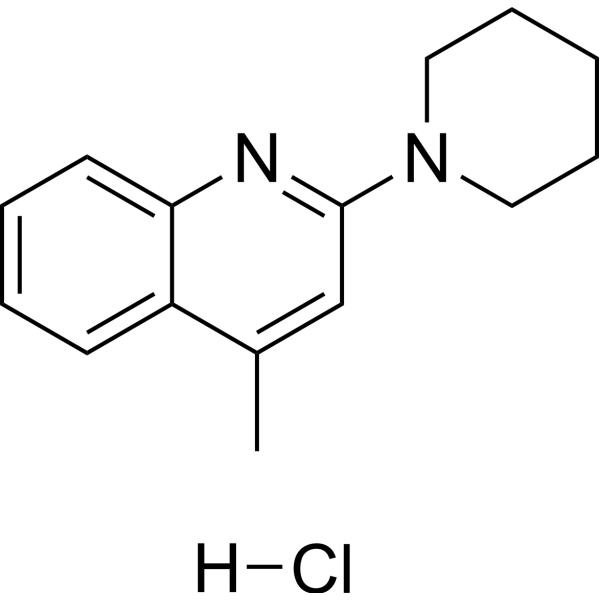
ML204 hydrochloride is a novel, potent, selective TRPC4/TRPC5 channel inhibitor, with at least 19-fold selectivity against TRPC6 and no appreciable effect on all other TRP channels, nor on voltage-gated sodium, potassium, or Ca 2+ channels .
loading...
    loading...
8
8 Cited Publications
Cat. No.: HY-B0563C
CAS No.: 854056-07-8
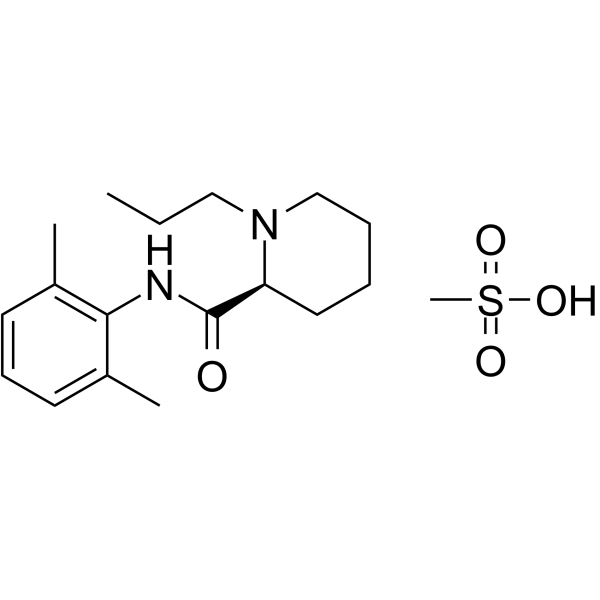
Ropivacaine mesylate is a long-acting amide local anaesthetic agent for a spinal block and effectively blocks neuropathic pain. Ropivacaine blocks impulse conduction via reversible inhibition of sodium ion influx in nerve fibressup . Ropivacaine is also an inhibitor of K2P (two-pore domain potassium channel) TREK-1 with an IC50 of 402.7 μM in COS-7 cell's membrane .
loading...
    loading...

