
Search Result
Results for "
leishmaniasis
" in MedChemExpress (MCE) Product Catalog:
1
Biochemical Assay Reagents
2
Isotope-Labeled Compounds
| Cat. No. |
Product Name |
Target |
Research Areas |
Chemical Structure |
-
- HY-B0956
-
|
Aminosidine sulfate
|
Antibiotic
Parasite
Bacterial
|
Infection
|
|
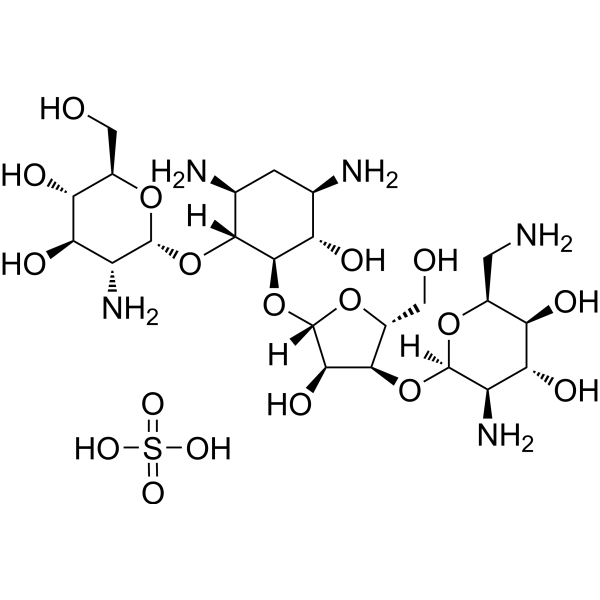
Paromomycin (Aminosidine) sulfate, a neomycin (HY-B0470) derivative, is a broad spectrum aminoglycoside antibiotic with amebicidal and bactericidal effects. Paromomycin sulfate prematures termination of translation of mRNA and inhibits protein synthesis by specifically binds to the RNA oligonucleotide at the A site of bacterial 30S ribosomes. Paromomycin sulfate can be used for the research of bacterial and parasitic infections .
|
-
-
- HY-B0537
-
Pentamidine
Maximum Cited Publications
8 Publications Verification
MP-601205
|
Parasite
Fungal
Phosphatase
Bacterial
Antibiotic
|
Infection
Cancer
|
|
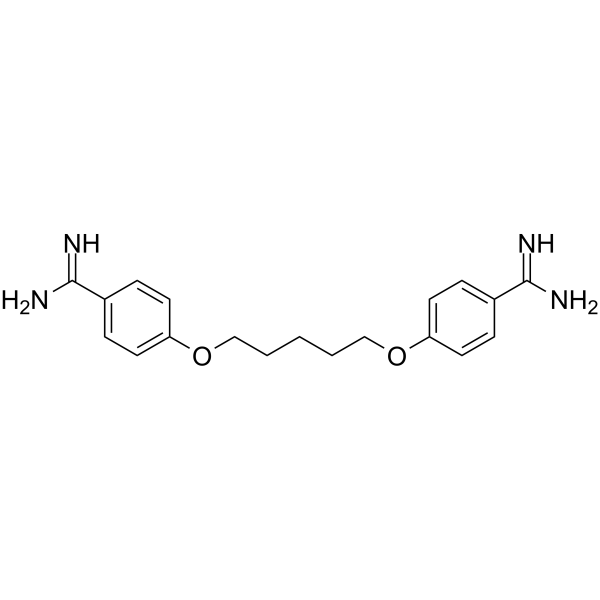
Pentamidine (MP-601205) is an antimicrobial agent and interferes with DNA biosynthetics. Pentamidine inhibits parasite Leishmania infantum with an IC50 of 2.5 μM. Pentamidine is a potent and selective protein tyrosine phosphatases (PTPases) and phosphatase of regenerating liver (PRL) inhibitor. Pentamidine has the potential for Gambian trypanosomiasis, antimony-resistant leishmaniasis, and Pneumocystis carinii pneumonia treatment. Antitumor and antibacterial activities .
|
-
-
- HY-B0537B
-
|
MP-601205 isethionate
|
Parasite
Fungal
Phosphatase
Bacterial
Antibiotic
|
Infection
Cancer
|
|
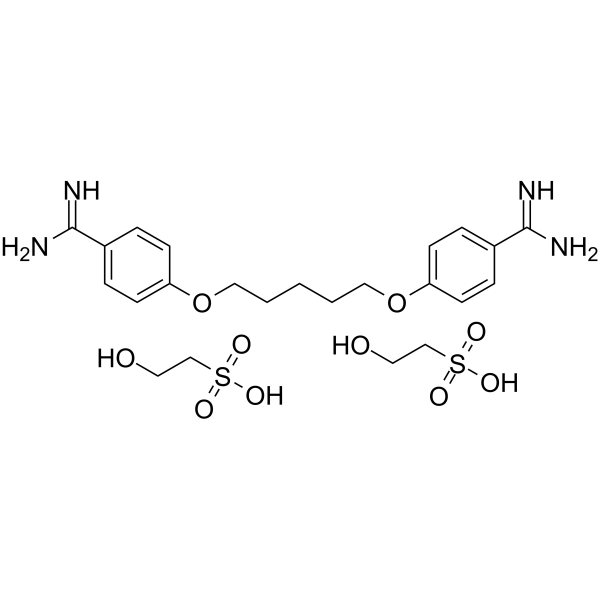
Pentamidine isethionate (MP-601205 isethionate) is an antimicrobial agent and interferes with DNA biosynthetics. Pentamidine isethionate inhibits parasite Leishmania infantum with an IC50 of 2.5 μM. Pentamidine isethionate is a potent and selective protein tyrosine phosphatases (PTPases) and phosphatase of regenerating liver (PRL) inhibitor. Pentamidine isethionate has the potential for Gambian trypanosomiasis, antimony-resistant leishmaniasis, and Pneumocystis carinii pneumonia treatment. Antitumor and antibacterial activities .
|
-
-
- HY-B0688
-
Dapsone
4 Publications Verification
4,4′-Diaminodiphenyl sulfone; DDS
|
Antibiotic
Parasite
Bacterial
Reactive Oxygen Species (ROS)
|
Infection
Inflammation/Immunology
|
|
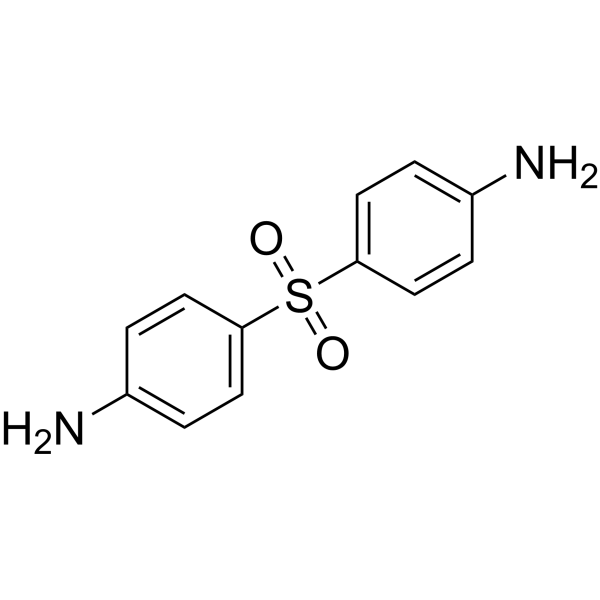
Dapsone (4,4′-Diaminodiphenyl sulfone) is an orally active and blood-brain penetrant sulfonamide antibiotic with bacteriostatic, antimycobacterial and antiprotozoal activities . Dapsone?exerts effective antileprosy activity?and inhibits folate synthesis in cell extracts of?M. leprae. Dapsone is used for dermatologic disorder research, including leprosy, dermatitis herpetiformis, acne vulgaris et al .
|
-
-
- HY-108610A
-
|
ET-18-OCH3
|
Apoptosis
Parasite
Bcl-2 Family
Cytochrome P450
|
Infection
Inflammation/Immunology
Cancer
|
|
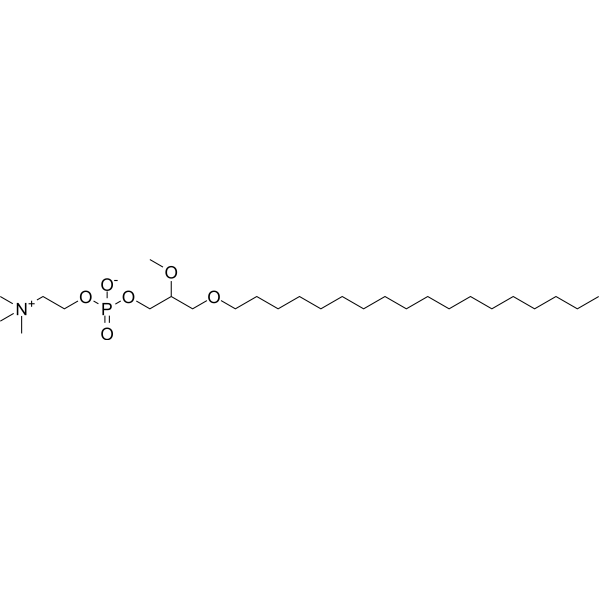
Edelfosine (ET-18-OCH3) is an orally active lipid raft modulator and apoptosis inducer that alters membrane fluidity and preferentially inserts into tumor cell membranes. Edelfosine recruits death receptor ligands (FasL/CD95L, TRAIL) and Bid to lipid rafts to form death-inducing signaling complexes, thereby initiating mitochondria-dependent apoptosis and inducing cytochrome c release. Edelfosine also exerts anti-inflammatory effects, promotes L-Selectin shedding, and causes no gastrointestinal or organ toxicity. In addition, Edelfosine inhibits nucleic acid and protein synthesis in Leishmania donovani and exhibits antiproliferative activity. Edelfosine can be used in research on multiple myeloma, inflammatory bowel diseases (such as ulcerative colitis and Crohn's disease), and visceral leishmaniasis .
|
-
-
- HY-B0621
-
|
CGA89317
|
Parasite
Caspase
Bcl-2 Family
PARP
Pyroptosis
|
Infection
|
|
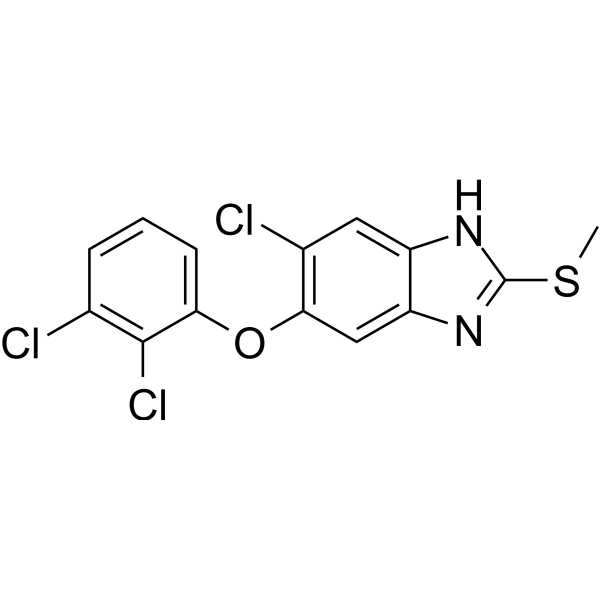
Triclabendazole is an orally active parasite inhibitor. Triclabendazole has anti-Leishmania activity and induces gasdermin E (GSDME)-dependent pyroptosis by caspase-3 activation. Triclabendazole can be used for the research of fasciola hepatica .
|
-
-
- HY-W077028
-
|
|
Biochemical Assay Reagents
|
Others
|
|
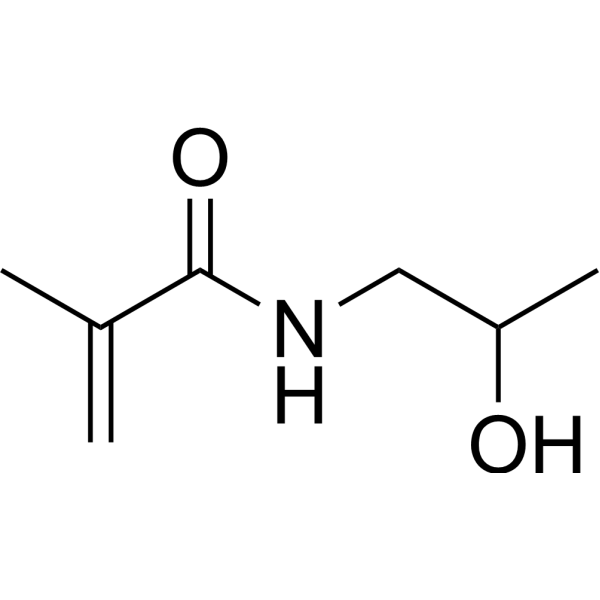
N-(2-Hydroxypropyl)methacrylamide is used to synthesize copolymers for the targeted delivery of antileishmanial agents in Visceral leishmaniasis (VL) .
|
-
-
- HY-18351
-
|
LMP-400; NSC-724998
|
Topoisomerase
|
Infection
Cancer
|
|
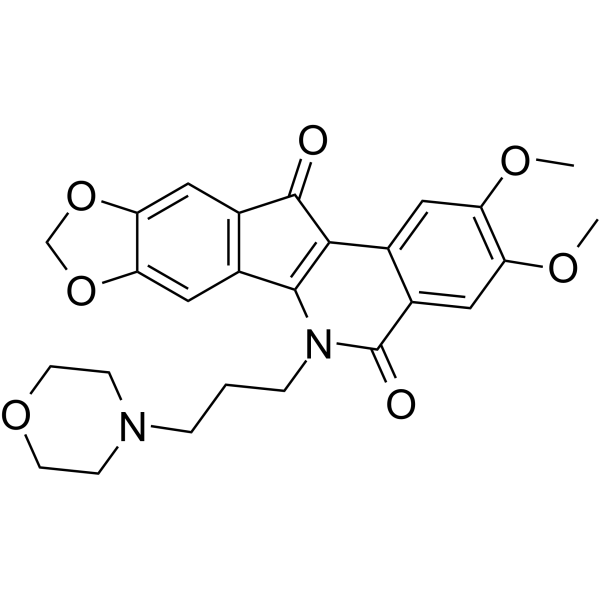
Indotecan (LMP-400), an indenoisoquinoline derivative, is a potent Topoisomerase I inhibitor, with IC50s of 300, 1200, 560 nM for P388, HCT116, MCF-7 cell lines, respectively. Indotecan prevents the relaxation of supercoiled DNA and can be used for the research of visceral leishmaniasis .
|
-
-
- HY-76228
-
|
Pyrazole
|
Parasite
iGluR
|
Infection
|
|
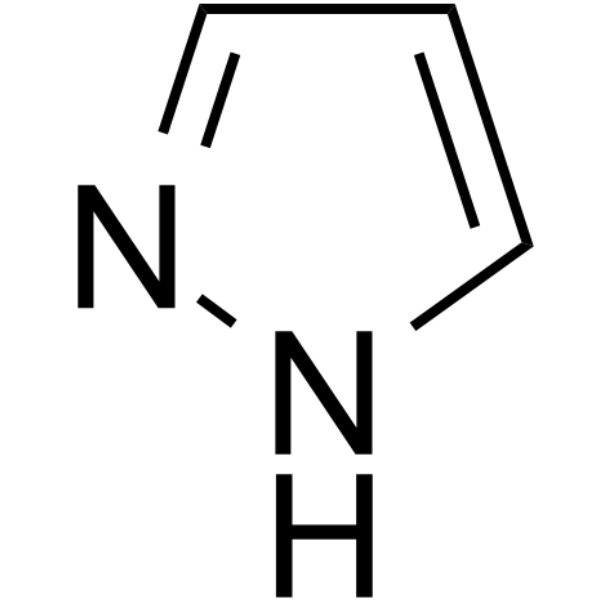
1H-pyrazole (Pyrazole) is a five-membered heterocyclic compound, and its derivatives are orally effective antimalarial and antileishmanial agents with the potential to modulate targets such as alcohol dehydrogenase and NMDA receptors. 1H-pyrazole derivatives exhibit inhibitory effects on Plasmodium berghei in infected mice and on promastigotes of Leishmania aethiopica, respectively. 1H-pyrazole can be used in research related to malaria and leishmaniasis .
|
-
-
- HY-126389B
-
|
|
Endogenous Metabolite
NF-κB
Fungal
|
Infection
Inflammation/Immunology
|
|
Chitin, from shrimp shells (chitinase substrate) serves as a substrate for chitinase. Chitin, from shrimp shells (chitinase substrate) is a long-chain polymer of N-acetylglucosamine with β-(1-4) linkages. Chitin, from shrimp shells (chitinase substrate) is found in the exoskeleton of crabs. Chitin, from shrimp shells (chitinase substrate) inhibits the activation of NF-κB p65, alters the translocation of NF-κB p65 to the nucleus, and interacts with the cell wall of Candida species. Chitin, from shrimp shells (chitinase substrate) exerts antifungal and anti-inflammatory effects. Chitin, from shrimp shells (chitinase substrate) can be used in the research of gastric ulcer and candidiasis .
|
-
-
- HY-131350
-
|
|
Proteasome
Parasite
|
Infection
|
|
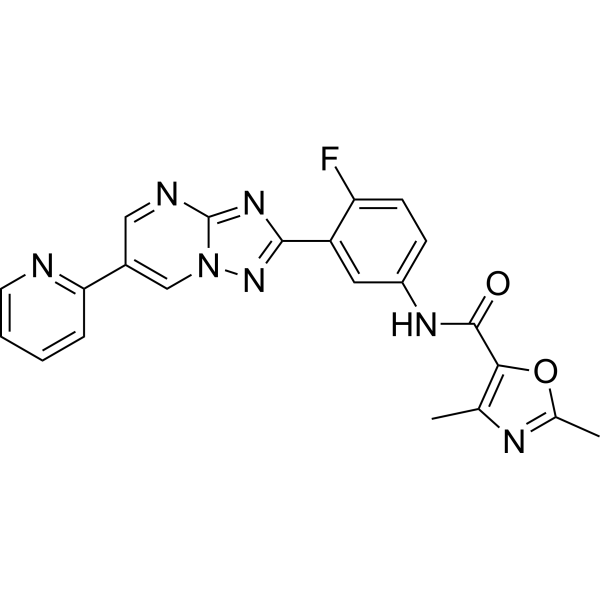
LXE408 is an orally active, non-competitive and kinetoplastid-selective proteasome inhibitor. LXE408 has an IC50 of 0.04 μM for L. donovani proteasome and an EC50 of 0.04 μM for L. donovani. LXE408 has a low propensity to cross the blood brain barrier. LXE408 has the potential for visceral leishmaniasis (VL) research .
|
-
-
- HY-W016813
-
|
|
Parasite
|
Infection
|
|
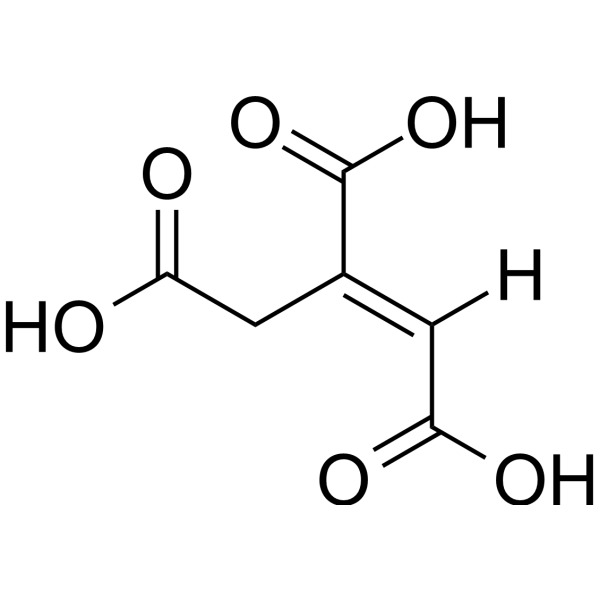
trans-Aconitic acid is an orally active aconitase inhibitor that non-competitively inhibits the conversion of citric acid to cis-aconitic acid and competitively inhibits the conversion of cis-aconitic acid to isocitric acid. trans-Aconitic acid inhibits the growth of Leishmania donovani promastigotes, the transformation of Leishmania donovani amastigotes to promastigotes, and the in vitro proliferation of Leishmania donovani amastigotes within macrophages in vitro. trans-Aconitic acid can be used in research related to visceral leishmaniasis (kala-azar) .
|
-
-
- HY-P1181A
-
|
|
Toll-like Receptor (TLR)
NO Synthase
IKK
Akt
PKC
NF-κB
p38 MAPK
Interleukin Related
|
Cardiovascular Disease
Infection
Inflammation/Immunology
Cancer
|
|
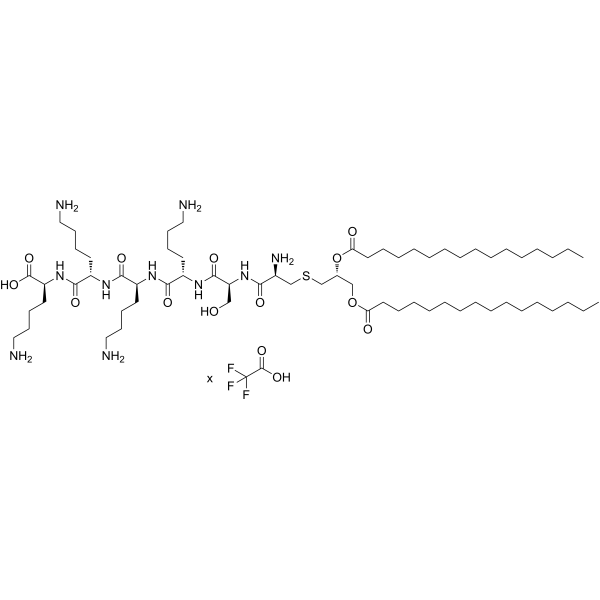
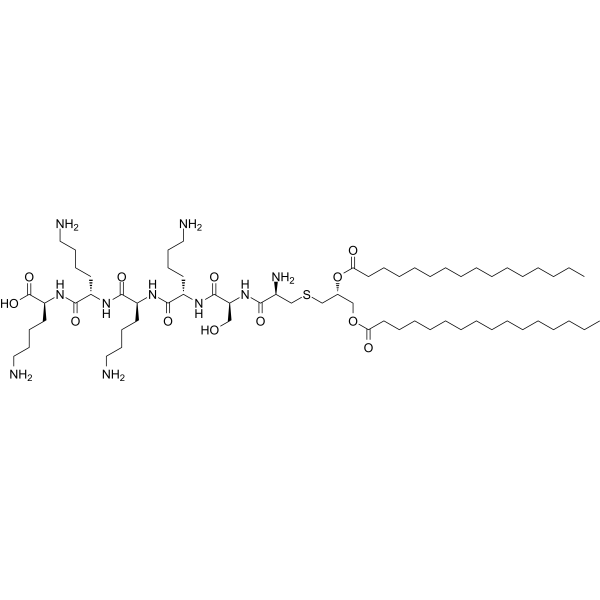
Pam2CSK4 TFA is a TLR2 agonist. Pam2CSK4 TFA induces the expression of iNOS and NO in macrophage cell lines via TBK1 and MyD88 molecules. Pam2CSK4 TFA activates the NF-κB and Bruton's tyrosine kinase signaling pathways in platelets, and promotes platelet-endothelial cell interactions. TLR2 activation triggered by Pam2CSK4 TFA expands myeloid-derived suppressor cells (MDSCs) and suppresses anti-tumor immune responses in the tumor microenvironment. Pam2CSK4 TFA acts as a Th2-polarizing adjuvant in mouse vaccine models against Leishmania major and Brugia malayi. Pam2CSK4 TFA can be used in the research of various diseases, including thromboinflammatory diseases, sepsis, atherosclerosis, heart failure, influenza, lymphoma, melanoma, cutaneous leishmaniasis and lymphatic filariasis .
|
-
-
- HY-121241
-
|
|
Parasite
|
Infection
|
|
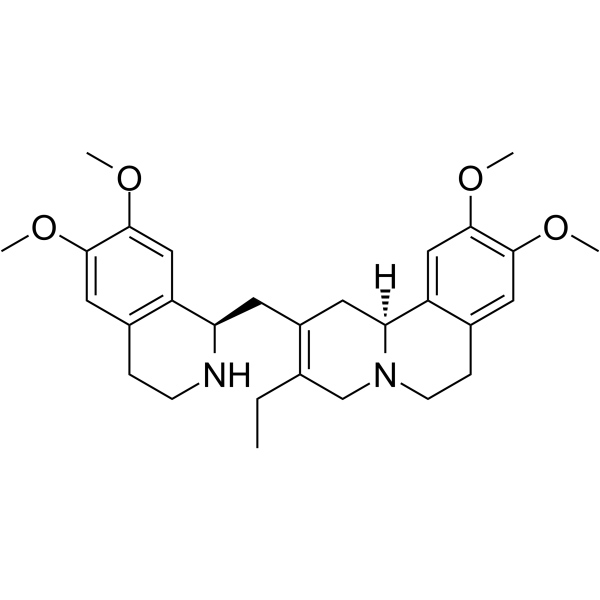
Dehydroemetine is an orally active antiparasitic agent. Dehydroemetine can inhibit parasites such as Entamoeba histolytica, and it can also be used in the research of parasitic diseases like visceral leishmaniasis .
|
-
-
- HY-P1181
-
|
|
Toll-like Receptor (TLR)
NO Synthase
IKK
Akt
PKC
NF-κB
p38 MAPK
Interleukin Related
|
Cardiovascular Disease
Infection
Inflammation/Immunology
Cancer
|
|
Pam2CSK4 is a TLR2 agonist. Pam2CSK4 induces the expression of iNOS and NO in macrophage cell lines via TBK1 and MyD88 molecules. Pam2CSK4 activates the NF-κB and Bruton's tyrosine kinase signaling pathways in platelets, and promotes platelet-endothelial cell interactions. TLR2 activation triggered by Pam2CSK4 expands myeloid-derived suppressor cells (MDSCs) and suppresses anti-tumor immune responses in the tumor microenvironment. Pam2CSK4 acts as a Th2-polarizing adjuvant in mouse vaccine models against Leishmania major and Brugia malayi. Pam2CSK4 can be used in the research of various diseases, including thromboinflammatory diseases, sepsis, atherosclerosis, heart failure, influenza, lymphoma, melanoma, cutaneous leishmaniasis and lymphatic filariasis .
|
-
-
- HY-N7926
-
|
|
Environmental Pollutants
Apoptosis
Parasite
TNF Receptor
Interleukin Related
|
Infection
Inflammation/Immunology
|
|
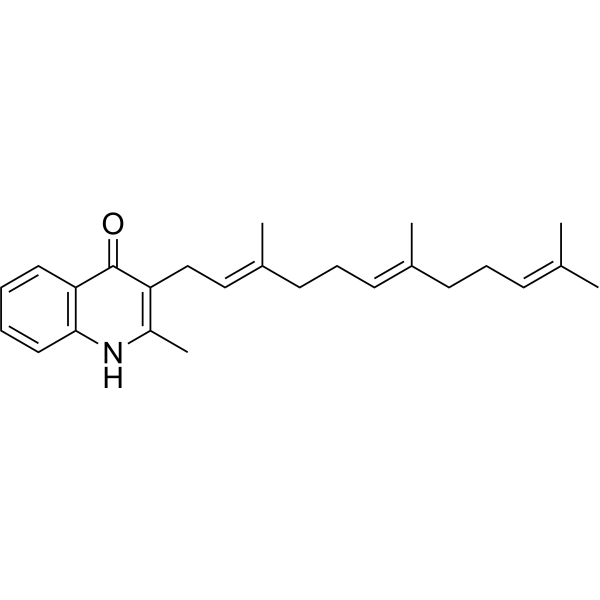
Pentadecane is an orally active natural plant volatile alkane with anti-inflammatory, analgesic, antipyretic and anti-leishmanial activities. Pentadecane presents IC50 values of 65.3 μM, 60.5 μM and 194.8 μM against Leishmania infantum promastigotes, amastigotes and intracellular amastigotes, respectively. Pentadecane downregulates the mRNA expression of TNF-α and IL-12 and inhibits the release of inflammatory mediators. Pentadecane arrests the cell cycle of Leishmania infantum and induces apoptosis. Pentadecane can be applied to the research of inflammation and leishmaniasis .
|
-
-
- HY-U00128
-
|
|
Parasite
|
Infection
Inflammation/Immunology
|
|
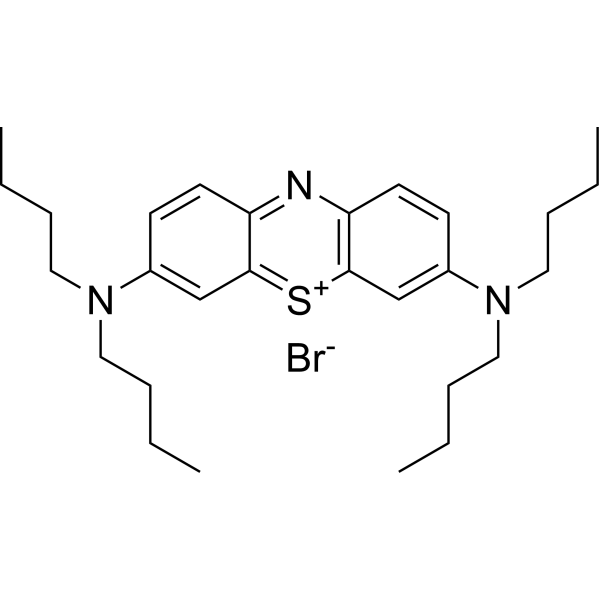
PPA-904 is a specific phenothiazine photosensitizer in photodynamic research (PDT) research, especially topical application for cutaneous leishmaniasis in vivo .
|
-
-
- HY-120060
-
|
|
Parasite
|
Infection
|
|
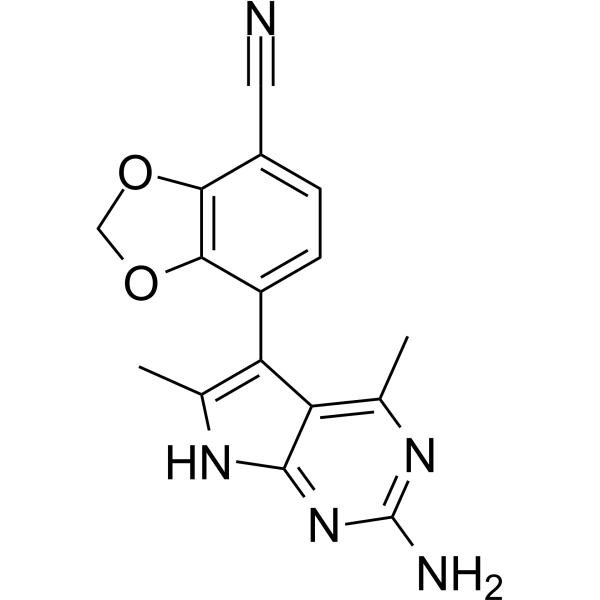
GNF6702 is a selective inhibitor of the kinetoplastid proteasome. GNF6702 clears parasites in murine models of leishmaniasis, Chagas disease, and human African trypanosomiasis .
|
-
-
- HY-162066
-
|
|
Parasite
|
Infection
|
|
DNDI-6174 is an orally active Leishmania cytochrome b (Qi site of cytochrome bc1 complex/complex III) inhibitor. DNDI-6174 binds to the Qi site of Leishmania cytochrome b, inhibits cytochrome bc1 complex activity in the parasite's electron transport chain across promastigote and axenic amastigote stages. DNDI-6174 reduces parasite burden in rodent models, inhibits growth of various Leishmania species, drug-resistant clinical isolates, and Trypanosoma cruzi, with marginal activity against Trypanosoma brucei. DNDI-6174 can be used for the research of visceral leishmaniasis, cutaneous leishmaniasis .
|
-
-
- HY-B0956A
-
|
Aminosidine
|
Bacterial
Parasite
Endogenous Metabolite
|
Infection
|
|
Paromomycin (Aminosidine) is an orally active broad-spectrum aminoglycoside aminocyclitol. Paromomycin is produced by Streptomyces riomosus var. Paromomycinus. Paromomycin binding induces local conformational changes in the 16S rRNA A-site. Paromomycin exhibits inhibitory activity against C. parvum. Paromomycin can be used in research related to leishmaniasis, amoebiasis and cryptosporidiosis .
|
-
-
- HY-129959
-
|
AlClPc
|
Environmental Pollutants
Parasite
MOFs
|
Infection
|
|
Aluminum phthalocyanine chloride is a photosensitizer that effectively inhibits the parasite Leishmania amazonensis (the causative agent of cutaneous leishmaniasis) by light-mediated cytolysis. Aluminum phthalocyanine chloride causes parasite morphology and cytolysis of isolated amasilians, while higher photosensitizer concentrations and light intensities are required to induce lysis of mammalian cells. Aluminum phthalocyanine chloride lyses parasites within infected J774 macrophages and can be used to further investigate the study of leishmaniasis .
|
-
-
- HY-18351A
-
|
LMP-400 hydrochloride; NSC-724998 hydrochloride
|
Topoisomerase
|
Infection
Cancer
|
|
Indotecan hydrochloride, an indenoisoquinoline derivative, is a potent Topoisomerase I inhibitor, with IC50s of 300, 1200, 560 nM for P388, HCT116, MCF-7 cell lines, respectively. Indotecan hydrochloride prevents the relaxation of supercoiled DNA and can be used for the research of visceral leishmaniasis .
|
-
-
- HY-B0621R
-
|
CGA89317 (Standard)
|
Reference Standards
Parasite
Caspase
Bcl-2 Family
PARP
Pyroptosis
|
Infection
|
|
Triclabendazole (Standard) is the analytical standard of Triclabendazole. This product is intended for research and analytical applications. Triclabendazole is an orally active parasite inhibitor. Triclabendazole has anti-Leishmania activity and induces gasdermin E (GSDME)-dependent pyroptosis by caspase-3 activation. Triclabendazole can be used for the research of fasciola hepatica .
|
-
-
- HY-B0537AS
-
|
MP-601205-d4 dihydrochloride
|
Isotope-Labeled Compounds
Parasite
Fungal
Phosphatase
Bacterial
Antibiotic
|
Infection
Cancer
|
|
Pentamidine-d4 (dihydrochloride) is the deuterium labeled Pentamidine dihydrochloride. Pentamidine dihydrochloride (MP-601205 dihydrochloride) is an antimicrobial agent and interferes with DNA biosynthetics. Pentamidine dihydrochloride inhibits parasite Leishmania infantum with an IC50 of 2.5 μM. Pentamidine dihydrochloride is a potent and selective protein tyrosine phosphatases (PTPases) and phosphatase of regenerating liver (PRL) inhibitor. Pentamidine dihydrochloride has the potential for Gambian trypanosomiasis, antimony-resistant leishmaniasis, and Pneumocystis carinii pneumonia treatment. Antitumor and antibacterial activities .
|
-
-
- HY-N4267
-
|
|
Calcium Channel
Platelet-activating Factor Receptor (PAFR)
UGT
Leukotriene Receptor
TNF Receptor
PGE synthase
Interleukin Related
|
Cardiovascular Disease
Infection
Inflammation/Immunology
|
|
Yangambin is a PAF receptor antagonist and UGT1A1/UGT1A3 inhibitor, with an IC50 of 29.7 μM and a Ki of 17.1 μM against human UGT1A1, and an IC50 of 56.5 μM and a Ki of 66.8 μM against human UGT1A3. Yangambin blocks PAF-mediated responses, inhibits LTB4-mediated neutrophil infiltration, and suppresses inflammatory events and anaphylactic contraction. Yangambin acts as a central nervous system inhibitor to reduce spontaneous activity, and also exhibits analgesic, anticonvulsant, antileishmanial, vasodilatory and hypotensive effects. Yangambin blocks voltage-gated Ca 2+ channels, reduces the production of NO, TNF-α, IL-6 and PGE2 in cells, increases the production of IL-10, and exerts a protective effect against cardiovascular injury. Yangambin can be used in research related to allergies, cutaneous leishmaniasis, central nervous system diseases and cardiovascular diseases .
|
-
-
- HY-N6054
-
|
|
Parasite
Topoisomerase
|
Infection
Inflammation/Immunology
|
|
Niranthin, a lignan with a wide spectrum of pharmacological activities. Niranthin is a potent and non-competitive inhibitor of heterodimeric type IB topoisomerase of L. donovani. Niranthin can be used for the research of drug-resistant leishmaniasis research.
|
-
-
- HY-156132
-
|
|
Parasite
|
Infection
|
|
DNDI-0690 is a potent orally active analogue of DNDI-VL-2098, exhibiting potent activity against cutaneous leishmaniasis (CL). DNDI-0690 shows potent in vitro activity against CL-causing Leishmania species (EC50 = 0.17 μM against visceral leishmaniasis (VL), and < 5 μM against CL-causing species). DNDI-0690 exerts effects in a mouse model of L. major CL. DNDI-0690 can be used for CL research .
|
-
-
- HY-P991659
-
|
|
Interleukin Related
|
Infection
Inflammation/Immunology
|
|
SCH708980 is a humanized monoclonal antibody inhibitor targeting IL-10. SCH708980 has anti-immunosuppressive activity. SCH708980 can be used for visceral leishmaniasis, sepsis-associated kidney injury (SAKI) and osteoporosis research .
|
-
-
- HY-N3702
-
|
|
Syk
|
Infection
Inflammation/Immunology
|
|
Dehydroabietinol is a SYK inhibitor with an IC50 of 46.4 μM. Dehydroabietinol inhibits the growth of Trypanosoma cruzi epimastigotes, Leishmania braziliensis promastigotes and Leishmania infantum promastigotes. Dehydroabietinol indirectly inhibits the growth of Plasmodium falciparum, alters the erythrocyte membrane, and induces spherostomatocyte transformation and endovesicle formation. Dehydroabietinol can be used in studies related to immune-mediated diseases, Chagas disease, leishmaniasis and malaria .
|
-
-
- HY-14461
-
|
|
Parasite
|
Infection
|
|
SJL 01 (Compound 8) is an anti-parasitic agent. SJL 01 (Compound 8) is cytotoxic to L-6 myocytes and exhibits antileishmaniasis activity both in vivo and in vitro. SJL 01 can be used for visceral leishmaniasis research .
|
-
-
- HY-178784
-
|
|
Parasite
|
Infection
|
|
Antileishmanial agent-37 (Compound 1b) is an antileishmanial agent, TbPTR1 (an IC50 value of 17.1 μM) and LmPTR1 inhibitor. Anti-leishmaniasis agent-37 has a moderate effect against Leishmania infantum .
|
-
-
- HY-P1957
-
|
|
Parasite
|
Infection
|
|
Dihydrocyclosporin A is a derivative of Cyclosporine A (HY-B0579). Dihydrocyclosporin A significantly inhibites promastigotes and intracellular amastigotes. Dihydrocyclosporin A is highly cytotoxic .
|
-
-
- HY-B0537A
-
|
MP-601205 dihydrochloride
|
Parasite
Fungal
Phosphatase
Bacterial
Antibiotic
|
Infection
Cancer
|
|
Pentamidine dihydrochloride (MP-601205 dihydrochloride) is an antimicrobial agent and interferes with DNA biosynthetics. Pentamidine dihydrochloride inhibits parasite Leishmania infantum with an IC50 of 2.5 μM. Pentamidine dihydrochloride is a potent and selective protein tyrosine phosphatases (PTPases) and phosphatase of regenerating liver (PRL) inhibitor. Pentamidine dihydrochloride has the potential for Gambian trypanosomiasis, antimony-resistant leishmaniasis, and Pneumocystis carinii pneumonia treatment. Antitumor and antibacterial activities .
|
-
-
- HY-W159102
-
|
|
Parasite
|
Infection
|
|
8CN, a 2-amino-thiophene derivative, has anti-leishmanial activity. 8CN can be used in research of Leishmaniasis .
|
-
-
- HY-W077028R
-
-
-
- HY-N6054R
-
|
|
Reference Standards
Parasite
Topoisomerase
|
Infection
Inflammation/Immunology
|
|
Niranthin (Standard) is the analytical standard of Niranthin. This product is intended for research and analytical applications. Niranthin, a lignan with a wide spectrum of pharmacological activities. Niranthin is a potent and non-competitive inhibitor of heterodimeric type IB topoisomerase of L. donovani. Niranthin can be used for the research of drug-resistant leishmaniasis research.
|
-
-
- HY-131350A
-
|
|
Proteasome
Parasite
|
Infection
|
|
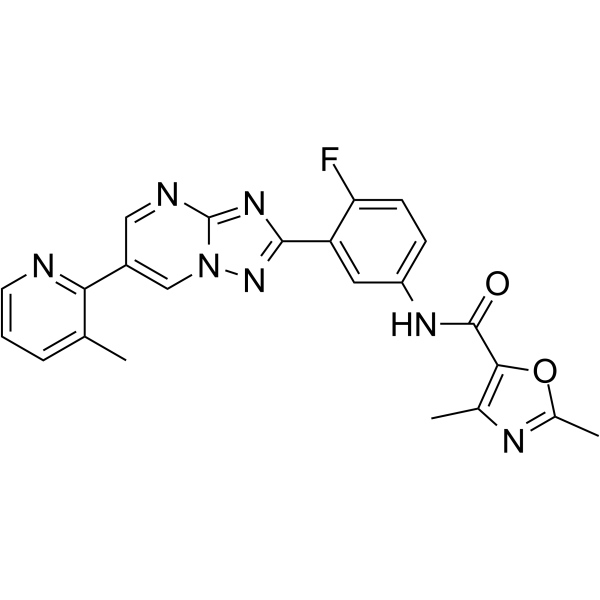
LXE408 fumarate is an orally active, non-competitive and kinetoplastid-selective proteasome inhibitor. LXE408 fumarate has an IC50 of 0.04 μM for L. donovani proteasome and an EC50 of 0.04 μM for L. donovani. LXE408 fumarate has a low propensity to cross the blood brain barrier. LXE408 fumarate has the potential for visceral leishmaniasis (VL) research .
|
-
-
- HY-175364
-
|
|
Parasite
Reactive Oxygen Species (ROS)
|
Infection
|
|
Antiparasitic agent-27 (Compound 2) is a potent antiparasitic agent targeting Leishmania infantum (IC50=3.1 μM). Antiparasitic agent-27 induces G0/G1 cell cycle arrest and reactive oxygen species (ROS) generation to trigger programmed cell death. Antiparasitic agent-27 is promising for research of visceral leishmaniasis (VL) .
|
-
-
- HY-146166
-
|
|
Parasite
Reactive Oxygen Species (ROS)
|
Infection
Inflammation/Immunology
|
|
PT4 is a therapeutic agent against Cutaneous leishmaniasis (CL). PT4 is effective against both species of Leishmania, with IC50s of 125.18 and 233.18 μM for L. amazonensis and L. braziliensis, respectively. PT4 decreases of mitochondrial membrane potential and increases production of reactive oxygen species, which leads to parasite death. PT4 has a potent in vivo anti-inflammatory activity .
|
-
-
- HY-139854
-
|
|
Parasite
|
Infection
|
|
DNDI-6148 is a novel preclinical candidate for the research of visceral leishmaniasis.
|
-
-
- HY-N9263
-
|
|
Others
|
Infection
|
|
Diacetylpiptocarphol (compound 4) is a sesquiterpene lactone compound. Diacetylpiptocarphol has anti-leishmaniasis activity .
|
-
-
- HY-114219
-
|
|
Fungal
Parasite
|
Infection
|
|
Oleylphosphocholine is an orally active antifungal and antiparasitic agent. Oleylphosphocholine is promising for research of invasive fungal diseases (e.g., aspergillosis) and visceral leishmaniasis .
|
-
-
- HY-W097659
-
|
|
Parasite
|
Infection
|
|
Antileishmanial agent-32 (Compound 12) exhibits a weak antileishmanial activity that inhibits stationary promastigote forms of L. amazonensis with an IC50 >15 μM. Antileishmanial agent-32 exhibits cytotoxicity towards murine macrophages .
|
-
-
- HY-B0956R
-
|
Aminosidine sulfate (Standard)
|
Reference Standards
Antibiotic
Parasite
Bacterial
|
Infection
|
|
Paromomycin (sulfate) (Standard) is the analytical standard of Paromomycin (sulfate). This product is intended for research and analytical applications. Paromomycin (Aminosidine) sulfate, a neomycin (HY-B0470) derivative, is a broad spectrum aminoglycoside antibiotic with amebicidal and bactericidal effects. Paromomycin sulfate prematures termination of translation of mRNA and inhibits protein synthesis?by specifically binds to the RNA oligonucleotide at the A site of bacterial 30S ribosomes. Paromomycin sulfate can be used for the research of bacterial and parasitic infections .
|
-
-
- HY-173213
-
|
|
Parasite
|
Infection
Inflammation/Immunology
|
Antileishmanial agent-33 (4e), a hybrid compound of grandisin and machilin G, shows moderate activity on promastigotes (IC50 of 38.1 μM). Antileishmanial agent-33 (4e) shows potential as an antileishmanial agent for the research of cutaneous leishmaniasis (CL) .
|
-
-
- HY-149834
-
|
|
Parasite
|
Infection
|
|
Antileishmanial agent-18 (Compound 1e) is an antileishmanial agent. Antileishmanial agent-18 effectively inhibits growth of L. donovani promastigotes. Antileishmanial agent-18 is safe for host cells .
|
-
-
- HY-156464
-
|
|
Topoisomerase
|
Infection
|
|
Topoisomerase I inhibitor 10 (compound 13) is a leishmanial topoisomerase IB inhibitor. Topoisomerase I inhibitor 10 has antileishmanial activity against L. donovani promastigotes, with the IC50 of 27.91 μM .
|
-
-
- HY-147537
-
|
|
Parasite
|
Infection
|
|
Antileishmanial agent-9 (compound 16c) has potent and selective activity against Leishmania donovani (L. donovani) with an IC50 value of 4.01 μM. Antileishmanial agent-9 has relatively low cytotoxicity in L-6 cells (IC50 = 40.1 μM) .
|
-
-
- HY-147536
-
|
|
Parasite
|
Infection
|
|
Antileishmanial agent-8 (compound 18) has potent and selective activity against Leishmania donovani (L. donovani) with an IC50 value of 5.64 μM. Antileishmanial agent-8 has relatively low cytotoxicity in L-6 cells (IC50=73.9 μM) .
|
-
-
- HY-156462
-
|
|
Topoisomerase
|
Infection
|
|
Topoisomerase I inhibitor 9 (compound 3d) is a leishmanial topoisomerase IB inhibitor. Topoisomerase I inhibitor 9 has antileishmanial activity against L. donovani promastigotes, with the IC50 of 34.81μM .
|
-
- HY-146744
-
|
|
Parasite
|
Infection
|
|
Antileishmanial agent-4 is a ribonucleoside analogue and acts as an antileishmanial agent .
|
-
- HY-151149
-
|
|
Parasite
|
Infection
|
|
Trypanothione synthetase-IN-4 is a L. infantum trypanothione synthetase (TryS) inhibitor, and the activity is dependent on the concentration of the polyamine substrate. Trypanothione synthetase-IN-4 has potent antileishmanicidal activity with an EC50 value of 0.6 μM and a selectivity index of 35. Trypanothione synthetase-IN-4 can be used for the research of leishmaniasis .
|
-
- HY-170358
-
|
|
Parasite
|
Infection
|
|
Antileishmanial agent-31 (Compound p1) is a pyrazole derivative. Antileishmanial agent-31 has anti-leishmania activity with an IC50 of 35.53 μg/mL. In addition, Antileishmanial agent-31 has high stability. Antileishmanial agent-31 can be used for anti-leishmaniasis research .
|
-
- HY-146745
-
|
|
Parasite
|
Inflammation/Immunology
|
|
Antileishmanial agent-4 is a ribonucleoside analogue and acts as an antileishmanial agent. Antileishmanial agent-4 is against L.infantum and T.cruzi with EC50 values of 0.68 μM and 0.83 μM, respectively .
|
-
- HY-168918
-
|
|
Parasite
Dihydrofolate reductase (DHFR)
|
Infection
|
|
Insecticidal agent 19 (Compound 7b) exhibits antimalarial activity by inhibiting dihydrofolate
reductase-thymidylate synthase (DHFR-TS) and pteridine reductase 1 (PTR1) through the folic acid metabolic pathway. Insecticidal agent 19 inhibits Leishmania major promastigote and amastigote with IC50 of 1.43 μM and 3.78 μM .
|
-
- HY-B0537C
-
|
MP-601205 dimesylate
|
Antibiotic
Parasite
Fungal
Phosphatase
Bacterial
|
Infection
Cancer
|
|
Pentamidine (MP-601205) dimesylate is an antimicrobial agent and interferes with DNA biosynthetics. Pentamidine dimesylate inhibits parasite Leishmania infantum with an IC50 of 2.5 μM. Pentamidine dimesylate is a potent and selective protein tyrosine phosphatases (PTPases) and phosphatase of regenerating liver (PRL) inhibitor. Pentamidine dimesylate has the potential for Gambian trypanosomiasis, antimony-resistant leishmaniasis, and Pneumocystis carinii pneumonia treatment. Antitumor and antibacterial activities .
|
-
- HY-B0537R
-
|
MP-601205 (Standard)
|
Reference Standards
Parasite
Fungal
Phosphatase
Bacterial
Antibiotic
|
Infection
Cancer
|
|
Pentamidine (Standard) is the analytical standard of Pentamidine. This product is intended for research and analytical applications. Pentamidine (MP-601205) is an antimicrobial agent and interferes with DNA biosynthetics. Pentamidine inhibits parasite Leishmania infantum with an IC50 of 2.5 μM. Pentamidine is a potent and selective protein tyrosine phosphatases (PTPases) and phosphatase of regenerating liver (PRL) inhibitor. Pentamidine has the potential for Gambian trypanosomiasis, antimony-resistant leishmaniasis, and Pneumocystis carinii pneumonia treatment. Antitumor and antibacterial activities .
|
-
- HY-B0688R
-
|
4,4′-Diaminodiphenyl sulfone (Standard); DDS (Standard)
|
Reference Standards
Antibiotic
Parasite
Bacterial
Reactive Oxygen Species (ROS)
|
Infection
Inflammation/Immunology
|
|
Dapsone (Standard) is the analytical standard of Dapsone. This product is intended for research and analytical applications. Dapsone (4,4′-Diaminodiphenyl sulfone) is an orally active and blood-brain penetrant sulfonamide antibiotic with bacteriostatic, antimycobacterial and antiprotozoal activities . Dapsone exerts effective antileprosy activity and inhibits folate synthesis in cell extracts of M. leprae. Dapsone is used for dermatologic disorder research, including leprosy, dermatitis herpetiformis, acne vulgaris et al .
|
-
- HY-178456
-
|
|
Parasite
Reactive Oxygen Species (ROS)
Apoptosis
|
Infection
|
|
Antileishmanial agent-36 (compound 4f) is an indole-dihydropyrimidinone derivative with anti-leishmanial activity. Antileishmanial agent-36 induces reactive oxygen species (ROS)-mediated mitochondrial dysfunction and apoptosis. Antileishmanial agent-36 exhibits potent activity against L. donovani (IC50 =4.54 μM) with low cytotoxicity against J774.1 macrophage. Antileishmanial agent-36 clears the parasite burden in a visceral leishmaniasis (VL) model. Antileishmanial agent-36 can be used for VL research .
|
-
- HY-B0537BR
-
|
MP-601205 isethionate (Standard)
|
Reference Standards
Parasite
Fungal
Phosphatase
Bacterial
Antibiotic
|
Infection
Cancer
|
|
Pentamidine (isethionate) (Standard) is the analytical standard of Pentamidine (isethionate). This product is intended for research and analytical applications. Pentamidine isethionate (MP-601205 isethionate) is an antimicrobial agent and interferes with DNA biosynthetics. Pentamidine isethionate inhibits parasite Leishmania infantum with an IC50 of 2.5 μM. Pentamidine isethionate is a potent and selective protein tyrosine phosphatases (PTPases) and phosphatase of regenerating liver (PRL) inhibitor. Pentamidine isethionate has the potential for Gambian trypanosomiasis, antimony-resistant leishmaniasis, and Pneumocystis carinii pneumonia treatment. Antitumor and antibacterial activities .
|
-
- HY-76228R
-
|
Pyrazole (Standard)
|
Reference Standards
Parasite
iGluR
|
Infection
Inflammation/Immunology
|
|
1H-pyrazole (Standard) is the analytical standard of 1H-pyrazole. This product is intended for research and analytical applications. 1H-pyrazole (Pyrazole) is a five-membered heterocyclic compound, and its derivatives are orally effective antimalarial and antileishmanial agents with the potential to modulate targets such as alcohol dehydrogenase and NMDA receptors. 1H-pyrazole derivatives exhibit inhibitory effects on Plasmodium berghei in infected mice and on promastigotes of Leishmania aethiopica, respectively. 1H-pyrazole can be used in research related to malaria and leishmaniasis .
|
-
- HY-N7926S
-
|
|
Isotope-Labeled Compounds
Parasite
TNF Receptor
Interleukin Related
Apoptosis
|
Infection
Inflammation/Immunology
|
|
Pentadecane-d32 is the deuterium labeled Pentadecane (HY-N7926). Pentadecane is an orally active natural plant volatile alkane with anti-inflammatory, analgesic, antipyretic and anti-leishmanial activities. Pentadecane presents IC50 values of 65.3 μM, 60.5 μM and 194.8 μM against Leishmania infantum promastigotes, amastigotes and intracellular amastigotes, respectively. Pentadecane downregulates the mRNA expression of TNF-α and IL-12 and inhibits the release of inflammatory mediators. Pentadecane arrests the cell cycle of Leishmania infantum and induces apoptosis. Pentadecane can be applied to the research of inflammation and leishmaniasis .
|
-
- HY-N7926R
-
|
|
Parasite
Reference Standards
TNF Receptor
Interleukin Related
Apoptosis
|
Infection
Inflammation/Immunology
|
|
Pentadecane (Standard) is the analytical standard of Pentadecane (HY-N7926). This product is intended for research and analytical applications. Pentadecane is an orally active natural plant volatile alkane with anti-inflammatory, analgesic, antipyretic and anti-leishmanial activities. Pentadecane presents IC50 values of 65.3 μM, 60.5 μM and 194.8 μM against Leishmania infantum promastigotes, amastigotes and intracellular amastigotes, respectively. Pentadecane downregulates the mRNA expression of TNF-α and IL-12 and inhibits the release of inflammatory mediators. Pentadecane arrests the cell cycle of Leishmania infantum and induces apoptosis. Pentadecane can be applied to the research of inflammation and leishmaniasis .
|
-
- HY-N18245
-
|
|
Arginase
Parasite
|
Infection
|
|
(-)-3-O-Acetylcatechin is a Leishmania amazonensis arginase inhibitor with an IC50 of 3.7 μM. (-)-3-O-Acetylcatechin can be used for the research of leishmaniasis .
|
-
- HY-W001119
-
|
|
Parasite
|
Infection
|
|
6-Hydroxyindazole is an anti-parasite agent with an EC50 of 128.9 μM against intracellular amastigotes of Leishmania amazonensis. 6-Hydroxyindazole can be used in the research of leishmaniasis .
|
-
- HY-N19832
-
|
|
Topoisomerase
Parasite
|
Infection
|
|
Icariside E3 is a Leishmania donovani DNA Topoisomerase IB (LdTOP1LS) inhibitor. Icariside E3 can be used for the research of leishmaniasis .
|
-
- HY-W039443
-
|
|
Parasite
Bacterial
|
Infection
|
|
(S)-4-Thiazolidinecarboxylic acid (L-4-thioproline) is a glutamate 5-kinase inhibitor with an IC50 of 1.8 mM against LdG5K. (S)-4-Thiazolidinecarboxylic acid can be used in the research of leishmaniasis and Escherichia coli infections .
|
-
- HY-19688
-
|
WR 6026
|
Parasite
Succinate Dehydrogenase
Apoptosis
Calcium Channel
Mitochondrial Metabolism
|
Infection
|
|
Sitamaquine (WR 6026) is an orally active Antileishmanial agent and Succinate dehydrogenase inhibitor. Sitamaquine accumulates in the acidocalcisomes of Leishmania, induces organelle alkalization, and crosses the plasma membrane of Leishmania via temperature- and energy-independent diffusion. Sitamaquine disrupts oxidative phosphorylation in Leishmania, induces mitochondrial depolarization, oxidative stress, elevated intracellular calcium, plasma membrane depolarization, and Apoptosis-like cell death. Sitamaquine can be used in the research of leishmaniasis .
|
-
- HY-179584
-
|
|
Parasite
|
Infection
|
|
Antileishmanial agent-38 (compound 197) is a host-directed small molecule antileishmanial agent exhibiting potent broad-spectrum activity against Leishmania spp. Antileishmanial agent-38 inhibits intracellular parasites primarily by targeting the host protein lysozyme, while also displaying direct activity against extracellular L. donovani promastigotes. Antileishmanial agent-38 can be used for leishmaniasis research .
|
-
- HY-P2209
-
|
Daechuine S27; N-Demethylamphibine H
|
Parasite
Phosphodiesterase (PDE)
|
Infection
|
|
Nummularine B (Daechuine S27; N-Demethylamphibine H) is an anti-parasite agent. Nummularine B inhibits calmodulin-dependent phosphodiesterase activity with an IC50 of 16.8 μM. Nummularine B inhibits the growth of Plasmodium and Leishmania donovani in vitro. Nummularine B inhibits the calmodulin-dependent activity of actomyosin Ca 2+-ATPase. Nummularine B is applicable to research related to malaria and visceral leishmaniasis .
|
-
- HY-183290
-
|
|
Parasite
Reactive Oxygen Species (ROS)
|
Infection
|
|
Antileishmanial agent-41 (Compound 20k) is a selective Antileishmanial agent with a IC50 of 1.51 μg/mL against Leishmania donovani. Antileishmanial agent-41 increases ROS levels. Antileishmanial agent-41 can be used for the research of leishmaniasis .
|
-
- HY-185556
-
|
|
Parasite
|
Infection
|
|
14-Hydroxydehydroabietane is a ribosomal enzyme inhibitor. 14-Hydroxydehydroabietane exhibits in vitro antileishmanial activity against promastigotes, amastigotes and intracellular amastigotes of *Leishmania infantum* and *Leishmania braziliensis*. 14-Hydroxydehydroabietane induces ultrastructural changes in *Leishmania braziliensis* promastigotes. 14-Hydroxydehydroabietane reduces the infection rate of macrophages by *Leishmania infantum* and *Leishmania braziliensis*. 14-Hydroxydehydroabietane can be used for the research of leishmaniasis .
|
-
- HY-W676872
-
|
|
COX
Parasite
|
Infection
Inflammation/Immunology
|
|
Dihydroflavokawin B is a selective COX-1 inhibitor with an IC50 of 1.22 μM. Dihydroflavokawin B weakly inhibits COX-2 and 5-LOX. Dihydroflavokawin B inhibits promastigote forms of Leishmania panamensis and Leishmania braziliensis. Dihydroflavokawin B inhibits rabbit platelet aggregation induced by Arachidonic acid, platelet activating factor, and adenosine diphosphate. Dihydroflavokawin B exhibits in vitro anti-inflammatory activity. Dihydroflavokawin B can be used for the research of leishmaniasis .
|
-
- HY-183008
-
|
|
Parasite
TNF Receptor
Interleukin Related
NF-κB
Toll-like Receptor (TLR)
|
Infection
Inflammation/Immunology
|
|
BSF2 is a anti-Leishmania agent. BSF2 modulates gene expression linked to ubiquitination, chromatin remodeling, and peroxisomal membrane transport pathways in Leishmania braziliensis. BSF2 downregulates TNF, IL-17, NF-κB, and Toll-like receptor pathways in Leishmania-infected macrophages. BSF2 exerts leishmanicidal activity against intracellular Leishmania braziliensis amastigotes. BSF2 can be used for the research of american tegumentary leishmaniasis .
|
-
- HY-183262
-
|
|
Parasite
Reactive Oxygen Species (ROS)
|
Infection
|
|
Antileishmanial agent-40 is an orally active and selective antileishmanial agent. Antileishmanial agent-40 elevates intracellular reactive oxygen species (ROS) levels in Leishmania donovani promastigotes. Antileishmanial agent-40 induces cell cycle arrest at the sub-G0/G1 phase in Leishmania donovani promastigotes, indicative of programmed-like parasite death. Antileishmanial agent-40 can be used for the research of leishmaniasis .
|
-
- HY-W663179
-
|
|
Parasite
Cytochrome P450
|
Infection
|
|
DNDI-VL-2098 is an orally active antileishmanial agent. DNDI-VL-2098 exhibits high permeability, in vitro metabolic stability, and selective inhibition of CYP2C19 (IC50=0.47 μM). DNDI-VL-2098 does not affect the activities of other major CYP enzymes (CYP1A2, CYP2C9, CYP2D6 and CYP3A4) at concentrations up to 12.5 μM. It shows favorable pharmacokinetic properties in multiple animal models including mice, hamsters, rats and dogs. DNDI-VL-2098 is characterized by moderate to high plasma protein binding and can be used for the research of visceral leishmaniasis .
|
-
- HY-W341759
-
|
|
Parasite
|
Infection
|
|
1,4-Dihydrazinylphthalazine (Compound 2) is an antiparasitic agent targeting
Leishmania spp. 1,4-Dihydrazinylphthalazine is promising for research of tropical diseases, particularly cutaneous leishmaniasis .
|
-
- HY-181145
-
|
|
Parasite
|
Infection
|
|
Antitrypanosomal agent 29 is an antileishmanial agent against Leishmania donovani. Antitrypanosomal agent 29 shows no inhibitory activity against Trypanosoma cruzi and exhibits no significant cytotoxicity toward human fibroblast MRC-5 cells. Antitrypanosomal agent 29 can be used in research on leishmaniasis .
|
-
- HY-N16745
-
|
|
Parasite
HIV
HIV Protease
|
Infection
|
|
5-Hydroxynoracronycine is a selective inhibitor targeting Leishmania, HIV-1 protease, and nitric oxide (NO) production. 5-Hydroxynoracronycine has an IC50 of 93.1 μmol/L against HIV-1 protease and an IC50 of 0.19 mg/mL for scavenging DPPH free radicals. 5-Hydroxynoracronycine exerts anti-leishmanial, anti-HIV, antioxidant and antibacterial activities by inhibiting pathogen proliferation, enzyme activity and inflammation-related NO excessive production. 5-Hydroxynoracronycine can be used in the research of leishmaniasis, HIV infection, and inflammation-related diseases .
|
-
- HY-183621
-
|
|
Parasite
Reactive Oxygen Species (ROS)
Autophagy
|
Infection
|
|
Antileishmanial agent-43 is a 3,4,5‑trisubstituted isoxazole with selective antileishmanial activity. Antileishmanial agent-43 shows IC50 values of 12.7 μM against Leishmania amazonensis promastigotes and 0.96 μM against intracellular amastigotes. Antileishmanial agent-43 induces ROS elevation, oxidative stress and mitochondrial dysfunction, resulting in lipid peroxidation, mitochondrial depolarization and ATP imbalance. Antileishmanial agent-43 causes cell shrinkage, phosphatidylserine externalization, plasma membrane permeabilization, and promotes autophagy. Antileishmanial agent-43 can be used for the research of leishmaniasis .
|
-
- HY-183362
-
|
|
Parasite
Adenosine Kinase
|
Infection
|
|
Antileishmanial agent-42 is an antileishmanial agent. Antileishmanial agent-42 has favorable interactions with key active site residues (e.g., Ser63, Asn66/295/299) of adenosine kinase. Antileishmanial agent-42 exerts activity against promastigote and amastigote forms of L. amazonensis, L. braziliensis, L. infantum, and L. donovani .
|
-
- HY-N19720
-
|
|
Drug Derivative
Parasite
|
Infection
|
|
Bractein is a natural aurone flavonoid with potential antioxidant activity. Bractein shows in vitro antileishmanial activity and inhibits promastigotes and intracellular amastigotes of Leishmania donovani. Bractein exhibits no obvious cytotoxicity against mammalian macrophages with an EC50 value > 25.0 μg/mL. Bractein can be used for the research of Leishmania .
|
-
- HY-185309
-
|
|
Topoisomerase
Parasite
|
Infection
|
|
Anti-Trypanosoma cruzi agent-9 is a topoisomerase II inhibitor. Anti-Trypanosoma cruzi agent-9 inhibits the growth of Trypanosoma cruzi and Leishmania donovani .
|
-
| Cat. No. |
Product Name |
Type |
-
- HY-129959
-
|
AlClPc
|
Fluorescent Dyes
|
|
Aluminum phthalocyanine chloride is a photosensitizer that effectively inhibits the parasite Leishmania amazonensis (the causative agent of cutaneous leishmaniasis) by light-mediated cytolysis. Aluminum phthalocyanine chloride causes parasite morphology and cytolysis of isolated amasilians, while higher photosensitizer concentrations and light intensities are required to induce lysis of mammalian cells. Aluminum phthalocyanine chloride lyses parasites within infected J774 macrophages and can be used to further investigate the study of leishmaniasis .
|
| Cat. No. |
Product Name |
Type |
-
- HY-126389B
-
|
|
Biochemical Assay Reagents
|
|
Chitin, from shrimp shells (chitinase substrate) serves as a substrate for chitinase. Chitin, from shrimp shells (chitinase substrate) is a long-chain polymer of N-acetylglucosamine with β-(1-4) linkages. Chitin, from shrimp shells (chitinase substrate) is found in the exoskeleton of crabs. Chitin, from shrimp shells (chitinase substrate) inhibits the activation of NF-κB p65, alters the translocation of NF-κB p65 to the nucleus, and interacts with the cell wall of Candida species. Chitin, from shrimp shells (chitinase substrate) exerts antifungal and anti-inflammatory effects. Chitin, from shrimp shells (chitinase substrate) can be used in the research of gastric ulcer and candidiasis .
|
| Cat. No. |
Product Name |
Target |
Research Area |
-
- HY-P1181A
-
|
|
Toll-like Receptor (TLR)
NO Synthase
IKK
Akt
PKC
NF-κB
p38 MAPK
Interleukin Related
|
Cardiovascular Disease
Infection
Inflammation/Immunology
Cancer
|
|
Pam2CSK4 TFA is a TLR2 agonist. Pam2CSK4 TFA induces the expression of iNOS and NO in macrophage cell lines via TBK1 and MyD88 molecules. Pam2CSK4 TFA activates the NF-κB and Bruton's tyrosine kinase signaling pathways in platelets, and promotes platelet-endothelial cell interactions. TLR2 activation triggered by Pam2CSK4 TFA expands myeloid-derived suppressor cells (MDSCs) and suppresses anti-tumor immune responses in the tumor microenvironment. Pam2CSK4 TFA acts as a Th2-polarizing adjuvant in mouse vaccine models against Leishmania major and Brugia malayi. Pam2CSK4 TFA can be used in the research of various diseases, including thromboinflammatory diseases, sepsis, atherosclerosis, heart failure, influenza, lymphoma, melanoma, cutaneous leishmaniasis and lymphatic filariasis .
|
-
- HY-P1181
-
|
|
Toll-like Receptor (TLR)
NO Synthase
IKK
Akt
PKC
NF-κB
p38 MAPK
Interleukin Related
|
Cardiovascular Disease
Infection
Inflammation/Immunology
Cancer
|
|
Pam2CSK4 is a TLR2 agonist. Pam2CSK4 induces the expression of iNOS and NO in macrophage cell lines via TBK1 and MyD88 molecules. Pam2CSK4 activates the NF-κB and Bruton's tyrosine kinase signaling pathways in platelets, and promotes platelet-endothelial cell interactions. TLR2 activation triggered by Pam2CSK4 expands myeloid-derived suppressor cells (MDSCs) and suppresses anti-tumor immune responses in the tumor microenvironment. Pam2CSK4 acts as a Th2-polarizing adjuvant in mouse vaccine models against Leishmania major and Brugia malayi. Pam2CSK4 can be used in the research of various diseases, including thromboinflammatory diseases, sepsis, atherosclerosis, heart failure, influenza, lymphoma, melanoma, cutaneous leishmaniasis and lymphatic filariasis .
|
-
- HY-156132
-
|
|
Parasite
|
Infection
|
|
DNDI-0690 is a potent orally active analogue of DNDI-VL-2098, exhibiting potent activity against cutaneous leishmaniasis (CL). DNDI-0690 shows potent in vitro activity against CL-causing Leishmania species (EC50 = 0.17 μM against visceral leishmaniasis (VL), and < 5 μM against CL-causing species). DNDI-0690 exerts effects in a mouse model of L. major CL. DNDI-0690 can be used for CL research .
|
-
- HY-P1957
-
|
|
Parasite
|
Infection
|
|
Dihydrocyclosporin A is a derivative of Cyclosporine A (HY-B0579). Dihydrocyclosporin A significantly inhibites promastigotes and intracellular amastigotes. Dihydrocyclosporin A is highly cytotoxic .
|
-
- HY-P2209
-
|
Daechuine S27; N-Demethylamphibine H
|
Parasite
Phosphodiesterase (PDE)
|
Infection
|
|
Nummularine B (Daechuine S27; N-Demethylamphibine H) is an anti-parasite agent. Nummularine B inhibits calmodulin-dependent phosphodiesterase activity with an IC50 of 16.8 μM. Nummularine B inhibits the growth of Plasmodium and Leishmania donovani in vitro. Nummularine B inhibits the calmodulin-dependent activity of actomyosin Ca 2+-ATPase. Nummularine B is applicable to research related to malaria and visceral leishmaniasis .
|
| Cat. No. |
Product Name |
Target |
Research Area |
Image |
| Cat. No. |
Product Name |
Category |
Target |
Chemical Structure |
-
- HY-B0956
-
-
-
- HY-76228
-
-
-
- HY-W016813
-
-
-
- HY-N7926
-
-
-
- HY-B0956A
-
-
-
- HY-N4267
-
|
|
Cardiovascular Disease
Structural Classification
other families
Classification of Application Fields
Lignans
Phenylpropanoids
Plants
Disease Research Fields
Source Classification
|
Calcium Channel
Platelet-activating Factor Receptor (PAFR)
UGT
Leukotriene Receptor
TNF Receptor
PGE synthase
Interleukin Related
|
|
Yangambin is a PAF receptor antagonist and UGT1A1/UGT1A3 inhibitor, with an IC50 of 29.7 μM and a Ki of 17.1 μM against human UGT1A1, and an IC50 of 56.5 μM and a Ki of 66.8 μM against human UGT1A3. Yangambin blocks PAF-mediated responses, inhibits LTB4-mediated neutrophil infiltration, and suppresses inflammatory events and anaphylactic contraction. Yangambin acts as a central nervous system inhibitor to reduce spontaneous activity, and also exhibits analgesic, anticonvulsant, antileishmanial, vasodilatory and hypotensive effects. Yangambin blocks voltage-gated Ca 2+ channels, reduces the production of NO, TNF-α, IL-6 and PGE2 in cells, increases the production of IL-10, and exerts a protective effect against cardiovascular injury. Yangambin can be used in research related to allergies, cutaneous leishmaniasis, central nervous system diseases and cardiovascular diseases .
|
-
-
- HY-N6054
-
-
-
- HY-N3702
-
|
|
Structural Classification
Terpenoids
Verbenaceae
Callicarpa bodinieri Levl.
Diterpenoids
Plants
Source Classification
|
Syk
|
|
Dehydroabietinol is a SYK inhibitor with an IC50 of 46.4 μM. Dehydroabietinol inhibits the growth of Trypanosoma cruzi epimastigotes, Leishmania braziliensis promastigotes and Leishmania infantum promastigotes. Dehydroabietinol indirectly inhibits the growth of Plasmodium falciparum, alters the erythrocyte membrane, and induces spherostomatocyte transformation and endovesicle formation. Dehydroabietinol can be used in studies related to immune-mediated diseases, Chagas disease, leishmaniasis and malaria .
|
-
-
- HY-N6054R
-
-
-
- HY-N9263
-
-
-
- HY-B0956R
-
-
-
- HY-76228R
-
|
Pyrazole (Standard)
|
Alkaloids
Structural Classification
Other Alkaloids
Endogenous metabolite
Source Classification
|
Reference Standards
Parasite
iGluR
|
|
1H-pyrazole (Standard) is the analytical standard of 1H-pyrazole. This product is intended for research and analytical applications. 1H-pyrazole (Pyrazole) is a five-membered heterocyclic compound, and its derivatives are orally effective antimalarial and antileishmanial agents with the potential to modulate targets such as alcohol dehydrogenase and NMDA receptors. 1H-pyrazole derivatives exhibit inhibitory effects on Plasmodium berghei in infected mice and on promastigotes of Leishmania aethiopica, respectively. 1H-pyrazole can be used in research related to malaria and leishmaniasis .
|
-
-
- HY-N7926R
-
|
|
Structural Classification
Natural Products
Kaempferia galanga L.
Plants
Source Classification
Zingiberaceae
|
Parasite
Reference Standards
TNF Receptor
Interleukin Related
Apoptosis
|
|
Pentadecane (Standard) is the analytical standard of Pentadecane (HY-N7926). This product is intended for research and analytical applications. Pentadecane is an orally active natural plant volatile alkane with anti-inflammatory, analgesic, antipyretic and anti-leishmanial activities. Pentadecane presents IC50 values of 65.3 μM, 60.5 μM and 194.8 μM against Leishmania infantum promastigotes, amastigotes and intracellular amastigotes, respectively. Pentadecane downregulates the mRNA expression of TNF-α and IL-12 and inhibits the release of inflammatory mediators. Pentadecane arrests the cell cycle of Leishmania infantum and induces apoptosis. Pentadecane can be applied to the research of inflammation and leishmaniasis .
|
-
-
- HY-N18245
-
-
-
- HY-N19832
-
-
-
- HY-P2209
-
-
-
- HY-N16745
-
|
|
Structural Classification
Alkaloids
Citrus hystrix DC.
Rutaceae
Acridone Alkaloids
Plants
Source Classification
|
Parasite
HIV
HIV Protease
|
|
5-Hydroxynoracronycine is a selective inhibitor targeting Leishmania, HIV-1 protease, and nitric oxide (NO) production. 5-Hydroxynoracronycine has an IC50 of 93.1 μmol/L against HIV-1 protease and an IC50 of 0.19 mg/mL for scavenging DPPH free radicals. 5-Hydroxynoracronycine exerts anti-leishmanial, anti-HIV, antioxidant and antibacterial activities by inhibiting pathogen proliferation, enzyme activity and inflammation-related NO excessive production. 5-Hydroxynoracronycine can be used in the research of leishmaniasis, HIV infection, and inflammation-related diseases .
|
-
-
- HY-N19720
-
-
| Cat. No. |
Product Name |
Chemical Structure |
-
- HY-B0537AS
-
|
|
|
Pentamidine-d4 (dihydrochloride) is the deuterium labeled Pentamidine dihydrochloride. Pentamidine dihydrochloride (MP-601205 dihydrochloride) is an antimicrobial agent and interferes with DNA biosynthetics. Pentamidine dihydrochloride inhibits parasite Leishmania infantum with an IC50 of 2.5 μM. Pentamidine dihydrochloride is a potent and selective protein tyrosine phosphatases (PTPases) and phosphatase of regenerating liver (PRL) inhibitor. Pentamidine dihydrochloride has the potential for Gambian trypanosomiasis, antimony-resistant leishmaniasis, and Pneumocystis carinii pneumonia treatment. Antitumor and antibacterial activities .
|
-
-
- HY-N7926S
-
|
|
|
Pentadecane-d32 is the deuterium labeled Pentadecane (HY-N7926). Pentadecane is an orally active natural plant volatile alkane with anti-inflammatory, analgesic, antipyretic and anti-leishmanial activities. Pentadecane presents IC50 values of 65.3 μM, 60.5 μM and 194.8 μM against Leishmania infantum promastigotes, amastigotes and intracellular amastigotes, respectively. Pentadecane downregulates the mRNA expression of TNF-α and IL-12 and inhibits the release of inflammatory mediators. Pentadecane arrests the cell cycle of Leishmania infantum and induces apoptosis. Pentadecane can be applied to the research of inflammation and leishmaniasis .
|
-
| Cat. No. |
Product Name |
|
Classification |
-
- HY-108610A
-
|
ET-18-OCH3
|
|
Phospholipids
|
|
Edelfosine (ET-18-OCH3) is an orally active lipid raft modulator and apoptosis inducer that alters membrane fluidity and preferentially inserts into tumor cell membranes. Edelfosine recruits death receptor ligands (FasL/CD95L, TRAIL) and Bid to lipid rafts to form death-inducing signaling complexes, thereby initiating mitochondria-dependent apoptosis and inducing cytochrome c release. Edelfosine also exerts anti-inflammatory effects, promotes L-Selectin shedding, and causes no gastrointestinal or organ toxicity. In addition, Edelfosine inhibits nucleic acid and protein synthesis in Leishmania donovani and exhibits antiproliferative activity. Edelfosine can be used in research on multiple myeloma, inflammatory bowel diseases (such as ulcerative colitis and Crohn's disease), and visceral leishmaniasis .
|
Your information is safe with us. * Required Fields.
Inquiry Information
- Product Name:
- Cat. No.:
- Quantity:
- MCE Japan Authorized Agent:

