1. Search Result
Search Result
Pathways Recommended: Cell Cycle/DNA Damage
Results for "

life cycles

" in MedChemExpress (MCE) Product Catalog:

41

Inhibitors & Agonists

4

Screening Libraries

1

Fluorescent Dyes

2

Biochemical Assay Reagents

4

Peptides

2

Natural
Products

1

Isotope-Labeled Compounds

Cat. No. Product Name Target Research Areas Chemical Structure
  • HY-B1589A
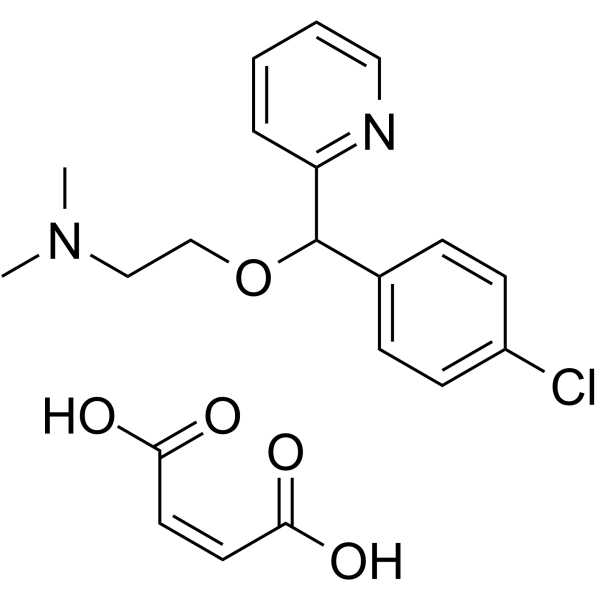
    Carbinoxamine maleate salt
    1 Publications Verification

    Histamine Receptor Influenza Virus Infection Inflammation/Immunology
    Carbinoxamine maleate salt is a blood-brain barrier-permeable histamine H1 receptor antagonist. Carbinoxamine maleate salt blocks the action of histamine on H1 receptors, reducing symptoms such as sneezing, rhinitis, rhinorrhea, erythema, pruritus and urticaria. Carbinoxamine maleate salt inhibits influenza virus entry into cells via endocytosis, targets the early stage of the viral life cycle, and simultaneously reduces viral replication levels in the lungs, alleviating pathological damage and inflammatory responses in lung tissues. Carbinoxamine maleate salt can be used in research on allergic rhinitis, influenza, etc.
    Carbinoxamine maleate salt
  • HY-120072
    PF-3450074
    5 Publications Verification

    PF-74

    HIV Infection
    PF-3450074 (PF-74) is a specifical inhibitor of HIV-1 capsid protein (CA) and displays a broad-spectrum inhibition of HIV isolates with submicromolar potency (EC50=8-640 nM). PF-3450074 (PF-74) acts at an early stage of HIV-1 infection, inhibits viral replication by directly competing with the binding of CPSF6 and NUP153, and blocks the uncoating, assembly, and the reverse transcription steps of the viral life cycle . CPSF6: nuclear host factors cleavage and polyadenylation specific factor 6; NUP153: nucleoporin 153.
    PF-3450074
  • HY-151561

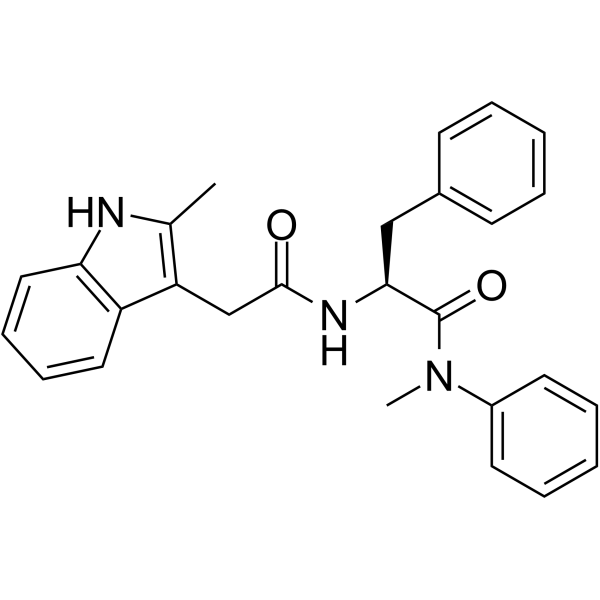
    Parasite Infection
    WM382 is an orally active and potent dual plasmepsin IX/X (PMIX/X) inhibitor with IC50 values of 1.4 nM and 0.03 nM, respectively. WM382 has robust in vivo efficacy at multiple stages of the malaria parasite life cycle and an excellent resistance profile .
    WM382
  • HY-138078
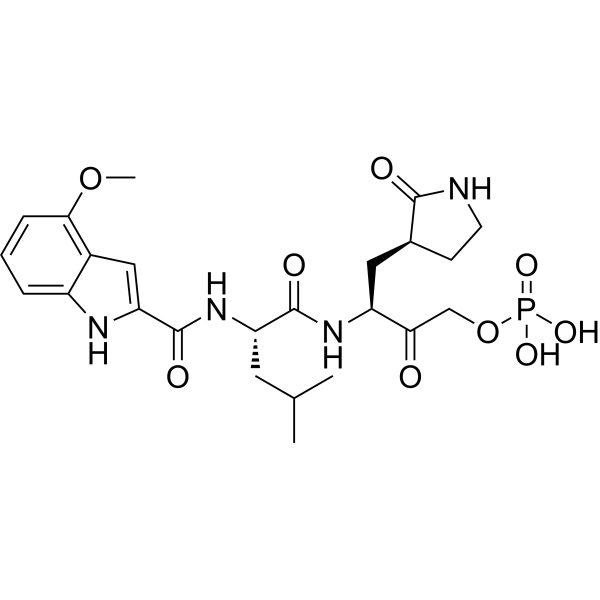
    Lufotrelvir
    2 Publications Verification

    PF-07304814

    SARS-CoV Infection
    Lufotrelvir (PF-07304814), a phosphate proagent of PF-00835231, acts as a potent 3CLpro protease (Mpro) inhibitor with SARS-CoV-2 antiviral activity. Lufotrelvir binds and inhibits SARS-CoV-2 3CLpro activity with a Ki of 174nM. Lufotrelvir is promising single antiviral agent and also can be used for the research of combination with other antivirals that target other critical stages of the coronavirus life cycle.
    Lufotrelvir
  • HY-112624K

    Dextran 5; Dextran D5; Dextran T5(MW 4500-5500)

    Apoptosis Autophagy Others
    Dextran T5 (MW 5,000) is a sulfated polysaccharide anti-apoptotic and autophagic agent. Dextran T5 (MW 5,000) has sulfated groups and interacts with cell membranes by mimicking endogenous glycosaminoglycans, inhibiting the mitochondrial apoptotic pathway and delaying DNA fragmentation to exert anti-apoptotic activity. Dextran T5 (MW 5,000) also promotes the conversion of LC3-I to LC3-II and the formation of autophagosomes to activate the autophagic pathway. Dextran T5 (MW 5,000) can prolong the survival cycle of CHO cells and increase the production of recombinant erythropoietin (EPO). The Dextran series of compounds are also natural polysaccharide drug carriers that can be connected to drugs through covalent bonding methods such as ester bonds, amide bonds or click chemistry, or self-assembled to form carriers such as nanoparticles and hydrogels. Dextran is biodegradable and biocompatible, and can achieve targeted delivery and controlled release of drugs. Dextran derivatives can prolong drug half-life, increase local concentration and reduce immune clearance activity. The Dextran series of compounds are also natural polysaccharide drug carriers that can be connected to drugs through covalent bonding methods such as ester bonds, amide bonds or click chemistry, or self-assembled to form carriers such as nanoparticles and hydrogels. Dextran is biodegradable and biocompatible, and can achieve targeted delivery and controlled release of drugs. Dextran derivatives can prolong the half-life of drugs, increase local concentrations, and reduce the activity of immune clearance .
    Dextran T5 (MW 5,000)
  • HY-159828

    VH-499; VH4011499

    HIV Infection
    Dezecapavir (VH-499) is a HIV-1 capsid protein inhibitor. Dezecapavir exhibits picomolar-level antiviral activity against a variety of HIV-1 laboratory strains and clinical isolates in vitro. Dezecapavir inhibits the early and late stages of the HIV-1 life cycle, blocking nuclear import, reverse transcript production, virion assembly, maturation, and post-nuclear import/pre-integration replication processes. Dezecapavir can be used in studies related to HIV-1 infection .
    Dezecapavir
  • HY-155218

    PROTACs CDK Cancer
    TMX-2172 is a selective bivalent cereblon-recruiting PROTAC-based dual CDK2 and CDK5 degrader with IC50 values of 6.5 nM and 6.8 nM, respectively. TMX-2172 shows selectivity for CDK2 and CDK5 over other cell cycle CDKs (CDK1, CDK4, and CDK6) and transcriptional CDKs (CDK7 and CDK9). TMX-2172 inhibits CDK2/CDK5 enzymatic activity, induces their proteasomal degradation, reduces ASCL1 protein levels and half-life, induces cancer cell death, and exerts antiproliferative effects. TMX-2172 can be used for the research of ovarian cancer and small cell lung cancer .
    TMX-2172
  • HY-W094464

    Biochemical Assay Reagents Neurological Disease
    Lithium sulfate is an inorganic compound that can improve the cycling life and efficiency of a 2 V/20 A H lead-acid battery. Lithium sulfate can be used to study mental illnesses .
    Lithium sulfate
  • HY-117684
    Cabamiquine
    1 Publications Verification

    DDD107498; DDD-498; M5717

    Parasite CaMK Infection
    Cabamiquine (DDD107498) is a potent and orally active antimalarial agent, inhibits multiple life-cycle stages of the parasite, with an EC50 of 1 nM against P. falciparum 3D7. Cabamiquine inhibits protein synthesis by targeting eEF2/CaMKIII, with an EC50 of 2 nM for WT-PfeEF2 .
    Cabamiquine
  • HY-W130965

    Influenza Virus Akt Infection
    1-Formyl-beta-carboline is an alkaloid with inhibitory activity against Newcastle disease virus (NDV). 1-Formyl-beta-carboline can effectively inhibit different genotypes of NDV with IC50 values within 10 μM, and its inhibition rate is more than 90% at a concentration of 20 μM. 1-Formyl-beta-carboline mainly exerts its effects by inhibiting the adsorption and entry processes in the NDV life cycle. 1-Formyl-beta-carboline has been identified as a novel HN inhibitor that can directly interact with the NDV HN protein and affect the adsorption of NDV. 1-Formyl-beta-carboline also inhibits the entry of NDV by inhibiting the PI3K/Akt signaling pathway rather than the ERK pathway .
    1-Formyl-beta-carboline
  • HY-101000

    R62690

    Parasite Infection
    Clazuril (R62690) has a coccidiocidal effect on the asexual and sexual developmental stages of both Eimeria species, resulting in a complete interruption of the life cycle .
    Clazuril
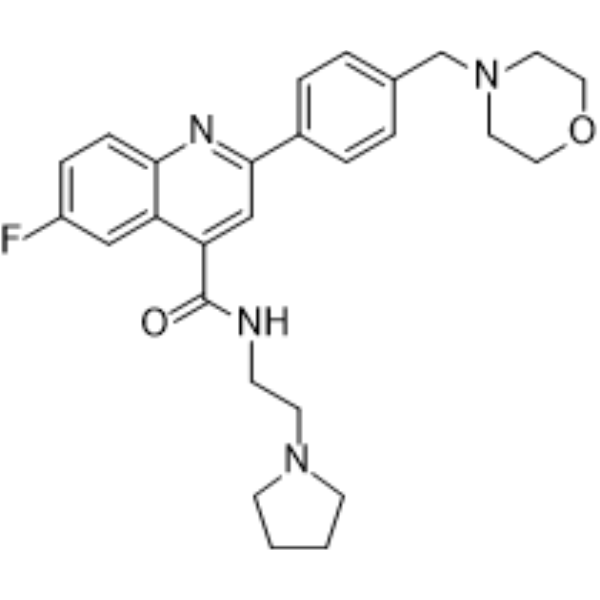
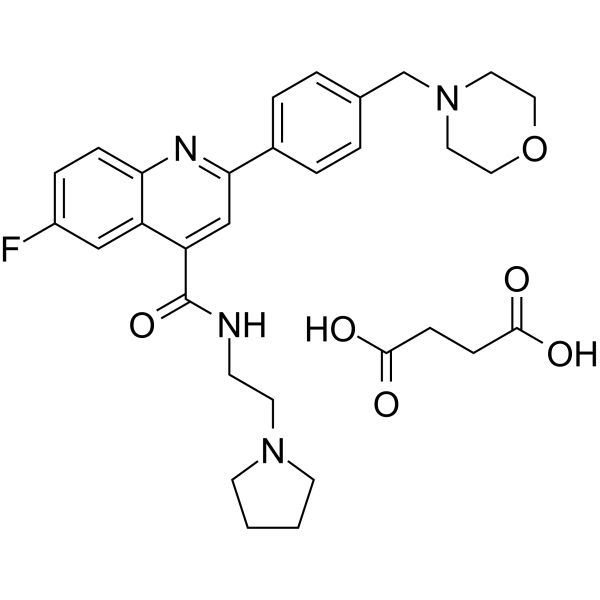
  • HY-117684A
    Cabamiquine succinate
    1 Publications Verification

    DDD107498 succinate; DDD-498 succinate; M5717 succinate

    Parasite CaMK Infection
    Cabamiquine (DDD107498) succinate is a potent and orally active antimalarial agent, inhibits multiple life-cycle stages of the parasite, with an EC50 of 1 nM against P. falciparum 3D7. Cabamiquine succinate inhibits protein synthesis by targeting eEF2/CaMKIII, with an EC50 of 2 nM for WT-PfeEF2 .
    Cabamiquine succinate
  • HY-P0289

    Influenza Virus Infection
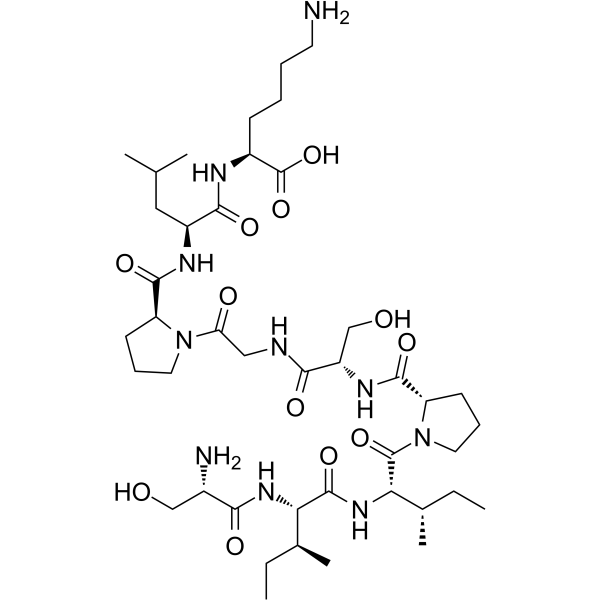
    CEF3 (SIIPSGPLK) corresponds to aa 13-21 of the influenza A virus M1 protein. The matrix (M1) protein of influenza A virus is a multifunctional protein that plays essential structural and functional roles in the virus life cycle.
    CEF3
  • HY-P10497A

    Bacterial Infection Inflammation/Immunology
    EBV BZLF1 (190-197) TFA is an immunodominant CEF-controlling peptide derived from Epstein-Barr virus (EBV). EBV BZLF1 (190-197) TFA is a suitable epitope for CD8+ T cells to stimulate the release of IFNg. CTL responses to EBV BZLF1 (190-197) TFA are diverse and cross-recognize similar peptides from both host self-proteins and bacterial proteins. EBV BZLF1 (190-197) TFA can be used to study autoimmune diseases .
    EBV BZLF1 (190-197) TFA
  • HY-P10497

    Bacterial Infection Inflammation/Immunology
    EBV BZLF1 (190-197) is an immunodominant CEF-controlling peptide derived from Epstein-Barr virus (EBV). EBV BZLF1 (190-197) is a suitable epitope for CD8+ T cells to stimulate the release of IFNg. CTL responses to EBV BZLF1 (190-197) are diverse and cross-recognize similar peptides from both host self-proteins and bacterial proteins. EBV BZLF1 (190-197) can be used to study autoimmune diseases .
    EBV BZLF1 (190-197)
  • HY-175732

    PI4K Parasite Infection
    PI4Kβ-IN-1 is an orally active and selective PI4Kβ inhibitor, with an IC50 of 0.9 nM. PI4Kβ-IN-1 exhibits inhibitory activity against all stages of the P. falciparum life cycle, including blood, liver, and transmission stages. PI4Kβ-IN-1 demonstrates potent antimalarial efficacy in the mouse model infected with Plasmodium falciparum. PI4Kβ-IN-1 can be used for the study of malaria caused by Plasmodium falciparum .
    PI4Kβ-IN-1
  • HY-144297

    HDAC Parasite Infection
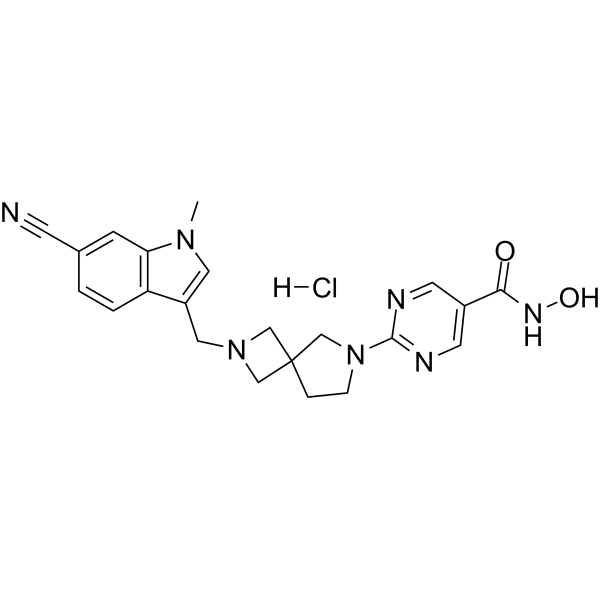
    HDAC1-IN-3 is a potent Pf HDAC1 inhibitor. HDAC1-IN-3 shows antimalarial activity in wild-type and multidrug-resistant parasite strains. HDAC1-IN-3 shows a significant in vivo killing effect against all life cycles of parasites .
    HDAC1-IN-3
  • HY-153610

    Bacterial Others
    ARC7 can act as a probe for secondary metabolism in S. coelicolor. ARC7 is a tool for studying secondary metabolism and the streptomycete life cycle .
    ARC7
  • HY-163377

    Enterovirus EGFR Infection
    AZ5385 is an EGFR-tyrosine kinase inhibitor. AZ5385 is a HRV-2 virus blocker, with EC50 of 0.35 µM. AZ5385 affects the late stage of viral life cycle .
    AZ5385
  • HY-E70085

    DNA/RNA Synthesis Infection
    Moloney murine leukemia virus RT is a monomeric reverse transcriptase from Moloney murine leukemia virus (MMLV). Moloney murine leukemia virus RT is a replicative polymerase that play an essential role in the life cycle of the retrovirus .
    Moloney murine leukemia virus RT
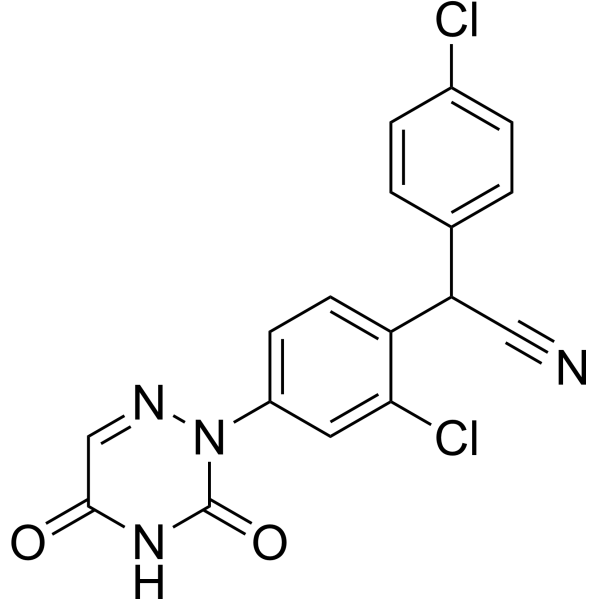
  • HY-101000R

    R62690 (Standard)

    Reference Standards Parasite Infection
    Clazuril (Standard) is the analytical standard of Clazuril. This product is intended for research and analytical applications. Clazuril (R62690) has a coccidiocidal effect on the asexual and sexual developmental stages of both Eimeria species, resulting in a complete interruption of the life cycle .
    Clazuril (Standard)
  • HY-144798

    SARS-CoV Infection
    FWM-5 is a potent NSP13 helicase inhibitor. SARS-COV-2 NSP13 helicase enzyme plays crucial role in the virus life cycle. FWM-5 has the potential for the research of infection diseases .
    FWM-5
  • HY-173027

    Parasite Infection
    SPB07935 inhibits the plasmepsin II in Plasmodium falciparum and can be used as an antimalarial agent. SPB07935 regulates the life cycle of P. falciparum, inhibits the growth of Plasmodium strains FcB1 and 3D7 with IC50 of 8 μM and 4.7 μM .
    SPB07935
  • HY-P10509

    CMV Infection
    IE1 peptide refers to an antigenic peptide encoded by the immediate early (IE) gene of mouse cytomegalovirus (mCMV). IE1 peptide is one of the key antigenic peptides expressed during mCMV infection, plays a role in transcriptional activation in the life cycle of mCMV, and is one of the earliest genes expressed in the viral replication cycle. IE1 peptide is an important target for CD8+ T cell response and can be used to study the host immune response to mCMV infection .
    IE1 peptide
  • HY-W108381

    Parasite Others
    Pyriprole can be used against cat flea. Pyriprole disrupts the flea life cycle through killing of adult fleas before they lay eggs. Pyriprole has residual effect on debris from dog, which results in a decreased ability of cat flea larvae to complete development to the adult stage .
    Pyriprole
  • HY-173567

    Parasite Infection
    WJM664 is a potent Plasmodium falciparum PfATP4 inhibitor. WJM664 shows strong activity against malaria parasites. WJM664 blocks gamete development and transmission to mosquitoes by inhibiting PfATP4-mediated Na +-dependent ATPase activity, and acts on multiple stages of the malaria parasite life cycle .
    WJM664
  • HY-N0157C
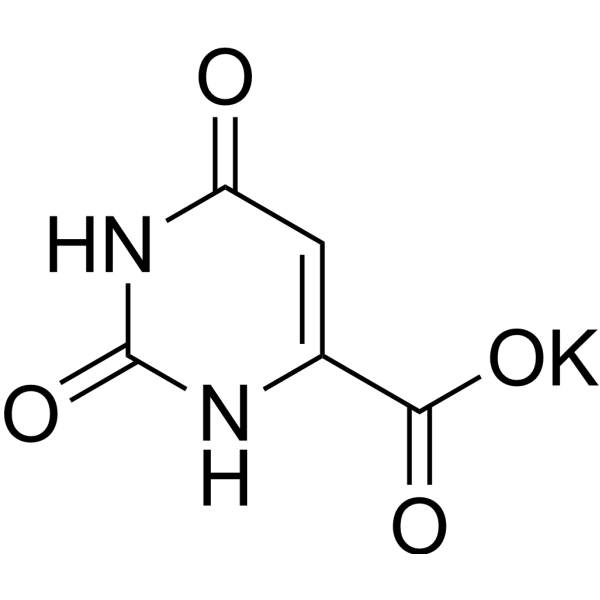
    Orotic acid potassium
    3 Publications Verification

    6-Carboxyuracil potassium; Vitamin B13 potassium

    Endogenous Metabolite DNA/RNA Synthesis Metabolic Disease
    Orotic acid potassium (Vitamin B13 potassium) is a precursor of pyrimidine bases and is involved in the synthesis of DNA and RNA. Orotic acid potassium stimulates the growth of animals, plants and microorganisms, participates in carbohydrate metabolism, and is necessary for the growth and life activities of organisms. Orotic acid potassium is a measurement indicator in routine newborn screening for urea cycle abnormalities. Orotic acid potassium can cause hepatic steatosis and hepatomegaly in rats .
    Orotic acid potassium
  • HY-156028

    Parasite Infection
    FIKK9.1-IN-1 (Compound 1) is a FIKK9.1 inhibitor. FIKK9.1-IN-1 interacts with the ATP?binding residues in FIKK9.1. FIKK9.1-IN-1 is an antimalarial agent (IC50: 2.68 μg/mL) and disrupts the parasite life cycle and leads to the death of parasites .
    FIKK9.1-IN-1
  • HY-169429

    Flavivirus Infection
    CHIKV-IN-5 (Compound 26) is a CHIKV inhibitor (EC90 = 0.45 μM). CHIKV-IN-5 inhibits CHIKV replication at a late stage in the virus life cycle by blocking structural protein translation. CHIKV-IN-5 has great in vitro mouse microsomal stability. CHIKV-IN-5 reduces footpad swelling and decreases virus dissemination to other tissues in mice infected with CHIKV .
    CHIKV-IN-5
  • HY-B1589

    Histamine Receptor Infection Inflammation/Immunology
    (±)-Carbinoxamine is a blood-brain barrier-permeable histamine H1 receptor antagonist. (±)-Carbinoxamine blocks the action of histamine on H1 receptors, reducing symptoms such as sneezing, rhinitis, rhinorrhea, erythema, pruritus and urticaria. (±)-Carbinoxamine inhibits influenza virus entry into cells via endocytosis, targets the early stage of the viral life cycle, and simultaneously reduces viral replication levels in the lungs, alleviating pathological damage and inflammatory responses in lung tissues. (±)-Carbinoxamine can be used in research on allergic rhinitis, influenza, etc.
    (±)-Carbinoxamine
  • HY-106435

    DNA/RNA Synthesis DNA Alkylator/Crosslinker Cancer
    Cystemustine is a DNA inhibitor (a chloroethyl nitrosourea, CENU). Cystemustine can cause DNA cross-linking, thereby inhibiting the proliferation of tumor cells. Cystemustine can also exert cytotoxic effects by interfering with the cell cycle, inducing cell re-differentiation, and altering phospholipid metabolism. Cystemustine exhibits high anti-tumor activity and a relatively short plasma half-life in mice. Cystemustine can be used for the study of various malignant tumors, including melanoma, glioma, renal cancer, head and neck cancer, and colorectal cancer, etc .
    Cystemustine
  • HY-B1589AR

    Reference Standards Histamine Receptor Influenza Virus Infection Inflammation/Immunology
    Carbinoxamine maleate salt (Standard) is the analytical standard of Carbinoxamine maleate salt (HY-B1589A). This product is intended for research and analytical applications. Carbinoxamine maleate salt is a blood-brain barrier-permeable histamine H1 receptor antagonist. Carbinoxamine maleate salt blocks the action of histamine on H1 receptors, reducing symptoms such as sneezing, rhinitis, rhinorrhea, erythema, pruritus and urticaria. Carbinoxamine maleate salt inhibits influenza virus entry into cells via endocytosis, targets the early stage of the viral life cycle, and simultaneously reduces viral replication levels in the lungs, alleviating pathological damage and inflammatory responses in lung tissues. Carbinoxamine maleate salt can be used in research on allergic rhinitis, influenza, etc.
    Carbinoxamine maleate salt (Standard)
  • HY-176019

    p38 MAPK c-Myc Cardiovascular Disease Cancer
    Methylcarbamyl PAF C-8 is resistant to the degradation function of platelet-activating factor acetylhydrolase (PAF-AH). It has a half-life of more than 100 minutes in platelet-poor plasma and possesses the activity of inducing platelet aggregation. In NRK-49 cells overexpressing the PAF receptor, Methylcarbamyl PAF C-8 can induce the expression of c-myc and c-fos, and activate mitogen-activated protein kinase (MAPK). Additionally, Methylcarbamyl PAF C-8 can induce cell cycle arrest in the G1 phase. Methylcarbamyl PAF C-8 holds promise for research in the fields of cardiovascular diseases and anti-cancer therapy .
    Methylcarbamyl PAF C-8
  • HY-168715

    SHP2 Apoptosis MAPKAPK2 (MK2) Cancer
    SHP2-IN-33 (Compound D13) is an allosteric inhibitor of SHP2 with an IC50 of 1.2 μM. In cellular studies, SHP2-IN-33 demonstrates antiproliferative activity with an IC50 of 38 μM against Huh7 cells by arresting the G0/G1 cell cycle, promoting apoptosis (Apoptosis), and suppressing the MAPK signaling pathway. In an in vivo Huh7 xenograft mouse model, SHP2-IN-33 exhibits significant antitumor activity and favorable pharmacokinetics, including 54% oral bioavailability and a half-life of 10.57 hours. SHP2-IN-33 is a promising compound for studying tumor diseases associated with SHP2 .
    SHP2-IN-33
  • HY-Y0306

    Environmental Pollutants Biochemical Assay Reagents Others
    Ammonium bromide is an inorganic electrolyte additive used in halogen-free magnesium-sulfur battery electrolytes, which serves dual functions as a regulator and a resistance-reducing agent. Ammonium bromide effectively optimizes the interfacial reaction kinetics of batteries by guiding the uniform deposition of magnesium, reducing the activation energy for magnesium ion transport, and decreasing the stripping/deposition overpotential. Ammonium bromide significantly enhances the cycle life and initial discharge capacity of magnesium-sulfur batteries .
    Ammonium bromide
  • HY-183663

    HIV Infection
    PD-159206 is an anti-HIV agent. PD-159206 inhibits early pre-integration steps of the HIV life cycle, and delays sequential progression of reverse transcription products. PD-159206 can be used for the research of HIV infection .
    PD-159206
  • HY-171215

    Parasite Aminoacyl-tRNA Synthetase Infection
    ML901 is an antimalarial agent with an IC50 value of 2 nM against the malaria parasite. ML901 specifically inhibits the tyrosine tRNA synthetase of the malaria parasite (PfYRS) through "receptor hijacking". ML901 exhibits full life-cycle killing activity in the malaria mouse model. ML901 can be used for studying malaria parasite infection .
    ML901
  • HY-D2982

    Fluorescent Dye Infection
    BTP9-Neu5Ac is a fluorescent imaging probe specifically designed for detecting the neuraminidase (NA) sialidase activity of influenza viruses. BTP9-Neu5Ac can visualize the intracellular Golgi localization of the viral NA activity. BTP9-Neu5Ac can be used for precise and temporal monitoring of the key enzyme activities during the viral life cycle .
    BTP9-Neu5Ac
  • HY-179437

    HIV Infection
    anti-HIV agent 1 (compound 10i) is a potent antiviral agent with anti-HIV activity (IC50 = 10.6 nM). anti-HIV agent 1 exhibits moderate to no inhibitory activity against RT mutant strains, but maintains their activity against wild-type viruses. anti-HIV agent 1 strongly shows dual inhibition of the viral attachment and reverse transcriptase phases of the viral life cycle. anti-HIV agent 1 can be used for HIV infection research .
    anti-HIV agent 1
  • HY-183185

    SARS-CoV Infection
    BZ-30 is an orally active broad-spectrum SARS-CoV-2 inhibitor. BZ-30 acts on the early stage of the viral life cycle, can partially inhibit the endosomal entry process and reduce viral replication levels. BZ-30 reduces viral load, improves pulmonary pathological conditions, and decreases the lung-to-body weight ratio in hamster models challenged with SARS-CoV-2. BZ-30 can be used for research related to COVID-19 .
    BZ-30
  • HY-B1589S

    Isotope-Labeled Compounds Histamine Receptor Influenza Virus Infection Inflammation/Immunology
    (±)-Carbinoxamine-d6 is the deuterium labeled (±)-Carbinoxamine (HY-B1589) . (±)-Carbinoxamine is a blood-brain barrier-permeable histamine H1 receptor antagonist. (±)-Carbinoxamine blocks the action of histamine on H1 receptors, reducing symptoms such as sneezing, rhinitis, rhinorrhea, erythema, pruritus and urticaria. (±)-Carbinoxamine inhibits influenza virus entry into cells via endocytosis, targets the early stage of the viral life cycle, and simultaneously reduces viral replication levels in the lungs, alleviating pathological damage and inflammatory responses in lung tissues. (±)-Carbinoxamine can be used in research on allergic rhinitis, influenza, etc.
    (±)-Carbinoxamine-d6

Inquiry Online

Your information is safe with us. * Required Fields.

Salutation


Country or Region *

Applicant Name *


Organization Name *

Department *


Email Address *


Product Name *

Cat. No.


Requested quantity *

Phone Number *


Remarks

Inquiry Online

Inquiry Information

Product Name:
Cat. No.:
Quantity:
MCE Japan Authorized Agent:

