Search Result
Results for "
lysates
" in MedChemExpress (MCE) Product Catalog:
5
Biochemical Assay Reagents
| Cat. No. |
Product Name |
Target |
Research Areas |
Chemical Structure |
-
- HY-B0496
-
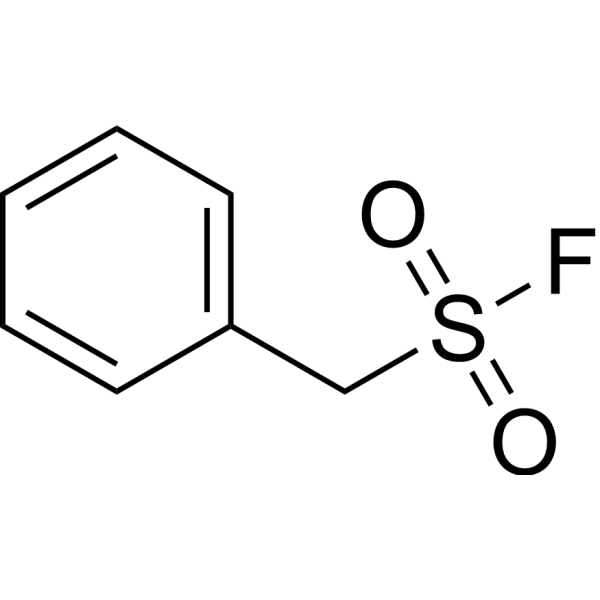
PMSF
Maximum Cited Publications
146 Publications Verification
Phenylmethylsulfonyl fluoride; Benzylsulfonyl fluoride
|
Cathepsin
Ser/Thr Protease
|
Neurological Disease
|
|
PMSF (Phenylmethylsulfonyl fluoride) is a nonspecific and irreversible serine proteases inhibitor. PMSF inhibits some thiol proteases, non-protease enzymes, and acetylcholinesterase. PMSF can be used to prepare protein extracts from tissue and cell lysates .
|
-
-
- HY-19805
-
|
|
CaMK
AMPK
Autophagy
|
Metabolic Disease
|
|
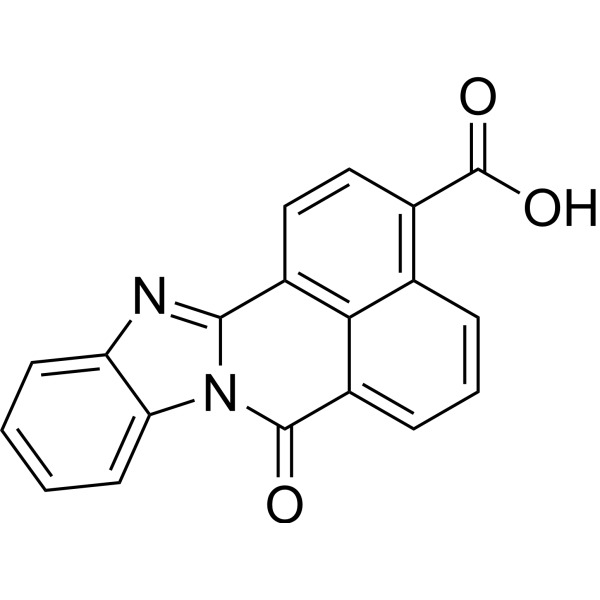
STO-609 is a selective and cell-permeable inhibitor of the Ca 2+/calmodulin-dependent protein kinase kinase (CaM-KK), with Ki values of 80 and 15 ng/mL for recombinant CaM-KKα and CaM-KKβ, respectively. STO-609 inhibits AMP-activated protein kinase kinase (AMPKK) activity in HeLa cell lysates with an IC50 ~0.02 g/ml.
|
-
-
- HY-P0190
-
|
|
Potassium Channel
|
Cardiovascular Disease
|
|
Iberiotoxin is a toxin isolated from Buthus tamulus scorpion venom. Iberiotoxin is a selective high conductance high conductance Ca 2+-activated K + channel inhibitor with a Kd of ~1 nM. Iberiotoxin does not block other types of voltage-dependent ion channels .
|
-
-
- HY-P1003
-
|
|
Fluorescent Dye
|
Others
|
|
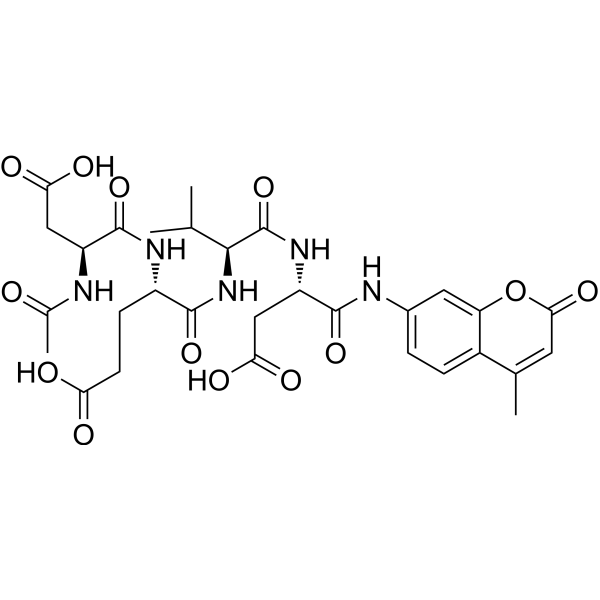
Ac-DEVD-AMC is a fluorescent substrate of caspase-3/caspase-7. When treating Ac-DEVD-AMC with cell lysate, Ac-DEVD-AMC releases amino-4-methylcoumarin (AMC) for fluorescence detection, with an excitation wavelength of 380 nm and an emission wavelength of 460 nm .
|
-
-
- HY-14985
-
|
|
Syk
Apoptosis
|
Inflammation/Immunology
Cancer
|
|
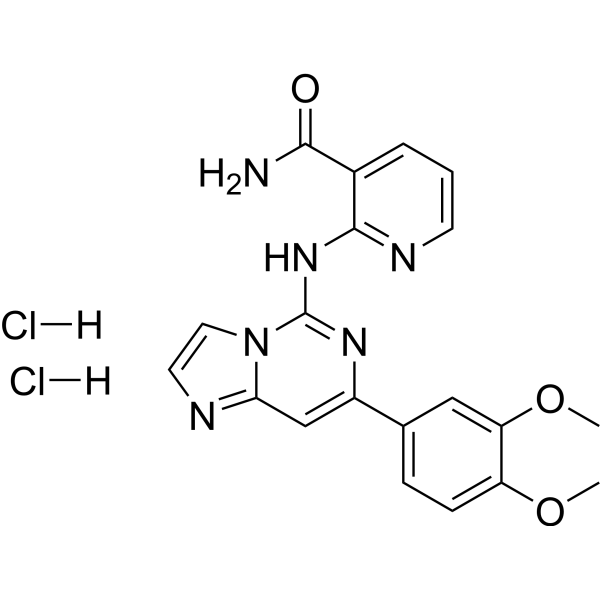
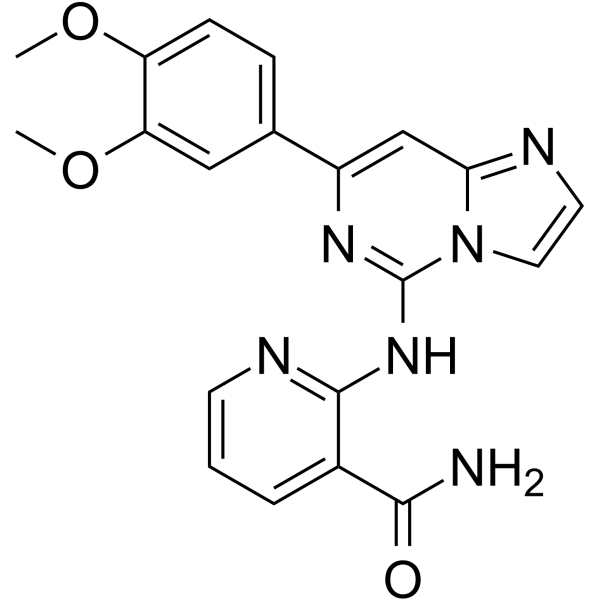
BAY 61-3606 dihydrochloride is an orally available, ATP-competitive, reversible and highly selective Syk inhibitor with a Ki of 7.5 nM an IC50 of 10 nM . BAY 61-3606 dihydrochloride reduces ERK1/2 and Akt phosphorylation in neuroblastoma cell . BAY 61-3606 dihydrochloride induces a large decrease of Syk phosphorylation in K-rn cell lysates . Bay 61-3606 dihydrochloride sensitizes TRAIL-induced apoptosis by downregulating Mcl-1 in breast cancer cells .
|
-
-
- HY-156140
-
|
|
Histone Acetyltransferase
|
Others
|
|
Naa50-IN-1 is an N-alpha-acetyltransferase 50 (Naa50) inhibitor with an IC50 of 7 nM against the human protein. Naa50-IN-1 exhibits selectivity toward the related enzymes Naa10 and Naa60. Naa50-IN-1 binds to the substrate-binding pocket of Naa50, and its binding affinity is enhanced by AcCoA .
|
-
-
- HY-142684
-
|
|
Mitochondrial Metabolism
|
Cancer
|
|
Pyruvate Carboxylase-IN-1 (compound 37) is a potent pyruvate carboxylase inhibitor with antiproliferative activity. The IC50 values of pyruvate carboxylase-IN-1 against PC in cell lysates and cells are 0.204 and 0.104 μM, respectively .
|
-
-
- HY-115501
-
|
|
Ser/Thr Protease
|
Cancer
|
(E)-FOBISIN101 is a 14-3-3 protein-protein interaction (14-3-3 protein-protein interaction) inhibitor, with IC50 values of 9.3 and 16.4 μM for disrupting the binding of 14-3-3ζ or 14-3-3γ to PRAS40, respectively. (E)-FOBISIN101 inhibits the binding of 14-3-3 to Raf-1 and proline-rich AKT substrate, and neutralizes the ability of 14-3-3 to activate exotoxin S ADP-ribosyltransferase. (E)-FOBISIN101 is applicable to 14-3-3-mediated cancer research .
|
-
-
- HY-146248B
-
|
|
Poly(ADP-ribose) Glycohydrolase (PARG)
SARS-CoV
Protease Activated Receptor (PAR)
|
Metabolic Disease
|
|
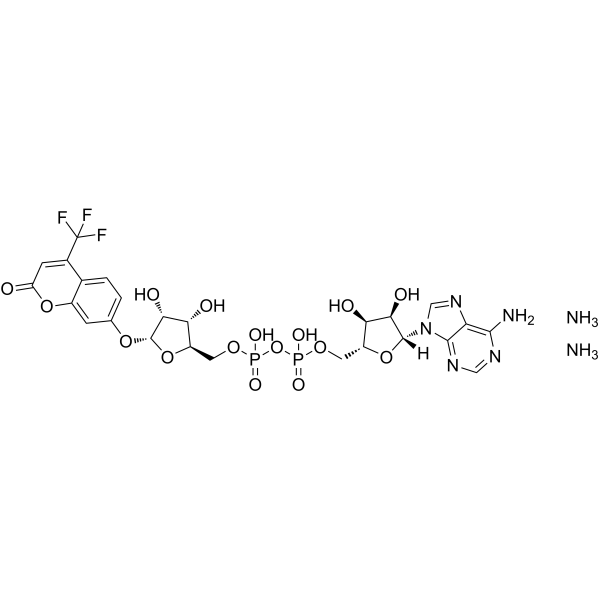
TFMU-ADPr diammonium is a selective reporter substrate of SARS-CoV-2 Macro1 (IC50=0.59 μM), with an excitation wavelength (λEx) of 385 nm, and an emission wavelength (λEm) of 502 nm (or 495 nm). TFMU-ADPr diammonium can also undergo enzymatic hydrolysis with Poly(ADP-ribose) Glycohydrolase (PARG) sourced from human, Tetrahymena thermophila and ADP-ribosylhydrolase 3 from human to release fluorophores, thereby directly reporting total poly (ADP-ribose) hydrolase activity. TFMU-ADPr diammonium binds to the ADPr-binding site of SARS-CoV-2 Macro1, and its TFMU moiety inserts into the narrow hydrophobic groove of this protein. TFMU-ADPr diammonium can thus be used to evaluate small-molecule inhibitors targeting PAR hydrolases under in vitro conditions, to investigate the regulatory mechanisms of ADP-ribosyl catabolic enzymes, or to detect PAR hydrolase activity in whole-cell lysate assays. TFMU-ADPr diammonium is also applicable to COVID-19-related research .
|
-
-
- HY-101779
-
|
|
Glycosidase
|
Others
|
|
DCG04 is a multivalent ligand for the mannose-6-phosphate receptor. DCG-04 is an activity-based probe for cysteine cathepsins, and can be used for labelling numerous cysteine cathepsins in cell and tissue lysates .
|
-
-
- HY-106279
-
|
|
GnRH Receptor
|
Inflammation/Immunology
|
|
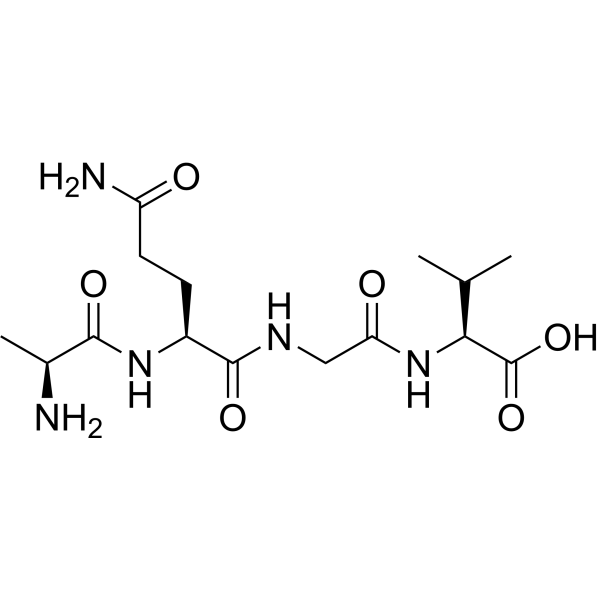
EA-230 is a synthetic oligopeptide originally derived from beta-human chorionic gonadotropin (beta-hCG) lysates. EA-230 has anti-inflammatory effects and can be used for the research of sepsis .
|
-
-
- HY-153523
-
|
NNC0076-0079; 76-0079
|
Lipase
|
Metabolic Disease
|
|
Hi 76-0079 (NNC0076-0079; 76-0079) is a lipase inhibitor that specifically targets hormone-sensitive lipase (HSL). Hi 76-0079 inhibits PNPB Hydrolysis in cell lysates of HEK293A cells
overexpressing Lipe with an IC50 value of 0.1 μM. Hi 76-0079 synergizes with the ATGL inhibitor Atglistatin (HY-15859) to block lipolysis in vitro. Hi 76-0079 can be used for the study of lipid metabolism .
|
-
-
- HY-12833
-
AMZ30
1 Publications Verification
|
Phosphatase
Akt
ERK
|
Others
|
|
AMZ30 is selective protein phosphatase methylesterase-1(PME-1) inhibitor with IC50s of 600 nM and 3.5 µM in human cell lysates and in HEK 293T cells, respectively. AMZ30 shows >100-fold selectivity relative to other serine hydrolases. AMZ30 reduces the demethylated form of PP2A in living cells. AMZ30 attenuates muscle cell differentiation. AMZ30 increases the resistance of U87MG and U251MG glioblastoma cells to t-BHP-induced oxidative stress. AMZ30can be used for the study of glioblastoma .
|
-
-
- HY-176812
-
|
|
Ras
PI3K
Akt
|
Cancer
|
|
VVD-849 is a RAS ligand. VVD-849 covalently binds to Cys242 in the RAS-binding domain of PI3K p110α and promotes RAS/PI3K interaction. VVD-849 partially inhibits pAKT (S473) in HER2-overexpressing tumors. VVD-849 can be used for the research of cancers such as breast cancer .
|
-
-
- HY-176811
-
|
|
Ras
PI3K
Akt
|
Cancer
|
|
VVD-442 is an inhibitor targeting PI3Kα. VVD-442 covalently binds to Cys242 in the RAS-binding domain of PI3K p110α, induces conformational changes, and disrupts the interaction between PI3K p110α and RAS proteins. VVD-442 also blocks RAS-mediated PI3K activation. VVD-442 can be used in research related to RAS-mutant cancers and HER2-overexpressing cancers .
|
-
-
- HY-100894
-
|
|
Caspase
|
Cancer
|
|
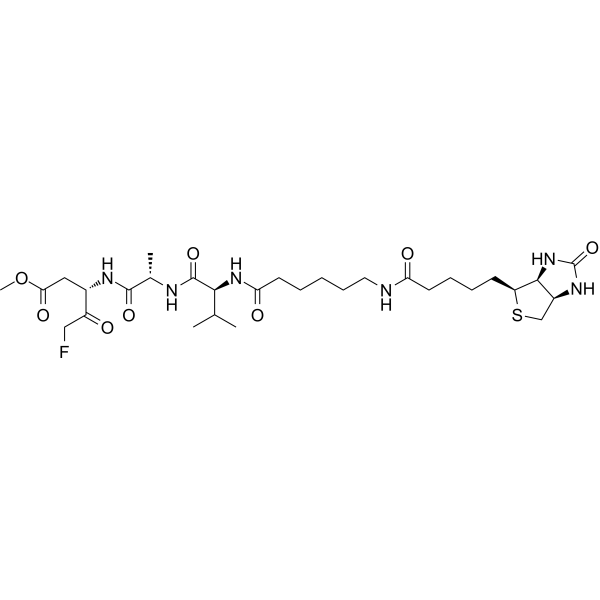
Biotin-VAD-FMK is a cell permeable, irreversible biotin-labeled caspase inhibitor, used to identify active caspases in cell lysates.
|
-
-
- HY-100335
-
|
|
Fluorescent Dye
Btk
|
Cancer
|
|
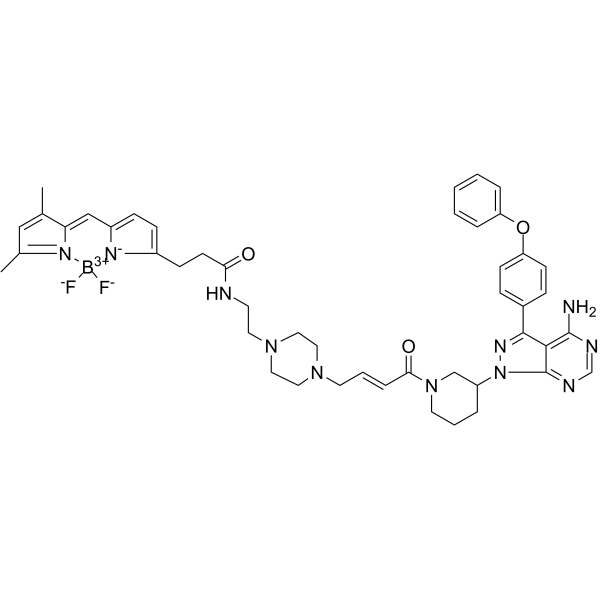
PCI-33380 is a fluorescent probe ( (Ex=532 nm, Em=555 nm). PCI-33380 consists of a (BTK) inhibitor PCI-32765 (HY-10997) attaching with a Bodipy-FL fluorophore via a piperazine linker. PCI-33380 binds predominantly to Btk in B cell lysates with cell permeable activity. PCI-33380 can be used for imaging live cancer cells such as non-Hodgkin lymphoma research
|
-
-
- HY-128360
-
|
|
PROTACs
Bcl-2 Family
Apoptosis
Caspase
|
Cancer
|
|
dMCL1-2 is a potent, selective MCL1 PROTAC degrader based on a Cereblon ligand, with a KD value of 30 nM for binding to MCL1. dMCL1-2 induces ubiquitination and degradation of MCL1. dMCL1-2 degrades MCL1, cleaves Caspase-3, and induces Apoptosis. dMCL1-2 can be used in research related to multiple myeloma .
|
-
-
- HY-W437745
-
|
|
Fluorescent Dye
|
Others
|
|
Desthiobiotin-NHS ester is a biotinylated biochemical assay reagent that reacts with amine groups (such as lysine residues) of proteins or other biomolecules to form stable amide bonds. Desthiobiotin-NHS ester can be used as probes for metalloproteins .
|
-
-
- HY-12291
-
|
HMSL 10017-101-1
|
Raf
Apoptosis
|
Cancer
|
|
HG6-64-1 (HMSL 10017-101-1) is a B-raf kinase modulator.HG6-64-1 modulates B-raf kinase activity, including the V600E mutant form and the drug-resistant gatekeeper mutation T529I. HG6-64-1 is a germinal center kinase inhibitor. HG6-64-1 induces cell cycle arrest and apoptosis. HG6-64-1 can be used for the research of diffuse large B-cell lymphoma (DLBCL) .
|
-
-
- HY-159805
-
|
|
CDK
|
Cancer
|
|
CDK2-IN-31 is a CCNE1:CDK2 complex inhibitor with an IC50 of 0.13 μM. CDK2-IN-31 binds to a cryptic allosteric pocket at the CCNE1:CDK2 interface, inducing structural rearrangements of the CDK2 A-loop that disrupt the kinase's active conformation and interfere with substrate binding. CDK2-IN-31 inhibits phosphorylation of retinoblastoma protein 1 (RB1) in CCNE1-dependent ovarian cancer cells. CDK2-IN-31 impairs coenrichment of protein PRC1 with CCNE1-N112C:CDK2 complexes. CDK2-IN-31 can be used for the research of ovarian cancer .
|
-
-
- HY-146248
-
|
|
SARS-CoV
Poly(ADP-ribose) Glycohydrolase (PARG)
Protease Activated Receptor (PAR)
|
Infection
|
|
TFMU-ADPr is a selective reporter substrate of SARS-CoV-2 Macro1 (IC50=0.59 μM), with an excitation wavelength (λEx) of 385 nm, and an emission wavelength (λEm) of 502 nm (or 495 nm). TFMU-ADPr can also undergo enzymatic hydrolysis with Poly(ADP-ribose) Glycohydrolase (PARG) sourced from human, Tetrahymena thermophila and ADP-ribosylhydrolase 3 from human to release fluorophores, thereby directly reporting total poly (ADP-ribose) hydrolase activity. TFMU-ADPr binds to the ADPr-binding site of SARS-CoV-2 Macro1, and its TFMU moiety inserts into the narrow hydrophobic groove of this protein. TFMU-ADPr can thus be used to evaluate small-molecule inhibitors targeting PAR hydrolases under in vitro conditions, to investigate the regulatory mechanisms of ADP-ribosyl catabolic enzymes, or to detect PAR hydrolase activity in whole-cell lysate assays. TFMU-ADPr is also applicable to COVID-19-related research .
|
-
-
- HY-12841A
-
|
|
Ketohexokinase
|
Metabolic Disease
|
|
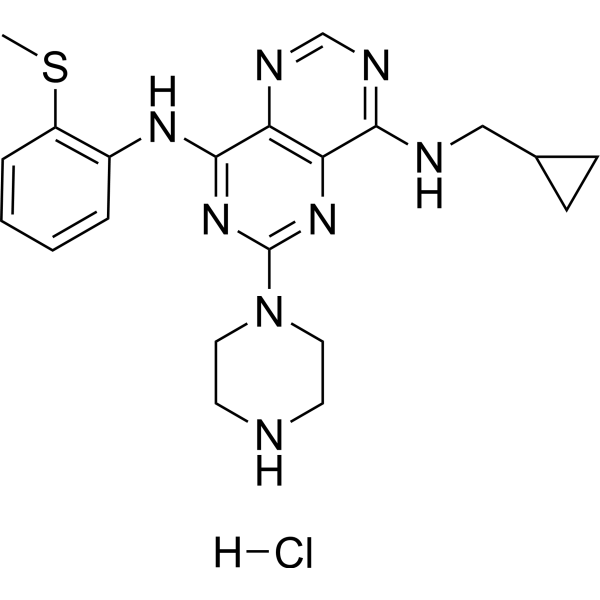
KHK-IN-1 hydrochloride (compound 8) is a selective and cell membrane permeable ketohexokinase (KHK) inhibitor (IC50=12 nM; F=34%). KHK-IN-1 hydrochloride inhibits the production of F1P in HepG2 cell lysates (IC>sub>50=400 nM). KHK-IN-1 hydrochloride has potential for the study of diabetes and obesity .
|
-
-
- HY-171036
-
|
|
Endogenous Metabolite
|
Metabolic Disease
|
|
GAPDH-IN-1 (Compound F8) is a GAPDH inhibitor (IC50 of 39.31 μM for GAPDH enzymatic activity). GAPDH-IN-1 forms a covalent adduct with an aspartic acid in the active site to displace NAD +, a cofactor of the enzyme, with concomitant enhancement of the cysteine-reactive probe reaction with the catalytic cysteine .
|
-
-
- HY-D1261
-
|
Thiol-green 1
|
Fluorescent Dye
|
Others
|
|
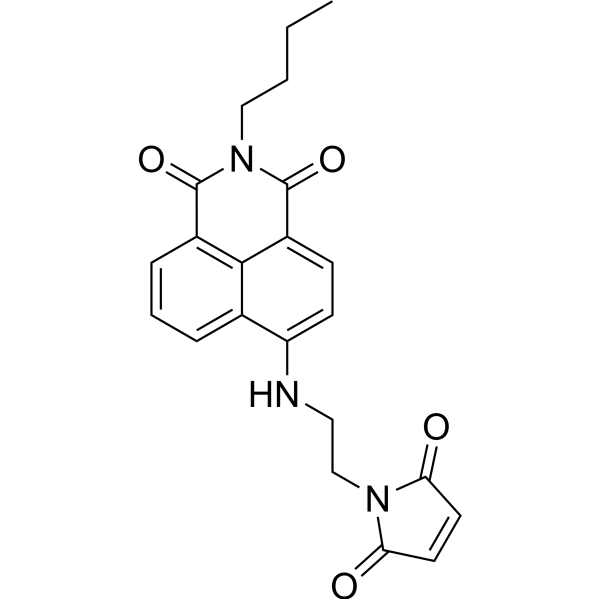
Naph-EA-mal (Thiol-green 1) is a rapid detect and ultrafast turn-on thiol fluorescence probe for protein labeling and bioimaging. Naph-EA-mal (Thiol-green 1) can be used to detect thiols in living cells, label the protein thiols, quantify the concentration of total thiols in cell lysate, and determine the reversible protein thiols oxidation in fixed cells . Ex: 488 nM; Em: 540 nM.
|
-
-
- HY-76474A
-
|
|
Apoptosis
Syk
|
Inflammation/Immunology
Cancer
|
|
BAY 61-3606 hydrochloride is an orally available, ATP-competitive, reversible and highly selective Syk inhibitor with a Ki of 7.5 nM and an IC50 of 10 nM . BAY 61-3606 hydrochloride reduces ERK1/2 and Akt phosphorylation in neuroblastoma cell. BAY 61-3606 hydrochloride induces a large decrease of Syk phosphorylation in K-rn cell lysates. BAY 61-3606 hydrochloride sensitizes TRAIL-induced apoptosis by downregulating Mcl-1 in breast cancer cells.
|
-
-
- HY-76474
-
|
|
Syk
Apoptosis
|
Inflammation/Immunology
Cancer
|
|
BAY 61-3606 is an orally available, ATP-competitive, reversible and highly selective Syk inhibitor with a Ki of 7.5 nM and an IC50 of 10 nM . BAY 61-3606 reduces ERK1/2 and Akt phosphorylation in neuroblastoma cell . BAY 61-3606 induces a large decrease of Syk phosphorylation in K-rn cell lysates . Bay 61-3606 sensitizes TRAIL-induced apoptosis by downregulating Mcl-1 in breast cancer cells .
|
-
-
- HY-145749
-
|
|
PARP
|
Cancer
|
|
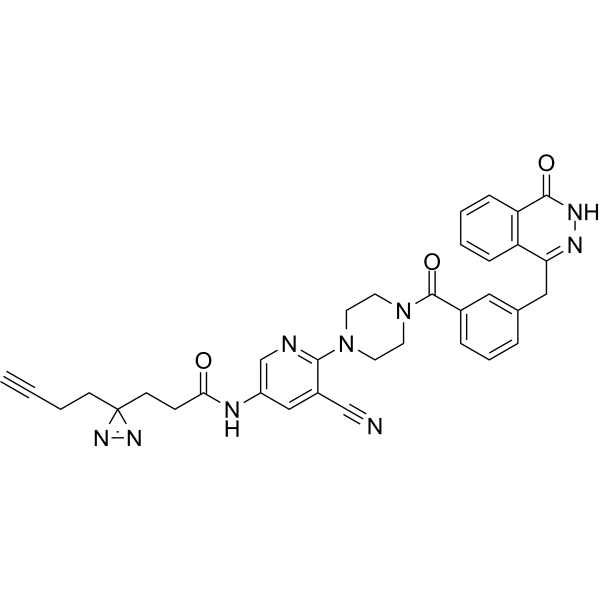
PARPYnD is a PARP enzyme photoaffinity probe (AfBP) based on the triple PARP1/2/6 inhibitor AZ9482 (HY-119653), which induces breast cancer Formation of multipolar spindles (MPS) in cells. PARPYnD inhibits PAPR wih IC50 of 38 nM (PARP1), 6 nM (PARP2), 230 nM (PARP6), respectively. PARPYnD enriches recombinant PARP6 incorporated into cell lysates and inhibits PARP6 in cell-free assays, but it does not label PARP6 in intact cells .
|
-
-
- HY-110381
-
|
|
Acyltransferase
|
Metabolic Disease
|
|
JNJ-DGAT2-A is a selective diacylglycerol acyltransferase 2 (DGAT2) inhibitor with an IC50 value of 0.14 μM in human DGAT2-expressing Sf9 insect cell membranes. JNJ-DGAT2-A can be used for the research of triglyceride (TG) synthesis .
|
-
-
- HY-151532
-
|
|
Epigenetic Reader Domain
|
Cancer
|
|
PBRM1-BD2-IN-5 is a potent PBRM1 Bromodomain inhibitor with Kd values of 1.5 μM and 3.9 μM for PBRM1-BD2 and PBRM1-BD5, respectively, and an IC50 value of 0.26 μM for PBRM1-BD2. PBRM1-BD2-IN-5 reduces the binding of full-length PBRM1 within the PBAF complex in cell lysates to acetylated histone peptide. PBRM1-BD2-IN-5 can be used to research anticancer .
|
-
-
- HY-P4122
-
|
|
HIV
|
Others
|
|
TAT (47-57), FAM-labeled is a 5(6)-Carboxyfluorescein (HY-15940)-labeled TAT (HY-P0281). TAT (YGRKKRRQRRR) is derived from the transactivator of transcription (TAT) of human immunodeficiency virus-1 (HIV-1) and is a cell-penetrating peptide .
|
-
-
- HY-12841
-
|
|
Ketohexokinase
|
Metabolic Disease
|
|
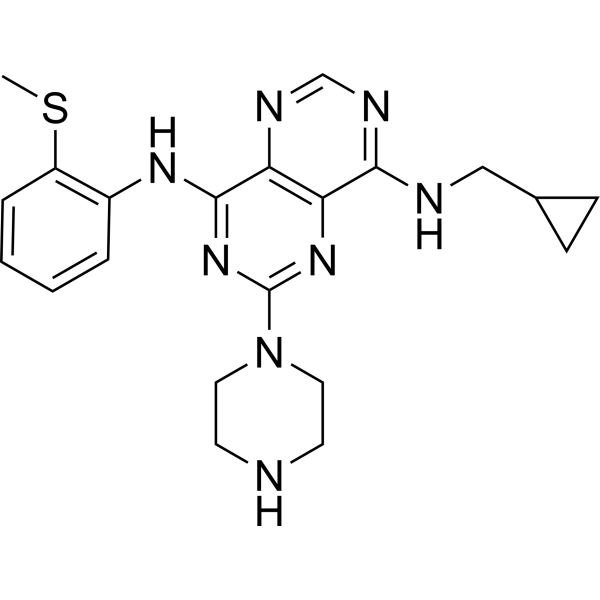
KHK-IN-1 (compound 8) is a selective and cell membrane permeable ketohexokinase (KHK) inhibitor (IC50=12 nM; F=34%). KHK-IN-1 inhibits the production of F1P in HepG2 cell lysates (IC>sub>50=400 nM). KHK-IN-1 has potential for the study of diabetes and obesity .
|
-
-
- HY-169794
-
|
|
DNA/RNA Synthesis
|
Others
|
|
N-Palmitoyl-phenylalanine is an N-acyl amide that contains the long-chain saturated fatty acid Palmitic acid (HY-N0830) conjugated via an amide bond to the essential amino acid L-Phenylalanine (HY-N0215). N-Palmitoyl-phenylalanine inhibits pre-mRNA splicing in HeLa cell nuclear lysates (IC50 > 400 μM) but has no splicing activity in intact HeLa cells .
|
-
-
- HY-145542
-
|
|
Endogenous Metabolite
Proteasome
Apoptosis
|
Metabolic Disease
Cancer
|
|
Isovalerylcarnitine chloride is a metabolite of leucine. Isovalerylcarnitine chloride can specifically activate calpain in human neutrophils. Isovalerylcarnitine chloride inhibits tumor cell proliferation and induces apoptosis. Elevated circulating levels of Isovalerylcarnitine chloride are negatively correlated with reduced lung cancer risk .
|
-
-
- HY-139098
-
|
m7Gp3G
|
DNA/RNA Synthesis
|
Others
|
|
7-Methyl-diguanosine triphosphate (m7Gp3G) is an mRNA cap structure analog that inhibits in vitro protein synthesis by binding to the translation initiation complex. 7-Methyl-diguanosine triphosphate binds to eIF4E, promotes cap-dependent translation initiation, stabilizes mRNA, and acts as a translation enhancer. 7-Methyl-diguanosine triphosphate can be used to prepare synthetic capped RNA transcripts for studies related to mRNA translation, splicing, turnover, and intracellular transport .
|
-
-
- HY-152194
-
|
|
Tyrosinase
|
Cancer
|
|
Tyrosinase-IN-10 (Compound 23) is a partially competitive tyrosinase inhibitor with an IC50 of 1.6 μM against tyrosinase activity from human melanoma cell lysates .
|
-
-
- HY-P4559
-
-
-
- HY-125209A
-
|
|
Apoptosis
PARP
DNA/RNA Synthesis
|
Cancer
|
|
TH5427 hydrochloride is a NUDT5 inhibitor with a human target IC50 of 29 nM, ~690-fold selectivity over MTH1 in vitro, and selective functional inhibition over other NUDIX hydrolases including NUDT9 .TH5427 hydrochloride binds to the active site of NUDT5, blocking enzymatic activity related to ADP-ribose metabolism and PAR-derived ATP synthesis .TH5427 hydrochloride blocks progestin-dependent nuclear ATP synthesis, impairs progestin-induced chromatin remodeling, inhibits histone H1 displacement, disrupts progestin-dependent gene regulation, and abrogates progestin-dependent proliferation in breast cancer cells .TH5427 hydrochloride functions as a versatile probe to study nuclear ATP dynamics and ADP-ribose-related metabolism in cells .TH5427 hydrochloride engages NUDT5 at physiological temperatures, as demonstrated by Drug Affinity Responsive Target Stability (DARTS) assay .TH5427 hydrochloride stabilizes NUDT5 against thermal denaturation in cell lysates and intact cells, as shown by cellular thermal shift assay (CETSA) .TH5427 hydrochloride functionally inhibits NUDT5 activity, leading to downstream effects on oxidative DNA damage and DNA replication in triple-negative breast cancer (TNBC) cells .TH5427 hydrochloride suppresses proliferation of TNBC cells without inducing cell death or apoptosis, slows DNA replication in TNBC cells, promotes accumulation of oxidative DNA lesions, and triggers DNA damage response in TNBC cells .TH5427 hydrochloride suppresses growth of TNBC cells in vitro, inhibits growth of TNBC xenograft tumors in nude mice in vivo, and shows greater potency against TNBC cell lines compared to ER-positive and normal-like breast cell lines .TH5427 hydrochloride can be used for the research of breast cancer and triple-negative breast cancer .
|
-
-
- HY-P5652
-
|
|
Bacterial
|
Infection
|
|
Bombolitin II is an antimicrobial peptide derived from bumblebee venom. Bombolitin II can lysate erythrocyte and liposome .
|
-
-
- HY-126943
-
|
|
Fluorescent Dye
|
Others
|
|
SAHA-BPyne is an activity-based protein profiling (ABPP) probe for detecting HDAC activity, which covalently labels the proximal proteins through a photoactivation. SAHA-BPyne inhibits HDAC activity in HeLa nuclear lysate with an IC50 of less than 5 μM .
|
-
-
- HY-P11326
-
-
-
- HY-19805A
-
|
|
CaMK
AMPK
Autophagy
|
Metabolic Disease
|
|
STO-609 acetate is a selective and cell-permeable inhibitor of the Ca 2+/calmodulin-dependent protein kinase kinase (CaM-KK), with Ki values of 80 and 15 ng/mL for recombinant CaM-KKα and CaM-KKβ, respectively. STO-609 acetate inhibits AMP-activated protein kinase kinase (AMPKK) activity in HeLa cell lysates with an IC50 ~0.02 g/ml.
|
-
-
- HY-146248A
-
|
|
Poly(ADP-ribose) Glycohydrolase (PARG)
SARS-CoV
Protease Activated Receptor (PAR)
|
Others
|
|
TFMU-ADPr triethylamine is a selective reporter substrate of SARS-CoV-2 Macro1 (IC50=0.59 μM), with an excitation wavelength (λEx) of 385 nm, and an emission wavelength (λEm) of 502 nm (or 495 nm). TFMU-ADPr triethylamine can also undergo enzymatic hydrolysis with Poly(ADP-ribose) Glycohydrolase (PARG) sourced from human, Tetrahymena thermophila and ADP-ribosylhydrolase 3 from human to release fluorophores, thereby directly reporting total poly (ADP-ribose) hydrolase activity. TFMU-ADPr triethylamine binds to the ADPr-binding site of SARS-CoV-2 Macro1, and its TFMU moiety inserts into the narrow hydrophobic groove of this protein. TFMU-ADPr triethylamine can thus be used to evaluate small-molecule inhibitors targeting PAR hydrolases under in vitro conditions, to investigate the regulatory mechanisms of ADP-ribosyl catabolic enzymes, or to detect PAR hydrolase activity in whole-cell lysate assays. TFMU-ADPr triethylamine is also applicable to COVID-19-related research .
|
-
-
- HY-110013
-
|
|
Btk
Antibiotic
|
Infection
Inflammation/Immunology
|
|
Terreic acid, a quinone epoxide antibiotic, acts as an effective Btk inhibitor. Terreic acid blocks the interaction between PKC and the pleckstrin homology domain of Btk. Terreic acid inhibits the binding of GST-BtkPH to PKC in lysates of HMC-1 human mast cells with an IC50 of approximately 100 μM .
|
-
-
- HY-P11325
-
|
|
Cathepsin
Fluorescent Dye
|
Others
|
|
Ac-RR-AFC TFA is a Cathepsin B fluorogenic substrate (Ex=400 nm, Em=505 nm). Cathepsin B activity in cells lysates is determined by measuring cleavage of Ac-RR-AFC TFA and its cleavage occurs at the RR-AFC amide bond. Ac-RR-AFC TFA can be used for activity assays and mechanistic studies on cathepsin B .
|
-
-
- HY-143285
-
|
|
Fluorescent Dye
|
Infection
|
|
AMC-GlcNAc (compound 1) is a potent fluorogenic probe for detection and characterization of β-hexosaminidase enzyme activity. AMC-GlcNAc enables continuous monitoring by turn-on fluorescence and fluorescence signal is constant over a wide pH range (Ex=325 nm, Em=390 nm). AMC-GlcNAc enables ratiometric fluorescence detection with high sensitivity and low background, which can be used to screen for recombinant dispersin B activity in E. coli cell lysate .
|
-
-
- HY-175599
-
|
|
Molecular Glues
|
Cardiovascular Disease
Neurological Disease
|
|
Z6466608628 is a selective PPIL4 molecular glue degrader with human PPIL4 EC50 values of 0.34 µM. Z6466608628 functionally recruits PPIL4 to CRBN, induces CRL4 CRBN-mediated ubiquitylation and degradation of PPIL4. Z6466608628 can be used for the research of intracranial aneurysms .
|
-
-
- HY-P5377
-
|
Cathepsin K substrate
|
Ser/Thr Protease
|
Others
|
|
Abz-HPGGPQ-EDDnp (Cathepsin K substrate) is a biological active peptide. (Cathepsins are a class of globular lysosomal proteases, playing a vital role in mammalian cellular turnover. They degrade polypeptides and are distinguished by their substrate specificities. Cathepsin K is the lysosomal cysteine protease involved in bone remodeling and resorption. It has potential as a drug target in autoimmune diseases and osteoporosis.This FRET peptide can be used to monitor selectively cathepsin K activity in physiological fluids and cell lysates. Abz-HPGGPQ-EDDnp [where Abz represents o-aminobenzoic acid and EDDnp represents N -(2, 4-dinitrophenyl)-ethylenediamine], a substrate initially developed for trypanosomal enzymes, is efficiently cleaved at the Gly-Gly bond by cathepsin K. This peptide is resistant to hydrolysis by cathepsins B, F, H, L, S and V, Ex/Em=340 nm/420 nm.)
|
-
-
- HY-W040218
-
|
N-Octanoyl-N-methylglucamine
|
Biochemical Assay Reagents
|
Others
|
|
MEGA-8 (N-Octanoyl-N-methylglucamine) is a nonionic sugar-based surfactant. MEGA-8 can gently solubilize membrane proteins without easily causing their denaturation. MEGA-8 is a commonly used reagent for the extraction and study of membrane proteins in biochemistry .
|
-
-
- HY-168538
-
|
|
Paraptosis
|
Infection
|
|
Antitrypanosomal agent 21 (Compound C-1) is a trypanosoma brucei inhibitor. Antitrypanosomal agent 21 decreases the level of D6XM23 in parasite lysates .
|
-
- HY-P5653
-
|
|
Bacterial
|
Infection
|
|
Bombolitin III is an antimicrobial peptide derived from bumblebee venom. Bombolitin III can lysate erythrocyte and liposome .
|
-
- HY-P5654
-
|
|
Bacterial
|
Infection
|
|
Bombolitin IV is an antimicrobial peptide derived from bumblebee venom. Bombolitin IV can lysate erythrocyte and liposome .
|
-
- HY-N13880
-
|
|
Antibiotic
Fungal
|
Infection
|
|
Adustin, an antifungal antibiotic, is a polypeptide with translation-inhibiting activity. Adustin inhibits translation in a cell-free rabbit reticulocyte lysate system with an IC50 of 0.34 μM .
|
-
- HY-P10142
-
|
|
Fluorescent Dye
|
Others
|
|
Ac-YEVD-AMC is a fluorescent substrate of caspase-1/11. Ac-YEVD-AMC releases amino-4-methylcoumarin (AMC) for fluorescence detection when treating with cell lysate .
|
-
- HY-164869
-
|
|
Biochemical Assay Reagents
|
Others
|
|
1-Hex-GlcNAlk is a metabolic chemical reporter (MCR) utilized in glycosylation research. 1-Hex-GlcNAlk exhibits robust labeling over background with negligible amounts of nonspecific chemical labeling in cell lysates .
|
-
- HY-W995025
-
|
(+)-Actinobolin
|
Antibiotic
Bacterial
|
Infection
|
|
Actinobolin ((+)-Actinobolin) is an antibiotic, that inhibits protein synthesis by targeting bacterial and eukaryotic ribosomes. Actinobolin inhibits Mycobacterium smegmatis, Escherichia coli and rabbit reticulocyte lysate (RRL) with an IC50 of 19.2, 27.9, and 288 μmol/L, respectively .
|
-
- HY-N10197
-
|
|
Parasite
Endogenous Metabolite
|
Infection
|
|
Pulixin prevents FREP1 from binding to P. falciparum-infected cell lysate. Pulixin blocks the transmission of the parasite to mosquitoes with an EC50 of 11 µM. Pulixin also inhibits the proliferation of asexual-stage P. falciparum with an EC50 of 47 nM .
|
-
- HY-101779A
-
|
|
Glycosidase
|
Others
|
|
DCG04 isomer-1 is an isomer of DCG04 (HY-101779). DCG04 is a multivalent ligand for the mannose-6-phosphate receptor. DCG-04 is an activity-based probe for cysteine cathepsins, and can be used for labelling numerous cysteine cathepsins in cell and tissue lysates .
|
-
- HY-W995025A
-
|
(+)-Actinobolin hemisulfate
|
Antibiotic
Bacterial
|
Infection
|
|
Actinobolin hemisulfate ((+)-Actinobolin hemisulfate) is the hemisulfate form of Actinobolin (HY-W995025). Actinobolin hemisulfate is an antibiotic, that inhibits protein synthesis by targeting bacterial and eukaryotic ribosomes. Actinobolin hemisulfate inhibits Mycobacterium smegmatis, Escherichia coli and rabbit reticulocyte lysate (RRL) with an IC50 of 19.2, 27.9, and 288 μmol/L, respectively .
|
-
- HY-P11661
-
|
|
Epigenetic Reader Domain
|
Inflammation/Immunology
|
DC-peptoid-1 is a specific binder and crosslinker targeting the phosphorylated Brd4 PDID domain, with a dissociation constant (Kd) of approximately 50-100 μM for human-derived targets. DC-peptoid-1 only binds to phosphorylated PDID and fails to recognize the non-phosphorylated form or other domains (such as Brd4 598-785). DC-peptoid-1 effectively crosslinks with the target protein both in solution and cell lysates. It can successfully capture phosphorylated PDID from complex systems via immobilization, without binding to bacterial-derived non-phosphorylated proteins or other non-specific phosphoproteins. DC-peptoid-1 has the potential to serve as a phosphoprotein-specific antibody substitute for applications such as immunoaffinity purification .
|
-
- HY-W342467
-
|
D821
|
Bacterial
|
Infection
|
|
Dioctyldimethylammonium chloride (D821), a quaternary ammonium salt, is a bactericide. Dioctyldimethylammonium chloride exerts bactericidal activity via disruption of membrane integrity, and intracellular lysate leakage. Dioctyldimethylammonium chloride also can be used as a petroleum additive, antistatic agent, softening agent, rare metal flotation agent, and corrosion inhibitor .
|
-
- HY-D3393
-
|
|
Fluorescent Dye
Epigenetic Reader Domain
|
Cancer
|
|
JQ1-FITC TFA is a BRD4-binding fluorescent tracer. JQ1-FITC TFA binds to BRD4 BD1, BD2, recombinant bromodomains, and endogenous BRD4 in cell lysates. JQ1-FITC TFA can be used for the research of breast cancer and cancer (Ex/Em = 495/525 nm) .
|
-
- HY-100894R
-
|
|
Caspase
Reference Standards
|
Cancer
|
|
Biotin-VAD-FMK (Standard) is the analytical standard of Biotin-VAD-FMK (HY-100894). This product is intended for research and analytical applications. Biotin-VAD-FMK is a cell permeable, irreversible biotin-labeled caspase inhibitor, used to identify active caspases in cell lysates.
|
-
- HY-186111
-
|
|
PI5P4K
|
Cancer
|
|
BAY-297 is a PIP4K2A inhibitor. BAY-297 binds to PIP4K2A in intact cells and cell lysates. BAY-297 serves as a chemical probe for investigating the PIP4K2A signaling pathway and its roles in physiological conditions such as cancer .
|
-
- HY-101779R
-
|
|
Reference Standards
Glycosidase
|
Others
|
|
DCG04 (Standard) is the analytical standard of DCG04 (HY-101779). This product is intended for research and analytical applications. DCG04 is a multivalent ligand for the mannose-6-phosphate receptor. DCG-04 is an activity-based probe for cysteine cathepsins, and can be used for labelling numerous cysteine cathepsins in cell and tissue lysates .
|
-
- HY-185205
-
|
|
PI3K
Akt
|
Cancer
|
|
VVD-484 is a PI3K p110α inhibitor with an IC50 of 0.59 μM against human targets.,VVD-484, classified as a "silent ligand", forms a covalent bond with Cys242 of PI3K p110α without disrupting the p110α-KRAS G12C interaction. VVD-484 inhibits phosphorylation (S473) of AKT via a RAS-independent pathway. VVD-484 can be used in the research of HER2-overexpressing cancers .
|
-
- HY-182755
-
|
|
Steroid Sulfatase
|
Cancer
|
|
Steroid sulfatase-IN-12 is a steroid sulfatase inhibitor. Steroid sulfatase-IN-12 inhibits the activity of steroid sulfatase. Steroid sulfatase-IN-12 can be used in research related to hormone receptor-positive/HER2-negative breast cancer .
|
-
- HY-100335R
-
|
|
Fluorescent Dye
Reference Standards
Btk
|
Cancer
|
|
PCI-33380 (Standard) is the analytical standard of PCI-33380 (HY-100335). This product is intended for research and analytical applications. PCI-33380 is a fluorescent probe ( (Ex=532 nm, Em=555 nm). PCI-33380 consists of a (BTK) inhibitor PCI-32765 (HY-10997) attaching with a Bodipy-FL fluorophore via a piperazine linker. PCI-33380 binds predominantly to Btk in B cell lysates with cell permeable activity. PCI-33380 can be used for imaging live cancer cells such as non-Hodgkin lymphoma research
|
-
- HY-D3189
-
|
|
Fluorescent Dye
PSMA
|
Cancer
|
|
5GluAF-2MeTG is an activatable fluorescent probe targeting the glutamate carboxypeptidase (CP) activity of PSMA (Ex/Em=490/500-600 nm). After being hydrolyzed by PSMA, 5GluAF-2MeTG releases a cell membrane-permeable fluorescent product, and achieves fluorescence activation by disrupting donor-excited photoinduced electron transfer (d-PeT). 5GluAF-2MeTG enables fluorescence imaging of live PSMA-expressing prostate cancer cells in vitro and visualizes the carboxypeptidase activity of PSMA. 5GluAF-2MeTG can be used to detect prostate cancer regions in preclinical excised tissue specimens .
|
-
- HY-D3219
-
|
|
Fluorescent Dye
|
Others
|
|
Ctrl-CPF1 is a control dye for Copper Phosphorus Fluor 1 (CPF1), which exhibits no metal-dependent fluorescence response and shows no reactivity toward Cu + .
|
-
- HY-D3353
-
|
|
PSMA
|
Cancer
|
|
PSMA-SulfoCy7 is a high-affinity imaging agent targeting PSMA/GCPII (with a Ki of 18.1 nM for human PSMA). PSMA-SulfoCy7 regulates PSMA-dependent NAAG hydrolysis. PSMA-SulfoCy7 exhibits excellent in vivo imaging capability, enabling clear visualization of PSMA-expressing tumors in xenograft models, with no obvious toxicity even at a dose of 87.9 mg/kg. PSMA-SulfoCy7 is widely used in prostate cancer-related studies .
|
-
- HY-175599A
-
|
|
Molecular Glues
|
Cardiovascular Disease
Neurological Disease
|
|
Z6466608628 hydrochloride is a selective PPIL4 molecular glue degrader with human PPIL4 EC50 values of 0.34 µM. Z6466608628 hydrochloride functionally recruits PPIL4 to CRBN, induces CRL4 CRBN-mediated ubiquitylation and degradation of PPIL4. Z6466608628 hydrochloride can be used for the research of intracranial aneurysms[1].
|
-
- HY-P11621
-
|
|
E1/E2/E3 Enzyme
|
Cancer
|
|
JWP24 is the first cell membrane-permeable peptide inhibitor of MAGE-A4, with an IC50 of 200 nM against human MAGE-A4. JWP24 binds to intracellular targets while retaining binding activity, disrupts the interaction between MAGE-A4 and RAD18, and does not induce cytotoxicity at effective concentrations. JWP24 is applicable for cancer-related research .
|
-
- HY-182681
-
|
|
Deubiquitinase
c-Myc
|
Cancer
|
|
AV-9606-129 is a USP28 inhibitor with an IC50 of < 1 μM. AV-9606-129 inhibits the enzymatic activity of USP28 and downregulates the protein levels of c-Myc and c-Myb. AV-9606-129 can be used in cancer research .
|
-
- HY-182416
-
|
|
Monocarboxylate Transporter
|
Inflammation/Immunology
Cancer
|
|
slCeMM1 is a selective SLC16A3 (MCT4) inhibitor. slCeMM1 inhibits lactate transport, induces intracellular lactate accumulation, reduces viability of SLC16A3-dependent cells, and inhibits growth of SLC16A3-dependent cells. slCeMM1 can be used for the research of rheumatoid arthritis and cancer .
|
-
- HY-112334
-
|
|
EGFR
|
Cancer
|
|
EGFR-IN-198 is a selective EGFR inhibitor with subnanomolar irreversible inhibitory activity against EGFR. EGFR-IN-198 covalently binds to the kinase domain of EGFR and inhibits its autophosphorylation .
|
-
- HY-182673
-
|
|
YAP
|
Cancer
|
|
VT102 is a TEAD1 inhibitor with a human IC50 of 391 nM. VT102 inhibits auto-palmitoylation, attenuates YAP/TEAD1 interaction, reduces expression of TEAD target genes, and inhibits YAP-mediated luciferase reporter activity. VT102 exerts weak cell growth inhibitory activity in cancer cells. VT102 can be used for the research of cancer .
|
-
- HY-182577
-
|
|
PROTACs
Epigenetic Reader Domain
|
Cancer
|
|
CFT-743, a PROTAC-based heterobifunctional degrader and BET inhibtor, is a degrader of BRD4 bromodomain 1 (BD1) with a DC50 of 4.3 nM. CFT-743's antitumor activitiy is dependent on BET degradation and can be attenuated by Pomalidomide (HY-10984), which is a CRBN binding molecule. CFT-743 induces ubiquitination of BRD4 BD1. CFT-743 can be used for cancer research .
|
-
- HY-181997
-
|
|
LDLR
SARS-CoV
|
Infection
|
|
LDLRAP1-IN-1 (Compound B19) is a LDLRAP1 inhibitor and antiviral agent, with an IC50 of 4.98 μM for disrupting the interaction between LDLRAP1 and LDLR. LDLRAP1-IN-1 covalently modifies the C119 residue of LDLRAP1 at the LDLRAP1-LDLR binding interface, thereby disrupting the interaction between LDLRAP1 and LDLR. LDLRAP1-IN-1 exhibits antiviral activity against HCoV-OC43 .
|
-
- HY-D3314
-
|
NBD-SAG
|
Fluorescent Dye
DGK
|
Others
|
|
1-NBD-Stearoyl-2-arachidonoyl-sn-glycerol (NBD-SAG) is a fluorescently labeled 1-Stearoyl-2-arachidonoyl-sn-glycerol (HY-131897). 1-NBD-Stearoyl-2-arachidonoyl-sn-glycerol acts as a fluorescent probe for the measurement of DGKε enzymatic activity .
|
-
- HY-183840
-
|
|
Insulin Receptor
|
Neurological Disease
Cancer
|
|
PP185 is a insulin receptor kinase substrate. PP185 undergoes rapid tyrosine phosphorylation, with activity dependent on divalent cations and inhibited by insulin receptor kinase domain antibodies. PP185 can be used for the research of neuroblastoma .
|
-
- HY-N12768
-
|
|
MDM-2/p53
Notch
Calcium Channel
|
Neurological Disease
Inflammation/Immunology
|
Rhodojaponin VI is an orally active diterpenoid compound found in hododendron molle G. Don (Ericaceae) (RM). Rhodojaponin VI binds rat N-Ethylmaleimide-sensitive fusion (NSF) with a Kd of 1.03 μM. Rhodojaponin VI blocks the MDM2-Notch1 signalling pathway by reducing MDM2 and Notch1 expression. Rhodojaponin VI indirectly reduces Cav2.2 current intensity by inhibiting NSF-mediated Cav2.2 trafficking. Rhodojaponin VI alleviates glomerulonephritis progression and podocyte injury in passive heymann nephritis rats. Rhodojaponin VI also has antinociceptive effects. Rhodojaponin VI can be used for the researches of heymann nephritis and pain .
|
-
- HY-49637
-
-
- HY-182704
-
|
SBI-1275844
|
Eukaryotic Initiation Factor (eIF)
SARS-CoV
|
Infection
|
|
SBI-5844 (SBI-1275844) is a eIF4F complex inhibitor and antiviral agent. SBI-5844 disrupts the assembly of the eIF4F complex and blocks the interaction between eIF4E and eIF4G. SBI-5844 inhibits the synthesis of HCoV-OC43 nucleocapsid protein and reduces the levels of HCoV-OC43 RNA and total protein. SBI-5844 can be used in studies related to human coronavirus OC43 (HCoV-OC43) infection .
|
-
- HY-183740
-
|
N-Acryloylindole-alkyne
|
Biochemical Assay Reagents
|
Others
|
|
NAIA (N-Acryloylindole-alkyne) is a cysteine-reactive probe. NAIA can be used as an imaging agent, proteome profiling agent, and covalent ligand screening tool .
|
-
- HY-182253
-
|
|
P-glycoprotein
|
Cancer
|
|
WS-691 is an orally active, selective ABCB1 modulator. WS-691 selectively stabilizes ABCB1 via direct binding to ABCB1. WS-691 inhibits the efflux function of ABCB1 and activates ABCB1 ATPase activity. WS-691 elevates intracellular Paclitaxel (HY-B0015) levels and reduces the required dose of Paclitaxel in cancer cells overexpressing ABCB1. WS-691 increases the sensitivity of colon cancer cells to Paclitaxel .
|
-
- HY-183603
-
|
|
DNA/RNA Synthesis
|
Cancer
|
|
FRC-222 is a CHD1 tandem chromodomain inhibitor with a Kd of 0.15 μM and an IC50 of 0.18 μM. FRC-222 binds to the H3K4me3 binding site of CHD1 tandem chromodomain via aromatic cage interactions and extended ligand contacts. FRC-222 can be used for the research of prostate cancer[1].
|
-
- HY-183568
-
|
|
Methionine Adenosyltransferase (MAT)
|
Cancer
|
|
MAT2A-IN-26 is an orally active MAT2A inhibitor with a human IC50 of 17.53 nM. MAT2A-IN-26 inhibits the enzymatic activity of MAT2A, thereby reducing the levels of S-adenosylmethionine (SAM) and symmetric dimethylarginine (sDMA). MAT2A-IN-26 inhibits the proliferation of MTAP-deficient cancer cells and induces anti-tumor efficacy in xenograft models. MAT2A-IN-26 can be used in non-small cell lung cancer research .
|
-
- HY-121511
-
|
|
Epigenetic Reader Domain
Wnt
|
Cancer
|
|
EML631 is a SPIN1 inhibitor with a Kd of 3-7 μM. EML631 interacts with the second Tudor domain of SPIN1 and blocks its ability to read the H3K4me3 histone mark. EML631 inhibits the coactivator activity of SPIN1 in the Wnt signaling pathway and reduces the activity of Wnt response reporter genes. EML631 can be used in cancer-related research .
|
-
- HY-183741
-
|
|
PI3K
Akt
|
Cancer
|
|
VVD-844 is an orally active covalent inhibitor of PI3Kα inhibitor. VVD-844 covalently binds to Cys 242 in the RAS binding domain of p110α, blocking RAS-p110α interaction and inhibiting PI3Kα activity. VVD-844 inhibits PI3Kα signaling activation in HER2-overexpressing cells via a RAS-independent mechanism. VVD-844 suppresses tumor growth in mouse. VVD-844 can be used for the research of cancers .
|
-
- HY-182896
-
|
|
TRP Channel
Calcium Channel
|
Neurological Disease
Cancer
|
|
HKC54 is a selective TRPV2 antagonist with an IC50 of 0.4 μM. HKC54 binds directly to TRPV2 and inhibits TRPV2-mediated calcium influx. HKC54 inhibits glioblastoma cell migration in vitro and breast cancer metastasis in vivo. HKC54 can be used for the research of breast cancer lung metastasis .
|
-
- HY-123599
-
|
|
DNA/RNA Synthesis
|
Cancer
|
|
IACS-4619 (compound 4) is a highly selective 2-aminopyrimidine-based MTH1 (MutT homolog 1) inhibitor (IC50=0.2 nM). IACS-4619 inhibits MTH1 by blocking its hydrolysis of oxidized purine nucleotides such as 8-oxo-dGTP, thereby preventing MTH1 from inhibiting the incorporation of oxidized nucleotides into DNA. IACS-4619 significantly inhibits endogenous MTH1 activity in MTH1-overexpressing U2OS cells, but without antiproliferative or cytotoxic effects on various human cancer and normal cell lines. IACS-4619 can be used in oncology research related to the MTH1 target .
|
-
- HY-P11698
-
|
|
DNA Alkylator/Crosslinker
Transthyretin (TTR)
|
Cancer
|
Guanidino-G-Clamp-PNA is a highly efficient sequence-specific RNA binder and gene silencer. Guanidino-G-Clamp-PNA precisely targets such targets as miR-155 or transthyretin (TTR) mRNA through base pairing: the former regulates tumor-related signaling pathways by reducing microRNA activity, while the latter inhibits the translation of harmful proteins via steric hindrance. Guanidino-G-Clamp-PNA effectively stabilizes DNA/RNA duplexes, induces cancer cell apoptosis, and suppresses tumor growth. In addition, Guanidino-G-Clamp-PNA can be conjugated with targeting ligands to improve tissue-specific delivery and reduce in vivo adverse reactions, and it can also enhance the splicing regulation efficacy of other oligonucleotide platforms (such as PMO) when integrated into them. Guanidino-G-Clamp-PNA is applicable to the research of various diseases including diffuse large B-cell lymphoma and hereditary transthyretin-related amyloidosis .
|
-
| Cat. No. |
Product Name |
Type |
-
- HY-P1003
-
|
|
Fluorescent Dye
|
|
Ac-DEVD-AMC is a fluorescent substrate of caspase-3/caspase-7. When treating Ac-DEVD-AMC with cell lysate, Ac-DEVD-AMC releases amino-4-methylcoumarin (AMC) for fluorescence detection, with an excitation wavelength of 380 nm and an emission wavelength of 460 nm .
|
-
- HY-146248
-
|
|
Fluorescent Dye
|
|
TFMU-ADPr is a selective reporter substrate of SARS-CoV-2 Macro1 (IC50=0.59 μM), with an excitation wavelength (λEx) of 385 nm, and an emission wavelength (λEm) of 502 nm (or 495 nm). TFMU-ADPr can also undergo enzymatic hydrolysis with Poly(ADP-ribose) Glycohydrolase (PARG) sourced from human, Tetrahymena thermophila and ADP-ribosylhydrolase 3 from human to release fluorophores, thereby directly reporting total poly (ADP-ribose) hydrolase activity. TFMU-ADPr binds to the ADPr-binding site of SARS-CoV-2 Macro1, and its TFMU moiety inserts into the narrow hydrophobic groove of this protein. TFMU-ADPr can thus be used to evaluate small-molecule inhibitors targeting PAR hydrolases under in vitro conditions, to investigate the regulatory mechanisms of ADP-ribosyl catabolic enzymes, or to detect PAR hydrolase activity in whole-cell lysate assays. TFMU-ADPr is also applicable to COVID-19-related research .
|
-
- HY-D1261
-
|
Thiol-green 1
|
Fluorescent Dye
|
|
Naph-EA-mal (Thiol-green 1) is a rapid detect and ultrafast turn-on thiol fluorescence probe for protein labeling and bioimaging. Naph-EA-mal (Thiol-green 1) can be used to detect thiols in living cells, label the protein thiols, quantify the concentration of total thiols in cell lysate, and determine the reversible protein thiols oxidation in fixed cells . Ex: 488 nM; Em: 540 nM.
|
-
- HY-143285
-
|
|
Fluorescent Dye
|
|
AMC-GlcNAc (compound 1) is a potent fluorogenic probe for detection and characterization of β-hexosaminidase enzyme activity. AMC-GlcNAc enables continuous monitoring by turn-on fluorescence and fluorescence signal is constant over a wide pH range (Ex=325 nm, Em=390 nm). AMC-GlcNAc enables ratiometric fluorescence detection with high sensitivity and low background, which can be used to screen for recombinant dispersin B activity in E. coli cell lysate .
|
-
- HY-D3393
-
|
|
Fluorescent Dye
|
|
JQ1-FITC TFA is a BRD4-binding fluorescent tracer. JQ1-FITC TFA binds to BRD4 BD1, BD2, recombinant bromodomains, and endogenous BRD4 in cell lysates. JQ1-FITC TFA can be used for the research of breast cancer and cancer (Ex/Em = 495/525 nm) .
|
-
- HY-D3189
-
|
|
Fluorescent Dye
|
|
5GluAF-2MeTG is an activatable fluorescent probe targeting the glutamate carboxypeptidase (CP) activity of PSMA (Ex/Em=490/500-600 nm). After being hydrolyzed by PSMA, 5GluAF-2MeTG releases a cell membrane-permeable fluorescent product, and achieves fluorescence activation by disrupting donor-excited photoinduced electron transfer (d-PeT). 5GluAF-2MeTG enables fluorescence imaging of live PSMA-expressing prostate cancer cells in vitro and visualizes the carboxypeptidase activity of PSMA. 5GluAF-2MeTG can be used to detect prostate cancer regions in preclinical excised tissue specimens .
|
-
- HY-D3219
-
|
|
Fluorescent Dye
|
|
Ctrl-CPF1 is a control dye for Copper Phosphorus Fluor 1 (CPF1), which exhibits no metal-dependent fluorescence response and shows no reactivity toward Cu + .
|
-
- HY-D3353
-
|
|
Fluorescent Dye
|
|
PSMA-SulfoCy7 is a high-affinity imaging agent targeting PSMA/GCPII (with a Ki of 18.1 nM for human PSMA). PSMA-SulfoCy7 regulates PSMA-dependent NAAG hydrolysis. PSMA-SulfoCy7 exhibits excellent in vivo imaging capability, enabling clear visualization of PSMA-expressing tumors in xenograft models, with no obvious toxicity even at a dose of 87.9 mg/kg. PSMA-SulfoCy7 is widely used in prostate cancer-related studies .
|
-
- HY-D3314
-
|
NBD-SAG
|
Fluorescent Dye
|
|
1-NBD-Stearoyl-2-arachidonoyl-sn-glycerol (NBD-SAG) is a fluorescently labeled 1-Stearoyl-2-arachidonoyl-sn-glycerol (HY-131897). 1-NBD-Stearoyl-2-arachidonoyl-sn-glycerol acts as a fluorescent probe for the measurement of DGKε enzymatic activity .
|
| Cat. No. |
Product Name |
Type |
-
- HY-100894
-
|
|
Biochemical Assay Reagents
|
|
Biotin-VAD-FMK is a cell permeable, irreversible biotin-labeled caspase inhibitor, used to identify active caspases in cell lysates.
|
-
- HY-W437745
-
|
|
Biochemical Assay Reagents
|
|
Desthiobiotin-NHS ester is a biotinylated biochemical assay reagent that reacts with amine groups (such as lysine residues) of proteins or other biomolecules to form stable amide bonds. Desthiobiotin-NHS ester can be used as probes for metalloproteins .
|
-
- HY-139098
-
|
m7Gp3G
|
Biochemical Assay Reagents
|
|
7-Methyl-diguanosine triphosphate (m7Gp3G) is an mRNA cap structure analog that inhibits in vitro protein synthesis by binding to the translation initiation complex. 7-Methyl-diguanosine triphosphate binds to eIF4E, promotes cap-dependent translation initiation, stabilizes mRNA, and acts as a translation enhancer. 7-Methyl-diguanosine triphosphate can be used to prepare synthetic capped RNA transcripts for studies related to mRNA translation, splicing, turnover, and intracellular transport .
|
-
- HY-W040218
-
|
N-Octanoyl-N-methylglucamine
|
Biochemical Assay Reagents
|
|
MEGA-8 (N-Octanoyl-N-methylglucamine) is a nonionic sugar-based surfactant. MEGA-8 can gently solubilize membrane proteins without easily causing their denaturation. MEGA-8 is a commonly used reagent for the extraction and study of membrane proteins in biochemistry .
|
-
- HY-100894R
-
|
|
Biochemical Assay Reagents
|
|
Biotin-VAD-FMK (Standard) is the analytical standard of Biotin-VAD-FMK (HY-100894). This product is intended for research and analytical applications. Biotin-VAD-FMK is a cell permeable, irreversible biotin-labeled caspase inhibitor, used to identify active caspases in cell lysates.
|
| Cat. No. |
Product Name |
Target |
Research Area |
-
- HY-P0190
-
|
|
Potassium Channel
|
Cardiovascular Disease
|
|
Iberiotoxin is a toxin isolated from Buthus tamulus scorpion venom. Iberiotoxin is a selective high conductance high conductance Ca 2+-activated K + channel inhibitor with a Kd of ~1 nM. Iberiotoxin does not block other types of voltage-dependent ion channels .
|
-
- HY-P1003
-
|
|
Fluorescent Dye
|
Others
|
|
Ac-DEVD-AMC is a fluorescent substrate of caspase-3/caspase-7. When treating Ac-DEVD-AMC with cell lysate, Ac-DEVD-AMC releases amino-4-methylcoumarin (AMC) for fluorescence detection, with an excitation wavelength of 380 nm and an emission wavelength of 460 nm .
|
-
- HY-106279
-
|
|
GnRH Receptor
|
Inflammation/Immunology
|
|
EA-230 is a synthetic oligopeptide originally derived from beta-human chorionic gonadotropin (beta-hCG) lysates. EA-230 has anti-inflammatory effects and can be used for the research of sepsis .
|
-
- HY-P4122
-
|
|
HIV
|
Others
|
|
TAT (47-57), FAM-labeled is a 5(6)-Carboxyfluorescein (HY-15940)-labeled TAT (HY-P0281). TAT (YGRKKRRQRRR) is derived from the transactivator of transcription (TAT) of human immunodeficiency virus-1 (HIV-1) and is a cell-penetrating peptide .
|
-
- HY-P4559
-
-
- HY-P5652
-
|
|
Bacterial
|
Infection
|
|
Bombolitin II is an antimicrobial peptide derived from bumblebee venom. Bombolitin II can lysate erythrocyte and liposome .
|
-
- HY-P11326
-
-
- HY-P11325
-
|
|
Cathepsin
Fluorescent Dye
|
Others
|
|
Ac-RR-AFC TFA is a Cathepsin B fluorogenic substrate (Ex=400 nm, Em=505 nm). Cathepsin B activity in cells lysates is determined by measuring cleavage of Ac-RR-AFC TFA and its cleavage occurs at the RR-AFC amide bond. Ac-RR-AFC TFA can be used for activity assays and mechanistic studies on cathepsin B .
|
-
- HY-P5377
-
|
Cathepsin K substrate
|
Ser/Thr Protease
|
Others
|
|
Abz-HPGGPQ-EDDnp (Cathepsin K substrate) is a biological active peptide. (Cathepsins are a class of globular lysosomal proteases, playing a vital role in mammalian cellular turnover. They degrade polypeptides and are distinguished by their substrate specificities. Cathepsin K is the lysosomal cysteine protease involved in bone remodeling and resorption. It has potential as a drug target in autoimmune diseases and osteoporosis.This FRET peptide can be used to monitor selectively cathepsin K activity in physiological fluids and cell lysates. Abz-HPGGPQ-EDDnp [where Abz represents o-aminobenzoic acid and EDDnp represents N -(2, 4-dinitrophenyl)-ethylenediamine], a substrate initially developed for trypanosomal enzymes, is efficiently cleaved at the Gly-Gly bond by cathepsin K. This peptide is resistant to hydrolysis by cathepsins B, F, H, L, S and V, Ex/Em=340 nm/420 nm.)
|
-
- HY-P5653
-
|
|
Bacterial
|
Infection
|
|
Bombolitin III is an antimicrobial peptide derived from bumblebee venom. Bombolitin III can lysate erythrocyte and liposome .
|
-
- HY-P5650
-
|
|
Peptides
|
Infection
|
|
Bombolitin I is an antimicrobial peptide derived from bumblebee venom. Bombolitin I can lysate erythrocyte and liposome .
|
-
- HY-P5654
-
|
|
Bacterial
|
Infection
|
|
Bombolitin IV is an antimicrobial peptide derived from bumblebee venom. Bombolitin IV can lysate erythrocyte and liposome .
|
-
- HY-P10142
-
|
|
Fluorescent Dye
|
Others
|
|
Ac-YEVD-AMC is a fluorescent substrate of caspase-1/11. Ac-YEVD-AMC releases amino-4-methylcoumarin (AMC) for fluorescence detection when treating with cell lysate .
|
-
- HY-P11661
-
|
|
Epigenetic Reader Domain
|
Inflammation/Immunology
|
DC-peptoid-1 is a specific binder and crosslinker targeting the phosphorylated Brd4 PDID domain, with a dissociation constant (Kd) of approximately 50-100 μM for human-derived targets. DC-peptoid-1 only binds to phosphorylated PDID and fails to recognize the non-phosphorylated form or other domains (such as Brd4 598-785). DC-peptoid-1 effectively crosslinks with the target protein both in solution and cell lysates. It can successfully capture phosphorylated PDID from complex systems via immobilization, without binding to bacterial-derived non-phosphorylated proteins or other non-specific phosphoproteins. DC-peptoid-1 has the potential to serve as a phosphoprotein-specific antibody substitute for applications such as immunoaffinity purification .
|
-
- HY-100894R
-
|
|
Caspase
Reference Standards
|
Cancer
|
|
Biotin-VAD-FMK (Standard) is the analytical standard of Biotin-VAD-FMK (HY-100894). This product is intended for research and analytical applications. Biotin-VAD-FMK is a cell permeable, irreversible biotin-labeled caspase inhibitor, used to identify active caspases in cell lysates.
|
-
- HY-P11710
-
|
|
Peptides
|
Others
|
|
Phos-FLAG is a phosphorylated FLAG peptide. Phos-FLAG can undergo a Staudinger-like linkage reaction with azide groups metabolized into cell surface glycans and organ glycoproteins, enabling quantitative analysis of the presence of cell surface azides. Phos-FLAG can detect azide-labeled glycans in isolated cell and organ lysates .
|
-
- HY-P11621
-
|
|
E1/E2/E3 Enzyme
|
Cancer
|
|
JWP24 is the first cell membrane-permeable peptide inhibitor of MAGE-A4, with an IC50 of 200 nM against human MAGE-A4. JWP24 binds to intracellular targets while retaining binding activity, disrupts the interaction between MAGE-A4 and RAD18, and does not induce cytotoxicity at effective concentrations. JWP24 is applicable for cancer-related research .
|
-
- HY-P11698
-
|
|
DNA Alkylator/Crosslinker
Transthyretin (TTR)
|
Cancer
|
Guanidino-G-Clamp-PNA is a highly efficient sequence-specific RNA binder and gene silencer. Guanidino-G-Clamp-PNA precisely targets such targets as miR-155 or transthyretin (TTR) mRNA through base pairing: the former regulates tumor-related signaling pathways by reducing microRNA activity, while the latter inhibits the translation of harmful proteins via steric hindrance. Guanidino-G-Clamp-PNA effectively stabilizes DNA/RNA duplexes, induces cancer cell apoptosis, and suppresses tumor growth. In addition, Guanidino-G-Clamp-PNA can be conjugated with targeting ligands to improve tissue-specific delivery and reduce in vivo adverse reactions, and it can also enhance the splicing regulation efficacy of other oligonucleotide platforms (such as PMO) when integrated into them. Guanidino-G-Clamp-PNA is applicable to the research of various diseases including diffuse large B-cell lymphoma and hereditary transthyretin-related amyloidosis .
|
-
- HY-K0319
-
|
|
|
MCE Lipid Peroxidation (MDA) Assay Kit is suitable for measuring MDA levels in a variety of samples including plasma, serum, urine, tissues or cell lysates.
|
-
- HY-K0005
-
|
|
|
MCE Mouse Tissue Lysis Buffer formulated with a highly efficient lysis buffer system, enabling rapid disruption of various mouse tissue samples (e.g., tail, ear, toe, muscle) and efficient release of genomic DNA. The lysate can be directly used as a template in PCR reactions without the need for additional extraction or purification steps, ensuring a simple and streamlined workflow.
|
-
- HY-K0002
-
|
|
|
MCE Bacterial Protein Extraction Reagent integrates both lysozyme and nuclease activities and is specifically formulated for E. coli lysis. It efficiently disrupts the peptidoglycan layer under mild conditions to rapidly release intracellular proteins. Simultaneously, the incorporated nucleases degrade genomic DNA/RNA, significantly reducing lysate viscosity and minimizing nucleic-acid interference, thereby preserving the native conformation and functional integrity of target proteins to the greatest extent.
|
-
- HY-K0539
-
|
|
|
MCE Plant Tissue Direct PCR Kit (with Dye) is specifically designed for direct amplification from various plant leaf samples. The kit enables rapid release of genomic DNA from plant tissues (such as rice, maize, tobacco, rapeseed, etc.) in a single step. The resulting lysate can be directly used for downstream PCR amplification without the need for conventional DNA extraction and purification, thereby significantly simplifying the experimental workflow.
|
-
- HY-K0552A
-
|
|
|
MCE Mycoplasma Detection Plus Kit (PCR) employs polymerase chain reaction (PCR) technology for rapid and sensitive detection of mycoplasma contamination in cultured cells and related biological samples. The kit contains a PCR premix and mycoplasma-specific primers designed against conserved regions of the 16S rRNA gene. Cell culture supernatant or cell lysates can be used directly as templates for specific amplification of mycoplasma DNA, enabling rapid identification of mycoplasma contamination.
|
-
- HY-K0538
-
|
|
|
MCE Animal Tissue Direct PCR Kit (with Dye) is specifically designed for direct amplification from a variety of animal tissue samples. It enables rapid release of genomic DNA from animal tissues (such as insect legs/wings, mouse tails, ears, toes, skin, and internal organs) in a single step, allowing the lysate to be used directly for downstream PCR amplification without the need for conventional DNA extraction and purification procedures, thereby significantly simplifying the workflow.
|
| Cat. No. |
Product Name |
Category |
Target |
Chemical Structure |
| Cat. No. |
Product Name |
|
Classification |
-
- HY-145749
-
|
|
|
Alkynes
|
|
PARPYnD is a PARP enzyme photoaffinity probe (AfBP) based on the triple PARP1/2/6 inhibitor AZ9482 (HY-119653), which induces breast cancer Formation of multipolar spindles (MPS) in cells. PARPYnD inhibits PAPR wih IC50 of 38 nM (PARP1), 6 nM (PARP2), 230 nM (PARP6), respectively. PARPYnD enriches recombinant PARP6 incorporated into cell lysates and inhibits PARP6 in cell-free assays, but it does not label PARP6 in intact cells .
|
-
- HY-126943
-
|
|
|
Alkynes
|
|
SAHA-BPyne is an activity-based protein profiling (ABPP) probe for detecting HDAC activity, which covalently labels the proximal proteins through a photoactivation. SAHA-BPyne inhibits HDAC activity in HeLa nuclear lysate with an IC50 of less than 5 μM .
|
-
- HY-183740
-
|
N-Acryloylindole-alkyne
|
|
Alkynes
|
|
NAIA (N-Acryloylindole-alkyne) is a cysteine-reactive probe. NAIA can be used as an imaging agent, proteome profiling agent, and covalent ligand screening tool .
|
| Cat. No. |
Product Name |
|
Classification |
-
- HY-169794
-
|
|
|
Cationic Lipids
|
|
N-Palmitoyl-phenylalanine is an N-acyl amide that contains the long-chain saturated fatty acid Palmitic acid (HY-N0830) conjugated via an amide bond to the essential amino acid L-Phenylalanine (HY-N0215). N-Palmitoyl-phenylalanine inhibits pre-mRNA splicing in HeLa cell nuclear lysates (IC50 > 400 μM) but has no splicing activity in intact HeLa cells .
|
-
- HY-139098
-
|
m7Gp3G
|
|
Cap Analogs
|
|
7-Methyl-diguanosine triphosphate (m7Gp3G) is an mRNA cap structure analog that inhibits in vitro protein synthesis by binding to the translation initiation complex. 7-Methyl-diguanosine triphosphate binds to eIF4E, promotes cap-dependent translation initiation, stabilizes mRNA, and acts as a translation enhancer. 7-Methyl-diguanosine triphosphate can be used to prepare synthetic capped RNA transcripts for studies related to mRNA translation, splicing, turnover, and intracellular transport .
|
Your information is safe with us. * Required Fields.
Inquiry Information
- Product Name:
- Cat. No.:
- Quantity:
- MCE Japan Authorized Agent:

