
Search Result
Results for "
mouse infection models
" in MedChemExpress (MCE) Product Catalog:
2
Biochemical Assay Reagents
| Cat. No. |
Product Name |
Target |
Research Areas |
Chemical Structure |
-
- HY-147429
-
|
Abx MCP; RG6006
|
Antibiotic
Bacterial
|
Infection
|
|
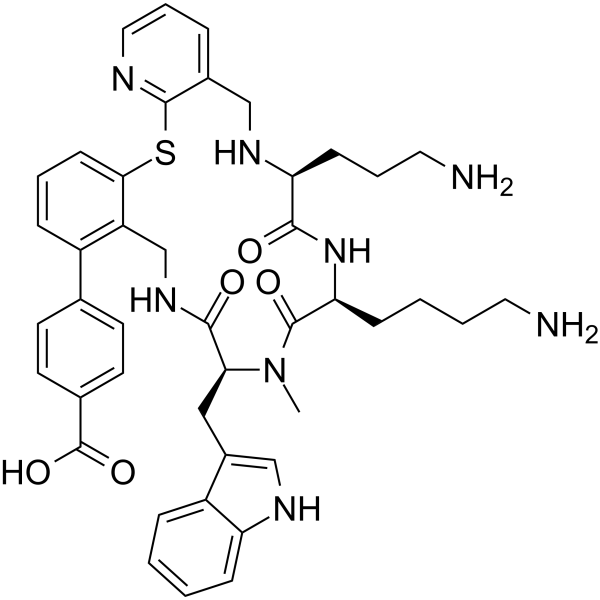
Zosurabalpin is a polypeptide antibiotic targeting LPS transporter (LptB2FGC complex), which can block the transport of LPS and lead to endotoxin accumulation in cells, and has shown excellent antibacterial activity against Carbapenem-resistant Acinetobacter baumanni (CRAB) .
|
-
-
- HY-113365
-
|
4-Cholesten-3-one
|
Endogenous Metabolite
|
Infection
Metabolic Disease
|
|
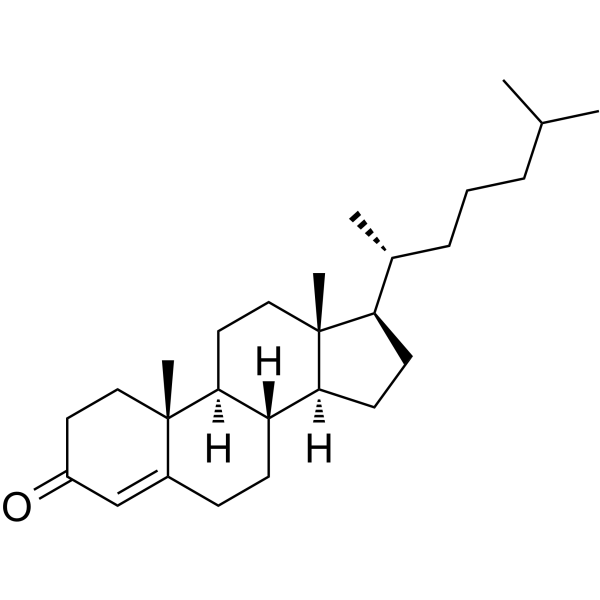
Cholestenone (4-cholesten-3-one) is an orally available antimicrobial agent that is metabolized primarily in the liver as an intermediate oxidation product of cholesterol. Cholestenone inhibits human dermal fibroblast migration and fights Helicobacter pylori infection in vitro and in mouse models by inhibiting cholesterol-α-D-glucopyranoside (CGL). Cholestenone also alleviates metabolic disorders caused by obesity in db/db mice .
|
-
-
- HY-17035
-
|
|
Parasite
Antibiotic
Bacterial
|
Infection
|
|
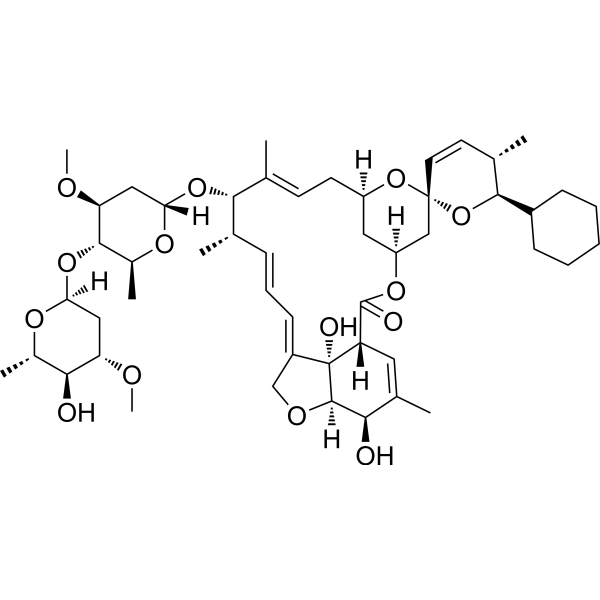
Doramectin is a derivative of Ivermectin (HY-15310). Doramectin is a potent antiparasitic antibiotic. Doramectin is an active compound against S.mansoni in an NMRI mouse infection model .
|
-
-
- HY-P99604
-
|
AZD-1061; COV2-2130
|
SARS-CoV
|
Infection
|
|
Cilgavimab (AZD-1061; COV2-2130) is a human SARS-CoV-2-neutralizing monoclonal antibody, can compose monoclonal-antibody combination AZD7442 with Tixagevimab (HY-P99556). Cilgavimab shows protective action on mouse models of SARS-CoV-2 infection .
|
-
-
- HY-W025784
-
|
Sodium tetraphenylborate; Tetraphenylboron sodium
|
Bacterial
|
Infection
|
|
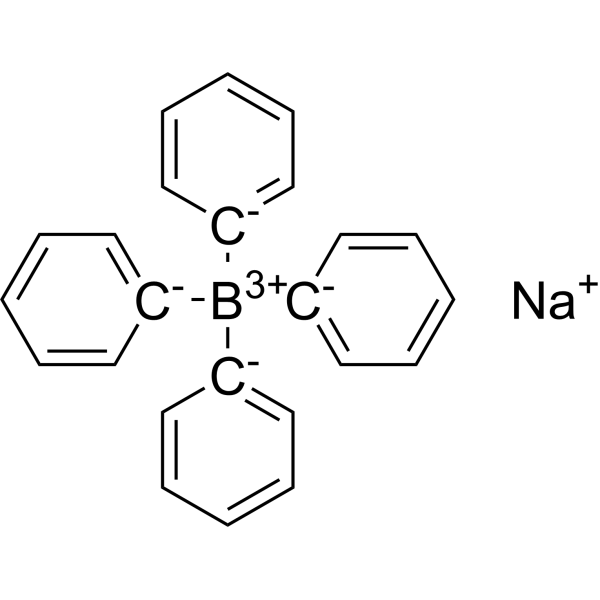
Kalibor (Sodium tetraphenylborate; Tetraphenylboron sodium) is a boron-based salt and antibacterial agent. Kalibor exerts activity against Neisseria meningitidis and Neisseria gonorrhoeae. Kalibor facilitates boron uptake by Neisseria meningitidis cells. Kalibor reduces bacterial burden in a mouse model of Neisseria meningitidis bacteremia. Kalibor can be used for the research of bacterial infection, such as meningococcal bacteremia .
|
-
-
- HY-B1864A
-
|
Ksg hydrochloride
|
Environmental Pollutants
Antibiotic
Bacterial
|
Infection
|
|
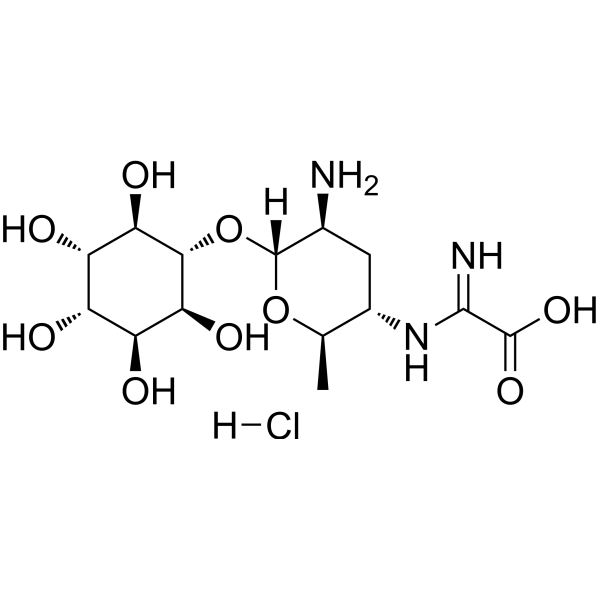
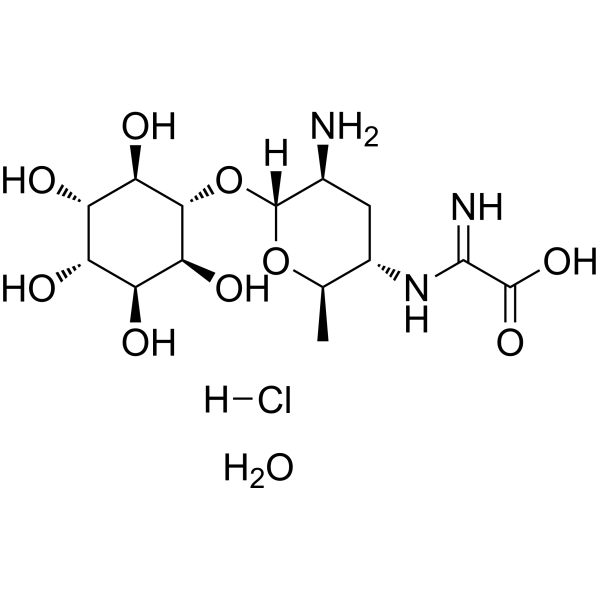
Kasugamycin (Ksg) hydrochloride hydrate is an antibiotic that binds to 30s and 70s ribosomes but not to the 50s subunit, and has anti-infective activity. Kasugamycin hydrochloride hydrate mimics mRNA nucleotides, disrupts tRNA binding and inhibits canonical translation initiation. Kasugamycin hydrochloride hydrate increases the sensitivity of mycobacteria to Rifampicin (HY-B0272) in vitro and in mouse infection models .
|
-
-
- HY-173189
-
|
2′,5′-ApApA; 2′,5′-trioligoadenylate; 5'-O-Triphosphoryladenylyl-(2'→5')-adenylyl-(2'→5')-adenosine
|
DNA/RNA Synthesis
RSV
|
Infection
Cancer
|
|
2-5A is a RNase L activator, signal mediator and innate immune second messenger. 2-5A induces the expression of interferons and interferon-stimulated genes in recipient cells in a RNase L-dependent manner. 2-5A inhibits tumor growth in mouse models via paracrine RNase L activation derived from cancer cells. 2-5A can be used in studies related to viral infection and cancer .
|
-
-
- HY-16911
-
AFN-1252
Maximum Cited Publications
11 Publications Verification
API-1252; Debio 1452
|
Bacterial
Antibiotic
|
Infection
|
|
AFN-1252 is an orally active and selective inhibitor of FabI, an essential enzyme in fatty acid biosynthesis in Staphylococcus spp. AFN-1252 exhibits exquisite and highly selective activity against Staphylococcus spp. AFN-1252 exhibits typical MIC90 values of ⩽0.015 μg/ml against diverse clinical isolates of S. aureus. AFN-1252 is efficacious in a mouse model of septicemia providing 100% protection from an otherwise lethal peritoneal infection of S. aureus Smith .
|
-
-
- HY-139602
-
|
|
Flavivirus
Dengue Virus
Virus Protease
|
Infection
|
|
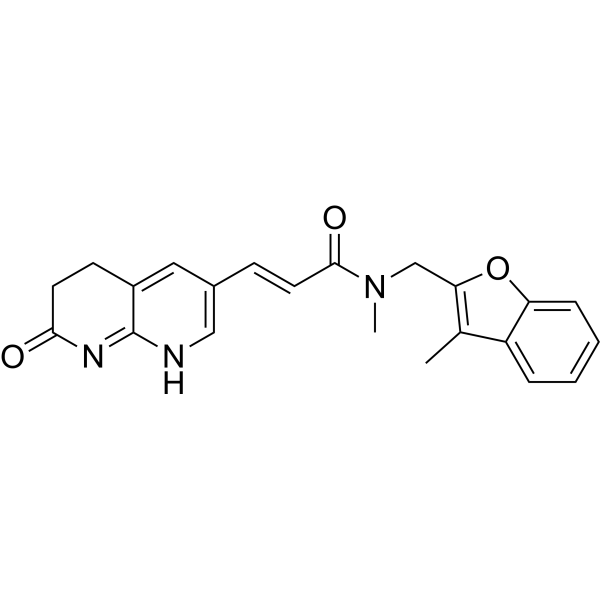
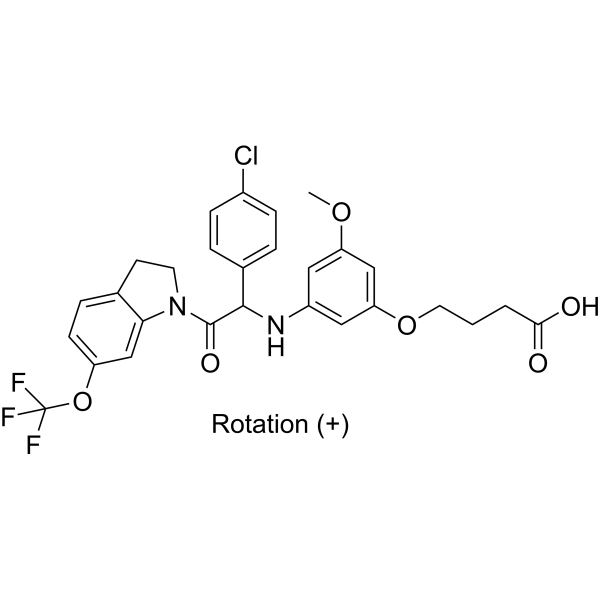
(+)-JNJ-A07 is a highly potent, orally active pan-serotype dengue virus inhibitor targeting the NS3-NS4B interaction. (+)-JNJ-A07 exerts nanomolar to picomolar activity against a panel of 21 clinical isolates. (+)-JNJ-A07 has a favourable pharmacokinetic profile that results in outstanding efficacy against dengue virus infection in mouse infection models .
|
-
-
- HY-B1864B
-
|
Ksg hydrochloride hydrate
|
Antibiotic
Bacterial
|
Infection
|
|
Kasugamycin (Ksg) hydrochloride hydrate is an antibiotic that binds to 30s and 70s ribosomes but not to the 50s subunit, and has anti-infective activity. Kasugamycin hydrochloride hydrate mimics mRNA nucleotides, disrupts tRNA binding and inhibits canonical translation initiation. Kasugamycin hydrochloride hydrate increases the sensitivity of mycobacteria to Rifampicin (HY-B0272) in vitro and in mouse infection models .
|
-
-
- HY-19487
-
|
|
Bacterial
|
Infection
|
|
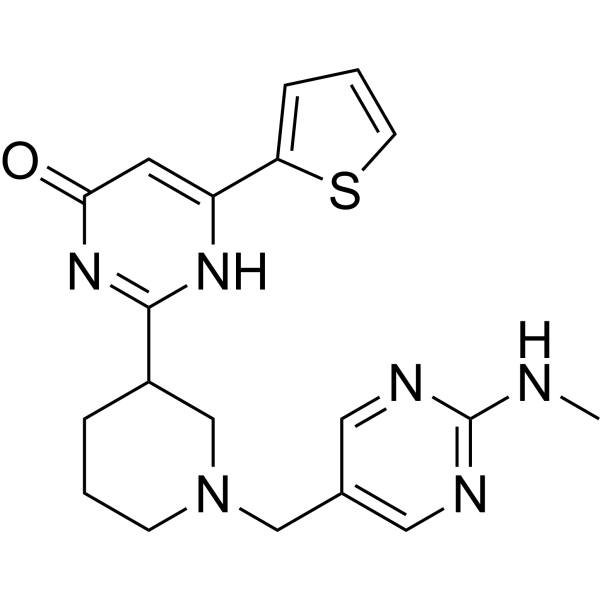
Ribocil is a selective inhibitor targeting the bacterial FMN riboswitch, regulating the bacterial riboflavin riboswitch. Ribocil competitively binds to the FMN binding site, mimicking the natural ligand FMN to induce conformational changes in the riboswitch, inhibiting ribB gene expression, reducing riboflavin synthesis, and thus inhibiting bacterial growth. Ribocil strongly inhibits GFP expression (EC50=0.3 μM). Ribocil exhibits in vivo antibacterial activity in a mouse model and can be used to study antibacterial drugs related to drug-resistant bacterial infections and bacterial riboflavin metabolic pathways[1][2].
|
-
-
- HY-B1824
-
|
HR-810 sulfate
|
Bacterial
Antibiotic
|
Infection
|
|
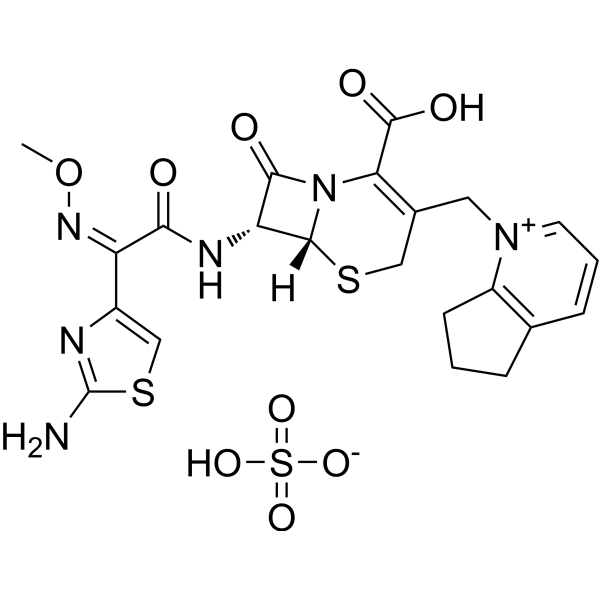
Cefpirome (HR-810) sulfate is a cephalosporin antibiotic that can cross cell membranes and the blood-brain barrier. Cefpirome sulfate binds to penicillin-binding proteins with high affinity, thereby inhibiting bacterial cell wall synthesis. Cefpirome sulfate exhibits bactericidal and growth-inhibitory activities against Gram-negative bacteria, Gram-positive bacteria, and susceptible anaerobic bacteria (including some β-lactamase-producing strains) .
|
-
-
- HY-157536
-
|
|
Bacterial
|
Infection
Inflammation/Immunology
|
|
SMT-738 is a bacterial bactericide. SMT-738 targets the small molecules responsible for lipoprotein transport in Enterobacteriaceae, causing abnormal lipoprotein localization and bacterial cell death. SMT-738 inhibits the growth of E. coli and K. pneumoniae. SMT-738 reduces bacterial loads in mouse models of urinary tract infection, bloodstream infection, and pulmonary infection caused by Enterobacterales. SMT-738 can be used in the research of Enterobacteriaceae infections, urinary tract infections, bloodstream infections, and pneumonia .
|
-
-
- HY-139398
-
TBI-223
1 Publications Verification
|
Antibiotic
Bacterial
|
Infection
|
|
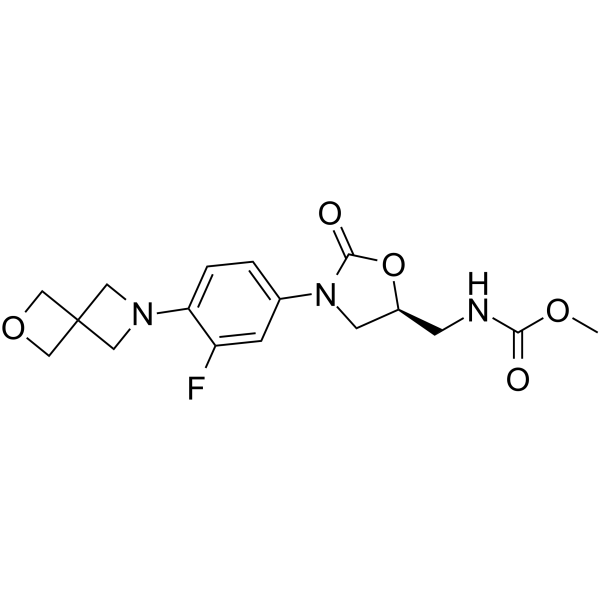
TBI-223 is an orally active oxazolidinone antibiotic and an antimicrobial. TBI-223 shows activity against Mycobacterium tuberculosis (Mtb). TBI-223 exhibits an IC50 of 68 μg/mL for inhibiting mitochondrial protein synthesis (MPS) in HepG2 cells. TBI-223 is effective in three mouse models (bloodstream infection, skin infection, and bone infection) of methicillin-resistant staphylococcus aureus infection. TBI-223 can be used for the study of tuberculosis .
|
-
-
- HY-142221
-
|
|
PD-1/PD-L1
|
Cancer
|
|
ARB-272572 is an oral effective small molecule PD-L1 inhibitor, with an IC50 value of 400 pM. ARB-272572 has research significance in tumors and chronic viral infections .
|
-
-
- HY-N0469R
-
|
|
Reference Standards
Endogenous Metabolite
Virus Protease
HSV
|
Infection
Metabolic Disease
Inflammation/Immunology
|
L-Lysine (Standard) is the analytical standard of L-Lysine. This product is intended for research and analytical applications. L-lysine is an essential amino acid for humans with orally activity. L-lysine can inhibit the occurrence of HSV infections and is used in herpes research. L-lysine increases calcium absorption, reduces diabetes-related diseases, improves gut health, and alleviates pancreatic inflammation. L-lysine can be used in research on metabolism, infection, and inflammation .
IC50 & Target:L-lysine (150 mg/kg) promotes, but not initiates, bladder cancer. The administration of L-lysine to rats submitted to colovesical cystoplasty accelerates the development of transitional metaplasia of the intestinal epithelium .
L-lysine (10 mg/kg) treatment attenuates pancreatic tissue injury induced by L-arginine by inhibiting the release of the inflammatory cytokine IL-6 and enhance antioxidant activity .
In Vivo:L-lysine (10?mg/kg, p.o., pre-treated or post-treated, administration duration 15 days) treatment attenuates pancreatic tissue injury induced by L-arginine by inhibiting the release of the inflammatory cytokine IL-6 and enhance antioxidant activity in acute pancreatitis mice model .
L-lysine (5 or 10?mg/kg, p.o., 45 days) ameliorates sepsis-induced acute lung injury in a lipopolysaccharide (HY-D1056)-induced mouse model .
|
-
-
- HY-167935
-
|
|
Bacterial
|
Metabolic Disease
Inflammation/Immunology
|
|
LCC-12 formic is a dimer of metformin that targets mitochondrial copper(II), leading to a decrease in the NAD(H) pool and modulation of inflammatory responses. LCC-12 formic reduces inflammation in mouse models of bacterial and viral infections. LCC-12 formic also serves as a tool for investigating metabolic diseases through its effects on cell plasticity and epigenetic programming.
|
-
-
- HY-134090
-
|
Antibiotic TS 885; NSC 248958
|
Bacterial
VSV
|
Infection
|
|
9-Methylstreptimidone is a microbial metabolite originally isolated from Streptomyces sp. S-885 that has antifungal and antiviral activities. It is active against several fungi, including S. sake, S. fragilis, R. rubra, T. rubra, and C. albidus (MICs=4-20 μg/mL) and has antiviral activity against poliovirus, vesicular stomatitis virus (VSV), and Newcastle disease virus (NDV) in vitro (MIC=0.02 μg/mL for all). 9-Methylstreptimidone increases survival in mouse models of infection with influenza A2 (H2N2) or C. albicans when administered prior to infection.
|
-
-
- HY-P10913
-
|
|
Bacterial
|
Infection
|
|
HYNIC-UBI29-41 is composed of a bifunctional chelator HYNIC and an antimicrobial peptide UBI 29-41 (HY-P10364) (HY-P10364). HYNIC-UBI29-41 retains the antibacterial properties of UBI 29-41, and exhibits good affinity to Gram-positive and Gram-negative bacteria. HYNIC-UBI29-41 can be used as an imaging agent for bacterial infection detection in mouse models, when labeled with the radioactive element technetium (99mTc) .
|
-
-
- HY-17035R
-
|
|
Reference Standards
Parasite
Antibiotic
Bacterial
|
Infection
|
|
Doramectin (Standard) is the analytical standard of Doramectin. This product is intended for research and analytical applications. Doramectin is a derivative of Ivermectin (HY-15310). Doramectin is a potent antiparasitic antibiotic. Doramectin is an active compound against S.mansoni in an NMRI mouse infection model .
|
-
-
- HY-177332
-
|
|
TAM Receptor
SARS-CoV
Akt
|
Infection
Cancer
|
|
SLC-391 is an orally active AXL kinase inhibitor with an IC50 of 9.6 nM against AXL kinase. SLC-391 inhibits Gas6-induced AXL-dependent phosphorylation of Akt. SLC-391 inhibits SARS-CoV-2 infection, entry and replication in cells. SLC-391 suppresses cancer cell proliferation. SLC-391 inhibits tumor growth in mouse solid tumor xenograft models. SLC-391 can be used for the research of COVID-19, influenza virus infection, triple-negative breast cancer, chronic myeloid leukemia and non-small cell lung cancer .
|
-
-
- HY-115574
-
|
|
RSV
|
Infection
|
|
RSV L-protein-IN-1 (compound D) is a potent inhibitor of Respiratory syncytial virus (RSV) (EC50=0.021 μM). RSV L-protein-IN-1 inhibits Polymerase (IC50=0.089 μM),and blocks RSV mRNA synthesis by inhibiting guanylation of viral transcripts. RSV L-protein-IN-1 shows moderate cytotoxicity (CC50=8.4 μM,HEp-2),also exhibits activity and lowers virus titers in mouse models of RSV infection .
|
-
-
- HY-121663
-
|
|
Dengue Virus
|
Infection
|
|
ST-148 is a novel small molecule compound that has potent inhibitory effects against all four dengue virus serotypes. In the nonlethal AG129 mouse dengue virus infection model, ST-148 significantly reduced viremia and viral load in vital organs and tended to reduce plasma cytokine levels. Compound resistance was associated with the dengue virus capsid (C) gene, and the direct interaction of ST-148 with the C protein was presumed to be achieved through the protein's built-in fluorescence change in the presence of the compound. Therefore, ST-148 appears to interact with the dengue virus C protein and inhibit one or more unique steps of the viral replication cycle.
|
-
-
- HY-P3350
-
|
|
Bacterial
|
Infection
|
|
LS-BF1 is a stable and low toxic cationic antimicrobial peptide. LS-BF1 displays broad spectrum of antibacterial activity, including the challenging ESKAPE pathogens, by cell membrane disruptive mechanism. LS-BF1 shows good in vivo efficacy for elimination of bacteria in a mouse infection model[1].
|
-
-
- HY-125356
-
|
|
Beta-lactamase
|
Infection
|
|
ETX0282 is an orally active prodrug, with its active form being ETX1317. ETX0282 and ETX1317 are β-lactamase inhibitors of the dioxolane-dibenzo-p-heptane (DBO) type. ETX0282 exhibits high stability during intestinal absorption and can be efficiently converted into ETX1317 in the liver. ETX0282 alone has no bactericidal activity, but in a mouse model of neutropenic thigh infection, it can significantly reduce bacterial load when used in combination with Cefpodoxime Proxetil (HY-N7101). ETX0282 can be used for the study of infections caused by drug-resistant Gram-negative bacteria .
|
-
-
- HY-178690
-
|
|
MyD88
IFNAR
|
Infection
Inflammation/Immunology
|
|
MyD88-IN-4 is a MyD88 inhibitor. MyD88-IN-4 exerts antiviral effects by up-regulating IFN-β, and anti-inflammatory effects by inhibiting pro-inflammatory cytokine production. MyD88-IN-4 prevents MyD88 homodimer formation and its interaction with IRF3/IRF7. MyD88-IN-4 demonstrates efficacy against encephalitic alphavirus infections by reducing viral replication and improving survival in VEEV TC-83-infected mouse models. MyD88-IN-4 can be used for the study of alphavirus infections, bacterial toxin-related diseases, and sepsis .
|
-
-
- HY-155732
-
|
|
Parasite
|
Infection
|
|
NPD-2975 (compound 30) is an orally active antitrypanosomal agent, against Human African Trypanosomiasis (HAT). NPD-2975 has low toxicity potential against human MRC-5 lung fibroblasts, and acute mouse model of T. b. brucei infection. NPD-2975 shows acceptable metabolic stability, inhibits T. b. brucei with IC500 of 70 nM in vitro. NPD-2975 also inhibits CYP enzymes resulted in IC50 values of 0.16 and 0.42 μM against CYP1A2 and CYP2C19, respectively .
|
-
-
- HY-172349
-
|
|
Bacterial
|
Infection
|
|
JNJ-2901 is an inhibitor of M. tuberculosis cytochrome bc1:aa3. JNJ-2901 reduces bacterial load in the acute/chronic mouse infection models of M. tuberculosis H37Rv-ΔcydAB. JNJ-2901 can be used in tuberculosis (TB) research .
|
-
-
- HY-117951
-
|
|
Beta-lactamase
|
Infection
|
|
ANT431 is a metallo-β-lactamase inhibitor that also restores the effectiveness of Meropenem (HY-13678) in a mouse thigh Escherichia coli infection model .
|
-
-
- HY-162144
-
|
|
Bacterial
|
Infection
|
|
BDM91288 is an orally active AcrB efflux pump inhibitor of pyridinium piperazine. BDM91288 can enhance the in vivo efficacy of levofloxacin (HY-B0330) in the treatment of Klebsiella pneumoniae pulmonary infection in mouse models .
|
-
-
- HY-118338
-
|
|
Parasite
|
Infection
|
|
WRR-483 is an analog of K11777, an inhibitor of cruzain, used to inhibit the proliferation of Trypanosoma cruzi in cell culture. WRR-483 can eradicate parasitic infection in an acute Chagas disease mouse model. WRR-483 is an irreversible cysteine protease inhibitor that shows pH-dependent high affinity and potent trypanocidal activity against cruzain and T. cruzi infection, and is expected to inhibit Chagas disease.
|
-
-
- HY-129991
-
|
|
CCR
|
Inflammation/Immunology
|
|
JNJ-17166864 is a highly selective CCR2 antagonist. JNJ-17166864 has low oral bioavailability. JNJ-17166864 can significantly reduce the area of alveolar bone loss in a mouse model of periodontitis induced by Porphyromonas gingivalis infection. JNJ-17166864 can be used in the research of inflammatory diseases such as allergic rhinitis and periodontitis .
|
-
-
- HY-172264
-
|
|
Antibiotic
Bacterial
DNA/RNA Synthesis
|
Infection
|
|
XT17 is an anthrone compound with broad-spectrum antibacterial activity. It exerts its antibacterial effect by disrupting the cell wall and inhibiting DNA synthesis. XT17 exhibits weak hemolytic activity, low cytotoxicity against mammalian cell lines, and a low frequency of drug resistance. Meanwhile, XT17 shows in vivo efficacy in a mouse corneal infection model induced by Staphylococcus aureus or Pseudomonas aeruginosa. Further docking studies have confirmed that XT17 can form a stable complex with bacterial gyrase. XT17 can be used in the research of the anti - infection field .
|
-
-
- HY-P10913A
-
|
|
Bacterial
|
Infection
|
|
HYNIC-UBI29-41 TFA is composed of a bifunctional chelator HYNIC and an antimicrobial peptide UBI 29-41 (HY-P10364). HYNIC-UBI29-41 TFA retains the antibacterial properties of UBI 29-41, and exhibits good affinity to Gram-positive and Gram-negative bacteria. HYNIC-UBI29-41 TFA can be used as an imaging agent for bacterial infection detection in mouse models, when labeled with the radioactive element technetium (99mTc) .
|
-
-
- HY-175165
-
|
|
Enterovirus
|
Infection
|
|
Jun6504 is an enterovirus 2C inhibitor. Jun6504 shows potent and broad-spectrum antiviral activity against multiple strains of EV-D68 (EC50 = 250 nM), EV-A71 (EC50 = 502.4 nM), and CVB3 (EC50 = 1049 nM). Jun6504 improves paralysis score and weight gain in a neonatal mouse model of EV-D68 infection. Jun6504 reduces viral titers in the spinal cord and the infected quadriceps muscle. Jun6504 can be used for EV-D68 antiviral research .
|
-
-
- HY-172350
-
|
|
SARS-CoV
Virus Protease
Interleukin Related
|
Infection
|
|
WEHI-P8 is an orally active SARS-CoV-2 papain-like protease (PLpro) inhibitor with an IC50 of 12 nM and a Kd of 9.0 nM. WEHI-P8 reduces viral load, body weight loss, pulmonary inflammation, immune cell infiltration and pro-inflammatory mediator levels in SARS-CoV-2-infected mice. WEHI-P8 prevents pulmonary hemorrhage, immune cell infiltration, fibrotic remodeling and neuroinflammation, and improves cognitive function in a mouse model of post-acute sequelae of SARS-CoV-2 infection (PASC). WEHI-P8 is applicable for the research of COVID-19 and PASC .
|
-
-
- HY-173148
-
|
|
SARS-CoV
|
Infection
|
|
TKB272 is an orally active and selective antiviral agent targeting the main protease (Mpro) of SARS-CoV-2. It effectively blocks the infection and replication of various SARS-CoV-2 strains, including Omicron variants such as XBB.1.5 and EG.5.1. The enzymatic inhibitory activity of TKB272 shows an IC50 of 0.7 µM (against SARS-CoV-2WK-521 Mpro), and its antiviral activity at the cellular level reaches an EC50 as low as 2.6 nM (against BQ.1.1 strain in HeLahACE2-TMPRSS2 cells), with a cytotoxicity CC50 of 98 µM, indicating no apparent toxicity. In addition, TKB272 significantly suppresses the replication of SARS-CoV-2XBB.1.5 in B6.Cg-Tg(K18-hACE2)2-Prlmn/J transgenic mouse models. TKB272 holds promise for research in the field of SARS-CoV-2 infection .
|
-
-
- HY-178952
-
|
|
Bacterial
|
Infection
|
|
Anti-infective agent 12 (Compound A09) is a competitive inhibitor of type I signal peptidease (SPase I), with an IC50 of 4.475 μM and a Kd of 16.3 μM. Anti-infective agent 12 has the ability to disrupt bacterial membranes and remove biofilms. Anti-infective agent 12 exhibits potent bactericidal activity against Gram-positive bacteria, with MIC values of 4, 4, 8, and 8 μg/mL for Staphylococcus aureus, Enterococcus faecalis, Enterococcus faecium, and Streptococcus suis, respectively. Anti-infective agent 12 remains effective against multi-drug resistant strains, but has weaker activity against Gram-negative bacteria (such as Escherichia coli and Salmonella), with MIC values > 64 μg/mL. Anti-infective agent 12 has low hemolytic activity and shows significant efficacy in mouse skin infection models .
|
-
-
- HY-156122
-
|
|
Dihydrofolate reductase (DHFR)
Bacterial
|
Infection
|
|
DHFR-IN-8 (compound 6r) is a dihydrofolate reductase (DHFR) inhibitor that affects purine and thymidylate biosynthesis in cell proliferation and growth. DHFR-IN-8 inhibits methicillin-resistant Staphylococcus aureus (MRSA) ATCC 43300 (IC50=15.6 ng/mL) in mouse models of systemic infection and thigh infection .
|
-
-
- HY-156123
-
|
|
Dihydrofolate reductase (DHFR)
Bacterial
|
Infection
Cancer
|
|
DHFR-IN-9 (compound 8A) is a dihydrofolate reductase (DHFR) inhibitor that affects purine and thymidylate biosynthesis in cell proliferation and growth. DHFR-IN-9 inhibits methicillin-resistant Staphylococcus aureus (MRSA) ATCC 43300 (IC50=0.25 μg/mL) and has anti-infective effects in mouse models of systemic infection and thigh infection caused by it (dose: 2.5 mg /kg, 5 mg/kg; ip). DHFR-IN-9 has stronger anticancer activity than paclitaxel (Y-B0015) in a mouse model of breast cancer (dose: 2.5 mg/kg; ip; once every 3 days) .
|
-
-
- HY-162818
-
|
|
Bacterial
Reactive Oxygen Species (ROS)
|
Infection
|
|
Antibacterial agent 237 (compound Ru-8) is a bacteriostatic agent for Staphylococcus aureus, with MIC of 0.78-1.56 μg/mL. Antibacterial agent 237 destroys bacterial cell membranes, changes their permeability, and induces bacteria to produce Reactive Oxygen Species, leading to bacterial death without causing drug resistance. Antibacterial agent 237 has low hemolytic toxicity to rabbit red blood cells and Raw 264.7 cells, and has significant antibacterial effects against Staphylococcus aureus in mouse skin wound infection models and Bacillus major larvae infection models .
|
-
-
- HY-176793
-
|
|
JAK
|
Infection
Inflammation/Immunology
Cancer
|
|
JAK1-IN-18 (Example 2) is a selective JAK1 inhibitor with an IC50 of 0.15 nM for JAK1 over JAK2 and JAK3. JAK1-IN-18 significantly reduces inflammation in DSS (HY-116282C)-induced ulcerative colitis (UC) mouse models and DNBS(HY-W324435)-induced Crohn's disease (CD) rat models. JAK1-IN-18 can be used for autoimmune diseases (such as inflammatory bowel disease), viral infections (such as HBV infection) and cancers (such as blood cancer) research .
|
-
-
- HY-173270
-
|
|
Bacterial
|
Infection
|
|
Antibacterial synergist 3 is a dual-acting inhibitor of biofilm (IC50 of PAO1: 0.40 μM and IC50 of PA14: 1.45 μM). Antibacterial synergist 3 reduces virulence production by inhibiting the quorum sensing (QS) system and induces iron deficiency in P. aeruginosa PAO1. Antibacterial synergist 3 enhances the efficacy of Tobramycin (HY-B0441) and Ciprofloxacin (HY-B0356) in a mouse wound infection model. Antibacterial synergist 3 can be used for the research of P. aeruginosa infections .
|
-
-
- HY-163984
-
|
|
Bacterial
|
Infection
|
|
Antibacterial agent 240 (compound 62-7c) is an antibacterial agent that can target multidrug-resistant (MDR) MRSA strains. Antibacterial agent 240 showed high biosafety and potent anti-infection activity in mouse pneumonia and mouse wound models of MRSA infection .
|
-
-
- HY-169102
-
|
|
CHIKV
Virus Protease
|
Infection
|
|
CHIKV nsP2 protease-IN-1(compound J13) is an oral active non-structural protein 2 protease inhibitor with the EC50 of 0.39 μM aganist of CHIKV S27. CHIKV nsP2 protease-IN-1 can be used for study of Chikungunya virus .
|
-
-
- HY-161065
-
|
|
Bacterial
|
Infection
|
|
HKI12134085 (compound 3) is an orally available antibacterial nitrobenzothiazinone (BTZ) derivative with activity against Mycobacterium tuberculosis. HKI12134085 has in vivo inhibitory potency in a BALB/c mouse model of Mycobacterium tuberculosis infection .
|
-
-
- HY-163069
-
|
|
Bacterial
|
Infection
|
|
Antitubercular agent-43 (compound A11) is an orally active and potent antitubercular agent. Antitubercular agent-43 shows highly metabolic stability against human and mouse cytochrome P450 enzymes. Antitubercular agent-43 exhibits bactericidal efficacy in acute TB infection mouse model .
|
-
-
- HY-168045
-
|
|
HBV
DNA/RNA Synthesis
|
Infection
|
HBV-IN-48 is an HBV inhibitor. HBV-IN-48 has antiviral activity against HBV in HepDE19 cells, with an EC50 value of 0.005 μM. HBV-IN-48 can reduce serum HBV DNA levels in mouse models of HBV infection .
|
-
-
- HY-120777
-
|
|
Bacterial
|
Others
|
|
GSK729 is a THPP inhibitor with the activity of inhibiting EchA6 and inhibiting Mycobacterium tuberculosis. GSK729 can selectively pull down EchA6 in a stereospecific manner, inhibit its activity, inhibit fatty acid synthesis of Mycobacterium tuberculosis, and has a bactericidal effect in a mouse chronic tuberculosis infection model.
|
-
-
- HY-106422
-
|
EP-013420; S-013420
|
Bacterial
|
Infection
Inflammation/Immunology
|
|
EDP-420 (EP-013420; S-013420) is an orally active antibacterial agent. EDP-420 inhibits the Mycobacterium avium complex (MAC) in macrophages. EDP-420 reduces bacterial counts in a mouse model of macrolide infection. EDP-420 inhibits pneumococcal activity in a rabbit model of meningitis. EDP-420 can be used in research on inflammatory infectious diseases such as meningitis .
|
-
- HY-175723
-
|
|
Bacterial
Monoamine Oxidase
|
Infection
|
|
MAO-A/B-IN-4 is an orally active MAO-A/B inhibitor, with IC50 values of 51.3 μM and 47.0 μM, respectively. MAO-A/B-IN-4 exhibits potent activity against S. aureus, MSSA, MRSA, LRSA, and LREFa. MAO-A/B-IN-4 demonstrates potent antibacterial efficacy in a mouse model of LRSA peritonitis infection. MAO-A/B-IN-4 can be used for the study of bacterial infections .
|
-
- HY-175254
-
|
|
Bacterial
|
Infection
|
|
Antibiofilm agent-17 is a dual-action biofilm inhibitor against Pseudomonas aeruginosa (IC50 = 0.33 μM). Antibiofilm agent-17 inhibits biofilm growth by reducing quorum sensing-mediated virulence production and iron ion acquisition. Antibiofilm agent-17 exhibits synergistic antimicrobial effects in a mouse wound infection model. Antibiofilm agent-17 can be used in research on combating Pseudomonas aeruginosa infections .
|
-
- HY-173312
-
|
|
Parasite
|
Infection
|
|
Antimalarial agent 49 is an orally active antimalarial compound. Antimalarial agent 49 inhibits growth of Pf3D7 and PfK1 strains (IC50: 0.84 μM and 0.4 μM respectively). Antimalarial agent 49 has antimalarial activity and inhibits the development of P. berghei liver stages. Antimalarial agent 49 can be used in the study of Plasmodium infection .
|
-
- HY-B1864C
-
|
Ksg sulfate
|
Antibiotic
Bacterial
|
Infection
|
|
Kasugamycin (Ksg) hydrochloride hydrate is an antibiotic that binds to 30s and 70s ribosomes but not to the 50s subunit, and has anti-infective activity. Kasugamycin hydrochloride hydrate mimics mRNA nucleotides, disrupts tRNA binding and inhibits canonical translation initiation. Kasugamycin hydrochloride hydrate increases the sensitivity of mycobacteria to Rifampicin (HY-B0272) in vitro and in mouse infection models .
|
-
- HY-172953
-
|
|
Parasite
|
Infection
|
|
Insecticidal agent 24 is an orally active pyridylspiroindoline frontrunner. Insecticidal agent 24 has antiplasmodial activity (Pf NF54 IC50: 0.08 μM). Insecticidal agent 24 inhibits hERG activity (IC50: 6.5 μM). Insecticidal agent 24 reduces parasitemia in a humanized immunodeficient NSG mouse Plasmodium falciparum infection model .
|
-
- HY-19925
-
|
|
HIV
|
Infection
|
|
AIC-292 is a potent and selective inhibitor of HIV-1 nonnucleoside reverse transcriptase. AIC-292 inhibits wild-type HIV-1 laboratory strains at low nanomolar concentrations. AIC-292 displays potent antiviral in vivo efficacy in a mouse xenograft model. AIC-292 has the potential for the research of HIV-1 infection .
|
-
- HY-168998
-
|
|
Fungal
Casein Kinase
|
Infection
|
|
Yck2-IN-1 (Compound 2a) is an inhibitor of the fungal Candida albicans Yck2 kinase. It exhibits an IC50 of approximately 80 nM against Yck2 and a MIC80 of 12.5 µM against C. albicans, with good metabolic stability (66% remaining in mouse liver microsomes). In a mouse model of drug-resistant candidiasis, Yck2-IN-1 significantly reduced fungal burden in the kidneys. Yck2-IN-1 holds promise for research in the field of antifungal infection .
|
-
- HY-121365
-
|
|
Bacterial
|
Infection
|
|
Forphenicinol is an immunomodulator and a derivative of the bacterial metabolite forphenicine. It increases the phagocytosis of yeast by peritoneal macrophages isolated from thioglycolate-stimulated mice. Forphenicinol (100 μg/animal) prevents cyclophosphamide-induced suppression of delayed-type hypersensitivity (DTH), as well as enhances DTH in response to the hapten oxazolone or sheep red blood cells in mice. It enhances the bactericidal activity of macrophages against P. aeruginosa in mice when administered at a dose of 0.5 mg/kg.2 Forphenicinol (15.6-1,000 μg/animal) increases survival in a mouse model of P. aeruginosa infection. It also inhibits tumor growth in S180 sarcoma and IMC carcinoma mouse xenograft models when administered at doses ranging from 0.05 to 5 mg/kg per day.
|
-
- HY-165603
-
|
|
Liposome
VEGFR
FGFR
|
Cardiovascular Disease
Inflammation/Immunology
Cancer
|
|
Si5-N14 is a key component of siloxane-incorporated lipid nanoparticles (SiLNP), possessing pro-vascular repair and anti-tumor activities. In the transgenic GFP mouse model, Si5-N14 can mediate CRISPR-Cas9 editing. In the Lewis lung carcinoma (LLC) tumor-bearing mouse model, Si5-N14 can knock out the expression of Vascular Endothelial Growth Factor Receptor 2 (VEGFR2) to exert an anti-tumor effect. In a mouse model of lung injury induced by viral infection, the delivery of Fibroblast Growth Factor-2 (FGF-2) mRNA via Si5-N14 can promote vascular repair, increase blood oxygen levels, and improve lung function. Si5-N14 shows promise for research in the fields of oncology, pneumonia, and cardiovascular diseases .
|
-
- HY-W025784R
-
|
Sodium tetraphenylborate (Standard); Tetraphenylboron sodium (Standard)
|
Reference Standards
Bacterial
|
Infection
|
|
(Sodium tetraphenylborate; Tetraphenylboron sodium) (Standard) is the analytical standard of Kalibor (HY-W025784). This product is intended for research and analytical applications. Kalibor is a boron-based salt and antibacterial agent. Kalibor exerts activity against Neisseria meningitidis and Neisseria gonorrhoeae. Kalibor facilitates boron uptake by Neisseria meningitidis cells. Kalibor reduces bacterial burden in a mouse model of Neisseria meningitidis bacteremia. Kalibor can be used for the research of bacterial infection, such as meningococcal bacteremia .
|
-
- HY-N14354
-
|
|
Antibiotic
Bacterial
|
Infection
|
|
Ferrocin B is an iron-containing cyclic decapeptide antibiotic found in the bacterium Pseudomonas fluorescens YK-310, exhibiting strong antibacterial activity primarily against Gram-negative bacteria, with particularly potent inhibitory effects on Pseudomonas aeruginosa. In a mouse infection model, Ferrocin B shows a half effective dose (ED50) of 0.593 mg/kg against P. aeruginosa. Ferrocin B holds potential for research in the field of anti-infective therapies .
|
-
- HY-162680
-
|
|
Influenza Virus
|
Infection
|
|
OSC-GCDI(P) is a broad-spectrum orally active anti-influenza virus agent that exhibits significant inhibitory effects against both wild-type and Oseltamivir (HY-13317) resistant (H275Y) influenza virus strains in mouse infection models. OSC-GCDI(P) is capable of preventing not only wild-type influenza viruses but also OS-resistant variants with NA(H275Y) .
|
-
- HY-B1864AR
-
|
Ksg hydrochloride (Standard)
|
Reference Standards
Antibiotic
Bacterial
|
Infection
|
|
Kasugamycin (Ksg) hydrochloride (Standard) is the analytical standard of Kasugamycin hydrochloride (HY-B1864A). This product is intended for research and analytical applications. Kasugamycin (Ksg) hydrochloride hydrate is an antibiotic that binds to 30s and 70s ribosomes but not to the 50s subunit, and has anti-infective activity. Kasugamycin hydrochloride hydrate mimics mRNA nucleotides, disrupts tRNA binding and inhibits canonical translation initiation. Kasugamycin hydrochloride hydrate increases the sensitivity of mycobacteria to Rifampicin (HY-B0272) in vitro and in mouse infection models .
|
-
- HY-124623
-
|
|
Parasite
|
Infection
|
|
DNDI-8219 (compound 58) is a potent selective and orally active trypanocidal agent, possessing inhibitory activity against Trypanosoma cruzi (T. cruzi) with an IC50 of 0.4 μM. DNDI-8219 has low cytotoxicity (L6 cells IC50 > 100 μM). DNDI-8219 can effectively cure chronic T. cruzi infection and markedly reduce parasite burdens in mouse model. DNDI-8219 has good solubility, metabolic stability and safety.
|
-
- HY-B1864BR
-
|
Ksg hydrochloride hydrate (Standard)
|
Reference Standards
Antibiotic
Bacterial
|
Infection
|
|
Kasugamycin (Ksg) hydrochloride hydrate (Standard) is the analytical standard of Kasugamycin hydrochloride hydrate (HY-B1864B). This product is intended for research and analytical applications. Kasugamycin (Ksg) hydrochloride hydrate is an antibiotic that binds to 30s and 70s ribosomes but not to the 50s subunit, and has anti-infective activity. Kasugamycin hydrochloride hydrate mimics mRNA nucleotides, disrupts tRNA binding and inhibits canonical translation initiation. Kasugamycin hydrochloride hydrate increases the sensitivity of mycobacteria to Rifampicin (HY-B0272) in vitro and in mouse infection models .
|
-
- HY-114622
-
|
API-1252 tosylate; Debio 1452 tosylate
|
Bacterial
Antibiotic
|
Infection
|
|
AFN-1252 (API-1252) tosylate is an orally active and selective inhibitor of FabI, an essential enzyme in fatty acid biosynthesis in Staphylococcus spp. AFN-1252 tosylate exhibits exquisite and highly selective activity against Staphylococcus spp. AFN-1252 tosylate exhibits typical MIC90 values of 0.015 μg/ml against diverse clinical isolates of S. aureus. AFN-1252 tosylate is efficacious in a mouse model of septicemia providing 100% protection from an otherwise lethal peritoneal infection of S. aureus Smith .
|
-
- HY-163765
-
|
|
PI4K
Potassium Channel
|
Infection
|
|
Antimalarial agent 41 (Compound 17) exhibits antimalarial activity, which inhibits Plasmodium falciparum with an IC50 of 40 nM (NF54 strain) and 76 nM (K1 strain). Antimalarial agent 41 is an inhibitor for P. falciparum phosphatidylinositol-4-kinase β (Pf PI4K) and hERG channel, with an IC50 of 53 nM and 3 μM. Antimalarial agent 41 exhibits cytotoxicity to CHO cells with an IC50 of 34 μM. Antimalarial agent 41 ameliorates the malaria infection and exhibits good pharmacokinetic characters in mouse models .
|
-
- HY-154968
-
|
|
RSV
|
Infection
|
|
RSV L-protein-IN-5 (compound E) is a potent inhibitor of Respiratory syncytial virus (RSV) (EC50=0.1 μM). RSV L-protein-IN-5 inhibits Polymerase (IC50=0.66 μM),and blocks RSV mRNA synthesis by inhibiting guanylation of viral transcripts. RSV L-protein-IN-5 shows moderate cytotoxicity (CC50=10.7 μM,HEp-2),also exhibits activity and lowers virus titers in mouse models of RSV infection .
|
-
- HY-155731
-
|
|
Influenza Virus
|
Infection
|
|
Antiviral agent 35 (compound 4d) is an orally active and potent influenza virus inhibitor, acting function in the early stage of virus replication. Antiviral agent 35 inhibits ROS accumulation, autophagy and apoptosis induced by influenza virus, and also inhibits inflammatory response mediated by RIG-1 pathway in mouse model with pulmonary infection. Antiviral agent 35 shows little cytotoxicity with CC50 >800 μM in MDCK cells, and anti-H1N1 (A/Weiss/43) activity with EC50 of 2.28 μM .
|
-
- HY-113718
-
|
|
Bacterial
Topoisomerase
DNA/RNA Synthesis
|
Infection
|
|
DS21412020 is a fluoroquinolone antibacterial agent. DS21412020 inhibits bacterial DNA gyrase (GyrA) and topoisomerase IV, leading to DNA breaks. DS21412020 exhibits significant activity against Gram-positive bacteria such as Staphylococcus aureus (MIC = 0.006 μg/mL), Streptococcus pneumoniae (MIC = 0.05 μg/mL), and Methicillin (HY-121544)-resistant Staphylococcus aureus (MIC = 0.2 μg/mL), and Gram-negative bacteria such as Escherichia coli (MIC = 0.006 μg/mL) and Pseudomonas aeruginosa (MIC = 0.78 μg/mL). DS21412020 significantly reduces bacterial load in mouse pneumonia and MRSA infection models. DS21412020 can be used in the development of next-generation quinolone antibiotics .
|
-
- HY-168204
-
|
|
Bacterial
Fungal
|
Infection
|
|
3-Acetyl-28-N–(3–guanidinobutoxy)-oleanolic acid (compound J1) is a potent antimicrobial agent. 3-Acetyl-28-N–(3–guanidinobutoxy)-oleanolic acid shows anti-gram-positive bacteria and fungi activity. 3-Acetyl-28-N–(3–guanidinobutoxy)-oleanolic acid can be used as antibiotic adjuvants. 3-Acetyl-28-N–(3–guanidinobutoxy)-oleanolic disrupts the bacterial cell membrane, inserts into the DNA, and binds to DNA gyrase. 3-Acetyl-28-N–(3–guanidinobutoxy)-oleanolic reduces microbial count in a mouse MRSA skin infection model and accelerates wound healing .
|
-
- HY-D3192
-
|
|
Fluorescent Dye
Bacterial
Amyloid-β
|
Infection
|
|
CDy11 is a fluorescent probe and amyloid-binding dye (λex=590 nm; λem=612 nm), with a Ka of 29 μM for Pseudomonas aeruginosa Fap. CDy11 specifically recognizes amyloid fibrils in bacterial biofilms and exhibits significantly enhanced fluorescence upon binding to the target. CDy11 shows no staining effect on amyloid-deficient mutant strains, planktonic cells or protein monomers. CDy11 supports in vivo imaging of Pseudomonas aeruginosa biofilms in mouse implant and corneal infection models. CDy11 is widely used in studies of Staphylococcus aureus biofilm infections, dental caries, and Pseudomonas aeruginosa-associated implant and corneal infections .
|
-
- HY-D3195
-
|
|
Fluorescent Dye
Bacterial
|
Infection
|
|
CDr15 is a deep-red fluorescent probe (Ex=733 nm) that can selectively intercalate into and label bacterial extracellular DNA (eDNA). CDr15 exhibits extremely high specificity for biofilm imaging and cannot effectively bind to mammalian nuclear DNA. CDr15 enables real-time visualization of the microcolony structure and developmental process of three-dimensional *Pseudomonas aeruginosa* biofilms, and accurately localizes biofilm-forming regions of microorganisms in a mouse corneal infection model. With low background interference signals, CDr15 serves as an ideal diagnostic tool for research fields including bacterial biofilms and corneal infections .
|
-
- HY-186109
-
|
|
ClpP
Bacterial
|
Infection
Inflammation/Immunology
|
|
ZY39 is a SaClpP agonist. ZY39 promotes the enzymatic hydrolysis of SaClpP and HsClpP in vitro. ZY39 inhibits the growth of Staphylococcus aureus strains. ZY39 reduces the load of Staphylococcus aureus in organs and ascites in mouse peritonitis models and zebrafish infection models, and improves the survival rate of model animals. ZY39 can be used in studies related to Staphylococcus aureus infection, such as peritonitis .
|
-
- HY-119555
-
|
|
Bacterial
|
Infection
|
|
Nifurpipone is an orally active broad-spectrum antimicrobial agent. Nifurpipone acts against Gram-positive and Gram-negative bacteria, and reduces bacterial loads in systemic, intramuscular and urinary tract infections in mouse models. Nifurpipone can be used in studies related to bacterial infections .
|
-
- HY-180318
-
|
|
SARS-CoV
|
Infection
|
|
MI-30 is an orally active SARS-CoV-2 3CLpro inhibitor (IC50 = 17.2 nM). MI-30 reduces viral load and lung lesions in a mouse model of SARS-CoV-2 infection. MI-30 may be used in coronavirus infection research .
|
-
- HY-182798
-
|
|
Bacterial
Reactive Oxygen Species (ROS)
|
Infection
|
|
Antibacterial agent 337 is an antibacterial agent. Antibacterial agent 337 specifically interacts with PG in bacterial cell membranes, triggering membrane disruption, membrane depolarization, increased permeability, cytoplasmic leakage, ROS accumulation and rapid bacterial death. Antibacterial agent 337 inhibits biofilm formation and disrupts mature biofilms. Antibacterial agent 337 exhibits potent in vivo antibacterial efficacy in a mouse model of Staphylococcus aureus skin abscess. Antibacterial agent 337 can be used in studies of Gram-positive bacterial infections, including methicillin-resistant Staphylococcus aureus infections, vancomycin-resistant Enterococcus faecalis infections and bacterial biofilm infections .
|
-
- HY-179405
-
|
|
Bacterial
|
Infection
|
|
Antibacterial agent 301 (compound 14c) is a pyridine-amide pleuromutilin derivative with broad-spectrum antibacterial and pronounced antimycoplasmal activity. Antibacterial agent 301 inhibits peptidyl transferase center (PTC), breaks down biofilms, and disrupts cell membranes in multidrug-resistant (MDR) bacteria. Antibacterial agent 301 exhibits activity in a systemic methicillin-resistant Staphylococcus aureus (MRSA) infection mouse model. Antibacterial agent 301 can be used for MDR bacterial infection research .
|
-
- HY-182056
-
|
|
Bacterial
|
Infection
|
|
Antibacterial agent 331 is an antibacterial agent with anti-biofilm activity. Antibacterial agent 331 exhibits activity against a variety of Gram-positive and Gram-negative bacteria. Antibacterial agent 331 eliminates MRSE 62 and promotes the repair of infected wounds in mouse models. Antibacterial agent 331 can be used for research on infections .
|
-
- HY-181033
-
|
|
Virus Protease
SARS-CoV
|
Infection
|
|
(M)-AVI-4773 is an orally active, blood-brain barrier permeable coronaviruses M Pro inhibitor with an IC50 of 2.5 nM aginst SARS-CoV-2 M Pro. (M)-AVI-4773 produces a rapid onset antiviral effect in mouse models of MERS-CoV and SARS-CoV-2 infection .
|
-
- HY-171215
-
|
|
Parasite
Aminoacyl-tRNA Synthetase
|
Infection
|
|
ML901 is an antimalarial agent with an IC50 value of 2 nM against the malaria parasite. ML901 specifically inhibits the tyrosine tRNA synthetase of the malaria parasite (PfYRS) through "receptor hijacking". ML901 exhibits full life-cycle killing activity in the malaria mouse model. ML901 can be used for studying malaria parasite infection .
|
-
- HY-W780694
-
|
|
Bacterial
Antibiotic
DNA/RNA Synthesis
Topoisomerase
|
Infection
|
|
PD 124816 is an orally active fluoroquinolone antibiotic. PD 124816 exerts broad-spectrum antibacterial effects by inhibiting DNA gyrase (topoisomerase IV), and it has no cross-resistance with commonly used antibiotics. PD 124816 is effective against both Gram-positive and Gram-negative bacteria (MIC₉₀ ≤ 0.06 μg/mL), and the MIC₉₀ for anaerobic bacteria (Peptostreptococcus fragi) is 1 μg/mL. PD 124816 exhibits complete bactericidal activity in a mouse model of Mycobacterium leprae infection. PD 124816 can be used for studying mixed infections and infections caused by drug-resistant bacteria .
|
-
- HY-182033
-
|
|
Bacterial
ClpP
|
Infection
|
|
ClpP agonist 1 is a Staphylococcus aureus ClpP (SaClpP) agonist with an EC50 of 1.44 μM, Kd values of 2.95 μM (isothermal titration calorimetry) and 18 μM (bio-layer interferometry), and a low drug resistance frequency. ClpP agonist 1 reduces bacterial load, shrinks infected area and improves histopathological outcomes in a mouse skin infection model. ClpP agonist 1 can be used for the research of Methicillin (HY-121544)-resistant Staphylococcus aureus (MRSA) skin infections .
|
-
- HY-182936
-
|
|
Bacterial
DNA/RNA Synthesis
|
Infection
|
|
Antibacterial agent 338 (Compound 65) is an antibacterial agent and GyrB inhibitor, with an IC50 of 12.60 nM against GyrB from E. coli. Antibacterial agent 338 binds to the ATP-binding domain of E. coli GyrB, thereby inhibiting the ATPase activity of GyrB. Antibacterial agent 338 exhibits broad-spectrum antibacterial activity against multidrug-resistant Gram-negative bacteria. Antibacterial agent 338 reduces bacterial load in a neutropenic mouse thigh infection model. Antibacterial agent 338 can be used for the research of Acinetobacter baumannii infection .
|
-
- HY-P11607
-
|
|
Bacterial
|
Infection
|
|
CyLip-10 is a microbial-derived cyclic-lipid antimicrobial peptide. CyLip-10 has broad-spectrum antimicrobial efficacy, low hemolytic activity, and excellent stability. CyLip-10 can disrupt membrane integrity, inhibit biofilm formation and induce membrane permeabilization and bacterial cell death. CyLip-10 reduces bacterial load, promotes wound healing, and alleviates inflammatory responses in a mouse Methicillin (HY-121544)-resistant Staphylococcus aureus skin wound infection model. CyLip-10 can be used for the bacterial infection .
|
-
- HY-113500A
-
|
HXA3
|
Lipoxygenase
|
Inflammation/Immunology
|
|
Hepoxilin A3 (HXA3) is a neutrophil chemo-attractant, synthesized by activating the PLA2-12-LOX pathway. Hepoxilin A3 can guide neutrophils to cross the epithelial barrier and migrate to the infection site (such as the alveolar cavity). The level of Hepoxilin A3 increases synchronously with neutrophil infiltration in mouse models. Hepoxilin A3 can be used to study inflammatory diseases (such as pneumonia, cystic fibrosis) .
|
-
- HY-179719
-
|
|
Bacterial
Drug Intermediate
|
Infection
|
|
Anti-MRSA agent 41 (Compound 3d) is a prodrug of Mupirocin (HY-B0958), being a cholesterol disulfide conjugate of Mupirocin. Anti-MRSA agent 41 shows no antibacterial activity or cytotoxicity in vitro. Anti-MRSA agent 41 demonstrates strong anti-MRSA infection efficacy in systemic bacteremia and pneumonia mouse models. Anti-MRSA agent 41 can be used in antibiotic resistance research .
|
-
- HY-182022
-
|
|
Bacterial
Reactive Oxygen Species (ROS)
Drug Derivative
DNA/RNA Synthesis
|
Infection
|
|
ZLWH-67 is a β-Carboline derivative and Antibacterial agent. ZLWH-67 inhibits DNA synthesis, suppresses biofilm formation, and increases reactive oxygen species (ROS) levels. ZLWH-67 exhibits potent in vitro antibacterial activity against MRSA (MIC = 0.5-4 μg/mL), S. epidermidis (MIC = 4 μg/mL), E. faecalis (MIC = 4-8 μg/mL), and S. pneumoniae (MIC = 16 μg/mL). ZLWH-67 displays anti-MRSA effects in murine skin and pneumonia infection models .
|
-
- HY-183313
-
|
|
Influenza Virus
Apoptosis
NF-κB
Interleukin Related
NO Synthase
Toll-like Receptor (TLR)
|
Infection
|
|
IAV-IN-5 is an orally active inhibitor of influenza A virus (IAV). IAV-IN-5 inhibits viral replication, blocks virus-induced apoptosis, oxidative stress and cytokine storm, and regulates host immune signaling pathways. IAV-IN-5 reduces viral load and inflammatory cytokine levels in lung tissues of IAV-infected mouse models, alleviates body weight loss and pulmonary pathological damage. IAV-IN-5 can be used in studies related to influenza A virus infection .
|
-
- HY-181146
-
|
TBD09
|
Bacterial
|
Infection
|
|
MK-7762 is an orally active xazolidinone compound with antitubercular activity. MK-7762 inhibits MAO-B and mammalian mitochondrial protein synthesis. MK-7762 reduces lung bacterial burden in BALB/c mouse models of acute and chronic tuberculosis infection, penetrates caseous necrotic lung lesions in C3HeB/FeJ mice, and maintains concentrations above unbound MIC in lesion compartments. MK-7762 can be used for the research of tuberculosis .
|
-
- HY-168729
-
|
|
Bacterial
|
Infection
|
|
Antibacterial agent 256 (Compound C09) is an inhibitor for type I signal peptidase (SPase I). Antibacterial agent 256 inhibits gram-positive bacteria, that inhibits S. aureus ATCC 29213, E. faecium QF31, E. faecalis SF23-1 and S. suis P1/7, with MIC of 1-16 μg/mL. Antibacterial agent 256 exhibits cytotoxicity in cancer cell HEp-2 and Caco-2 with CC50 of 14.65 μg/mL and 21.93 μg/mL. Antibacterial agent 256 exhibits a hemolytic activity on mouse RBCs, with an HC50 of 13.29 μg/mL. Antibacterial agent 256 ameliorates the MRSA skin infection in mouse model .
|
-
- HY-183592
-
|
|
Orthopoxvirus
Drug Derivative
|
Infection
|
|
Anti-virus agent 2 is an orally active and selective anti-orthopoxvirus (poxvirus) agent, with EC50 values of 6.1 μM and 47.1 μM against VTT-Fluc and MPXV clade IIb, respectively. Anti-virus agent 2 covalently binds to viral A17L protein and mRNA methyltransferase, blocks viral membrane fusion and intracellular biosynthesis, and acts on multiple stages of the viral replication cycle. Anti-virus agent 2 achieves viral inhibition in nude mouse models. Anti-virus agent 2 can be used for the research of orthopoxvirus infections such as monkeypox and smallpox .
|
-
- HY-183708
-
|
|
Arenavirus
|
Infection
|
|
Antiviral agent 85 is a broad-spectrum arenavirus entry inhibitor with an EC90 of 0.13 µM against Junín virus (JUNV). Antiviral agent 85 blocks the entry of various arenaviruses through both hTfR1-dependent and hTfR1-independent pathways, acting on the early and early post-entry stages of infection. Antiviral agent 85 exhibits antiviral activity against a variety of arenaviruses, is well tolerated in hTfR1-expressing JUNV-infected mouse models, but fails to provide protective effects. Antiviral agent 85 can be used in studies related to arenavirus hemorrhagic fevers .
|
-
- HY-170515A
-
|
|
E1/E2/E3 Enzyme
SARS-CoV
|
Infection
Neurological Disease
Cancer
|
|
(E),(Z)-RNF5 agonist 1 (Compound Analog-1) is a RNF5 agonist that can enhance the ubiquitination and degradation of SARS-CoV-2 E protein by RNF5. (E),(Z)-RNF5 agonist 1 effectively inhibits the replication of SARS-CoV-2 and significantly alleviates pulmonary pathological damage and systemic inflammatory response in mouse infection models. (E),(Z)-RNF5 agonist 1 has a strong cytotoxic effect on neuroblastoma and melanoma. (E),(Z)-RNF5 agonist 1 can be used for research on anti-cancer and anti-viral purposes .
|
-
- HY-P11634
-
|
|
Bacterial
|
Infection
|
|
KF-22 is an antimicrobial peptide that exhibits antimicrobial activity against both Gram-negative and Gram-positive bacteria. KF-22 demonstrates broad-spectrum, potent activity against multidrug-resistant bacteria with low toxicity. KF-22 can be used in research related to infections .
|
-
- HY-181286
-
|
|
Cytochrome P450
|
Infection
|
|
ETX1975-3 is an orally active inhibitor and bactericide targeting the bd cytochrome oxidase of Mycobacterium tuberculosis. ETX1975-3 disrupts electron transfer between the b-heme centers of the target enzyme, and in combination with Q203 (HY-101040), exerts bactericidal activity against both replicating and non-replicating Mycobacterium tuberculosis, and reduces bacterial loads in acute mouse models. ETX1975-3 retains activity against clinical isolates of multidrug-resistant/extensively drug-resistant Mycobacterium tuberculosis and non-tuberculous mycobacteria, while possessing favorable preclinical ADMET properties. ETX1975-3 can be used in studies related to tuberculosis and non-tuberculous mycobacterial infections .
|
-
- HY-P10466A
-
|
|
Sec61
SARS-CoV
Interleukin Related
TNF Receptor
IFNAR
|
Infection
Inflammation/Immunology
|
|
KZR-8445 TFA, a cyclic depsipeptide, is a client-selective Sec61 inhibitor. KZR-8445 TFA binds to the fully opened Sec61 lateral gate, blocks lumenal plug domain access, stabilizes lateral gate helices, traps select signal peptides, and disrupts secretory and membrane protein biogenesis. KZR-8445 TFA inhibits pro-inflammatory cytokine secretion in primary immune cells. KZR-8445 TFA inhibits SARS-CoV-2 replication, virus-induced cytotoxicity, and spike protein biogenesis. KZR-8445 TFA blocks disease progression in a mouse model of rheumatoid arthritis. KZR-8445 TFA can be used for the researches of rheumatoid arthritis and SARS-CoV-2 infection .
|
-
- HY-P10466
-
|
|
Sec61
SARS-CoV
Interleukin Related
TNF Receptor
IFNAR
|
Infection
Inflammation/Immunology
|
|
KZR-8445, a cyclic depsipeptide, is a client-selective Sec61 inhibitor. KZR-8445 binds to the fully opened Sec61 lateral gate, blocks lumenal plug domain access, stabilizes lateral gate helices, traps select signal peptides, and disrupts secretory and membrane protein biogenesis. KZR-8445 inhibits pro-inflammatory cytokine secretion in primary immune cells. KZR-8445 inhibits SARS-CoV-2 replication, virus-induced cytotoxicity, and spike protein biogenesis. KZR-8445 blocks disease progression in a mouse model of rheumatoid arthritis. KZR-8445 can be used for the researches of rheumatoid arthritis and SARS-CoV-2 infection .
|
-
- HY-P11580
-
|
|
Toll-like Receptor (TLR)
Bacterial
|
Infection
|
|
Pap12-6-10 is an MD-2 ligand that binds to the hydrophobic pocket of MD-2 to inhibit the dimerization of the TLR4/MD-2 complex and downstream inflammatory signal transduction. Pap12-6-10 also binds to LPS to permeabilize bacterial cell membranes and induce oxidative stress, leading to bacterial death. Pap12-6-10 regulates LPS-induced inflammatory responses through the TLR4 signaling pathway and exhibits antibacterial activity against multidrug-resistant Gram-negative bacteria. Pap12-6-10 shows low tendency to induce drug resistance and low preclinical cytotoxicity, and it prevents organ damage in a mouse model of sepsis. Pap12-6-10 can be used for research related to Gram-negative sepsis and carbapenem-resistant Acinetobacter baumannii infections .
|
-
- HY-107044
-
|
|
Bacterial
Topoisomerase
|
Infection
|
|
DK 507k is an orally active 8-methoxyquinolone Antibacterial agent. DK 507k targets DNA gyrase subunit A (GyrA) and modulates the function of GyrA. DK 507k inhibits the growth of various Gram-positive and Gram-negative bacteria, including Pseudomonas aeruginosa and Methicillin (HY-121544)-resistant Staphylococcus aureus. DK 507k eliminates Penicillin-tolerant Streptococcus pneumoniae from the lungs of mice. DK 507k can be used in research related to sepsis and *Streptococcus pneumoniae* pneumonia .
|
-
- HY-183361
-
|
|
Bacterial
Elastase
|
Infection
|
|
Antibiofilm agent-22 is an FpvA receptor-targeting antibacterial agent. Antibiofilm agent-22 chelates iron, disrupts las, pqs, and rhl pathways, reduces elastase, pyocyanin, and rhamnolipid production, and induces bacterial iron starvation. Antibiofilm agent-22 can be used for the research of Pseudomonas aeruginosa infection .
|
-
- HY-177300
-
|
|
Toll-like Receptor (TLR)
HBV
IFNAR
Interleukin Related
|
Infection
Inflammation/Immunology
|
|
TLR7/8 agonist 13 is an orally active dual agonist of TLR7 (lowest effective concentrations (LEC) [hTLR7] = 1.6 μM) and TLR8 (LEC [hTLR8] = 1.6 μM). TLR7/8 agonist 13 exhibits agonistic activity against human peripheral blood mononuclear cells (hPBMCs) (LEC [hPBMC] = 0.5 μM). TLR7/8 agonist 13 induces endogenous IFNα, activating myeloid dendritic cells and monocytes toward a TH1 phenotype in mice and cynomolgus monkeys. TLR7/8 agonist 13 reduces viral load and HBV surface antigen expression in a mouse model of chronic AAV-HBV infection. TLR7/8 agonist 13 has the potential to indirectly induce IFNγ, which may promote HBV antigen-specific CD8 T cell-mediated responses. TLR7/8 agonist 13 can be used to study hepatitis B virus .
|
-
- HY-176879
-
|
|
Drug Derivative
Bacterial
|
Infection
|
|
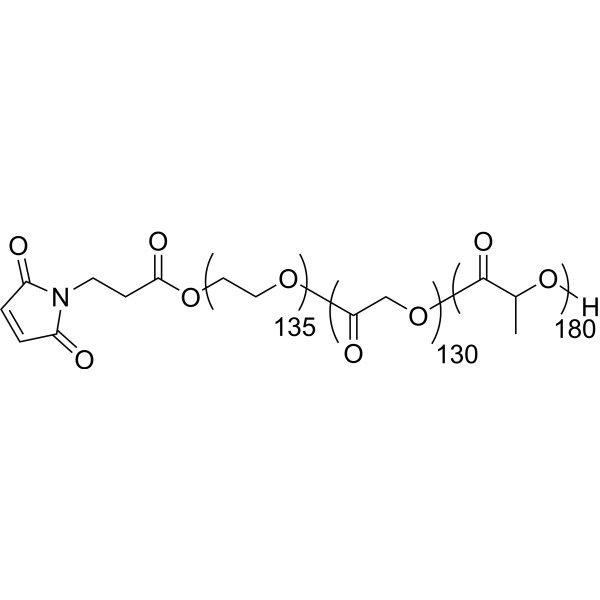
NHS-PEG2000-Mannose is an NHS-PEG-Mannose containing PEG2000. NHS-PEG-Mannose is a D-mannose derivative and linker. NHS-PEG-Mannose can bind to phage coat proteins via amino-carboxyl reaction to form mannose-modified phage (Man-phage) .
|
-
| Cat. No. |
Product Name |
Type |
-
- HY-D3192
-
|
|
Fluorescent Dyes
|
|
CDy11 is a fluorescent probe and amyloid-binding dye (λex=590 nm; λem=612 nm), with a Ka of 29 μM for Pseudomonas aeruginosa Fap. CDy11 specifically recognizes amyloid fibrils in bacterial biofilms and exhibits significantly enhanced fluorescence upon binding to the target. CDy11 shows no staining effect on amyloid-deficient mutant strains, planktonic cells or protein monomers. CDy11 supports in vivo imaging of Pseudomonas aeruginosa biofilms in mouse implant and corneal infection models. CDy11 is widely used in studies of Staphylococcus aureus biofilm infections, dental caries, and Pseudomonas aeruginosa-associated implant and corneal infections .
|
-
- HY-D3195
-
|
|
Fluorescent Dyes
|
|
CDr15 is a deep-red fluorescent probe (Ex=733 nm) that can selectively intercalate into and label bacterial extracellular DNA (eDNA). CDr15 exhibits extremely high specificity for biofilm imaging and cannot effectively bind to mammalian nuclear DNA. CDr15 enables real-time visualization of the microcolony structure and developmental process of three-dimensional *Pseudomonas aeruginosa* biofilms, and accurately localizes biofilm-forming regions of microorganisms in a mouse corneal infection model. With low background interference signals, CDr15 serves as an ideal diagnostic tool for research fields including bacterial biofilms and corneal infections .
|
| Cat. No. |
Product Name |
Type |
-
- HY-W025784
-
|
Sodium tetraphenylborate; Tetraphenylboron sodium
|
Biochemical Assay Reagents
|
|
Kalibor (Sodium tetraphenylborate; Tetraphenylboron sodium) is a boron-based salt and antibacterial agent. Kalibor exerts activity against Neisseria meningitidis and Neisseria gonorrhoeae. Kalibor facilitates boron uptake by Neisseria meningitidis cells. Kalibor reduces bacterial burden in a mouse model of Neisseria meningitidis bacteremia. Kalibor can be used for the research of bacterial infection, such as meningococcal bacteremia .
|
-
- HY-W025784R
-
|
Sodium tetraphenylborate (Standard); Tetraphenylboron sodium (Standard)
|
Biochemical Assay Reagents
|
|
(Sodium tetraphenylborate; Tetraphenylboron sodium) (Standard) is the analytical standard of Kalibor (HY-W025784). This product is intended for research and analytical applications. Kalibor is a boron-based salt and antibacterial agent. Kalibor exerts activity against Neisseria meningitidis and Neisseria gonorrhoeae. Kalibor facilitates boron uptake by Neisseria meningitidis cells. Kalibor reduces bacterial burden in a mouse model of Neisseria meningitidis bacteremia. Kalibor can be used for the research of bacterial infection, such as meningococcal bacteremia .
|
| Cat. No. |
Product Name |
Target |
Research Area |
-
- HY-P10913
-
|
|
Bacterial
|
Infection
|
|
HYNIC-UBI29-41 is composed of a bifunctional chelator HYNIC and an antimicrobial peptide UBI 29-41 (HY-P10364) (HY-P10364). HYNIC-UBI29-41 retains the antibacterial properties of UBI 29-41, and exhibits good affinity to Gram-positive and Gram-negative bacteria. HYNIC-UBI29-41 can be used as an imaging agent for bacterial infection detection in mouse models, when labeled with the radioactive element technetium (99mTc) .
|
-
- HY-P3350
-
|
|
Bacterial
|
Infection
|
|
LS-BF1 is a stable and low toxic cationic antimicrobial peptide. LS-BF1 displays broad spectrum of antibacterial activity, including the challenging ESKAPE pathogens, by cell membrane disruptive mechanism. LS-BF1 shows good in vivo efficacy for elimination of bacteria in a mouse infection model[1].
|
-
- HY-P10913A
-
|
|
Bacterial
|
Infection
|
|
HYNIC-UBI29-41 TFA is composed of a bifunctional chelator HYNIC and an antimicrobial peptide UBI 29-41 (HY-P10364). HYNIC-UBI29-41 TFA retains the antibacterial properties of UBI 29-41, and exhibits good affinity to Gram-positive and Gram-negative bacteria. HYNIC-UBI29-41 TFA can be used as an imaging agent for bacterial infection detection in mouse models, when labeled with the radioactive element technetium (99mTc) .
|
-
- HY-P11607
-
|
|
Bacterial
|
Infection
|
|
CyLip-10 is a microbial-derived cyclic-lipid antimicrobial peptide. CyLip-10 has broad-spectrum antimicrobial efficacy, low hemolytic activity, and excellent stability. CyLip-10 can disrupt membrane integrity, inhibit biofilm formation and induce membrane permeabilization and bacterial cell death. CyLip-10 reduces bacterial load, promotes wound healing, and alleviates inflammatory responses in a mouse Methicillin (HY-121544)-resistant Staphylococcus aureus skin wound infection model. CyLip-10 can be used for the bacterial infection .
|
-
- HY-P11634
-
|
|
Bacterial
|
Infection
|
|
KF-22 is an antimicrobial peptide that exhibits antimicrobial activity against both Gram-negative and Gram-positive bacteria. KF-22 demonstrates broad-spectrum, potent activity against multidrug-resistant bacteria with low toxicity. KF-22 can be used in research related to infections .
|
-
- HY-P10466A
-
|
|
Sec61
SARS-CoV
Interleukin Related
TNF Receptor
IFNAR
|
Infection
Inflammation/Immunology
|
|
KZR-8445 TFA, a cyclic depsipeptide, is a client-selective Sec61 inhibitor. KZR-8445 TFA binds to the fully opened Sec61 lateral gate, blocks lumenal plug domain access, stabilizes lateral gate helices, traps select signal peptides, and disrupts secretory and membrane protein biogenesis. KZR-8445 TFA inhibits pro-inflammatory cytokine secretion in primary immune cells. KZR-8445 TFA inhibits SARS-CoV-2 replication, virus-induced cytotoxicity, and spike protein biogenesis. KZR-8445 TFA blocks disease progression in a mouse model of rheumatoid arthritis. KZR-8445 TFA can be used for the researches of rheumatoid arthritis and SARS-CoV-2 infection .
|
-
- HY-P10466
-
|
|
Sec61
SARS-CoV
Interleukin Related
TNF Receptor
IFNAR
|
Infection
Inflammation/Immunology
|
|
KZR-8445, a cyclic depsipeptide, is a client-selective Sec61 inhibitor. KZR-8445 binds to the fully opened Sec61 lateral gate, blocks lumenal plug domain access, stabilizes lateral gate helices, traps select signal peptides, and disrupts secretory and membrane protein biogenesis. KZR-8445 inhibits pro-inflammatory cytokine secretion in primary immune cells. KZR-8445 inhibits SARS-CoV-2 replication, virus-induced cytotoxicity, and spike protein biogenesis. KZR-8445 blocks disease progression in a mouse model of rheumatoid arthritis. KZR-8445 can be used for the researches of rheumatoid arthritis and SARS-CoV-2 infection .
|
-
- HY-P11580
-
|
|
Toll-like Receptor (TLR)
Bacterial
|
Infection
|
|
Pap12-6-10 is an MD-2 ligand that binds to the hydrophobic pocket of MD-2 to inhibit the dimerization of the TLR4/MD-2 complex and downstream inflammatory signal transduction. Pap12-6-10 also binds to LPS to permeabilize bacterial cell membranes and induce oxidative stress, leading to bacterial death. Pap12-6-10 regulates LPS-induced inflammatory responses through the TLR4 signaling pathway and exhibits antibacterial activity against multidrug-resistant Gram-negative bacteria. Pap12-6-10 shows low tendency to induce drug resistance and low preclinical cytotoxicity, and it prevents organ damage in a mouse model of sepsis. Pap12-6-10 can be used for research related to Gram-negative sepsis and carbapenem-resistant Acinetobacter baumannii infections .
|
| Cat. No. |
Product Name |
Target |
Research Area |
Image |
-
- HY-P99604
-
|
AZD-1061; COV2-2130
|
SARS-CoV
|
Infection
|
|
Cilgavimab (AZD-1061; COV2-2130) is a human SARS-CoV-2-neutralizing monoclonal antibody, can compose monoclonal-antibody combination AZD7442 with Tixagevimab (HY-P99556). Cilgavimab shows protective action on mouse models of SARS-CoV-2 infection .
|
-
(5)
| Cat. No. |
Product Name |
Category |
Target |
Chemical Structure |
-
- HY-113365
-
-
-
- HY-17035
-
-
-
- HY-B1864A
-
-
-
- HY-N0469R
-
|
|
Structural Classification
Microorganisms
Disease markers
Endocrine diseases
Amino acids
Nervous System Disorder
Endogenous metabolite
Source Classification
|
Reference Standards
Endogenous Metabolite
Virus Protease
HSV
|
L-Lysine (Standard) is the analytical standard of L-Lysine. This product is intended for research and analytical applications. L-lysine is an essential amino acid for humans with orally activity. L-lysine can inhibit the occurrence of HSV infections and is used in herpes research. L-lysine increases calcium absorption, reduces diabetes-related diseases, improves gut health, and alleviates pancreatic inflammation. L-lysine can be used in research on metabolism, infection, and inflammation .
IC50 & Target:L-lysine (150 mg/kg) promotes, but not initiates, bladder cancer. The administration of L-lysine to rats submitted to colovesical cystoplasty accelerates the development of transitional metaplasia of the intestinal epithelium .
L-lysine (10 mg/kg) treatment attenuates pancreatic tissue injury induced by L-arginine by inhibiting the release of the inflammatory cytokine IL-6 and enhance antioxidant activity .
In Vivo:L-lysine (10?mg/kg, p.o., pre-treated or post-treated, administration duration 15 days) treatment attenuates pancreatic tissue injury induced by L-arginine by inhibiting the release of the inflammatory cytokine IL-6 and enhance antioxidant activity in acute pancreatitis mice model .
L-lysine (5 or 10?mg/kg, p.o., 45 days) ameliorates sepsis-induced acute lung injury in a lipopolysaccharide (HY-D1056)-induced mouse model .
|
-
-
- HY-17035R
-
-
-
- HY-N14354
-
|
|
Natural Products
Microorganisms
Source Classification
|
Antibiotic
Bacterial
|
|
Ferrocin B is an iron-containing cyclic decapeptide antibiotic found in the bacterium Pseudomonas fluorescens YK-310, exhibiting strong antibacterial activity primarily against Gram-negative bacteria, with particularly potent inhibitory effects on Pseudomonas aeruginosa. In a mouse infection model, Ferrocin B shows a half effective dose (ED50) of 0.593 mg/kg against P. aeruginosa. Ferrocin B holds potential for research in the field of anti-infective therapies .
|
-
-
- HY-B1864AR
-
-
| Cat. No. |
Product Name |
|
Classification |
-
- HY-181033
-
|
|
|
Alkynes
|
|
(M)-AVI-4773 is an orally active, blood-brain barrier permeable coronaviruses M Pro inhibitor with an IC50 of 2.5 nM aginst SARS-CoV-2 M Pro. (M)-AVI-4773 produces a rapid onset antiviral effect in mouse models of MERS-CoV and SARS-CoV-2 infection .
|
Your information is safe with us. * Required Fields.
Inquiry Information
- Product Name:
- Cat. No.:
- Quantity:
- MCE Japan Authorized Agent:

