
1. Search Result
Search Result
Results for "

myosin

" in MedChemExpress (MCE) Product Catalog:

114

Inhibitors & Agonists

6

Fluorescent Dye

3

Biochemical Assay Reagents

14

Peptides

10

Natural
Products

7

Recombinant Proteins

12

Isotope-Labeled Compounds

37

Antibodies

1

Oligonucleotides

Targets Recommended:
Cat. No. Product Name Target Research Areas Chemical Structure
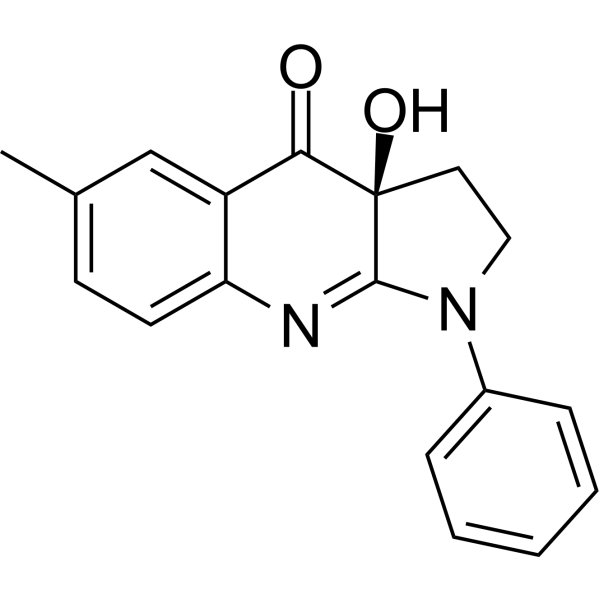
  • HY-13441
    (-)-Blebbistatin
    25+ Cited Publications

    Myosin Cardiovascular Disease Cancer
    (-)-Blebbistatin is a selective inhibitor of the ATPase activity of non-muscle myosin II .
    (-)-Blebbistatin
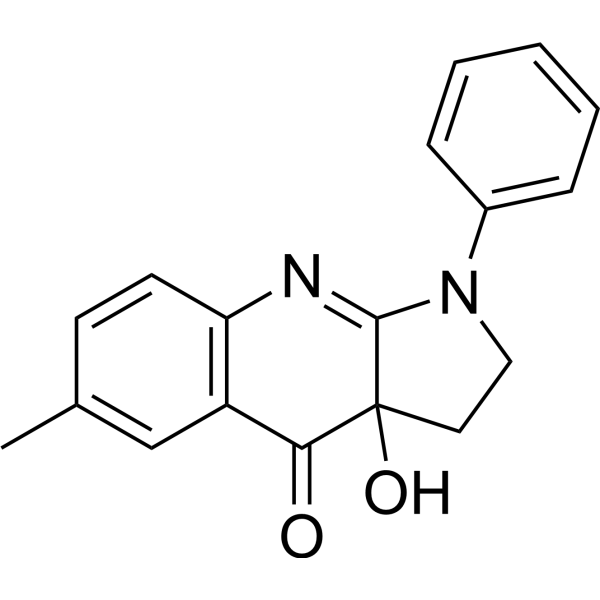
  • HY-13813
    Blebbistatin
    Maximum Cited Publications
    42 Publications Verification

    Myosin Others
    Blebbistatin is a selective non-muscle myosin II (NMII) inhibitor, promotes directional migration of corneal endothelial cells (CECs) and accelerates wound healing, and better preserves cell junctional integrity and barrier function. Blebbistatin blocks cell migration .
    Blebbistatin
  • HY-109037
    Mavacamten
    15+ Cited Publications

    MYK461; SAR439152

    Myosin Cardiovascular Disease
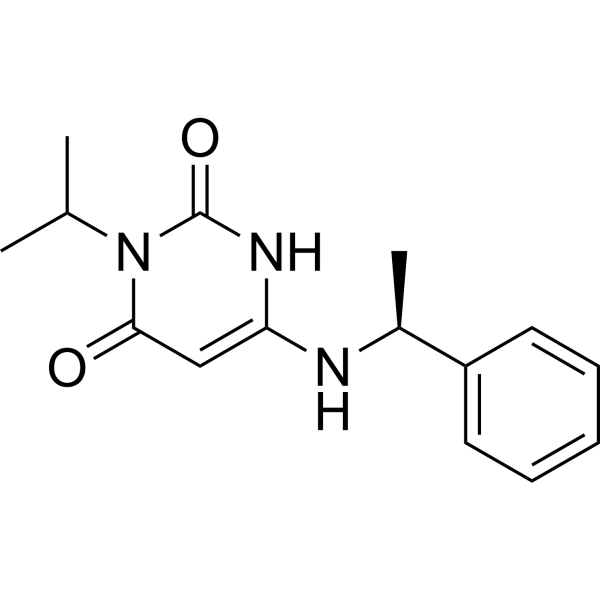
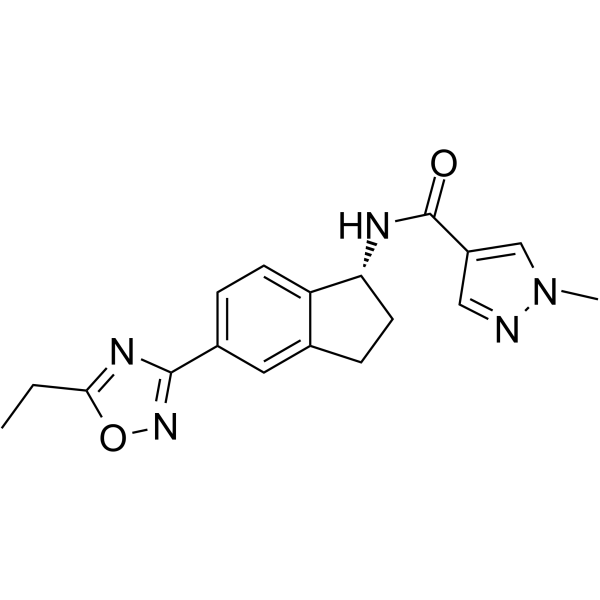
    Mavacamten (MYK461) is an orally active modulator of cardiac myosin, with IC50s of 490, 711 nM for bovine cardiac and human cardiac, respectively.
    Mavacamten
  • HY-139465
    Aficamten
    3 Publications Verification

    CK-274; CK-3773274

    Myosin Cardiovascular Disease
    Aficamten (CK-274) is a potent cardiac myosin inhibitor with an IC50 of 1.4 μM. Aficamten can be used for the research of hypertrophic cardiomyopathy (HCM) .
    Aficamten
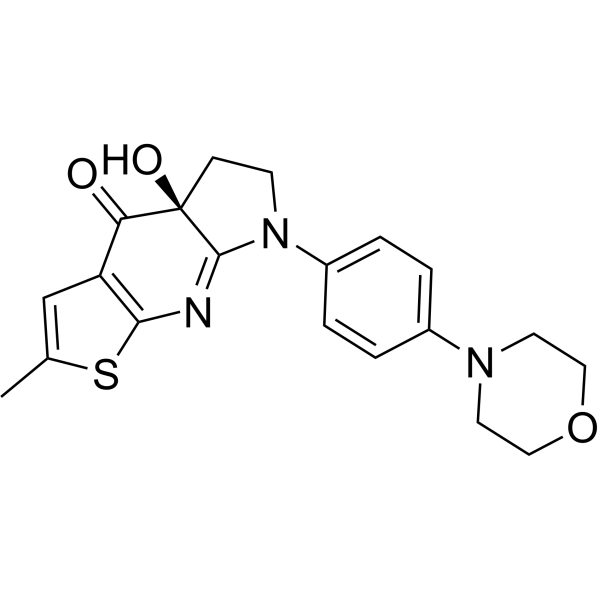
  • HY-148799

    EDG-5506

    Myosin Others
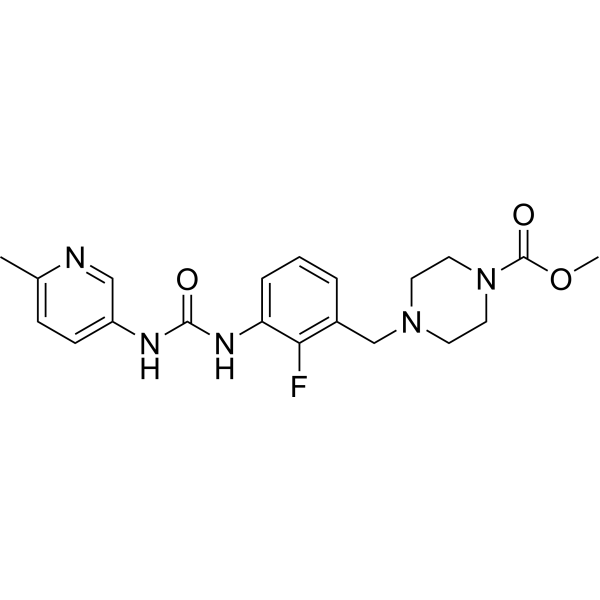
    Sevasemten is an orally active, selective allosteric inhibitor of skeletal muscle myosin that protects skeletal muscle from contraction-induced injury. Sevasemten decreases muscle damage biomarkers and fibrosis while increasing muscle strength and activity in in Duchenne muscular dystrophy disease models .
    Sevasemten
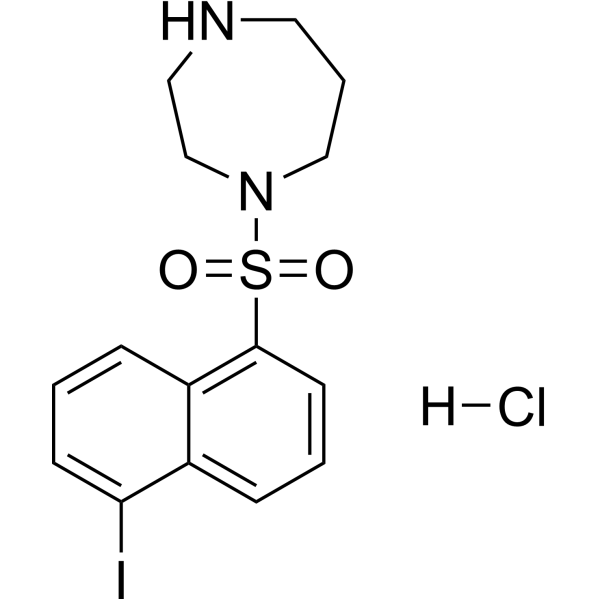
  • HY-100912
    W-7 hydrochloride
    5+ Cited Publications

    Phosphodiesterase (PDE) Myosin Apoptosis Calmodulin Potassium Channel Cancer
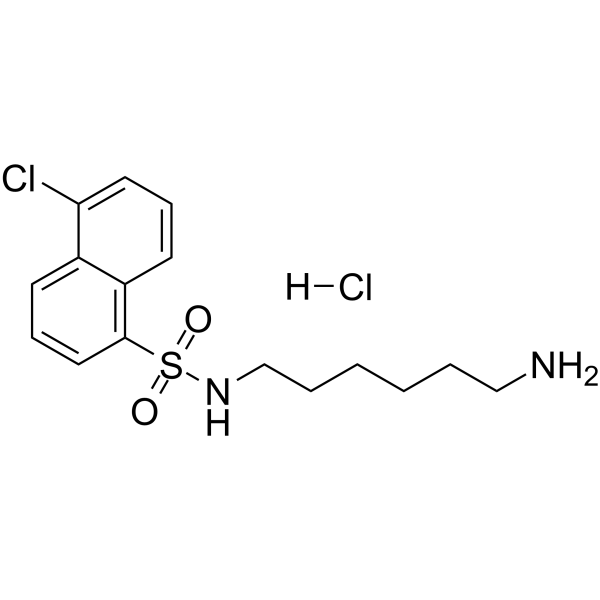
    W-7 hydrochloride is a selective calmodulin antagonist. W-7 hydrochloride inhibits the Ca 2+-calmodulin-dependent phosphodiesterase and myosin light chain kinase with IC50 values of 28 μM and 51 μM, respectively. W-7 hydrochloride induces apoptosis and has antitumor and vascular relaxing activity. W-7 hydrochloride is a blocker of Kv4.3 and can be used for research of arrhythmias .
    W-7 hydrochloride
  • HY-14233
    Omecamtiv mecarbil
    4 Publications Verification

    CK-1827452

    Myosin Cardiovascular Disease
    Omecamtiv mecarbil (CK-1827452) is a selective cardiac myosin activator.
    Omecamtiv mecarbil
  • HY-W017007

    Endogenous Metabolite Cardiovascular Disease Metabolic Disease
    3-Methyl-L-histidine is an endogenous amino acid that can be found in actin and myosin .
    3-Methyl-L-histidine
  • HY-109128
    Danicamtiv
    1 Publications Verification

    MYK-491

    Myosin Cancer
    Danicamtiv (MYK-491), an inotropic agent, is a selective allosteric activator of cardiac myosin. Danicamtiv increases cardiac systolic function and preserves mechanical efficiency .
    Danicamtiv
  • HY-Y0413

    Diacetyl monoxime; DAM

    Na+/K+ ATPase Myosin Cardiovascular Disease Metabolic Disease
    Biacetyl monoxime (Diacetyl monoxime), a myosin ATPase inhibitor, is a skeletal and cardiac muscle contraction inhibitor. Biacetyl monoxime is also a well-characterized non-competitive inhibitor of chemical and motile activity of skeletal muscle myosin-II. Biacetyl monoxime induces sarcoplasmic reticulum Ca 2+ release .
    Biacetyl monoxime
  • HY-16690
    BTS
    3 Publications Verification

    N-Benzyl-p-toluenesulfonamide; N-Tosylbenzylamine

    Myosin Others
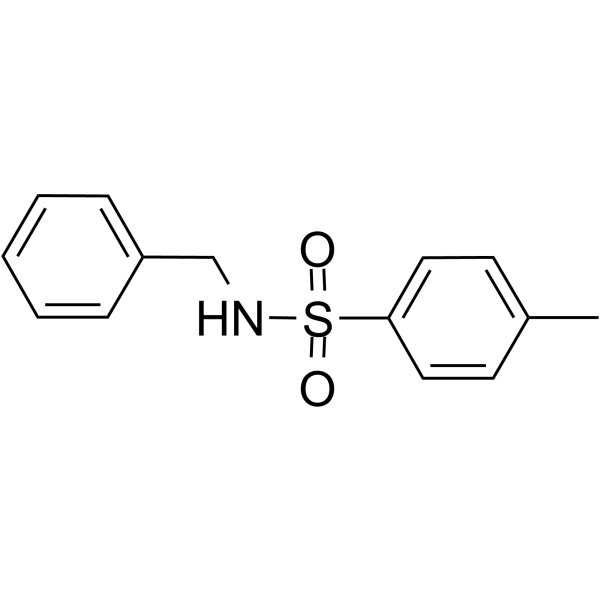
    BTS (N-Benzyl-p-toluenesulfonamide) is a potent and selective inhibitor of skeletal muscle myosin II subfragment 1 (S1) ATPase activity, with an IC50s of ~5 µM for actin- and Ca 2+-stimulated myosin S1 ATPase. BTS specifically inhibits the contraction of fast skeletal muscle fibers .
    BTS
  • HY-111474

    Myosin Cardiovascular Disease Neurological Disease
    Para-aminoblebbistatin is the inhibitor for myosin II. Para-aminoblebbistatin inhibits the ATPase activity of myosin II, thereby blocking the formation and contraction of the actin-myosin network. Para-aminoblebbistatin is a non-fluorescent and photostable Blebbistatin (HY-13813) derivative .
    Para-aminoblebbistatin
  • HY-100932
    ML-9
    5 Publications Verification

    Myosin Cancer
    ML-9 is a selective and potent inhibitor of Akt kinase, inhibits myosin light-chain kinase (MLCK) and stromal interaction molecule 1 (STIM1) activity . ML-9 inhibits inhibits MLCK, PKA and PKC activity with Ki values of 4, 32 and 54 μM, respectively . ML-9 induces autophagy by stimulating autophagosome formation and inhibiting their degradation .
    ML-9
  • HY-174406

    Myosin PDGFR Reactive Oxygen Species (ROS) Ferroptosis Akt mTOR ERK Cancer
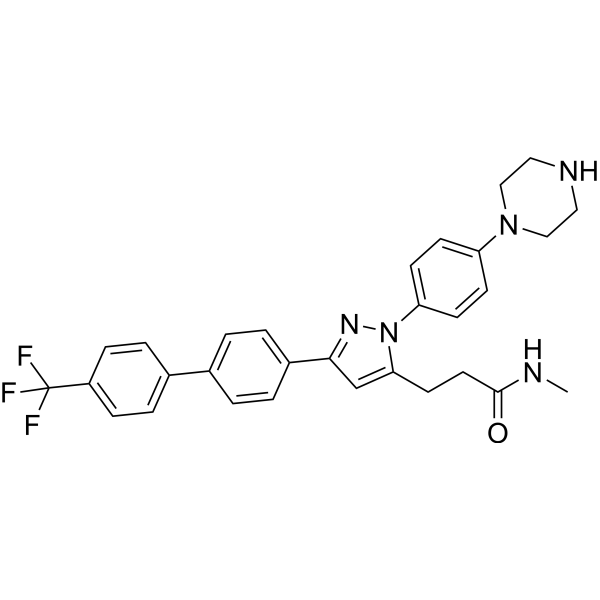
    MT-125 is a specific and well-tolerated inhibitor of non-muscle myosin IIA (Ki,NMIIA = 2.7 μM) and IIB (EC50 = 1.7 μM). MT-125 can pass through the blood-brain barrier. MT-125 induces ferroptosis and DNA damage by increasing the levels of reactive oxygen species (ROS) within tumor cells. MT-125 can enhance the PDGFR signaling pathway. MT-125 can be used for research on glioblastoma.
    MT-125
  • HY-18676
    OSU-T315
    10+ Cited Publications

    Integrin Autophagy Apoptosis Cancer
    OSU-T315 (ILK-IN-1) is a small Integrin-linked kinase (ILK) inhibitor with an IC50 of 0.6 μM, inhibiting PI3K/AKT signaling by dephosphorylation of AKT-Ser473 and other ILK targets (GSK-3β and myosin light chain) . OSU-T315 abrogates AKT activation by impeding AKT localization in lipid rafts and triggers caspase-dependent apoptosis in an ILK-independent manner . OSU-T315 causes cell death through apoptosis and autophagy .
    OSU-T315
  • HY-148516
    MPH-220
    1 Publications Verification

    Myosin Neurological Disease
    MPH-220 is a selective and orally active inhibitor of skeletal muscle myosin-2. MPH-220 enables muscle relaxation. MPH-220 is anti-spastic agent that can be used in the research of spasticity and muscle stiffness .
    MPH-220
  • HY-159821

    CK-4021586; CK-586

    Myosin Cardiovascular Disease
    Ulacamten (CK-4021586; CK-586) is an orally active cardiac myosin inhibitor and an inhibitor of the double-headed cardiac heavy meromyosin (HMM)ATPase (excluding single-headed myosin subfragment-1), with an EC50 of 2.9 μM. Ulacamten regulates cardiac myosin, reduces excessive myocardial contractility, and alleviates left ventricular outflow tract obstruction. Ulacamten increases the left ventricular short-axis systolic internal diameter, inhibits dobutamine-induced exacerbation of obstruction, and exerts only a mild reducing effect on left ventricular systolic function. Ulacamten also inhibits the fractional shortening of the short axis without altering calcium transients. Ulacamten shows good safety and tolerability in purpose-bred cats with naturally occurring obstructive hypertrophic cardiomyopathy .
    Ulacamten
  • HY-175199

    BPN-0026709

    Myosin Neurological Disease
    MT-228 (BPN-0026709) is a selective and blood-brain barrier permeable non-muscle myosin II inhibitor. MT-228 markedly improves tolerability by selectively targeting NMIIB (KI = 1.5 μM) over CMII (KI = 17 μM), and the sequence of SmMll MD is 83.6% identical to that of NMllB. MT-228 shows long-lasting efficacy in animal models of stimulant use disorder .
    MT-228
  • HY-175188

    BPN-0027490

    Myosin Neurological Disease
    MT-110 (BPN-0027490) is a non-muscle myosin NMIIB-selective inhibitor with high brain penetration and favorable safety profile. MT-110 specifically disrupts NMIIB-dependent actin dynamics in dendritic spines, while it exerts no significant adverse effects on cardiac myosin II and cardiac functions (such as cardiac output and heart rate) at tested concentrations. A single administration of MT-110 produces long-lasting (sustained for several weeks) blockade of methamphetamine motivation associated with environmental cues. MT-110 exhibits extremely high specificity, with no interference with cocaine motivation, hippocampus-dependent memory, fear memory, or locomotor and anxiety-like behaviors. MT-110 serves as a valuable tool compound for investigating the mechanisms of methamphetamine use disorder .
    MT-110
  • HY-120870
    para-Nitroblebbistatin
    2 Publications Verification

    Myosin Metabolic Disease
    para-Nitroblebbistatin is a derivative of Blebbistatin (HY-13813) and an inhibitor of myosin II. para-Nitroblebbistatin is photostable, non-cytotoxic, and non-phototoxic. para-Nitroblebbistatin can serve as an ideal substitute for Blebbistatin (HY-13813) to study the role of myosin II in physiology, development, and cell biology .
    para-Nitroblebbistatin
  • HY-114367
    Delphinidin 3-rutinoside chloride
    1 Publications Verification

    Delphinidin 3-O-rutinoside chloride

    Endothelin Receptor NO Synthase Myosin GLP Receptor Neurological Disease Metabolic Disease
    Delphinidin 3-rutinoside chloride is an anthocyanin component. Delphinidin 3-rutinoside chloride is isolable from the fruits of blackcurrant Ribes nigrum L. Delphinidin 3-rutinoside chloride activates the ETB receptor and stimulates the NO/cGMP pathway. Delphinidin 3-rutinoside chloride increases cyclic guanosine monophosphate production and reduces the phosphorylation level of Myosin regulatory light chain. Delphinidin 3-rutinoside chloride stimulates GLP-1 secretion. It significantly induces relaxation of bovine ciliary muscle strips contracted by ET-1 and inhibits ET-1-induced contraction of bovine ciliary muscle strips. Delphinidin 3-rutinoside chloride is applicable to research related to type 2 diabetes .
    Delphinidin 3-rutinoside chloride
  • HY-174406A

    Myosin PDGFR Reactive Oxygen Species (ROS) Ferroptosis Akt mTOR ERK Inflammation/Immunology Cancer
    MT-125 free base is a specific and well-tolerated inhibitor of non-muscle myosin IIA (Ki,NMIIA = 2.7 μM) and IIB (EC50 = 1.7 μM). MT-125 free base can pass through the blood-brain barrier. MT-125 free base induces ferroptosis and DNA damage by increasing the levels of reactive oxygen species (ROS) within tumor cells. MT-125 free base can enhance the PDGFR signaling pathway. MT-125 free base can be used for research on glioblastoma.
    MT-125 free base
  • HY-152949

    Myosin Neurological Disease
    Myosin V-IN-1 (compound 8) is a potent and selective Myosin V inhibitor, with a Ki of 6 μM. Myosin V-IN-1 shows acute inhibition of myosin V. Myosin V-IN-1 slows the actin-activated myosin V ATPase by specifically inhibiting ADP release from the actomyosin complex .
    Myosin V-IN-1
  • HY-115669
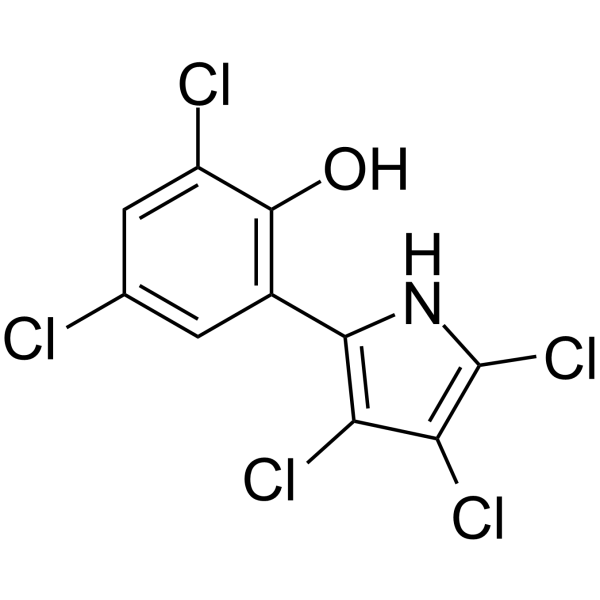
    Pentachloropseudilin
    2 Publications Verification

    Antibiotic A 15104 Y; PClP

    Myosin TGF-β Receptor Cancer
    Pentachloropseudilin (Antibiotic A 15104 Y; PClP) is a reversible and allosteric potent inhibitor of Myo1s (class 1 myosins) with IC50s range from 1 to 5 μM for mammalian class-1 myosins and greater than 90 μM for class-2 and class-5 myosins. Pentachloropseudilin is a potent inhibitor of transforming growth factor-β (TGF-β)-stimulated signaling, with an IC50 of 0.1 to 0.2 μM for TGF-β .
    Pentachloropseudilin
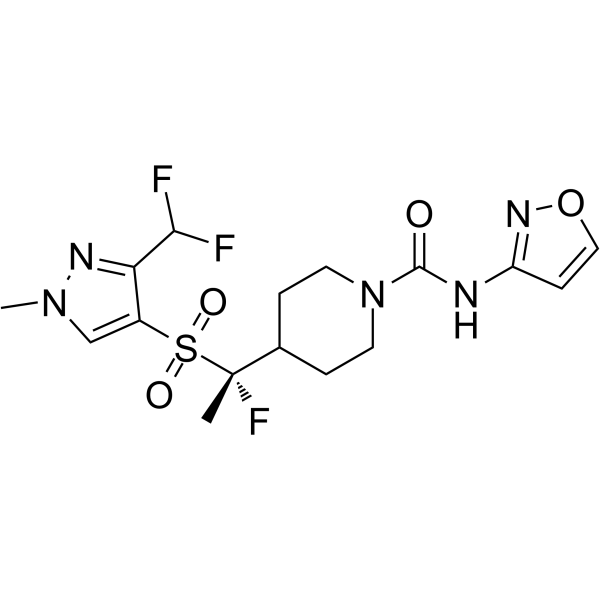
  • HY-147292

    CK-136

    Calcium Channel Cardiovascular Disease
    Nelutroctiv (CK-136) is an orally active and selective cardiac troponin activator. Nelutroctiv activates cardiac sarcomeres by enhancing the sensitivity of troponin to calcium ions and promoting the interaction between actin and myosin. Nelutroctiv enhances cardiac contractility. Nelutroctiv can be used in the researches for cardiovascular diseases with impaired cardiac contractile function .
    Nelutroctiv
  • HY-P1029
    MLCK inhibitor peptide 18
    Maximum Cited Publications
    6 Publications Verification

    Myosin CaMK Autophagy Others
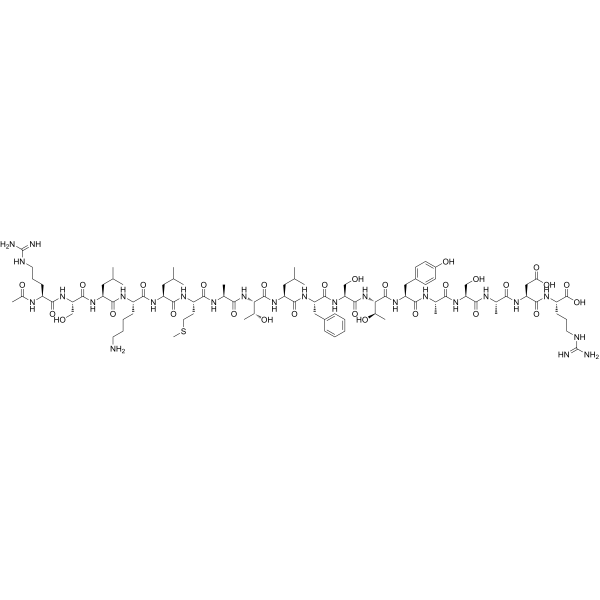
    MLCK inhibitor peptide 18 is a myosin light chain kinase (MLCK) inhibitor with an IC50 of 50 nM, and inhibits CaM kinase II only at 4000-fold higher concentrations.
    MLCK inhibitor peptide 18
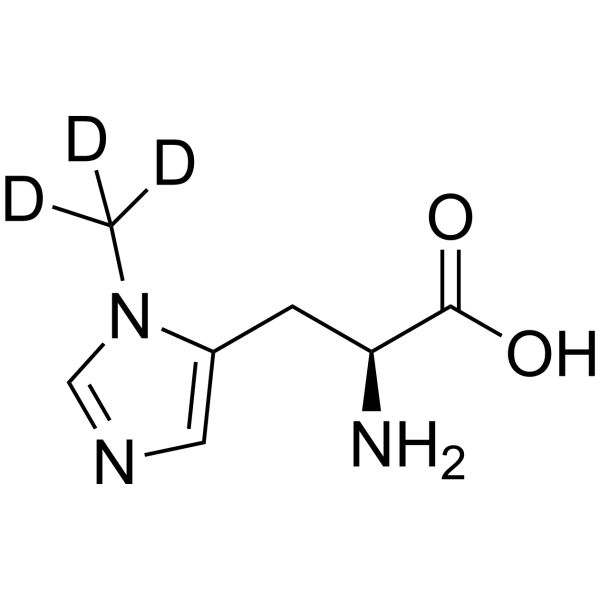
  • HY-W017007S
    3-Methyl-L-histidine-d3
    1 Publications Verification

    Isotope-Labeled Compounds Endogenous Metabolite Cardiovascular Disease Metabolic Disease
    3-Methyl-L-histidine-d3 is the deuterium labeled 3-Methyl-L-histidine. 3-Methyl-L-histidine is an endogenous amino acid that can be found in actin and myosin .
    3-Methyl-L-histidine-d3
  • HY-P1805

    Calmodulin Neurological Disease
    Calmodulin Binding Peptide 1 is a high-affinity (pM) CaM-binding peptide derived from smooth muscle myosin light chain kinase (MLCK peptide). The interface of the complex formed by Calmodulin Binding Peptide 1 and Ca 2+-CaM can be specifically bound by small-molecule inhibitors, serving as a key target for selective regulation of smooth muscle contraction and development of anti-CaM drugs .
    Calmodulin Binding Peptide 1
  • HY-107657
    (+)-Blebbistatin
    1 Publications Verification

    Myosin Others
    (+)-Blebbistatin is the inactive enantiomer of (–)-Blebbistatin. (–)-Blebbistatin is a selective inhibitor of myosin II ATPase .
    (+)-Blebbistatin
  • HY-14233S

    CK-1827452-d8

    Isotope-Labeled Compounds Myosin Cardiovascular Disease
    Omecamtiv mecarbil-d8 is the deuterium labeled Omecamtiv mecarbil. Omecamtiv mecarbil (CK-1827452) is a selective cardiac myosin activator.
    Omecamtiv mecarbil-d8
  • HY-109037R
    Mavacamten (Standard)
    1 Publications Verification

    MYK461 (Standard); SAR439152 (Standard)

    Reference Standards Myosin Cardiovascular Disease
    Mavacamten (Standard) is the analytical standard of Mavacamten. This product is intended for research and analytical applications. Mavacamten (MYK461) is an orally active modulator of cardiac myosin, with IC50s of 490, 711 nM for bovine cardiac and human cardiac, respectively.
    Mavacamten (Standard)
  • HY-109037S3

    MYK461-d5; SAR439152-d5

    Isotope-Labeled Compounds Myosin Cardiovascular Disease
    Mavacamten-d5 (MYK461-d5; SAR439152-d5) is deuterium labeled Mavacamten (HY-109037). Mavacamten (MYK461) is an orally active modulator of cardiac myosin, with IC50s of 490, 711 nM for bovine cardiac and human cardiac, respectively.
    Mavacamten-d5
  • HY-113604

    TGF-β Receptor Cancer
    Pentabromopseudilin (PBrP) is a marine antibiotic isolated from the marine bacteria Pseudomonas bromoutilis and Alteromonas luteoviolaceus. PBrP exhibits antimicrobial, anti-tumour and phytotoxic activities. PBrP is a reversible and allosteric inhibitor of myosin Va (MyoVa). PBrP also is a potent inhibitor of transforming growth factor-β (TGF-β) activity. PBrP can be used for the research of fibrotic diseases and cancer .
    Pentabromopseudilin
  • HY-E70231

    Others Cardiovascular Disease
    Thrombin-like enzyme is a proteolytic enzyme extraction of Agkistrodon halys venom. Thrombin-like enzyme can be used for degradation of fibrinogen. Thrombin-like enzyme can exacerbate myosin-induced EAM (experimental autoimmune myositis). Thrombin-like enzyme can be used for degradation of fibrinogen. Thrombin-like enzyme is commonly used for research of acute ischemic cerebrovascular disease, thromboangiitis obliterans, deep phlebitis and sudden deafness .
    Thrombin-like enzyme
  • HY-102052

    Potassium Channel Metabolic Disease
    DCEBIO is a small/medium conductance calcium-activated potassium (SKCa/IKCa) channel opener and primary neuron signal blocker. It hyperpolarizes the membrane potential of C2C12 myoblasts by activating IKCa channels, thereby promoting myogenic differentiation. The specific biological activity of DCEBIO is manifested in increased myotube formation, enhanced myosin heavy chain II protein levels and myogenin mRNA levels. DCEBIO can be applied in the field of muscle research, especially in muscle-related degenerative diseases such as sarcopenia .
    DCEBIO
  • HY-116420

    ROCK Neurological Disease
    ROCK2-IN-8 (Compound 1) is an orally active ROCK2 inhibitor, with an IC50 of 7.2 nM. ROCK2-IN-8 can be used for the research of aqueous humor outflow in porcine eyes and myosin light chain phosphorylation .
    ROCK2-IN-8
  • HY-163120

    Myosin Cardiovascular Disease
    Myosin-IN-1 (compound F10) is a Myosin inhibitor that specifically targets cardiac myosin. Myosin-IN-1 stabilizes the biochemical and structural closed state of the cardiac myosin motor domain and reduces myocardial force production and calcium sensitivity in vitro. Myosin-IN-1 acts as a negative inotropic agent in isolated Langendroff-perfused rat hearts, reducing stress in isolated myofilaments and left ventricular pressure development. Myosin-IN-1 can be used in heart failure research .
    Myosin-IN-1
  • HY-152205

    Myosin Others
    JB061 is a nonmuscle myosin inhibitor with IC50s of 4.4 μM (Cardiac muscle myosin), 9.1 μM (Skeletal muscle myosin), and >100 μM (Smooth muscle myosin II), respectively. JB061 poorly decreases ATPase activity (IC50>200 μM). JB061 shows cytotoxicity against COS-7 cells with an IC50 value of 39 μM .
    JB061
  • HY-170318

    Myosin Cancer
    Adhibin is an allosteric inhibitor for RhoGAP class IX myosin, that inhibits Myo9 ATPase in mammalian and invertebrate with IC50 of 2.5 µM and 2.6 µM. Adhibin binds to the ATPase of myosin, interfers with its motor function, blocks the RhoGTPase related signaling pathway, and affects the cell migration, adhesion and cell division. Adhibin can be used in research about cancer metastasis .
    Adhibin
  • HY-169183

    Myosin Cancer
    Myokinasib-II is a myosin light chain kinase (MLCK) inhibitor, which is a potential target for inflammatory diseases, cancer and other diseases. .
    Myokinasib-II
  • HY-172424

    Myosin Cardiovascular Disease
    Delocamten is the inhibitor for cardiac myosin with an IC50 of 1.1 μM. Delocamten can be used in researchs of hypertrophic cardiomyopathy, left ventricular hypertrophy and diastolic dysfunction .
    Delocamten
  • HY-W017007SA
    3-Methyl-L-histidine-d3 hydrochloride
    1 Publications Verification

    Isotope-Labeled Compounds Endogenous Metabolite Cardiovascular Disease Metabolic Disease
    3-Methyl-L-histidine-d3 hydrochloride is the deuterium labeled 3-Methyl-L-histidine hydrochloride. 3-Methyl-L-histidine hydrochloride is an endogenous amino acid that can be found in actin and myosin .
    3-Methyl-L-histidine-d3 hydrochloride
  • HY-109037S4

    MYK461-d7; SAR439152-d7

    Isotope-Labeled Compounds Myosin Cardiovascular Disease
    Mavacamten-d7 (MYK461-d7) is deuterium labeled Mavacamten. Mavacamten (MYK461) is an orally active modulator of cardiac myosin, with IC50s of 490, 711 nM for bovine cardiac and human cardiac, respectively.
    Mavacamten-d7
  • HY-120997

    Berbamine p-nitrobenzoate

    Calmodulin Myosin Phosphodiesterase (PDE) Cardiovascular Disease Cancer
    E6 Berbamine (Berbamine p-nitrobenzoate) is a potent calmodulin (CaM) antagonist. E6 Berbamine inhibits the activities of calmodulin-dependent myosin light chain kinase (MLCK) and phosphodiesterase (PDE). E6 Berbamine exhibits anti-leukemic activity. E6 Berbamine can be used in research related to cardiovascular abnormalities and chronic myeloid leukemia .
    E6 Berbamine
  • HY-130368
    W-7
    5+ Cited Publications

    Calmodulin Potassium Channel Phosphodiesterase (PDE) Myosin Apoptosis Cardiovascular Disease
    W-7 is a selective calmodulin antagonist. W-7 inhibits the Ca 2+-calmodulin-dependent phosphodiesterase and myosin light chain kinase with IC50 values of 28 μM and 51 μM, respectively. W-7 induces apoptosis and has antitumor and vascular relaxing activity. W-7 is a blocker of Kv4.3 and can be used for research of arrhythmias .
    W-7
  • HY-133885

    Drug Derivative Others
    S-(-)-7-Desmethyl-8-nitro blebbistatin (compound 12) is an analog of (-)-Blebbistatin (HY-13441). (-)-Blebbistatin is a selective non-muscle myosin II inhibitor .
    S-(-)-7-Desmethyl-8-nitro blebbistatin
  • HY-148516A

    Myosin Neurological Disease
    (R)-MPH-220 is the R isomer of MPH-220 (HY-148516). MPH-220 is a selective and orally active inhibitor of skeletal muscle myosin-2. MPH-220 enables muscle relaxation. MPH-220 is anti-spastic agent that can be used in the research of spasticity and muscle stiffness .
    (R)-MPH-220
  • HY-176850

    Myosin Cardiovascular Disease
    Myosin-IN-2 (Example 16) is a Myosin ATPase inhibitor with a IC50 of 1.06  μM. Myosin-IN-2 can be used for heart diseases like hypertrophic cardiomyopathy (HCM) research .
    Myosin-IN-2
  • HY-176914

    Ferroptosis Myosin Cardiovascular Disease Inflammation/Immunology
    Myosin-IN-3 (Compound 4-1) is a pyrimidine ketone derivative. Myosin-IN-3 exhibits significant anti ferroptotic activity (IC50 = 3.11 μM) while possessing myosin (IC50 = 3.09 μM) inhibitory activity and antioxidant activity (DPPH EC50 = 23.17 μM; MDA EC50 = 55.34 μM). Myosin-IN-3 can be used for research on heart conditions such as hypertrophic cardiomyopathy .
    Myosin-IN-3
  • HY-P2162

    Myosin Cancer
    Kemptamide, a 13 amino acid fragment with a sequence corresponding to residues 11-23 of gizzard light chain. Kemptamide is a peptide substrate of myosin light-chain kinase (MLCK) .
    Kemptamide

Inquiry Online

Your information is safe with us. * Required Fields.

Salutation


Country or Region *

Applicant Name *


Organization Name *

Department *


Email Address *


Product Name *

Cat. No.


Requested quantity *

Phone Number *


Remarks

Inquiry Online

Inquiry Information

Product Name:
Cat. No.:
Quantity:
MCE Japan Authorized Agent:

