

95 Results for "

nasal

" in MedChemExpress (MCE) Product Catalog:
Products (95)

95 Results for "nasal" in MCE Product Catalog:

16
16 Publications Verification
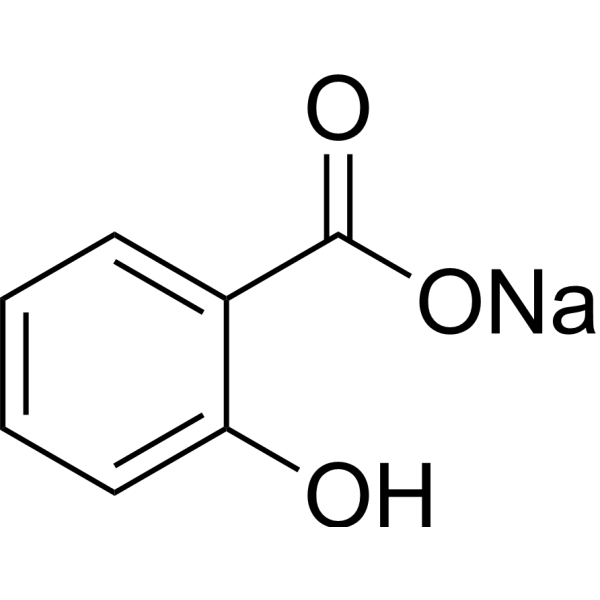
Cat. No.: HY-B0167A
CAS No.: 54-21-7
Synonyms: Salicylic acid sodium salt; 2-Hydroxybenzoic acid sodium salt
Sodium Salicylate (Salicylic acid sodium salt) inhibits cyclo-oxygenase-2 (COX-2) activity independently of transcription factor (NF-κB) activation . Sodium Salicylate is also a S6K inhibitor.Sodium Salicylate is a NF-κB inhibitor that decreases inflammatory gene expression and improves repair in aged muscle .
loading...
    loading...
9
9 Cited Publications
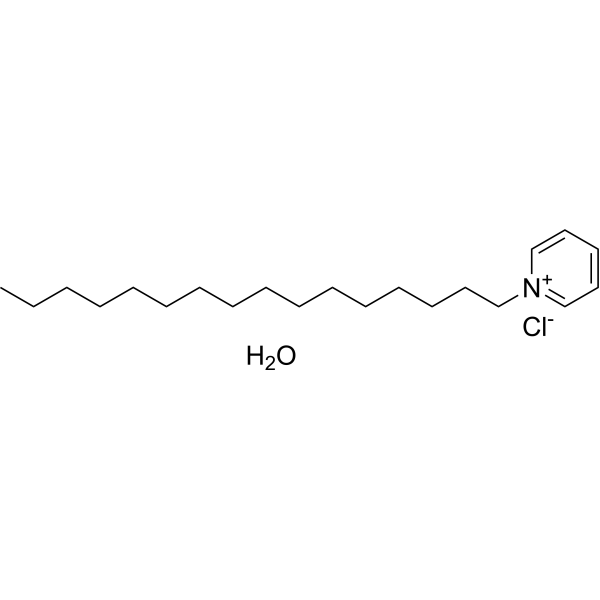
Cat. No.: HY-B1289
CAS No.: 6004-24-6
Synonyms: Hexadecylpyridinium chloride monohydrate
Target:  

Bacterial

Research Areas:  

Infection

Cetylpyridinium chloride monohydrate is a cationic quaternary ammonium compound used in some types of mouthwashes, toothpastes, and throat and nasal sprays as an antiseptic that kills bacteria and other microorganisms. Effectively prevents plaque and reduces gingivitis.
loading...
    loading...
7
7 Cited Publications
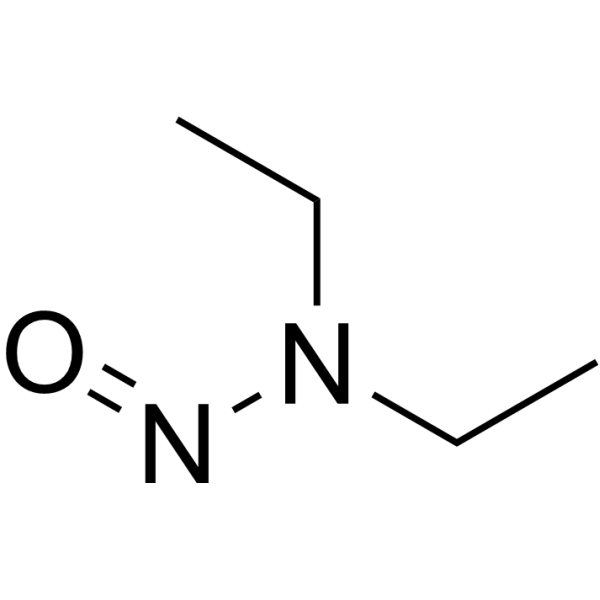
Cat. No.: HY-N7434
CAS No.: 55-18-5
Synonyms: Diethylnitrosamine; DEN; DENA
N-Nitrosodiethylamine (Diethylnitrosamine) is a potent hepatocarcinogenic dialkylnitrosoamine. N-Nitrosodiethylamine is mainly present in tobacco smoke, water, cheddar cheese, cured, fried meals and many alcoholic beverages. N-Nitrosodiethylamine is responsible for the changes in the nuclear enzymes associated with DNA repair/replication. N-Nitrosodiethylamine results in various tumors in all animal species. The main target organs are the nasal cavity, trachea, lung, esophagus and liver.
loading...
    loading...
5
5 Cited Publications
Cat. No.: HY-W250978
CAS No.: 9006-59-1
Ovalbumins are the major proteins in egg white. Ovalbumins act as an allergen and inducer, and can be applied to mouse models of allergic diseases. Ovalbumins can induce allergic rhinitis in mice via sensitization and nasal challenge. Ovalbumins can be used to establish asthma models.
Ovalbumin, low endotoxin (HY-W250978A) is recommended for model establishment .
loading...
    loading...
5
5 Cited Publications
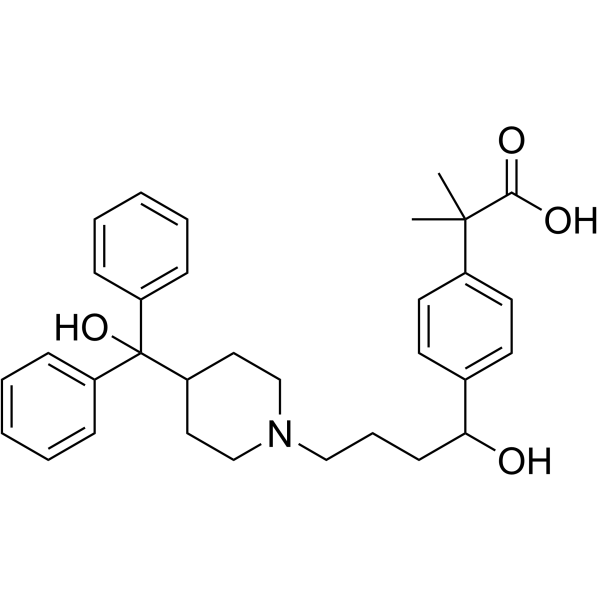
Cat. No.: HY-B0801
CAS No.: 83799-24-0
Synonyms: MDL-16455; Terfenadine carboxylate
Target:  

Histamine Receptor

Research Areas:  

Inflammation/Immunology Cancer

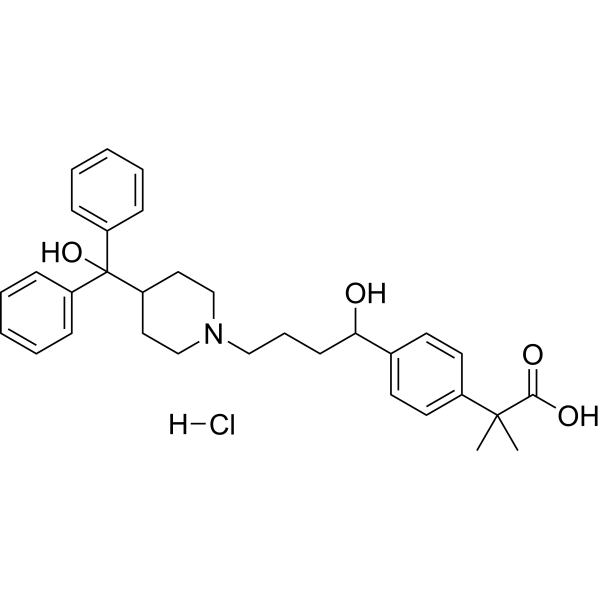
Fexofenadine (MDL-16455) is an orally active and nonsedative H1 receptor antagonist. Fexofenadine can be used in allergic rhinitis and chronic idiopathic urticarial research .
loading...
    loading...
5
5 Cited Publications
Cat. No.: HY-B0801A
CAS No.: 153439-40-8
Synonyms: MDL-16455 hydrochloride; Terfenadine carboxylate hydrochloride
Target:  

Histamine Receptor

Research Areas:  

Inflammation/Immunology Cancer

Fexofenadine (MDL-16455) hydrochloride is an orally active and nonsedative H1 receptor antagonist. Fexofenadine hydrochloride can be used in allergic rhinitis and chronic idiopathic urticarial research .
loading...
    loading...
5
5 Cited Publications
Cat. No.: HY-N2597
CAS No.: 552-59-0
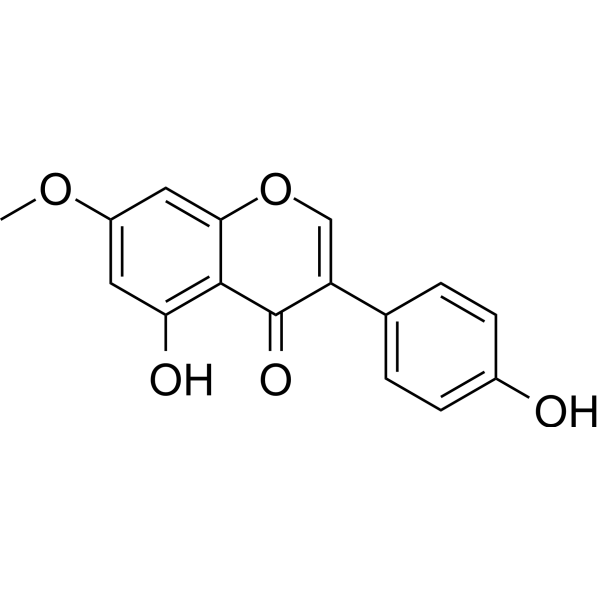
Prunetin, an O-methylated isoflavone, possesses anti-inflammatory activity. Prunetin is a potent human aldehyde dehydrogenases inhibitor .
loading...
    loading...
3
3 Cited Publications
Cat. No.: HY-32337
CAS No.: 57333-96-7
Synonyms: 1,24(R)-Dihydroxyvitamin D3; 1.alpha.,24R-Dihydroxyvitamin D3
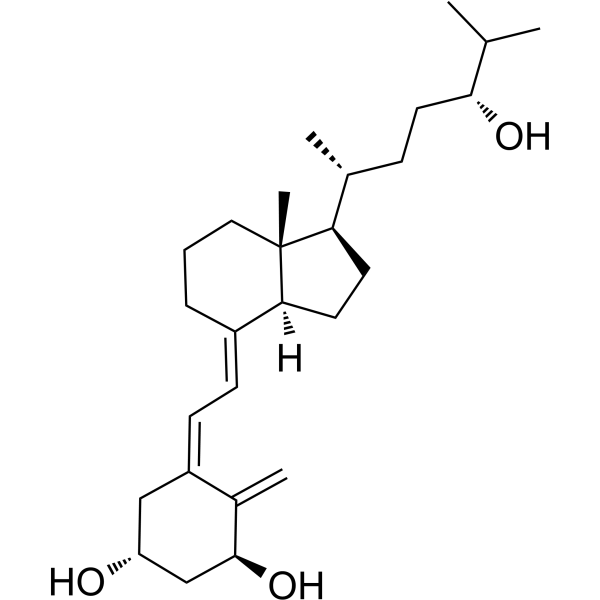
Tacalcitol (1,24(R)-Dihydroxyvitamin D3; 1.alpha.,24R-Dihydroxyvitamin D3) can promote normal bone growth by regulating calcium ions. Tacalcitol inhibits cancer cell proliferation and migration. Tacalcitol can be used in the research of inflammation, cancer, and skin diseases .
loading...
    loading...
2
2 Cited Publications
Cat. No.: HY-P1014
CAS No.: 119911-68-1
Synonyms: Human α-CGRP (8-37)
Target:  

CGRP Receptor

Research Areas:  

Cardiovascular Disease

HCGRP-(8-37) (Human α-CGRP (8-37)) is a fragment of human calcitonin gene-related peptide (hCGRP) and an antagonist of the CGRP receptor, with an IC50 of 32.1 pM against the CGRP receptor. HCGRP-(8-37) blocks adenylate cyclase activation induced by CGRP receptor ligands and attenuates vascular responses triggered by CGRP. HCGRP-(8-37) reduces capsaicin-induced vasodilation in porcine nasal mucosa and superficial skin. HCGRP-(8-37) serves as a research tool to distinguish effects mediated by CGRP or calcitonin receptors, and to investigate CGRP-induced vascular effects .
loading...
    loading...
2
2 Cited Publications
Cat. No.: HY-12709A
CAS No.: 55974-42-0
Purity:  99.57%
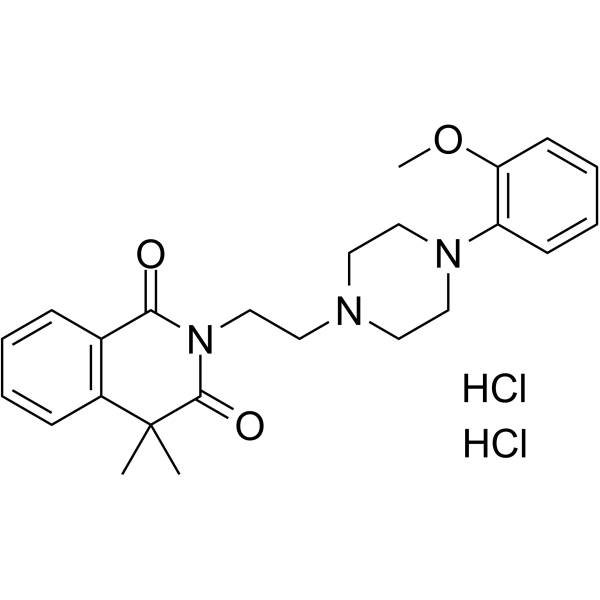
ARC 239 dihydrochloride is a selective α2B/2C adrenoceptor antagonist (pKd values are 5.95, 7.41 and 7.56 at α2A, α2B, and α2C receptors respectively). ARC 239 dihydrochloride binds to CHO cell membranes expressing human recombinant a2A-, a2B- or a2C-adrenoceptor subtypes with pKis of 5.6, 8.4, and 7.08, respectively .
loading...
    loading...
2
2 Cited Publications
Cat. No.: HY-B2232A
CAS No.: 8001-54-5
Synonyms: Alkyldimethylbenzylammonium chloride (solid)
Research Areas:  

Infection

Benzalkonium chloride (solid) (Alkyldimethylbenzylammonium chloride (solid)) is a quaternary ammonium preservative, cationic surfactant, and antimicrobial (Antimicrobial) agent. Benzalkonium chloride (solid) is toxic .
loading...
    loading...
1
1 Cited Publications
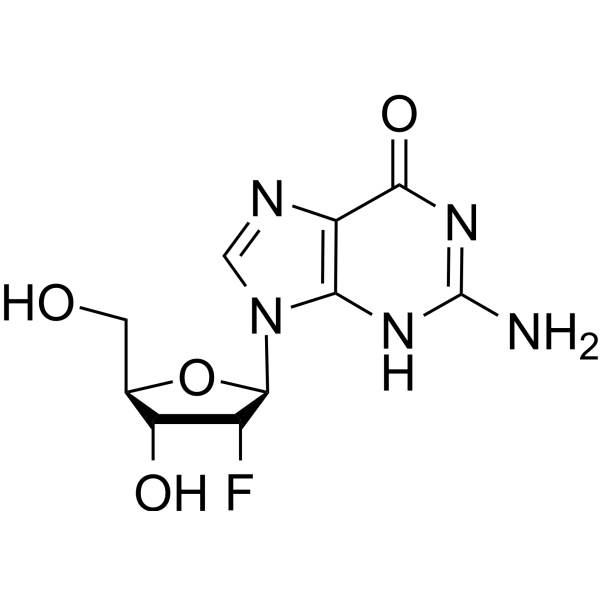
Cat. No.: HY-W011518
CAS No.: 78842-13-4
2′-Deoxy-2′-fluoroguanosine is a nucleoside analog and potent influenza virus inhibitor with an EC90 value of <0.35 μM against influenza A and B viruses. 2′-Deoxy-2′-fluoroguanosine inhibits influenza virus replication in the upper respiratory tract, thereby ameliorating fever and nasal inflammation .
loading...
    loading...
1
1 Cited Publications
Cat. No.: HY-12093
CAS No.: 1025716-81-7
Target:  

MMP

Research Areas:  

Inflammation/Immunology

MMP408 is a selective and orally effective inhibitor of MMP-12 with IC50 values for human, mouse and rat MMP-12 of 2 nM, 160 nM and 3 μM respectively. MMP408 exhibits IC50 value for human MMP-13 of 120 nM, and its activity against other MMPs is weak. MMP408 can alleviate inflammation, fibrosis and tissue remodeling by inhibiting MMP-12. MMP408 can be used in the research of chronic obstructive pulmonary disease and chronic sinusitis with nasal polyps .
loading...
    loading...
1
1 Cited Publications
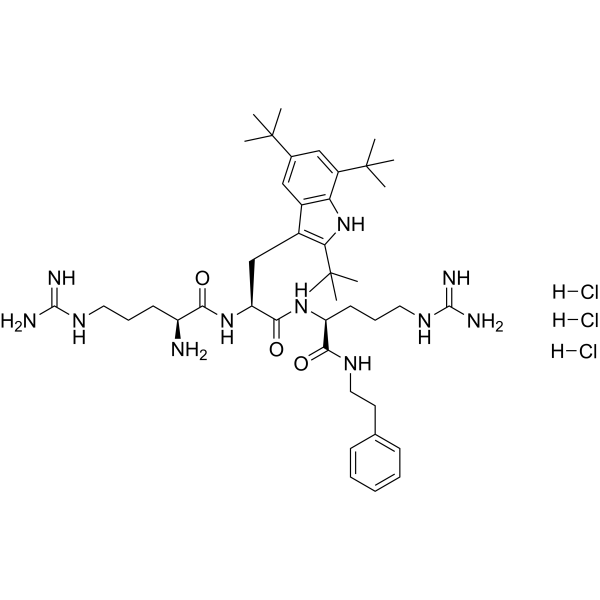
Cat. No.: HY-119123A
Purity:  98.13%
Synonyms: LTX-109 trihydrochloride
Target:  

Fungal Bacterial

Research Areas:  

Infection

Voxvoganan (LTX-109) trihydrochloride, a topical antimicrobial, is highly effective against S. aureus with a MIC range of 2 to 4 μg/mL. Voxvoganan trihydrochloride can be used for the research of bacterial skin infections, fungal infections and nasal decolonisation of MRSA .
loading...
    loading...
Cat. No.: HY-P990774
CAS No.: 2768386-15-6
Synonyms: ASP-7266; TRAB-1; UPB-101

Target:  

Interleukin Related

Research Areas:  

Inflammation/Immunology

Verekitug (ASP-7266; TRAB-1; UPB-101) is a human monoclonal antibody targeting the thymic stromal lymphopoietin receptor (TSLPR), with a mean half-life of approximately 20 days. At doses of Verekitug ≥100 mg, complete and sustained TSLPR-specific occupancy is achieved, and the antibody does not bind to IL-7Rα. By inhibiting TSLP-driven inflammatory responses, Verekitug blocks TSLP-induced cell proliferation and TARC expression, while reducing fractional exhaled NO levels, blood eosinophil counts, and levels of IL-5 and IgE. Verekitug significantly improves scores for nasal polyps, nasal congestion and olfactory dysfunction, with favorable safety and good tolerability; potential adverse reactions include headache, upper respiratory tract infection, sinusitis and nasopharyngitis. Verekitug is used in relevant studies on asthma, chronic rhinosinusitis with nasal polyps and chronic obstructive pulmonary disease .
loading...
    loading...
Cat. No.: HY-W250978A
CAS No.: 9006-59-1
Ovalbumin, low endotoxin are the major proteins in egg white. Ovalbumin, low endotoxin act as an allergen and inducer, and can be applied to mouse models of allergic diseases. Ovalbumin, low endotoxin can induce allergic rhinitis in mice via sensitization and nasal challenge. Ovalbumin, low endotoxin can be used to establish asthma models .
loading...
    loading...
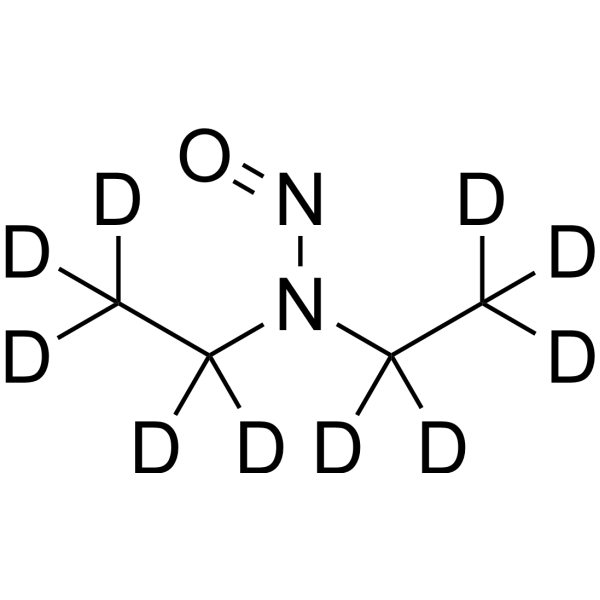
Cat. No.: HY-N7434S1
CAS No.: 1219794-54-3
Synonyms: Diethylnitrosamine-d10; DEN-d10; DENA-d10
N-Nitrosodiethylamine-d10 is the deuterium labeled N-Nitrosodiethylamine . N-Nitrosodiethylamine (Diethylnitrosamine) is a potent hepatocarcinogenic dialkylnitrosoamine. N-Nitrosodiethylamine is mainly present in tobacco smoke, water, cheddar cheese, cured, fried meals and many alcoholic beverages. N-Nitrosodiethylamine is responsible for the changes in the nuclear enzymes associated with DNA repair/replication. N-Nitrosodiethylamine results in various tumors in all animal species. The main target organs are the nasal cavity, trachea, lung, esophagus and liver.
loading...
    loading...
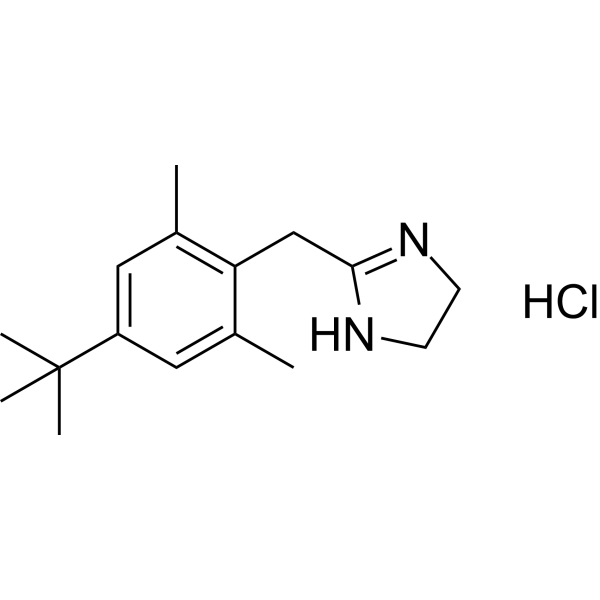
Cat. No.: HY-B0475
CAS No.: 1218-35-5
Target:  

Adrenergic Receptor

Research Areas:  

Inflammation/Immunology

Xylometazoline hydrochloride is an α-adrenergic receptor agonist (Ki=0.05-1.7 μM). Xylometazoline hydrochloride can constrict nasal blood vessels and increase nasal airflow. Xylometazoline hydrochloride can be used in nose stuffiness and runny nose research .
loading...
    loading...
Cat. No.: HY-B0556A
CAS No.: 522-48-5
Synonyms: Tetryzoline hydrochloride
Target:  

Adrenergic Receptor

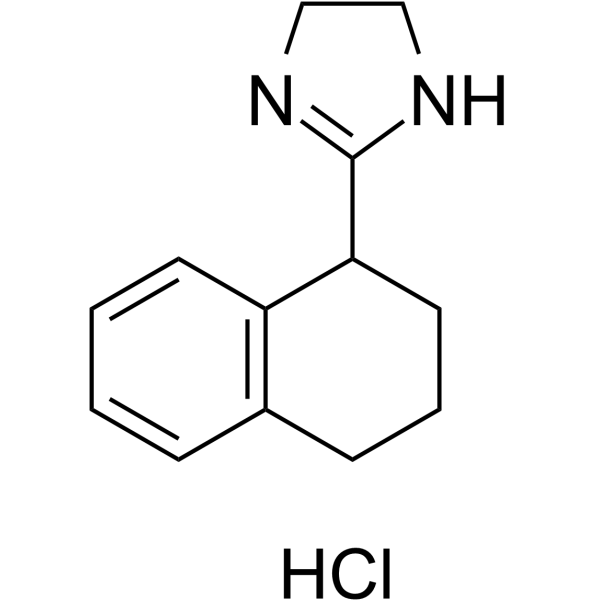
Tetrahydrozoline hydrochloride (Tetryzoline hydrochloride), a derivative of imidazoline, is an α-adrenergic agonist that causes vasoconstriction. Tetrahydrozoline hydrochloride is widely used for the research of nasal congestion and conjunctival congestion .
loading...
    loading...
Cat. No.: HY-111772A
CAS No.: 2229860-99-3
Purity:  99.44%
Synonyms: (R)-VX-445
Target:  

Drug Isomer CFTR

Research Areas:  

Inflammation/Immunology

(R)-Elexacaftor ((R)-VX-445) is the enantiomer of Elexacaftor (HY-111772). Elexacaftor is an orally active CFTR modulator that targets nucleotide-binding domain 1. Elexacaftor stabilizes misfolded F508del-CFTR protein, enhances its trafficking to the plasma membrane, and significantly improves metabolic stability, thermal stability and ion conductivity. Elexacaftor not only restores chloride transport function in nasal epithelial cells and rescues multiple CFTR mutation subtypes, but also exerts multiplicative synergistic effects with Ivacaftor (HY-13017), and is often used in a triple combination therapy with Tezacaftor (HY-15448). Elexacaftor is widely used in basic and clinical translational research on cystic fibrosis .
loading...
    loading...

