56 Results for "

nerve agent

" in MedChemExpress (MCE) Product Catalog:
Products (56)

56 Results for "nerve agent" in MCE Product Catalog:

8
8 Publications Verification
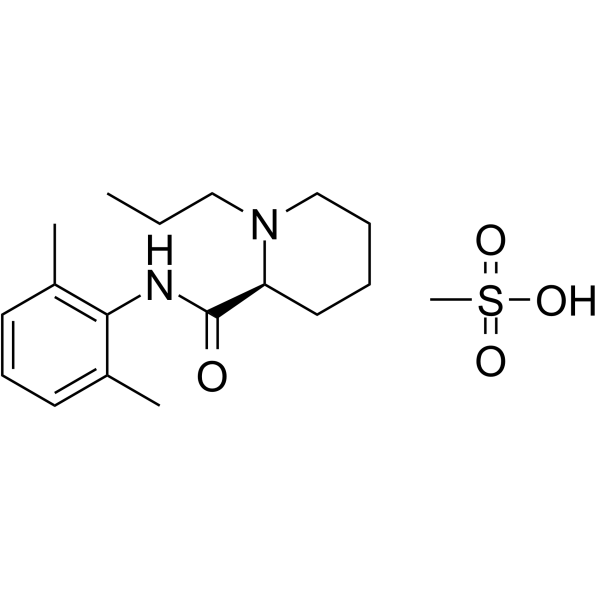
Cat. No.: HY-B0563C
CAS No.: 854056-07-8
Ropivacaine mesylate is a long-acting amide local anaesthetic agent for a spinal block and effectively blocks neuropathic pain. Ropivacaine blocks impulse conduction via reversible inhibition of sodium ion influx in nerve fibressup . Ropivacaine is also an inhibitor of K2P (two-pore domain potassium channel) TREK-1 with an IC50 of 402.7 μM in COS-7 cell's membrane .
loading...
    loading...
5
5 Cited Publications
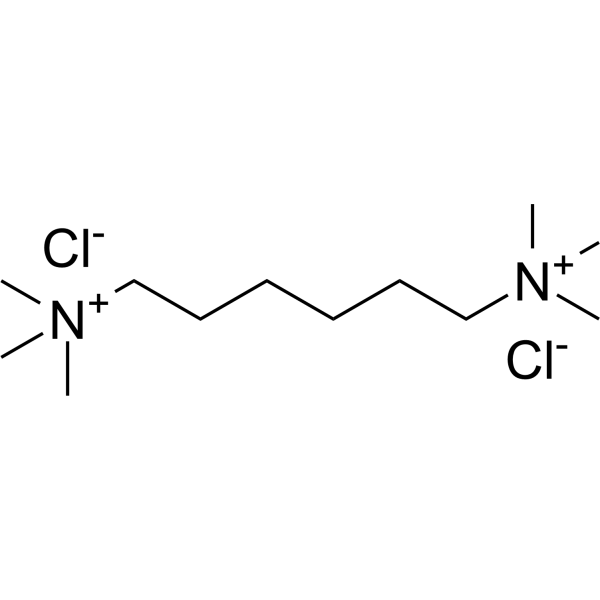
Cat. No.: HY-B1661
CAS No.: 60-25-3
Synonyms: Hexone chloride
Hexamethonium Chloride Dihydrate is a synthetic organic compound commonly used as a ganglion blocking agent, which means it blocks the transmission of nerve impulses between ganglion cells in the autonomic nervous system. Hexamethonium Chloride Dihydrate is used in various medical applications such as lowering blood pressure or inhibiting certain types of neuropathic pain. It works by inhibiting the release of acetylcholine, a neurotransmitter that plays a key role in regulating many bodily functions.
loading...
    loading...
4
4 Cited Publications
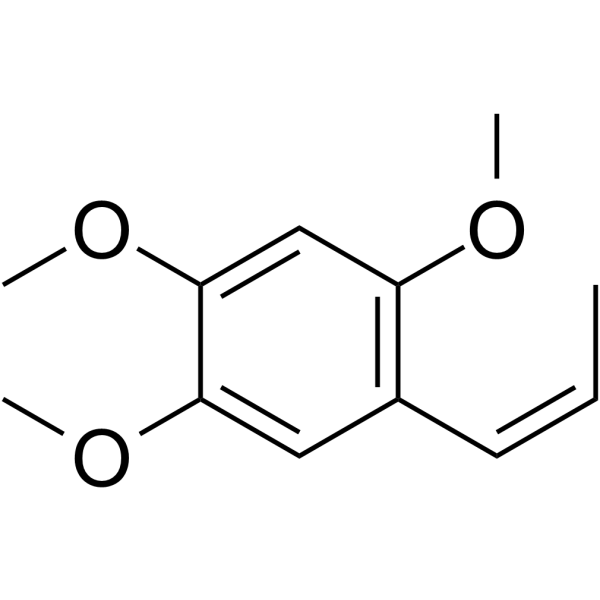
Cat. No.: HY-N1501
CAS No.: 5273-86-9
Beta-asarone is an orally active and BBB-penetrable anti-inflammatory agent and neuroprotective agent, which is the major ingredient of Acorus tatarinowii Schott. Beta-asarone can protect nerve cells from apoptosis and autophagy, inhibit expression of α-synuclein, as well as myocardial protection. Beta-asarone can be used in the study of neurological and cardiovascular diseases .
loading...
    loading...
3
3 Cited Publications
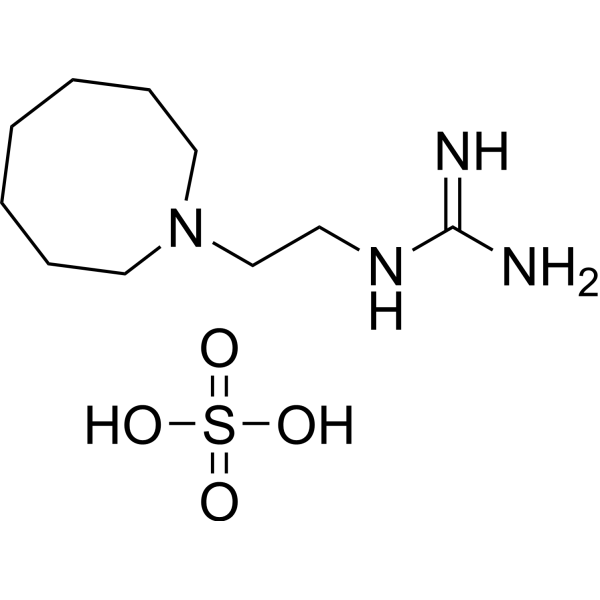
Cat. No.: HY-B0800
CAS No.: 645-43-2
Synonyms: Guanethidine monosulfate
Guanethidine sulfate (Guanethidine monosulfate), an antihypertensive agent, is an adrenergic neurone blocking agent. Guanethidine sulfate enters noradrenergic nerve terminals by the neuronal amine carrier .
loading...
    loading...
3
3 Cited Publications
Cat. No.: HY-B1200
CAS No.: 51-15-0
Synonyms: 2-PAM chloride
Target:  

Cholinesterase (ChE)

Research Areas:  

Neurological Disease

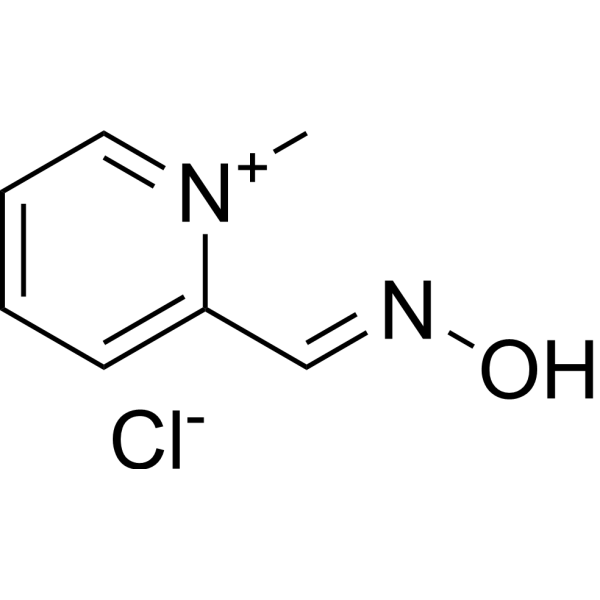
Pralidoxime chloride is a potent reactivator of acetylcholinesterase (AChE). Pralidoxime chloride reactivates nerve agent-inhibited AChE via direct nucleophilic attack by the oxime moiety on the phosphorus center of the bound nerve agent. Pralidoxime chloride is an antidote for organophosphate poisoning .
loading...
    loading...
2
2 Cited Publications
Cat. No.: HY-W012788
CAS No.: 118-71-8
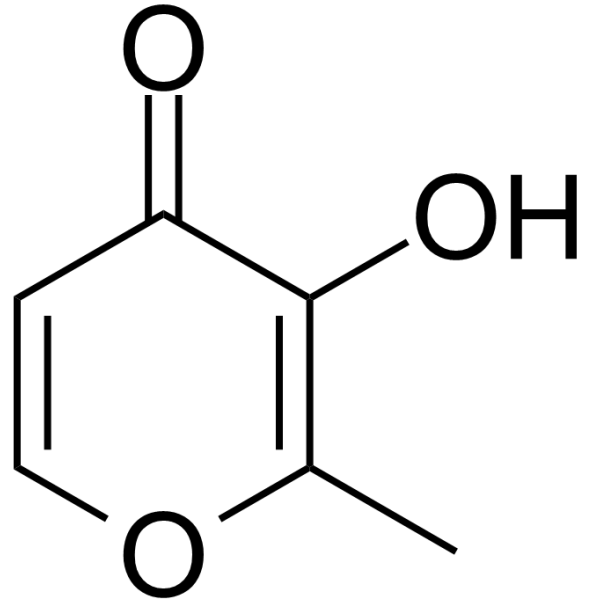
Maltol, a type of aromatic compound, is an antioxidant agent. Maltol enhances neural function by mitigating oxidative stress and cell apoptosis. Maltol is an inhibitor of oxidative damage in nerve cells and is effective in preventing diabetic peripheral neuropathy (DPN). Maltol is used extensively as a safe flavoring agent and food preservative. Maltol is a metal ion chelator that can be used in the field of catalysis, cosmetics, and medicine .
loading...
    loading...
2
2 Cited Publications
Cat. No.: HY-14149A
CAS No.: 260779-88-2
Synonyms: R 51619 monohydrate; (±)-Cisaprid monohydrate
Target:  

5-HT Receptor

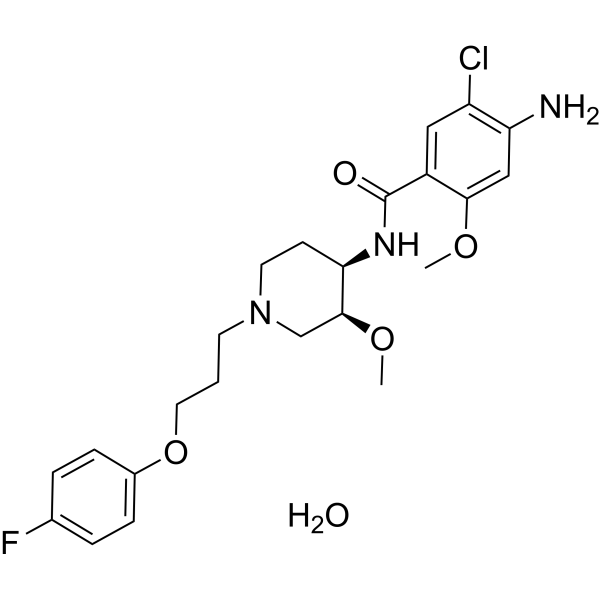
Cisapride monohydrate is an orally and potent 5-HT4 receptor agonist and hERG inhibitor. Cisapride monohydrate is an prokinetic agent which facilitates or restores motility throughout the length of the gastrointestinal tract. Cisapride monohydrate stimulates gastrointestinal motor activity through an indirect mechanism involving the release of acetylcholine mediated by postganglionic nerve endings in the myenteric plexus of the gut .
loading...
    loading...
1
1 Cited Publications
Cat. No.: HY-D0994
CAS No.: 3368-04-5
Synonyms: 4-MUP; MUP
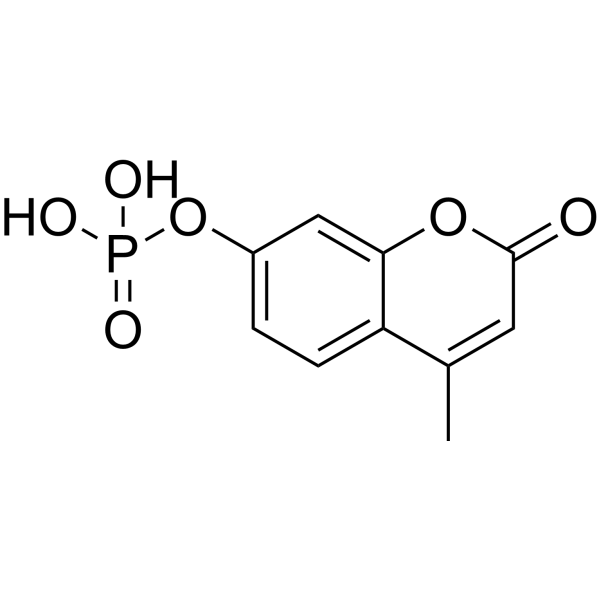
4-Methylumbelliferyl phosphate (4-MUP), an anionic organophosphate, is a acid and alkaline phosphatase fluorogenic substrate. 4-Methylumbelliferyl phosphate is also a nerve agent simulant .
loading...
    loading...
1
1 Cited Publications
Cat. No.: HY-W011108
CAS No.: 114-90-9
Target:  

Cholinesterase (ChE)

Research Areas:  

Neurological Disease

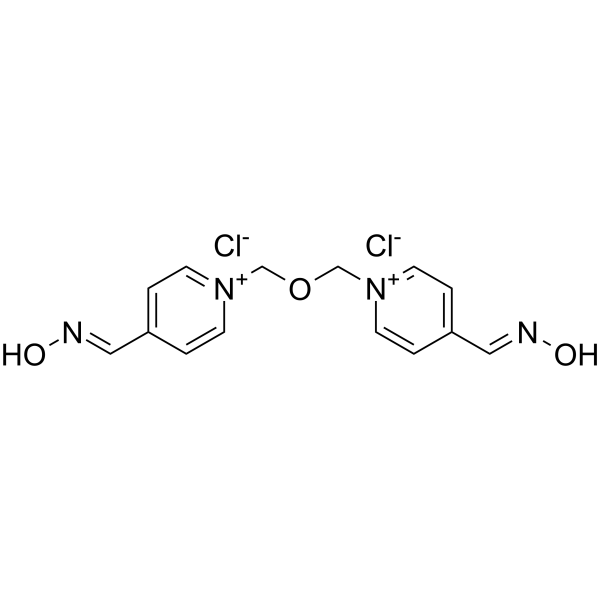
Obidoxime dichloride is a non-full spectrum oxime agent and can be used as an antidote for organophosphate nerve agent poisoning. Obidoxime dichloride reactivates sarin-inhibited acetylcholinesterase (AChE) and reduces acute toxicity of sarin-evaluated .
loading...
    loading...
Cat. No.: HY-N12586
CAS No.: 603-17-8
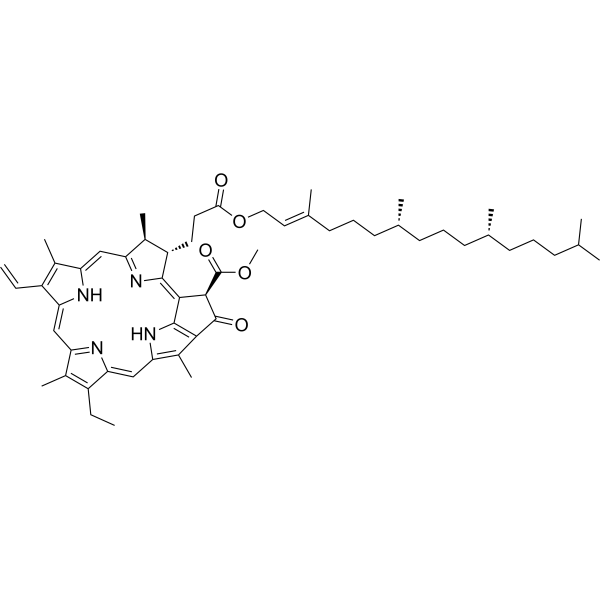
Pheophytin a is a multi-target inhibitor, anticancer agent, antioxidant and antiviral agent. Pheophytin a directly binds to and inhibits HCV-NS3/4A protease (IC50=0.89 μM) to block viral replication. Pheophytin a also scavenges free radicals, reduces ferric ions, and exhibits cytotoxic activity against breast cancer cells. Pheophytin a effectively inhibits LPS-induced production of nitric oxide, prostaglandin E2, NOS2 and COX-2, as well as various pro-inflammatory cytokines, by downregulating the transcription levels of inflammatory mediators and blocking the ERK1/2 and STAT-1 pathways. In a low nerve growth factor environment, Pheophytin a also enhances ERK1/2 phosphorylation and synergistically promotes neurite outgrowth through MAPK pathway. Pheophytin a can be used to investigate the pathogenic mechanisms of diseases including chronic hepatitis C, sepsis, breast cancer and Alzheimer's disease .
loading...
    loading...
Cat. No.: HY-B1738A
CAS No.: 94-63-3
Target:  

Cholinesterase (ChE)

Research Areas:  

Neurological Disease

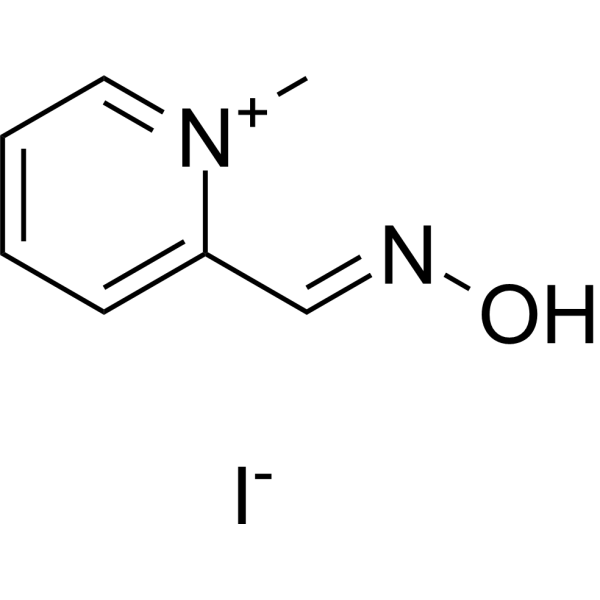
Pralidoxime iodide is a potent reactivator of acetylcholinesterase (AChE). Pralidoxime iodide reactivates nerve agent-inhibited AChE via direct nucleophilic attack by the oxime moiety on the phosphorus center of the bound nerve agent. Pralidoxime iodide is an antidote for organophosphate poisoning .
loading...
    loading...
Cat. No.: HY-B1016
CAS No.: 15421-84-8
Synonyms: AR-12008
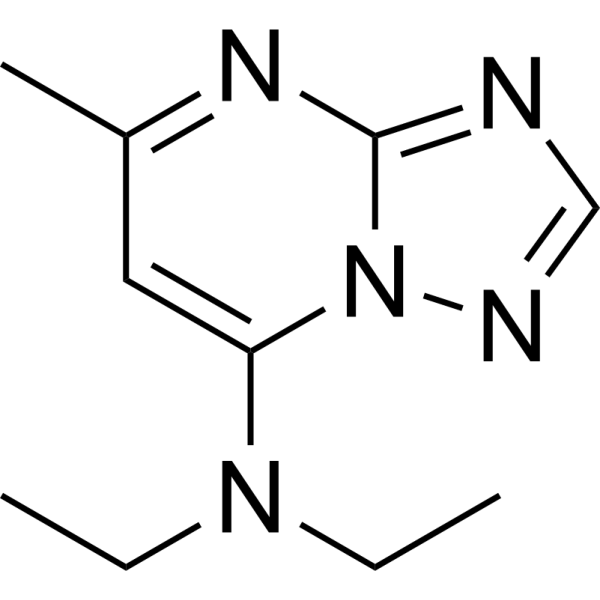
Trapidil (AR-12008) is an orally active vasodilator and antiplatelet agent. Trapidil antagonizes platelet-derived growth factor (PDGF), inhibits phosphodiesterase, thromboxane A2 synthesis and pro-inflammatory cytokine production. Trapidil promotes prostacyclin biosynthesis, reduces lipid peroxidation, regulates nitric oxide metabolism, and inhibits cell proliferation and migration. Trapidil exerts tissue-protective effects, regulates bone turnover, and inhibits pyroptosis via the GPX3/Nrf2 pathway. Trapidil is applicable to research related to renal ischemia-reperfusion injury, chronic stable angina, restenosis, meningioma, diabetic cardiomyopathy and peripheral nerve crush injury .
loading...
    loading...
Cat. No.: HY-123193
CAS No.: 65617-86-9
Synonyms: Pro-diazepam
Target:  

Drug Intermediate

Research Areas:  

Neurological Disease

Avizafone (Pro-diazepam), a pro-drug of Diazepam, is an anticonvulsant agent. Avizafone can be used as an antidote of nerve agent poisoning. In vivo, Avizafone is rapidly hydrolyzed by aminopeptidase to produce lysine and diazepam. Avizafone has research areas including neurological disease, such as epilepsy .
loading...
    loading...
Cat. No.: HY-N1501R
CAS No.: 5273-86-9
Beta-asarone (Standard) is the analytical standard of Beta-asarone. This product is intended for research and analytical applications. Beta-asarone is an orally active and BBB-penetrable anti-inflammatory agent and neuroprotective agent, which is the major ingredient of Acorus tatarinowii Schott. Beta-asarone can protect nerve cells from apoptosis and autophagy, inhibit expression of α-synuclein, as well as myocardial protection. Beta-asarone can be used in the study of neurological and cardiovascular diseases .
loading...
    loading...
Cat. No.: HY-123193S
Synonyms: Pro-diazepam-d5 dihydrobromide
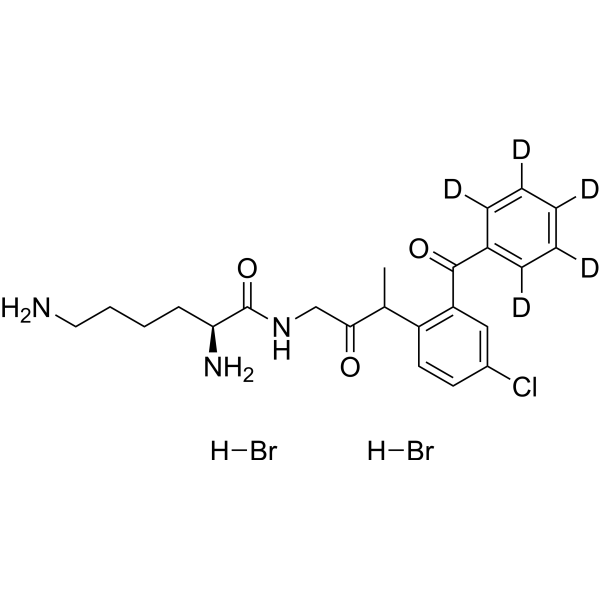
Avizafone-d5 dihydrobromide is the deuterium labeled Avizafone dihydrobromide . Avizafone (Pro-diazepam) dihydrobromide, a pro-drug of Diazepam, is an anticonvulsant agent. Avizafone dihydrobromide can be used as an antidote of nerve agent poisoning. In vivo, Avizafone is rapidly hydrolyzed by aminopeptidase to produce lysine and diazepam. Avizafone dihydrobromide has research areas including neurological disease, such as epilepsy.
loading...
    loading...
Cat. No.: HY-116005
CAS No.: 483341-15-7
A-286501 is an orally active and potent carbocyclic nucleoside adenosine kinase inhibitor with an IC50 value of 0.47 nM, which shows analgesic and anti-inflammatory effects. A-286501 reduces nociception in animal models of acute (thermal), inflammatory (formalin and carrageenan) and neuropathic (L5/L6 nerve ligation and streptozotocin-induced diabetic) pain. A-286501 also reduces Carrageenan (HY-125474)-induced paw edema and myeloperoxidase activity in the injured paw. A-286501 is promising for research of analgesic and anti-inflammatory agents .
loading...
    loading...
Cat. No.: HY-W129456
CAS No.: 4214-72-6
Research Areas:  

Neurological Disease

Isaxonine acts as a modifier of the surface pH of the bilayer . Isaxonine accelerates the rate of peripheral nerve regeneration, stimulate axonal sprouting and promote motor and sensory function recovery . Isaxonine is a neurotrophic agent .
loading...
    loading...
Cat. No.: HY-W702001
CAS No.: 60067-15-4
Synonyms: Pro-diazepam dihydrobromide
Target:  

Drug Intermediate

Research Areas:  

Neurological Disease

Avizafone (Pro-diazepam) dihydrobromide, a pro-drug of Diazepam, is an anticonvulsant agent. Avizafone dihydrobromide can be used as an antidote of nerve agent poisoning. In vivo, Avizafone dihydrobromide is rapidly hydrolyzed by aminopeptidase to produce lysine and diazepam. Avizafone dihydrobromide has research areas including neurological disease, such as epilepsy .
loading...
    loading...
Cat. No.: HY-16094
CAS No.: 114-85-2
Synonyms: BW 467C60
Bethanidine sulfate (BW 467C60) is an orally active antihypertensive agent and adrenergic neuron blocker. Bethanidine sulfate exerts its antihypertensive effect by inhibiting the release of norepinephrine from sympathetic nerve terminals. Bethanidine sulfate exhibits anti-ventricular arrhythmic activity. Bethanidine sulfate can be used in research related to hypertension, ventricular tachycardia, and ventricular fibrillation .
loading...
    loading...
Cat. No.: HY-B1738
CAS No.: 6735-59-7
Target:  

Cholinesterase (ChE)

Research Areas:  

Neurological Disease

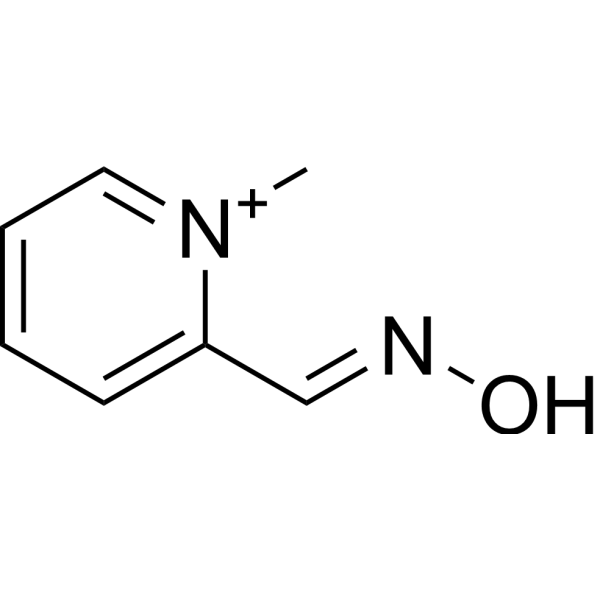
Pralidoxime is a potent reactivator of acetylcholinesterase (AChE). Pralidoxime reactivates nerve agent-inhibited AChE via direct nucleophilic attack by the oxime moiety on the phosphorus center of the bound nerve agent. Pralidoxime is an antidote for organophosphate poisoning .
loading...
    loading...

