

1. Search Result
Search Result
Results for "

nerve function

" in MedChemExpress (MCE) Product Catalog:

40

Inhibitors & Agonists

3

Screening Libraries

1

Fluorescent Dye

3

Biochemical Assay Reagents

7

Natural
Products

4

Isotope-Labeled Compounds

2

Oligonucleotides

Cat. No. Product Name Target Research Areas Chemical Structure
  • HY-110220
    CIM0216
    3 Publications Verification

    TRP Channel Neurological Disease
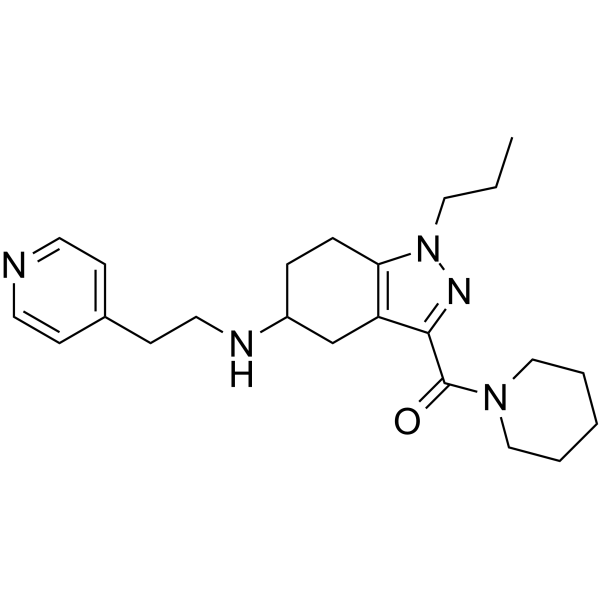
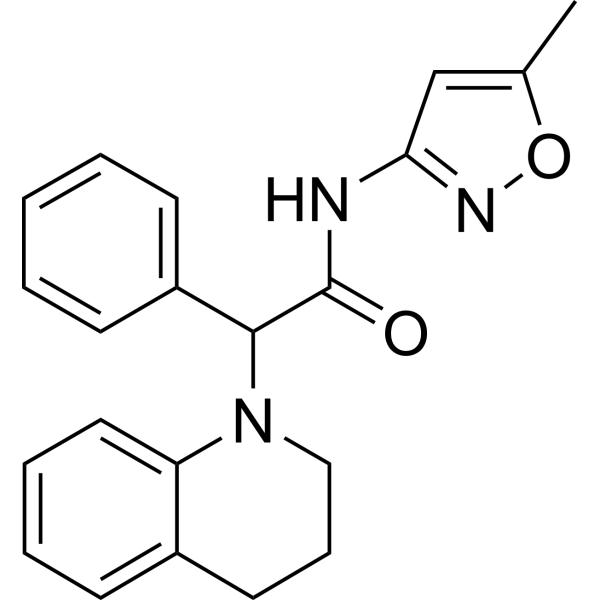
    CIM0216, a synthetic TRPM3 ligand, acts as a potent and selective agonist of TRPM3. CIM0216 exhibits selectivity for TRPM3 over TRPM1, TRPM2 and TRPM4-8. CIM0216 acts in a TRPM3-dependent manner to induce pain and evoke neuropeptide release from sensory nerve terminals in vitro. CIM0216 is a powerful tool for studies of the physiological functions of TRPM3, and can be used for neurogenic inflammation research .
    CIM0216
  • HY-12807
    FIPI
    5 Publications Verification

    5-Fluoro-2-indolyl deschlorohalopemide

    Phospholipase Cardiovascular Disease Neurological Disease Inflammation/Immunology Cancer
    FIPI is a phospholipase D (PLD) inhibitor with an IC50 for PLD1 and PLD2 of about 25 nM. FIPI regulates cytoskeletal recombination, cell diffusion and chemotaxis. FIPI can be used in cancer research. In addition, FIPI can enhance the secretion and aggregation of platelet dense particles, inhibit thrombosis, reduce ischemic stroke infarct volume and improve nerve function .
    FIPI
  • HY-W012788
    Maltol
    2 Publications Verification

    Environmental Pollutants Endogenous Metabolite Apoptosis Infection Neurological Disease
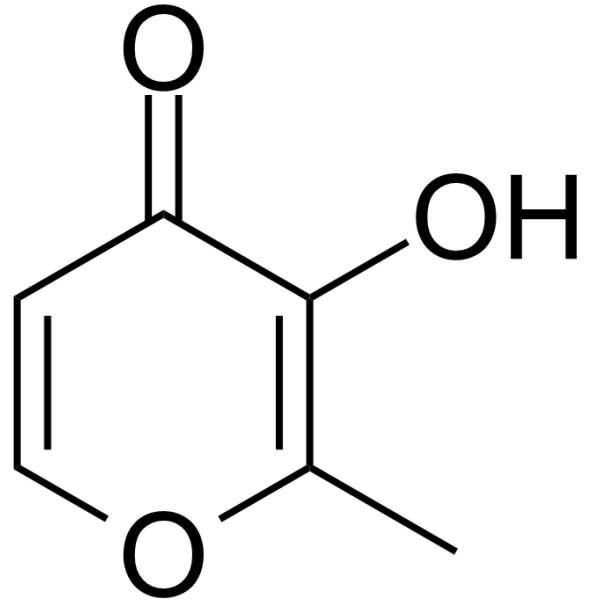
    Maltol, a type of aromatic compound, is an antioxidant agent. Maltol enhances neural function by mitigating oxidative stress and cell apoptosis. Maltol is an inhibitor of oxidative damage in nerve cells and is effective in preventing diabetic peripheral neuropathy (DPN). Maltol is used extensively as a safe flavoring agent and food preservative. Maltol is a metal ion chelator that can be used in the field of catalysis, cosmetics, and medicine .
    Maltol
  • HY-111793
    NUCC-390
    5+ Cited Publications

    CXCR Neurological Disease
    NUCC-390 is a novel and selective small-molecule CXCR4 receptor agonist. NUCC-390 induces internalization of CXCR4 receptors and acts in an opposite way of AMD3100 (HY-10046) . NUCC-390 promotes nerve recovery of function after neurodegeneration in vivo .
    NUCC-390
  • HY-W027553

    NIK-247 free base; Amiridine free base

    Cholinesterase (ChE) Potassium Channel Sodium Channel Neurological Disease Metabolic Disease
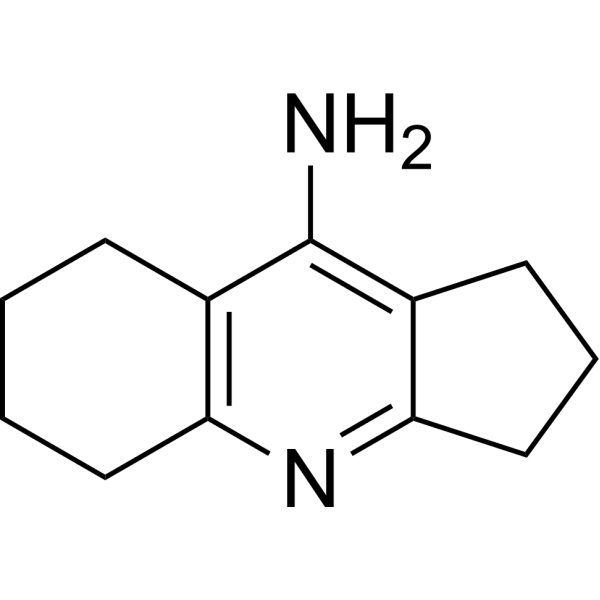
    Ipidacrine is orally active and brain-penetrant AChE and BuChE inhibitors with IC50 values of 1 μM and 1.9 μM, respectively, which is also a partial agonist of M2-cholinergic receptors and a reversible cholinesterase inhibitor. Ipidacrine has a stimulating effect on neuromuscular transmission and excitation along the nerve fibres with a moderately anti-pain effect. Ipidacrine is an aminopyridines and is structurally similar to Tacrine (HY-111338). Ipidacrine is effective in various amnesia models, improves erectile function and inhibits K + and Na +-channels in the neuronal membrane in diabetic rats. Ipidacrine is promising for research of Alzheimer’s disease, ischaemic stroke, idiopathic neuropathy of the facial nerve, diabetes mellitus-induced erectile dysfunction and other deficits in central or peripheral cholinergic deseases .
    Ipidacrine
  • HY-B0282A
    Acetylcholine bromide
    20+ Cited Publications

    ACh bromide

    Biochemical Assay Reagents Others Cancer
    Acetylcholine bromide is an organic choline salt compound commonly used in neurophysiology and pharmacology experiments. It plays an important role in the nervous system, acting as a neurotransmitter that transmits signals and regulates many important physiological functions. Due to its special biological activity, Acetylcholine bromide is widely used in the study of neurotransmitters, nerve damage and muscle movement.
    Acetylcholine bromide
  • HY-N5139
    Lecithins, egg
    1 Publications Verification

    Lecithins, egg yolk; Belovo PL 85

    Cholinesterase (ChE) Angiotensin-converting Enzyme (ACE) Bacterial Infection Neurological Disease Metabolic Disease Inflammation/Immunology
    Lecithins, egg (Lecithins, egg yolk; Belovo PL 85) is an orally active natural phospholipid mixture extracted from egg yolks . Lecithins, egg inhibits the activities of acetylcholinesterase (AChE) and angiotensin-converting enzyme (ACE). Lecithins, egg exhibits antibacterial, antioxidant and anti-inflammatory activities, and helps delay cellular senescence. Lecithins, egg enhances nerve conduction, improves memory and cognitive function, and exerts positive effects on delaying neurodegenerative diseases. Lecithins, egg promotes lipid absorption and alleviates diarrhea. Lecithins, egg acts as a high-efficiency drug carrier for the preparation of targeted drug delivery systems such as liposomes .
    Lecithins, egg
  • HY-B0516

    Hoe-045

    Sodium Channel NF-κB NOD-like Receptor (NLR) Neurological Disease Inflammation/Immunology
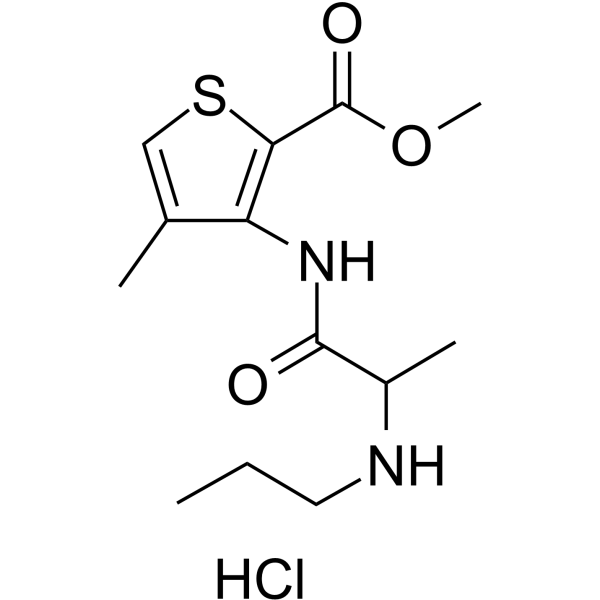
    Articaine (Hoe-045) hydrochloride is a selective inhibitor of voltage-gated sodium channels (such as rNav1.4, hNav1.7, and rNav1.8), with an IC50 of 15.8 μM for open-state Na + channels, and IC50 of 40.6 μM and 378 μM for inactivated and resting-state Na + channels, respectively. Articaine hydrochloride exerts local anesthetic activity by inhibiting Na + influx to block nerve impulse conduction, and can also inhibit NF-κB activation and NLRP3 inflammasome pathways, exhibiting anti-inflammatory function. Articaine hydrochloride can be used in the study of dental local anesthesia and inflammatory-related diseases (such as acute kidney injury) .
    Articaine hydrochloride
  • HY-122376

    D-Trans-Allethrin; Esbiol

    Environmental Pollutants Sodium Channel Neurological Disease
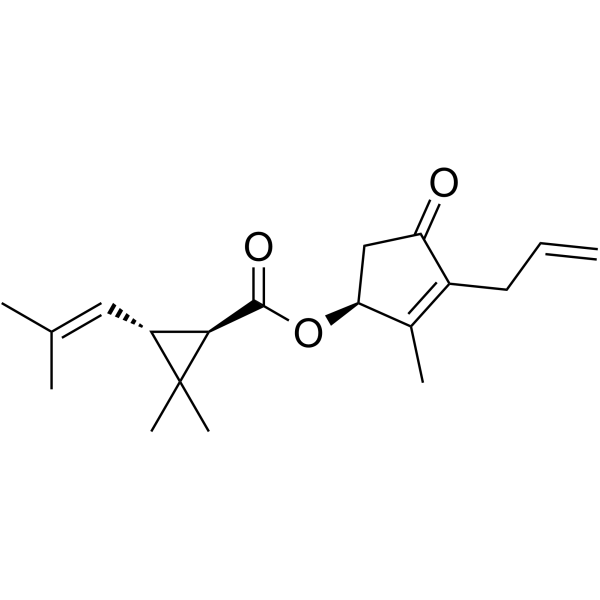
    S-Bioallethrin (D-Trans-Allethrin) is a pyrethroid insecticide. S-Bioallethrin disrupts nerve function by modifying the gating kinetics of transitions between the conducting and nonconducting states of voltage-gated sodium channels. S-Bioallethrin also causes inhibition of lymphocyte proliferation and induces histamine release from human basophils .
    S-Bioallethrin
  • HY-106901A

    HI-6

    Cholinesterase (ChE) nAChR Neurological Disease
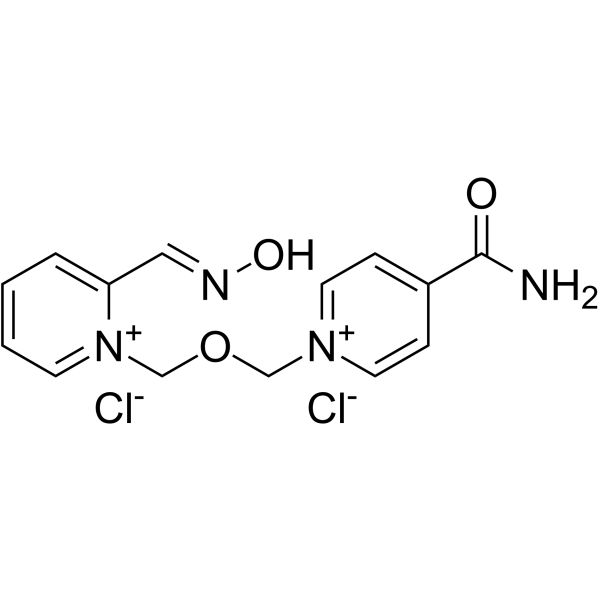
    Asoxime dichloride (HI-6) is an orally active thiosemicarbazone-based antidote. Asoxime dichloride is a reversible inhibitor of AChE, and its core mechanism of action is to re-activate AChE inhibited by nerve toxins, thereby restoring the cholinergic nerve function. Asoxime dichloride significantly restores the function of poisoned muscles without reactivating AChE. Asoxime dichloride is an antagonist of acetylcholine receptors (AChRs), including nicotinic receptor and α7 nAChR. Asoxime dichloride can serve as an effective immunomodulator, improving the immune effect of the nervous system .
    Asoxime dichloride
  • HY-111793A
    NUCC-390 dihydrochloride
    5+ Cited Publications

    CXCR Neurological Disease
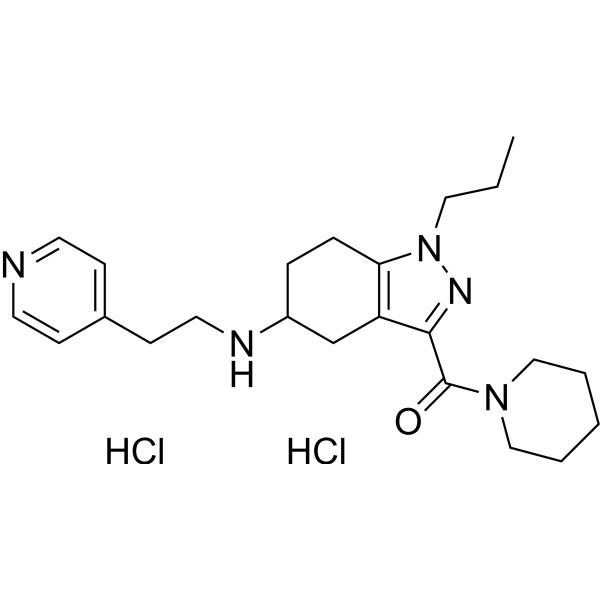
    NUCC-390 dihydrochloride is a novel and selective small-molecule CXCR4 receptor agonist. NUCC-390 dihydrochloride induces internalization of CXCR4 receptors and acts in an opposite way of AMD3100 (HY-10046) . NUCC-390 dihydrochloride promotes nerve recovery of function after neurodegeneration in vivo .
    NUCC-390 dihydrochloride
  • HY-N2125

    5-HT Receptor iGluR Caspase Interleukin Related TNF Receptor SOD NF-κB Neurological Disease Inflammation/Immunology
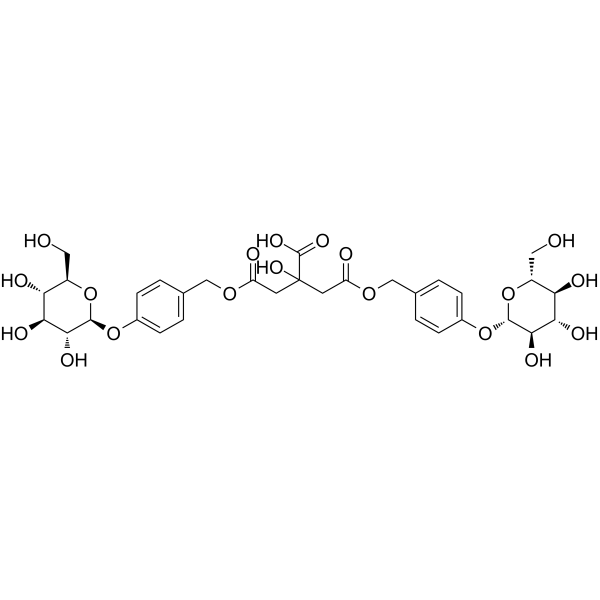
    Parishin C is a brain-penetrant major bioactive component found in Gastrodia elata Blume. Parishin C is a 5-HT1A receptor agonist with an EC50 of 34 nM. Parishin C has antipsychotic and neuroprotective effects. Parishin C protects against Aβ-induced long-term potentiation damage and NMDA receptor current impairment. Parishin C reduces oxidative stress, pro-inflammatory cytokine levels, caspase activity, brain water content, and cerebral infarct volume; increases antioxidant enzyme activity and BDNF levels; improves nerve function and histopathological brain damage. Parishin C attenuates phencyclidine-induced immobility time increases, sociability deficits, and visual recognition memory impairment. Parishin C can be used for the research of ischemic stroke, Alzheimer's disease, and schizophrenia-like psychosis .
    Parishin C
  • HY-B1173
    (+)-Camphor
    1 Publications Verification

    D-(+)-Camphor; (1R)-(+)-Camphor

    Environmental Pollutants Bacterial Neurological Disease Inflammation/Immunology Cancer
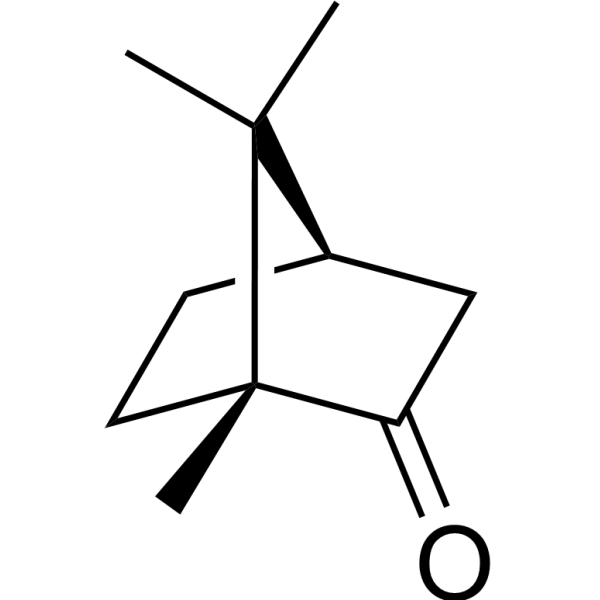
    (+)-Camphor (D-(+)-Camphor; (1R)-(+)-Camphor) is an isomer of Camphor. Camphor is an agonist of monoterpenoid transient receptor potential (TRP) channels (such as TRPV1, TRPV3, TRPM8) and an inhibitor of TRPA1 channels. Camphor's derivatives have multiple biological activities, including antibacterial, antiviral, antioxidant, analgesic and anticancer. Camphor can selectively activate cold-sensitive TRP channels and inhibit TRPA1-mediated nociceptive signals. Camphor stimulates the cold-sensing nerve endings in the skin and regulates the activity of ion channels to exert analgesic, anti-inflammatory and anti-itching effects. It also has anti-proliferative and anti-mutagenic activities on tumor cells, which may be related to inhibiting ribosome function or inducing cell apoptosis. Camphor can be absorbed through the skin and (+)-Camphor can be used in the study of muscle and joint pain and inflammation .
    (+)-Camphor
  • HY-W129456

    Biochemical Assay Reagents Neurological Disease
    Isaxonine acts as a modifier of the surface pH of the bilayer . Isaxonine accelerates the rate of peripheral nerve regeneration, stimulate axonal sprouting and promote motor and sensory function recovery . Isaxonine is a neurotrophic agent .
    Isaxonine
  • HY-106901AS
    Asoxime-d4 dichloride
    1 Publications Verification

    HI-6-d4

    Isotope-Labeled Compounds Cholinesterase (ChE) nAChR Neurological Disease
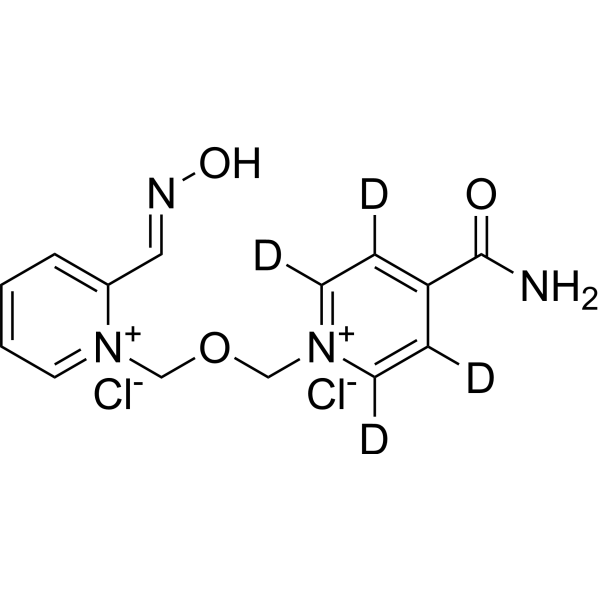
    Asoxime-d4 dichloride (HI-6-d4) is the deuterium labeled Asoxime dichloride. Asoxime dichloride is an orally active thiosemicarbazone-based antidote. Asoxime dichloride is a reversible inhibitor of AChE, and its core mechanism of action is to re-activate AChE inhibited by nerve toxins, thereby restoring the cholinergic nerve function. Asoxime dichloride significantly restores the function of poisoned muscles without reactivating AChE. Asoxime dichloride is an antagonist of acetylcholine receptors (AChRs), including nicotinic receptor and α7 nAChR. Asoxime dichloride can serve as an effective immunomodulator, improving the immune effect of the nervous system.
    Asoxime-d4 dichloride
  • HY-E70870

    Trk Receptor Neurological Disease
    TRKB(NTRK2) is a member of tyrosine kinase gene family. TRKB is the primary receptor for brain-derived nerve growth factor (BDNF) and neurotrophin 4/5 (NT4/5). TRKB(NTRK2) Recombinant Human Active Protein Kinase is a recombinant TRKB(NTRK2) protein that can be used to study TRKB(NTRK2)-related functions .
    TRKB(NTRK2) Recombinant Human Active Protein Kinase
  • HY-W012788R

    Reference Standards Endogenous Metabolite Apoptosis Infection Neurological Disease
    Maltol (Standard) is the analytical standard of Maltol. This product is intended for research and analytical applications. Maltol, a type of aromatic compound, is an antioxidant agent. Maltol enhances neural function by mitigating oxidative stress and cell apoptosis. Maltol is an inhibitor of oxidative damage in nerve cells and is effective in preventing diabetic peripheral neuropathy (DPN). Maltol is used extensively as a safe flavoring agent and food preservative. Maltol is a metal ion chelator that can be used in the field of catalysis, cosmetics, and medicine .
    Maltol (Standard)
  • HY-W027553R

    NIK-247 free base (Standard); Amiridine free base (Standard)

    Reference Standards Cholinesterase (ChE) Potassium Channel Sodium Channel Neurological Disease Metabolic Disease
    Ipidacrine (Standard) is the analytical reference standard of Ipidacrine. This product is used for research and analytical applications. Ipidacrine is orally active and blood-brain-barrier-penetrant AChE and BuChE inhibitors with IC50 values of 1 μM and 1.9 μM, respectively, which is also a partial agonist of M2-cholinergic receptors and a reversible cholinesterase inhibitor. Ipidacrine has a stimulating effect on neuromuscular transmission and excitation along the nerve fibres with a moderately anti-pain effect. Ipidacrine is an aminopyridines and is structurally similar to Tacrine (HY-111338). Ipidacrine is effective in various amnesia models, improves erectile function and inhibits K + and Na +-channels in the neuronal membrane in diabetic rats. Ipidacrine is promising for research of Alzheimer’s disease, ischaemic stroke, idiopathic neuropathy of the facial nerve, diabetes mellitus-induced erectile dysfunction and other deficits in central or peripheral cholinergic deseases .
    Ipidacrine (Standard)
  • HY-B0516A

    Hoe-045 free base

    Sodium Channel NF-κB NOD-like Receptor (NLR) Neurological Disease Inflammation/Immunology
    Articaine (Hoe-045) is a selective inhibitor of voltage-gated sodium channels (such as rNav1.4, hNav1.7, and rNav1.8), with an IC50 of 15.8 μM for open-state Na + channels, and IC50 of 40.6 μM and 378 μM for inactivated and resting-state Na + channels, respectively. Articaine exerts local anesthetic activity by inhibiting Na + influx to block nerve impulse conduction, and can also inhibit NF-κB activation and NLRP3 inflammasome pathways, exhibiting anti-inflammatory function. Articaine can be used in the study of dental local anesthesia and inflammatory-related diseases (such as acute kidney injury) .
    Articaine
  • HY-B1173R

    D-(+)-Camphor (Standard); (1R)-(+)-Camphor (Standard)

    Reference Standards Bacterial Neurological Disease Inflammation/Immunology Cancer
    (+)-Camphor (Standard) is the analytical standard of (+)-Camphor. This product is intended for research and analytical applications. (+)-Camphor (D-(+)-Camphor; (1R)-(+)-Camphor) is an isomer of Camphor. Camphor is an agonist of monoterpenoid transient receptor potential (TRP) channels (such as TRPV1, TRPV3, TRPM8) and an inhibitor of TRPA1 channels. Camphor's derivatives have multiple biological activities, including antibacterial, antiviral, antioxidant, analgesic and anticancer. Camphor can selectively activate cold-sensitive TRP channels and inhibit TRPA1-mediated nociceptive signals. Camphor stimulates the cold-sensing nerve endings in the skin and regulates the activity of ion channels to exert analgesic, anti-inflammatory and anti-itching effects. It also has anti-proliferative and anti-mutagenic activities on tumor cells, which may be related to inhibiting ribosome function or inducing cell apoptosis. Camphor can be absorbed through the skin and (+)-Camphor can be used in the study of muscle and joint pain and inflammation .
    (+)-Camphor (Standard)
  • HY-138257

    (S)-AS1069562; (S)-YM-08054 benzenesulfonate

    5-HT Receptor Neurological Disease
    (S)-AS1069562 is the S-enantiomer of AS1069562 (HY-138257A). AS1069562 is an orally active 5-HT and NE reuptake inhibitor, with IC50 values of 0.35 μM and 3.3 μM, respectively. AS1069562 possesses curative-like analgesic effect. AS1069562 might improve nerve function impairment via the amelioration of neurotrophic support .
    (S)-Indeloxazine benzenesulfonate
  • HY-W698686

    Biochemical Assay Reagents
    β-Galactosyl-C18-ceramide is a bioactive molecule that promotes the regulation of nerve cells, regulates protein kinase C activity, and affects hormone receptors. β-Galactosyl-C18-ceramide is widely used in neuroscience research to explore its effects on nerve cell growth and function. The regulatory function of β-Galactosyl-C18-ceramide makes it a potential application prospect in compound development and disease inhibition.
    β-Galactosyl-C18-ceramide
  • HY-W751874

    Mitochondrial Metabolism Neurological Disease
    Acetyl methylene blue can be used to synthesize mitochondrial development stimulators, which can be used for eye diseases related to insufficient mitochondrial function in nerve cells .
    Acetyl methylene blue
  • HY-W783157

    Heterofos

    Insecticide Cholinesterase (ChE) Infection
    Heterophos (Heterofos) is an organophosphorus insecticide and an AChE inhibitor. Heterophos inhibits AChE's function of decomposing acetylcholine, causing disorder of insect nerve conduction and exerting insecticidal effects .
    Heterophos
  • HY-168172

    Lactate Dehydrogenase Cancer
    LDH-IN-3 (compound E38) is an inhibitor of LDH, promising protective agent for ischemic nerve damage in the eye and brain. LDH-IN-3 acts its function via HO-1/SIRT1 pathway. .
    LDH-IN-3
  • HY-161118

    nAChR Neurological Disease
    MB327 is a bipyridine nonoxime compound that restores neuromuscular function. MB327 restores the activity of nicotinamide acetylcholine receptors (nAChRs) for carbachol desensitization in a typical type II PAM manner. MB327 can neutralize nerve agent poisoning .
    MB327
  • HY-W698686S

    Isotope-Labeled Compounds Others Others
    β-Galactosyl-C18-ceramide-d35 is deuterium labeled β-Galactosyl-C18-ceramide. β-Galactosyl-C18-ceramide is a bioactive molecule that promotes the regulation of nerve cells, regulates protein kinase C activity, and affects hormone receptors. β-Galactosyl-C18-ceramide is widely used in neuroscience research to explore its effects on nerve cell growth and function. The regulatory function of β-Galactosyl-C18-ceramide makes it a potential application prospect in compound development and disease inhibition .
    β-Galactosyl-C18-ceramide-d35
  • HY-138257A

    AS1069562; (R)-YM-08054 benzenesulfonate

    5-HT Receptor Serotonin Transporter Neurological Disease Metabolic Disease
    (R)-Indeloxazine benzenesulfonate (AS1069562) is an orally active 5-HT and NE reuptake inhibitor, with IC50 values of 0.35 μM and 3.3 μM, respectively. (R)-Indeloxazine benzenesulfonate (AS1069562) possesses curative-like analgesic effect. (R)-Indeloxazine benzenesulfonate (AS1069562) might improve nerve function impairment via the amelioration of neurotrophic support .
    (R)-Indeloxazine benzenesulfonate
  • HY-12807A

    5-Fluoro-2-indolyl deschlorohalopemide hydrochloride

    Phospholipase Cardiovascular Disease Neurological Disease Inflammation/Immunology Cancer
    FIPI hydrochloride is a phospholipase D (PLD) inhibitor with an IC50 for PLD1 and PLD2 of about 25 nM. FIPI hydrochloride regulates cytoskeletal recombination, cell diffusion and chemotaxis. FIPI hydrochloride can be used in cancer research. In addition, FIPI hydrochloride can enhance the secretion and aggregation of platelet dense particles, inhibit thrombosis, reduce ischemic stroke infarct volume and improve nerve function .
    FIPI hydrochloride
  • HY-B1661

    Hexone chloride

    Biochemical Assay Reagents Cardiovascular Disease Others
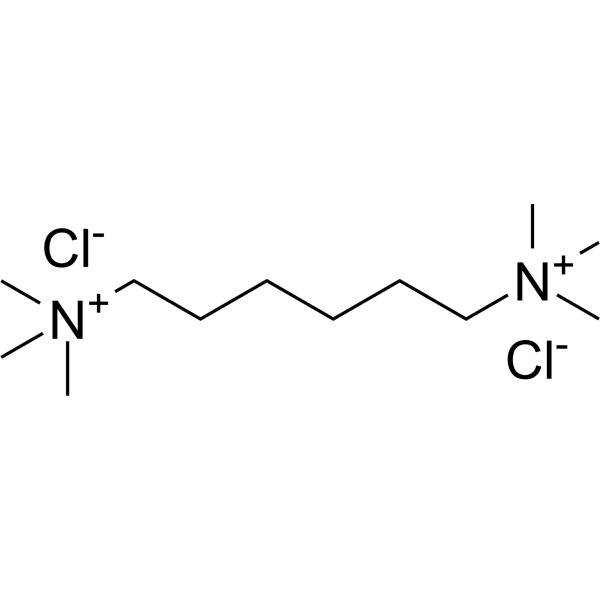
    Hexamethonium Chloride Dihydrate is a synthetic organic compound commonly used as a ganglion blocking agent, which means it blocks the transmission of nerve impulses between ganglion cells in the autonomic nervous system. Hexamethonium Chloride Dihydrate is used in various medical applications such as lowering blood pressure or inhibiting certain types of neuropathic pain. It works by inhibiting the release of acetylcholine, a neurotransmitter that plays a key role in regulating many bodily functions.
    Hexamethonium chloride
  • HY-E70785

    Trk Receptor Cancer
    TRKA is a member of the tropomyosin receptor kinase (TRK) family, and its primary binding ligand is nerve growth factor (NGF). TRKA G667C is a mutant of TRKA. TRKA G667C Recombinant Human Active Protein Kinase is a recombinant TRKA G667C protein that can be used to study TRKA G667C-related functions .
    TRKA G667C Recombinant Human Active Protein Kinase
  • HY-W012788S

    Isotope-Labeled Compounds Endogenous Metabolite Apoptosis Infection Neurological Disease
    Maltol-d3 is a deuterium labeled Maltol (HY-W012788). Maltol, a type of aromatic compound, is an antioxidant agent. Maltol enhances neural function by mitigating oxidative stress and cell apoptosis. Maltol is an inhibitor of oxidative damage in nerve cells and is effective in preventing diabetic peripheral neuropathy (DPN). Maltol is used extensively as a safe flavoring agent and food preservative. Maltol is a metal ion chelator that can be used in the field of catalysis, cosmetics, and medicine .
    Maltol-d3
  • HY-W027553S1

    NIK-247-d9 free base

    Isotope-Labeled Compounds Cholinesterase (ChE) Potassium Channel Sodium Channel Metabolic Disease
    Ipidacrine-d9 (NIK-247-d9 (free base)) is the deuterium labeled Ipidacrine (HY-W027553). Ipidacrine is orally active and brain-penetrant AChE and BuChE inhibitors with IC50 values of 1 μM and 1.9 μM, respectively, which is also a partial agonist of M2-cholinergic receptors and a reversible cholinesterase inhibitor. Ipidacrine has a stimulating effect on neuromuscular transmission and excitation along the nerve fibres with a moderately anti-pain effect. Ipidacrine is an aminopyridines and is structurally similar to Tacrine (HY-111338). Ipidacrine is effective in various amnesia models, improves erectile function and inhibits K+ and Na+-channels in the neuronal membrane in diabetic rats. Ipidacrine is promising for research of Alzheimer’s disease, ischaemic stroke, idiopathic neuropathy of the facial nerve, diabetes mellitus-induced erectile dysfunction and other deficits in central or peripheral cholinergic deseases .
    Ipidacrine-d9
  • HY-B0516R

    Hoe-045 (Standard)

    Reference Standards Sodium Channel NF-κB NOD-like Receptor (NLR) Neurological Disease
    Articaine (Hoe-045) hydrochloride (Standard) is the analytical standard of Articaine hydrochloride (HY-B0516). This product is intended for research and analytical applications. Articaine (Hoe-045) hydrochloride is a selective inhibitor of voltage-gated sodium channels (such as rNav1.4, hNav1.7, and rNav1.8), with an IC50 of 15.8 μM for open-state Na + channels, and IC50 of 40.6 μM and 378 μM for inactivated and resting-state Na + channels, respectively. Articaine hydrochloride exerts local anesthetic activity by inhibiting Na + influx to block nerve impulse conduction, and can also inhibit NF-κB activation and NLRP3 inflammasome pathways, exhibiting anti-inflammatory function. Articaine hydrochloride can be used in the study of dental local anesthesia and inflammatory-related diseases (such as acute kidney injury) .
    Articaine hydrochloride (Standard)
  • HY-B0516AR

    Hoe-045 free base (Standard)

    Reference Standards Sodium Channel NF-κB NOD-like Receptor (NLR) Inflammation/Immunology
    Articaine (Standard) is the analytical standard of Articaine (HY-B0516A). This product is intended for research and analytical applications. Articaine (Hoe-045) hydrochloride is a selective inhibitor of voltage-gated sodium channels (such as rNav1.4, hNav1.7, and rNav1.8), with an IC50 of 15.8 μM for open-state Na + channels, and IC50 of 40.6 μM and 378 μM for inactivated and resting-state Na + channels, respectively. Articaine hydrochloride exerts local anesthetic activity by inhibiting Na + influx to block nerve impulse conduction, and can also inhibit NF-κB activation and NLRP3 inflammasome pathways, exhibiting anti-inflammatory function. Articaine hydrochloride can be used in the study of dental local anesthesia and inflammatory-related diseases (such as acute kidney injury) .
    Articaine (Standard)
  • HY-N2125R

    Reference Standards 5-HT Receptor iGluR Caspase Interleukin Related TNF Receptor SOD NF-κB Neurological Disease Inflammation/Immunology
    Parishin C (Standard) is the analytical standard of Parishin C (HY-N2125). This product is intended for research and analytical applications. Parishin C is a brain-penetrant major bioactive component found in Gastrodia elata Blume. Parishin C is a 5-HT1A receptor agonist with an EC50 of 34 nM. Parishin C has antipsychotic and neuroprotective effects. Parishin C protects against Aβ-induced long-term potentiation damage and NMDA receptor current impairment. Parishin C reduces oxidative stress, pro-inflammatory cytokine levels, caspase activity, brain water content, and cerebral infarct volume; increases antioxidant enzyme activity and BDNF levels; improves nerve function and histopathological brain damage. Parishin C attenuates phencyclidine-induced immobility time increases, sociability deficits, and visual recognition memory impairment. Parishin C can be used for the research of ischemic stroke, Alzheimer's disease, and schizophrenia-like psychosis .
    Parishin C (Standard)
  • HY-106901B

    HI-6 dimesylate

    Cholinesterase (ChE) nAChR Neurological Disease
    Asoxime dimesylate (HI-6 dimesylate) is an orally active thiosemicarbazone-based antidote. Asoxime dimesylate is a reversible inhibitor of AChE, and its core mechanism of action is to re-activate AChE inhibited by nerve toxins, thereby restoring the cholinergic nerve function. Asoxime dimesylate significantly restores the function of poisoned muscles without reactivating AChE. Asoxime dimesylate is an antagonist of acetylcholine receptors (AChRs), including nicotinic receptor and α7 nAChR. Asoxime dimesylate can serve as an effective immunomodulator, improving the immune effect of the nervous system .
    Asoxime dimesylate
  • HY-19689

    NIK-247; Amiridine

    Cholinesterase (ChE) Potassium Channel Sodium Channel Cardiovascular Disease Neurological Disease Endocrinology
    Ipidacrine (NIK-247; Amiridine) hydrochloride is orally active and blood-brain-barrier-penetrant AChE and BuChE inhibitors with IC50 values of 1 μM and 1.9 μM, respectively, which is also a partial agonist of M2-cholinergic receptors and a reversible cholinesterase inhibitor. Ipidacrine hydrochloride has a stimulating effect on neuromuscular transmission and excitation along the nerve fibres with a moderately anti-pain effect. Ipidacrine hydrochloride is an aminopyridines and is structurally similar to Tacrine (HY-111338). Ipidacrine hydrochloride is effective in various amnesia models, improves erectile function and inhibits K + and Na +-channels in the neuronal membrane in diabetic rats. Ipidacrine hydrochloride is promising for research of Alzheimer’s disease, ischaemic stroke, idiopathic neuropathy of the facial nerve, diabetes mellitus-induced erectile dysfunction and other deficits in central or peripheral cholinergic deseases .
    Ipidacrine hydrochloride
  • HY-N8421

    Potassium Channel Cardiovascular Disease
    Tabernanthine is a negative chronotropic and negative inotropic agent that selectively acts on sinoatrial node receptors, regulating heart rhythm and myocardial contractility. Tabernanthine exhibits atropine resistance and direct non-cholinergic binding properties, acting directly on the sinoatrial node rather than relying on vagal nerve or cholinergic pathways to exert its key activity of slowing heart rate and weakening myocardial contractility. Tabernanthine is useful in cardiovascular pharmacology research, particularly in the areas of sinoatrial node function regulation, mechanisms related to bradycardia, and studies of cardiac receptor subtype differences .
    Tabernanthine
  • HY-182513

    Prostaglandin Receptor Others Inflammation/Immunology
    ONO-8539 is an orally active prostanoid EP1 receptor antagonist with competitive, insurmountable binding and slow receptor dissociation for long-duration inhibition. ONO-8539 modulates afferent nerve function related to bladder activity, inhibits detrusor overactivity-related contractions, decreases nonvoiding contractions and voiding duration, and increases uroflow rate with ATP (HY-B2176)-induced detrusor overactivity. ONO-8539 attenuates acid-induced heartburn symptoms, extends time to first heartburn sensation, and prevents primary hypersensitivity after distal esophageal acidification. ONO-8539 can be used for the research of overactive bladder and gastroesophageal reflux disease .
    ONO-8539

Inquiry Online

Your information is safe with us. * Required Fields.

Salutation


Country or Region *

Applicant Name *


Organization Name *

Department *


Email Address *


Product Name *

Cat. No.


Requested quantity *

Phone Number *


Remarks

Inquiry Online

Inquiry Information

Product Name:
Cat. No.:
Quantity:
MCE Japan Authorized Agent:

