


1. Search Result
Search Result
Results for "

organic solvent

" in MedChemExpress (MCE) Product Catalog:

83

Inhibitors & Agonists

11

Fluorescent Dyes

40

Biochemical Assay Reagents

1

Peptides

9

Natural
Products

14

Isotope-Labeled Compounds

1

Click Chemistry

Targets Recommended:
Cat. No. Product Name Target Research Areas Chemical Structure
  • HY-D0819
    CY5-SE
    35+ Cited Publications

    Cy5 NHS Ester; Sulfo-Cyanine5 Succinimidyl Ester

    Fluorescent Dye Others
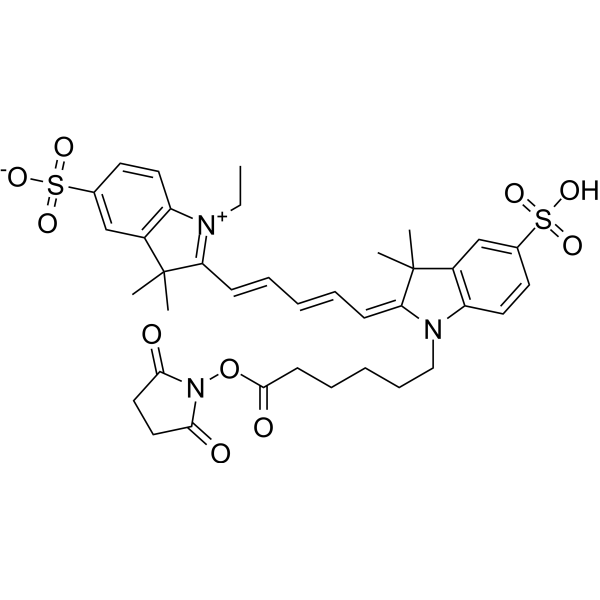
    Cy5-SE (Cy5 NHS Ester) is a reactive dye for the labeling of amino-groups in peptides, proteins, and oligonucleotides. This dye requires small amount of organic co-solvent (such as DMF or DMSO) to be used in labeling reaction. This reagent is ideal for very cost-efficient labeling of soluble proteins, as well as all kinds of peptides and oligonucleotides. This reagent also works well in organic solvents for small molecule labeling. Excitation (nm):649, Emission (nm): 670.
    CY5-SE
  • HY-112053
    DPPH
    Maximum Cited Publications
    46 Publications Verification

    2,2-Diphenyl-1-picrylhydrazyl

    Reactive Oxygen Species (ROS) Metabolic Disease
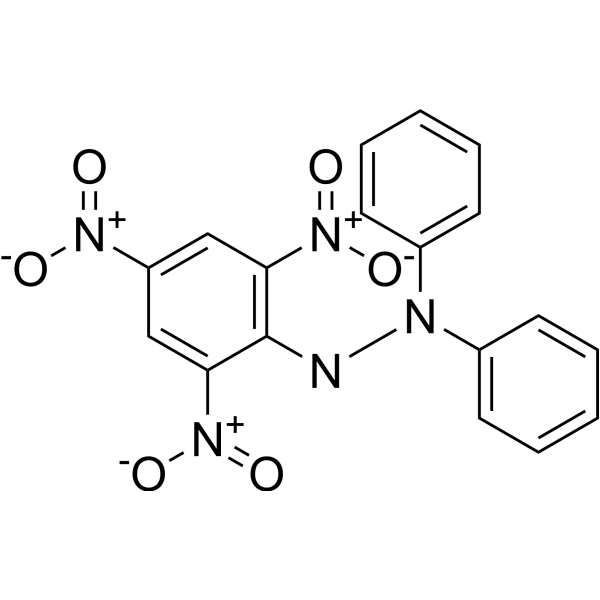
    DPPH (2,2-Diphenyl-1-picrylhydrazyl) is a stable free radical that can be used to measure the radical scavenging activity of antioxidants. The odd electron of nitrogen atom in DPPH is reduced by receiving a hydrogen atom from antioxidants to the corresponding hydrazine. DPPH method may be utilized in aqueous and nonpolar organic solvents and can be used to examine both hydrophilic and lipophilic antioxidants .
    DPPH
  • HY-W042416
    N,N-Dimethylacetamide
    1 Publications Verification

    DMAc

    NF-κB Neurological Disease Metabolic Disease Inflammation/Immunology
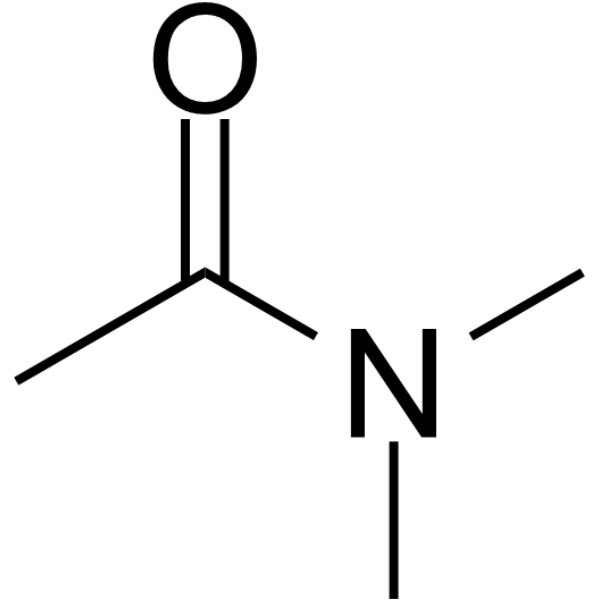
    N,N-Dimethylacetamide (DMAc) is an organic solvent with blood-brain transmissibility and an FDA-approved drug excipient. N, N-dimethylacetamide exerts anti-inflammatory activity by inhibiting the NF-κB signaling pathway. N, N-dimethylacetamide can be used in studies of weight gain caused by a high-fat diet and neuroinflammation in Alzheimer's disease .
    N,N-Dimethylacetamide
  • HY-Y1275

    NMP; 1-Methyl-2-pyrrolidinone

    Environmental Pollutants Biochemical Assay Reagents Cancer
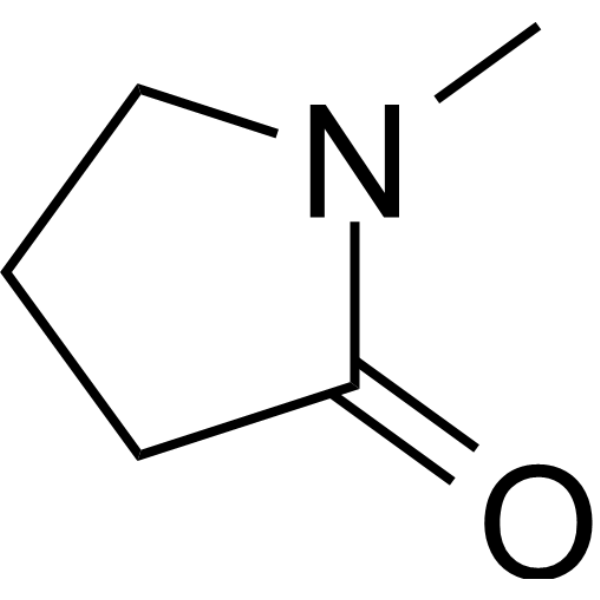
    N-Methylpyrrolidone (1-Methyl-2-pyrrolidinone), a five-membered cyclic amide, is an orally active organic polar solvent with teratogenicity and toxicity. N-Methylpyrrolidone is low in acute toxicity with a LD50 value of 3914 mg/kg in rats and of 4050 mg/kg in mice. N-Methylpyrrolidone is extensively used in the manufacture of adhesives, paints, fuels, and pharmaceuticals .
    N-Methylpyrrolidone
  • HY-Y0971

    TBAF

    Biochemical Assay Reagents Others
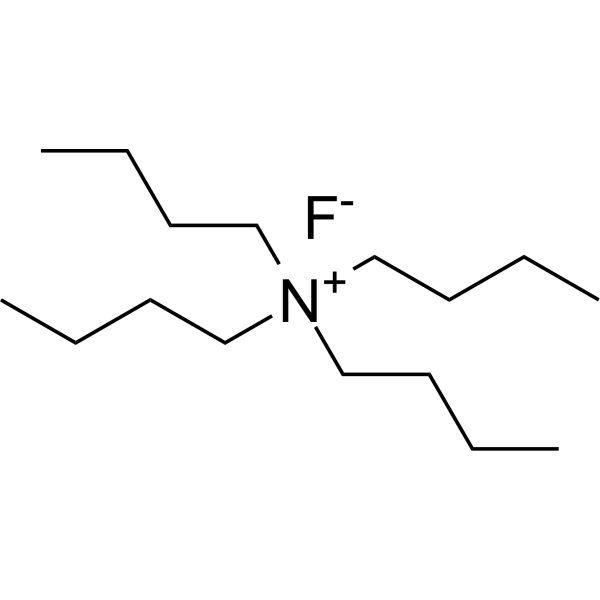
    Tetrabutylammonium fluoride is an organic compound containing both ammonium and fluorine functional groups. It is commonly used as a reagent in various chemical synthesis applications, especially as a source of fluoride ions for nucleophilic reactions. Tetrabutylammonium fluoride has several properties that make it suitable for these applications, including its high solubility in polar solvents and its ability to selectively activate certain chemical bonds. In addition, it can be used as a catalyst for organic reactions and as an electrolyte for batteries.
    Tetrabutylammonium fluoride (solution),1M in THF
  • HY-W010639

    Pent-4-en-1-ol

    Biochemical Assay Reagents Others
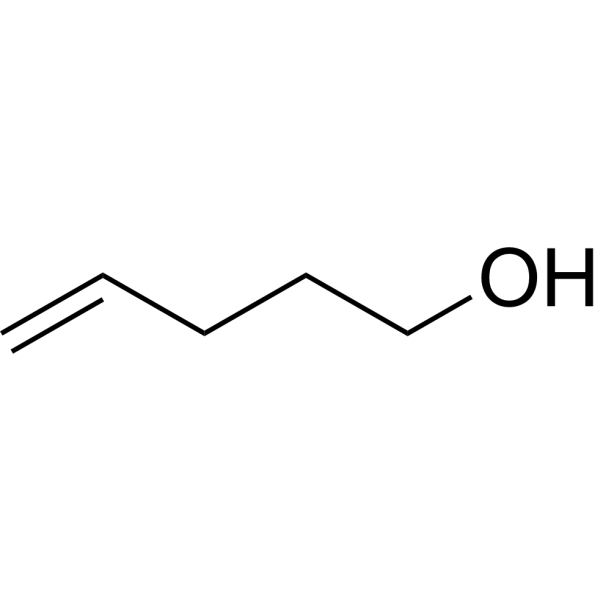
    4-Penten-1-ol is commonly used as a flavor ingredient in various products, including food, beverages, and perfumes, and can also be used as a starting material for the synthesis of various organic compounds, including pharmaceuticals and agrochemicals. In addition, 4-Penten -1-ol has been investigated for its potential use as a biobased solvent due to its low toxicity and biodegradability, and its antimicrobial properties against certain bacteria and fungi, which may make it useful for developing new Antibacterial agents.
    4-Penten-1-ol
  • HY-W011696

    cis-1-Amino-9-octadecene, 80-90%

    Environmental Pollutants Biochemical Assay Reagents Cancer
    Oleylamine, 80-90% (cis-1-Amino-9-octadecene, 80-90%) is a multifunctional reagent used for metal ion coordination and nanoparticle surface modification, and acts as a solvent, surfactant and reducing agent in the synthesis of metal oxide nanoparticles. Oleylamine, 80-90% regulates nanoparticle morphology, magnetization intensity and water proton relaxation rate via thiol-ene "click" reaction, and enhances the colloidal stability of nanoparticles in organic reagents. Oleylamine, 80-90% is mainly used in research and applications in fields such as nanomaterial synthesis, biomedical imaging (MRI contrast agents, fluorescent probes), cancer cell targeting and drug delivery .
    Oleylamine, 80-90%
  • HY-130086

    ADC Linker Cancer
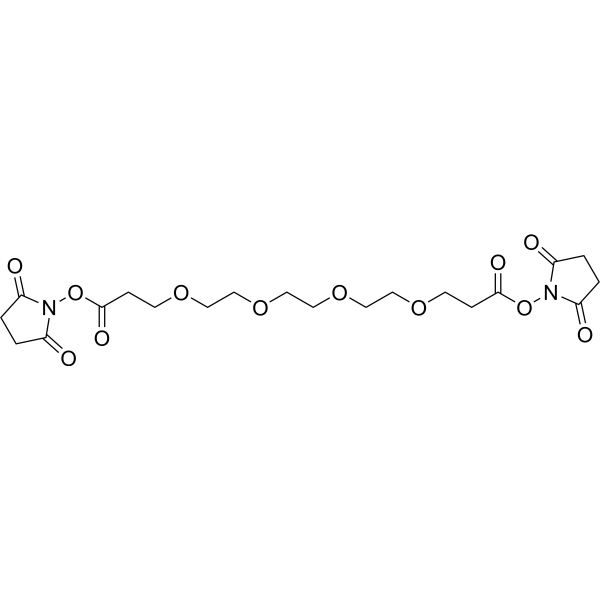
    Bis-PEG4-NHS ester is a crosslinking reagent and amine-reactive modulator .Bis-PEG4-NHS ester reacts with primary amine groups on liposome surfaces via amide bond formation to covalently attach dibenzylcyclooctyne groups, with a hydrophilic PEG4 spacer reducing steric hindrance for subsequent click chemistry .Bis-PEG4-NHS ester enables site-specific antibody coupling to liposome surfaces via copper-free strain-promoted alkyne-azide cycloaddition click chemistry without disrupting liposome structure in minimal organic solvent volumes .Bis-PEG4-NHS ester undergoes hydrolysis during annealing to form -COOH groups that interact with PbI and FAI to enhance perovskite structural integrity, passivate defects, and modulate nucleation kinetics to regulate crystal growth .Bis-PEG4-NHS ester enhances device efficiency and long-term stability when used as an antisolvent additive for p-i-n perovskite solar cells .
    Bis-​PEG4-​NHS ester
  • HY-W010532

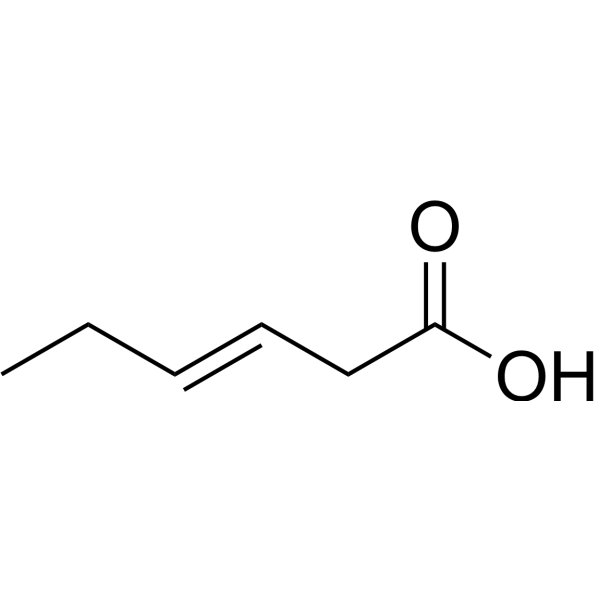
    (E)-Hex-3-enoic acid

    Biochemical Assay Reagents Others
    (E)-Hex-3-enoic acid is an unsaturated organic compound. It is commonly used as a fragrance ingredient in a variety of products, including food, beverages, and personal care products, and it can also be used as a starting material for the synthesis of various organic compounds, including pharmaceuticals and agrochemicals. In addition, (E)-Hex- 3-enoic acid has been investigated for its potential use as a biobased solvent due to its low toxicity and biodegradability, as well as its potential antibacterial and antifungal properties, which may make it useful for developing new Antibacterial agents.
    trans-3-Hexenoic acid
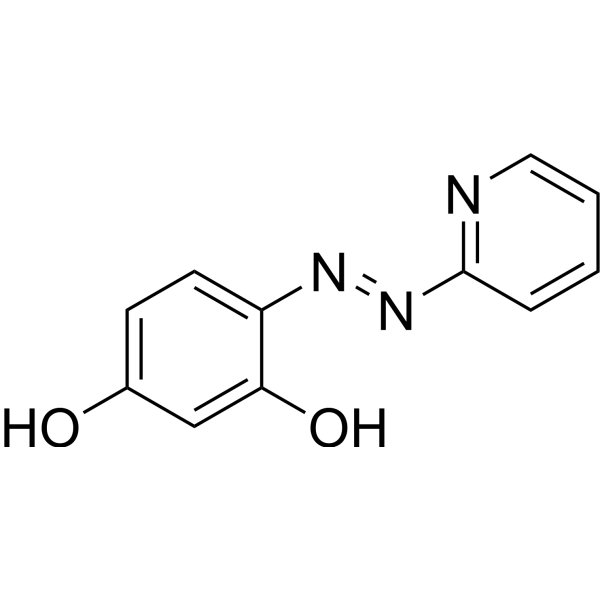
  • HY-W115738

    Biochemical Assay Reagents Others
    PAR is an azo dye widely used as a colorimetric reagent for metal ions. PAR forms stable chelates with different metal ions. PAR can also complex with heavy metal ions in polar organic solvents, such as ethanol .
    PAR
  • HY-W099580S1

    n-Hexadecane-d34; Cetane-d34

    Isotope-Labeled Compounds Bacterial Others
    Hexadecane-d34 (n-Hexadecane-d34) is the deuterium labeled Hexadecane (HY-W099580). Hexadecane (n-Hexadecane) is a saturated hydrocarbon of alkanes or paraffins and can be used as an organic solvent. Hexadecane is a component of petroleum, belongs to hydrophobic substrates, and is a model substance for studying bacterial degradation of hydrophobic compounds .
    Hexadecane-d34
  • HY-W061674

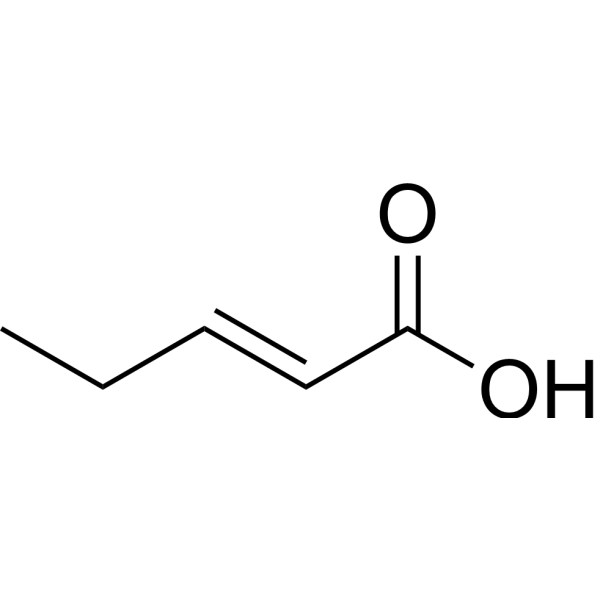
    (E)-Pent-2-enoic acid

    Biochemical Assay Reagents Others
    (2E)-Pent-2-enoic acid is an unsaturated carboxylic acid, it is also known as 2-pentenoic acid or crotonic acid, the "2E" designation indicates that the molecule has a trans double bond configuration, where the double bond The two carbon atoms on both sides are located on opposite sides, (2E)-Pent-2-enoic acid has a pungent odor, is miscible with water and most organic solvents, it is commonly used in organic synthesis as a variety of chemical reactions, including esterification, oxidation, and reduction, and in addition, its potential use as a flavoring agent in the food industry was investigated.
    trans-2-Pentenoic acid
  • HY-W250166

    Environmental Pollutants Biochemical Assay Reagents Others
    Poly(ethylene glycol) (12) tridecyl ether is a nonionic surfactant belonging to the family of ethoxylated fatty alcohols. It is commonly used as an emulsifier, solubilizer, and wetting agent in a variety of industrial and personal care products. Poly(ethylene glycol)(12) tridecyl ether has various properties that make it suitable for these applications, including its low toxicity, high solubility in water and organic solvents, and ability to stabilize emulsions. In addition, it can be used as a raw material for the production of other surfactants and specialty chemicals.
    Polyoxyethylene tridecyl ether
  • HY-W015936

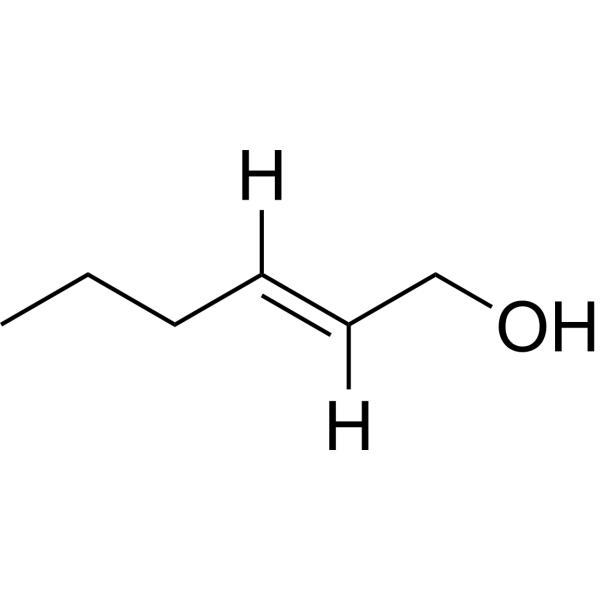
    trans-Hex-2-en-1-ol

    Environmental Pollutants Biochemical Assay Reagents Others
    (E)-Hex-2-en-1-ol belongs to the class of unsaturated alcohols consisting of a six-carbon chain with a double bond between carbon atoms 2 and 3 and a hydroxyl group attached to carbon atom 1. The compound has a grassy or herbaceous smell and is commonly used as a flavoring in foods such as baked goods, candy and beverages. It can also be used as a fragrance ingredient in personal care products and as a starting material for the synthesis of other organic compounds. Furthermore, (E)-hex-2-en-1-ol can be used as a solvent or reagent in various chemical reactions.
    (E)-Hex-2-en-1-ol
  • HY-D0172

    AP 6G; Actiron 43-65; Aliquat 100

    Biochemical Assay Reagents Others
    Tetrabutylammonium bromide is an organic ammonium compound, which is often used in catalytic reactions and separation and purification processes. It has a significant catalytic effect in some organic synthesis reactions, and can be used as a surfactant, stabilizer and antibacterial agent, etc. In addition, in some laboratory studies, this compound has also been used as an ion exchanger, solvent extractant, etc.
    Tetrabutylammonium bromide
  • HY-D1623

    Fluorescent Dye Others
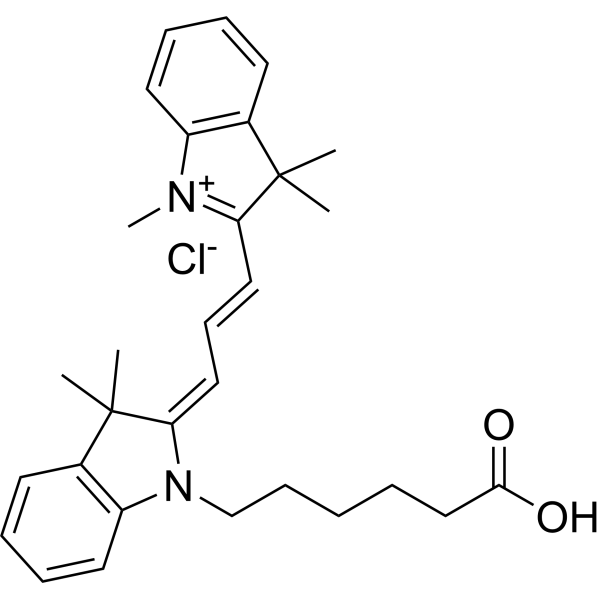
    Cyanine3 carboxylic acid chloride is a non-toxic red fluorescent dye with good solubility in organic solvents. Cyanine3 carboxylic acid chloride can be used as a non-reactive fluorophore for experimental control and calibration. Cyanine3 carboxylic acid chloride can also be synthesized with targeted agents as fluorescent probes for rapid detection of agent reactions .
    Cyanine3 carboxylic acid chloride
  • HY-W010795

    Biochemical Assay Reagents Others
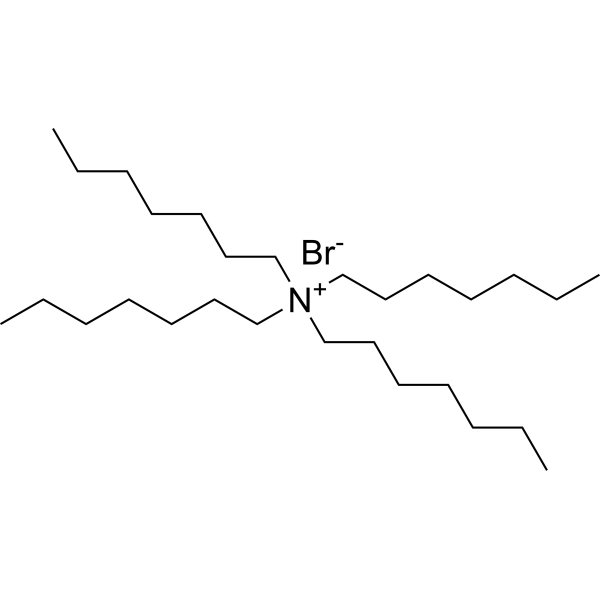
    Tetraheptylammonium bromide (>98%,BC) (THAB) is a quaternary ammonium compound commonly used as a phase transfer catalyst in organic synthesis reactions, especially those involving charged species or polar reagents. It can facilitate the transfer of reactants between two immiscible phases, such as water and organic solvents, by forming stable ion pairs. In addition, THAB is used as a surfactant, and as an additive in various products such as cosmetics, pharmaceuticals, and detergents. Due to THAB's ability to form complexes with these ions, its potential use in the removal of heavy metal ions from wastewater was also investigated.
    Tetraheptylammonium bromide (>98%,BC)
  • HY-W093282

    Soybean oil epoxide

    Environmental Pollutants Biochemical Assay Reagents Others
    Epoxidized soya bean oil (ESBO) is a vegetable oil-derived organic compound used as a plasticizer and stabilizer in various applications. It is produced by epoxidation of soybean oil, which introduces epoxy groups into the fatty acid chains of the oil. ESBO is a viscous, pale yellow liquid that is soluble in many organic solvents, such as chloroform and ethanol, but insoluble in water. It is commonly used as a plasticizer in polyvinyl chloride (PVC) products, including toys, food packaging materials and medical devices. In addition to its plasticizing properties, ESBO acts as an antioxidant and UV stabilizer, helping to prevent degradation and discoloration of PVC products over time. ESBOs have been investigated for their potential use in biodegradable plastics and as bio-based alternatives to traditional petroleum-derived plasticizers.
    Epoxidized soya bean oil
  • HY-Y1699

    Biochemical Assay Reagents Others
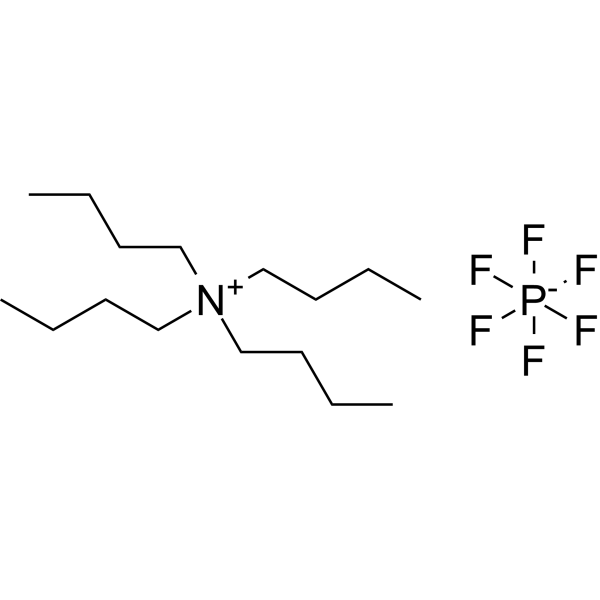
    Tetrabutylammonium hexafluorophosphate is an organic-inorganic compound commonly used as an ionic solvent and catalyst. It can be used to catalyze or promote reactions in certain chemical reactions, and is widely used in batteries, solar cells and pigments. In addition, this compound is also widely used in organic synthesis and chemical analysis.
    Tetrabutylammonium hexafluorophosphate
  • HY-W010507

    Methyl (R)-(-)-3-hydroxybutyrate

    Biochemical Assay Reagents Others
    (R)-Methyl 3-hydroxybutanoate, (R)-Methyl 3-hydroxybutanoate is an enantiomer, from the perspective of the methyl (-CH3) group, the hydroxyl (-OH) group on the third carbon atom The group faces to the right, a colorless transparent liquid, soluble in organic solvents such as ethanol and ether, insoluble in water, (R)-Methyl 3-hydroxybutanoate is usually used to synthesize various organic compounds (including drugs, agricultural chemicals and flavoring agents) It can also be used as a chiral auxiliary in asymmetric synthetic reactions involving the formation of chemical bonds in a stereoselective manner.
    (R)-Methyl 3-hydroxybutanoate
  • HY-112053R

    2,2-Diphenyl-1-picrylhydrazyl (Standard)

    Reactive Oxygen Species (ROS) Reference Standards Metabolic Disease
    DPPH (Standard) is the analytical standard of DPPH. This product is intended for research and analytical applications. DPPH (2,2-Diphenyl-1-picrylhydrazyl) is a stable free radical that can be used to measure the radical scavenging activity of antioxidants. The odd electron of nitrogen atom in DPPH is reduced by receiving a hydrogen atom from antioxidants to the corresponding hydrazine. DPPH method may be utilized in aqueous and nonpolar organic solvents and can be used to examine both hydrophilic and lipophilic antioxidants .
    DPPH (Standard)
  • HY-119791

    Fluorescent Dye Others
    NBD-amine is a fluorogenic amine. NBD-amine displays the property of fluorescing weakly in water and strongly in organic solvents, membranes or hydrophobic environments .
    NBD-amine
  • HY-DY1063

    Fluorescent Dye Others
    Cy5-SE (Cy5 NHS Ester) (solution) is a reactive dye for the labeling of amino-groups in peptides, proteins, and oligonucleotides. This dye requires small amount of organic co-solvent (such as DMF or DMSO) to be used in labeling reaction. This reagent is ideal for very cost-efficient labeling of soluble proteins, as well as all kinds of peptides and oligonucleotides. This reagent also works well in organic solvents for small molecule labeling. Excitation (nm) :649, Emission (nm) : 670.
    Solvent and concentration: DMSO: 10 mM
    CY5-SE (solution)
  • HY-W008039

    Tetra-n-butylammonium acetate

    Biochemical Assay Reagents Others
    Tetrabutylammonium acetate is an organic compound commonly used as a catalyst and solvent. It can be used to catalyze or promote reactions in certain organic reactions, and is widely used in batteries, solar cells and pigments. In addition, this compound is widely used in the oil and gas industry, for example as a carbonate dissolver.
    Tetrabutylammonium acetate (contains 10-15%AcOH)
  • HY-W042416S

    DMAc-d9

    Isotope-Labeled Compounds Others
    N,N-Dimethylacetamide-d9 is the deuterium labeled N,N-Dimethylacetamide . N,N-Dimethylacetamide (DMAc) is an inexpensive, common aprotic organic solvent .
    N,N-Dimethylacetamide-d9
  • HY-Y0075

    Drug Derivative Others
    2-Naphthaldehyde is an aromatic aldehyde. 2-Naphthaldehyde is soluble in various organic solvents. 2-Naphthaldehyde can participate in chemical reactions to generate functionalized ketone derivatives .
    2-Naphthaldehyde
  • HY-79334

    Endogenous Metabolite Others
    (S)-(+)-1,2-Propanediol is an endogenous metabolite. (S)-(+)-1,2-Propanediol can be used as an organic solvent and diluent in drug preparations. (S)-(+)-1,2-Propanediol can also be used as a chiral synthetic intermediate and a substrate for enzyme research .
    (S)-(+)-1,2-Propanediol
  • HY-78211

    Ethyl Propionylacetate

    Biochemical Assay Reagents Others
    Ethyl 3-oxopentanoate is an organic ester compound commonly used as a reactant or solvent in organic synthesis. It can be used as an important raw material for the preparation of pharmaceuticals, food flavors, spices and other products. In addition, because of its stability and reactivity in certain chemical reactions, it is also widely used in some industrial productions. Although Ethyl 3-oxopentanoate has no direct application in the medical field, it still plays an important role in chemical research and industry.
    Ethyl 3-oxopentanoate
  • HY-W015667

    Ethyl 2-methylvalerate

    Environmental Pollutants Biochemical Assay Reagents Others
    Ethyl 2-methylpentanoate is a class of esters consisting of branched-chain isovaleric acid esterified with ethanol. The compound has a fruity, pungent smell and is commonly used as a flavoring in foods such as baked goods, dairy products and beverages. It can also be used as a fragrance ingredient in personal care products, and as a solvent or plasticizer in various industrial applications. In addition, Ethyl 2-methylpentanoate can be used as a starting material for the synthesis of other organic compounds.
    Ethyl 2-methylpentanoate
  • HY-B2119

    Tauroglycocholic acid sodium salt

    Biochemical Assay Reagents Metabolic Disease
    Sodium tauroglycocholate (Tauroglycocholic acid sodium salt) is a multifunctional surfactant and penetration enhancer that can serve as a cholegraphic contrast agent. In organic solvents, Sodium tauroglycocholate embeds and stabilizes invertase by forming reverse micelles, and prolongs its active lifespan. In terms of transdermal absorption, Sodium tauroglycocholate effectively regulates the flux of aminophylline through snake slough by binding to keratin filaments, disrupting keratinocytes and altering lipid components of the stratum corneum. It exhibits rapid penetration characteristics without lag time at a concentration of 100 μg/mL. Sodium tauroglycocholate does not interfere with the hepatic uptake of Gd-EOB-DTPA by the bile acid transport system in rat hepatocytes .
    Sodium tauroglycocholate
  • HY-W005507

    2-imidazolidinone, 1-methyl-

    Biochemical Assay Reagents Others
    1-Methylimidazolidin-2-one is an organic compound commonly used as a solvent and intermediate. It can play a buffering and stabilizing role in some organic synthesis reactions, and can be used as a solvent in some chemical reactions and industrial production processes. In addition, the compound also has good toxicity and biocompatibility, and is widely used in some medical fields.
    1-Methylimidazolidin-2-one
  • HY-W250148

    Spirit nigrosine

    Biochemical Assay Reagents Others
    Solvent black 5 (Spirit nigrosine) is a synthetic dye belonging to the family of azo dyes. Also known as oil black or naphthol black, it is dark blue-black and has excellent solubility in organic solvents. Solvent black 5 is commonly used as a colorant in various industrial applications such as printing inks, coatings and plastics. It can also be used as an indicator dye to detect the presence of metals in solution. Furthermore, due to its high absorption and emission properties in the near-infrared region, it has been used in scientific research as a fluorescent biomarker for tissues and cells. However, Solvent black 5 has been reported to have potentially toxic effects on human health and the environment and its use is therefore regulated in some countries.
    Solvent black 5
  • HY-W098559

    Biochemical Assay Reagents Metabolic Disease
    N-Methylsuccinimide is a versatile solvent and extractant. N-Methylsuccinimide possesses anti-calculiating activity. N-Methylsuccinimide can be used in calculi research. N-Methylsuccinimide is also used in organic synthesis, chemical engineering, and other fields .
    N-Methylsuccinimide
  • HY-W127637
    Tetraamylammonium chloride
    1 Publications Verification

    Tetrapentylammonium chloride

    Biochemical Assay Reagents Others
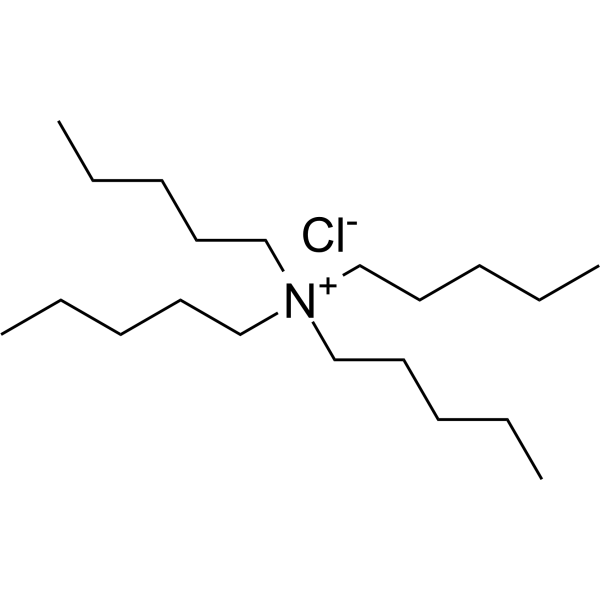
    Tetraamylammonium chloride is an organic compound containing ammonium and chloride ions. It is commonly used as a phase transfer catalyst in organic synthesis, especially in the production of pharmaceuticals and agrochemicals. Tetraamylammonium Chloride has a strong base that facilitates the transfer of reactants between immiscible solvents, resulting in more efficient chemical reactions. In addition, it can also be used as an intermediate in the synthesis of other quaternary ammonium compounds.
    Tetraamylammonium chloride
  • HY-W017077

    4-Phenyltoluene

    Drug Intermediate Inflammation/Immunology
    4-Methylbiphenyl (4-Phenyltoluene) is an organic compound. 4-Methylbiphenyl has excellent chemical stability and antioxidant properties, and is widely used in industry. 4-Methylbiphenyl can serve as a solvent, coating additive, plastic additive and dye intermediate .
    4-Methylbiphenyl
  • HY-W016638

    1-Butyl-1-methylpyrrolidin-1-ium chloride

    Biochemical Assay Reagents Others
    1-Butyl-1-methylpyrrolidin-1-ium chloride, also known as BMIM chloride, belongs to the class of ionic liquids and consists of a positively charged pyrrolidine cation and a negatively charged chloride anion. This compound is commonly used as a solvent for various chemical reactions, especially those involving organic compounds and metals. Its unique physical and chemical properties, such as low volatility, high thermal stability, and tunable solubility, make it useful in a range of applications in catalysis, electrochemistry, and separation science. Furthermore, 1-butyl-1-methylpyrrolidin-1-ium chloride may have potential applications as a green solvent in energy storage devices and various industrial processes.
    1-Butyl-1-methylpyrrolidinium chloride
  • HY-W015305

    Octanoic acid ethyl ester

    Environmental Pollutants Biochemical Assay Reagents Others
    Ethyl octanoate is a class of esters consisting of the medium-chain fatty acid octanoic acid esterified with ethanol. The compound has a fruity smell and is commonly used as a flavoring in foods such as baked goods, candy and beverages. It can also be used as a fragrance ingredient in personal care products, and as a solvent or plasticizer in various industrial applications. In addition, Ethyl octanoate can be used as a starting material for the synthesis of other organic compounds.
    Ethyl octanoate
  • HY-Y1275S

    NMP-d9; 1-Methyl-2-pyrrolidinone-d9

    Isotope-Labeled Compounds Biochemical Assay Reagents Cancer
    N-Methylpyrrolidone-d9 (NMP-d9) is deuterium labeled N-Methylpyrrolidone. N-Methylpyrrolidone (1-Methyl-2-pyrrolidinone), a five-membered cyclic amide, is an orally active organic polar solvent with teratogenicity and toxicity. N-Methylpyrrolidone is low in acute toxicity with a LD50 value of 3914 mg/kg in rats and of 4050 mg/kg in mice. N-Methylpyrrolidone is extensively used in the manufacture of adhesives, paints, fuels, and pharmaceuticals .
    N-Methylpyrrolidone-d9
  • HY-W010202

    3,7-Dimethyloct-6-en-3-ol

    Environmental Pollutants Others
    Dihydrolinalool, Dihydrolinalool is commonly used as a flavor ingredient in various products, including food, beverages, and perfumes, and it can also be used as a base material for the synthesis of various organic compounds, including pharmaceuticals and agrochemicals. In addition, due to Dihydrolinalool's low toxicity and Biodegradability, which has been studied for its potential use as a bio-based solvent, has also been studied for its potential antioxidant and anti-inflammatory properties, which may make it useful in the study of various diseases, including cancer and Alzheimer's disease. Alzheimer's disease.
    Dihydrolinalool
  • HY-W127654

    Biochemical Assay Reagents Others
    (Ferrocenylmethyl)trimethylammonium bromide is an organic compound containing ammonium and bromide ions. It is commonly used as a phase transfer catalyst in organic synthesis, especially in the production of pharmaceuticals and agrochemicals. (Ferrocenylmethyl)trimethylammonium Bromide has a strong base that facilitates the transfer of reactants between immiscible solvents for more efficient chemical reactions. In addition, it can also be used as an intermediate in the synthesis of other organic compounds.
    (Ferrocenylmethyl)trimethylammonium bromide
  • HY-W014206

    Biochemical Assay Reagents Others
    Isopentyl octanoate is a class of esters formed by the esterification of branched-chain isoamyl alcohol, also known as isoamyl alcohol, with octanoylate. The compound has a fruity smell and is commonly used as a flavoring in foods such as baked goods, candy and beverages. It can also be used as a fragrance ingredient in personal care products, and as a solvent or plasticizer in various industrial applications. In addition, Isopentyl octanoate can be used as a starting material for the synthesis of other organic compounds.
    Isopentyl octanoate
  • HY-D1346

    Fluorescent Dye Others
    610CP is a new type of actin labeling dye. It dissolves in organic solvents. In DMSO the 610CP excitation/emission wavelength is between 609 and 634 nm. 610CP is a fluorescent dye that penetrates living cells. Upon cell entry, 610CP binds to Bromo-des-methyl-Jasplakinolide Therefore, 610CP dye can be used to stain actin fluorescence images with low background and high resolution.
    610CP
  • HY-79334R

    Reference Standards Endogenous Metabolite Others
    (S)-(+)-1,2-Propanediol (Standard) is the analytical standard of (S)-(+)-1,2-Propanediol. This product is intended for research and analytical applications. (S)-(+)-1,2-Propanediol is an endogenous metabolite. (S)-(+)-1,2-Propanediol can be used as an organic solvent and diluent in drug preparations. (S)-(+)-1,2-Propanediol can also be used as a chiral synthetic intermediate and a substrate for enzyme research.
    (S)-(+)-1,2-Propanediol (Standard)
  • HY-W009202

    TAPI

    Biochemical Assay Reagents Others
    Tetrapropylammonium iodide is an organic compound commonly used as ionic liquids and catalysts. It can be used as a solvent in some chemical reactions, and can also be used as a catalyst to promote some organic synthesis reactions. In addition, the compound is also widely used in batteries, solar cells and pigments.
    Tetrapropylammonium iodide
  • HY-W010119

    Biochemical Assay Reagents Others
    4-Methyl-2-phenyl-1,3-dioxolane is an organic compound commonly used as a solvent and intermediate. It can be used in some organic synthesis reactions, such as the synthesis of drugs or other organic compounds. In addition, this compound is also widely used in industrial production fields, such as plastics, coatings and glues.
    4-Methyl-2-phenyl-1,3-dioxolane
  • HY-W010177

    Environmental Pollutants Biochemical Assay Reagents Others
    Ethyl heptanoate, Ethyl heptanoate is commonly used as a fragrance ingredient in a variety of products, including food, beverages, and personal care products, it can also be used as a solvent, and a building block for the synthesis of various organic compounds, including pharmaceuticals and agrochemicals, in addition , due to its low toxicity and biodegradability, Ethyl heptanoate has been investigated for its potential use as a bio-based solvent, as well as for its potential antimicrobial properties against certain bacteria and fungi.
    Ethyl heptanoate
  • HY-Y1783

    N-Methylethanolamine

    Environmental Pollutants Others
    2-(Methylamino)ethanol (N-Methylethanolamine) is an alkaloid that can be isolated from lentil seeds. 2-(Methylamino)ethanol is used as an organic building block in chemical synthesis and as a solvent for removing carbon dioxide from gas streams .
    2-(Methylamino)ethanol
  • HY-W127681

    Tetra-n-butylammonium dichlorobromide

    Biochemical Assay Reagents Others
    Tetrabutylammonium dichlorobromide is an organic compound containing ammonium, chloride, and bromide ions. It is commonly used as a phase transfer catalyst in organic synthesis, especially in the production of pharmaceuticals and agrochemicals. Tetrabutylammonium Dichlorobromide has a strong base that facilitates the transfer of reactants between immiscible solvents, resulting in more efficient chemical reactions. In addition, it can also be used as an intermediate in the synthesis of other quaternary ammonium compounds.
    Tetrabutylammonium dichlorobromide
  • HY-Y1275S1

    NMP-d3; N-Methyl-2-pyrrolidone-d3

    Isotope-Labeled Compounds Others
    N-Methylpyrrolidone-d3 is the deuterium labeled N-Methylpyrrolidone . N-Methylpyrrolidone (1-Methyl-2-pyrrolidinone), a five-membered cyclic amide, is an organic polar solvent. N-Methylpyrrolidone is extensively used in the manufacture of adhesives, paints, fuels, and pharmaceuticals .
    N-Methylpyrrolidone-d3
  • HY-W127377

    Biochemical Assay Reagents Others
    Butyl oleateIt is an organic compound belonging to esters. It is formed from the reaction of butanol and oleic acid and has a mild fruity smell. Butyl oleateIt has a variety of applications in the cosmetic and personal care industries, especially as an emollient and conditioning agent in skin and hair care products. Additionally, it is used as a lubricant and solvent in industrial settings.
    Butyl oleate

Inquiry Online

Your information is safe with us. * Required Fields.

Salutation


Country or Region *

Applicant Name *


Organization Name *

Department *


Email Address *


Product Name *

Cat. No.


Requested quantity *

Phone Number *


Remarks

Inquiry Online

Inquiry Information

Product Name:
Cat. No.:
Quantity:
MCE Japan Authorized Agent:

