
Search Result
Results for "
oxidizing
" in MedChemExpress (MCE) Product Catalog:
26
Biochemical Assay Reagents
32
Isotope-Labeled Compounds
| Cat. No. |
Product Name |
Target |
Research Areas |
Chemical Structure |
-
- HY-D1055
-
MitoSOX Red
Maximum Cited Publications
263 Publications Verification
|
Fluorescent Dye
Reactive Oxygen Species (ROS)
Mitochondrial Metabolism
|
Cancer
|
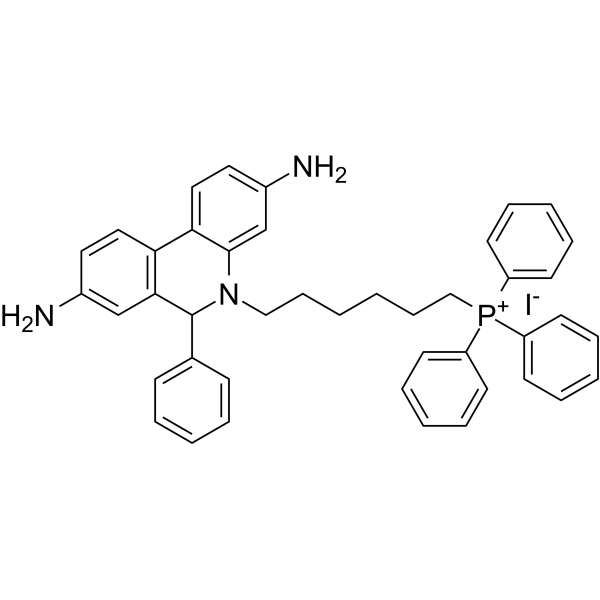
MitoSOX Red is a live cell fluorescent probe that specifically targets mitochondria and is cell membrane permeable. MitoSOX Red enters mitochondria and is oxidized by superoxide but not by other ROS or RNS generating systems. The oxidized MitoSOX Red then binds to nucleic acids in mitochondria/nucleus, producing strong red fluorescence. MitoSOX Red can be used as a fluorescent indicator to specifically detect superoxide. In addition, superoxide dismutase (SOD) can prevent the oxidation of MitoSOX Red. Excitation/emission wavelength: 510/580 nm.
|
-
-
- HY-15917
-
|
DTT; rel-(2R,3R)-1,4-Dimercapto-2,3-butanediol
|
Biochemical Assay Reagents
Disulfidptosis
|
Cancer
|
|
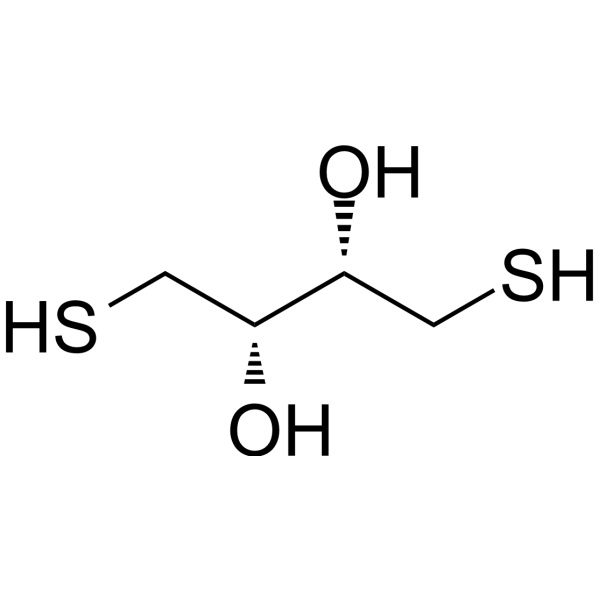
DL-Dithiothreitol (DTT) is a strong reductant with anti-disulfidptosis activity. When DL-Dithiothreitol is oxidized, it forms a stable six-membered ring with an internal disulfide bond .
|
-
-
- HY-D1301
-
|
|
Fluorescent Dye
Ferroptosis
|
Metabolic Disease
Inflammation/Immunology
Cancer
|
|
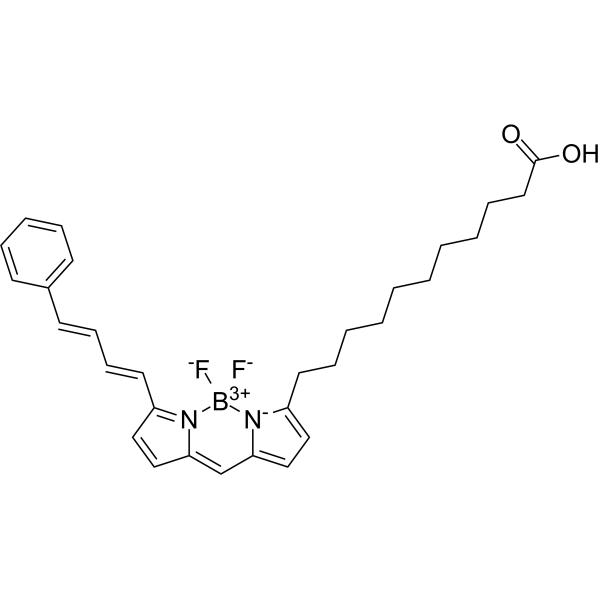
BODIPY 581/591 C11 is a BODIPY borofluoroprene derivative with good light stability and low fluorescence artifacts. BODIPY 581/591 C11 can be used for study lipid peroxidation and antioxidant properties in living cells, or detect ferroptosis by reaction with hydroxyl radicals. BODIPY 581/591 C11 is emitted at 591 nm (reduced prototype), or redshifted to 510 nm (oxidized type). The excitation wavelengths were 581 nm (reduced prototype) and 500 nm (oxidized type) .
|
-
-
- HY-D0844
-
|
L-Glutathione oxidized; GSSG; Oxiglutatione
|
Endogenous Metabolite
Reactive Oxygen Species (ROS)
|
Metabolic Disease
|
|
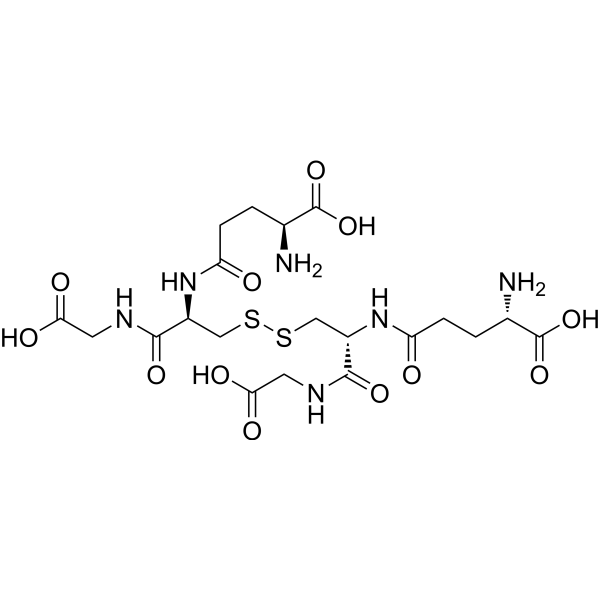
Glutathione oxidized (L-Glutathione oxidized) is produced by the oxidation of glutathione. Detoxification of reactive oxygen species is accompanied by production of glutathione oxidized. Glutathione oxidized can be used for the research of sickle cells and erythrocytes .
|
-
-
- HY-125859
-
-
-
- HY-Y0882
-
|
|
Monoamine Oxidase
|
Cardiovascular Disease
|
|
Hydroxylamine hydrochloride is a selective Monoamine oxidase (MAO) inhibitor used for inhibiting of platelet aggregation. Hydroxylamine hydrochloride is an intermediate of nitrogen cycle in aerobic ammonium oxidizers microorganisms, such as ammonium oxidizing bacteria (AOB), ammonium oxidizing archaea (AOA) and complete ammonium oxidizing bacteria (comammox). Hydroxylamine hydrochloride impacts NO and N2O emissions by aerobic ammonium oxidizers microorganisms and inhibits nitrite oxidizing bacteria (NOB) activity .
|
-
-
- HY-113485
-
Melanin
1 Publications Verification
|
Endogenous Metabolite
|
Others
|
|
Melanin is a unique pigment with myriad functions. It is multifunctional, providing defense against environmental stresses such as ultraviolet (UV) light, oxidizing agents and ionizing radiation.
|
-
-
- HY-NP013
-
|
Mouse ox-LDL
|
LDLR
ROR
β-catenin
|
Cardiovascular Disease
|
|
Oxidized low density lipoprotein (mouse) (Mouse ox-LDL) is an oxidized low density lipoprotein (LDL). Oxidized low density lipoprotein (mouse) induces atherosclerosis (AS) by facilitating endothelial dysfunction and accelerating the VSMCs growth and migration. Oxidized low density lipoprotein (mouse) can be used to construct an in vitro model of AS .
|
-
-
- HY-P99646
-
|
MEDI6570
|
LOX-1
|
Metabolic Disease
Inflammation/Immunology
|
|
Gocdacimab (MEDI6570) is a fully human IgG1 monoclonal antibody inhibitor targeting the lectin-like oxidized low-density lipoprotein receptor LOX-1. By binding to LOX-1 and blocking its function, gocdacimab effectively reduces the level of free soluble LOX-1, thereby inhibiting key pathological processes such as lipid accumulation, foam cell formation, and vascular wall inflammation. Gocdacimab can interfere with atherosclerosis-related mechanisms, and it is used for research on atherosclerosis, and type 2 diabetes mellitus .
|
-
-
- HY-17461A
-
-
-
- HY-129457
-
|
|
Ferroptosis
|
Cancer
|
|
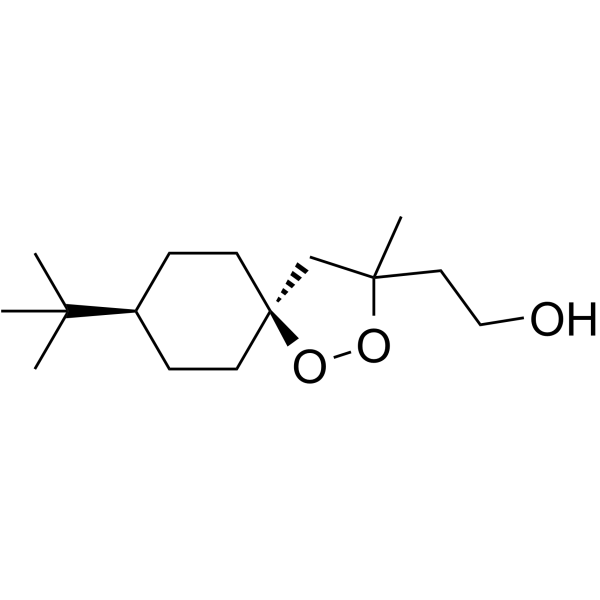
FINO2 is a potent ferroptosis inducer. FINO2 inhibits GPX4 activity. FINO2 is a stable oxidant that oxidizes ferrous iron and stable at varying pH levels. FINO2 causes widespread lipid peroxidation .
|
-
-
- HY-N1346
-
Robinin
5 Publications Verification
|
Toll-like Receptor (TLR)
Apoptosis
|
Inflammation/Immunology
Cancer
|
|
Robinin is a flavonoid that can be extracted from the leaves of purple cowpea, inhibiting TGF-β, TLR4/NF-κB and TLR2-PI3k-AKT signaling pathways. Robinin exerts anti-inflammatory and anti-tumor effects. The combination of Robinin and Methotrexate (HY-14519) reduces inflammation in experimental arthritis, Robinin can decrease the Doxorubicin (HY-15142A) induced cardiac toxicity effect .
|
-
-
- HY-DY1022
-
|
|
Ferroptosis
Fluorescent Dye
|
Metabolic Disease
Inflammation/Immunology
Cancer
|
BODIPY 581/591 C11 (solution) is a BODIPY borofluoroprene derivative with good light stability and low fluorescence artifacts. BODIPY 581/591 C11 can be used for study lipid peroxidation and antioxidant properties in living cells, or detect ferroptosis by reaction with hydroxyl radicals. BODIPY 581/591 C11 is emitted at 591 nm (reduced prototype) , or redshifted to 510 nm (oxidized type). The excitation wavelengths were 581 nm (reduced prototype) and 500 nm (oxidized type) . Solvent and concentration: DMSO: 2 mM
|
-
-
- HY-W012145
-
|
|
Others
|
Metabolic Disease
|
|
TMPD dihydrochloride, a readily oxidizable compound, is an enzymatically convert redox active substrate molecule. TMPD dihydrochloride is also an electron donor and serves as a reducing cosubstrate for heme peroxidases . TMPD dihydrochloride is also a complex IV substrate .
|
-
-
- HY-B0959
-
-
-
- HY-23999
-
BI-0115
2 Publications Verification
|
LOX-1
|
Cardiovascular Disease
|
|
BI-0115 is a selective inhibitor of LOX-1 (IC50=5.4 μM) that blocks cellular uptake of oxLDL. BI-0115 binding triggers receptor inhibition by formation of dimers of the homodimeric ligand binding domain .
|
-
-
- HY-125365
-
|
|
Bacterial
Reactive Oxygen Species (ROS)
Antibiotic
|
Infection
|
|
Rifamycin S, a quinone, is an antibiotic against Gram-positive bacteria (including MRSA). Rifamycin S is the oxidized forms of a reversible oxidation-reduction system involving two electrons. Rifamycin S generates reactive oxygen species (ROS) and inhibits microsomal lipid peroxidation. Rifamycin S can be used for tuberculosis and leprosy .
|
-
-
- HY-114612
-
|
11-Oxotestosterone
|
Androgen Receptor
|
Endocrinology
|
|
11-Ketotestosterone (11-Oxotestosterone), an oxidized form of Testosterone, is an active androgen .
|
-
-
- HY-101885
-
|
Biotinamidocaproyl hydrazide; BACH; (+)-Biotinamidohexanoic Acid hydrazide; Biotin Aminocaproyl Hydrazide
|
Biochemical Assay Reagents
|
Others
|
|
Biotin LC hydrazide is a long chain protein modification reagent, which can transform periodate-oxidized glycoproteins.
|
-
-
- HY-B2224
-
|
|
HIV
Endogenous Metabolite
|
Infection
Metabolic Disease
|
|
Thiamine disulfide, a vitamin B1 derivative, is an oxidized dimer of Thiamine. Thiamine disulfide is a potent HIV-1 inhibitor. Thiamine disulfide significantly depresses HIV-1 transactivator (Tat) activity .
|
-
-
- HY-B0840
-
|
|
Environmental Pollutants
Parasite
Oxidative Phosphorylation
|
Metabolic Disease
|
|
Chlorfenapyr is a pyrrole insecticide. Chlorfenapyr has a mode of action: the mixed function oxidase oxidizes and removes the Nethoxymethyl group to form the active metabolite, CL 303268. Chlorfenapyr is used for termite control and crop protection against a variety of insect and mite pests .
|
-
-
- HY-Y1242
-
|
|
Environmental Pollutants
Biochemical Assay Reagents
|
Others
|
|
Choline hydroxide is a Choline hydrogen oxidized derivative and a strong organic base, can be used as the standard alkaline to adjust the pH of the medium. Choline is an orally active nutrient, serves as an important component of lecithin and sphingomyelin, promotes fat metabolism .
|
-
-
- HY-137888A
-
|
oATP trisodium salt
|
P2X Receptor
NOD-like Receptor (NLR)
|
Inflammation/Immunology
|
|
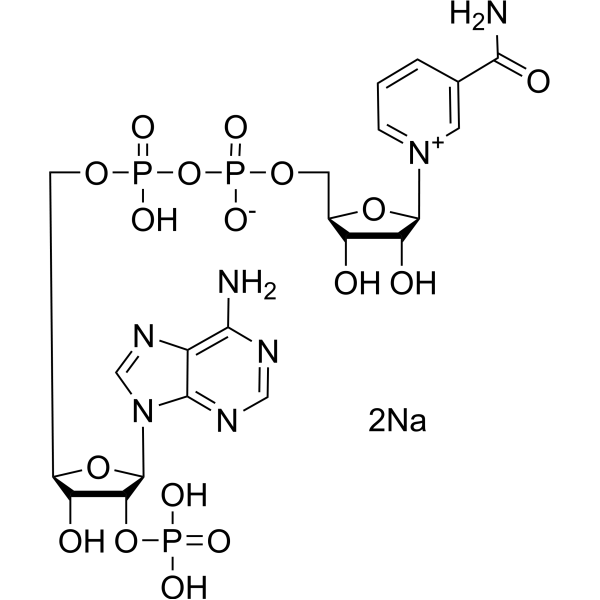
Oxidized ATP (oATP) trisodium salt is a broad-spectrum P2 receptor inhibitor. Oxidized ATP trisodium salt irreversibly antagonizes P2X7R activation. Oxidized ATP trisodium salt inhibits c-reactive protein (CRP)-induced NLRP3 inflammasome activation. Oxidized ATP trisodium salt can be used for research of atherosclerosis .
|
-
-
- HY-P99793
-
|
MLDL1278A
|
LDLR
|
Inflammation/Immunology
|
|
Orticumab (MLDL1278A) is an antibody targeting to oxidized or malondialdehyde-modified lipoprotein (LDL). Orticumab specifically inhibits oxidized low-density lipoproteins (oxLDL). Orticumab involves in modulation of autoimmune responses against oxLDL, improves atherosclerosis in animal model. Orticumab also can be used for research of psoriasis improvement .
|
-
-
- HY-101541
-
|
Methyl docosahexaenoate; all cis-DHA methyl ester
|
Drug Intermediate
|
Neurological Disease
|
|
Docosahexaenoic Acid methyl ester is a methylated docosahexaenoic acid analog which can be intercalated into membrane phospholipids without being oxidized or hydrolyzed.
|
-
-
- HY-N2458
-
|
|
Others
|
Others
|
|
Ganoderic acid G is a highly oxidized lanostane-type triterpenoid compound. Ganoderic acid G can be isolated from the fungus Ganoderma lucidum .
|
-
-
- HY-29035
-
|
|
Collagen
|
Others
|
|
Dopamine acrylamide, a polyphenol derivative, can cross-link collagen mainly via noncovalent bonding under acidic-non-oxidized conditions .
|
-
-
- HY-W011690
-
-
-
- HY-D0844S
-
|
L-Glutathione oxidized-13C4,15N2; GSSG-13C4,15N2; Oxiglutatione-13C4,15N2
|
Isotope-Labeled Compounds
Reactive Oxygen Species (ROS)
Endogenous Metabolite
|
Metabolic Disease
|
|
Glutathione oxidized- 13C4, 15N2 is the 13C and 15N labeled Glutathione oxidized (HY-D0844). Glutathione oxidized is produced by the oxidation of glutathione. Detoxification of reactive oxygen species is accompanied by production of glutathione oxidized. Glutathione oxidized can be used for the research of sickle cells and erythrocytes .
|
-
-
- HY-Y0882S1
-
|
|
Monoamine Oxidase
|
Cardiovascular Disease
|
|
Hydroxylamine-d3 (hydrochloride) is the deuterium labeled Hydroxyamine hydrochloride. Hydroxylamine hydrochloride is a selective Monoamine oxidase (MAO) inhibitor used for inhibiting of platelet aggregation. Hydroxylamine hydrochloride is an intermediate of nitrogen cycle in aerobic ammonium oxidizers microorganisms, such as ammonium oxidizing bacteria (AOB), ammonium oxidizing archaea (AOA) and complete ammonium oxidizing bacteria (comammox). Hydroxylamine hydrochloride impacts NO and N2O emissions by aerobic ammonium oxidizers microorganisms and inhibits nitrite oxidizing bacteria (NOB) activity .
|
-
-
- HY-113303
-
|
|
Endogenous Metabolite
|
Neurological Disease
Cancer
|
|
FAPy-adenine is an oxidized DNA base. Fapy-adenine shows an increased trend levels in the Alzheimer's disease brain. Oxidized nucleosides are biochemical markers for tumors, aging, and neurodegenerative diseases .
|
-
-
- HY-W040255
-
|
PGPC
|
Ferroptosis
FABP
Caspase
Interleukin Related
Apoptosis
|
Inflammation/Immunology
|
|
1-Palmitoyl-2-glutaryl-sn-glycero-3-phosphocholine is an oxidized phospholipid. 1-Palmitoyl-2-glutaryl-sn-glycero-3-phosphocholine reduces the viability of HUVECs, increases the levels of ferrous ions and lipid peroxidation, promotes the production of superoxide anions, and decreases the levels of glutathione and GPX4 in cells. 1-Palmitoyl-2-glutaryl-sn-glycero-3-phosphocholine upregulates the mRNA and protein levels of FABP3 in HUVECs, impairs mitochondrial membrane potential, and induces ferroptosis-related changes as well as mitochondrial dysfunction and damage. 1-Palmitoyl-2-glutaryl-sn-glycero-3-phosphocholine activates caspase-11 and promotes the continuous release of IL-1β from macrophages and dendritic cells. 1-Palmitoyl-2-glutaryl-sn-glycero-3-phosphocholine inhibits the proliferation of aortic smooth muscle cells and induces apoptosis in these cells. 1-Palmitoyl-2-glutaryl-sn-glycero-3-phosphocholine is applicable to relevant research on atherosclerosis .
|
-
-
- HY-W016748
-
|
4-Phenyl-1,2,4-triazoline-3,5-dione
|
Biochemical Assay Reagents
|
Others
|
|
PTAD (4-Phenyl-1,2,4-triazoline-3,5-dione) is a dieneophile reagent that can oxidize thiols into disulfides .
|
-
-
- HY-130576
-
|
|
Apoptosis
|
Cardiovascular Disease
|
|
POVPC is an oxidized phospholipid can be found in in oxidatively modified low density lipoprotein (oxLDL). POVPC inhibits VSMC growth in high serum condition. POVPC induces apoptosis in low serum condition .
|
-
-
- HY-W203728
-
-
-
- HY-141636
-
|
1-Palmitoyl-2-arachidonoyl-sn-glycero-3-phosphocholine; PAPC; PC(16:0/20:4)
|
Endogenous Metabolite
Biochemical Assay Reagents
|
Cardiovascular Disease
|
|
1-Palmitoyl-2-arachidonoyl-sn-glycero-3-PC (PAPC) is a phospholipid containing palmitic acid (16:0) and arachidonic acid (20:4) at the sn-1 and sn-2 positions, respectively, that is found in biological membranes. PAPC is oxidized in vivo, and its oxidation products are involved in chronic inflammation and vascular disease. PAPC has been used to study signaling of oxidized phospholipids. Levels of PAPC are decreased in isolated human multiple myeloma cells.
|
-
-
- HY-W097491
-
|
|
Amino Acid Derivatives
|
Others
|
|
L-Methionine sulfone is a sulfonic acid derivative of L-Methionine (HY-N0326). L-Methionine in the presence of a number of oxidizing systems is readily converted to L-Methionine sulfone .
|
-
-
- HY-W038786
-
-
-
- HY-Y1102A
-
-
-
- HY-D0844R
-
|
L-Glutathione oxidized (Standard); GSSG (Standard); Oxiglutatione (Standard)
|
Reference Standards
Endogenous Metabolite
Reactive Oxygen Species (ROS)
|
Metabolic Disease
|
|
Glutathione oxidized (Standard) is the analytical standard of Glutathione oxidized. This product is intended for research and analytical applications. Glutathione oxidized (L-Glutathione oxidized) is produced by the oxidation of glutathione. Detoxification of reactive oxygen species is accompanied by production of glutathione oxidized. Glutathione oxidized can be used for the research of sickle cells and erythrocytes .
|
-
-
- HY-W145090
-
|
p-Dimethylaminopyridine N-oxide
|
Biochemical Assay Reagents
|
Others
|
|
4-Dimethylaminopyridine N-oxide (p-Dimethylaminopyridine N-oxide) is an Efficient Oxidizing Agent for Alkyl Halides .
|
-
-
- HY-115666
-
-
-
- HY-W008814
-
|
Benzylphenyl
|
Environmental Pollutants
Drug Intermediate
|
Others
|
|
Diphenylmethane (Benzylphenyl) is an aromatic compound used as a drug intermediate. Diphenylmethane in the fragrance industry is used as an oxidizing agent and in soaps; in pesticides, as a synergist; and in dyes, as a plasticizer .
|
-
-
- HY-126181
-
|
|
Endogenous Metabolite
|
Others
|
|
5-Formylcytosine is a modified base, which is oxidized from 5-methylcytosine. 5-Formylcytosine is a intermediate of in the active DNA demethylation .
|
-
-
- HY-E70236
-
|
|
Drug Derivative
|
Others
|
|
CoA-S-S-CoA is an oxidized disulfide form of Coenzyme A (HY-128851). CoA-S-S-CoA acts as a pool of disulfide reducing equivalents .
|
-
-
- HY-N8531
-
|
|
Drug Derivative
|
Others
|
|
4α-Methylcholesterol is a Cholesterol derivative. 4α-Methylcholesterol can oxidize 3-hydroxy steroid, with the apparent Km of 12.6 μM .
|
-
-
- HY-164690A
-
|
|
Endogenous Metabolite
|
Metabolic Disease
|
|
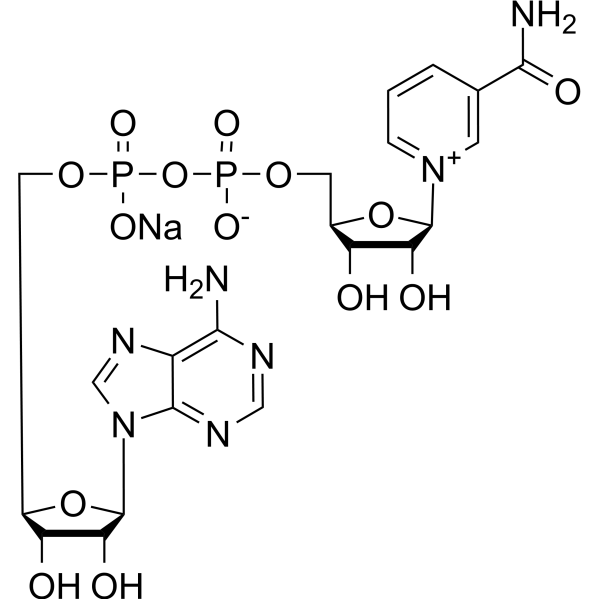
Nicotinamide-guanine dinucleotide sodium, a NAD sodium (HY-B0445A) analog, is an oxidized forms of nicotinamide guanine dinucleotide. Nicotinamide-guanine dinucleotide sodium serves as coenzymes for alcohol dehydrogenase (ADH) in vitro .
|
-
-
- HY-129770
-
|
|
Endogenous Metabolite
|
Metabolic Disease
|
|
D-methionine sulfoxide is the D-isomer of Methionine sulfoxide. Methionine sulfoxide is an oxidation product of methionine. Methionine is the limiting amino acid in milk or leguminous proteins , which is easily oxidized during the course of storage or processing .
|
-
-
- HY-B0840R
-
|
|
Oxidative Phosphorylation
Parasite
Reference Standards
|
Metabolic Disease
|
|
Chlorfenapyr (Standard) is the analytical standard of Chlorfenapyr. This product is intended for research and analytical applications. Chlorfenapyr is a pyrrole insecticide. Chlorfenapyr has a mode of action: the mixed function oxidase oxidizes and removes the Nethoxymethyl group to form the active metabolite, CL 303268. Chlorfenapyr is used for termite control and crop protection against a variety of insect and mite pests .
|
-
-
- HY-E70406
-
|
CHDH-5
|
Endogenous Metabolite
|
Others
|
|
Cholesterol Dehydrogenase, Nocardia sp. is an enzyme that uses nicotinamide adenine dinucleotide/nicotinamide adenine dinucleotide phosphate (NAD(P)) as its cofactor in oxidizing cholesterol to form cholest-4-en-3-one. This enzyme oxidizes the hydroxyl group at the 3 position of the sterol ring to form a ketone.
|
-
- HY-134154
-
|
PAzePC; Azelaoyl PC; 1-Palmitoyl-2-Azelaoyl PC
|
Endogenous Metabolite
|
Metabolic Disease
|
|
Oxidized low-density lipoprotein (oxLDL) particles contain low molecular weight species which are cytotoxic and pro-atherogenic. Many of these substances were isolated and purified from oxLDL and identified as phosphatidylcholine species containing a fragmented, oxidized short-chain fatty acid remnant at the sn-2 position. PAz-PC (Azelaoyl PC) is one of the predominant oxLDL species and may be one of the important structural determinants of oxLDL.
|
-
- HY-124355
-
-
- HY-131933
-
|
|
Fluorescent Dye
|
Others
|
|
DCP-Bio3 is a biotinylated probe that can detect labeled proteins in polyacrylamide gels. DCP-Bio3 can be used in research for the identification of oxidized and modified proteins .
|
-
- HY-113545A
-
-
- HY-B0893
-
|
Nicotinyl alcohol; Pyridine-3-carbinol
|
CETP
|
Metabolic Disease
|
|
3-Pyridinemethanol (Nicotinyl alcohol), a pyridine derivative, is a cholesterol-lowering agent. 3-Pyridinemethanol can be selectively oxidized to vitamin B3 .
|
-
- HY-101541S
-
|
Methyl docosahexaenoate-d5; all cis-DHA methyl ester-d5
|
Isotope-Labeled Compounds
|
Neurological Disease
|
|
Docosahexaenoic acid-d5 methyl ester is the deuterium labeled Docosahexaenoic Acid methyl ester. Docosahexaenoic Acid methyl ester is a methylated docosahexaenoic acid analog which can be intercalated into membrane phospholipids without being oxidized or hydrolyzed .
|
-
- HY-125554
-
-
- HY-B2224R
-
|
|
Reference Standards
HIV
Endogenous Metabolite
|
Infection
Metabolic Disease
|
|
Thiamine disulfide (Standard) is the analytical standard of Thiamine disulfide. This product is intended for research and analytical applications. Thiamine disulfide, a vitamin B1 derivative, is an oxidized dimer of Thiamine. Thiamine disulfide is a potent HIV-1 inhibitor. Thiamine disulfide significantly depresses HIV-1 transactivator (Tat) activity .
|
-
- HY-W040221
-
|
|
Platelet-activating Factor Receptor (PAFR)
|
Metabolic Disease
|
|
Butanoyl PAF, a compound closely related to Azelaoyl PC (HY-134154), maintains over 10% of the agonist potency of platelet-activating factor (PAF). Butanoyl PAF's concentration in oxidized low-density lipoprotein surpasses that of enzymatically generated PAF by more than 100-fold .
|
-
- HY-12590
-
-
- HY-114695
-
-
- HY-105840
-
|
p-Toluenesulfondichloramide
|
Bacterial
|
Infection
|
|
Dichloramine-T is a strong oxidizer and disinfectant, with strong oxidation and sterilization. Dichloramine-T is also widely used in the medical and health field for disinfection and sterilization operations .
|
-
- HY-W005767
-
|
o-Xylohydroquinone
|
Biochemical Assay Reagents
|
Inflammation/Immunology
|
|
2,3-Dimethylhydroquinone (o-Xylohydroquinone) is a hydroquinone. 2,3-Dimethylhydroquinone can be oxidized by Myeloperoxidase. 2,3-Dimethylhydroquinone can be used in the research of inflammatory diseases .
|
-
- HY-154857
-
|
|
Scavenger Receptor Class B type I (SR-BI)
|
Cancer
|
|
1-Palmitoyl-2-succinyl-sn-glycerophosphorylcholine is a glycerophosphorylcholine, consisting of glycerol phosphate, choline and palmitic acid. It accumulates in vivo at sites of oxidative stress. 1-Palmitoyl-2-succinyl-sn-glycerophosphorylcholine may be a ligand of scavenger receptors class B, while oxidized phospholipids oxPC(CD36) are potent ligands of scavenger receptors class B (CD36 and SR-BI). Oxidized phospholipids (oxPLs) also play an important role in tumor apoptosis, may be elevated in malignant biliary strictures .
|
-
- HY-101132A
-
|
|
Toll-like Receptor (TLR)
|
Inflammation/Immunology
|
|
(Rac)-VB-201 is the racemate of VB-201, an oxidized phospholipid small molecule that inhibits CD14- and toll-like receptor 2-dependent innate cell activation and suppresses atherosclerosis .
|
-
- HY-W127679
-
|
Bistetrabutylammonium (dichromate) [oxidizing Reagent]
|
Biochemical Assay Reagents
|
Others
|
|
Bis(tetrabutylammonium) Dichromate is a biochemical reagent that can be used as a biological material or organic compound for life science related research.
|
-
- HY-125365R
-
|
|
Reference Standards
Bacterial
Reactive Oxygen Species (ROS)
Antibiotic
|
Infection
|
|
Rifamycin S (Standard) is the analytical standard of Rifamycin S. This product is intended for research and analytical applications. Rifamycin S, a quinone, is an antibiotic against Gram-positive bacteria (including MRSA). Rifamycin S is the oxidized forms of a reversible oxidation-reduction system involving two electrons. Rifamycin S generates reactive oxygen species (ROS) and inhibits microsomal lipid peroxidation. Rifamycin S can be used for tuberculosis and leprosy .
|
-
- HY-150260
-
|
|
Bacterial
|
Infection
|
|
SA09-Cu is a noncompetitive and potent NDM-1 inhibitor with an IC50 of 9.6 nM. SA09-Cu can convert NDM-1 into an inactive state by oxidizing the Zn(II)-thiolate site of the enzyme and avoids to be reduced by intracellular thiols of bacteria. SA09-Cu exhibits excellent inhibition against a series of clinical NDM-1-producing carbapenem-resistant Enterobacteriaceae (CRE) in restoring the Meropenem (HY-13678) effect, and slows down the development of carbapenem resistance .
|
-
- HY-W653739
-
|
Abscisic aldehyde
|
Drug Intermediate
|
Others
|
|
(+)-Abscisic Aldehyde (ABAld) is an intermediate in the biosynthesis of the plant hormone abscisic acid (ABA). (+)-Abscisic Aldehyde is produced by the dehydrogenation of xanthoxin by xanthoxin dehydrogenases, followed by selective oxidation by abscisic aldehyde oxygenase. (+)-Abscisic Aldehyde has an oxidizing PsAOγ activity and it correlates with ABA accumulation in the old leaves of pea plants with long exposure of salinity, ammonium or nitrogen deficiency. (+)-Abscisic Aldehyde can be used for plant growth and development research .
|
-
- HY-175134
-
|
TP-OH1
|
Drug Derivative
|
Others
|
|
6PPD-Q-1-OH is an oxidized derivative of the oxidized p-phenylenediamine 6-PPD-Q .
|
-
- HY-N15992
-
-
- HY-D1740
-
|
DHTM Ros
|
Fluorescent Dye
|
Others
|
|
Dihydrotetramethylrosamine (DHTM Ros) is a fluorogenic substrate for peroxidase that oxidizes to fluorescent tetramethylrosamine chloride.
|
-
- HY-113303R
-
|
|
Endogenous Metabolite
Reference Standards
|
Neurological Disease
Cancer
|
|
FAPy-adenine (Standard) is the analytical standard of FAPy-adenine. This product is intended for research and analytical applications. FAPy-adenine is an oxidized DNA base. Fapy-adenine shows an increased trend levels in the Alzheimer's disease brain. Oxidized nucleosides are biochemical markers for tumors, aging, and neurodegenerative diseases .
|
-
- HY-169493
-
-
- HY-N11583
-
|
Jasmololon
|
Others
|
Others
|
|
Jasmololone (compound 1c) is a reduced compound that can be oxidized by manganese dioxide to form the corresponding diketone .
|
-
- HY-N1346R
-
|
|
Reference Standards
Toll-like Receptor (TLR)
Apoptosis
|
Inflammation/Immunology
|
|
Robinin (Standard) is the analytical standard of Robinin. This product is intended for research and analytical applications. Robinin is a flavonoid that can be extracted from the leaves of purple cowpea, inhibiting TGF-β, TLR4/NF-κB and TLR2-PI3k-AKT signaling pathways. Robinin exerts anti-inflammatory and anti-tumor effects. The combination of Robinin and Methotrexate (HY-14519) reduces inflammation in experimental arthritis, Robinin can decrease the Doxorubicin (HY-15142A) induced cardiac toxicity effect .
|
-
- HY-N11642
-
|
|
Others
|
Others
|
|
Ganodermacetal is a highly oxidized lanostane triterpene, that can be isolated from G. amboinense. Ganodermacetal shows a marked toxicity to brine shrimp larvae .
|
-
- HY-W550315
-
|
DACDM
|
NF-κB
Interleukin Related
|
Metabolic Disease
Inflammation/Immunology
|
|
Dimethyl diacetyl cystinate (DACDM) is a potent NF-κB inhibitor. Dimethyl diacetyl cystinate shifts the intracellular redox balance toward the oxidized state by increasing intracellular oxidized glutathione (GSSG) content, competitively blocking the binding of activated NF-κB to DNA, thereby inhibiting the production of inflammatory factors such as IL-1κ. Dimethyl diacetyl cystinate is promising for research of UVB-induced skin inflammation and related oxidative stress diseases .
|
-
- HY-171128
-
-
- HY-11000A
-
|
|
Phosphatase
CaMK
|
Cancer
|
|
CaMKP inhibitor sodium (compound 5) is an inhibitor of Ca 2+/neutral protein-dependent protein concentration (CaMKP) and its nuclear type (CaMKP-N) (IC50: 6.4 μM, CaMKP; 6.6 μM, CaMKP-N). CaMKP is one type of Ser/Thr protein, which can be passed through to remove the oxidized oxidized protein (CaMK). CaMKP inhibitor sodium inhibits CaMKP mediated phospho-CaMKI hydrolysis, unaffectes protein phosphoric acid 2C (PP2C) and calcineurin (CaN) .
|
-
- HY-129770A
-
|
|
Drug Isomer
|
Metabolic Disease
|
|
D-methionine sulfoxide hydrochloride is the D-isomer of Methionine sulfoxide hydrochloride. Methionine sulfoxide is an oxidation product of methionine. Methionine is the limiting amino acid in milk or leguminous proteins, which is easily oxidized during the course of storage or processing .
|
-
- HY-N16484
-
|
|
Others
|
Others
|
|
Trichodesmine N-oxide is the oxidized form of a pyrrolizidine alkaloid (PA) that can be isolated from the sunn hemp (Crotalaria juncea) teas. PAs are secondary metabolites in plants, which may exhibit toxicity and carcinogenicity .
|
-
- HY-101541R
-
|
Methyl docosahexaenoate (Standard); all cis-DHA methyl ester (Standard)
|
Drug Intermediate
Reference Standards
|
Neurological Disease
|
|
Docosahexaenoic acid methyl ester (Standard) is the analytical standard of Docosahexaenoic acid methyl ester. This product is intended for research and analytical applications. Docosahexaenoic Acid methyl ester is a methylated docosahexaenoic acid analog which can be intercalated into membrane phospholipids without being oxidized or hydrolyzed.
|
-
- HY-149066
-
|
|
Bacterial
|
Cancer
|
|
Diaporthein B is one of the most highly oxidized pimarane diterpenes. Diaporthein B exhibits activity against M. tuberculosis, with a MIC of 3.1 μg/mL. Diaporthein B reveals IC50s of 1.5-3 μM against HCT 116 and LoVo colon cancer cells .
|
-
- HY-Y0882S
-
|
|
Isotope-Labeled Compounds
Monoamine Oxidase
|
Cardiovascular Disease
|
|
Hydroxylamine- 15N hydrochloride is the 15N-labeled Hydroxylamine hydrochloride (HY-Y0882). Hydroxylamine hydrochloride is a selective Monoamine oxidase (MAO) inhibitor used for inhibiting of platelet aggregation. Hydroxylamine hydrochloride is an intermediate of nitrogen cycle in aerobic ammonium oxidizers microorganisms, such as ammonium oxidizing bacteria (AOB), ammonium oxidizing archaea (AOA) and complete ammonium oxidizing bacteria (comammox). Hydroxylamine hydrochloride impacts NO and N2O emissions by aerobic ammonium oxidizers microorganisms and inhibits nitrite oxidizing bacteria (NOB) activity .
|
-
- HY-167582S
-
-
- HY-180881
-
|
|
HSV
Tau Protein
Akt
GSK-3
|
Neurological Disease
|
|
PAV-174 is a potent antiviral agent that targets a host protein. PAV-174 prevents Herpes simplex virus (HSV-1) infection in cells (IC50 of 0.02 μM in Vero cells) and human brain organoids. PAV-174 inhibits oxidized macrophage migration inhibitory factor (oxMIF)-induced tau phosphorylation in vitro and in vivo independent of infection. PAV-174 reduces HSV-1-induced tau phosphorylation via the Akt/GSK3β signaling pathway. PAV-174 can be used for Alzheimer’s disease research .
|
-
- HY-131597B
-
-
- HY-W1115078
-
-
- HY-E71038
-
-
- HY-E71107
-
|
|
Biochemical Assay Reagents
|
Others
|
|
(S)-2-Hydroxy-acid oxidase (EC 1.1.3.15) is a flavoprotein (FMN) . Exists as two major isoenzymes; the A form preferentially oxidizes short-chain aliphatic hydroxy acids; the B form preferentially oxidizes long-chain and aromatic hydroxy acids.
|
-
- HY-W751347
-
-
- HY-N2777
-
|
|
Others
|
Others
|
|
8-Hydroxyhyperforin 8,1-hemiacetal, a monoterpenoid, is a hyperforin oxidized product .
|
-
- HY-132188A
-
|
|
Biochemical Assay Reagents
|
Metabolic Disease
|
|
Manganese Peroxidase, Nematoloma frowardii (EC 1.11.1.13) is a hemecontaining glycoprotein that is produced by ligninolytic basidiomycetes. It requires hydrogen peroxide as an oxidant. Manganese Peroxidase, Nematoloma frowardii (EC 1.11.1.13) oxidizes Mn2+ to Mn3+. Mn3+ oxidizes phenolic rings to phenoxy radicals which results in the decomposition of various compounds.
|
-
- HY-W414357
-
|
|
Biochemical Assay Reagents
|
Cancer
|
|
2-Aminophenanthrene is an aromatic acethydroxamic acid. 2-Aminophenanthrene is readily oxidized by alkaline Fe(CN)6 3- or Ag2O .
|
-
- HY-172833
-
|
|
Drug Metabolite
|
Others
|
|
(±)19(20)-DiHDTE is a an oxidized lipid compound. (±)19(20)-DiHDTE is the product formed when docosapentaenoic acid (DPA) is oxidatively metabolized by cytochrome P450.
|
-
- HY-134758
-
|
|
Drug Intermediate
|
Others
|
|
Dihydrovitamin K1 diacetate is a synthetic intermediate of Vitamin K1 (HY-N0684). Dihydrovitamin K1 diacetate can be oxidized to synthesize Vitamin K1 .
|
-
- HY-172731
-
-
- HY-147076
-
|
1,2-Diarachidonoyl-sn-glycero-3-[phospho-rac-(1-glycerol)] sodium
|
Biochemical Assay Reagents
|
Others
|
|
20:4 PG (1,2-Diarachidonoyl-sn-glycero-3-[phospho-rac-(1-glycerol)]) sodium is a glycerophospholipid that can be used as an oxidized phospholipid .
|
-
- HY-E71019
-
|
|
Endogenous Metabolite
|
Metabolic Disease
|
|
Sulfite Oxidase, Chicken (EC 1.8.3.1) oxidizes sulfite to sulfate and transfers the generated electrons to the electron transport chain via cytochrome c, thereby generating ATP during oxidative phosphorylation.
|
-
- HY-W787537
-
|
LBB
|
Biochemical Assay Reagents
|
Others
|
|
Leucoberbelin blue I (LBB) is a leuco base that is oxidized by manganese through a hydrogen atom transfer reaction forming a colored complex. Leucoberbelin blue I can be used to quantify or confirm the Mn (II) oxides formation .
|
-
- HY-W101954
-
|
|
Biochemical Assay Reagents
|
Others
|
|
(Fmoc-Cys-OtBu)2 (Disulfide bond) is a cystine dipeptide which is linked through an oxidized disulfide bond. (Fmoc-Cys-OtBu)2 (disulfide bridge) can be used in the synthesis of cleavable disulfide linkers.
|
-
- HY-139093
-
|
APAP-Cys
|
Drug Derivative
|
Others
|
|
Paracetamol-cysteine is a Paracetamol (HY-66005)-cysteine Paracetamol protein (HY-139093A) adduct (PPA), which is formed when Paracetamol is oxidized to the reactive metabolite N-acetyl-p-benzoquinoneimine (NAPQI) .
|
-
- HY-W588198
-
|
|
Drug Metabolite
|
Metabolic Disease
|
|
1,2-Cyclohexanedicarboxylic Acid Mono 4-Methyl-7-carboxy-heptyl Ester is a secondary oxidized metabolite of di(isononyl) cyclohexane-1,2-dicarboxylate (DINCH) , an alternative for phthalate plasticizer.
|
-
- HY-B1217
-
|
BNPD; BNPK
|
Environmental Pollutants
Bacterial
|
Infection
|
|
Bronopol is an antibacterial agent with low toxicity (to mammals) and high activity (especially against Gram-negative bacteria). Bronopol oxidizes protein thiols, inhibits enzymatic activity, and exhibits antibacterial activity. Bronopol is also a formaldehyde releaser .
|
-
- HY-B1386
-
-
- HY-135895
-
-
- HY-E70575
-
|
|
DNA Glycosylase
|
Others
|
|
Endonuclease VIII is a DNA repair enzyme that excises oxidized pyrimidines from DNA. Endonuclease VIII is a bacterial DNA glycosylase/AP lyase that excises modified pyrimidines, including thymine glycol (Tg), uracil glycol, dihydrothymine, dihydrouracil (DHU) .
|
-
- HY-132188
-
|
|
Endogenous Metabolite
|
Others
|
|
Manganese peroxidase is a heme protein that oxidizes Mn2+ to Mn3+. Manganese peroxidase catalyzes plant lignin de-polymerization. Manganese peroxidase can be used for the biodegradation of hazardous environmental contaminants, and especially for dye wastewater decolorization .
|
-
- HY-P2890D
-
|
|
Biochemical Assay Reagents
|
Metabolic Disease
|
|
Laccase, Agaricus bisporus (EC 1.10.3.2) is a blue copper oxidase that reduces molecular oxygen to water. Laccase oxidizes polyphenols, methoxy-substituted phenols and diamines, but not tyrosine. Oxidation by laccase is an one-electron reaction that generates a free radical.
|
-
- HY-15917S2
-
|
DTT-d6
|
Isotope-Labeled Compounds
Disulfidptosis
|
Cancer
|
|
DL-Dithiothreitol-d6 is the deuterated form of DL-Dithiothreitol. DL-dithiothreitol (DTT) is a strong reductant with anti-disulfidptosis activity. DL-dithiothreitol is oxidized to form a stable six-membered ring with an internal disulfide bond .
|
-
- HY-139414
-
|
|
Interleukin Related
p38 MAPK
ERK
Apoptosis
|
Inflammation/Immunology
|
|
Lysophosphatidylcholines is an orally active lysolipid and a component of oxidized low density lipoprotein (LDL). Lysophosphatidylcholines induces cell injury, the production of IL-1β and apoptosis. Lysophosphatidylcholines has a proactive effect on sepsis .
|
-
- HY-116722
-
-
- HY-175079
-
|
|
Drug Metabolite
|
Metabolic Disease
|
|
(±)17(18)-DiHETE is an oxidized lipid and a metabolite of Eicosapentaenoic Acid (HY-B0660), an orally active omega-3 long-chain polyunsaturated fatty acid (ω-3 LC-PUFA) .
|
-
- HY-W196803R
-
|
Propyl Disulfide (Standard); DPDS (Standard)
|
Cytochrome P450
Reference Standards
|
Others
|
|
Dipropyl disulfide is oxidized to dipropyl thiosulfinate (DPDSO) by rat microsomes. Both flavincontaining monooxygenases (FMO) and cytochrome P450 enzymes (CYPs) are involved in dipropyl disulfide oxidation. Dipropyl disulfide forms two metabolites: propylglutathione sulfide conjugate and propylthiol .
|
-
- HY-173420
-
-
- HY-17461
-
-
- HY-W196803
-
|
Propyl Disulfide; DPDS
|
Environmental Pollutants
Cytochrome P450
|
Others
|
|
Dipropyl disulfide is oxidized to dipropyl thiosulfinate (DPDSO) by rat microsomes. Both flavincontaining monooxygenases (FMO) and cytochrome P450 enzymes (CYPs) are involved in dipropyl disulfide oxidation. Dipropyl disulfide forms two metabolites: propylglutathione sulfide conjugate and propylthiol .
|
-
- HY-15917S
-
|
DTT-d10
|
Isotope-Labeled Compounds
Disulfidptosis
|
Cancer
|
|
DL-Dithiothreitol-d10 is the deuterated form of DL-Dithiothreitol. DL-Dithiothreitol (DTT) is a strong reductant with anti-disulfidptosis activity. When DL-Dithiothreitol is oxidized, it forms a stable six-membered ring with an internal disulfide bond .
|
-
- HY-P2890H
-
|
|
Biochemical Assay Reagents
|
Metabolic Disease
|
|
Laccase, Pleurotus ostreatus (mushroom) (EC 1.10.3.2) is a blue copper oxidase that reduces molecular oxygen to water. Laccase oxidizes polyphenols, methoxy-substituted phenols and diamines, but not tyrosine. Oxidation by laccase is an one-electron reaction that generates a free radical.
|
-
- HY-15917S1
-
|
DTTl-d10-1
|
Isotope-Labeled Compounds
Disulfidptosis
|
Cancer
|
|
DL-Dithiothreitol-d10-1 is the deuterated form of DL-dithiothreitol. DL-Dithiothreitol (DTT) is a strong reductant with anti-disulfidptosis activity. DL-Dithiothreitol is oxidized to form a stable six-membered ring with an internal disulfide bond .
|
-
- HY-P2890I
-
|
|
Biochemical Assay Reagents
|
Metabolic Disease
|
|
Laccase, White rot fungi (EC 1.10.3.2) is a blue copper oxidase that reduces molecular oxygen to water. Laccase oxidizes polyphenols, methoxy-substituted phenols and diamines, but not tyrosine. Oxidation by laccase is an one-electron reaction that generates a free radical.
|
-
- HY-P2890B
-
|
|
Fungal
|
Metabolic Disease
|
|
Laccase, Trametes versicolor (EC 1.10.3.2), is a blue copper oxidase that reduces molecular oxygen to water. Laccase can oxidize polyphenols, methoxylated phenolic compounds, and diamines, but not tyrosine. Laccase's oxidation reaction is a single-electron reaction and produces free radicals.
|
-
- HY-W007671R
-
|
|
Reference Standards
Endogenous Metabolite
Tyrosinase
|
Others
|
|
H-Tyr-OMe is an endogenous metabolite. H-Tyr-OMe quenches the fluorescence of carbon dots by oxidizing the phenolic hydroxyl group to quinone under the catalysis of Tyrosinase, and its amino and thiol binding ability can respond to changes in the concentration of biothiols .
|
-
- HY-P2890C
-
|
|
Fungal
|
Metabolic Disease
|
|
Laccase, Trametes versicolor (EC 1.10.3.2), is a blue copper oxidase that reduces molecular oxygen to water. Laccase can oxidize polyphenols, methoxylated phenolic compounds, and diamines, but not tyrosine. Laccase's oxidation reaction is a single-electron reaction and produces free radicals.
|
-
- HY-W143230
-
|
4-Benzyloxybutanal
|
Biochemical Assay Reagents
|
Others
|
|
4-(Benzyloxy)butanal (4-Benzyloxybutanal) is a linker with an acid labile, benzyl protecting group and a reactive primary aldehyde. The primary aldehyde can react with hydrazide and aminooxy groups which are commonly used in biomolecular probes for labeling and crosslinking carbonyls (oxidized carbohydrates).
|
-
- HY-W007671
-
|
|
Endogenous Metabolite
Tyrosinase
|
Others
|
|
H-Tyr-OMe is an endogenous metabolite. H-Tyr-OMe quenches the fluorescence of carbon dots by oxidizing the phenolic hydroxyl group to quinone under the catalysis of Tyrosinase, and its amino and thiol binding ability can respond to changes in the concentration of biothiols .
|
-
- HY-W008814S
-
|
Benzylphenyl-d2
|
Isotope-Labeled Compounds
Drug Intermediate
|
Others
|
|
Diphenylmethane-d2 (Benzylphenyl-d2) is the deuterium labeled Diphenylmethane (HY-W008814). Diphenylmethane (Benzylphenyl) is an aromatic compound used as a drug intermediate. Diphenylmethane in the fragrance industry is used as an oxidizing agent and in soaps; in pesticides, as a synergist; and in dyes, as a plasticizer.
|
-
- HY-W017387
-
|
Sodium 4-methyl-2-oxopentanoate; 2-Ketoisocaproic acid sodium salt
|
Endogenous Metabolite
|
Metabolic Disease
|
|
Sodium α-ketoisocaproate, the transamination product of leucine, stimulates insulin secretion. Sodium α-ketoisocaproate (α-KIC) can either be oxidized to acetyl-CoA and acetoacetate, or it yields leucine through transamination with glutamate, forming α-KG (HY-44134) .
|
-
- HY-101894
-
|
DHR 123
|
Fluorescent Dye
|
Others
|
|
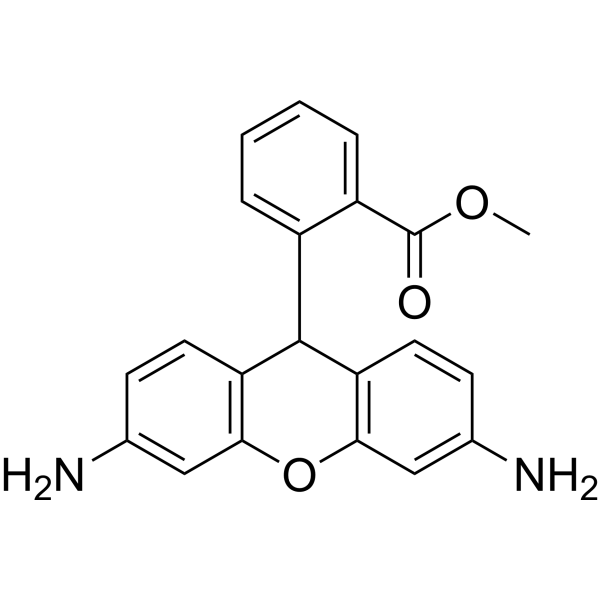
Dihydrorhodamine 123 (DHR 123) is a non-fluorescent reactive oxygen species (ROS) indicator. Dihydrorhodamine 123 is oxidized to fluorescent Rhodamine 123 (HY-D0816) within cells in the presence of reactive oxygen species and it localizes in mitochondria (Ex/Em = 515/536 nm).
|
-
- HY-W011690S
-
|
|
Endogenous Metabolite
|
Metabolic Disease
|
|
L-Homocystine-d8 is the deuterium labeled L-Homocystine. L-Homocystine is the oxidized member of the L-homocysteine. Homocysteine is a pro-thrombotic factor, vasodilation impairing agent, pro-inflammatory factor and endoplasmatic reticulum-stress inducer used to study cardiovascular disease mechanisms.
|
-
- HY-W040307B
-
|
L-Saccharopine hydrochloride
|
Endogenous Metabolite
|
Metabolic Disease
|
|
Saccharopine (L-Saccharopine) hydrochloride, a lysine degradation intermediate, is a mitochondrial toxin. Lysine and α-ketoglutarate are converted into Saccharopine hydrochloride by the lysine-ketoglutarate reductase. Saccharopine hydrochloride is then oxidized to α-aminoapidate semialdehyde and glutamate by the saccharopine dehydrogenase. Saccharopine hydrochloride impairs development by disrupting mitochondrial homeostasis .
|
-
- HY-W040307
-
|
L-Saccharopine
|
Endogenous Metabolite
|
Metabolic Disease
|
|
Saccharopine (L-Saccharopine), a lysine degradation intermediate, is a mitochondrial toxin. Lysine and α-ketoglutarate are converted into Saccharopine by the lysine-ketoglutarate reductase. Saccharopine is then oxidized to α-aminoapidate semialdehyde and glutamate by the saccharopine dehydrogenase. Saccharopine impairs development by disrupting mitochondrial homeostasis .
|
-
- HY-126551
-
|
|
LDLR
Platelet-activating Factor Receptor (PAFR)
Calcium Channel
|
Metabolic Disease
|
|
Butenoyl-PAF is a phospholipid analog of platelet activating factor (PAF-like) that is generated in oxidized low-density lipoprotein (DLDR). Butenoyl-PAF can activate cells that express human PAF receptors, such as neutrophils, monocytes, and platelets, and it stimulates an increase in intracellular calcium ion concentration .
|
-
- HY-N6773
-
|
|
HIV Protease
Fungal
|
Infection
|
|
Cytochalasin A is a cell-permeable fungal toxin that is an oxidized derivative of cytochalasin B. Cytochalasin A is an inhibitor of HIV-1 protease (IC50=3 μM) and inhibits actin polymerization and interferes with microtubule assembly by reacting with sulfhydryl groups. Antibiotic and fungicidal activitives .
|
-
- HY-126726
-
|
|
Biochemical Assay Reagents
|
Others
|
|
Oxidized low-density lipoprotein (oxLDL) particles contain low molecular weight species that are cytotoxic and proatherogenic. Many of these species were recently isolated and purified from oxLDL and identified as phosphatidylcholine species containing fragmented oxidized short-chain fatty acid residues at the sn-2 position. 1-(Palmitoyl)-2-(5-keto-6-octene-dioyl)phosphatidylcholine or KOdiA-PC is one of the most potent CD36 ligands of the oxLDL species. KOdiA-PC confers CD36 scavenger receptor binding affinity to LDL at a frequency of only 2 to 3 KOdiA-PC molecules/LDL particle and may be one of the more important structural determinants of oxLDL.
|
-
- HY-N0428
-
|
|
Apoptosis
|
Cancer
|
|
Obacunone is a highly oxidized triterpenoid limonoid isolated from citrus plants. Obacunone exerts its anticancer effects by inducing apoptosis. Obacunone also protects retinal pigment epithelial (RPE) cells from ultraviolet (UV) radiation (UVR)-induced oxidative damage .
|
-
- HY-101132
-
|
|
Endogenous Metabolite
|
Inflammation/Immunology
|
|
VB-201 is an oxidized phospholipid small molecule with anti-inflammatory activity. VB-201 inhibits CD14- and Toll-like receptor 2-dependent innate cell activation. VB-201 limits the progression of atherosclerosis and can be used to study atherosclerosis .
|
-
- HY-B0893R
-
|
Nicotinyl alcohol (Standard); Pyridine-3-carbinol (Standard)
|
CETP
Reference Standards
|
Metabolic Disease
|
|
3-Pyridinemethanol (Standard) is the analytical standard of 3-Pyridinemethanol. This product is intended for research and analytical applications. 3-Pyridinemethanol (Nicotinyl alcohol), a pyridine derivative, is a cholesterol-lowering agent. 3-Pyridinemethanol can be selectively oxidized to vitamin B3 .
|
-
- HY-160637
-
-
- HY-105840R
-
|
p-Toluenesulfondichloramide (Standard)
|
Reference Standards
Bacterial
|
Infection
|
|
Dichloramine-T (Standard) is the analytical standard of Dichloramine-T (HY-105840). This product is intended for research and analytical applications. Dichloramine-T is a strong oxidizer and disinfectant, with strong oxidation and sterilization. Dichloramine-T is also widely used in the medical and health field for disinfection and sterilization operations .
|
-
- HY-B1217S
-
|
BNPD-d4; BNPK-d4
|
Isotope-Labeled Compounds
Bacterial
|
Infection
|
|
Bronopol-d4 is deuterium labeled Bronopol. Bronopol is an antibacterial agent with low toxicity (to mammals) and high activity (especially against Gram-negative bacteria). Bronopol oxidizes protein thiols, inhibits enzymatic activity, and exhibits antibacterial activity. Bronopol is also a formaldehyde releaser .
|
-
- HY-123599
-
|
|
DNA/RNA Synthesis
|
Cancer
|
|
IACS-4619 (compound 4) is a highly selective 2-aminopyrimidine-based MTH1 (MutT homolog 1) inhibitor (IC50=0.2 nM). IACS-4619 inhibits MTH1 by blocking its hydrolysis of oxidized purine nucleotides such as 8-oxo-dGTP, thereby preventing MTH1 from inhibiting the incorporation of oxidized nucleotides into DNA. IACS-4619 significantly inhibits endogenous MTH1 activity in MTH1-overexpressing U2OS cells, but without antiproliferative or cytotoxic effects on various human cancer and normal cell lines. IACS-4619 can be used in oncology research related to the MTH1 target .
|
-
- HY-181542
-
|
|
Aldose Reductase
|
Cancer
|
|
SG-55 is a selective, noncompetitive and orally active AKR1C3 inhibitor with an IC50 of 5 nM and a Ki of 10 nM. SG-55 shows >2000-fold selectivity for AKR1C3 over AKR1C1, AKR1C2, and AKR1C4 (> 10 μM). SG-55 increases the ratio of reduced/oxidized nicotinamide adenine dinucleotide phosphate (NADPH/NADP +), decreases the ratio of reduced/oxidized glutathione (GSH/GSSG), and induces DNA double-strand breaks. SG-55 can overcome Osimertinib (HY-15772) resistance mediated by EGFR C797S triple mutation in non-small cell lung cancer (NSCLC) .
|
-
- HY-17461AR
-
|
Cortisone 21-acetate (Standard)
|
Reference Standards
Glucocorticoid Receptor
Endogenous Metabolite
|
Inflammation/Immunology
Endocrinology
|
|
Cortisone acetate (Standard) is the analytical standard of Cortisone acetate. This product is intended for research and analytical applications. Cortisone acetate (Cortisone 21-acetate), an oxidized metabolite of Cortisol (a Glucocorticoid). Cortisone acetate acts as an immunosuppressant and anti-inflammatory agent. Cortisone acetate can partially intervene in binding of Glucocorticoid to Glucocorticoid-receptor at high concentrations .
|
-
- HY-113262
-
-
- HY-W739812
-
|
Finasteride carboxylic acid
|
Aldose Reductase
|
Cancer
|
|
Carboxy finasteride is a metabolite of the 5α-reductase inhibitor Finasteride (HY-13635). Finasteride is biotransformed by cytochrome P450 (CYP3A4) and is successively oxidized to Hydroxy finasteride and Carboxy finasteride. Carboxy finasteride is the major metabolite in urine, while Hydroxy finasteride is the major metabolite in plasma .
|
-
- HY-138616
-
|
2'-Deoxyguanosine-5'-triphosphate
|
DNA/RNA Synthesis
Nucleoside Antimetabolite/Analog
|
Inflammation/Immunology
|
|
dGTP (2'-Deoxyguanosine-5'-triphosphate) is one of the precursors for DNA synthesis, and serves as a direct substrate for DNA replication and repair. dGTP is prone to oxidative damage; under the action of reactive oxygen species and other factors, dGTP is oxidized to form 8-oxo-dGTP .
|
-
- HY-17461S1
-
-
- HY-DY1037
-
|
|
Fluorescent Dye
|
Others
|
Dihydrorhodamine 123 (DHR 123) (solution) is a non-fluorescent reactive oxygen species (ROS) indicator. Dihydrorhodamine 123 is oxidized to fluorescent Rhodamine 123 (HY-D0816) within cells in the presence of reactive oxygen species and it localizes in mitochondria (Ex/Em = 515/536 nm). Solvent and concentration: DMSO: 10 mM
|
-
- HY-N9972
-
|
|
p38 MAPK
|
Others
|
|
Panaxcerol C (1,2-Di-O-α-linolenoyl-3-O-β-galactopyranosyl-sn-glycerol) is a plant galactolipidwith anti-inflammatory activity. It protects animals from septic shock by regulating the dynamic of oxidized lipid mediators through the MAPK-cPLA2 signaling pathway.
|
-
- HY-W015777
-
|
P-Methoxy-benzyl alcoho; (4-Methoxyphenyl)methanol
|
Biochemical Assay Reagents
|
Others
|
|
4-Methoxybenzyl alcohol (P-Methoxy-benzyl alcohol; (4-Methoxyphenyl)methanol) is a Benzyl alcohol (HY-B0892) derivative, which is photocatalytically oxidized into p-anisaldehyde (PAA) in water. 4-Methoxybenzyl alcohol can undergo esterification reaction with α-lipoic acid .
|
-
- HY-W007801
-
|
TPAP
|
Biochemical Assay Reagents
|
Others
|
|
Tetrapropylammonium perruthenate (TPAP) is an organic compound commonly used as a catalyst and oxidizing agent. It can play an oxidation role in some organic synthesis reactions, and can catalyze the oxidation reactions of olefins and aromatic compounds. In addition, the compound is widely used in some industrial production areas, such as in the application of plastics, rubber and textile manufacturing processes.
|
-
- HY-122792
-
|
|
Endogenous Metabolite
|
Cardiovascular Disease
|
|
Phenyramidol hydrochloride is an anticoagulant and analgesic with activity that increases detection sensitivity in biological samples. Phenyramidol hydrochloride can be oxidized in aqueous media by electrochemical methods to achieve its quantitative analysis. The detection of Phenyramidol hydrochloride using an amino-functionalized multi-walled carbon nanotube-modified glassy carbon electrode showed significant enhancement of the current peak .
|
-
- HY-17461S3
-
|
17-Hydroxy-11-dehydrocorticosterone-d2; Kendall's compound E-d2
|
Isotope-Labeled Compounds
Glucocorticoid Receptor
Endogenous Metabolite
|
Endocrinology
|
|
Cortisone-d2 is the deuterium labeled Cortisone. Cortisone (17-Hydroxy-11-dehydrocorticosterone), an oxidized metabolite of Cortisol (a Glucocorticoid). Cortisone acts as an immunosuppressant and anti-inflammatory agent. Cortisone can partially intervene in binding of Glucocorticoid to Glucocorticoid-receptor at high concentrations .
|
-
- HY-B1217R
-
|
BNPD (Standard); BNPK (Standard)
|
Reference Standards
Bacterial
|
Infection
|
|
Bronopol (Standard) is the analytical standard of Bronopol. This product is intended for research and analytical applications. Bronopol is an antibacterial agent with low toxicity (to mammals) and high activity (especially against Gram-negative bacteria). Bronopol oxidizes protein thiols, inhibits enzymatic activity, and exhibits antibacterial activity. Bronopol is also a formaldehyde releaser .
|
-
- HY-123016
-
|
|
Endogenous Metabolite
|
Cardiovascular Disease
|
|
9(S)-HODE cholesteryl ester is originally extracted from atherosclerotic lesions. It remains uncertain whether the oxidized fatty acid portion of the molecule results from enzymatic lipoxygenation or from random lipid peroxidation.2 9(S)-HODE cholesteryl ester can be used as a standard for analysis of chiral HODE cholesteryl esters.
|
-
- HY-N0416
-
-
- HY-W654004
-
-
- HY-W012241
-
|
|
Endogenous Metabolite
PROTAC Linkers
|
Metabolic Disease
|
|
Dodecanedioic acid is an orally active straight-chain dicarboxylic acid. As an alternative energy substrate between lipids and carbohydrates, Dodecanedioic acid can be rapidly oxidized during exercise, reducing muscle fatigue without stimulating insulin secretion. Dodecanedioic acid also exhibits blood glucose-lowering activity in non-insulin-dependent diabetes mellitus .
|
-
- HY-E71270
-
|
|
Biochemical Assay Reagents
|
Others
|
|
β-Amyrin 11-oxidase (EC 1.14.13.134) requires cytochrome P-450. Part of the glycyrrhizin biosynthesis pathway. The enzyme is also able to oxidize 30-hydroxy-β-Amyrin to 11α,30-dihydroxy-β-Amyrin but this is not thought to be part of glycyrrhizin biosynthesis.
|
-
- HY-125394
-
|
|
Endogenous Metabolite
|
Cardiovascular Disease
|
|
9(R)-HODE cholesteryl ester is originally extracted from atherosclerotic lesions. It remains uncertain whether the oxidized fatty acid portion of the molecule results from enzymatic lipoxygenation or from random lipid peroxidation.2 9(R)-HODE cholesteryl ester can be used as a standard for analysis of chiral HODE cholesteryl esters.
|
-
- HY-P2777
-
|
|
Biochemical Assay Reagents
|
Neurological Disease
Metabolic Disease
Inflammation/Immunology
|
|
Ceruloplasmin is a copper-containing multifunctional ferrous oxidase glycoprotein. Ceruloplasmin specifically oxidizes Fe 2+ to Fe 3+, promoting the binding of Fe 3+ to transferrin. Ceruloplasmin can bind to copper ions to prevent the toxicity of free copper to cells. Ceruloplasmin can be used for the research of inflammation, metabolic and neurological disease such as Parkinson’s disease .
|
-
- HY-123341
-
|
9-KODE
|
Endogenous Metabolite
|
Metabolic Disease
|
|
9-OxoODE results from oxidation of the allylic hydroxyl of either 9(S)- or 9(R)-HODE. Rabbit reticulocyte plasma and mitochondrial membranes contain both 9- and 13-oxoODEs, representing about 2% of the total linoleate residues in the membranes. Most of these oxidized linoleate residues are esterified to membrane lipids.
|
-
- HY-N10638
-
|
|
Reactive Oxygen Species (ROS)
NF-κB
|
Inflammation/Immunology
|
|
N-Acetyldopamine dimer-2 (compound 2) is a N-acetyldopamine dimer that can be isolated from the yellow powder form Periostracum Cicadae with antioxidant and anti-inflammatory activities. N-Acetyldopamine dimer-2 inhibits oxidized low-density lipoprotein (LDL) oxidation, ROS generation, NO production, and NF-κB activity .
|
-
- HY-17461S
-
-
- HY-107469
-
|
Pyridoxaldehyde
|
Endogenous Metabolite
|
Neurological Disease
Metabolic Disease
|
|
Pyridoxal is a neuroprotectant. Pyridoxal is one of the main forms of vitamin B6. Pyridoxal is phosphorylated by pyridoxal kinase to pyridoxal phosphate (HY-B1744). Pyridoxal is oxidized by the liver to 4-pyridoxic acid (HY-113493) and excreted in the urine. Pyridoxal has shown promise in the study of carpal tunnel syndrome (CTS) .
|
-
- HY-175111
-
|
|
Liposome
|
Others
|
|
1-Stearoyl-2-17(S)-HDoTE-sn-glycero-3-PC is a phospholipid that contains stearic acid (HY-B2219) and the oxidized adrenic acid metabolite 17(S)-HDoTE (HY-168774) at the sn-1 and sn-2 positions, respectively .
|
-
- HY-W001187
-
|
|
Mitochondrial Metabolism
DNA/RNA Synthesis
Reactive Oxygen Species (ROS)
|
Cancer
|
|
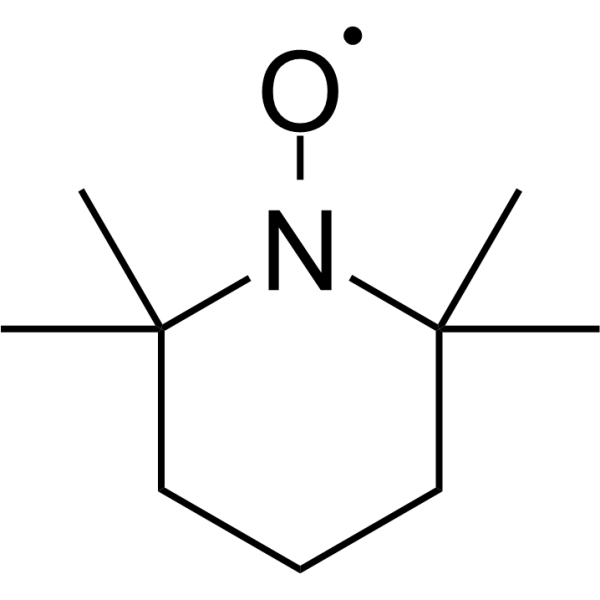
Tempo is a nitric oxide radical and a selective scavenger of ROS in mitochondria. Tempo is also an organocatalyst that disproportionates superoxide and oxidizes primary alcohols to aldehydes in a catalytic cycle. Tempo has mutagenic and antioxidant effects and can induceDNA strand breaks. Tempo also exerts cytotoxic and mutagenic properties in mouse lymphoma cells .
|
-
- HY-W011690R
-
-
- HY-17461R
-
|
17-Hydroxy-11-dehydrocorticosterone(Standard); Kendall's compound E (Standard)
|
Reference Standards
Glucocorticoid Receptor
Endogenous Metabolite
|
Inflammation/Immunology
Endocrinology
|
|
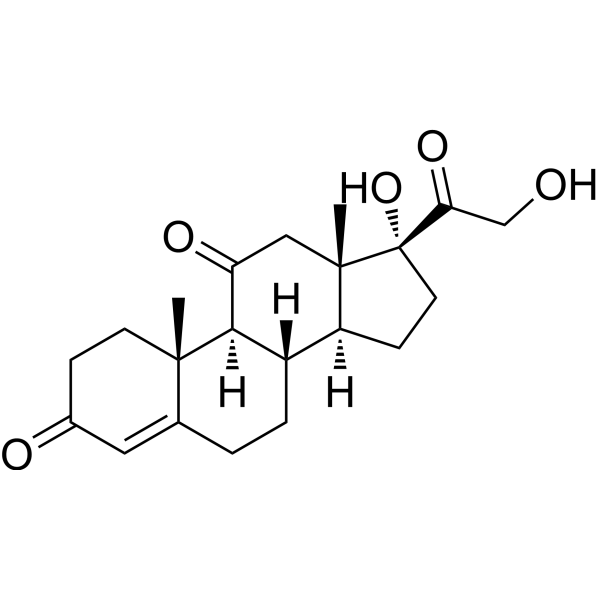
Cortisone (Standard) is the analytical standard of Cortisone. This product is intended for research and analytical applications. Cortisone (17-Hydroxy-11-dehydrocorticosterone), an oxidized metabolite of Cortisol (a Glucocorticoid). Cortisone acts as an immunosuppressant and anti-inflammatory agent. Cortisone can partially intervene in binding of Glucocorticoid to Glucocorticoid-receptor at high concentrations .
|
-
- HY-D3227
-
|
|
Fluorescent Dye
|
Inflammation/Immunology
Cancer
|
|
HOTN is a hypochlorous acid (HClO) Fluorescent indicator. HOTN is oxidized by HClO, causing cleavage of its Py +-N + moiety and a change in hydrophobicity, which in turn triggers aggregation-induced emission to generate a strong fluorescent signal. HOTN is used for in vivo imaging of inflammation and hepatocellular carcinoma, as these diseases typically result in high levels of HClO .
|
-
- HY-141636S
-
|
1-Palmitoyl-2-arachidonoyl-sn-glycero-3-phosphocholine-d9-1; PAPC-d9-1; PC(16:0/20:4)-d9-1
|
Isotope-Labeled Compounds
Endogenous Metabolite
|
Cardiovascular Disease
|
|
1-PalMitoyl-2-arachidoyllecithin-d9-1 (1-Palmitoyl-2-arachidonoyl-sn-glycero-3-phosphocholine-d9-1) is deuterium labeled 1-PalMitoyl-2-arachidoyllecithin. 1-Palmitoyl-2-arachidonoyl-sn-glycero-3-PC (PAPC) is a phospholipid containing palmitic acid (16:0) and arachidonic acid (20:4) at the sn-1 and sn-2 positions, respectively, that is found in biological membranes. PAPC is oxidized in vivo, and its oxidation products are involved in chronic inflammation and vascular disease. PAPC has been used to study signaling of oxidized phospholipids. Levels of PAPC are decreased in isolated human multiple myeloma cells .
|
-
- HY-180601
-
-
- HY-W038786S
-
|
|
Isotope-Labeled Compounds
|
Others
|
|
2,4,6-Trimethylphenol-d11 is the deuterium labeled 2,4,6-Trimethylphenol . 2,4,6-Trimethylphenol is a probe compound shown to react mainly with organic matter (3DOM*). 2,4,6-Trimethylphenol is rapidly oxidized by singlet oxygen in aqueous solution .
|
-
- HY-W001959
-
|
|
Endogenous Metabolite
|
Metabolic Disease
|
|
D-Allothreonine is the D stereoisomer of Allothreonine. D-Allallreonine is a peptide lipid derived from bacteria. D-Allothreonine can be specifically oxidized by D-amino acid oxidase, while the L configuration has no reaction. D-Allallreonine is also a component of bacterial polysaccharides. D-Allallreonine can be used for researching bacterial pathogenicity, antigenic diversity and drug resistance .
|
-
- HY-186167
-
|
|
IKK
|
Cancer
|
|
CDDO-biotin is an IKKβ inhibitor with cancer cell inhibitory activity. CDDO-biotin directly interacts with and oxidizes Cys-179 in the activation loop of IKKβ, forming an adduct with wild-type IKKβ. CDDO-biotin can be used in the research of myeloid leukemia, osteosarcoma, multiple myeloma, lung cancer, breast cancer and pancreatic cancer .
|
-
- HY-N0428R
-
|
|
Reference Standards
Apoptosis
|
Cancer
|
|
Obacunone (Standard) is the analytical standard of Obacunone. This product is intended for research and analytical applications. Obacunone is a highly oxidized triterpenoid limonoid isolated from citrus plants. Obacunone exerts its anticancer effects by inducing apoptosis. Obacunone also protects retinal pigment epithelial (RPE) cells from ultraviolet (UV) radiation (UVR)-induced oxidative damage .
|
-
- HY-156081
-
|
|
Keap1-Nrf2
Apoptosis
|
Metabolic Disease
|
|
Nrf2 activator-9 (compound D-36) is an Nrf2 activator that inhibits oxidized low-density lipoprotein (oxLDL) and high glucose (HG)-induced apoptosis in HUVEC cells. Nrf2 activator-9 inhibits oxLDL and HG-induced vascular endothelial cell (VEC) injury and can effectively prevent and treat atherosclerosis .
|
-
- HY-135416
-
|
|
Endogenous Metabolite
|
Infection
|
|
Streptolysin O, a group A streptococcal toxin, is a well-characterized oxygen-labile prototype of a cholesterol-binding bacterial exotoxin. Streptolysin O causes both lysis of cells and cardiotoxicity. Streptolysin O is widely used for the controlled permeabilization of cell membranes. Streptolysin O exists in two forms, a reduced active state and an oxidized reversibly inactive state .
|
-
- HY-126003
-
|
|
Aldehyde Dehydrogenase (ALDH)
|
Cancer
|
|
ALDH1A1-IN-2 (compound 297) is a potent inhibitor of aldehyde dehydrogenase 1a1 (aldh1a1). Aldehyde dehydrogenases (ALDH) constitute a family of enzymes that play a critical role in oxidizing various cytotoxic xenogenic and biogenic aldehydes. ALDH1A1-IN-2 has the potential for the research of cancer, inflammation, or obesity .
|
-
- HY-W038786R
-
|
|
Fluorescent Dye
Reference Standards
|
Others
|
|
2,4,6-Trimethylphenol (Standard) is the analytical standard of 2,4,6-Trimethylphenol. This product is intended for research and analytical applications. 2,4,6-Trimethylphenol is a probe compound shown to react mainly with organic matter (3DOM*). 2,4,6-Trimethylphenol is rapidly oxidized by singlet oxygen in aqueous solution[1][2].
|
-
- HY-110281
-
|
|
Endogenous Metabolite
|
Cardiovascular Disease
Neurological Disease
|
|
Dehydroascorbic acid is an oxidized form of vitamin C that can cross the blood-brain barrier (BBB). Dehydroascorbic acid clears cytotoxic reactive oxygen species (ROS) produced after ischemic stroke by converting to ascorbic acid (AA), thereby reducing neuronal and glial cell damage and stabilizing cerebral microvascular NO signaling to maintain perfusion in the ischemic area. Dehydroascorbic acid can be used in research on ischemic stroke .
|
-
- HY-W030778
-
|
Triglycollamic acid
|
Biochemical Assay Reagents
|
Others
|
|
Nitrilotriacetic acid is an orally active chelating agent for metal ions. Nitrilotriacetic acid is an aminotricarboxylic acid that can sequester metal ions as water soluble complexes. Nitrilotriacetic acid reacts with strong oxidizing agents such as hypochlorite, chlorine, ozone, or oxygen in the presence of palladium/carbon catalyst. Nitrilotriacetic acid interacts with solid phases such as cell membranes and bone matrices in the mammalian system. Nitrilotriacetic acid is classified as an epigenetic rodent carcinogen .
|
-
- HY-E70992
-
|
|
Endogenous Metabolite
|
Metabolic Disease
|
|
Eosinophil Peroxidase, Human (EC 1.11.1.7) is an enzyme found in eosinophils (innate immune cells of humans and mammals). Eosinophil Peroxidase, Human (EC 1.11.1.7) is a heme peroxidase whose activities include oxidizing halide ions to reactive oxygen species with bactericidal effects, disrupting bacterial cell walls with cations, and performing post-translational modifications on protein amino acid residues.
|
-
- HY-W247098
-
|
DHR 6G
|
Reactive Oxygen Species (ROS)
|
Cancer
|
|
Dihydrorhodamine 6G (DHR 6G) is the reduced form of Rhodamine 6G, which is used as fluorescent mitochondrial dye. It is nonfluorescent, but it readily enters most of the cells and is oxidized by oxidative species or by cellular redox systems to the fluorescent rhodamine 6G that accumulates in mitochondrial membranes. Dihydrorhodamine 6G is useful for detecting reactive oxygen species (ROS) including superoxide .
|
-
- HY-101894R
-
|
DHR 123 (Standard)
|
Fluorescent Dye
Reference Standards
|
Others
|
|
Dihydrorhodamine 123 (Standard) is the analytical standard of Dihydrorhodamine 123 (HY-101894). This product is intended for research and analytical applications. Dihydrorhodamine 123 (DHR 123) is a non-fluorescent reactive oxygen species (ROS) indicator. Dihydrorhodamine 123 is oxidized to fluorescent Rhodamine 123 (HY-D0816) within cells in the presence of reactive oxygen species and it localizes in mitochondria (Ex/Em = 515/536 nm).
|
-
- HY-W581798
-
|
|
Biochemical Assay Reagents
|
Metabolic Disease
Cancer
|
|
Iron(II) sulfate hydrate is an iron(II) salt with oral activity, acting as an iron supplier, and is easily oxidized to iron(III) in water. Iron(II) sulfate hydrate induces apoptotic morphological changes in cancer cells, and promotes dose‑dependent iron accumulation in rats. Iron(II) sulfate hydrate can be used in studies of leukemia, breast cancer, iron deficiency, anemia, and restless legs syndrome .
|
-
- HY-P2848B
-
|
|
Endogenous Metabolite
|
Metabolic Disease
|
|
Cholesterol Oxidase, Streptomyces sp. (EC 1.1.3.6) is a monomeric flavoprotein containing FAD that catalyzes the first step in cholesterol catabolism. This bifunctional enzyme oxidizes cholesterol to cholest-5-en-3-one in an FAD-requiring step, which is then isomerized to cholest-4-en-3-one with the release of H2O2.
|
-
- HY-125862
-
|
EC 1.6.4.2; GR
|
Calcineurin
Reactive Oxygen Species (ROS)
|
Cardiovascular Disease
Neurological Disease
|
|
Glutathione reductase, baker's yeast (EC 1.6.4.2) is a reductase. Glutathione reductase, baker's yeast eliminates intracellular ROS. Glutathione reductase, baker's yeast reduces oxidized glutathione (GSSG) to reduced glutathione (GSH) using NADPH as an electron donor. Glutathione reductase, baker's yeast exerts antioxidant activity. Glutathione reductase is mainly used to study diseases associated with oxidative stress, such as Parkinson's disease and sickle cell anemia .
|
-
- HY-122792R
-
|
|
Endogenous Metabolite
Reference Standards
|
Cardiovascular Disease
|
|
Phenyramidol (Hydrochloride) (Standard) is the analytical standard of Phenyramidol (Hydrochloride). This product is intended for research and analytical applications. Phenyramidol hydrochloride is an anticoagulant and analgesic with activity that increases detection sensitivity in biological samples. Phenyramidol hydrochloride can be oxidized in aqueous media by electrochemical methods to achieve its quantitative analysis. The detection of Phenyramidol hydrochloride using an amino-functionalized multi-walled carbon nanotube-modified glassy carbon electrode showed significant enhancement of the current peak .
|
-
- HY-125862B
-
|
|
Glutathione Reductase (GR)
|
Metabolic Disease
|
|
Glutathione Reductase,Wheat germ (EC 1.6.4.2) is a crucial flavoenzyme in the antioxidant defense system. Reduced glutathione (GSH) is used by glutathione peroxidase to detoxify hydrogen peroxide and in the precess is converted to oxidized glutathione (GSSG). The GSSG is then recycled back to GSH by glutathione reductase (GR) using NADPH that is then converted to NADP+. The regenerated GSH is then available to detoxify more hydrogen peroxide. Glutathione Reductase uses FAD as a cofactor.
|
-
- HY-125862A
-
|
|
Glutathione Reductase (GR)
|
Metabolic Disease
|
|
Glutathione Reductase,Wheat germ (EC 1.6.4.2) is a crucial flavoenzyme in the antioxidant defense system. Reduced glutathione (GSH) is used by glutathione peroxidase to detoxify hydrogen peroxide and in the precess is converted to oxidized glutathione (GSSG). The GSSG is then recycled back to GSH by glutathione reductase (GR) using NADPH that is then converted to NADP+. The regenerated GSH is then available to detoxify more hydrogen peroxide. Glutathione Reductase uses FAD as a cofactor.
|
-
- HY-164813
-
|
7-Ketocholesteryl-9-carboxynonanoate
|
NF-κB
|
Metabolic Disease
|
|
oxLig-1 (7-Ketocholesteryl-9-carboxynonanoate) is the lipid moiety of oxidized low-density lipoprotein (oxLDL) and is a key ligand for β-glycoprotein I (β(2)-GPI). oxLig-1 causes nuclear translocation by activating the NF-κB pathway. oxLig-1 can be used in the study of atherosclerosis (AS) .
|
-
- HY-103382R
-
|
|
Reference Standards
Fungal
|
Infection
|
|
Phenyramidol (Hydrochloride) (Standard) is the analytical standard of Phenyramidol (Hydrochloride). This product is intended for research and analytical applications. Phenyramidol hydrochloride is an anticoagulant and analgesic with activity that increases detection sensitivity in biological samples. Phenyramidol hydrochloride can be oxidized in aqueous media by electrochemical methods to achieve its quantitative analysis. The detection of Phenyramidol hydrochloride using an amino-functionalized multi-walled carbon nanotube-modified glassy carbon electrode showed significant enhancement of the current peak .
|
-
- HY-W012241S1
-
|
|
Isotope-Labeled Compounds
Endogenous Metabolite
|
Metabolic Disease
|
|
Dodecanedioic acid-d4 is the deuterium labeled Dodecanedioic acid (HY-W012241). Dodecanedioic acid is an orally active straight-chain dicarboxylic acid. As an alternative energy substrate between lipids and carbohydrates, Dodecanedioic acid can be rapidly oxidized during exercise, reducing muscle fatigue without stimulating insulin secretion. Dodecanedioic acid also exhibits blood glucose-lowering activity in non-insulin-dependent diabetes mellitus .
|
-
- HY-178711
-
|
|
Others
|
Metabolic Disease
|
|
18-Oxooctadecanoic acid is a long-chain fatty acid derivative. 18-Oxooctadecanoic acid is exclusively oxidized by P450BM-3 to the corresponding α,ω-dicarboxylic acid (1,18-octadecanedioic acid) without undergoing decarboxylation to form one-carbon-shorter olefins. 18-Oxooctadecanoic acid can be used for the study of metabolic pathways of aldehyde-containing long-chain fatty acids .
|
-
- HY-153812
-
|
AST070
|
Anion Exchangers
|
Metabolic Disease
|
|
AST 7062601 (AST070) is a Ucp1 inducer that strongly induces endogenous Ucp1 expression in primary mouse brown adipocytes. Ucp1 refers to uncoupling protein, found in brown and beige fat cells. In mammals, UCP1 oxidizes fatty acids and uncouples ATP production in mitochondria to promote energy dissipation as heat. AST 7062601 can be used to study thermogenic, uncoupled respiration .
|
-
- HY-179712
-
|
|
TrxR
Apoptosis
Reactive Oxygen Species (ROS)
|
Cancer
|
|
As-CA11 is a Thioredoxin reductase (TrxR) inhibitor with an IC50 of 18.7 nM. As-CA11 can induce cancer cells apoptosis and ROS production. As-CA11 can reduce the level of reduced Trx and increase the level of oxidized Trx. As-CA11 demonstrates anti-tumor activity in the 4T1 tumor-bearing mouse model .
|
-
- HY-B0445AR
-
|
β-DPN sodium (Standard); β-NAD sodium (Standard); β-Nicotinamide Adenine Dinucleotide sodium (Standard)
|
Endogenous Metabolite
Reference Standards
|
Metabolic Disease
|
|
NAD sodium (Standard) is the analytical standard of NAD sodium. This product is intended for research and analytical applications. NAD (β-Nicotinamide Adenine Dinucleotide) sodium is an analogue of NAD. NAD sodium can be reduced to β-nicotinamide adenine dinucleotide (NADH) during coupling with reactions which oxidize organic substrates. NAD sodium can be converted to β-nicotinamide adenine dinucleotide (NADH) and passes to the inside of mitochondria that indirectly generates ATP .
|
-
- HY-W728891
-
|
|
Herbicide
|
Others
|
|
Pentoxazone is a protoporphyrinogen IX oxidase (PPO)-inhibiting herbicide. Pentoxazone inhibits chlorophyll and heme synthesis, drives protoporphyrinogen IX accumulation and oxidation, and generates singlet oxygen to oxidize cell membranes and induce cell damage.Pentoxazone suppresses fresh weight growth of multiple weed species and shows low activity against weedy rice. Pentoxazone can be used for the research of direct-seeding rice field weed management .
|
-
- HY-113262R
-
-
- HY-W001187R
-
|
|
Mitochondrial Metabolism
DNA/RNA Synthesis
Reactive Oxygen Species (ROS)
Reference Standards
|
Cancer
|
|
Tempo (Standard) is the analytical standard of Tempo. This product is intended for research and analytical applications. Tempo is a nitric oxide radical and a selective scavenger of ROS in mitochondria. Tempo is also an organocatalyst that disproportionates superoxide and oxidizes primary alcohols to aldehydes in a catalytic cycle. Tempo has mutagenic and antioxidant effects and can induceDNA strand breaks. Tempo also exerts cytotoxic and mutagenic properties in mouse lymphoma cells [4].
|
-
- HY-P2833
-
|
GSH-Px; EC 1.11.1.9
|
Glutathione Peroxidase
|
Metabolic Disease
|
|
Glutathione Peroxidase (GSH-Px; EC 1.11.1.9) belongs to the peroxidase family and is commonly used in biochemical research. Glutathione Peroxidase can catalyze reduced glutathione (GSH) to form a disulfide bridge with another glutathione molecule, convert it into oxidized glutathione (GSSG), and react with hydrogen peroxide or lipid peroxide reaction, reducing it to H2O. Glutathione Peroxidase is an effective antioxidant against oxidative stress .
|
-
- HY-W012241S
-
|
|
Isotope-Labeled Compounds
Endogenous Metabolite
|
Metabolic Disease
|
|
Dodecanedioic acid-d20 is the deuterium labeled Dodecanedioic acid (HY-W012241). Dodecanedioic acid is an orally active straight-chain dicarboxylic acid. As an alternative energy substrate between lipids and carbohydrates, Dodecanedioic acid can be rapidly oxidized during exercise, reducing muscle fatigue without stimulating insulin secretion. Dodecanedioic acid also exhibits blood glucose-lowering activity in non-insulin-dependent diabetes mellitus .
|
-
- HY-157084
-
|
|
ROS Kinase
Bacterial
|
Infection
|
|
HS-291 is a HtpG inhibitor of Borrelia burgdorferi (Bb). HS-291 contains BX-2819 (high affinity for Bb HtpG), PEG linker, and Verteporfin (HY-B0146) (a photoactive toxin).HS-291 produces reactive oxygen species under light activation to oxidize HtpG and a discrete protein subset near chaperone proteins and can quickly and irreversibly inactivate Bb .
|
-
- HY-W001959R
-
|
|
Reference Standards
Endogenous Metabolite
|
Metabolic Disease
|
|
D-Allothreonine (Standard) is an analytical standard for D-Allothreonine (HY-001959). This product is intended for research and analytical applications. D-Allothreonine is the D-stereoisomer of allothreonine. D-Allothreonine is a bacterial peptide lipid. D-Allothreonine is specifically oxidized by D-amino acid oxidase, while the L-form is unresponsive. D-Allothreonine is also a component of bacterial polysaccharides. D-Allothreonine can be used to study bacterial pathogenicity, antigenic diversity, and drug resistance.
|
-
- HY-126833A
-
|
|
Endogenous Metabolite
|
Infection
Cancer
|
|
Myristoyl coenzyme A lithium is lithium-labeled myristoylated coenzyme A (CoA). Myristoylation is an essential process in viruses and is generally controlled by N-myristoyltransferase (NMT). And NMT is more active in colon epithelial tumors than in normal cells. Reduced Ccoenzyme A (CoA) is known to be a key regulator of NMT activity, whereas oxidized CoA does not allow NMT to promote myristoylation. Myristoyl coenzyme A blocks the demyristoylation process and has potential anticancer and antiviral mechanisms .
|
-
- HY-N6738
-
|
|
Antibiotic
Bacterial
Fungal
Proton Pump
|
Infection
Neurological Disease
|
|
Bafilomycin B1 is a macrolide antibiotic that can be isolated from mycelium of Streptomyces gresuis. Bafilomycin B1 is neuroprotective against Chloroquine (HY-17589A)-induced death. Bafilomycin B1 is a structural analog of Bafilomycin A1 and has the ability to inhibit V-ATPase. Bafilomycin B1 inhibits significantly the oxidized low density lipoprotein (LDL)-induced accumulation of lipid droplets .
|
-
- HY-W777762
-
|
|
Isotope-Labeled Compounds
Endogenous Metabolite
|
Metabolic Disease
|
|
Dodecanedioic Acid- 13C12 is the 13C-labeled Dodecanedioic acid (HY-W012241). Dodecanedioic acid is an orally active straight-chain dicarboxylic acid. As an alternative energy substrate between lipids and carbohydrates, Dodecanedioic acid can be rapidly oxidized during exercise, reducing muscle fatigue without stimulating insulin secretion. Dodecanedioic acid also exhibits blood glucose-lowering activity in non-insulin-dependent diabetes mellitus .
|
-
- HY-N0416R
-
-
- HY-121242
-
|
VEL-5026
|
Photosystem II
|
Others
|
|
Buthidazole is a selective herbicide for weed control in corn. Buthidazole inhibits photosynthetic electron transport at two distinct sites in the photosynthetic electron transport chain. The major site of inhibition was on the reducing side of photosystem II. Another site of electron transport inhibition is on the oxidizing side of photosystem II. Buthidazole inhibits corn photosynthesis and prevents starch accumulation in bundle sheath chloroplasts and some ultrastructural disruption of mesophyl chloroplasts of corn plants .
|
-
- HY-W012241R
-
|
|
Reference Standards
Endogenous Metabolite
|
Metabolic Disease
|
|
Dodecanedioic acid (Standard) is the analytical standard of Dodecanedioic acid (HY-W012241). This product is intended for research and analytical applications. Dodecanedioic acid is an orally active straight-chain dicarboxylic acid. As an alternative energy substrate between lipids and carbohydrates, Dodecanedioic acid can be rapidly oxidized during exercise, reducing muscle fatigue without stimulating insulin secretion. Dodecanedioic acid also exhibits blood glucose-lowering activity in non-insulin-dependent diabetes mellitus .
|
-
- HY-B0374
-
|
BDF5895
|
Imidazoline Receptor
Adrenergic Receptor
LDLR
|
Cardiovascular Disease
Neurological Disease
|
|
Moxonidine (BDF5895) is an orally active imidazoline type 1 receptor (I1-R) agonist. Moxonidine activates imidazoline I1 receptors and α2 adrenoceptors, affecting oxidized low-density lipoprotein uptake. Moxonidine reduces atherosclerotic lesions and lowers blood pressure. Moxonidine can be used in the study of hypertension, heart failure, and atherosclerosis .
|
-
- HY-107469R
-
|
Pyridoxaldehyde (Standard)
|
Endogenous Metabolite
Reference Standards
|
Neurological Disease
Metabolic Disease
|
|
Pyridoxal (Standard) is the analytical standard of Pyridoxal. This product is intended for research and analytical applications. Pyridoxal is a neuroprotectant. Pyridoxal is one of the main forms of vitamin B6. Pyridoxal is phosphorylated by pyridoxal kinase to pyridoxal phosphate (HY-B1744). Pyridoxal is oxidized by the liver to 4-pyridoxic acid (HY-113493) and excreted in the urine. Pyridoxal has shown promise in the study of carpal tunnel syndrome (CTS)[1][2][3].
|
-
- HY-B0374A
-
|
BDF5895 hydrochloride
|
Imidazoline Receptor
Adrenergic Receptor
LDLR
|
Cardiovascular Disease
Neurological Disease
|
|
Moxonidine (BDF5895) hydrochloride is an orally active imidazoline type 1 receptor (I1-R) agonist. Moxonidine hydrochloride activates imidazoline I1 receptors and α2 adrenoceptors, affecting oxidized low-density lipoprotein uptake. Moxonidine hydrochloride reduces atherosclerotic lesions and lowers blood pressure. Moxonidine hydrochloride can be used in the study of hypertension, heart failure, and atherosclerosis .
|
-
- HY-113325
-
NADP
Maximum Cited Publications
6 Publications Verification
|
Endogenous Metabolite
|
Metabolic Disease
Inflammation/Immunology
Cancer
|
|
NADP is a coenzyme involved in cellular electron transfer reactions in biological metabolism, which is alternately oxidized (NADP+) and reduced (NADPH), and can maintain cellular redox homeostasis and regulate many biological events, including cellular metabolism. NADPH is a universal electron donor that provides reducing ability for synthetic metabolic reactions and redox balance. NADPH plays a multifunctional role in regulating inflammation, redox homeostasis, and synthetic metabolism processes .
|
-
- HY-W015788
-
|
Styrene Glycol
|
Environmental Pollutants
Drug Metabolite
Biochemical Assay Reagents
|
Neurological Disease
|
|
1-Phenylethane-1,2-diol (Styrene Glycol) is a benzyl diol compound, which is the major metabolite of Styrene. 1-Phenylethane-1,2-diol can be oxidized to hydroxyl ketone (2-hydroxy-1-phenylethan-1-one) selectively with variety of catalysts, including organocatalysts, metal complexes, non-noble metal oxides, bimetallics .
|
-
- HY-32959
-
|
|
Biochemical Assay Reagents
|
Others
|
|
N-Boc-2-pyrroleboronic acid is an organic synthesis intermediate used primarily in the synthesis of chiral pharmaceutical molecules and biologically active molecules. The boronic acid on the pyrrole ring can participate in Suzuki coupling reactions. The boronic acid can be oxidized to a hydroxyl group under the action of nitrogen oxides, and after tautomerization, it can be further transformed into 2-oxo-2,5-dihydro-1-pyrrolecarboxylic acid tert-butyl ester .
|
-
- HY-W110791
-
|
|
Biochemical Assay Reagents
|
Others
|
|
Sodium diphenylamine-4-sulfonate is a chemical indicator commonly used in redox titrations. Its reduced state is colorless and its oxidized state is reddish-purple. Sodium diphenylamine-4-sulfonate is also a quencher and reducing agent. Sodium diphenylamine-4-sulfonate inhibits the electrochemiluminescence of the ruthenium tris(bipyridine) system through energy transfer. Sodium diphenylamine-4-sulfonate participates in the synthesis of nanocrystals .
|
-
- HY-B0445A
-
NAD sodium
Maximum Cited Publications
45 Publications Verification
β-DPN sodium; β-NAD sodium; β-Nicotinamide Adenine Dinucleotide sodium
|
Endogenous Metabolite
|
Metabolic Disease
|
|
NAD sodium is an orally effective cofactor and homeostatic regulator. NAD sodium can be reduced to β-nicotinamide adenine dinucleotide (NADH) during coupling with reactions that oxidize organic substrates. NAD sodium can be converted to β-nicotinamide adenine dinucleotide (NADH) and passes to the inside of mitochondria, which indirectly generates ATP. NAD sodium can be used for the research of non-alcoholic fatty liver disease, obesity, and glucose intolerance .
|
-
- HY-W015777R
-
|
P-Methoxy-benzyl alcoho (Standard); (4-Methoxyphenyl)methanol (Standard)
|
Reference Standards
Biochemical Assay Reagents
|
Others
|
|
4-Methoxybenzyl alcohol (Standard) is the analytical standard of 4-Methoxybenzyl alcohol. This product is intended for research and analytical applications. 4-Methoxybenzyl alcohol (P-Methoxy-benzyl alcohol; (4-Methoxyphenyl)methanol) is a Benzyl alcohol (HY-B0892) derivative, which is photocatalytically oxidized into p-anisaldehyde (PAA) in water. 4-Methoxybenzyl alcohol can undergo esterification reaction with α-lipoic acid .
|
-
- HY-126833B
-
|
14:0 Coenzyme A triammonium; S-Tetradecanoate-CoA triammonium; S-Tetradecanoate-coenzyme A triammonium
|
Endogenous Metabolite
|
Infection
Cancer
|
|
Myristoyl coenzyme A triammonium (14:0 Coenzyme A) is a myristoylated coenzyme A (CoA). Myristoylation is an essential process in viruses and is generally controlled by N-myristoyltransferase (NMT). And NMT is more active in colon epithelial tumors than in normal cells. Reduced Ccoenzyme A (CoA) is known to be a key regulator of NMT activity, whereas oxidized CoA does not allow NMT to promote myristoylation. Myristoyl coenzyme A blocks the demyristoylation process and has potential anticancer and antiviral mechanisms .
|
-
- HY-W027446
-
|
|
Endogenous Metabolite
|
Neurological Disease
Metabolic Disease
|
|
Pyridoxal hydrochloride, the hydrochloride form of Pyridoxal (HY-107469), is a newly developed neuroprotective agent. Pyridoxal hydrochloride is one of the major forms of vitamin B6. Pyridoxal hydrochloride is solvolyzed in methanol to form pyridoxal monomethylacetal. Pyridoxal is phosphorylated by pyridoxal kinase to Pyridoxal phosphate (HY-B1744). Pyridoxal is oxidized by the liver to 4-Pyridoxic acid (HY-113493) which is excreted in the urine. Pyridoxal hydrochloride is proming for research of carpal tunnel syndrome (CTS) .
|
-
- HY-176513
-
|
|
Fluorescent Dye
|
Others
|
|
Cy-OH-LP is a turn-on fluorescent and photoacoustic probe that can detect lipid-associated hydroxyl radicals. Cy-OH-LP can be oxidized to Cy7 in the presence of hydroxyl radicals, which displays weak fluorescent and photoacoustic signals in water-soluble environments and strong fluorescent and photoacoustic signals in lipid-rich environments due to its lipid solubility. Cy-OH-LP can be used for in vivo photoacoustic imaging of hydroxyl radicals .
|
-
- HY-175115
-
|
|
Liposome
|
Others
|
|
1-Stearoyl-2-17(S)-HDoTE-sn-glycero-3-PE is a phospholipid. 1-Stearoyl-2-17(S)-HDoTE-sn-glycero-3-PE contains Stearic acid (HY-B2219) and the oxidized adrenic acid metabolite 17(S)-HDoTE (HY-168774) at the sn-1 and sn-2 positions, respectively.
|
-
- HY-Y0590
-
|
|
Environmental Pollutants
Reactive Oxygen Species (ROS)
Glutathione Reductase (GR)
|
Inflammation/Immunology
|
|
Copper (I) oxide is an oxidative stress inducer and cytotoxic agent. Copper (I) oxide causes dose-dependent decrease in the viability of airway epithelial cells by impairing the activities of catalase and glutathione reductase, generating reactive oxygen species, and increasing the levels of 8-isoprostane and the ratio of oxidized glutathione. However, when combined with Resveratrol (HY-16561), the cytotoxic effect induced by Copper (I) oxide is significantly attenuated, and oxidative damage is effectively alleviated .
|
-
- HY-154635
-
|
|
Biochemical Assay Reagents
|
Others
|
|
Oxidized paraffin (calcium) can be used as an excipient, such as ointment base, hardening agent. Pharmaceutical excipients, or pharmaceutical auxiliaries, refer to other chemical substances used in the pharmaceutical process other than pharmaceutical ingredients. Pharmaceutical excipients generally refer to inactive ingredients in pharmaceutical preparations, which can improve the stability, solubility and processability of pharmaceutical preparations. Pharmaceutical excipients also affect the absorption, distribution, metabolism, and elimination (ADME) processes of co-administered drugs .
|
-
- HY-135416A
-
|
|
Endogenous Metabolite
|
Infection
|
|
Streptolysin O (≥1000000 units/mg) is a ≥1000000 units/mg Streptolysin O (HY-135416). Streptolysin O, a group A streptococcal toxin, is a well-characterized oxygen-labile prototype of a cholesterol-binding bacterial exotoxin. Streptolysin O causes both lysis of cells and cardiotoxicity. Streptolysin O is widely used for the controlled permeabilization of cell membranes. Streptolysin O exists in two forms, a reduced active state and an oxidized reversibly inactive state .
|
-
- HY-N5132R
-
|
|
Reference Standards
Others
|
Others
|
|
(-)-Fenchone (Standard) is the analytical standard of (-)-Fenchone. This product is intended for research and analytical applications. (-)-Fenchone, a bicyclic monoterpene, is widely distributed in plants and found in essential oils from Foeniculum vulgare. (-)-Fenchone is oxidized to 6-endo-hydroxyfenchone, 6-exo-hydroxyfenchone and 10-hydroxyfenchone derivatives by CYP2A6 and CYP2B6 in human liver microsomes with CYP2A6 playing a more important role than CYP2B6 .
|
-
- HY-130082
-
|
|
ADC Payload
Microtubule/Tubulin
|
Cancer
|
|
DM4-SMe is a metabolite of antibody-maytansin conjugates (AMCs) and a tubulin inhibitor, and also a cytotoxic moiety of antibody-drug conjugates (ADCs), which can be linked to antibody through disulfide bond or stable thioether bond. DM4-SMe inhibits KB cells with an IC50 of 0.026 nM. DM4-SMe is a highly toxic metabolite that can be oxidized and detoxified by human liver microsomes .
|
-
- HY-W008091
-
|
|
DNA/RNA Synthesis
Endogenous Metabolite
|
Cancer
|
|
5-Methylcytosine is a well-characterized DNA modification in prokaryotes and eukaryotes. 5-Methylcytosine forms symmetrical methylation on CpG dinucleotides in DNA, stabilizes tRNA/rRNA structure in RNA, and affects mRNA translation. 5-Methylcytosine can be oxidized to generate 5hmC, 5fC, and 5caC. 5-Methylcytosine can be used in epigenetics, developmental biology, and the study of diseases such as colorectal cancer and hepatocellular carcinoma .
|
-
- HY-W008091A
-
|
|
DNA/RNA Synthesis
Endogenous Metabolite
|
Cancer
|
|
5-Methylcytosine hydrochloride is a well-characterized DNA modification in prokaryotes and eukaryotes. 5-Methylcytosine hydrochloride forms symmetrical methylation on CpG dinucleotides in DNA, stabilizes tRNA/rRNA structure in RNA, and affects mRNA translation. 5-Methylcytosine hydrochloride can be oxidized to generate 5hmC, 5fC, and 5caC. 5-Methylcytosine hydrochloride can be used in epigenetics, developmental biology, and the study of diseases such as colorectal cancer and hepatocellular carcinoma .
|
-
- HY-W030778R
-
|
Triglycollamic acid (Standard)
|
Biochemical Assay Reagents
Reference Standards
|
Others
|
|
Nitrilotriacetic acid (Standard) is the analytical standard of Nitrilotriacetic acid. This product is intended for research and analytical applications. Nitrilotriacetic acid is an orally active chelating agent for metal ions. Nitrilotriacetic acid is an aminotricarboxylic acid that can sequester metal ions as water soluble complexes. Nitrilotriacetic acid reacts with strong oxidizing agents such as hypochlorite, chlorine, ozone, or oxygen in the presence of palladium/carbon catalyst. Nitrilotriacetic acid interacts with solid phases such as cell membranes and bone matrices in the mammalian system. Nitrilotriacetic acid is classified as an epigenetic rodent carcinogen .
|
-
- HY-F0002
-
|
Sodium NADP
|
Endogenous Metabolite
|
Metabolic Disease
Inflammation/Immunology
Cancer
|
|
NADP sodium salt is the sodium salt form of NADP (HY-113325). NADP is a coenzyme involved in cellular electron transfer reactions in biological metabolism, which is alternately oxidized (NADP+) and reduced (NADPH), and can maintain cellular redox homeostasis and regulate many biological events, including cellular metabolism. NADPH is a universal electron donor that provides reducing ability for synthetic metabolic reactions and redox balance. NADPH plays a multifunctional role in regulating inflammation, redox homeostasis, and synthetic metabolism processes .
|
-
- HY-W700062
-
|
|
Isotope-Labeled Compounds
|
Others
|
|
β-Cyclocitral-d5 is the deuterium labeled β-Cyclocitral (HY-W010231). β-Cyclocitral, a volatile oxidized derivative of β-carotene, is a grazer defence signal unique to the Cyanobacterium Microcystis. β-Cyclocitral, one of the predominant volatile terpenoid compounds, can upregulate the expression of defence genes to enhance excess light (EL) acclimation. β-Cyclocitral is a powerful repellent .
|
-
- HY-113325A
-
|
|
Endogenous Metabolite
|
Metabolic Disease
Inflammation/Immunology
Cancer
|
|
NADP sodium hydrate is the sodium salt hydrate form of NADP (HY-113325). NADP is a coenzyme involved in cellular electron transfer reactions in biological metabolism, which is alternately oxidized (NADP+) and reduced (NADPH), and can maintain cellular redox homeostasis and regulate many biological events, including cellular metabolism. NADPH is a universal electron donor that provides reducing ability for synthetic metabolic reactions and redox balance. NADPH plays a multifunctional role in regulating inflammation, redox homeostasis, and synthetic metabolism processes .
|
-
- HY-15932
-
|
TOOS sodium salt
|
Biochemical Assay Reagents
|
Others
|
|
TOOS (TOOS sodium salt) is a highly water-soluble aniline derivative widely used in diagnostics and biological experiments. TOOS can be combined with 3-methyl-2-benzothiazolinone hydrazone hydrochloride (MBTH) to form a chromogenic system to measure oxidase activity. In the MBTH-TOOS chromogenic system, MBTH is catalytically oxidized to produce (-NH) free radicals, which react with TOOS to form colorless compounds. Furthermore, the colorless compound undergoes a disproportionation reaction to produce a blue-violet quinoid compound .
|
-
- HY-E71341
-
|
|
Biochemical Assay Reagents
|
Others
|
|
γ-Glutamyl-γ-aminobutyrate hydrolase (EC 3.5.1.94), forms part of a putrescine-utilizing pathway in Escherichia coli, in which it has been hypothesized that putrescine is first glutamylated to form γ-Glutamylputrescine, which is oxidized to 4-(γ-Glutamylamino) butanal and then to 4-(γ-Glutamylamino) butanoate. The enzyme can also catalyse the reactions of EC 3.5.1.35 (D-glutaminase) and EC 3.5.1.65 (theanine hydrolase) .
|
-
- HY-W751921
-
|
|
Insecticide
|
Others
|
|
Chlorethoxyfos is an organophosphate insecticide. Chlorethoxyfos undergoes oxidation to form its oxon in chlorinated laboratory water .
|
-
- HY-148983
-
|
|
Monoamine Oxidase
Bacterial
GLUT
|
Infection
Metabolic Disease
Inflammation/Immunology
|
|
Hydroxylamine (50% w/w in water) is an inorganic highly reactive compound and antibacterial agent. Hydroxylamine (50% w/w in water) acutely activates the transport activity of GLUT1, inhibits Monoamine oxidase activity. Hydroxylamine (50% w/w in water) inhibits nitrite oxidizing bacteria. Hydroxylamine (50% w/w in water) activates glucose uptake. Hydroxylamine (50% w/w in water) can be used in the research of inflammatory diseases and allergies[1][2][3][4] .
|
-
- HY-F0002A
-
|
Disodium NADP
|
Endogenous Metabolite
|
Metabolic Disease
Inflammation/Immunology
Cancer
|
|
NADP disodium salt is the disodium salt form of NADP (HY-113325). NADP is a coenzyme involved in cellular electron transfer reactions in biological metabolism, which is alternately oxidized (NADP+) and reduced (NADPH), and can maintain cellular redox homeostasis and regulate many biological events, including cellular metabolism. NADPH is a universal electron donor that provides reducing ability for synthetic metabolic reactions and redox balance. NADPH plays a multifunctional role in regulating inflammation, redox homeostasis, and synthetic metabolism processes .
|
-
- HY-131597
-
|
8-Hydroxyguanosine triphosphate
|
Reactive Oxygen Species (ROS)
|
Infection
Cancer
|
|
8-Oxo-GTP is an oxidized guanine nucleotide, produced by reactive oxygen species (ROS). 8-Oxo-GTP serves as a substrate for MutT protein, GTP cyclohydrolase II, Mycobacterium tuberculosis MutT1, and Mycobacterium tuberculosis Rv1700, which hydrolyze it to corresponding nucleoside monophosphates or diphosphates. 8-Oxo-GTP causes detrimental effects including mutations and mistranslation when incorporated into nucleic acids. 8-Oxo-GTP can be used for the research of cancer and tuberculosis .
|
-
- HY-124626
-
|
|
Histamine Receptor
|
Inflammation/Immunology
|
(R)-(+)-Mequitazine is a histamine H1 receptor antagonist that mainly undergoes bio-transformation via human liver microsomes, resulting in hydroxylated and S-oxidized metabolites. (R)-(+)-Mequitazine competitively binds to the H1 receptors in gastrointestinal, vascular, and respiratory effect cells, thus blocking the endogenous activity of histamine. (R)-(+)-Mequitazine has an inhibitory effect on CYP3A-catalyzed midazolam 1’-hydroxylase. (R)-(+)-Mequitazine can be used in the study of various allergic diseases .
|
-
- HY-W019817
-
|
NNAL
|
Endogenous Metabolite
|
Cancer
|
|
4-(Methylnitrosamino)-1-(3-pyridyl)-1-butanol (NNAL) is the main metabolite of 4-(methylnitrosamino)-1-(3-pyridyl)-1-butanone (NNK), a tobacco-specific lung carcinogen. The oxidative metabolic pathway in which NNAL is oxidized to NNK and other products exhibits carcinogenic activity. 4-(Methylnitrosamino)-1-(3-pyridyl)-1-butanol can be used in research on carcinogenic mechanisms related to lung cancer .
|
-
- HY-W013159
-
|
5′-dGMP disodium
|
Endogenous Metabolite
Nucleoside Antimetabolite/Analog
|
Metabolic Disease
|
|
2'-Deoxyguanosine 5'-monophosphate (5′-dGMP) disodium is a mononucleotide having guanine as the nucleobase. 2'-Deoxyguanosine 5'-monophosphate disodium is a reactant involved in analysis of self-assembling in solution and nucleation/growth of G-qudruplexes, nucleophilic trapping and reductive alkylation. 2'-Deoxyguanosine 5'-monophosphate disodium can be used as an oxidizable target. 2'-Deoxyguanosine 5'-monophosphate disodium is a nucleic acid guanosine triphosphate (GTP) derivative and is a nucleotide precursor used in DNA synthesis .
|
-
- HY-W027446R
-
|
|
Reference Standards
Endogenous Metabolite
|
Neurological Disease
Metabolic Disease
|
|
Pyridoxal hydrochloride (Standard) is the analytical standard of Pyridoxal hydrochloride. This product is intended for research and analytical applications. Pyridoxal hydrochloride, the hydrochloride form of Pyridoxal (HY-107469), is a newly developed neuroprotective agent. Pyridoxal hydrochloride is one of the major forms of vitamin B6. Pyridoxal hydrochloride is solvolyzed in methanol to form pyridoxal monomethylacetal. Pyridoxal is phosphorylated by pyridoxal kinase to Pyridoxal phosphate (HY-B1744). Pyridoxal is oxidized by the liver to 4-Pyridoxic acid (HY-113493) which is excreted in the urine. Pyridoxal hydrochloride is proming for research of carpal tunnel syndrome (CTS) .
|
-
- HY-D3185
-
|
|
Fluorescent Dye
Aldehyde Dehydrogenase (ALDH)
|
Cancer
|
|
AlDeSense AM is a cell-permeable ALDH1A1-selective fluorescent reporter. AlDeSense AM is oxidized by ALDH1A1, which eliminates photoinduced electron transfer quenching and enhances the fluorescent signal. AlDeSense AM can be used to detect cells with cancer stem cell properties, as well as to monitor the plasticity of cancer stem cells in cell culture systems and animal models. AlDeSense AM is applicable to the study of cancers associated with cancer stem cells, including chronic myeloid leukemia, melanoma, and breast cancer .
|
-
- HY-B0374R
-
|
BDF5895 (Standard)
|
Reference Standards
Imidazoline Receptor
Adrenergic Receptor
LDLR
|
Cardiovascular Disease
Neurological Disease
|
|
Moxonidine (Standard) is the analytical standard of Moxonidine (HY-B0374). This product is intended for research and analytical applications. Moxonidine (BDF5895) is an orally active imidazoline type 1 receptor (I1-R) agonist. Moxonidine activates imidazoline I1 receptors and α2 adrenoceptors, affecting oxidized low-density lipoprotein uptake. Moxonidine reduces atherosclerotic lesions and lowers blood pressure. Moxonidine can be used in the study of hypertension, heart failure, and atherosclerosis .
|
-
- HY-B0374S1
-
-
- HY-113404
-
|
|
Tyrosinase
Dopamine Receptor
|
Neurological Disease
|
|
DL-Dopa is a dopamine precursor. It serves as a substrate for Mushroom Tyrosinase, which oxidizes it to dopaquinone, an intermediate in the DOPA-melanin polymerization process, and this reaction can be detected at 475 nm. DL-Dopa also forms synergistic hydrophobic and π-π stacking interactions with cationic surfactants. Its binding to cetylpyridinium chloride (HY-B1464) is stronger and exhibits better thermodynamic stability than its binding to benzalkonium chloride (HY-B2232). DL-Dopa can compensate for dopamine depletion in the brain and is applicable to research related to Parkinson's disease .
|
-
- HY-B0374AR
-
|
BDF5895 hydrochloride (Standard)
|
Imidazoline Receptor
Adrenergic Receptor
LDLR
Reference Standards
|
Cardiovascular Disease
Neurological Disease
|
|
Moxonidine hydrochloride (Standard) is the analytical standard of Moxonidine hydrochloride (HY-B0374A). This product is intended for research and analytical applications. Moxonidine (BDF5895) is an orally active imidazoline type 1 receptor (I1-R) agonist. Moxonidine activates imidazoline I1 receptors and α2 adrenoceptors, affecting oxidized low-density lipoprotein uptake. Moxonidine reduces atherosclerotic lesions and lowers blood pressure. Moxonidine can be used in the study of hypertension, heart failure, and atherosclerosis .
|
-
- HY-N17783
-
|
|
Endogenous Metabolite
|
Others
|
|
(9R*,10S*,7E)-6,9,10-trihydroxyoctadec-7-enoic acid (compound 17) is a selectively oxidized lipid compound that can be isolated from Hedyotis corymbosa. (9R*,10S*,7E)-6,9,10-trihydroxyoctadec-7-enoic acid can be used to distinguish Hedyotis corymbosa from the closely related species Hedyotis diffusa.
|
-
- HY-107260
-
|
Lucidenic acid D2
|
NO Synthase
COX
|
Infection
Inflammation/Immunology
Cancer
|
|
Lucidenic acid D is a highly oxidized triterpenoid with anti-inflammatory and antiviral activities. Lucidenic acid D attenuates lipopolysaccharide-induced release of proinflammatory cytokines and nitric oxide, reduces the expression of inducible nitric oxide synthase (iNOS) and cyclooxygenase-2 (COX-2), and inhibits skin inflammation. Lucidenic acid D suppresses 12-O-tetradecanoylphorbol-13-acetate (TPA)-induced expression of Epstein-Barr virus (EBV) early antigen and maintains the viability of Raji cells. Lucidenic acid D can be used in studies of cancer chemoprevention .
|
-
- HY-W008091S
-
|
|
DNA/RNA Synthesis
Endogenous Metabolite
Isotope-Labeled Compounds
|
Cancer
|
|
5-Methylcytosine-d4 is the deuterium labeled 5-Methylcytosine (HY-W008091). 5-Methylcytosine is a well-characterized DNA modification in prokaryotes and eukaryotes. 5-Methylcytosine forms symmetrical methylation on CpG dinucleotides in DNA, stabilizes tRNA/rRNA structure in RNA, and affects mRNA translation. 5-Methylcytosine can be oxidized to generate 5hmC, 5fC, and 5caC. 5-Methylcytosine can be used in epigenetics, developmental biology, and the study of diseases such as colorectal cancer and hepatocellular carcinoma .
|
-
- HY-F0002R
-
|
Sodium NADP (Standard)
|
Endogenous Metabolite
Reference Standards
|
Metabolic Disease
Inflammation/Immunology
Cancer
|
|
NADP (sodium salt) (Standard) is the analytical standard of NADP (sodium salt). This product is intended for research and analytical applications. NADP sodium salt is the sodium salt form of NADP (HY-113325). NADP is a coenzyme involved in cellular electron transfer reactions in biological metabolism, which is alternately oxidized (NADP+) and reduced (NADPH), and can maintain cellular redox homeostasis and regulate many biological events, including cellular metabolism. NADPH is a universal electron donor that provides reducing ability for synthetic metabolic reactions and redox balance. NADPH plays a multifunctional role in regulating inflammation, redox homeostasis, and synthetic metabolism processes[1][4].
|
-
- HY-B0374AS
-
|
BDF5895-13C,d3 hydrochloride
|
Imidazoline Receptor
Isotope-Labeled Compounds
Adrenergic Receptor
LDLR
|
Cardiovascular Disease
Neurological Disease
|
|
Moxonidine- 13C,d3 hydrochloride is 13C and deuterated labeled Moxonidine hydrochloride (HY-B0374A). Moxonidine (BDF5895) is an orally active imidazoline type 1 receptor (I1-R) agonist. Moxonidine activates imidazoline I1 receptors and α2 adrenoceptors, affecting oxidized low-density lipoprotein uptake. Moxonidine reduces atherosclerotic lesions and lowers blood pressure. Moxonidine can be used in the study of hypertension, heart failure, and atherosclerosis .
|
-
- HY-W009458
-
|
3-IP sodium
|
Phosphatase
|
Metabolic Disease
|
|
3-Indoxyl phosphate (3-IP) is a chromogenic and electrochemical substrate for alkaline phosphatase. Upon enzymatic cleavage by alkaline phosphatase, 3-indoxyl is released and subsequently oxidized to produce water-insoluble indigo, which can be quantified by colorimetric detection at 660 nm as a measure of alkaline phosphatase activity. 3-Indoxyl phosphate can also be converted to water-soluble leucoindigo by reduction of indigo in alkaline solution by sodium dithionite, which can be quantified by colorimetric detection at 415 nm or voltametric detection as a measure of alkaline phosphatase activity.2 3-Indoxyl phosphate has been used in ELISAs.
|
-
- HY-113325AR
-
|
|
Endogenous Metabolite
Reference Standards
|
Metabolic Disease
Inflammation/Immunology
Cancer
|
|
NADP sodium hydrate (Standard) is the analytical standard of NADP sodium hydrate (HY-113325A). This product is intended for research and analytical applications. NADP sodium hydrate is the sodium salt hydrate form of NADP (HY-113325). NADP is a coenzyme involved in cellular electron transfer reactions in biological metabolism, which is alternately oxidized (NADP+) and reduced (NADPH), and can maintain cellular redox homeostasis and regulate many biological events, including cellular metabolism. NADPH is a universal electron donor that provides reducing ability for synthetic metabolic reactions and redox balance. NADPH plays a multifunctional role in regulating inflammation, redox homeostasis, and synthetic metabolism processes.
|
-
- HY-133178
-
|
3,4,8,9-Tetrahydroxy urolithin
|
Ephrin Receptor
PPAR
AMPK
|
Metabolic Disease
Inflammation/Immunology
Cancer
|
|
Urolithin D (3,4,8,9-Tetrahydroxy urolithin) is a colonic metabolite of Ellagitannins and a competitive, reversible, and selective antagonist of the EphA receptor. Urolithin D inhibits EphA2-ephrin-A1 binding with an IC50 of 0.9 μM. Urolithin D is also a potent antioxidant that scavenges free radicals and repairs oxidized DNA damage. Additionally, Urolithin D suppresses triglyceride accumulation and promotes fatty acid oxidation by activating the AMPK signaling pathway. Urolithin D can be used for research on tumors, metabolic, and inflammatory diseases .
|
-
- HY-W750595
-
|
|
Drug Derivative
|
Cancer
|
|
6-(L-1,2,3-Trihydroxybutyl)-pterin is a derivative of L-biopterin (HY-102015) and is the oxidized form of tetrahydro-L-biopterin (BH4) as well as D-biopterin. Co-ingestion of 6-(L-1,2,3-Trihydroxybutyl)-pterin (0.5%) with the carcinogen 4-dimethylaminoazobenzene reduces the incidence of 4-dimethylaminoazobenzene-induced liver tumors in rats. 6-(L-1,2,3-Trihydroxybutyl)-pterin has been used as an internal standard for the LC-MS quantification of biopterin and neopterin in rat plasma.
|
-
- HY-B0374S2
-
|
BDF5895-d3
|
Isotope-Labeled Compounds
Imidazoline Receptor
Adrenergic Receptor
LDLR
|
Cardiovascular Disease
Neurological Disease
|
|
Moxonidine-d3 (BDF5895-d3) is deuterium labeled Moxonidine (HY-B0374). Moxonidine (BDF5895) is an orally active imidazoline type 1 receptor (I1-R) agonist. Moxonidine activates imidazoline I1 receptors and α2 adrenoceptors, affecting oxidized low-density lipoprotein uptake. Moxonidine reduces atherosclerotic lesions and lowers blood pressure. Moxonidine can be used in the study of hypertension, heart failure, and atherosclerosis .
|
-
- HY-N2853
-
|
α-Tocopherylquinone
|
Reactive Oxygen Species (ROS)
|
Others
|
|
D-α-Tocopherylquinone (α-Tocopherylquinone) is a quinone, can be isolated from Phaeodactylum tricornutum. D-α-Tocopherylquinone is an oxidation product of α-Tocopherol (vitamin E). D-α-Tocopherylquinone can act as an anticoagulant and as an antioxidant. D-α-Tocopherylquinone reduces cellular oxidative damage produced by oxidized lipids. D-α-Tocopherylquinone binds to a liver cytosolic protein with a molecular mass of about 40 kDa. D-α-Tocopherylquinone binds to glurathione-S-transferase (GST) and can be transported to the site of metabolism or excreted in the bile .
|
-
- HY-143243
-
|
|
Apoptosis
NF-κB
Keap1-Nrf2
Reactive Oxygen Species (ROS)
|
Cardiovascular Disease
|
|
Antioxidant agent-5 (compound D-6) is a potent antioxidant agent. Antioxidant agent-5 can inhibit oxLDL (oxidized low-density lipoprotein)-induced apoptosis and the expression of ICAM-1 and VCAM-1 in VECs. Antioxidant agent-5 suppresses oxLDL-induced increase of ROS level and nuclear translocation of NF-κB. Antioxidant agent-5 protects against oxLDL-induced endothelial injury by activating Nrf2/HO-1 anti-oxidation pathway .
|
-
- HY-137131
-
|
DC-Cholesterol hydrochloride
|
Amyloid-β
Liposome
IFNAR
Interleukin Related
|
Neurological Disease
Inflammation/Immunology
|
|
DC-Chol hydrochloride is a cationic lipid. DC-Chol hydrochloride could inhibit Aβ40 fibril formation under appropriate experimental conditions. DC-Chol hydrochloride strongly inhibits amyloidogenesis of oxidized hCT in a dose-dependent manner. DC-Chol hydrochloride induces the production of Th1 (IL-2 and IFN-γ) and Th2 (IL-5) cytokines. DC-Chol hydrochloride can enhance the body's immune response to antigens. DC-Chol hydrochloride is used as a gene delivery vector. DC-Chol hydrochloride can be used in research in areas such as hepatitis B vaccines to improve vaccine immunity .
|
-
- HY-109136
-
|
BAY 1101042
|
Guanylate Cyclase
|
Cardiovascular Disease
Metabolic Disease
|
|
Runcaciguat (BAY 1101042) is a selective, orally active, allosteric activator of soluble guanylate cyclase (sGC) that specifically targets its oxidized and heme-free form. Runcaciguat binds to sGC in a histidine-dependent manner and restores cyclic guanosine monophosphate (cGMP) production under oxidative stress, independent of nitric oxide (NO) or heme. Runcaciguat exhibits renoprotective and cardioprotective activities, such as reduced proteinuria and improved renal function. Runcaciguat is primarily being studied in chronic kidney disease (CKD) associated with hypertension, diabetes, and metabolic disorders, as well as potential cardiovascular indications such as heart failure with preserved ejection fraction (HFpEF) .
|
-
- HY-B0374S
-
|
|
Isotope-Labeled Compounds
Imidazoline Receptor
Adrenergic Receptor
LDLR
|
Cardiovascular Disease
Neurological Disease
|
|
Moxonidine-d4 (BDF5895-d4) is the deuterium labeled Moxonidine (HY-B0374). Moxonidine (BDF5895) is an orally active imidazoline type 1 receptor (I1-R) agonist. Moxonidine activates imidazoline I1 receptors and α2 adrenoceptors, affecting oxidized low-density lipoprotein uptake. Moxonidine reduces atherosclerotic lesions and lowers blood pressure. Moxonidine can be used in the study of hypertension, heart failure, and atherosclerosis .
|
-
- HY-W008091R
-
|
|
Reference Standards
DNA/RNA Synthesis
Endogenous Metabolite
|
Cancer
|
|
5-Methylcytosine (Standard) is the analytical standard of 5-Methylcytosine (HY-W008091). This product is intended for research and analytical applications. 5-Methylcytosine is a well-characterized DNA modification in prokaryotes and eukaryotes. 5-Methylcytosine forms symmetrical methylation on CpG dinucleotides in DNA, stabilizes tRNA/rRNA structure in RNA, and affects mRNA translation. 5-Methylcytosine can be oxidized to generate 5hmC, 5fC, and 5caC. 5-Methylcytosine can be used in epigenetics, developmental biology, and the study of diseases such as colorectal cancer and hepatocellular carcinoma .
|
-
- HY-F0002AR
-
|
Disodium NADP (Standard)
|
Endogenous Metabolite
Reference Standards
|
Metabolic Disease
Inflammation/Immunology
Cancer
|
|
NADP (disodium salt) (Standard) is the analytical standard of NADP (disodium salt). This product is intended for research and analytical applications. NADP disodium salt is the disodium salt form of NADP (HY-113325). NADP is a coenzyme involved in cellular electron transfer reactions in biological metabolism, which is alternately oxidized (NADP+) and reduced (NADPH), and can maintain cellular redox homeostasis and regulate many biological events, including cellular metabolism. NADPH is a universal electron donor that provides reducing ability for synthetic metabolic reactions and redox balance. NADPH plays a multifunctional role in regulating inflammation, redox homeostasis, and synthetic metabolism processes .
|
-
- HY-145538
-
|
5'-Deoxyguanylic acid disodium hydrate
|
DNA/RNA Synthesis
|
Others
|
|
2'-Deoxyguanosine 5'-monophosphate (5'-Deoxyguanylic acid; dGMP) disodium hydrate is an oxidizable target of the photosensitizer pterin (PT) and can be used to evaluate the photosensitizing properties of biopterins (such as Bip, Fop and Cap) . Pterin causes a photosensitive reaction of dGMP under UV-A radiation, causing damage to DNA molecules. There are two main mechanisms for the photosensitive oxidation of purine nucleotides by pterin in vitro: one is the hydrogen abstraction reaction of electron transfer from dGMP to the triplet excited state of pterin (type I mechanism), and the other is the interaction between dGMP and pterin. The reaction produces singlet molecular oxygen (1O2) (Type II mechanism) .
|
-
- HY-W002251
-
|
|
Biochemical Assay Reagents
|
Others
|
|
Benzo[b]thiophene-3-carbaldehyde is a 3-formyl-substituted benzo[b]thiophene derivative that acts as an oxidizable substrate to convert to benzo[b]thiophene-3-carboxylic acid under liquid-phase conditions. Compared with analogs such as benzaldehyde and thiophene-2-carbaldehyde, Benzo[b]thiophene-3-carbaldehyde has lower oxidation difficulty, and can significantly increase the reaction rate in the presence of initiators (such as Na +Br - or DBA). Benzo[b]thiophene-3-carbaldehyde also serves as a key starting material for the synthesis of compounds including heteroaryl chalcones .
|
-
- HY-W093433
-
|
|
Environmental Pollutants
Bacterial
|
Infection
|
|
2,2-Dibromo-2-cyanoacetamide is a non-oxidizing bactericide. 2,2-Dibromo-2-cyanoacetamide enhances bactericidal activity by reacting with sulfhydryl groups on the cell walls of microorganisms in aquatic environments to release bromide ions. 2,2-Dibromo-2-cyanoacetamide effectively inactivates Legionella pneumophila, rendering it non-culturable, and exhibits significantly higher killing efficacy against this bacterium in reservoir biofilms than in aerosol biofilms. 2,2-Dibromo-2-cyanoacetamide is suitable for legionellosis prevention and control as well as related research .
|
-
- HY-N11009
-
|
|
EBV
|
Infection
|
|
11-Oxomogroside II A1 (compound 7) is an oxidized cucurbitin. It can be isolated from the ethanol extract of Rohanberry fruit. 11-Oxomogroside II A1 inhibits the activation of Epstein-Barr virus (EBV) early antigen (EBV-EA) induced by 12-O-tetradecanoylphorbol-13-acetate (TPA). 11-Oxomogroside II A1 also weakly inhibits the activation of (±)-(E)-methyl-2-[(E)-hydroxyimino]-5-nitro-6-methoxy-3-hexemide (NOR 1), a nitric oxide (NO) donor .
|
-
- HY-165029
-
|
PLPC
|
Liposome
|
Others
|
|
1-Palmitoyl-2-linoleoyl-sn-glycero-3-PC (PLPC) is a phospholipid used as a major component in lipid bilayer system models. 1-Palmitoyl-2-linoleoyl-sn-glycero-3-PC can serve as an untreated control, mixed with oxidized lipids such as 1-palmitoyl-2-(13-hydroxy-9,11-octadecanedienoyl)-lecithin (OHPLPC) and 1-palmitoyl-2-(13-hydroperoxy-9,11-octadecanedienoyl)-lecithin (HpPLPC), to study the effects of oxidation on membrane properties .
|
-
- HY-D0185R
-
|
|
Endogenous Metabolite
Reference Standards
|
Metabolic Disease
|
|
2'-Deoxyguanosine monohydrate (Standard) is the analytical standard of 2'-Deoxyguanosine monohydrate. This product is intended for research and analytical applications. 2'-Deoxyguanosine monohydrate is a nucleoside composed of guanine and deoxyribose, and is one of the basic building blocks of DNA. In the oxidation reaction mediated by singlet oxygen 1O2, the guanine base of 2'-Deoxyguanosine is easily oxidized to generate two major products, 4,8-dihydro-4-hydroxy-8-oxodG and 7,8-dihydro-8-oxodG. The oxidation products of 2'-Deoxyguanosine monohydrate may participate in DNA damage, which may affect gene expression or induce cancer .
|
-
- HY-W014316
-
|
|
Bacterial
Fungal
|
Infection
|
|
5-Bromo-5-nitro-1,3-dioxane is a broad-spectrum antimicrobial agent active against Gram-positive bacteria, Gram-negative bacteria and fungi. 5-Bromo-5-nitro-1,3-dioxane oxidizes free thiol groups to their corresponding disulfides. 5-Bromo-5-nitro-1,3-dioxane induces intracellular substance leakage in Escherichia coli and Staphylococcus aureus. 5-Bromo-5-nitro-1,3-dioxane modulates the oxygen consumption of Escherichia coli and Staphylococcus aureus .
|
-
- HY-W015788R
-
|
Styrene Glycol (Standard)
|
Biochemical Assay Reagents
Reference Standards
Drug Metabolite
|
Neurological Disease
|
|
1-Phenylethane-1,2-diol (Standard) is the analytical standard of 1-Phenylethane-1,2-diol. This product is intended for research and analytical applications. 1-Phenylethane-1,2-diol (Styrene Glycol) is a benzyl diol compound, which is the major metabolite of Styrene. 1-Phenylethane-1,2-diol can be oxidized to hydroxyl ketone (2-hydroxy-1-phenylethan-1-one) selectively with variety of catalysts, including organocatalysts, metal complexes, non-noble metal oxides, bimetallics[1][2][3].
|
-
- HY-116711
-
|
11-cis Retinaldehyde; 11-cis Vitamin A aldehyde
|
Drug Derivative
Endogenous Metabolite
|
Neurological Disease
|
|
11-cis-Retinal (11-cis Retinaldehyde; 11-cis Vitamin A aldehyde), oxidized form of 11-cis-Retinol (HY-W587807), is a naturally occurring visual component. 11-cis-Retinal binds to opsin in the mammalian visual system as an inverse agonist forming the inactive conformation of rhodopsin. 11-cis-Retinal plays a crucial role in vision, growth and development. 11-cis-Retinal can restore visual function in moths with visual impairments. 11-cis-Retinal can restore retinal function in an early-age LCA2 retinal degeneration 12 mouse model .
|
-
- HY-125623
-
|
|
Fluorescent Dye
|
Others
|
|
MitoPerOx is a mitochondrial-targeted, lipid peroxidation-indicating fluorescent probe with BODIPY581/591 fluorophores. The triphenylphosphine cation (TPP+) of MitoPerOx can be selectively enriched in mitochondria (depending on membrane potential) and can be used to detect lipid peroxidation in the inner mitochondrial membrane. Under the action of lipid peroxides, the BODIPY581/591 fluorophores of MitoPerOx shift their emission wavelength from 590 nm (reduced state) to 520 nm (oxidized state), and ratiometric detection can be performed at an excitation wavelength of 488 nm. MitoPerOx can specifically monitor the peroxidation of mitochondrial phospholipids (especially cardiolipin) and is used in the study of oxidative stress-related diseases (such as aging, neurodegenerative diseases, and mitochondrial dysfunction)[1][2].
|
-
- HY-N2853R
-
|
α-Tocopherylquinone (Standard)
|
Reference Standards
Reactive Oxygen Species (ROS)
|
Others
|
|
D-α-Tocopherylquinone (α-Tocopherylquinone) (Standard) is the analytical standard of D-α-Tocopherylquinone. This product is intended for research and analytical applications. D-α-Tocopherylquinone is a quinone, can be isolated from Phaeodactylum tricornutum. D-α-Tocopherylquinone is an oxidation product of α-Tocopherol (vitamin E). D-α-Tocopherylquinone can act as an anticoagulant and as an antioxidant. D-α-Tocopherylquinone reduces cellular oxidative damage produced by oxidized lipids. D-α-Tocopherylquinone binds to a liver cytosolic protein with a molecular mass of about 40 kDa. D-α-Tocopherylquinone binds to glurathione-S-transferase (GST) and can be transported to the site of metabolism or excreted in the bile .
|
-
- HY-W768213
-
|
|
Isotope-Labeled Compounds
Endogenous Metabolite
|
Metabolic Disease
|
|
2'-Deoxyguanosine monohydrate- 13C5 is the 13C-labeled 2'-Deoxyguanosine monohydrate (HY-D0185). 2'-Deoxyguanosine monohydrate is a nucleoside composed of guanine and deoxyribose, and is one of the basic building blocks of DNA. In the oxidation reaction mediated by singlet oxygen 1O2, the guanine base of 2'-Deoxyguanosine is easily oxidized to generate two major products, 4,8-dihydro-4-hydroxy-8-oxodG and 7,8-dihydro-8-oxodG. The oxidation products of 2'-Deoxyguanosine monohydrate may participate in DNA damage, which may affect gene expression or induce cancer .
|
-
- HY-D0015
-
|
|
Fluorescent Dye
|
Others
|
|
Cresol red, 97% is an acidic phenolsulfonphthalein triphenylmethane dye. Cresol red, 97% generates reactive oxygen species and singlet oxygen under ultrasonic irradiation, interacts with bovine serum albumin, alters the structure of bovine serum albumin, and oxidizes the fluorescent amino acid residues of bovine serum albumin. Cresol red, 97% can be decolorized and biodegraded by *Absidia spinosa* M15, producing phenylacetic acid and benzoic acid metabolites. Cresol red, 97% serves as a pH indicator (orange at pH 1.8-yellow at pH 2.0, yellow at pH 7.0-purple at pH 8.8). Cresol red, 97% can be used to indicate pH, temperature and salinity .
|
-
- HY-34439
-
|
NSC 49139
|
Environmental Pollutants
Endogenous Metabolite
|
Metabolic Disease
|
|
2,5-Dimethylpyrazine (NSC 49139) is an endogenous metabolite. 2,5-Dimethylpyrazine in produced in food systems of two whey protein hydrolysates, obtained using either trypsin or proteinase from Aspergillus melleus. 2,5-Dimethylpyrazine can be qualitatively monitored using a stable isotope dilution assay. 2,5-Dimethylpyrazine can also be generated via microbial mechanisms using Bacillus subtilis. 2,5-Dimethylpyrazine can be oxidized to form 5-methylpyrazine-2-carboxylic acid, which is the intermediate in the synthesis of antilipoltic agent. 2,5-Dimethylpyrazine is a volatile compound that can give a roasted peanut flavor .
|
-
- HY-181075
-
|
|
Bacterial
Reactive Oxygen Species (ROS)
|
Infection
|
|
Antibacterial agent 318 is an antibacterial agent that binds to bacterial DNA, blocks its replication, and forms supramolecular complexes. Antibacterial agent 318 acts as an oxidative stress inducer, elevating intracellular reactive oxygen species (ROS) levels, oxidizing glutathione (GSH) to glutathione disulfide (GSSG), depleting cellular GSH reserves, and inducing bacterial cell death through oxidative damage. Antibacterial agent 318 disrupts the bacterial cell membrane and reduces bacterial metabolic activity. Antibacterial agent 318 exhibits rapid bactericidal activity, inhibits bacterial biofilm formation, and displays minimal cytotoxicity toward non-cancerous mammalian cells. Antibacterial agent 318 is applicable in research on drug-resistant bacterial infections .
|
-
- HY-D0233
-
|
|
Fluorescent Dye
|
Others
|
|
Leucocrystal violet is a cationic triarylmethane dye. Leucocrystal violet generates a colored purple product in the presence of hydrogen peroxide and horseradish peroxidase, or when oxidized by periodate under the catalysis of horseradish peroxidase. Leucocrystal violet serves as a chromogenic reagent for the determination of submicrogram-level hydrogen peroxide, with no interference from tryptophan, persulfate or chromate. Leucocrystal violet reacts with blood to produce a purple/violet color in the presence of hydrogen peroxide; it forms a very weak fluorophore when acting with whole blood in an unbuffered solution, with a maximum absorption wavelength of 630 nm and a maximum fluorescence emission wavelength of 665 nm upon excitation at 630 nm. Leucocrystal violet is widely used for staining blood residues on porous and non-porous materials .
|
-
- HY-168371
-
|
|
Scavenger Receptor Class B type I (SR-BI)
|
Metabolic Disease
|
|
1-Palmitoyl-2-13(S)-HODE-sn-glycero-3-PC (13-HODE-PC) is an oxidized phospholipid that contains Palmitic acid (HY-N0830) and 13(S)-HODE (HY-113884B) at the sn-1 and sn-2 positions, respectively. 1-Palmitoyl-2-13(S)-HODE-sn-glycero-3-PC has the ability to compete for the binding of 125I-NO2-LDL (5 g/mL) to CD36-transfected 293 cells, with the IC50 of > 200 μM .
|
-
- HY-DY1073
-
|
|
Fluorescent Dye
|
Others
|
MitoPerOx (solution) is a mitochondrial-targeted, lipid peroxidation-indicating fluorescent probe with BODIPY581/591 fluorophores. The triphenylphosphine cation (TPP+) of MitoPerOx can be selectively enriched in mitochondria (depending on membrane potential) and can be used to detect lipid peroxidation in the inner mitochondrial membrane. Under the action of lipid peroxides, the BODIPY581/591 fluorophores of MitoPerOx shift their emission wavelength from 590 nm (reduced state) to 520 nm (oxidized state) , and ratiometric detection can be performed at an excitation wavelength of 488 nm. MitoPerOx can specifically monitor the peroxidation of mitochondrial phospholipids (especially cardiolipin) and is used in the study of oxidative stress-related diseases (such as aging, neurodegenerative diseases, and mitochondrial dysfunction) . Solvent and concentration: DMSO: 2 mM
|
-
- HY-183740
-
|
N-Acryloylindole-alkyne
|
Biochemical Assay Reagents
|
Others
|
|
NAIA (N-Acryloylindole-alkyne) is a cysteine-reactive probe. NAIA can be used as an imaging agent, proteome profiling agent, and covalent ligand screening tool .
|
-
- HY-153006
-
|
DCFH2
|
Biochemical Assay Reagents
|
Others
|
|
2,7-Dichlorodihydrofluorescein (DCFH2) is a non-fluorescent reactive oxygen species (ROS) probe with an excitation wavelength of 485-500 nm and an emission wavelength of 515-530 nm. 2,7-Dichlorodihydrofluorescein is first hydrolyzed by intracellular esterases and then oxidized by ROS to generate non-biomembrane-permeable, highly fluorescent 2,7-dichlorofluorescein (DCF). The fluorescence intensity of DCF is positively correlated with the ROS concentration. 2,7-Dichlorodihydrofluorescein can undergo oxidation reactions with a variety of ROS (such as ·OH, H2O2, ONOO -, etc.) and is used to quantitatively detect the level of oxidative stress inside and outside cells. It is suitable for oxidative stress analysis in in vitro cell models and in vivo targeted delivery (such as liver-targeted liposomes) .
|
-
- HY-W015600
-
|
Orthocetamol
|
Ferroptosis
Glutathione Peroxidase
Reactive Oxygen Species (ROS)
LDLR
|
Cardiovascular Disease
Inflammation/Immunology
|
|
2-Acetamidophenol (Orthocetamol) is a regulator that targets ferroptosis and glutathione metabolic pathways, is the ortho-regioisomer of Paracetamol (HY-66005). 2-Acetamidophenol has anti-atherosclerotic activity, and inhibiting total cholesterol (TC) and triglyceride (TG) in a zebrafish hyperlipidemia model with IC50s for 30 μM and 40 μM, respectively. 2-Acetamidophenol upregulates the expression of glutathione synthesis-related genes (such as GCLC, GCLM, GSS) and iron ion transport genes (such as FPN1, FTH), reduces the accumulation of intracellular reactive oxygen species (ROS) and ferrous ions (Fe 2+), and enhances the activity of glutathione peroxidase GPX4, thereby inhibiting macrophage phagocytosis of oxidized low-density lipoprotein (ox-LDL) and foam cell formation .
|
-
- HY-W088065
-
|
|
Environmental Pollutants
DNA/RNA Synthesis
|
Others
|
Sodium formate acts as a key promoter for heterogeneous nucleation of ZIF crystals and thin film synthesis. It is also recognized as a GRAS substance by the FDA, and serves as a cosmetic preservative and food additive. Sodium formate has low acute oral toxicity (acute oral LD50=7410 mg/kg and acute intravenous LD50=807 mg/kg in mice), with no heritable or carcinogenic effects, but exhibits embryonic developmental toxicity and teratogenicity at high concentrations. Sodium formate may cause moderate irritation to rabbit eyes, is relatively safe to the skin, and does not induce tumor formation in rats in vivo. Sodium formate is rapidly absorbed and oxidized to carbon dioxide in vivo, and forms DNA adducts in specific metabolic deficiency models or upon high-dose exposure .
|
-
- HY-D0233S
-
|
|
Isotope-Labeled Compounds
Fluorescent Dye
|
Others
|
|
Leucocrystal violet-d6 is the deuterium labeled Leucocrystal violet (HY-D0233). Leucocrystal violet is a cationic triarylmethane dye. Leucocrystal violet generates a colored purple product in the presence of hydrogen peroxide and horseradish peroxidase, or when oxidized by periodate under the catalysis of horseradish peroxidase. Leucocrystal violet serves as a chromogenic reagent for the determination of submicrogram-level hydrogen peroxide, with no interference from tryptophan, persulfate or chromate. Leucocrystal violet reacts with blood to produce a purple/violet color in the presence of hydrogen peroxide; it forms a very weak fluorophore when acting with whole blood in an unbuffered solution, with a maximum absorption wavelength of 630 nm and a maximum fluorescence emission wavelength of 665 nm upon excitation at 630 nm. Leucocrystal violet is widely used for staining blood residues on porous and non-porous materials.
|
-
- HY-133178R
-
|
3,4,8,9-Tetrahydroxy urolithin (Standard)
|
Reference Standards
Ephrin Receptor
PPAR
AMPK
|
Metabolic Disease
Inflammation/Immunology
Cancer
|
|
Urolithin D (Standard) (3,4,8,9-Tetrahydroxy urolithin (Standard)) is the analytical standard of Urolithin D (HY-133178). This product is intended for research and analytical applications. Urolithin D (3,4,8,9-Tetrahydroxy urolithin) is a colonic metabolite of Ellagitannins and a competitive, reversible, and selective antagonist of the EphA receptor. Urolithin D inhibits EphA2-ephrin-A1 binding with an IC50 of 0.9 μM. Urolithin D is also a potent antioxidant that scavenges free radicals and repairs oxidized DNA damage. Additionally, Urolithin D suppresses triglyceride accumulation and promotes fatty acid oxidation by activating the AMPK signaling pathway. Urolithin D can be used for research on tumors, metabolic, and inflammatory diseases .
|
-
- HY-W414548
-
|
|
Others
|
Neurological Disease
Metabolic Disease
|
|
7α,27-Dihydroxycholesterol is an oxysterol characterized by its oxidized side chains and is produced through the hydroxylation of 27-Hydroxycholesterol (27-OHC); it serves as a metabolite of interest in lipidomic analyses of various pathological conditions, including neurological diseases, Smith-Lemli-Opitz syndrome, obesity metabolic syndrome, and diabetes. Notably, levels of 7α,27-di-OHC decrease following lipopolysaccharide activation, and it also functions as a ligand for Epstein-Barr virus-induced gene 2 (EBI2). Additionally, 7α,27-di-OHC exists as a structural isomer of 7α,25-dihydroxycholesterol (7α25-OHC).
|
-
- HY-W127832
-
|
|
Fluorescent Dye
|
Others
|
|
Ru(dpp)3(PF6)2 is a complex containing metallic ruthenium (Ru) and is a chemiluminescent oxygen probe. [Ru(dpp)3] 2+ is a luminescent substance that can undergo metal-to-ligand charge transfer (MLCT), and fluorescence will appear during the transfer of Ru to the ligand. At the same time, the fluorescence of Ru(dpp)3(PF6)2 is effectively quenched by molecular oxygen, so it is widely used in biosensors, environmental monitoring, and materials science. The property of Ru(dpp)3(PF6)2, which oxidizes Ru 2+ to Ru 3+, has also been used to design and construct solid-state light-emitting electrochemical cells .
|
-
- HY-W018324
-
|
5hmC
|
Endogenous Metabolite
|
Neurological Disease
Metabolic Disease
Cancer
|
|
5-Hydroxymethylcytosine (5hmC) is an oxidized forms of 5-methylcytosine (5mC) in mammalian DNA. 5-Hydroxymethylcytosine is produced from 5mC in an enzymatic pathway involving three 5mC oxidases, Ten-eleven translocation (TET)1, TET2, and TET3. The conversion of 5mC into 5hmC can be the first step in a pathway leading towards DNA demethylation. 5-Hydroxymethylcytosine is associated with gene transcription and frequently used as a mark to investigate dynamic DNA methylation conversion during mammalian development. 5-Hydroxymethylcytosine can be used for the study of non-small cell lung cancer (NSCLC), neurodegenerative diseases (Alzheimer’s, Parkinson’s) and hematological malignancies (acute myeloid leukemia, myelodysplastic syndromes) .
|
-
- HY-W013159R
-
|
5′-dGMP disodium (Standard)
|
Endogenous Metabolite
Reference Standards
Nucleoside Antimetabolite/Analog
|
Metabolic Disease
|
|
2'-Deoxyguanosine 5'-monophosphate (disodium) (Standard) is the analytical standard of 2'-Deoxyguanosine 5'-monophosphate (disodium) (HY-W013159). This product is intended for research and analytical applications. 2'-Deoxyguanosine 5'-monophosphate (5′-dGMP) disodium is a mononucleotide having guanine as the nucleobase. 2'-Deoxyguanosine 5'-monophosphate disodium is a reactant involved in analysis of self-assembling in solution and nucleation/growth of G-qudruplexes, nucleophilic trapping and reductive alkylation. 2'-Deoxyguanosine 5'-monophosphate disodium can be used as an oxidizable target. 2'-Deoxyguanosine 5'-monophosphate disodium is a nucleic acid guanosine triphosphate (GTP) derivative and is a nucleotide precursor used in DNA synthesis .
|
-
- HY-D0233R
-
|
|
Reference Standards
Fluorescent Dye
|
Others
|
|
Leucocrystal violet (Standard) is the analytical standard of Leucocrystal violet (HY-D0233). This product is intended for research and analytical applications. Leucocrystal violet is a cationic triarylmethane dye. Leucocrystal violet generates a colored purple product in the presence of hydrogen peroxide and horseradish peroxidase, or when oxidized by periodate under the catalysis of horseradish peroxidase. Leucocrystal violet serves as a chromogenic reagent for the determination of submicrogram-level hydrogen peroxide, with no interference from tryptophan, persulfate or chromate. Leucocrystal violet reacts with blood to produce a purple/violet color in the presence of hydrogen peroxide; it forms a very weak fluorophore when acting with whole blood in an unbuffered solution, with a maximum absorption wavelength of 630 nm and a maximum fluorescence emission wavelength of 665 nm upon excitation at 630 nm. Leucocrystal violet is widely used for staining blood residues on porous and non-porous materials.
|
-
- HY-W039379
-
|
trans-2-Octenoic acid methyl ester
|
Biochemical Assay Reagents
|
Others
|
|
Methyl (E)-oct-2-enoate is commonly used as an ingredient in perfume, cologne, and food flavor in the perfume and fragrance industry. Its pleasant fragrance and low volatility make it a good choice for adding fruit to various products. A popular choice for incense, in addition to its application in the fragrance and fragrance industry, Methyl (E)-oct-2-enoate is also used as a raw material for the synthesis of other organic compounds, it can be oxidized to form methyl 3-oxobutyrate, Used in the production of pharmaceuticals and agrochemicals. Overall, Methyl (E)-oct-2-enoate is a versatile compound that is used in various industries for its pleasant aroma and reactivity, its fruity and floral notes in fragrances and essences Industry is highly sought after, and its ability to serve as a starting material for other compounds makes it useful in organic synthesis.
|
-
- HY-W013159S
-
|
5′-dGMP-13C10,15N5 disodium
|
Isotope-Labeled Compounds
Endogenous Metabolite
Nucleoside Antimetabolite/Analog
|
Metabolic Disease
|
|
2'-Deoxyguanosine 5'-monophosphate- 13C10, 15N5 (dGMP- 13C10, 15N5) disodium is the 13C and 15N labeled 2'-Deoxyguanosine 5'-monophosphate disodium (HY-W013159). 2'-Deoxyguanosine 5'-monophosphate (5′-dGMP) disodium is a mononucleotide having guanine as the nucleobase. 2'-Deoxyguanosine 5'-monophosphate disodium is a reactant involved in analysis of self-assembling in solution and nucleation/growth of G-qudruplexes, nucleophilic trapping and reductive alkylation. 2'-Deoxyguanosine 5'-monophosphate disodium can be used as an oxidizable target. 2'-Deoxyguanosine 5'-monophosphate disodium is a nucleic acid guanosine triphosphate (GTP) derivative and is a nucleotide precursor used in DNA synthesis .
|
-
- HY-N13081
-
|
|
Others
|
Cancer
|
|
3-Oxo-cinobufagin (compound 8) is a potential anticancer compound that can be isolated from the broth of M. spinosus by high-performance liquid chromatography. Compared to other isolated compounds, the hydroxyl group at the C-5 position of 3-Oxo-cinobufagin is further oxidized or isomerized, significantly reducing its cytotoxic activity against most cell lines (except HEL), while increasing its activity against the BEL cell line. The IC50 values of 3-Oxo-cinobufagin's cytotoxicity against cancer cells are: 71.3 μM (HepG2), 90.2 μM (SMMC-7221), 0.11 μM (BEL-7402), 72.5 μM (K562), 5.3 μM (HL-60), and 12 nM (HEL) .
|
-
- HY-W019817S1
-
|
|
Isotope-Labeled Compounds
Endogenous Metabolite
|
Cancer
|
|
4-(Methylnitrosamino)-1-(3-pyridyl)-1-butanol-d3 is the deuterium labeled 4-(Methylnitrosamino)-1-(3-pyridyl)-1-butanol (HY-W019817). 4-(Methylnitrosamino)-1-(3-pyridyl)-1-butanol (NNAL) is the main metabolite of 4-(methylnitrosamino)-1-(3-pyridyl)-1-butanone (NNK), a tobacco-specific lung carcinogen. The oxidative metabolic pathway in which NNAL is oxidized to NNK and other products exhibits carcinogenic activity. 4-(Methylnitrosamino)-1-(3-pyridyl)-1-butanol can be used in research on carcinogenic mechanisms related to lung cancer .
|
-
- HY-137276
-
|
Bluo-Gal
|
Fluorescent Dye
Glycosidase
|
Others
|
|
5-Bromo-3-indolyl β-D-galactopyranoside (Bluo-Gal) is a chromogenic substrate for β-galactosidase. 5-Bromo-3-indolyl β-D-galactopyranoside is hydrolyzed by the enzyme to generate a 5-bromoindole intermediate, which is further oxidized to form an insoluble blue precipitate. 5-Bromo-3-indolyl β-D-galactopyranoside can specifically recognize bacterial β-galactosidases (such as the product of the Escherichia coli lacZ gene) and reacts at pH 7.4, making it suitable for light and electron microscopic observations. 5-Bromo-3-indolyl β-D-galactopyranoside can be used in histochemical detection of reporter gene expression in transgenic organisms, such as the localization analysis of β-galactosidase activity in mouse embryos or muscle tissues .
|
-
- HY-W015600S
-
|
Orthocetamol-d3
|
Isotope-Labeled Compounds
Ferroptosis
Glutathione Peroxidase
Reactive Oxygen Species (ROS)
LDLR
|
Cardiovascular Disease
Inflammation/Immunology
|
|
2-Acetamidophenol-d3 (Orthocetamol-d3) is the deuterium labeled 2-Acetamidophenol (HY-W015600). 2-Acetamidophenol (Orthocetamol) is a regulator that targets ferroptosis and glutathione metabolic pathways, is the ortho-regioisomer of Paracetamol (HY-66005). 2-Acetamidophenol has anti-atherosclerotic activity, and inhibiting total cholesterol (TC) and triglyceride (TG) in a zebrafish hyperlipidemia model with IC50s for 30 μM and 40 μM, respectively. 2-Acetamidophenol upregulates the expression of glutathione synthesis-related genes (such as GCLC, GCLM, GSS) and iron ion transport genes (such as FPN1, FTH), reduces the accumulation of intracellular reactive oxygen species (ROS) and ferrous ions (Fe2+), and enhances the activity of glutathione peroxidase GPX4, thereby inhibiting macrophage phagocytosis of oxidized low-density lipoprotein (ox-LDL) and foam cell formation .
|
-
- HY-W015600R
-
|
Orthocetamol (Standard)
|
Reference Standards
Ferroptosis
Glutathione Peroxidase
Reactive Oxygen Species (ROS)
LDLR
|
Cardiovascular Disease
Inflammation/Immunology
|
|
2-Acetamidophenol (Standard) is the analytical standard of 2-Acetamidophenol. This product is intended for research and analytical applications. 2-Acetamidophenol (Orthocetamol) is a regulator that targets ferroptosis and glutathione metabolic pathways, is the ortho-regioisomer of Paracetamol (HY-66005). 2-Acetamidophenol has anti-atherosclerotic activity, and inhibiting total cholesterol (TC) and triglyceride (TG) in a zebrafish hyperlipidemia model with IC50s for 30 μM and 40 μM, respectively. 2-Acetamidophenol upregulates the expression of glutathione synthesis-related genes (such as GCLC, GCLM, GSS) and iron ion transport genes (such as FPN1, FTH), reduces the accumulation of intracellular reactive oxygen species (ROS) and ferrous ions (Fe 2+), and enhances the activity of glutathione peroxidase GPX4, thereby inhibiting macrophage phagocytosis of oxidized low-density lipoprotein (ox-LDL) and foam cell formation .
|
-
- HY-W014316R
-
|
|
Reference Standards
Bacterial
Fungal
|
Infection
|
|
5-Bromo-5-nitro-1,3-dioxane (Standard) is the analytical standard of 5-Bromo-5-nitro-1,3-dioxane (HY-W014316). This product is intended for research and analytical applications. 5-Bromo-5-nitro-1,3-dioxane is a broad-spectrum antimicrobial agent active against Gram-positive bacteria, Gram-negative bacteria and fungi. 5-Bromo-5-nitro-1,3-dioxane oxidizes free thiol groups to their corresponding disulfides. 5-Bromo-5-nitro-1,3-dioxane induces intracellular substance leakage in Escherichia coli and Staphylococcus aureus. 5-Bromo-5-nitro-1,3-dioxane modulates the oxygen consumption of Escherichia coli and Staphylococcus aureus .
|
-
- HY-W051271
-
|
Titanium dioxide
|
Environmental Pollutants
Reactive Oxygen Species (ROS)
Photosensitizer
|
Others
|
|
Titanium(IV) oxide is a photosensitizer and photocatalyst. Titanium(IV) oxide can be used as a pharmaceutical excipient such as a flow aid, coating agent, sunscreen, colorant, etc. Pharmaceutical excipients or pharmaceutical excipients refer to other chemical substances used in the pharmaceutical process other than the drug ingredients. Pharmaceutical excipients generally refer to inactive ingredients in pharmaceutical preparations that can improve the stability, solubility and processability of pharmaceutical preparations. Pharmaceutical excipients also affect the absorption, distribution, metabolism and elimination (ADME) process of co-administered drugs. Titanium(IV) oxide can use light energy to generate electron-hole pairs to degrade pollutants. Photons excite electrons in TiO2 to generate active oxygen species (such as ·OH and ·O2 -), thereby oxidizing and mineralizing pollutants such as organic compounds and heavy metals. TiO2 can be used in the research of environmental remediation fields such as water treatment, air purification and self-cleaning materials .
|
-
- HY-W018324S
-
|
5hmC-13C,d2
|
Isotope-Labeled Compounds
|
Neurological Disease
|
|
5-Hydroxymethylcytosine- 13C,d2 is the 13C and deuterium labeled 5-Hydroxymethylcytosine (HY-W018324). 5-Hydroxymethylcytosine (5hmC) is an oxidized forms of 5-methylcytosine (5mC) in mammalian DNA. 5-Hydroxymethylcytosine is produced from 5mC in an enzymatic pathway involving three 5mC oxidases, Ten-eleven translocation (TET)1, TET2, and TET3. The conversion of 5mC into 5hmC can be the first step in a pathway leading towards DNA demethylation. 5-Hydroxymethylcytosine is associated with gene transcription and frequently used as a mark to investigate dynamic DNA methylation conversion during mammalian development. 5-Hydroxymethylcytosine can be used for the study of non-small cell lung cancer (NSCLC), neurodegenerative diseases (Alzheimer’s, Parkinson’s) and hematological malignancies (acute myeloid leukemia, myelodysplastic syndromes) .
|
-
- HY-112817
-
|
8-Oxo-Deoxyguanosine triphosphate
|
Apoptosis
|
Cardiovascular Disease
Neurological Disease
Cancer
|
|
8-Oxo-dGTP (8-Oxo-Deoxyguanosine triphosphate) is an oxidized guanine nucleotide formed by ROS-mediated oxidative modification of dGTP, and it also serves as a key substrate for 8-oxo-dGTP pyrophosphohydrolases (such as hMTH1 and E. coli MutT). 8-Oxo-dGTP acts as a DNA mutagen, inserts into nascent DNA and pairs with adenine and cytosine, inducing A:T to C:G transversion mutations. Furthermore, 8-Oxo-dGTP causes oxidative DNA base modification, strand breakage and S-phase arrest, and ultimately triggers AIF-mediated apoptosis and promotes spontaneous carcinogenesis in mth1-deficient mice. Accumulation of 8-Oxo-dGTP in cells induces genomic instability, but it exhibits a tumor-suppressive effect that reduces tumor incidence in mouse models instead. 8-Oxo-dGTP is widely used in studies related to spontaneous carcinogenesis, Parkinson's disease, Alzheimer's disease, heart failure and tumor mechanisms .
|
-
- HY-169798
-
|
|
Fluorescent Dye
VSV
|
Infection
|
1,9-Dimethylmethylene blue is a photosensitizer, virus inactivator and hemoglobin oxidant derived from methylene blue. When activated, 1,9-Dimethylmethylene blue generates reactive oxygen species including singlet oxygen, and acts as a metachromatic dye. When activated in monomeric or dimeric form, 1,9-Dimethylmethylene blue induces photoinactivation of R17 phage and vesicular stomatitis virus and oxidizes hemoglobin via non-singlet oxygen reactive oxygen species or singlet oxygen-mediated pathways, respectively. The monomeric form, with higher nucleic acid affinity, achieves virus inactivation under specific conditions without forming methemoglobin. 1,9-Dimethylmethylene blue binds to substances such as glycosaminoglycans to produce color changes. Although it is susceptible to interference from non-glycosaminoglycan components in urine, it is still applicable to spectrophotometric analysis for glycosaminoglycan quantification. With these unique photochemical and binding properties, 1,9-Dimethylmethylene blue is widely used in studies of viral infections and related biochemical analyses .
|
-
- HY-181953
-
|
|
Transferrin Receptor
Ferroptosis
Reactive Oxygen Species (ROS)
Glutathione Peroxidase
|
Neurological Disease
|
STIM1-TFR1-IN-1 is an orally active stromal interaction molecule 1 (STIM1)-transferrin receptor 1 (TFR1) protein complex inhibitor with a Kd of 2.18 μM for STIM1-CD protein. STIM1-TFR1-IN-1 blocks STIM1-TFR1 interaction and reduce TFR1-mediated iron uptake activity. STIM1-TFR1-IN-1 inhibits ferroptosis, lipid peroxidation and ROS production, enhances glutathione peroxidase 4 (GPX4) activity and glutathione/oxidized glutathione ratio, and rescues ferroptosis-associated mitochondrial morphological changes. STIM1-TFR1-IN-1 exhibits neuroprotective effects and reduces brain injury. STIM1-TFR1-IN-1 can be used for the research of intracerebral hemorrhage .
|
-
- HY-114164G
-
-
- HY-13817
-
|
|
Deubiquitinase
Autophagy
Apoptosis
|
Cardiovascular Disease
Neurological Disease
Endocrinology
Cancer
|
|
IU1 is a selective, reversible USP14 inhibitor with an IC50 of 4-5 μM. IU1 binds USP14’s catalytic cleft to block deubiquitinase activity. IU1 induces calpain-dependent Tau cleavage, causes ATP deficits, reduces E1~Ub thioester levels and 26S proteasome assembly. IU1 enhances 26S proteasome chymotrypsin-like activity, modulates LC3B-dependent autophagy flux, reduces cancer cell proliferation and migration, and blocks G0/G1 to S phase cell cycle transition in follicular thyroid cancer cells. IU1 activates autophagy-lysosomal and ubiquitin-proteasome pathways, triggers apoptosis, and reduces cervical cancer cell growth. IU1 enhances degradation of proteasome substrates linked to neurodegenerative disease, accelerates oxidized protein degradation, and increases oxidative stress resistance. IU1 can be used for the research of Alzheimer’s disease, follicular thyroid cancer, ischemic stroke, cervical cancer, and neurodegenerative disease .
|
-
- HY-112817A
-
|
8-Oxo-Deoxyguanosine triphosphate trisodium
|
Apoptosis
|
Others
|
|
8-Oxo-dGTP (8-Oxo-Deoxyguanosine triphosphate) trisodium solution (100mM) is an oxidized guanine nucleotide formed by ROS-mediated oxidative modification of dGTP, and it also serves as a key substrate for 8-oxo-dGTP pyrophosphohydrolases (such as hMTH1 and E. coli MutT). 8-Oxo-dGTP trisodium solution (100mM) acts as a DNA mutagen, inserts into nascent DNA and pairs with adenine and cytosine, inducing A:T to C:G transversion mutations. Furthermore, 8-Oxo-dGTP trisodium solution (100mM) causes oxidative DNA base modification, strand breakage and S-phase arrest, and ultimately triggers AIF-mediated apoptosis and promotes spontaneous carcinogenesis in mth1-deficient mice. Accumulation of 8-Oxo-dGTP trisodium solution (100mM) in cells induces genomic instability, but it exhibits a tumor-suppressive effect that reduces tumor incidence in mouse models instead. 8-Oxo-dGTP trisodium solution (100mM) is widely used in studies related to spontaneous carcinogenesis, Parkinson's disease, Alzheimer's disease, heart failure and tumor mechanisms .
|
-
| Cat. No. |
Product Name |
Type |
-
- HY-D1055
-
MitoSOX Red
Maximum Cited Publications
263 Publications Verification
|
Fluorescent Dye
|
MitoSOX Red is a live cell fluorescent probe that specifically targets mitochondria and is cell membrane permeable. MitoSOX Red enters mitochondria and is oxidized by superoxide but not by other ROS or RNS generating systems. The oxidized MitoSOX Red then binds to nucleic acids in mitochondria/nucleus, producing strong red fluorescence. MitoSOX Red can be used as a fluorescent indicator to specifically detect superoxide. In addition, superoxide dismutase (SOD) can prevent the oxidation of MitoSOX Red. Excitation/emission wavelength: 510/580 nm.
|
-
- HY-D1301
-
|
|
Fluorescent Dye
|
|
BODIPY 581/591 C11 is a BODIPY borofluoroprene derivative with good light stability and low fluorescence artifacts. BODIPY 581/591 C11 can be used for study lipid peroxidation and antioxidant properties in living cells, or detect ferroptosis by reaction with hydroxyl radicals. BODIPY 581/591 C11 is emitted at 591 nm (reduced prototype), or redshifted to 510 nm (oxidized type). The excitation wavelengths were 581 nm (reduced prototype) and 500 nm (oxidized type) .
|
-
- HY-101894
-
|
DHR 123
|
Fluorescent Dye
|
|
Dihydrorhodamine 123 (DHR 123) is a non-fluorescent reactive oxygen species (ROS) indicator. Dihydrorhodamine 123 is oxidized to fluorescent Rhodamine 123 (HY-D0816) within cells in the presence of reactive oxygen species and it localizes in mitochondria (Ex/Em = 515/536 nm).
|
-
- HY-125623
-
|
|
Fluorescent Dye
|
|
MitoPerOx is a mitochondrial-targeted, lipid peroxidation-indicating fluorescent probe with BODIPY581/591 fluorophores. The triphenylphosphine cation (TPP+) of MitoPerOx can be selectively enriched in mitochondria (depending on membrane potential) and can be used to detect lipid peroxidation in the inner mitochondrial membrane. Under the action of lipid peroxides, the BODIPY581/591 fluorophores of MitoPerOx shift their emission wavelength from 590 nm (reduced state) to 520 nm (oxidized state), and ratiometric detection can be performed at an excitation wavelength of 488 nm. MitoPerOx can specifically monitor the peroxidation of mitochondrial phospholipids (especially cardiolipin) and is used in the study of oxidative stress-related diseases (such as aging, neurodegenerative diseases, and mitochondrial dysfunction)[1][2].
|
-
- HY-DY1022
-
|
|
Fluorescent Dye
|
BODIPY 581/591 C11 (solution) is a BODIPY borofluoroprene derivative with good light stability and low fluorescence artifacts. BODIPY 581/591 C11 can be used for study lipid peroxidation and antioxidant properties in living cells, or detect ferroptosis by reaction with hydroxyl radicals. BODIPY 581/591 C11 is emitted at 591 nm (reduced prototype) , or redshifted to 510 nm (oxidized type). The excitation wavelengths were 581 nm (reduced prototype) and 500 nm (oxidized type) . Solvent and concentration: DMSO: 2 mM
|
-
- HY-DY1073
-
|
|
Fluorescent Dye
|
MitoPerOx (solution) is a mitochondrial-targeted, lipid peroxidation-indicating fluorescent probe with BODIPY581/591 fluorophores. The triphenylphosphine cation (TPP+) of MitoPerOx can be selectively enriched in mitochondria (depending on membrane potential) and can be used to detect lipid peroxidation in the inner mitochondrial membrane. Under the action of lipid peroxides, the BODIPY581/591 fluorophores of MitoPerOx shift their emission wavelength from 590 nm (reduced state) to 520 nm (oxidized state) , and ratiometric detection can be performed at an excitation wavelength of 488 nm. MitoPerOx can specifically monitor the peroxidation of mitochondrial phospholipids (especially cardiolipin) and is used in the study of oxidative stress-related diseases (such as aging, neurodegenerative diseases, and mitochondrial dysfunction) . Solvent and concentration: DMSO: 2 mM
|
-
- HY-D0233
-
|
|
Fluorescent Dye
|
|
Leucocrystal violet is a cationic triarylmethane dye. Leucocrystal violet generates a colored purple product in the presence of hydrogen peroxide and horseradish peroxidase, or when oxidized by periodate under the catalysis of horseradish peroxidase. Leucocrystal violet serves as a chromogenic reagent for the determination of submicrogram-level hydrogen peroxide, with no interference from tryptophan, persulfate or chromate. Leucocrystal violet reacts with blood to produce a purple/violet color in the presence of hydrogen peroxide; it forms a very weak fluorophore when acting with whole blood in an unbuffered solution, with a maximum absorption wavelength of 630 nm and a maximum fluorescence emission wavelength of 665 nm upon excitation at 630 nm. Leucocrystal violet is widely used for staining blood residues on porous and non-porous materials .
|
-
- HY-DY1037
-
|
|
Fluorescent Dye
|
Dihydrorhodamine 123 (DHR 123) (solution) is a non-fluorescent reactive oxygen species (ROS) indicator. Dihydrorhodamine 123 is oxidized to fluorescent Rhodamine 123 (HY-D0816) within cells in the presence of reactive oxygen species and it localizes in mitochondria (Ex/Em = 515/536 nm). Solvent and concentration: DMSO: 10 mM
|
-
- HY-D0015
-
|
|
Fluorescent Dye
|
|
Cresol red, 97% is an acidic phenolsulfonphthalein triphenylmethane dye. Cresol red, 97% generates reactive oxygen species and singlet oxygen under ultrasonic irradiation, interacts with bovine serum albumin, alters the structure of bovine serum albumin, and oxidizes the fluorescent amino acid residues of bovine serum albumin. Cresol red, 97% can be decolorized and biodegraded by *Absidia spinosa* M15, producing phenylacetic acid and benzoic acid metabolites. Cresol red, 97% serves as a pH indicator (orange at pH 1.8-yellow at pH 2.0, yellow at pH 7.0-purple at pH 8.8). Cresol red, 97% can be used to indicate pH, temperature and salinity .
|
-
- HY-D1740
-
|
DHTM Ros
|
Fluorescent Dye
|
|
Dihydrotetramethylrosamine (DHTM Ros) is a fluorogenic substrate for peroxidase that oxidizes to fluorescent tetramethylrosamine chloride.
|
-
- HY-W009458
-
|
3-IP sodium
|
Fluorescent Dye
|
|
3-Indoxyl phosphate (3-IP) is a chromogenic and electrochemical substrate for alkaline phosphatase. Upon enzymatic cleavage by alkaline phosphatase, 3-indoxyl is released and subsequently oxidized to produce water-insoluble indigo, which can be quantified by colorimetric detection at 660 nm as a measure of alkaline phosphatase activity. 3-Indoxyl phosphate can also be converted to water-soluble leucoindigo by reduction of indigo in alkaline solution by sodium dithionite, which can be quantified by colorimetric detection at 415 nm or voltametric detection as a measure of alkaline phosphatase activity.2 3-Indoxyl phosphate has been used in ELISAs.
|
-
- HY-D0233R
-
|
|
Fluorescent Dye
|
|
Leucocrystal violet (Standard) is the analytical standard of Leucocrystal violet (HY-D0233). This product is intended for research and analytical applications. Leucocrystal violet is a cationic triarylmethane dye. Leucocrystal violet generates a colored purple product in the presence of hydrogen peroxide and horseradish peroxidase, or when oxidized by periodate under the catalysis of horseradish peroxidase. Leucocrystal violet serves as a chromogenic reagent for the determination of submicrogram-level hydrogen peroxide, with no interference from tryptophan, persulfate or chromate. Leucocrystal violet reacts with blood to produce a purple/violet color in the presence of hydrogen peroxide; it forms a very weak fluorophore when acting with whole blood in an unbuffered solution, with a maximum absorption wavelength of 630 nm and a maximum fluorescence emission wavelength of 665 nm upon excitation at 630 nm. Leucocrystal violet is widely used for staining blood residues on porous and non-porous materials.
|
-
- HY-D3227
-
|
|
Fluorescent Dye
|
|
HOTN is a hypochlorous acid (HClO) Fluorescent indicator. HOTN is oxidized by HClO, causing cleavage of its Py +-N + moiety and a change in hydrophobicity, which in turn triggers aggregation-induced emission to generate a strong fluorescent signal. HOTN is used for in vivo imaging of inflammation and hepatocellular carcinoma, as these diseases typically result in high levels of HClO .
|
-
- HY-101894R
-
|
DHR 123 (Standard)
|
Fluorescent Dye
|
|
Dihydrorhodamine 123 (Standard) is the analytical standard of Dihydrorhodamine 123 (HY-101894). This product is intended for research and analytical applications. Dihydrorhodamine 123 (DHR 123) is a non-fluorescent reactive oxygen species (ROS) indicator. Dihydrorhodamine 123 is oxidized to fluorescent Rhodamine 123 (HY-D0816) within cells in the presence of reactive oxygen species and it localizes in mitochondria (Ex/Em = 515/536 nm).
|
-
- HY-D3185
-
|
|
Fluorescent Dye
|
|
AlDeSense AM is a cell-permeable ALDH1A1-selective fluorescent reporter. AlDeSense AM is oxidized by ALDH1A1, which eliminates photoinduced electron transfer quenching and enhances the fluorescent signal. AlDeSense AM can be used to detect cells with cancer stem cell properties, as well as to monitor the plasticity of cancer stem cells in cell culture systems and animal models. AlDeSense AM is applicable to the study of cancers associated with cancer stem cells, including chronic myeloid leukemia, melanoma, and breast cancer .
|
| Cat. No. |
Product Name |
Type |
-
- HY-15917
-
|
DTT; rel-(2R,3R)-1,4-Dimercapto-2,3-butanediol
|
Biochemical Assay Reagents
|
|
DL-Dithiothreitol (DTT) is a strong reductant with anti-disulfidptosis activity. When DL-Dithiothreitol is oxidized, it forms a stable six-membered ring with an internal disulfide bond .
|
-
- HY-125859
-
|
|
Biochemical Assay Reagents
|
|
Peroxidase, Horseradish actively involves in oxidizing reactive oxygen species, innate immunity, hormone biosynthesis and pathogenesis of several diseases .
|
-
- HY-139414
-
|
|
Biochemical Assay Reagents
|
|
Lysophosphatidylcholines is an orally active lysolipid and a component of oxidized low density lipoprotein (LDL). Lysophosphatidylcholines induces cell injury, the production of IL-1β and apoptosis. Lysophosphatidylcholines has a proactive effect on sepsis .
|
-
- HY-B0445A
-
NAD sodium
Maximum Cited Publications
45 Publications Verification
β-DPN sodium; β-NAD sodium; β-Nicotinamide Adenine Dinucleotide sodium
|
Biochemical Assay Reagents
|
|
NAD sodium is an orally effective cofactor and homeostatic regulator. NAD sodium can be reduced to β-nicotinamide adenine dinucleotide (NADH) during coupling with reactions that oxidize organic substrates. NAD sodium can be converted to β-nicotinamide adenine dinucleotide (NADH) and passes to the inside of mitochondria, which indirectly generates ATP. NAD sodium can be used for the research of non-alcoholic fatty liver disease, obesity, and glucose intolerance .
|
-
- HY-NP013
-
|
Mouse ox-LDL
|
Biochemical Assay Reagents
|
|
Oxidized low density lipoprotein (mouse) (Mouse ox-LDL) is an oxidized low density lipoprotein (LDL). Oxidized low density lipoprotein (mouse) induces atherosclerosis (AS) by facilitating endothelial dysfunction and accelerating the VSMCs growth and migration. Oxidized low density lipoprotein (mouse) can be used to construct an in vitro model of AS .
|
-
- HY-W007801
-
|
TPAP
|
Biochemical Assay Reagents
|
|
Tetrapropylammonium perruthenate (TPAP) is an organic compound commonly used as a catalyst and oxidizing agent. It can play an oxidation role in some organic synthesis reactions, and can catalyze the oxidation reactions of olefins and aromatic compounds. In addition, the compound is widely used in some industrial production areas, such as in the application of plastics, rubber and textile manufacturing processes.
|
-
- HY-137131
-
|
DC-Cholesterol hydrochloride
|
Biochemical Assay Reagents
|
|
DC-Chol hydrochloride is a cationic lipid. DC-Chol hydrochloride could inhibit Aβ40 fibril formation under appropriate experimental conditions. DC-Chol hydrochloride strongly inhibits amyloidogenesis of oxidized hCT in a dose-dependent manner. DC-Chol hydrochloride induces the production of Th1 (IL-2 and IFN-γ) and Th2 (IL-5) cytokines. DC-Chol hydrochloride can enhance the body's immune response to antigens. DC-Chol hydrochloride is used as a gene delivery vector. DC-Chol hydrochloride can be used in research in areas such as hepatitis B vaccines to improve vaccine immunity .
|
-
- HY-W088065
-
|
|
Biochemical Assay Reagents
|
Sodium formate acts as a key promoter for heterogeneous nucleation of ZIF crystals and thin film synthesis. It is also recognized as a GRAS substance by the FDA, and serves as a cosmetic preservative and food additive. Sodium formate has low acute oral toxicity (acute oral LD50=7410 mg/kg and acute intravenous LD50=807 mg/kg in mice), with no heritable or carcinogenic effects, but exhibits embryonic developmental toxicity and teratogenicity at high concentrations. Sodium formate may cause moderate irritation to rabbit eyes, is relatively safe to the skin, and does not induce tumor formation in rats in vivo. Sodium formate is rapidly absorbed and oxidized to carbon dioxide in vivo, and forms DNA adducts in specific metabolic deficiency models or upon high-dose exposure .
|
-
- HY-15932
-
|
TOOS sodium salt
|
Biochemical Assay Reagents
|
|
TOOS (TOOS sodium salt) is a highly water-soluble aniline derivative widely used in diagnostics and biological experiments. TOOS can be combined with 3-methyl-2-benzothiazolinone hydrazone hydrochloride (MBTH) to form a chromogenic system to measure oxidase activity. In the MBTH-TOOS chromogenic system, MBTH is catalytically oxidized to produce (-NH) free radicals, which react with TOOS to form colorless compounds. Furthermore, the colorless compound undergoes a disproportionation reaction to produce a blue-violet quinoid compound .
|
-
- HY-101885
-
|
Biotinamidocaproyl hydrazide; BACH; (+)-Biotinamidohexanoic Acid hydrazide; Biotin Aminocaproyl Hydrazide
|
Biochemical Assay Reagents
|
|
Biotin LC hydrazide is a long chain protein modification reagent, which can transform periodate-oxidized glycoproteins.
|
-
- HY-W040255
-
|
PGPC
|
Biochemical Assay Reagents
|
|
1-Palmitoyl-2-glutaryl-sn-glycero-3-phosphocholine is an oxidized phospholipid. 1-Palmitoyl-2-glutaryl-sn-glycero-3-phosphocholine reduces the viability of HUVECs, increases the levels of ferrous ions and lipid peroxidation, promotes the production of superoxide anions, and decreases the levels of glutathione and GPX4 in cells. 1-Palmitoyl-2-glutaryl-sn-glycero-3-phosphocholine upregulates the mRNA and protein levels of FABP3 in HUVECs, impairs mitochondrial membrane potential, and induces ferroptosis-related changes as well as mitochondrial dysfunction and damage. 1-Palmitoyl-2-glutaryl-sn-glycero-3-phosphocholine activates caspase-11 and promotes the continuous release of IL-1β from macrophages and dendritic cells. 1-Palmitoyl-2-glutaryl-sn-glycero-3-phosphocholine inhibits the proliferation of aortic smooth muscle cells and induces apoptosis in these cells. 1-Palmitoyl-2-glutaryl-sn-glycero-3-phosphocholine is applicable to relevant research on atherosclerosis .
|
-
- HY-W015777
-
|
P-Methoxy-benzyl alcoho; (4-Methoxyphenyl)methanol
|
Biochemical Assay Reagents
|
|
4-Methoxybenzyl alcohol (P-Methoxy-benzyl alcohol; (4-Methoxyphenyl)methanol) is a Benzyl alcohol (HY-B0892) derivative, which is photocatalytically oxidized into p-anisaldehyde (PAA) in water. 4-Methoxybenzyl alcohol can undergo esterification reaction with α-lipoic acid .
|
-
- HY-W002251
-
|
|
Biochemical Assay Reagents
|
|
Benzo[b]thiophene-3-carbaldehyde is a 3-formyl-substituted benzo[b]thiophene derivative that acts as an oxidizable substrate to convert to benzo[b]thiophene-3-carboxylic acid under liquid-phase conditions. Compared with analogs such as benzaldehyde and thiophene-2-carbaldehyde, Benzo[b]thiophene-3-carbaldehyde has lower oxidation difficulty, and can significantly increase the reaction rate in the presence of initiators (such as Na +Br - or DBA). Benzo[b]thiophene-3-carbaldehyde also serves as a key starting material for the synthesis of compounds including heteroaryl chalcones .
|
-
- HY-W203728
-
|
|
Biochemical Assay Reagents
|
|
L-β-Imidazolelactic acid is a histidine derivative and an oxidizing agent that can trigger antioxidant effects in the brain cortex of rats .
|
-
- HY-126726
-
|
|
Biochemical Assay Reagents
|
|
Oxidized low-density lipoprotein (oxLDL) particles contain low molecular weight species that are cytotoxic and proatherogenic. Many of these species were recently isolated and purified from oxLDL and identified as phosphatidylcholine species containing fragmented oxidized short-chain fatty acid residues at the sn-2 position. 1-(Palmitoyl)-2-(5-keto-6-octene-dioyl)phosphatidylcholine or KOdiA-PC is one of the most potent CD36 ligands of the oxLDL species. KOdiA-PC confers CD36 scavenger receptor binding affinity to LDL at a frequency of only 2 to 3 KOdiA-PC molecules/LDL particle and may be one of the more important structural determinants of oxLDL.
|
-
- HY-Y1102A
-
|
|
Biochemical Assay Reagents
|
|
Copper(II) acetate, 99.99% trace metals basis is a dinuclear metal complex that can be used a source of copper and oxidizing agent in inorganic synthesis, and as a catalyst in organic synthesis .
|
-
- HY-W008814
-
|
Benzylphenyl
|
Biochemical Assay Reagents
|
|
Diphenylmethane (Benzylphenyl) is an aromatic compound used as a drug intermediate. Diphenylmethane in the fragrance industry is used as an oxidizing agent and in soaps; in pesticides, as a synergist; and in dyes, as a plasticizer .
|
-
- HY-32959
-
|
|
Biochemical Assay Reagents
|
|
N-Boc-2-pyrroleboronic acid is an organic synthesis intermediate used primarily in the synthesis of chiral pharmaceutical molecules and biologically active molecules. The boronic acid on the pyrrole ring can participate in Suzuki coupling reactions. The boronic acid can be oxidized to a hydroxyl group under the action of nitrogen oxides, and after tautomerization, it can be further transformed into 2-oxo-2,5-dihydro-1-pyrrolecarboxylic acid tert-butyl ester .
|
-
- HY-W127832
-
|
|
Biochemical Assay Reagents
|
|
Ru(dpp)3(PF6)2 is a complex containing metallic ruthenium (Ru) and is a chemiluminescent oxygen probe. [Ru(dpp)3] 2+ is a luminescent substance that can undergo metal-to-ligand charge transfer (MLCT), and fluorescence will appear during the transfer of Ru to the ligand. At the same time, the fluorescence of Ru(dpp)3(PF6)2 is effectively quenched by molecular oxygen, so it is widely used in biosensors, environmental monitoring, and materials science. The property of Ru(dpp)3(PF6)2, which oxidizes Ru 2+ to Ru 3+, has also been used to design and construct solid-state light-emitting electrochemical cells .
|
-
- HY-W039379
-
|
trans-2-Octenoic acid methyl ester
|
Biochemical Assay Reagents
|
|
Methyl (E)-oct-2-enoate is commonly used as an ingredient in perfume, cologne, and food flavor in the perfume and fragrance industry. Its pleasant fragrance and low volatility make it a good choice for adding fruit to various products. A popular choice for incense, in addition to its application in the fragrance and fragrance industry, Methyl (E)-oct-2-enoate is also used as a raw material for the synthesis of other organic compounds, it can be oxidized to form methyl 3-oxobutyrate, Used in the production of pharmaceuticals and agrochemicals. Overall, Methyl (E)-oct-2-enoate is a versatile compound that is used in various industries for its pleasant aroma and reactivity, its fruity and floral notes in fragrances and essences Industry is highly sought after, and its ability to serve as a starting material for other compounds makes it useful in organic synthesis.
|
-
- HY-W787537
-
|
LBB
|
Biochemical Assay Reagents
|
|
Leucoberbelin blue I (LBB) is a leuco base that is oxidized by manganese through a hydrogen atom transfer reaction forming a colored complex. Leucoberbelin blue I can be used to quantify or confirm the Mn (II) oxides formation .
|
-
- HY-B0445AR
-
|
β-DPN sodium (Standard); β-NAD sodium (Standard); β-Nicotinamide Adenine Dinucleotide sodium (Standard)
|
Biochemical Assay Reagents
|
|
NAD sodium (Standard) is the analytical standard of NAD sodium. This product is intended for research and analytical applications. NAD (β-Nicotinamide Adenine Dinucleotide) sodium is an analogue of NAD. NAD sodium can be reduced to β-nicotinamide adenine dinucleotide (NADH) during coupling with reactions which oxidize organic substrates. NAD sodium can be converted to β-nicotinamide adenine dinucleotide (NADH) and passes to the inside of mitochondria that indirectly generates ATP .
|
-
- HY-D0015
-
|
|
Biochemical Assay Reagents
|
|
Cresol red, 97% is an acidic phenolsulfonphthalein triphenylmethane dye. Cresol red, 97% generates reactive oxygen species and singlet oxygen under ultrasonic irradiation, interacts with bovine serum albumin, alters the structure of bovine serum albumin, and oxidizes the fluorescent amino acid residues of bovine serum albumin. Cresol red, 97% can be decolorized and biodegraded by *Absidia spinosa* M15, producing phenylacetic acid and benzoic acid metabolites. Cresol red, 97% serves as a pH indicator (orange at pH 1.8-yellow at pH 2.0, yellow at pH 7.0-purple at pH 8.8). Cresol red, 97% can be used to indicate pH, temperature and salinity .
|
-
- HY-W127679
-
|
Bistetrabutylammonium (dichromate) [oxidizing Reagent]
|
Biochemical Assay Reagents
|
|
Bis(tetrabutylammonium) Dichromate is a biochemical reagent that can be used as a biological material or organic compound for life science related research.
|
-
- HY-W015777R
-
|
P-Methoxy-benzyl alcoho (Standard); (4-Methoxyphenyl)methanol (Standard)
|
Biochemical Assay Reagents
|
|
4-Methoxybenzyl alcohol (Standard) is the analytical standard of 4-Methoxybenzyl alcohol. This product is intended for research and analytical applications. 4-Methoxybenzyl alcohol (P-Methoxy-benzyl alcohol; (4-Methoxyphenyl)methanol) is a Benzyl alcohol (HY-B0892) derivative, which is photocatalytically oxidized into p-anisaldehyde (PAA) in water. 4-Methoxybenzyl alcohol can undergo esterification reaction with α-lipoic acid .
|
-
- HY-147076
-
|
1,2-Diarachidonoyl-sn-glycero-3-[phospho-rac-(1-glycerol)] sodium
|
Biochemical Assay Reagents
|
|
20:4 PG (1,2-Diarachidonoyl-sn-glycero-3-[phospho-rac-(1-glycerol)]) sodium is a glycerophospholipid that can be used as an oxidized phospholipid .
|
| Cat. No. |
Product Name |
Target |
Research Area |
-
- HY-D0844
-
|
L-Glutathione oxidized; GSSG; Oxiglutatione
|
Endogenous Metabolite
Reactive Oxygen Species (ROS)
|
Metabolic Disease
|
|
Glutathione oxidized (L-Glutathione oxidized) is produced by the oxidation of glutathione. Detoxification of reactive oxygen species is accompanied by production of glutathione oxidized. Glutathione oxidized can be used for the research of sickle cells and erythrocytes .
|
-
- HY-W097491
-
|
|
Amino Acid Derivatives
|
Others
|
|
L-Methionine sulfone is a sulfonic acid derivative of L-Methionine (HY-N0326). L-Methionine in the presence of a number of oxidizing systems is readily converted to L-Methionine sulfone .
|
-
- HY-D0844R
-
|
L-Glutathione oxidized (Standard); GSSG (Standard); Oxiglutatione (Standard)
|
Reference Standards
Endogenous Metabolite
Reactive Oxygen Species (ROS)
|
Metabolic Disease
|
|
Glutathione oxidized (Standard) is the analytical standard of Glutathione oxidized. This product is intended for research and analytical applications. Glutathione oxidized (L-Glutathione oxidized) is produced by the oxidation of glutathione. Detoxification of reactive oxygen species is accompanied by production of glutathione oxidized. Glutathione oxidized can be used for the research of sickle cells and erythrocytes .
|
-
- HY-139093
-
|
APAP-Cys
|
Drug Derivative
|
Others
|
|
Paracetamol-cysteine is a Paracetamol (HY-66005)-cysteine Paracetamol protein (HY-139093A) adduct (PPA), which is formed when Paracetamol is oxidized to the reactive metabolite N-acetyl-p-benzoquinoneimine (NAPQI) .
|
-
- HY-D0844F
-
|
N,N-Biotinyl glutathione disulfide TFA; Biotin-GSSG TFA
|
Peptides
|
Others
|
|
Biotin-glutathione oxidized TFA ((N,N-Biotinyl glutathione disulfide TFA; Biotin-GSSG TFA) is an inducer of protein S-glutathionylation and a detection probe for S-glutathionylated proteins. Biotin-glutathione oxidized TFA forms protein-glutathione disulfide adducts, mimics components of oxidative stress, and drives protein S-glutathionylation. Biotin-glutathione oxidized TFA enables the labeling, detection, localization and purification of proteins susceptible to S-glutathionylation .
|
-
- HY-12590
-
-
- HY-K0311
-
|
|
|
MCE GSH/GSSG Assay Kit is suitable for the quantitative determination of reduced and oxidized glutathione (GSH/GSSG) in whole blood, plasma, serum, urine, and tissue and cell extracts.
|
-
- HY-K1501
-
2 Publications Verification
|
|
MCE NADP+/NADPH Assay Kit (WST-8) is a colorimetric assay that conveniently detects the oxidized (NADP+) and reduced (NADPH) forms of coenzyme II within cells, tissues, and other samples.
|
-
- HY-K0313
-
2 Publications Verification
|
|
MCE NAD+/NADH Assay Kit (WST-8) is a colorimetric assay that conveniently detects the oxidized (NAD+) and reduced (NADH) forms of coenzyme Ⅰ within cells, tissues, and other samples.
|
-
- HY-K2006
-
|
|
|
Sensitive ECL Kit enables low picogram detection of antigen by oxidizing luminol in the presence of HRP and peroxide. This reaction produces a prolonged chemiluminescence which can be visualized on X-ray film or digital imaging systems. The 100 mL is defined as the base specification. All larger sizes correspond to incremental volumes of this base.
|
-
- HY-K2005
-
Maximum Cited Publications
24 Publications Verification
|
|
High Sensitivity ECL Kit enables low picogram detection of antigen by oxidizing luminol in the presence of HRP and peroxide. This reaction produces a prolonged chemiluminescence which can be visualized on X-ray film or digital imaging systems. The 100 mL is defined as the base specification. All larger sizes correspond to incremental volumes of this base.
|
| Cat. No. |
Product Name |
Target |
Research Area |
Image |
-
- HY-P99646
-
|
MEDI6570
|
LOX-1
|
Metabolic Disease
Inflammation/Immunology
|
|
Gocdacimab (MEDI6570) is a fully human IgG1 monoclonal antibody inhibitor targeting the lectin-like oxidized low-density lipoprotein receptor LOX-1. By binding to LOX-1 and blocking its function, gocdacimab effectively reduces the level of free soluble LOX-1, thereby inhibiting key pathological processes such as lipid accumulation, foam cell formation, and vascular wall inflammation. Gocdacimab can interfere with atherosclerosis-related mechanisms, and it is used for research on atherosclerosis, and type 2 diabetes mellitus .
|
-
(5)
-
- HY-P99793
-
|
MLDL1278A
|
LDLR
|
Inflammation/Immunology
|
|
Orticumab (MLDL1278A) is an antibody targeting to oxidized or malondialdehyde-modified lipoprotein (LDL). Orticumab specifically inhibits oxidized low-density lipoproteins (oxLDL). Orticumab involves in modulation of autoimmune responses against oxLDL, improves atherosclerosis in animal model. Orticumab also can be used for research of psoriasis improvement .
|
-
(5)
| Cat. No. |
Product Name |
Category |
Target |
Chemical Structure |
-
- HY-D0844
-
-
-
- HY-110281
-
-
-
- HY-113485
-
-
-
- HY-17461
-
-
-
- HY-N0428
-
-
-
- HY-F0002A
-
-
-
- HY-N0416
-
-
-
- HY-W012241
-
-
-
- HY-113325
-
-
-
- HY-17461A
-
-
-
- HY-N1346
-
-
-
- HY-113262
-
-
-
- HY-135416
-
-
-
- HY-W008091
-
-
-
- HY-W027446
-
-
-
- HY-113325A
-
-
-
- HY-116711
-
-
-
- HY-125365
-
-
-
- HY-W040307
-
-
-
- HY-W015788
-
-
-
- HY-W013159
-
-
-
- HY-107260
-
-
-
- HY-B2224
-
-
-
- HY-N2458
-
-
-
- HY-W011690
-
-
-
- HY-126833A
-
-
-
- HY-113404
-
-
-
- HY-N2853
-
-
-
- HY-113303
-
-
-
- HY-132188
-
-
-
- HY-138616
-
-
-
- HY-107469
-
-
-
- HY-133178
-
|
3,4,8,9-Tetrahydroxy urolithin
|
Microorganisms
Classification of Application Fields
Phenols
Polyphenols
Disease Research Fields
Source Classification
Cancer
|
Ephrin Receptor
PPAR
AMPK
|
|
Urolithin D (3,4,8,9-Tetrahydroxy urolithin) is a colonic metabolite of Ellagitannins and a competitive, reversible, and selective antagonist of the EphA receptor. Urolithin D inhibits EphA2-ephrin-A1 binding with an IC50 of 0.9 μM. Urolithin D is also a potent antioxidant that scavenges free radicals and repairs oxidized DNA damage. Additionally, Urolithin D suppresses triglyceride accumulation and promotes fatty acid oxidation by activating the AMPK signaling pathway. Urolithin D can be used for research on tumors, metabolic, and inflammatory diseases .
|
-
-
- HY-W038786
-
-
-
- HY-W040307B
-
-
-
- HY-N6773
-
-
-
- HY-17461R
-
-
-
- HY-N6738
-
-
-
- HY-107469R
-
-
-
- HY-135416A
-
-
-
- HY-113325AR
-
|
|
Structural Classification
Natural Products
Endogenous metabolite
Source Classification
|
Endogenous Metabolite
Reference Standards
|
|
NADP sodium hydrate (Standard) is the analytical standard of NADP sodium hydrate (HY-113325A). This product is intended for research and analytical applications. NADP sodium hydrate is the sodium salt hydrate form of NADP (HY-113325). NADP is a coenzyme involved in cellular electron transfer reactions in biological metabolism, which is alternately oxidized (NADP+) and reduced (NADPH), and can maintain cellular redox homeostasis and regulate many biological events, including cellular metabolism. NADPH is a universal electron donor that provides reducing ability for synthetic metabolic reactions and redox balance. NADPH plays a multifunctional role in regulating inflammation, redox homeostasis, and synthetic metabolism processes.
|
-
-
- HY-34439
-
-
-
- HY-W018324
-
|
5hmC
|
Natural Products
Classification of Application Fields
Metabolic Disease
Endogenous metabolite
Disease Research Fields
Source Classification
Cancer
|
Endogenous Metabolite
|
|
5-Hydroxymethylcytosine (5hmC) is an oxidized forms of 5-methylcytosine (5mC) in mammalian DNA. 5-Hydroxymethylcytosine is produced from 5mC in an enzymatic pathway involving three 5mC oxidases, Ten-eleven translocation (TET)1, TET2, and TET3. The conversion of 5mC into 5hmC can be the first step in a pathway leading towards DNA demethylation. 5-Hydroxymethylcytosine is associated with gene transcription and frequently used as a mark to investigate dynamic DNA methylation conversion during mammalian development. 5-Hydroxymethylcytosine can be used for the study of non-small cell lung cancer (NSCLC), neurodegenerative diseases (Alzheimer’s, Parkinson’s) and hematological malignancies (acute myeloid leukemia, myelodysplastic syndromes) .
|
-
-
- HY-112817
-
|
8-Oxo-Deoxyguanosine triphosphate
|
Microorganisms
Source Classification
|
Apoptosis
|
|
8-Oxo-dGTP (8-Oxo-Deoxyguanosine triphosphate) is an oxidized guanine nucleotide formed by ROS-mediated oxidative modification of dGTP, and it also serves as a key substrate for 8-oxo-dGTP pyrophosphohydrolases (such as hMTH1 and E. coli MutT). 8-Oxo-dGTP acts as a DNA mutagen, inserts into nascent DNA and pairs with adenine and cytosine, inducing A:T to C:G transversion mutations. Furthermore, 8-Oxo-dGTP causes oxidative DNA base modification, strand breakage and S-phase arrest, and ultimately triggers AIF-mediated apoptosis and promotes spontaneous carcinogenesis in mth1-deficient mice. Accumulation of 8-Oxo-dGTP in cells induces genomic instability, but it exhibits a tumor-suppressive effect that reduces tumor incidence in mouse models instead. 8-Oxo-dGTP is widely used in studies related to spontaneous carcinogenesis, Parkinson's disease, Alzheimer's disease, heart failure and tumor mechanisms .
|
-
-
- HY-D0844R
-
-
-
- HY-129770
-
-
-
- HY-W001959
-
-
-
- HY-W007671
-
-
-
- HY-W008091R
-
-
-
- HY-N11009
-
-
- HY-W012241R
-
|
|
Structural Classification
Ketones, Aldehydes, Acids
Endogenous metabolite
Source Classification
|
Reference Standards
Endogenous Metabolite
|
|
Dodecanedioic acid (Standard) is the analytical standard of Dodecanedioic acid (HY-W012241). This product is intended for research and analytical applications. Dodecanedioic acid is an orally active straight-chain dicarboxylic acid. As an alternative energy substrate between lipids and carbohydrates, Dodecanedioic acid can be rapidly oxidized during exercise, reducing muscle fatigue without stimulating insulin secretion. Dodecanedioic acid also exhibits blood glucose-lowering activity in non-insulin-dependent diabetes mellitus .
|
-
- HY-B2224R
-
-
- HY-12590
-
-
- HY-17461AR
-
-
- HY-N0428R
-
-
- HY-N0416R
-
-
- HY-131597
-
|
8-Hydroxyguanosine triphosphate
|
Source Classification
|
Reactive Oxygen Species (ROS)
|
|
8-Oxo-GTP is an oxidized guanine nucleotide, produced by reactive oxygen species (ROS). 8-Oxo-GTP serves as a substrate for MutT protein, GTP cyclohydrolase II, Mycobacterium tuberculosis MutT1, and Mycobacterium tuberculosis Rv1700, which hydrolyze it to corresponding nucleoside monophosphates or diphosphates. 8-Oxo-GTP causes detrimental effects including mutations and mistranslation when incorporated into nucleic acids. 8-Oxo-GTP can be used for the research of cancer and tuberculosis .
|
-
- HY-125365R
-
-
- HY-N15992
-
-
- HY-113303R
-
-
- HY-N11583
-
-
- HY-N1346R
-
|
|
Structural Classification
Flavonoids
Flavones
Leguminosae
Plants
Vigna unguiculata
|
Reference Standards
Toll-like Receptor (TLR)
Apoptosis
|
|
Robinin (Standard) is the analytical standard of Robinin. This product is intended for research and analytical applications. Robinin is a flavonoid that can be extracted from the leaves of purple cowpea, inhibiting TGF-β, TLR4/NF-κB and TLR2-PI3k-AKT signaling pathways. Robinin exerts anti-inflammatory and anti-tumor effects. The combination of Robinin and Methotrexate (HY-14519) reduces inflammation in experimental arthritis, Robinin can decrease the Doxorubicin (HY-15142A) induced cardiac toxicity effect .
|
-
- HY-N11642
-
-
- HY-N16484
-
-
- HY-W007671R
-
-
- HY-103382R
-
|
|
Alkaloids
Microorganisms
Indole Alkaloids
Source Classification
|
Reference Standards
Fungal
|
|
Phenyramidol (Hydrochloride) (Standard) is the analytical standard of Phenyramidol (Hydrochloride). This product is intended for research and analytical applications. Phenyramidol hydrochloride is an anticoagulant and analgesic with activity that increases detection sensitivity in biological samples. Phenyramidol hydrochloride can be oxidized in aqueous media by electrochemical methods to achieve its quantitative analysis. The detection of Phenyramidol hydrochloride using an amino-functionalized multi-walled carbon nanotube-modified glassy carbon electrode showed significant enhancement of the current peak .
|
-
- HY-113262R
-
-
- HY-W001959R
-
-
- HY-N5132R
-
-
- HY-F0002AR
-
|
Disodium NADP (Standard)
|
Structural Classification
Microorganisms
other families
Animals
Ketones, Aldehydes, Acids
Plants
Source Classification
|
Endogenous Metabolite
Reference Standards
|
|
NADP (disodium salt) (Standard) is the analytical standard of NADP (disodium salt). This product is intended for research and analytical applications. NADP disodium salt is the disodium salt form of NADP (HY-113325). NADP is a coenzyme involved in cellular electron transfer reactions in biological metabolism, which is alternately oxidized (NADP+) and reduced (NADPH), and can maintain cellular redox homeostasis and regulate many biological events, including cellular metabolism. NADPH is a universal electron donor that provides reducing ability for synthetic metabolic reactions and redox balance. NADPH plays a multifunctional role in regulating inflammation, redox homeostasis, and synthetic metabolism processes .
|
-
- HY-D0185R
-
|
|
Structural Classification
Natural Products
Endogenous metabolite
Source Classification
|
Endogenous Metabolite
Reference Standards
|
|
2'-Deoxyguanosine monohydrate (Standard) is the analytical standard of 2'-Deoxyguanosine monohydrate. This product is intended for research and analytical applications. 2'-Deoxyguanosine monohydrate is a nucleoside composed of guanine and deoxyribose, and is one of the basic building blocks of DNA. In the oxidation reaction mediated by singlet oxygen 1O2, the guanine base of 2'-Deoxyguanosine is easily oxidized to generate two major products, 4,8-dihydro-4-hydroxy-8-oxodG and 7,8-dihydro-8-oxodG. The oxidation products of 2'-Deoxyguanosine monohydrate may participate in DNA damage, which may affect gene expression or induce cancer .
|
-
- HY-W015788R
-
|
Styrene Glycol (Standard)
|
Natural Products
Microorganisms
|
Biochemical Assay Reagents
Reference Standards
Drug Metabolite
|
|
1-Phenylethane-1,2-diol (Standard) is the analytical standard of 1-Phenylethane-1,2-diol. This product is intended for research and analytical applications. 1-Phenylethane-1,2-diol (Styrene Glycol) is a benzyl diol compound, which is the major metabolite of Styrene. 1-Phenylethane-1,2-diol can be oxidized to hydroxyl ketone (2-hydroxy-1-phenylethan-1-one) selectively with variety of catalysts, including organocatalysts, metal complexes, non-noble metal oxides, bimetallics[1][2][3].
|
-
- HY-N2853R
-
|
α-Tocopherylquinone (Standard)
|
Quinones
Microorganisms
Benzene Quinones
Source Classification
|
Reference Standards
Reactive Oxygen Species (ROS)
|
|
D-α-Tocopherylquinone (α-Tocopherylquinone) (Standard) is the analytical standard of D-α-Tocopherylquinone. This product is intended for research and analytical applications. D-α-Tocopherylquinone is a quinone, can be isolated from Phaeodactylum tricornutum. D-α-Tocopherylquinone is an oxidation product of α-Tocopherol (vitamin E). D-α-Tocopherylquinone can act as an anticoagulant and as an antioxidant. D-α-Tocopherylquinone reduces cellular oxidative damage produced by oxidized lipids. D-α-Tocopherylquinone binds to a liver cytosolic protein with a molecular mass of about 40 kDa. D-α-Tocopherylquinone binds to glurathione-S-transferase (GST) and can be transported to the site of metabolism or excreted in the bile .
|
-
- HY-133178R
-
|
3,4,8,9-Tetrahydroxy urolithin (Standard)
|
Microorganisms
Phenols
Polyphenols
Source Classification
|
Reference Standards
Ephrin Receptor
PPAR
AMPK
|
|
Urolithin D (Standard) (3,4,8,9-Tetrahydroxy urolithin (Standard)) is the analytical standard of Urolithin D (HY-133178). This product is intended for research and analytical applications. Urolithin D (3,4,8,9-Tetrahydroxy urolithin) is a colonic metabolite of Ellagitannins and a competitive, reversible, and selective antagonist of the EphA receptor. Urolithin D inhibits EphA2-ephrin-A1 binding with an IC50 of 0.9 μM. Urolithin D is also a potent antioxidant that scavenges free radicals and repairs oxidized DNA damage. Additionally, Urolithin D suppresses triglyceride accumulation and promotes fatty acid oxidation by activating the AMPK signaling pathway. Urolithin D can be used for research on tumors, metabolic, and inflammatory diseases .
|
-
- HY-N2777
-
-
- HY-N9972
-
-
- HY-W011690R
-
-
- HY-180601
-
-
- HY-W038786R
-
-
- HY-W027446R
-
|
|
Structural Classification
Ketones, Aldehydes, Acids
Endogenous metabolite
Source Classification
|
Reference Standards
Endogenous Metabolite
|
|
Pyridoxal hydrochloride (Standard) is the analytical standard of Pyridoxal hydrochloride. This product is intended for research and analytical applications. Pyridoxal hydrochloride, the hydrochloride form of Pyridoxal (HY-107469), is a newly developed neuroprotective agent. Pyridoxal hydrochloride is one of the major forms of vitamin B6. Pyridoxal hydrochloride is solvolyzed in methanol to form pyridoxal monomethylacetal. Pyridoxal is phosphorylated by pyridoxal kinase to Pyridoxal phosphate (HY-B1744). Pyridoxal is oxidized by the liver to 4-Pyridoxic acid (HY-113493) which is excreted in the urine. Pyridoxal hydrochloride is proming for research of carpal tunnel syndrome (CTS) .
|
-
- HY-N17783
-
|
|
Structural Classification
Ketones, Aldehydes, Acids
Rubiaceae
Plants
Oldenlandia corymbosa L.
Source Classification
|
Endogenous Metabolite
|
|
(9R*,10S*,7E)-6,9,10-trihydroxyoctadec-7-enoic acid (compound 17) is a selectively oxidized lipid compound that can be isolated from Hedyotis corymbosa. (9R*,10S*,7E)-6,9,10-trihydroxyoctadec-7-enoic acid can be used to distinguish Hedyotis corymbosa from the closely related species Hedyotis diffusa.
|
-
- HY-W013159R
-
|
5′-dGMP disodium (Standard)
|
Structural Classification
Natural Products
Endogenous metabolite
Source Classification
|
Endogenous Metabolite
Reference Standards
Nucleoside Antimetabolite/Analog
|
|
2'-Deoxyguanosine 5'-monophosphate (disodium) (Standard) is the analytical standard of 2'-Deoxyguanosine 5'-monophosphate (disodium) (HY-W013159). This product is intended for research and analytical applications. 2'-Deoxyguanosine 5'-monophosphate (5′-dGMP) disodium is a mononucleotide having guanine as the nucleobase. 2'-Deoxyguanosine 5'-monophosphate disodium is a reactant involved in analysis of self-assembling in solution and nucleation/growth of G-qudruplexes, nucleophilic trapping and reductive alkylation. 2'-Deoxyguanosine 5'-monophosphate disodium can be used as an oxidizable target. 2'-Deoxyguanosine 5'-monophosphate disodium is a nucleic acid guanosine triphosphate (GTP) derivative and is a nucleotide precursor used in DNA synthesis .
|
-
- HY-N13081
-
|
|
Microorganisms
Steroids
Source Classification
|
Others
|
|
3-Oxo-cinobufagin (compound 8) is a potential anticancer compound that can be isolated from the broth of M. spinosus by high-performance liquid chromatography. Compared to other isolated compounds, the hydroxyl group at the C-5 position of 3-Oxo-cinobufagin is further oxidized or isomerized, significantly reducing its cytotoxic activity against most cell lines (except HEL), while increasing its activity against the BEL cell line. The IC50 values of 3-Oxo-cinobufagin's cytotoxicity against cancer cells are: 71.3 μM (HepG2), 90.2 μM (SMMC-7221), 0.11 μM (BEL-7402), 72.5 μM (K562), 5.3 μM (HL-60), and 12 nM (HEL) .
|
-
| Cat. No. |
Product Name |
Chemical Structure |
-
- HY-D0844S
-
1 Publications Verification
|
|
Glutathione oxidized- 13C4, 15N2 is the 13C and 15N labeled Glutathione oxidized (HY-D0844). Glutathione oxidized is produced by the oxidation of glutathione. Detoxification of reactive oxygen species is accompanied by production of glutathione oxidized. Glutathione oxidized can be used for the research of sickle cells and erythrocytes .
|
-
-
- HY-Y0882S1
-
|
|
|
Hydroxylamine-d3 (hydrochloride) is the deuterium labeled Hydroxyamine hydrochloride. Hydroxylamine hydrochloride is a selective Monoamine oxidase (MAO) inhibitor used for inhibiting of platelet aggregation. Hydroxylamine hydrochloride is an intermediate of nitrogen cycle in aerobic ammonium oxidizers microorganisms, such as ammonium oxidizing bacteria (AOB), ammonium oxidizing archaea (AOA) and complete ammonium oxidizing bacteria (comammox). Hydroxylamine hydrochloride impacts NO and N2O emissions by aerobic ammonium oxidizers microorganisms and inhibits nitrite oxidizing bacteria (NOB) activity .
|
-
-
- HY-17461S1
-
|
|
|
Cortisone-d8 is the deuterium labeled Cortisone. Cortisone (17-Hydroxy-11-dehydrocorticosterone), an oxidized metabolite of Cortisol (a Glucocorticoid). Cortisone acts as an immunosuppressant and anti-inflammatory agent. Cortisone can partially intervene in binding of Glucocorticoid to Glucocorticoid-receptor at high concentrations .
|
-
-
- HY-15917S2
-
|
|
|
DL-Dithiothreitol-d6 is the deuterated form of DL-Dithiothreitol. DL-dithiothreitol (DTT) is a strong reductant with anti-disulfidptosis activity. DL-dithiothreitol is oxidized to form a stable six-membered ring with an internal disulfide bond .
|
-
-
- HY-W008091S
-
|
|
|
5-Methylcytosine-d4 is the deuterium labeled 5-Methylcytosine (HY-W008091). 5-Methylcytosine is a well-characterized DNA modification in prokaryotes and eukaryotes. 5-Methylcytosine forms symmetrical methylation on CpG dinucleotides in DNA, stabilizes tRNA/rRNA structure in RNA, and affects mRNA translation. 5-Methylcytosine can be oxidized to generate 5hmC, 5fC, and 5caC. 5-Methylcytosine can be used in epigenetics, developmental biology, and the study of diseases such as colorectal cancer and hepatocellular carcinoma .
|
-
-
- HY-W011690S
-
|
|
|
L-Homocystine-d8 is the deuterium labeled L-Homocystine. L-Homocystine is the oxidized member of the L-homocysteine. Homocysteine is a pro-thrombotic factor, vasodilation impairing agent, pro-inflammatory factor and endoplasmatic reticulum-stress inducer used to study cardiovascular disease mechanisms.
|
-
-
- HY-W015600S
-
|
|
|
2-Acetamidophenol-d3 (Orthocetamol-d3) is the deuterium labeled 2-Acetamidophenol (HY-W015600). 2-Acetamidophenol (Orthocetamol) is a regulator that targets ferroptosis and glutathione metabolic pathways, is the ortho-regioisomer of Paracetamol (HY-66005). 2-Acetamidophenol has anti-atherosclerotic activity, and inhibiting total cholesterol (TC) and triglyceride (TG) in a zebrafish hyperlipidemia model with IC50s for 30 μM and 40 μM, respectively. 2-Acetamidophenol upregulates the expression of glutathione synthesis-related genes (such as GCLC, GCLM, GSS) and iron ion transport genes (such as FPN1, FTH), reduces the accumulation of intracellular reactive oxygen species (ROS) and ferrous ions (Fe2+), and enhances the activity of glutathione peroxidase GPX4, thereby inhibiting macrophage phagocytosis of oxidized low-density lipoprotein (ox-LDL) and foam cell formation .
|
-
-
- HY-101541S
-
|
|
|
Docosahexaenoic acid-d5 methyl ester is the deuterium labeled Docosahexaenoic Acid methyl ester. Docosahexaenoic Acid methyl ester is a methylated docosahexaenoic acid analog which can be intercalated into membrane phospholipids without being oxidized or hydrolyzed .
|
-
-
- HY-17461S
-
|
|
|
Cortisone- 13C3 is the 13C-labeled Cortisone. Cortisone (17-Hydroxy-11-dehydrocorticosterone), an oxidized metabolite of Cortisol (a Glucocorticoid). Cortisone acts as an immunosuppressant and anti-inflammatory agent. Cortisone can partially intervene in binding of Glucocorticoid to Glucocorticoid-receptor at high concentrations .
|
-
-
- HY-W012241S1
-
|
|
|
Dodecanedioic acid-d4 is the deuterium labeled Dodecanedioic acid (HY-W012241). Dodecanedioic acid is an orally active straight-chain dicarboxylic acid. As an alternative energy substrate between lipids and carbohydrates, Dodecanedioic acid can be rapidly oxidized during exercise, reducing muscle fatigue without stimulating insulin secretion. Dodecanedioic acid also exhibits blood glucose-lowering activity in non-insulin-dependent diabetes mellitus .
|
-
-
- HY-W013159S
-
|
|
|
2'-Deoxyguanosine 5'-monophosphate- 13C10, 15N5 (dGMP- 13C10, 15N5) disodium is the 13C and 15N labeled 2'-Deoxyguanosine 5'-monophosphate disodium (HY-W013159). 2'-Deoxyguanosine 5'-monophosphate (5′-dGMP) disodium is a mononucleotide having guanine as the nucleobase. 2'-Deoxyguanosine 5'-monophosphate disodium is a reactant involved in analysis of self-assembling in solution and nucleation/growth of G-qudruplexes, nucleophilic trapping and reductive alkylation. 2'-Deoxyguanosine 5'-monophosphate disodium can be used as an oxidizable target. 2'-Deoxyguanosine 5'-monophosphate disodium is a nucleic acid guanosine triphosphate (GTP) derivative and is a nucleotide precursor used in DNA synthesis .
|
-
-
- HY-15917S
-
|
|
|
DL-Dithiothreitol-d10 is the deuterated form of DL-Dithiothreitol. DL-Dithiothreitol (DTT) is a strong reductant with anti-disulfidptosis activity. When DL-Dithiothreitol is oxidized, it forms a stable six-membered ring with an internal disulfide bond .
|
-
-
- HY-B0374S
-
|
|
|
Moxonidine-d4 (BDF5895-d4) is the deuterium labeled Moxonidine (HY-B0374). Moxonidine (BDF5895) is an orally active imidazoline type 1 receptor (I1-R) agonist. Moxonidine activates imidazoline I1 receptors and α2 adrenoceptors, affecting oxidized low-density lipoprotein uptake. Moxonidine reduces atherosclerotic lesions and lowers blood pressure. Moxonidine can be used in the study of hypertension, heart failure, and atherosclerosis .
|
-
-
- HY-15917S1
-
|
|
|
DL-Dithiothreitol-d10-1 is the deuterated form of DL-dithiothreitol. DL-Dithiothreitol (DTT) is a strong reductant with anti-disulfidptosis activity. DL-Dithiothreitol is oxidized to form a stable six-membered ring with an internal disulfide bond .
|
-
-
- HY-W008814S
-
|
|
|
Diphenylmethane-d2 (Benzylphenyl-d2) is the deuterium labeled Diphenylmethane (HY-W008814). Diphenylmethane (Benzylphenyl) is an aromatic compound used as a drug intermediate. Diphenylmethane in the fragrance industry is used as an oxidizing agent and in soaps; in pesticides, as a synergist; and in dyes, as a plasticizer.
|
-
-
- HY-B1217S
-
|
|
|
Bronopol-d4 is deuterium labeled Bronopol. Bronopol is an antibacterial agent with low toxicity (to mammals) and high activity (especially against Gram-negative bacteria). Bronopol oxidizes protein thiols, inhibits enzymatic activity, and exhibits antibacterial activity. Bronopol is also a formaldehyde releaser .
|
-
-
- HY-17461S3
-
|
|
|
Cortisone-d2 is the deuterium labeled Cortisone. Cortisone (17-Hydroxy-11-dehydrocorticosterone), an oxidized metabolite of Cortisol (a Glucocorticoid). Cortisone acts as an immunosuppressant and anti-inflammatory agent. Cortisone can partially intervene in binding of Glucocorticoid to Glucocorticoid-receptor at high concentrations .
|
-
-
- HY-W654004
-
|
|
|
8-Hydroxy guanosine- 13C, 15N2 is 13C and 15N labeled 8-Hydroxyguanosine. 8-Hydroxyguanosine, an oxidized nucleoside, is a marker of RNA oxidative damage and oxidative stress. 8-Hydroxyguanosine stimulates proliferation and differentiation of B cells .
|
-
-
- HY-141636S
-
|
|
|
1-PalMitoyl-2-arachidoyllecithin-d9-1 (1-Palmitoyl-2-arachidonoyl-sn-glycero-3-phosphocholine-d9-1) is deuterium labeled 1-PalMitoyl-2-arachidoyllecithin. 1-Palmitoyl-2-arachidonoyl-sn-glycero-3-PC (PAPC) is a phospholipid containing palmitic acid (16:0) and arachidonic acid (20:4) at the sn-1 and sn-2 positions, respectively, that is found in biological membranes. PAPC is oxidized in vivo, and its oxidation products are involved in chronic inflammation and vascular disease. PAPC has been used to study signaling of oxidized phospholipids. Levels of PAPC are decreased in isolated human multiple myeloma cells .
|
-
-
- HY-W038786S
-
|
|
|
2,4,6-Trimethylphenol-d11 is the deuterium labeled 2,4,6-Trimethylphenol . 2,4,6-Trimethylphenol is a probe compound shown to react mainly with organic matter (3DOM*). 2,4,6-Trimethylphenol is rapidly oxidized by singlet oxygen in aqueous solution .
|
-
-
- HY-W012241S
-
|
|
|
Dodecanedioic acid-d20 is the deuterium labeled Dodecanedioic acid (HY-W012241). Dodecanedioic acid is an orally active straight-chain dicarboxylic acid. As an alternative energy substrate between lipids and carbohydrates, Dodecanedioic acid can be rapidly oxidized during exercise, reducing muscle fatigue without stimulating insulin secretion. Dodecanedioic acid also exhibits blood glucose-lowering activity in non-insulin-dependent diabetes mellitus .
|
-
-
- HY-W777762
-
|
|
|
Dodecanedioic Acid- 13C12 is the 13C-labeled Dodecanedioic acid (HY-W012241). Dodecanedioic acid is an orally active straight-chain dicarboxylic acid. As an alternative energy substrate between lipids and carbohydrates, Dodecanedioic acid can be rapidly oxidized during exercise, reducing muscle fatigue without stimulating insulin secretion. Dodecanedioic acid also exhibits blood glucose-lowering activity in non-insulin-dependent diabetes mellitus .
|
-
-
- HY-W700062
-
|
|
|
β-Cyclocitral-d5 is the deuterium labeled β-Cyclocitral (HY-W010231). β-Cyclocitral, a volatile oxidized derivative of β-carotene, is a grazer defence signal unique to the Cyanobacterium Microcystis. β-Cyclocitral, one of the predominant volatile terpenoid compounds, can upregulate the expression of defence genes to enhance excess light (EL) acclimation. β-Cyclocitral is a powerful repellent .
|
-
-
- HY-B0374S1
-
|
|
|
Moxonidine-d7 is deuterated labeled Moxonidine (HY-B0374). Moxonidine (BDF5895) is an orally active imidazoline type 1 receptor (I1-R) agonist. Moxonidine activates imidazoline I1 receptors and α2 adrenoceptors, affecting oxidized low-density lipoprotein uptake. Moxonidine reduces atherosclerotic lesions and lowers blood pressure. Moxonidine can be used in the study of hypertension, heart failure, and atherosclerosis .
|
-
-
- HY-B0374AS
-
|
|
|
Moxonidine- 13C,d3 hydrochloride is 13C and deuterated labeled Moxonidine hydrochloride (HY-B0374A). Moxonidine (BDF5895) is an orally active imidazoline type 1 receptor (I1-R) agonist. Moxonidine activates imidazoline I1 receptors and α2 adrenoceptors, affecting oxidized low-density lipoprotein uptake. Moxonidine reduces atherosclerotic lesions and lowers blood pressure. Moxonidine can be used in the study of hypertension, heart failure, and atherosclerosis .
|
-
-
- HY-B0374S2
-
|
|
|
Moxonidine-d3 (BDF5895-d3) is deuterium labeled Moxonidine (HY-B0374). Moxonidine (BDF5895) is an orally active imidazoline type 1 receptor (I1-R) agonist. Moxonidine activates imidazoline I1 receptors and α2 adrenoceptors, affecting oxidized low-density lipoprotein uptake. Moxonidine reduces atherosclerotic lesions and lowers blood pressure. Moxonidine can be used in the study of hypertension, heart failure, and atherosclerosis .
|
-
-
- HY-W768213
-
|
|
|
2'-Deoxyguanosine monohydrate- 13C5 is the 13C-labeled 2'-Deoxyguanosine monohydrate (HY-D0185). 2'-Deoxyguanosine monohydrate is a nucleoside composed of guanine and deoxyribose, and is one of the basic building blocks of DNA. In the oxidation reaction mediated by singlet oxygen 1O2, the guanine base of 2'-Deoxyguanosine is easily oxidized to generate two major products, 4,8-dihydro-4-hydroxy-8-oxodG and 7,8-dihydro-8-oxodG. The oxidation products of 2'-Deoxyguanosine monohydrate may participate in DNA damage, which may affect gene expression or induce cancer .
|
-
-
- HY-D0233S
-
|
|
|
Leucocrystal violet-d6 is the deuterium labeled Leucocrystal violet (HY-D0233). Leucocrystal violet is a cationic triarylmethane dye. Leucocrystal violet generates a colored purple product in the presence of hydrogen peroxide and horseradish peroxidase, or when oxidized by periodate under the catalysis of horseradish peroxidase. Leucocrystal violet serves as a chromogenic reagent for the determination of submicrogram-level hydrogen peroxide, with no interference from tryptophan, persulfate or chromate. Leucocrystal violet reacts with blood to produce a purple/violet color in the presence of hydrogen peroxide; it forms a very weak fluorophore when acting with whole blood in an unbuffered solution, with a maximum absorption wavelength of 630 nm and a maximum fluorescence emission wavelength of 665 nm upon excitation at 630 nm. Leucocrystal violet is widely used for staining blood residues on porous and non-porous materials.
|
-
-
- HY-W018324S
-
|
|
|
5-Hydroxymethylcytosine- 13C,d2 is the 13C and deuterium labeled 5-Hydroxymethylcytosine (HY-W018324). 5-Hydroxymethylcytosine (5hmC) is an oxidized forms of 5-methylcytosine (5mC) in mammalian DNA. 5-Hydroxymethylcytosine is produced from 5mC in an enzymatic pathway involving three 5mC oxidases, Ten-eleven translocation (TET)1, TET2, and TET3. The conversion of 5mC into 5hmC can be the first step in a pathway leading towards DNA demethylation. 5-Hydroxymethylcytosine is associated with gene transcription and frequently used as a mark to investigate dynamic DNA methylation conversion during mammalian development. 5-Hydroxymethylcytosine can be used for the study of non-small cell lung cancer (NSCLC), neurodegenerative diseases (Alzheimer’s, Parkinson’s) and hematological malignancies (acute myeloid leukemia, myelodysplastic syndromes) .
|
-
-
- HY-Y0882S
-
|
|
|
Hydroxylamine- 15N hydrochloride is the 15N-labeled Hydroxylamine hydrochloride (HY-Y0882). Hydroxylamine hydrochloride is a selective Monoamine oxidase (MAO) inhibitor used for inhibiting of platelet aggregation. Hydroxylamine hydrochloride is an intermediate of nitrogen cycle in aerobic ammonium oxidizers microorganisms, such as ammonium oxidizing bacteria (AOB), ammonium oxidizing archaea (AOA) and complete ammonium oxidizing bacteria (comammox). Hydroxylamine hydrochloride impacts NO and N2O emissions by aerobic ammonium oxidizers microorganisms and inhibits nitrite oxidizing bacteria (NOB) activity .
|
-
-
- HY-167582S
-
|
|
|
Oxidized 18:2 cholesterol-d7 is deuterium labeled Oxidized 18:2 cholesterol .
|
-
-
- HY-W019817S1
-
|
|
|
4-(Methylnitrosamino)-1-(3-pyridyl)-1-butanol-d3 is the deuterium labeled 4-(Methylnitrosamino)-1-(3-pyridyl)-1-butanol (HY-W019817). 4-(Methylnitrosamino)-1-(3-pyridyl)-1-butanol (NNAL) is the main metabolite of 4-(methylnitrosamino)-1-(3-pyridyl)-1-butanone (NNK), a tobacco-specific lung carcinogen. The oxidative metabolic pathway in which NNAL is oxidized to NNK and other products exhibits carcinogenic activity. 4-(Methylnitrosamino)-1-(3-pyridyl)-1-butanol can be used in research on carcinogenic mechanisms related to lung cancer .
|
-
| Cat. No. |
Product Name |
|
Classification |
-
- HY-183740
-
|
N-Acryloylindole-alkyne
|
|
Alkynes
|
|
NAIA (N-Acryloylindole-alkyne) is a cysteine-reactive probe. NAIA can be used as an imaging agent, proteome profiling agent, and covalent ligand screening tool .
|
| Cat. No. |
Product Name |
|
Classification |
-
- HY-F0002
-
|
Sodium NADP
|
|
Nucleotide Analogs
|
|
NADP sodium salt is the sodium salt form of NADP (HY-113325). NADP is a coenzyme involved in cellular electron transfer reactions in biological metabolism, which is alternately oxidized (NADP+) and reduced (NADPH), and can maintain cellular redox homeostasis and regulate many biological events, including cellular metabolism. NADPH is a universal electron donor that provides reducing ability for synthetic metabolic reactions and redox balance. NADPH plays a multifunctional role in regulating inflammation, redox homeostasis, and synthetic metabolism processes .
|
-
- HY-F0002A
-
|
Disodium NADP
|
|
Nucleotide Analogs
|
|
NADP disodium salt is the disodium salt form of NADP (HY-113325). NADP is a coenzyme involved in cellular electron transfer reactions in biological metabolism, which is alternately oxidized (NADP+) and reduced (NADPH), and can maintain cellular redox homeostasis and regulate many biological events, including cellular metabolism. NADPH is a universal electron donor that provides reducing ability for synthetic metabolic reactions and redox balance. NADPH plays a multifunctional role in regulating inflammation, redox homeostasis, and synthetic metabolism processes .
|
-
- HY-113325
-
NADP
Maximum Cited Publications
6 Publications Verification
|
|
Nucleotide Analogs
|
|
NADP is a coenzyme involved in cellular electron transfer reactions in biological metabolism, which is alternately oxidized (NADP+) and reduced (NADPH), and can maintain cellular redox homeostasis and regulate many biological events, including cellular metabolism. NADPH is a universal electron donor that provides reducing ability for synthetic metabolic reactions and redox balance. NADPH plays a multifunctional role in regulating inflammation, redox homeostasis, and synthetic metabolism processes .
|
-
- HY-137131
-
|
DC-Cholesterol hydrochloride
|
|
Cholesterol
|
|
DC-Chol hydrochloride is a cationic lipid. DC-Chol hydrochloride could inhibit Aβ40 fibril formation under appropriate experimental conditions. DC-Chol hydrochloride strongly inhibits amyloidogenesis of oxidized hCT in a dose-dependent manner. DC-Chol hydrochloride induces the production of Th1 (IL-2 and IFN-γ) and Th2 (IL-5) cytokines. DC-Chol hydrochloride can enhance the body's immune response to antigens. DC-Chol hydrochloride is used as a gene delivery vector. DC-Chol hydrochloride can be used in research in areas such as hepatitis B vaccines to improve vaccine immunity .
|
-
- HY-W013159
-
|
5′-dGMP disodium
|
|
Nucleotide Analogs
|
|
2'-Deoxyguanosine 5'-monophosphate (5′-dGMP) disodium is a mononucleotide having guanine as the nucleobase. 2'-Deoxyguanosine 5'-monophosphate disodium is a reactant involved in analysis of self-assembling in solution and nucleation/growth of G-qudruplexes, nucleophilic trapping and reductive alkylation. 2'-Deoxyguanosine 5'-monophosphate disodium can be used as an oxidizable target. 2'-Deoxyguanosine 5'-monophosphate disodium is a nucleic acid guanosine triphosphate (GTP) derivative and is a nucleotide precursor used in DNA synthesis .
|
-
- HY-138616
-
|
2'-Deoxyguanosine-5'-triphosphate
|
|
Nucleotide Analogs
|
|
dGTP (2'-Deoxyguanosine-5'-triphosphate) is one of the precursors for DNA synthesis, and serves as a direct substrate for DNA replication and repair. dGTP is prone to oxidative damage; under the action of reactive oxygen species and other factors, dGTP is oxidized to form 8-oxo-dGTP .
|
-
- HY-165029
-
|
PLPC
|
|
Cationic Lipids
|
|
1-Palmitoyl-2-linoleoyl-sn-glycero-3-PC (PLPC) is a phospholipid used as a major component in lipid bilayer system models. 1-Palmitoyl-2-linoleoyl-sn-glycero-3-PC can serve as an untreated control, mixed with oxidized lipids such as 1-palmitoyl-2-(13-hydroxy-9,11-octadecanedienoyl)-lecithin (OHPLPC) and 1-palmitoyl-2-(13-hydroperoxy-9,11-octadecanedienoyl)-lecithin (HpPLPC), to study the effects of oxidation on membrane properties .
|
-
- HY-141636
-
|
1-Palmitoyl-2-arachidonoyl-sn-glycero-3-phosphocholine; PAPC; PC(16:0/20:4)
|
|
Phospholipids
|
|
1-Palmitoyl-2-arachidonoyl-sn-glycero-3-PC (PAPC) is a phospholipid containing palmitic acid (16:0) and arachidonic acid (20:4) at the sn-1 and sn-2 positions, respectively, that is found in biological membranes. PAPC is oxidized in vivo, and its oxidation products are involved in chronic inflammation and vascular disease. PAPC has been used to study signaling of oxidized phospholipids. Levels of PAPC are decreased in isolated human multiple myeloma cells.
|
-
- HY-154635
-
|
|
|
Bases
|
|
Oxidized paraffin (calcium) can be used as an excipient, such as ointment base, hardening agent. Pharmaceutical excipients, or pharmaceutical auxiliaries, refer to other chemical substances used in the pharmaceutical process other than pharmaceutical ingredients. Pharmaceutical excipients generally refer to inactive ingredients in pharmaceutical preparations, which can improve the stability, solubility and processability of pharmaceutical preparations. Pharmaceutical excipients also affect the absorption, distribution, metabolism, and elimination (ADME) processes of co-administered drugs .
|
-
- HY-172731
-
|
|
|
Nucleoside Analogs
Adenosine
|
8-Oxo-dATP lithium, as an oxidized purine nucleoside triphosphate, is hydrolyzed by MTH1 into monophosphates, thereby preventing errors caused by its misincorporation during DNA replication or transcription .
|
-
- HY-147076
-
|
1,2-Diarachidonoyl-sn-glycero-3-[phospho-rac-(1-glycerol)] sodium
|
|
Phospholipids
|
|
20:4 PG (1,2-Diarachidonoyl-sn-glycero-3-[phospho-rac-(1-glycerol)]) sodium is a glycerophospholipid that can be used as an oxidized phospholipid .
|
-
- HY-175111
-
|
|
|
Phospholipids
|
|
1-Stearoyl-2-17(S)-HDoTE-sn-glycero-3-PC is a phospholipid that contains stearic acid (HY-B2219) and the oxidized adrenic acid metabolite 17(S)-HDoTE (HY-168774) at the sn-1 and sn-2 positions, respectively .
|
-
- HY-175115
-
|
|
|
Phospholipids
|
|
1-Stearoyl-2-17(S)-HDoTE-sn-glycero-3-PE is a phospholipid. 1-Stearoyl-2-17(S)-HDoTE-sn-glycero-3-PE contains Stearic acid (HY-B2219) and the oxidized adrenic acid metabolite 17(S)-HDoTE (HY-168774) at the sn-1 and sn-2 positions, respectively.
|
-
- HY-112817A
-
|
8-Oxo-Deoxyguanosine triphosphate trisodium
|
|
Nucleotide Analogs
Guanine Nucleotide
|
|
8-Oxo-dGTP (8-Oxo-Deoxyguanosine triphosphate) trisodium solution (100mM) is an oxidized guanine nucleotide formed by ROS-mediated oxidative modification of dGTP, and it also serves as a key substrate for 8-oxo-dGTP pyrophosphohydrolases (such as hMTH1 and E. coli MutT). 8-Oxo-dGTP trisodium solution (100mM) acts as a DNA mutagen, inserts into nascent DNA and pairs with adenine and cytosine, inducing A:T to C:G transversion mutations. Furthermore, 8-Oxo-dGTP trisodium solution (100mM) causes oxidative DNA base modification, strand breakage and S-phase arrest, and ultimately triggers AIF-mediated apoptosis and promotes spontaneous carcinogenesis in mth1-deficient mice. Accumulation of 8-Oxo-dGTP trisodium solution (100mM) in cells induces genomic instability, but it exhibits a tumor-suppressive effect that reduces tumor incidence in mouse models instead. 8-Oxo-dGTP trisodium solution (100mM) is widely used in studies related to spontaneous carcinogenesis, Parkinson's disease, Alzheimer's disease, heart failure and tumor mechanisms .
|
Your information is safe with us. * Required Fields.
Inquiry Information
- Product Name:
- Cat. No.:
- Quantity:
- MCE Japan Authorized Agent:

