1. Search Result
Search Result
Results for "

peripheral selectivity

" in MedChemExpress (MCE) Product Catalog:

211

Inhibitors & Agonists

2

Biochemical Assay Reagents

19

Peptides

2

Inhibitory Antibodies

10

Natural
Products

30

Isotope-Labeled Compounds

1

Click Chemistry

Cat. No. Product Name Target Research Areas Chemical Structure
  • HY-B0468
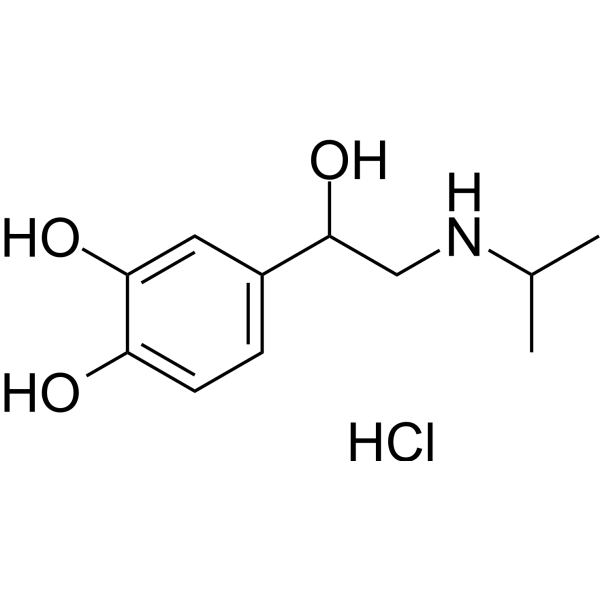
    Isoprenaline hydrochloride
    Maximum Cited Publications
    87 Publications Verification

    Isoproterenol hydrochloride

    Adrenergic Receptor Endogenous Metabolite Cardiovascular Disease Endocrinology
    Isoprenaline (Isoproterenol) hydrochloride is a non-selective, orally active β-adrenergic receptor agonist. Isoprenaline has potent peripheral vasodilator, bronchodilator, and cardiac stimulating activities. Isoprenaline can be used for the research of bradycardia and bronchial asthma .
    Isoprenaline hydrochloride
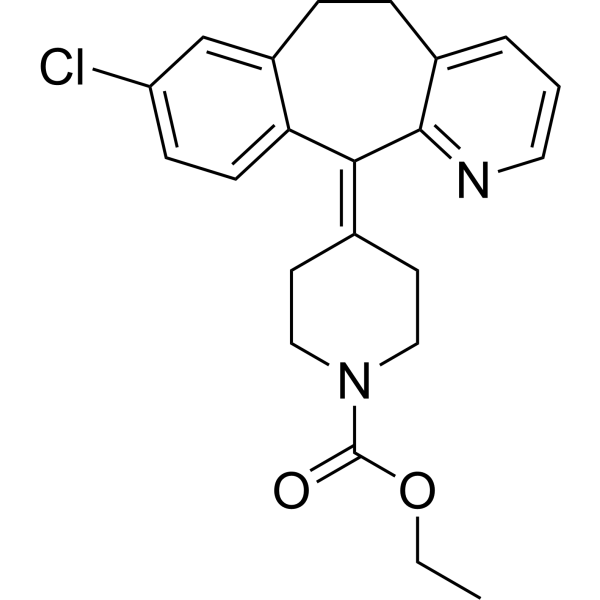
  • HY-17043
    Loratadine
    10+ Cited Publications

    Loratidine; SCH 29851

    Flavivirus Dengue Virus Histamine Receptor Infection Inflammation/Immunology Endocrinology Cancer
    Loratadine (SCH-29851) is a selective inverse peripheral histamine H1-receptor agonist with an IC50 of >32 μM. Loratadine has anti-dengue-virus (DENV) activity. Loratadine can inhibit immunologic release of inflammatory mediators.
    Loratadine
  • HY-B0233

    PN 200-110

    Calcium Channel Autophagy Cardiovascular Disease Neurological Disease
    Isradipine (PN 200-110) is an orally active and blood-brain barrier permeability L-type calcium channel blocker. Isradipine, as a powerful peripheral vasodilator, is a dihydropyridine calcium antagonist with selective actions on the heart as well as the peripheral circulation. Isradipine is a potentially viable neuroprotective agent for Parkinson's disease .
    Isradipine
  • HY-B0311
    Carbidopa
    2 Publications Verification

    (S)-(-)-Carbidopa

    Aryl Hydrocarbon Receptor Neurological Disease Cancer
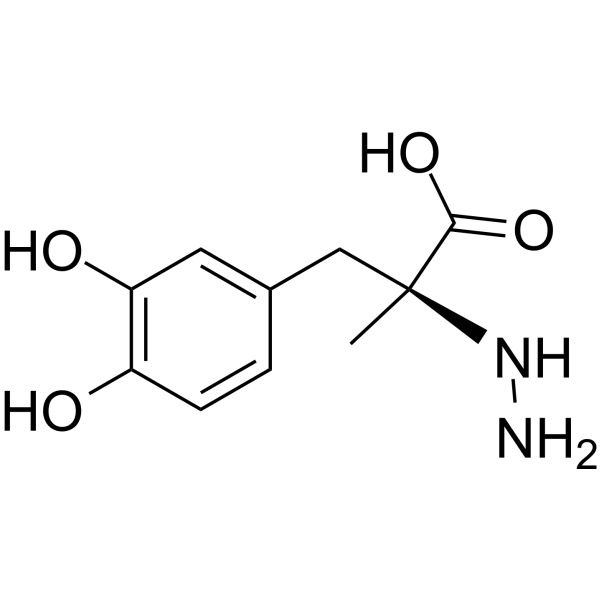
    Carbidopa ((S)-(-)-Carbidopa), a peripheral decarboxylase inhibitor, can be used for the research of Parkinson's disease. Carbidopa is a selective aryl hydrocarbon receptor (AhR) modulator. Carbidopa inhibits pancreatic cancer cell and tumor growth .
    Carbidopa
  • HY-13331
    Clascoterone
    1 Publications Verification

    Cortexolone 17 alpha-propionate; Cortexolone 17α-propionate; CB-03-01

    Androgen Receptor Endocrinology
    Clascoterone (Cortexolone 17 alpha-propionate;Cortexolone 17α-propionate;CB-03-01) is a new topical and peripherally selective androgen antagonist.
    Clascoterone
  • HY-103210
    DSP-4 hydrochloride
    2 Publications Verification

    Neurotoxin DSP 4 hydrochloride

    Adrenergic Receptor Neurological Disease
    DSP-4 hydrochloride is a highly and selective adrenergic neurotoxin. DSP-4 hydrochloride can cross the blood brain barrier. DSP-4 hydrochloride can be used for the temporary selective degradation of the central and peripheral noradrenergic neurons .
    DSP-4 hydrochloride
  • HY-108353
    Isoprenaline
    Maximum Cited Publications
    87 Publications Verification

    Adrenergic Receptor Endogenous Metabolite Cardiovascular Disease Endocrinology
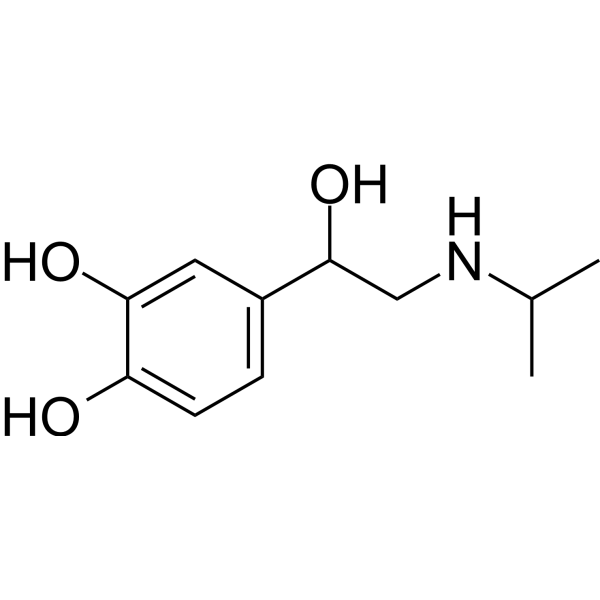
    Isoprenaline is a non-selective, orally active β-adrenergic receptor agonist. Isoprenaline has potent peripheral vasodilator, bronchodilator, and cardiac stimulating activities. Isoprenaline can be used for the research of bradycardia and bronchial asthma .
    Isoprenaline
  • HY-17609
    Difelikefalin
    1 Publications Verification

    CR-845; FE-202845

    Opioid Receptor Neurological Disease Inflammation/Immunology
    Difelikefalin (CR-845) is a peripherally restricted and selective agonist of kappa opioid receptor (KOR). Difelikefalin produces anti-inflammatory effects and has the potential in modulating pruritus in conditions such as chronic kidney disease .
    Difelikefalin
  • HY-101381
    Otenzepad
    2 Publications Verification

    AF-DX 116

    mAChR Neurological Disease Metabolic Disease
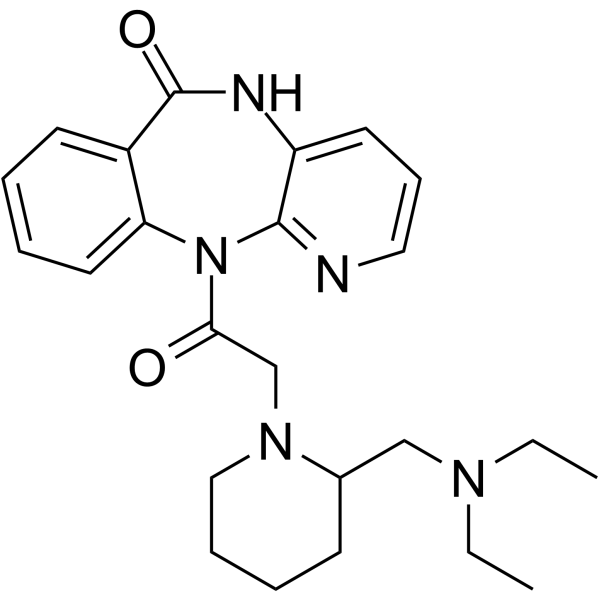
    Otenzepad (AF-DX 116) is a selective and competitive M2 muscarinic acetylcholine receptor antagonist, with IC50 values of 640 nM and 386 nM for rabbit peripheral lung and rat heart, respectively .
    Otenzepad
  • HY-B0362A
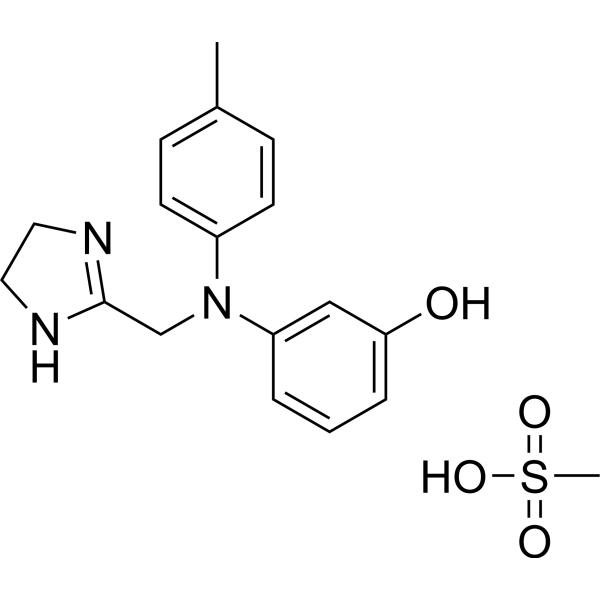
    Phentolamine mesylate
    5+ Cited Publications

    Phentolamine methanesulfonate

    Adrenergic Receptor Cardiovascular Disease Endocrinology Cancer
    Phentolamine mesylate (Phentolamine methanesulfonate) is a reversible, non-selective, and orally active blocker of α1 and α2 adrenergic receptor that expands blood vessels to reduce peripheral vascular resistance. Phentolamine mesylate can be used for the research of pheochromocytoma-related hypertension, heart failure and erectile dysfunction .
    Phentolamine mesylate
  • HY-107319
    Almitrine mesylate
    1 Publications Verification

    Almitrine bismesylate; Almitrine bismethanesulfonate; Almitrine dimesylate

    Potassium Channel Cardiovascular Disease Neurological Disease
    Almitrine mesylate, a peripheral chemoreceptor agonist, inhibits selectively the Ca 2+-dependent K + channel.
    Almitrine mesylate
  • HY-B0311A
    Carbidopa monohydrate
    2 Publications Verification

    (S)-(-)-Carbidopa monohydrate

    Aryl Hydrocarbon Receptor Neurological Disease Cancer
    Carbidopa ((S)-(-)-Carbidopa) monohydrate, a peripheral decarboxylase inhibitor, can be used for the research of Parkinson's disease. Carbidopa monohydrate is a selective aryl hydrocarbon receptor (AhR) modulator. Carbidopa monohydrate inhibits pancreatic cancer cell and tumor growth .
    Carbidopa monohydrate
  • HY-B0347
    Lacidipine
    2 Publications Verification

    Calcium Channel Reactive Oxygen Species (ROS) Caspase Apoptosis Cardiovascular Disease
    Lacidipine is an orally active and highly selective L-type calcium channel blocker that acts on smooth muscle calcium channels, primarily dilates peripheral arteries, reduces peripheral resistance, and has long-lasting anti-hypertensive activity. Lacidipine protects HKCs from apoptosis induced by ATP depletion and recovery by modulating the caspase-3 pathway. Lacidipine can be used in studies of hypertension, atherosclerosis and acute kidney injury (AKI) .
    Lacidipine
  • HY-111791
    ACY-1083
    1 Publications Verification

    HDAC Cancer
    ACY-1083 is a selective and brain-penetrating HDAC6 inhibitor with an IC50 of 3 nM and is 260-fold more selective for HDAC6 than all other classes of HDAC isoforms. ACY-1083 effectively reverses chemotherapy-induced peripheral neuropathy .
    ACY-1083
  • HY-157131
    TRPV2-selective blocker 1
    2 Publications Verification

    TRP Channel Neurological Disease
    TRPV2-selective blocker 1 is a TRPV2-selective blocker that inhibits calcium influx and ionic currents. TRPV2-selective blocker 1 exhibits an IC50 of 6.3 μM against rat TRPV2, and shows no activity against TRPV1, TRPV3 or TRPV4 channels. TRPV2-selective blocker 1 attenuates macrophage phagocytosis, LPS-induced macrophage migration, and calcium microdomains generated by peripheral TRPV2. TRPV2-selective blocker 1 is non-cytotoxic and can be used to investigate the function of TRPV2 during immune processes .
    TRPV2-selective blocker 1
  • HY-18977
    KML29
    3 Publications Verification

    MAGL Metabolic Disease Inflammation/Immunology
    KML29 is an extremely selective, orally active and irreversible MAGL inhibitor, with IC50 values of 15 nM, 43 nM and 5.9 nM for mouse, rat and human MAGL, respectively. KML29 exhibits minimal cross-reactivity toward other central and peripheral serine hydrolases, including no detectable activity against FAAH .
    KML29
  • HY-101176
    2-Iodomelatonin
    2 Publications Verification

    Melatonin Receptor Cancer
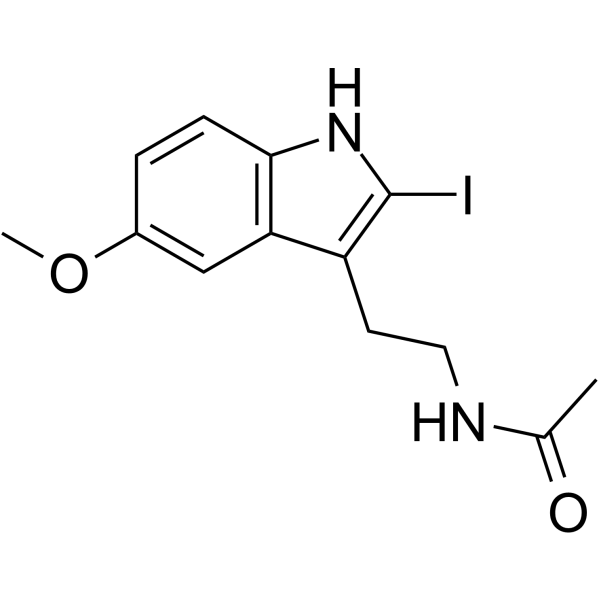
    2-Iodomelatonin is a potent agonist of melatonin receptor 1 (MT1) with a Ki value of 28 pM, it is more 5-fold selective for MT1 over MT2 . 2-iodomelatonin can be used to identify, characterize and localize melatonin binding sites in the brain and peripheral tissues .
    2-Iodomelatonin
  • HY-101096

    MK-8998; CX-8998; JZP385

    Calcium Channel Neurological Disease Cancer
    Suvecaltamide (MK-8998) is a selective T-type calcium channel inhibitor with oral efficacy. Suvecaltamide exhibits no cytotoxicity in myeloma cell lines and does not affect the antitumor efficacy of Bortezomib (BTZ). Suvecaltamide reverses BTZ-induced peripheral neuropathy (CIPN) in mouse and rat models, and helps inhibit myeloma growth .
    Suvecaltamide
  • HY-16100
    BI 99179
    3 Publications Verification

    Fatty Acid Synthase (FASN) Metabolic Disease Cancer
    BI 99179, a chemical probe, is a potent and selective type I fatty acid synthase (FAS) inhibitor with an IC50 of 79 nM. BI 99179 is a tool compound suitable for the in vivo validation of FAS as a target for lipid metabolism related diseases. BI 99179 exhibits significant exposure (both peripheral and central) upon oral administration in rats .
    BI 99179
  • HY-100798

    GABA Receptor Neurological Disease
    Phaclofen is a selective GABAB receptor antagonist. Phaclofen is a peripheral and central baclofen antagonist. Phaclofen maybe a potential compound in determining the physiological significance of central and peripheral bicuculline-insensitive receptors with which GABA and (-)-baclofen interact .
    Phaclofen
  • HY-P3609
    CR 665
    2 Publications Verification

    JNJ 38488502; FE 200665

    Opioid Receptor Neurological Disease
    CR 665 (JNJ 38488502) is a peripherally selective κ-opioid agonist. CR 665 can activate the kappa opioid receptor with EC50 value of 10.9 nM. CR 665 can be used for the research of peripheral pain .
    CR 665
  • HY-107384A

    EMD-61753 hydrochloride

    Opioid Receptor Neurological Disease Metabolic Disease Inflammation/Immunology
    Asimadoline (EMD-61753) hydrochloride is an orally active, selective and peripherally active κ-opioid agonist with IC50s of 5.6 nM (guinea pig) and 1.2 nM (human recombinant). Asimadoline hydrochloride has low permeability across the blood brain barrier and has peripheral anti-inflammatory actions. Asimadoline hydrochloride ameliorates allodynia in diabetic rats and has the potential for irritable bowel syndrome (IBS) .
    Asimadoline hydrochloride
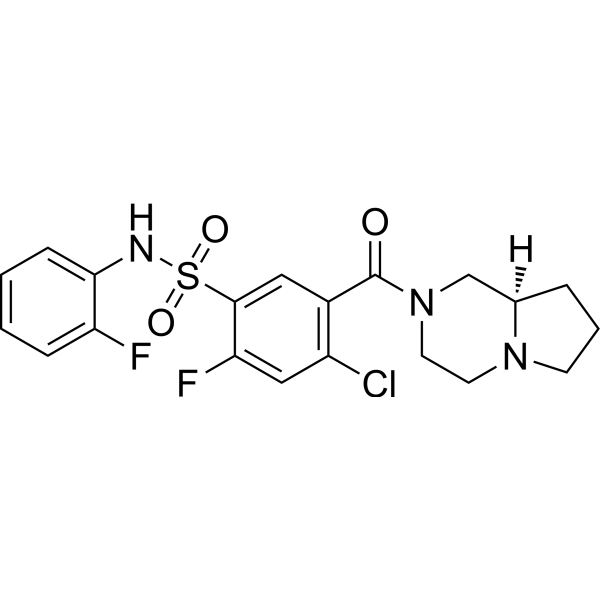
  • HY-173527

    Mitochondrial Metabolism Metabolic Disease
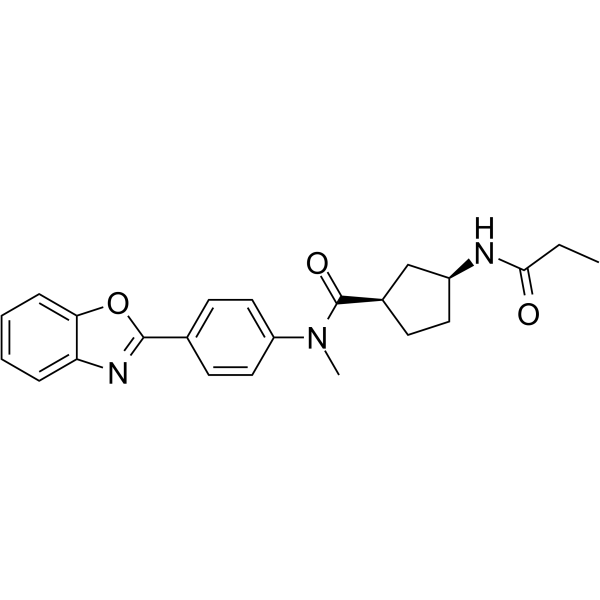
    PSSI-51 is an orally active, peripherally selective inhibitor of succinyl-CoA:3-ketoacid-CoA transferase (SCOT). PSSI-51 inhibits SCOT activity in peripheral tissues (such as muscle and kidney) but does not affect SCOT activity in brain tissue. PSSI-51 reduces ketone body oxidation by inhibiting SCOT, thereby improving obesity-related hyperglycemia. PSSI-51 can be used in the study of type 2 diabetes (T2D) and has the potential to improve obesity-related metabolic disorders .
    PSSI-51
  • HY-B1032

    (±)-Dropropizine; UCB-196

    Histamine Receptor Neurological Disease
    Dropropizine ((±)-Dropropizine; UCB-196) is an orally effective, peripherally selective antitussive that inhibits the activity of peripheral receptors and afferent nerves in the respiratory tract. Dropropizine acts on the cough reflex pathway, does not pass the blood-brain barrier, and has no central nervous system side effects. Dropropizine mainly regulates the level of sensory neuropeptides and inhibits the afferent signal transmission of the cough reflex, thereby alleviating the symptoms of dry cough, and has both mild local anesthetic and antihistamine activity. Dropropizine is mainly used for symptomatic research on dry cough caused by respiratory diseases .
    Dropropizine
  • HY-19721
    ABT-639
    3 Publications Verification

    Calcium Channel Neurological Disease
    ABT-639 is a novel, peripherally acting, selective T-type Ca 2+ channel blocker.
    ABT-639
  • HY-B0010B
    Formoterol-1
    1 Publications Verification

    (±)Formoterol

    Adrenergic Receptor Inflammation/Immunology
    Formoterol ((±)Formoterol) is an orally active β2-selective agonist. Formoterol potently relaxes the peripheral airways through stimulating the beta 2-adrenoceptors selectively as is the case in the central airways and that it significantly inhibits IgE-mediated slow reactive substance of anaphylaxis (SRS-A) release through beta-adrenoceptor stimulation .
    Formoterol-1
  • HY-B1298

    Adrenergic Receptor Neurological Disease Endocrinology
    Methoxamine hydrochloride is a selective alpha1-adrenergic receptor agonist. Methoxamine hydrochloride causes vasoconstriction and increased peripheral vascular resistance . Methoxamine hydrochloride significantly increased the overflow of ATP, ADP and AMP, but not adenosine, by a prazosin-sensitive mechanism in the rabbit pulmonary artery .
    Methoxamine hydrochloride
  • HY-17043S1

    Loratidine-d5; SCH 29851-d5

    Isotope-Labeled Compounds Histamine Receptor Infection Inflammation/Immunology Endocrinology
    Loratadine-d5 is the deuterium labeled Loratadine. Loratadine (SCH-29851) is a selective inverse peripheral histamine H1-receptor agonist with an IC50 of >32 μM. Loratadine has anti-dengue-virus (DENV) activity. Loratadine can inhibit immunologic release of inflammatory mediators.
    Loratadine-d5
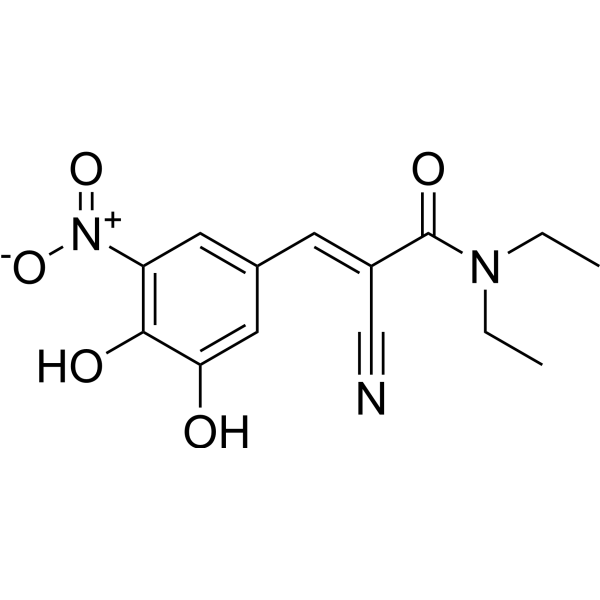
  • HY-131879

    Sodium Channel Neurological Disease
    NS383 is a potent and uniquely selective inhibitor of rat ASICs containing 1a and/or 3 subunits. NS383 inhibits H(+)-activated currents recorded from rat homomeric ASIC1a, ASIC3, and heteromeric ASIC1a+3 with IC50 values ranging from 0.61 to 2.2 μM. NS383 is well tolerated and capable of reversing pathological painlike behaviors, presumably via peripheral actions, but possibly also via actions within central pain circuits .
    NS383
  • HY-108229

    6β-Hydroxynaltrexone

    Drug Metabolite Opioid Receptor Neurological Disease
    6β-Naltrexol (6β-Hydroxynaltrexone), the primary metabolite of Naltrexone, is a peripherally selective opioid antagonist. 6β-Naltrexol selectively inhibits gastrointestinal opioid effects in human subjects and inhibits Morphine-induced slowing of gastrointestinal transit .
    6β-Naltrexol
  • HY-153963

    Oxytocin Receptor Endocrinology
    PF-06655075 is a novel andnon–brain-penetrant oxytocin receptor agonist with increased selectivity for the oxytocin receptor and significantly increased pharmacokinetic stability. PF-06655075 can be used as a tool compound to further explore the role of peripheral oxytocin in behavioral response .
    PF-06655075
  • HY-17043R

    Loratidine (Standard); SCH 29851 (Standard)

    Dengue Virus Flavivirus Reference Standards Histamine Receptor Infection Inflammation/Immunology Endocrinology Cancer
    Loratadine (Standard) is the analytical standard of Loratadine. This product is intended for research and analytical applications. Loratadine (SCH-29851) is a selective inverse peripheral histamine H1-receptor agonist with an IC50 of >32 μM. Loratadine has anti-dengue-virus (DENV) activity. Loratadine can inhibit immunologic release of inflammatory mediators.
    Loratadine (Standard)
  • HY-108229S

    6β-Hydroxynaltrexone-d3

    Isotope-Labeled Compounds Opioid Receptor Drug Metabolite Neurological Disease
    6β-Naltrexol-d3 (6β-Hydroxynaltrexone-d3) is deuterium labeled 6β-Naltrexol. 6β-Naltrexol (6β-Hydroxynaltrexone), the primary metabolite of Naltrexone, is a peripherally selective opioid antagonist. 6β-Naltrexol selectively inhibits gastrointestinal opioid effects in human subjects and inhibits Morphine-induced slowing of gastrointestinal transit .
    6β-Naltrexol-d3
  • HY-155089

    MAP3K Neurological Disease
    IACS-52825 is a potent and selective DLK inhibitor with Kd of 1.3 nM, useful for the study of chemotherapy-induced peripheral neuropathy .
    IACS-52825
  • HY-14790

    (S,S)-(+)-Reboxetine

    Adrenergic Receptor Neurological Disease
    Esreboxetine ((S,S)-Reboxetine) is a selective norepinephrine reuptake inhibitor with activity in increasing urethral resistance. Esreboxetine has been reported to be effective in patients with stress urinary incontinence in a Phase IIa clinical study, achieving this effect by increasing urethral closure. The mechanism of action of esreboxetine involves inhibition of norepinephrine transporters in the central and peripheral nervous systems. The peripheral selectivity of esreboxetine helps it significantly increase urethral resistance without penetrating the brain .
    Esreboxetine
  • HY-128038

    Opioid Receptor Neurological Disease
    N-Desmethyl-loperamide is a major metabolite of loperamide, a drug that selectively activates peripheral μopioid receptors with a Ki value of 0.16 nM. N-Desmethyl-loperamide is a substrate of the ATP-dependent efflux transporter P-glycoprotein .
    N-Desmethyl-loperamide
  • HY-116018

    Phospholipase Neurological Disease Inflammation/Immunology Cancer
    FKGK11 is a potent and selective inhibitor of GVIA iPLA2 (Group VIA calcium-independent phospholipase A2). FKGK11 can be used for the research of ovarian cancer and neurological disorders such as peripheral nerve injury and multiple sclerosis .
    FKGK11
  • HY-108353A
    Isoprenaline hemisulfate
    Maximum Cited Publications
    87 Publications Verification

    Adrenergic Receptor Endogenous Metabolite Cardiovascular Disease Endocrinology
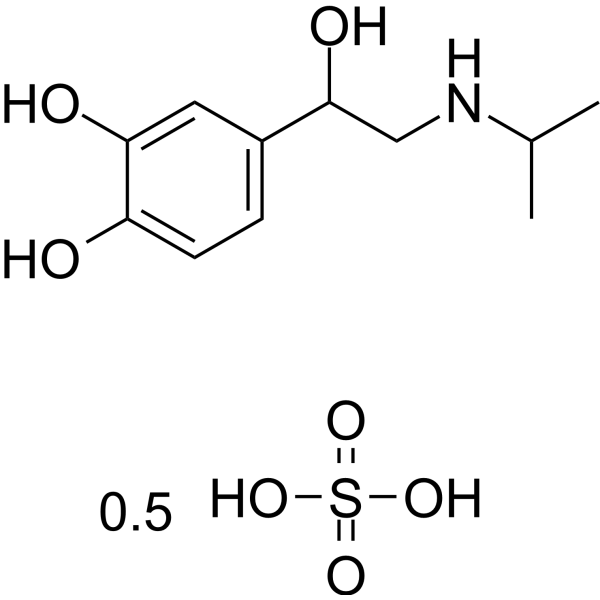
    Isoprenaline hemisulfate is a non-selective, orally active β-adrenergic receptor agonist. Isoprenaline has potent peripheral vasodilator, bronchodilator, and cardiac stimulating activities. Isoprenaline can be used for the research of bradycardia and bronchial asthma .
    Isoprenaline hemisulfate
  • HY-101610

    Adrenergic Receptor Cardiovascular Disease Endocrinology
    OPC-28326 is a selective peripheral vasodilator and an angatonist of α2-adrenergic receptor, with Ki of 2040, 285, and 55 nM for α2A-, α2B- and α2C-adrenoceptors, respectively.
    OPC-28326
  • HY-B0311AS

    (S)-(-)-Carbidopa-d3 monohydrate

    Aryl Hydrocarbon Receptor Neurological Disease Cancer
    Carbidopa-d3 (monohydrate) is the deuterium labeled Carbidopa monohydrate. Carbidopa ((S)-(-)-Carbidopa) monohydrate, a peripheral decarboxylase inhibitor, can be used for the research of Parkinson's disease. Carbidopa monohydrate is a selective aryl hydrocarbon receptor (AhR) modulator. Carbidopa monohydrate inhibits pancreatic cancer cell and tumor growth .
    Carbidopa-d3 monohydrate
  • HY-B1298A

    Adrenergic Receptor Cardiovascular Disease
    Methoxamine is a selective alpha1-adrenergic receptor agonist. Methoxamine causes vasoconstriction and increased peripheral vascular resistance . Methoxamine hydrochloride significantly increased the overflow of ATP, ADP and AMP, but not adenosine, by a prazosin-sensitive mechanism in the rabbit pulmonary artery .
    Methoxamine
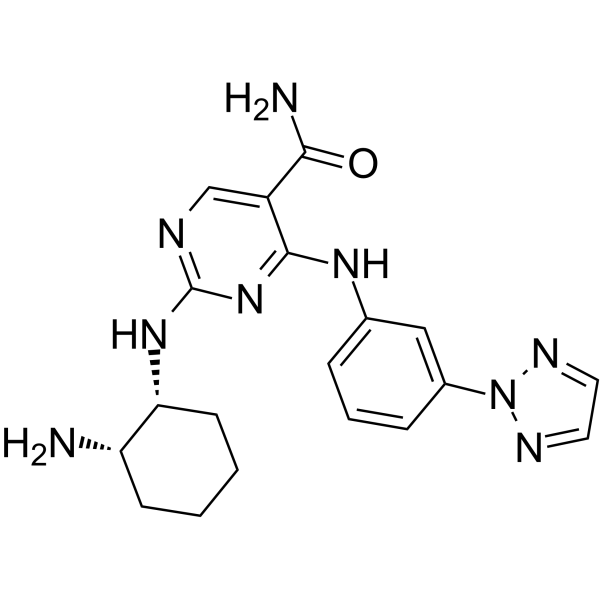
  • HY-157014

    Tryptophan Hydroxylase Cancer
    TPT-004 is a selective and oraly active tryptophan hydroxylases (TPH) inhibitor with IC50s of 77 nM and 16 nM for TPH1 and TPH2, repsectively. TPT-004 exhibits exceptional selectivity for TPH1 compared with other members of the AAAH family. TPT-004 shows efficacy peripheral serotonin attenuation and colorectal tumor growth in mice[1][2].
    TPT-004
  • HY-19057
    Vatinoxan
    2 Publications Verification

    MK-467; L-659066

    Adrenergic Receptor Cardiovascular Disease Neurological Disease
    Vatinoxan (MK-467) is an alpha 2-adrenergic receptor antagonist. The peripheral selectivity of Vatinoxan determines that it has limited penetration across the blood-brain barrier and therefore has low concentrations in the central nervous system. Vatinoxan antagonizes alpha 2-adrenergic receptor receptors by binding to them, thereby reducing or preventing cardiovascular effects caused by α2-adrenergic agonists. Vatinoxan can be used in studies of cardiovascular effects, sedation and analgesia .
    Vatinoxan
  • HY-103410

    EMD 45609 hydrochloride

    Dopamine Receptor Cardiovascular Disease
    Carmoxirole hydrochloride (EMD 45609 hydrochloride) is a selective, peripherally acting dopamine D2 receptor agonist and exhibits antihypertensive activities in vivo .
    Carmoxirole hydrochloride
  • HY-P2898

    Biochemical Assay Reagents Neurological Disease
    Chondroitinase C degrades chondroitin sulfate glycosaminoglycans that inhibit axonal growth within the endoneurium of peripheral nerve. Chondroitinase C selectively enhances the axon growth-promoting properties of the endoneurial basal lamina .
    Chondroitinase C
  • HY-110065

    Cannabinoid Receptor Neurological Disease
    SER-601 is a potent and selective peripheral cannabinoid (CB2) receptor agonist with a Ki of 6.3 nM. SER-601 has analgesic and antidiabetic properties and can be used for relevant research .
    SER-601
  • HY-107384

    EMD-61753

    Opioid Receptor Neurological Disease Metabolic Disease Inflammation/Immunology
    Asimadoline (EMD-61753) is an orally active, selective and peripherally active κ-opioid agonist with IC50s of 5.6 nM (guinea pig) and 1.2 nM (human recombinant). Asimadoline has low permeability across the blood brain barrier and has peripheral anti-inflammatory actions. Asimadoline ameliorates allodynia in diabetic rats and has the potential for irritable bowel syndrome (IBS) .
    Asimadoline
  • HY-403593

    Hydroxycarboxylic Acid Receptor (HCAR) Neurological Disease
    FCH-2296413 is a potent and selective hydroxycarboxylic acid receptor (HCAR) agonist with an EC50 of 4.4-8.6 nM. FCH-2296413 exhibits analgesic activity and can be used for the research of peripheral pain-related diseases .
    FCH-2296413
  • HY-13331R

    Cortexolone 17 alpha-propionate (Standard); Cortexolone 17α-propionate (Standard); CB-03-01 (Standard)

    Androgen Receptor Reference Standards Endocrinology
    Clascoterone (Standard) is the analytical standard of Clascoterone. This product is intended for research and analytical applications. Clascoterone (Cortexolone 17 alpha-propionate;Cortexolone 17α-propionate;CB-03-01) is a new topical and peripherally selective androgen antagonist.
    Clascoterone (Standard)
  • HY-B0347S1

    Apoptosis Caspase Calcium Channel Reactive Oxygen Species (ROS) Cardiovascular Disease
    Lacidipine- 13C8 is the deuterium labeled Lacidipine . Lacidipine is an orally active and highly selective L-type calcium channel blocker that acts on smooth muscle calcium channels, primarily dilates peripheral arteries, reduces peripheral resistance, and has long-lasting anti-hypertensive activity. Lacidipine protects HKCs from apoptosis induced by ATP depletion and recovery by modulating the caspase-3 pathway. Lacidipine can be used in studies of hypertension, atherosclerosis and acute kidney injury (AKI) .
    Lacidipine-13C8

Inquiry Online

Your information is safe with us. * Required Fields.

Salutation


Country or Region *

Applicant Name *


Organization Name *

Department *


Email Address *


Product Name *

Cat. No.


Requested quantity *

Phone Number *


Remarks

Inquiry Online

Inquiry Information

Product Name:
Cat. No.:
Quantity:
MCE Japan Authorized Agent:

