


1. Search Result
Search Result
Pathways Recommended: Stem Cell/Wnt Cell Cycle/DNA Damage
Results for "

plasma cell

" in MedChemExpress (MCE) Product Catalog:

314

Inhibitors & Agonists

4

Screening Libraries

17

Fluorescent Dyes

18

Biochemical Assay Reagents

39

Peptides

3

MCE Kits

11

Inhibitory Antibodies

37

Natural
Products

20

Isotope-Labeled Compounds

3

Click Chemistry

13

Oligonucleotides

1

GMP Molecules

Cat. No. Product Name Target Research Areas Chemical Structure
  • HY-15924
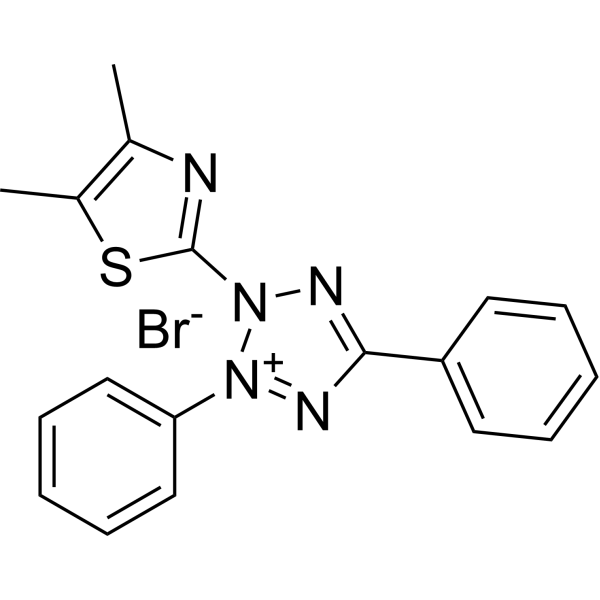
    Thiazolyl Blue
    Maximum Cited Publications
    182 Publications Verification

    MTT; Thiazolyl Blue Tetrazolium bromide; Methylthiazolyldiphenyl-tetrazolium bromide

    Fluorescent Dye Others
    Thiazolyl Blue (MTT) is a cell-permeable and positively charged tetrazolium dye that is used to detect reductive metabolism in cells. Thiazolyl Blue is taken up by cells through the plasma membrane and then reduced to formazan by intracellular NAD (P) H-oxidoreductases. Thiazolyl Blue is frequently used in colorimetric assays to measure cell proliferation, cytotoxicity, and apoptosis .
    Thiazolyl Blue
  • HY-Y0966
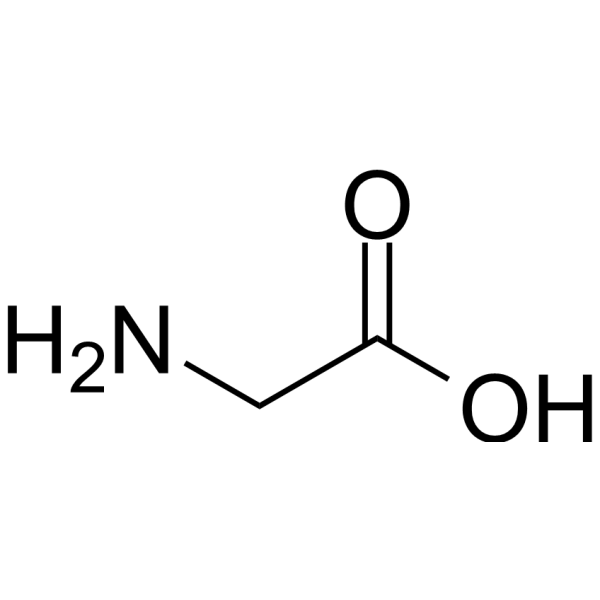
    Glycine
    10+ Cited Publications

    Environmental Pollutants Endogenous Metabolite iGluR VEGFR Ninjurin Infection Neurological Disease Inflammation/Immunology Cancer
    Glycine is an inhibitory neurotransmitter in the CNS and also acts as a co-agonist along with glutamate, facilitating an excitatory potential at the glutaminergic N-methyl-D-aspartic acid (NMDA) receptors. Glycine is orally active. Glycine inhibits the membrane aggregation of NINJ1 and prevents plasma membrane rupture during cell death. Glycine can be used to study cell protection, cancer, neurological diseases, and angiogenesis .
    Glycine
  • HY-P1956
    Human serum albumin
    4 Publications Verification

    HSA

    NF-κB NO Synthase Cardiovascular Disease Inflammation/Immunology Cancer
    Human serum albumin (HSA) is the most abundant protein in plasma and is a major determinant of plasma oncotic pressure. Human serum albumin exhibits antioxidant, anticoagulant, anti-inflammatory, anti-platelet aggregation activities as well as colloid osmotic action. Human serum albumin can block the inhibitory effect of GML on human T cells, providing protective function for T cells. Human serum albumin is also associated with cardiovascular diseases and can partially prevent the LPS (HY-D1056) induced oxidative stress, as well as the upregulation of NF-κB, NF-κB, and peroxynitrite (ONOO ) in the vascular wall, contributing to the reduction of blood pressure .
    This product is recombinant Human Serum Albumin expressed in a microbial expression system.
    Human serum albumin
  • HY-P1923
    L-Asparaginase
    10+ Cited Publications

    L-​ASNase

    Apoptosis DNA/RNA Synthesis Cancer
    L-Asparaginase (L-ASNase) is a deamidating enzyme that catalyses the hydrolysis of L-asparagine and L-glutamine, and can be used for the research of acute lymphoblastic leukemia. L-Asparaginase depletes L-asparagine from plasma resulting in inhibition of RNA and DNA synthesis with the subsequent blastic cell apoptosis .
    L-Asparaginase
  • HY-N0322A
    Cholesterol (Water Soluble)
    Maximum Cited Publications
    85 Publications Verification

    Liposome Others
    Cholesterol Water Soluble is a major sterol in mammals, constituting 20-25% of the structural composition of the plasma membrane. The plasma membrane is highly permeable to water but relatively impermeable to ions and protons. Cholesterol Water Soluble plays an important role in determining the fluidity and permeability characteristics of membranes and the function of transporters and signaling proteins. Cholesterol Water Soluble is also an endogenous estrogen-related receptor alpha (ERRα) agonist. Cholesterol Water Soluble can be used to study the effects of cholesterol on potassium currents in inner hair cells .
    (Note: This product is a mixture of Cholesterol and Methyl-β-cyclodextrin. The product specifications below only indicate the effective content of Cholesterol.)
    Cholesterol (Water Soluble)
  • HY-100432
    LOC14
    4 Publications Verification

    PDI Neurological Disease Inflammation/Immunology
    LOC14 is a potent Protein disulfide isomerase (PDI) inhibitor with EC50 and Kd values of 500 nM and 62 nM, respectively. LOC14 exhibits high stability in mouse liver microsomes and blood plasma, low intrinsic microsome clearance, and low plasma-protein binding . LOC14 inhibits PDIA3 activity, decreases intramolecular disulfide bonds and subsequent oligomerization (maturation) of HA in lung epithelial cells .
    LOC14
  • HY-P1956A

    HSA (cell culture grade, Endotoxin<0.125 EU/mg)

    NF-κB NO Synthase Cardiovascular Disease Inflammation/Immunology
    Human serum albumin (Cell culture grade, Endotoxin<0.125 EU/mg) (HSA) is the most abundant protein in plasma and is a major determinant of plasma oncotic pressure. Human serum albumin (Cell culture grade, Endotoxin<0.125 EU/mg) exhibits antioxidant, anticoagulant, anti-inflammatory, anti-platelet aggregation activities as well as colloid osmotic action. Human serum albumin (Cell culture grade, Endotoxin<0.125 EU/mg) can block the inhibitory effect of GML on human T cells, providing protective function for T cells. Human serum albumin (Cell culture grade, Endotoxin<0.125 EU/mg) is also associated with cardiovascular diseases and can partially prevent the LPS (HY-D1056) induced oxidative stress, as well as the upregulation of NF-κB, iNOS, and peroxynitrite (ONOO ) in the vascular wall, contributing to the reduction of blood pressure. Human serum albumin (Cell culture grade, Endotoxin<0.125 EU/mg) can be used for in vitro cell culture .
    This product is human serum albumin recombinantly expressed in an Escherichia coli expression system.
    Human serum albumin (Cell culture grade, Endotoxin<0.125 EU/mg)
  • HY-139567
    Afimetoran
    1 Publications Verification

    BMS-986256

    Toll-like Receptor (TLR) NF-κB Apoptosis Inflammation/Immunology
    Afimetoran (BMS-986256) is an orally active, selective, and highly bioavailable TLR7/8 antagonist. Afimetoran (BMS-986256) can inhibit TLR7/8 activation of the NF-κB pathway and reverse TLR7 mediated resistance to steroid induced apoptosis in plasma cell like dendritic cells (pDCs). Afimetoran (BMS-986256) can be used for research on inflammation and autoimmune diseases (systemic lupus erythematosus) .
    Afimetoran
  • HY-D0986
    TMA-DPH
    10+ Cited Publications

    Fluorescent Dye Others
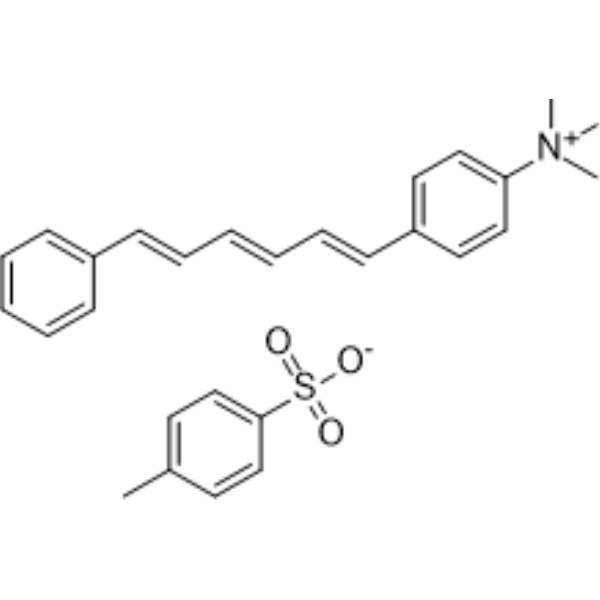
    TMA-DPH is a hydrophobic fluorescent membrane probe (Ex=355 nm; Em=430 nm). TMA-DPH is able to anchor on the cell surface and localize to different regions of the phospholipid bilayer. By analyzing the fluorescence polarization values of TMA-DPH in the plasma membrane and membrane substructures, the fluidity of the cell membrane can be determined .
    TMA-DPH
  • HY-B0896

    Glyceryl triacetate; 1,2,3-Triacetoxypropane

    Environmental Pollutants Fungal Endogenous Metabolite Cancer
    Triacetin (Glyceryl triacetate) is a synthetic compound that is a triester of glycerol and acetic acid, orally active. Triacetin increases acetate bioavailability in glioma cells. Triacetin induces glioma cell growth arrest and Apoptosis. Triacetin freely crosses the blood brain barrier/plasma membrane. Triacetin increases histone acetylation and enhances Temozolomide (HY-17364) (TMZ) chemotherapeutic efficacy .
    Triacetin
  • HY-P3160C

    Biochemical Assay Reagents Infection
    Fibronectin, bovine plasma is a fibronectin derived from bovine plasma. Fibronectin is an extracellular matrix protein that is upregulated and essential in many developmental processes, and also exists in the pathological progression of tissues and wound healing. Fibronectin specifically binds to a large number of molecules, including other components of the extracellular matrix, signaling molecules and cell adhesion molecules. The interaction between cells and fibronectin leads to bidirectional crosstalk, which regulates cell functions and induces cell-dependent changes in the extracellular matrix. Fibronectin, bovine plasma inhibits the production of bovine leukemia virus (BLV) p24 core protein in naturally infected bovine peripheral blood mononuclear cells .
    Fibronectin, bovine plasma
  • HY-133668

    Drug Metabolite Cytochrome P450 PPAR Endocrinology Cancer
    Monoethyl phthalate is an orally active PDX-1 activator and the major hydrolytic metabolite of Diethyl phthalate (HY-Y0284) in vivo, with reproductive toxicity. Monoethyl phthalate targets aromatase (aromatase/CYP19A1) and PPAR to induce cell proliferation. The plasma protein binding rate of Monoethyl phthalate in rats and humans is lower than that of Diethyl phthalate. It exhibits significant enterohepatic circulation in rats and mainly accumulates in liver tissues. Monoethyl phthalate shows no estrogenic activity in estrogen-dependent human breast cancer cells. Monoethyl phthalate can be used in studies of reproductive toxicity and related environmental endocrine disruption mechanisms .
    Monoethyl phthalate
  • HY-N7122

    Endogenous Metabolite Inflammation/Immunology Cancer
    Thymopentin is a biologically active peptide secreted mainly by the epithelial cells of thymic cortex and medulla. Thymopentin is an effective immunomodulatory agent with a short plasma half-life of 30 seconds. Thymopentin enhances the generation of T-cell lineage derived from human embryonic stem cells (hESCs) .
    Thymopentin
  • HY-100313A
    YM-53601
    5 Publications Verification

    Farnesyl Transferase HCV Infection Metabolic Disease
    YM-53601, a squalene synthase inhibitor, reduces plasma cholesterol and triglyceride levels in vivo . YM-53601 inhibits squalene synthase derived from human hepatoma cells with an IC50 of 79 nM. Lipid-lowering agent . YM-53601 is also an inhibitor of farnesyl-diphosphate farnesyltransferase 1 (FDFT1) enzyme activity and abrogates HCV propagation .
    YM-53601
  • HY-P991155

    JNJ-79635322; JNJ-5322

    CD3 TNF Receptor Cancer
    Ramantamig (JNJ-79635322) is a humanized monoclonal antibody targeting human CD3ε, GPRC5D, and TNFRSF17 (BCMA). Ramantamig binds to BCMA and GPRC5D on multiple myeloma cells, binds to CD3ε on T cells, forms immunological synapses, and enables T-cell-mediated cytotoxicity. Ramantamig activates T cells concomitantly with inducing myeloma cell cytotoxicity, with no nonspecific T-cell activation in the absence of target myeloma cells. Ramantamig carries mutations to reduce interaction with Fc receptors and disrupt protein A binding of monomeric and homodimerized chains. Ramantamig can be used for the research of multiple myeloma .
    Ramantamig
  • HY-114297
    Zymosterol
    2 Publications Verification

    Endogenous Metabolite Others
    Zymosterol is a Cholesterol (HY-N0322) biosynthesis metabolite. Zymosterol, a precursor of Cholesterol, is found mostly in the plasma membrane. Zymosterol circulates within the cell .
    Zymosterol
  • HY-124171
    Zinquin ethyl ester
    1 Publications Verification

    Fluorescent Dye Drug Derivative Others
    Zinquin ethyl ester is a cell-permeable and lipophilic fluorescent derivative of Zinquin (HY-D0982). Zinquin ethyl ester reacts with protein-bound Zn 2+ in cells and forms fluorescent ternary adducts. Zinquin ethyl ester undergoes hydrolysis by intracellular esterases impeding its efflux across the plasma membrane (Ex/Em = 370/470 nm) .
    Zinquin ethyl ester
  • HY-P5712
    Gramicidin S
    1 Publications Verification

    Gramicidin soviet

    Antibiotic Bacterial Na+/K+ ATPase Infection
    Gramicidin S (Gramicidin soviet) is a cationic cyclic peptide antibiotic that selectively targets bacterial cell membranes and has anticancer activity. Gramicidin S also exerts antibacterial activity by destroying membrane integrity and interfering with membrane protein function. Gramicidin S inserts into the phospholipid bilayer through hydrophobic amino acid residues, specifically binds to negatively charged membrane lipids and disrupts membrane structure, thereby inhibiting cell division and cell wall synthesis, and ultimately causing bacterial death. Gramicidin S also inhibits ion channels, with IC50s of 41 μM, 24 μM, and 3 μM for Na +/K +-ATPase, tobacco leaf plasma membrane Mg 2+/K +-ATPase, and rat heart plasma membrane Ca 2+-ATPase, respectively .
    Gramicidin S
  • HY-DY1057

    Fluorescent Dye Others
    TMA-DPH (solution) is a hydrophobic fluorescent membrane probe (Ex=355 nm; Em=430 nm). TMA-DPH is able to anchor on the cell surface and localize to different regions of the phospholipid bilayer. By analyzing the fluorescence polarization values of TMA-DPH in the plasma membrane and membrane substructures, the fluidity of the cell membrane can be determined .
    Solvent and concentration: DMSO: 10 mM
    TMA-DPH (solution)
  • HY-12246
    XEN445
    1 Publications Verification

    Lipase Cardiovascular Disease Metabolic Disease Cancer
    XEN445 is a potent, selective and orally active endothelial lipase (EL) inhibitor with an IC50 value of 0.237 μM. XEN445 selectively inhibits phospholipase enzymatic activity of LIPG. XEN445 raises plasma HDL and cholesterol levles. XEN445 induces G1 cell cycle arrest, reduces cell viability, suppresses cancer stem cell self-renewal, and inhibits tumor formation in LIPG-expressing triple-negative breast cancer cells, while showing no inhibitory effect on invasiveness or cancer stem cell stemness in these cells. XEN445 can be used for the research of cancer and metabolic disease, such as triple-negative breast cancer .
    XEN445
  • HY-P3522

    Integrin Cardiovascular Disease
    REDV is the minimal active sequence within the CS5 site of the alternatively spliced type III connecting segment (IIICS) region of fibronectin. REDV can mediate adhesion to the IIICS region of plasma fibronectin by binding the integrin alpha 4 beta 1(α4β1). REDV can be used for the research of cell adhesion. REDV is used to study the effects of gene vectors containing REDV on cells .
    REDV
  • HY-129035

    Vanin-1-IN-1

    Pantetheinase Metabolic Disease Inflammation/Immunology
    PFI-653 (Vanin-1-IN-1, compound 3), a chemical probe, is a vanin-1 inhibitor that binds to plasma vanin-1 from mouse, rat, dog, and human. Vanin-1 is a cell surface-associated inositol (GPi) -anchored protein that plays important roles in metabolism and inflammation. PFI-653 inhibits vanin-1 from different species with IC50s of 6.85 nM (human recombinant plasma vanin-1), 9.0 nM (human plasma vanin-1), 24.5 nM (mouse recombinant vanin-1), and 53.4 nM (mouse plasma vanin-1) .
    PFI-653
  • HY-128943
    MAC glucuronide phenol-linked SN-38
    1 Publications Verification

    Drug-Linker Conjugates for ADC Cancer
    MAC glucuronide phenol-linked SN-38 is a pH-susceptible lactone MAC glucuronide phenol-linked SN-38 (DNA topoisomerase I inhibitor) agent linker. MAC glucuronide phenol-linked SN-38 is cytotoxic across L540cy cells and Ramos cells with IC50 values of 113 and 67 ng/mL, respectively.Albumin-coupled MAC glucosidol-linked SN-38 shows good stability in mouse plasma .
    MAC glucuronide phenol-linked SN-38
  • HY-P990095

    REGN5459

    CD3 TNF Receptor Cancer
    Vonsetamig (REGN5459) is a human bispecific antibody targeting BCMA and CD3. Vonsetamig triggers T-cell activation, induces plasma cell depletion, and triggers low-level cytokine release. Vonsetamig can be used for the research of relapsed/refractory multiple myeloma .
    Vonsetamig
  • HY-125864C

    Biochemical Assay Reagents Cardiovascular Disease
    Porcine Fibrinogen is a coagulation protein, purified from porcine plasma with no plasminogen contained. Porcine Fibrinogen has excellent biocompatibility and does not induce aggregation of porcine platelets when in contact with porcine hepatocytes, aortic endothelial cells or hepatic sinusoidal endothelial cells. Porcine Fibrinogen is widely used in studies on the pathological mechanisms of cardiovascular diseases such as atherosclerosis and the development of related drugs .
    Porcine Fibrinogen
  • HY-N4202

    Environmental Pollutants Insecticide Apoptosis p38 MAPK Neurological Disease Inflammation/Immunology Cancer
    Dihydrorotenone is an insecticide and irreversible inhibitor of mitochondrial complex I. Dihydrorotenone may induce Parkinson's disease. Dihydrorotenone induces apoptosis in human plasma cells by triggering endoplasmic reticulum stress and activating the p38 signaling pathway. The oral LD50 of dihydrorotenone in rats is approximately 2.5 g/kg. Dihydrorotenone exhibits insecticide activity and cytotoxicity to plasma cells. Dihydrorotenone can be used to establish animal models of Parkinson's disease, safety assessment of natural pesticides, and potential cancer chemoprevention studies .
    Dihydrorotenone
  • HY-107781

    Phosphodiesterase (PDE) Inflammation/Immunology
    PAT-505 is a potent, selective, noncompetitive and orally available autotaxin inhibitor, with an IC50 of 2 nM in Hep3B cells, 9.7 nM in human blood and 62 nM in mouse plasma.
    PAT-505
  • HY-156655A

    STI-1558 sodium

    SARS-CoV Cathepsin Virus Protease Infection
    Olgotrelvir (STI-1558) sodium is an orally active dual inhibitor of coronavirus main protease (Mpro) and human cell cathepsin (Cathepsin L). Olgotrelvir sodium is readily converted to its active form, AC1115, in full blood and/or plasma. Olgotrelvir sodium can effectively inhibit both SARS-CoV-2 replication and entry into host cells .
    Olgotrelvir sodium
  • HY-W087928

    Biochemical Assay Reagents Others
    Bromocresol purple is a pH indicator, whose color changes from yellow to purple when the pH increases from 5.2 to 6.8. Bromocresol purple can be used for detecting yeast cells with plasma membrane damage and measuring serum albumin concentrations .
    Bromocresol purple
  • HY-NP163C

    WGA-AF555

    Fluorescent Dye Others
    Wheat germ agglutinin-AF555 (WGA-AF555) is a membrane-staining lectin conjugate that combines wheat germ agglutinin with the Alexa Fluor 555 fluorescent dye. Wheat germ agglutinin-AF555 is used for precise staining and contour delineation of cell membranes. Wheat germ agglutinin-AF555 also effectively distinguishes between surface vimentin and intracellular vimentin in cells .
    Wheat germ agglutinin-AF555
  • HY-130602

    PROTACs MEK Cancer
    MS432 is a first-in-class and highly selective PD0325901-based von Hippel-Lindau-recruiting PROTAC degrader for MEK1 and MEK2. MS432 displays good plasma exposure in mice, exhibiting DC50 values of 31 nM and 17 nM for MEK1, MEK2 in HT29 cells respectively .
    MS432
  • HY-156404
    PM-1
    2 Publications Verification

    Fluorescent Dye Others
    PM-1, a derivative of Thioflavin-T (ThT; HY-D0218), is a small but highly specific plasma membrane (PM) fluorescent dye for specific and long-time membrane imaging of living and fixed cells. PM-1 is embedded directly into the cell membrane and exhibits a very long retention time on the plasma membrane with a half-life of approximately 15 h. PM-1 can be used in combination with protein labeling probes to study ectodomain shedding and endocytosis processes of cell surface proteins .
    PM-1
  • HY-114457

    L-alpha-Phosphatidylinositol-4,5-bisphosphate; (PtdIns)-(4,5)-P2

    Phospholipase Inflammation/Immunology
    Phosphatidylinositol 4,5-bisphosphate (L-alpha-Phosphatidylinositol-4,5-bisphosphate) is a plasma membrane lipid that is enriched in the cytoplasmic leaflet of the plasma membrane. Phosphatidylinositol 4,5-bisphosphate serves as a substrate for phospholipase C and class I PI3K, generating diacylglycerol, inositol (1,4,5)-trisphosphate, and phosphatidylinositol (3,4,5)-trisphosphate. Phosphatidylinositol 4,5-bisphosphate contributes to lamellipodial protrusion, directional cell migration, focal adhesion lipid generation, and trafficking of the GABAA receptor. Phosphatidylinositol 4,5-bisphosphate can be used in research related to acute lung injury and pulmonary edema .
    Phosphatidylinositol 4,5-bisphosphate
  • HY-P3182

    Endogenous Metabolite Cancer
    NADH oxidase is a cyanide-resistant oxidase located on the plasma membrane of animals and plants, which is regulated by growth factors and hormones. NADH oxidase catalyzes the electron transfer from NADH to oxygen, and its activity is closely related to cell growth. The hormone response of NADH oxidase is attenuated in tumor-transformed cells, and it can serve as an anti-tumor target .
    NADH oxidase
  • HY-P990175

    Orexin Receptor (OX Receptor) Inflammation/Immunology Cancer
    Anti-Mouse OX40L/CD134L Antibody (RM134L) is an anti-mouse OX40L/CD134L IgG2b monoclonal antibody. Anti-Mouse OX40L/CD134L Antibody (RM134L) reduces immune response by inhibiting the OX40/OX40L signaling pathway. Anti-Mouse OX40L/CD134L Antibody (RM134L) can inhibit plasma cell differentiation and antibody secretion. Anti-Mouse OX40L/CD134L Antibody (RM134L) can prolong the survival time of cell transplantation by inhibiting CD4 + T cells. Anti-Mouse OX40L/CD134L Antibody (RM134L) can be used for researches on inflammation and cancer such as graft versus host disease (GVHD), allergic reaction, lupus nephritis and hepatocellular carcinoma (HCC) .
    Anti-Mouse OX40L/CD134L Antibody (RM134L)
  • HY-145425

    IRE1 Apoptosis FGFR Inflammation/Immunology
    PAIR2 is a highly selective inhibitor targeting the kinase domain of human IRE1α, with a Ki value of 8.8 nM against human IRE1α. PAIR2 fully occupies the ATP-binding site of the IRE1α kinase domain, partially antagonizes the ribonuclease activity of IRE1α, specifically inhibits regulated IRE1α-dependent decay (RIDD) and its mediated substrate cleavage, while preserving the splicing function of Xbp1 mRNA. PAIR2 also promotes the differentiation of B cells into plasma cells, blocks IRE1α-induced cell apoptosis, and restores the expression of Fgfr2 mRNA in AT2 cells. PAIR2 effectively reaches a steady-state concentration in the lung tissues of Mus musculus, and serves as an important tool for investigating the function of the IRE1α signaling pathway in diseases such as pulmonary fibrosis .
    PAIR2
  • HY-163462

    Fungal Infection
    Poacic Acid is a plant-derived stilbenoid with an antifungal activity. Poacic Acid localizes to the yeast cell wall and disrupts the production and assembly of β-1,3-glucan in the fungal cell walls. Poacic Acid exhibits fungicidal activity to Saccharomyces cerevisiae and plasma membrane-compromised Candida albicans mutants .
    Poacic acid
  • HY-19365
    AB-MECA
    1 Publications Verification

    Adenosine Receptor Neurological Disease
    AB-MECA is a high affinity A3 adenosine receptor agonist with a binding Ki of 430.5 nM for human A3 receptors in CHO cells. AB-MECA can enhance plasma histamine level .
    AB-MECA
  • HY-W142596

    Liposome Others
    1,2-DImyristoyl-rac-glycero-3-phosphocholine (DMPC), a zwitterionic phospholipid, is chosen as a simple eukaryotic cell membrane, mimicking the neutral charge of the surface membrane of eukaryotic plasma membranes .
    1,2-DImyristoyl-rac-glycero-3-phosphocholine
  • HY-N7122A

    Endogenous Metabolite Inflammation/Immunology Cancer
    Thymopentin acetate is a biologically active peptide secreted mainly by the epithelial cells of thymic cortex and medulla. Thymopentin acetate is an effective immunomodulatory agent with a short plasma half-life of 30 seconds. Thymopentin acetate enhances the generation of T-cell lineage derived from human embryonic stem cells (hESCs) .
    Thymopentin acetate
  • HY-Y0317I

    Disodium sulfate, meets analytical specification of Ph. Eur. BP USP

    Biochemical Assay Reagents Cancer
    Sodium sulfate anhydrous (Disodium sulfate), meets analytical specification of Ph. Eur. BP USP is an orally active multifunctional ionic salt that serves as a protein precipitant, collagen fibril bundling inducer, and chlorine-free sodium source. Sodium sulfate anhydrous, meets analytical specification of Ph. Eur. BP USP promotes collagen fibril bundling to increase matrix pore size, alters cancer cell morphology and regulates their migration direction via geometric signals, and separates plasma/serum proteins or concentrates proteins at 37°C without causing thermal denaturation. In poultry farming applications, Sodium sulfate anhydrous, meets analytical specification of Ph. Eur. BP USP improves laying performance and eggshell quality, and is safe and effective at an addition level of 0.3-1.5%, while a high concentration of 3.0% causes negative physiological effects. Sodium sulfate anhydrous, meets analytical specification of Ph. Eur. BP USP can be widely applied in scientific research on cervical cancer and related fields .
    Sodium sulfate anhydrous, meets analytical specification of Ph. Eur. BP USP
  • HY-16498

    PCK-3145

    Apoptosis PTHR Metabolic Disease Cancer
    Tigapotide (PCK-3145) is a synthetic 15-mer peptide derived from prostate-secretory protein, and acts as an antineoplastic agent. Tigapotide inhibits tumor growth, experimental bone metastasis, and malignancy-associated hypocalcemia. Tigapotide induces apoptosis in prostate cancer cells and tumors, and suppresses the growth of prostate cancer cells. Tigapotide inhibits the production of parathyroid hormone-related protein (PTHrP) in tumors and plasma. Tigapotide reduces plasma calcium levels in hypercalcemic tumor-bearing rats. Tigapotide is applicable for the research of prostate cancer and malignancy-associated hypercalcemia .
    Tigapotide
  • HY-156655

    STI-1558

    SARS-CoV Virus Protease Cathepsin Infection
    Olgotrelvir (STI-1558) is an orally active dual inhibitor of coronavirus main protease (Mpro) and human cell cathepsin (Cathepsin L). Olgotrelvir is readily converted to its active form, AC1115, in full blood and/or plasma. Olgotrelvir can effectively inhibit both SARS-CoV-2 replication and entry into host cells .
    Olgotrelvir
  • HY-164429

    Integrin Elastase Cancer
    VIP236 is a small-molecule drug conjugate targeting αvβ3 integrin. VIP236 achieves tumor homing via specific binding to αvβ3 integrin and delivers its payload to the tumor microenvironment. The linker of VIP236 is cleavable by neutrophil elastase, which is highly expressed in the tumor microenvironment, to release the payload 7-ethylcamptothecin. This payload induces DNA damage by inhibiting topoisomerase 1, thereby exerting anti-tumor effects. VIP236 exhibits excellent plasma stability and tumor targeting property, with a tumor/plasma payload ratio 10-fold higher than that of the single administration. It effectively induces tumor regression, reduces metastasis formation, and shows good tolerance in mouse models. VIP236 has been used in studies related to non-small cell lung cancer, clear cell renal cell carcinoma, colon cancer, triple-negative breast cancer, small cell lung cancer, and metastatic solid tumors .
    VIP236
  • HY-122357

    γ-Glu-Trp

    Adenylate Cyclase Inflammation/Immunology
    Bestim (γ-Glu-Trp) is a dipeptide, which exhibits high affinity to murine peritoneal macrophages, thymocytes, and plasma membranes isolated from these cells, with Kds of 3.1, 2.1, 18.6 and 16.7 nM, respectively. Bestim inhibits adenylate cyclase in the membranes of murine macrophages and thymocytes. Bestim exhibits immunomodulatory efficacy .
    Bestim
  • HY-117187

    CFTR Others
    Corr4A is a chemical corrector, which can be used for cystic fibrosis. Corr4A interacts directly with the cystic fibrosis transmembrane conductance regulator (CFTR) or affects indirectly its folding process. Corr4A increases the expression of CFTR ΔF508 on the cell surface, thereby improving its transport to the plasma membrane and increasing the stability of the rescued mutant protein .
    Corr4A
  • HY-126378

    Kallikrein Inflammation/Immunology
    LSP-249 (example 35), extracted from patent WO2016011209A1, is a plasma kallikrein inhibitor under the study for angioedema, with an EC50 less than 100 nM in cell .
    LSP-249
  • HY-P4856

    PTHR PKC Endocrinology
    pTH-Related Protein (1-40) (human, mouse, rat) stimulates calcium uptake in rat intestinal cells through PTHR1 receptor and PKCα/β signaling pathways. pTH-Related Protein (1-40) up-regulates parathyroid hormone 1 receptor (PTHR1) protein, four transcellular calcium transporters, potential vanillin member 6 (TRPV6), calcium-binding protein-D9K (CaBP-D9k), sodium-calcium Exchanger 1 (NCX1) and plasma membrane calcium ATPase 1 (PMCA1) .
    pTH-Related Protein (1-40) (human, mouse, rat)
  • HY-P10644

    Fluorescent Dye Cancer
    CPP9 is a small, amphipathic, cyclic cell penetrating peptide (CPP). CPPs bind directly to the plasma membrane phospholipids and enter mammalian cells via endocytosis, followed by efficient release from the endosome. CPP9 can be used for intracellular delivery of therapeutic agents and chemical probes .
    CPP9
  • HY-D1585

    Fluorescent Dye Others
    BODIPY TR methyl ester is a lipophilic GFP Counterstain. BODIPY TR methyl ester dye readily permeates cell membranes and localizes in endomembranous organelles but not localize strongly in plasma membranes. BODIPY TR methyl ester is an excellent red fluorescent vital dye (Ex=568 nm, Em=625 nm), can be used to reveal the location and shapes of cell nuclei, the shapes of cells within embryonic tissues, as well as the bound aries of organ-forming tissues within the whole embryo .
    BODIPY TR methyl ester

Inquiry Online

Your information is safe with us. * Required Fields.

Salutation


Country or Region *

Applicant Name *


Organization Name *

Department *


Email Address *


Product Name *

Cat. No.


Requested quantity *

Phone Number *


Remarks

Inquiry Online

Inquiry Information

Product Name:
Cat. No.:
Quantity:
MCE Japan Authorized Agent:

