
1. Search Result
Search Result
Results for "

postoperative

" in MedChemExpress (MCE) Product Catalog:

94

Inhibitors & Agonists

3

Biochemical Assay Reagents

5

Peptides

5

Natural
Products

14

Isotope-Labeled Compounds

3

Oligonucleotides

Cat. No. Product Name Target Research Areas Chemical Structure
  • HY-P0264
    Exendin(9-39) amide
    30+ Cited Publications

    Avexitide

    GLP Receptor Metabolic Disease
    Exendin(9-39) amide (Avexitide) is a glucagon-like peptide-1 (GLP-1) antagonist that competes with endogenous GLP-1 for binding to GLP-1 receptors, thereby antagonizing the effects of excess GLP-1 secretion. Exendin(9-39) amide can be used to study postoperative hypoglycemia (PBH) .
    Exendin(9-39) amide
  • HY-Y1889A

    CMC-Na (MW 250000); CMC-Na (Viscosity:1500-3100 mPa.s)

    Environmental Pollutants Biochemical Assay Reagents Others
    Sodium carboxymethyl cellulose (CMC-Na) (MW 250000) is a sodium salt of carboxymethyl cellulose. Sodium carboxymethyl cellulose has adsorption and corrosion inhibition on low-carbon steel in an acidic medium. Sodium carboxymethyl cellulose can be used as a thickener, paste and barrier agent .
    Sodium carboxymethyl cellulose (MW 250000)
  • HY-B0402
    Amantadine
    5+ Cited Publications

    1-Adamantanamine; 1-Aminoadamantane

    Influenza Virus Orthopoxvirus SARS-CoV Apoptosis CDK Bcl-2 Family Infection Neurological Disease Cancer
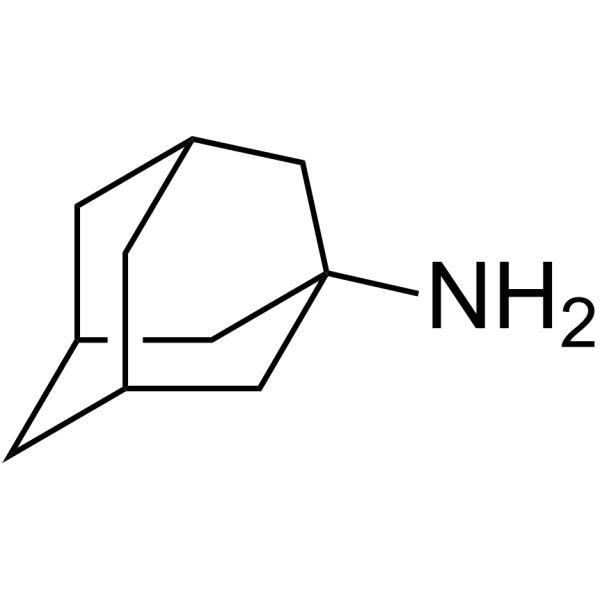
    Amantadine (1-Adamantanamine) is an orally avtive and potent antiviral agent with activity against influenza A viruses. Amantadine inhibits several ion channels such as NMDA and M2, and also inhibits Coronavirus ion channels. Amantadine also has anti-orthopoxvirus and anticancer activity. Amantadine can be used for Parkinson's disease, postoperative cognitive dysfunction (POCD) and COVID-19 research .
    Amantadine
  • HY-W010892
    Scopolamine hydrobromide trihydrate
    Maximum Cited Publications
    21 Publications Verification

    Hyoscine hydrobromide trihydrate

    mAChR 5-HT Receptor Neurological Disease
    Scopolamine (Hyoscine) hydrobromide trihydrate is a high-affinity muscarinic antagonist that can cross the blood-brain barrier. Scopolamine hydrobromide trihydrate competitively antagonizes 5-HT3 receptors with an IC50 of 2.09 μM. Scopolamine hydrobromide trihydrate can induce cognitive and memory deficits in animals. Scopolamine hydrobromide trihydrate can be used in the research of preventing postoperative nausea and vomiting, motion sickness, nervous system diseases, etc .
    Scopolamine hydrobromide trihydrate
  • HY-B0402A
    Amantadine hydrochloride
    5+ Cited Publications

    1-Adamantanamine hydrochloride; 1-Adamantylamine hydrochloride; 1-Aminoadamantane hydrochloride

    Influenza Virus Orthopoxvirus SARS-CoV Apoptosis Bcl-2 Family CDK Infection Neurological Disease Cancer
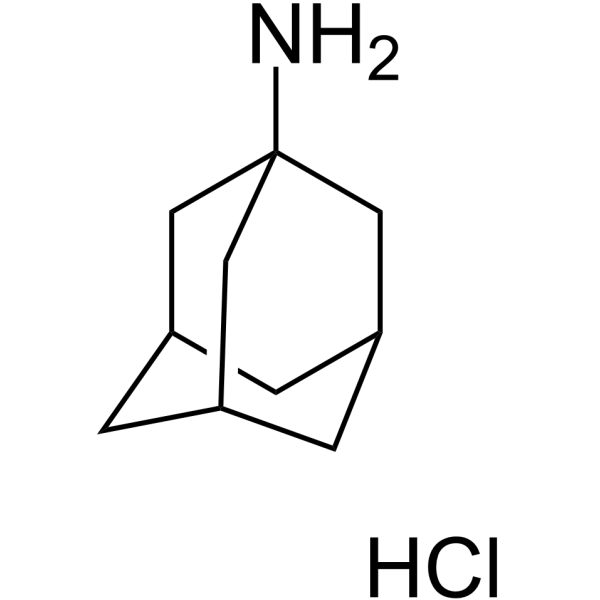
    Amantadine (1-Adamantanamine) hydrochloride is an orally avtive and potent antiviral agent with activity against influenza A viruses. Amantadine hydrochloride inhibits several ion channels such as NMDA and M2, and also inhibits Coronavirus ion channels. Amantadine hydrochloride also has anti-orthopoxvirus and anticancer activity. Amantadine hydrochloride can be used for Parkinson's disease, postoperative cognitive dysfunction (POCD) and COVID-19 research .
    Amantadine hydrochloride
  • HY-B1892
    Cefazolin
    10+ Cited Publications

    Cephazolin

    Antibiotic Bacterial Infection Neurological Disease Inflammation/Immunology Cancer
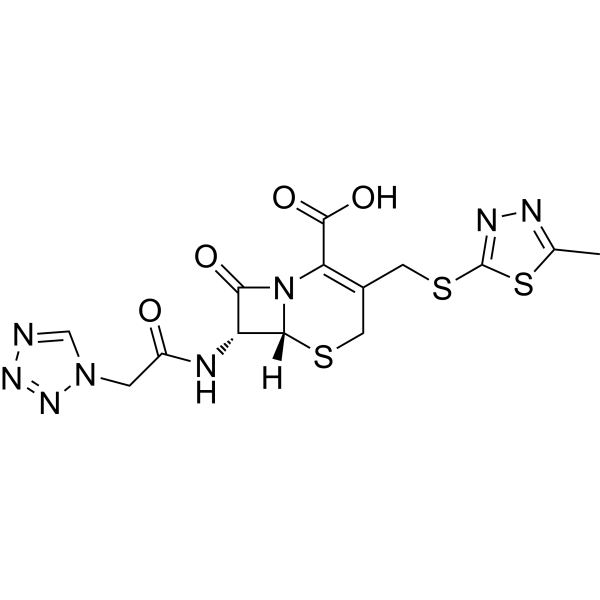
    Cefazolin (Cephazolin) is a first-generation cephalosporin antibiotic and can be used in varieties of bacterial infections research . Cefazolin has anti-inflammatory effect and can attenuate post-operative cognitive dysfunction (POCD) .
    Cefazolin
  • HY-B0406A
    Bethanechol chloride
    2 Publications Verification

    Carbamyl-β-methylcholine chloride

    mAChR Neurological Disease Cancer
    Bethanechol chloride (Carbamyl-β-methylcholine chloride), a parasympathomimetic agent, is a mAChR agonist that exerts its effects via directly stimulating the mAChR (M1, M2, M3, M4, and M5) of the parasympathetic nervous system .
    Bethanechol chloride
  • HY-B0580
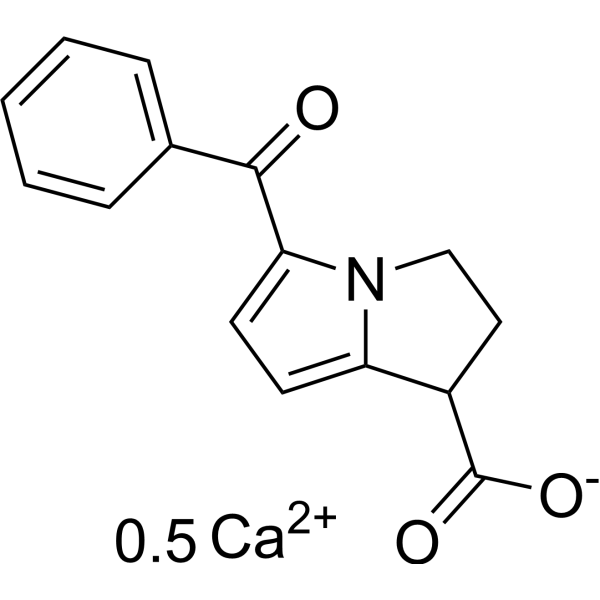
    Ketorolac
    3 Publications Verification

    RS37619

    COX Apoptosis Inflammation/Immunology Cancer
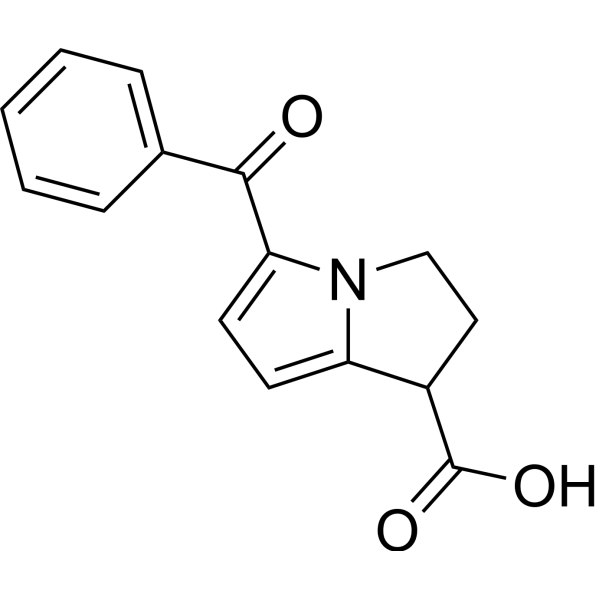
    Ketorolac (RS37619) is a non-steroidal anti-inflammatory drug (NSAID), acting as a nonselective COX inhibitor, with IC50s of 20 nM for COX-1 and 120 nM for COX-2. Ketorolac tromethamine is used as 0.5% ophthalmic solution for the research of allergic conjunctivitis, cystoid macular edema, intraoperative miosis, and postoperative ocular inflammation and pain. Ketorolac tromethamine is also a DDX3 inhibitor that can be used for cancer research .
    Ketorolac
  • HY-B1078
    Cefazolin sodium
    10+ Cited Publications

    Cephazolin sodium

    Bacterial Antibiotic Infection Neurological Disease Inflammation/Immunology Cancer
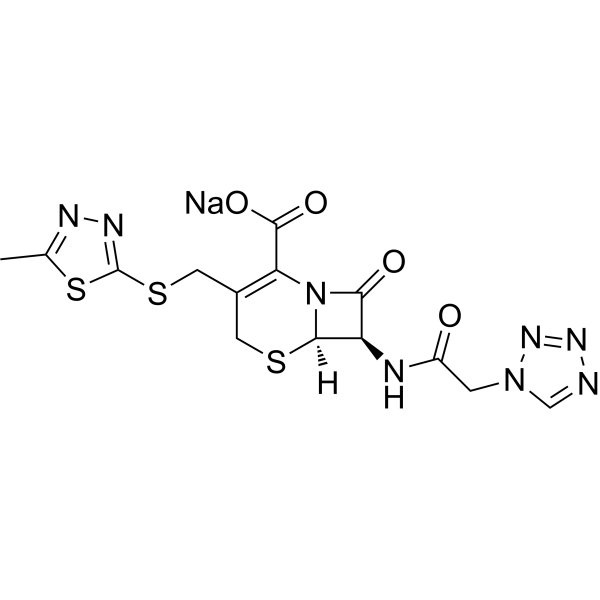
    Cefazolin sodium is a first-generation cephalosporin antibiotic and can be used in varieties of bacterial infections research . Cefazolin sodium has anti-inflammatory effect and can attenuate post-operative cognitive dysfunction (POCD) .
    Cefazolin sodium
  • HY-13243
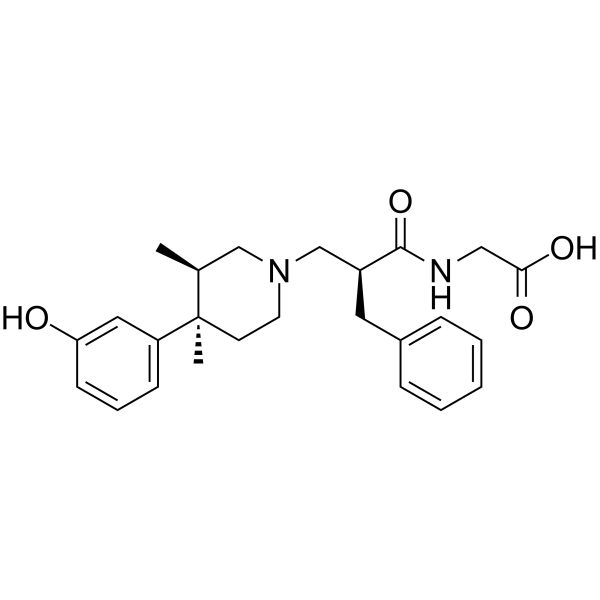
    Alvimopan
    2 Publications Verification

    ADL 8-2698; LY 246736

    Opioid Receptor Neurological Disease
    Alvimopan (ADL 8-2698) is a potent, selective, orally active and reversible μ-opioid receptor antagonist, with an IC50 of 1.7 nM. Alvimopan has selectivity for μ-opioid receptor (Ki=0.47 nM) over κ- and δ-opioid receptors (Kis=100, 12 nM, respectively). Alvimopan can be used for the research of postoperative ileus .
    Alvimopan
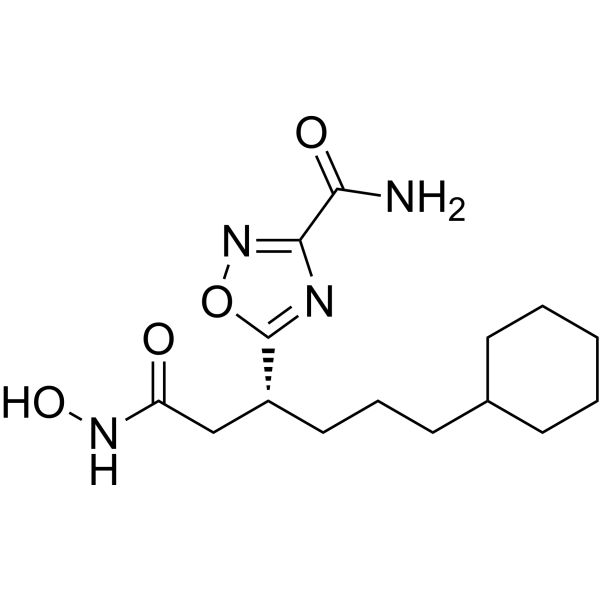
  • HY-13102

    Procollagen C Proteinase Others
    UK-383367 is an orally available pro-collagen C-protease inhibitor (BMP-1) with an IC50 value of 44 nM. UK-383367 can reduce renal fibrosis and inflammation in chronic kidney disease (CKD) and may be used to study postoperative skin scarring .
    UK-383367
  • HY-17474
    Parecoxib
    5 Publications Verification

    SC 69124

    COX Infection Neurological Disease Inflammation/Immunology Cancer
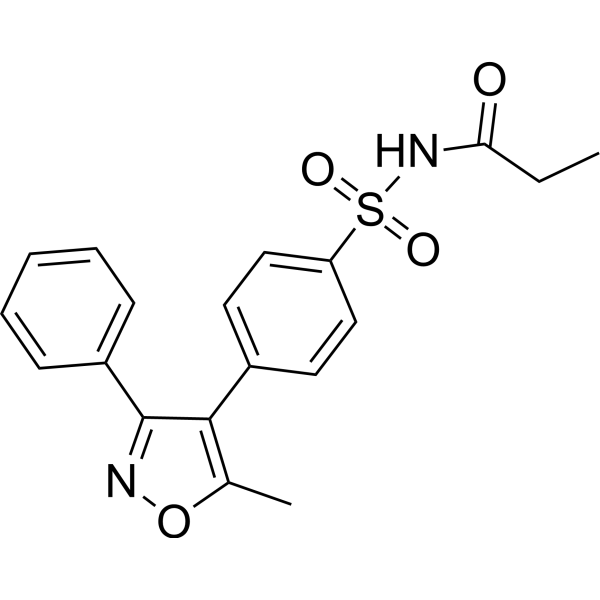
    Parecoxib (SC 69124) is a highly selective and orally active COX-2 inhibitor that is permeable to the blood-brain barrier, the proagent of Valdecoxib (HY-15762). Parecoxib Sodium is a nonsteroidal anti-inflammatory agent (NSAID) and inhibits prostaglandin (PG) synthesis. Parecoxib can be used for the relief of acute postoperative pain and symptoms of chronic inflammatory conditions such as osteoarthritis and rheumatoid arthritis in vivo.
    Parecoxib
  • HY-B1206
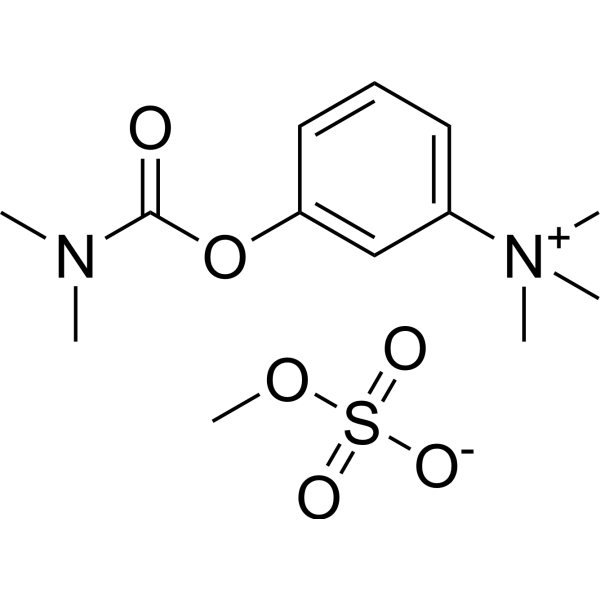
    Neostigmine (methyl sulfate)
    1 Publications Verification

    Cholinesterase (ChE) Infection Neurological Disease
    Neostigmine methyl sulfate is an AchE inhibitor. Neostigmine methyl sulfate increases endogenous acetylcholine levels, mediates antinociceptive effects, and alleviates heat-induced pain. Neostigmine methyl sulfate can be used in studies related to postoperative pain and sepsis .
    Neostigmine (methyl sulfate)
  • HY-B2065
    Scopolamine hydrochloride
    Maximum Cited Publications
    21 Publications Verification

    (-)-Scopolamine hydrochloride; Hyoscine hydrochloride

    mAChR 5-HT Receptor Neurological Disease
    Scopolamine (Hyoscine) hydrochloride is a high-affinity muscarinic antagonist that can cross the blood-brain barrier. Scopolamine hydrochloride competitively antagonizes 5-HT3 receptors with an IC50 of 2.09 μM. Scopolamine hydrochloride can induce cognitive and memory deficits in animals. Scopolamine hydrochloride can be used in the research of preventing postoperative nausea and vomiting, motion sickness, nervous system diseases, etc .
    Scopolamine hydrochloride
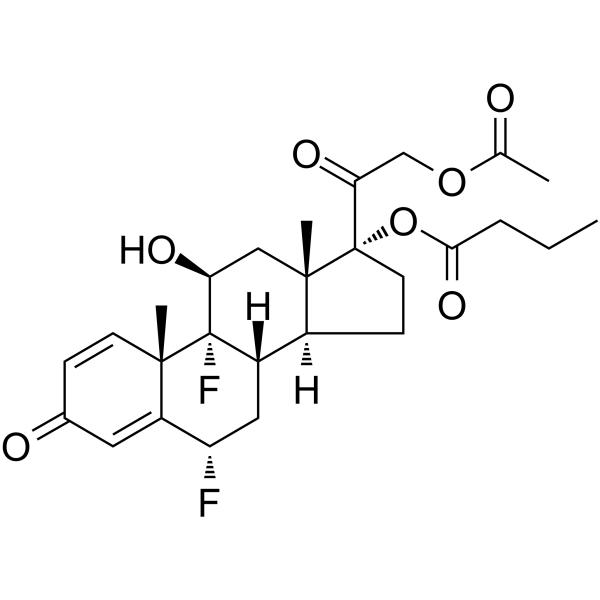
  • HY-17569

    Phospholipase Inflammation/Immunology
    Difluprednate is a glucocorticoid receptor (GC receptor) agonist with a Ki of 0.78 nM. Difluprednate's active metabolite 21-deacetylated difluprednate (DFB) is a competitive agonist of GC receptors with a Ki of 0.061 nM. Difluprednate binds to GC receptors through metabolism to DFB, regulating the transcription of inflammatory mediator genes, thereby exerting anti-inflammatory activity. Difluprednate can be used for research related to ocular inflammation, such as postoperative inflammation, anterior uveitis, etc .
    Difluprednate
  • HY-B1924
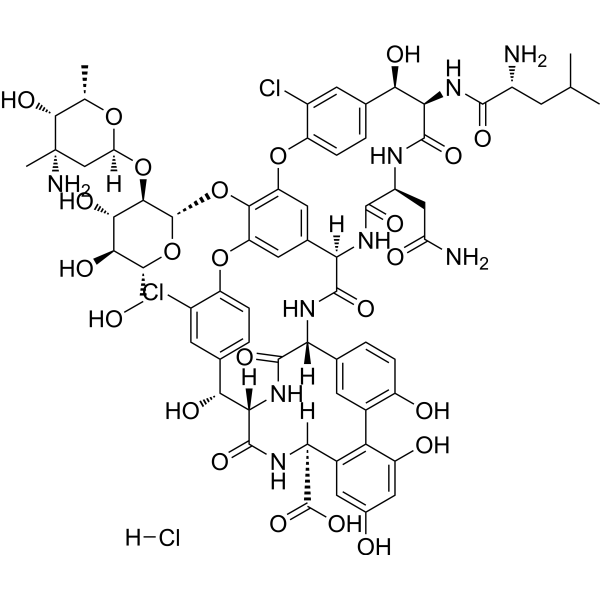
    Norvancomycin monohydrochloride
    1 Publications Verification

    N-Demethylvancomycin monohydrochloride; NVCM monohydrochloride

    Bacterial Infection
    Norvancomycin hydrochloride is a cell wall synthesis inhibitor targeting peptidoglycan precursors of Gram-positive bacteria and cannot pass the blood-brain barrier. Norvancomycin hydrochloride can competitively bind to peptidoglycan precursors, irreversibly inhibit bacterial cell wall synthesis, and exert antibacterial activity. Norvancomycin hydrochloride is mainly used in the study of Gram-positive bacterial infections, especially infections caused by methicillin-resistant Staphylococcus aureus (MRSA) and methicillin-resistant Staphylococcus epidermidis (MRSE). Norvancomycin hydrochloride can also be incorporated into the bionic calcium phosphate coating of titanium implants to enhance antibacterial activity and inhibit postoperative orthopedic infections .
    Norvancomycin monohydrochloride
  • HY-P5225

    PGC-1α Others
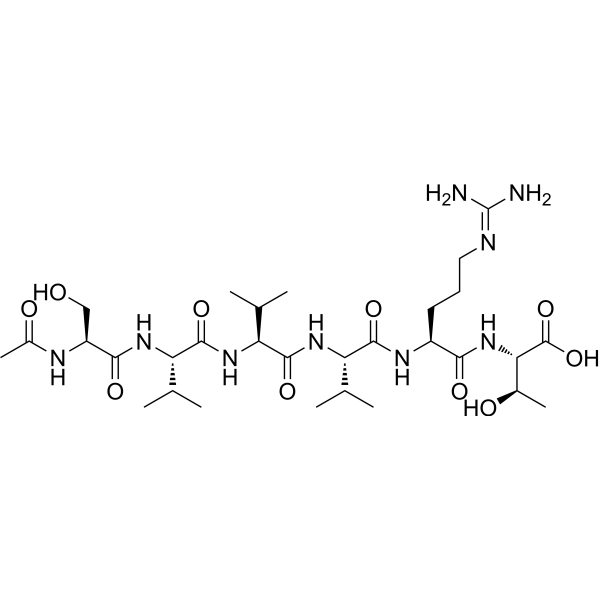
    Acetyl hexapeptide-38 is a tissue repair promoter that targets fibroblasts in the dermis of the skin. It works by promoting collagen synthesis in the dermis and thickening of subcutaneous fat. Acetyl hexapeptide-38 can activate the skin repair mechanism, increase the collagen content in the dermis, improve the skin tissue structure, and has the activity of promoting local tissue repair. Acetyl hexapeptide-38 can be used in the field of cosmetic medicine to repair congenital soft tissue defects, reduce tear grooves and nasolabial folds, eliminate postoperative scars, and conduct micro-plastic surgery of skin tissue .
    Acetyl hexapeptide-38
  • HY-109067A

    VVZ-149 hydrochloride

    GlyT 5-HT Receptor P2X Receptor Neurological Disease
    Opiranserin (VVZ-149) hydrochloride, a non-opioid and non-NSAID analgesic candidate, is a dual antagonist of glycine transporter type 2 (GlyT2) and serotonin receptor 2A (5HT2A), with IC50s of 0.86 and 1.3 μM, respectively. Opiranserin hydrochloride shows antagonistic activity on rP2X3 (IC50=0.87 μM). Opiranserin hydrochloride is development as an injectable agent for the treatment of postoperative pain .
    Opiranserin hydrochloride
  • HY-W145486

    Environmental Pollutants Biochemical Assay Reagents Neurological Disease Metabolic Disease Inflammation/Immunology
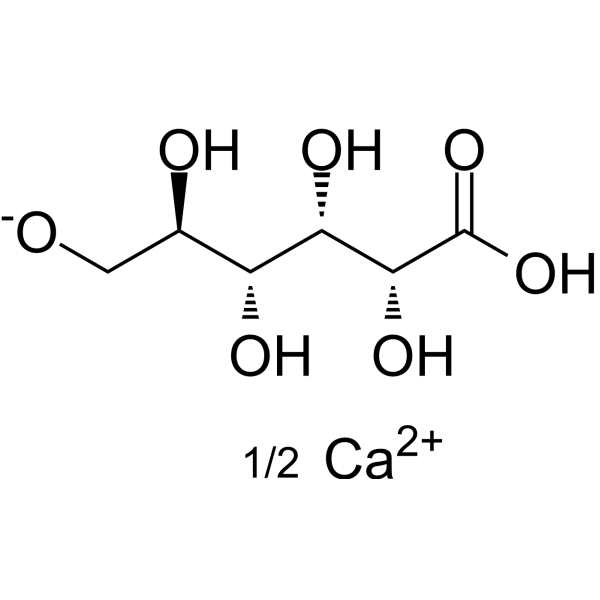
    Calcium gluconate is an orally effective calcium salt supplement . Calcium gluconate reduces elevated serum potassium, decreased serum calcium, and postoperative myalgia associated with succinylcholine administration. Calcium gluconate restores calcium homeostasis, skeletal integrity, bone mineralization and bone density, and maintains levels of parathyroid hormone, bone resorption markers and osteoclasts. Calcium gluconate reverses LPS (HY-D1056)-induced ERK phosphorylation, inflammatory cytokine release and acute lung injury, alleviates airway inflammatory damage and suppresses immune responses. Calcium gluconate can be used in research related to postoperative myalgia, osteoporosis/osteomalacia and acute lung injury .
    Calcium gluconate
  • HY-B0890

    McN-2783-21-98

    PGE synthase Neurological Disease Inflammation/Immunology
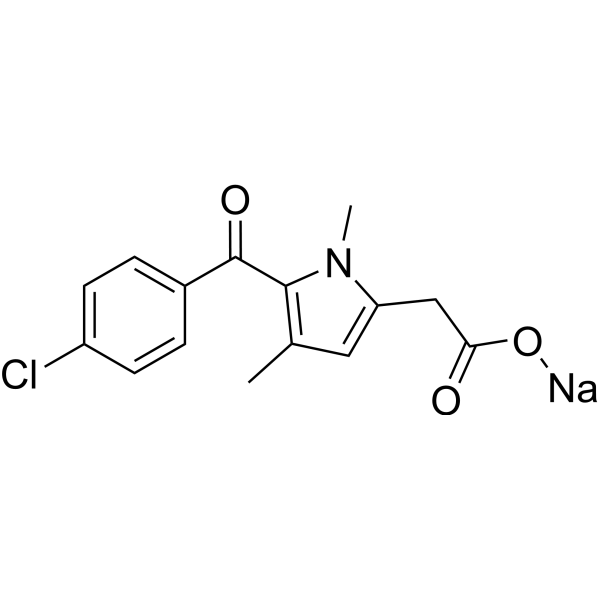
    Zomepirac sodium salt (McN-2783-21-98) is an orally active prostaglandin synthetase inhibitor. Zomepirac sodium salt blocks prostaglandin synthesis and inhibits Collagen (HY-P72147)- or Epinephrine (HY-B0447)-induced platelet aggregation. Zomepirac sodium salt can be used for the research of postoperative pain and osteoarthritis .
    Zomepirac sodium salt
  • HY-164795A

    Neurotensin Receptor Arrestin iGluR ERK Sodium Channel Neurological Disease
    SBI-810 hydrochloride is a blood-brain barrier-permeable NTSR1 modulator. SBI-810 hydrochloride promotes the recruitment of β-arrestin-2 to NTSR1 and antagonizes NTSR1-mediated Gq activation. SBI-810 hydrochloride inhibits excitatory synaptic transmission, NMDA receptor and extracellular signal-regulated kinase (ERK) signaling in spinal nociceptive neurons, reduces surface expression of Nav1.7 and action potential firing in primary sensory neurons, and attenuates C-fiber responses. SBI-810 hydrochloride effectively alleviates acute and chronic pain in various rodent models through peripheral and central modulation. SBI-810 hydrochloride is applicable to research related to multiple pain disorders .
    SBI-810 hydrochloride
  • HY-164795

    Neurotensin Receptor Arrestin iGluR ERK Sodium Channel Neurological Disease
    SBI-810 is a blood-brain barrier-permeable NTSR1 modulator. SBI-810 promotes the recruitment of β-arrestin-2 to NTSR1 and antagonizes NTSR1-mediated Gq activation. SBI-810 inhibits excitatory synaptic transmission, NMDA receptor and extracellular signal-regulated kinase (ERK) signaling in spinal nociceptive neurons, reduces surface expression of Nav1.7 and action potential firing in primary sensory neurons, and attenuates C-fiber responses. SBI-810 effectively alleviates acute and chronic pain in various rodent models through peripheral and central modulation. SBI-810 is applicable to research related to multiple pain disorders .
    SBI-810
  • HY-17474A
    Parecoxib Sodium
    5 Publications Verification

    SC 69124A

    COX Infection Neurological Disease Inflammation/Immunology Cancer
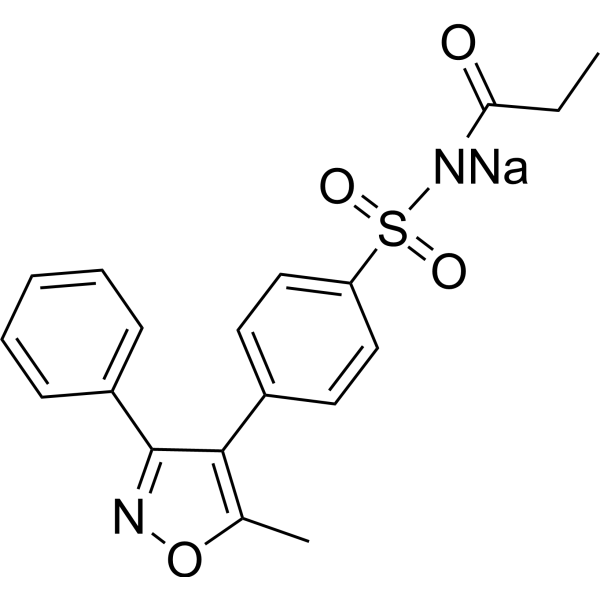
    Parecoxib Sodium (SC 69124A) is a highly selective and orally active COX-2 inhibitor that is permeable to the blood-brain barrier, the proagent of Valdecoxib (HY-15762). Parecoxib Sodium is a nonsteroidal anti-inflammatory agent (NSAID) and inhibits prostaglandin (PG) synthesis. Parecoxib Sodium can be used for the relief of acute postoperative pain and symptoms of chronic inflammatory conditions such as osteoarthritis and rheumatoid arthritis in vivo.
    Parecoxib Sodium
  • HY-Y0683A

    Biochemical Assay Reagents Infection Inflammation/Immunology
    Petrolatum (white) is mainly composed of hydrocarbons, possesses strong water resistance and moisturizing properties, and is commonly used as a pharmaceutical excipient. Petrolatum (white) penetrates into stratum corneum cells, improves skin barrier function, repairs epidermal structure, and reduces transepidermal water loss and the risk of skin damage. Petrolatum (white) induces the expression of antimicrobial peptides, innate immune genes, filaggrin and loricrin. Petrolatum (white) is used in research on atopic dermatitis and post-operative skin infections .
    Petrolatum (white)
  • HY-W134326

    Bacterial Infection Cardiovascular Disease Metabolic Disease
    Polydextrose is an orally active prebiotic. Polydextrose promotes the growth of Pediococcus pentosaceus ATCC 43200. Polydextrose reduces cholesterol and synergistically lowers blood sugar with Sitagliptin (HY-13749). Currently, it is mainly used in the research of diseases such as hyperlipidemia, type 2 diabetes, and postoperative iron deficiency anemia .
    Polydextrose
  • HY-107802
    Breviscapine
    2 Publications Verification

    Breviscapinun

    NF-κB Interleukin Related TGF-beta/Smad Calcium Channel Cardiovascular Disease Neurological Disease Inflammation/Immunology
    Breviscapine (Breviscapinun) is a flavonoid compound with antioxidant, anti-inflammatory, anti-fibrotic, and neuroprotective activities. Breviscapine ameliorates cerebral ischemia/reperfusion injury and vascular dementia, and inhibits the formation of postoperative abdominal adhesions. The mechanism of action of Breviscapine involves the regulation of oxidative stress, inflammatory cytokines, signaling pathways such as TGF-β/Smad, and cellular calcium overload. Breviscapine is used for research on diseases including cardiovascular and cerebrovascular diseases .
    Breviscapine
  • HY-14405A

    GW679769B

    Neurokinin Receptor Cytochrome P450 Neurological Disease Cancer
    Casopitant mesylate (GW679769B) is a potent, selective, brain permeable and orally active neurokinin 1 (NK1) receptor antagonist. Casopitant mesylate is a second in the class of antiemetics that acts to antagonise the emetogenic effect of Substance P (HY-P0201). Casopitant mesylate is also a substrate and a weak-to-moderate inhibitor of CYP3A4. Casopitant mesylate can be used for chemotherapy-induced nausea and vomiting (CINV) and postoperative nausea and vomiting (PONV) .
    Casopitant mesylate
  • HY-145453

    Interleukin Related Inflammation/Immunology
    Propacetamol is an orally active prodrug of Acetaminophen (HY-66005), which exerts antipyretic and analgesic effects after metabolism. Propacetamol reduces Aspirin (ASA) (HY-14654)-induced elevation of malondialdehyde (MDA) in gastric mucosa and plasma, regulates the levels of gastric mucosal glutathione (GSH and GSSG) to maintain cellular antioxidant defense, and increases gastric mucosal uric acid (UA) levels. Propacetamol exerts a dose-dependent protective effect against ASA-induced gastric mucosal damage in rats. Propacetamol can be used for the study of gastric mucosal injury by interfering with oxidative stress .
    Propacetamol
  • HY-B1164
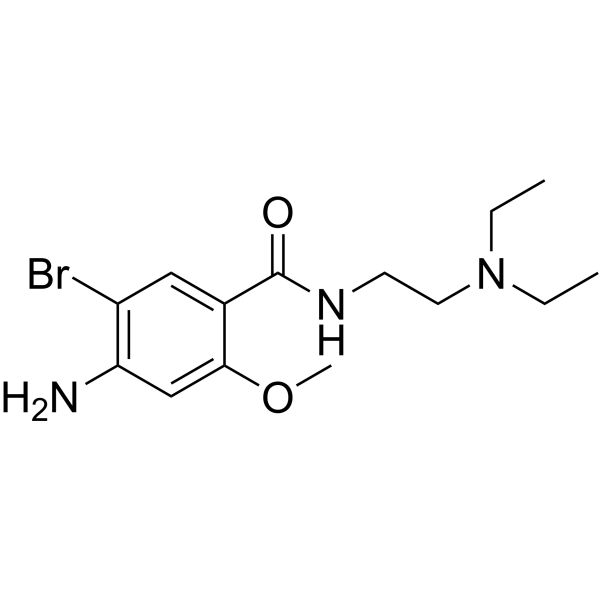
    Bromopride
    2 Publications Verification

    Dopamine Receptor Neurological Disease
    Bromopride is a selective, irreversible, competitive, and orally effective dopamine D2 receptor antagonist. Bromopride can pass through the blood-brain barrier, inhibit the vomiting center, and enhance gastrointestinal motility, exerting antiemetic and gastrointestinal motility effects. Bromopride antagonizes dopamine-mediated vomiting reflexes and promotes gastrointestinal smooth muscle contraction, and has no adverse effects on abdominal wall healing in rats with postoperative abdominal infection. Bromopride can be used for the study of digestive system diseases (such as gastric hypomotility, nausea and vomiting) .
    Bromopride
  • HY-B0402S1

    1-Adamantanamine-d6; 1-Aminoadamantane-d6

    Apoptosis CDK SARS-CoV Bcl-2 Family Influenza Virus Orthopoxvirus Cancer
    Amantadine-d6 is the deuterium labeled Amantadine . Amantadine (1-Adamantanamine) is an orally avtive and potent antiviral agent with activity against influenza A viruses. Amantadine inhibits several ion channels such as NMDA and M2, and also inhibits Coronavirus ion channels. Amantadine also has anti-orthopoxvirus and anticancer activity. Amantadine can be used for Parkinson's disease, postoperative cognitive dysfunction (POCD) and COVID-19 research .
    Amantadine-d6
  • HY-12143

    GR 205171A

    Neurokinin Receptor Neurological Disease
    Vofopitant dihydrochloride (GR 205171A) is a blood-brain barrier-permeable NK1 receptor inhibitor with a pKi of 9.02 in mice. Vofopitant dihydrochloride blocks vomiting-related responses and inhibits pseudoptyalism. Vofopitant dihydrochloride exerts anxiolytic effects, regulates 5-HT receptor function and increases central 5-HT release. Vofopitant dihydrochloride improves hyperarousal symptoms of post-traumatic stress disorder. Vofopitant dihydrochloride can be used in research related to depression, anxiety, vomiting and postoperative nausea and vomiting .
    Vofopitant dihydrochloride
  • HY-B1892S1

    Cephazolin-13C2,15N

    Isotope-Labeled Compounds Antibiotic Bacterial Infection Neurological Disease Inflammation/Immunology Cancer
    Cefazolin- 13C2, 15N (Cephazolin- 13C2, 15N) is 13C and 15N labeled Cefazolin. Cefazolin (Cephazolin) is a first-generation cephalosporin antibiotic and can be used in varieties of bacterial infections research . Cefazolin has anti-inflammatory effect and can attenuate post-operative cognitive dysfunction (POCD) .
    Cefazolin-13C2,15N
  • HY-A0259

    COX Inflammation/Immunology
    Floctafenine, a nonsteroidal anti-inflammatory agent (NSAID), acts as an effective analgesic agent . Floctafenine is an inhibitor of COX-1 and COX-2 activities in vitro,showing a slightly higher potency towards COX-I. Floctafenine is used for the research of short term pain research .
    Floctafenine
  • HY-76657A
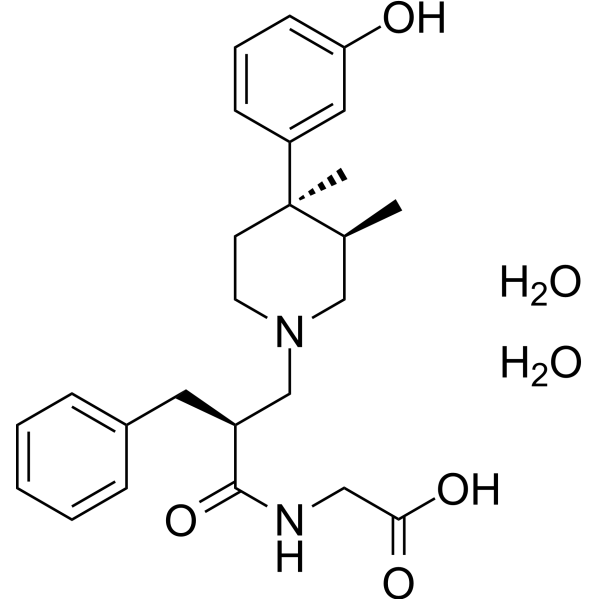
    Alvimopan dihydrate
    2 Publications Verification

    ADL 8-2698 dihydrate; LY 246736 dihydrate

    Opioid Receptor Neurological Disease Cancer
    Alvimopan dihydrate (ADL 8-2698 dihydrate) is a potent, selective, orally active and reversible μ-opioid receptor antagonist, with an IC50 of 1.7 nM. Alvimopan dihydrate has selectivity for μ-opioid receptor (Ki=0.47 nM) over κ- and δ-opioid receptors (Kis=100, 12 nM, respectively). Alvimopan dihydrate can be used for the research of postoperative ileus .
    Alvimopan dihydrate
  • HY-109067

    VVZ-149

    GlyT 5-HT Receptor P2X Receptor Neurological Disease
    Opiranserin (VVZ-149), a non-opioid and non-NSAID analgesic candidate, is a dual antagonist of glycine transporter type 2 (GlyT2) and serotonin receptor 2A (5HT2A), with IC50s of 0.86 and 1.3 μM, respectively. Opiranserin shows antagonistic activity on rP2X3 (IC50=0.87 μM). Opiranserin is development as an injectable agent for the treatment of postoperative pain .
    Opiranserin
  • HY-B0580R

    RS37619 (Standard)

    Reference Standards COX Apoptosis Inflammation/Immunology Cancer
    Ketorolac (Standard) is the analytical standard of Ketorolac. This product is intended for research and analytical applications. Ketorolac (RS37619) is a non-steroidal anti-inflammatory drug (NSAID), acting as a nonselective COX inhibitor, with IC50s of 20 nM for COX-1 and 120 nM for COX-2. Ketorolac tromethamine is used as 0.5% ophthalmic solution for the research of allergic conjunctivitis, cystoid macular edema, intraoperative miosis, and postoperative ocular inflammation and pain. Ketorolac tromethamine is also a DDX3 inhibitor that can be used for cancer research .
    Ketorolac (Standard)
  • HY-B0402B

    1-Adamantanamine sulfate; 1-Aminoadamantane sulfate

    Influenza Virus Orthopoxvirus SARS-CoV Apoptosis CDK Bcl-2 Family Infection Neurological Disease Cancer
    Amantadine (1-Adamantanamine) sulfate is an orally avtive and potent antiviral agent with activity against influenza A viruses. Amantadine sulfate inhibits several ion channels such as NMDA and M2, and also inhibits Coronavirus ion channels. Amantadine sulfate also has anti-orthopoxvirus and anticancer activity. Amantadine sulfate can be used for Parkinson's disease, postoperative cognitive dysfunction (POCD) and COVID-19 research .
    Amantadine sulfate
  • HY-B1892R

    Cephazolin (Standard)

    Reference Standards Antibiotic Bacterial Infection Neurological Disease Inflammation/Immunology
    Cefazolin (Standard) is the analytical standard of Cefazolin. This product is intended for research and analytical applications. Cefazolin (Cephazolin) is a first-generation cephalosporin antibiotic and can be used in varieties of bacterial infections research . Cefazolin has anti-inflammatory effect and can attenuate post-operative cognitive dysfunction (POCD) .
    Cefazolin (Standard)
  • HY-B0406

    Carbamyl-β-methylcholine

    mAChR Neurological Disease Cancer
    Bethanechol (Carbamyl-β-methylcholine), a parasympathomimetic agent, is a mAChR agonist that exerts its effects via directly stimulating the mAChR (M1, M2, M3, M4, and M5) of the parasympathetic nervous system .
    Bethanechol
  • HY-10635

    TRP Channel Inflammation/Immunology Cancer
    ABT-102 is a potent and highly selective Vanilloid Receptor (TRPV1) receptor antagonist. ABT-102 potently and reversibly increases heat pain thresholds and reduced painfulness of suprathreshold oral/cutaneous heat. ABT-102 reduces nociceptive responses of animals in models of inflammatory, bone cancer, postoperative, and osteoarthritic pain .
    ABT-102
  • HY-12142

    GR 205171

    Neurokinin Receptor Neurological Disease
    Vofopitant (GR 205171A) is a blood-brain barrier-permeable NK1 receptor inhibitor with a pKi of 9.02 in mice. Vofopitant blocks vomiting-related responses and inhibits pseudoptyalism. Vofopitant exerts anxiolytic effects, regulates 5-HT receptor function and increases central 5-HT release. Vofopitant improves hyperarousal symptoms of post-traumatic stress disorder. Vofopitant can be used in research related to depression, anxiety, vomiting and postoperative nausea and vomiting .
    Vofopitant
  • HY-A0115R

    HOE 498 diacid (Standard); Ramipril diacid (Standard)

    Drug Metabolite Reference Standards Angiotensin-converting Enzyme (ACE) Endogenous Metabolite Cardiovascular Disease
    Alvimopan (dihydrate) (Standard) is the analytical standard of Alvimopan (dihydrate). This product is intended for research and analytical applications. Alvimopan dihydrate (ADL 8-2698 dihydrate) is a potent, selective, orally active and reversible μ-opioid receptor antagonist, with an IC50 of 1.7 nM. Alvimopan dihydrate has selectivity for μ-opioid receptor (Ki=0.47 nM) over κ- and δ-opioid receptors (Kis=100, 12 nM, respectively). Alvimopan dihydrate can be used for the research of postoperative ileus .
    Ramiprilat (Standard)
  • HY-133195

    Fenazoxine

    Sodium Channel Neurological Disease
    Nefopam (Fenazoxine) is an orally active, non-opioid and non-steroidal centrally acting analgesic agent. Nefopam blocks voltage-sensitive sodium channels (IC50=27 μM) and modulates glutamatergic transmission in rodents. Nefopam can be used in studies of neuropathic pain, anticonvulsant, as well as the prevention of postoperative shivering and hiccups .
    Nefopam
  • HY-136653

    WY 15705

    UGT Neurological Disease
    Ciramadol (WY 15705) is a potent and orally active analgesic agent with both narcotic agonist and UDP-glucuronyltransferase modulator properties . Ciramadol (WY 15705) can be used for postoperative pain research research.
    Ciramadol
  • HY-76657

    ADL 8-2698 monohydrate; LY 246736 monohydrate

    Opioid Receptor Neurological Disease Cancer
    Alvimopan monohydrate (ADL 8-2698 monohydrate) is a potent, selective, orally active and reversible μ-opioid receptor antagonist, with an IC50 of 1.7 nM. Alvimopan monohydrate has selectivity for μ-opioid receptor (Ki=0.47 nM) over κ- and δ-opioid receptors (Kis=100, 12 nM, respectively). Alvimopan monohydrate can be used for the research of postoperative ileus .
    Alvimopan monohydrate
  • HY-B0402AR

    1-Adamantanamine hydrochloride (Standard); 1-Adamantylamine hydrochloride (Standard); 1-Aminoadamantane hydrochloride (Standard)

    Reference Standards Influenza Virus Orthopoxvirus SARS-CoV Apoptosis Bcl-2 Family CDK Infection Neurological Disease Cancer
    Amantadine (hydrochloride) (Standard) is the analytical standard of Amantadine (hydrochloride). This product is intended for research and analytical applications. Amantadine (1-Adamantanamine) hydrochloride is an orally avtive and potent antiviral agent with activity against influenza A viruses. Amantadine hydrochloride inhibits several ion channels such as NMDA and M2, and also inhibits Coronavirus ion channels. Amantadine hydrochloride also has anti-orthopoxvirus and anticancer activity. Amantadine hydrochloride can be used for Parkinson's disease, postoperative cognitive dysfunction (POCD) and COVID-19 research .
    Amantadine hydrochloride (Standard)
  • HY-B0402R1

    1-Adamantanamine in Methanol (Standard); 1-Aminoadamantane in Methanol (Standard)

    Reference Standards Influenza Virus Orthopoxvirus SARS-CoV Apoptosis CDK Bcl-2 Family Infection Neurological Disease Cancer
    Amantadine in Methanol (Standard) is the solution of Amantadine (Standard). This product is intended for research and analytical applications. Amantadine (1-Adamantanamine) is an orally avtive and potent antiviral agent with activity against influenza A viruses. Amantadine inhibits several ion channels such as NMDA and M2, and also inhibits Coronavirus ion channels. Amantadine also has anti-orthopoxvirus and anticancer activity. Amantadine can be used for Parkinson's disease, postoperative cognitive dysfunction (POCD) and COVID-19 research [4] .
    Amantadine in Methanol (Standard)
  • HY-B0756

    Cephazolin sodium pentahydrate

    Antibiotic Bacterial Infection Neurological Disease Inflammation/Immunology Cancer
    Cefazolin sodium pentahydrate is a first-generation cephalosporin antibiotic and can be used in varieties of bacterial infections research . Cefazolin sodium pentahydrate has anti-inflammatory effect and can attenuate post-operative cognitive dysfunction (POCD) .
    Cefazolin sodium pentahydrate
  • HY-139068

    Drug Derivative Others
    Ibuprofen arginine is an orally active L-arginine of Ibuprofen (HY-78131). With rapid absorption and high bioavailability, Ibuprofen arginine can effectively relieve a variety of acute pain, and has little damage to gastric mucosa and is well tolerated. Ibuprofen arginine can be used in research for pain relief .
    Ibuprofen arginine
  • HY-W654098

    Isotope-Labeled Compounds Antibiotic Bacterial Inflammation/Immunology
    Cefazolin- 13C2, 15N (sodium) is 13C and 15N labeled Cefazolin (sodium). Cefazolin sodium is a first-generation cephalosporin antibiotic and can be used in varieties of bacterial infections research . Cefazolin sodium has anti-inflammatory effect and can attenuate post-operative cognitive dysfunction (POCD).
    Cefazolin-13C2,15N sodium

Inquiry Online

Your information is safe with us. * Required Fields.

Salutation


Country or Region *

Applicant Name *


Organization Name *

Department *


Email Address *


Product Name *

Cat. No.


Requested quantity *

Phone Number *


Remarks

Inquiry Online

Inquiry Information

Product Name:
Cat. No.:
Quantity:
MCE Japan Authorized Agent:

