Search Result
Results for "
protoporphyrin
" in MedChemExpress (MCE) Product Catalog:
2
Biochemical Assay Reagents
| Cat. No. |
Nombre del producto |
Target |
Áreas de investigación |
Chemical Structure |
-
- HY-101193
-
|
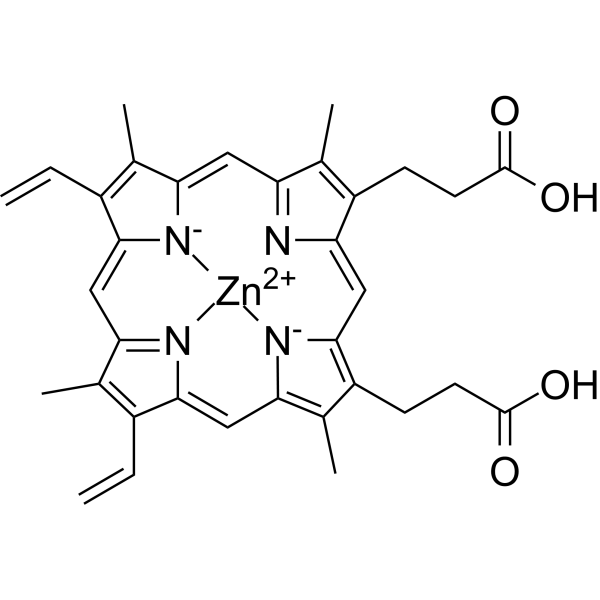
Zn(II)-protoporphyrin IX; ZnPP; Zinc protoporphyrin-9
|
Reactive Oxygen Species (ROS)
Endogenous Metabolite
Apoptosis
|
Cardiovascular Disease
Metabolic Disease
Cancer
|
|
Zinc Protoporphyrin (Zn(II)-protoporphyrin IX) is an orally active and competitive heme oxygenase-1 (HO-1) inhibitor. Zinc Protoporphyrin regulates expression of HO-1 at the transcriptional level. The effect of Zinc Protoporphyrin on HO-1 expression is controversial. It was shown to induce HO-1 expression in some cells, but suppress it in others. Zinc Protoporphyrin is used as a screening marker of iron deficiency in vivo. Zinc Protoporphyrin has anti-cancer activity .
|
-
-
- HY-B1247
-
|
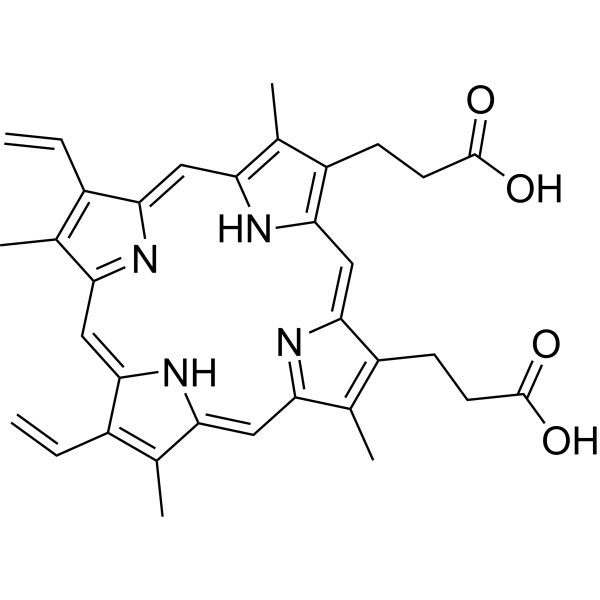
PPIX
|
Endogenous Metabolite
|
Others
|
|
Protoporphyrin IX is a final intermediate in the heme biosynthetic pathway, which acts as a radiation sensitizer enhancing ROS generation even in a hypoxic state and inducing DNA damage. Protoporphyrin IX also acts as a photo sensitizer undergoing photobleaching that occurs through direct degradation by light irradiation. Protoporphyrin IX is formed and accumulated following 5-aminolevulinic acid (5-ALA) (HY-W000450) administration in the tumor cells of rats. Protoporphyrin IX causes selective improvement of basal cell carcinoma when activated red fluorescence of a peak wavelength at 405 nm. Protoporphyrin IX is promising for research of sonodynamic and photodynamic agents for a wide range of cancers, such as bladder cancer and nodular basal cell carcinoma .
|
-
-
- HY-N0305
-
|
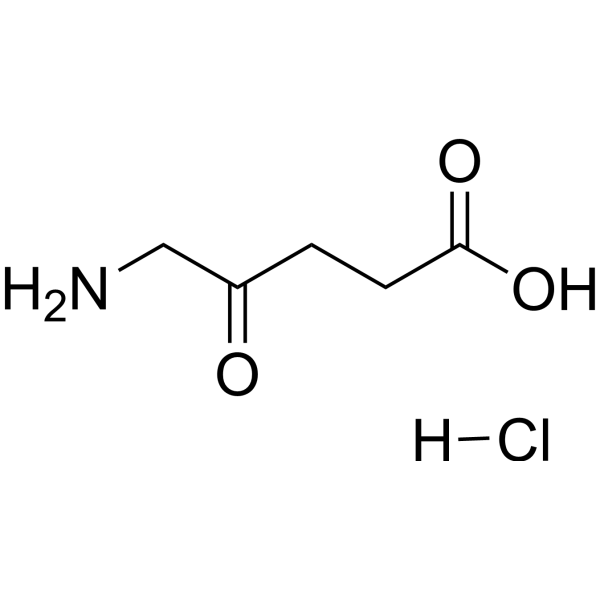
5-ALA hydrochloride; δ-Aminolevulinic acid hydrochloride; 5-Amino-4-oxopentanoic acid hydrochloride
|
Reactive Oxygen Species (ROS)
|
Neurological Disease
Metabolic Disease
Inflammation/Immunology
Cancer
|
|
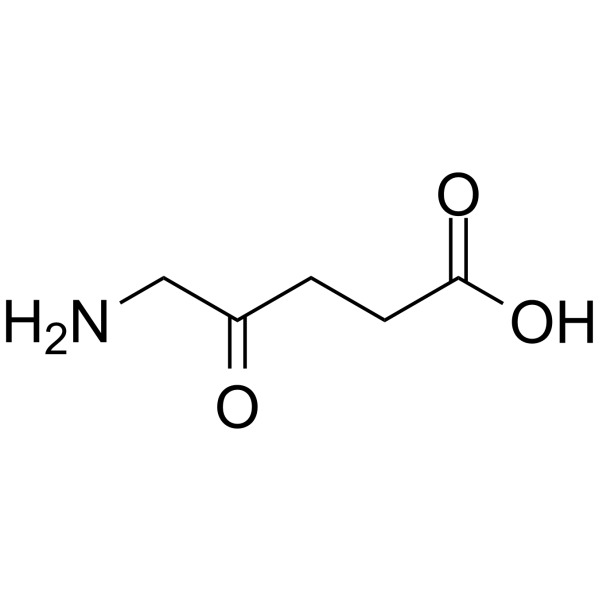
5-Aminolevulinic acid (5-ALA; δ-Aminolevulinic acid; 5-Amino-4-oxopentanoic acid) hydrochloride is an orally active heme precursor. 5-Aminolevulinic acid hydrochloride promotes aerobic energy metabolism and increases ATP levels by enhancing the activity of cytochrome c oxidase. 5-Aminolevulinic acid hydrochloride enhances LPS-induced proinflammatory cytokine production and gene activation, and restores the phagocytic activity and ROS generation capacity of neutrophils. 5-Aminolevulinic acid hydrochloride selectively accumulates protoporphyrin IX in tumor cells; as a photosensitizer and radiosensitizer, it induces ROS burst upon light or X-ray irradiation to inhibit tumor growth. 5-Aminolevulinic acid hydrochloride can be applied to the research of septic shock, melanoma, and cancer radiotherapy .
|
-
-
- HY-101194
-
|
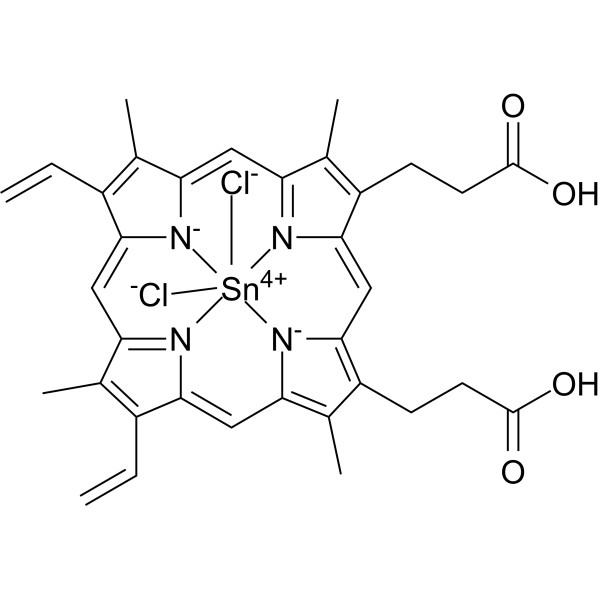
Tin-protoporphyrin IX; Sn-protoporphyrin; SnPPIX
|
Reactive Oxygen Species (ROS)
|
Cancer
|
|
Tin protoporphyrin IX dichloride (SnPPIX) is a potent Heme oxygenase-1 (HO-1) inhibitor. Tin protoporphyrin IX dichloride sensitizes pancreatic ductal adenocarcinoma (PDAC) tumors to chemotherapy in mice model .
|
-
-
- HY-W000450
-
|
5-ALA; δ-Aminolevulinic acid; 5-Amino-4-oxopentanoic acid
|
Reactive Oxygen Species (ROS)
|
Cardiovascular Disease
Cancer
|
|
5-Aminolevulinic acid (5-ALA; δ-Aminolevulinic acid; 5-Amino-4-oxopentanoic acid) is an orally active heme precursor. 5-Aminolevulinic acid promotes aerobic energy metabolism and increases ATP levels by enhancing the activity of cytochrome c oxidase. 5-Aminolevulinic acid enhances LPS-induced proinflammatory cytokine production and gene activation, and restores the phagocytic activity and ROS generation capacity of neutrophils. 5-Aminolevulinic acid selectively accumulates protoporphyrin IX in tumor cells; as a photosensitizer and radiosensitizer, it induces ROS burst upon light or X-ray irradiation to inhibit tumor growth. 5-Aminolevulinic acid can be applied to the research of septic shock, melanoma, and cancer radiotherapy .
|
-
-
- HY-134608
-
-
-
- HY-W250116
-
-
-
- HY-129430
-
|
|
Ferrochelatase
|
Metabolic Disease
|
|
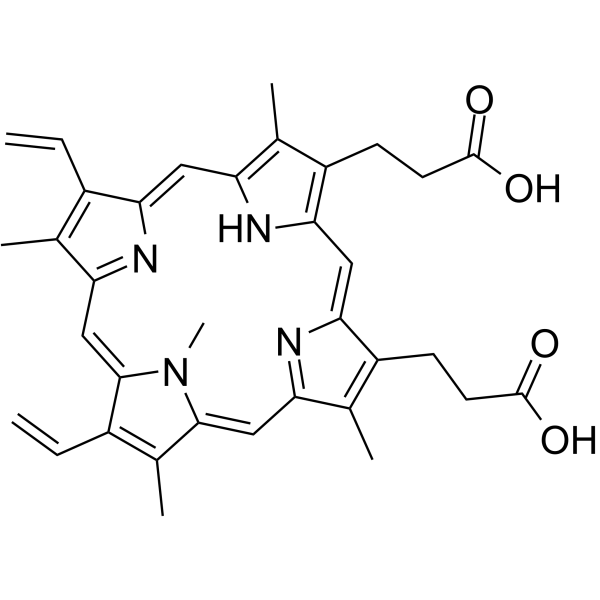
N-Methylprotoporphyrin IX is a Ferrochelatase inhibitor with a Ki app value of 3 nM. N-methylprotoporphyrin IX dimethyl ester potently inhibits the synthesis of phycocyanin and chlorophyll a. N-Methylprotoporphyrin IX can be used for the research of haem deficiency-associated disorders .
|
-
-
- HY-114758
-
|
|
Biochemical Assay Reagents
Ferrochelatase
|
Cardiovascular Disease
|
|
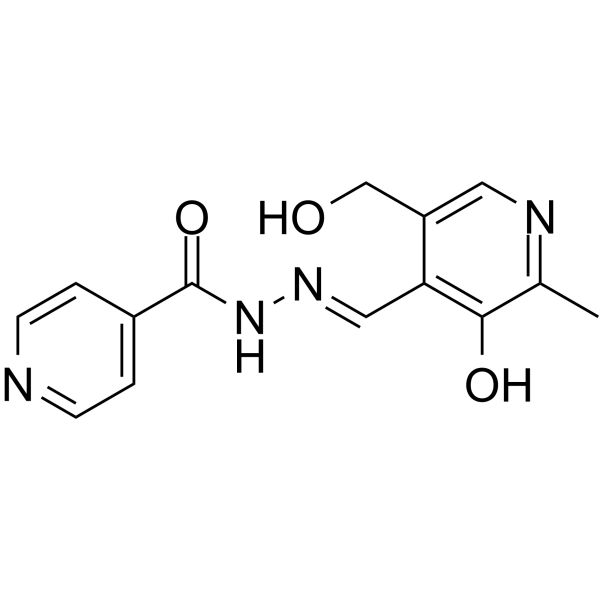
Pyridoxal isonicotinoyl hydrazone is an orally active and lipophilic iron-specific chelator that acts as a non-competitive inhibitor of ferrochelatase (FECH) by binding iron ions. Pyridoxal isonicotinoyl hydrazone disrupts heme biosynthesis, leading to reduced FECH stability and increased protoporphyrin IX (PPIX) accumulation. Pyridoxal isonicotinoyl hydrazone is promising for research of iron-overload diseases (e.g., β-thalassemia) .
|
-
-
- HY-A0169A
-
|
|
Reactive Oxygen Species (ROS)
Photosensitizer
|
Cancer
|
|
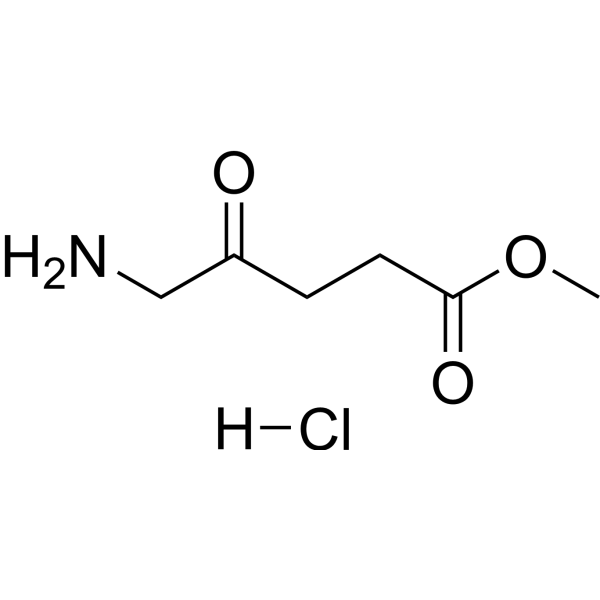
Methyl aminolevulinate hydrochloride is a sensitizer used in photodynamic therapy (PDT). Methyl aminolevulinate hydrochloride penetrates the skin and induces the production of photoactive porphyrins including protoporphyrin IX in cells; upon exposure to appropriate light, it generates ROS, which triggers cellular oxidation and cell death. Methyl aminolevulinate hydrochloride acts as a photo-damage reversing agent through epidermal reconstruction, cytokine-mediated activation of dermal fibroblasts, elastin breakdown, new collagen formation, and compression of dilated capillaries. Methyl aminolevulinate hydrochloride reduces the expression of the proliferation marker Ki-67 and the early skin carcinogenesis marker TP53. Methyl aminolevulinate hydrochloride delays the onset of ultraviolet-induced skin tumors and reduces tumor burden in hairless mice. Methyl aminolevulinate hydrochloride is applicable to research related to actinic keratosis and basal cell carcinoma .
|
-
-
- HY-128075
-
|
|
Environmental Pollutants
Herbicide
|
Cancer
|
|
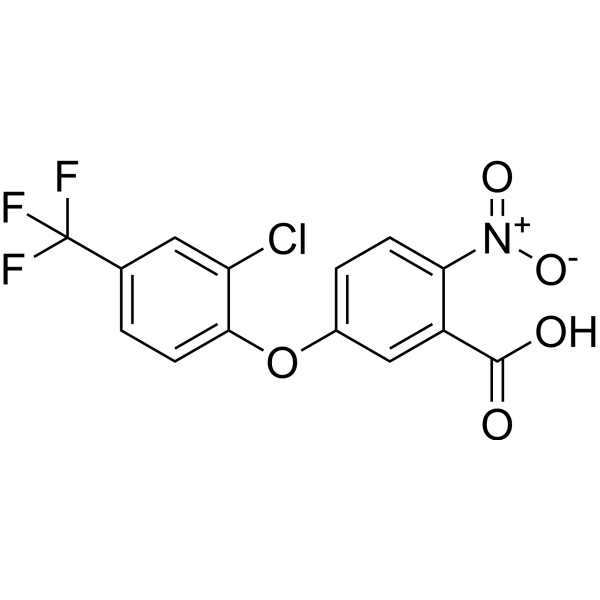
Acifluorfen, a protoporphyrinogen oxidase (PROTOX) inhibitor herbicide, promotes the accumulation of protoporphyrin IX (PPIX), and induces tumors in the rodent liver. Acifluorfen causes strong photooxidative destruction of pigments and lipids in sensitive plant species .
|
-
-
- HY-B1247R
-
|
PPIX (Standard)
|
Reference Standards
Endogenous Metabolite
|
Others
|
|
Protoporphyrin IX (Standard) is the analytical standard of Protoporphyrin IX. This product is intended for research and analytical applications. Protoporphyrin IX is a final intermediate in the heme biosynthetic pathway, which acts as a radiation sensitizer enhancing ROS generation even in a hypoxic state and inducing DNA damage. Protoporphyrin IX also acts as a photo sensitizer undergoing photobleaching that occurs through direct degradation by light irradiation. Protoporphyrin IX is formed and accumulated following 5-aminolevulinic acid (5-ALA) (HY-W000450) administration in the tumor cells of rats. Protoporphyrin IX causes selective improvement of basal cell carcinoma when activated red fluorescence of a peak wavelength at 405 nm. Protoporphyrin IX is promising for research of sonodynamic and photodynamic agents for a wide range of cancers, such as bladder cancer and nodular basal cell carcinoma .
|
-
-
- HY-136476
-
|
|
Endogenous Metabolite
|
Others
|
|
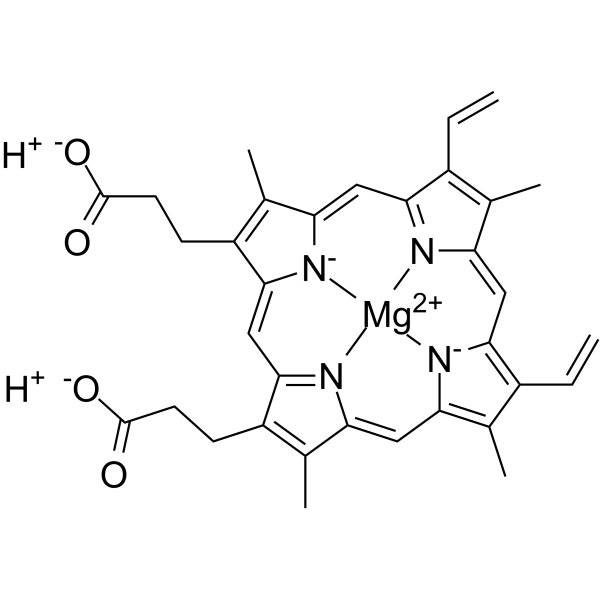
Mg (II) protoporphyrin IX is a precursor of chlorophyll in Chlorella. Mg (II) protoporphyrin IX acts as a negative effector of nuclear photosynthetic gene expression. Mg (II) protoporphyrin IX can be used to study signal molecules involved in plastid-nucleus communication .
|
-
-
- HY-101193R
-
|
Zn(II)-protoporphyrin IX (Standard); ZnPP (Standard); Zinc protoporphyrin-9 (Standard)
|
Reference Standards
Reactive Oxygen Species (ROS)
Endogenous Metabolite
Apoptosis
|
Cardiovascular Disease
Metabolic Disease
Cancer
|
|
Zinc Protoporphyrin (Standard) is the analytical standard of Zinc Protoporphyrin. This product is intended for research and analytical applications. Zinc Protoporphyrin (Zn(II)-protoporphyrin IX) is an orally active and competitive heme oxygenase-1 (HO-1) inhibitor and markedly attenuates the protective effects of Phloroglucinol (PG) against H2O2 . Zinc Protoporphyrin is used as a screening marker of iron deficiency in individual pregnant women and children, but also to assess population iron status in combination with haemoglobin concentration . Zinc Protoporphyrin has anti-cancer activity .
|
-
-
- HY-W854721
-
|
Manganese(III) protoporphyrin IX Chloride
|
Heme Oxygenase (HO)
|
Metabolic Disease
|
|
Mn(III) protoporphyrin IX chloride is a metalloporphyrin. It induces mRNA expression of the genes encoding δ-aminolevulinate synthase and heme oxygenase (HO), enzymes that catalyze the rate-limiting steps of heme biosynthesis and degradation, respectively, in chick embryo liver cells when used at a concentration of 10 μM. Mn(III) protoporphyrin IX chloride-containing nanobialys have been used in magnetic resonance imaging (MRI) of fibrin clots in vitro. It has also been used in the synthesis of Mn(III) protoporphyrin IX-6(7)-glycyl-glycyl-L-histidine methyl ester (MnGGH), a metalloporphyrin conjugate with microperoxidase activity.
|
-
-
- HY-B1247A
-
|
PPIX disodium
|
Endogenous Metabolite
|
Cancer
|
|
Protoporphyrin IX disodium is a final intermediate in the heme biosynthetic pathway, which acts as a radiation sensitizer enhancing ROS generation even in a hypoxic state and inducing DNA damage. Protoporphyrin IX disodium also acts as a photo sensitizer undergoing photobleaching that occurs through direct degradation by light irradiation. Protoporphyrin IX disodium is formed and accumulated following 5-aminolevulinic acid (5-ALA) (HY-W000450) administration in the tumor cells of rats. Protoporphyrin IX disodium causes selective improvement of basal cell carcinoma when activated red fluorescence of a peak wavelength at 405 nm. Protoporphyrin IX disodium is promising for research of sonodynamic and photodynamic agents for a wide range of cancers, such as bladder cancer and nodular basal cell carcinoma .
|
-
-
- HY-133100
-
|
Benzyl-ALA hydrochloride
|
Endogenous Metabolite
|
Cancer
|
|
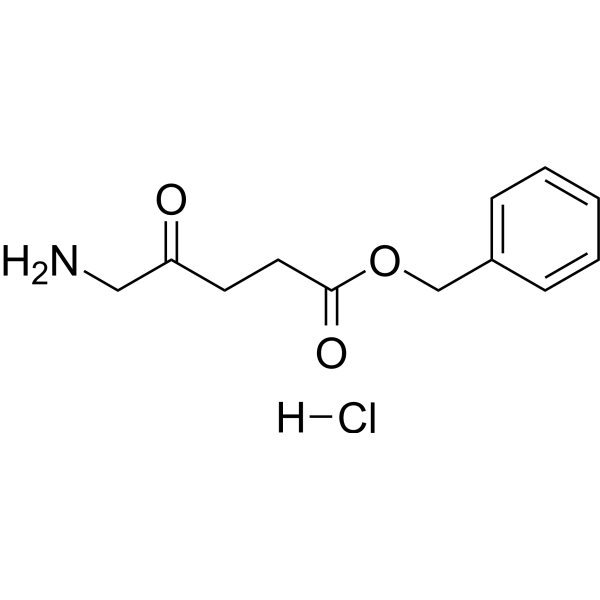
5-ALA benzyl ester hydrochloride (Benzyl-ALA hydrochloride) is a protoporphyrin precursor used as a photodetection agent. 5-ALA benzyl ester hydrochloride induces protoporphyrin IX (PPIX) accumulation in colon carcinoma cell lines .
|
-
-
- HY-136476A
-
|
|
Biochemical Assay Reagents
|
Others
|
|
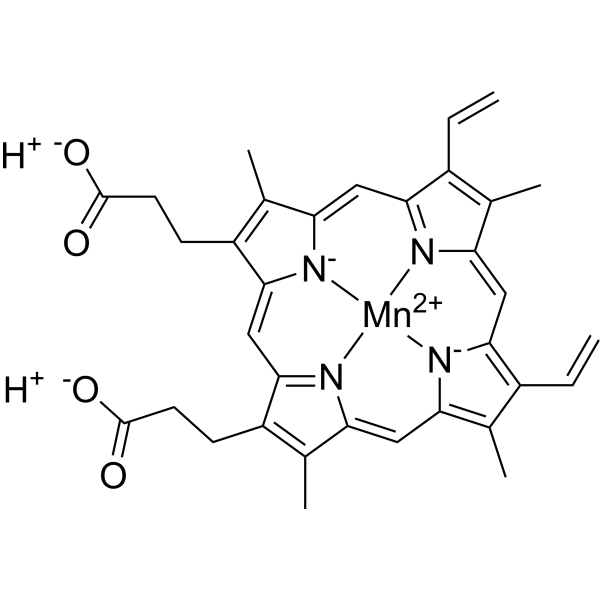
Mn(II) protoporphyrin IX is a potential intravenous paramagnetic magnetic resonance contrast agent. Mn(II) protoporphyrin IX maintains strong paramagnetic properties .
|
-
-
- HY-136476C
-
-
-
- HY-136476G
-
|
|
Drug Intermediate
|
Others
|
|
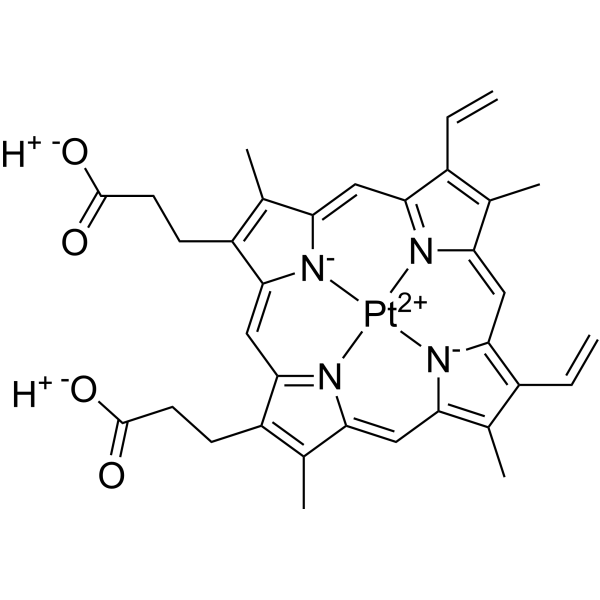
Pt(II) protoporphyrin IX is a protoporphyrin IX. Protoporphyrin IX is a heterocyclic organic compound, which consists of four pyrrole rings, and is the final intermediate in the heme biosynthetic pathway .
|
-
-
- HY-136476F
-
|
|
Drug Intermediate
|
Others
|
|
Cd(II) protoporphyrin IX is a protoporphyrin IX. Protoporphyrin IX is a heterocyclic organic compound, which consists of four pyrrole rings, and is the final intermediate in the heme biosynthetic pathway .
|
-
-
- HY-136476E
-
|
|
Drug Intermediate
|
Others
|
|
Cr(III) protoporphyrin IX is a protoporphyrin IX. Protoporphyrin IX is a heterocyclic organic compound, which consists of four pyrrole rings, and is the final intermediate in the heme biosynthetic pathway .
|
-
-
- HY-136476B
-
|
|
Heme Oxygenase (HO)
MOFs
|
Inflammation/Immunology
Cancer
|
|
Cu (II) Protoporphyrin IX is used as a negative control for Zn (II) Protoporphyrin (an inihibitor of heme oxygenase). Heme oxygenase has been implicated in tumor cell resistance to chemotherapy, reduction of free radical formation and inflammation, and associated with vascular repair .
|
-
-
- HY-W014394R
-
|
|
TRP Channel
Reference Standards
Parasite
|
Cardiovascular Disease
|
|
Protoporphyrin IX (Standard) is the analytical standard of Protoporphyrin IX. This product is intended for research and analytical applications. Protoporphyrin IX is a final intermediate in the heme biosynthetic pathway, which acts as a radiation sensitizer enhancing ROS generation even in a hypoxic state and inducing DNA damage. Protoporphyrin IX also acts as a photo sensitizer undergoing photobleaching that occurs through direct degradation by light irradiation. Protoporphyrin IX is formed and accumulated following 5-aminolevulinic acid (5-ALA) (HY-W000450) administration in the tumor cells of rats. Protoporphyrin IX causes selective improvement of basal cell carcinoma when activated red fluorescence of a peak wavelength at 405 nm. Protoporphyrin IX is promising for research of sonodynamic and photodynamic agents for a wide range of cancers, such as bladder cancer and nodular basal cell carcinoma .
|
-
-
- HY-118985
-
|
|
Endogenous Metabolite
|
Cancer
|
|
Acifluorfen sodium, a protoporphyrinogen oxidase (PROTOX) inhibitor herbicide, promotes the accumulation of protoporphyrin IX (PPIX), and induces tumors in the rodent liver. Acifluorfen sodium causes strong photooxidative destruction of pigments and lipids in sensitive plant species .
|
-
-
- HY-128075R
-
|
|
Herbicide
Reference Standards
|
Cancer
|
|
Acifluorfen (Standard) is the analytical standard of Acifluorfen. This product is intended for research and analytical applications. Acifluorfen, a protoporphyrinogen oxidase (PROTOX) inhibitor herbicide, promotes the accumulation of protoporphyrin IX (PPIX), and induces tumors in the rodent liver. Acifluorfen causes strong photooxidative destruction of pigments and lipids in sensitive plant species .
|
-
-
- HY-161503
-
|
|
Protoporphyrinogen IX oxidase
|
Others
|
|
PPO-IN-10 (Compound 4) is a 2-phenylpyridine derivative of pyrrolidone. PPO-IN-10 inhibits protoporphyrinogen IX oxidase (PPO). PPO-IN-10 leads to the formation of photosensitive protoporphyrin IX and the death of weed leaves. PPO-IN-10 can be used in the research of developing new PPO herbicides .
|
-
-
- HY-170396
-
|
|
BCRP
|
Inflammation/Immunology
|
|
ABCG2-IN-4 (Compound K31) is an orally active inhibitor for ABCG2, which reduces the release of Protoporphyrin IX (PPIX) (HY-B1247) from erythrocytes into plasma, and prevents the reduces phototoxicity. ABCG2-IN-4 exhibits anti-inflammatory and antioxidant activity in mouse models .
|
-
-
- HY-A0169
-
|
|
Reactive Oxygen Species (ROS)
Photosensitizer
|
Cancer
|
|
Methyl aminolevulinate is a sensitizer used in photodynamic therapy (PDT). Methyl aminolevulinate penetrates the skin and induces the production of photoactive porphyrins including protoporphyrin IX in cells; upon exposure to appropriate light, it generates ROS, which triggers cellular oxidation and cell death. Methyl aminolevulinate acts as a photo-damage reversing agent through epidermal reconstruction, cytokine-mediated activation of dermal fibroblasts, elastin breakdown, new collagen formation, and compression of dilated capillaries. Methyl aminolevulinate reduces the expression of the proliferation marker Ki-67 and the early skin carcinogenesis marker TP53. Methyl aminolevulinate delays the onset of ultraviolet-induced skin tumors and reduces tumor burden in hairless mice. Methyl aminolevulinate is applicable to research related to actinic keratosis and basal cell carcinoma .
|
-
-
- HY-W127816
-
|
|
Biochemical Assay Reagents
|
Others
|
|
Cr(III) Protoporphyrin IX Chloride is a biochemical reagent that can be used as a biological material or organic compound for life science related research.
|
-
-
- HY-W747529
-
|
|
Herbicide
|
Others
|
|
Fluthiacet-methyl is an isoxazole herbicide and also a protoporphyrinogen oxidase (Protox) inhibitor. Fluthiacet-methyl inhibits chlorophyll biosynthesis in cotyledons of velvetleaf and cotton. Fluthiacet-methyl induces electrolyte leakage in cotyledons of sensitive plants such as velvetleaf and cotton. Fluthiacet-methyl induces the accumulation of protoporphyrin IX in cotton cotyledons .
|
-
-
- HY-W747602
-
|
|
Herbicide
Reactive Oxygen Species (ROS)
|
Others
|
|
Cinidon-ethyl is a herbicide . Cinidon-ethyl blocks the conversion of protoporphyrinogen IX to protoporphyrin IX, disrupts the tetrapyrrole biosynthetic process, and leads to the accumulation of protoporphyrin IX and the generation of ROS. Cinidon-ethyl induces the expression of peroxidase and defense-related genes in wheat. Cinidon-ethyl triggers light-dependent ethylene and ethane release, tissue dehydration and necrosis in sensitive broadleaf weeds. Cinidon-ethyl is applicable to research related to the control of broadleaf weeds in wheat fields .
|
-
-
- HY-172254
-
|
|
Protoporphyrinogen IX oxidase
Herbicide
|
Others
|
|
PPO-IN-19 (Compound 7m) is a protoporphyrin IX oxidase (PPO) inhibitor with an IC50 of 124 nM. PPO-IN-19 exhibits herbicidal activity and can be used in agricultural research .
|
-
-
- HY-W351546
-
|
|
Herbicide
Protoporphyrinogen IX oxidase
|
Others
|
|
Carfentrazone-ethyl is a selective post-emergence herbicide and protoporphyrinogen oxidase (Protox) inhibitor, with an I50 value of 18 nM against soybean Protox. Carfentrazone-ethyl causes severe damage to target weeds (ivy-leaved morning glory, velvetleaf) .
|
-
-
- HY-A0169AR
-
|
|
Reactive Oxygen Species (ROS)
Reference Standards
Photosensitizer
|
Inflammation/Immunology
Cancer
|
|
Methyl aminolevulinate hydrochloride (Standard) is the analytical standard of Methyl aminolevulinate hydrochloride. This product is intended for research and analytical applications. Methyl aminolevulinate hydrochloride is a sensitizer used in photodynamic therapy (PDT). Methyl aminolevulinate hydrochloride penetrates the skin and induces the production of photoactive porphyrins including protoporphyrin IX in cells; upon exposure to appropriate light, it generates ROS, which triggers cellular oxidation and cell death. Methyl aminolevulinate hydrochloride acts as a photo-damage reversing agent through epidermal reconstruction, cytokine-mediated activation of dermal fibroblasts, elastin breakdown, new collagen formation, and compression of dilated capillaries. Methyl aminolevulinate hydrochloride reduces the expression of the proliferation marker Ki-67 and the early skin carcinogenesis marker TP53. Methyl aminolevulinate hydrochloride delays the onset of ultraviolet-induced skin tumors and reduces tumor burden in hairless mice. Methyl aminolevulinate hydrochloride is applicable to research related to actinic keratosis and basal cell carcinoma .
|
-
| Cat. No. |
Nombre del producto |
Type |
-
- HY-W250116
-
|
protoporphyrin IX cobaltic chloride; CoPPIX-Cl
|
Biochemical Assay Reagents
|
|
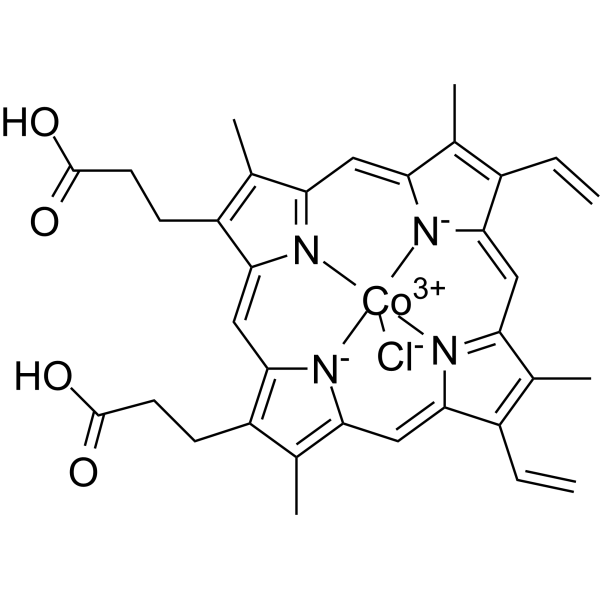
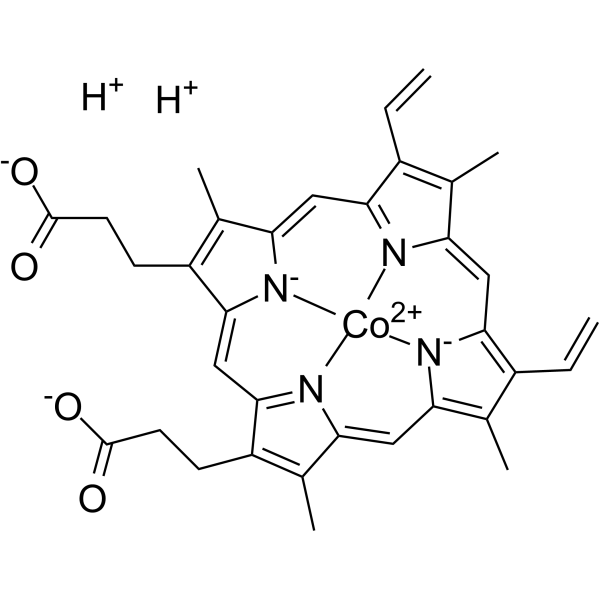
Co(III) protoporphyrin IX chloride (Protoporphyrin IX cobaltic chloride) is an inducer of HO-1. Co(III) protoporphyrin IX chloride has activities such as anti-inflammation and antibacterial properties. Co(III) protoporphyrin IX chloride can also be used in the research of ischemia-reperfusion injury models .
|
-
- HY-W127816
-
|
|
Biochemical Assay Reagents
|
|
Cr(III) Protoporphyrin IX Chloride is a biochemical reagent that can be used as a biological material or organic compound for life science related research.
|
| Cat. No. |
Nombre del producto |
Category |
Target |
Chemical Structure |
-
- HY-101193
-
-
-
- HY-B1247
-
-
-
- HY-N0305
-
|
5-ALA hydrochloride; δ-Aminolevulinic acid hydrochloride; 5-Amino-4-oxopentanoic acid hydrochloride
|
Structural Classification
Classification of Application Fields
Ketones, Aldehydes, Acids
Endogenous metabolite
Disease Research Fields
Cancer
|
Reactive Oxygen Species (ROS)
|
|
5-Aminolevulinic acid (5-ALA; δ-Aminolevulinic acid; 5-Amino-4-oxopentanoic acid) hydrochloride is an orally active heme precursor. 5-Aminolevulinic acid hydrochloride promotes aerobic energy metabolism and increases ATP levels by enhancing the activity of cytochrome c oxidase. 5-Aminolevulinic acid hydrochloride enhances LPS-induced proinflammatory cytokine production and gene activation, and restores the phagocytic activity and ROS generation capacity of neutrophils. 5-Aminolevulinic acid hydrochloride selectively accumulates protoporphyrin IX in tumor cells; as a photosensitizer and radiosensitizer, it induces ROS burst upon light or X-ray irradiation to inhibit tumor growth. 5-Aminolevulinic acid hydrochloride can be applied to the research of septic shock, melanoma, and cancer radiotherapy .
|
-
-
- HY-W000450
-
-
-
- HY-B1247R
-
|
PPIX (Standard)
|
Structural Classification
Human Gut Microbiota Metabolites
Microorganisms
Ketones, Aldehydes, Acids
Endogenous metabolite
Source Classification
|
Reference Standards
Endogenous Metabolite
|
|
Protoporphyrin IX (Standard) is the analytical standard of Protoporphyrin IX. This product is intended for research and analytical applications. Protoporphyrin IX is a final intermediate in the heme biosynthetic pathway, which acts as a radiation sensitizer enhancing ROS generation even in a hypoxic state and inducing DNA damage. Protoporphyrin IX also acts as a photo sensitizer undergoing photobleaching that occurs through direct degradation by light irradiation. Protoporphyrin IX is formed and accumulated following 5-aminolevulinic acid (5-ALA) (HY-W000450) administration in the tumor cells of rats. Protoporphyrin IX causes selective improvement of basal cell carcinoma when activated red fluorescence of a peak wavelength at 405 nm. Protoporphyrin IX is promising for research of sonodynamic and photodynamic agents for a wide range of cancers, such as bladder cancer and nodular basal cell carcinoma .
|
-
-
- HY-101193R
-
-
-
- HY-133100
-
-
-
- HY-W014394R
-
|
|
Structural Classification
Monophenols
other families
Phenols
Plants
Source Classification
|
TRP Channel
Reference Standards
Parasite
|
|
Protoporphyrin IX (Standard) is the analytical standard of Protoporphyrin IX. This product is intended for research and analytical applications. Protoporphyrin IX is a final intermediate in the heme biosynthetic pathway, which acts as a radiation sensitizer enhancing ROS generation even in a hypoxic state and inducing DNA damage. Protoporphyrin IX also acts as a photo sensitizer undergoing photobleaching that occurs through direct degradation by light irradiation. Protoporphyrin IX is formed and accumulated following 5-aminolevulinic acid (5-ALA) (HY-W000450) administration in the tumor cells of rats. Protoporphyrin IX causes selective improvement of basal cell carcinoma when activated red fluorescence of a peak wavelength at 405 nm. Protoporphyrin IX is promising for research of sonodynamic and photodynamic agents for a wide range of cancers, such as bladder cancer and nodular basal cell carcinoma .
|
-
Your information is safe with us. * Required Fields.
Inquiry Information
- Nombre del producto:
- Cat. No.:
- Cantidad:
- MCE Japan Authorized Agent:

