
Search Result
Results for "
respiratory chain complexes
" in MedChemExpress (MCE) Product Catalog:
1
Biochemical Assay Reagents
2
Isotope-Labeled Compounds
| Cat. No. |
Nombre del producto |
Target |
Áreas de investigación |
Chemical Structure |
-
- HY-W008719
-
|
|
Mitochondrial Metabolism
|
Neurological Disease
|
|
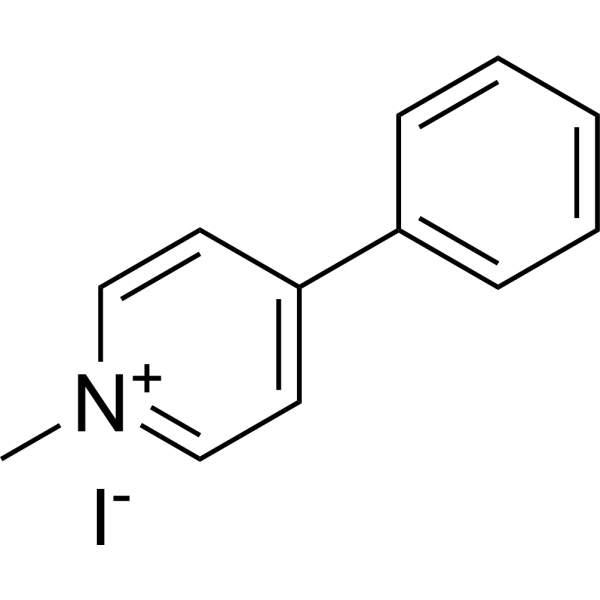
MPP+ iodide, a toxic metabolite of the neurotoxin MPTP, causes symptom of Parkinson's disease in animal models by selectively destroying dopaminergic neurons in substantia nigra. MPP+ iodide is taken up by the dopamine transporter into dopaminergic neurons where it exerts its neurotoxic action on mitochondria by affecting complex I of the respiratory chain. MPP+ iodide is also a high affinity substrate for the serotonin transporter (SERT) .
|
-
-
- HY-N6782
-
-
-
- HY-16397A
-
|
Phenethylbiguanide hydrochloride
|
Apoptosis
mTOR
Autophagy
Mitochondrial Metabolism
AMPK
|
Neurological Disease
Metabolic Disease
Cancer
|
|
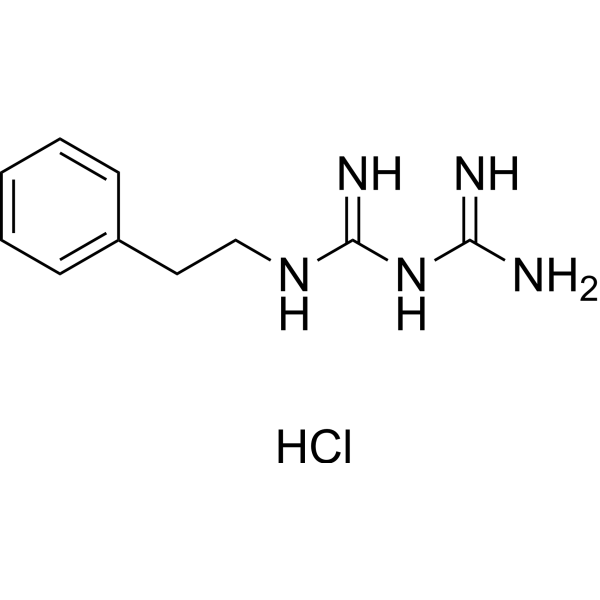
Phenformin (Phenethylbiguanide) hydrochloride is an orally active biguanide hypoglycemic agent. Phenformin hydrochloride inhibits mitochondrial respiratory chain complex I, leading to an increased AMP/ATP ratio, activation of AMPK, and subsequent inhibition of the mTOR pathway, thereby suppressing cell proliferation, inducing apoptosis and autophagy. Phenformin hydrochloride inhibits cancer stem cells (CSCs) and possesses potent antitumor potential .
|
-
-
- HY-101180
-
|
Ceramide 2
|
Phosphatase
Mitochondrial Metabolism
Apoptosis
Autophagy
|
Metabolic Disease
Endocrinology
|
|
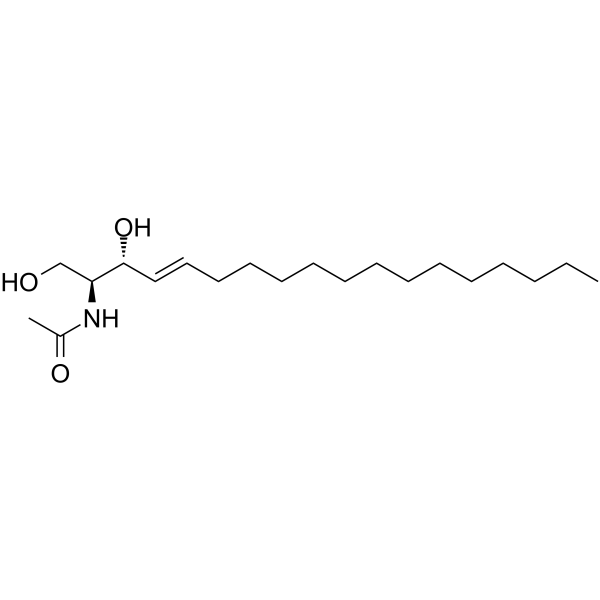
C2 Ceramide (Ceramide 2) is the main lipid of the stratum corneum and a protein phosphatase 1 (PP1) activator. C2 Ceramide activates PP2A and ceramide-activated protein phosphatase (CAPP). C2 Ceramide induces cells differentiation, autophagy and apoptosis, inhibits mitochondrial respiratory chain complex III. C2 Ceramide is also a skin conditioning agent that protects the epidermal barrier from water loss .
|
-
-
- HY-16397
-
|
Phenethylbiguanide
|
Mitochondrial Metabolism
AMPK
Apoptosis
Autophagy
mTOR
|
Neurological Disease
Metabolic Disease
Cancer
|
|
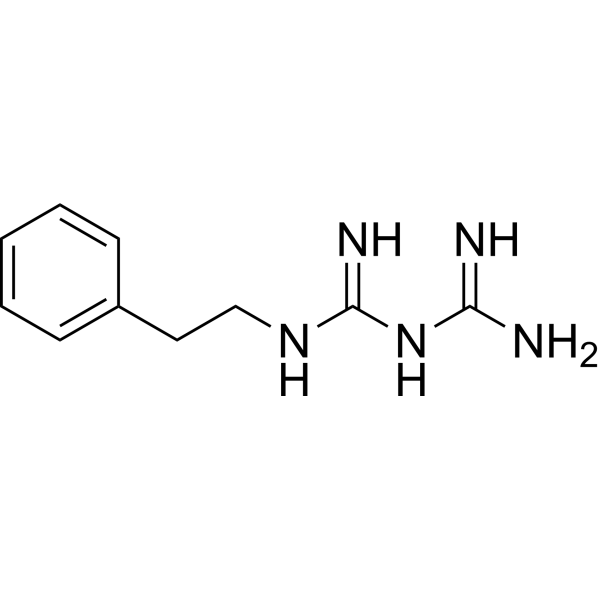
Phenformin (Phenethylbiguanide) is an orally active biguanide hypoglycemic agent. Phenformin inhibits mitochondrial respiratory chain complex I, leading to an increased AMP/ATP ratio, activation of AMPK, and subsequent inhibition of the mTOR pathway, thereby suppressing cell proliferation, inducing apoptosis and autophagy. Phenformin inhibits cancer stem cells (CSCs) and possesses potent antitumor potential .
|
-
-
- HY-113285
-
|
3-Ureidopropionic acid
|
Oxidative Phosphorylation
|
Metabolic Disease
|
|
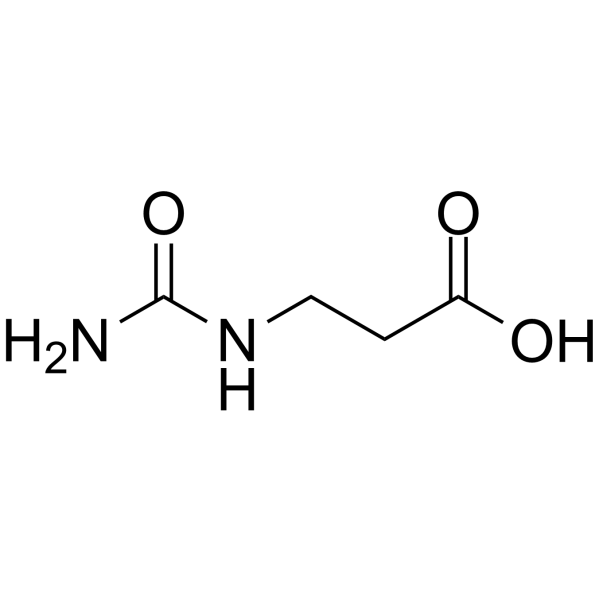
Ureidopropionic acid is a mitochondrial respiratory chain complex V inhibitor that selectively inhibits the activity of mitochondrial respiratory chain complex V, with no effect on respiratory chain complexes I-IV or mitochondrial fatty acid β-oxidation. Ureidopropionic acid induces the production of reactive oxygen species, delayed elevation of intracellular calcium concentration, secondary energy-dependent excitotoxicity and neurodegeneration in neurons. Ureidopropionic acid promotes neuropathological changes by impairing mitochondrial energy metabolism, oxidative stress and excitotoxicity pathways. Ureidopropionic acid can be used in studies related to 3-ureidopropionase deficiency and severe propionic aciduria .
|
-
-
- HY-113355
-
|
|
Endogenous Metabolite
Apoptosis
|
Neurological Disease
Inflammation/Immunology
Endocrinology
|
|
NADH is an orally active dehydrogenase coenzyme that acts as a crucial electron carrier in cellular respiration and participates in ATP production. NADH promotes metabolism, supports brain function, and counteracts oxidative stress by transferring electrons to the electron transport chain. As a signaling molecule, NADH regulates multiple biological processes, including anti-apoptosis, synaptic plasticity, gene expression, and calcium homeostasis. Redox imbalance of NADH/NAD⁺ is one of the key pathological mechanisms of various diseases, such as diabetic nephropathy, neurodegenerative diseases, and ischemia-reperfusion injury.
|
-
-
- HY-135549
-
-
-
- HY-126222A
-
|
|
Apoptosis
Mitochondrial Metabolism
|
Cancer
|
|
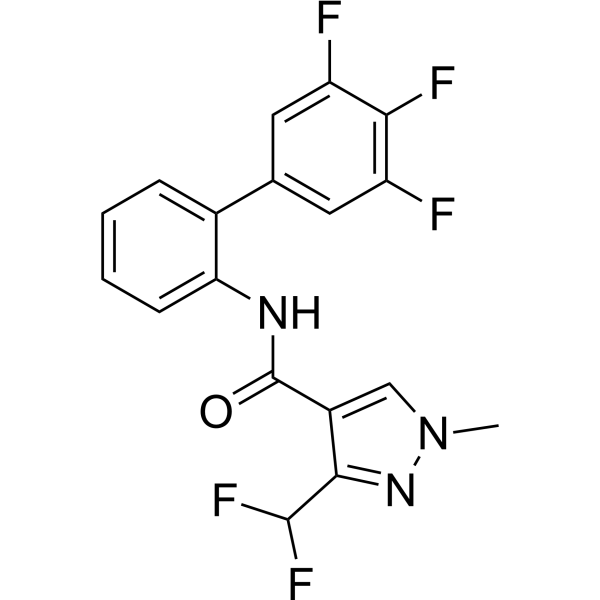
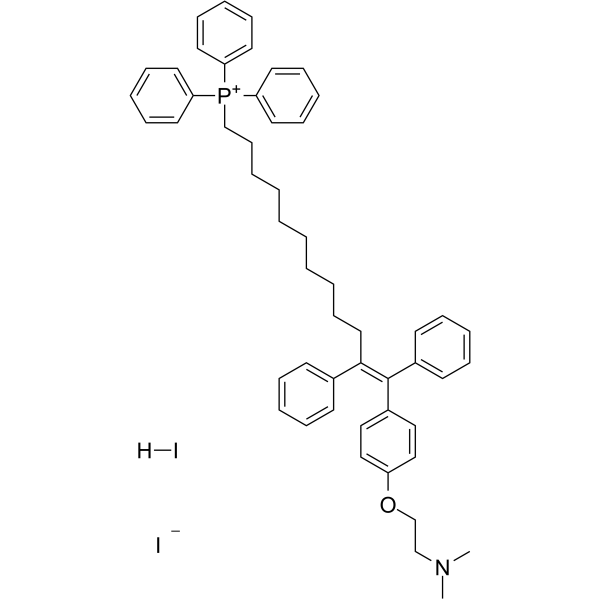
MitoTam iodide, hydriodide is a Tamoxifen derivative , an electron transport chain (ETC) inhibitor, spreduces mitochondrial membrane potential in senescent cells and affects mitochondrial morphology .
MitoTam iodide, hydriodide is an effective anticancer agent, suppresses respiratory complexes (CI-respiration) and disrupts respiratory supercomplexes (SCs) formation in breast cancer cells . MitoTam iodide, hydriodide causes apoptosis .
|
-
-
- HY-129115
-
|
|
Reactive Oxygen Species (ROS)
Caspase
|
Others
|
|
S1QEL1.1 is a small molecule inhibitor that specifically inhibits the generation of superoxide and hydrogen peroxide at the IQ site during reverse electron transfer in mitochondrial respiratory chain complex I (Complex I), with an IC50 of 0.07 μM. S1QEL1.1 can significantly reduce the activation of cysteine-aspartic protease (caspase) triggered by endoplasmic reticulum stress. S1QEL1.1 helps to decrease excessive proliferation of stem cells by inhibiting the Reactive Oxygen Species signaling pathway initiated by endoplasmic reticulum stress .
|
-
-
- HY-17520
-
|
MTF-753
|
Environmental Pollutants
Fungal
|
Infection
|
|
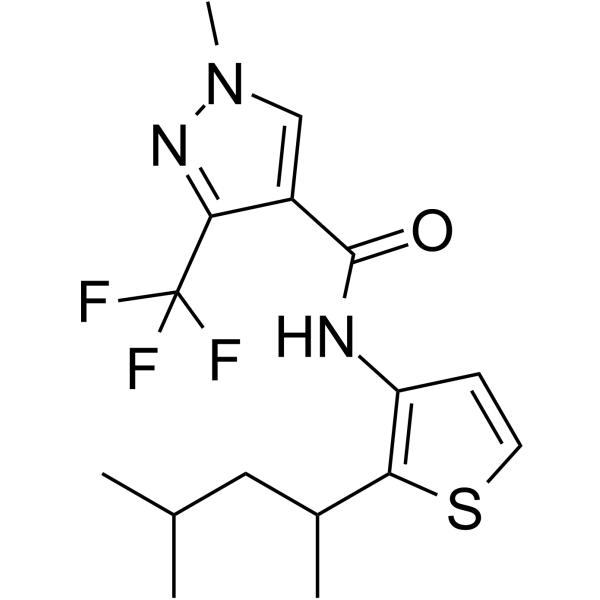
Penthiopyrad (MTF-753) is a carboxamide Fungicide. Penthiopyrad inhibits SDH. Penthiopyrad exhibits broad-spectrum antifungal activity, being effective not only against Basidiomycetes, but also against Ascomycetes and Deuteromycetes. Penthiopyrad inhibits the mycelial growth of Alternaria mali, Botrytis cinerea, Monilinia mali, Rhizoctonia solani and Sclerotinia sclerotiorum on PDA medium, with EC50 values ranging from <0.4 ppm to 0.34 ppm and MIC values ranging from 6.6 ppm to 47.9 ppm .
|
-
-
- HY-Y1366
-
|
|
Mitochondrial Metabolism
Reactive Oxygen Species (ROS)
Arp2/3 Complex
Apoptosis
|
Inflammation/Immunology
|
|
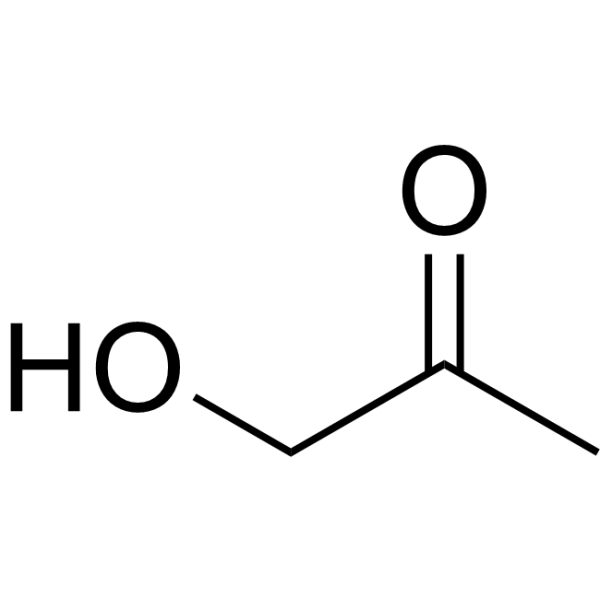
Hydroxyacetone is a toxic compound. Hydroxyacetone can be isolated from e-cigarette aerosols. Hydroxyacetone reduces the activity of cellular Mitochondrial reductase (with an IC50 of 5.53 mg/mL for mitochondrial reductase in BEAS-2B cells) and increases ROS levels. Hydroxyacetone induces mitochondrial stress and oxidative damage. Hydroxyacetone induces destabilization of F-actin. At high concentrations, Hydroxyacetone promotes cell rounding and Apoptotic body formation. Hydroxyacetone exerts toxic effects on cells including airway epithelial cells and possesses respiratory toxicity potential .\n
|
-
-
- HY-W014684
-
|
|
Environmental Pollutants
Keap1-Nrf2
Mitochondrial Metabolism
Reactive Oxygen Species (ROS)
|
Endocrinology
|
|
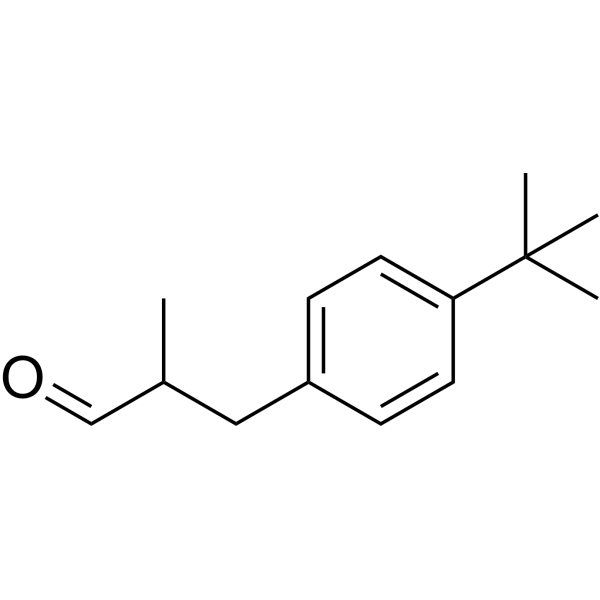
Lilial is a widely used synthetic fragrance and ester in consumer products. Lilial possesses estrogenic activity in vitro. Lilial can induce a toxic effect on mitochondria that causes a decrease in the viability of HaCaT cells. Lilial can increase NRF2 protein level in vitro. Lilial is able to target respiratory chain complexes, inhibit complexes I and II of the electron transport chain, increase the generation of reactive oxygen species, and decrease the level of intracellular ATP. Lilial can induce systemic toxicity in vivo. Lilial induces significant DNA strand breaks .
|
-
-
- HY-146145
-
|
|
Fungal
Mitochondrial Metabolism
|
Infection
|
|
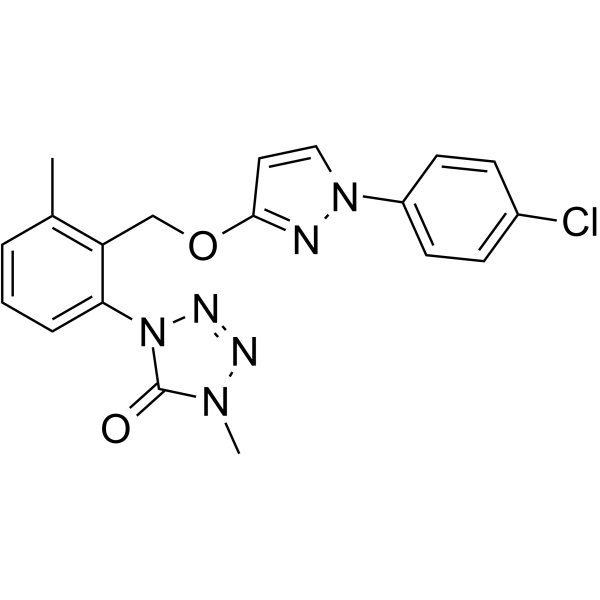
Metyltetraprole is a promising fungicide with EC50 values of both 0.002 ppm against sensitive wild-type and G143A mutant of Zymoseptoria tritici. Metyltetraprole is effective against QoI (quinone outside inhibitor) resistant strains. Metyltetraprole inhibits the respiratory chain via complex III .
|
-
-
- HY-125857B
-
|
|
Biochemical Assay Reagents
Apoptosis
Caspase
|
Metabolic Disease
|
|
Cytochrome C (Saccharomyces cerevisiae) is a type C cytochrome located in the intermembrane space of the mitochondria. As an electron carrier, Cytochrome C (Saccharomyces cerevisiae) transfers electrons between complex III (cytochrome c reductase) and complex IV (cytochrome c oxidase, CIV) of the respiratory chain. Cytochrome C (Saccharomyces cerevisiae) can play a crucial role in triggering apoptosis by being released from the mitochondria into the cytosol .
|
-
-
- HY-N9279
-
|
Monocrotaline pyrrole; MCTP; 3,8-Didehydromonocrotaline
|
Endogenous Metabolite
|
Cardiovascular Disease
Cancer
|
|
Dehydromonocrotaline is a mitochondrial respiratory chain complex I NADH oxidase inhibitor, with a IC50 of 62.06 μM and a Ki of 8.1 μM in rats. Dehydromonocrotaline exerts non-competitive inhibitory effects by modifying cysteine thiol groups on complex I, and does not bind to the NADH-binding site. Dehydromonocrotaline dissipates mitochondrial membrane potential and reduces ATP levels. Dehydromonocrotaline can be used in studies related to hepatotoxicity, pulmonary hypertension and liver tumors .
|
-
-
- HY-W049881
-
|
|
Dopamine Receptor
PI3K
Monoamine Oxidase
|
Neurological Disease
|
|
9-Methyl-β-carboline is a monoamine oxidase inhibitor and dopaminergic modulator, with an IC50 of 1 μM against human MAO-A and an IC50 of 15.5 μM against human MAO-B. 9-Methyl-β-carboline possesses cognitive enhancement potential and can cross the blood-brain barrier. 9-Methyl-β-carboline increases dopamine levels by inhibiting monoamine oxidase activity and microglial proliferation. 9-Methyl-β-carboline activates PKA/PKC and mitochondrial respiratory chain complex I, promotes neurotrophic factor expression and reduces α-synuclein (α-synuclein) levels, thereby reversing neurotoxin-induced dopaminergic neuron damage. 9-Methyl-β-carboline also regulates the PI3K pathway and exerts an anti-proliferative effect on astrocytes. 9-Methyl-β-carboline is widely used in Parkinson's disease-related studies .
|
-
-
- HY-126222
-
|
|
Apoptosis
Mitochondrial Metabolism
|
Cancer
|
|
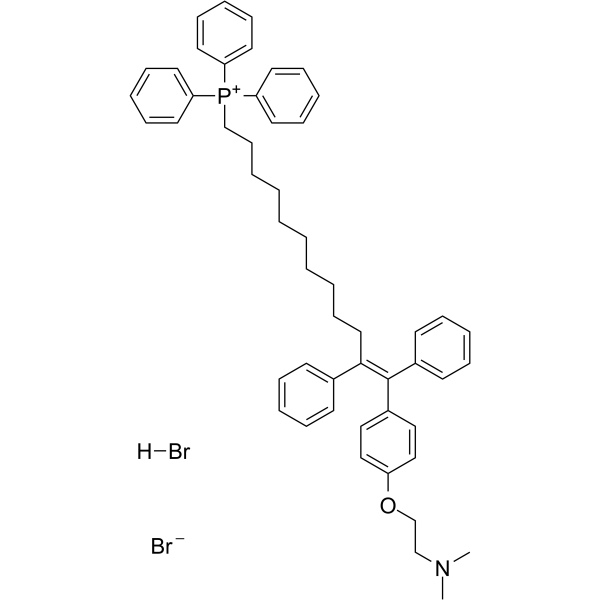
MitoTam bromide, hydrobromide, a Tamoxifen derivative , is an electron transport chain (ETC) inhibitor. MitoTam bromide, hydrobromide reduces mitochondrial membrane potential in senescent cells and affects mitochondrial morphology . MitoTam bromide, hydrobromide is an effective anticancer agent, suppresses respiratory complexes (CI-respiration) and disrupts respiratory supercomplexes (SCs) formation in breast cancer cells .
|
-
-
- HY-117897
-
CK-2-68
1 Publications Verification
|
Parasite
|
Infection
|
|
CK-2-68 is an inhibitor for complex III in protozoan mitochondrial respiratory chain, by targeting the alternative NADH dehydrogenase (NDH2) of the malarial parasite Plasmodium. CK-2-68 exhibits antimalaria efficacy, that inhibits Plasmodium falciparum infected erythrocytes with an IC50 of 40 nM .
|
-
-
- HY-162650
-
|
|
ClpP
|
Cancer
|
|
SL44 is an agonist for human caseinolytic protease P (HsClpP), with an EC50 of 1.30 μM. SL44 inhibits the proliferation of LM3 with an IC50 of 3.1 μM. SL44 induces apoptosis in HCC cells, through the degradation of respiratory chain complex subunits. SL44 exhibits antitumor efficacy in mouse models without obvious toxicity (LD50=400 mg/kg). SL44 exhibits good pharmacokinetic characters in rat models .
|
-
-
- HY-155556
-
|
|
ClpP
|
Cancer
|
|
ZG36 is a human Caseinolytic protease P (ClpP) agonist. ZG36 non-selectively degrades respiratory chain complexes and reduces mitochondrial DNA, ultimately leading to mitochondrial dysfunction and leukemic cell death. ZG36 also inhibits the development of acute myeloid leukemia in a xenograft mouse model .
|
-
-
- HY-112847B
-
|
(E/Z)-Sulfo-N-succinimidyl oleate sodium
|
Transmembrane Glycoprotein
Mitochondrial Metabolism
Drug Isomer
|
Inflammation/Immunology
|
|
(E/Z)-Sulfosuccinimidyl oleate sodium is the racemate of (E)-Sulfosuccinimidyl oleate sodium and (Z)-Sulfosuccinimidyl oleate sodium. Sulfosuccinimidyl oleate sodium (Sulfo-N-succinimidyl oleate sodium) is a long-chain fatty acid that inhibits fatty acid transport into cells. Sulfosuccinimidyl oleate sodium is a potent and irreversible inhibitor of the mitochondrial respiratory chain. Sulfosuccinimidyl oleate sodium binds to the CD36 receptor on the surface of microglial cells. Sulfosuccinimidyl oleate sodium exhibits anti-inflammatory effects .
|
-
-
- HY-132178B
-
|
|
Biochemical Assay Reagents
|
Metabolic Disease
|
|
Cytochrome C oxidase (complex IV) (EC 7.1.1.9) is the unique terminal oxidase of the mitochondrial respiratory chain (RC) in mammals. Cytochrome C oxidase is made up of thirteen subunits that catalyze the transfer of electrons from ferro-cytochrome c to molecular oxygen .
|
-
-
- HY-W008719S
-
|
|
Mitochondrial Metabolism
|
Neurological Disease
|
|
MPP+-d3 (iodide) is deuterium labeled MPP+ (iodide). MPP+ iodide, a toxic metabolite of the neurotoxin MPTP, causes symptom of Parkinson's disease in animal models by selectively destroying dopaminergic neurons in substantia nigra. MPP+ iodide is taken up by the dopamine transporter into dopaminergic neurons where it exerts its neurotoxic action on mitochondria by affecting complex I of the respiratory chain. MPP+ iodide is also a high affinity substrate for the serotonin transporter (SERT) .
|
-
-
- HY-139205
-
-
-
- HY-W014684R
-
|
|
Reference Standards
Keap1-Nrf2
Reactive Oxygen Species (ROS)
Mitochondrial Metabolism
|
Endocrinology
|
|
Lilial (Standard) is the analytical standard of Lilial. This product is intended for research and analytical applications. Lilial is a widely used synthetic fragrance and ester in consumer products. Lilial possesses estrogenic activity in vitro. Lilial can induce a toxic effect on mitochondria that causes a decrease in the viability of HaCaT cells. Lilial can increase NRF2 protein level in vitro. Lilial is able to target respiratory chain complexes, inhibit complexes I and II of the electron transport chain, increase the generation of reactive oxygen species, and decrease the level of intracellular ATP. Lilial can induce systemic toxicity in vivo. Lilial induces significant DNA strand breaks .
|
-
-
- HY-W715444
-
-
-
- HY-126222B
-
|
MitoTax iodide, hydriodide
|
Mitochondrial Metabolism
Apoptosis
|
Cancer
|
|
(E/Z)-MitoTam (iodide, hydriodide) (MitoTam (iodide, hydriodide)) is the E/Z mixture of MitoTam iodide, hydriodide. MitoTam iodide, hydriodide is a Tamoxifen derivative , an electron transport chain (ETC) inhibitor, spreduces mitochondrial membrane potential in senescent cells and affects mitochondrial morphology . MitoTam iodide, hydriodide is an effective anticancer agent, suppresses respiratory complexes (CI-respiration) and disrupts respiratory supercomplexes (SCs) formation in breast cancer cells . MitoTam iodide, hydriodide causes apoptosis .
|
-
-
- HY-135549R
-
|
|
Reference Standards
Antibiotic
Fungal
Succinate Dehydrogenase
Cytochrome P450
|
Infection
Inflammation/Immunology
|
|
Fluxapyroxad (Standard) is the analytical standard of Fluxapyroxad. This product is intended for research and analytical applications. Fluxapyroxad is a synthetic broad-spectrum fungicide for the control of fungal diseases. It works by inhibiting succinate dehydrogenase in complex II of the mitochondrial respiratory chain, resulting in inhibition of spore germination, germ tubes and mycelia growth within the fungus target species .
|
-
-
- HY-16397AS
-
|
Phenethylbiguanide-d5 hydrochloride
|
Isotope-Labeled Compounds
Apoptosis
mTOR
Autophagy
Mitochondrial Metabolism
AMPK
|
Neurological Disease
Metabolic Disease
Cancer
|
|
Phenformin-d5 (Phenethylbiguanide-d5) hydrochloride is the deuterium labeled Phenformin hydrochloride. Phenformin hydrochloride is an orally active biguanide hypoglycemic agent. Phenformin hydrochloride inhibits mitochondrial respiratory chain complex I, leading to an increased AMP/ATP ratio, activation of AMPK, and subsequent inhibition of the mTOR pathway, thereby suppressing cell proliferation, inducing apoptosis and autophagy. Phenformin hydrochloride inhibits cancer stem cells (CSCs) and possesses potent antitumor potential.
|
-
-
- HY-16397R
-
|
Phenethylbiguanide (Standard)
|
Reference Standards
Apoptosis
mTOR
Autophagy
Mitochondrial Metabolism
AMPK
|
Neurological Disease
Metabolic Disease
Cancer
|
|
Phenformin (Phenethylbiguanide) (Standard) is the analytical standard of Phenformin (HY-16397). This product is intended for research and analytical applications. Phenformin (Phenethylbiguanide) is an orally active biguanide hypoglycemic agent. Phenformin inhibits mitochondrial respiratory chain complex I, leading to an increased AMP/ATP ratio, activation of AMPK, and subsequent inhibition of the mTOR pathway, thereby suppressing cell proliferation, inducing apoptosis and autophagy. Phenformin inhibits cancer stem cells (CSCs) and possesses potent antitumor potential.
|
-
-
- HY-16397AR
-
|
Phenethylbiguanide hydrochloride (Standard)
|
Reference Standards
Apoptosis
mTOR
Autophagy
Mitochondrial Metabolism
AMPK
|
Neurological Disease
Metabolic Disease
Cancer
|
|
Phenformin (Phenethylbiguanide) hydrochloride (Standard) is the analytical standard of Phenformin hydrochloride (HY-16397). This product is intended for research and analytical applications. Phenformin hydrochloride (Phenethylbiguanide) is an orally active biguanide hypoglycemic agent. Phenformin hydrochloride inhibits mitochondrial respiratory chain complex I, leading to an increased AMP/ATP ratio, activation of AMPK, and subsequent inhibition of the mTOR pathway, thereby suppressing cell proliferation, inducing apoptosis and autophagy. Phenformin hydrochloride inhibits cancer stem cells (CSCs) and possesses potent antitumor potential.
|
-
-
- HY-17516R
-
|
|
Reference Standards
Insecticide
Bacterial
Mitochondrial Metabolism
|
Infection
|
|
Tolfenpyrad (Standard) is the analytical standard of Tolfenpyrad (HY-17516). This product is intended for research and analytical applications. Tolfenpyrad is an orally active insecticide, acaricide and antibacterial agent. Tolfenpyrad inhibits Complex I in the mitochondrial respiratory electron transport chain, interfering with the cell respiration process. Tolfenpyrad has significant insecticidal activity against a variety of insect pests such as H. contortus, Coccinella septempunctata. Tolfenpyrad has antibacterial activity against Francisella novicida, with an IC50 of 1.2 µM or 1.5 µM .
|
-
-
- HY-138439
-
|
|
Mitochondrial Metabolism
|
Infection
|
|
Mandestrobin is a mitochondrial respiratory chain complex III inhibitor with bactericidal activity. The enantiomers of Mandestrobin exhibit differential bactericidal activity, with the R-enantiomer showing higher activity than the S-enantiomer .
|
-
-
- HY-183705
-
|
|
Fungal
Mitochondrial Metabolism
ATP Synthase
|
Infection
|
|
Antimicrobial agent-50 (Compound C2) is an anti-oomycete and Fungicidal agent. Antimicrobial agent-50 inhibits the activity of Mitochondrial respiratory chain complex III with an IC50 of 6.05 mg/L. Antimicrobial agent-50 inhibits ATP synthesis. Antimicrobial agent-50 exhibits protective activity against Phytophthora capsici in vivo. Antimicrobial agent-50 potently inhibits mycelial growth of Gaeumannomyces graminis, Rhizoctonia solani and Phytophthora capsici, with EC50 values of 2.97 mg/L, 1.86 mg/L and 0.74 mg/L, respectively .
|
-
-
- HY-131453
-
|
|
Mitochondrial Metabolism
|
Cardiovascular Disease
Inflammation/Immunology
|
|
Mitochondrial respiration-IN-1 is a mitochondrial respiratory inhibitor. Mitochondrial respiration-IN-1 reduces platelet aggregation, adhesion, and platelet-induced coagulation responses. Mitochondrial respiration-IN-1 induces adaptive glycolysis, decreases mitochondrial membrane potential, selectively reduces ATP production derived from oxidative phosphorylation, and exerts bidirectional regulatory effects on cell proliferation. Mitochondrial respiration-IN-1 activates UPRmt and upregulates the expression of SDHA-1 and MT-CO1. Mitochondrial respiration-IN-1 restores metabolic homeostasis in type 2 diabetic mice. Mitochondrial respiration-IN-1 can be used to investigate diseases mediated by inappropriate platelet activation/aggregation and type 2 diabetes .
|
-
-
- HY-12983B
-
|
|
Drug Metabolite
DNA/RNA Synthesis
|
Infection
|
|
ALS-8112-TP is the 5'-triphosphate metabolite of ALS-8112 (HY-12983). ALS-8112-TP is a potent, selective and competitive respiratory syncytial virus (RSV) RNA polymerase inhibitor, with selectivity against polymerases from host or viruses unrelated to RSV such as hepatitis C virus (HCV). ALS-8112-TP can be efficiently recognized by the recombinant RSV polymerase complex, causing chain termination of RNA synthesis. ALS-8112-TP can be used for RSV-infection research .
|
-
-
- HY-181602
-
|
|
ATP Synthase
COX
Oxidative Phosphorylation
AMPK
|
Cancer
|
|
ATP Synthesis-IN-4 is a mitochondria-targeted small-molecule ligand that inhibits ATP synthesis. ATP Synthesis-IN-4 binds to mtDNA G4s in melanoma cells, thereby inducing changes in mitochondrial metabolism and inhibiting cell proliferation. ATP Synthesis-IN-4 suppresses the translation of key mitochondrial respiratory chain proteins (CYTB, ATP8, COX1, COX3, ND2) in melanoma cells, downregulates the expression of OXPHOS complexes, activates the phosphorylation of AMPK, and induces metabolic reprogramming to upregulate glycolysis. ATP Synthesis-IN-4 is applicable to relevant research on melanoma .
|
-
-
- HY-181934
-
|
|
ClpP
Reactive Oxygen Species (ROS)
Mitochondrial Metabolism
|
Cancer
|
|
ClpP activator-2 (Compound GU18) is a ClpP activator with a Kd of 5.01 μM for HsClpP. ClpP activator-2 enhances the proteolytic activity of HsClpP and promotes the degradation of α-casein by HsClpP, with an EC50 of 1.09 μM. ClpP activator-2 induces the accumulation of mitochondrial reactive oxygen species (ROS), leading to damage to mitochondrial structure and function. ClpP activator-2 exhibits significant in vivo anti-multiple myeloma activity .
|
-
| Cat. No. |
Nombre del producto |
Type |
-
- HY-125857B
-
|
|
Biochemical Assay Reagents
|
|
Cytochrome C (Saccharomyces cerevisiae) is a type C cytochrome located in the intermembrane space of the mitochondria. As an electron carrier, Cytochrome C (Saccharomyces cerevisiae) transfers electrons between complex III (cytochrome c reductase) and complex IV (cytochrome c oxidase, CIV) of the respiratory chain. Cytochrome C (Saccharomyces cerevisiae) can play a crucial role in triggering apoptosis by being released from the mitochondria into the cytosol .
|
| Cat. No. |
Nombre del producto |
Category |
Target |
Chemical Structure |
-
- HY-N6782
-
-
-
- HY-113285
-
|
3-Ureidopropionic acid
|
Structural Classification
Classification of Application Fields
Ketones, Aldehydes, Acids
Other Diseases
Endogenous metabolite
Disease Research Fields
|
Oxidative Phosphorylation
|
|
Ureidopropionic acid is a mitochondrial respiratory chain complex V inhibitor that selectively inhibits the activity of mitochondrial respiratory chain complex V, with no effect on respiratory chain complexes I-IV or mitochondrial fatty acid β-oxidation. Ureidopropionic acid induces the production of reactive oxygen species, delayed elevation of intracellular calcium concentration, secondary energy-dependent excitotoxicity and neurodegeneration in neurons. Ureidopropionic acid promotes neuropathological changes by impairing mitochondrial energy metabolism, oxidative stress and excitotoxicity pathways. Ureidopropionic acid can be used in studies related to 3-ureidopropionase deficiency and severe propionic aciduria .
|
-
-
- HY-113355
-
|
|
Human Gut Microbiota Metabolites
Microorganisms
Endogenous metabolite
Source Classification
|
Endogenous Metabolite
Apoptosis
|
|
NADH is an orally active dehydrogenase coenzyme that acts as a crucial electron carrier in cellular respiration and participates in ATP production. NADH promotes metabolism, supports brain function, and counteracts oxidative stress by transferring electrons to the electron transport chain. As a signaling molecule, NADH regulates multiple biological processes, including anti-apoptosis, synaptic plasticity, gene expression, and calcium homeostasis. Redox imbalance of NADH/NAD⁺ is one of the key pathological mechanisms of various diseases, such as diabetic nephropathy, neurodegenerative diseases, and ischemia-reperfusion injury.
|
-
-
- HY-Y1366
-
-
-
- HY-N9279
-
|
Monocrotaline pyrrole; MCTP; 3,8-Didehydromonocrotaline
|
Pyrrolizidine Alkaloids
Structural Classification
Alkaloids
Endogenous metabolite
Source Classification
|
Endogenous Metabolite
|
|
Dehydromonocrotaline is a mitochondrial respiratory chain complex I NADH oxidase inhibitor, with a IC50 of 62.06 μM and a Ki of 8.1 μM in rats. Dehydromonocrotaline exerts non-competitive inhibitory effects by modifying cysteine thiol groups on complex I, and does not bind to the NADH-binding site. Dehydromonocrotaline dissipates mitochondrial membrane potential and reduces ATP levels. Dehydromonocrotaline can be used in studies related to hepatotoxicity, pulmonary hypertension and liver tumors .
|
-
| Cat. No. |
Nombre del producto |
Chemical Structure |
-
- HY-W008719S
-
|
|
|
MPP+-d3 (iodide) is deuterium labeled MPP+ (iodide). MPP+ iodide, a toxic metabolite of the neurotoxin MPTP, causes symptom of Parkinson's disease in animal models by selectively destroying dopaminergic neurons in substantia nigra. MPP+ iodide is taken up by the dopamine transporter into dopaminergic neurons where it exerts its neurotoxic action on mitochondria by affecting complex I of the respiratory chain. MPP+ iodide is also a high affinity substrate for the serotonin transporter (SERT) .
|
-
-
- HY-16397AS
-
|
|
|
Phenformin-d5 (Phenethylbiguanide-d5) hydrochloride is the deuterium labeled Phenformin hydrochloride. Phenformin hydrochloride is an orally active biguanide hypoglycemic agent. Phenformin hydrochloride inhibits mitochondrial respiratory chain complex I, leading to an increased AMP/ATP ratio, activation of AMPK, and subsequent inhibition of the mTOR pathway, thereby suppressing cell proliferation, inducing apoptosis and autophagy. Phenformin hydrochloride inhibits cancer stem cells (CSCs) and possesses potent antitumor potential.
|
-
Your information is safe with us. * Required Fields.
Inquiry Information
- Nombre del producto:
- Cat. No.:
- Cantidad:
- MCE Japan Authorized Agent:

