

Search Result
Results for "
segmental
" in MedChemExpress (MCE) Product Catalog:
10
Biochemical Assay Reagents
4
Isotope-Labeled Compounds
| Cat. No. |
Product Name |
Target |
Research Areas |
Chemical Structure |
-
- HY-P0093
-
|
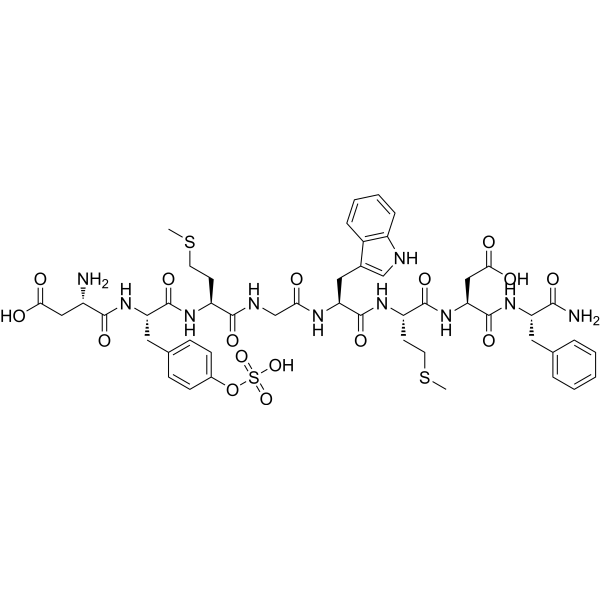
Cholecystokinin octapeptide; CCK-8; SQ19844
|
Cholecystokinin Receptor
Apoptosis
PI3K
Akt
|
Infection
Cancer
|
|
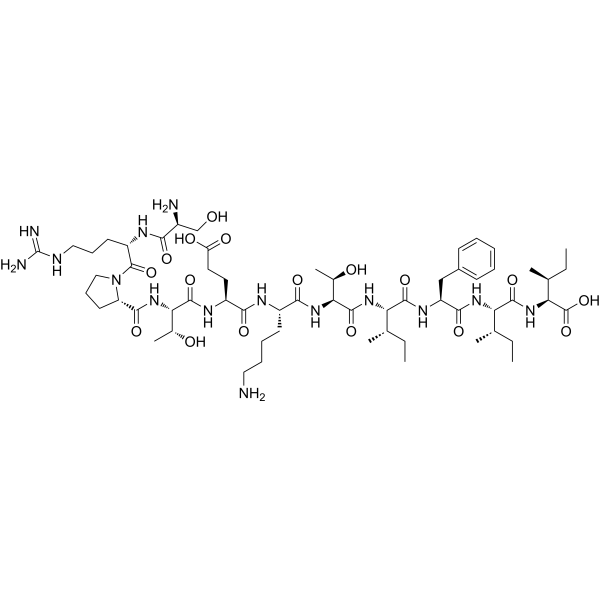
Sincalide (Cholecystokinin octapeptide, CCK-8) is a rapid-acting amino acid polypeptide hormone analogue of cholecystokinin (CCK) for intravenous use in postevacuation cholecystography. Sincalide is a major bioactive segment of CCK that retains most of the biological activities of CCK. Sincalide can promote gallbladder contraction by injection and helps diagnose gallbladder and pancreas disorders. Sincalide can increase bile secretion, cause the gallbladder to contract and relax the sphincter of Oddi, resulting in bile drainage into the duodenum. Sincalide is a major bioactive segment of CCK that retains most of the biological activities of CCK .
|
-
-
- HY-B0172A
-
|
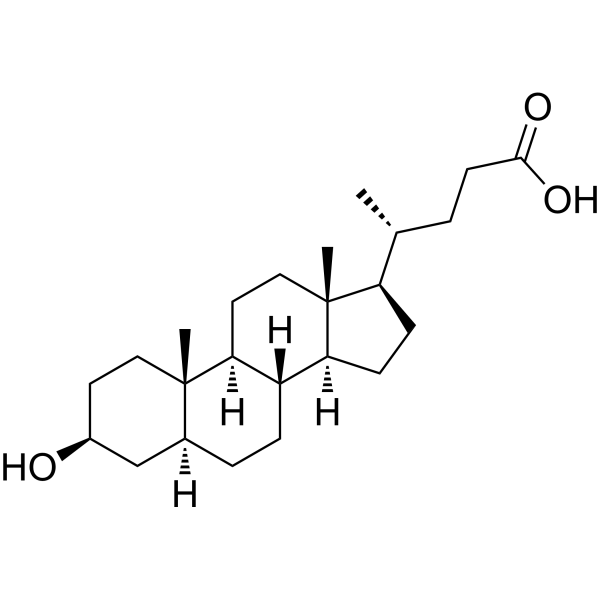
3β-Hydroxy-5α-cholanic acid
|
Drug Derivative
|
Inflammation/Immunology
|
|
Isoallolithocholic acid (3β-Hydroxy-5α-cholanic acid), a derivative of Lithocholic acid (HY-10219), is a T cell regulator. Isoallolithocholic acid enhances regulatory T cells (Tregs) differentiation .
|
-
-
- HY-12717
-
|
|
Adrenergic Receptor
|
Cardiovascular Disease
Endocrinology
|
|
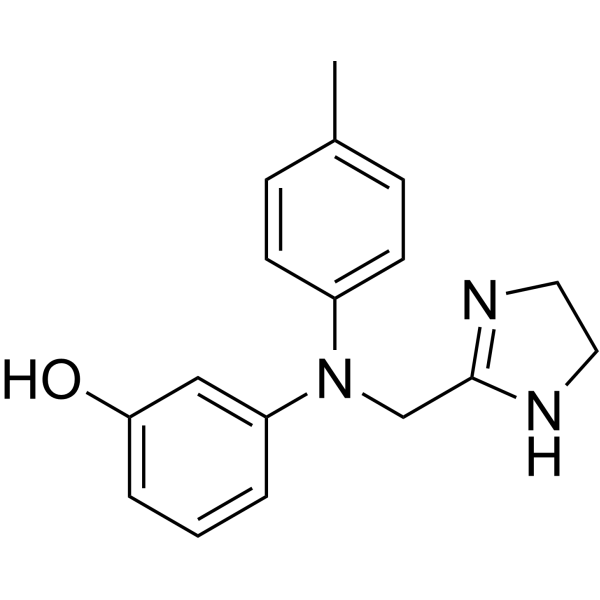
Phentolamine is an orally active, selective α1 and α2 Adrenergic receptor antagonist. Phentolamine antagonizes the vasodilatory effect of Cromakalim (HY-110011) on isolated circumflex coronary artery segments in dogs. Phentolamine reduces systemic vascular resistance and increases cardiac output. Phentolamine improves erectile dysfunction. Phentolamine can be used for the research of erectile dysfunction .
|
-
-
- HY-122464
-
|
|
Herbicide
|
Others
|
|
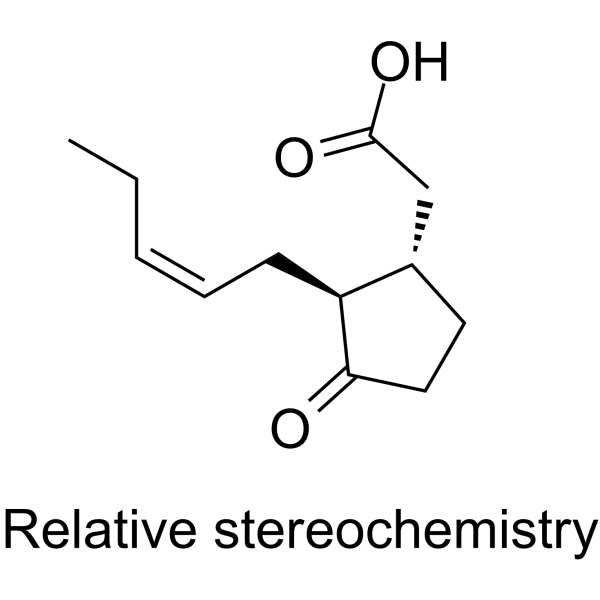
(±)-Jasmonic acid is an endogenous growth regulator closely related to plant resistance to abiotic stresses, used to activate defense responses to wounding, herbivory, and pathogen attacks. (±)-Jasmonic acid does not play an independent regulatory role, but works in a complex signaling network with other plant hormone signaling pathways. In addition, (±)-Jasmonic acid can also reduce chlorophyll levels in green and etiolated barley leaf segments and inhibit the elongation of rice seedlings .
|
-
-
- HY-122051
-
AC1903
1 Publications Verification
|
TRP Channel
|
Metabolic Disease
|
|
AC1903 is a specific and selective inhibitor of TRPC5 and has podocyte-protective properties. AC1903 does no effects on TRPC4 or TRPC6 currents and shows no off-target effects in kinase profiling assays. AC1903 suppresses severe proteinuria and prevents podocyte loss in focal segmental glomerulosclerosis (FSGS) rat model .
|
-
-
- HY-P0139
-
Gap 27
Maximum Cited Publications
7 Publications Verification
|
Gap Junction Protein
|
Cardiovascular Disease
|
|
Gap 27, a synthetic connexin43 mimetic peptide, is a gap junction inhibitor. Gap 27 possesses conserved sequence homology to a portion of the second extracellular loop leading into the fourth transmembrane connexin segment .
|
-
-
- HY-15311
-
-
-
- HY-15794
-
|
Methoxymorpholinyl doxorubicin; FCE 23762; PNU 152243
|
G-quadruplex
|
Cancer
|
|
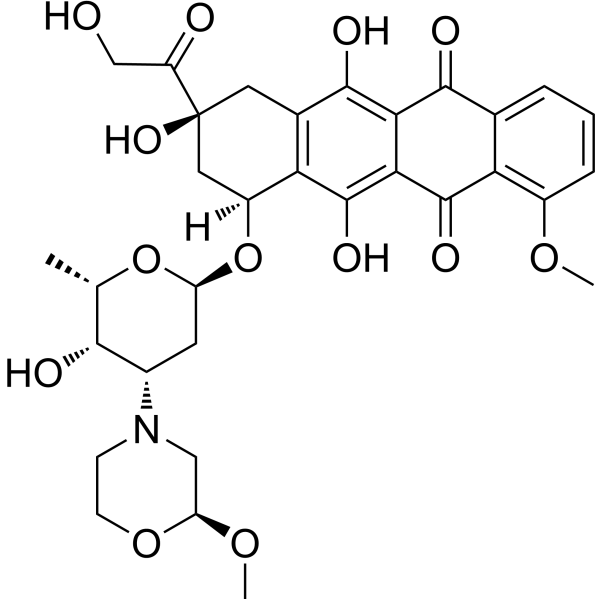
Nemorubicin (Methoxymorpholinyl doxorubicin) is a Doxorubicin derivative with potent antitumor activity. Nemorubicin is highly cytotoxic to a variety of tumor cell lines presenting a multidrug-resistant phenotype. Nemorubicin not only intercalate into the duplex DNA, but also result in significant ligands for G-quadruplex DNA segments, stabilizing their structure. Nemorubicin requirs an intact nucleotide excision repair (NER) system to exert its activity .
|
-
-
- HY-14895
-
|
CM346
|
Parasite
Monoamine Oxidase
Sigma Receptor
P-glycoprotein
|
Infection
Cardiovascular Disease
Neurological Disease
|
|
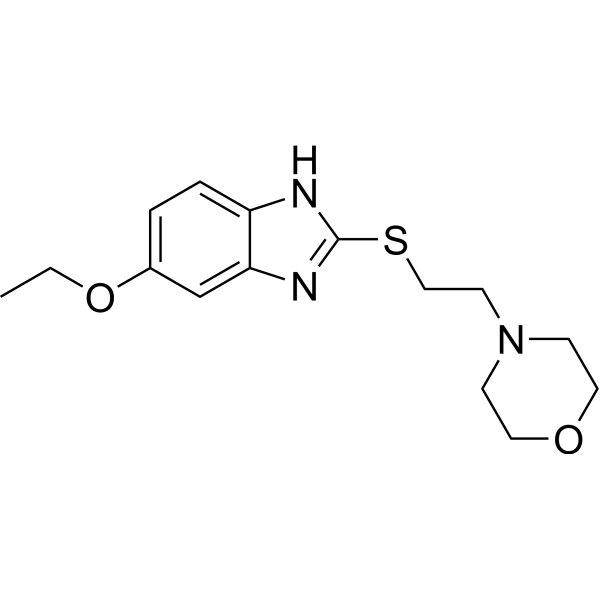
Fabomotizole (CM346) is an insecticide with anxiolytic, antianxiety, and neuroprotective activities and a substrate of p-glycoprotein. Fabomotizole inhibits the ST-segment depression induced by isoproterenol in a rat model of acute subendocardial ischemia. Fabomotizole also inhibits Giardia lamblia and has the potential to inhibit giardiasis. Fabomotizole also targets Sigma1R, NRH:quinone reductase 2 (NQO2), and MAO-A to exert anxiolytic effects .
|
-
-
- HY-W440896
-
|
|
Liposome
|
Others
|
|
DSPE-PEG2000-SH is an amphiphilic thiol-functionalized DSPE-PEG molecule. DSPE-PEG2000-SH inserts into extracellular vesicle (EV) bilayer membranes via hydrophobic interactions, displaying surface thiol groups to form EV-SH crosslinkers.DSPE-PEG2000-SH enables crosslinking of EV-SH with 8-arm PEG-norbornene via thiol-ene photochemistry to construct hydrogels, with hydrogel mechanical properties tunable via PEG segment molecular weight variation.DSPE-PEG2000-SH can be used to encapsulate agents for drug delivery system, such as mRNA vaccine .
|
-
-
- HY-P3522
-
|
|
Integrin
|
Cardiovascular Disease
|
|
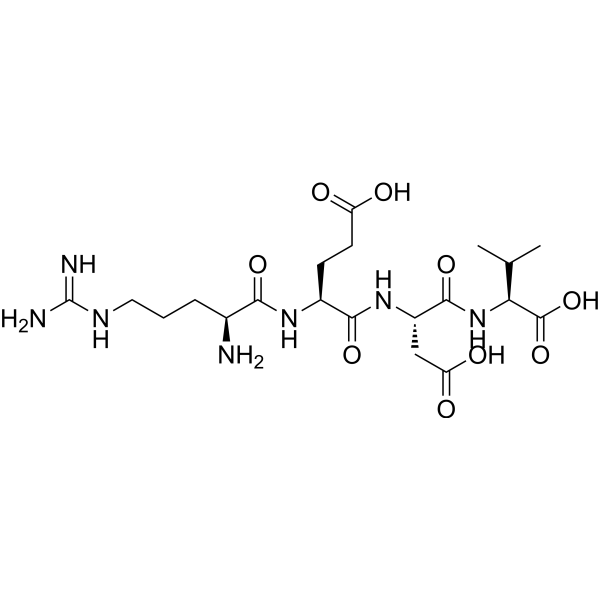
REDV is the minimal active sequence within the CS5 site of the alternatively spliced type III connecting segment (IIICS) region of fibronectin. REDV can mediate adhesion to the IIICS region of plasma fibronectin by binding the integrin alpha 4 beta 1(α4β1). REDV can be used for the research of cell adhesion. REDV is used to study the effects of gene vectors containing REDV on cells .
|
-
-
- HY-135470
-
|
P-7138
|
Bacterial
|
Infection
|
|
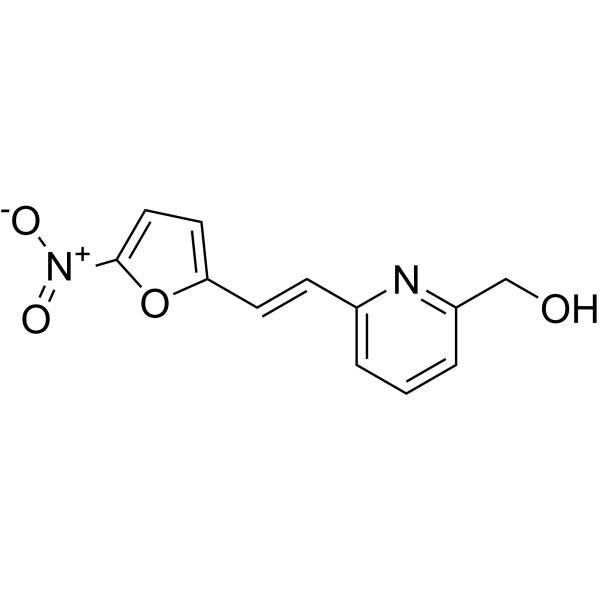
Nifurpirinol (P-7138) is a selective prosubstrate of bacterial nitroreductase (NTR). NTR catalyzes the reduction of nifurpirinol to generate cytotoxic metabolites that induce apoptosis in target cells. Nifurpirinol selectively ablates NTR-expressing cells such as pancreatic β cells, osteoblasts, dopaminergic neurons, and podocytes in transgenic zebrafish models. Nifurpirinol can be used in regeneration studies and disease modeling such as focal segmental glomerulosclerosis (FSGS) .
|
-
-
- HY-P99315
-
|
BG 9588; Anti-Human CD40L Recombinant Antibody; Hu5c8
|
TNF Receptor
|
Inflammation/Immunology
|
|
Ruplizumab (BG 9588) is a humanized anti-CD40L IgG1κ monoclonal antibody. By binding to CD40L, Ruplizumab blocks its interaction with the CD40 receptor, inhibits T-B cell costimulatory signals, and mediates the depletion of activated T cells via the Fc segment. Ruplizumab has immunosuppressive effects. Ruplizumab can be used in the study of systemic lupus erythematosus, organ transplant rejection, and autoimmune diseases. Recommend Isotype Controls: Human IgG1 kappa, Isotype Control (HY-P99001) .
|
-
-
- HY-12717A
-
|
|
Adrenergic Receptor
|
Cardiovascular Disease
Endocrinology
|
|
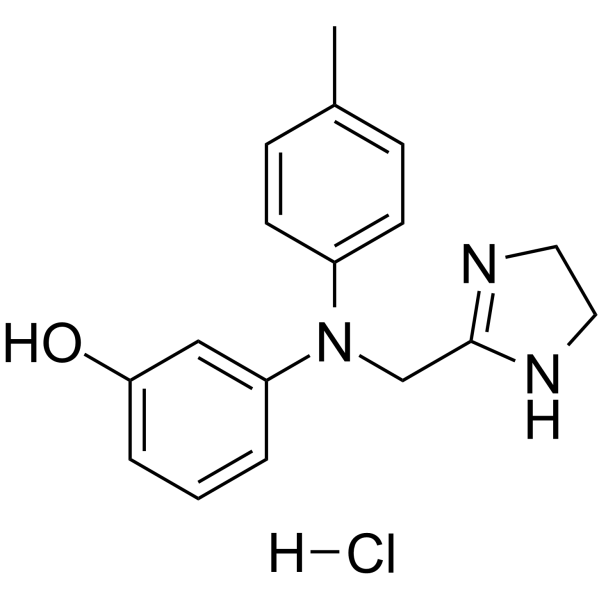
Phentolamine hydrochloride is an orally active, selective α1 and α2 Adrenergic receptor antagonist. Phentolamine hydrochloride antagonizes the vasodilatory effect of Cromakalim (HY-110011) on isolated circumflex coronary artery segments in dogs. Phentolamine hydrochloride reduces systemic vascular resistance and increases cardiac output. Phentolamine hydrochloride improves erectile dysfunction. Phentolamine hydrochloride can be used for the research of erectile dysfunction .
|
-
-
- HY-P990045
-
|
ALE.F02
|
Claudin
|
Endocrinology
|
|
Lixudebart (ALE.F02) is a humanized immunoglobulin G1-kappa, anti-CLDN1 monoclonal antibody. Lixudebart disrupts CLDN1 interactions with CD44 and MMP14, reduces renal macrophage infiltration, epithelial activation, and urinary albumin-to-creatinine ratio, and attenuates glomerulosclerosis. Lixudebart can be used for the research of focal segmental glomerulosclerosis .
|
-
-
- HY-P0093A
-
|
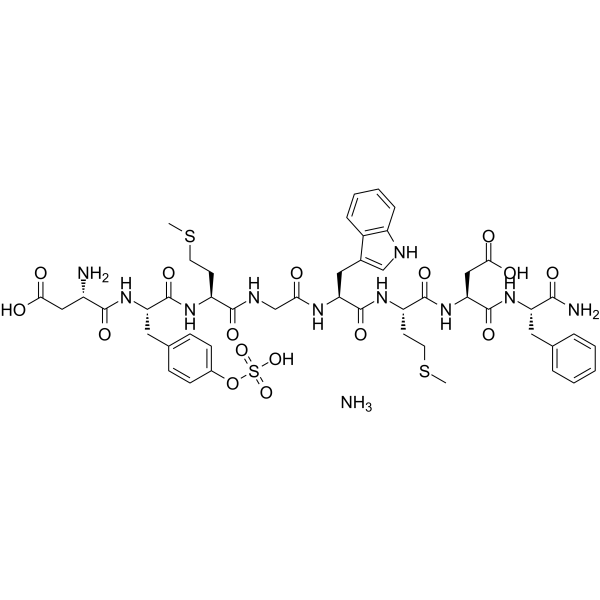
Cholecystokinin octapeptide ammonium; CCK-8 ammonium; SQ19844 ammonium
|
Cholecystokinin Receptor
Apoptosis
PI3K
Akt
|
Infection
Cancer
|
|
Sincalide ammonium (Cholecystokinin octapeptide ammonium, CCK-8 ammonium) is a rapid-acting amino acid polypeptide hormone analogue of cholecystokinin (CCK) for intravenous use in postevacuation cholecystography. Sincalide ammonium is a major bioactive segment of CCK that retains most of the biological activities of CCK. CCK‐8 can promote gallbladder contraction by injection and helps diagnose gallbladder and pancreas disorders. Sincalide ammonium can increase bile secretion, cause the gallbladder to contract and relax the sphincter of Oddi, resulting in bile drainage into the duodenum. Sincalide ammonium is a major bioactive segment of CCK that retains most of the biological activities of CCK .
|
-
-
- HY-122464S2
-
|
|
Isotope-Labeled Compounds
|
Others
|
|
(±)-Jasmonic acid-d5 is the deuterium labeled (±)-Jasmonic acid. (±)-Jasmonic acid is a plant growth regulator and a derivative of α-linolenic acid. (±)-Jasmonic acid decreases chlorophyll levels in green and etiolated barley leaf segments and inhibits elongation of rice seedlings.
|
-
-
- HY-P1636
-
|
|
Thrombin
YAP
Calcium Channel
|
Metabolic Disease
|
|
Hirudin (54-65) is a thrombin antagonist and YAP suppressor with anticoagulatory properties.Hirudin (54-65) blocks thrombin's anion binding site, acts on soluble and thrombus-bound thrombin.Hirudin (54-65) suppresses thrombin-induced profibrotic YAP activity, reduces YAP expression, nuclear translocation, and downstream effector signaling in vascular endothelial cells.Hirudin (54-65) ameliorates obstructive cholestasis, attenuates liver fibrosis symptoms, fibrosis-associated angiogenesis, and endothelial-to-mesenchymal transition.Hirudin (54-65) reduces liver inflammation and tissue hypoxia.Hirudin (54-65) promotes extracellular calcium influx through L-type calcium channels in canine coronary artery smooth muscle, mediates contraction.Hirudin (54-65) induces endothelium-independent contraction of canine coronary arterial segments; this response is not affected by indomethacin pretreatment.Hirudin (54-65) can be used for the research of liver obstructive cholestasis, liver fibrosis .
|
-
-
- HY-B1363
-
|
Bendrofluazide
|
NKCC
|
Cardiovascular Disease
|
|
Bendroflumethiazide (Bendrofluazide) is an orally available diuretic. Bendroflumethiazide inhibits the electroneutral sodium-chloride symporter located in the apical membrane of the early segment of the distal convoluted tubule and can effectively lower blood pressure. Bendroflumethiazide is used in the study of hypertension and edema. Bendroflumethiazide has an antidiuretic effect in diabetes insipidus .
|
-
-
- HY-B0503
-
|
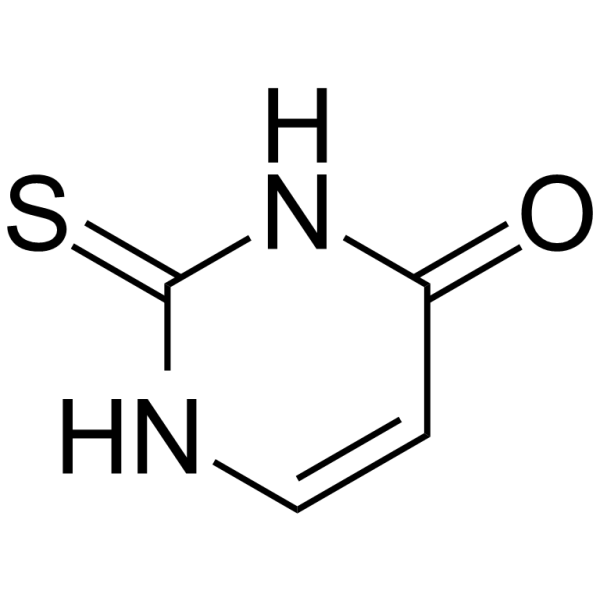
Thiouracil
|
NO Synthase
|
Endocrinology
Cancer
|
|
2-Thiouracil (Thiouracil) is a selective neuronal nitric oxide synthase (nNOS) inhibitor with a Ki value of 20 μM. 2-Thiouracil antagonizes BH4-induced nNOS dimerization. 2-Thiouracil is also an antithyroid compound and a highly specific melanoma detector. 2-Thiouracil stimulates the growth of pea and corn root segments .
|
-
-
- HY-W013205
-
|
|
Biochemical Assay Reagents
|
Others
|
|
Bis(4-nitrophenyl) phosphate is a catalyst for metal micelles and can catalyze the hydrolysis of (4-nitrophenyl) phosphate. Bis(4-nitrophenyl) phosphate is also an effective catalyst for ring-opening polymerization (ROP), which can achieve controlled polymerization of β-butyrolactone (β-BL) ring-opening and can be used to prepare diembedded polymers without quenching. segment copolymer .
|
-
-
- HY-Y0124
-
|
α,α-Dimethylglycine; α-Aminoisobutanoic acid
|
Endogenous Metabolite
|
Others
|
|
NSC 16590 inhibits the production of endogenous ethylene in the cotyledonary segments of cocklebur.
|
-
-
- HY-19893
-
|
(+)-Antroquinonol
|
Keap1-Nrf2
|
Inflammation/Immunology
Cancer
|
|
Antroquinonol ((+)-Antroquinonol), a ubiquinone derivative from the mushroom Antrodia camphorata, has hepatoprotective, anti-inflammatory, and anti-cancer effects . Antroquinonol can be used for the research of colon cancer . Antroquinonol reduces oxidative stress by enhancing the Nrf2 signaling pathway and inhibits inflammation and sclerosis in focal segmental glomerulosclerosis mice .
|
-
-
- HY-P10257
-
|
|
Bacterial
|
Infection
|
|
KR-12 (human) is an active segment of LL-37 (HY-P4744). KR-12 (human) exhibits antimicrobial activity against gram-negative bacteria. KR-12 (human) inhibits E. coli K-12 with a MIC of 66 μM. KR-12 human can be used for the research of infection, such as E. coli infection .
|
-
-
- HY-141885
-
|
|
Apolipoprotein
|
Metabolic Disease
|
|
APOL1-IN-1 is a apolipoprotein L1 (APOL1) inhibitor extracted from patent WO2020131807A1 compound 87. APOL1-IN-1 can be used for the research of focal segmental glomerulosclerosis (FSGS) and non-diabetic kidney disease (NDKD) .
|
-
-
- HY-103174
-
|
|
Adenosine Receptor
|
Cardiovascular Disease
|
|
MRS1334 is a potent and selective human adenosine A3 receptor antagonist with Kis of 2.69 nM, >100 nM, >100 nM for hA3, rA1, rA2A, respectively. MRS1334 blocks the protective effect of Cl-IB-MECA leading to significant bradycardia and elevated ST segment . MRS1334 is a click chemistry reagent, it contains an Alkyne group and can undergo copper-catalyzed azide-alkyne cycloaddition (CuAAc) with molecules containing Azide groups.
|
-
-
- HY-P2463
-
|
|
Arp2/3 Complex
|
Inflammation/Immunology
|
|
Fequesetide, a peptide segment, is the active site within the protein thymosin β4 responsible for actin binding, cell migration and wound healing .
|
-
-
- HY-P5391
-
|
|
Bacterial
|
Others
|
|
LL-37(17-32) is a biological active peptide. (This peptide is an active segment of LL-37, a peptide derived from the C-terminal domain of human cathelicidin antimicrobial peptide. It has been reported that the LL17-32 peptide exhibits reversal effect on ABCG2-mediated multidrug resistance in cancer cell lines.)
|
-
-
- HY-P990782
-
|
|
Aminoacyl-tRNA Synthetase
|
Inflammation/Immunology
|
|
Efzofitimod is a splice variant of the aminoacyl-tRNA synthetase HARS1, which is fused with the Fc segment of a human antibody. Efzofitimod targets the neuronal phospholipid NRP2 (neuropilin-2) and has anti-inflammatory and immunomodulatory activities. Efzofitimod can downregulate the innate and adaptive immune responses in inflammatory disease states, suppressing indirect lung disease (ILD) .
|
-
-
- HY-W1123941C
-
|
Dopamine-PEG2000-Azide
|
Biochemical Assay Reagents
|
Others
|
|
Dopamine-PEG2000-N3 (Dopamine-PEG2000-Azide) is a compound composed of dopamine, PEG segments and an azide group (-N3). Dopamine-PEG2000-N3 can be used as a crosslinker to connect different materials together to build new composite materials and improve the performance of materials. Dopamine-PEG2000-N3 is a click chemistry reagent. It contains an azide group and can undergo copper-catalyzed azide-alkyne cycloaddition reaction (CuAAc) with molecules containing an alkyne group.
|
-
-
- HY-119229
-
|
|
CFTR
|
Inflammation/Immunology
|
|
VRT-325 is a CFTR modulator. VRT-325 inhibits disulfide cross-linking between cysteines in transmembrane segments 6 and 7 of CFTR and P-gp. VRT-325 promotes maturation of CFTR and P-gp processing mutants, rescues ΔF508-CFTR folding at the endoplasmic reticulum. VRT-325 binds ΔF508-CFTR nucleotide-binding domain 1, and increases mature ΔF508-CFTR cell surface expression and chloride conductance. VRT-325 can be used for the research of cystic fibrosis [1] [3].
|
-
-
- HY-Y0124S
-
-
-
- HY-140696D
-
|
mPEG10000-Hydroxy; Polyethylene glycol monomethyl ether 10000
|
Environmental Pollutants
PROTAC Linkers
|
Infection
|
|
m-PEG10000-OH (mPEG10000-Hydroxy; Polyethylene glycol monomethyl ether 10000) is a hydroxyl-terminated methoxylated polyethylene glycol (PEG-based) compound that serves as a linker for PROTACs. m-PEG10000-OH is applicable to research on healthcare-associated infections .
|
-
-
- HY-122464S1
-
|
|
Isotope-Labeled Compounds
|
Others
|
|
Jasmonic acid-d5 is deuterium labeled (±)-Jasmonic acid. (±)-Jasmonic acid is a plant growth regulator and a derivative of α-linolenic acid. (±)-Jasmonic acid decreases chlorophyll levels in green and etiolated barley leaf segments and inhibits elongation of rice seedlings.
|
-
-
- HY-P99645
-
-
-
- HY-E70016
-
|
TdT
|
DNA/RNA Synthesis
|
Others
Cancer
|
|
Terminal deoxyribonucleotidyltransferase (TdT) catalyses the condensation of deoxyribonucleotide triphosphates onto the 3' hydroxyl ends of DNA strands and adds N-regions to gene segment junctions during V(D)J recombination. Terminal deoxyribonucleotidyltransferase is expressed in immature, pre-B, pre-T lymphoid cells, and acute lymphoblastic leukemia/lymphoma cells .
|
-
-
- HY-B1363S
-
|
Bendrofluazide-d5
|
Isotope-Labeled Compounds
NKCC
|
Cardiovascular Disease
|
|
Bendroflumethiazide-d5 (Bendrofluazide-d5) is the deuterium labeled Bendroflumethiazide (HY-B1363).Bendroflumethiazide (Bendrofluazide) is an orally available diuretic. Bendroflumethiazide inhibits the electroneutral sodium-chloride symporter located in the apical membrane of the early segment of the distal convoluted tubule and can effectively lower blood pressure. Bendroflumethiazide is used in the study of hypertension and edema. Bendroflumethiazide has an antidiuretic effect in diabetes insipidus .
|
-
-
- HY-B1363R
-
|
Bendrofluazide (Standard)
|
NKCC
Reference Standards
|
Cardiovascular Disease
|
|
Bendroflumethiazide (Standard) (Bendrofluazide (Standard)) is the analytical standard of Bendroflumethiazide (HY-B1363). This product is intended for research and analytical applications. Bendroflumethiazide (Bendrofluazide) is an orally available diuretic. Bendroflumethiazide inhibits the electroneutral sodium-chloride symporter located in the apical membrane of the early segment of the distal convoluted tubule and can effectively lower blood pressure. Bendroflumethiazide is used in the study of hypertension and edema. Bendroflumethiazide has an antidiuretic effect in diabetes insipidus .
|
-
-
- HY-W440982A
-
|
(Rac)-PC(18:0/18:1); (Rac)-2-Oleoyl-1-stearoyl-sn-glycero-3-phosphocholine
|
Liposome
|
Others
|
|
(Rac)-SOPC ((Rac)-PC(18:0/18:1)) ((Rac)-2-Oleoyl-1-stearoyl-sn-glycero-3-phosphocholine) is the racemate of SOPC (HY-W440982). SOPC is an asymmetrical phospholipid with saturated fatty acid (stearic acid/18:0) at sn-1 position and unsaturated fatty acid (oleic acid/18:1) at sn-2 position. SOPC can stabilize the outer segment membrane of frog rods .
|
-
-
- HY-101227
-
|
|
EAAT
|
Metabolic Disease
|
|
(±)-threo-3-Methylglutamic acid is a potent EAAT2/4 inhibitor. (±)-threo-3-Methylglutamic acid also is an ionotropic glutamate receptor agonist. (±)-threo-3-Methylglutamic acid inhibits glutamate uptake by rod outer segments .
|
-
-
- HY-P1386
-
|
Dynamin II (828–842)
|
iGluR
|
Neurological Disease
|
|
D15, a peptide with 15 aa segment of dynamin, is an AMPAR endocytosis inhibitor. D15 blocks the interaction of dynamin with amphiphysin 1 and 2. D15 significantly increases AMPAR excitatory postsynaptic potential (EPSC) amplitude of medium spiny neurons (MSNs) in Sapap3 KO mice. D15 can be used for neuropsychiatric disorder research .
|
-
-
- HY-W1123941
-
|
Dopamine-PEG9-Azide
|
Biochemical Assay Reagents
|
Others
|
|
Dopamine-PEG-N3 (Dopamine-PEG-Azide is a compound composed of dopamine, PEG segments and an azide group (-N3). Dopamine-PEG-N3 can be used as a crosslinker to connect different materials together to build new composite materials and improve the performance of materials. Dopamine-PEG-N3 is a click chemistry reagent. It contains an azide group and can undergo copper-catalyzed azide-alkyne cycloaddition reaction (CuAAc) with molecules containing an alkyne group.
|
-
-
- HY-P1816
-
|
|
Integrin
|
Cancer
|
|
The connecting segment 1 (CS-1) is a cell attachment domain located in the type III homology connecting segment (IIICS) of fibronectin. Fibronectin CS1 Peptide lacks the Arg-Gly-Asp-containing domain, actively inhibits tumor metastases in spontaneous and experimental metastasis models .
|
-
-
- HY-D1505
-
|
|
Fluorescent Dye
|
Others
|
|
4-(N,N-Dimethylamino)azobenzene-4'-isothiocyanate is a chromophoric, hydrophobic reagent for probing membrane-buried segments of intrinsic proteins .
|
-
-
- HY-160550
-
|
|
Phosphatase
|
Inflammation/Immunology
|
|
DPM-1003 is a PTP1B conformational inhibitor that targets the non-catalytic, disordered segment at the C-terminus of the PTP1B protein, showing improvement in lung inflammation in mice .
|
-
-
- HY-P11322
-
|
|
Amino Acid Derivatives
|
Neurological Disease
|
|
NHIP peptide is a peptide segment containing 20 amino acids located in the nucleus of the cell. NHIP is highly expressed in neuronal derived cells such as LUHMES cells. NHIP peptide can promote the proliferation of 293T cells. NHIP peptide regulates gene networks related to neural development and autism spectrum disorder (ASD) .
|
-
-
- HY-121348
-
|
U-47929
|
Antibiotic
Bacterial
DNA/RNA Synthesis
|
Infection
|
Ficellomycin is a nitrogen-containing bicyclic antibiotic with strong activity against Gram-positive bacteria, including multidrug-resistant strains of Staphylococcus aureus. Ficellomycin works by inducing the formation of defective 34S DNA fragments, which interfere with the semi-conservative DNA replication process. These fragments lack the ability to integrate into larger DNA segments and eventually form a complete bacterial chromosome. Ficellomycin can be used in research for various bacterial diseases .
|
-
-
- HY-126179
-
|
MG-13054
|
Potassium Channel
|
Cardiovascular Disease
Metabolic Disease
|
|
Fenquizone (MG-13054) is an orally active diuretic. Fenquizone acts primarily on the diluting segment of the nephron cortex, similar to thiazide diuretics. Fenquizone demonstrates diuretic and natriuretic potency and duration of action comparable to thiazide diuretics but weaker than loop diuretics. Fenquizone reduces CH₂O without affecting TCH₂O, does not increase calcium/phosphate excretion, and has no loop or collecting duct effects. Fenquizone is used in the study of edema and hypertension .
|
-
-
- HY-15311R
-
|
Abamectin (Standard); Avermectin B1a-Avermectin B1b mixt. (Standard)
|
Reference Standards
Parasite
Autophagy
Apoptosis
Reactive Oxygen Species (ROS)
Antibiotic
|
Infection
Inflammation/Immunology
|
|
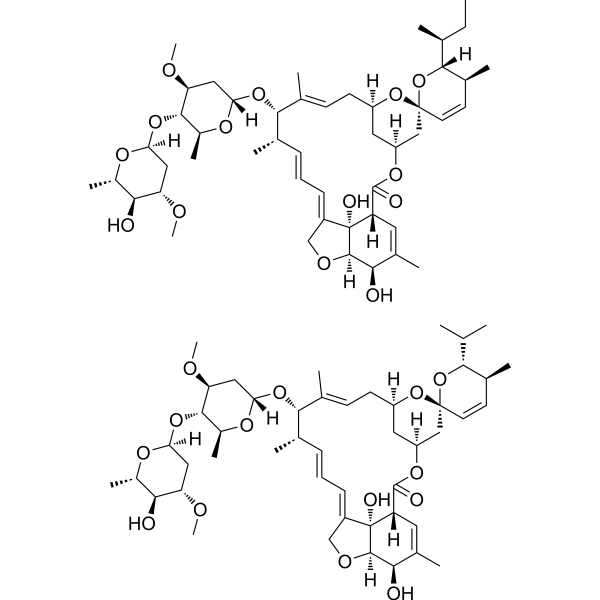
Avermectin B1 (Standard) is the analytical standard of Avermectin B1. This product is intended for research and analytical applications. Avermectin B1 (Abamectin) is a mixture of two similar segments of avermectin. Avermectin B1 is an orally anti-infection agent, which can be used in the research of parasitic worms, insect pests, agriculture and animal husbandry. Avermectin B1 can also induce the production of ROS and induces cytotoxicity, apoptosis and autophagy .
|
-
-
- HY-W1123941A
-
|
Dopamine-PEG-Azide
|
Biochemical Assay Reagents
|
Others
|
|
Dopamine-PEG13-N3 (Dopamine-PEG-Azide) is a compound composed of dopamine, PEG segments and an azide group (-N3). Dopamine-PEG13-N3 can be used as a crosslinker to connect different materials together to build new composite materials and improve the performance of materials. Dopamine-PEG13-N3 is a click chemistry reagent. It contains an azide group and can undergo copper-catalyzed azide-alkyne cycloaddition reaction (CuAAc) with molecules containing an alkyne group.
|
-
- HY-P3522A
-
|
|
Integrin
|
Cancer
|
|
REDV TFA is the minimal active sequence within the CS5 site of the alternatively spliced type III connecting segment (IIICS) region of fibronectin. REDV TFA can mediate adhesion to the IIICS region of plasma fibronectin by binding the integrin alpha 4 beta 1(α4β1). REDV TFA can be used for the research of cell adhesion .
|
-
- HY-N8647
-
|
|
Others
|
Others
|
|
Naringin 4'-glucoside is isolated from the natural
Cirrus paradisi segment .
|
-
- HY-15794A
-
|
Methoxymorpholinyl doxorubicin hydrochloride; FCE 23762 hydrochloride; PNU 152243A
|
G-quadruplex
|
Cancer
|
|
Nemorubicin hydrochloride is a derivative of doxorubicin, and has antitumor activity. Nemorubicin hydrochloride, not only intercalate into the duplex DNA, but also result in significant ligands for G-quadruplex DNA segments, stabilizing their structure.
|
-
- HY-P2719
-
|
|
Integrin
|
Neurological Disease
|
|
Fibronectin Type III Connecting Segment Fragment 1-25 is a peptide that is responsible for melanoma cell adhesion, and plays an important role in development of the peripheral nervous system in chicken .
|
-
- HY-P991666
-
|
|
TNF Receptor
|
Inflammation/Immunology
|
|
BMS-986090 is a humanized monoclonal antibody antagonist targeting CD40. BMS-986090 is promising for research of autoimmune diseases such as systemic lupus erythematosus (SLE) and focal segmental glomerulosclerosis (FSGS) .
|
-
- HY-122464B
-
|
2-iso Jasmonic acid; 7-iso Jasmonic acid
|
Herbicide
|
Others
|
|
7-epi Jasmonic acid is the isomer of (±)-Jasmonic acid (HY-122464). (±)-Jasmonic acid is a plant growth regulator and a derivative of α-linolenic acid. (±)-Jasmonic acid decreases chlorophyll levels in green and etiolated barley leaf segments and inhibits elongation of rice seedlings.
|
-
- HY-P10487
-
|
|
Amyloid-β
|
Neurological Disease
|
|
APP669-711 is a peptide segment from amino acid 669 to amino acid 711 of amyloid precursor protein (APP). APP669-711 can be used to diagnose the amyloid deposition in the brain, and is a biomarker for Alzheimer's disease (AD) research .
|
-
- HY-P4985
-
-
- HY-N14038
-
|
|
Fungal
|
Infection
|
|
Crocacin A has anti-yeast and filamentous fungal activity. Crocacin A can inhibit mouse fibroblasts L929. In the microsomes of the calf's heart, Crocacin A can interrupt the bc1 segment of electronic transmission, causes redshift of 569 nm peak in cytochrome B reduction spectrum .
|
-
- HY-E70601
-
|
|
DNA/RNA Synthesis
|
Others
|
|
DNA Recombinase is a simple and efficient multi-segment recombinase mixture that can assemble single or multiple DNA fragments into a complete plasmid by recognizing the DNA insert and the homology arms (17bp-50bp) at the ends of the linearized vector, regardless of the length of the fragment or the end compatibility.
|
-
- HY-118294
-
|
16-Phenoxy tetranor prostaglandin F2α isopropyl ester; 16-Phenoxy tetranor PGF2α isopropyl ester
|
Prostaglandin Receptor
|
Cardiovascular Disease
|
|
15-OH Tafluprost, a prostaglandin F2a (PGF2a) analog, relieves endothelin-1 (ET-1)-induced optic nerve head (ONH) blood flow impairment and ET-1-induced contraction of isolated ciliary artery segments .
|
-
- HY-N14040
-
|
|
Fungal
|
Infection
|
|
Crocacin B has anti-yeast and filamentous fungal activity. Crocacin B can inhibit mouse fibroblasts L929. In the microsomes of the calf's heart, Crocacin B can interrupt the bc1 segment of electronic transmission, causes redshift of 569 nm peak in cytochrome B reduction spectrum .
|
-
- HY-P10876
-
|
|
Amyloid-β
|
Neurological Disease
|
|
mcK6A1 is an inhibitor for the aggregation of amyloid-β (Aβ), that selectively binds to the 16KLVFFA21 segment of Aβ42, forms an extended β-folded structure, and inhibits the formation of Aβ42 oligomers. mcK6A1 can be used in research of Alzheimer's disease and other amyloid-related diseases .
|
-
- HY-P10668
-
|
|
Dengue Virus
Flavivirus
|
Infection
|
|
Ac-EVKKQR-pNA is a competitive chromogenic para-nitroanilide substrate corresponding to the P6-P1 segment amino-terminal to the NS2B-NS3 cleavage site but with a more reactive, hydrolytically cleavable, para-nitroanilide at the P1’ position. Ac-EVKKQR-pNA is promising for research of dengue 2 virus and flavivirus virus infection .
|
-
- HY-19115
-
|
|
Calcium Channel
Adrenergic Receptor
|
Cardiovascular Disease
|
|
YM-430 is an oral active calcium entry-blocking and beta-adrenoceptor-blocking agent. YM-430 inhibits Amifampridine (HY-14946)-induced rhythmic contractions with an IC50 value of 59.2 nM and inhibits arginine vasopressin-induced ST-segment depression with an IC50 value of 36.6 mg/kg. YM-430 can be used for study of angina pectoris .
|
-
- HY-B1363S1
-
|
Bendrofluazide-d7
|
Isotope-Labeled Compounds
NKCC
|
Cardiovascular Disease
|
|
Bendroflumethiazide-d7 (Bendrofluazide-d7) is deuterium labeled Bendroflumethiazide (HY-B1363). Bendroflumethiazide (Bendrofluazide) is an orally available diuretic. Bendroflumethiazide inhibits the electroneutral sodium-chloride symporter located in the apical membrane of the early segment of the distal convoluted tubule and can effectively lower blood pressure. Bendroflumethiazide is used in the study of hypertension and edema. Bendroflumethiazide has an antidiuretic effect in diabetes insipidus .
|
-
- HY-P10295
-
|
|
MDM-2/p53
|
Cancer
|
|
p53 (232-240) is a peptide segment of the 232-240 amino acid sequence of the human tumor suppressor protein p53. p53 (232-240) enhances its binding affinity to the Major histocompatibility complex (MHC), thereby enhancing the immunogenicity of this peptide to enhance the immune system's response to tumor antigens. p53 (232-240) can be used in the development of cancer vaccines and in the study of tumor cell recognition and clearance by the immune system .
|
-
- HY-159802
-
|
|
Adrenergic Receptor
|
Endocrinology
|
|
Tolamolol is a selective beta-adrenergic antagonist with significant activity in reducing exercise-induced ST-segment depression. Tolamolol is clinically equivalent to propranolol in suppressing angina and exhibits greater cardiac selectivity. Tolamolol is effective in reducing the frequency of angina attacks and the amount of glyceryl trinitrate used. Tolamolol is effective in lowering blood pressure and has a positive effect on increasing the amount of exercise that can be performed before angina attacks. The use of Tolamolol also helps improve the suppression of arrhythmias .
|
-
- HY-15794G
-
|
Methoxymorpholinyl doxorubicin; FCE 23762; PNU 152243
|
G-quadruplex
|
Cancer
|
|
Nemorubicin (Methoxymorpholinyl doxorubicin) GMP is a GMP-class Nemorubicin (HY-15794). Nemorubicin is a Doxorubicin derivative with potent antitumor activity. Nemorubicin is highly cytotoxic to a variety of tumor cell lines presenting a multidrug-resistant phenotype. Nemorubicin not only intercalate into the duplex DNA, but also result in significant ligands for G-quadruplex DNA segments, stabilizing their structure. Nemorubicin requirs an intact nucleotide excision repair (NER) system to exert its activity .
|
-
- HY-135470R
-
|
P-7138 (Standard)
|
Reference Standards
Bacterial
|
Infection
|
|
Nifurpirinol (P-7138) (Standard) is the analytical standard of Nifurpirinol (HY-135470). This product is intended for research and analytical applications. Nifurpirinol (P-7138) is a selective prosubstrate of bacterial nitroreductase (NTR). NTR catalyzes the reduction of nifurpirinol to generate cytotoxic metabolites that induce apoptosis in target cells. Nifurpirinol selectively ablates NTR-expressing cells such as pancreatic β cells, osteoblasts, dopaminergic neurons, and podocytes in transgenic zebrafish models. Nifurpirinol can be used in regeneration studies and disease modeling such as focal segmental glomerulosclerosis (FSGS) .
|
-
- HY-B0172AR
-
|
3β-Hydroxy-5α-cholanic acid (Standard)
|
Drug Derivative
Reference Standards
|
Inflammation/Immunology
|
|
Isoallolithocholic acid (Standard) is the analytical standard of Isoallolithocholic acid. This product is intended for research and analytical applications. Isoallolithocholic acid (3β-Hydroxy-5α-cholanic acid), a derivative of Lithocholic acid (HY-10219), is a T cell regulator. Isoallolithocholic acid enhances regulatory T cells (Tregs) differentiation[1].
|
-
- HY-W013205R
-
|
|
Biochemical Assay Reagents
Reference Standards
|
Others
|
|
Bis(4-nitrophenyl) phosphate (Standard) is the analytical standard of Bis(4-nitrophenyl) phosphate. This product is intended for research and analytical applications. Bis(4-nitrophenyl) phosphate is a catalyst for metal micelles and can catalyze the hydrolysis of (4-nitrophenyl) phosphate. Bis(4-nitrophenyl) phosphate is also an effective catalyst for ring-opening polymerization (ROP), which can achieve controlled polymerization of β-butyrolactone (β-BL) ring-opening and can be used to prepare diembedded polymers without quenching. segment copolymer .
|
-
- HY-W1123941E
-
|
Dopamine-PEG5000-Azide
|
Biochemical Assay Reagents
|
Others
|
|
Dopamine-PEG5000-N3 (Dopamine-PEG5000-Azide) is a compound composed of dopamine, PEG segments and an azide group (-N3). Dopamine-PEG5000-N3 can be used as a crosslinker to connect different materials together to build new composite materials and improve the performance of materials. Dopamine-PEG5000-N3 is a click chemistry reagent. It contains an azide group and can undergo copper-catalyzed azide-alkyne cycloaddition reaction (CuAAc) with molecules containing an alkyne group.
|
-
- HY-W1123941B
-
|
Dopamine-PEG1000-Azide
|
Biochemical Assay Reagents
|
Others
|
|
Dopamine-PEG1000-N3 (Dopamine-PEG1000-Azide) is a compound composed of dopamine, PEG segments and an azide group (-N3). Dopamine-PEG1000-N3 can be used as a crosslinker to connect different materials together to build new composite materials and improve the performance of materials. Dopamine-PEG1000-N3 is a click chemistry reagent. It contains an azide group and can undergo copper-catalyzed azide-alkyne cycloaddition reaction (CuAAc) with molecules containing an alkyne group.
|
-
- HY-W1123941H
-
|
Dopamine-PEG10000-Azide
|
Biochemical Assay Reagents
|
Others
|
|
Dopamine-PEG10000-N3 (Dopamine-PEG10000-Azide) is a compound composed of dopamine, PEG segments and an azide group (-N3). Dopamine-PEG10000-N3 can be used as a crosslinker to connect different materials together to build new composite materials and improve the performance of materials. Dopamine-PEG10000-N3 is a click chemistry reagent. It contains an azide group and can undergo copper-catalyzed azide-alkyne cycloaddition reaction (CuAAc) with molecules containing an alkyne group.
|
-
- HY-W1123941D
-
|
Dopamine-PEG3400-Azide
|
Biochemical Assay Reagents
|
Others
|
|
Dopamine-PEG3400-N3 (Dopamine-PEG3400-Azide) is a compound composed of dopamine, PEG segments and an azide group (-N3). Dopamine-PEG3400-N3 can be used as a crosslinker to connect different materials together to build new composite materials and improve the performance of materials. Dopamine-PEG3400-N3 is a click chemistry reagent. It contains an azide group and can undergo copper-catalyzed azide-alkyne cycloaddition reaction (CuAAc) with molecules containing an alkyne group.
|
-
- HY-Y0999
-
|
|
Environmental Pollutants
Endogenous Metabolite
|
Infection
|
|
2-Nonanone is a ketone compound that inhibits the DnaKJE-ClpB bichaperone de-pendent refolding of heat-inactivated bacterial luciferases. 2-Nonanone interacts with hydrophobic segments of heat-inactivated substrates, and competes with chaperones IbpAB. 2-Nonanone can be used for the research of infection .
|
-
- HY-114921
-
|
|
Phytohormone
|
Endocrinology
|
|
α-(2-Carboxycyclopropyl)glycine is a male sterilant. α-(2-Carboxycyclopropyl)glycine does not affect IAA (HY-18569B)-induced ethylene formation, does not induce ethylene biosynthesis, and resists conversion to ethylene in vitro or in wheat coleoptile segments .
|
-
- HY-114891
-
|
|
mGluR
|
Neurological Disease
|
|
R214127 is a selective mGlu1 receptor antagonist with IC50 values of 6 and 14 nM for rat and human mGlu1a. R214127 acts on a site from the glutamate binding pocket, and competes for the same transmembrane segment VII as other noncompetitive mGlu1 antagonists .
|
-
- HY-185004
-
|
|
Drug Derivative
|
Others
|
|
Sitosteryl maltoside is a steryl glucoside. Sitosteryl maltoside can be used in studies on the growth of Avena coleoptile segments .
|
-
- HY-Y0124R
-
|
α,α-Dimethylglycine (Standard); α-Aminoisobutanoic acid (Standard)
|
Reference Standards
Endogenous Metabolite
|
Others
|
|
NSC 16590 (Standard) is the analytical standard of NSC 16590. This product is intended for research and analytical applications. NSC 16590 inhibits the production of endogenous ethylene in the cotyledonary segments of cocklebur.
|
-
- HY-P11373
-
-
- HY-P991898
-
|
RD126
|
CD19
|
Inflammation/Immunology
|
|
IASO-782 (RD126) is a fully human monoclonal antibody targeting human CD19. The Fc segment of IASO-782 is mutated to enhance antibody-dependent cell-mediated cytotoxicity (ADCC) while maintaining the integrity of other Fc segment functions, such as ADCP. IASO-782 effectively eliminates CD19+ B cells, plasmablasts, and some plasma cells, thereby reducing or completely eliminating autoreactive antibodies produced by these cells. IASO-782 can be used for the study of immune thrombocytopenic purpura (ITP), warm autoimmune hemolytic anemia (wAIHA) and systemic lupus erythematosus (SLE).
|
-
- HY-174740
-
|
|
mRNA
|
Inflammation/Immunology
|
|
Human CCR9 mRNA encodes the human C-C motif chemokine receptor 9 (CCR9) protein, a member of the beta chemokine receptor family. CCR9 plays a role in directing immune responses to different segments of the gastrointestinal tract.
|
-
- HY-P11123
-
|
|
IFNAR
|
Infection
Inflammation/Immunology
|
|
MSP-1 (20-39) is a peptide segment that can induce the production of IFN-γ. MSP-1 (20-39) has the potential to serve as a malaria vaccine. MSP-1 (20-39) can be used for research on malaria or immunology .
|
-
- HY-N14043
-
|
|
Fungal
|
Infection
|
|
Crocacin C has anti-yeast and filamentous fungal activity. Crocacin C can inhibit mouse fibroblasts L929. In the microsomes of the calf's heart, Crocacin C can interrupt the bc1 segment of electronic transmission, causes redshift of 569 nm peak in cytochrome B reduction spectrum .
|
-
- HY-N14044
-
|
|
Fungal
|
Infection
|
|
Crocacin D has anti-yeast and filamentous fungal activity. Crocacin D can inhibit mouse fibroblasts L929. In the microsomes of the calf's heart, Crocacin D can interrupt the bc1 segment of electronic transmission, causes redshift of 569 nm peak in cytochrome B reduction spectrum .
|
-
- HY-P11369
-
|
|
Bacterial
|
Infection
Cancer
|
|
Pilosulin-1 (86-112) is a specific peptide segment of the Pilosulin 1 protein. Pilosulin 1 is the main allergen (Myr p 1) in the venom of Australian diving ants (Myrmecia pilosula), possessing potent cytotoxicity and antibacterial activity. Pilosulin-1 (86-112) is an IgE-binding component and is a secondary allergen .
|
-
- HY-P11139
-
|
Lac705β
|
Bacterial
|
Infection
|
|
Lactocin 705β (Lac705β) is a peptide segment that can form class IIb bacteriocins Lactocin 705 with Lac705α (HY-P11138) . Lactocin 705β has no antibacterial activity when used alone. Lactocin 705β can be used for research on bacterial infections .
|
-
- HY-P992232
-
|
|
RET
|
Inflammation/Immunology
|
|
Anti-GFRA4 Antibody (scFv) is a recombinant single-chain antibody fragment targeting GFRA4. Anti-GFRA4 Antibody (scFv) is formed by connecting the variable region of the heavy chain (VH) and the variable region of the light chain (VL) through a flexible short peptide (Linker), without the Fc segment, while maintaining the antigen-binding specificity.
|
-
- HY-P991813
-
|
|
C-type Lectin-like Receptors (CTLRs)
|
Inflammation/Immunology
|
|
Anti-Mouse Ly49C Antibody (4LO3311) reacts with the mouse Ly49C. Anti-Mouse Ly49C Antibody (4LO3311) recognizes an epitope located in a 32-amino acid segment of the stalk region immediately adjacent to the carbohydrate recognition domain. Recommend Isotype Controls: Mouse IgG3 kappa, Isotype Control (HY-P99985) .
|
-
- HY-118972
-
|
|
Amyloid-β
|
Neurological Disease
|
|
TPI-1917-49 is an agent that can cross the blood-brain barrier and reduce amyloid β (Aβ). TPI-1917-49 reduces the production of Aβ peptide segments by promoting the non-amyloidogenic pathway of amyloid precursor protein (APP) (increasing the generation of sAPPα mediated by α-secretase). TPI-1917-49 reduces amyloid plaques in mouse models. TPI-1917-49 can be used in Alzheimer's disease research .
|
-
- HY-165339
-
|
|
TGF-β Receptor
MMP
|
Others
|
|
Lysyl-phenylalanyl-lysine (Compound KFK) is a tripeptide and belongs to the peptide segments related to thrombospondin-1 (TSP-1) (HY-P0299). Lysyl-phenylalanyl-lysine can activate LAP-TGF-β1 and release active TGF-β1, thereby inhibiting abnormal expression of MMP. Lysyl-phenylalanyl-lysine can be used for research on skin aging-related diseases and poor wound healing .
|
-
- HY-W673672
-
|
4-Ketocapric acid; 4-ODA
|
Sex Pheromone
|
Infection
|
|
4-Oxodecanoic acid (4-Ketocapric acid) is a Sex pheromone component. 4-Oxodecanoic acid can be isolated from the sternal glands on the sixth abdominal segment of unmated female Vespa velutina. When mixed with 4-oxooctanoic acid at the natural secretion ratio of 0.78 in female wasps, 4-Oxodecanoic acid exhibits an attractive effect on male Vespa velutina. 4-Oxodecanoic acid can be used in population monitoring and control research on the invasive species Vespa velutina .
|
-
- HY-183964
-
|
|
Biochemical Assay Reagents
|
Others
|
|
DSPE-PEG2000-tetrazine is a synthetic phospholipid modified with PEG2000 and tetrazine moieties. DSPE-PEG2000-tetrazine gains improved steric stability via PEGylation. DSPE-PEG2000-tetrazine enables bioorthogonal click chemistry through its tetrazine segment, which selectively reacts with trans-cyclooctene (TCO) under complex biological environments. DSPE-PEG2000-tetrazine can be applied for researches related to click chemistry .
|
-
- HY-126179R
-
|
MG-13054 (Standard)
|
Reference Standards
Potassium Channel
|
Cardiovascular Disease
Metabolic Disease
|
|
Fenquizone (MG-13054) (Standard) is the analytical standard of Fenquizone (HY-126179). This product is intended for research and analytical applications. Fenquizone is an orally active diuretic. Fenquizone acts primarily on the diluting segment of the nephron cortex, similar to thiazide diuretics. Fenquizone demonstrates diuretic and natriuretic potency and duration of action comparable to thiazide diuretics but weaker than loop diuretics. Fenquizone reduces CH₂O without affecting TCH₂O, does not increase calcium/phosphate excretion, and has no loop or collecting duct effects. Fenquizone is used in the study of edema and hypertension.
|
-
- HY-P992382
-
|
|
Interleukin Related
|
Neurological Disease
Inflammation/Immunology
|
|
IC 100 is a humanized IgG4κ monoclonal antibody targeting apoptosis-associated speck-like protein (ASC) with blood-brain barrier permeability. IC 100 specifically inhibits ASC after being endocytosed via its Fc segment, blocks ASC polymerization and inflammasome activation, suppresses IL-1β release, forms complexes with ASC and TRIM21, and evades TRIM21-mediated proteasomal degradation. IC 100 alleviates symptoms associated with autoimmune encephalomyelitis, reduces immune cell infiltration and microglial activation in the mouse EAE model. IC 100 is suitable for research on neuroinflammatory and inflammasome-related diseases such as multiple sclerosis. Isotype comparison: HY-P99003 .
|
-
- HY-W968308
-
|
|
Amino Acid Derivatives
|
Metabolic Disease
|
|
H-Gly-D-Ala-OH is a dipeptide containing D-amino acid. H-Gly-D-Ala-OH can be specifically hydrolyzed by renal dipeptidase, which acts on peptide segments with a D-amino acid at the carboxyl terminus. H-Gly-D-Ala-OH enables highly specific detection of renal dipeptidase activity without interference from other serum or urine aminopeptidases. When used in combination with low-dose Sodium nitrite (HY-N11218), H-Gly-D-Ala-OH inhibits the initial spore growth of Clostridium botulinum in pork homogenate, whereas it has no such effect on its own. H-Gly-D-Ala-OH can be used in research related to chronic renal failure, diabetes mellitus and botulism .
|
-
- HY-181888
-
|
|
HIV
HIV Protease
|
Infection
|
GRL-142 is a potent HIV-1 protease inhibitor capable of crossing the blood-brain barrier. GRL-142 exhibits extremely high inhibitory activity against both wild-type and multidrug-resistant strains (IC50=0.0094 nM). GRL-142 acts synergistically with the P2/P2' segments via a unique scaffold binding mechanism, utilizes fluorine-mediated stable interactions to maintain its bioactive conformation, adapts to p51 HIV-1 protease mutants, and maintains the flap-closed state by directly acting on the flap tip residues. GRL-142 disrupts the flap-water hydrogen bond network of wild-type protease, thereby effectively blocking viral replication. GRL-142 can be used to study HIV-1 infection and the associated neurocognitive disorder (HAND) .
|
-
- HY-182885
-
|
EPEMA
|
Drug Intermediate
Biochemical Assay Reagents
|
Metabolic Disease
|
|
2-(Ethyl (propyl) amino) ethyl methacrylate (EPEMA) is an acid-responsive reagent and chemical intermediate. 2-(Ethyl (propyl) amino) ethyl methacrylate can be used for the synthesis of pDMA-pEPEMA. The protonation of 2-(Ethyl (propyl) amino) ethyl methacrylate in pDMA-pEPEMA under acidic conditions triggers the responsive release of Cortistatin. 2-(Ethyl (propyl) amino) ethyl methacrylate can be used in the research of diabetic ulcers .
|
-
- HY-B0010
-
|
(±)Formoterol fumarate
|
Adrenergic Receptor
|
Inflammation/Immunology
|
|
Formoterol fumarate ((±)Formoterol fumarate) is a selective β2-adrenoceptor agonist. Formoterol fumarate is at least as β2-adrenoceptor selective as Salbutamol (HY-B1037) and Terbutaline (HY-B0802A). Formoterol fumarate abolishs the contraction induced by Acetylcholine in bronchioles. Formoterol fumarate can be used for the research of chronic obstructive pulmonary disease and bronchial asthma .
|
-
- HY-D3247
-
|
|
Fluorescent Dye
|
Others
|
|
Cobalt (II) plant dye (Compound 3) is a Cobalt (II) probe. Cobalt (II) plant dye is used for the selective detection of bioaccumulated Cobalt (II) ions in root and stem tissues of Hybanthus enneaspermus plants .
|
-
- HY-165005A
-
|
|
Drug Derivative
|
Cardiovascular Disease
|
|
(±) 14 (15)-EET Methyl ester (Compound 14,15-EET-Me) is a 14,15-EET (HY-113489) analog and vasodilatory agonist. (±) 14 (15)-EET Methyl ester induces relaxation of precontracted bovine coronary arteries .
|
-
- HY-185397
-
|
|
Drug-Linker Conjugates for ADC
Topoisomerase
|
Cancer
|
|
2-MSP(4-OMe)-5-HA-PEG8-VA-Exatecan is a Drug-linker conjugates for ADC consisting of the ADC Cytotoxin Exatecan (HY-13631) and a linker. 2-MSP(4-OMe)-5-HA-PEG8-VA-Exatecan can be used for synthesis of ADCs .
|
-
- HY-118387
-
|
|
Potassium Channel
|
Cardiovascular Disease
|
|
AVE-0118 is a Kv1.5 potassium channel blocker and antiarrhythmic agent. AVE-0118 blocks neuronal Kv1.5 potassium channels, thereby enhancing the release of norepinephrine. AVE-0118 enhances field stimulation-induced neurogenic contraction, an effect sensitive to α1-adrenergic receptor blockade. AVE-0118 terminates persistent atrial fibrillation in some dogs. AVE-0118 is applicable to research related to atrial fibrillation and persistent atrial fibrillation .
|
-
- HY-137172
-
|
|
Sodium Channel
|
Others
|
|
ETH 157 is a neutral sodium-selective carrier. ETH 157 exhibits sufficient Na +/K + selectivity and enhanced Na +/Ca 2+ selectivity, making it suitable for the detection of extracellular Na + activity .
|
-
- HY-P4371
-
|
|
Biochemical Assay Reagents
|
Inflammation/Immunology
|
|
Hel 13-5 is a monomeric, lipophilic, basic amphipathic α-helical synthetic peptide composed of 18 amino acid residues. Hel 13-5 is designed as a substitute for proteins in artificial pulmonary surfactants, and it mimics the interaction between the N-terminal fragment of human pulmonary surfactant protein B and lipids. Hel 13-5 can bind to phospholipids for the development of pulmonary surfactant model systems. Hel 13-5 can be used in studies related to respiratory distress syndrome .
|
-
- HY-165613
-
|
Dipalmitoyl-S-glyceryl-cysteine; S-[2,3-Bis(palmitoyloxy)propyl]cysteine
|
Toll-like Receptor (TLR)
Influenza Virus
NF-κB
|
Infection
Inflammation/Immunology
|
|
Pam2Cys (Dipalmitoyl-S-glyceryl-cysteine; S-[2,3-Bis(palmitoyloxy)propyl]cysteine) is a TLR2 agonist and immunostimulant. Pam2Cys binds to TLR2 to activate dendritic cells and trigger the TLR2-dependent NF-κB signaling pathway. Pam2Cys also induces dendritic cell maturation by upregulating the expression of cell surface MHC II molecules. Pam2Cys activates innate immune signaling pathways, drives pro-inflammatory and antimicrobial responses, enhances the expression of macrophage activation markers, increases phagocytic activity, induces the release of IL-12 and pro-inflammatory cytokines, and polarizes macrophages into a pro-inflammatory, antimicrobial phenotype without interfering with IL-10-induced macrophage polarization. Pam2Cys also serves as the lipid moiety in synthetic lipopeptide vaccines and possesses self-adjuvant properties. Pam2Cys enhances the immunogenicity of conjugated peptide segments and induces cellular and humoral immune responses. However, it does not activate CD4 T cells in mouse splenocyte cultures when used alone. Pam2Cys activates pulmonary TLR2 signaling pathways, triggers innate immune responses, recruits neutrophils and macrophages, induces the secretion of various cytokines, alleviates symptoms and damages associated with influenza A virus infection in mice without impairing adaptive immunity. Pam2Cys can be used in studies related to tuberculosis and influenza A virus infection .
|
-
- HY-183206
-
|
|
Potassium Channel
Calcium Channel
|
Cardiovascular Disease
Inflammation/Immunology
|
|
UR 8225 is an orally active ATP-sensitive K + channel activator with vasodilator, smooth muscle relaxant, antihypertensive, and bronchodilator activities. UR 8225 induces membrane hyperpolarization by increasing outward K + conductance and reduces Ca 2+ influx through voltage-gated L-type Ca 2+ channels. UR 8225 reduces total peripheral vascular resistance, shortens cardiac action potential duration, inhibits agonist-induced Ca 2+ influx, and stimulates renin release. UR 8225 induces reflex tachycardia but lacks β-adrenergic receptor blocking activity. UR 8225 is widely applicable to research in fields related to hypertension, myocardial ischemia, ventricular fibrillation, and other conditions .
|
-
| Cat. No. |
Product Name |
Type |
-
- HY-D1505
-
|
|
Fluorescent Dye
|
|
4-(N,N-Dimethylamino)azobenzene-4'-isothiocyanate is a chromophoric, hydrophobic reagent for probing membrane-buried segments of intrinsic proteins .
|
-
- HY-15794G
-
|
Methoxymorpholinyl doxorubicin; FCE 23762; PNU 152243
|
Fluorescent Dye
|
|
Nemorubicin (Methoxymorpholinyl doxorubicin) GMP is a GMP-class Nemorubicin (HY-15794). Nemorubicin is a Doxorubicin derivative with potent antitumor activity. Nemorubicin is highly cytotoxic to a variety of tumor cell lines presenting a multidrug-resistant phenotype. Nemorubicin not only intercalate into the duplex DNA, but also result in significant ligands for G-quadruplex DNA segments, stabilizing their structure. Nemorubicin requirs an intact nucleotide excision repair (NER) system to exert its activity .
|
-
- HY-D3247
-
|
|
Fluorescent Dye
|
|
Cobalt (II) plant dye (Compound 3) is a Cobalt (II) probe. Cobalt (II) plant dye is used for the selective detection of bioaccumulated Cobalt (II) ions in root and stem tissues of Hybanthus enneaspermus plants .
|
| Cat. No. |
Product Name |
Type |
-
- HY-W440896
-
|
|
Biochemical Assay Reagents
|
|
DSPE-PEG2000-SH is an amphiphilic thiol-functionalized DSPE-PEG molecule. DSPE-PEG2000-SH inserts into extracellular vesicle (EV) bilayer membranes via hydrophobic interactions, displaying surface thiol groups to form EV-SH crosslinkers.DSPE-PEG2000-SH enables crosslinking of EV-SH with 8-arm PEG-norbornene via thiol-ene photochemistry to construct hydrogels, with hydrogel mechanical properties tunable via PEG segment molecular weight variation.DSPE-PEG2000-SH can be used to encapsulate agents for drug delivery system, such as mRNA vaccine .
|
-
- HY-W1123941C
-
|
Dopamine-PEG2000-Azide
|
Biochemical Assay Reagents
|
|
Dopamine-PEG2000-N3 (Dopamine-PEG2000-Azide) is a compound composed of dopamine, PEG segments and an azide group (-N3). Dopamine-PEG2000-N3 can be used as a crosslinker to connect different materials together to build new composite materials and improve the performance of materials. Dopamine-PEG2000-N3 is a click chemistry reagent. It contains an azide group and can undergo copper-catalyzed azide-alkyne cycloaddition reaction (CuAAc) with molecules containing an alkyne group.
|
-
- HY-140696D
-
|
mPEG10000-Hydroxy; Polyethylene glycol monomethyl ether 10000
|
Biochemical Assay Reagents
|
|
m-PEG10000-OH (mPEG10000-Hydroxy; Polyethylene glycol monomethyl ether 10000) is a hydroxyl-terminated methoxylated polyethylene glycol (PEG-based) compound that serves as a linker for PROTACs. m-PEG10000-OH is applicable to research on healthcare-associated infections .
|
-
- HY-W1123941
-
|
Dopamine-PEG9-Azide
|
Biochemical Assay Reagents
|
|
Dopamine-PEG-N3 (Dopamine-PEG-Azide is a compound composed of dopamine, PEG segments and an azide group (-N3). Dopamine-PEG-N3 can be used as a crosslinker to connect different materials together to build new composite materials and improve the performance of materials. Dopamine-PEG-N3 is a click chemistry reagent. It contains an azide group and can undergo copper-catalyzed azide-alkyne cycloaddition reaction (CuAAc) with molecules containing an alkyne group.
|
-
- HY-W1123941A
-
|
Dopamine-PEG-Azide
|
Biochemical Assay Reagents
|
|
Dopamine-PEG13-N3 (Dopamine-PEG-Azide) is a compound composed of dopamine, PEG segments and an azide group (-N3). Dopamine-PEG13-N3 can be used as a crosslinker to connect different materials together to build new composite materials and improve the performance of materials. Dopamine-PEG13-N3 is a click chemistry reagent. It contains an azide group and can undergo copper-catalyzed azide-alkyne cycloaddition reaction (CuAAc) with molecules containing an alkyne group.
|
-
- HY-15794G
-
|
Methoxymorpholinyl doxorubicin; FCE 23762; PNU 152243
|
Biochemical Assay Reagents
|
|
Nemorubicin (Methoxymorpholinyl doxorubicin) GMP is a GMP-class Nemorubicin (HY-15794). Nemorubicin is a Doxorubicin derivative with potent antitumor activity. Nemorubicin is highly cytotoxic to a variety of tumor cell lines presenting a multidrug-resistant phenotype. Nemorubicin not only intercalate into the duplex DNA, but also result in significant ligands for G-quadruplex DNA segments, stabilizing their structure. Nemorubicin requirs an intact nucleotide excision repair (NER) system to exert its activity .
|
-
- HY-W1123941E
-
|
Dopamine-PEG5000-Azide
|
Biochemical Assay Reagents
|
|
Dopamine-PEG5000-N3 (Dopamine-PEG5000-Azide) is a compound composed of dopamine, PEG segments and an azide group (-N3). Dopamine-PEG5000-N3 can be used as a crosslinker to connect different materials together to build new composite materials and improve the performance of materials. Dopamine-PEG5000-N3 is a click chemistry reagent. It contains an azide group and can undergo copper-catalyzed azide-alkyne cycloaddition reaction (CuAAc) with molecules containing an alkyne group.
|
-
- HY-W1123941B
-
|
Dopamine-PEG1000-Azide
|
Biochemical Assay Reagents
|
|
Dopamine-PEG1000-N3 (Dopamine-PEG1000-Azide) is a compound composed of dopamine, PEG segments and an azide group (-N3). Dopamine-PEG1000-N3 can be used as a crosslinker to connect different materials together to build new composite materials and improve the performance of materials. Dopamine-PEG1000-N3 is a click chemistry reagent. It contains an azide group and can undergo copper-catalyzed azide-alkyne cycloaddition reaction (CuAAc) with molecules containing an alkyne group.
|
-
- HY-W1123941H
-
|
Dopamine-PEG10000-Azide
|
Biochemical Assay Reagents
|
|
Dopamine-PEG10000-N3 (Dopamine-PEG10000-Azide) is a compound composed of dopamine, PEG segments and an azide group (-N3). Dopamine-PEG10000-N3 can be used as a crosslinker to connect different materials together to build new composite materials and improve the performance of materials. Dopamine-PEG10000-N3 is a click chemistry reagent. It contains an azide group and can undergo copper-catalyzed azide-alkyne cycloaddition reaction (CuAAc) with molecules containing an alkyne group.
|
-
- HY-W1123941D
-
|
Dopamine-PEG3400-Azide
|
Biochemical Assay Reagents
|
|
Dopamine-PEG3400-N3 (Dopamine-PEG3400-Azide) is a compound composed of dopamine, PEG segments and an azide group (-N3). Dopamine-PEG3400-N3 can be used as a crosslinker to connect different materials together to build new composite materials and improve the performance of materials. Dopamine-PEG3400-N3 is a click chemistry reagent. It contains an azide group and can undergo copper-catalyzed azide-alkyne cycloaddition reaction (CuAAc) with molecules containing an alkyne group.
|
| Cat. No. |
Product Name |
Target |
Research Area |
-
- HY-P0093
-
|
Cholecystokinin octapeptide; CCK-8; SQ19844
|
Cholecystokinin Receptor
Apoptosis
PI3K
Akt
|
Infection
Cancer
|
|
Sincalide (Cholecystokinin octapeptide, CCK-8) is a rapid-acting amino acid polypeptide hormone analogue of cholecystokinin (CCK) for intravenous use in postevacuation cholecystography. Sincalide is a major bioactive segment of CCK that retains most of the biological activities of CCK. Sincalide can promote gallbladder contraction by injection and helps diagnose gallbladder and pancreas disorders. Sincalide can increase bile secretion, cause the gallbladder to contract and relax the sphincter of Oddi, resulting in bile drainage into the duodenum. Sincalide is a major bioactive segment of CCK that retains most of the biological activities of CCK .
|
-
- HY-P0139
-
Gap 27
Maximum Cited Publications
7 Publications Verification
|
Gap Junction Protein
|
Cardiovascular Disease
|
|
Gap 27, a synthetic connexin43 mimetic peptide, is a gap junction inhibitor. Gap 27 possesses conserved sequence homology to a portion of the second extracellular loop leading into the fourth transmembrane connexin segment .
|
-
- HY-P3522
-
|
|
Integrin
|
Cardiovascular Disease
|
|
REDV is the minimal active sequence within the CS5 site of the alternatively spliced type III connecting segment (IIICS) region of fibronectin. REDV can mediate adhesion to the IIICS region of plasma fibronectin by binding the integrin alpha 4 beta 1(α4β1). REDV can be used for the research of cell adhesion. REDV is used to study the effects of gene vectors containing REDV on cells .
|
-
- HY-P0093A
-
|
Cholecystokinin octapeptide ammonium; CCK-8 ammonium; SQ19844 ammonium
|
Cholecystokinin Receptor
Apoptosis
PI3K
Akt
|
Infection
Cancer
|
|
Sincalide ammonium (Cholecystokinin octapeptide ammonium, CCK-8 ammonium) is a rapid-acting amino acid polypeptide hormone analogue of cholecystokinin (CCK) for intravenous use in postevacuation cholecystography. Sincalide ammonium is a major bioactive segment of CCK that retains most of the biological activities of CCK. CCK‐8 can promote gallbladder contraction by injection and helps diagnose gallbladder and pancreas disorders. Sincalide ammonium can increase bile secretion, cause the gallbladder to contract and relax the sphincter of Oddi, resulting in bile drainage into the duodenum. Sincalide ammonium is a major bioactive segment of CCK that retains most of the biological activities of CCK .
|
-
- HY-P1636
-
|
|
Thrombin
YAP
Calcium Channel
|
Metabolic Disease
|
|
Hirudin (54-65) is a thrombin antagonist and YAP suppressor with anticoagulatory properties.Hirudin (54-65) blocks thrombin's anion binding site, acts on soluble and thrombus-bound thrombin.Hirudin (54-65) suppresses thrombin-induced profibrotic YAP activity, reduces YAP expression, nuclear translocation, and downstream effector signaling in vascular endothelial cells.Hirudin (54-65) ameliorates obstructive cholestasis, attenuates liver fibrosis symptoms, fibrosis-associated angiogenesis, and endothelial-to-mesenchymal transition.Hirudin (54-65) reduces liver inflammation and tissue hypoxia.Hirudin (54-65) promotes extracellular calcium influx through L-type calcium channels in canine coronary artery smooth muscle, mediates contraction.Hirudin (54-65) induces endothelium-independent contraction of canine coronary arterial segments; this response is not affected by indomethacin pretreatment.Hirudin (54-65) can be used for the research of liver obstructive cholestasis, liver fibrosis .
|
-
- HY-P10257
-
|
|
Bacterial
|
Infection
|
|
KR-12 (human) is an active segment of LL-37 (HY-P4744). KR-12 (human) exhibits antimicrobial activity against gram-negative bacteria. KR-12 (human) inhibits E. coli K-12 with a MIC of 66 μM. KR-12 human can be used for the research of infection, such as E. coli infection .
|
-
- HY-P4371
-
|
|
Biochemical Assay Reagents
|
Inflammation/Immunology
|
|
Hel 13-5 is a monomeric, lipophilic, basic amphipathic α-helical synthetic peptide composed of 18 amino acid residues. Hel 13-5 is designed as a substitute for proteins in artificial pulmonary surfactants, and it mimics the interaction between the N-terminal fragment of human pulmonary surfactant protein B and lipids. Hel 13-5 can bind to phospholipids for the development of pulmonary surfactant model systems. Hel 13-5 can be used in studies related to respiratory distress syndrome .
|
-
- HY-P2463
-
|
|
Arp2/3 Complex
|
Inflammation/Immunology
|
|
Fequesetide, a peptide segment, is the active site within the protein thymosin β4 responsible for actin binding, cell migration and wound healing .
|
-
- HY-P5391
-
|
|
Bacterial
|
Others
|
|
LL-37(17-32) is a biological active peptide. (This peptide is an active segment of LL-37, a peptide derived from the C-terminal domain of human cathelicidin antimicrobial peptide. It has been reported that the LL17-32 peptide exhibits reversal effect on ABCG2-mediated multidrug resistance in cancer cell lines.)
|
-
- HY-W140249
-
|
|
Peptides
|
Cardiovascular Disease
|
|
Angiogenin Fragment (108-123) is a C-terminal segment 108-123 of Angiogenin that inhibits the enzymatic and biological activities of Angiogenin .
|
-
- HY-P1386
-
|
Dynamin II (828–842)
|
iGluR
|
Neurological Disease
|
|
D15, a peptide with 15 aa segment of dynamin, is an AMPAR endocytosis inhibitor. D15 blocks the interaction of dynamin with amphiphysin 1 and 2. D15 significantly increases AMPAR excitatory postsynaptic potential (EPSC) amplitude of medium spiny neurons (MSNs) in Sapap3 KO mice. D15 can be used for neuropsychiatric disorder research .
|
-
- HY-P1816
-
|
|
Integrin
|
Cancer
|
|
The connecting segment 1 (CS-1) is a cell attachment domain located in the type III homology connecting segment (IIICS) of fibronectin. Fibronectin CS1 Peptide lacks the Arg-Gly-Asp-containing domain, actively inhibits tumor metastases in spontaneous and experimental metastasis models .
|
-
- HY-P11322
-
|
|
Amino Acid Derivatives
|
Neurological Disease
|
|
NHIP peptide is a peptide segment containing 20 amino acids located in the nucleus of the cell. NHIP is highly expressed in neuronal derived cells such as LUHMES cells. NHIP peptide can promote the proliferation of 293T cells. NHIP peptide regulates gene networks related to neural development and autism spectrum disorder (ASD) .
|
-
- HY-P11221
-
|
|
Peptides
|
Cardiovascular Disease
|
|
CLIKKPF is a specific peptide segment. CLIKKPF can bind with phosphatidylserine (PS) in the inner layer of the cell membrane with high affinity. CLIKKPF can enhance the targeting ability of nanoparticles. CLIKKPF can be used for research on cardiovascular conditions .
|
-
- HY-P3522A
-
|
|
Integrin
|
Cancer
|
|
REDV TFA is the minimal active sequence within the CS5 site of the alternatively spliced type III connecting segment (IIICS) region of fibronectin. REDV TFA can mediate adhesion to the IIICS region of plasma fibronectin by binding the integrin alpha 4 beta 1(α4β1). REDV TFA can be used for the research of cell adhesion .
|
-
- HY-P2719
-
|
|
Integrin
|
Neurological Disease
|
|
Fibronectin Type III Connecting Segment Fragment 1-25 is a peptide that is responsible for melanoma cell adhesion, and plays an important role in development of the peripheral nervous system in chicken .
|
-
- HY-P10487
-
|
|
Amyloid-β
|
Neurological Disease
|
|
APP669-711 is a peptide segment from amino acid 669 to amino acid 711 of amyloid precursor protein (APP). APP669-711 can be used to diagnose the amyloid deposition in the brain, and is a biomarker for Alzheimer's disease (AD) research .
|
-
- HY-P4985
-
-
- HY-P10876
-
|
|
Amyloid-β
|
Neurological Disease
|
|
mcK6A1 is an inhibitor for the aggregation of amyloid-β (Aβ), that selectively binds to the 16KLVFFA21 segment of Aβ42, forms an extended β-folded structure, and inhibits the formation of Aβ42 oligomers. mcK6A1 can be used in research of Alzheimer's disease and other amyloid-related diseases .
|
-
- HY-P10668
-
|
|
Dengue Virus
Flavivirus
|
Infection
|
|
Ac-EVKKQR-pNA is a competitive chromogenic para-nitroanilide substrate corresponding to the P6-P1 segment amino-terminal to the NS2B-NS3 cleavage site but with a more reactive, hydrolytically cleavable, para-nitroanilide at the P1’ position. Ac-EVKKQR-pNA is promising for research of dengue 2 virus and flavivirus virus infection .
|
-
- HY-P10295
-
|
|
MDM-2/p53
|
Cancer
|
|
p53 (232-240) is a peptide segment of the 232-240 amino acid sequence of the human tumor suppressor protein p53. p53 (232-240) enhances its binding affinity to the Major histocompatibility complex (MHC), thereby enhancing the immunogenicity of this peptide to enhance the immune system's response to tumor antigens. p53 (232-240) can be used in the development of cancer vaccines and in the study of tumor cell recognition and clearance by the immune system .
|
-
- HY-P11221A
-
|
|
Peptides
|
Cardiovascular Disease
|
|
CLIKKPF acetate is a specific peptide segment. CLIKKPF acetate can bind strongly to phosphatidylserine (PS) on the inner layer of the cell membrane. CLIKKPF acetate can enhance the targeting ability of nanoparticles. CLIKKPF acetate can be used in the research of cardiovascular diseases .
|
-
- HY-P11373
-
-
- HY-P11123
-
|
|
IFNAR
|
Infection
Inflammation/Immunology
|
|
MSP-1 (20-39) is a peptide segment that can induce the production of IFN-γ. MSP-1 (20-39) has the potential to serve as a malaria vaccine. MSP-1 (20-39) can be used for research on malaria or immunology .
|
-
- HY-P11369
-
|
|
Bacterial
|
Infection
Cancer
|
|
Pilosulin-1 (86-112) is a specific peptide segment of the Pilosulin 1 protein. Pilosulin 1 is the main allergen (Myr p 1) in the venom of Australian diving ants (Myrmecia pilosula), possessing potent cytotoxicity and antibacterial activity. Pilosulin-1 (86-112) is an IgE-binding component and is a secondary allergen .
|
-
- HY-P11139
-
|
Lac705β
|
Bacterial
|
Infection
|
|
Lactocin 705β (Lac705β) is a peptide segment that can form class IIb bacteriocins Lactocin 705 with Lac705α (HY-P11138) . Lactocin 705β has no antibacterial activity when used alone. Lactocin 705β can be used for research on bacterial infections .
|
-
- HY-P5519
-
|
|
Peptides
|
Others
|
|
[Thr28, Nle31]-Cholecystokinin (25-33) is a biological active peptide. (Cholecystokinin (CCK) acts both as a hormone and a neurotransmitter and is found in the GI system and the central nervous system. It is a satiety peptide that inhibits food intake.This Cholecystokinin (CCK) analog retains all the bioactivities of CCK8, but was found to be remarkably more stable in acidic media and unaffected by air oxidation due to Met replacements (Thr 28 and Nle31 were substituted for Methionine). The predominant conformation contains a gamma-turn centered on Thr4, separated by Gly5 from a helical segment that comprises the C-terminal residues.)
|
| Cat. No. |
Product Name |
Target |
Research Area |
Image |
-
- HY-P99315
-
|
BG 9588; Anti-Human CD40L Recombinant Antibody; Hu5c8
|
TNF Receptor
|
Inflammation/Immunology
|
|
Ruplizumab (BG 9588) is a humanized anti-CD40L IgG1κ monoclonal antibody. By binding to CD40L, Ruplizumab blocks its interaction with the CD40 receptor, inhibits T-B cell costimulatory signals, and mediates the depletion of activated T cells via the Fc segment. Ruplizumab has immunosuppressive effects. Ruplizumab can be used in the study of systemic lupus erythematosus, organ transplant rejection, and autoimmune diseases. Recommend Isotype Controls: Human IgG1 kappa, Isotype Control (HY-P99001) .
|
-
(5)
-
- HY-P990045
-
|
ALE.F02
|
Claudin
|
Endocrinology
|
|
Lixudebart (ALE.F02) is a humanized immunoglobulin G1-kappa, anti-CLDN1 monoclonal antibody. Lixudebart disrupts CLDN1 interactions with CD44 and MMP14, reduces renal macrophage infiltration, epithelial activation, and urinary albumin-to-creatinine ratio, and attenuates glomerulosclerosis. Lixudebart can be used for the research of focal segmental glomerulosclerosis .
|
-
(5)
-
- HY-P990782
-
|
|
Aminoacyl-tRNA Synthetase
|
Inflammation/Immunology
|
|
Efzofitimod is a splice variant of the aminoacyl-tRNA synthetase HARS1, which is fused with the Fc segment of a human antibody. Efzofitimod targets the neuronal phospholipid NRP2 (neuropilin-2) and has anti-inflammatory and immunomodulatory activities. Efzofitimod can downregulate the innate and adaptive immune responses in inflammatory disease states, suppressing indirect lung disease (ILD) .
|
-
(5)
-
- HY-P99645
-
-
(5)
-
- HY-P991666
-
|
|
TNF Receptor
|
Inflammation/Immunology
|
|
BMS-986090 is a humanized monoclonal antibody antagonist targeting CD40. BMS-986090 is promising for research of autoimmune diseases such as systemic lupus erythematosus (SLE) and focal segmental glomerulosclerosis (FSGS) .
|
-
(5)
-
- HY-P991898
-
|
RD126
|
CD19
|
Inflammation/Immunology
|
|
IASO-782 (RD126) is a fully human monoclonal antibody targeting human CD19. The Fc segment of IASO-782 is mutated to enhance antibody-dependent cell-mediated cytotoxicity (ADCC) while maintaining the integrity of other Fc segment functions, such as ADCP. IASO-782 effectively eliminates CD19+ B cells, plasmablasts, and some plasma cells, thereby reducing or completely eliminating autoreactive antibodies produced by these cells. IASO-782 can be used for the study of immune thrombocytopenic purpura (ITP), warm autoimmune hemolytic anemia (wAIHA) and systemic lupus erythematosus (SLE).
|
-
(5)
-
- HY-P992232
-
|
|
RET
|
Inflammation/Immunology
|
|
Anti-GFRA4 Antibody (scFv) is a recombinant single-chain antibody fragment targeting GFRA4. Anti-GFRA4 Antibody (scFv) is formed by connecting the variable region of the heavy chain (VH) and the variable region of the light chain (VL) through a flexible short peptide (Linker), without the Fc segment, while maintaining the antigen-binding specificity.
|
-
(5)
-
- HY-P991813
-
|
|
C-type Lectin-like Receptors (CTLRs)
|
Inflammation/Immunology
|
|
Anti-Mouse Ly49C Antibody (4LO3311) reacts with the mouse Ly49C. Anti-Mouse Ly49C Antibody (4LO3311) recognizes an epitope located in a 32-amino acid segment of the stalk region immediately adjacent to the carbohydrate recognition domain. Recommend Isotype Controls: Mouse IgG3 kappa, Isotype Control (HY-P99985) .
|
-
(5)
-
- HY-P992382
-
|
|
Interleukin Related
|
Neurological Disease
Inflammation/Immunology
|
|
IC 100 is a humanized IgG4κ monoclonal antibody targeting apoptosis-associated speck-like protein (ASC) with blood-brain barrier permeability. IC 100 specifically inhibits ASC after being endocytosed via its Fc segment, blocks ASC polymerization and inflammasome activation, suppresses IL-1β release, forms complexes with ASC and TRIM21, and evades TRIM21-mediated proteasomal degradation. IC 100 alleviates symptoms associated with autoimmune encephalomyelitis, reduces immune cell infiltration and microglial activation in the mouse EAE model. IC 100 is suitable for research on neuroinflammatory and inflammasome-related diseases such as multiple sclerosis. Isotype comparison: HY-P99003 .
|
-
(5)
| Cat. No. |
Product Name |
Category |
Target |
Chemical Structure |
-
- HY-15311
-
-
-
- HY-Y0124
-
-
-
- HY-W440982A
-
|
(Rac)-PC(18:0/18:1); (Rac)-2-Oleoyl-1-stearoyl-sn-glycero-3-phosphocholine
|
Structural Classification
Animals
Lipid
Source Classification
|
Liposome
|
|
(Rac)-SOPC ((Rac)-PC(18:0/18:1)) ((Rac)-2-Oleoyl-1-stearoyl-sn-glycero-3-phosphocholine) is the racemate of SOPC (HY-W440982). SOPC is an asymmetrical phospholipid with saturated fatty acid (stearic acid/18:0) at sn-1 position and unsaturated fatty acid (oleic acid/18:1) at sn-2 position. SOPC can stabilize the outer segment membrane of frog rods .
|
-
-
- HY-121348
-
|
U-47929
|
Microorganisms
Antibiotics
Other Antibiotics
Source Classification
|
Antibiotic
Bacterial
DNA/RNA Synthesis
|
Ficellomycin is a nitrogen-containing bicyclic antibiotic with strong activity against Gram-positive bacteria, including multidrug-resistant strains of Staphylococcus aureus. Ficellomycin works by inducing the formation of defective 34S DNA fragments, which interfere with the semi-conservative DNA replication process. These fragments lack the ability to integrate into larger DNA segments and eventually form a complete bacterial chromosome. Ficellomycin can be used in research for various bacterial diseases .
|
-
-
- HY-15311R
-
-
-
- HY-N8647
-
-
-
- HY-N14038
-
|
|
Natural Products
Microorganisms
Source Classification
|
Fungal
|
|
Crocacin A has anti-yeast and filamentous fungal activity. Crocacin A can inhibit mouse fibroblasts L929. In the microsomes of the calf's heart, Crocacin A can interrupt the bc1 segment of electronic transmission, causes redshift of 569 nm peak in cytochrome B reduction spectrum .
|
-
-
- HY-N14040
-
|
|
Natural Products
Microorganisms
Source Classification
|
Fungal
|
|
Crocacin B has anti-yeast and filamentous fungal activity. Crocacin B can inhibit mouse fibroblasts L929. In the microsomes of the calf's heart, Crocacin B can interrupt the bc1 segment of electronic transmission, causes redshift of 569 nm peak in cytochrome B reduction spectrum .
|
-
-
- HY-Y0999
-
-
-
- HY-Y0124R
-
-
-
- HY-N14043
-
|
|
Natural Products
Microorganisms
Source Classification
|
Fungal
|
|
Crocacin C has anti-yeast and filamentous fungal activity. Crocacin C can inhibit mouse fibroblasts L929. In the microsomes of the calf's heart, Crocacin C can interrupt the bc1 segment of electronic transmission, causes redshift of 569 nm peak in cytochrome B reduction spectrum .
|
-
-
- HY-N14044
-
|
|
Natural Products
Microorganisms
Source Classification
|
Fungal
|
|
Crocacin D has anti-yeast and filamentous fungal activity. Crocacin D can inhibit mouse fibroblasts L929. In the microsomes of the calf's heart, Crocacin D can interrupt the bc1 segment of electronic transmission, causes redshift of 569 nm peak in cytochrome B reduction spectrum .
|
-
| Cat. No. |
Product Name |
Chemical Structure |
-
- HY-122464S2
-
|
|
|
(±)-Jasmonic acid-d5 is the deuterium labeled (±)-Jasmonic acid. (±)-Jasmonic acid is a plant growth regulator and a derivative of α-linolenic acid. (±)-Jasmonic acid decreases chlorophyll levels in green and etiolated barley leaf segments and inhibits elongation of rice seedlings.
|
-
-
- HY-Y0124S
-
|
|
|
NSC 16590-d6 is the deuterium labeled NSC 16590. NSC 16590 inhibits the production of endogenous ethylene in the cotyledonary segments of cocklebur.
|
-
-
- HY-B1363S
-
|
|
|
Bendroflumethiazide-d5 (Bendrofluazide-d5) is the deuterium labeled Bendroflumethiazide (HY-B1363).Bendroflumethiazide (Bendrofluazide) is an orally available diuretic. Bendroflumethiazide inhibits the electroneutral sodium-chloride symporter located in the apical membrane of the early segment of the distal convoluted tubule and can effectively lower blood pressure. Bendroflumethiazide is used in the study of hypertension and edema. Bendroflumethiazide has an antidiuretic effect in diabetes insipidus .
|
-
-
- HY-B1363S1
-
|
|
|
Bendroflumethiazide-d7 (Bendrofluazide-d7) is deuterium labeled Bendroflumethiazide (HY-B1363). Bendroflumethiazide (Bendrofluazide) is an orally available diuretic. Bendroflumethiazide inhibits the electroneutral sodium-chloride symporter located in the apical membrane of the early segment of the distal convoluted tubule and can effectively lower blood pressure. Bendroflumethiazide is used in the study of hypertension and edema. Bendroflumethiazide has an antidiuretic effect in diabetes insipidus .
|
-
| Cat. No. |
Product Name |
|
Classification |
-
- HY-W440896
-
|
|
|
Pegylated Lipids
|
|
DSPE-PEG2000-SH is an amphiphilic thiol-functionalized DSPE-PEG molecule. DSPE-PEG2000-SH inserts into extracellular vesicle (EV) bilayer membranes via hydrophobic interactions, displaying surface thiol groups to form EV-SH crosslinkers.DSPE-PEG2000-SH enables crosslinking of EV-SH with 8-arm PEG-norbornene via thiol-ene photochemistry to construct hydrogels, with hydrogel mechanical properties tunable via PEG segment molecular weight variation.DSPE-PEG2000-SH can be used to encapsulate agents for drug delivery system, such as mRNA vaccine .
|
-
- HY-W440982A
-
|
(Rac)-PC(18:0/18:1); (Rac)-2-Oleoyl-1-stearoyl-sn-glycero-3-phosphocholine
|
|
Phospholipids
|
|
(Rac)-SOPC ((Rac)-PC(18:0/18:1)) ((Rac)-2-Oleoyl-1-stearoyl-sn-glycero-3-phosphocholine) is the racemate of SOPC (HY-W440982). SOPC is an asymmetrical phospholipid with saturated fatty acid (stearic acid/18:0) at sn-1 position and unsaturated fatty acid (oleic acid/18:1) at sn-2 position. SOPC can stabilize the outer segment membrane of frog rods .
|
-
- HY-174740
-
|
|
|
mRNA
Chemokine & Receptors
|
|
Human CCR9 mRNA encodes the human C-C motif chemokine receptor 9 (CCR9) protein, a member of the beta chemokine receptor family. CCR9 plays a role in directing immune responses to different segments of the gastrointestinal tract.
|
| Cat. No. |
Product Name |
Target |
Research Areas |
Chemical Structure |
-
- HY-15794G
-
|
Methoxymorpholinyl doxorubicin; FCE 23762; PNU 152243
|
G-quadruplex
|
Cancer
|
|
Nemorubicin (Methoxymorpholinyl doxorubicin) GMP is a GMP-class Nemorubicin (HY-15794). Nemorubicin is a Doxorubicin derivative with potent antitumor activity. Nemorubicin is highly cytotoxic to a variety of tumor cell lines presenting a multidrug-resistant phenotype. Nemorubicin not only intercalate into the duplex DNA, but also result in significant ligands for G-quadruplex DNA segments, stabilizing their structure. Nemorubicin requirs an intact nucleotide excision repair (NER) system to exert its activity .
|
-
Your information is safe with us. * Required Fields.
Inquiry Information
- Product Name:
- Cat. No.:
- Quantity:
- MCE Japan Authorized Agent:

