

From 11:00 pm to 12:00 pm EST ( 8:00 pm to 9:00 pm PST ) on January 6th, the website will be under maintenance. We are sorry for the inconvenience. Please arrange your schedule properly.
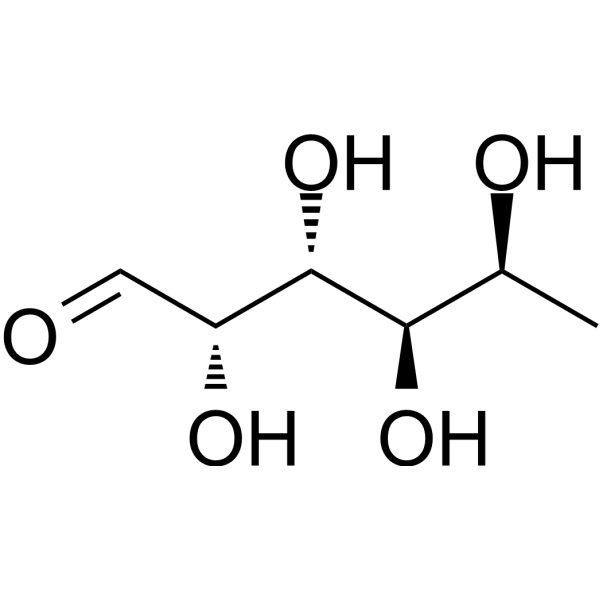
(-)-Fucose is classified as a member of the hexoses, plays a role in A and B blood group antigen substructure determination, selectin-mediated leukocyte-endothelial adhesion, and host-microbe interactions. (-)-Fucose is orally active, inhibits CL11-induced inflammatory response in kidney and tumor growth .
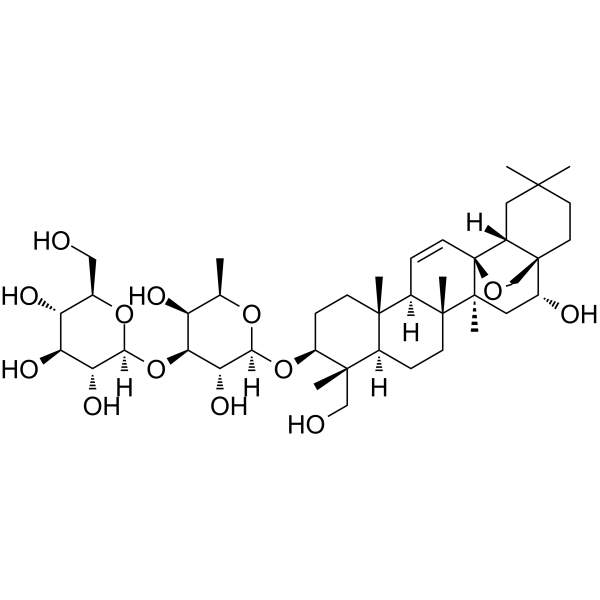
Saikosaponin D is a triterpene saponin isolated from Bupleurum, with anti-inflammatory, anti-bacterial, anti-tumor, and anti-allergic activities; Saikosaponin D inhibits selectin, STAT3 and NF-kB and activates estrogen receptor-β.
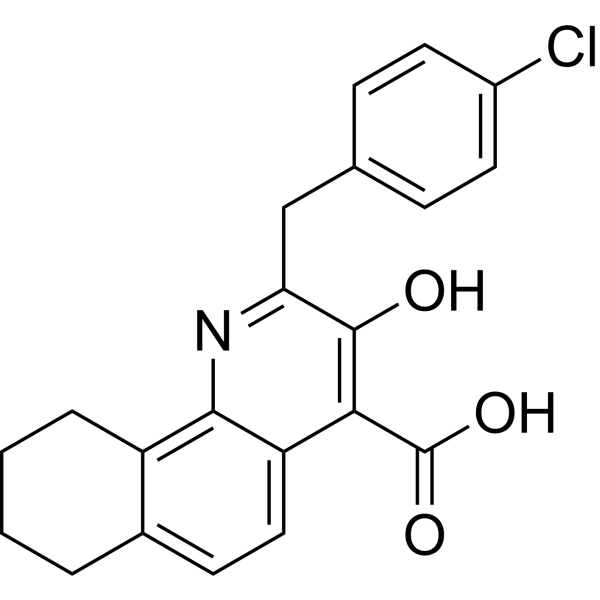
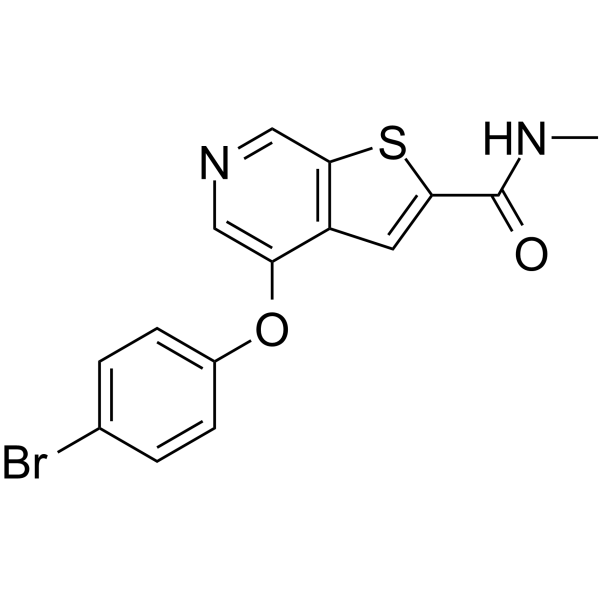
A-205804 is an orally bioavailable, potent and selective lead inhibitor of E-selectin and ICAM-1 expression, with an IC50 of 20 nM and 25 nM for E-selectin and ICAM-1, respectively. A-205804 can be used in the research of chronic inflammatory diseases .
Parmodulin 2 (ML161) is an allosteric inhibitor of protease-activated receptor 1 (PAR1) with an IC50 of 0.26 μM . Parmodulin 2 is a potent and non-competitive inhibitor of SFLLRN-induced P-selectin expression leading to inhibition of platelet aggregation in vitro and platelet thrombus formation in vivo .
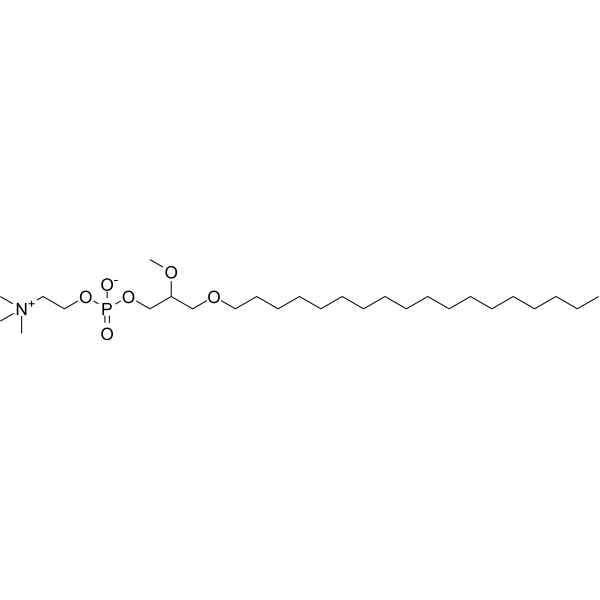
Edelfosine (ET-18-OCH3) is an orally active lipid raft modulator and apoptosis inducer that alters membrane fluidity and preferentially inserts into tumor cell membranes. Edelfosine recruits death receptor ligands (FasL/CD95L, TRAIL) and Bid to lipid rafts to form death-inducing signaling complexes, thereby initiating mitochondria-dependent apoptosis and inducing cytochrome c release. Edelfosine also exerts anti-inflammatory effects, promotes L-Selectin shedding, and causes no gastrointestinal or organ toxicity. In addition, Edelfosine inhibits nucleic acid and protein synthesis in Leishmania donovani and exhibits antiproliferative activity. Edelfosine can be used in research on multiple myeloma, inflammatory bowel diseases (such as ulcerative colitis and Crohn's disease), and visceral leishmaniasis .
Crizanlizumab is an anti-P-selectin monoclonal antibody. Crizanlizumab binds to P-selectin and blocks its interaction with P-selectin glycoprotein ligand 1 (PSGL-1). Crizanlizumab prevents vaso-occlusive crises (VOCs) and can be used for research of sickle cell disease .
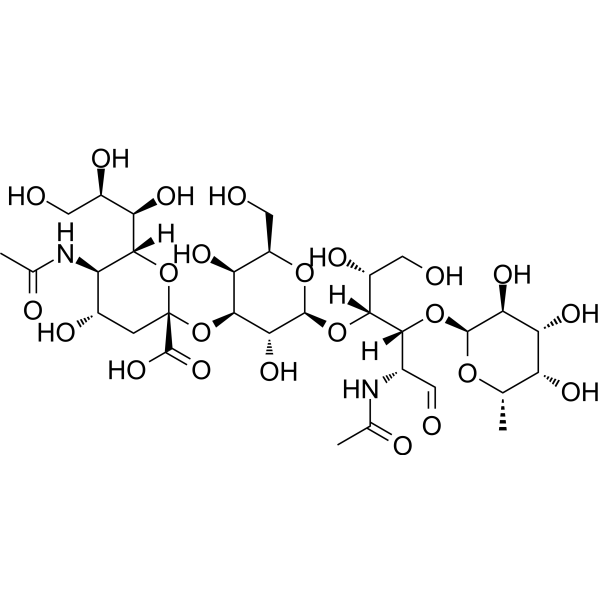
Sialyl-Lewis X (sLeX) is a sialylated fucosylated tetrasaccharide, an endogenous antigen. Sialyl-Lewis X is a high-affinity ligand for selectins (E-, P-, and L-selectin) . Sialyl-Lewis X binds to ELAM-1 and CD62 and has the ability?to inhibits CD62-mediated neutrophil recruitment to sites of inflammation .
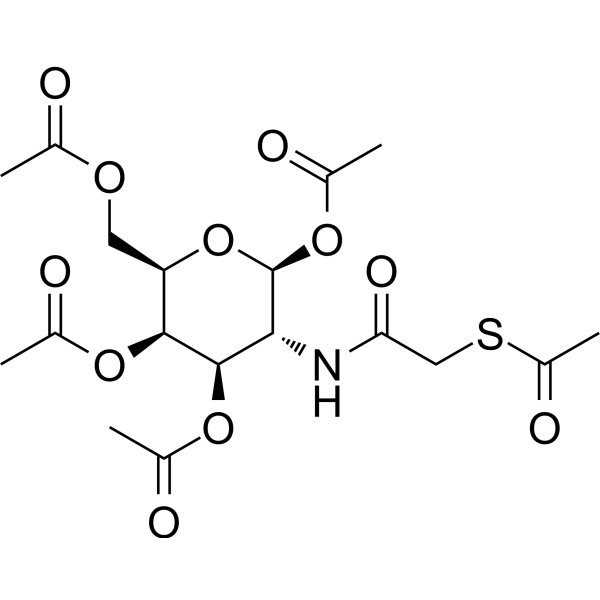
Ac5GalNTGc is a potent, peracetylated C-2 thioglycolyl-substituted GalNAc analog that efficiently inhibits mucin-type O-glycan biosynthesis. Ac5GalNTGc reduces leukocyte sialyl-Lewis-X expression and inhibits L-/P-selectin mediated rolling under flow, as well as P-selectin dependent leukocyte-platelet adhesion. Ac5GalNTGc exhibits anti-inflammatory activity in a thioglycollate-induced acute peritonitis model. Ac5GalNTGc can be used for studies of O-glycan/mucin biology, inflammation, and related translational research .
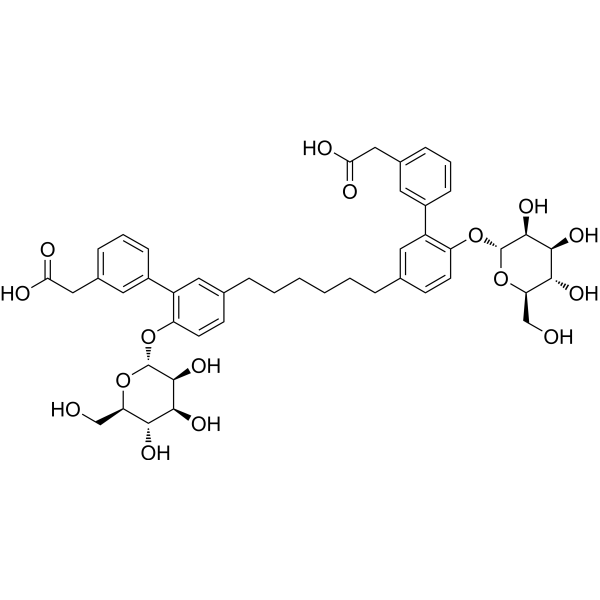
Bimosiamose (TBC-1269) is a nonoligosaccharide pan-selectin antagonist with IC50s of 88 μM, 20 μM, and 86 μM for E-selectin, P-selectin, and L-selectin, respectively. Bimosiamose has anti-inflammatory effects .
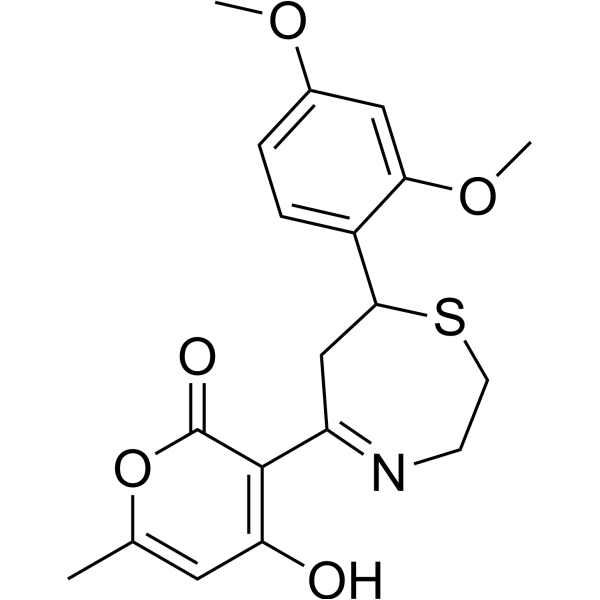
KF38789 is a selective inhibitor of P-selectin-PSGL-1 binding. KF38789 inhibits the binding of U937 cells to immobilized P-selectin immunoglobulin G chimeric protein (P-selectin-Ig) with an IC50 value of 1.97 μM .
Odatroltide (LT3001; DHDMIQK(KAP)) is a P-selectin inhibitor. Odatroltide is a peptide molecule comprising a tripeptide Pro-Ala-Lys (PAK) and an (S)-6,7-dihydroxy-1,1-dimethyl-1,2,3,4-tetrahydro-isoquinoline-3-carboxylic acid domain. Odatroltide can restore cerebral blood flow, scavenge free radicals, and inhibit leukocyte migration. Odatroltide possesses thrombolytic and anti-thrombotic activities .
SQDG inhibits topoisomerase I and P-selectin receptor, exhibits anti-inflammatory, antiviral and antitumor activities. SQDG is a glycolipid that possesses sugar moieties in their head groups. SQDG is a membrane lipid that can be used to investigate the effects of structural lipid in LNP formulations .
Inclacumab (Anti-Human selectin P Recombinant Antibody) is a human monoclonal IgG4 antibody selectively targets P-selectin with a Kd value of 9.9 nM. Inclacumab inhibits P-selectin glycoprotein ligand 1 (PSGL-1) mimetic peptide bind with P-selectin with an IC50 value of 1.9 μg/mL and strongly inhibits cell adhesion .
Anti-Mouse E-selectin/CD62E Antibody (9A9) is an anti-mouse E-selectin/CD62E IgG2b monoclonal antibody. Anti-Mouse E-selectin/CD62E Antibody (9A9) has an inhibitory effect on cancer cell colonization. Anti-Mouse E-selectin/CD62E Antibody (9A9) can be used for researches on inflammation conditions and cancer such as acute microvascular inflammation and breast cancer .
Rivipansel is a small-molecule glycomimetic pan-selectin antagonist with inhibitory activity against E-selectin and P-selectin. Rivipansel binds tightly to the lectin domain of E-selectin, and selectively blocks the recognition of CD62L by E-selectin without affecting the binding of PSGL-1 to E-selectin. Rivipansel functionally inhibits the adhesion of hematopoietic cells to endothelial cells, and is applicable to research related to sickle cell disease .
Aselizumab (HuDreg-55) is an humanized IgG4 mAb against L-selectin. However, L-selectin (CD62L) is a cell adhesion molecule expressed on circulating neutrophils. It regulates migrating cells to chemotaxis towards the site of injury. Aselizumab may be account for a high rate of infections and leucopenia after truma .
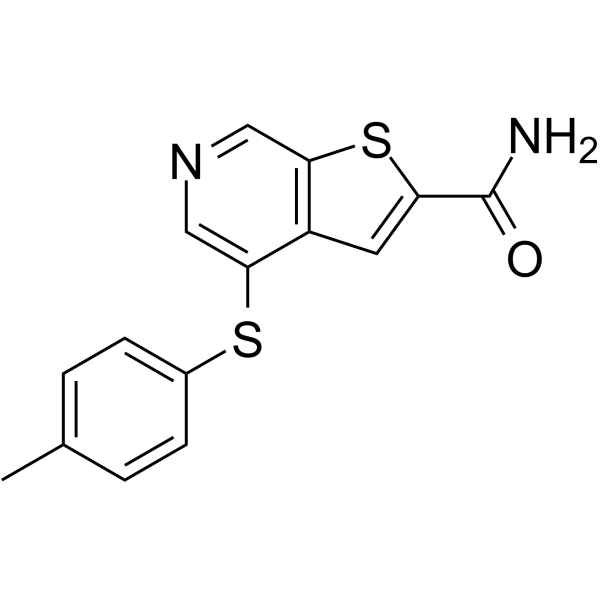
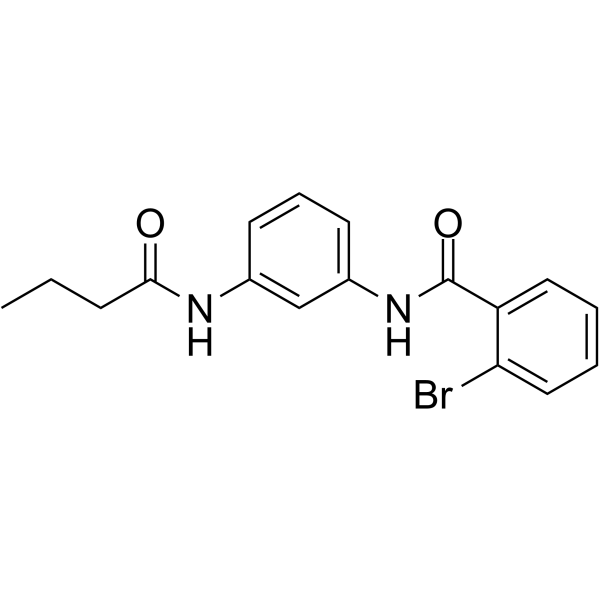
HMCEF is an orally active P-selectin inhibitor and inhibits P-selectin expression. HMCEF blocks the interaction between P-selectin and natural ligands, such as PSGL-1. HMCEF inhibits thrombosis and inflammation in mice .
Collagen-IN-1 (compound 3), an ortho-carbonyl hydroquinone derivative, is a selective inhibitor on collagen. Collagen-IN-1 inhibits agonist-induced platelet aggregation in a non-competitive manner with an IC50 value of 1.77 μM. Collagen-IN-1 reduces the expression of P-selectin, activation of glycoprotein IIb/IIIa, and release of adenosine triphosphate and CD63 from platelet. Collagen-IN-1 has the potential for platelet-related thrombosis diseases research .
Anti-Mouse L-Selectin/CD62L Antibody (Mel-14) is an anti-mouse L-Selectin/CD62L IgG2a monoclonal antibody. Anti-Mouse L-Selectin/CD62L Antibody (Mel-14) can significantly inhibit the migration of T cells and B cells. Anti-Mouse L-Selectin/CD62L Antibody (Mel-14) can block initial lymphocyte homing. Anti-Mouse L-Selectin/CD62L Antibody (Mel-14) can be used for researches on inflammation, metabolic and infection conditions such as diabetes and parasitic infections .
ARC5690 sodium is an anti-mouse P-selectin aptamer. ARC5690 bound to recombinant mouse P-selectin with a KD of approximately 15pM in vitro. ARC5690 showed a significant anti-inflammatory effect
Fucosyltransferase 6 is a fucosyltransferase that mediates the expression of the tetrasaccharide Sialyl-Lewis x (sLex, CD15s) on the surface of leukocytes. sLex participates in E-selectin-mediated leukocyte rolling and is related to the migration of leukocytes out of blood vessels .
Sialyl Lewis A (SLeA) sodium is a tumor-associated carbohydrate antigen, also known as carbohydrate antigen 19-9 (CA19-9), that binds to E-selectin (ELAM-1) and selectins to mediate cell-endothelium adhesion. Sialyl Lewis A sodium promotes cancer cell-vascular endothelium adhesion, and its surface presence correlates with increased tumorigenicity and invasiveness in cancer cells. Sialyl Lewis A sodium shows elevated expression in human adenocarcinomas of the colon, pancreas, and stomach, with expression levels linked to tumor progression and poor prognosis in colorectal and gastric carcinomas. Sialyl Lewis A sodium can be used for the research of cancers, such as colon, pancreas, stomach, and squamous lung cancer .
Sialyl Lewis A (SLeA) is a tumor-associated carbohydrate antigen, also known as carbohydrate antigen 19-9 (CA19-9), that binds to E-selectin (ELAM-1) and selectins to mediate cell-endothelium adhesion. Sialyl Lewis A promotes cancer cell-vascular endothelium adhesion, and its surface presence correlates with increased tumorigenicity and invasiveness in cancer cells. Sialyl Lewis A shows elevated expression in human adenocarcinomas of the colon, pancreas, and stomach, with expression levels linked to tumor progression and poor prognosis in colorectal and gastric carcinomas. Sialyl Lewis A can be used for the research of cancers, such as colon, pancreas, stomach, and squamous lung cancer .
Bimosiamose disodium (TBC-1269Z) is a nonoligosaccharide pan-selectin inhibitor with IC50s of 88 μM, 20 μM, and 86 μM for E-selectin, P-selectin, and L-selectin, respectively. Bimosiamose disodium has anti-inflammatory effects .
(-)-Fucose- 13C-1 is the 13C labeled (-)-Fucose. (-)-Fucose is classified as a member of the hexoses, plays a role in A and B blood group antigen substructure determination, selectin-mediated leukocyte-endothelial adhesion, and host-microbe interacti[
Saikosaponin D (Standard) is the analytical standard of Saikosaponin D. This product is intended for research and analytical applications. Saikosaponin D is a triterpene saponin isolated from Bupleurum, with anti-inflammatory, anti-bacterial, anti-tumor, and anti-allergic activities; Saikosaponin D inhibits selectin, STAT3 and NF-kB and activates estrogen receptor-β.
(-)-Fucose (Standard) is the analytical standard of (-)-Fucose. This product is intended for research and analytical applications. (-)-Fucose is classified as a member of the hexoses, plays a role in A and B blood group antigen substructure determination, selectin-mediated leukocyte-endothelial adhesion, and host-microbe interactions. (-)-Fucose is orally active, inhibits CL11-induced inflammatory response in kidney and tumor growth .
A2G2F2 glycan (A2G2F2(a1-3) glycan) is a Lewis X polysaccharide containing two Lewis X epitopes and is a symmetric N-glycan. SLeX is a ligand for the cell adhesion molecule E-selectin, which is specifically expressed at sites of inflammatory lesions. Designing SLeX-polysaccharide conjugates to deliver drugs to inflammatory lesions .
Crizanlizumab (anti-P-selectin) is an anti-P-selectin monoclonal antibody. Crizanlizumab binds to P-selectin and blocks its interaction with P-selectin glycoprotein ligand 1 (PSGL-1). Crizanlizumab prevents vaso-occlusive crises (VOCs) and can be used for research of sickle cell disease .
Anti-E-Selectin Antibody (CL2) is a kind of mouse IgG2a κ chimeric antibody inhibitor, targeting to human E-Selectin. Anti-E-Selectin Antibody (CL2) reacts with human E-selectin also known as CD62E, endothelial-leukocyte adhesion molecule 1 (ELAM-1), and leukocyte-endothelial cell adhesion molecule 2 (LECAM2). Anti-E-Selectin Antibody (CL2) directly blocks the binding of E selectin to carbohydrate ligands. Anti-E-Selectin Antibody (CL2) can be used for the detection of flow cytometry .
Bimosiamose (Standard) is the analytical standard of Bimosiamose. This product is intended for research and analytical applications. Bimosiamose (TBC-1269) is a nonoligosaccharide pan-selectin antagonist with IC50s of 88 μM, 20 μM, and 86 μM for E-selectin, P-selectin, and L-selectin, respectively. Bimosiamose has anti-inflammatory effects .
VU0652925, an analog of BMS986120, is a PAR4 antagonist, with IC50 values of 43 pM and 39.2 pM for PAC1 and P-selectin, respectively. VU0652925 is able to suppress GPIIbIIIa activation .
(-)-Fucose- 13C is the 13C labeled (-)-Fucose. (-)-Fucose is classified as a member of the hexoses, plays a role in A and B blood group antigen substructure determination, selectin-mediated leukocyte-endothelial adhesion, and host-microbe interacti
(-)-Fucose- 13C-3 is the 13C labeled (-)-Fucose. (-)-Fucose is classified as a member of the hexoses, plays a role in A and B blood group antigen substructure determination, selectin-mediated leukocyte-endothelial adhesion, and host-microbe interacti[
(-)-Fucose- 13C-2 is the 13C labeled (-)-Fucose. (-)-Fucose is classified as a member of the hexoses, plays a role in A and B blood group antigen substructure determination, selectin-mediated leukocyte-endothelial adhesion, and host-microbe interacti[
DSPE-PEG5000-ESBP is a PEG compound which composed of DSPE and a E-selectin-binding peptide (ESBP). As a tumor-targeting peptide, ESBP can specifically recognize and bind to receptors or markers on the surface of tumor cells .
Ac5GalNTGc epimer is an analogue of hexosamine and the racemate of Ac5GalNTGc (HY-160109). Ac5GalNTGc is a potent, peracetylated C-2 thioglycolyl-substituted GalNAc analog that efficiently inhibits mucin-type O-glycan biosynthesis. Ac5GalNTGc reduces leukocyte sialyl-Lewis-X expression and inhibits L-/P-selectin mediated rolling under flow, as well as P-selectin dependent leukocyte-platelet adhesion. Ac5GalNTGc exhibits anti-inflammatory activity in a thioglycollate-induced acute peritonitis model. Ac5GalNTGc can be used for studies of O-glycan/mucin biology, inflammation, and related translational research .
Icrocaptide (ITF1697) is a stable Lys-Pro-containing peptide that inhibits the intracellular Ca 2+-dependent fusion of Weibel-Palade bodies with the plasma membrane. Icrocaptide exerts its activity at the early stages of endothelial activation and inhibits P-selectin and von Willebrand factor secretion. Icrocaptide can be used for the study of a variety of microvascular disorders .
LN6023 (hydrochloride) (Compound 27) is a CXCR7 agonist. LN6023 (hydrochloride) induces the recruitment of β-arrestin in HEK293T cells expressing human CXCR7 (EC50 = 3.5 µM). LN6023 (hydrochloride) reduces the surface level of P-selectin in isolated and washed human platelets. LN6023 (hydrochloride) can be used to study platelet-mediated thrombosis .
P-ESBP-DOX is a HPMA copolymer-drug conjugate, which is consistituted of the E-selectin binding peptide and the Doxorubicin (HY-15142). P-ESBP-DOX exhibits cytotoxicity against TNFα-activated human vascular endothelial cells IVECs with an IC50 of 0.28 μM. P-ESBP-DOX can be used in research about tumor vasculature .
A2[3]G1F1(α-1-3) glycan (A2[3]G1F1(a1-3) glycan) is an asymmetric Lewis X polysaccharide and N-glycan. SLeX is a ligand for the cell adhesion molecule E-selectin, which is specifically expressed at sites of inflammatory lesions. Designing SLeX-polysaccharide conjugates to deliver drugs to inflammatory lesions .
P‑Selectin binding peptide is a short peptide that specifically targets P‑selectin. P‑Selectin binding peptide binds with high affinity to P‑selectin, which is highly expressed on activated platelets, inflamed endothelium, and in the tumor microenvironment. P‑Selectin binding peptide is used for precise targeted delivery and intervention in inflammation, thrombosis, and tumors .
Anti-Rat L-selectin Antibody (OX-85) reacts with rat L-selectin (CD62L). Anti-Rat L-selectin Antibody (OX-85) inhibits L-selectin in vivo and in vitro. Recommend Isotype Controls: Mouse IgG1 kappa, Isotype Control (HY-P99977) .
A2[3]G1 & A2[6]G1 glycan (G1), 2-AB labeled Lewis sugar. SLeX is a ligand for the cell adhesion molecule E-selectin (E-selectin), which is specifically expressed at sites of inflammatory lesions. Designing SLeX-polysaccharide conjugates to deliver drugs to inflammatory lesions .
Anti-CD62L Antibody (DREG-200) is a human monoclonal antibody targeting CD62L/L-selectin. Anti-CD62L Antibody (DREG-200) binds to residues 45, 46 and 47 of L-selectin, and blocks L-selectin-mediated interactions, neutrophil rolling, adhesion, aggregation, secondary anchoring, as well as leukocyte rolling on ligands. Anti-CD62L Antibody (DREG-200) reduces myocardial necrosis, coronary endothelial dysfunction, and neutrophil migration driven by neutrophil microparticles. Anti-CD62L Antibody (DREG-200) exerts cardioprotective effects in feline models. Anti-CD62L Antibody (DREG-200) can be used in studies related to myocardial ischemia-reperfusion injury. The recommended isotype control is Mouse IgG1 kappa (HY-P99977) .
DSPE-PEG2000-ESBP is a PEG compound which composed of DSPE and a E-selectin-binding peptide (ESBP). As a tumor-targeting peptide, ESBP can specifically recognize and bind to receptors or markers on the surface of tumor cells .
DSPE-PEG3400-ESBP is a PEG compound which composed of DSPE and a E-selectin-binding peptide (ESBP). As a tumor-targeting peptide, ESBP can specifically recognize and bind to receptors or markers on the surface of tumor cells .
DSPE-PEG1000-ESBP is a PEG compound which composed of DSPE and a E-selectin-binding peptide (ESBP). As a tumor-targeting peptide, ESBP can specifically recognize and bind to receptors or markers on the surface of tumor cells .
A2[3]G1 N-glycan (N/A) is a Lewis sugar. SLeX is a ligand for the cell adhesion molecule E-selectin, which is specifically expressed at sites of inflammatory lesions. Designing SLeX-polysaccharide conjugates to deliver drugs to inflammatory lesions .
LN5972 is a selective ACKR3 agonist with an EC50 of 3.40 μM, showing higher selectivity for ACKR3 over CXCR4. LN5972 induces β-arrestin recruitment to ACKR3/CXCR7. LN5972 reduces the surface expression of P-selectin. LN5972 is applicable to studies related to platelet-mediated thrombosis .
SQDG inhibits topoisomerase I and P-selectin receptor, exhibits anti-inflammatory, antiviral and antitumor activities. SQDG is a glycolipid that possesses sugar moieties in their head groups. SQDG is a membrane lipid that can be used to investigate the effects of structural lipid in LNP formulations .
A2G2F2 glycan (A2G2F2(a1-3) glycan) is a Lewis X polysaccharide containing two Lewis X epitopes and is a symmetric N-glycan. SLeX is a ligand for the cell adhesion molecule E-selectin, which is specifically expressed at sites of inflammatory lesions. Designing SLeX-polysaccharide conjugates to deliver drugs to inflammatory lesions .
DSPE-PEG5000-ESBP is a PEG compound which composed of DSPE and a E-selectin-binding peptide (ESBP). As a tumor-targeting peptide, ESBP can specifically recognize and bind to receptors or markers on the surface of tumor cells .
A2[3]G1F1(α-1-3) glycan (A2[3]G1F1(a1-3) glycan) is an asymmetric Lewis X polysaccharide and N-glycan. SLeX is a ligand for the cell adhesion molecule E-selectin, which is specifically expressed at sites of inflammatory lesions. Designing SLeX-polysaccharide conjugates to deliver drugs to inflammatory lesions .
A2[3]G1 & A2[6]G1 glycan (G1), 2-AB labeled Lewis sugar. SLeX is a ligand for the cell adhesion molecule E-selectin (E-selectin), which is specifically expressed at sites of inflammatory lesions. Designing SLeX-polysaccharide conjugates to deliver drugs to inflammatory lesions .
DSPE-PEG2000-ESBP is a PEG compound which composed of DSPE and a E-selectin-binding peptide (ESBP). As a tumor-targeting peptide, ESBP can specifically recognize and bind to receptors or markers on the surface of tumor cells .
DSPE-PEG3400-ESBP is a PEG compound which composed of DSPE and a E-selectin-binding peptide (ESBP). As a tumor-targeting peptide, ESBP can specifically recognize and bind to receptors or markers on the surface of tumor cells .
DSPE-PEG1000-ESBP is a PEG compound which composed of DSPE and a E-selectin-binding peptide (ESBP). As a tumor-targeting peptide, ESBP can specifically recognize and bind to receptors or markers on the surface of tumor cells .
A2[3]G1 N-glycan (N/A) is a Lewis sugar. SLeX is a ligand for the cell adhesion molecule E-selectin, which is specifically expressed at sites of inflammatory lesions. Designing SLeX-polysaccharide conjugates to deliver drugs to inflammatory lesions .
Odatroltide (LT3001; DHDMIQK(KAP)) is a P-selectin inhibitor. Odatroltide is a peptide molecule comprising a tripeptide Pro-Ala-Lys (PAK) and an (S)-6,7-dihydroxy-1,1-dimethyl-1,2,3,4-tetrahydro-isoquinoline-3-carboxylic acid domain. Odatroltide can restore cerebral blood flow, scavenge free radicals, and inhibit leukocyte migration. Odatroltide possesses thrombolytic and anti-thrombotic activities .
Icrocaptide (ITF1697) is a stable Lys-Pro-containing peptide that inhibits the intracellular Ca 2+-dependent fusion of Weibel-Palade bodies with the plasma membrane. Icrocaptide exerts its activity at the early stages of endothelial activation and inhibits P-selectin and von Willebrand factor secretion. Icrocaptide can be used for the study of a variety of microvascular disorders .
P-ESBP-DOX is a HPMA copolymer-drug conjugate, which is consistituted of the E-selectin binding peptide and the Doxorubicin (HY-15142). P-ESBP-DOX exhibits cytotoxicity against TNFα-activated human vascular endothelial cells IVECs with an IC50 of 0.28 μM. P-ESBP-DOX can be used in research about tumor vasculature .
P‑Selectin binding peptide is a short peptide that specifically targets P‑selectin. P‑Selectin binding peptide binds with high affinity to P‑selectin, which is highly expressed on activated platelets, inflamed endothelium, and in the tumor microenvironment. P‑Selectin binding peptide is used for precise targeted delivery and intervention in inflammation, thrombosis, and tumors .
Crizanlizumab is an anti-P-selectin monoclonal antibody. Crizanlizumab binds to P-selectin and blocks its interaction with P-selectin glycoprotein ligand 1 (PSGL-1). Crizanlizumab prevents vaso-occlusive crises (VOCs) and can be used for research of sickle cell disease .
Inclacumab (Anti-Human selectin P Recombinant Antibody) is a human monoclonal IgG4 antibody selectively targets P-selectin with a Kd value of 9.9 nM. Inclacumab inhibits P-selectin glycoprotein ligand 1 (PSGL-1) mimetic peptide bind with P-selectin with an IC50 value of 1.9 μg/mL and strongly inhibits cell adhesion .
Anti-Mouse E-selectin/CD62E Antibody (9A9) is an anti-mouse E-selectin/CD62E IgG2b monoclonal antibody. Anti-Mouse E-selectin/CD62E Antibody (9A9) has an inhibitory effect on cancer cell colonization. Anti-Mouse E-selectin/CD62E Antibody (9A9) can be used for researches on inflammation conditions and cancer such as acute microvascular inflammation and breast cancer .
Aselizumab (HuDreg-55) is an humanized IgG4 mAb against L-selectin. However, L-selectin (CD62L) is a cell adhesion molecule expressed on circulating neutrophils. It regulates migrating cells to chemotaxis towards the site of injury. Aselizumab may be account for a high rate of infections and leucopenia after truma .
Anti-Mouse L-Selectin/CD62L Antibody (Mel-14) is an anti-mouse L-Selectin/CD62L IgG2a monoclonal antibody. Anti-Mouse L-Selectin/CD62L Antibody (Mel-14) can significantly inhibit the migration of T cells and B cells. Anti-Mouse L-Selectin/CD62L Antibody (Mel-14) can block initial lymphocyte homing. Anti-Mouse L-Selectin/CD62L Antibody (Mel-14) can be used for researches on inflammation, metabolic and infection conditions such as diabetes and parasitic infections .
Crizanlizumab (anti-P-selectin) is an anti-P-selectin monoclonal antibody. Crizanlizumab binds to P-selectin and blocks its interaction with P-selectin glycoprotein ligand 1 (PSGL-1). Crizanlizumab prevents vaso-occlusive crises (VOCs) and can be used for research of sickle cell disease .
Anti-E-Selectin Antibody (CL2) is a kind of mouse IgG2a κ chimeric antibody inhibitor, targeting to human E-Selectin. Anti-E-Selectin Antibody (CL2) reacts with human E-selectin also known as CD62E, endothelial-leukocyte adhesion molecule 1 (ELAM-1), and leukocyte-endothelial cell adhesion molecule 2 (LECAM2). Anti-E-Selectin Antibody (CL2) directly blocks the binding of E selectin to carbohydrate ligands. Anti-E-Selectin Antibody (CL2) can be used for the detection of flow cytometry .
Anti-Rat L-selectin Antibody (OX-85) reacts with rat L-selectin (CD62L). Anti-Rat L-selectin Antibody (OX-85) inhibits L-selectin in vivo and in vitro. Recommend Isotype Controls: Mouse IgG1 kappa, Isotype Control (HY-P99977) .
Anti-CD62L Antibody (DREG-200) is a human monoclonal antibody targeting CD62L/L-selectin. Anti-CD62L Antibody (DREG-200) binds to residues 45, 46 and 47 of L-selectin, and blocks L-selectin-mediated interactions, neutrophil rolling, adhesion, aggregation, secondary anchoring, as well as leukocyte rolling on ligands. Anti-CD62L Antibody (DREG-200) reduces myocardial necrosis, coronary endothelial dysfunction, and neutrophil migration driven by neutrophil microparticles. Anti-CD62L Antibody (DREG-200) exerts cardioprotective effects in feline models. Anti-CD62L Antibody (DREG-200) can be used in studies related to myocardial ischemia-reperfusion injury. The recommended isotype control is Mouse IgG1 kappa (HY-P99977) .
(-)-Fucose is classified as a member of the hexoses, plays a role in A and B blood group antigen substructure determination, selectin-mediated leukocyte-endothelial adhesion, and host-microbe interactions. (-)-Fucose is orally active, inhibits CL11-induced inflammatory response in kidney and tumor growth .
Saikosaponin D is a triterpene saponin isolated from Bupleurum, with anti-inflammatory, anti-bacterial, anti-tumor, and anti-allergic activities; Saikosaponin D inhibits selectin, STAT3 and NF-kB and activates estrogen receptor-β.
Sialyl-Lewis X (sLeX) is a sialylated fucosylated tetrasaccharide, an endogenous antigen. Sialyl-Lewis X is a high-affinity ligand for selectins (E-, P-, and L-selectin) . Sialyl-Lewis X binds to ELAM-1 and CD62 and has the ability?to inhibits CD62-mediated neutrophil recruitment to sites of inflammation .
Saikosaponin D (Standard) is the analytical standard of Saikosaponin D. This product is intended for research and analytical applications. Saikosaponin D is a triterpene saponin isolated from Bupleurum, with anti-inflammatory, anti-bacterial, anti-tumor, and anti-allergic activities; Saikosaponin D inhibits selectin, STAT3 and NF-kB and activates estrogen receptor-β.
(-)-Fucose (Standard) is the analytical standard of (-)-Fucose. This product is intended for research and analytical applications. (-)-Fucose is classified as a member of the hexoses, plays a role in A and B blood group antigen substructure determination, selectin-mediated leukocyte-endothelial adhesion, and host-microbe interactions. (-)-Fucose is orally active, inhibits CL11-induced inflammatory response in kidney and tumor growth .
P-selectin is a Ca(2+)-dependent receptor on myeloid cells that specifically binds to carbohydrates on neutrophils and monocytes.It mediates interactions between activated endothelial cells or platelets and leukocytes by recognizing sialic acid-Lewis X.P-Selectin Protein, Mouse (HEK293, Fc) is the recombinant mouse-derived P-Selectin protein, expressed by HEK293 , with C-hFc labeled tag.
P-Selectin, a Ca(2+)-dependent receptor on myeloid cells, binds to neutrophils and monocytes via carbohydrates. It interacts with SELPLG to enable rapid leukocyte rolling over vascular surfaces in early inflammation. P-Selectin also interacts with SNX17 and promotes neutrophil adhesion and rolling, requiring SELPLG's sialyl-Lewis X and tyrosine sulfation. P-Selectin Protein, Rat (HEK293, His) is the recombinant rat-derived P-Selectin protein, expressed by HEK293 , with C-His labeled tag.
P-selectin is a Ca(2+)-dependent receptor on myeloid cells that critically binds to sialic acid-Lewis X on neutrophils and monocytes, promoting the interaction between activated endothelial cells or platelets and leukocytes interaction. This binding primarily to SELPLG/PSGL1 and PODXL2 is critical for rapid rolling of leukocytes during early inflammation. P-Selectin Protein, Human (HEK293, Fc) is the recombinant human-derived P-Selectin protein, expressed by HEK293 , with C-hFc labeled tag.
P-Selectin, a Ca(2+)-dependent receptor on myeloid cells, binds to neutrophils and monocytes via carbohydrates. It interacts with SELPLG to enable rapid leukocyte rolling over vascular surfaces in early inflammation. P-Selectin also interacts with SNX17 and promotes neutrophil adhesion and rolling, requiring SELPLG's sialyl-Lewis X and tyrosine sulfation. P-Selectin Protein, Rat (HEK293, Fc) is the recombinant rat-derived P-Selectin protein, expressed by HEK293 , with C-hFc labeled tag.
E-selectin/CD62E Protein, a cell-surface glycoprotein, crucially mediates immunoadhesion by interacting with SELPLG/PSGL1 for the adhesion of neutrophils to cytokine-activated endothelium. It also potentially influences capillary morphogenesis and interacts with SELPLG/PSGL1 and PODXL2 through the sialyl Lewis X epitope, independently of SELPLG sulfation. E-Selectin/CD62E Protein, Human (HEK293, His-Avi) is the recombinant human-derived E-Selectin/CD62E protein, expressed by HEK293 , with C-Avi, C-His labeled tag.
P-Selectin Protein, Rhesus Macaque (HEK293, His) is a member of the selectin family of cell adhesion molecules. P-selectin (CD62P) has an N-terminal lectin domain, an epidermal growth factor motif, (generally) nine regulatory protein repeats, a transmembrane section and a short intracytoplasmic tail. P-selectin mediates leukocyte rolling on stimulated endothelial cells and heterotypic aggregation of activated platelets onto leukocytes. P-selectin mediates heterotypic aggregation of activated platelets to cancer cells and adhesion of cancer cells to stimulated endothelial cells. P-selectin glycoprotein ligand-1 (PSGL-1) is a major ligand for P-selectin. P-Selectin Protein, Rhesus Macaque (HEK293, His) is the recombinant Rhesus Macaque-derived P-Selectin protein, expressed by HEK293 , with C-His labeled tag.
P-Selectin Protein, Rhesus Macaque (HEK293, His) is a member of the selectin family of cell adhesion molecules. P-selectin (CD62P) has an N-terminal lectin domain, an epidermal growth factor motif, (generally) nine regulatory protein repeats, a transmembrane section and a short intracytoplasmic tail. P-selectin mediates leukocyte rolling on stimulated endothelial cells and heterotypic aggregation of activated platelets onto leukocytes. P-selectin mediates heterotypic aggregation of activated platelets to cancer cells and adhesion of cancer cells to stimulated endothelial cells. P-selectin glycoprotein ligand-1 (PSGL-1) is a major ligand for P-selectin. P-Selectin Protein, Rhesus Macaque (HEK293, Fc) is the recombinant Rhesus Macaque-derived P-Selectin protein, expressed by HEK293 , with C-hFc labeled tag.
E-Selectin/CD62E protein, a cell-surface glycoprotein, mediates the adhesion of blood neutrophils to cytokine-activated endothelium through interaction with SELPLG/PSGL1. It also potentially contributes to capillary morphogenesis and interacts with SELPLG/PSGL1 and PODXL2. These multifaceted interactions highlight E-Selectin's role in cell adhesion and its potential influence on vascular development. E-Selectin/CD62E Protein, Mouse (HEK293) is the recombinant mouse-derived E-Selectin/CD62E protein, expressed by HEK293 , with tag free.
E-selectin/CD62E Protein, a cell-surface glycoprotein, crucially mediates immunoadhesion by interacting with SELPLG/PSGL1 for the adhesion of neutrophils to cytokine-activated endothelium. It also potentially influences capillary morphogenesis and interacts with SELPLG/PSGL1 and PODXL2 through the sialyl Lewis X epitope, independently of SELPLG sulfation. E-selectin/CD62E Protein, Human (Biotinylated, HEK293, His-Avi) is the recombinant human-derived E-selectin/CD62E protein, expressed by HEK293 , with C-Avi, C-His labeled tag.
E-selectin/CD62E Protein, a cell-surface glycoprotein, crucially mediates immunoadhesion by interacting with SELPLG/PSGL1 for the adhesion of neutrophils to cytokine-activated endothelium. It also potentially influences capillary morphogenesis and interacts with SELPLG/PSGL1 and PODXL2 through the sialyl Lewis X epitope, independently of SELPLG sulfation. E-selectin/CD62E Protein, Human (HEK293, His) is the recombinant human-derived E-selectin/CD62E protein, expressed by HEK293 , with C-6*His labeled tag.
E-Selectin/CD62E protein, a cell-surface glycoprotein, mediates the adhesion of blood neutrophils to cytokine-activated endothelium through interaction with SELPLG/PSGL1. It also potentially contributes to capillary morphogenesis and interacts with SELPLG/PSGL1 and PODXL2. These multifaceted interactions highlight E-Selectin's role in cell adhesion and its potential influence on vascular development. E-Selectin/CD62E Protein, Mouse (HEK293, His) is the recombinant mouse-derived E-Selectin/CD62E protein, expressed by HEK293 , with C-His, C-10*His labeled tag.
The E-selectin/CD62E protein is a cell surface glycoprotein that critically mediates immune adhesion by promoting neutrophil adhesion to cytokine-activated endothelial cells through the SELPLG/PSGL1 interaction. It may also contribute to capillary morphogenesis and interact with SELPLG/PSGL1 and PODXL2 via the sialyl Lewis X epitope regardless of SELPLG sulfation. E-Selectin/CD62E Protein, Rat (HEK293, His) is the recombinant rat-derived E-Selectin/CD62E protein, expressed by HEK293 , with C-His labeled tag.
The E-selectin/CD62E protein belongs to the selectin/LECAM family and plays a crucial role in mediating cell adhesion processes, particularly the interaction between leukocytes and endothelial cells. As a member of this family, E-selectin may have conserved characteristics, underscoring its importance in cell adhesion. E-selectin/CD62E Protein, Cynomolgus (HEK293, His) is the recombinant cynomolgus-derived E-selectin/CD62E protein, expressed by HEK293 , with C-His labeled tag.
E-Selectin/CD62E protein, a cell-surface glycoprotein, mediates the adhesion of blood neutrophils to cytokine-activated endothelium through interaction with SELPLG/PSGL1. It also potentially contributes to capillary morphogenesis and interacts with SELPLG/PSGL1 and PODXL2. These multifaceted interactions highlight E-Selectin's role in cell adhesion and its potential influence on vascular development. E-Selectin/CD62E Protein, Mouse (HEK293, Fc) is the recombinant mouse-derived E-Selectin/CD62E protein, expressed by HEK293 , with C-hFc labeled tag.
The E-selectin/CD62E protein is a cell surface glycoprotein that critically mediates immune adhesion by promoting neutrophil adhesion to cytokine-activated endothelial cells through the SELPLG/PSGL1 interaction.It may also contribute to capillary morphogenesis and interact with SELPLG/PSGL1 and PODXL2 via the sialyl Lewis X epitope regardless of SELPLG sulfation.E-Selectin/CD62E Protein, Rat (HEK293, Fc) is the recombinant rat-derived E-Selectin/CD62E protein, expressed by HEK293 , with C-hFc labeled tag.
E-selectin/CD62E Protein, a cell-surface glycoprotein, crucially mediates immunoadhesion by interacting with SELPLG/PSGL1 for the adhesion of neutrophils to cytokine-activated endothelium. It also potentially influences capillary morphogenesis and interacts with SELPLG/PSGL1 and PODXL2 through the sialyl Lewis X epitope, independently of SELPLG sulfation. E-Selectin/CD62E Protein, Human (HEK293, Fc) is the recombinant human-derived E-Selectin/CD62E protein, expressed by HEK293 , with C-hFc labeled tag.
The E-selectin/CD62E protein belongs to the selectin/LECAM family and plays a crucial role in mediating cell adhesion processes, particularly the interaction between leukocytes and endothelial cells.As a member of this family, E-selectin may have conserved characteristics, underscoring its importance in cell adhesion.E-selectin/CD62E Protein, Cynomolgus (HEK293, hFc) is the recombinant cynomolgus-derived E-selectin/CD62E protein, expressed by HEK293 , with C-hFc labeled tag.
E-selectin/CD62E Protein, a cell-surface glycoprotein, crucially mediates immunoadhesion by interacting with SELPLG/PSGL1 for the adhesion of neutrophils to cytokine-activated endothelium. It also potentially influences capillary morphogenesis and interacts with SELPLG/PSGL1 and PODXL2 through the sialyl Lewis X epitope, independently of SELPLG sulfation. E-Selectin/CD62E Protein, Human (HEK293, His-Fc) is the recombinant human-derived E-Selectin/CD62E protein, expressed by HEK293 , with C-hFc, C-His labeled tag.
The CD162/PSGL-1 protein is an SLe(x)-type proteoglycan that mediates rapid rolling of leukocytes through high-affinity interactions with E- and P-selectin, thereby promoting early inflammatory stages.CD162 forms homodimers linked by disulfide bonds and interacts with selectins through the lectin/EGF domain.CD162/PSGL-1 Protein, Mouse (HEK293) is the recombinant mouse-derived CD162/PSGL-1 protein, expressed by HEK293 , with tag free.
CD162/PSGL-1 Protein, a cell surface receptor, plays a crucial role in leukocyte trafficking and adhesion. Dysregulation of CD162/PSGL-1 Protein has been associated with inflammatory diseases and impaired immune responses. Targeting CD162/PSGL-1 Protein may offer potential therapeutic interventions in these conditions by modulating leukocyte trafficking, enhancing immune responses, and managing inflammatory disorders. CD162/PSGL-1 Protein, Human (HEK293, hFc) is the recombinant human-derived CD162/PSGL-1 protein, expressed by HEK293 , with C-hFc labeled tag.
CD162/PSGL-1 Protein, a cell surface receptor, plays a crucial role in leukocyte trafficking and adhesion. Dysregulation of CD162/PSGL-1 Protein has been associated with inflammatory diseases and impaired immune responses. Targeting CD162/PSGL-1 Protein may offer potential therapeutic interventions in these conditions by modulating leukocyte trafficking, enhancing immune responses, and managing inflammatory disorders. CD162/PSGL-1 Protein, Human (HEK293, His) is the recombinant human-derived CD162/PSGL-1 protein, expressed by HEK293 , with C-His labeled tag.
P-selectin is a Ca(2+)-dependent receptor on myeloid cells that specifically binds to carbohydrates on neutrophils and monocytes.It mediates interactions between activated endothelial cells or platelets and leukocytes by recognizing sialic acid-Lewis X.P-Selectin Protein, Mouse (HEK293, His) is the recombinant mouse-derived P-Selectin protein, expressed by HEK293 , with C-His labeled tag.
CD162/PSGL-1 Protein is a sialomucin expressed on leukocytes, which through high affinity, calcium-dependent interactions with E- and P-selectins, mediates rapid rolling of leukocytes over vascular surfaces during the initial steps in inflammation. CD162/PSGL-1 Protein, Human (HEK293, mFc) is the recombinant human-derived CD162/PSGL-1 protein, expressed by HEK293 , with C-mFc labeled tag.
CD162/PSGL-1 Protein is a sialomucin expressed on leukocytes, which through high affinity, calcium-dependent interactions with E- and P-selectins, mediates rapid rolling of leukocytes over vascular surfaces during the initial steps in inflammation. CD162/PSGL-1 Protein, Human (HEK293, His-Fc) is the recombinant human-derived CD162/PSGL-1 protein, expressed by HEK293 , with C-His, C-hFc labeled tag.
The L-selectin/CD62L protein is a calcium-dependent lectin that promotes cell adhesion by binding to glycoproteins on neighboring cells. L-selectin/CD62L Protein, Human (CHO, His) is the recombinant human-derived L-selectin/CD62L protein, expressed by CHO , with C-His labeled tag.
P-selectin is a Ca(2+)-dependent receptor on myeloid cells that critically binds to sialic acid-Lewis X on neutrophils and monocytes, promoting the interaction between activated endothelial cells or platelets and leukocytes interaction. This binding primarily to SELPLG/PSGL1 and PODXL2 is critical for rapid rolling of leukocytes during early inflammation. P-Selectin Protein, Human (Biotinylated, HEK293, His-Avi) is the recombinant human-derived P-Selectin protein, expressed by HEK293 , with C-Avi, C-His labeled tag.
L-selectin, a calcium-dependent lectin, binds to glycoproteins on adjacent cells, facilitating lymphocyte attachment to endothelial cells in peripheral lymph nodes. This interaction is essential for leukocyte rolling along the endothelium and requires L-selectin's binding to SELPLG/PSGL1 and PODXL2, dependent on glycan and sulfation modifications. Sulfation of 'Tyr-51' on SELPLG is particularly important for L-selectin binding. L-selectin/CD62L Protein, Mouse (HEK293, His) is the recombinant mouse-derived L-selectin/CD62L protein, expressed by HEK293 , with C-His labeled tag.
The L-selectin/CD62L protein is a calcium-dependent lectin that promotes cell adhesion by binding to glycoproteins on neighboring cells. L-selectin/CD62L Protein, Human (HEK293, His) is the recombinant human-derived L-selectin/CD62L protein, expressed by HEK293 , with C-His labeled tag.
L-selectin/CD62L is a calcium-dependent lectin that aids cell adhesion by binding to neighboring glycoproteins. It mediates lymphocyte adhesion to endothelial cells in peripheral lymph nodes, causing leukocytes to tether and roll. L-selectin/CD62L Protein, Cynomolgus (HEK293, His) is the recombinant cynomolgus-derived L-selectin/CD62L protein, expressed by HEK293 , with C-His labeled tag.
L-selectin, a calcium-dependent lectin, binds to glycoproteins on adjacent cells, facilitating lymphocyte attachment to endothelial cells in peripheral lymph nodes.This interaction is essential for leukocyte rolling along the endothelium and requires L-selectin's binding to SELPLG/PSGL1 and PODXL2, dependent on glycan and sulfation modifications.Sulfation of 'Tyr-51' on SELPLG is particularly important for L-selectin binding.L-selectin/CD62L Protein, Mouse (HEK293, hFc-His) is the recombinant mouse-derived L-selectin/CD62L protein, expressed by HEK293 , with C-6*His, C-Fc labeled tag.
L-selectin/CD62L is a calcium-dependent lectin that binds adjacent glycoproteins to allow lymphocyte adhesion to endothelial cells in peripheral lymph nodes. This encourages leukocytes to bind and roll within endothelial tissue. L-Selectin/CD62L Protein, Rat (HEK293, His) is the recombinant rat-derived L-Selectin/CD62L protein, expressed by HEK293 , with C-His labeled tag.
P-selectin is a Ca(2+)-dependent receptor on myeloid cells that critically binds to sialic acid-Lewis X on neutrophils and monocytes, promoting the interaction between activated endothelial cells or platelets and leukocytes interaction. This binding primarily to SELPLG/PSGL1 and PODXL2 is critical for rapid rolling of leukocytes during early inflammation. P-selectin Protein, Human (HEK293, His) is the recombinant human-derived P-selectin protein, expressed by HEK293 , with C-His labeled tag.
CD162/PSGL-1 Protein, a cell surface receptor, plays a crucial role in leukocyte trafficking and adhesion. Dysregulation of CD162/PSGL-1 Protein has been associated with inflammatory diseases and impaired immune responses. Targeting CD162/PSGL-1 Protein may offer potential therapeutic interventions in these conditions by modulating leukocyte trafficking, enhancing immune responses, and managing inflammatory disorders. CD162/PSGL-1 Protein, Human (Biotinylated, HEK293, His-Avi) is the recombinant human-derived CD162/PSGL-1 protein, expressed by HEK293 , with C-Avi, C-His labeled tag.
P-selectin is a Ca(2+)-dependent receptor on myeloid cells that specifically binds to carbohydrates on neutrophils and monocytes.It mediates interactions between activated endothelial cells or platelets and leukocytes by recognizing sialic acid-Lewis X.P-selectin Protein, Mouse (Biotinylated, HEK293, Avi-His) is the recombinant mouse-derived P-selectin protein, expressed by HEK293 , with C-Avi, C-6*His labeled tag.
As a member of the selectin family, CD162/PSGL-1 is mainly expressed in some immune or inflammatory cells. CD162/PSGL-1 deficiency affects myeloid differentiation and lymphocyte maturation and therefore has important implications for cell differentiation. CD162/PSGL-1 can be used as an immune checkpoint modulator and may be a new target for cancer therapy. CD162/PSGL-1 Protein, Cynomolgus (HEK293, His) is the recombinant cynomolgus-derived CD162/PSGL-1 protein, expressed by HEK293 , with C-His labeled tag.
The CD162/PSGL-1 protein is an SLe(x)-type proteoglycan that mediates rapid rolling of leukocytes through high-affinity interactions with E- and P-selectin, thereby promoting early inflammatory stages.CD162 forms homodimers linked by disulfide bonds and interacts with selectins through the lectin/EGF domain.CD162/PSGL-1 Protein, Mouse (HEK293, His) is the recombinant mouse-derived CD162/PSGL-1 protein, expressed by HEK293 , with C-His labeled tag.
(-)-Fucose- 13C-1 is the 13C labeled (-)-Fucose. (-)-Fucose is classified as a member of the hexoses, plays a role in A and B blood group antigen substructure determination, selectin-mediated leukocyte-endothelial adhesion, and host-microbe interacti[
(-)-Fucose- 13C is the 13C labeled (-)-Fucose. (-)-Fucose is classified as a member of the hexoses, plays a role in A and B blood group antigen substructure determination, selectin-mediated leukocyte-endothelial adhesion, and host-microbe interacti
(-)-Fucose- 13C-3 is the 13C labeled (-)-Fucose. (-)-Fucose is classified as a member of the hexoses, plays a role in A and B blood group antigen substructure determination, selectin-mediated leukocyte-endothelial adhesion, and host-microbe interacti[
(-)-Fucose- 13C-2 is the 13C labeled (-)-Fucose. (-)-Fucose is classified as a member of the hexoses, plays a role in A and B blood group antigen substructure determination, selectin-mediated leukocyte-endothelial adhesion, and host-microbe interacti[
Edelfosine (ET-18-OCH3) is an orally active lipid raft modulator and apoptosis inducer that alters membrane fluidity and preferentially inserts into tumor cell membranes. Edelfosine recruits death receptor ligands (FasL/CD95L, TRAIL) and Bid to lipid rafts to form death-inducing signaling complexes, thereby initiating mitochondria-dependent apoptosis and inducing cytochrome c release. Edelfosine also exerts anti-inflammatory effects, promotes L-Selectin shedding, and causes no gastrointestinal or organ toxicity. In addition, Edelfosine inhibits nucleic acid and protein synthesis in Leishmania donovani and exhibits antiproliferative activity. Edelfosine can be used in research on multiple myeloma, inflammatory bowel diseases (such as ulcerative colitis and Crohn's disease), and visceral leishmaniasis .
ARC5690 sodium is an anti-mouse P-selectin aptamer. ARC5690 bound to recombinant mouse P-selectin with a KD of approximately 15pM in vitro. ARC5690 showed a significant anti-inflammatory effect
DSPE-PEG5000-ESBP is a PEG compound which composed of DSPE and a E-selectin-binding peptide (ESBP). As a tumor-targeting peptide, ESBP can specifically recognize and bind to receptors or markers on the surface of tumor cells .
DSPE-PEG2000-ESBP is a PEG compound which composed of DSPE and a E-selectin-binding peptide (ESBP). As a tumor-targeting peptide, ESBP can specifically recognize and bind to receptors or markers on the surface of tumor cells .
DSPE-PEG1000-ESBP is a PEG compound which composed of DSPE and a E-selectin-binding peptide (ESBP). As a tumor-targeting peptide, ESBP can specifically recognize and bind to receptors or markers on the surface of tumor cells .
Inquiry Online
Your information is safe with us. * Required Fields.
Western blot analysis of extracts from THP-1(lane 2(20μg), Jurkat (lane 3(20μg) and NIH3T3(lane 4(20μg) using FOXO1A (HY-P80132) Rabbit mAb. Proteins were transferred
to a PVDF membrane and blocked with 5% non-fat milk in TBST for 2 hour at room temperature. The primary antibody (1/1000) and Loading control antibody (Beta Actin, HY-P80438, 1/10000) was
used in 5% non-fat milk in TBST at 4°C overnight. Goat Anti-Mouse/Rabbit IgG-HRP Secondary Antibody (1/10000) was used for 1 hour at room temperature.
Western blot analysis of extracts from THP-1(lane 2(20μg), Jurkat (lane 3(20μg) and NIH3T3(lane 4(20μg) using FOXO1A (HY-P80132) Rabbit mAb. Proteins were transferred
to a PVDF membrane and blocked with 5% non-fat milk in TBST for 2 hour at room temperature. The primary antibody (1/1000) and Loading control antibody (Beta Actin, HY-P80438, 1/10000) was
used in 5% non-fat milk in TBST at 4°C overnight. Goat Anti-Mouse/Rabbit IgG-HRP Secondary Antibody (1/10000) was used for 1 hour at room temperature.
Western blot analysis of extracts from THP-1(lane 2(20μg), Jurkat (lane 3(20μg) and NIH3T3(lane 4(20μg) using FOXO1A (HY-P80132) Rabbit mAb. Proteins were transferred
to a PVDF membrane and blocked with 5% non-fat milk in TBST for 2 hour at room temperature. The primary antibody (1/1000) and Loading control antibody (Beta Actin, HY-P80438, 1/10000) was
used in 5% non-fat milk in TBST at 4°C overnight. Goat Anti-Mouse/Rabbit IgG-HRP Secondary Antibody (1/10000) was used for 1 hour at room temperature.
Western blot analysis of extracts from THP-1(lane 2(20μg), Jurkat (lane 3(20μg) and NIH3T3(lane 4(20μg) using FOXO1A (HY-P80132) Rabbit mAb. Proteins were transferred
to a PVDF membrane and blocked with 5% non-fat milk in TBST for 2 hour at room temperature. The primary antibody (1/1000) and Loading control antibody (Beta Actin, HY-P80438, 1/10000) was
MedchemExpress Validation 03
Western blot analysis of extracts from THP-1(lane 2(20μg), Jurkat (lane 3(20μg) and NIH3T3(lane 4(20μg) using FOXO1A (HY-P80132) Rabbit mAb. Proteins were transferred
MedchemExpress Validation 04
Western blot analysis of extracts from THP-1(lane 2(20μg), Jurkat (lane 3(20μg) and NIH3T3(lane 4(20μg) using FOXO1A (HY-P80132) Rabbit mAb. Proteins were transferred
to a PVDF membrane and blocked with 5% non-fat milk in TBST for 2 hour at room temperature. The primary antibody (1/1000) and Loading control antibody (Beta Actin, HY-P80438, 1/10000) was
used in 5% non-fat milk in TBST at 4°C overnight. Goat Anti-Mouse/Rabbit IgG-HRP Secondary Antibody (1/10000) was used for 1 hour at room temperature.
MedchemExpress Validation
Western blot analysis of extracts from THP-1(lane 2(20μg), Jurkat (lane 3(20μg) and NIH3T3(lane 4(20μg) using FOXO1A (HY-P80132) Rabbit mAb. Proteins were transferred
to a PVDF membrane and blocked with 5% non-fat milk in TBST for 2 hour at room temperature. The primary antibody (1/1000) and Loading control antibody (Beta Actin, HY-P80438, 1/10000) was
used in 5% non-fat milk in TBST at 4°C overnight. Goat Anti-Mouse/Rabbit IgG-HRP Secondary Antibody (1/10000) was used for 1 hour at room temperature.
Western blot analysis of extracts from THP-1(lane 2(20μg), Jurkat (lane 3(20μg) and NIH3T3(lane 4(20μg) using FOXO1A (HY-P80132) Rabbit mAb. Proteins were transferred
to a PVDF membrane and blocked with 5% non-fat milk in TBST for 2 hour at room temperature. The primary antibody (1/1000) and Loading control antibody (Beta Actin, HY-P80438, 1/10000) was
used in 5% non-fat milk in TBST at 4°C overnight. Goat Anti-Mouse/Rabbit IgG-HRP Secondary Antibody (1/10000) was used for 1 hour at room temperature.
MedchemExpress Validation
Western blot analysis of extracts from THP-1(lane 2(20μg), Jurkat (lane 3(20μg) and NIH3T3(lane 4(20μg) using FOXO1A (HY-P80132) Rabbit mAb. Proteins were transferred
to a PVDF membrane and blocked with 5% non-fat milk in TBST for 2 hour at room temperature. The primary antibody (1/1000) and Loading control antibody (Beta Actin, HY-P80438, 1/10000) was
used in 5% non-fat milk in TBST at 4°C overnight. Goat Anti-Mouse/Rabbit IgG-HRP Secondary Antibody (1/10000) was used for 1 hour at room temperature.
MedchemExpress Validation
Western blot analysis of extracts from THP-1(lane 2(20μg), Jurkat (lane 3(20μg) and NIH3T3(lane 4(20μg) using FOXO1A (HY-P80132) Rabbit mAb. Proteins were transferred
to a PVDF membrane and blocked with 5% non-fat milk in TBST for 2 hour at room temperature. The primary antibody (1/1000) and Loading control antibody (Beta Actin, HY-P80438, 1/10000) was
used in 5% non-fat milk in TBST at 4°C overnight. Goat Anti-Mouse/Rabbit IgG-HRP Secondary Antibody (1/10000) was used for 1 hour at room temperature.
MedchemExpress Validation
Western blot analysis of extracts from THP-1(lane 2(20μg), Jurkat (lane 3(20μg) and NIH3T3(lane 4(20μg) using FOXO1A (HY-P80132) Rabbit mAb. Proteins were transferred
to a PVDF membrane and blocked with 5% non-fat milk in TBST for 2 hour at room temperature. The primary antibody (1/1000) and Loading control antibody (Beta Actin, HY-P80438, 1/10000) was
used in 5% non-fat milk in TBST at 4°C overnight. Goat Anti-Mouse/Rabbit IgG-HRP Secondary Antibody (1/10000) was used for 1 hour at room temperature.
MedchemExpress Validation
Western blot analysis of extracts from THP-1(lane 2(20μg), Jurkat (lane 3(20μg) and NIH3T3(lane 4(20μg) using FOXO1A (HY-P80132) Rabbit mAb. Proteins were transferred
to a PVDF membrane and blocked with 5% non-fat milk in TBST for 2 hour at room temperature. The primary antibody (1/1000) and Loading control antibody (Beta Actin, HY-P80438, 1/10000) was
used in 5% non-fat milk in TBST at 4°C overnight. Goat Anti-Mouse/Rabbit IgG-HRP Secondary Antibody (1/10000) was used for 1 hour at room temperature.
MedchemExpress Validation
Western blot analysis of extracts from THP-1(lane 2(20μg), Jurkat (lane 3(20μg) and NIH3T3(lane 4(20μg) using FOXO1A (HY-P80132) Rabbit mAb. Proteins were transferred
to a PVDF membrane and blocked with 5% non-fat milk in TBST for 2 hour at room temperature. The primary antibody (1/1000) and Loading control antibody (Beta Actin, HY-P80438, 1/10000) was
used in 5% non-fat milk in TBST at 4°C overnight. Goat Anti-Mouse/Rabbit IgG-HRP Secondary Antibody (1/10000) was used for 1 hour at room temperature.
MedchemExpress Validation
Western blot analysis of extracts from THP-1(lane 2(20μg), Jurkat (lane 3(20μg) and NIH3T3(lane 4(20μg) using FOXO1A (HY-P80132) Rabbit mAb. Proteins were transferred
to a PVDF membrane and blocked with 5% non-fat milk in TBST for 2 hour at room temperature. The primary antibody (1/1000) and Loading control antibody (Beta Actin, HY-P80438, 1/10000) was
used in 5% non-fat milk in TBST at 4°C overnight. Goat Anti-Mouse/Rabbit IgG-HRP Secondary Antibody (1/10000) was used for 1 hour at room temperature.
MedChemExpress values your privacy and your trust is important to us. We use cookies to enhance your website experience. Some cookies are necessary to run the website.
Privacy and Cookie Policy

