1. Search Result
Search Result
Results for "

singlet

" in MedChemExpress (MCE) Product Catalog:

67

Inhibitors & Agonists

8

Fluorescent Dye

3

Biochemical Assay Reagents

18

Natural
Products

15

Isotope-Labeled Compounds

1

Oligonucleotides

Cat. No. Product Name Target Research Areas Chemical Structure
  • HY-B2130
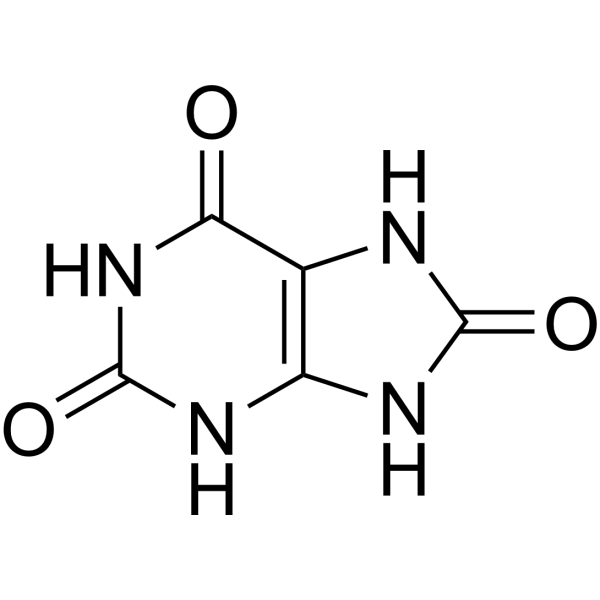
    Uric acid
    Maximum Cited Publications
    21 Publications Verification

    Environmental Pollutants Endogenous Metabolite Reactive Oxygen Species (ROS) Cardiovascular Disease Inflammation/Immunology
    Uric acid, scavenger of oxygen radical, is a very important antioxidant that help maintains the stability of blood pressure and antioxidant stress. Uric acid can remove reactive oxygen species (ROS) such as singlet oxygen and peroxynitrite, inhibiting lipid peroxidation .
    Uric acid
  • HY-B2130A
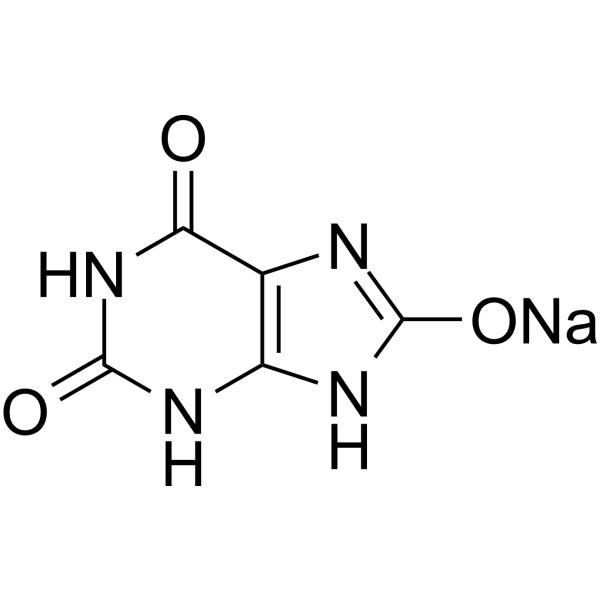
    Uric acid sodium
    Maximum Cited Publications
    21 Publications Verification

    Monosodium urate

    Reactive Oxygen Species (ROS) Endogenous Metabolite Cardiovascular Disease Metabolic Disease
    Uric acid sodium (Monosodium urate), scavenger of oxygen radical, is a very important antioxidant that help maintains the stability of blood pressure and antioxidant stress. Uric acid sodium can remove reactive oxygen species (ROS) such as singlet oxygen and peroxynitrite, inhibiting lipid peroxidation .
    Uric acid sodium
  • HY-W011664
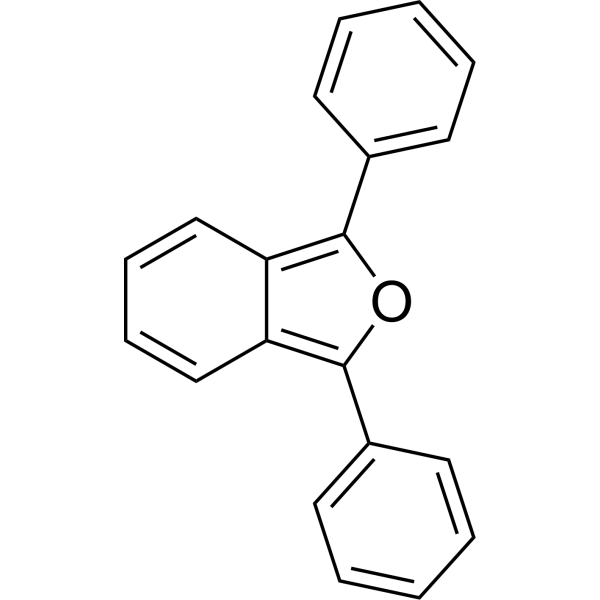
    1,3-Diphenylisobenzofuran
    Maximum Cited Publications
    28 Publications Verification

    DPBF

    Fluorescent Dye Reactive Oxygen Species (ROS) Others
    1,3-Diphenylisobenzofuran (DPBF) has been developed as a selective probe for the detection and quantitative determination of hydrogen peroxide in samples containing different reactive nitrogen and oxygen species (RNOS). DPBF is a fluorescent probe which, for almost 20 years, was believed to react in a highly specific manner toward some reactive oxygen species such as singlet oxygen and hydroxy, alkyloxy or alkylperoxy radicals .
    1,3-Diphenylisobenzofuran
  • HY-D0034

    ABMDMA

    Fluorescent Dye MOFs Cancer
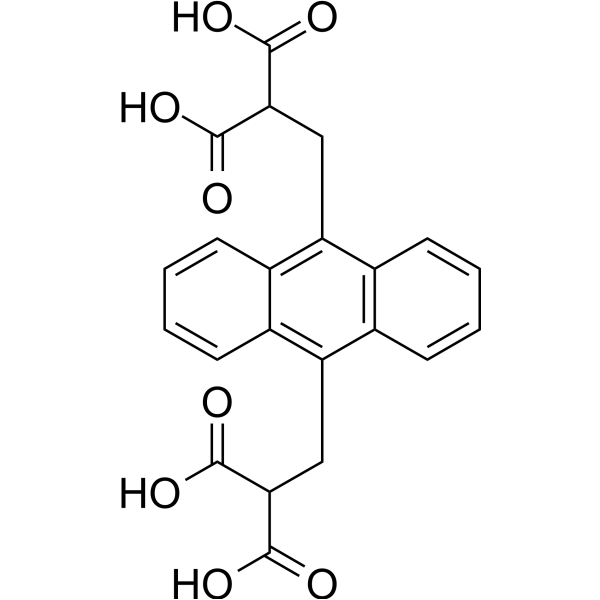
    9,10-Anthracenediyl-bis(methylene)dimalonic acid (ABMDMA) is a biological dye and indicator used to detect singlet oxygen generation (SOG). 9,10-Anthracenediyl-bis(methylene)dimalonic acid is water-soluble derivative of anthracene. 9,10-Anthracenediyl-bis(methylene)dimalonic acid can be photobleached by singlet oxygen to its corresponding endoperoxide. This reaction can be monitored spectrophotometrically by recording the decrease of absorbance at 400 nm .
    9,10-Anthracenediyl-bis(methylene)dimalonic acid
  • HY-15930
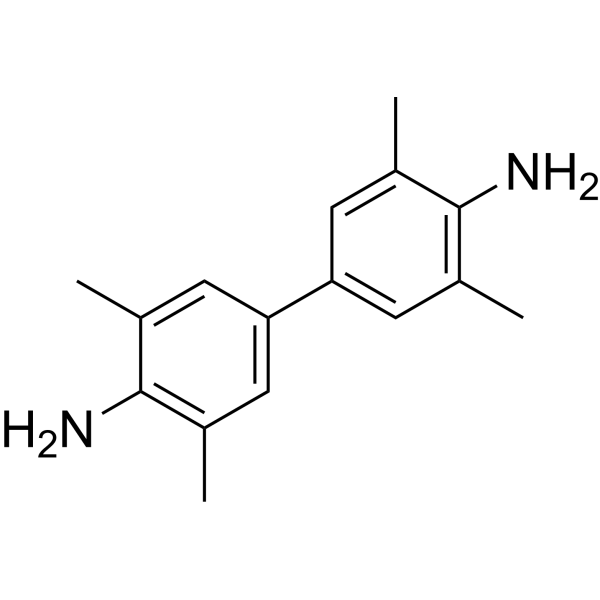
    TMB
    5+ Cited Publications

    BM blue; Sure Blue TMB

    Fluorescent Dye MOFs Reactive Oxygen Species (ROS) Others
    TMB is a non-toxic, non-mutagenic, colorless dye that is also used as a chromogenic agent in enzyme detection systems based on horseradish peroxidase (HRP). TMB can function as a photoacoustic probe for reactive oxygen and nitrogen species (ROS/RNS), reacting with hypochlorite, hydrogen peroxide, singlet oxygen, and nitrogen dioxide to produce blue oxidation products. TMB can detect the singlet oxygen produced by the outer membrane of Escherichia coli ATCC 25922 .
    TMB
  • HY-W014423
    L-Histidine hydrochloride hydrate
    3 Publications Verification

    H-His-OH.HCl.H2O

    Endogenous Metabolite Apoptosis Reactive Oxygen Species (ROS) Inflammation/Immunology Cancer
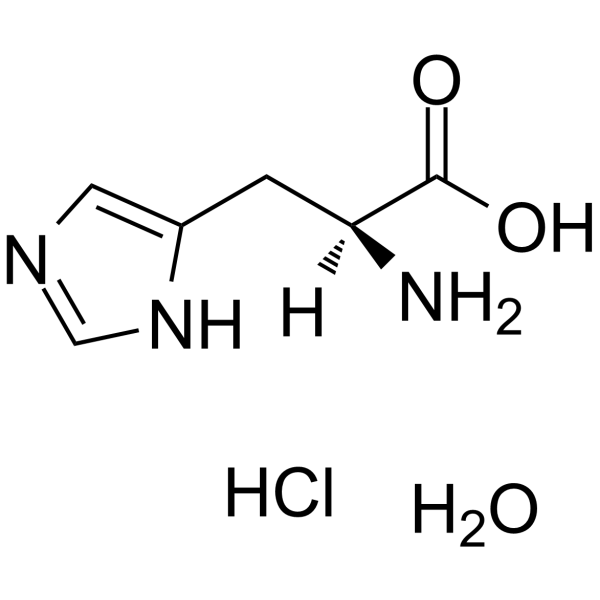
    L-Histidine hydrochloride hydrate is an endogenous metabolite. L-Histidine hydrochloride hydrate scavenges hydroxyl radicals and singlet oxygen, regulate the absorption of zinc, copper and iron, exhibits anti-inflammatory and antioxidant activities. L-Histidine hydrochloride hydrate is blood brain barrier penetrable .
    L-Histidine hydrochloride hydrate
  • HY-N2144
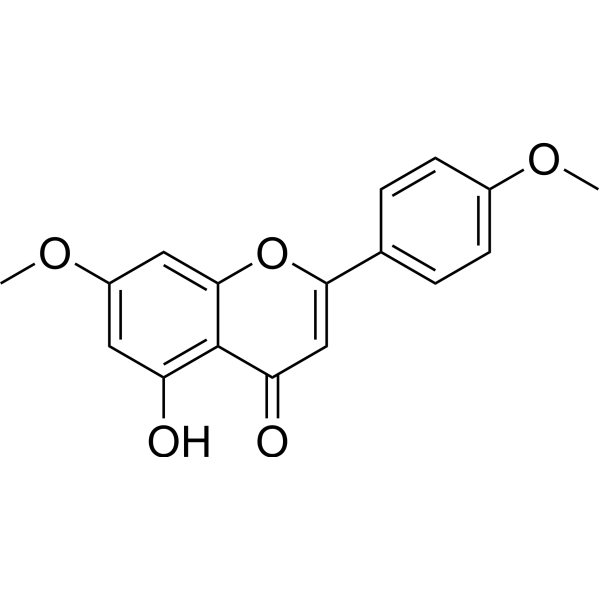
    7,4'-Di-O-methylapigenin
    2 Publications Verification

    4',7-Dimethoxy-5-Hydroxyflavone

    Endogenous Metabolite Cancer
    7,4'-Di-O-methylapigenin (4',7-Dimethoxy-5-Hydroxyflavone) is a flavonoid present in Lethedon tannaensis. 7,4'-Di-O-methylapigenin exhibits cytotoxicity against human nasopharyngeal carcinoma cells .
    7,4'-Di-O-methylapigenin
  • HY-15930A
    TMB dihydrochloride
    5+ Cited Publications

    BM blue dihydrochloride; Sure Blue TMB dihydrochloride

    Fluorescent Dye Reactive Oxygen Species (ROS) Others
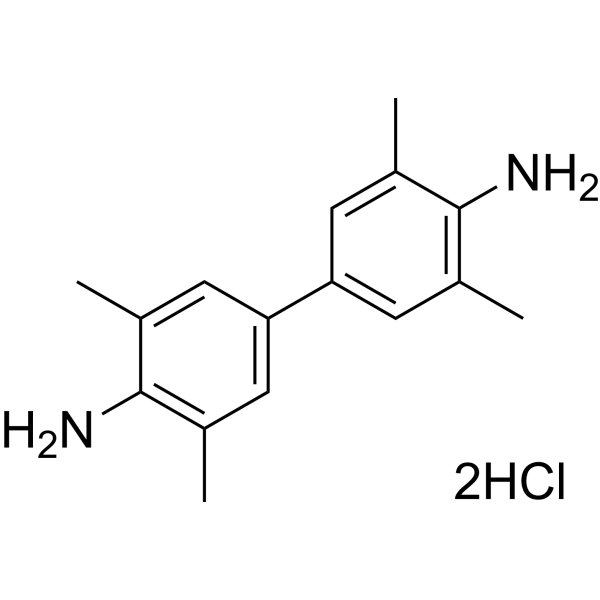
    TMB dihydrochloride is the dihydrochloride form of TMB (HY-15930). TMB dihydrochloride is a non-toxic, non-mutagenic, colorless dye that is also used as a chromogenic agent in enzyme detection systems based on horseradish peroxidase (HRP). TMB dihydrochloride can function as a photoacoustic probe for reactive oxygen and nitrogen species (ROS/RNS), reacting with hypochlorite, hydrogen peroxide, singlet oxygen, and nitrogen dioxide to produce blue oxidation products. TMB dihydrochloride can detect the singlet oxygen produced by the outer membrane of Escherichia coli ATCC 25922 .
    TMB dihydrochloride
  • HY-169798

    Fluorescent Dye VSV Infection
    1,9-Dimethylmethylene blue is a photosensitizer, virus inactivator and hemoglobin oxidant derived from methylene blue. When activated, 1,9-Dimethylmethylene blue generates reactive oxygen species including singlet oxygen, and acts as a metachromatic dye. When activated in monomeric or dimeric form, 1,9-Dimethylmethylene blue induces photoinactivation of R17 phage and vesicular stomatitis virus and oxidizes hemoglobin via non-singlet oxygen reactive oxygen species or singlet oxygen-mediated pathways, respectively. The monomeric form, with higher nucleic acid affinity, achieves virus inactivation under specific conditions without forming methemoglobin. 1,9-Dimethylmethylene blue binds to substances such as glycosaminoglycans to produce color changes. Although it is susceptible to interference from non-glycosaminoglycan components in urine, it is still applicable to spectrophotometric analysis for glycosaminoglycan quantification. With these unique photochemical and binding properties, 1,9-Dimethylmethylene blue is widely used in studies of viral infections and related biochemical analyses .
    1,9-Dimethylmethylene blue
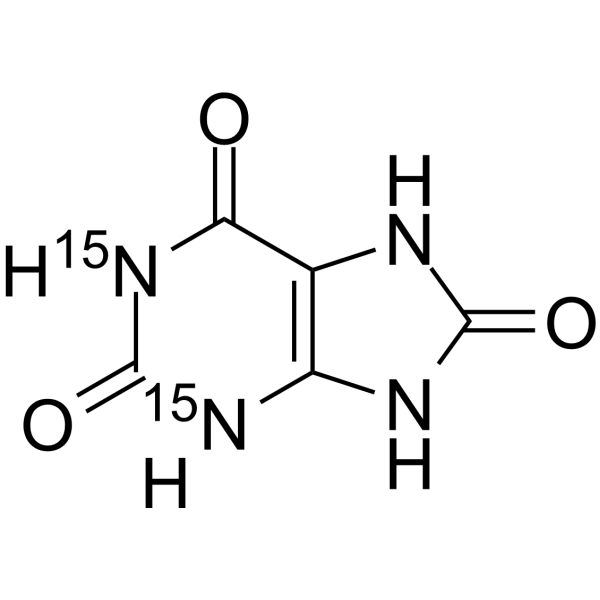
  • HY-B2130S1

    Endogenous Metabolite Reactive Oxygen Species (ROS) Inflammation/Immunology
    Uric acid- 15N2 is the 15N labeled Uric acid . Uric acid, scavenger of oxygen radical, is a very important antioxidant that help maintains the stability of blood pressure and antioxidant stress. Uric acid can remove reactive oxygen species (ROS) such as singlet oxygen and peroxynitrite, inhibiting lipid peroxidation .
    Uric acid-15N2
  • HY-134990
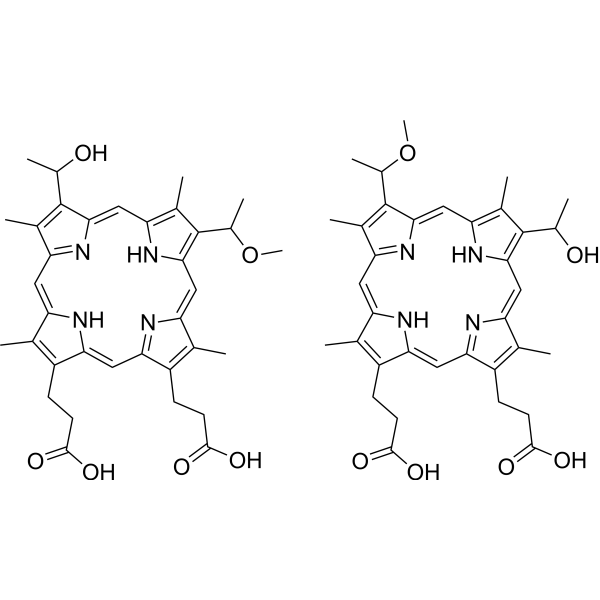
    Hematoporphyrin monomethyl ether
    2 Publications Verification

    Apoptosis Cancer
    Hematoporphyrin monomethyl ether, second generation of porphyrin-related photosensitizer, is characterized by its single form, high yield of singlet oxygen, high selectivity, and low toxicity, which has been widely used in the diagnosis and research of various tumors, including lung cancer, bladder cancer, and nevus flammeus and brain glioma .
    Hematoporphyrin monomethyl ether
  • HY-126956

    Reactive Oxygen Species (ROS) MMP Collagen PPAR DNA/RNA Synthesis Apoptosis Caspase Metabolic Disease Inflammation/Immunology
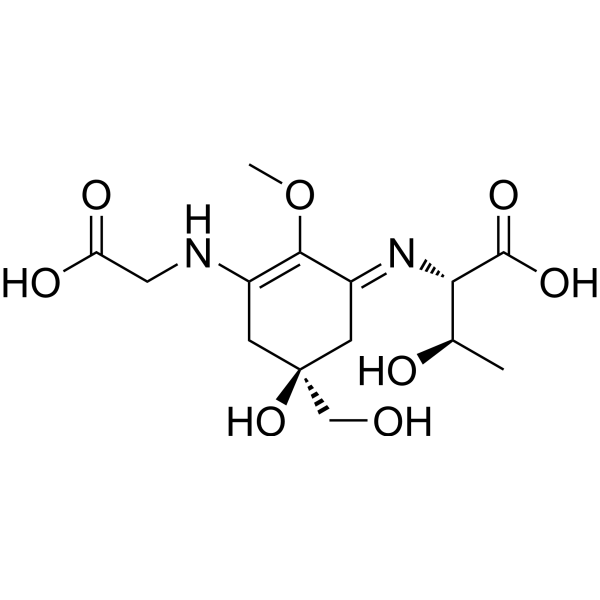
    Porphyra 334 is a carnosine-like amino acid and a natural photoprotective agent and antioxidant. Porphyra-334 exerts its photoprotective effects by scavenging ROS, inhibiting the expression and activity of MMP-1/8, and promoting the synthesis of collagen and elastin. Porphyra 334 effectively inhibits linoleic acid oxidation induced by alkyl radicals (AAPH) and singlet oxygen. Porphyra 334 has anti-obesity potential by inhibiting the expression of PPARγ2 and C/EBPα. Porphyra 334 protects cells against UV-induced DNA damage and apoptosis by inhibiting the activation of caspase-3 .
    Porphyra 334
  • HY-N10902

    Photosensitizer Reactive Oxygen Species (ROS) Caspase Apoptosis Cancer
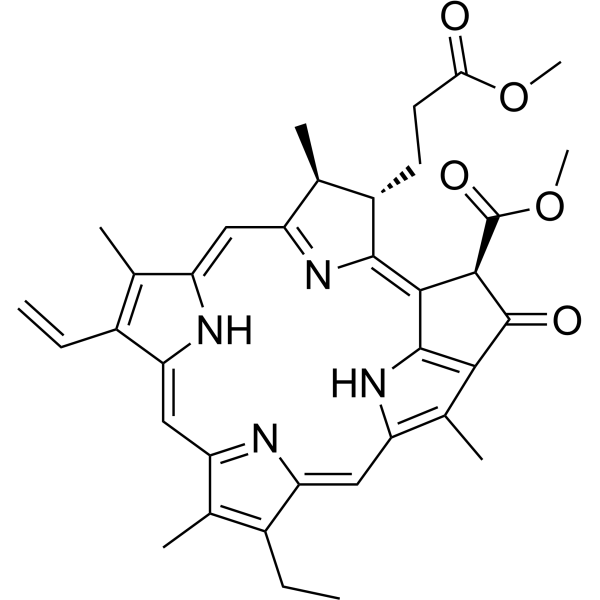
    Methyl pheophorbide a is a natural product, one of the chlorophyll-a derivatives. Methyl pheophorbide a is a photosensitizer that produces singlet oxygen and reactive oxygen species (ROS) under light of specific wavelength, thereby leading to cell death .
    Methyl pheophorbide a
  • HY-W014423S2

    H-His-OH-13C6 hydrochloride hydrate

    Isotope-Labeled Compounds Apoptosis Reactive Oxygen Species (ROS) Endogenous Metabolite Inflammation/Immunology Cancer
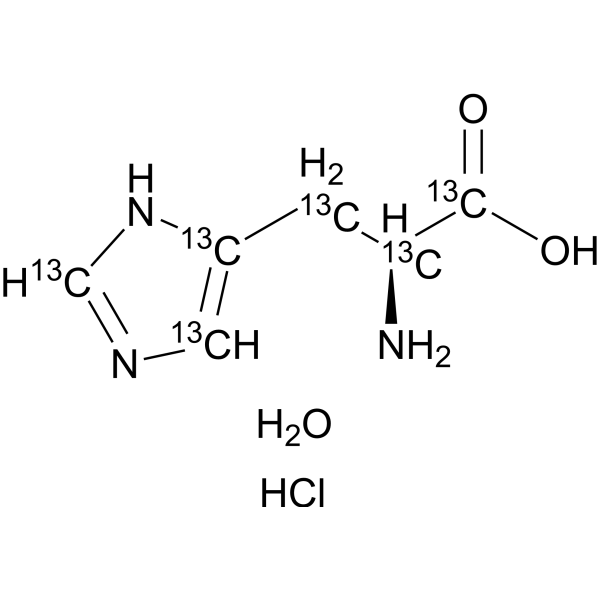
    L-Histidine- 13C6 (hydrochloride hydrate) is the 13C-labeled L-Histidine hydrochloride hydrate (HY-W014423). L-Histidine hydrochloride hydrate is an endogenous metabolite. L-Histidine hydrochloride hydrate scavenges hydroxyl radicals and singlet oxygen, regulate the absorption of zinc, copper and iron, exhibits anti-inflammatory and antioxidant activities. L-Histidine hydrochloride hydrate is blood brain barrier penetrable .
    L-Histidine-13C6 hydrochloride hydrate
  • HY-B2130S

    Reactive Oxygen Species (ROS) Endogenous Metabolite Inflammation/Immunology
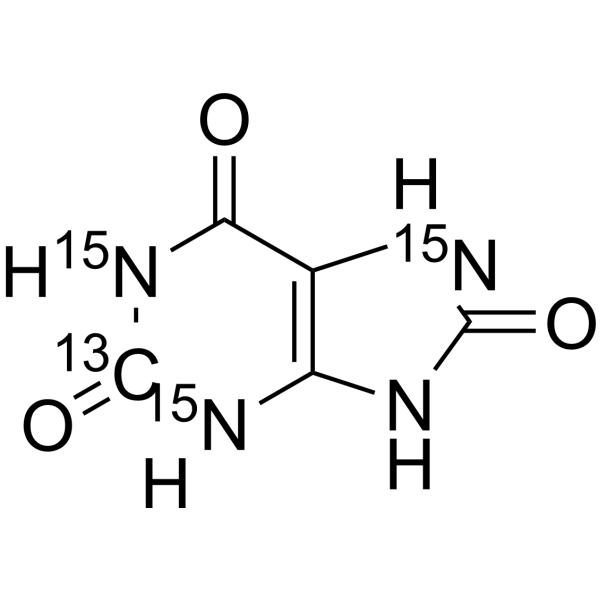
    Uric acid- 13C, 15N3 is the 13C-labeled and 15N-labeled Uric acid. Uric acid, scavenger of oxygen radical, is a very important antioxidant that help maintains the stability of blood pressure and antioxidant stress. Uric acid can remove reactive oxygen species (ROS) such as singlet oxygen and peroxynitrite, inhibiting lipid peroxidation .
    Uric acid-13C,15N3
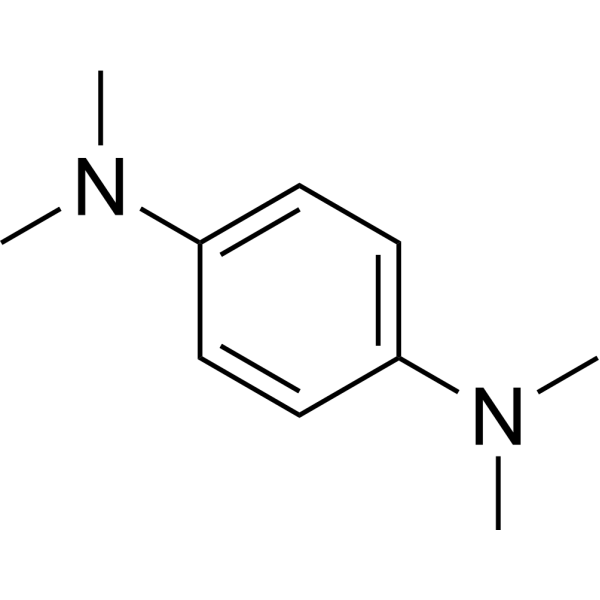
  • HY-W021358

    Biochemical Assay Reagents Others
    N,N,N′,N′-Tetramethyl-p-phenylenediamine is an electron-donating aromatic diamine with a low ionization potential. N,N,N′,N′-Tetramethyl-p-phenylenediamine is a classic electron donor model compound for photochemical electron transfer studies .
    N,N,N′,N′-Tetramethyl-p-phenylenediamine
  • HY-15930B
    TMB dihydrochloride x.hydrate
    5+ Cited Publications

    Sure Blue TMB dihydrochloride x.hydrate

    Fluorescent Dye Reactive Oxygen Species (ROS) Others
    TMB (dihydrochloride x.hydrate) is the dihydrochloride x hydrate form of TMB (HY-15930). TMB (dihydrochloride x.hydrate) is a non-toxic, non-mutagenic, colorless dye that is also used as a chromogenic agent in enzyme detection systems based on horseradish peroxidase (HRP). TMB (dihydrochloride x.hydrate) can function as a photoacoustic probe for reactive oxygen and nitrogen species (ROS/RNS), reacting with hypochlorite, hydrogen peroxide, singlet oxygen, and nitrogen dioxide to produce blue oxidation products. TMB (dihydrochloride x.hydrate) can detect the singlet oxygen produced by the outer membrane of Escherichia coli ATCC 25922 .
    TMB dihydrochloride x.hydrate
  • HY-W112938

    DNA Alkylator/Crosslinker Photosensitizer Infection Cancer
    TMPyP tetrachloride is a DNA-binding agent, singlet oxygen Sensitizer and photobleaching agent. TMPyP tetrachloride binds to DNA via intercalation or external groove complexation; irradiation induces its photoinduced release from DNA. TMPyP tetrachloride sensitizes the generation of singlet molecular oxygen upon irradiation, and prolonged irradiation leads to photobleaching. TMPyP tetrachloride initially localizes preferentially in neuronal nuclei and cytoplasm, and irradiation triggers its subcellular relocalization. TMPyP tetrachloride binds to K + -free single-molecule G4-DNA nanowires via intercalation, and binds to K + -type variants via non-intercalation. TMPyP tetrachloride can be used in studies related to cancer, HIV infection and bacterial infection .
    TMPyP tetrachloride
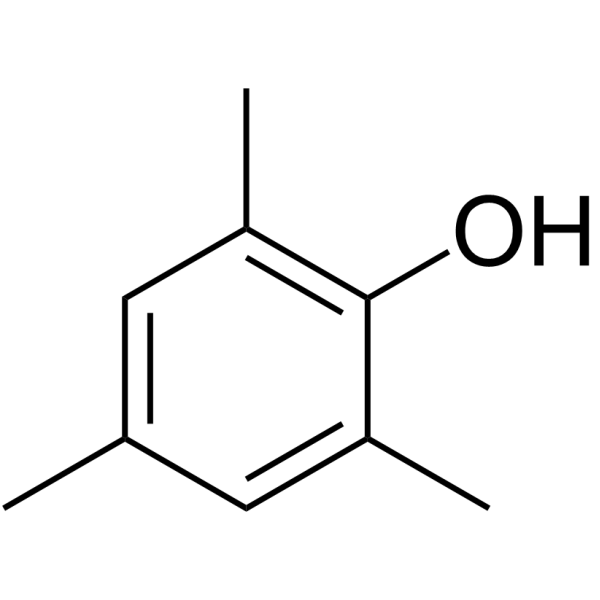
  • HY-W038786

    Environmental Pollutants Fluorescent Dye Others
    2,4,6-Trimethylphenol is a probe compound shown to react mainly with organic matter ( 3DOM *). 2,4,6-Trimethylphenol is rapidly oxidized by singlet oxygen in aqueous solution .
    2,4,6-Trimethylphenol
  • HY-W014423S3

    H-His-OH-13C6,15N3 hydrochloride hydrate

    Isotope-Labeled Compounds Apoptosis Reactive Oxygen Species (ROS) Endogenous Metabolite Inflammation/Immunology Cancer
    L-Histidine- 13C6, 15N3 hydrochloride hydrate is the 13C- and 15N-labeled L-Histidine hydrochloride hydrate (HY-W014423). L-Histidine hydrochloride hydrate is an endogenous metabolite. L-Histidine hydrochloride hydrate scavenges hydroxyl radicals and singlet oxygen, regulate the absorption of zinc, copper and iron, exhibits anti-inflammatory and antioxidant activities. L-Histidine hydrochloride hydrate is blood brain barrier penetrable .
    L-Histidine-13C6,15N3 hydrochloride hydrate
  • HY-W130236

    Cholinesterase (ChE) Cancer
    Methylene Violet 3RAX is a phenazine dye to stain the mitochondria of cells. Methylene Violet 3RAX can change the molecular structure of DNA, undermine the module of DNA, and induce the generation of the reactive singlet oxygen. Methylene Violet 3RAX shows inhibition for human erythrocyte AChE and human plasma BChE with an Kis of 1.58, 0.51 μM, respectively. Methylene Violet 3RAX has the potential for the research of potential photosensitizers for mitochondrial targeting action in PDT (photodynamic therapy) .
    Methylene Violet 3RAX
  • HY-B2130R

    Reference Standards Reactive Oxygen Species (ROS) Endogenous Metabolite Inflammation/Immunology
    Uric acid (Standard) is the analytical standard of Uric acid. This product is intended for research and analytical applications. Uric acid, scavenger of oxygen radical, is a very important antioxidant that help maintains the stability of blood pressure and antioxidant stress. Uric acid can remove reactive oxygen species (ROS) such as singlet oxygen and peroxynitrite, inhibiting lipid peroxidation .
    Uric acid (Standard)
  • HY-W127820

    Tetrakis(2-N-methylpyridyl)porphine chloride

    Biochemical Assay Reagents Fluorescent Dye Others
    H2TMpyP-2 (tetrakis(2-N-methylpyridyl)porphine) chloride is an active photosensitizer with strong absorption properties in the visible to near-infrared region and excellent singlet oxygen quantum yield. Captisol-TMPyP complexes can be used in supramolecular nanosynthesis to increase singlet oxygen production, improve photostability and better photosensitization, and support photodynamic therapy activity. The Captisol:TMPyP complex also exhibited antibacterial activity against Escherichia coli and was cytotoxic against lung cancer A549 cells .
    H2TMpyP-2 chloride
  • HY-157698

    C18(plasm)-20:4-PC; 18:0p/20:4-PC; PC(P-18:0/20:4)

    Endogenous Metabolite Metabolic Disease
    1-1(Z)-Octadecenyl-2-arachidonoyl-sn-glycero-3-PC is a plasmalogen that contains 1(Z)-octadecenoic acid and arachidonic acid (HY-109590) at the sn-1 and sn-2 positions, respectively. It scavenges singlet oxygen in a cell-free assay.
    1-1(Z)-Octadecenyl-2-arachidonoyl-sn-glycero-3-PC
  • HY-W014423S4

    H-His-OH-d5 hydrochloride hydrate

    Isotope-Labeled Compounds Apoptosis Reactive Oxygen Species (ROS) Endogenous Metabolite Inflammation/Immunology Cancer
    L-Histidine-d5 hydrochloride hydrate is the deuterium labeled L-Histidine hydrochloride hydrate (HY-W014423). L-Histidine hydrochloride hydrate is an endogenous metabolite. L-Histidine hydrochloride hydrate scavenges hydroxyl radicals and singlet oxygen, regulate the absorption of zinc, copper and iron, exhibits anti-inflammatory and antioxidant activities. L-Histidine hydrochloride hydrate is blood brain barrier penetrable .
    L-Histidine-d5 hydrochloride hydrate
  • HY-W014423S6

    H-His-OH-15N hydrochloride hydrate

    Isotope-Labeled Compounds Apoptosis Reactive Oxygen Species (ROS) Endogenous Metabolite Inflammation/Immunology Cancer
    L-Histidine- 15N hydrochloride hydrate is the 15N-labeled L-Histidine hydrochloride hydrate (HY-W014423). L-Histidine hydrochloride hydrate is an endogenous metabolite. L-Histidine hydrochloride hydrate scavenges hydroxyl radicals and singlet oxygen, regulate the absorption of zinc, copper and iron, exhibits anti-inflammatory and antioxidant activities. L-Histidine hydrochloride hydrate is blood brain barrier penetrable .
    L-Histidine-15N hydrochloride hydrate
  • HY-W014423S

    H-His-OH-13C hydrochloride hydrate

    Isotope-Labeled Compounds Apoptosis Reactive Oxygen Species (ROS) Endogenous Metabolite Inflammation/Immunology Cancer
    L-Histidine- 13C hydrochloride hydrate is the 13C-labeled L-Histidine hydrochloride hydrate (HY-W014423). L-Histidine hydrochloride hydrate is an endogenous metabolite. L-Histidine hydrochloride hydrate scavenges hydroxyl radicals and singlet oxygen, regulate the absorption of zinc, copper and iron, exhibits anti-inflammatory and antioxidant activities. L-Histidine hydrochloride hydrate is blood brain barrier penetrable .
    L-Histidine-13C hydrochloride hydrate
  • HY-15930C
    TMB monosulfate
    5+ Cited Publications

    BM blue monosulfate; Sure Blue TMB monosulfate

    Fluorescent Dye Reactive Oxygen Species (ROS) Others
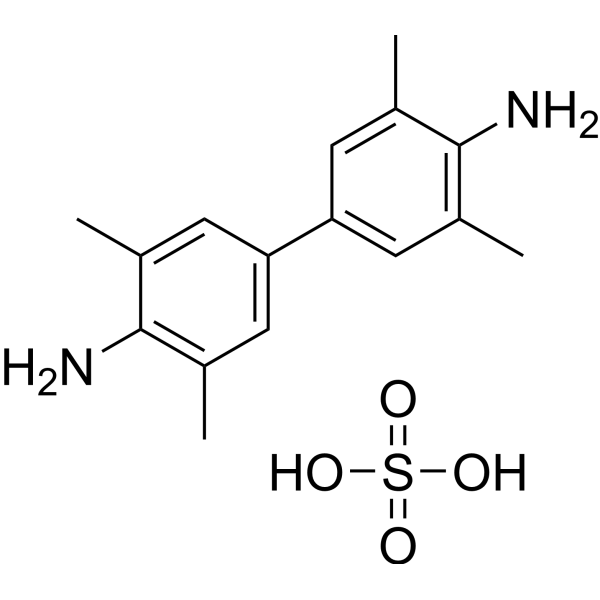
    TMB monosulfate is the monosulfate form of TMB (HY-15930). TMB monosulfate is a non-toxic, non-mutagenic, colorless dye that is also used as a chromogenic agent in enzyme detection systems based on horseradish peroxidase (HRP). TMB monosulfate can function as a photoacoustic probe for reactive oxygen and nitrogen species (ROS/RNS), reacting with hypochlorite, hydrogen peroxide, singlet oxygen, and nitrogen dioxide to produce blue oxidation products. TMB monosulfate can detect the singlet oxygen produced by the outer membrane of Escherichia coli ATCC 25922 .
    TMB monosulfate
  • HY-117245

    Reactive Oxygen Species (ROS) Fungal Others
    Pallidol is a potent and selective singlet oxygen quencher. Pallidol shows antioxidant and antifungal activities .
    Pallidol
  • HY-W037819

    Drug Derivative Metabolic Disease
    6-Methylpterin is a derivative of the essential B vitamin Folic acid (HY-16637). 6-Methylpterin generates singlet oxygen and hydrogen peroxide when exposed to Photoirradiation. 6-Methylpterin can be used for the detection of pterins in urine .
    6-Methylpterin
  • HY-W770183

    Isotope-Labeled Compounds Others
    Uric acid- 13C3 is 13C-labeled Uric acid (HY-B2130). Uric acid is the end product of purine metabolism in the human body. Uric acid can scavenge reactive oxygen species (ROS), such as singlet oxygen and peroxynitrite, and inhibit lipid peroxidation.
    Uric acid-13C3
  • HY-DY1053

    Fluorescent Dye Reactive Oxygen Species (ROS) Others
    1,3-Diphenylisobenzofuran (DPBF) (solution) has been developed as a selective probe for the detection and quantitative determination of hydrogen peroxide in samples containing different reactive nitrogen and oxygen species (RNOS). DPBF is a fluorescent probe which, for almost 20 years, was believed to react in a highly specific manner toward some reactive oxygen species such as singlet oxygen and hydroxy, alkyloxy or alkylperoxy radicals .
    Solvent and concentration: DMSO: 10 mM
    The 1 mL volume is defined as the base specification. All larger sizes correspond to incremental volumes of this base.
    1,3-Diphenylisobenzofuran (solution)
  • HY-D0015

    Fluorescent Dye Others
    Cresol red, 97% is an acidic phenolsulfonphthalein triphenylmethane dye. Cresol red, 97% generates reactive oxygen species and singlet oxygen under ultrasonic irradiation, interacts with bovine serum albumin, alters the structure of bovine serum albumin, and oxidizes the fluorescent amino acid residues of bovine serum albumin. Cresol red, 97% can be decolorized and biodegraded by *Absidia spinosa* M15, producing phenylacetic acid and benzoic acid metabolites. Cresol red, 97% serves as a pH indicator (orange at pH 1.8-yellow at pH 2.0, yellow at pH 7.0-purple at pH 8.8). Cresol red, 97% can be used to indicate pH, temperature and salinity .
    Cresol red, 97%
  • HY-15930R

    BM blue (Standard); Sure Blue TMB (Standard)

    Fluorescent Dye Reactive Oxygen Species (ROS) Reference Standards Others
    TMB (Standard) is the analytical standard of TMB. This product is intended for research and analytical applications. TMB is a non-toxic, non-mutagenic, colorless dye that is also used as a chromogenic agent in enzyme detection systems based on horseradish peroxidase (HRP). TMB can function as a photoacoustic probe for reactive oxygen and nitrogen species (ROS/RNS), reacting with hypochlorite, hydrogen peroxide, singlet oxygen, and nitrogen dioxide to produce blue oxidation products. TMB can detect the singlet oxygen produced by the outer membrane of Escherichia coli ATCC 25922 .
    TMB (Standard)
  • HY-W112090

    PdTFPP; 5,10,15,20-Tetrakis(pentafluorophenyl)-21H,23H-porphine palladium(II)

    Fluorescent Dye Others
    Palladium meso-tetra(pentafluorophenyl)porphyrin (PdTFPP) is a phosphorescent dye, derived from palladium(II), that serves as an effective singlet oxygen sensitizer due to its fluorine atom content, offering excellent photostability and resistance to oxidation.
    Palladium meso-tetra(pentafluorophenyl)porphyrin
  • HY-N16417

    Apoptosis Reactive Oxygen Species (ROS) Infection Cancer
    Elsinochrome C is a photosensitizer. Elsinochrome C relies on light activation to generate reactive oxygen species (ROS) such as singlet oxygen (1O2), inducing apoptosis or directly disrupting pathogen structures. Elsinochrome C is promising for research of skin cancers, HIV-associated infections, and refractory skin diseases .
    Elsinochrome C
  • HY-W014423S7

    H-His-OH-d3 hydrochloride hydrate

    Isotope-Labeled Compounds Apoptosis Reactive Oxygen Species (ROS) Endogenous Metabolite Inflammation/Immunology Cancer
    L-Histidine-d3 hydrochloride hydrate is the deuterium labeled L-Histidine hydrochloride hydrate (HY-W014423). L-Histidine hydrochloride hydrate is an endogenous metabolite. L-Histidine hydrochloride hydrate scavenges hydroxyl radicals and singlet oxygen, regulate the absorption of zinc, copper and iron, exhibits anti-inflammatory and antioxidant activities. L-Histidine hydrochloride hydrate is blood brain barrier penetrable .
    L-Histidine-d3 hydrochloride hydrate
  • HY-W014423S1

    H-His-OH-13C6,15N3,d5 hydrochloride hydrate

    Isotope-Labeled Compounds Endogenous Metabolite Inflammation/Immunology Cancer
    L-Histidine- 13C6, 15N3,d5 hydrochloride hydrate is the deuterium, 13C-, and 15-labeled L-Histidine hydrochloride hydrate (HY-W014423). L-Histidine hydrochloride hydrate is an endogenous metabolite. L-Histidine hydrochloride hydrate scavenges hydroxyl radicals and singlet oxygen, regulate the absorption of zinc, copper and iron, exhibits anti-inflammatory and antioxidant activities. L-Histidine hydrochloride hydrate is blood brain barrier penetrable .
    L-Histidine-13C6,15N3,d5 hydrochloride hydrate
  • HY-147690

    Photosensitizer Cancer
    Photosensitizer-2 (compound 1) is a organic D-π-A sensitizer against phototoxicity. Photosensitizer-2 contains an acrylic acid moiety that exerts high levels of phototoxicity. Photosensitizer-2 shows antitumor activity against HeLa cells, with IC50 values of 20.9 ± 4.5 μM (dark) and 0.046 ± 0.012 μM (irradiation), respectively .
    Photosensitizer-2
  • HY-B2130AR

    Monosodium urate (Standard)

    Reactive Oxygen Species (ROS) Endogenous Metabolite Reference Standards Cardiovascular Disease Metabolic Disease
    Uric acid (sodium) (Standard) is the analytical standard of Uric acid (sodium). This product is intended for research and analytical applications. Uric acid sodium (Monosodium urate), scavenger of oxygen radical, is a very important antioxidant that help maintains the stability of blood pressure and antioxidant stress. Uric acid sodium can remove reactive oxygen species (ROS) such as singlet oxygen and peroxynitrite, inhibiting lipid peroxidation .
    Uric acid sodium (Standard)
  • HY-153770

    Biochemical Assay Reagents Others
    DHPN is a reversible carrier of singlet oxygen ( 1O2) and can be used as a chemical and physical quencher of 1O2 .
    DHPN
  • HY-170436

    Photosensitizer Apoptosis Cancer
    NFh-NMe-2 is a photosensitizer, that interacts with nitroreductase, generates singlet oxygen in tumor cells, exhibits cytotoxicity in cancer cells, and induces apoptosis. NFh-NMe-2 exhibits antitumor efficacy in mouse models .
    NFh-NMe-2
  • HY-W780166

    Reactive Oxygen Species (ROS) Cardiovascular Disease
    Uric acid- 13C is the 13C-labeled Uric acid (HY-B2130). Uric acid, scavenger of oxygen radical, is a very important antioxidant that help maintains the stability of blood pressure and antioxidant stress. Uric acid can remove reactive oxygen species (ROS) such as singlet oxygen and peroxynitrite, inhibiting lipid peroxidation .
    Uric acid-13C
  • HY-126841

    Photosensitizer Cancer
    5-Methoxysterigmatocystin is a mycotoxin with cytotoxic and genotoxic properties. 5-Methoxysterigmatocystin exhibits cytotoxicity against cancer cells A549 and HepG2 (IC50 of 5.5 and 0.7 μM), and induces DNA damage. 5-Methoxysterigmatocystin is a photosensitizer, which utilizes the visible to generate singlet oxygen ( 1O2) .
    5-Methoxysterigmatocystin
  • HY-W038786S

    Isotope-Labeled Compounds Others
    2,4,6-Trimethylphenol-d11 is the deuterium labeled 2,4,6-Trimethylphenol . 2,4,6-Trimethylphenol is a probe compound shown to react mainly with organic matter (3DOM*). 2,4,6-Trimethylphenol is rapidly oxidized by singlet oxygen in aqueous solution .
    2,4,6-Trimethylphenol-d11
  • HY-147915

    Carboxylesterase (CES) Reactive Oxygen Species (ROS) Cancer
    Benz-AP is a potent photosensitizer. Benz-AP produces singlet oxygen, with a negative correlation with hCES2 (Human carboxylesterase 2) activity. Benz-AP displays a higher photocytotoxicity potency in cancer cells under low hCES2 environments. Upon TPE (Two-photon excitation), Benz-AP produces ROS and kills cancer cells and tumor spheroids .
    Benz-AP
  • HY-W014423S5

    H-His-OH-15N3 hydrochloride hydrate

    Isotope-Labeled Compounds Apoptosis Reactive Oxygen Species (ROS) Endogenous Metabolite Inflammation/Immunology Cancer
    L-Histidine- 15N3 hydrochloride hydrate is the 15N-labeled L-Histidine hydrochloride hydrate (HY-W014423). L-Histidine hydrochloride hydrate is an endogenous metabolite. L-Histidine hydrochloride hydrate scavenges hydroxyl radicals and singlet oxygen, regulate the absorption of zinc, copper and iron, exhibits anti-inflammatory and antioxidant activities. L-Histidine hydrochloride hydrate is blood brain barrier penetrable .
    L-Histidine-15N3 hydrochloride hydrate
  • HY-W014423R

    H-His-OH.HCl.H2O (Standard)

    Reference Standards Apoptosis Reactive Oxygen Species (ROS) Endogenous Metabolite Inflammation/Immunology Cancer
    L-Histidine hydrochloride hydrate (Standard) is the analytical standard of L-Histidine hydrochloride hydrate (HY-W014423). This product is intended for research and analytical applications. L-Histidine hydrochloride hydrate is an endogenous metabolite. L-Histidine hydrochloride hydrate scavenges hydroxyl radicals and singlet oxygen, regulate the absorption of zinc, copper and iron, exhibits anti-inflammatory and antioxidant activities. L-Histidine hydrochloride hydrate is blood brain barrier penetrable .
    L-Histidine hydrochloride hydrate (Standard)
  • HY-171481

    SACD

    CDK Cancer
    Thio-acridone (SACD) is a photosensitizer (HAF-PSs). Thio-acridone forms a long-lived triplet state upon excitation by 470 nm visible light,, ultimately generating singlet oxygen to damage the structures and functions of target cells such as cancer cells. Thio-acridone is promising for research of cancers . Thio-acridone is a CDK4/Cyclin D1 inhibitor (IC50 = 2 uM) .
    Thio-acridone
  • HY-W014423S8

    Isotope-Labeled Compounds Apoptosis Reactive Oxygen Species (ROS) Endogenous Metabolite Inflammation/Immunology Cancer
    L-Histidine- 15N3,d5 hydrochloride hydrate is the deuterium and 15N labeled L-Histidine hydrochloride hydrate (HY-W014423). L-Histidine hydrochloride hydrate is an endogenous metabolite. L-Histidine hydrochloride hydrate scavenges hydroxyl radicals and singlet oxygen, regulate the absorption of zinc, copper and iron, exhibits anti-inflammatory and antioxidant activities. L-Histidine hydrochloride hydrate is blood brain barrier penetrable .
    L-Histidine-15N3,d5 hydrochloride hydrate

Inquiry Online

Your information is safe with us. * Required Fields.

Salutation


Country or Region *

Applicant Name *


Organization Name *

Department *


Email Address *


Product Name *

Cat. No.


Requested quantity *

Phone Number *


Remarks

Inquiry Online

Inquiry Information

Product Name:
Cat. No.:
Quantity:
MCE Japan Authorized Agent:

