

1. Search Result
Search Result
Results for "

solubility enhancement

" in MedChemExpress (MCE) Product Catalog:

57

Inhibitors & Agonists

3

Screening Libraries

4

Fluorescent Dyes

12

Biochemical Assay Reagents

2

Peptides

2

Inhibitory Antibodies

5

Natural
Products

1

Isotope-Labeled Compounds

2

Click Chemistry

15

Oligonucleotides

Cat. No. Product Name Target Research Areas Chemical Structure
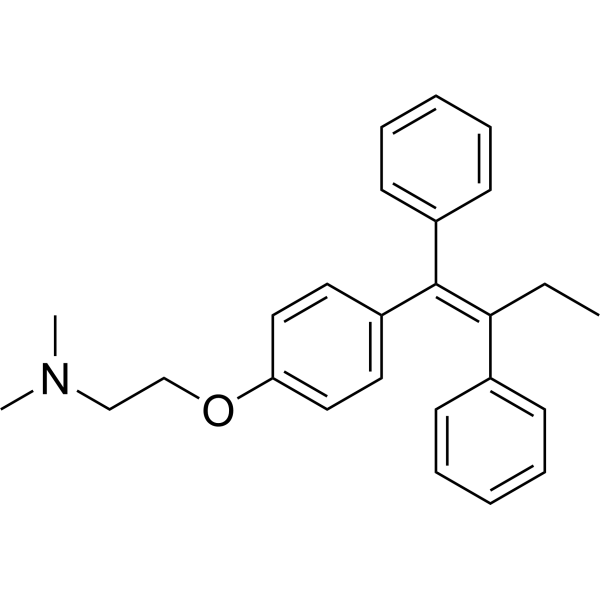
  • HY-13757A
    Tamoxifen
    Maximum Cited Publications
    229 Publications Verification

    ICI 47699; (Z)-Tamoxifen; trans-Tamoxifen

    Estrogen Receptor/ERR HSP Autophagy Apoptosis Infection Neurological Disease Metabolic Disease Inflammation/Immunology Cancer
    Tamoxifen (ICI 47699) is an orally active, selective estrogen receptor modulator (SERM) which blocks estrogen action in breast cells and can activate estrogen activity in other cells, such as bone, liver, and uterine cells. Tamoxifen is a potent Hsp90 activator and enhances the Hsp90 molecular chaperone ATPase activity. Tamoxifen also potent inhibits infectious EBOV Zaire and Marburg (MARV) with IC50 of 0.1 μM and 1.8 μM, respectively. Tamoxifen activates autophagy and induces apoptosis. Tamoxifen can also be dissolved in corn oil (HY-Y1888) for use in inducing gene knockout in CreER transgenic mice. Tamoxifen has better solubility in corn oil compared to Tamoxifen Citrate (HY-13757) .
    Tamoxifen
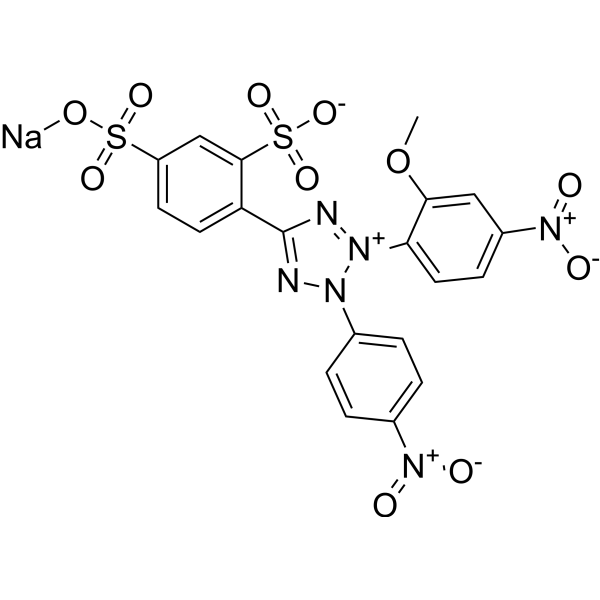
  • HY-D0831
    WST-8
    15+ Cited Publications

    Fluorescent Dye Others
    WST-8 is a water-soluble tetrazolium dye, WST-8 enhances sensitivity of the WST-8-based assay over the conventional MTS-based assay.
    WST-8
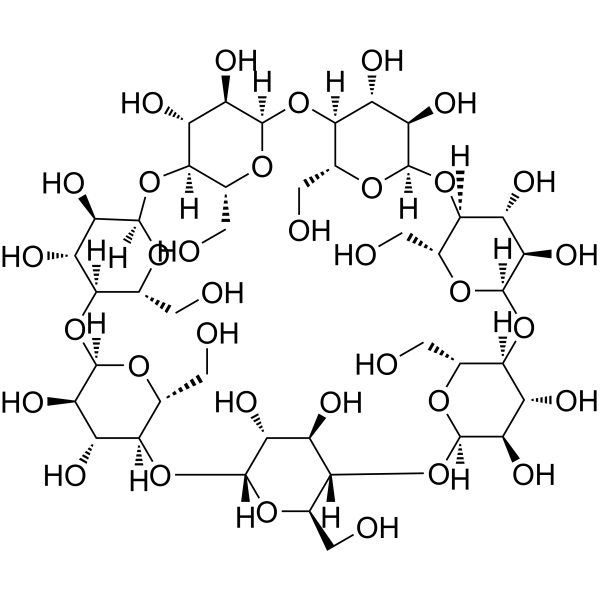
  • HY-107201
    β-Cyclodextrin
    5+ Cited Publications

    Betadex

    Environmental Pollutants Influenza Virus Infection
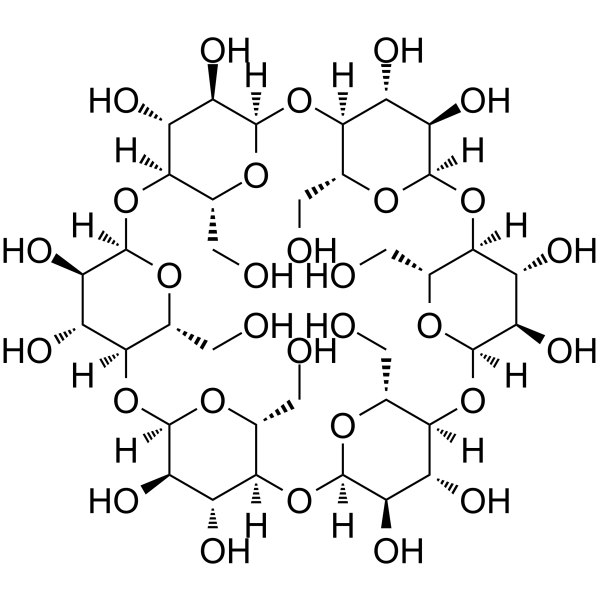
    β-Cyclodextrin is a cyclic polysaccharide composed of seven units of glucose (α-D-glucopyranose) linked by α-(1,4) type bonds. β-Cyclodextrin has often been used to enhance the solubility of agents. β-Cyclodextrin has anti-influenza virus H1N1 activities.
    β-Cyclodextrin
  • HY-126399

    BTP

    Biochemical Assay Reagents Others
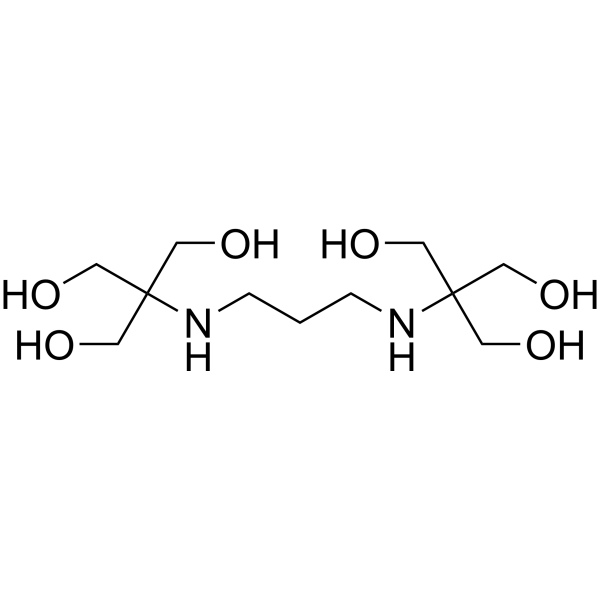
    Bis-tris propane (BTP) is a water-soluble buffer substance. Bis-tris propane can be used as a suitable buffer for polymerase chain reaction (PCR). Bis-tris propane can enhance the stability or activity of restriction enzymes .
    Bis-tris propane
  • HY-401424

    Polyoxyethylene(36) Castor Oil; PEG-36 Castor Oil

    Environmental Pollutants Biochemical Assay Reagents Others
    Cremophor EL-36 is a non-ionic surfactant, mainly used as a solubilizing carrier for poorly soluble Paclitaxel (HY-B0015). For example, Cremophor EL-36 can enhance the intracellular influx of Etoposide (HY-13629) without affecting drug efflux, and can dose-dependently increase the accumulation of VP-16 in lung adenocarcinoma cells (such as PC-14 and A549), significantly enhancing its cytotoxic effect .
    Cremophor EL-36
  • HY-115340
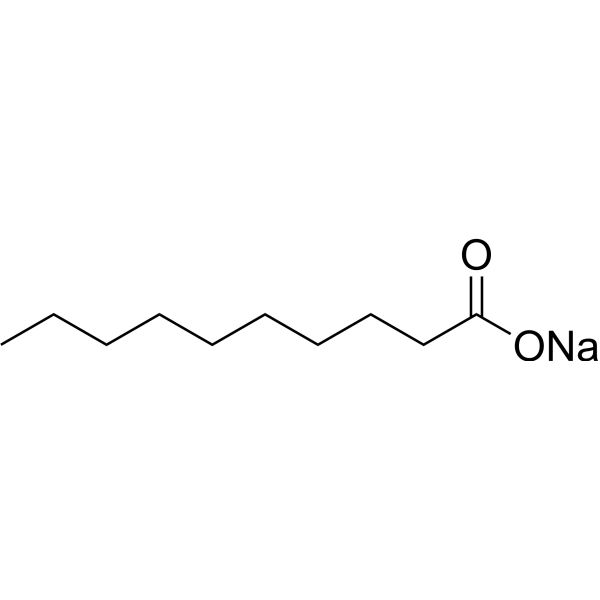
    Decanoic acid sodium
    4 Publications Verification

    Sodium decanoate; Sodium caprate

    Biochemical Assay Reagents Others
    Decanoic acid sodium, also known as Decanoic acid sodium, is a salt of the fatty acid capric acid. It is easily soluble in water and has a slightly soapy smell. Decanoic acid sodium acts as a penetration enhancer, which means it increases the absorption and bioavailability of drugs across biological membranes, including the intestinal epithelium and the blood-brain barrier. This property makes it useful in pharmaceutical formulations to improve drug delivery and effectiveness. Furthermore, Decanoic acid sodium has potential applications in food preservatives and cosmetics due to its antibacterial properties.
    Decanoic acid sodium
  • HY-113011
    Maltotriose
    1 Publications Verification

    Endogenous Metabolite Others
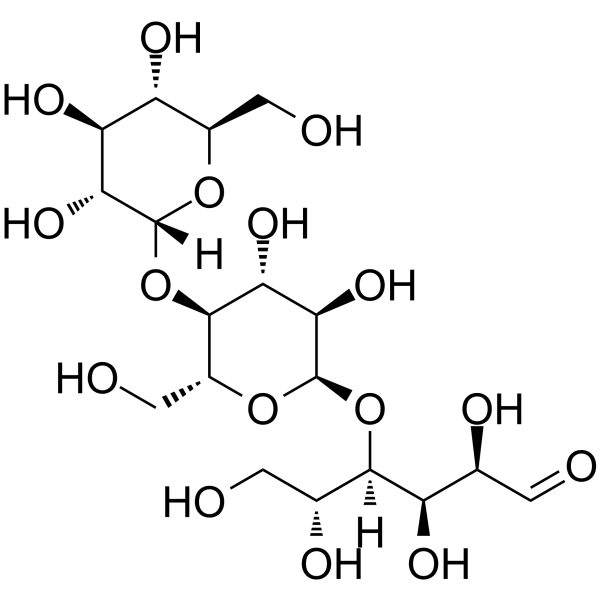
    Maltotriose is a maltooligosaccharide and a specific inducer of the Escherichia coli maltose operon. The oligosaccharide structure of Maltotriose acts as a highly efficient drug delivery carrier, which significantly enhances the targeting ability and water solubility of photosensitizers in photodynamic therapy for pancreatic cancer .
    Maltotriose
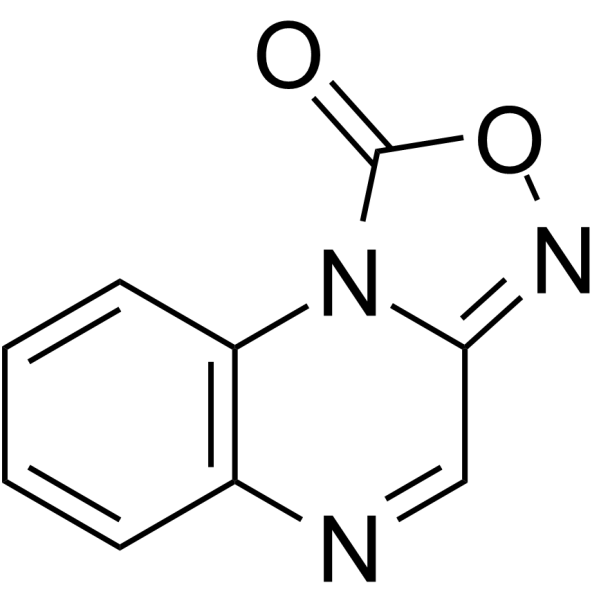
  • HY-101255
    ODQ
    10+ Cited Publications

    Guanylate Cyclase Apoptosis Cancer
    ODQ is a potent and selective soluble guanylyl cyclase (sGC, nitric oxide-activated enzyme) inhibitor. ODQ enhances the pro-apoptotic effects of Cisplatin in human mesothelioma cells .
    ODQ
  • HY-B1513
    α-Cyclodextrin
    2 Publications Verification

    Environmental Pollutants SARS-CoV Microtubule/Tubulin Infection Metabolic Disease Cancer
    α-Cyclodextrin (α-CD) is a soluble fiber derived from corn. α-Cyclodextrin can deplete sphingolipids and phospholipids from cell membranes. α-Cyclodextrin interacts with tubulin. α-Cyclodextrin improves defenses against SARS-CoV-2 infection. α-Cyclodextrin enhances the anticancer efficacy of Crcumin (HY-N0005) against breast, lung and cervical cancer. α-Cyclodextrin has beneficial effects on body weight and blood lipids .
    α-Cyclodextrin
  • HY-155882

    mPEG750-NH2

    Biochemical Assay Reagents Cancer
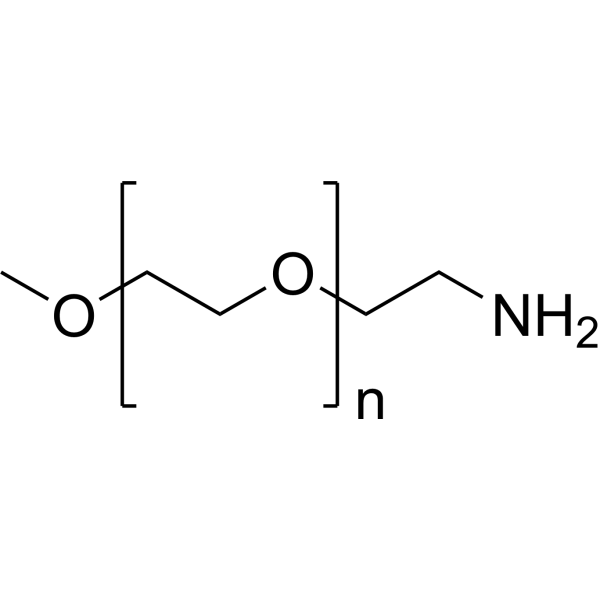
    mPEG750-amine (mPEG750-NH2) is a chemical modification reagent for nanoparticles, capable of covalently binding to Ad-PVA to form Ad-PVA-PEG polymers. mPEG750-amine stabilizes gene delivery complexes by providing steric hindrance, reducing particle aggregation, while enhancing the water solubility and serum stability of the complex, reducing carrier cytotoxicity, and assisting in the efficient condensation of pDNA by cationic components to form nanoparticles that can be endocytosed by cells. mPEG750-amine can also be used to synthesize folate-conjugated polymer micelles for encapsulating the anticancer agent Camptothecin (HY-16560). Folate-conjugated polymer micelles are effective carriers for poorly soluble anticancer drugs, capable of avoiding macrophages and acting through folate receptor (FR)-mediated endocytosis to target tumor cells. mPEG750-amine can be applied to research in the field of non-viral gene delivery, as a component of gene delivery vectors, facilitating the safe and efficient delivery of nucleic acid drugs to target cells .
    mPEG750-amine
  • HY-154644

    Environmental Pollutants Biochemical Assay Reagents Cancer
    Soya Lecithin is a phospholipid mixture that can be used as a drug delivery vehicle and is a pharmaceutical excipient. Soya Lecithin can form a lipid bilayer structure through self-assembly, and its binding properties are amphiphilic (hydrophilic head and hydrophobic tail), encapsulating hydrophobic drugs. Soya Lecithin forms stable nanoliposomes or microemulsions, improves the solubility and cellular uptake efficiency of poorly soluble drugs (such as Curcumin (HY-N0005)), and exerts activities such as enhancing drug delivery and regulating cell proliferation .
    Soya Lecithin
  • HY-115400
    1V209
    4 Publications Verification

    TLR7 agonist T7

    Toll-like Receptor (TLR) Cancer
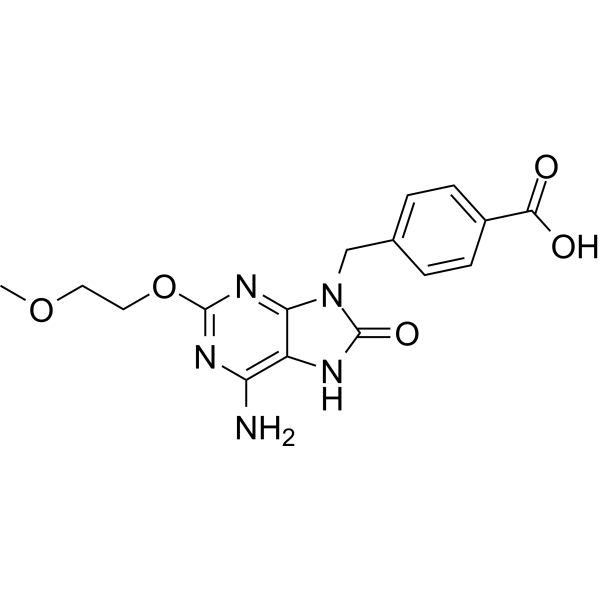
    1V209 (TLR7 agonist T7) is a Toll-like receptor 7 (TLR7) agonist and has anti-tumor effects. 1V209 can be conjugated with various polysaccharides to improve its water solubility, and enhance its efficacy, and maintain low toxicity .
    1V209
  • HY-137006

    Fluorescent Dye Others
    MTT Formazan is a purple water-insoluble product formed by the reduction of yellow soluble MTT by succinate dehydrogenase in the mitochondria of viable cells. The amount of MTT Formazan produced is proportional to cellular metabolic activity, and it can serve as an indicator for evaluating cell viability and proliferation. MTT Formazan exhibits solvent-dependent solubility properties, and its absorbance value can be measured by spectrophotometry to reflect cellular status. MTT Formazan also supports the assessment of cell viability in bacterial MTT assays. MTT Formazan can be used in photoacoustic microscopy to enhance the imaging effect of viable cells, especially in applications in the fields of three-dimensional cell culture and tissue engineering .
    MTT Formazan
  • HY-P10069

    Drug Intermediate ADC Linker Others
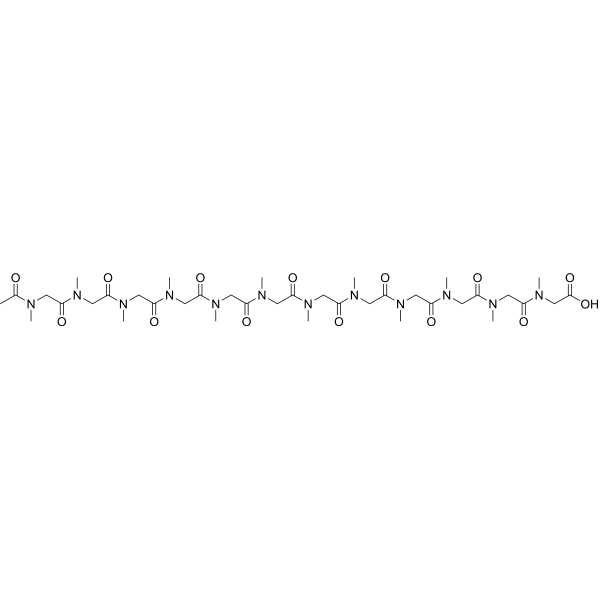
    Ac-pSar12-OH is a water-soluble polymer of the polysarcosine class and can be used as a linker. Ac-pSar12-OH is a linear polypeptide derivative composed of 12 arginine units. Ac-pSar12-OH N-terminus is modified with an acetyl group, while the C-terminus retains a free hydroxyl group, which can help enhance the stability of the polypeptide .
    Ac-pSar12-OH
  • HY-D0932

    Solvent Red 24; C.I. 26105

    Environmental Pollutants Biochemical Assay Reagents Cytochrome P450 Aryl Hydrocarbon Receptor Metabolic Disease
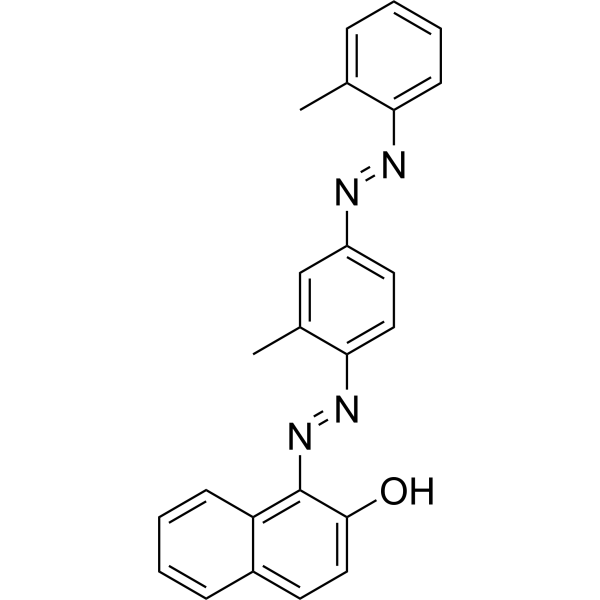
    Sudan IV is an agonist of the aryl hydrocarbon receptor (AhR) that activates downstream signaling pathways and induces CYP1A1 expression. Sudan IV promotes CYP1A1 gene transcription by activating AhR-ARNT heterodimers and binding to exogenous response elements (XREs) on DNA, thereby enhancing drug metabolizing enzyme activity. Sudan IV can be used to study the toxicity mechanisms of industrial dyes and the effects of interactions with serum proteins (such as bovine serum albumin (BSA)) on their distribution in vivo. Sudan IV is a fat-soluble diazo dye that can be used to stain lipids, triglycerides, and lipoproteins on frozen sections .
    Sudan IV
  • HY-W094695

    Biochemical Assay Reagents Others
    Starch soluble is a biodegradable, highly biocompatible hydrophilic biopolymer nanocarrier. Starch soluble forms complexes with iodine, acts on multiple bacterial targets, and improves the storage stability of iodine. Starch soluble enhances the solubility and dissolution rate of Gefitinib (HY-50895). Starch soluble can be used as a nanocarrier for relevant studies .
    Starch soluble
  • HY-34643

    Hept-6-ynoic acid

    Drug Intermediate Others
    Hexanoylic acid (Hex-6-ynoic acid) is a drug intermediate. Hexanoylic acid can be functionalized by esterification reaction to paclitaxel (HY-B0015), enabling it to undergo an efficient ring addition reaction with β-cyclodextrin, thereby enhancing its water solubility, stability and targeting properties .
    6-Heptynoic acid
  • HY-W013989

    Epoxide Hydrolase Cardiovascular Disease
    1,3-Dicyclohexylurea (DCU) is an orally active and potent sEH (soluble epoxide hydrolase) inhibitor. Oral Delivery of 1,3-Dicyclohexylurea nanosuspension enhances exposure and lowers blood pressure in hypertensive Rats .
    1,3-Dicyclohexylurea
  • HY-W115789

    Environmental Pollutants Reactive Oxygen Species (ROS) Others
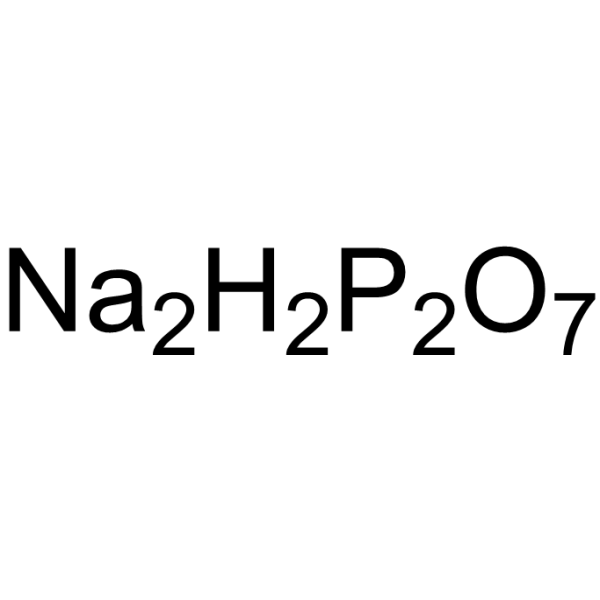
    Sodium silicate is a water-soluble silicate. Sodium silicate is widely used as a binder, particularly in the production of detergents, soaps, and cleaners. Sodium silicate promotes the deposition of suberin polyphenols and lignin at wound sites of potato tubers, accelerates callus structure formation, enhances ROS production, and induces the synthesis of total phenols and flavonoids. Sodium silicate reduces the weight loss rate and disease index of wounded potato tubers during storage .
    Sodium silicate
  • HY-P991444

    NTPDase ATP Synthase Inflammation/Immunology Cancer
    IPH5201 is a selective CD39 inhibitor and a humanized IgG1 monoclonal antibody. IPH5201 selectively binds to and inhibits the enzymatic activity of both membrane-bound and soluble CD39, blocking ATP hydrolysis. IPH5201 enhances the phenotypic maturation and activation of dendritic cells and macrophages. IPH5201 potentiates the anti-tumor effect of Oxaliplatin (HY-17371). IPH5201 shows preliminary evidence of disease stabilization in advanced solid tumor models when used as a single agent or in combination with Durvalumab (HY-P9919). IPH5201 can be used for the research of advanced solid tumors .
    IPH5201
  • HY-134098

    Adipic acid diisopropyl ester

    Environmental Pollutants TRP Channel Others
    Diisopropyl adipate is an alternative plasticizer and a TRPA1 activator. Diisopropyl adipate activates TRPA1 and enhances FITC-induced contact hypersensitivity (CHS).Diisopropyl adipate also serves as an ingredient in cosmetics and drug formulations topically applied to the skin. Diisopropyl adipate can be used as an excipient, such as emollients, plasticizers. Pharmaceutical excipients, or pharmaceutical auxiliaries, refer to other chemical substances used in the pharmaceutical process other than pharmaceutical ingredients. Pharmaceutical excipients generally refer to inactive ingredients in pharmaceutical preparations, which can improve the stability, solubility and processability of pharmaceutical preparations. Pharmaceutical excipients also affect the absorption, distribution, metabolism, and elimination (ADME) processes of co-administered drugs .
    Diisopropyl adipate
  • HY-W013989R

    Reference Standards Epoxide Hydrolase Cardiovascular Disease
    1,3-Dicyclohexylurea (Standard) is the analytical standard of 1,3-Dicyclohexylurea. This product is intended for research and analytical applications. 1,3-Dicyclohexylurea (DCU) is an orally active and potent sEH (soluble epoxide hydrolase) inhibitor. Oral Delivery of 1,3-Dicyclohexylurea nanosuspension enhances exposure and lowers blood pressure in hypertensive Rats .
    1,3-Dicyclohexylurea (Standard)
  • HY-P5905

    Citrullinated Aβ (1-42); Citrullinated Aβ42

    Amyloid-β Neurological Disease
    Citrullinated amyloid-β (1-42) peptide (human) (Citrullinated Aβ (1-42)) is a modified form of β-Amyloid (1-42) (HY-P1363) with a citrullination at the Arg5 site. Compared to the unmodified β-Amyloid (1-42), its formation of soluble low-molecular-weight oligomers is enhanced, the rate of fibril formation is reduced, and like unmodified Aβ42, it forms protofibrils comprised of parallel β-sheets .
    Citrullinated amyloid-β (1-42) peptide (human)
  • HY-N0394R

    Reference Standards Endogenous Metabolite Ferroptosis ROS Kinase Keap1-Nrf2 Metabolic Disease Inflammation/Immunology Cancer
    L-Cystine (Standard) is the analytical standard of L-Cystine. This product is intended for research and analytical applications. L-Cystine, the extracellular form of L-Cysteine (HY-Y0337), is a nutritionally dispensable semiessential sulfur-containing amino acid, occurring in proteins of plants and animals. L-Cystine induces Nrf2 protein elevation in a Keap1 (HY-P75897)-dependent manner and activates Nrf2 transcription factor. L-cystine can elicit cytoprotection by reducing ROS generation and protecting against oxidant- or doxorubicin-induced apoptosis. The reduced reabsorption of L-Cystine in renal tubules and its poor solubility in urine are the important causes of cystine precipitation and cystine crystal formation eventually leading to kidney stones. L-Cystine combined with L-theanine (HY-15121) enhances the production of antigen-specific IgG by increasing glutathione (GSH) levels and T helper 2 (Th2) mediated responses in mice. L-Cystine is promising for research of cystinuria and cystinosis
    L-Cystine (Standard)
  • HY-177829

    Liposome Metabolic Disease
    Liposomal Vitamin C is a specialized delivery system that encapsulates vitamin C within tiny liposomes. These liposomes act as protective shells, enhancing the absorption and bioavailability of vitamin C. Vitamin C (L-ascorbic acid) is a water-soluble vit
    Liposomal Vitamin C
  • HY-D0932R

    Solvent Red 24 (Standard); C.I. 26105 (Standard)

    Biochemical Assay Reagents Aryl Hydrocarbon Receptor Cytochrome P450 Reference Standards Metabolic Disease
    Sudan IV (Standard) (Solvent Red 24 (Standard)) is the analytical standard of Sudan IV (HY-D0932). This product is intended for research and analytical applications. Sudan IV is an agonist of the aryl hydrocarbon receptor (AhR) that activates downstream signaling pathways and induces CYP1A1 expression. Sudan IV promotes CYP1A1 gene transcription by activating AhR-ARNT heterodimers and binding to exogenous response elements (XREs) on DNA, thereby enhancing drug metabolizing enzyme activity. Sudan IV can be used to study the toxicity mechanisms of industrial dyes and the effects of interactions with serum proteins (such as bovine serum albumin (BSA)) on their distribution in vivo. Sudan IV is a fat-soluble diazo dye that can be used to stain lipids, triglycerides, and lipoproteins on frozen sections.
    Sudan IV (Standard)
  • HY-164581

    Phosphoramidites DNA/RNA Synthesis Others
    DMTr-2'-O-C22-rG (ibu)-3'-CE-Phosphoramidite is an RNA phosphoramidite monomer for oligonucleotide synthesis. DMTr-2'-O-C22-rG (ibu)-3'-CE-Phosphoramidite enables site-specific introduction of 2'-O-C22 lipophilic modification at guanosine positions to construct double-stranded RNA (dsRNA) molecules with extrahepatic delivery capability. DMTr-2'-O-C22-rG (ibu)-3'-CE-Phosphoramidite supports target gene silencing in skeletal muscle, cardiac muscle and adipose tissue by enhancing the lipid solubility and tissue uptake efficiency of dsRNA. DMTr-2'-O-C22-rG (ibu)-3'-CE-Phosphoramidite can be used for the construction and mechanism research of nucleic acid silencing molecules .
    DMTr-2'-O-C22-rG(ibu)-3'-CE-Phosphoramidite
  • HY-W250721E

    Carboxy polymethylene (copolymer)

    Biochemical Assay Reagents Others
    Carbomer copolymer can be used as an excipient, such as Bioadhesives, emulsifiers, release modifiers, suspending agents, tablet binders, viscosity enhancers, etc. Pharmaceutical excipients, or pharmaceutical auxiliaries, refer to other chemical substances used in the pharmaceutical process other than pharmaceutical ingredients. Pharmaceutical excipients generally refer to inactive ingredients in pharmaceutical preparations, which can improve the stability, solubility and processability of pharmaceutical preparations. Pharmaceutical excipients also affect the absorption, distribution, metabolism, and elimination (ADME) processes of co-administered drugs .
    Carbomer copolymer
  • HY-153369

    BAY 1165747

    Guanylate Cyclase Cardiovascular Disease Neurological Disease
    BAY-747 (BAY 1165747) is an orally active and brain-penetrant stimulator of soluble guanylate cyclase (sGC). BAY-747 reverses L-NAME induced memory impairments and enhances cognition of rats in the object location task (OLT). BAY-747 also decreases blood pressure in both conscious normotensive and spontaneously hypertensive rats (SHR). BAY-747 improves function of the skeletal muscle associated with Duchenne muscular dystrophy (DMD) in mdx/mTRG2 mice model .
    BAY-747
  • HY-177826

    Liposome Metabolic Disease
    Liposomal Vitamin B2 is a specialized delivery system that encapsulates vitamin B2 within tiny liposomes. These liposomes act as protective shells, enhancing the absorption and bioavailability of vitamin B2. Vitamin B2 (Riboflavin) is a water-soluble vita
    Liposomal Vitamin B2
  • HY-113011R

    Reference Standards Endogenous Metabolite Others
    Maltotriose (Standard) is the analytical standard of Maltotriose (HY-13011). This product is intended for research and analytical applications. Maltotriose is a maltooligosaccharide and a specific inducer of the Escherichia coli maltose operon. The oligosaccharide structure of Maltotriose acts as a highly efficient drug delivery carrier, which significantly enhances the targeting ability and water solubility of photosensitizers in photodynamic therapy for pancreatic cancer.
    Maltotriose (Standard)
  • HY-W440945

    Liposome Others
    Stearic acid-PEG2000-amine is an amphiphilic PEG polymer which forms micelles in an aqueous solution. The terminal amine can react with an NHS ester to form a stable amide linkage. The aliphatic chain of stearic acid can be used to encapsulate or congregate hydrophobic therapeutic agents while the PEG chain enhances overall solubility of the polymer. Reagent grade, for research use only.
    Stearic acid-PEG2000-amine
  • HY-W250305

    Biochemical Assay Reagents Others
    Calcium malate is an organic compound containing calcium and malic acid. It is commonly used as a dietary supplement to provide the body with calcium and malic acid, which are important for maintaining healthy bones, teeth and muscles. Calcium malate has several properties that make it suitable for these applications, including high solubility and bioavailability compared to other forms of calcium supplementation. Additionally, it is used as a food additive to enhance the acidity and flavor of certain products.
    Calcium malate
  • HY-401721

    Biochemical Assay Reagents Others
    5-CNAC is an orally active enhancer of absorption, with no pharmacological activity on its own. 5-CNAC can significantly enhance the absorption efficiency of the drug (such as Salmon calcitonin (HY-P0090)) when administered together with it in the gastrointestinal tract. 5-CNAC binds reversibly and non-covalently to peptide drugs, protecting them from degradation by gastrointestinal enzymes, increasing their lipid solubility, promoting passive transcellular absorption, and not damaging the integrity of the intestinal epithelium. 5-CNAC can be used in the research of adjuvants for orally administered peptide agents .
    5-CNAC
  • HY-D2954

    CLIP-PEG-NH2

    Drug Intermediate Others
    BC-PEG-NH2 (CLIP-PEG-NH2) is a chemical building block specifically designed for the CLIP-tag system, featuring enhanced water solubility and reactivity. BC-PEG-NH2 can be used for the synthesis of super-resolution imaging probes .
    BC-PEG-NH2
  • HY-177830

    Liposome Metabolic Disease
    Liposomal Vitamin D3 is a specialized delivery system that encapsulates vitamin D3 within tiny liposomes. These liposomes act as protective shells, enhancing the absorption and bioavailability of vitamin D3. Vitamin D3 (cholecaciferol) is a fat-soluble vi
    Liposomal Vitamin D3
  • HY-177824

    Liposome Metabolic Disease
    Liposomal Vitamin B1 is a specialized delivery system that encapsulates vitamin B1 within tiny liposomes. These liposomes act as protective shells, enhancing the absorption and bioavailability of vitamin B1. Vitamin B1 (Thiamin) is a water-soluble vitamin
    Liposomal Vitamin B1
  • HY-101255R

    Reference Standards Guanylate Cyclase Apoptosis Cancer
    ODQ (Standard) is the analytical standard of ODQ. This product is intended for research and analytical applications. ODQ is a potent and selective soluble guanylyl cyclase (sGC, nitric oxide-activated enzyme) inhibitor. ODQ enhances the pro-apoptotic effects of Cisplatin in human mesothelioma cells .
    ODQ (Standard)
  • HY-167932

    RU486 methochloride; RU 38486 methochloride

    Progesterone Receptor Endocrinology
    Mifepristone (RU486) methochloride is a glucocorticoid antagonist that blocks peripheral glucocorticoid and progesterone receptors. Mifepristone methochloride has been shown to have minimal effects on intraocular pressure in treated rabbits. Mifepristone methochloride was developed as a water-soluble formulation to enhance ocular penetration of the drug.
    Mifepristone methochloride
  • HY-167638

    4-HPR-O-glucuronide

    Drug Metabolite Cancer
    Fenretinide glucuronide (4-HPR-O-glucuronide) is a metabolite formed from Fenretinide (HY-15373) through glucuronidation. The formation of Fenretinide glucuronide enhances the water solubility of Fenretinide and facilitates its excretion. Fenretinide glucuronide holds potential for research in the field of cancer .
    Fenretinide glucuronide
  • HY-177831

    Liposome Metabolic Disease
    Liposomal Vitamin K2 is a specialized delivery system that encapsulates vitamin K2 within tiny liposomes. These liposomes act as protective shells, enhancing the absorption and bioavailability of vitamin K2. Vitamin K2 (menaquinone-7) is?a fat-soluble nut
    Liposomal Vitamin K2
  • HY-156301

    Biochemical Assay Reagents Others
    Methyltetrazine-amido-PEG8-amine Trifluoroacetate is a heterobifunctional linker containing a terminal methyltetrazine, which can react with TCO-containing compounds without the catalysis of Cu or elevated temperatures, and terminal amine, which reacts with NHS ester specifically and efficiently. The PEG spacer enhances water solubility.
    Methyltetrazine-amido-PEG8-amine Trifluoroacetate
  • HY-W440953

    Biochemical Assay Reagents Others
    Stearic acid-PEG1000-CH2CO2H is an amphiphilic PEG polymer which forms micelles in an aqueous solution. The aliphatic chain of stearic acid can be used to encapsulate or congregate hydrophobic therapeutic agents while the PEG chain enhances overall solubility of the polymer.
    Stearic acid-PEG1000-CH2CO2H
  • HY-151340

    Bacterial Infection
    Antitubercular agent-32 is a derivate of Benzothiazinone (HY-13579A), inhibits M. tuberculosis, and shows improved metabolic stability and enhanced water solubility. Antitubercular agent-32 exerts antitubercular effect by targeting decaprenylphosphoryl-β-D-ribose 2’-oxidase (DprE1, IC50=3.9 μM) .
    Antitubercular agent-32
  • HY-113784R

    Isoxyl (Standard)

    Reference Standards Antibiotic Bacterial Infection
    β-Cyclodextrin (Standard) is the analytical standard of β-Cyclodextrin. This product is intended for research and analytical applications. β-Cyclodextrin is a cyclic polysaccharide composed of seven units of glucose (α-D-glucopyranose) linked by α-(1,4) type bonds. β-Cyclodextrin has often been used to enhance the solubility of agents. β-Cyclodextrin has anti-influenza virus H1N1 activities.
    Thiocarlide (Standard)
  • HY-178962

    Drug Metabolite Cancer
    Antitumor agent-207 (compound 10K) is a Pt(IV)-NO prodrug with high lipid solubility, good stability, and excellent tumor targeted release ability. Antitumor agent-207 has significant anti proliferative activity in various cells such as TE-1 (IC50 = 1.79 μM), TE-10 (IC50 = 1.95 μM), KYSE-30 IC50 = 5.99 μM), KYSE-520 (IC50 = 5.53 μM) cells. Antitumor agent-207 can significantly enhance intracellular Pt accumulation and DNA platformization levels, and effectively release NO. Antitumor agent-207 can be used for research on cancers such as esophageal cancer .
    Antitumor agent-207
  • HY-D0932S

    Solvent Red 24-d6; C.I. 26105-d6

    Isotope-Labeled Compounds Biochemical Assay Reagents Aryl Hydrocarbon Receptor Cytochrome P450 Metabolic Disease
    Sudan IV-d6 (Solvent Red 24-d6) is the deuterium labeled Sudan IV(HY-D0932). Sudan IV is an agonist of the aryl hydrocarbon receptor (AhR) that activates downstream signaling pathways and induces CYP1A1 expression. Sudan IV promotes CYP1A1 gene transcription by activating AhR-ARNT heterodimers and binding to exogenous response elements (XREs) on DNA, thereby enhancing drug metabolizing enzyme activity. Sudan IV can be used to study the toxicity mechanisms of industrial dyes and the effects of interactions with serum proteins (such as bovine serum albumin (BSA)) on their distribution in vivo. Sudan IV is a fat-soluble diazo dye that can be used to stain lipids, triglycerides, and lipoproteins on frozen sections .
    Sudan IV-d6
  • HY-15334

    VEGFR Cancer
    CEP-5214, derived from a new indenopyrrolocarbazole template, is a potent inhibitor of vascular endothelial growth factor R2 (VEGF-R2) tyrosine kinase. Structurally, it features optimal substitutions at positions 9 (ethoxymethyl) and 12 (hydroxypropyl) on the indeno[2,1-a]pyrrolo[3,4-c]carbazole-5-one scaffold, leading to high potency against VEGF-R2 (IC50 8 nM). Compound 21 (CEP-5214) exhibits low-nanomolar inhibition of human VEGF-R tyrosine kinases (IC50 4 nM for VEGF-R2/KDR), with good selectivity over other kinases. The compound demonstrated significant cellular and in vivo antitumor activity across various models and advanced into phase I clinical trials as a water-soluble prodrug (CEP-7055) to enhance oral bioavailability .
    CEP-5214
  • HY-W190933

    Biochemical Assay Reagents Others
    Bis-PEG6-TFP ester is a PEG linker with two terminal TFP ester moieties. TFP esters are amine reactive and are also more stable than NHS esters against hydrolysis. The PEG chain increases the water solubility properties of compounds in aqueous media. The water solubility properties of PEG chains are enhanced as the PEG chain grows.
    Bis-PEG6-TFP ester
  • HY-W909314

    Biochemical Assay Reagents Others
    t-Butyoxycarboxy-PEG4-para-nitrophenyl carbonate is a PEG linker with a nitrophenyl group linked to a carbonate, four PEG units, and a t-butyl group that can be deprotected under acidic conditions. The PEG units enhance the solubility of the molecule in aqueous media. Nitrophenyl group is reactive towards the amino-bearing molecules.
    t-Butyoxycarboxy-PEG4-para-nitrophenyl carbonate

Inquiry Online

Your information is safe with us. * Required Fields.

Salutation


Country or Region *

Applicant Name *


Organization Name *

Department *


Email Address *


Product Name *

Cat. No.


Requested quantity *

Phone Number *


Remarks

Inquiry Online

Inquiry Information

Product Name:
Cat. No.:
Quantity:
MCE Japan Authorized Agent:

