Search Result
Results for "
sugar alcohol
" in MedChemExpress (MCE) Product Catalog:
9
Biochemical Assay Reagents
20
Isotope-Labeled Compounds
| Cat. No. |
Product Name |
Target |
Research Areas |
Chemical Structure |
-
- HY-B1411
-
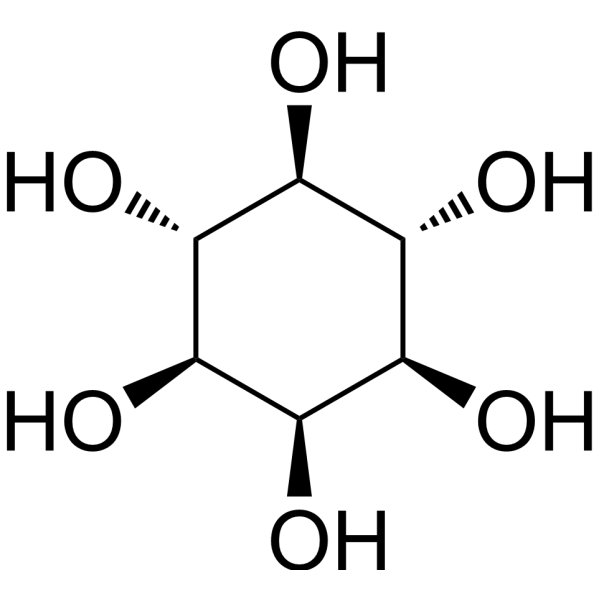
i-Inositol
Maximum Cited Publications
6 Publications Verification
myo-Inositol; meso-Inositol
|
Endogenous Metabolite
|
Others
|
|
i-Inositol (myo-Inositol) is a compound of sugar alcohols. i-Inositol is involved in a series of biological processes such as insulin signal transduction and cytoskeletal transduction. i-Inositol mainly exists in glial cells and plays an osmotic role .
|
-
-
- HY-B0400
-
|
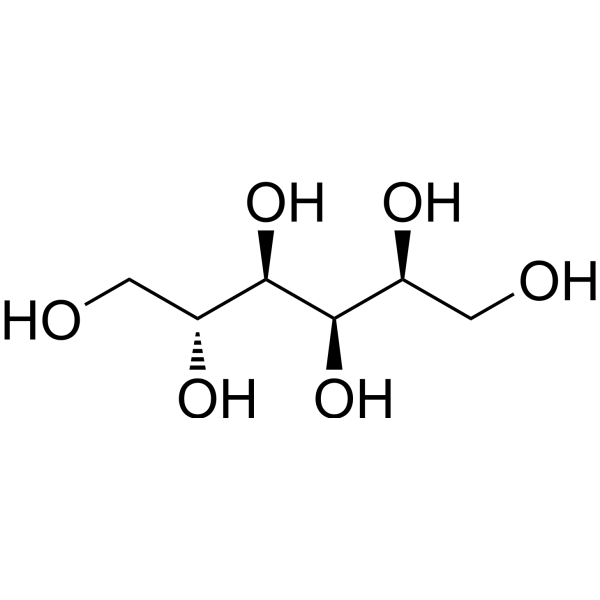
Sorbitol; D-Glucitol
|
Environmental Pollutants
Endogenous Metabolite
Bacterial
|
Others
|
|
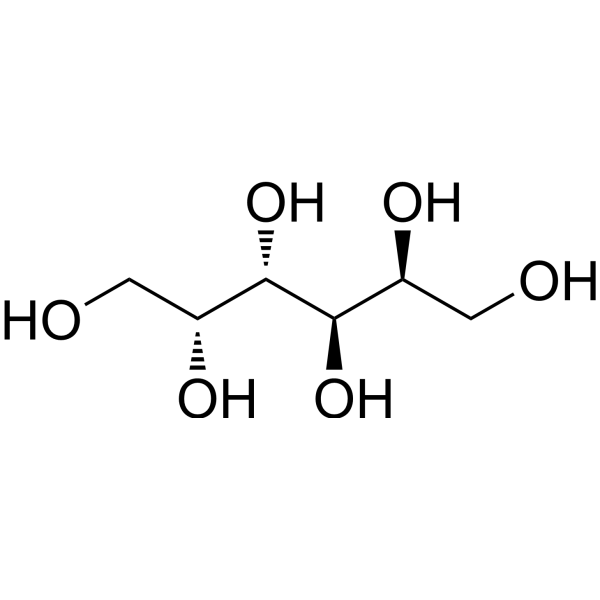
D-Sorbitol (Sorbitol) is a six-carbon sugar alcohol and can used as a sugar substitute. D-Sorbitol can be used as a stabilizing excipient and/or isotonicity agent, sweetener, humectant, thickener and dietary supplement .
|
-
-
- HY-100551
-
|
|
Endogenous Metabolite
|
Others
|
|
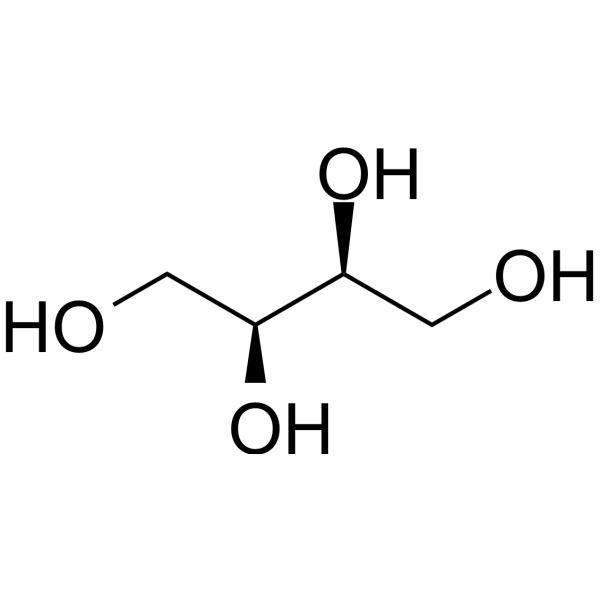
meso-Erythritol is a sugar alcohol that found in a variety of foods (e.g., pear, watermelon), is 60-80% as sweet as sucrose, and can be used as low-calorie sweetener food additives .
|
-
-
- HY-N0538
-
|
Xylite
|
Environmental Pollutants
Endogenous Metabolite
Bacterial
Autophagy
Atg7
Atg8/LC3
|
Metabolic Disease
Cancer
|
|
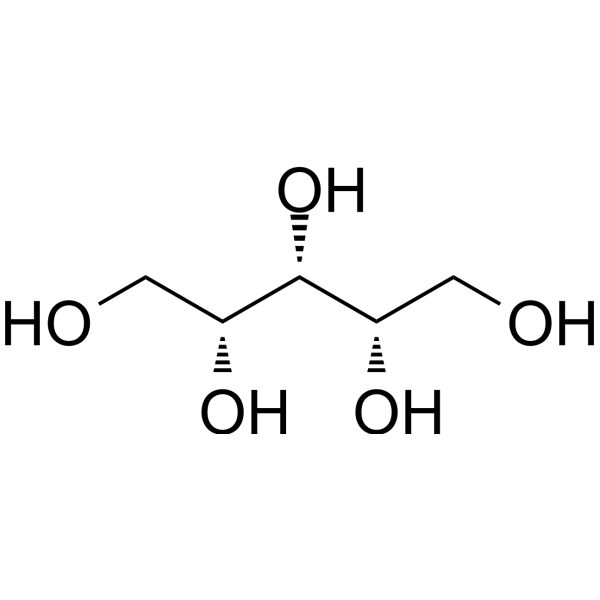
Xylitol can be classified as a polyol and sugar alcohol, exhibiting inhibitory activity on cancer cell proliferation. It induces autophagy (Autophagy) and cell death in A549 cells by activating the autophagy signaling pathway, as evidenced by the increased expression of LC3-II and Atg5-Atg12 upon Xylitol treatment. Additionally, Xylitol inhibits acetaldehyde production by Candida species, thereby reducing their carcinogenic potential. In vivo, Xylitol induces alterations in the gut microbiota of mice, which may enhance cholesterol accumulation and upregulate hepatic ChREBP, while also slowing tumor growth in the B16F10 melanoma C57BL/6 mouse model .
|
-
-
- HY-B2122
-
|
|
PPAR
Fatty Acid Synthase (FASN)
|
Others
|
|
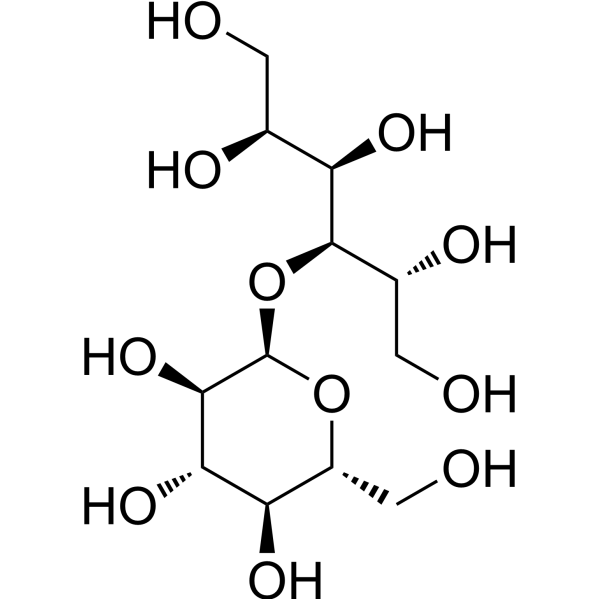
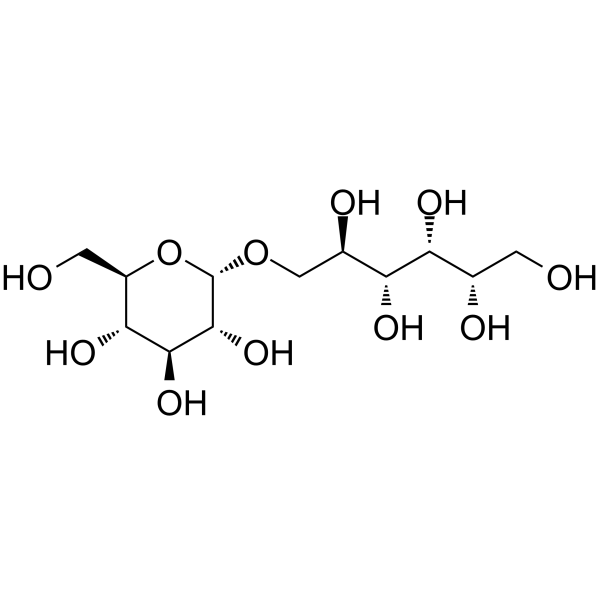
Maltitol is an orally active polyol and sugar alcohol sweetener produced by the hydrogenation of maltose. Maltitol can replace sucrose and has characteristics of having a minor impact on blood sugar and potential prebiotic effects .
|
-
-
- HY-Y0418
-
|
Dulcitol; Melampyrit; NSC 1944
|
Endogenous Metabolite
|
Others
|
|
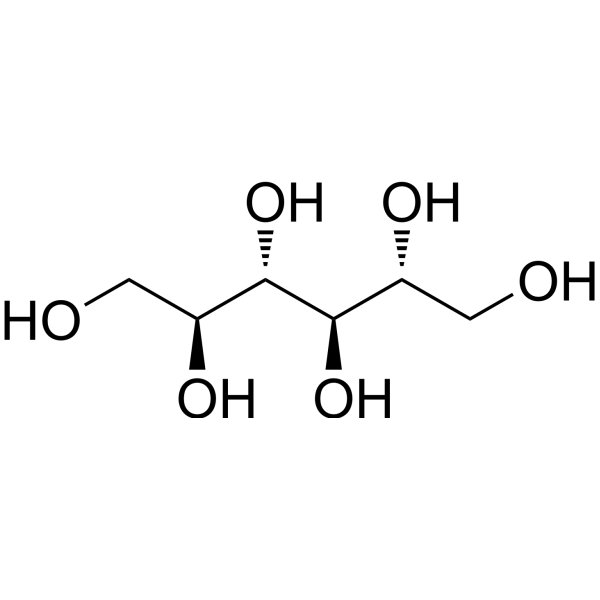
Dulcite (Dulcitol; Melampyrit; NSC 1944) is a sugar alcohol. Dulcite is produced by the reduction of galactose by aldose reductase in non-insulin-dependent cells .
|
-
-
- HY-N2840
-
Allitol
1 Publications Verification
Allodulcitol
|
Others
|
Metabolic Disease
|
|
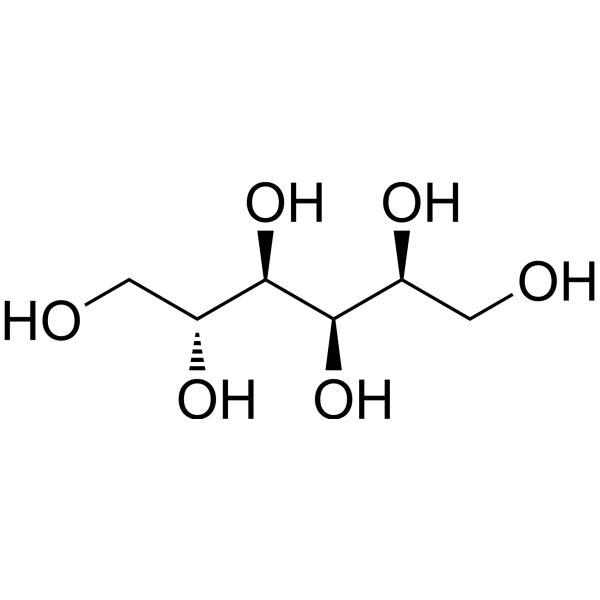
Allitol (Allodulcitol) is an orally active rare sugar alcohol found in Itea virginica L, Tylopilus plumbeoviolaceus. Allitol has anti-obesity and hypoglycaemic activities. Allitol reduces carcass and total body fat mass, increases cecal weight, surface area, and short-chain fatty acid production, and upregulates cecal microbial enzymes linked to butyrate metabolism. Allitol can be used for the researches of obesity and diabetes .
|
-
-
- HY-W032970
-
|
|
Others
|
Others
|
|
Isomaltitol is a sugar alcohol sweet tastant. Isomaltitol affects adhesion between leukocytes and activated endothelium .
|
-
-
- HY-B0400B
-
|
Sorbito, for cell culture; D-Glucitol, for cell culture
|
Environmental Pollutants
Biochemical Assay Reagents
|
Others
|
|
D-Sorbitol (D-Glucitol), for cell culture is a six-carbon sugar alcohol that can be used as a sugar substitute. D-Sorbitol, for cell culture serves as an osmotic regulator, cryoprotectant and carbon source in various plant and microbial cell culture media .
|
-
-
- HY-B0400S1
-
|
Sorbitol-13C; D-Glucitol-13C
|
Endogenous Metabolite
|
Others
|
|
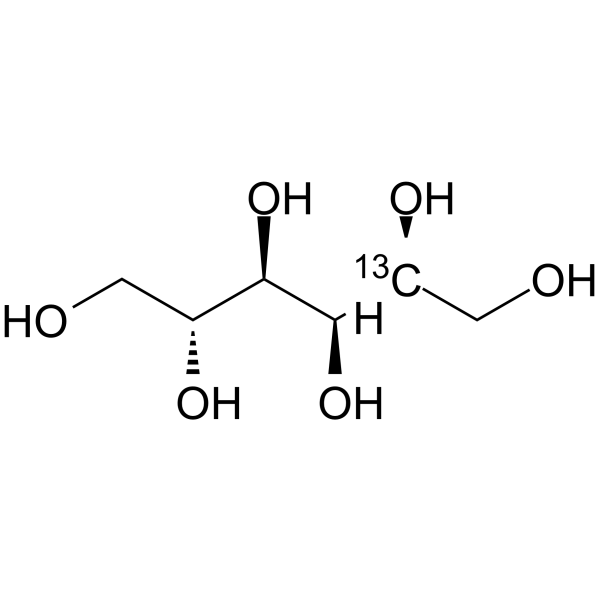
D-Sorbitol- 13C is the 13C labeled D-Sorbitol. D-Sorbitol (Sorbitol) is a six-carbon sugar alcohol and can used as a sugar substitute. D-Sorbitol can be used as a stabilizing excipient and/or isotonicity agent, sweetener, humectant, thickener and dietary s
|
-
-
- HY-103673
-
|
|
Adenosine Deaminase
|
Neurological Disease
|
|
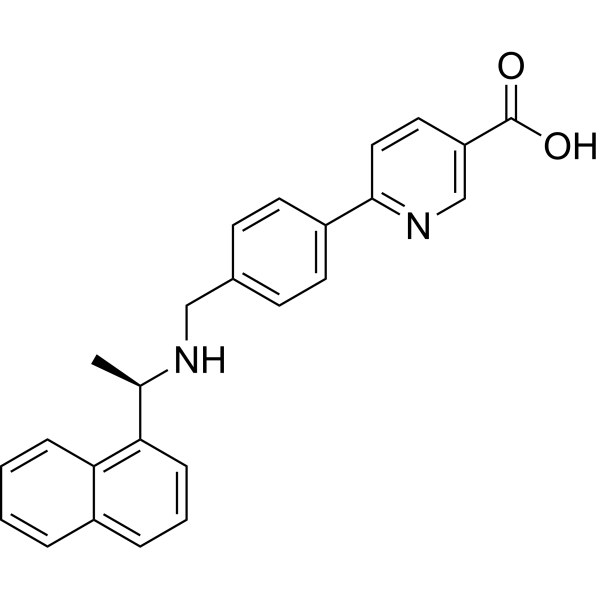
AMPD2 inhibitor 1 is an adenosine monophosphate deaminase 2 (AMPD2) inhibitor, used in the research of sugar craving, salt craving, umami craving, and addictions including agent, tobacco, nicotine and alcohol addictions.
|
-
-
- HY-N4112
-
|
1-Deoxy-D-galactitol
|
Drug Intermediate
|
Others
|
|
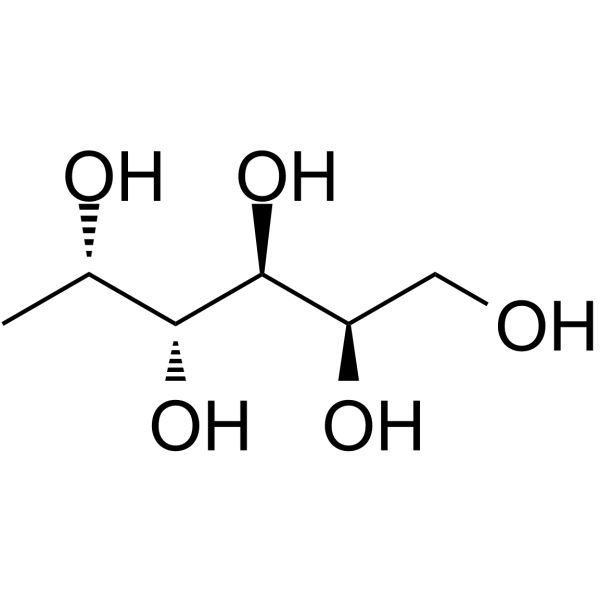
L-Fucitol (1-Deoxy-D-galactitol) is a type of sugar alcohol that can be found in Nutmeg. L-Fucitol can be used as a raw material to prepare L-Fuco-4-ketose for pharmaceutical purposes .
|
-
-
- HY-W021265
-
|
Cyclohexane-1,2,3,4,5,6-hexol
|
Biochemical Assay Reagents
|
Others
|
|
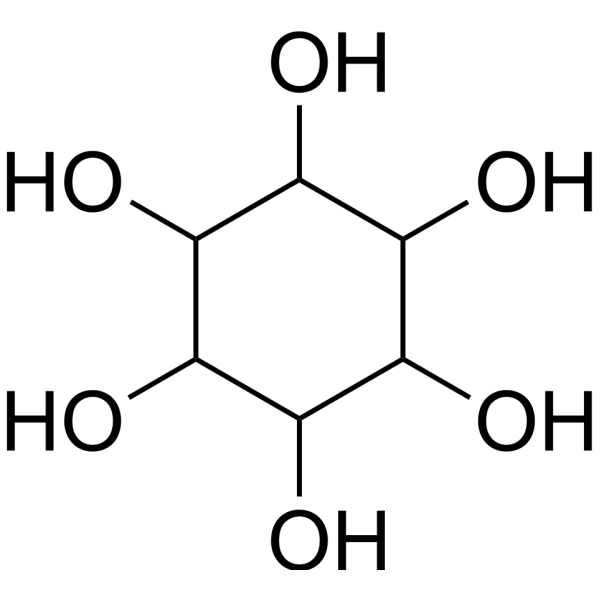
Cyclohexane-1,2,3,4,5,6-hexaol, also known as inositol or inositol, is a cyclic sugar alcohol consisting of a six-carbon ring with six hydroxyl groups. This compound is important for its biological activity and is widely distributed in nature, especially in plant and animal tissues. It plays a role in various physiological processes such as signal transduction, osmoregulation and lipid metabolism. In addition, Cyclohexane-1,2,3,4,5,6-hexaol has potential investigational effects, including improving conditions related to insulin resistance, polycystic ovary syndrome, and mental health conditions. It can also be used as a supplement in animal feed and human nutritional products.
|
-
-
- HY-W012846A
-
|
L-1,2,3,4-Butanetetrol
|
Drug Intermediate
|
Others
|
|
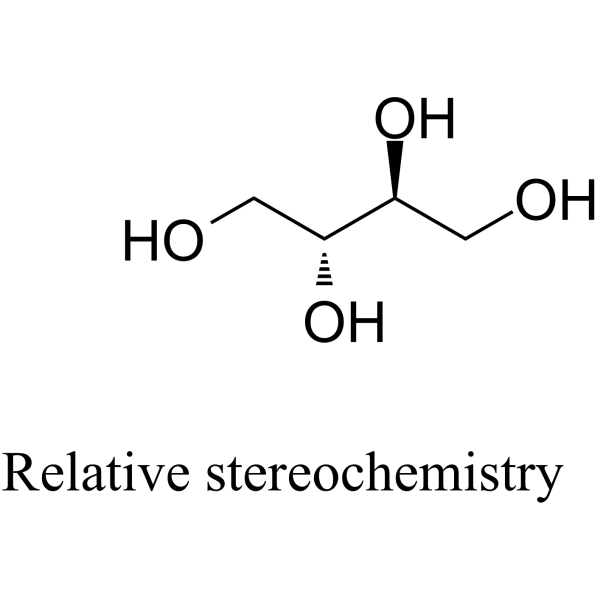
L-Threitol (L-1,2,3,4-Butanetetrol) is a four-carbon sugar alcohol. L-Threitol serves as an important pharmaceutical intermediate and can be used in the synthesis of other active compounds, such as anticancer agents and chiral compounds .
|
-
-
- HY-B1411R
-
|
myo-Inositol (Standard); meso-Inositol (Standard)
|
Reference Standards
Endogenous Metabolite
|
Others
|
|
i-Inositol (Standard) is the analytical standard of i-Inositol. This product is intended for research and analytical applications. i-Inositol (myo-Inositol) is a compound of sugar alcohols. i-Inositol is involved in a series of biological processes such as insulin signal transduction and cytoskeletal transduction. i-Inositol mainly exists in glial cells and plays an osmotic role .
|
-
-
- HY-N0538R
-
-
-
- HY-41984
-
|
D-Glucose diacetonide; 1,2:5,6-Diisopropylidene-D-glucose
|
Biochemical Assay Reagents
Drug Intermediate
|
Others
|
|
Diacetone-D-glucose (D-Glucose diacetonide) is a sugar-derived secondary alcohol that serves as an important pharmaceutical intermediate for the synthesis of other active compounds .
|
-
-
- HY-B0400S16
-
|
Sorbitol-13C6; D-Glucitol-13C6
|
Bacterial
Endogenous Metabolite
|
Others
|
|
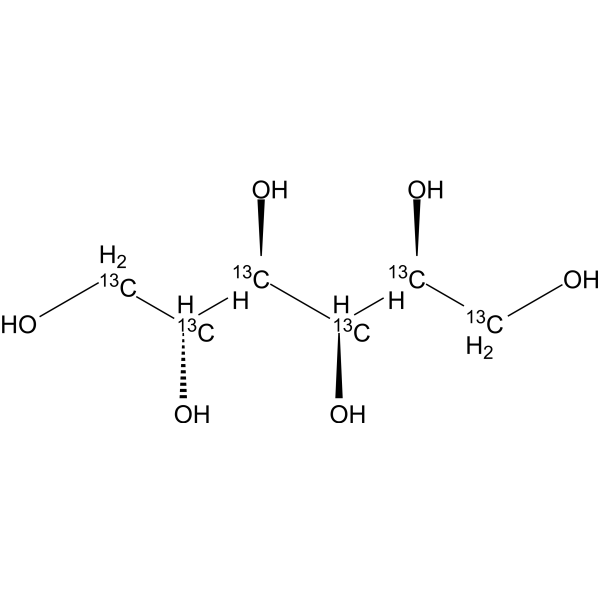
D-Sorbitol- 13C6 is the 13C labeled D-Sorbitol . D-Sorbitol (Sorbitol) is a six-carbon sugar alcohol and can used as a sugar substitute. D-Sorbitol can be used as a stabilizing excipient and/or isotonicity agent, sweetener, humectant, thickener and dietary supplement .
|
-
-
- HY-100551R
-
|
|
Reference Standards
Endogenous Metabolite
|
Others
|
|
meso-Erythritol (Standard) is the analytical standard of meso-Erythritol. This product is intended for research and analytical applications. meso-Erythritol is a sugar alcohol that occurs naturally in a variety of foods (e.g., pear, watermelon), is 60-80% as sweet as sucrose, and is an approved low-calorie sweetener food additive .
|
-
-
- HY-P2866A
-
|
NAG, Porcine kidney
|
Others
|
Others
|
|
β-N-Acetylhexosaminidase, Porcine kidney is a glycosidase with transglycosylation activity, used to generate health-beneficial human milk oligosaccharides, and it effectively interacts with low molecular weight sugar alcohols (such as glycerol, erythritol, and xylitol). The enzyme exhibits optimal activity at pH 5 and 40 °C, and shows high thermal stability (up to 55°C) when bound to the cell wall. β-N-Acetylhexosaminidase holds promise for applications in the biotransformation of Chitin (HY-126389) and research in the food health sector .
|
-
-
- HY-W142618
-
|
|
Biochemical Assay Reagents
|
Others
|
|
D-Glucal is an organic compound belonging to the family of aldoses, which are monosaccharides containing an aldehyde functional group. It has a six-carbon structure and is derived from glucose by oxidation of the primary alcohol group at carbon 1 to an aldehyde group. D-Glucal is a white crystalline solid that is soluble in water and has a sweet taste. It is an important intermediate in the chemical synthesis of a wide variety of compounds, including pharmaceuticals, agrochemicals, and natural products. D-Glucal can be converted into other carbohydrate derivatives such as glycosides, glycoconjugates and amino sugars. It also plays a role in the study of carbohydrate chemistry, where it is used as a chiral building block for the synthesis of complex structures.
|
-
-
- HY-B0400R
-
|
Sorbitol (Standard); D-Glucitol (Standard)
|
Reference Standards
Endogenous Metabolite
Bacterial
|
Others
|
|
D-Sorbitol (Standard) is the analytical standard of D-Sorbitol. This product is intended for research and analytical applications. D-Sorbitol (Sorbitol) is a six-carbon sugar alcohol and can used as a sugar substitute. D-Sorbitol can be used as a stabilizing excipient and/or isotonicity agent, sweetener, humectant, thickener and dietary supplement .
|
-
-
- HY-W145584
-
-
-
- HY-B0400S
-
|
Sorbitol-d8; D-Glucitol-d8
|
Endogenous Metabolite
|
Others
|
|
D-Sorbitol-d8 is the deuterium labeled D-Sorbitol. D-Sorbitol (Sorbitol) is a six-carbon sugar alcohol and can used as a sugar substitute. D-Sorbitol can be used as a stabilizing excipient and/or isotonicity agent, sweetener, humectant, thickener and dietary supplement .
|
-
-
- HY-13641
-
|
Myelobromol; DBM
|
DNA Alkylator/Crosslinker
|
Cancer
|
|
Mitobronitol (Myelobromol; DBM) is a brominated analog of mannitol, also known as an anticancer agent that is classified as an alkylating agent. Mitobronitol has potential for myelosuppression associated with significantly decreased risk for several complications of allogeneic bone marrow transplantation in accelerated chronic granulocytic leukemia .
|
-
-
- HY-B2122R
-
|
|
Reference Standards
PPAR
Fatty Acid Synthase (FASN)
|
Others
|
|
Maltitol (Standard) is the analytical standard of Maltitol (HY-B2122). This product is intended for research and analytical applications. Maltitol is an orally active polyol and sugar alcohol sweetener produced by the hydrogenation of maltose. Maltitol can replace sucrose and has characteristics of having a minor impact on blood sugar and potential prebiotic effects .
|
-
-
- HY-N4112R
-
|
1-Deoxy-D-galactitol (Standard)
|
Reference Standards
Drug Intermediate
|
Others
|
|
L-Fucitol (1-Deoxy-D-galactitol) (Standard) is the analytical standard of L-Fucitol. This product is used for research and analytical applications. L-Fucitol is a sugar alcohol that can be found in nutmeg (Nutmeg). L-Fucitol can be used as a precursor in the preparation of L-Fuco-4-ketose for pharmaceutical purposes.
|
-
-
- HY-127005
-
|
|
DNA Alkylator/Crosslinker
|
Cancer
|
|
Ritrosulfan is a member of the alkylating sugar alcohol. Ritrosulfan is a hydrolyzing alkylating agent with anti-tumor activity .
|
-
-
- HY-B0400S7
-
|
Sorbitol-d1-2; D-Glucitol-d1-2
|
Endogenous Metabolite
|
Others
|
|
D-Sorbitol-d-2 is the deuterium labeled D-Sorbitol. D-Sorbitol (Sorbitol) is a six-carbon sugar alcohol and can used as a sugar substitute. D-Sorbitol can be used as a stabilizing excipient and/or isotonicity agent, sweetener, humectant, thickener and di
|
-
-
- HY-B0400S10
-
|
Sorbitol-d4; D-Glucitol-d4
|
Endogenous Metabolite
|
Others
|
|
D-Sorbitol-d4 is the deuterium labeled D-Sorbitol. D-Sorbitol (Sorbitol) is a six-carbon sugar alcohol and can used as a sugar substitute. D-Sorbitol can be used as a stabilizing excipient and/or isotonicity agent, sweetener, humectant, thickener and diet
|
-
-
- HY-B0400S4
-
|
Sorbitol-d2; D-Glucitol-d2
|
Isotope-Labeled Compounds
Endogenous Metabolite
|
Others
|
|
D-Sorbitol-d2 is the deuterium labeled D-Sorbitol. D-Sorbitol (Sorbitol) is a six-carbon sugar alcohol and can used as a sugar substitute. D-Sorbitol can be used as a stabilizing excipient and/or isotonicity agent, sweetener, humectant, thickener and diet
|
-
-
- HY-Y0418S4
-
-
-
- HY-Y0418S
-
-
-
- HY-B0400S9
-
|
Sorbitol-d2-2; D-Glucitol-d2-2
|
Endogenous Metabolite
|
Others
|
|
D-Sorbitol-d2-2 is the deuterium labeled D-Sorbitol. D-Sorbitol (Sorbitol) is a six-carbon sugar alcohol and can used as a sugar substitute. D-Sorbitol can be used as a stabilizing excipient and/or isotonicity agent, sweetener, humectant, thickener and di
|
-
-
- HY-B0400S8
-
|
Sorbitol-d2-1; D-Glucitol-d2-1
|
Endogenous Metabolite
|
Others
|
|
D-Sorbitol-d2-1 is the deuterium labeled D-Sorbitol. D-Sorbitol (Sorbitol) is a six-carbon sugar alcohol and can used as a sugar substitute. D-Sorbitol can be used as a stabilizing excipient and/or isotonicity agent, sweetener, humectant, thickener and di
|
-
-
- HY-Y0418R
-
|
Dulcitol (Standard); Melampyrit (Standard); NSC 1944 (Standard)
|
Reference Standards
Endogenous Metabolite
|
Others
|
|
Dulcite (Standard) is the analytical standard of Dulcite. This product is intended for research and analytical applications. Dulcite is a sugar alcohol with a slightly sweet taste which is a metabolic breakdown product of galactose.
|
-
-
- HY-B0400S2
-
|
Sorbitol-13C-1; D-Glucitol-13C-1
|
Isotope-Labeled Compounds
Endogenous Metabolite
|
Others
|
|
D-Sorbitol- 13C-1 is the 13C labeled D-Sorbitol. D-Sorbitol (Sorbitol) is a six-carbon sugar alcohol and can used as a sugar substitute. D-Sorbitol can be used as a stabilizing excipient and/or isotonicity agent, sweetener, humectant, thickener and dietary
|
-
-
- HY-B0400S15
-
|
Sorbitol-18O-1; D-Glucitol-18O-1
|
Endogenous Metabolite
|
Others
|
|
D-Sorbitol- 18O-1 is the 18O labeled D-Sorbitol. D-Sorbitol (Sorbitol) is a six-carbon sugar alcohol and can used as a sugar substitute. D-Sorbitol can be used as a stabilizing excipient and/or isotonicity agent, sweetener, humectant, thickener and dietary
|
-
-
- HY-B0400S3
-
|
Sorbitol-13C-2; D-Glucitol-13C-2
|
Isotope-Labeled Compounds
Endogenous Metabolite
|
Others
|
|
D-Sorbitol- 13C-2 is the 13C labeled D-Sorbitol. D-Sorbitol (Sorbitol) is a six-carbon sugar alcohol and can used as a sugar substitute. D-Sorbitol can be used as a stabilizing excipient and/or isotonicity agent, sweetener, humectant, thickener and dietary
|
-
-
- HY-Y0418S3
-
-
-
- HY-Y0418S1
-
-
-
- HY-Y0418S2
-
-
-
- HY-B0400EGL
-
|
|
Endogenous Metabolite
|
Others
|
|
D-Sorbitol, M400 (GMP Like) is the GMP Like class D-Sorbitol, M400 that can be used as pharmaceutical excipients. D-Sorbitol (Sorbitol) is a six-carbon sugar alcohol and can used as a sugar substitute. D-Sorbitol can be used as a stabilizing excipient and/or isotonicity agent, sweetener, humectant, thickener and dietary supplement .
|
-
-
- HY-B0400CGL
-
|
Sorbitol, M150 (GMP Like); D-Glucitol, M150 (GMP Like)
|
Endogenous Metabolite
|
Others
|
|
D-Sorbitol, M150 (GMP Like) is the GMP Like class D-Sorbitol, M150 that can be used as pharmaceutical excipients. D-Sorbitol (Sorbitol) is a six-carbon sugar alcohol and can used as a sugar substitute. D-Sorbitol can be used as a stabilizing excipient and/or isotonicity agent, sweetener, humectant, thickener and dietary supplement .
|
-
-
- HY-B0400DGL
-
|
|
Endogenous Metabolite
|
Others
|
|
D-Sorbitol, M200 (GMP Like) is the GMP Like class D-Sorbitol, M200 that can be used as pharmaceutical excipients. D-Sorbitol (Sorbitol) is a six-carbon sugar alcohol and can used as a sugar substitute. D-Sorbitol can be used as a stabilizing excipient and/or isotonicity agent, sweetener, humectant, thickener and dietary supplement .
|
-
-
- HY-W145584S
-
-
-
- HY-146567S
-
|
|
Isotope-Labeled Compounds
Endogenous Metabolite
|
Others
|
|
meso-Erythritol-d6 is the deuterium labeled meso-Erythritol (HY-100551). meso-Erythritol is a sugar alcohol that found in a variety of foods (e.g., pear, watermelon), is 60-80% as sweet as sucrose, and can be used as low-calorie sweetener food additives .
|
-
-
- HY-W007174A
-
|
|
Biochemical Assay Reagents
|
Others
|
|
1,4-Anhydro-D-xylitol is a compound belonging to the class of sugar alcohols. It is derived from xylitol, a natural sweetener found in many fruits and vegetables. 1,4-Anhydro-D-xylitol is commonly used as a low-calorie sweetener and excipient in the food and pharmaceutical industries, and as a filler or binder in pharmaceutical formulations. It has also been investigated for its potential use in the development of biodegradable plastics and other sustainable materials.
|
-
-
- HY-N2840S
-
|
Allodulcitol-13C
|
Isotope-Labeled Compounds
|
Metabolic Disease
|
|
Allitol (Allodulcitol)- 13C is the 13C labeled Allitol (HY-N2840). Allitol is an orally active rare sugar alcohol found in Itea virginica L, Tylopilus plumbeoviolaceus. Allitol has anti-obesity and hypoglycaemic activities. Allitol reduces carcass and total body fat mass, increases cecal weight, surface area, and short-chain fatty acid production, and upregulates cecal microbial enzymes linked to butyrate metabolism. Allitol can be used for the researches of obesity and diabetes .
|
-
-
- HY-N2840R
-
|
Allodulcitol (Standard)
|
Reference Standards
|
Metabolic Disease
|
|
Allitol (Allodulcitol) (Standard) is the analytical standard of Allitol (HY-N2840). This product is intended for research and analytical applications. Allitol is an orally active rare sugar alcohol found in Itea virginica L, Tylopilus plumbeoviolaceus. Allitol has anti-obesity and hypoglycaemic activities. Allitol reduces carcass and total body fat mass, increases cecal weight, surface area, and short-chain fatty acid production, and upregulates cecal microbial enzymes linked to butyrate metabolism. Allitol can be used for the researches of obesity and diabetes .
|
-
- HY-W768347
-
|
Xylite-13C5
|
Isotope-Labeled Compounds
Bacterial
Autophagy
Endogenous Metabolite
Atg8/LC3
Atg7
|
Cancer
|
|
Xylitol- 13C5 (Xylite- 13C5) is the 13C-labeled Xylitol (HY-N0538). Xylitol can be classified as a polyol and sugar alcohol, exhibiting inhibitory activity on cancer cell proliferation. It induces autophagy (Autophagy) and cell death in A549 cells by activating the autophagy signaling pathway, as evidenced by the increased expression of LC3-II and Atg5-Atg12 upon Xylitol treatment. Additionally, Xylitol inhibits acetaldehyde production by Candida species, thereby reducing their carcinogenic potential. In vivo, Xylitol induces alterations in the gut microbiota of mice, which may enhance cholesterol accumulation and upregulate hepatic ChREBP, while also slowing tumor growth in the B16F10 melanoma C57BL/6 mouse model .
|
-
- HY-E70398A
-
|
|
Endogenous Metabolite
|
Metabolic Disease
|
|
Sorbitol dehydrogenase, Sheep (EC 1.1.1.14) is an enzyme in carbohydrate metabolism that converts sorbitol, the sugar alcohol form of glucose, into fructose. Sorbitol dehydrogenase works in conjunction with aldose reductase, enabling the body to utilize glucose to produce fructose without ATP consumption. Sorbitol dehydrogenase uses NAD+ as a cofactor, and zinc ions also participate in the catalytic process.
|
-
- HY-103673R
-
|
|
Reference Standards
Adenosine Deaminase
|
Neurological Disease
|
|
AMPD2 inhibitor 1 (Standard) is the analytical standard of AMPD2 inhibitor 1 (HY-103673). This product is intended for research and analytical applications. AMPD2 inhibitor 1 is an adenosine monophosphate deaminase 2 (AMPD2) inhibitor, used in the research of sugar craving, salt craving, umami craving, and addictions including agent, tobacco, nicotine and alcohol addictions.
|
-
- HY-N19769
-
|
|
Others
|
Others
|
|
Phenylmethyl O-β-D-glucopyranosyl-(1→3)-O-β-D-glucopyranoside (Compound 10) is a triglycoside compound. Phenylmethyl O-β-D-glucopyranosyl-(1→3)-O-β-D-glucopyranoside is isolated from the whole plant of sesame (Sesamum indicum) .
|
-
| Cat. No. |
Product Name |
Type |
-
- HY-B0400EGL
-
|
|
Fluorescent Dyes
|
|
D-Sorbitol, M400 (GMP Like) is the GMP Like class D-Sorbitol, M400 that can be used as pharmaceutical excipients. D-Sorbitol (Sorbitol) is a six-carbon sugar alcohol and can used as a sugar substitute. D-Sorbitol can be used as a stabilizing excipient and/or isotonicity agent, sweetener, humectant, thickener and dietary supplement .
|
-
- HY-B0400CGL
-
|
Sorbitol, M150 (GMP Like); D-Glucitol, M150 (GMP Like)
|
Fluorescent Dyes
|
|
D-Sorbitol, M150 (GMP Like) is the GMP Like class D-Sorbitol, M150 that can be used as pharmaceutical excipients. D-Sorbitol (Sorbitol) is a six-carbon sugar alcohol and can used as a sugar substitute. D-Sorbitol can be used as a stabilizing excipient and/or isotonicity agent, sweetener, humectant, thickener and dietary supplement .
|
-
- HY-B0400DGL
-
|
|
Fluorescent Dyes
|
|
D-Sorbitol, M200 (GMP Like) is the GMP Like class D-Sorbitol, M200 that can be used as pharmaceutical excipients. D-Sorbitol (Sorbitol) is a six-carbon sugar alcohol and can used as a sugar substitute. D-Sorbitol can be used as a stabilizing excipient and/or isotonicity agent, sweetener, humectant, thickener and dietary supplement .
|
| Cat. No. |
Product Name |
Type |
-
- HY-B0400B
-
|
Sorbito, for cell culture; D-Glucitol, for cell culture
|
Biochemical Assay Reagents
|
|
D-Sorbitol (D-Glucitol), for cell culture is a six-carbon sugar alcohol that can be used as a sugar substitute. D-Sorbitol, for cell culture serves as an osmotic regulator, cryoprotectant and carbon source in various plant and microbial cell culture media .
|
-
- HY-W021265
-
|
Cyclohexane-1,2,3,4,5,6-hexol
|
Biochemical Assay Reagents
|
|
Cyclohexane-1,2,3,4,5,6-hexaol, also known as inositol or inositol, is a cyclic sugar alcohol consisting of a six-carbon ring with six hydroxyl groups. This compound is important for its biological activity and is widely distributed in nature, especially in plant and animal tissues. It plays a role in various physiological processes such as signal transduction, osmoregulation and lipid metabolism. In addition, Cyclohexane-1,2,3,4,5,6-hexaol has potential investigational effects, including improving conditions related to insulin resistance, polycystic ovary syndrome, and mental health conditions. It can also be used as a supplement in animal feed and human nutritional products.
|
-
- HY-W012846A
-
|
L-1,2,3,4-Butanetetrol
|
Biochemical Assay Reagents
|
|
L-Threitol (L-1,2,3,4-Butanetetrol) is a four-carbon sugar alcohol. L-Threitol serves as an important pharmaceutical intermediate and can be used in the synthesis of other active compounds, such as anticancer agents and chiral compounds .
|
-
- HY-41984
-
|
D-Glucose diacetonide; 1,2:5,6-Diisopropylidene-D-glucose
|
Biochemical Assay Reagents
|
|
Diacetone-D-glucose (D-Glucose diacetonide) is a sugar-derived secondary alcohol that serves as an important pharmaceutical intermediate for the synthesis of other active compounds .
|
-
- HY-W142618
-
|
|
Biochemical Assay Reagents
|
|
D-Glucal is an organic compound belonging to the family of aldoses, which are monosaccharides containing an aldehyde functional group. It has a six-carbon structure and is derived from glucose by oxidation of the primary alcohol group at carbon 1 to an aldehyde group. D-Glucal is a white crystalline solid that is soluble in water and has a sweet taste. It is an important intermediate in the chemical synthesis of a wide variety of compounds, including pharmaceuticals, agrochemicals, and natural products. D-Glucal can be converted into other carbohydrate derivatives such as glycosides, glycoconjugates and amino sugars. It also plays a role in the study of carbohydrate chemistry, where it is used as a chiral building block for the synthesis of complex structures.
|
-
- HY-B0400EGL
-
|
|
Biochemical Assay Reagents
|
|
D-Sorbitol, M400 (GMP Like) is the GMP Like class D-Sorbitol, M400 that can be used as pharmaceutical excipients. D-Sorbitol (Sorbitol) is a six-carbon sugar alcohol and can used as a sugar substitute. D-Sorbitol can be used as a stabilizing excipient and/or isotonicity agent, sweetener, humectant, thickener and dietary supplement .
|
-
- HY-B0400CGL
-
|
Sorbitol, M150 (GMP Like); D-Glucitol, M150 (GMP Like)
|
Biochemical Assay Reagents
|
|
D-Sorbitol, M150 (GMP Like) is the GMP Like class D-Sorbitol, M150 that can be used as pharmaceutical excipients. D-Sorbitol (Sorbitol) is a six-carbon sugar alcohol and can used as a sugar substitute. D-Sorbitol can be used as a stabilizing excipient and/or isotonicity agent, sweetener, humectant, thickener and dietary supplement .
|
-
- HY-B0400DGL
-
|
|
Biochemical Assay Reagents
|
|
D-Sorbitol, M200 (GMP Like) is the GMP Like class D-Sorbitol, M200 that can be used as pharmaceutical excipients. D-Sorbitol (Sorbitol) is a six-carbon sugar alcohol and can used as a sugar substitute. D-Sorbitol can be used as a stabilizing excipient and/or isotonicity agent, sweetener, humectant, thickener and dietary supplement .
|
-
- HY-W007174A
-
|
|
Biochemical Assay Reagents
|
|
1,4-Anhydro-D-xylitol is a compound belonging to the class of sugar alcohols. It is derived from xylitol, a natural sweetener found in many fruits and vegetables. 1,4-Anhydro-D-xylitol is commonly used as a low-calorie sweetener and excipient in the food and pharmaceutical industries, and as a filler or binder in pharmaceutical formulations. It has also been investigated for its potential use in the development of biodegradable plastics and other sustainable materials.
|
| Cat. No. |
Product Name |
Category |
Target |
Chemical Structure |
-
- HY-B1411
-
-
-
- HY-B0400
-
-
-
- HY-100551
-
-
-
- HY-N0538
-
-
-
- HY-B2122
-
-
-
- HY-Y0418
-
-
-
- HY-N2840
-
-
-
- HY-N4112
-
-
-
- HY-W021265
-
|
Cyclohexane-1,2,3,4,5,6-hexol
|
Microorganisms
Source Classification
|
Biochemical Assay Reagents
|
|
Cyclohexane-1,2,3,4,5,6-hexaol, also known as inositol or inositol, is a cyclic sugar alcohol consisting of a six-carbon ring with six hydroxyl groups. This compound is important for its biological activity and is widely distributed in nature, especially in plant and animal tissues. It plays a role in various physiological processes such as signal transduction, osmoregulation and lipid metabolism. In addition, Cyclohexane-1,2,3,4,5,6-hexaol has potential investigational effects, including improving conditions related to insulin resistance, polycystic ovary syndrome, and mental health conditions. It can also be used as a supplement in animal feed and human nutritional products.
|
-
-
- HY-B1411R
-
-
-
- HY-N0538R
-
-
-
- HY-100551R
-
-
-
- HY-B0400R
-
-
-
- HY-W145584
-
-
-
- HY-B2122R
-
-
-
- HY-N4112R
-
-
-
- HY-Y0418R
-
-
-
- HY-N2840R
-
|
Allodulcitol (Standard)
|
Structural Classification
Natural Products
Microorganisms
Source Classification
|
Reference Standards
|
|
Allitol (Allodulcitol) (Standard) is the analytical standard of Allitol (HY-N2840). This product is intended for research and analytical applications. Allitol is an orally active rare sugar alcohol found in Itea virginica L, Tylopilus plumbeoviolaceus. Allitol has anti-obesity and hypoglycaemic activities. Allitol reduces carcass and total body fat mass, increases cecal weight, surface area, and short-chain fatty acid production, and upregulates cecal microbial enzymes linked to butyrate metabolism. Allitol can be used for the researches of obesity and diabetes .
|
-
-
- HY-N19769
-
-
| Cat. No. |
Product Name |
Chemical Structure |
-
- HY-B0400S1
-
|
|
|
D-Sorbitol- 13C is the 13C labeled D-Sorbitol. D-Sorbitol (Sorbitol) is a six-carbon sugar alcohol and can used as a sugar substitute. D-Sorbitol can be used as a stabilizing excipient and/or isotonicity agent, sweetener, humectant, thickener and dietary s
|
-
-
- HY-B0400S16
-
|
|
|
D-Sorbitol- 13C6 is the 13C labeled D-Sorbitol . D-Sorbitol (Sorbitol) is a six-carbon sugar alcohol and can used as a sugar substitute. D-Sorbitol can be used as a stabilizing excipient and/or isotonicity agent, sweetener, humectant, thickener and dietary supplement .
|
-
-
- HY-B0400S
-
|
|
|
D-Sorbitol-d8 is the deuterium labeled D-Sorbitol. D-Sorbitol (Sorbitol) is a six-carbon sugar alcohol and can used as a sugar substitute. D-Sorbitol can be used as a stabilizing excipient and/or isotonicity agent, sweetener, humectant, thickener and dietary supplement .
|
-
-
- HY-B0400S7
-
|
|
|
D-Sorbitol-d-2 is the deuterium labeled D-Sorbitol. D-Sorbitol (Sorbitol) is a six-carbon sugar alcohol and can used as a sugar substitute. D-Sorbitol can be used as a stabilizing excipient and/or isotonicity agent, sweetener, humectant, thickener and di
|
-
-
- HY-B0400S10
-
|
|
|
D-Sorbitol-d4 is the deuterium labeled D-Sorbitol. D-Sorbitol (Sorbitol) is a six-carbon sugar alcohol and can used as a sugar substitute. D-Sorbitol can be used as a stabilizing excipient and/or isotonicity agent, sweetener, humectant, thickener and diet
|
-
-
- HY-B0400S4
-
|
|
|
D-Sorbitol-d2 is the deuterium labeled D-Sorbitol. D-Sorbitol (Sorbitol) is a six-carbon sugar alcohol and can used as a sugar substitute. D-Sorbitol can be used as a stabilizing excipient and/or isotonicity agent, sweetener, humectant, thickener and diet
|
-
-
- HY-Y0418S4
-
|
|
|
Dulcite-d2 is the deuterium labeled Dulcite. Dulcite is a sugar alcohol with a slightly sweet taste which is a metabolic breakdown product of galact .
|
-
-
- HY-Y0418S
-
|
|
|
Dulcite- 13C is the 13C labeled Dulcite. Dulcite is a sugar alcohol with a slightly sweet taste which is a metabolic breakdown product of galact .
|
-
-
- HY-B0400S9
-
|
|
|
D-Sorbitol-d2-2 is the deuterium labeled D-Sorbitol. D-Sorbitol (Sorbitol) is a six-carbon sugar alcohol and can used as a sugar substitute. D-Sorbitol can be used as a stabilizing excipient and/or isotonicity agent, sweetener, humectant, thickener and di
|
-
-
- HY-B0400S8
-
|
|
|
D-Sorbitol-d2-1 is the deuterium labeled D-Sorbitol. D-Sorbitol (Sorbitol) is a six-carbon sugar alcohol and can used as a sugar substitute. D-Sorbitol can be used as a stabilizing excipient and/or isotonicity agent, sweetener, humectant, thickener and di
|
-
-
- HY-B0400S2
-
|
|
|
D-Sorbitol- 13C-1 is the 13C labeled D-Sorbitol. D-Sorbitol (Sorbitol) is a six-carbon sugar alcohol and can used as a sugar substitute. D-Sorbitol can be used as a stabilizing excipient and/or isotonicity agent, sweetener, humectant, thickener and dietary
|
-
-
- HY-B0400S15
-
|
|
|
D-Sorbitol- 18O-1 is the 18O labeled D-Sorbitol. D-Sorbitol (Sorbitol) is a six-carbon sugar alcohol and can used as a sugar substitute. D-Sorbitol can be used as a stabilizing excipient and/or isotonicity agent, sweetener, humectant, thickener and dietary
|
-
-
- HY-B0400S3
-
|
|
|
D-Sorbitol- 13C-2 is the 13C labeled D-Sorbitol. D-Sorbitol (Sorbitol) is a six-carbon sugar alcohol and can used as a sugar substitute. D-Sorbitol can be used as a stabilizing excipient and/or isotonicity agent, sweetener, humectant, thickener and dietary
|
-
-
- HY-Y0418S3
-
|
|
|
Dulcite- 13C-3 is the 13C labeled Dulcite. Dulcite is a sugar alcohol with a slightly sweet taste which is a metabolic breakdown product of galact .
|
-
-
- HY-Y0418S1
-
|
|
|
Dulcite- 13C-1 is the 13C labeled Dulcite. Dulcite is a sugar alcohol with a slightly sweet taste which is a metabolic breakdown product of galact .
|
-
-
- HY-Y0418S2
-
|
|
|
Dulcite- 13C-2 is the 13C labeled Dulcite. Dulcite is a sugar alcohol with a slightly sweet taste which is a metabolic breakdown product of galact .
|
-
-
- HY-W145584S
-
|
|
|
D-Iditol- 13C is the 13C labeled D-Iditol. D-Iditol is a fungal metabolite, a sugar alcohol that accumulates in galactokinase deficiency. D-Iditol may have potential antitumour activity .
|
-
-
- HY-146567S
-
|
|
|
meso-Erythritol-d6 is the deuterium labeled meso-Erythritol (HY-100551). meso-Erythritol is a sugar alcohol that found in a variety of foods (e.g., pear, watermelon), is 60-80% as sweet as sucrose, and can be used as low-calorie sweetener food additives .
|
-
-
- HY-N2840S
-
|
|
|
Allitol (Allodulcitol)- 13C is the 13C labeled Allitol (HY-N2840). Allitol is an orally active rare sugar alcohol found in Itea virginica L, Tylopilus plumbeoviolaceus. Allitol has anti-obesity and hypoglycaemic activities. Allitol reduces carcass and total body fat mass, increases cecal weight, surface area, and short-chain fatty acid production, and upregulates cecal microbial enzymes linked to butyrate metabolism. Allitol can be used for the researches of obesity and diabetes .
|
-
-
- HY-W768347
-
|
|
|
Xylitol- 13C5 (Xylite- 13C5) is the 13C-labeled Xylitol (HY-N0538). Xylitol can be classified as a polyol and sugar alcohol, exhibiting inhibitory activity on cancer cell proliferation. It induces autophagy (Autophagy) and cell death in A549 cells by activating the autophagy signaling pathway, as evidenced by the increased expression of LC3-II and Atg5-Atg12 upon Xylitol treatment. Additionally, Xylitol inhibits acetaldehyde production by Candida species, thereby reducing their carcinogenic potential. In vivo, Xylitol induces alterations in the gut microbiota of mice, which may enhance cholesterol accumulation and upregulate hepatic ChREBP, while also slowing tumor growth in the B16F10 melanoma C57BL/6 mouse model .
|
-
| Cat. No. |
Product Name |
|
Classification |
-
- HY-N0538
-
|
Xylite
|
|
Fillers
|
|
Xylitol can be classified as a polyol and sugar alcohol, exhibiting inhibitory activity on cancer cell proliferation. It induces autophagy (Autophagy) and cell death in A549 cells by activating the autophagy signaling pathway, as evidenced by the increased expression of LC3-II and Atg5-Atg12 upon Xylitol treatment. Additionally, Xylitol inhibits acetaldehyde production by Candida species, thereby reducing their carcinogenic potential. In vivo, Xylitol induces alterations in the gut microbiota of mice, which may enhance cholesterol accumulation and upregulate hepatic ChREBP, while also slowing tumor growth in the B16F10 melanoma C57BL/6 mouse model .
|
-
- HY-B2122
-
|
|
|
Sweetening Agents
Suspending Agents
|
|
Maltitol is an orally active polyol and sugar alcohol sweetener produced by the hydrogenation of maltose. Maltitol can replace sucrose and has characteristics of having a minor impact on blood sugar and potential prebiotic effects .
|
| Cat. No. |
Product Name |
Target |
Research Areas |
Chemical Structure |
-
- HY-B0400EGL
-
|
|
Endogenous Metabolite
|
Others
|
|
D-Sorbitol, M400 (GMP Like) is the GMP Like class D-Sorbitol, M400 that can be used as pharmaceutical excipients. D-Sorbitol (Sorbitol) is a six-carbon sugar alcohol and can used as a sugar substitute. D-Sorbitol can be used as a stabilizing excipient and/or isotonicity agent, sweetener, humectant, thickener and dietary supplement .
|
-
-
- HY-B0400CGL
-
|
Sorbitol, M150 (GMP Like); D-Glucitol, M150 (GMP Like)
|
Endogenous Metabolite
|
Others
|
|
D-Sorbitol, M150 (GMP Like) is the GMP Like class D-Sorbitol, M150 that can be used as pharmaceutical excipients. D-Sorbitol (Sorbitol) is a six-carbon sugar alcohol and can used as a sugar substitute. D-Sorbitol can be used as a stabilizing excipient and/or isotonicity agent, sweetener, humectant, thickener and dietary supplement .
|
-
-
- HY-B0400DGL
-
|
|
Endogenous Metabolite
|
Others
|
|
D-Sorbitol, M200 (GMP Like) is the GMP Like class D-Sorbitol, M200 that can be used as pharmaceutical excipients. D-Sorbitol (Sorbitol) is a six-carbon sugar alcohol and can used as a sugar substitute. D-Sorbitol can be used as a stabilizing excipient and/or isotonicity agent, sweetener, humectant, thickener and dietary supplement .
|
-
Your information is safe with us. * Required Fields.
Inquiry Information
- Product Name:
- Cat. No.:
- Quantity:
- MCE Japan Authorized Agent:

