31 Results for "

sulfate levels

" in MedChemExpress (MCE) Product Catalog:
Products (31)

31 Results for "sulfate levels" in MCE Product Catalog:

11
11 Cited Publications
Cat. No.: HY-W074143
CAS No.: 36309-88-3
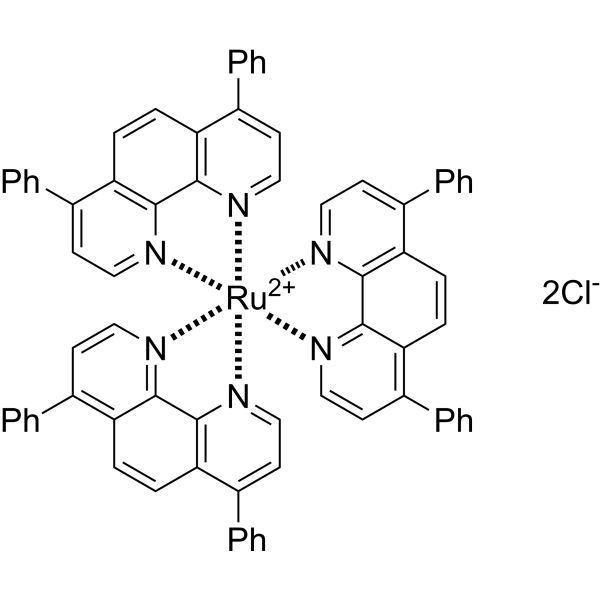
Synonyms: [Ru(DPP)3]Cl2
Tris(4,7-diphenyl-1,10-phenanthroline)ruthenium(II) dichloride ([Ru(dpp)3] 2+) is an electrochemiluminescent (ECL) probe and oxygen-sensitive sensor. Tris(4,7-diphenyl-1,10-phenanthroline)ruthenium(II) dichloride can be used to modify electrode surfaces for the detection of sulfates (S2O8 2-) and oxalates, based on electrochemical reactions that generate excited-state species, releasing photons through irreversible redox reactions. Tris(4,7-diphenyl-1,10-phenanthroline)ruthenium(II) dichloride utilizes the oxygen quenching of fluorescence mechanism, where fluorescence intensity reflects the metabolic rate of living microorganisms or oxygen levels within cells/tumors, allowing for real-time detection. Tris(4,7-diphenyl-1,10-phenanthroline)ruthenium(II) dichloride's main applications include microbial detection, antibacterial activity studies, and tumor microenvironment research .
loading...
    loading...
5
5 Cited Publications
Cat. No.: HY-N0430A
CAS No.: 1198398-71-8
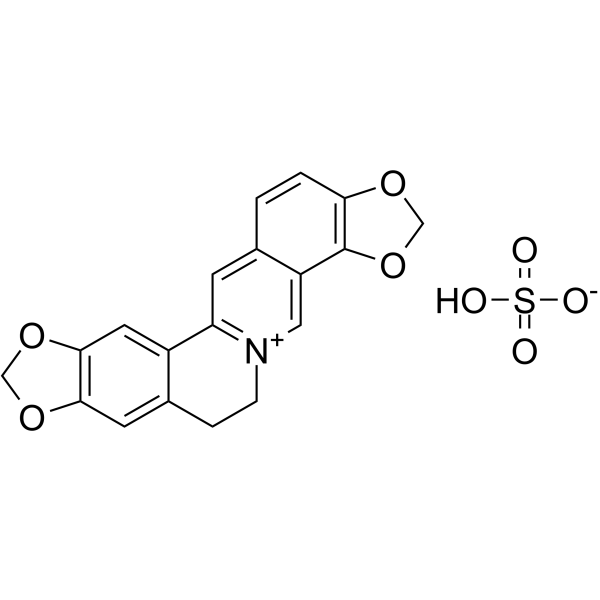
Coptisine Sulfate is an orally active and brain-penetrant alkaloid found in Coptis chinensis. Coptisine Sulfate is a reversible, uncompetitive IDO inhibitor with a Ki of 5.8 μM and an IC50 of 6.3 μM. Coptisine Sulfate suppresses neuroinflammation, reduces Aβ plaque burden and shows neuroprotective activity. Coptisine Sulfate shows anti-inflammation activity by blocking NF-κB, MAPK, and PI3K/Akt activation. Coptisine Sulfate inhibits cancer cells proliferation, induces DNA damage, G2/M phase cell cycle arrest, apoptosis, ROS production and mitochondrial dysfunction. Coptisine Sulfate inhibits Rho/ROCK pathway activation, reduces arrhythmia, limits cardiac injury marker release, reduces infarct size, and preserves cardiac function in rat myocardial ischemia/reperfusion models. Coptisine Sulfate downregulates HMGCR and upregulates LDLR and CYP7A1 to modulate cholesterol metabolism, reduces abnormal serum lipid levels, and promotes fecal bile acid excretion. Coptisine Sulfate be used for the research of cancer, hypercholesterolemia, Alzheimer’s disease, inflammatory disorders and cardiovascular disease .
loading...
    loading...
1
1 Cited Publications
Cat. No.: HY-Y1881B
CAS No.: 7758-99-8
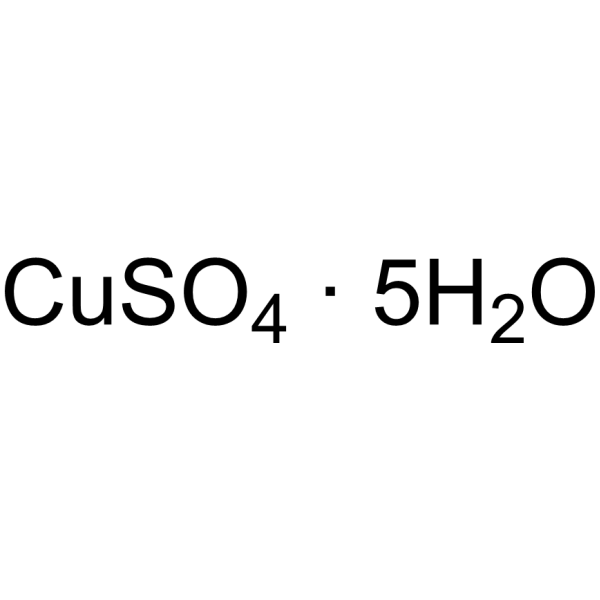
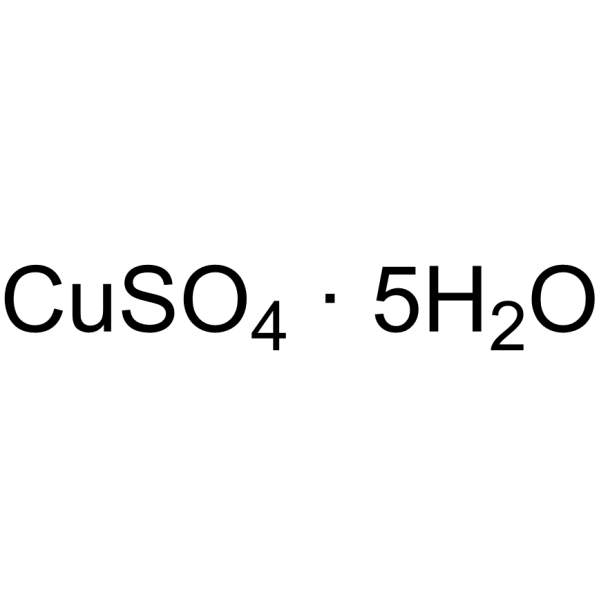
Copper sulfate pentahydrate, for cell culture, 98% is a biochemical reagent. Copper sulfate pentahydrate, for cell culture, 98% reduces the production of ROS and the expression levels of MyD88 as well as c-Rel genes. Copper sulfate pentahydrate, for cell culture, 98% decreases the activities of T-SOD, CAT, and GSH, increases the activities of caspase-3, caspase-8, and caspase-9. Copper sulfate pentahydrate, for cell culture, 98% is cytotoxic to various cells .
loading...
    loading...
1
1 Cited Publications
Cat. No.: HY-B1206
CAS No.: 51-60-5
Target:  

Cholinesterase (ChE)

Research Areas:  

Infection Neurological Disease

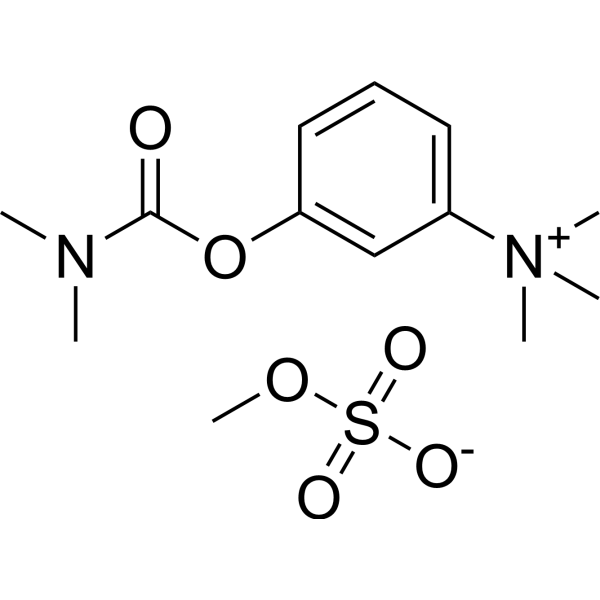
Neostigmine methyl sulfate is an AchE inhibitor. Neostigmine methyl sulfate increases endogenous acetylcholine levels, mediates antinociceptive effects, and alleviates heat-induced pain. Neostigmine methyl sulfate can be used in studies related to postoperative pain and sepsis .
loading...
    loading...
1
1 Cited Publications
Cat. No.: HY-124704
CAS No.: 2158198-77-5
Purity:  98.09%
Target:  

SULT

Research Areas:  

Neurological Disease

Chst15-IN-1 is a potent reversible covalent Chst15 inhibitor. Chst15-IN-1 effectively inhibits chondroitin sulfate-E (CS-E) sulfation levels and other closely related glycosaminoglycans (GAG) sulfotransferases. Chst15-IN-1, as a selective sulfotransferase inhibitor, can diminish the inhibitory effects of chondroitin sulfate proteoglycans (CSPGs), and can be used for the stimulation of neuronal repair .
loading...
    loading...
1
1 Cited Publications
Cat. No.: HY-155998
CAS No.: 2768833-35-6
Purity:  98.42%
Target:  

NF-κB

Research Areas:  

Inflammation/Immunology

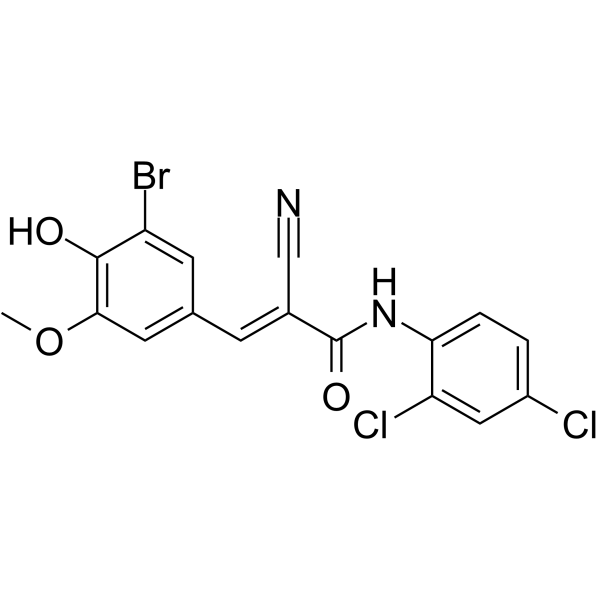
NF-κB-IN-11 (Compound 3i) is a NF-κB inhibitor. NF-κB-IN-11 inhibits TNF-α induced activation of NF-κB pathway, and inhibits nuclear translocation of NF-κB. NF-κB-IN-11 down-regulates the expression levels of phosphor-IKK, IκBα, and NF-κB p65. NF-κB-IN-11 has anti-inflammatory activity, and alleviates dextran sulfate sodium-induced colitis in mice. NF-κB-IN-11 (p.o.) shows a MTD more than 1852 mg/kg in mice acute toxicity assay .
loading...
    loading...
Cat. No.: HY-W674241
CAS No.: 85734-98-1
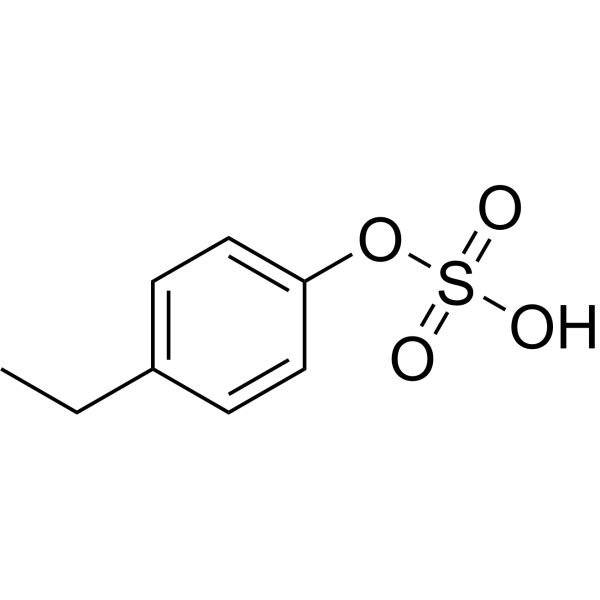
4-Ethylphenyl sulfate is an orally active and brain-penetrant gut microbial metabolite. 4-Ethylphenyl sulfate downregulates Bcl2 expression, upregulates Bax expression, and induces cancer cell apoptosis via the endogenous apoptotic pathway. 4-Ethylphenyl sulfate induces G2/M cell cycle arrest and reactive oxygen species (ROS) production. 4-Ethylphenyl sulfate impairs oligodendrocyte maturation, reduces oligodendrocyte-neuron interactions, decreases axonal myelination levels, and shifts the oligodendrocyte population toward immature precursor cells. 4-Ethylphenyl sulfate alters brain region-specific neural activity and functional connectivity in mice, and correlates with anxiety-like behaviors in mice .
loading...
    loading...
Cat. No.: HY-W116336D
CAS No.: 1314-13-2
Zinc oxide, <100 nm particle size is a nitrate reductase modulator and growth promoter with plant stress resistance activity and oral toxicity. Zinc oxide, <100 nm particle size acts as a nutrient source for maize plants. By enhancing nitrate reductase activity and reducing free proline levels, it significantly improves plant height, root length and dry matter weight of maize, and its growth-promoting effect is comparable to that of traditional zinc sulfate fertilizer. Zinc oxide, <100 nm particle size induces anemia-related and persistent tissue inflammatory damage, leading to obvious histopathological adverse reactions in the stomach, pancreas, eyes and prostate of rats. Zinc oxide, <100 nm particle size acts as a non-toxic antibacterial agent and selective cytotoxin against multiple bacteria, fungi and spores .
loading...
    loading...
Cat. No.: HY-Y1881A
CAS No.: 7758-99-8
Copper sulfate pentahydrate, 99% is a biochemical reagent. Copper sulfate pentahydrate, 99% reduces the production of ROS and the expression levels of MyD88 as well as c-Rel genes. Copper sulfate pentahydrate, 99% decreases the activities of T-SOD, CAT, and GSH, increases the activities of caspase-3, caspase-8, and caspase-9. Copper sulfate pentahydrate, 99% is cytotoxic to various cells. Copper sulfate pentahydrate, 99% has antioxidant activity. Copper sulfate pentahydrate, 99% can be used in the research of diabetes, Parkinson's disease and DMBA (HY-W011845)-induced tumors .
loading...
    loading...
Cat. No.: HY-B2162D
CAS No.: 9007-28-7
Synonyms: Chondroitin polysulfate (from chicken)
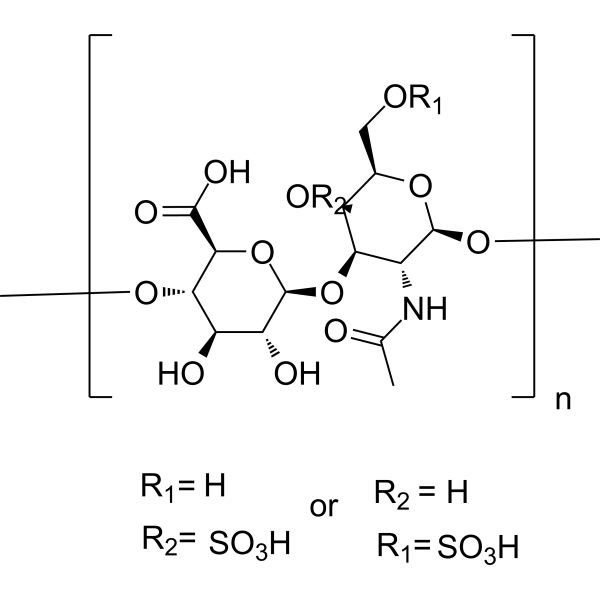
Chondroitin sulfate (from chicken) (Chondroitin polysulfate (from chicken)) is an orally active, sulfated linear polysaccharide extracted from chickens, which belongs to glycosaminoglycans. Chondroitin sulfate (from chicken) reduces the phosphorylation levels of ERK1/2 and p38MAPK, inhibits the expression of inflammatory cytokines and MMP, and downregulates the levels of IL-1β, IL-6, TNF-α and PGE2. Chondroitin sulfate (from chicken) improves motor function, protects cartilage tissue, reverses chondrocyte aggregation, and regulates the structure of intestinal flora. Chondroitin sulfate (from chicken) can be used in research related to osteoarthritis .
loading...
    loading...
Cat. No.: HY-W040128
CAS No.: 70560-51-9
Research Areas:  

Infection

Kanamycins sulfate is a blood-brain barrier-permeable JNK1 and Bcl-2 modulator as well as an antibiotic, with broad-spectrum antibacterial, and biofilm-inhibiting activities, and it induces autophagy. Kanamycins sulfate promotes Bcl-2 phosphorylation to upregulate autophagy levels, triggering changes such as mitochondrial swelling and endoplasmic reticulum expansion. Consequently, it causes reversible neuronal damage in the dorsal cochlear nucleus without inducing significant neuronal apoptosis. In the presence of exogenous alanine or glucose, Kanamycins sulfate effectively kills drug-resistant bacteria, restores drug sensitivity of multidrug-resistant bacteria, and alleviates urinary tract and kidney infections in mice. Kanamycins sulfate can be applied to scientific research related to Mycobacterium tuberculosis, salmonellosis, brucellosis, shigellosis, urinary tract infections, and reversible neurotoxicity .
loading...
    loading...
Cat. No.: HY-W779068
CAS No.: 60237-34-5
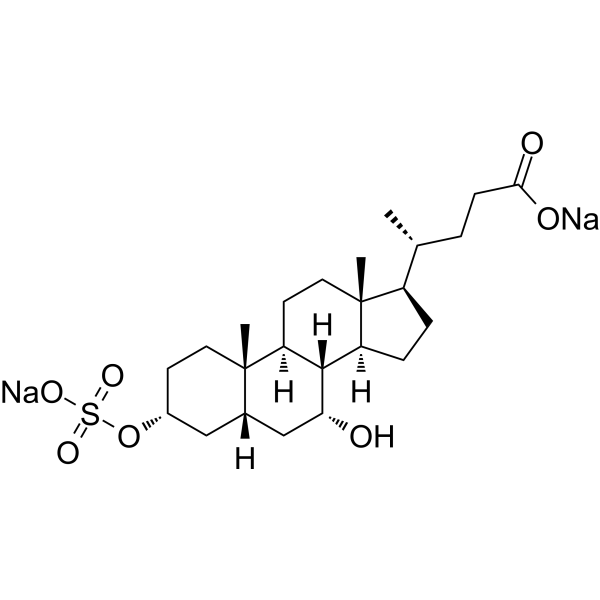
Chenodeoxycholic acid 3-sulfate disodium is a bile acid. Chenodeoxycholic acid 3-sulfate disodium level corresponds closely with the extent of hepatic dysfunction .
loading...
    loading...
Cat. No.: HY-113257
CAS No.: 38339-02-5
Synonyms: DA-4S; Dopamine 4-sulfate
Target:  

Drug Metabolite

Research Areas:  

Neurological Disease

Dopamine 4-sulfate (DA-4S) is an inactive metabolite of the catecholamine dopamine. It is formed from dopamine by the sulfotransferase (SULT) isoform SULT1A3. Dopamine 4-O-sulfate is found at lower levels in the brain and circulation than dopamine 3-O-sulfate.
loading...
    loading...
Cat. No.: HY-17657
CAS No.: 131211-33-1
Synonyms: 5-Androstenediol 3-sulfate sodium
Androst-5-enediol sulfate (5-Androstenediol 3-sulfate) sodium salt is an adrenal Δ5-steroid sulfate that synthesized by zona reticularis of adrenal depending on the lyase and Cytochrome b5 type A (CYB5A) activity. Androst-5-enediol sulfate sodium salt is a precursor hormone and can be desulfated to produce more potent androgens, including testosterone, in peripheral tissues like skin and liver. The serum level of Androst-5-enediol sulfate sodium salt has an age-related increase .
loading...
    loading...
Cat. No.: HY-178761
CAS No.: 3093312-81-0
PGK1-IN-1 (Compound 6e) is a potent and selective PGK1 inhibitor (IC50: 33 nM). PGK1-IN-1 inhibits PGK1-mediated glycolytic metabolism and reduces glucose consumption/lactate production. PGK1-IN-1 enhances Nrf2 accumulation and HO-1 expression, and suppresses the transcription and protein levels of the inflammatory cytokines IL-1β and IL-6. PGK1-IN-1 ameliorates Dextran sulfate sodium (DSS) (HY-116282C)-induced experimental colitis in mice. PGK1-IN-1 can be used for research of inflammatory bowel disease (IBD) .
loading...
    loading...
Cat. No.: HY-137318
CAS No.: 86621-94-5
Purity:  98.20%
Target:  

Drug Derivative

Research Areas:  

Metabolic Disease

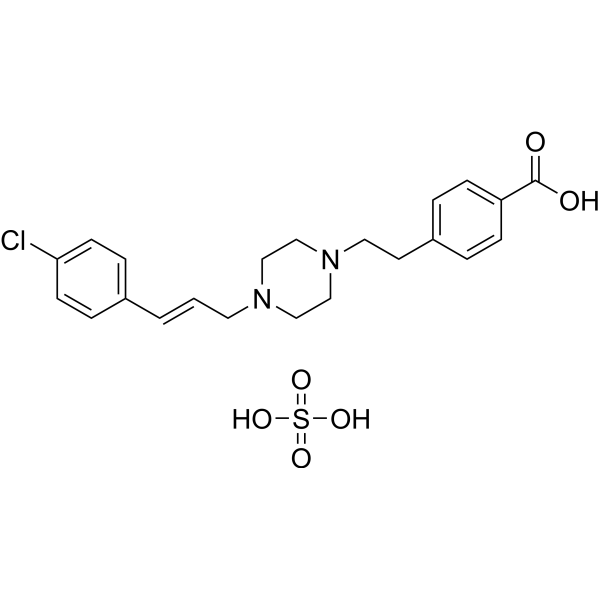
BM 15766 sulfate is an inhibitor of 7-dehydrocholesterol δ7-reductase and reduces plasma cholesterol levels. BM 15766 sulfate is a hypolipidemic agent .
loading...
    loading...
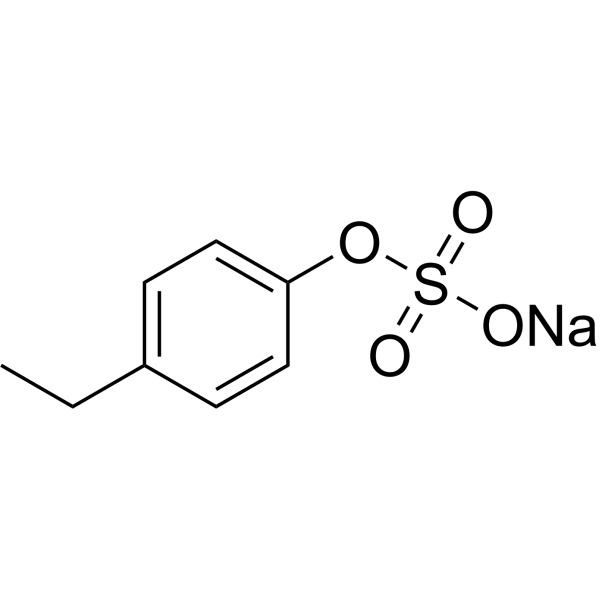
Cat. No.: HY-W674241A
4-Ethylphenyl sulfate sodium is an orally active and brain-penetrant gut microbial metabolite. 4-Ethylphenyl sulfate sodium downregulates Bcl2 expression, upregulates Bax expression, and induces cancer cell apoptosis via the endogenous apoptotic pathway. 4-Ethylphenyl sulfate sodium induces G2/M cell cycle arrest and reactive oxygen species (ROS) production. 4-Ethylphenyl sulfate sodium impairs oligodendrocyte maturation, reduces oligodendrocyte-neuron interactions, decreases axonal myelination levels, and shifts the oligodendrocyte population toward immature precursor cells. 4-Ethylphenyl sulfate sodium alters brain region-specific neural activity and functional connectivity in mice, and correlates with anxiety-like behaviors in mice .
loading...
    loading...
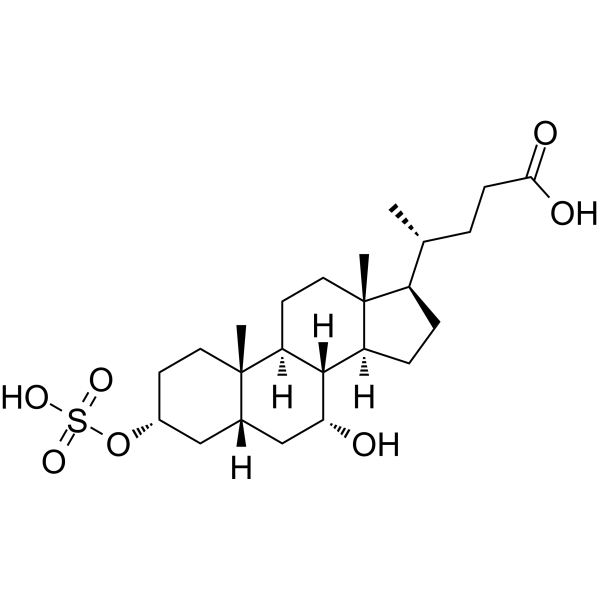
Cat. No.: HY-113360
CAS No.: 59132-32-0
Chenodeoxycholic acid 3-sulfate is a bile acid. Chenodeoxycholic acid 3-sulfate level corresponds closely with the extent of hepatic dysfunction .
loading...
    loading...
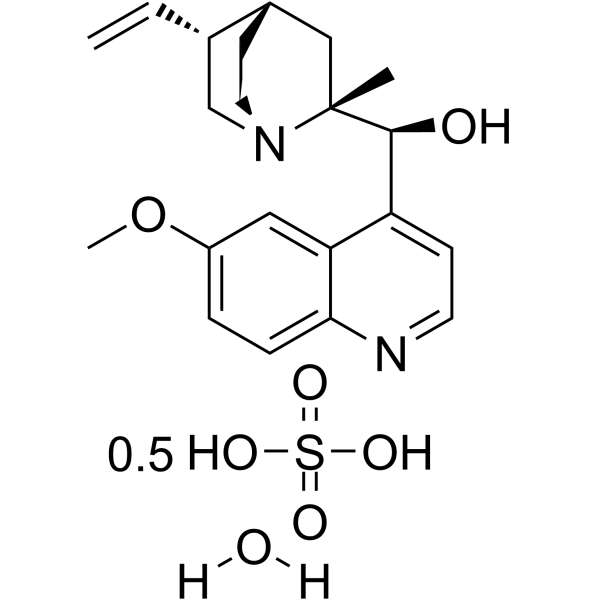
Cat. No.: HY-B1751D
CAS No.: 6591-63-5
Quinidine sulfate dihydrate is an orally active antiarrhythmic agent. Quinidine sulfate dihydrate reduces the expression level of P-gp, inhibits P-gp-mediated efflux, increases the intracellular accumulation of P-gp substrates, induces PARP cleavage and Caspase-3 activation, and elevates the proportion of Apoptotic cells at the sub-G1 phase. Quinidine sulfate dihydrate exerts sustained block and open-channel block effects on IK(f). Quinidine sulfate dihydrate alters the urinary metabolic ratio of Amphetamine, modulates the Pentylenetetrazol-induced seizure threshold, and regulates the anticonvulsant effect of Dextromethorphan. Quinidine sulfate dihydrate can be used in studies related to uterine sarcoma and seizures .
loading...
    loading...
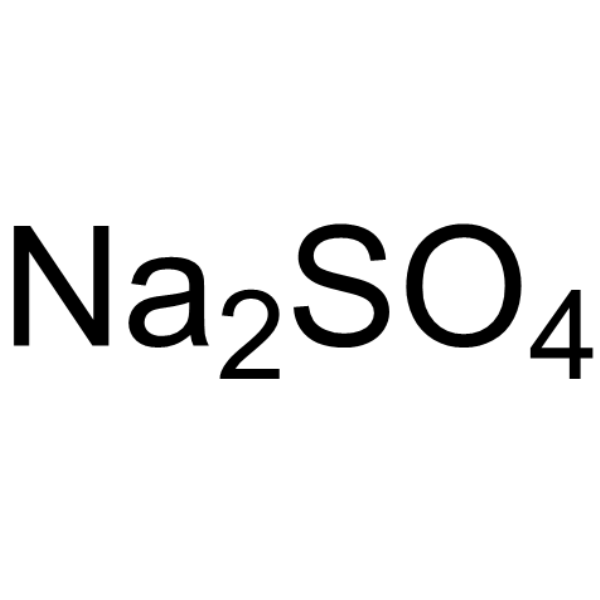
Cat. No.: HY-Y0317I
CAS No.: 7757-82-6
Synonyms: Disodium sulfate, meets analytical specification of Ph. Eur. BP USP
Sodium sulfate anhydrous (Disodium sulfate), meets analytical specification of Ph. Eur. BP USP is an orally active multifunctional ionic salt that serves as a protein precipitant, collagen fibril bundling inducer, and chlorine-free sodium source. Sodium sulfate anhydrous, meets analytical specification of Ph. Eur. BP USP promotes collagen fibril bundling to increase matrix pore size, alters cancer cell morphology and regulates their migration direction via geometric signals, and separates plasma/serum proteins or concentrates proteins at 37°C without causing thermal denaturation. In poultry farming applications, Sodium sulfate anhydrous, meets analytical specification of Ph. Eur. BP USP improves laying performance and eggshell quality, and is safe and effective at an addition level of 0.3-1.5%, while a high concentration of 3.0% causes negative physiological effects. Sodium sulfate anhydrous, meets analytical specification of Ph. Eur. BP USP can be widely applied in scientific research on cervical cancer and related fields .
loading...
    loading...

