1. Search Result
Search Result
Results for "

susceptibility

" in MedChemExpress (MCE) Product Catalog:

56

Inhibitors & Agonists

1

Screening Libraries

1

Fluorescent Dye

7

Biochemical Assay Reagents

6

Peptides

1

Inhibitory Antibodies

13

Natural
Products

6

Isotope-Labeled Compounds

8

Antibodies

2

Oligonucleotides

Cat. No. Product Name Target Research Areas Chemical Structure
  • HY-N1423
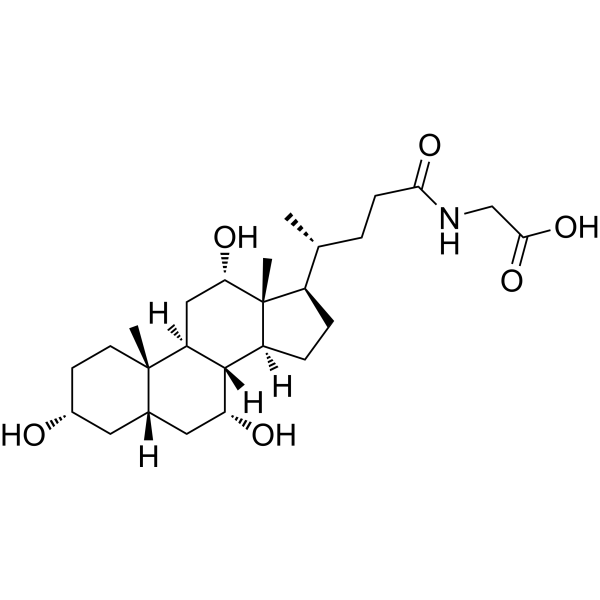
    Glycocholic acid
    3 Publications Verification

    P-glycoprotein Bcl-2 Family G protein-coupled Bile Acid Receptor 1 Endogenous Metabolite Bacterial Apoptosis FXR Caspase MDM-2/p53 LPL Receptor Metabolic Disease Inflammation/Immunology Cancer
    Glycocholic acid is a bile acid derivative. Glycocholic acid downregulates MDR1, Bcl-2, MRP1, MRP2 and FXR, upregulates Bax, p53, caspase-9, caspase-3, TGR5 and S1PR2. Glycocholic acid inhibits multidrug resistance and efflux pumps, induces mitochondrial apoptosis, and enhances chemosensitivity. Glycocholic acid modulates related bile acid receptor signaling. Glycocholic acid suppresses growth and conjugation of Enterobacteriaceae and increases their antibiotic susceptibility. Glycocholic acid can be used for the research of colon adenocarcinoma and cholangiocarcinoma (CCA) .
    Glycocholic acid
  • HY-13234
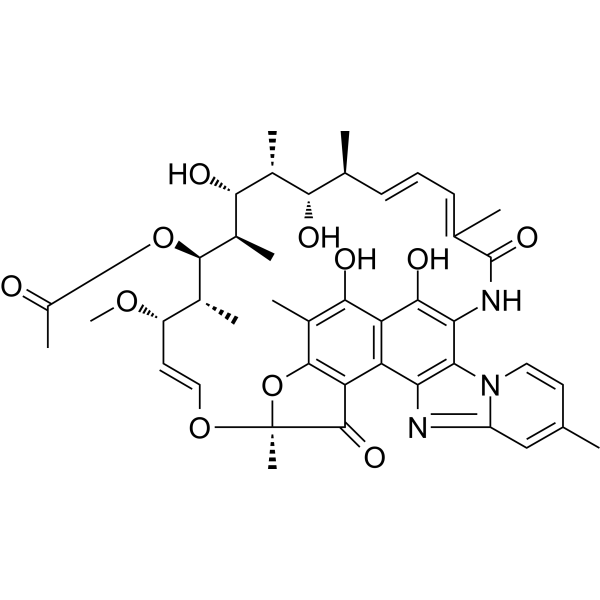
    Rifaximin
    Maximum Cited Publications
    8 Publications Verification

    Bacterial Antibiotic DNA/RNA Synthesis Infection Cancer
    Rifaximin, a gastrointestinal-selective antibiotic, binds the β-subunit of bacterial DNA-dependent RNA polymerase, resulting in inhibition of bacterial RNA synthesis. Rifaximin susceptibility is higher against Gram-positive strains (MIC: 0.03-5 mg/ml) compared to Gram-negative bacteria (MIC: 8-50 mg/mL) .
    Rifaximin
  • HY-B1278B

    (±)-Vitamin E acetate

    Environmental Pollutants Biochemical Assay Reagents Infection
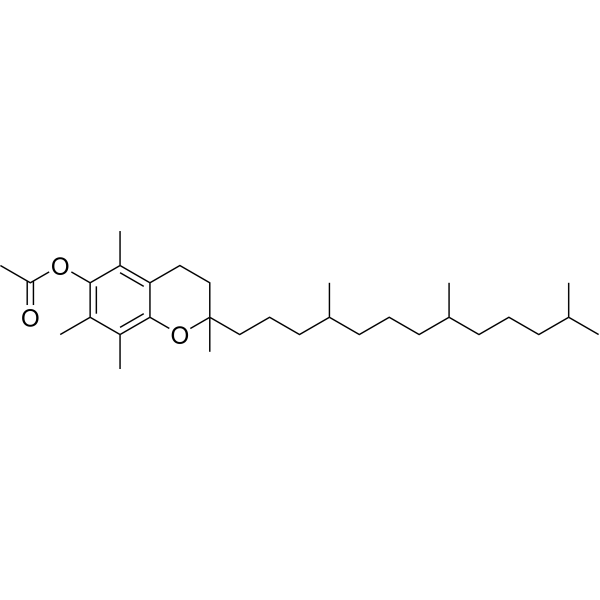
    (±)-α-Tocopherol acetate ((±)-Vitamin E acetate), is a orally active synthetic form of vitamin E. (±)-α-Tocopherol acetate is the ester of acetic acid and α-tocopherol. (±)-α-Tocopherol acetate can be used for the research of the susceptibility of farmed fish to infectious diseases .
    (±)-α-Tocopherol acetate
  • HY-W010155
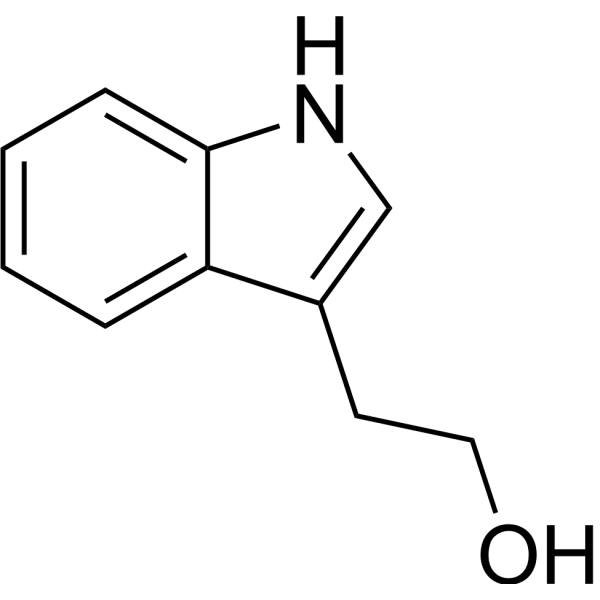
    Tryptophol
    2 Publications Verification

    Indole-3-ethanol

    Endogenous Metabolite Apoptosis Caspase Bacterial Infection Cardiovascular Disease Neurological Disease Metabolic Disease Inflammation/Immunology
    Tryptophol is an aromatic alcohol and secondary metabolite produced by microorganisms. Tryptophol induces apoptosis and cleavage of caspase-8. Tryptophol inhibits Cunninghamella blakesleeana biofilm. Tryptophol has anti-phage infection, biofilm formation regulation, anti-inflammatory, hemolytic, sleep induction, temperature change, seizure susceptibility and immune regulation activities. Tryptophol is used in the research of African trypanosomiasis, sleep disorders, epilepsy .
    Tryptophol
  • HY-N4117

    Bacterial Infection
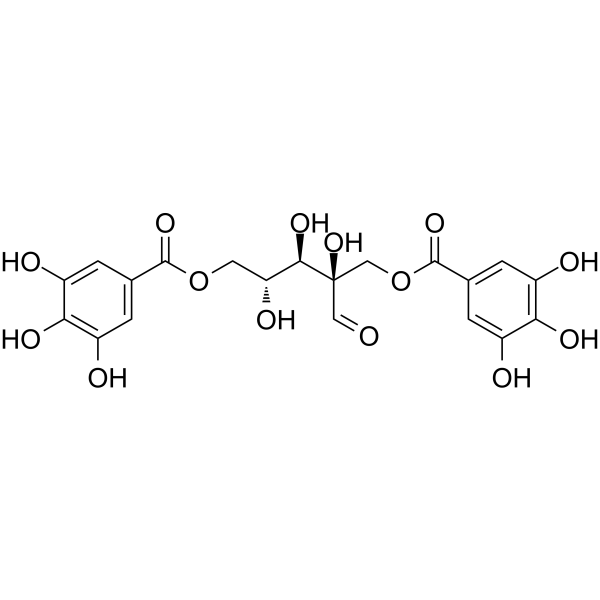
    Hamamelitannin, a polyphenol extracted from the bark of Hamamelis virginiana, is a quorum-sensing (QS) inhibitor. Hamamelitannin increases antibiotic susceptibility of staphylococcus aureus biofilms by affecting peptidoglycan biosynthesis and eDNA release .
    Hamamelitannin
  • HY-N1423A
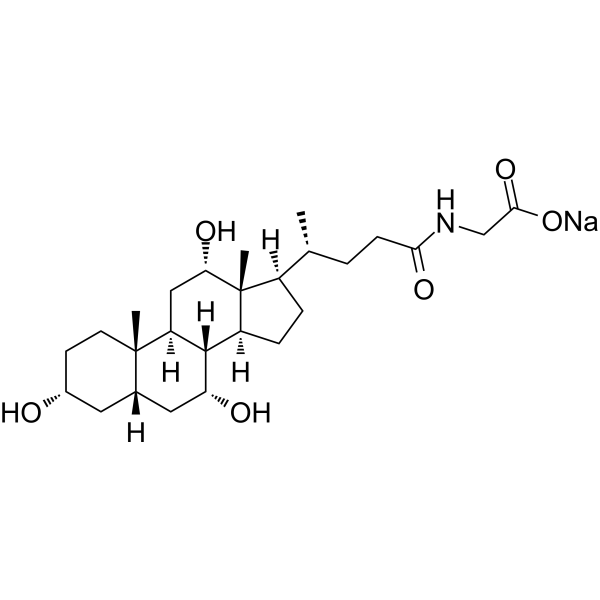
    Glycocholic acid sodium
    3 Publications Verification

    P-glycoprotein Bcl-2 Family G protein-coupled Bile Acid Receptor 1 Bacterial Apoptosis FXR Caspase MDM-2/p53 LPL Receptor Endogenous Metabolite Metabolic Disease Cancer
    Glycocholic acid sodium is a bile acid derivative. Glycocholic acid downregulates MDR1, Bcl-2, MRP1, MRP2 and FXR, upregulates Bax, p53, caspase-9, caspase-3, TGR5 and S1PR2. Glycocholic acid sodium inhibits multidrug resistance and efflux pumps, induces mitochondrial apoptosis, and enhances chemosensitivity. Glycocholic acid sodium modulates related bile acid receptor signaling. Glycocholic acid sodium suppresses growth and conjugation of Enterobacteriaceae and increases their antibiotic susceptibility. Glycocholic acid sodium can be used for the research of colon adenocarcinoma and cholangiocarcinoma (CCA) .
    Glycocholic acid sodium
  • HY-P1934
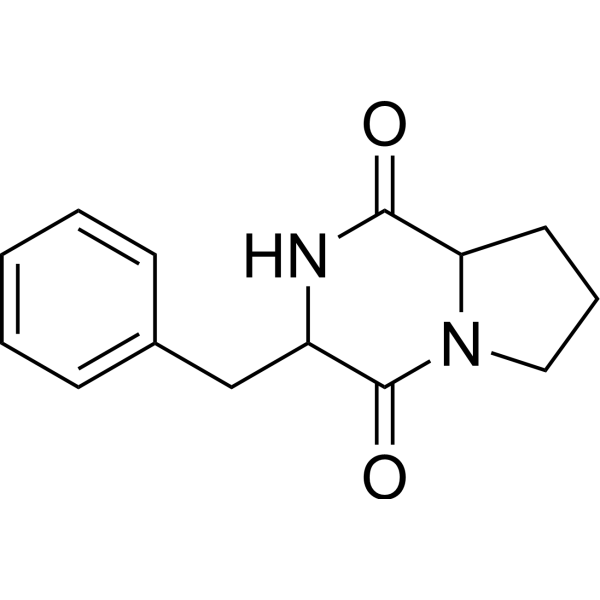
    Cyclo(Phe-Pro)
    5+ Cited Publications

    Cyclo(phenylalanylprolyl); A-64863

    HCV Bacterial Antibiotic Reactive Oxygen Species (ROS) Infection
    Cyclo(Phe-Pro) (Cyclo(phenylalanylprolyl)) is a quorum-sensing molecule of Vibrio vulnificus that specifically interacts with RIG-I, inhibiting RIG-I polyubiquitination, suppressing IRF-3 activation, and reducing type I interferon production. Cyclo(Phe-Pro) enhances susceptibility to HCV and influenza virus and also alleviates plant aluminum toxicity stress. The mechanism of Cyclo(Phe-Pro) involves the regulation of host immune signaling pathways, bacterial virulence gene expression, and plant antioxidant systems, making it a promising candidate for research in viral infections, bacterial virulence regulation, and agricultural stress resistance .
    Cyclo(Phe-Pro)
  • HY-N1423S

    Isotope-Labeled Compounds P-glycoprotein Bcl-2 Family G protein-coupled Bile Acid Receptor 1 Endogenous Metabolite Bacterial Apoptosis FXR Caspase MDM-2/p53 LPL Receptor Metabolic Disease Cancer
    Glycocholic acid-d4 is the deuterium labeled Glycocholic acid (HY-N1423). Glycocholic acid is a bile acid derivative. Glycocholic acid downregulates MDR1, Bcl-2, MRP1, MRP2 and FXR, upregulates Bax, p53, caspase-9, caspase-3, TGR5 and S1PR2. Glycocholic acid inhibits multidrug resistance and efflux pumps, induces mitochondrial apoptosis, and enhances chemosensitivity. Glycocholic acid modulates related bile acid receptor signaling. Glycocholic acid suppresses growth and conjugation of Enterobacteriaceae and increases their antibiotic susceptibility. Glycocholic acid can be used for the research of colon adenocarcinoma and cholangiocarcinoma (CCA).
    Glycocholic acid-d4
  • HY-D0180

    18C6; 1,4,7,10,13,16-Hexaoxacyclooctadecane

    Bacterial Infection
    18-Crown-6-ether is a type of crown ether compound and a specific structure dissociating agent. 18-Crown-6-ether can compete with K + for binding to G-quadruplexes, disrupting their stable structure to regulate the functions of related systems. 18-Crown-6-ether combines with K + and other metal ions to achieve precise ion transmembrane transport. 18-Crown-6-ether can act as an "susceptibility substrate" for the multi-drug efflux pump EmrE (a bacterial multidrug resistance transporter), ultimately inhibiting bacterial growth. 18-Crown-6-ether can be used in microcapsule controlled release and the research on developing antibacterial enhancers .
    18-Crown-6-ether
  • HY-W008833

    Bacterial COX Lipoxygenase Parasite Infection
    3-Aminobutanoic acid is a β-amino acid. 3-Aminobutanoic acid can protect plant against a challenge infection with P. infestans. 3-Aminobutanoic acid has various levels of susceptibility for the pathogen .
    3-Aminobutanoic acid
  • HY-B1146
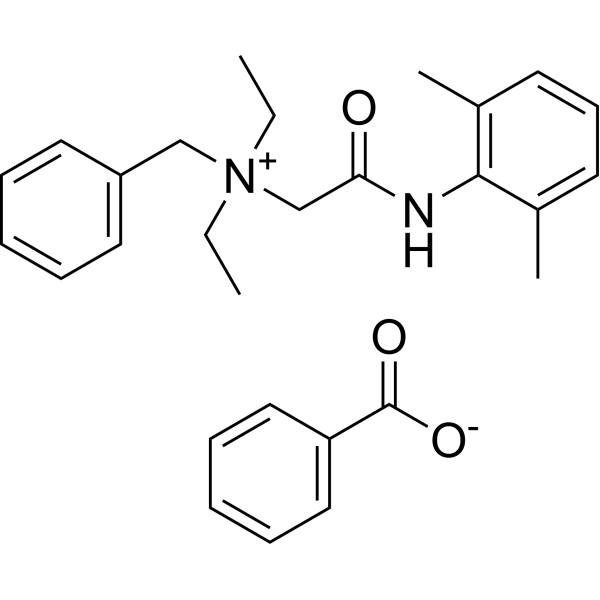
    Denatonium benzoate
    1 Publications Verification

    THS-839

    Environmental Pollutants Insecticide Inflammation/Immunology Endocrinology
    Denatonium benzoate (THS-839) is known as the most bitter compound and is commonly used as a deterrent (bittering agent) to activate different types of bitter taste receptors (TAS2Rs) with oral activity. Denatonium benzoate can enhance insulin secretion, has anti-inflammatory effects, and promotes allergy susceptibility .
    Denatonium benzoate
  • HY-D1571
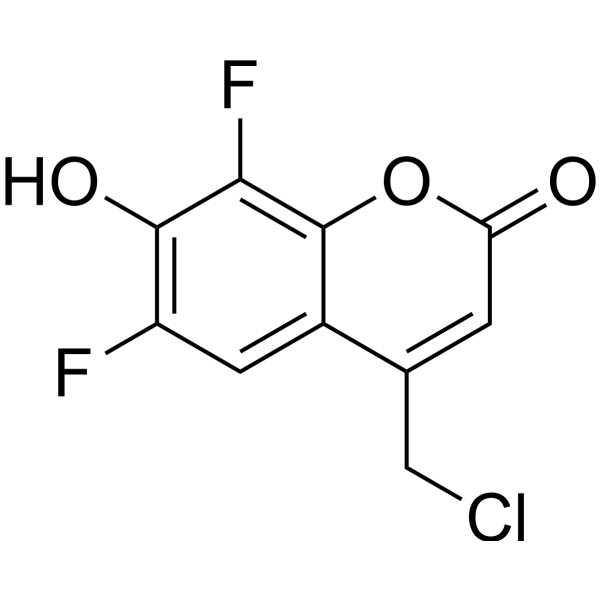
    CellTracker Blue CMF2HC Dye
    4 Publications Verification

    DNA Stain Others
    CellTracker Blue CMF2HC Dye is a blue dye, can be used in two-channel nuclei acid sequencing, with blue and purple excitation light (450-460 nm/400-405nm or 415-450 nm/480-525nm). CellTracker Blue CMF2HC Dye can be used to rapid determination of antibiotic sensitivity of microorganisms .
    CellTracker Blue CMF2HC Dye
  • HY-N0224
    Epigoitrin
    1 Publications Verification

    Influenza Virus Infection Metabolic Disease Cancer
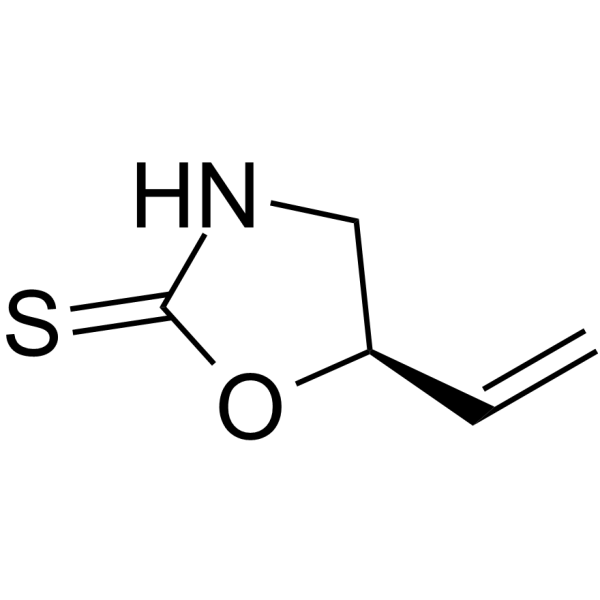
    Epigoitrin is a natural alkaloid that provides protection against influenza infection by reducing the host’s susceptibility to influenza virus under stress. Epigoitrin exerts antiviral activity against influenza A1 virus FM1 via inhibiting virus attachment and multiplication in vitro. Epigoitrin also has lipid-lowering effects .
    Epigoitrin
  • HY-B0815S

    Cholinesterase (ChE) Neurological Disease
    Chlorpyrifos-d10 is the deuterium labeled Chlorpyrifos. Chlorpyrifos is an organophosphate insecticide that is classified as a phosphorothionate. The oxon metabolite of Chlorpyrifos is an inhibitor of acetylcholinesterase (AChE), affecting neurological function in insects, humans, and other animals. The Chlorpyrifos oxon (CPO) metabolite is hydrolyzed by the plasma enzyme paraoxonase 1 (PON1), and susceptibility to neurotoxicity associated with CPO exposure is mitigated by PON1 overexpression.
    Chlorpyrifos-d10
  • HY-N7432

    Antibiotic Bacterial Fungal Infection
    DIMBOA, an antibiotic, has antibacterial properties and inhibits bacteria such as Staphylococcus aureus and the mycotoxin-producing fungus Fusarium graminearum (which causes scab). DIMBOA exhibits strong free radical scavenging activity and weak iron(III) ion reducing activity, and has antioxidant activity. DIMBOA inhibits the biosynthesis and accumulation of toxic trichothecenes by affecting the expression of Tri6 and Tri5. DIMBOA reduces plant susceptibility to scab. DIMBOA also exhibits cytotoxicity to plant cells, causing plasmolysis, cell collapse, and cell rupture .
    DIMBOA
  • HY-P3333

    MHC Inflammation/Immunology Cancer
    KSPWFTTL is an immunodominant Kb-restricted epitope from the p15E transmembrane protein. KSPWFTTL can restore susceptibility of a tumor line to anti-AKR/Gross MuLV cytotoxic T lymphocytes .
    KSPWFTTL
  • HY-W012922

    2-Methylpent-4-enoic acid

    Drug Intermediate Neurological Disease Metabolic Disease
    2-Methyl-4-pentenoic Acid (2-Methylpent-4-enoic acid) is an organic acid that can be used as a precursor for synthesizing other compounds. Additionally, changes in the level of 2-Methyl-4-pentenoic Acid may be associated with the susceptibility to schizophrenia and type 2 diabetes .
    2-Methyl-4-pentenoic Acid
  • HY-76440

    Oxetan-3-one

    Biochemical Assay Reagents Others
    3-Oxetanone (Oxetan-3-one) is a four-membered cyclic ketone and strained cyclic ether derivative with measurable molecular g-value, magnetic susceptibility anisotropy and molecular quadrupole moment. 3-Oxetanone acts not only as a hydrogen bond acceptor, a tetrel donor and a weak hydrogen bond acceptor, but also forms a classic O-H···O hydrogen bond with H2O via the ether oxygen atom. Alternatively, it forms a C···O tetrel bond with formaldehyde using its carbonyl group as a tetrel donor, while acting as a proton acceptor to form a C-H···O weak hydrogen bond with formaldehyde. 3-Oxetanone can be used to prepare various oxetanes .
    3-Oxetanone
  • HY-126569

    Antibiotic Bacterial Infection
    Efrotomycin is an orally active antibiotic. Efrotomycin can be isolated from the Streptomyces Lactamdurans. Efrotomycin has insignificant effect on Salmonella typhimurium quantity, duration, shedding rate, and antimicrobial susceptibility in infected pigs .
    Efrotomycin
  • HY-D1056E

    LPS, from Pseudomonas aeruginosa (10)

    Toll-like Receptor (TLR) Inflammation/Immunology
    Lipopolysaccharides from P. aeruginosa (Pseudomonas aeruginosa) 10 are lipopolysaccharide endotoxins and TLR4 activators derived from Pseudomonas aeruginosa 10, and are classified as S-type LPS. Lipopolysaccharides from P. aeruginosa 10 exhibit a typical three-part structure: O-antigen, core oligosaccharide, and lipid A. The lipopolysaccharides of P. aeruginosa 10 have a fatty acid composition distinct from common enterobacteria, an exceptionally high degree of phosphorylation (triphosphate residues have been detected), and a unique outer region of the core oligosaccharide. Additionally, their O-specific side chains are typically rich in novel aminosugars. Lipopolysaccharides from P. aeruginosa 10 demonstrate susceptibility to viruses, with the level of susceptibility determined by the content of high molecular weight polysaccharides in their composition. The absence of high molecular weight polysaccharides increases their sensitivity to bacteriophages .
    It is recommended to prepare a solution with concentration ≥2 mg/mL. Vortex thoroughly for more than 10 minutes. Due to the adsorption characteristics of LPS, silanized container or low adsorption centrifuge tubes should be used for aliquoting and storage, and mix thoroughly before use.
    Lipopolysaccharides, from P. aeruginosa 10
  • HY-138668

    TRP Channel Neurological Disease
    JW-65 is a selective TRPC3 channel inhibitor with favorable blood-brain barrier penetration. JW-65 directly binds to human TRPC3 protein and modulates calcium signaling to reduce seizure susceptibility. JW-65 reduces seizure incidence, severity, and duration while prolonging seizure latency in multiple seizure models. JW-65 alleviates Aβ‑induced neuronal damage. JW-65 serves as a valuable tool for research on epilepsy, seizure disorders, and Alzheimer’s disease .
    JW-65
  • HY-W013105

    N-Cholylglycine sodium salt, 98%

    Bcl-2 Family Caspase Endogenous Metabolite Bacterial MDM-2/p53 P-glycoprotein LPL Receptor FXR G protein-coupled Bile Acid Receptor 1 Apoptosis Others
    Sodium glycocholate hydrate, 98% is a bile acid derivative. Sodium glycocholate hydrate, 98% downregulates MDR1, Bcl-2, MRP1, MRP2 and FXR, upregulates Bax, p53, caspase-9, caspase-3, TGR5 and S1PR2. Sodium glycocholate hydrate, 98% inhibits multidrug resistance and efflux pumps, induces mitochondrial apoptosis, and enhances chemosensitivity. Sodium glycocholate hydrate, 98% modulates related bile acid receptor signaling. Sodium glycocholate hydrate, 98% suppresses growth and conjugation of Enterobacteriaceae and increases their antibiotic susceptibility. Sodium glycocholate hydrate, 98% can be used for the research of colon adenocarcinoma and cholangiocarcinoma (CCA) .
    Sodium glycocholate hydrate, 98%
  • HY-107123
    TMC310911
    1 Publications Verification

    ASC-09

    HIV Protease Infection
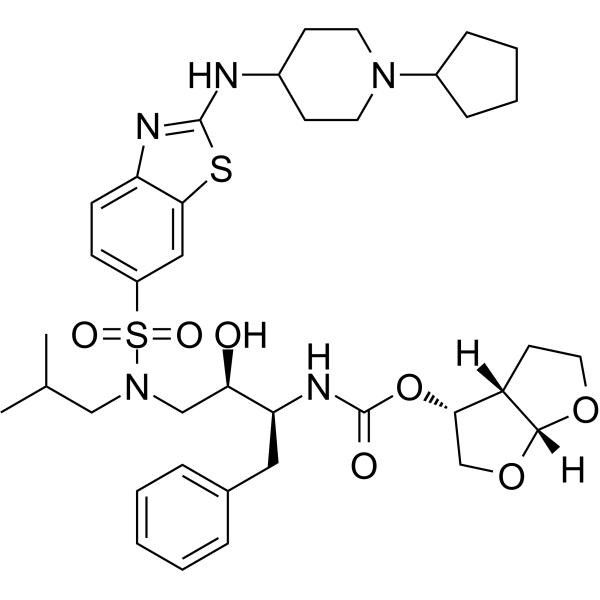
    TMC310911 is a potent and orally active HIV type-1 (HIV-1) protease inhibitor with EC50 values ranged from 2.2 nM to 14.2 nM for wild-type HIV-1. TMC310911 has potent activity against a wide spectrum of recombinant HIV-1 isolates. TMC310911 has strong antiviral activity .
    TMC310911
  • HY-N1423B
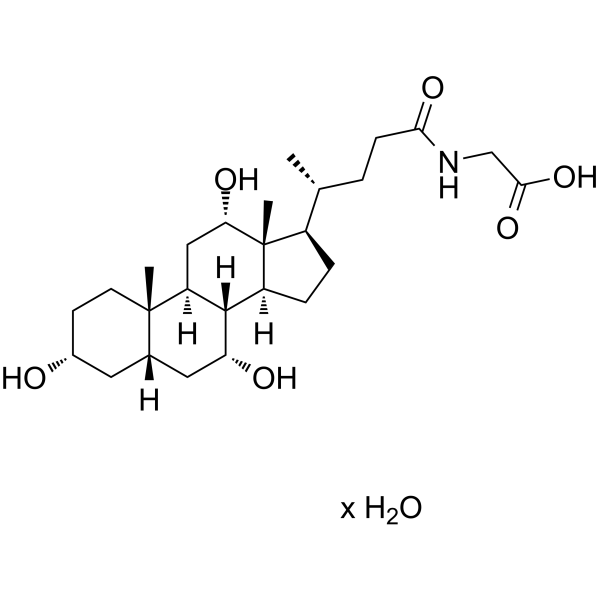
    Glycocholic acid hydrate
    3 Publications Verification

    Endogenous Metabolite Caspase G protein-coupled Bile Acid Receptor 1 LPL Receptor MDM-2/p53 Bcl-2 Family P-glycoprotein FXR Bacterial Apoptosis Metabolic Disease Inflammation/Immunology Cancer
    Glycocholic acid hydrate is a bile acid derivative. Glycocholic acid hydrate downregulates MDR1, Bcl-2, MRP1, MRP2 and FXR, upregulates Bax, p53, caspase-9, caspase-3, TGR5 and S1PR2. Glycocholic acid hydrate inhibits multidrug resistance and efflux pumps, induces mitochondrial apoptosis, and enhances chemosensitivity. Glycocholic acid hydrate modulates related bile acid receptor signaling. Glycocholic acid hydrate suppresses growth and conjugation of Enterobacteriaceae and increases their antibiotic susceptibility. Glycocholic acid hydrate can be used for the research of colon adenocarcinoma and cholangiocarcinoma (CCA) .
    Glycocholic acid hydrate
  • HY-B1278BR

    (±)-Vitamin E acetate (Standard)

    Biochemical Assay Reagents Reference Standards Infection
    (±)-α-Tocopherol acetate (Standard) is the analytical standard of (±)-α-Tocopherol acetate. This product is intended for research and analytical applications. (±)-α-Tocopherol acetate ((±)-Vitamin E acetate), is a orally active synthetic form of vitamin E. (±)-α-Tocopherol acetate is the ester of acetic acid and α-tocopherol. (±)-α-Tocopherol acetate can be used for the research of the susceptibility of farmed fish to infectious diseases .
    (±)-α-Tocopherol acetate (Standard)
  • HY-W010155R

    Indole-3-ethanol (Standard)

    Reference Standards Endogenous Metabolite Apoptosis Caspase Bacterial Infection Cardiovascular Disease Neurological Disease Metabolic Disease Inflammation/Immunology
    Tryptophol (Standard) (Indole-3-ethanol (Standard)) is an analytical standard of Tryptophol (HY-W010155). This product is intended for use in research and analytical applications.Tryptophol is an aromatic alcohol and secondary metabolite produced by microorganisms. Tryptophol induces Apoptosis and cleavage of caspase-8. Tryptophol inhibits Cunninghamella blakesleeana biofilm. Tryptophol has anti-phage infection, biofilm formation regulation, anti-inflammatory, hemolytic, sleep induction, temperature change, seizure susceptibility and immune regulation activities. Tryptophol is used in the research of African trypanosomiasis, sleep disorders, epilepsy.
    Tryptophol (Standard)
  • HY-W750342

    Indole-3-ethanol-d4

    Isotope-Labeled Compounds Endogenous Metabolite Apoptosis Caspase Bacterial Infection Cardiovascular Disease Neurological Disease Metabolic Disease Inflammation/Immunology
    Tryptophol-d4 (Indole-3-ethanol-d4) is the deuterium labeled Tryptophol (HY-W010155). Tryptophol is an aromatic alcohol and secondary metabolite produced by microorganisms. Tryptophol induces apoptosis and cleavage of caspase-8. Tryptophol inhibits Cunninghamella blakesleeana biofilm. Tryptophol has anti-phage infection, biofilm formation regulation, anti-inflammatory, hemolytic, sleep induction, temperature change, seizure susceptibility and immune regulation activities. Tryptophol is used in the research of African trypanosomiasis, sleep disorders, epilepsy .
    Tryptophol-d4
  • HY-131204

    Caspase Neurological Disease
    CZL80, a brain-penetrable caspase-1 inhibitor with an IC50 of 0.01 μM, could be used in the study of febrile seizures and later enhanced epileptogenic susceptibility .
    CZL80
  • HY-162477

    Cathepsin Apoptosis Cancer
    TS-24 is an inhibitor for cathepsin S, with an IC50 of 4.3 μM. TS-24 exhibits radiosensitizing activity in wild type breast cancer susceptibility gene 1 (BRCA1) and in TNBC xenograft mice model, through induction of apoptosis .
    TS-24
  • HY-125604

    Beta-lactamase Bacterial Infection Inflammation/Immunology
    WCK-4234 is a diazabicyclooctane β-lactamase inhibitor and susceptibility restorer. WCK-4234 lacks direct antibacterial activity. WCK-4234 inhibits class A, C, D β-lactamases and extended-spectrum β-lactamases to potentiate Imipenem (HY-B1369A) and Meropenem (HY-13678) activity against Gram-negative pathogens. WCK-4234 can be used for the research of gram-negative bacterial infections and β-lactamase-mediated carbapenem-resistant bacterial infections .
    WCK-4234
  • HY-P5396A

    Amino Acid Decarboxylase Others
    GAD65 (524-543) acetate is a biological active peptide with amino acids 524 to 543 fragment of glutamic acid decarboxylase 65 (GAD65). GAD65 (524-543) acetate is one of the first fragments of the islet antigen to induce proliferative T cell responses in the non-obese diabetic (NOD) mouse model of spontaneous autoimmune diabetes. GAD65 (524-543) acetate is a specific, possibly low affinity, stimulus for the spontaneously arising diabetogenic T cell clone BDC2.5. Immunization with GAD65 (524-543) acetate increases the susceptibility of the NOD mice to type 1 diabetes induced by the adoptive transfer of BDC2.5 T cells .
    GAD65 (524-543) acetate
  • HY-P3333A

    MHC Inflammation/Immunology Cancer
    KSPWFTTL TFA is an immunodominant Kb-restricted epitope from the p15E transmembrane protein. KSPWFTTL TFA can restore susceptibility of a tumor line to anti-AKR/Gross MuLV cytotoxic T lymphocytes .
    KSPWFTTL TFA
  • HY-116478

    Potassium Channel Others
    L-3373 is a voltage-dependent potassium channel inhibitor with activity that reduces the effective refractory period and the dispersion of monophasic action potential duration, while significantly reducing susceptibility to ventricular fibrillation in a cat model of left ventricular hypertrophy.
    L-3373
  • HY-155011

    Bacterial Infection
    MB076 is a novel heterocyclic triazole with improved plasma stability. MB076 inhibits seven different Class C Acinetobacter-derived cephalosporinases (ADCs) β-lactamase variants with Ki values <1 μM. MB076 acts synergistically in combination with multiple cephalosporins to restore pBCSK(-) susceptibility .
    MB076
  • HY-N0224R

    Influenza Virus Reference Standards Infection Metabolic Disease Cancer
    Epigoitrin (Standard) is the analytical standard of Epigoitrin. This product is intended for research and analytical applications. Epigoitrin is a natural alkaloid that provides protection against influenza infection by reducing the host’s susceptibility to influenza virus under stress. Epigoitrin exerts antiviral activity against influenza A1 virus FM1 via inhibiting virus attachment and multiplication in vitro. Epigoitrin also has lipid-lowering effects .
    Epigoitrin (Standard)
  • HY-W724355

    THS-839-d5

    Isotope-Labeled Compounds Taste Receptor Metabolic Disease Inflammation/Immunology
    Denatonium benzoate-d5 (THS-839-d5) is the deuterium labeled Denatonium benzoate (HY-B1146). Denatonium benzoate (THS-839) is known as the most bitter compound and is commonly used as a deterrent (bittering agent) to activate different types of bitter taste receptors (TAS2Rs) with oral activity. Denatonium benzoate can enhance insulin secretion, has anti-inflammatory effects, and promotes allergy susceptibility .
    Denatonium benzoate-d5
  • HY-N1423S1

    Isotope-Labeled Compounds P-glycoprotein Bcl-2 Family G protein-coupled Bile Acid Receptor 1 Endogenous Metabolite Bacterial Apoptosis FXR Caspase MDM-2/p53 LPL Receptor Metabolic Disease Cancer
    Glycocholic acid-d5 is the deuterium labeled Glycocholic acid (HY-N1423). Glycocholic acid is a bile acid derivative. Glycocholic acid downregulates MDR1, Bcl-2, MRP1, MRP2 and FXR, upregulates Bax, p53, caspase-9, caspase-3, TGR5 and S1PR2. Glycocholic acid inhibits multidrug resistance and efflux pumps, induces mitochondrial apoptosis, and enhances chemosensitivity. Glycocholic acid modulates related bile acid receptor signaling. Glycocholic acid suppresses growth and conjugation of Enterobacteriaceae and increases their antibiotic susceptibility. Glycocholic acid can be used for the research of colon adenocarcinoma and cholangiocarcinoma (CCA).
    Glycocholic acid-d5
  • HY-W751579

    Bacterial Antibiotic Infection
    Cefovecin is a third-generation cephalosporin antibiotic. Cefovecin's most notable characteristic is its extremely long-lasting effect; a single subcutaneous injection can maintain an effective therapeutic concentration in tissues for up to 14 days. Cefovecin is used in research on bacterial infections in dogs and cats .
    Cefovecin
  • HY-W008833R

    Reference Standards Bacterial COX Lipoxygenase Parasite Infection
    3-Aminobutanoic acid is a β-amino acid. 3-Aminobutanoic acid can protect plant against a challenge infection with P. infestans. 3-Aminobutanoic acid has various levels of susceptibility for the pathogen .
    3-Aminobutanoic acid (Standard)
  • HY-P5860

    Micrurotoxin 1

    GABA Receptor Neurological Disease
    MmTx1 toxin (Micrurotoxin 1) is an allosteric GABAA receptor modulator that increases GABAA receptor susceptibility to agonist .
    MmTx1 toxin
  • HY-149762

    Bacterial Infection
    IMBI (compound 32) is an antibacterial agent that inhibits quorum sensing (QS) against drug-resistant pathogens. IMBI inhibits biofilm formation of Salmonella marcescens and restores or increases its susceptibility to antimicrobial drugs .
    IMBI
  • HY-176565

    Beta-lactamase Infection
    ZN148 is a zinc-chelating synthetic metallo-β-lactamase (MBL) inhibitor which attenuates MBL-mediated carbapenem resistance. ZN148 can restore the in vitro clinical susceptibility to carbapenems in >98% of a large international collection of MBL-producing clinical Enterobacterales strains. ZN148 can be utilized in research on anti MBL-producing bacteria .
    ZN148
  • HY-B0276A

    2-Ethylthioisonicotinamide hydrochloride

    Bacterial Infection
    Ethionamide hydrochloride (2-Ethylthioisonicotinamide hydrochloride) is an antituberculosis drug with mycobacterial activity. Ethionamide hydrochloride interferes with the bacterial cell wall synthesis process by inhibiting the synthesis of fatty acids in the bacterial cell wall. Ethionamide hydrochloride may have bacteriostatic or bactericidal effects, depending on the concentration of the drug at the site of infection and the susceptibility of the associated microorganisms. Ethionamide hydrochloride combines with NAD+ to form an adduct, thereby exerting its antibacterial effect .
    Ethionamide hydrochloride
  • HY-13234R

    Reference Standards Bacterial Antibiotic DNA/RNA Synthesis Infection Cancer
    Rifaximin (Standard) is the analytical standard of Rifaximin. This product is intended for research and analytical applications. Rifaximin, a gastrointestinal-selective antibiotic, binds the β-subunit of bacterial DNA-dependent RNA polymerase, resulting in inhibition of bacterial RNA synthesis. Rifaximin susceptibility is higher against Gram-positive strains (MIC: 0.03-5 mg/ml) compared to Gram-negative bacteria (MIC: 8-50 mg/mL) .
    Rifaximin (Standard)
  • HY-P990873

    DNA/RNA Synthesis Cancer
    Anti-BRCA1 Antibody (BR64) is a kind of mouse IgG1 κ chimeric antibody, targeting to human BRCA1. Anti-BRCA1 Antibody (BR64) reacts with BRCA1 (Breast cancer susceptibility gene 1) involved in tumor suppression, transcription, genomic stability, DNA repair and recombination. Anti-BRCA1 Antibody (BR64) can be used for the detections of immunofluorescence, western blot, and immunoprecipitation in cancer, such as breast and ovarian cancer .
    Anti-BRCA1 Antibody (BR64)
  • HY-W012922R

    2-Methylpent-4-enoic acid (Standard)

    Reference Standards Drug Intermediate Neurological Disease Metabolic Disease
    2-Methyl-4-pentenoic Acid (Standard) (2-Methylpent-4-enoic acid (Standard)) is the analytical standard of 2-Methyl-4-pentenoic Acid (HY-W012922). This product is intended for research and analytical applications. 2-Methyl-4-pentenoic Acid (2-Methylpent-4-enoic acid) is an organic acid that can be used as a precursor for synthesizing other compounds. Additionally, changes in the level of 2-Methyl-4-pentenoic Acid may be associated with the susceptibility to schizophrenia and type 2 diabetes.
    2-Methyl-4-pentenoic Acid (Standard)
  • HY-N7432R

    Antibiotic Bacterial Fungal Reference Standards Infection
    DIMBOA (Standard) is the analytical standard of DIMBOA. This product is intended for research and analytical applications. DIMBOA, an antibiotic, has antibacterial properties and inhibits bacteria such as Staphylococcus aureus and the mycotoxin-producing fungus Fusarium graminearum (which causes scab). DIMBOA exhibits strong free radical scavenging activity and weak iron(III) ion reducing activity, and has antioxidant activity. DIMBOA inhibits the biosynthesis and accumulation of toxic trichothecenes by affecting the expression of Tri6 and Tri5. DIMBOA reduces plant susceptibility to scab. DIMBOA also exhibits cytotoxicity to plant cells, causing plasmolysis, cell collapse, and cell rupture[1][2][3][4][5].
    DIMBOA (Standard)
  • HY-N1423AR

    Reference Standards P-glycoprotein Bcl-2 Family G protein-coupled Bile Acid Receptor 1 Bacterial Apoptosis FXR Caspase MDM-2/p53 LPL Receptor Endogenous Metabolite Metabolic Disease Cancer
    Glycocholic acid (sodium) (Standard) is the analytical standard of Glycocholic acid sodium (HY-N1423A). This product is intended for research and analytical applications. Glycocholic acid sodium is a bile acid derivative. Glycocholic acid downregulates MDR1, Bcl-2, MRP1, MRP2 and FXR, upregulates Bax, p53, caspase-9, caspase-3, TGR5 and S1PR2. Glycocholic acid sodium inhibits multidrug resistance and efflux pumps, induces mitochondrial apoptosis, and enhances chemosensitivity. Glycocholic acid sodium modulates related bile acid receptor signaling. Glycocholic acid sodium suppresses growth and conjugation of Enterobacteriaceae and increases their antibiotic susceptibility. Glycocholic acid sodium can be used for the research of colon adenocarcinoma and cholangiocarcinoma (CCA).
    Glycocholic acid sodium (Standard)
  • HY-P5396

    Amino Acid Decarboxylase Others
    GAD65 (524-543) is a biological active peptide with amino acids 524 to 543 fragment of glutamic acid decarboxylase 65 (GAD65). GAD65 (524-543) is one of the first fragments of islet antigen to induce proliferative T cell responses in the non-obese diabetic (NOD) mouse model of spontaneous autoimmune diabetes. GAD65 (524-543) is a specific, possibly low affinity, stimulus for the spontaneously arising diabetogenic T cell clone BDC2.5. Immunization with GAD65 (524-543) increases the susceptibility of the NOD mice to type 1 diabetes induced by the adoptive transfer of BDC2.5 T cells .
    GAD65 (524-543)
  • HY-W754548

    Isotope-Labeled Compounds Endogenous Metabolite P-glycoprotein Bcl-2 Family G protein-coupled Bile Acid Receptor 1 Bacterial Apoptosis FXR Caspase MDM-2/p53 LPL Receptor Metabolic Disease Cancer
    Glycocholic acid- 13C2,d4 is the deuterium labeled and 13C-labeled Glycocholic acid (HY-N1423). Glycocholic acid is a bile acid derivative. Glycocholic acid downregulates MDR1, Bcl-2, MRP1, MRP2 and FXR, upregulates Bax, p53, caspase-9, caspase-3, TGR5 and S1PR2. Glycocholic acid inhibits multidrug resistance and efflux pumps, induces mitochondrial apoptosis, and enhances chemosensitivity. Glycocholic acid modulates related bile acid receptor signaling. Glycocholic acid suppresses growth and conjugation of Enterobacteriaceae and increases their antibiotic susceptibility. Glycocholic acid can be used for the research of colon adenocarcinoma and cholangiocarcinoma (CCA).
    Glycocholic acid-13C2,d4

Inquiry Online

Your information is safe with us. * Required Fields.

Salutation


Country or Region *

Applicant Name *


Organization Name *

Department *


Email Address *


Product Name *

Cat. No.


Requested quantity *

Phone Number *


Remarks

Inquiry Online

Inquiry Information

Product Name:
Cat. No.:
Quantity:
MCE Japan Authorized Agent:

