48 Results for "

synaptic proteins

" in MedChemExpress (MCE) Product Catalog:
Products (48)

48 Results for "synaptic proteins" in MCE Product Catalog:

27
27 Publications Verification
Cat. No.: HY-P1363
Synonyms: Amyloid β-peptide (1-42) (human) TFA
Target:  

Amyloid-β

Domaines de recherche:  

Neurological Disease

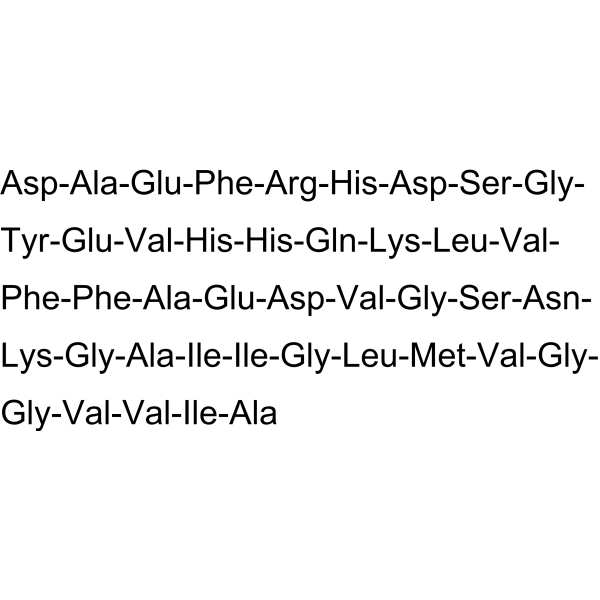
β-Amyloid (1-42) (Amyloid β-peptide (1-42), human TFA, a 42-amino acid peptide that has not been treated with HFIP, is a brain-penetrant amyloid protein fragment, which can be used in research on Alzheimer's disease and Down’s syndrome. β-Amyloid (1-42), human TFA remaining as a monomer exhibits antioxidant and neuroprotective effects. β-Amyloid (1-42), human TFA, after being monomericized by HFIP and dissolved in DMSO to form the stock solution, on the one hand, can form soluble oligomers (AβOs) when incubated at 4 °C, which have synaptic toxicity and neurotoxicity; on the other hand, it can be incubated at 37 °C to form insoluble fibrils, with lower neurotoxicity, and participating in the oxidative damage process. Aβ42 oligomers bind to various neuronal surface receptors (such as PrPc, mGluR5, NMDA receptors, etc.), triggering oxidative stress, calcium homeostasis imbalance, and synaptic toxicity via activating downstream signaling pathways, leading to neuronal dysfunction and death .
loading...
    loading...
27
27 Publications Verification
Cat. No.: HY-P1363A
CAS No.: 107761-42-2
Synonyms: Amyloid β-peptide (1-42) (human)
Target:  

Amyloid-β

Domaines de recherche:  

Neurological Disease

β-Amyloid (1-42) (Amyloid β-peptide (1-42)), human, a 42-amino acid peptide that has not been treated with HFIP, is a brain-penetrant amyloid protein fragment, which can be used in research on Alzheimer's disease and Down’s syndrome. β-Amyloid (1-42), human remaining as a monomer exhibits antioxidant and neuroprotective effects. β-Amyloid (1-42), human, after being monomericized by HFIP and dissolved in DMSO to form the stock solution, on the one hand, can form soluble oligomers (AβOs) when incubated at 4 °C, which have synaptic toxicity and neurotoxicity; on the other hand, it can be incubated at 37 °C to form insoluble fibrils, with lower neurotoxicity, and participating in the oxidative damage process. Aβ42 oligomers bind to various neuronal surface receptors (such as PrPc, mGluR5, NMDA receptors, etc.), triggering oxidative stress, calcium homeostasis imbalance, and synaptic toxicity via activating downstream signaling pathways, leading to neuronal dysfunction and death .
loading...
    loading...
27
27 Publications Verification
Cat. No.: HY-P1363B
CAS No.: 107761-42-2
Target:  

Amyloid-β

Domaines de recherche:  

Neurological Disease

β-Amyloid (1-42), human, HFIP-treated, a 42-amino acid peptide that has been treated with HFIP from β-Amyloid (1-42), human (HY-P1363A), is a brain-penetrant amyloid protein fragment, which can be used in research on Alzheimer's disease and Down’s syndrome. β-Amyloid (1-42), human, HFIP-treated remaining as a monomer exhibits antioxidant and neuroprotective effects. β-Amyloid (1-42), human, HFIP-treated, after being dissolved in DMSO to form the stock solution, on the one hand, can form soluble oligomers (AβOs) when incubated at 4°C, which have synaptic toxicity and neurotoxicity; on the other hand, it can be incubated at 37°C to form insoluble fibrils, with lower neurotoxicity, and participating in the oxidative damage process. Aβ42 oligomers bind to various neuronal surface receptors (such as PrPc, mGluR5, NMDA receptors, etc.), triggering oxidative stress, calcium homeostasis imbalance, and synaptic toxicity via activating downstream signaling pathways, leading to neuronal dysfunction and death .
loading...
    loading...
2
2 Cited Publications
Cat. No.: HY-B0106
CAS No.: 102767-28-2
Synonyms: UCB L059
Target:  

DNA Methyltransferase

Domaines de recherche:  

Neurological Disease Cancer

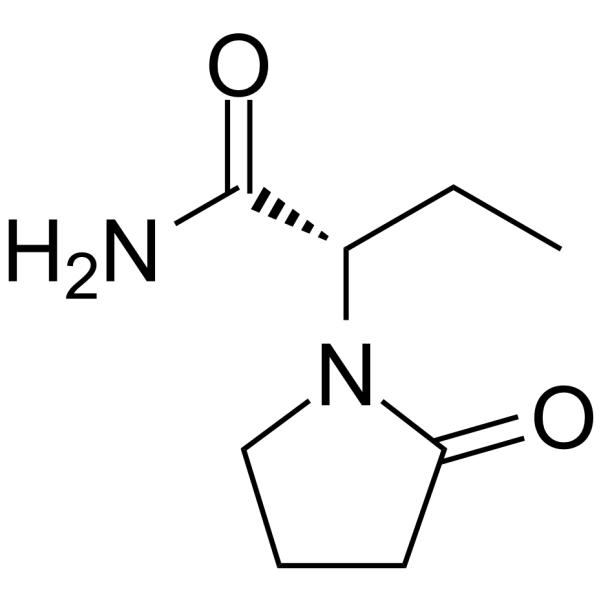
Levetiracetam, an antiepileptic agent, binds the synaptic vesicle protein SV2A. Levetiracetam enhances Temozolomide effect on glioblastoma stem cell proliferation and apoptosis. Levetiracetam modulates HDAC levels ultimately silencing MGMT, thus increasing Temozolomide effectiveness. A chemosensitizer agent .
loading...
    loading...
2
2 Cited Publications
Cat. No.: HY-A0183
CAS No.: 1446756-47-3
Synonyms: Phospholipids, phosphatidylserines; Serine glycerophosphatides
Category:  

Animals

Target:  

Akt TGF-β Receptor

Phosphatidylserine (Phospholipids) is a well-conserved anti-inflammatory and immunosuppressive signal. Phosphatidylserine is involved in membrane translocation and the activation of protein kinase C, participating in Akt signaling through its interaction with PIP3. The local exposure of Phosphatidylserine can interact with complement and other proteins, promoting microglial phagocytosis during critical periods of synaptic refinement. Phosphatidylserine can promote blood coagulation in the extracellular environment and acts as a "eat me" signal to clear out apoptotic cells. Phosphatidylserine can suppress inflammation in tissues by inducing TGF-β secretion and inhibiting immune responses .
loading...
    loading...
2
2 Cited Publications
Cat. No.: HY-109009
CAS No.: 1294000-61-5
Pureté:  99.65%
Synonyms: UCB-0942
Target:  

GABA Receptor

Domaines de recherche:  

Neurological Disease

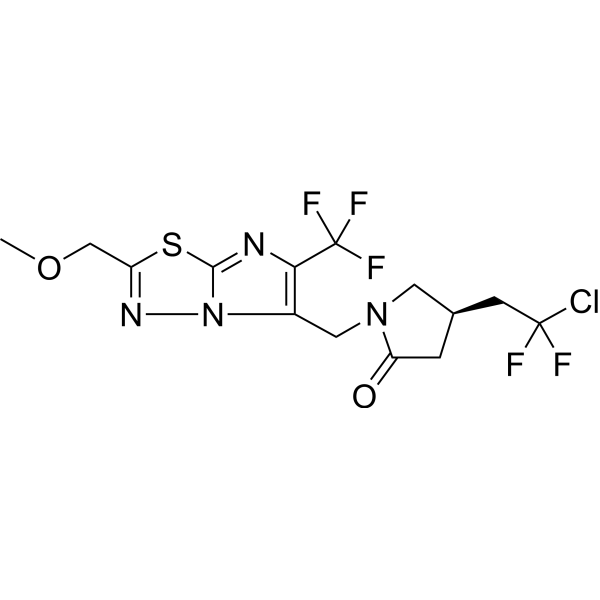
Padsevonil (UCB0942) is a potent antiepileptic agent that selectively acts on presynaptic and postsynaptic targets. Padsevonil binds to synaptic vesicular protein 2 (SV2) with high affinity. Padsevonil is also a positive allosteric modulator and partial agonist of GABAAR, with high potency against α1 and α5 receptors. Padsevonil has antiepileptic effects in a variety of rodent models .
loading...
    loading...
2
2 Cited Publications
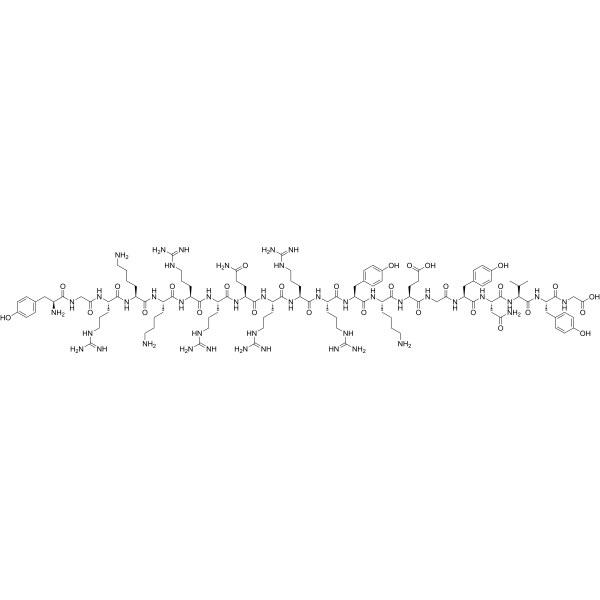
Cat. No.: HY-P2259
CAS No.: 1404188-93-7
TAT-GluA2 3Y is a blood-brain barrier-permeable AMPA receptor inhibitory peptide that crosses cell membranes via the HIV-1 TAT protein domain. TAT-GluA2 3Y blocks the endocytosis of AMPA receptors, including the internalization of GluA1/GluA2 subunits, by disrupting interactions with the AP2, Brag2 and Syt3-GluA2 complexes, while also inhibiting long-term depression. TAT-GluA2 3Y blocks hypoxia-mediated AMPAR internalization, alleviates A1R-induced persistent synaptic inhibition, and reduces cerebral ischemic volume, neurological deficits and spatial memory deficits. TAT-GluA2 3Y blocks the effect of NLRP3 deficiency on fear generalization, inhibits amphetamine-induced behavioral/neurochemical sensitization, weakens the unconditioned stimulus-conditioned stimulus association of morphine, and promotes the extinction of morphine CPP. TAT-GluA2 3Y can be used in studies related to fear generalization, ischemic stroke, hypoxia, drug addiction and opioid addiction .
loading...
    loading...
1
1 Cited Publications
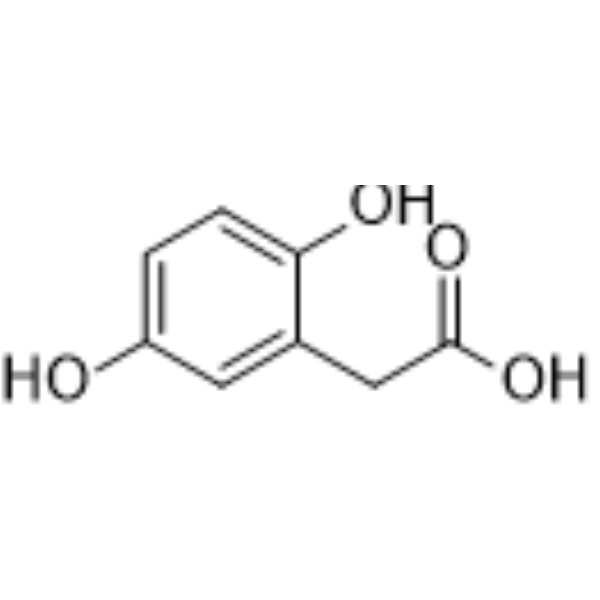
Cat. No.: HY-113283
CAS No.: 451-13-8
Pureté:  99.46%
Homogentisic acid is an orally active, blood-brain barrier-permeable amyloidogenic compound that functions as both an amyloid component and a pigment precursor. Accumulation of homogentisic acid downregulates tight junction proteins (such as claudin-5, occludin, ZO-1) and impairs blood-brain barrier integrity. Homogentisic acid and its oxidation product benzoquinone acetic acid not only induce the aggregation and fibrosis of multiple proteins (such as 1-42, α-synuclein, SAA, Transthyretin (TTR), atrial natriuretic peptide), but also trigger oxidative stress, damage to the Wnt/β-catenin pathway, and neurotoxicity, leading to ochronosis pigment deposition and synaptic dysfunction. At specific concentrations, homogentisic acid exerts no cytotoxicity or genotoxicity on human peripheral blood lymphocytes, and even counteracts the genotoxicity induced by Irinotecan (HY-16562). Homogentisic acid serves as an important tool molecule for investigating the mechanisms of diseases including ochronosis, secondary amyloidosis, Alzheimer's disease, and colorectal cancer .
loading...
    loading...
1
1 Cited Publications
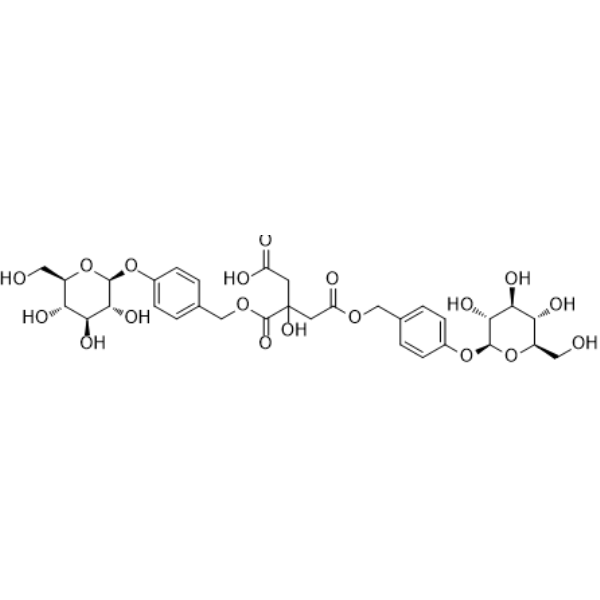
Cat. No.: HY-N2124
CAS No.: 174972-79-3
Parishin B is a multi-target biological agent with anti-epileptic, anti-fascioliasis and anti-breast cancer lung metastasis activities . Parishin B regulates the gene/protein activities of ACLY, unc13c, γ-aminobutynergic system, pro-inflammatory system, antioxidant system, monoaminergic system, ferroptosis-related pathways, as well as GST, CatL, Trx and TRIB3 . Parishin B modulates energy-lipid metabolism, synaptic function, neurotransmitter balance, neuroinflammation, oxidative stress, parasite detoxification/invasion processes, as well as apoptosis, cell cycle, proliferation and metastasis of cancer cells [1][2][3]. Parishin B can be used for related research of epilepsy, fascioliasis and breast cancer lung metastasis [3].
loading...
    loading...
1
1 Cited Publications
Cat. No.: HY-P3443
Synonyms: PNA
Peanut agglutinin (PNA) is a carbohydrate-recognition protein that binds competitively and irreversibly to cell-surface β-D-Gal (1-3)-GalNAc, and this binding can be inhibited by D-galactose and asialofetuin. Peanut agglutinin recognizes exposed glycoepitopes and reflects the glycosylation status of cells. Peanut agglutinin can label glycoconjugates at neuromuscular junctions to safely visualize synaptic structures. Peanut agglutinin can be used to synthesize dyes to distinguish between normal and tumor tissues. Peanut agglutinin provides support for research on leukemia, Burkitt's tumors, and cutaneous squamous lesions .
loading...
    loading...
1
1 Cited Publications
Cat. No.: HY-124832
CAS No.: 842964-18-5
Pureté:  99.89%
Target:  

Caspase Amyloid-β

Domaines de recherche:  

Neurological Disease

δ-Secretase inhibitor 11 (compound 11) is an orally active, potent, BBB-penetrated, non-toxic, selective and specific δ-secretase inhibitor, with an IC50 of 0.7 μM. δ-Secretase inhibitor 11 interacts with both the active site and allosteric site of δ-secretase. δ-Secretase inhibitor 11 attenuates tau and APP (amyloid precursor protein) cleavage. δ-Secretase inhibitor 11 ameliorates synaptic dysfunction and cognitive impairments in tau P301S and 5XFAD transgenic mouse models. δ-Secretase inhibitor 11 can be used for Alzheimer's disease research .
loading...
    loading...
Cat. No.: HY-I1070
CAS No.: 319-78-8
Synonyms: (R)-Isoleucine
Category:  

Microorganisms

Target:  

ASCT

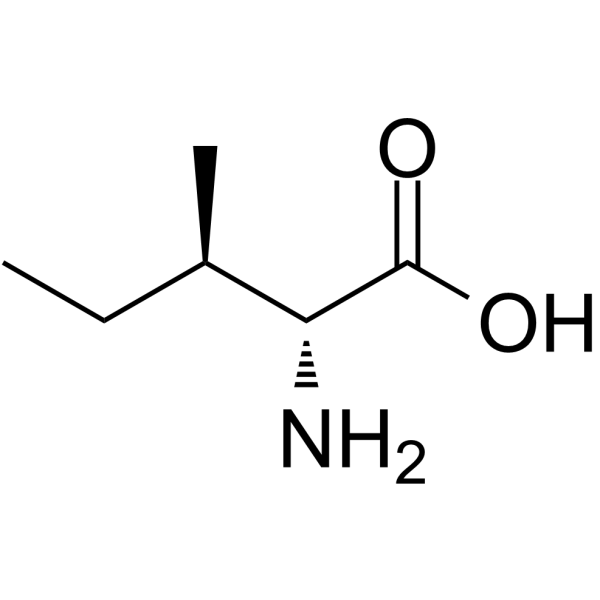
D-Isoleucine is a selective competitive activator of the Asc-1 antiporter (Ki=0.98 mM). D-Isoleucine promotes the release of D-serine and glycine by binding to the Asc-1 protein on the neuronal cell membrane, and enhances NMDA receptor-dependent synaptic plasticity. D-Isoleucine can be used in the study of neurodegenerative diseases (such as Alzheimer's disease and schizophrenia). D-Isoleucine also acts as a non-classical D-amino acid, interferes with bacterial peptidoglycan synthesis, and inhibits the formation of Staphylococcus aureus biofilm, and has potential antibacterial application value[1][2].
loading...
    loading...
Cat. No.: HY-138669
CAS No.: 2417159-57-8
Pureté:  99.37%
Target:  

PROTACs Tau Protein

Domaines de recherche:  

Neurological Disease

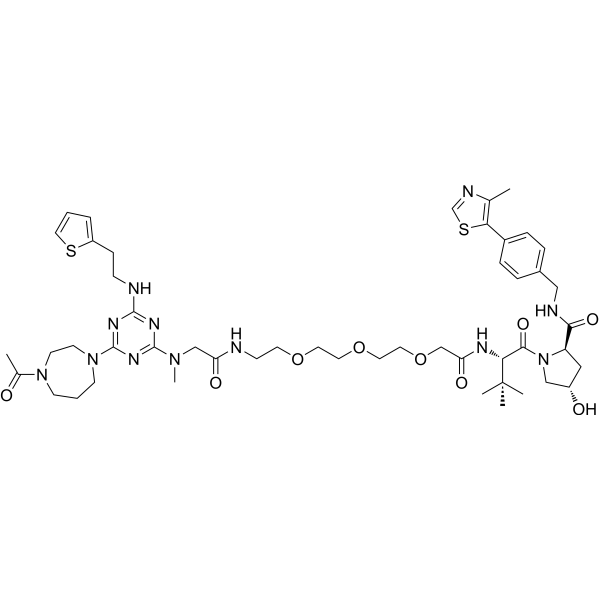
C004019 is a BBB-penetrable and small-molecule PROTAC that targets tau. C004019 can simultaneously recruit tau and E3 ligase, and effectively clear tau proteins by promoting the ubiquitination and proteasome-dependent degradation of tau, thereby improving synaptic and cognitive functions in Alzheimer's disease (AD) mice. C004019 can be used in the research of AD and tau protein-related diseases .
loading...
    loading...
Cat. No.: HY-137683A
Synonyms: GDPβS trisodium
Target:  

Adenylate Cyclase

Domaines de recherche:  

Cardiovascular Disease

Guanosine 5'-O-(2-thiodiphosphate) trisodium (GDPβS trisodium) is a non-hydrolyzable derivative of GDP. Guanosine 5'-O-(2-thiodiphosphate) trisodium acts as an inhibitor of adenylyl cyclase (AC) with a Ki value of 600 nM. In the absence of glutamic-pyruvic transaminase (GPT) in cerebral cortex membranes of rodent models, Guanosine 5'-O-(2-thiodiphosphate) trisodium partially activates AC with an EC50 of 400 nM. Guanosine 5'-O-(2-thiodiphosphate) trisodium prevents norepinephrine-induced nitric oxide release in ventricular myocytes .
loading...
    loading...
Cat. No.: HY-162566
CAS No.: 1417823-67-6
REM127 is an orally active, blood-brain barrier-penetrant septin 6/7 molecular glue degrader. REM127 binds to SEPT6 with high affinity and promotes the assembly of SEPT2/6/7 cortical filaments, thereby normalizing cytoplasmic calcium levels, cerebrospinal fluid hyperphosphorylated tau protein levels, synaptic function and cognitive function. REM127 can be used in research related to Alzheimer's disease .
loading...
    loading...
Cat. No.: HY-N8210
CAS No.: 446-71-9
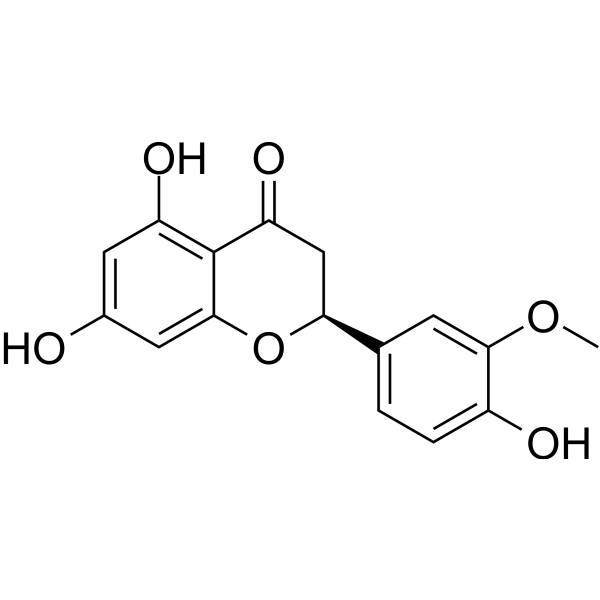
Homoeriodictyol is an orally active, bitter-tasting flavanone that can penetrate the blood-brain barrier. Homoeriodictyol enhances synaptic-related protein expression through NCOA4-mediated ferritin autophagy. Homoeriodictyol improves memory impairment in mice by inhibiting the NLRP3 inflammasome. Homoeriodictyol protects human endothelial cells from oxidative damage by activating Nrf2 and inhibiting mitochondrial dysfunction. Homoeriodictyol enhances ROS activity and induces apoptosis, exhibiting anticancer effects. Homoeriodictyol inhibits the survival and migration of androgen-resistant prostate cancer cells in vitro. Homoeriodictyol exerts antinociceptive activity in mice in vivo .
loading...
    loading...
Cat. No.: HY-164288
CAS No.: 2287331-29-5
Synonyms: TDI-006570
TDI-6570 (TDI-006570) is a blood-brain barrier-permeable, orally active cGAS inhibitor with an IC50 of 1.64 μM. TDI-6570 exhibits high gastrointestinal absorption and a long brain half-life in mice, and shows no toxicity to primary neurons. By inhibiting the cGAS-STING-IFN signaling pathway, TDI-6570 reduces STING levels and the activation of TBK1, blocks double-stranded DNA-induced cGAS activation and downstream interferon-stimulated gene expression, thereby reducing tau protein spread and improving synaptic loss. TDI-6570 reverses memory deficits, increases the amplitude of long-term potentiation, enhances the MEF2C transcriptional network, restores PSD-95 and vGAT punctate structures, and significantly improves cognitive resilience. TDI-6570 can be applied to the research of Alzheimer's disease, Parkinson's disease, systemic lupus erythematosus, as well as various central nervous system and autoimmune diseases .
loading...
    loading...
Cat. No.: HY-B0106R
CAS No.: 102767-28-2
Synonyms: UCB L059 (Standard)
Domaines de recherche:  

Neurological Disease Cancer

Levetiracetam (Standard) is the analytical standard of Levetiracetam. This product is intended for research and analytical applications. Levetiracetam, an antiepileptic agent, binds the synaptic vesicle protein SV2A. Levetiracetam enhances Temozolomide effect on glioblastoma stem cell proliferation and apoptosis. Levetiracetam modulates HDAC levels ultimately silencing MGMT, thus increasing Temozolomide effectiveness. A chemosensitizer agent .
loading...
    loading...
Cat. No.: HY-135741
CAS No.: 2012536-16-0
Pureté:  98.77%
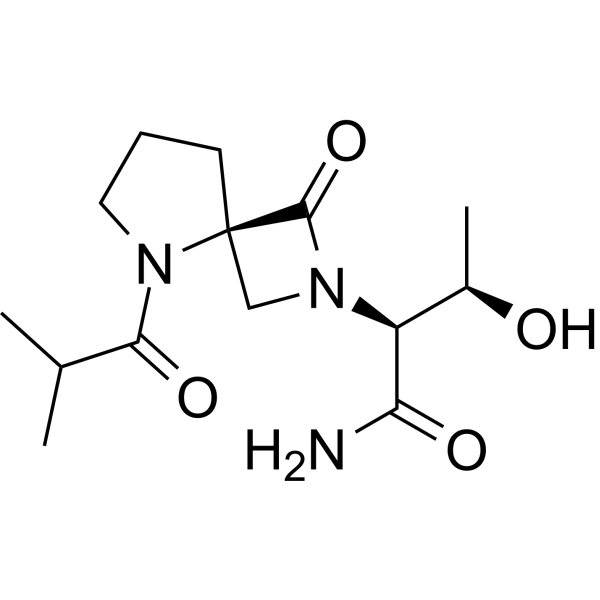
NYX-2925 is an orally active, blood-brain barrier-permeable NMDAR modulator, with EC50 values of 55 pM, 28 fM, 11 pM and 55 pM against NR2A, NR2B, NR2C and NR2D, respectively . NYX-2925 enhances synaptic plasticity, long-term potentiation, metaplasticity, structural plasticity, learning ability, memory capacity and circadian rhythm amplitude. NYX-2925 regulates the signaling pathways of Src kinase, EIF2, mTOR, CDK5 and protein kinase A (PKA). NYX-2925 increases the levels of PSD-95, GluA1, activated Src and synaptic GluN2B . NYX-2925 is used in the research of neuropathic pain, fibromyalgia, painful diabetic peripheral neuropathy, post-traumatic stress disorder, cognitive impairment, depression, age-related cognitive decline and NMDAR-mediated central nervous system diseases .
loading...
    loading...
Cat. No.: HY-125900
CAS No.: 124958-29-8
Pureté:  95.82%
Synonyms: NCA
Target:  

Others

Neocarzilin A (NCA) reduces BST-2 levels via lysosomal degradation. Neocarzilin A has antimigratory and antiproliferative effects on cancer cells. Neocarzilin A inhibits cancer cell migration via irreversible binding to the synaptic vesicle membrane protein VAT-1 .
loading...
    loading...

