






1. Search Result
Search Result
Results for "

t lymphoma

" in MedChemExpress (MCE) Product Catalog:

109

Inhibitors & Agonists

7

Peptides

31

Inhibitory Antibodies

2

Natural
Products

3

Recombinant Proteins

7

Isotope-Labeled Compounds

2

Antibodies

1

Click Chemistry

1

Oligonucleotides

Cat. No. Product Name Target Research Areas Chemical Structure
  • HY-A0003
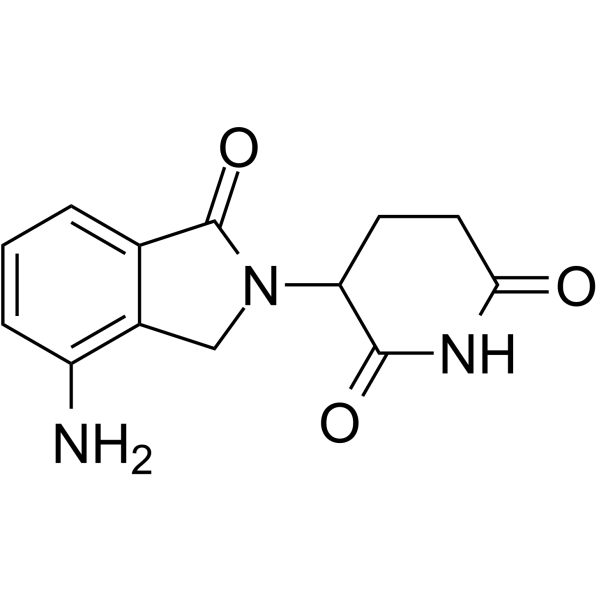
    Lenalidomide
    Maximum Cited Publications
    59 Publications Verification

    CC-5013

    Ligands for E3 Ligase Molecular Glues Apoptosis Inflammation/Immunology Cancer
    Lenalidomide (CC-5013), a derivative of Thalidomide, acts as molecular glue. Lenalidomide is an orally active immunomodulator. Lenalidomide (CC-5013) is a ligand of ubiquitin E3 ligase cereblon (CRBN), and it causes selective ubiquitination and degradation of two lymphoid transcription factors, IKZF1 and IKZF3, by the CRBN-CRL4 ubiquitin ligase. Lenalidomide (CC-5013) specifically inhibits growth of mature B-cell lymphomas, including multiple myeloma, and induces IL-2 release from T cells .
    Lenalidomide
  • HY-109108
    Valemetostat
    5 Publications Verification

    DS-3201

    Histone Methyltransferase Cancer
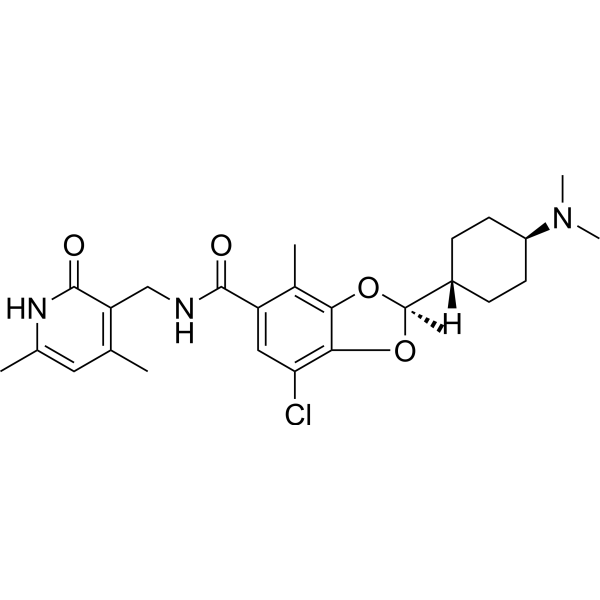
    Valemetostat (DS-3201), a first-in-class EZH1/2 dual inhibitor with IC50 values <10 nM. Valemetostat can be used for the research of relapsed/refractory peripheral T-cell lymphoma .
    Valemetostat
  • HY-14171
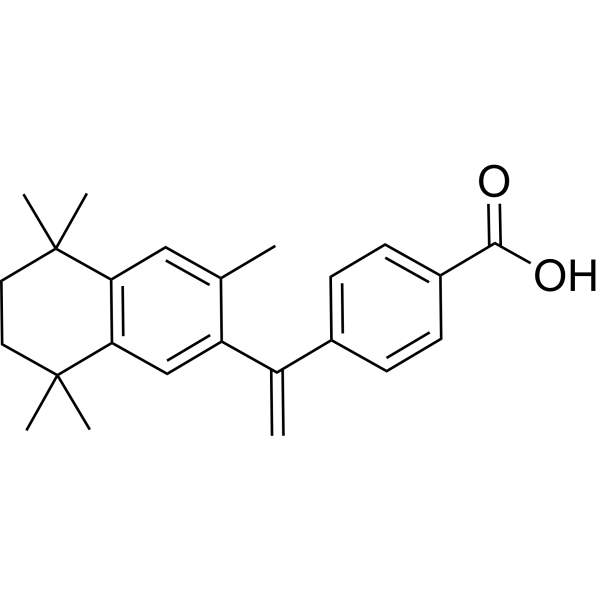
    Bexarotene
    20+ Cited Publications

    LGD1069

    RAR/RXR Autophagy Cancer
    Bexarotene (LGD1069) is a high-affinity and selective retinoid X receptors (RXR) agonist with EC50s of 33, 24, 25 nM for RXRα, RXRβ, and RXRγ, respectively. Bexarotene shows limited affinity for RAR receptors (EC50 >10000 nM) . Bexarotene can be used for the research of cutaneous T-cell lymphoma.
    Bexarotene
  • HY-P99055

    TNF Receptor Inflammation/Immunology Cancer
    Urelumab, a fully human, non-ligand binding, CD137 agonist IgG4 monoclonal antibody, enhances T-cell and natural killer-cell antitumor activity, and may enhance cytotoxic activity of Rituximab (HY-P9913). Urelumab can be used for the research of diffuse large B-cell lymphoma (DLBCL), follicular lymphoma (FL), and other types of non-Hodgkin lymphoma (NHL) .
    Urelumab
  • HY-156730

    Molecular Glues STAT Cancer
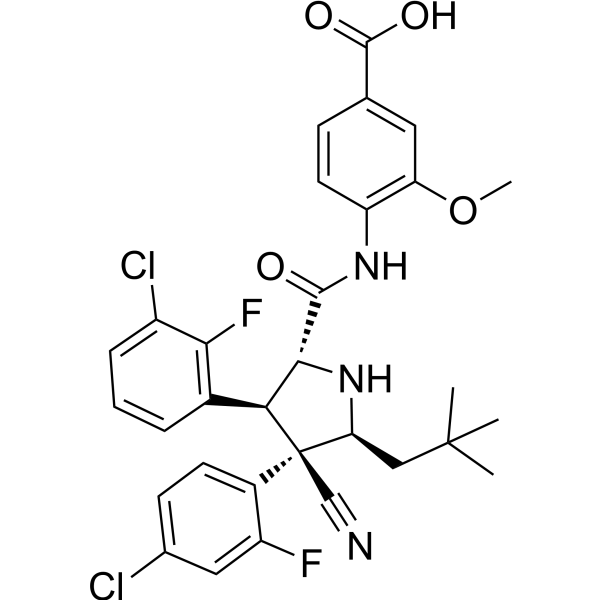
    KT-333 is a molecular glues that degrades STAT3 protein. KT-333 mediates the selective degradation of STAT3 through the ubiquitin-proteasome system by binding to STAT3 protein and E3 ubiquitin ligase von Hippel-Lindau protein (VHL). KT-333 has strong selectivity for STAT3 protein degradation and good antitumor activity. KT-333 can be used in the study of hematologic malignancies such as large granular lymphocytic leukemia (LGL-L), peripheral T-cell lymphoma (PTCL), and cutaneous T-cell lymphoma (CTCL) .
    KT-333
  • HY-P99033
    Mosunetuzumab
    1 Publications Verification

    BTCT-4465A; RG-7828; RO7030816

    CD20 CD3 Inflammation/Immunology Cancer
    Mosunetuzumab (BTCT-4465A) is a full-length, fully humanized immunoglobulin G1 (IgG1) T-cell-dependent bispecific (TDB) antibody targeting CD20 (B cells) and CD3 (T cells). Mosunetuzumab redirects T cells to engage and eliminate malignant B cells and can be used for the research of relapsed or refractory (R/R) B-cell non-Hodgkin lymphomas (B-NHLs) .
    Mosunetuzumab
  • HY-P99024
    Glofitamab
    1 Publications Verification

    RO7082859; RG-6026

    CD20 CD3 Inflammation/Immunology Cancer
    Glofitamab (RO7082859) is a T-cell-engaging bispecific antibody possessing a novel 2:1 structure with bivalency for CD20 on B cells and monovalency for CD3 on T cells. Glofitamab leads to T-cell activation, proliferation, and tumor cell killing upon binding to CD20 on malignant cells. Glofitamab induces durable complete remissions in relapsed or refractory B-Cell non-Hodgkin lymphoma (B-NHL) .
    Glofitamab
  • HY-10446
    Pralatrexate
    5+ Cited Publications

    Antifolate Apoptosis Cancer
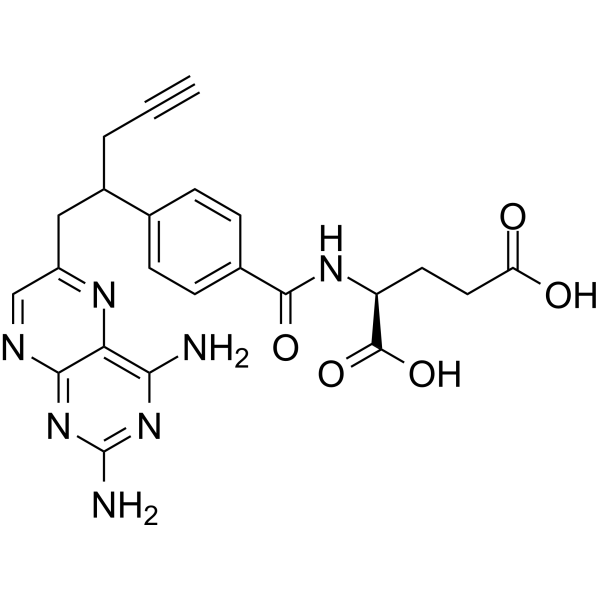
    Pralatrexate is an antifolate and is a potent dihydrofolate reductasean (DHFR) inhibitor with a Ki of 13.4 pM. Pralatrexate is a substrate for folylpolyglutamate synthetase with improved cellular uptake and retention. Pralatrexate has antitumor activities and has the potential for relapsed/refractory T-cell lymphoma treatment . Pralatrexate is a click chemistry reagent, it contains an Alkyne group and can undergo copper-catalyzed azide-alkyne cycloaddition (CuAAc) with molecules containing Azide groups.
    Pralatrexate
  • HY-P991028

    AZD0486; TNB-486

    CD3 CD19 Interleukin Related TNF Receptor IFNAR Cancer
    Surovatamig (AZD0486; TNB-486) is a fully human anti-CD19/CD3 IgG4 bispecific antibody. Surovatamig triggers T cell activation, releases cytotoxic granules, and induces T cell-dependent cellular cytotoxicity and tumor cell lysis. Surovatamig can reduces release of pro-inflammatory cytokines including IL-2, IFNγ, TNF. Surovatamig can be used for the research of cancer, such as B cell non-Hodgkin lymphoma .
    Surovatamig
  • HY-12279
    Umbralisib
    5 Publications Verification

    TGR-1202; RP5264

    PI3K Casein Kinase Cancer
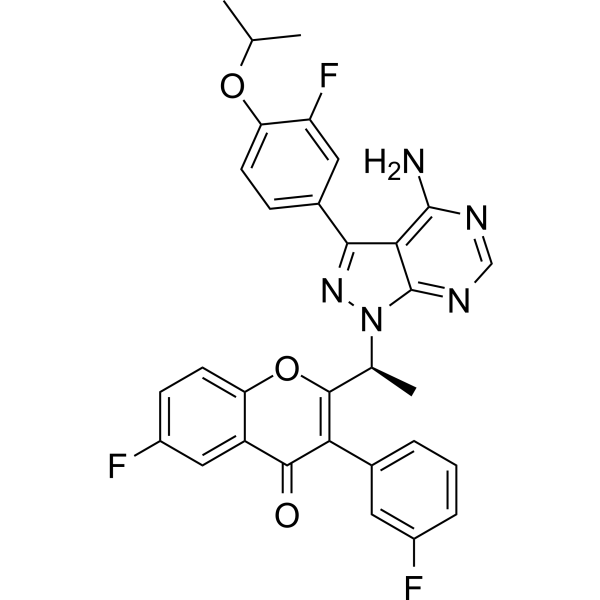
    Umbralisib (TGR-1202) is an orally active, potent and selective dual PI3Kδ and casein kinase-1-ε (CK1ε) inhibitor, with EC50 of 22.2 nM and 6.0 μM, respectively. Umbralisib exhibits unique immunomodulatory effects on chronic lymphocytic leukemia (CLL) T cells. Umbralisib can be used for haematological malignancies reseach .
    Umbralisib
  • HY-P99052
    Tislelizumab
    3 Publications Verification

    BGB-A317

    PD-1/PD-L1 Inflammation/Immunology Cancer
    Tislelizumab is a monoclonal antibody that specifically binds to programmed cell death receptor 1 (PD-1), blocking its interaction with programmed death ligand 1 (PD-L1) and programmed death ligand 2 (PD-L2). Tislelizumab can reactivate immune cells such as T lymphocytes and enhance anti-tumor activity. Tislelizumab can be used for the research of a variety of tumors including typical Hodgkin's lymphoma, urothelial carcinoma, non-small cell lung cancer and hepatocellular carcinoma .
    Tislelizumab
  • HY-P99048
    Sintilimab
    1 Publications Verification

    IBI308

    PD-1/PD-L1 Inflammation/Immunology Cancer
    Sintilimab (IBI308) is a safe and effectivel humanized IgG4 monoclonal antibody that binds to PD-1 with a KD value of 74 pM. Sintilimab blocks the interaction of PD-1 with its ligands (PD-L1 and PL-L2), consequently helping to restore the endogenous antitumour T-cell response. Sintilimab combined with prebiotics inhibits tumor volume and regulates immune cell subpopulation balance in lung adenocarcinoma mice. Sintilimab can be used for the research of classical Hodgkin's lymphoma, non-small cell lung cancer and oesophageal cancer .
    Sintilimab
  • HY-172736

    PROTACs BCL6 CD20 Cancer
    BMS-986458 is a highly selective, orally active cereblon-based BCL6 PROTAC degrader and antitumor agent. BMS-986458 selectively degrades BCL6 by binding cereblon to the BTB domain of BCL6, thereby regulating the cell cycle, antiproliferative and interferon signaling pathways, and upregulating the expression and distribution of CD20. BMS-986458 modulates the phenotype of follicular helper T cells and reduces circulating tumor DNA levels. The combination of BMS-986458 with CD20xCD3 bispecific antibody also enhances the efficiency of T cell tumor infiltration and expansion. BMS-986458 induces regression of BCL6-positive tumors and prolongs survival, and it is suitable for research related to B-cell non-Hodgkin lymphoma, diffuse large B-cell lymphoma, follicular lymphoma, and relapsed/refractory lymphoma .
    BMS-986458
  • HY-109108A
    Valemetostat tosylate
    5 Publications Verification

    DS-3201 tosylate

    Histone Methyltransferase Cancer
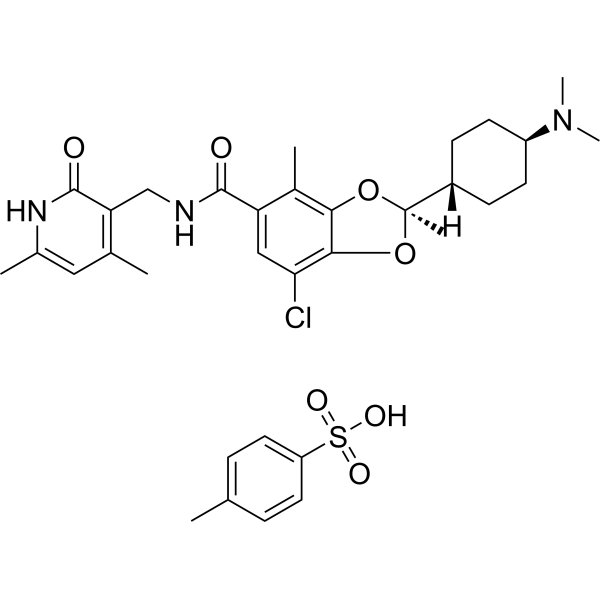
    Valemetostat (DS-3201) tosylate, a first-in-class EZH1/2 dual inhibitor with IC50 values <10 nM. Valemetostat tosylate can be used for the research of relapsed/refractory peripheral T-cell lymphoma .
    Valemetostat tosylate
  • HY-108691
    PF-06465469
    2 Publications Verification

    Itk Btk CXCR PD-1/PD-L1 LAG-3 Cancer
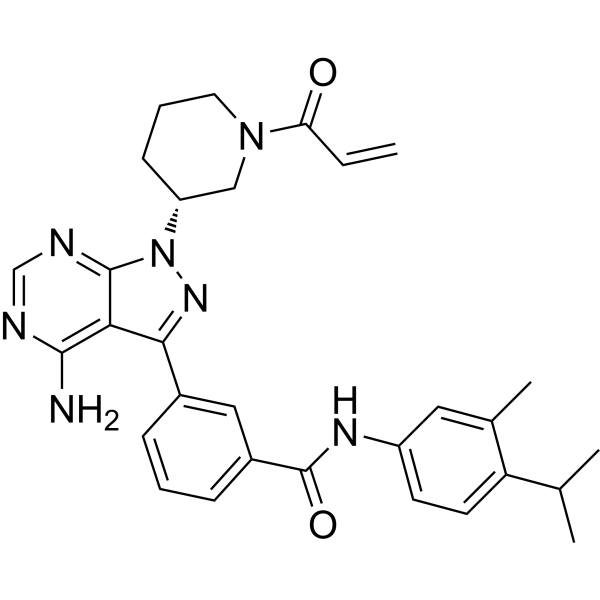
    PF-06465469 is a covalent inhibitor of ITK with an IC50 of 2 nM. PF-06465469 also inhibits BTK. PF-06465469 inhibits cell migration in response to CXCL12. PF-06465469 decreases PD-1 and LAG-3 expression. PF-06465469 can be used to study leukemia and T-cell lymphoma .
    PF-06465469
  • HY-19816
    Avitinib
    3 Publications Verification

    Abivertinib; AC0010

    EGFR Btk Apoptosis Cancer
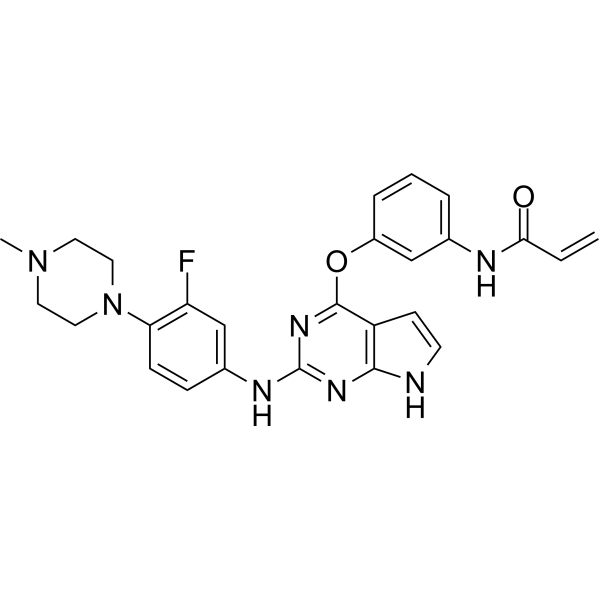
    Avitinib (Abivertinib) is a third-generation, irreversible and orally active selective EGFR inhibitor, with IC50 values of 0.18 nM, 0.18 nM, 7.68 nM and against EGFR L858R, EGFR T790M and wild-type EGFR. Avitinib is also a BTK inhibitor that induces apoptosis and inhibits phosphorylation of BTK in mantle cell lymphoma. Avitinib shows anticancer effects .
    Avitinib
  • HY-153084A
    CD19 CAR mRNA (Human)
    1 Publications Verification

    mRNA CD19 Cancer
    CD19 CAR mRNA (Human) expresses CAR protein that specifically targets human CD19. CD19 CAR mRNA can trigger transitory expression of CAR, allowing T cells to be targeted without permanent genetic modification. CD19 CAR mRNA targets CD19 which is a transmembrane glycoprotein primarily expressed on B lymphocytes and is important in B cell activation. CD19 CAR mRNA can be studied in cancer research such as lymphoma and leukemia .
    CD19 CAR mRNA (Human)
  • HY-19816A
    Avitinib maleate
    3 Publications Verification

    Abivertinib maleate; AC0010 maleate

    EGFR Btk Apoptosis Cancer
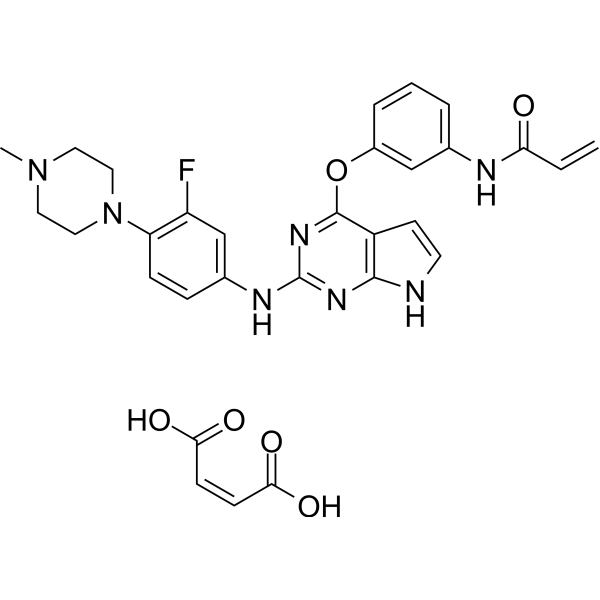
    Avitinib (Abivertinib) maleate is a third-generation, irreversible and orally active selective EGFR inhibitor, with IC50 values of 0.18 nM, 0.18 nM, 7.68 nM and against EGFR L858R, EGFR T790M and wild-type EGFR. Avitinib maleate is also a BTK inhibitor that induces apoptosis and inhibits phosphorylation of BTK in mantle cell lymphoma. Avitinib maleate shows anticancer effects .
    Avitinib maleate
  • HY-P99950

    ALX148

    CD47 Cancer
    Evorpacept (ALX148) is a high-affinity CD47-blocking fusion protein with an inactive human immunoglobulin Fc region. Evorpacept binds to CD47, blocks the interaction of the CD47-SIRPα immune checkpoint, and inhibits the binding of wild-type SIRPα to CD47. Evorpacept is applicable to research related to acute myeloid leukemia .
    Evorpacept
  • HY-P990855

    Transmembrane Glycoprotein Inflammation/Immunology Cancer
    Anti-CD8α Antibody (OKT-8) is an anti-human CD8α IgG2a monoclonal antibody. Anti-CD8α Antibody (OKT-8) can reduce the secretion of IFNγ. Anti-CD8α Antibody (OKT-8) can deplete CD8 + T cells. Anti-CD8α Antibody (OKT-8) can be used for researches on inflammation conditions and cancer such as B non-Hodgkin lymphomas (B-NHLs). The recommend isotype control of Anti-CD8α Antibody (OKT-8): Mouse IgG2a kappa, Isotype Control (HY-P99978) .
    Anti-CD8α Antibody (OKT-8)
  • HY-118119
    CAY10526
    1 Publications Verification

    PGE synthase YB-1 Apoptosis JAK STAT TGF-β Receptor TGF-beta/Smad PI3K Akt Cancer
    CAY10526 is an inhibitor of Y-box binding protein 1 (YB-1) and microsomal prostaglandin E2 synthase 1 (mPGES1). CAY10526 inhibits the production of PGE2 by suppressing YB-1 and mPGES1. CAY10526 induces cell apoptosis (apoptosis) and inhibits the JAK/STAT, TGF-β/Smad3 and PI3K/AKT signaling pathways. CAY10526 can be used in research related to melanoma, prostate cancer, esophageal adenocarcinoma, T-cell lymphoma, etc .
    CAY10526
  • HY-160406

    STING IFNAR Interleukin Related Inflammation/Immunology Cancer
    SNX281 is a selective STING agonist, with IC50 values of 4.1, 4.5, 10.7, and 3.7 μM against human, mouse, rat, and monkey STING, respectively. SNX281 undergoes homodimerization at the STING binding site, triggering a conformational shift of STING from an inactive open state to an active closed state, thereby driving downstream STING-dependent signaling pathways. SNX281 induces type I interferons, IFN-β, TNF-α, IL-6, cytokine release, T cell responses, and long-lasting immune memory. SNX281 exhibits anti-tumor activity and is applicable to research related to colorectal cancer, melanoma, advanced solid tumors, lymphoma, and ovarian cancer .
    SNX281
  • HY-P99253
    Mogamulizumab
    1 Publications Verification

    KW-0761

    CCR Inflammation/Immunology Cancer
    Mogamulizumab (KW-0761) is a recombinant anti-CCR4 monoclonal antibody (MAb). Mogamulizumab can eliminate tumor cells by antibody-dependent cellular cytotoxicity (ADCC). Mogamulizumab can be used in the research of cancers, adult T-cell leukemia/lymphoma (ATLL), cutaneous T-cell lymphoma (CTCL) .
    Mogamulizumab
  • HY-161828

    PROTACs CDK Cancer
    JWZ-5-13 is a CDK7 PROTAC degrader. JWZ-5-13 inhibits the proliferation of cancer cells. JWZ-5-13 is applicable to the research of ovarian cancer, diffuse large B-cell lymphoma, acute T-lymphoblastic leukemia and non-small cell lung cancer .
    JWZ-5-13
  • HY-P99914

    GNC-038

    PD-1/PD-L1 CD19 TNF Receptor CD3 Interleukin Related IFNAR Inflammation/Immunology Cancer
    Emfizatamab (GNC-038) is a monoclonal antibody against CD19/CD3E/TNFRSF9/PD-L1. Emfizatamab exhibits antitumor activity, being capable of activating CD3 and 4-1BB signals on T cells, as well as targeting the high expression of CD19 or PD-L1 on tumor cells. Emfizatamab functions as a CD19-specific T cell engager by mediating direct antitumor activity. Emfizatamab can also overcome the inhibition of T cells by PD-L1. Emfizatamab can be used in the research of tumors such as R/R non-Hodgkin lymphoma or acute lymphoblastic leukemia .
    Emfizatamab
  • HY-P990710

    AFM13

    TNF Receptor Cancer
    Acimtamig (AFM13) is a CD30/CD16A bispecific innate cell engager. Acimtamig binds to the CD16A expressed on natural killer (NK) cells and binds to CD30 on CD30-expressing tumor cells, thereby selectively cross-linking tumor and NK cells. Acimtamig can be used for the study of eripheral T-cell lymphoma (PTCL) .
    Acimtamig
  • HY-A0003B
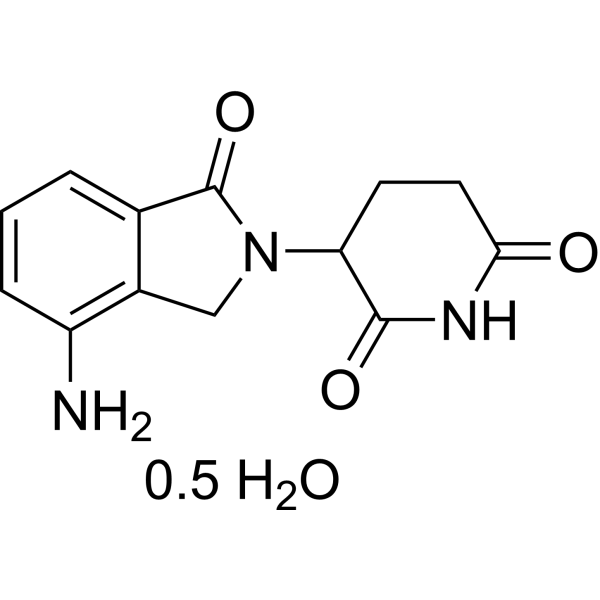
    Lenalidomide hemihydrate
    Maximum Cited Publications
    59 Publications Verification

    CC-5013 hemihydrate

    Ligands for E3 Ligase Molecular Glues Apoptosis Cancer
    Lenalidomide hemihydrate (CC-5013 hemihydrate), a derivative of Thalidomide, acts as molecular glue. Lenalidomide hemihydrate is an orally active immunomodulator. Lenalidomide hemihydrate (CC-5013 hemihydrate) is a ligand of ubiquitin E3 ligase cereblon (CRBN), and it causes selective ubiquitination and degradation of two lymphoid transcription factors, IKZF1 and IKZF3, by the CRBN-CRL4 ubiquitin ligase. Lenalidomide hemihydrate (CC-5013 hemihydrate) specifically inhibits growth of mature B-cell lymphomas, including multiple myeloma, and induces IL-2 release from T cells .
    Lenalidomide hemihydrate
  • HY-12291

    HMSL 10017-101-1

    Raf Apoptosis Cancer
    HG6-64-1 (HMSL 10017-101-1) is a B-raf kinase modulator.HG6-64-1 modulates B-raf kinase activity, including the V600E mutant form and the drug-resistant gatekeeper mutation T529I. HG6-64-1 is a germinal center kinase inhibitor. HG6-64-1 induces cell cycle arrest and apoptosis. HG6-64-1 can be used for the research of diffuse large B-cell lymphoma (DLBCL) .
    HG6-64-1
  • HY-12279C
    Umbralisib hydrochloride
    5 Publications Verification

    TGR-1202 hydrochloride; RP5264 hydrochloride

    PI3K Casein Kinase Cancer
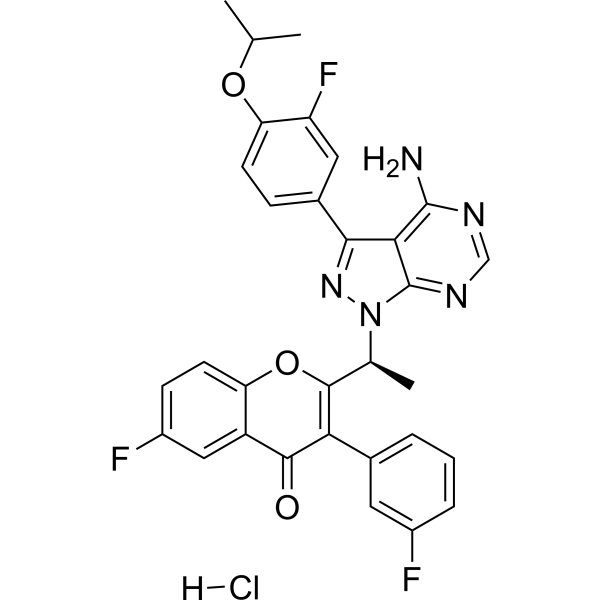
    Umbralisib (TGR-1202) hydrochloride is an orally active, potent and selective dual PI3Kδ and casein kinase-1-ε (CK1ε) inhibitor, with EC50 of 22.2 nM and 6.0 μM, respectively. Umbralisib hydrochloride exhibits unique immunomodulatory effects on chronic lymphocytic leukemia (CLL) T cells. Umbralisib hydrochloride can be used for haematological malignancies reseach .
    Umbralisib hydrochloride
  • HY-P99266

    Anti-Human CD4 Recombinant Antibody

    Transmembrane Glycoprotein Inflammation/Immunology Cancer
    Zanolimumab (Anti-Human CD4 Recombinant Antibody) is a fully human monoclonal antibody targets CD4. Zanolimumab effectively inhibits T-cell receptor (TCR) signal transduction. Zanolimumab can be used for the research of heumatoid arthritis, psoriasis, melanoma, cutaneous and peripheral T-cell lymphoma .
    Zanolimumab
  • HY-P99922

    LAG-3 Cancer
    Encelimab is an anti-LAG3 antibody. Encelimab blocks the interaction between LAG-3 and MHC II, and enhances T-cell activation. Encelimab alone or in combination with an anti-PD-1 antibody reduces tumor size in a lymphoma mice model (A20 cell xenograft) .
    Encelimab
  • HY-174371

    Molecular Glues Casein Kinase MDM-2/p53 MALT1 Neurological Disease Cancer
    INNO-220 is an orally active, CRBN-dependent molecular glue degrader targeting CK1α. INNO-220 induces cell cycle arrest at G0/G1 phase and triggers apoptosis by degrading CK1α. INNO-220 disrupts the assembly and function of the CARD11/BCL10/MALT1 complex, thereby inhibiting NF-κB signaling in stimulated T cells and lymphoma cells that harbor an activating mutation in CARD11. INNO-220 provides a new direction for lymphoma research.
    INNO-220
  • HY-106934A
    Peldesine dihydrochloride
    1 Publications Verification

    BCX 34 dihydrochloride

    Nucleoside Antimetabolite/Analog HIV Infection Inflammation/Immunology Cancer
    Peldesine (BCX 34) dihydrochloride is a potent, competitive, reversible and orally active purine nucleoside phosphorylase (PNP) inhibitor with IC50s of 36 nM, 5 nM, and 32 nM for human, rat, and mouse red blood cell (RBC) PNP, respectively. Peldesine dihydrochloride is also a T-cell proliferation inhibitor with an IC50 of 800 nM. Peldesine dihydrochloride has the potential for cutaneous T-cell lymphoma, psoriasis and HIV infection research .
    Peldesine dihydrochloride
  • HY-117433S

    DNA Alkylator/Crosslinker Apoptosis Reactive Oxygen Species (ROS) Drug Metabolite Inflammation/Immunology
    4-Hydroperoxy Cyclophosphamide-d4 is the deuterium labeled 4-Hydroperoxy cyclophosphamide. 4-Hydroperoxy cyclophosphamide is the active metabolite form of the proagent Cyclophosphamide. 4-Hydroperoxy cyclophosphamide crosslinks DNA and induces T cell apoptosis independent of death receptor activation, but activates mitochondrial death pathways through production of reactive oxygen species (ROS). 4-Hydroperoxy cyclophosphamide has the potential for lymphomas and autoimmune disorders .
    4-Hydroperoxy Cyclophosphamide-d4
  • HY-P991176

    RO7443904

    CD19 CD28 Cancer
    RG-6333 is a bispecific agonist targeting CD19 and CD28. RG-6333 specifically recognizes and binds to the CD19 antigen on the surface of B-cell malignancies to locate tumor cells. RG-6333 activates T cells by binding to CD28, overcoming activation barriers to enhance anti-tumor immunity. RG-6333 can be used in the study of relapsed/refractory non-Hodgkin's lymphoma. The recommended isotype control is human IgG1 kappa, isotype control (HY-P99001) .
    RG-6333
  • HY-P99119

    TNF Receptor Bcl-2 Family Inflammation/Immunology Cancer
    Anti-Mouse 4-1BB/CD137 Antibody (3H3) is an anti-mouse 4-1BB/CD137 IgG2a monoclonal antibody. Anti-Mouse 4-1BB/CD137 Antibody (3H3) can effectively activate memory T cells and inhibit tumors by increasing Bcl-xL and granzyme B levels. Anti-Mouse 4-1BB/CD137 Antibody (3H3) can be used for research on cancer such as lymphoma and colon cancer .
    Anti-Mouse 4-1BB/CD137 Antibody (3H3)
  • HY-A0003R

    CC-5013 (Standard)

    Reference Standards Ligands for E3 Ligase Molecular Glues Apoptosis Inflammation/Immunology Cancer
    Lenalidomide (Standard) is the analytical standard of Lenalidomide. This product is intended for research and analytical applications. Lenalidomide (CC-5013), a derivative of Thalidomide, acts as molecular glue. Lenalidomide is an orally active immunomodulator. Lenalidomide (CC-5013) is a ligand of ubiquitin E3 ligase cereblon (CRBN), and it causes selective ubiquitination and degradation of two lymphoid transcription factors, IKZF1 and IKZF3, by the CRBN-CRL4 ubiquitin ligase. Lenalidomide (CC-5013) specifically inhibits growth of mature B-cell lymphomas, including multiple myeloma, and induces IL-2 release from T cells .
    Lenalidomide (Standard)
  • HY-14171S

    LGD1069 d4

    RAR/RXR Autophagy Cancer
    Bexarotene-d4 is a deuterium labeled Bexarotene (LGD1069). Bexarotene (LGD1069) is a selective retinoid X receptors (RXR) agonist for the treatment of cutaneous T-cell lymphoma .
    Bexarotene-d4
  • HY-156730A

    Molecular Glues STAT Cancer
    KT-333 ammonium (Compound A) is a molecular glues that degrades STAT3 protein. KT-333 ammonium mediates the selective degradation of STAT3 through the ubiquitin-proteasome system by binding to STAT3 protein and E3 ubiquitin ligase von Hippel-Lindau protein (VHL). KT-333 ammonium has strong selectivity for STAT3 protein degradation and good antitumor activity. KT-333 ammonium can be used in the study of hematologic malignancies such as large granular lymphocytic leukemia (LGL-L), peripheral T-cell lymphoma (PTCL), and cutaneous T-cell lymphoma (CTCL) .
    KT-333 ammonium
  • HY-100365
    Remetinostat
    1 Publications Verification

    SHP-141

    HDAC Inflammation/Immunology Cancer
    Remetinostat (SHP-141) is a hydroxamic acid-based histone deacetylase (HDAC) inhibitor. Remetinostat alleviates Imiquimod (HY-B0180)-induced psoriatic dermatitis. Remetinostat can be used for study of cutaneous T-cell lymphoma .
    Remetinostat
  • HY-155477

    E1/E2/E3 Enzyme Cancer
    Cbl-b-IN-15 (compound 25) is an inhibitor of the RING finger E3 ligase Cbl (IC50: 15 nM). Cbl-b refers to Casitas B-lineage lymphoma proto-oncogene-b, which inhibits T-cell, natural killer (NK) cell, and B-cell activation. Cbl-b-IN-15 activates T cell function with EC50=0.41 μM .
    Cbl-b-IN-15
  • HY-E70016

    TdT

    DNA/RNA Synthesis Others Cancer
    Terminal deoxyribonucleotidyltransferase (TdT) catalyses the condensation of deoxyribonucleotide triphosphates onto the 3' hydroxyl ends of DNA strands and adds N-regions to gene segment junctions during V(D)J recombination. Terminal deoxyribonucleotidyltransferase is expressed in immature, pre-B, pre-T lymphoid cells, and acute lymphoblastic leukemia/lymphoma cells .
    Terminal deoxyribonucleotidyltransferase
  • HY-P991057

    CD47 Cancer
    STI-6643 is a fully human IgG4 antibody that targets CD47. STI-6643 blocks CD47-SIRPα interaction, and enables macrophage-mediated phagocytosis of tumor cells. STI-6643 shows anti-tumor activity in mouse lymphoma xenograft models. STI-6643 can be used for the research of Burkitt's lymphoma, solid tumors, relapsed or refractory tumors, and lymphoma. The isotype control for STI-6643 can refer to Human IgG4 (S228P) kappa, Isotype Control (HY-P99003) .
    STI-6643
  • HY-P991671

    JNJ-80948543

    CD3 CD20 Transmembrane Glycoprotein Cancer
    Anafiltamig is a trivalent monoclonal antibody inhibitor targeting CD79B, CD3E and MS4A1. Anafiltamig consists of a humanized IgG1κ anti-CD79B arm and a bispecific scFv-based arm targeting CD3E and MS4A1. Anafiltamig simultaneously bridges T and B cells, activating T cells and specifically killing B cell tumors. Anafiltamig can be used for B cell malignancies such as non-Hodgkin lymphoma research .
    Anafiltamig
  • HY-164466

    Calcium Channel Notch Cancer
    CAD204520, a SERCA inhibitor (IC50 = 0.34 μM), targets mutated over wild type NOTCH1 proteins in T-cell acute lymphoblastic leukemia (T-ALL) and mantle cell lymphoma (MCL). CAD204520 can be used for T-ALL and MCL research .
    CAD204520
  • HY-106934

    BCX 34

    Nucleoside Antimetabolite/Analog HIV Infection Inflammation/Immunology Cancer
    Peldesine (BCX 34) is a potent, competitive, reversible and orally active purine nucleoside phosphorylase (PNP) inhibitor with IC50s of 36 nM, 5 nM, and 32 nM for human, rat, and mouse red blood cell (RBC) PNP, respectively. Peldesine is also a T-cell proliferation inhibitor with an IC50 of 800 nM. Peldesine has the potential for cutaneous T-cell lymphoma, psoriasis and HIV infection research .
    Peldesine
  • HY-A0003S

    CC-5013-d5

    Isotope-Labeled Compounds Ligands for E3 Ligase Molecular Glues Apoptosis Inflammation/Immunology Cancer
    Lenalidomide-d5 is deuterium labeled Lenalidomide. Lenalidomide (CC-5013), a derivative of Thalidomide, acts as molecular glue. Lenalidomide is an orally active immunomodulator. Lenalidomide (CC-5013) is a ligand of ubiquitin E3 ligase cereblon (CRBN), and it causes selective ubiquitination and degradation of two lymphoid transcription factors, IKZF1 and IKZF3, by the CRBN-CRL4 ubiquitin ligase. Lenalidomide (CC-5013) specifically inhibits growth of mature B-cell lymphomas, including multiple myeloma, and induces IL-2 release from T cells .
    Lenalidomide-d5
  • HY-157343

    Apoptosis Mitochondrial Metabolism Caspase Neurological Disease Cancer
    GD3 Ganglioside is an Apoptosis inducer and a biomarker for mouse neural stem cells. GD3 Ganglioside expresses in neural stem cells and the subventricular zone of the adult mouse brain. GD3 Ganglioside targets the mitochondrial permeability transition pore complex, induces pore opening, dissipates mitochondrial transmembrane potential, triggers Mitochondrial swelling, releases pro-apoptotic factors, and activates Caspase-9. GD3 Ganglioside is applicable to research related to glioblastoma .
    GD3 Ganglioside
  • HY-P990180

    C-type Lectin-like Receptors (CTLRs) Inflammation/Immunology Cancer
    Anti-Mouse NKG2A/C/E Antibody (20D5) is an anti-mouse NKG2A/C/E IgG2a monoclonal antibody. Anti-Mouse NKG2A/C/E Antibody (20D5) can activate natural killer (NK) and CD8 + T cells. Anti-Mouse NKG2A/C/E Antibody (20D5) can exacerbate liver pathological damage by enhancing the activation of iNKT cells. Anti-Mouse NKG2A/C/E Antibody (20D5) can be used for researches on cancer and immunology such as lymphoma .
    Anti-Mouse NKG2A/C/E Antibody (20D5)
  • HY-178803

    PROTACs BCL6 Cancer
    PROTAC BCL6 Degrader-2 (Compound A19) is an orally active, selective BCL6 PROTAC degrader (DC50s: 34 pM in OCI-LY1 cells and 0.45 nM in HEK293T cells). PROTAC BCL6 Degrader-2 promotes the ubiquitination and degradation of BCL6. PROTAC BCL6 Degrader-2 exhibits anticancer activity against BCL6-dependent diffuse large B-cell lymphoma (Pink: BCL6 ligand (HY-178804); Blue: E3 ligase ligand (HY-W087383); E3 ligase ligand + linker (HY-W998306)) .
    PROTAC BCL6 Degrader-2

Inquiry Online

Your information is safe with us. * Required Fields.

Salutation


Country or Region *

Applicant Name *


Organization Name *

Department *


Email Address *


Product Name *

Cat. No.


Requested quantity *

Phone Number *


Remarks

Inquiry Online

Inquiry Information

Product Name:
Cat. No.:
Quantity:
MCE Japan Authorized Agent:

