


57 Results for "

vertebrates

" in MedChemExpress (MCE) Product Catalog:
Products (57)

57 Results for "vertebrates" in MCE Product Catalog:

6
6 Publications Verification
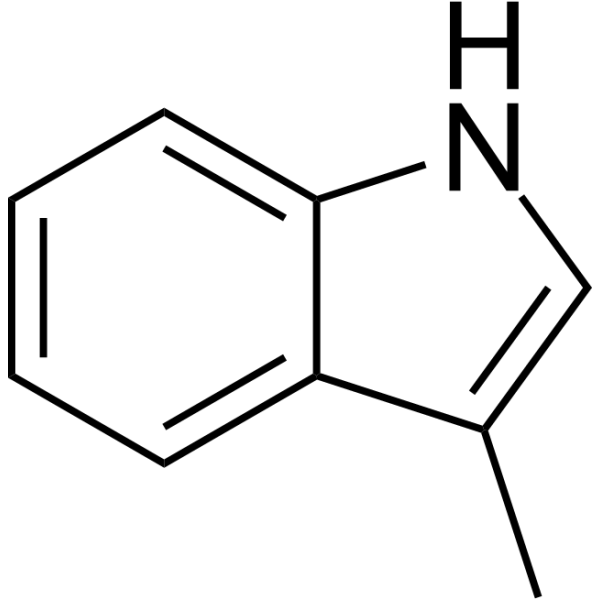
Cat. No.: HY-W007355
CAS No.: 83-34-1
Synonyms: 3-Methylindole; 3-Methyl-1H-indole
Skatole (3-methylindole) is a heterocyclic compound naturally found in the feces of vertebrates and can be found in certain plants. Skatole can be produced by intestinal bacteria, inducing apoptosis of intestinal epithelial cells through activating aryl hydrocarbon receptors (AhR) and p38. Skatole has been used in specific products of the perfume industry or as a flavor additive in ice cream .
loading...
    loading...
5
5 Cited Publications
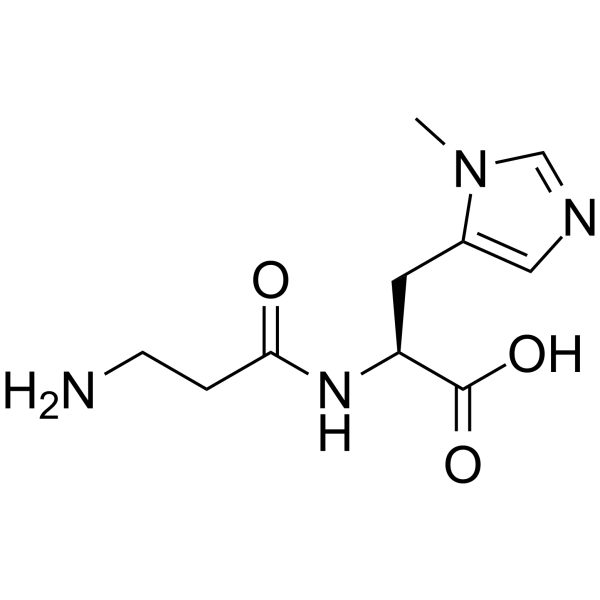
Cat. No.: HY-113354
CAS No.: 584-85-0
Purity:  99.85%
Anserine, a methylated form of Carnosine, is an orally active, natural Histidine-containing dipeptide found in skeletal muscle of vertebrates. Anserine is not cleaved by serum carnosinase and act as biochemical buffers, chelators, antioxidants, and anti-glycation agents. Anserine has blood-brain barrier permeability, and improves memory functions in Alzheimer's disease (AD)-model mice .
loading...
    loading...
3
3 Cited Publications
Cat. No.: HY-P1635
CAS No.: 9001-75-6
Synonyms: EC 3.4.23.1
Target:  

Endogenous Metabolite

Research Areas:  

Endocrinology

Pepsin is the major pig and human gastric proteases, it is a pepsin-like minor gastric proteolytic enzymes. Pepsin contributes to proteolysis of food proteins in the vertebrate stomach .
loading...
    loading...
3
3 Cited Publications
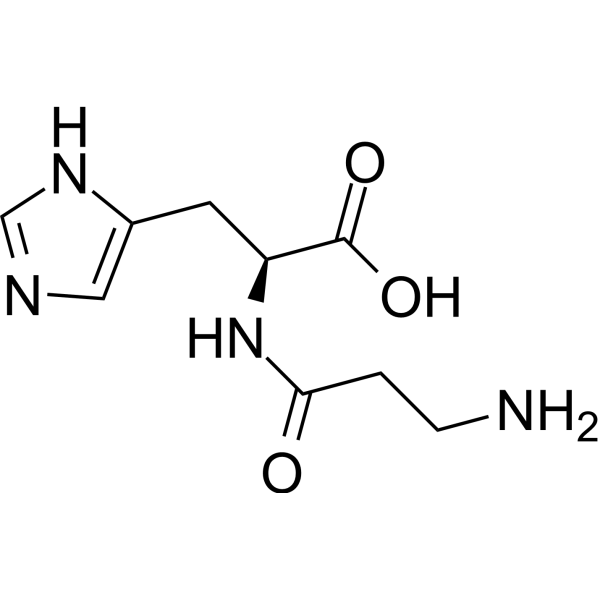
Cat. No.: HY-W013494
CAS No.: 305-84-0
L-Carnosine is a dipeptide composed of beta-alanine and histidine. L-Carnosine is an endogenous metabolite found in human brain, muscle and gastrointestinal tissues and is present in all vertebrates. L-Carnosine is a non-enzymatic free radical scavenger and natural antioxidant with anti-inflammatory and neuroprotective properties that can inhibit biochemical changes associated with aging .
loading...
    loading...
3
3 Cited Publications
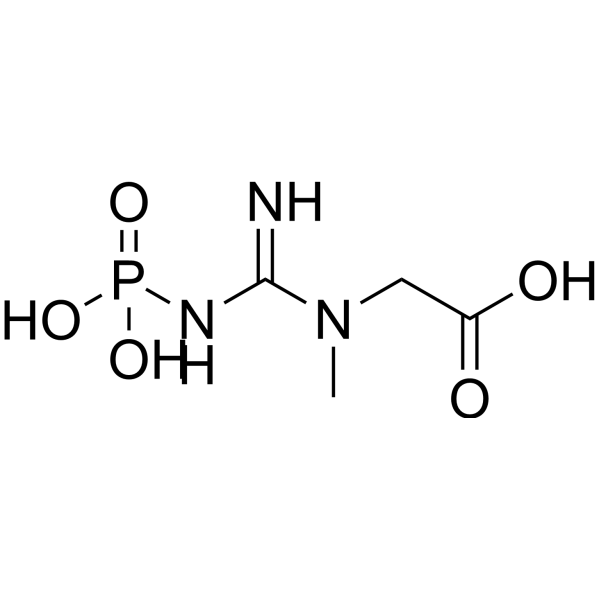
Cat. No.: HY-D0885
CAS No.: 67-07-2
Synonyms: Creatine phosphate; Creatinephosphoric acid
Phosphocreatine (creatine phosphate) is an organic compound found in vertebrate skeletal muscles. Phosphocreatine enhances antioxidant activity, and activates the TAK1 pathway to protect the heart. Phosphocreatine normalizing mitochondrial function and reducing oxidative stress via Akt mediated Nrf2/HO-1 pathway. Phosphocreatine provides renal protection by suppressing Apoptosis and ROS (Reactive Oxygen Species) generation through ERK mediated mediated Nrf-2/HO-1 pathway. .
loading...
    loading...
3
3 Cited Publications
Cat. No.: HY-D0885B
CAS No.: 922-32-7
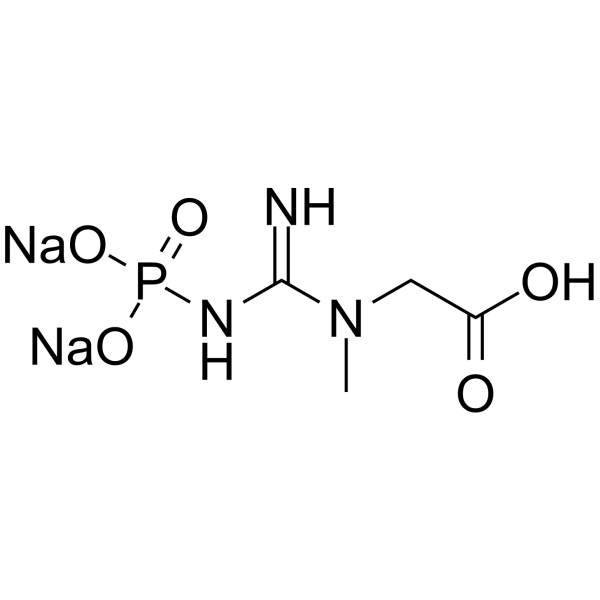
Synonyms: Disodium creatine phosphate
Phosphocreatine (disodium) is an organic compound found in vertebrate skeletal muscles. Phosphocreatine (disodium) enhances antioxidant activity, and activates the TAK1 pathway to protect the heart. Phosphocreatine (disodium) normalizing mitochondrial function and reducing oxidative stress via Akt mediated Nrf2/HO-1 pathway. Phosphocreatine (disodium) provides renal protection by suppressing Apoptosis and ROS (Reactive Oxygen Species) generation through ERK mediated mediated Nrf-2/HO-1 pathway. .
loading...
    loading...
3
3 Cited Publications
Cat. No.: HY-E70198
CAS No.: 9001-75-6
Synonyms: EC 3.4.23.1 (MS Grade)
Target:  

Endogenous Metabolite

Research Areas:  

Others

Pepsin (MS Grade) is the major pig and human gastric proteases, it is a pepsin-like minor gastric proteolytic enzymes. Pepsin (MS Grade) contributes to proteolysis of food proteins in the vertebrate stomach .
loading...
    loading...
3
3 Cited Publications
Cat. No.: HY-D0885A
CAS No.: 71519-72-7
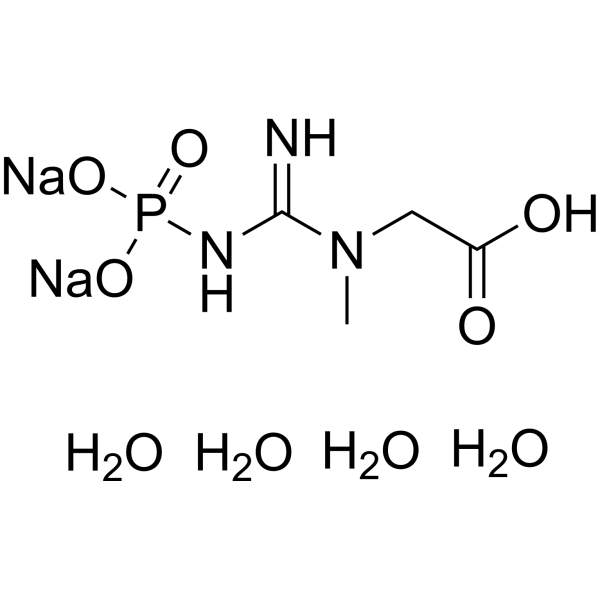
Synonyms: Creatine phosphate disodium tetrahydrate; Creatinephosphoric acid disodium tetrahydrate
Phosphocreatine disodium tetrahydrate, primarily found in the skeletal muscles of vertebrates and one of organic compounds known as alpha amino acids and derivatives, is a substrate for the determination of creatine kinase and used to regenerate ATP during skeletal muscle contraction .
loading...
    loading...
3
3 Cited Publications
Cat. No.: HY-D0885D
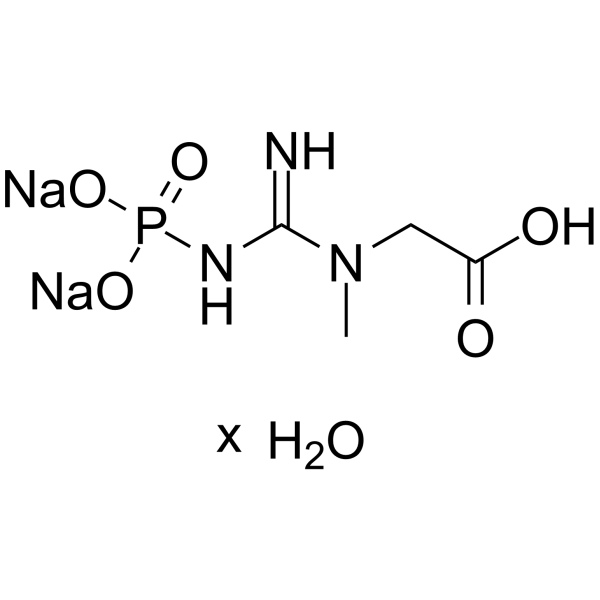
CAS No.: 19333-65-4
Phosphocreatine (disodium hydrate) is an organic compound found in vertebrate skeletal muscles. Phosphocreatine (disodium hydrate) enhances antioxidant activity, and activates the TAK1 pathway to protect the heart. Phosphocreatine (disodium hydrate) normalizing mitochondrial function and reducing oxidative stress via Akt mediated Nrf2/HO-1 pathway. Phosphocreatine (disodium hydrate) Phosphocreatine (disodium hydrate) provides renal protection by suppressing Apoptosis and ROS (Reactive Oxygen Species) generation through ERK mediated mediated Nrf-2/HO-1 pathway. .
loading...
    loading...
2
2 Cited Publications
Cat. No.: HY-N11287A
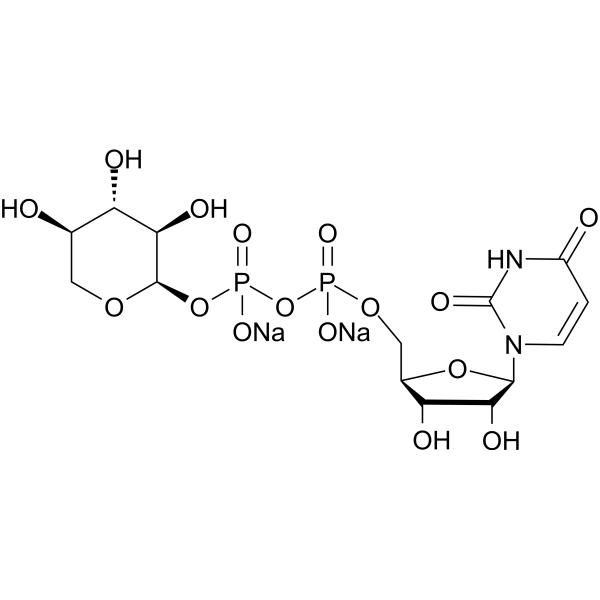
CAS No.: 108320-89-4
UDP-xylose disodium is an endogenous sugar nucleotide and a catalytic substrate of UDP-xylose disodium synthase (UXS). UDP-xylose disodium is a sugar donor for the synthesis of glycoproteins, polysaccharides, various metabolites and oligosaccharides in plants, vertebrates and fungi, and participates in the synthesis of proteoglycans as a glycosyl donor. UDP-xylose disodium participates in the regulation of the synthesis of extracellular matrix components and can be used to study the mechanism of proteoglycan biosynthesis in glycobiology and related diseases (such as connective tissue diseases)[1][2].
loading...
    loading...
1
1 Cited Publications
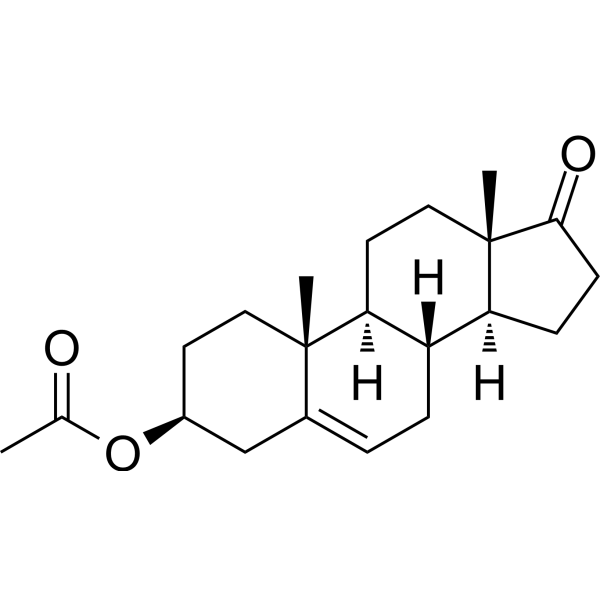
Cat. No.: HY-B1405
CAS No.: 853-23-6
Synonyms: Dehydroepiandrosterone 3-acetate; DHEA acetate
Dehydroepiandrosterone 3-acetate is a testosterone/estrogen precursor and known modulator of vertebrate aggression.
loading...
    loading...
Cat. No.: HY-N10546
CAS No.: 37758-47-7
Ganglioside GM1 is a type of glycosphingolipid, mainly found on the cell membranes of the central nervous system of vertebrates. Ganglioside GM1 exerts neuroprotective effects by reducing excessive activation of NMDAR, activating TrkA and ERK1/2, and inhibiting oxidative stress and cell apoptosis and autophagy. Ganglioside GM1 can be used in the research of diseases such as traumatic brain injury, Parkinson's disease, Alzheimer's disease, and Huntington's disease .
loading...
    loading...
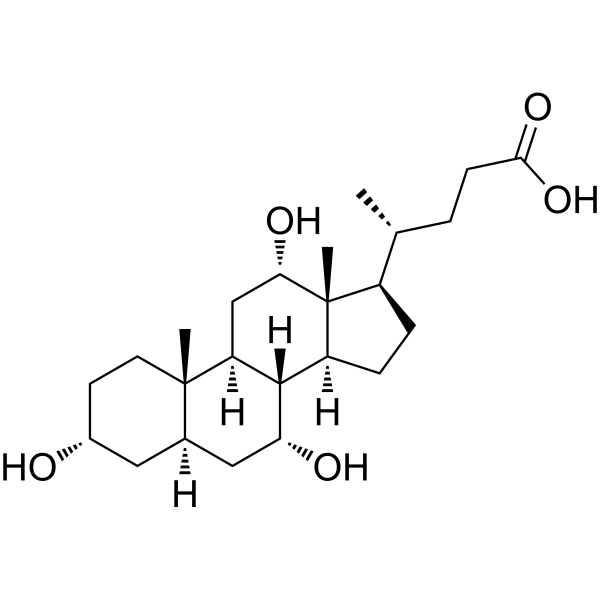
Cat. No.: HY-125934
CAS No.: 2464-18-8
Allocholic acid is a typically fetal bile acid found in vertebrates and reappears during liver regeneration and carcinogenesis, besides it is also a conjugate acid of allocholate and an isomer of cholic acid. Allocholic acid is a potent and specific stimulant of the adult olfactory system, it has a role as a marine metabolite, a rat metabolite and a human metabolite .
loading...
    loading...
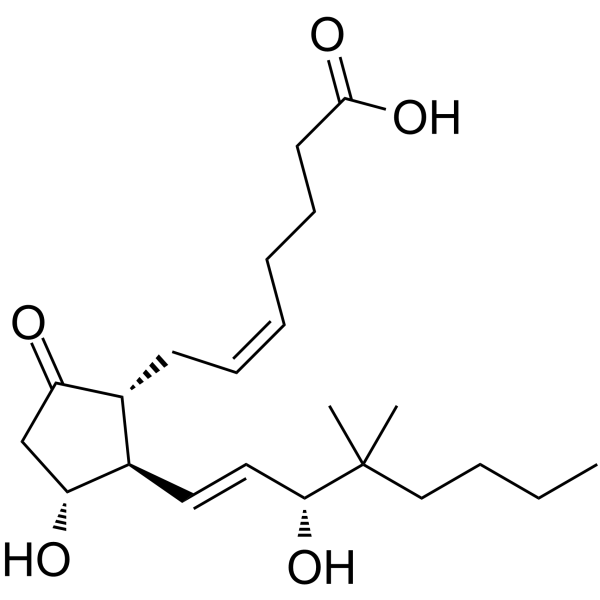
Cat. No.: HY-106420
CAS No.: 39746-25-3
Purity:  ≥99.0%
Synonyms: 16,16-dimethyl PGE2
Research Areas:  

Inflammation/Immunology

16,16-Dimethyl prostaglandin E2 (16,16-dimethyl PGE2) is an orally active vertebrate Hematopoietic stem cells (HSCs) homeostasis critical regulator. 16,16-Dimethyl prostaglandin E2 can act through EP2/EP4 and has an interaction with the Wnt pathway .
loading...
    loading...
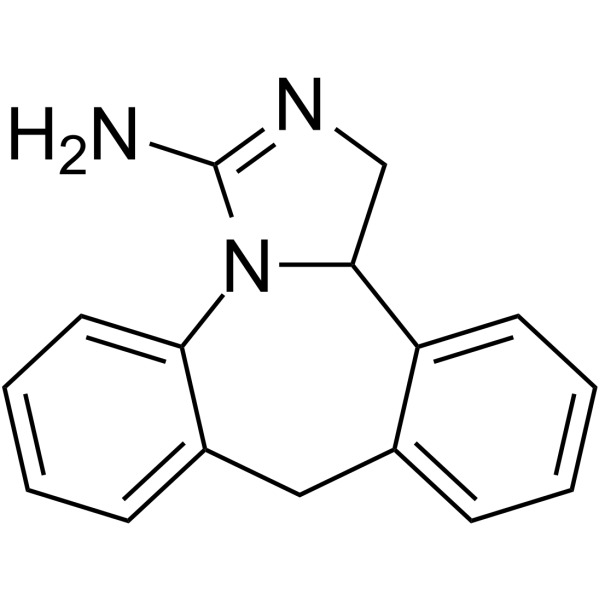
Cat. No.: HY-B0640
CAS No.: 80012-43-7
Synonyms: WAL801
Epinastine (WAL801) is a selective and orally active histamine H1 receptor antagonist, CD96/PVR inhibitor and mast cell stabilizer. Epinastine has high affinity for neuronal octopamine receptors in locusts (Ki = 2 nM) and honeybees (Ki = 1.1 nM). Epinastine hydrochloride inhibits TARC, IL-8, and IL-4. Epinastine activates anti-colon cancer immunity and inhibits Substance P (HY-P0201)-induced scratching behavior and increased vascular permeability. Epinastine can be used in the research of allergic diseases .
loading...
    loading...
Cat. No.: HY-W014180
CAS No.: 39145-52-3
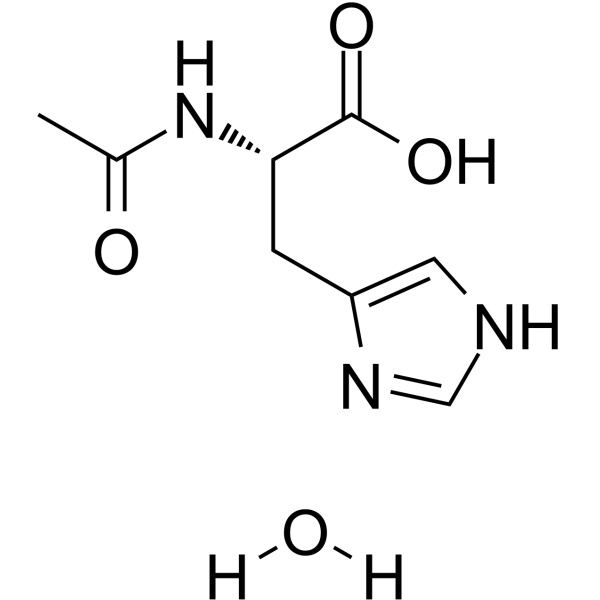
N-Acetyl-L-histidine monohydrate, a histidine derivative, is a prominent biomolecule in brain, retina and lens of poikilothermic vertebrates. N-Acetyl-L-histidine monohydrate has a role as an animal metabolite .
loading...
    loading...
Cat. No.: HY-B0640A
CAS No.: 108929-04-0
Synonyms: WAL801 hydrochloride
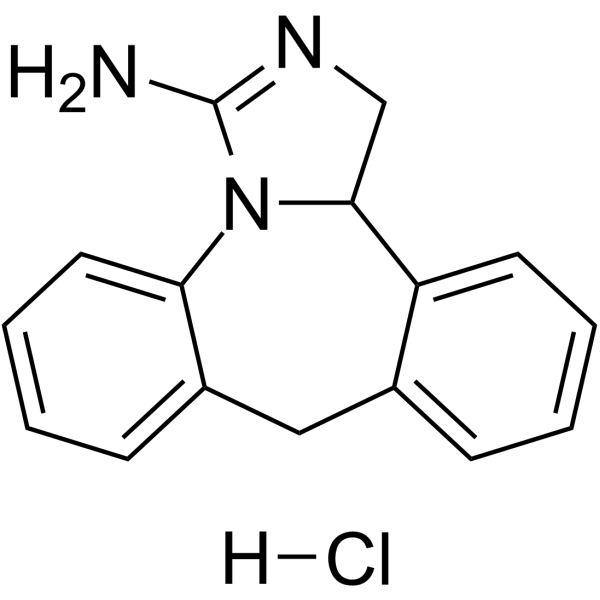
Epinastine hydrochloride (WAL801 hydrochloride) is a selective and orally active histamine H1 receptor antagonist, CD96/PVR inhibitor and mast cell stabilizer. Epinastine hydrochloride has high affinity for neuronal octopamine receptors in locusts (Ki = 2 nM) and honeybees (Ki = 1.1 nM). Epinastine hydrochloride inhibits TARC, IL-8, and IL-4. Epinastine hydrochloride activates anti-colon cancer immunity and inhibits Substance P (HY-P0201)-induced scratching behavior and increased vascular permeability. Epinastine hydrochloride can be used in the research of allergic diseases .
loading...
    loading...
Cat. No.: HY-N11287
CAS No.: 3616-06-6
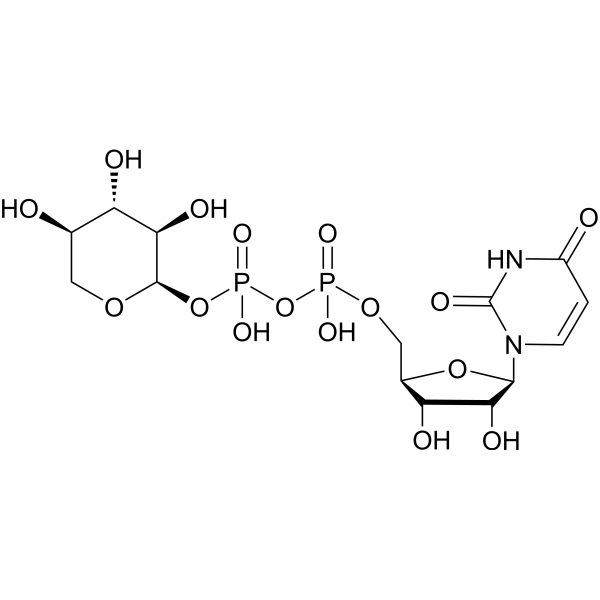
UDP-xylose is an endogenous sugar nucleotide and a catalytic substrate of UDP-xylose synthase (UXS). UDP-xylose is a sugar donor for the synthesis of glycoproteins, polysaccharides, various metabolites and oligosaccharides in plants, vertebrates and fungi, and participates in the synthesis of proteoglycans as a glycosyl donor. UDP-xylose participates in the regulation of the synthesis of extracellular matrix components and can be used to study the mechanism of proteoglycan biosynthesis in glycobiology and related diseases (such as connective tissue diseases)[1][2].
loading...
    loading...
Cat. No.: HY-113354S
CAS No.: 1201658-81-2
Purity:  99.38%
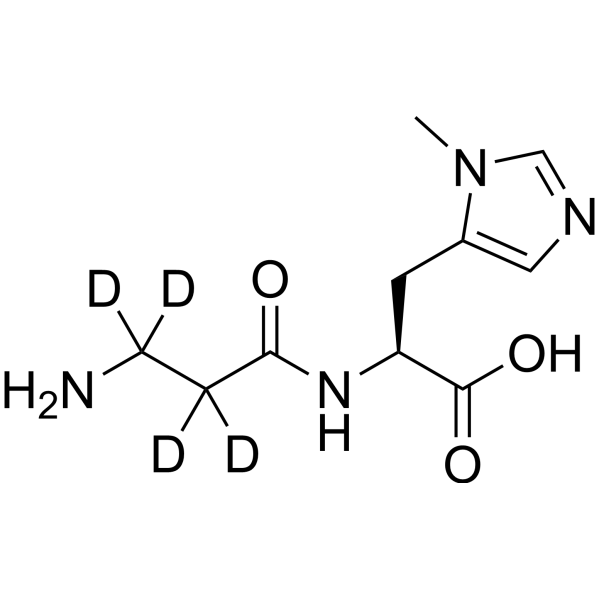
Anserine-d4 is the deuterium labeled Anserine. Anserine, a methylated form of Carnosine, is an orally active, natural Histidine-containing dipeptide found in skeletal muscle of vertebrates. Anserine is not cleaved by serum carnosinase and act as biochemical buffers, chelators, antioxidants, and anti-glycation agents. Anserine improves memory functions in Alzheimer's disease (AD)-model mice .
loading...
    loading...
Cat. No.: HY-P5763
CAS No.: 1415039-77-8
Synonyms: PNX-20
Research Areas:  

Neurological Disease

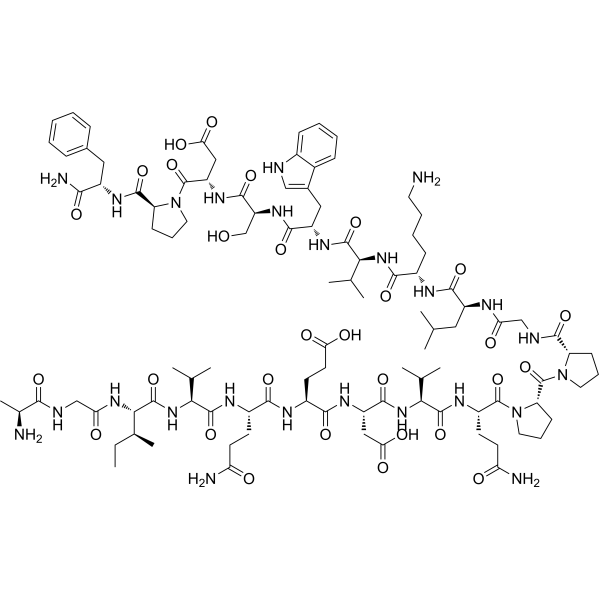
Phoenixin-20 (PNX-20) is a bioactive peptide with hormone-like actions in vertebrates, and can stimulates hypothalamo-pituitary-gonadal hormones and regulate reproductive processes in mammals. Phoenixin-20 promotes neuronal mitochondrial biogenesis via CREB-PGC-1α pathway. Phoenixin-20 has anxiolytic effect .
loading...
    loading...

