1. Search Result
Search Result
Results for "

weak bind

" in MedChemExpress (MCE) Product Catalog:

48

Inhibitors & Agonists

3

Fluorescent Dye

1

Biochemical Assay Reagents

4

Peptides

9

Natural
Products

5

Isotope-Labeled Compounds

1

Click Chemistry

Cat. No. Product Name Target Research Areas Chemical Structure
  • HY-112061
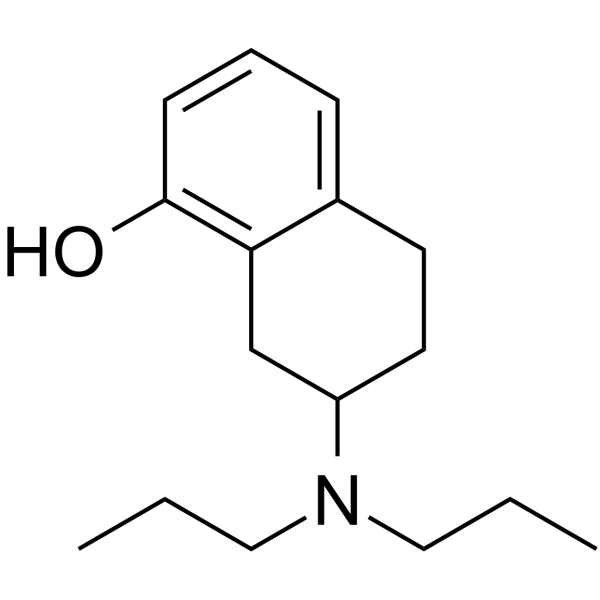
    8-OH-DPAT
    Maximum Cited Publications
    8 Publications Verification

    8-Hydroxy-DPAT

    5-HT Receptor Neurological Disease Metabolic Disease
    8-OH-DPAT is a potent, brain-penetrant and selective 5-HT agonist, with a pIC50 of 8.19 for 5-HT1A and a Ki of 466 nM for 5-HT7; 8-OH-DPAT weakly binds to 5-HT1B (pIC50, 5.42), 5-HT (pIC50 <5).
    8-OH-DPAT
  • HY-113329
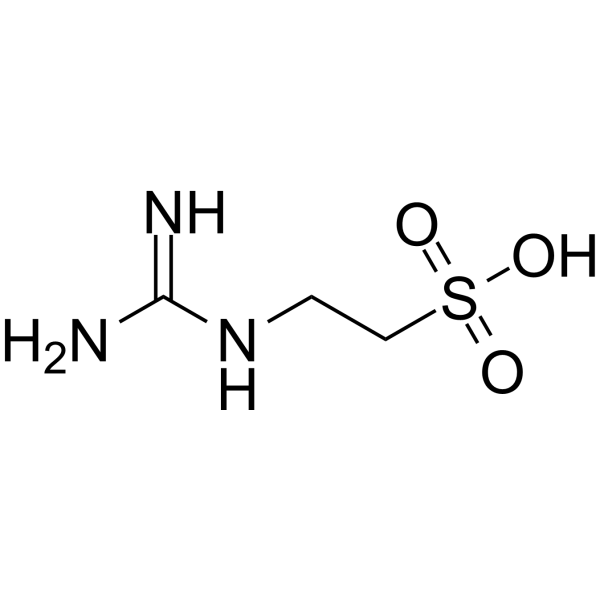
    Guanidinoethyl sulfonate
    5 Publications Verification

    Taurocyamine

    Endogenous Metabolite Metabolic Disease
    Guanidinoethyl sulfonate (Taurocyamine) is an orally available, blood-brain permeable competitive inhibitor of taurine transporters and a competitive antagonist of glycine receptors (GlyR) (IC50=565 μM). Guanidinoethyl sulfonate has both weak agonist and antagonist effects on GABAA receptors. Guanidinoethyl sulfonate inhibits taurine transmembrane transport and competitively binds to the GlyR ligand binding domain, thereby blocking glycine-mediated chloride influx, and may regulate brain pH to exert neuroprotective effects. Guanidinoethyl sulfonate can be used for neuroprotection studies of ischemic brain injury .
    Guanidinoethyl sulfonate
  • HY-111139
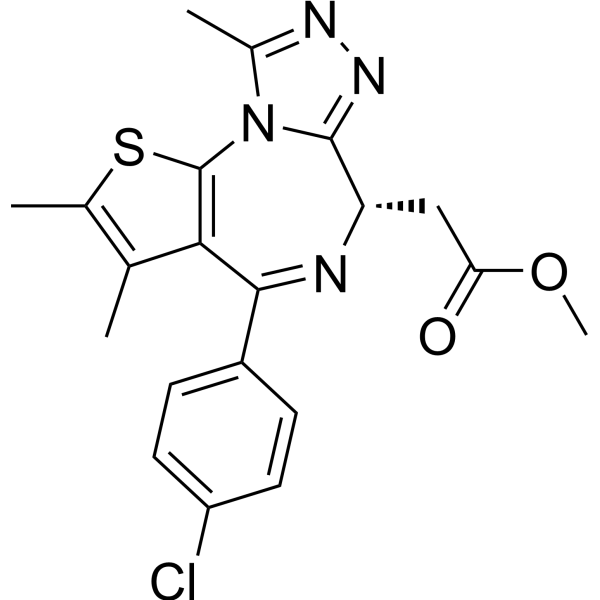
    MS417
    4 Publications Verification

    GTPL7512

    Epigenetic Reader Domain HIV Infection Inflammation/Immunology
    MS417 is a selective BET-specific BRD4 inhibitor, binds to BRD4-BD1 and BRD4-BD2 with IC50s of 30, 46 nM and Kds of 36.1, 25.4 nM, respectively, with weak selectivity at CBP BRD (IC50, 32.7 μM).
    MS417
  • HY-100542
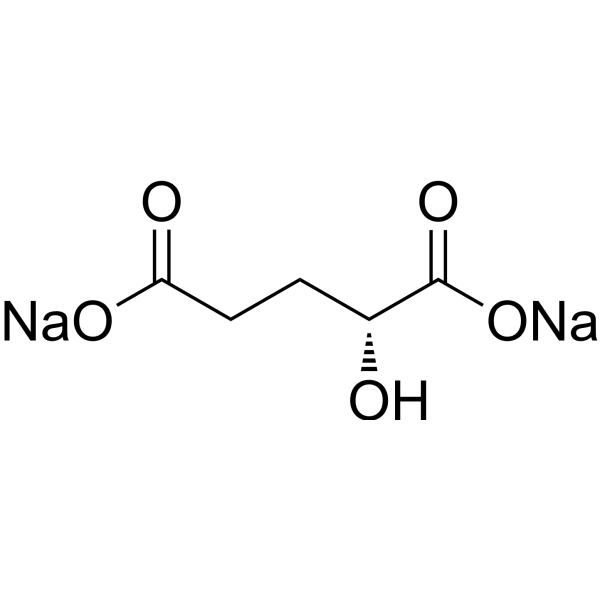
    D-α-Hydroxyglutaric acid disodium
    4 Publications Verification

    Disodium (R)-2-hydroxyglutarate

    Reactive Oxygen Species (ROS) ATP Synthase mTOR Endogenous Metabolite Neurological Disease Inflammation/Immunology Cancer
    D-α-Hydroxyglutaric acid disodium (Disodium (R)-2-hydroxyglutarate) is the principal metabolite accumulating in neurometabolic disease D-2-hydroxyglutaric aciduria. D-α-Hydroxyglutaric acid disodium is a weak competitive antagonist of α-ketoglutarate (α-KG) and inhibits multiple α-KG-dependent dioxygenases with a Ki of 10.87 mM. D-α-Hydroxyglutaric acid disodium increases reactive oxygen species (ROS) production. D-α-Hydroxyglutaric acid disodium binds and inhibits ATP synthase and inhibits mTOR signaling .
    D-α-Hydroxyglutaric acid disodium
  • HY-113038
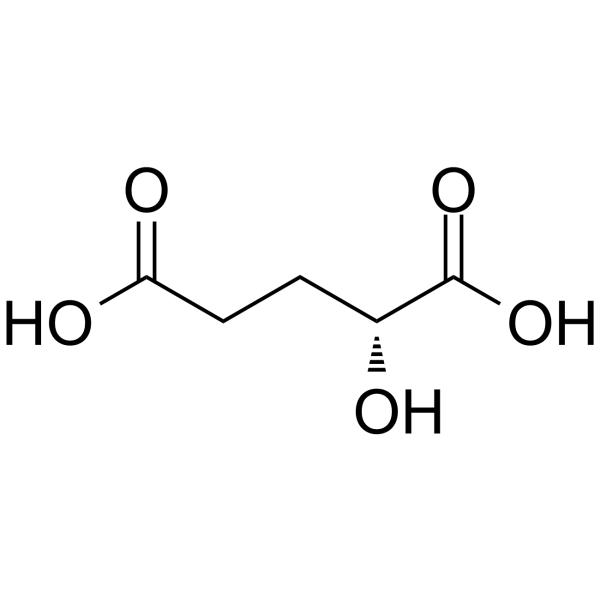
    D-α-Hydroxyglutaric acid
    4 Publications Verification

    (R)-2-Hydroxyglutarate; (R)-2-Hydroxyglutaric acid; (R)-2-Hydroxypentanedioic acid

    Reactive Oxygen Species (ROS) ATP Synthase mTOR Endogenous Metabolite Neurological Disease Inflammation/Immunology Cancer
    D-α-Hydroxyglutaric acid ((R)-2-Hydroxyglutarate) is the principal metabolite accumulating in neurometabolic disease D-2-hydroxyglutaric aciduria. D-α-Hydroxyglutaric acid is a weak competitive antagonist of α-ketoglutarate (α-KG) and inhibits multiple α-KG-dependent dioxygenases with a Ki of 10.87 mM. D-α-Hydroxyglutaric acid increases reactive oxygen species (ROS) production. D-α-Hydroxyglutaric acid binds and inhibits ATP synthase and inhibits mTOR signaling .
    D-α-Hydroxyglutaric acid
  • HY-111126
    K67
    1 Publications Verification

    p62 Keap1-Nrf2 Cancer
    K67 is a selective the interaction between Keap1 and S349 phosphorylated p62 inhibitor, with an IC50 of 1.5 μM. K67 has a weaker inhibitory effect on the interaction between Keap1 and Nrf2 (IC50 is 6.2 μM). K67 competitively binds to the binding site of Keap1 with p-p62, blocking the abnormal activation of the p62-dependent Nrf2 pathway. K67 inhibits tumor cell proliferation and enhances the sensitivity of hepatocellular carcinoma (HCC) to chemotherapeutic drugs by restoring Keap1-mediated ubiquitination and degradation of Nrf2 .
    K67
  • HY-131968
    BMS-986202
    1 Publications Verification

    JAK Cytochrome P450 Inflammation/Immunology
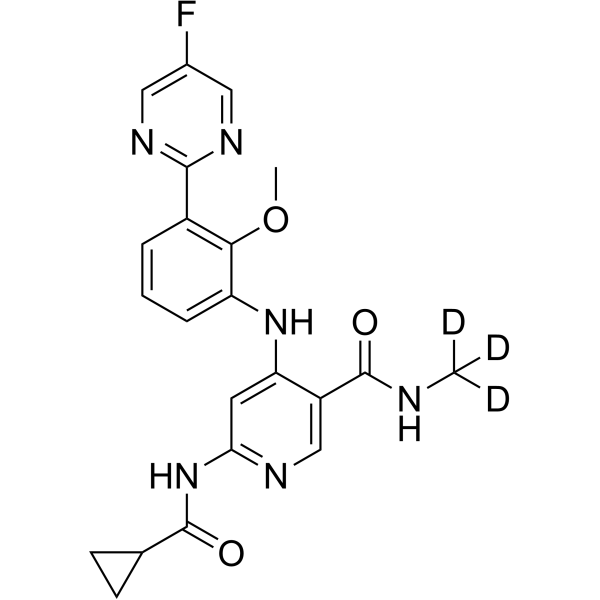
    BMS-986202 is a potent, selective and orally active Tyk2 inhibitor that binds to Tyk2 JH2 with an IC50 value of 0.19 nM and a Ki of 0.02 nM. BMS-986202 is remarkably selective over other kinases including Jak family members. BMS-986202 is also a weak inhibitor of CYP2C19 with an IC50 value of 14 μM. BMS-986202 can be used for IL-23-driven acanthosis, anti-CD40-induced colitis, and spontaneous lupus research. BMS-986202 is a de novo deuterium .
    BMS-986202
  • HY-130845A

    Ligands for E3 Ligase Ligands for Target Protein for PROTAC Androgen Receptor Cancer
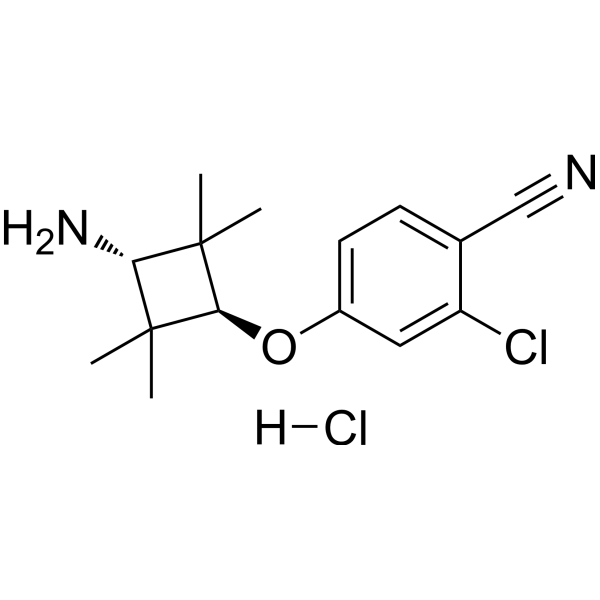
    AR antagonist 1 (compound 29) hydrochloride is a potent androgen receptor (AR) antagonist and binds to E3 ligase ligands with weak binding affinities to VHL protein in the synthesis of PROTAC ARD-266 (HY-133020) .
    AR antagonist 1 hydrochloride
  • HY-W250727
    TNS sodium
    1 Publications Verification

    6-(p-Tolylamino)naphthalene-2-sulfonate sodium

    Fluorescent Dye Others
    TNS (6-(p-Tolylamino) naphthalene-2-sulfonate) sodium is a fluorescent probe used to detect the conformational state of proteins. TNS sodium binds to the central hydrophobic calyx of β-lactoglobulin (β-LG) to form a 1:1 complex, which stabilizes the folded conformation of β-LG. TNS sodium shows weak fluorescent signals in aqueous solution, but its fluorescence intensity increases significantly upon binding to the hydrophobic domains of proteins, with the maximum excitation wavelength and maximum emission wavelength located at 321 nm and 446 nm, respectively .
    TNS sodium
  • HY-P6312

    MHC Inflammation/Immunology
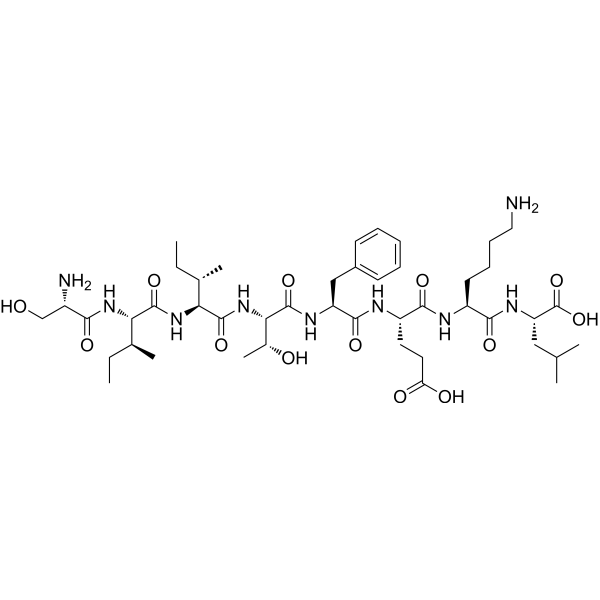
    ESAT6 Epitope is a ESAT6 CD4 + T cell epitope. ESAT6 Epitope binds to MHC class I molecules with an IC50 value of approximately 180 nM. ESAT6 Epitope has weak immunogenicity. ESAT6 Epitope can be used in studies related to pulmonary tuberculosis .
    ESAT6 Epitope
  • HY-D0947

    DNA Stain Others
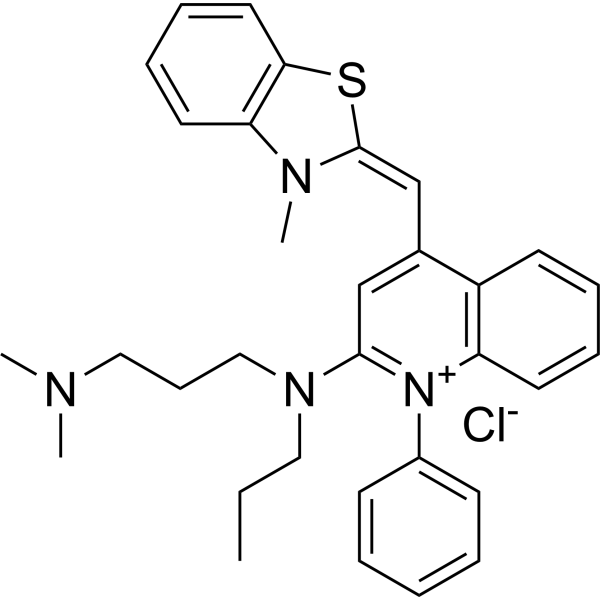
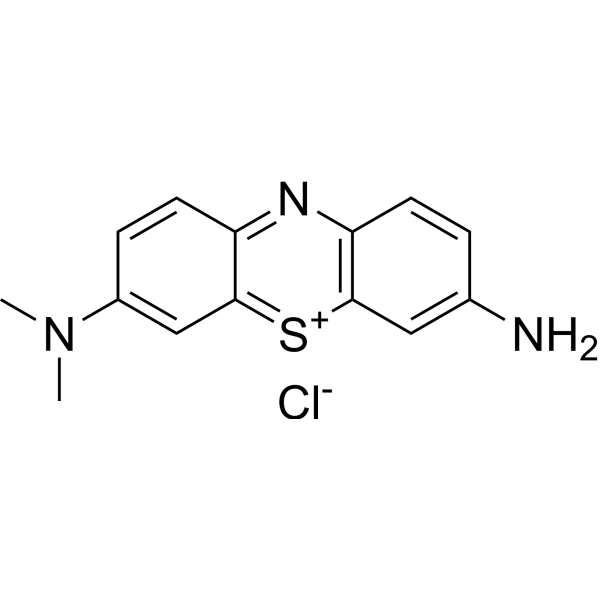
    Azure A chloride is a phenothiazine dye. Azure A chloride is an alternative DNA dye used for the separation of DNA and protein fragments in agarose gel electrophoresis and PAGE. Azure A chloride can be chemisorbed on the surface of mild steel according to the Langmuir adsorption isotherm to form a protective film. Azure A chloride binds to double-stranded DNA in a non-cooperative manner via weak intercalation, triggering molecular conformational disturbance, restricted rotational motion, and changes in optical activity .
    Azure A chloride
  • HY-111547

    HIF/HIF Prolyl-Hydroxylase Cancer
    M1001 is a weak hypoxia-inducible factor-2α (HIF-2α) agonist. M1001 can bind to the HIF-2α PAS-B domain, with a Kd of 667 nM. M1001 can be used in chronic kidney disease research .
    M1001
  • HY-D1191
    SYBR green I chloride
    3 Publications Verification

    Fluorescent Dye DNA/RNA Synthesis Others
    SYBR Green I chloride is a highly sensitive fluorescent nucleic acid dye that binds specifically to the minor groove of double-stranded DNA or intercalates between base pairs. SYBR Green I chloride exhibits weak fluorescence in the unbound state but emits bright fluorescence upon binding, and it preferentially binds to large-fragment DNA and DNA with high G+C content. SYBR Green I chloride is suitable for real-time PCR technology; its fluorescence intensity correlates with the amount and size of amplification products, enabling accurate quantification of gene expression and discrimination of amplicons via melting curve analysis without additional post-processing. SYBR Green I chloride is widely used in preclinical in vitro nucleic acid detection .
    SYBR green I chloride
  • HY-B0590A

    Ro 1-9569 Racemate

    Monoamine Transporter Dopamine Receptor Neurological Disease
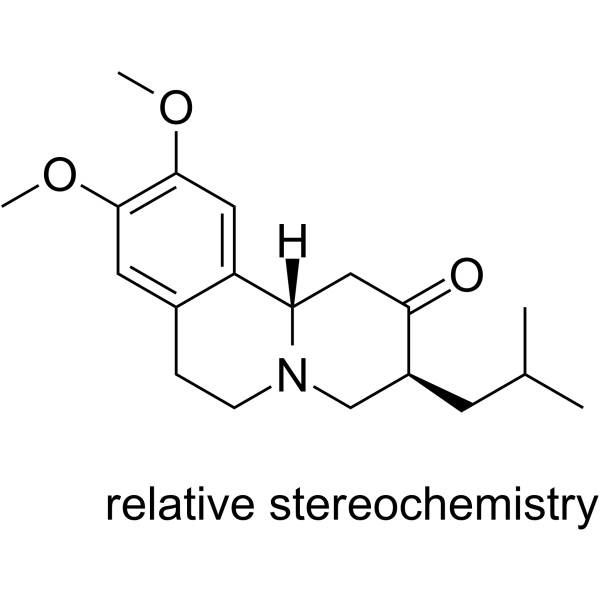
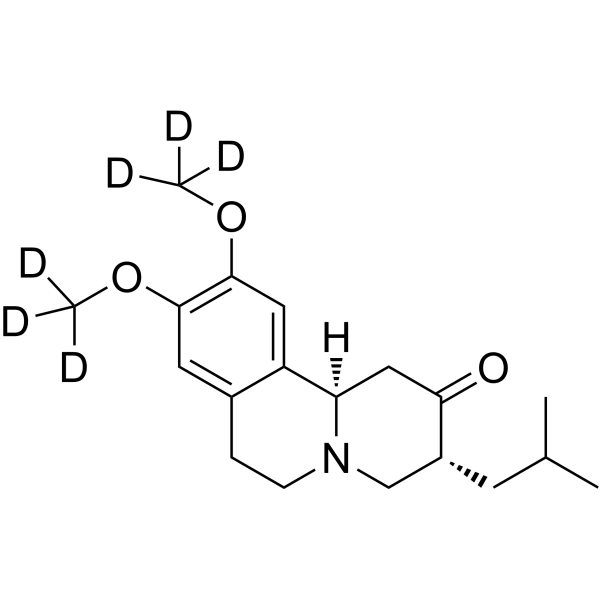
    Tetrabenazine (Ro 1-9569) Racemate is a brain-penetrant and orally active VMAT2-selective ligand with human VMAT2 Ki 100 nM. Tetrabenazine Racemate binds VMAT2 to block monoamine uptake into synaptic vesicles, potentiates cytoplasmic monoamine degradation. Tetrabenazine Racemate weakly blocks dopamine D2 receptors, and increases dopamine turnover via elevated cerebrospinal fluid homovanillic acid. Tetrabenazine Racemate can be used for the research of Huntington’s disease, tardive dyskinesia, and Tourette’s syndrome .
    Tetrabenazine Racemate
  • HY-169259

    HDAC DNA/RNA Synthesis Reactive Oxygen Species (ROS) Apoptosis Caspase p38 MAPK Cancer
    HDAC9-IN-1 is a selective class IIa HDAC inhibitor that binds to HDAC9 with an IC50 of 40 nM. HDAC9-IN-1 potently inhibits HDACs 4 and 7 while showing weak activity against HDAC6 (IC50 values: 180 nM (HDAC4), 190 nM (HDAC7), 970 nM (HDAC6)). HDAC9-IN-1 significantly inhibits several human cancer cells, induces apoptosis and DNA damage in human cancer cells, and modulates caspase-related proteins and p38 in human cancer cells. HDAC9-IN-1 can be used for the research of oral cancer, breast cancer, gastric cancer .
    HDAC9-IN-1
  • HY-148433

    Parasite Infection Inflammation/Immunology
    SpdSyn binder-1 is a weak binder, which binds in the active site of plasmodium falciparum spermidine synthase. SpdSyn binder-1 can be used for the research of malaria .
    SpdSyn binder-1
  • HY-118922

    TNF Receptor Neurological Disease Inflammation/Immunology Cancer
    IW927 is a photochemically enhanced TNF-α-TNFR1 interaction inhibitor that blocks the binding of TNF-α to TNFRc1 with an IC50 value of 50 nM. IW927 binds reversibly to the TNFRc1 with weak affinity (Kd = 40-100 μM), covalently modifies the receptor via a photochemical reaction, and does not bind the related cytokine receptors TNFRc2 or CD40. IW927 disrupts TNFα-induced IκB phosphorylation with an IC50 value of 600 nM. IW927 can be used to develop light-independent inhibitors .
    IW927
  • HY-113421

    Linoleic acid monoethanolamide

    Cannabinoid Receptor Neurological Disease
    Linoleoyl ethanolamide (Linoleic acid monoethanolamide) is classified as a fatty acid ethanolamide. Linoleoyl ethanolamide only weakly binds G-protein-coupled cannabinoid receptors of type-1(CB1)and CB2 receptors, and inhibits the binding of [3H]CP-55,940 with Kis of 10 and 25 μM, respectively. Linoleoyl ethanolamide is 4-fold less potent than anandamide at causing catalepsy in mice and it does not prolong sleep time .
    Linoleoyl ethanolamide
  • HY-N6648

    GABA Receptor Neurological Disease
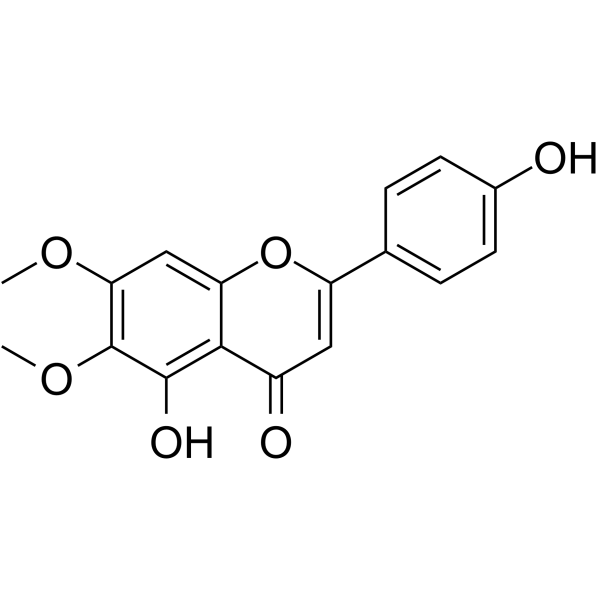
    Cirsimaritin binds weakly to the benzodiazepine site on GABAA receptors, with antidepressant, anxiolytic and antinociceptive activities.
    Cirsimaritin
  • HY-137709A
    2'2'-cGAMP disodium
    1 Publications Verification

    STING IFNAR Endogenous Metabolite Metabolic Disease
    2'2'-cGAMP disodium, a synthetic CDN, binds STING in the immune response, inducing IFN-β. 2'2'-cGAMP disodium binds weaker binding to STING than 2'3'-cGAMP (HY-100564) but stronger than other CDNs .
    2'2'-cGAMP disodium
  • HY-D1190

    RAR/RXR Others
    DC271 is a RAR agonist and synthetic retinoid that binds to the retinoid-binding site of cellular retinoic acid-binding protein II (CRBP-II). DC271 exhibits solvatochromic fluorescence properties: it produces intense blue-shifted emission in nonpolar environments and weak red-shifted emission in polar environments, and its severe fluorescence quenching in aqueous solutions can be reversed by embedding in the hydrophobic retinoid-binding protein pocket. DC271 enables direct detection of the binding between unlabeled compounds and related retinoid-binding proteins via fluorescence competition assays (Ex/Em = 355 nm/460 nm) .
    DC271
  • HY-W654003

    Disodium (R)-2-hydroxyglutarate-d5

    Reactive Oxygen Species (ROS) Neurological Disease Inflammation/Immunology Cancer
    D-α-Hydroxyglutaric acid-d5 disodium (Disodium (R)-2-hydroxyglutarate-d5) is the deuterium labeled D-α-Hydroxyglutaric acid disodium (HY-100542). D-α-Hydroxyglutaric acid disodium (Disodium (R)-2-hydroxyglutarate) is the principal metabolite accumulating in neurometabolic disease D-2-hydroxyglutaric aciduria. D-α-Hydroxyglutaric acid disodium is a weak competitive antagonist of α-ketoglutarate (α-KG) and inhibits multiple α-KG-dependent dioxygenases with a Ki of 10.87 mM. D-α-Hydroxyglutaric acid disodium increases reactive oxygen species (ROS) production. D-α-Hydroxyglutaric acid disodium binds and inhibits ATP synthase and inhibits mTOR signaling .
    D-α-Hydroxyglutaric acid-d5 disodium
  • HY-130581

    Bacterial Cardiovascular Disease Inflammation/Immunology
    Lipid X is a 2,3-diacylglucosamine-1-phosphate that serves as the monosaccharide precursor of lipid A, possessing both LPS antagonist and weak agonist activities. Lipid X exerts protective effects by inhibiting tumor necrosis factor production, monocyte procoagulant activity, and neutrophil priming. Lipid X may induce transient pulmonary hypertension, neutropenia, and mild pyrogenic effects in laboratory animals. Lipid X has low toxicity and no in vitro antibacterial activity, but it significantly reduces mortality following Gram-negative bacterial infection and endotoxin exposure. Lipid X tends to accumulate in liver tissue, binds to circulating cellular components, and can be converted to lipid Y through transesterification. Lipid X can be used in research on Gram-negative bacterial sepsis, endotoxemia, and associated pulmonary hypertension .
    Lipid X
  • HY-135096

    Serotonin Transporter 5-HT Receptor Histamine Receptor mAChR Adrenergic Receptor Sodium Channel Trk Receptor Neurological Disease
    Amitriptyline-d3 hydrochloride is the deuterium labeled Amitriptyline (hydrochloride). Amitriptyline hydrochloride is an inhibitor of serotonin reuptake transporter (SERT) and noradrenaline reuptake transporter (NET), with Kis of 3.45 nM and 13.3 nM for human SERT and NET, respectively. Amitriptyline hydrochloride also weakly binds to dopamine reuptake transporter (DAT) with a Ki of 2.58 μM. Amitriptyline hydrochloride also inhibits adrenergic, muscarinic, histamine and 5-HT receptors. Amitriptyline hydrochloride is a TrkA and TrkB receptors agonist with potent neurotrophic activity. Amitriptyline hydrochloride has antidepressant activity .
    Amitriptyline-d3 hydrochloride
  • HY-113421S

    Isotope-Labeled Compounds Cannabinoid Receptor Neurological Disease
    Linoleoyl ethanolamide-d4 is a deuterated labeled Linoleoyl ethanolamide . Linoleoyl ethanolamide (Linoleic acid monoethanolamide) is classified as a fatty acid ethanolamide. Linoleoyl ethanolamide only weakly binds G-protein-coupled cannabinoid receptors of type-1(CB1)and CB2 receptors, and inhibits the binding of [3H]CP-55,940 with Kis of 10 and 25 μM, respectively. Linoleoyl ethanolamide is 4-fold less potent than anandamide at causing catalepsy in mice and it does not prolong sleep time .
    Linoleoyl ethanolamide-d4
  • HY-113329R

    Taurocyamine (Standard)

    Endogenous Metabolite Reference Standards Metabolic Disease
    Guanidinoethyl sulfonate (Standard) is the analytical standard of Guanidinoethyl sulfonate. This product is intended for research and analytical applications. Guanidinoethyl sulfonate is an orally available, blood-brain permeable competitive inhibitor of taurine transporters and a competitive antagonist of glycine receptors (GlyR) (IC50=565 μM). Guanidinoethyl sulfonate has both weak agonist and antagonist effects on GABAA receptors. Guanidinoethyl sulfonate inhibits taurine transmembrane transport and competitively binds to the GlyR ligand binding domain, thereby blocking glycine-mediated chloride influx, and may regulate brain pH to exert neuroprotective effects. Guanidinoethyl sulfonate can be used for neuroprotection studies of ischemic brain injury .
    Guanidinoethyl sulfonate (Standard)
  • HY-137709

    STING IFNAR Endogenous Metabolite Metabolic Disease
    2'2'-cGAMP, a synthetic CDN, binds STING in the immune response, inducing IFN-β. 2'2'-cGAMP binds weaker binding to STING than 2'3'-cGAMP (HY-100564) but stronger than other CDNs .
    2'2'-cGAMP
  • HY-W142258

    Parasite Infection
    6-Undecanone is a ligand of Odorant-binding protein 22 (OBP22) with a weak bind capacity. -Undecanone can be used as a negative control for Aedes aegypti mosquito infection research .
    6-Undecanone
  • HY-130845

    Ligands for E3 Ligase Ligands for Target Protein for PROTAC Cancer
    AR antagonist 1 (compound 29) is a potent androgen receptor (AR) antagonist and binds to E3 ligase ligands with weak binding affinities to VHL protein in the synthesis of PROTAC ARD-266 (HY-133020).
    AR antagonist 1
  • HY-106827

    RU 27987

    Progesterone Receptor Androgen Receptor Phosphatase Endocrinology
    Trimegestone (RU 27987) is an orally active 19-norpregnane progestin. Trimegestone binds to progesterone receptor (PR) with an IC50 value of 3.3 nM (rat PR). Trimegestone increases alkaline phosphatase activity (EC50=0.1 nM) but not luciferase activity. Trimegestone also shows a weak antiandrogenic activity (weak androgen receptor affinity). Trimegestone can be used in studies of contraception or menopausal syndromes .
    Trimegestone
  • HY-P11354

    TGF-β Receptor Apoptosis Interleukin Related Integrin Cadherin Inflammation/Immunology
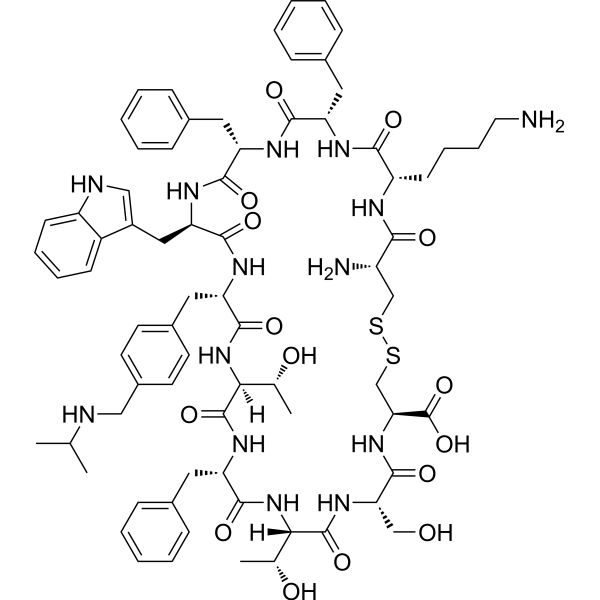
    THR-123 is an orally active ALK3 peptide agonist. THR-123 has a relatively weak binding to ALK2, but does not bind to ALK6. THR-123 suppresses inflammation, apoptosis and the epithelial-to-mesenchymal transition program and reverses established fibrosis in five mouse models of acute and chronic renal injury. THR-123 can be used for the study of kidney fibrosis .
    THR-123
  • HY-179109

    Eukaryotic Initiation Factor (eIF) Others
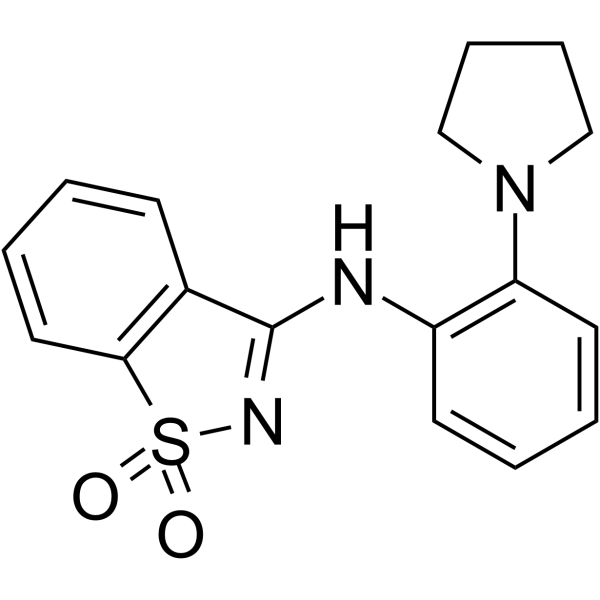
    EIF2B-IN-1 (Compound A) is an eIF2B inhibitor. EIF2B-IN-1 binds eIF2B. EIF2B-IN-1 stabilises the eIF2B decamer and favours inhibitory eIF2B:eIF2(αP) complex formation. EIF2B-IN-1 exhibits weak displacement of ISRIB. EIF2B-IN-1 can be used in the research of integrated stress responses .
    EIF2B-IN-1
  • HY-P11354A

    TGF-β Receptor Apoptosis Interleukin Related Integrin Cadherin Inflammation/Immunology
    THR-123 TFA is an orally active ALK3 peptide agonist. THR-123 TFA has a relatively weak binding to ALK2, but does not bind to ALK6. THR-123 TFA suppresses inflammation, Apoptosis and the epithelial-to-mesenchymal transition program and reverses established fibrosis in five mouse models of acute and chronic renal injury. THR-123 TFA can be used for the study of kidney fibrosis .
    THR-123 TFA
  • HY-174301

    Deubiquitinase DNA Methyltransferase MDM-2/p53 Cancer
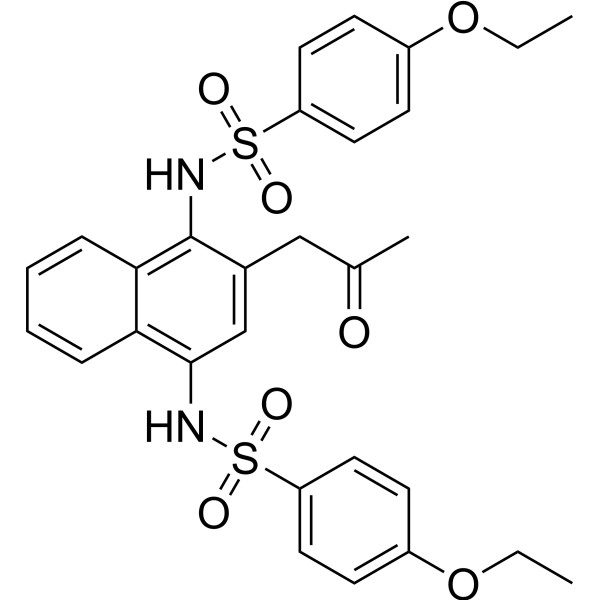
    USP7-IN-18 is a naphthalene derivative. USP7-IN-18 is a selective USP7 inhibitor (IC50 : 130.9 nM), with no or very weak inhibition of the other 8 DUBs including USP47. USP7-IN-18 specifically binds to the catalytic domain of USP7, blocking its deubiquitinase activity. USP7-IN-18 causes degradation of the oncogenic proteins MDM2 and DNMT1, and also degrades the novel target PCLAF. USP7-IN-18 activates the p53-p21 pathway. USP7-IN-18 exerts anti-tumor effects in colon cancer animal models and reshapes the tumor immune microenvironment. USP7-IN-18 achieves both direct cytotoxic and immune-synergistic anti-tumor actions.
    USP7-IN-18
  • HY-117475

    Thyroid Hormone Receptor Endocrinology
    N-Acetylthyroxine is a thyroid hormone analogue. N-Acetylthyroxine weakly binds to thyroxine-binding globulin (TBG) in isolated human serum .
    N-Acetylthyroxine
  • HY-168368

    Cannabinoid Receptor Others
    exo-Tetrahydrocannabivarin (Compound 12) is a Δ 9,11-THC analogue. exo-Tetrahydrocannabivarin weakly binds to cannabinoid receptors (CB) (IC50: 1.4 μM). exo-Tetrahydrocannabivarin is active on both motor and analgesic aspects in mice .
    exo-Tetrahydrocannabivarin
  • HY-106827S1

    RU 27987-13C,d3

    Androgen Receptor Phosphatase Progesterone Receptor Isotope-Labeled Compounds Endocrinology
    Trimegestone- 13C,d3 is 13C and deuterated labeled Trimegestone (HY-106827). Trimegestone (RU 27987) is an orally active 19-norpregnane progestin. Trimegestone binds to progesterone receptor (PR) with an IC50 value of 3.3 nM (rat PR). Trimegestone increases alkaline phosphatase activity (EC50=0.1 nM) but not luciferase activity. Trimegestone also shows a weak antiandrogenic activity (weak androgen receptor affinity). Trimegestone can be used in studies of contraception or menopausal syndromes .
    Trimegestone-13C,d3
  • HY-121149B

    (E/Z)-3-Hydroxytamoxifen

    Estrogen Receptor/ERR Apoptosis Cancer
    (E/Z)-Droloxifene is a mixture of (E)-droloxifene (a selective estrogen receptor modulator) and (Z)-droloxifene. (E)-Droloxifene binds to the estrogen receptor (ER) with an IC50 value of 24 nM in rabbit uterine homogenates. (E)-Droloxifene increases uterine weight in immature rats, and reduces estradiol-induced increases in uterine weight in juvenile rats. (E)-Droloxifene also inhibits 17β-estradiol-stimulated growth of MCF-7, ZR-75-1, and T47D human breast cancer cells. (Z)-Droloxifene binds weakly to ER and has no estrogenic or antiestrogenic activity .
    (E/Z)-Droloxifene
  • HY-134055

    Arachidonic acid-N,N-dimethyl amide

    Cannabinoid Receptor Metabolic Disease
    Anandamide (AEA) is an endogenous cannabinoid that binds to both central cannabinoid (CB1) and peripheral cannabinoid (CB2) receptors. The biological actions of AEA are terminated by cellular uptake and hydrolysis of the amide bond by the enzyme fatty acid amide hydrolase. Arachidonoyl-N,N-dimethyl amide is an analog of anandamide that exhibits weak or no binding to the human central cannabinoid (CB1) receptor (Ki >1 μM). It inhibits rat glial gap junction cell-cell communication 100% at a concentration of 50 μM.
    Arachidonoyl-N,N-dimethyl amide
  • HY-112061R

    8-Hydroxy-DPAT (Standard)

    5-HT Receptor Reference Standards Neurological Disease
    8-OH-DPAT (Standard) is the analytical standard of 8-OH-DPAT. This product is intended for research and analytical applications. 8-OH-DPAT is a potent and selective 5-HT agonist, with a pIC50 of 8.19 for 5-HT1A and a Ki of 466 nM for 5-HT7; 8-OH-DPAT weakly binds to 5-HT1B (pIC50, 5.42), 5-HT (pIC50 <5).
    8-OH-DPAT (Standard)
  • HY-W779800

    Isotope-Labeled Compounds Endogenous Metabolite Reactive Oxygen Species (ROS) mTOR ATP Synthase Neurological Disease
    D-α-Hydroxyglutaric acid- 13C5 disodium is the 13C-labeled D-α-Hydroxyglutaric acid (HY-113038). D-α-Hydroxyglutaric acid ((R)-2-Hydroxyglutarate) is the principal metabolite accumulating in neurometabolic disease D-2-hydroxyglutaric aciduria. D-α-Hydroxyglutaric acid is a weak competitive antagonist of α-ketoglutarate (α-KG) and inhibits multiple α-KG-dependent dioxygenases with a Ki of 10.87 mM. D-α-Hydroxyglutaric acid increases reactive oxygen species (ROS) production. D-α-Hydroxyglutaric acid binds and inhibits ATP synthase and inhibits mTOR signaling .
    D-α-Hydroxyglutaric acid-13C5 disodium
  • HY-100542R

    Disodium (R)-2-hydroxyglutarate (Standard)

    Reference Standards Reactive Oxygen Species (ROS) ATP Synthase mTOR Endogenous Metabolite Neurological Disease Inflammation/Immunology Cancer
    D-α-Hydroxyglutaric acid (disodium) (Standard) is the analytical standard of D-α-Hydroxyglutaric acid (disodium). This product is intended for research and analytical applications. D-α-Hydroxyglutaric acid disodium (Disodium (R)-2-hydroxyglutarate) is the principal metabolite accumulating in neurometabolic disease D-2-hydroxyglutaric aciduria. D-α-Hydroxyglutaric acid disodium is a weak competitive antagonist of α-ketoglutarate (α-KG) and inhibits multiple α-KG-dependent dioxygenases with a Ki of 10.87 mM. D-α-Hydroxyglutaric acid disodium increases reactive oxygen species (ROS) production. D-α-Hydroxyglutaric acid disodium binds and inhibits ATP synthase and inhibits mTOR signaling .
    D-α-Hydroxyglutaric acid disodium (Standard)
  • HY-N6648R

    GABA Receptor Reference Standards Neurological Disease
    Cirsimaritin (Standard) is the analytical standard of Cirsimaritin (HY-N6648). This product is intended for research and analytical applications. Cirsimaritin binds weakly to the benzodiazepine site on GABAA receptors, with antidepressant, anxiolytic and antinociceptive activities.
    Cirsimaritin (Standard)
  • HY-204388

    iGluR Calcium Channel Neurological Disease
    TAK-137 is an AMPA receptor potentiator with weak agonistic effect. TAK-137 binds to the AMPA receptor ligand binding domain in a glutamate-dependent manner. TAK-137 potentiates AMPA-induced currents and Ca 2+ influx. TAK-137 can be used for the research of neurological disease .
    TAK-137
  • HY-181085

    DYRK Neurological Disease Inflammation/Immunology Cancer
    RD0448 is a potent inhibitor of DYRK1A, DYRK1B, and DYRK2. RD0448 selectively targets the non-native (folded intermediate) state of DYRK1A and DYRK1B. The binding site of RD0448 is hidden in the native state of DYRK1A and DYRK1B, and as a stabilizing binder, it binds tightly to both DYRK1A and DYRK1B, forming a stable complex with slow dissociation kinetics. In contrast, RD0448 targets the native state of DYRK2 without selectivity between its native and non-native states, acting as a weak binder with weaker binding affinity to DYRK2 and forming a rapidly dissociating complex .
    RD0448
  • HY-168992A

    Histone Methyltransferase Others
    UNC6535 TFA is a covalent ligand targeting the triple Tudor domain (3TD) of SETDB1. UNC6535 TFA reversibly binds to the aromatic cages of both TD2 and TD3 within SETDB1 3TD simultaneously, weakly inhibits the methyltransferase activity of SETDB1, and displaces the H3K9Me2K14Ac peptide from SETDB1 3TD .
    UNC6535 TFA
  • HY-186052

    Nuclear Factor of activated T Cells (NFAT) Inflammation/Immunology
    4-M-HMBPP is a weak agonist for Vγ9Vδ2 T cell activation and a potent competitive inhibitor of HMBPP. 4-M-HMBPP binds to BTN3A1 with high affinity (KD: 26.2 μM), but fails to induce its complex formation with BTN2A1. 4-M-HMBPP can be used in studies on γδ T cell activation .
    4-M-HMBPP
  • HY-W399025

    Opioid Receptor Arrestin Neurological Disease
    ID110460001 is a full agonist of μ-opioid receptor and an agonist of δ-opioid receptor. ID110460001 exhibits high intrinsic efficacy for G protein pathway activation of μ-opioid receptor, and this property is not affected by the reduction in receptor quantity. ID110460001 acts only as a very weak partial agonist in the β-arrestin-2 pathway of both receptors, and binds to μ-opioid receptor via a specific mode. The efficacy of ID110460001 in the G protein pathway of δ-opioid receptor is sensitive to changes in receptor quantity. ID110460001 can be used in pain-related research .
    ID110460001

Inquiry Online

Your information is safe with us. * Required Fields.

Salutation


Country or Region *

Applicant Name *


Organization Name *

Department *


Email Address *


Product Name *

Cat. No.


Requested quantity *

Phone Number *


Remarks

Inquiry Online

Inquiry Information

Product Name:
Cat. No.:
Quantity:
MCE Japan Authorized Agent:

