



Autophagy
Autophagy is a conserved cellular degradation and recycling process in the lysosome. In mammalian cells, there are three primary types of autophagy: microautophagy, macroautophagy, and chaperone-mediated autophagy (CMA). Microphagy captures cargoes by means of invaginations or protrusions of the lysosomal membrane directly, CMA uses chaperones to identify cargo proteins and then unfolds and transfers them into the lysosomal, while macroautophagy sequesters cargo by autophagosomes-de novo synthesized of double-membrane vesicles-and subsequently transport it to the lysosome.
Macroautophagy is the best studied and it occurs at a low level constitutively and can also be further induced under stress conditions, such as nutrient or energy starvation with a salient feature of autophagy protein degradation. Stress-induced macrophagy plays an important role in protein catabolism with another key protein degradation pathway, the ubiquitin–proteasome system (UPS).
As the study progressed, autophagy gains its importance under basal, nutrient-rich conditions, and is now recognized as a critical housekeeping pathway in catabolism of diverse cellular constituents, such as protein aggregates (aggrephagy), lipid droplets (lipophagy), iron complex (Ferritinophagy) and carbohydrate. Except for macromolecules, autophagy can also target several organelles and structures, such as mitochondria (mitophagy), peroxisome (pexophagy), endoplasmic reticulum (reticulophagy or ER-phagy), ribosome (ribophagy), spermatozoon-inherited organelles following fertilization (allophagy), secretory granules within pancreatic cells (zymophagy) and intracellular pathogens (xenophagy).
Autophagy and its dysfunction are associated with a variety of human pathologies, including ageing, cancer, neurodegenerative disease, heart disease and metabolic diseases, such as diabetes. Plenty of drugs and natural products are involved in autophagy modulation through multiple signaling pathways. Small molecules that can regulate autophagy seem to have great potential to intervene such diseases in animal models or clinical courses.
All Product Categories
-
Autophagy Inhibitors
(470)
View all products
-
Autophagy Agonists
(6)
View all products
-
Autophagy Activators
(119)
View all products
-
Autophagy Modulators
(59)
View all products
-
Autophagy Chemicals
(2)
View all products
-
Autophagy Inducers
(2165)
View all products
-
Autophagy Controls
(5)
View all products
-
Autophagy Ligand
(1)
View all products
-
Autophagy Related Products (3360)
Related Products (3360)

-
Antibodies (31)
-
Autophagy Signaling Pathway
-
Etoposide-13C,d3
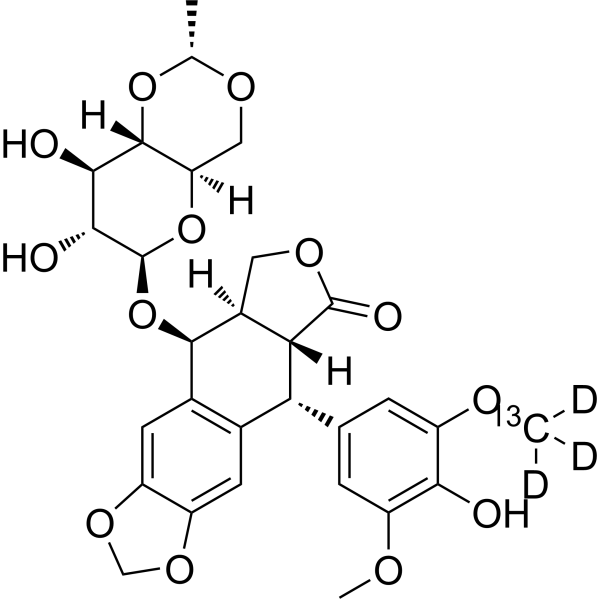 0 ImagesCat. No.: HY-13629S1Synonyms: VP-16-13C,d3; VP-16-213-13C,d3Etoposide-13C,d3 is the 13C- and deuterium labeled Etoposide. Etoposide (VP-16; VP-16-213) is an anti-cancer chemotherapy agent. Etoposide inhibits topoisomerase II, thus stopping DNA replication. Etoposide induces cell cycle arrest, apoptosis and autophagy.
-
Panobinostat-d4 hydrochloride
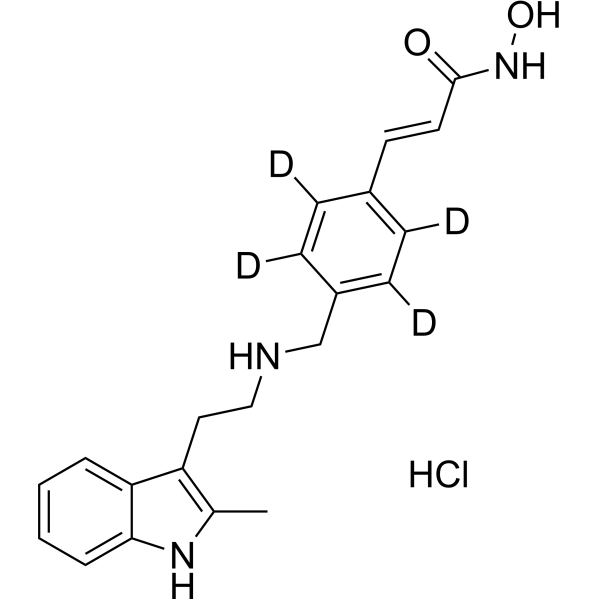 0 ImagesCat. No.: HY-10224S1Synonyms: LBH589-d4 hydrochloride; NVP-LBH589-d4 hydrochloridePanobinostat-d4 (hydrochloride) is deuterium labeled Panobinostat. Panobinostat (LBH589; NVP-LBH589) is a potent and orally active non-selective HDAC inhibitor, and has antineoplastic activities[1][2]. Panobinostat induces HIV-1 virus production even at low concentration range 8-31 nM, stimulates HIV-1 expression in latently infected cells[4]. Panobinostat induces cell apoptosis and autophagy. Panobinostat can be used for the study of refractory or relapsed multiple myeloma[3].
-
BKN-1
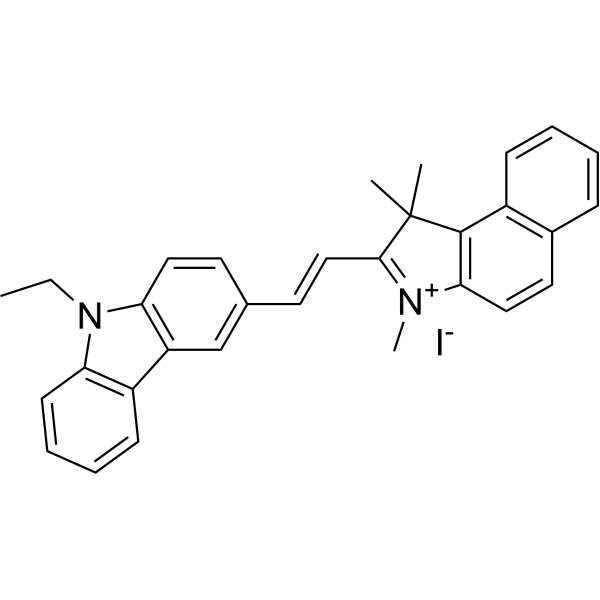 0 ImagesCat. No.: HY-162084CAS No.: 1607831-82-2BKN-1 is a bifunctional ligand that can not only track the formation of mtG4s (G-quadruplexes, four-stranded DNA structures containing Hoogsteen bonds) through far-red emission, but can also induce mitochondrial dysfunction. BKN-1 has anti-tumor activity and may cause mtDNA loss, damage mitochondrial integrity, reduce ATP levels, and trigger ROS imbalance, leading to apoptosis and autophagy.

-
TBC1D2-IN-2
 0 ImagesCat. No.: HY-187218TBC1D2-IN-2 is an orally potent TBC1D2 inhibitor that binds to the TBC1D2 PH domain with a KD of 0.4 μM. TBC1D2-IN-2 induces autophagic cell death by reducing TBC1D2 protein levels, promoting RAB7A aggregation and enhancing autophagy. TBC1D2-IN-2 can be used in the research of hepatocellular carcinoma.
-
Omeprazole-d3-1
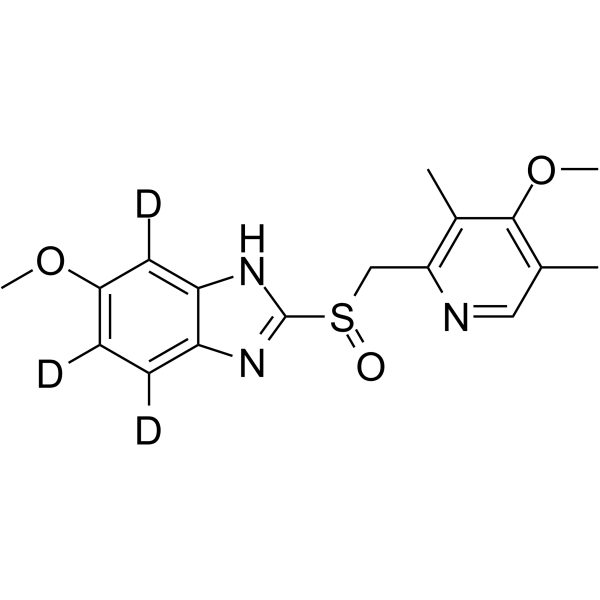 0 ImagesCat. No.: HY-B0113S1CAS No.: 934293-92-2Synonyms: H 16868-d3-1Omeprazole-d3-1 is the deuterium labeled Omeprazole. Omeprazole-1 (H 16868) is an orally active H+,K+-ATPase inhibitor and a proton pump inhibitor. Omeprazole-1 competitively inhibits CYP2C19, CYP3A4, and CYP2C9 activity. Omeprazole-1 inhibits gastric acid secretion and can be used for acid-related gastrointestinal disorders. Omeprazole-1 inhibits pancreatic cancer cell proliferation, induces apoptosis, autophagosome accumulation (elevated LC3-I and LC3-II levels), oxidative stress, and cytogenetic imbalance, modulates lysosomal transport, reduces inflammatory cytokines. Omeprazole-1 alters small intestinal morphology and magnesium absorption, and induces gastric mucosa morphologic changes. Omeprazole-1 aslo has neuroprotective and antibacterial effects.
-
Lasalocid (Standard)
 0 ImagesCat. No.: HY-B1071RCAS No.: 25999-31-9Synonyms: Lasalocid-A (Standard); Ionophore X-537A (Standard); Antibiotic X-537A (Standard)Lasalocid (Standard) is the analytical standard of Lasalocid. This product is intended for research and analytical applications. Lasalocid (Lasalocid-A) is an antibacterial and anticoccidial agent that can be used as feed additives. Lasalocid exhibits antitumor activity. Lasalocid is orally active.
-
Spironolactone-d3-1
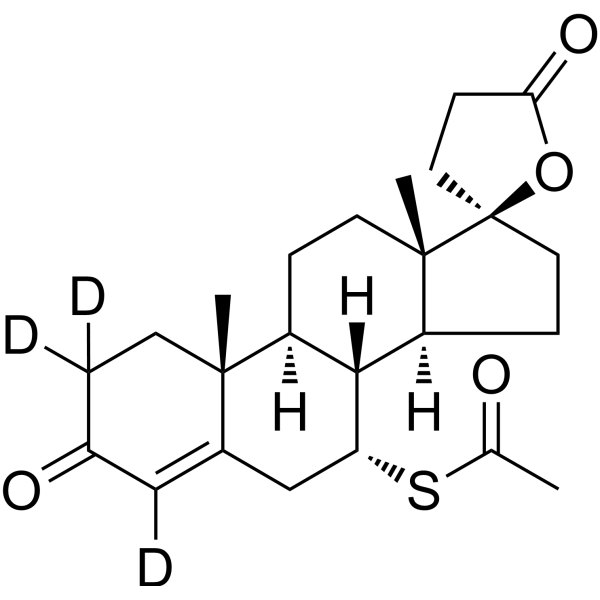 0 ImagesCat. No.: HY-B0561S2Synonyms: SC9420-d3-1Spironolactone-d3-1 is deuterium labeled Spironolactone. Spironolactone (SC9420) is an orally active aldosterone mineralocorticoid receptor antagonist with an IC50 of 24 nM. Spironolactone is also a potent antagonist of androgen receptor with an IC50 of 77 nM. Spironolactone promotes autophagy in podocytes.
-
Mcl1 Degrader-1
 0 ImagesCat. No.: HY-184160Mcl1 Degrader-1 is an autophagy-targeting chimera (AUTAC) that selectively degrades the Mcl1 protein. Mcl1 Degrader-1 mediates K63 ubiquitination of Mcl1 via TRAF6/UBC13, transports it to autolysosomes for degradation through p62/SQSTM1, and activates Beclin1-dependent autophagy. Mcl1 Degrader-1 can be used in studies related to multiple myeloma and non-small cell lung cancer.
-
Schisandrin A (Standard)
 0 ImagesSynonyms: Schizandrin-A (Standard); Wuweizisu-A (Standard); Deoxyschizandrin (Standard)Schisandrin A (Standard) is the analytical standard of Schisandrin A. This product is intended for research and analytical applications. Schisandrin A inhibits CYP3A activity with an IC50 of 6.60 μM and Ki of 5.83 μM, respectively.
-
Olanzapine-d8
 0 ImagesCat. No.: HY-14541S2CAS No.: 1093380-13-2Synonyms: LY170053-d8Olanzapine-d8 is a deuterated labeled Olanzapine. Olanzapine (LY170053) is a selective, orally active monoaminergic antagonist with high affinity binding to serotonin H1, 5HT2A/2C, 5HT3, 5HT6 (Ki=7, 4, 11, 57, and 5 nM, respectively), dopamine D1-4 (Ki=11 to 31 nM), muscarinic M1-5 (Ki=1.9-25 nM), and adrenergic α1 receptor (Ki=19 nM). Olanzapine is an atypical antipsychotic.
-
MRT67307 dihydrochloride
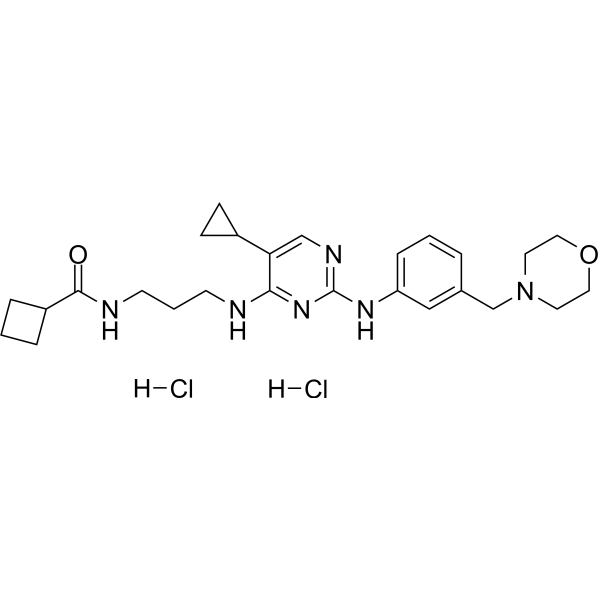 0 ImagesCat. No.: HY-13018BCAS No.: 1781882-89-0
-
IKKβ-IN-5
 0 ImagesCat. No.: HY-180119IKKβ-IN-5 is an orally active and selective IKKβ inhibitor with an IC50 of 7.5 nM. IKKβ-IN-5 directly inhibits IKKβ phosphorylation and attenuates NF κB mediated inflammatory and survival signals while promoting autophagy flux. IKKβ-IN-5 exhibits a 6-fold selectivity forIKKβ over the homologous kinase IKKα. IKKβ-IN-5 exerts robust antiproliferative effects through a dual mechanism involving G₂/M phase cell cycle arrest and autophagy activation, even under inflammatory stimulation in vitro. IKKβ-IN-5 demonstrates favorable pharmacokinetics and suppresses tumor growth in vivo. IKKβ-IN-5 can be used for colorectal cancer and potentially other inflammation driven malignancies research.
-
Calmodulin-Dependent Protein Kinase II (290-309)
 0 ImagesCat. No.: HY-P1479CAS No.: 115044-69-4
-
Indomethacin farnesil
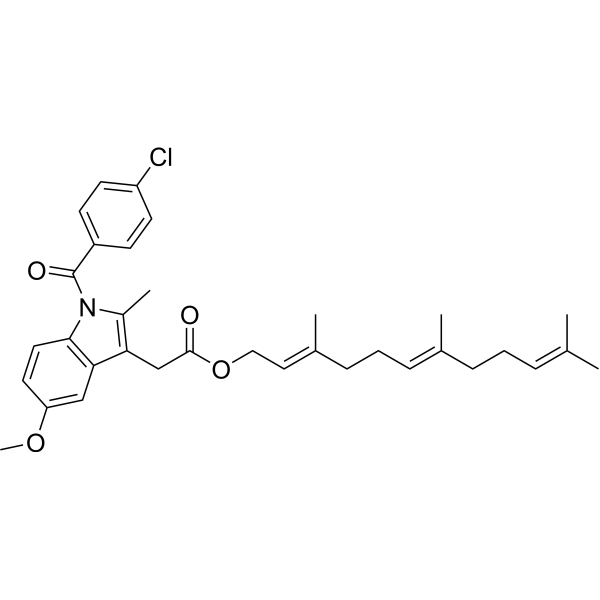 0 ImagesCat. No.: HY-111274CAS No.: 85801-02-1Synonyms: Indometacin farnesilIndomethacin farnesil is an orally active proagent of Indomethacin. Indomethacin (Indometacin) is a potent, blood-brain permeable and nonselective inhibitor of COX1 and COX2, with IC50s of 18 nM and 26 nM for human COX-1 and COX-2, respectively, in CHO cells. Indomethacin disrupts autophagic flux by disturbing the normal functioning of lysosomes.
-
GP130-IN-1
 0 ImagesCat. No.: HY-168072CAS No.: 2955243-69-1GP130-IN-1 (compound 49) is a potent GP130 inhibitor with significant in vitro antitumor activity and higher selectivity than Bazedoxifene (HY-A0031). GP130-IN-1 induces ultrastructural changes in cells, causing cell cycle arrest in the G0/G1 phase in a time-dependent manner and triggering apoptosis and autophagy. GP130-IN-1 can be used in the study of triple-negative breast cancer.
-
Tizoxanide (Standard)
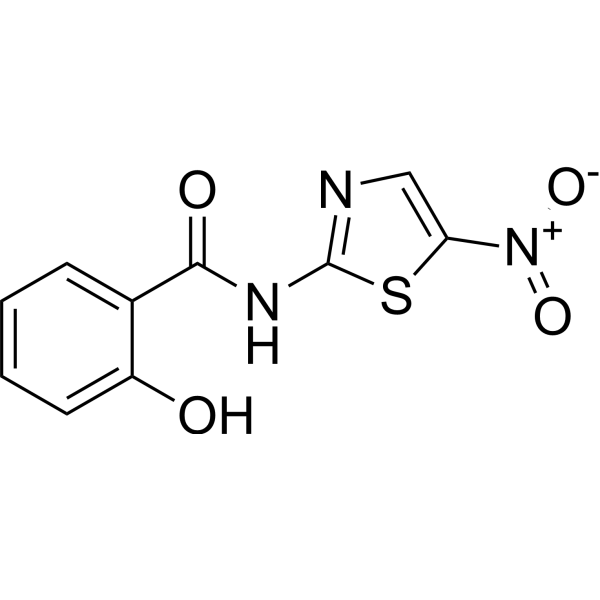 0 ImagesCat. No.: HY-12687RCAS No.: 173903-47-4Synonyms: TIZ (Standard)Tizoxanide (Standard) is the analytical standard of Tizoxanide. This product is intended for research and analytical applications. Tizoxanide (TIZ) is the active metabolite of Nitazoxanide, which is a thiazolide anti-infective compound against anaerobic bacteria, protozoa, and a range of viruses. Tizoxanide (TIZ) has anti-HIV-1 activities and potent inhibition of both HBV and HCV replication with values EC50 of 0.46μM and 0.15 μM, respectively. Tizoxanide also exerts anti-inflammatory effects by inhibiting the production of pro-inflammatory cytokines and suppressing of the activation of the NF-κB and the MAPK signaling pathways in LPS-treated macrophage cells.
-
Aspirin calcium
 0 ImagesAspirin calcium is an orally active, potent and irreversible inhibitor of cyclooxygenase COX-1 and COX-2, with IC50 values of 5 and 210 μg/mL, respectively. Aspirin calcium induces apoptosis. Aspirin calcium inhibits the activation of NF-κB. Aspirin calcium also inhibits platelet prostaglandin synthetase, and can prevent coronary artery and cerebrovascular thrombosis.
-
Thalidomide-O-C4-NH2
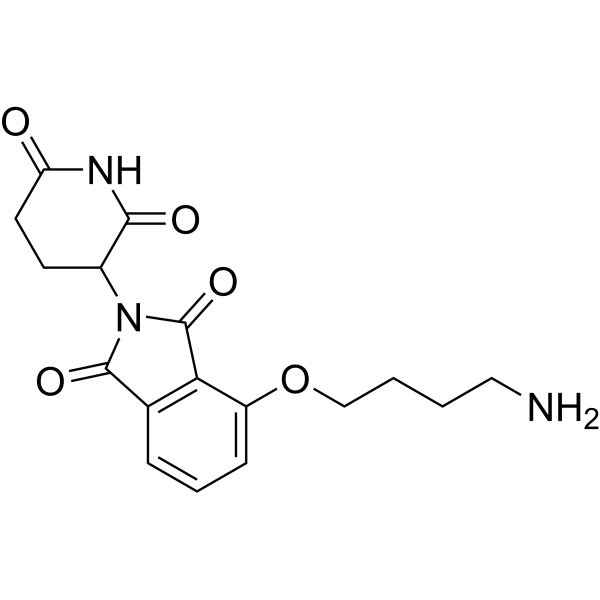 0 ImagesCat. No.: HY-130948CAS No.: 1957235-96-9Thalidomide-O-C4-NH2 is a synthesized E3 ligase ligand-linker conjugate that incorporates the Thalidomide based cereblon ligand and a linker used in PROTAC technology.




