



HIV
Human immunodeficiency virus
HIV (Human immunodeficiency virus) is a lentivirus (a subgroup of retrovirus) that causes the acquired immunodeficiency syndrome (AIDS), a condition in humans in which progressive failure of the immune system allows life-threatening opportunistic infections and cancers to thrive. Infection with HIV occurs by the transfer of blood, semen, vaginal fluid, pre-ejaculate, or breast milk. Within these bodily fluids, HIV is present as both free virus particles and virus within infected immune cells. HIV infects vital cells in the human immune system such as helper T cells (specifically CD4+ T cells), macrophages, and dendritic cells. HIV infection leads to low levels of CD4+ T cells through a number of mechanisms, including apoptosis of uninfected bystander cells, direct viral killing of infected cells, and killing of infected CD4+ T cells by CD8 cytotoxic lymphocytes that recognize infected cells. When CD4+ T cell numbers decline below a critical level, cell-mediated immunity is lost, and the body becomes progressively more susceptible to opportunistic infections.
HIV Isoform Specific Products
All Product Categories
-
HIV Inhibitors
(1209)
View all products
-
HIV Antagonists
(4)
View all products
-
HIV Activators
(19)
View all products
-
HIV Modulator
(1)
View all products
-
HIV Inducers
(2)
View all products
-
HIV Degrader
(1)
View all products
-
HIV Controls
(4)
View all products
-
HIV Ligand
(1)
View all products
-
HIV Proteins
(26)
View all products
-
HIV Related Products (1381)
Related Products (1381)

-
Recombinant Proteins (26)
-
Antibodies (6)
-
HIV Isoform Comparison
-
Tenofovir diphosphate disodium
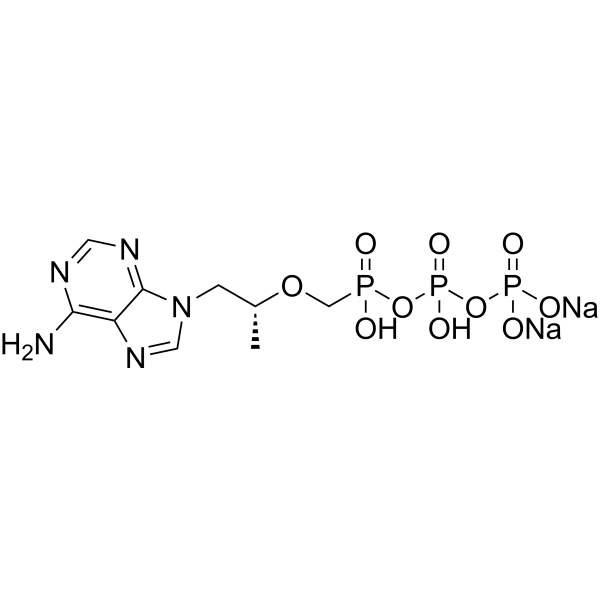 0 ImagesCat. No.: HY-136548BCAS No.: 2738719-07-6Synonyms: TFV-DP disodiumTenofovir diphosphate disodium is an antiretroviral agent. Tenofovir diphosphate disodium is an inhibitor of HIV reverse transcriptase DNA (Ki = 1.55 μM) and RNA (Ki = 0.022 μM). Tenofovir diphosphate disodium can be used for the research of AIDS.
-
Etravirine
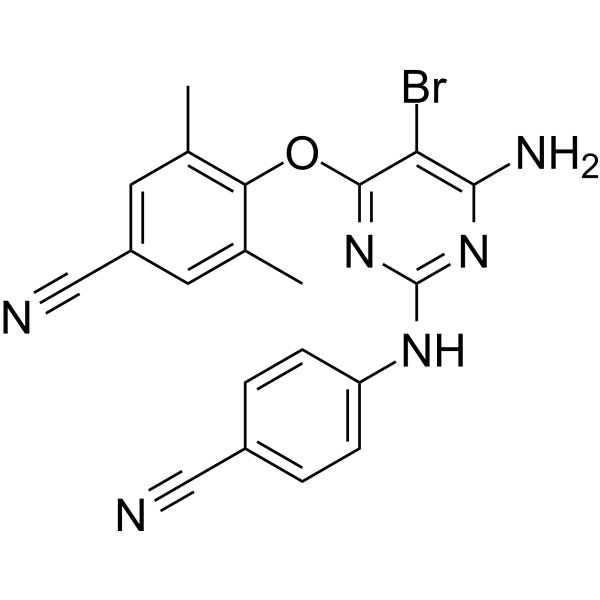 0 ImagesSynonyms: R165335; TMC125Etravirine (R165335; TMC125) is a non-nucleoside reverse transcriptase inhibitor (NNRTI) used for the treatment of HIV.
-
Mavorixafor
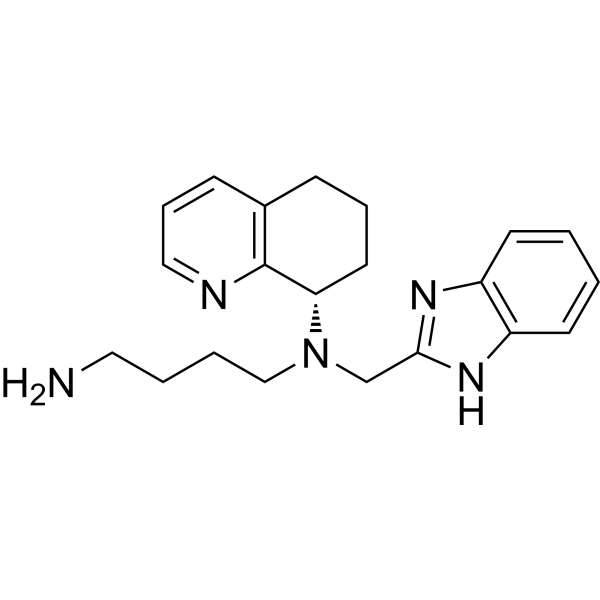 0 ImagesSynonyms: AMD-070; AMD-11070Mavorixafor (AMD-070) is a potent, selective and orally available CXCR4 antagonist, with an IC50 value of 13 nM against CXCR4 125I-SDF binding, and also inhibits the replication of T-tropic HIV-1 (NL4.3 strain) in MT-4 cells and PBMCs with an IC50 of 1 and 9 nM, respectively. Mavorixafor can be used for the study of WHIM syndrome.
-
Dextran sulfate sodium salt (MW 450000-550000)
 0 ImagesCat. No.: HY-116282DCAS No.: 9011-18-1Synonyms: DSS (MW 450000-550000); DXS (MW 450000-550000)Dextran sulfate sodium salt (DSS) (MW 450000-550000) is a polymer of dehydrated glucose with a molecular weight of approximately 450000-550000. Dextran sulfate sodium salt with different molecular weights exhibits different biological activities. Dextran sulfate sodium salt (MW 450000-550000) inhibits replication of HIV-1 and influenza A virus. Dextran sulfate sodium salt (MW 450000-550000) can be formulated as nanoparticles and shows antibacterial activity. Dextran sulfate sodium salt (MW 450000-550000) can be used for functional material preparation.
-
Dimercaprol
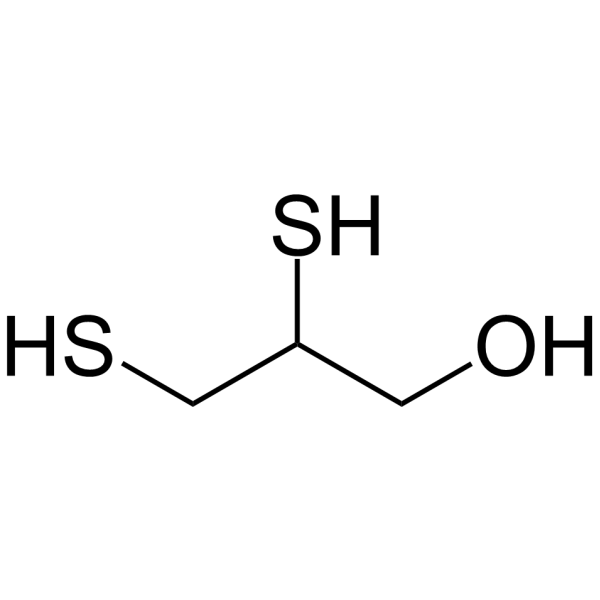 0 ImagesSynonyms: 2,3-Dimercapto-1-propanol; Dithioglycerol
-
L-Cycloserine
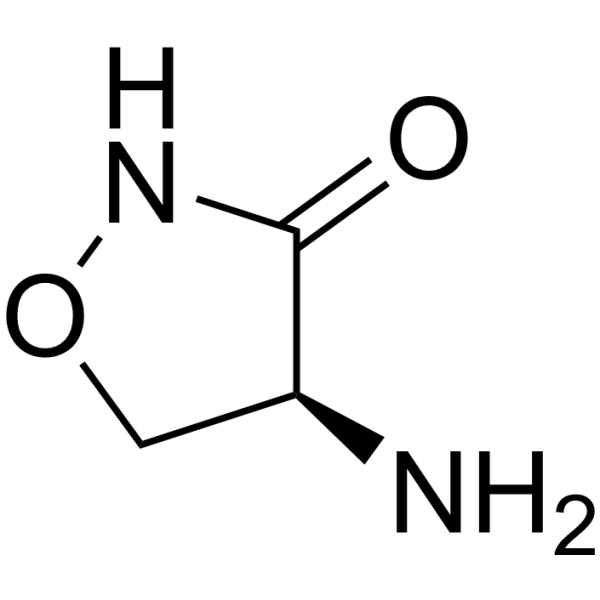 0 ImagesSynonyms: (S)-Cycloserine; (S)-4-Amino-3-isoxazolidoneL-Cycloserine ((S)-4-Amino-3-isoxazolidone) is an oral inhibitor of the enzyme gamma-aminobutyric acid (GABA) transaminase (GABA-t) and branched-chain transaminases in Mycobacterium tuberculosis. L-Cycloserine has anticonvulsant properties and inhibits the synthesis of neurotensin in mouse brains.
-
L-Chicoric Acid
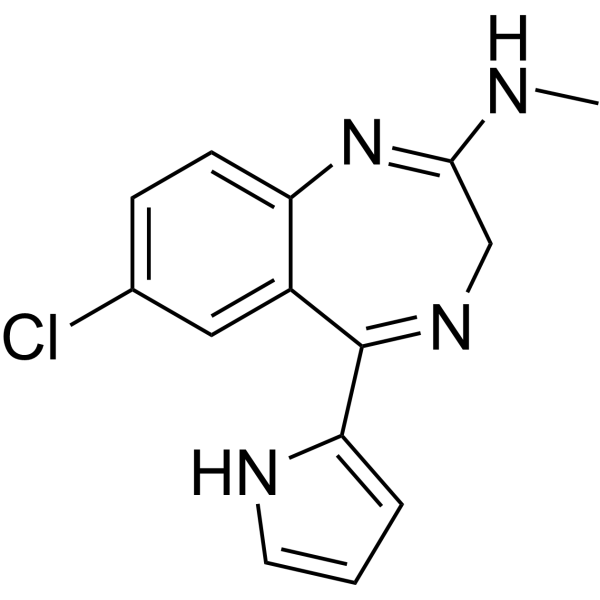
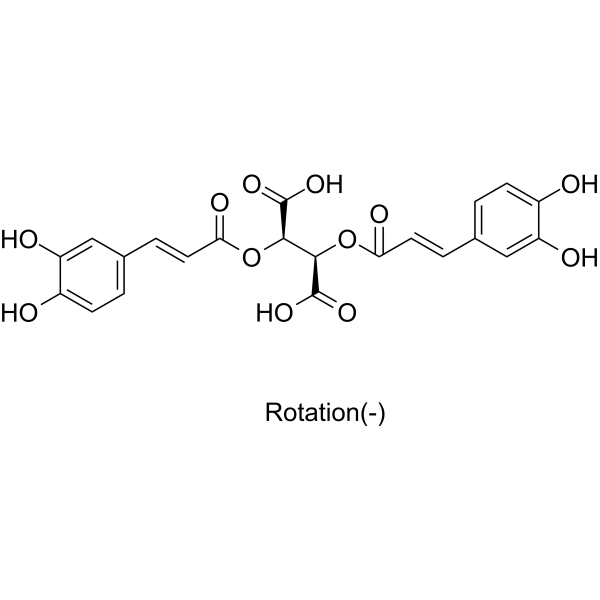 0 ImagesSynonyms: (-)-Chicoric acid; trans-Caffeoyltartaric acid
-
α-Lipoic Acid sodium
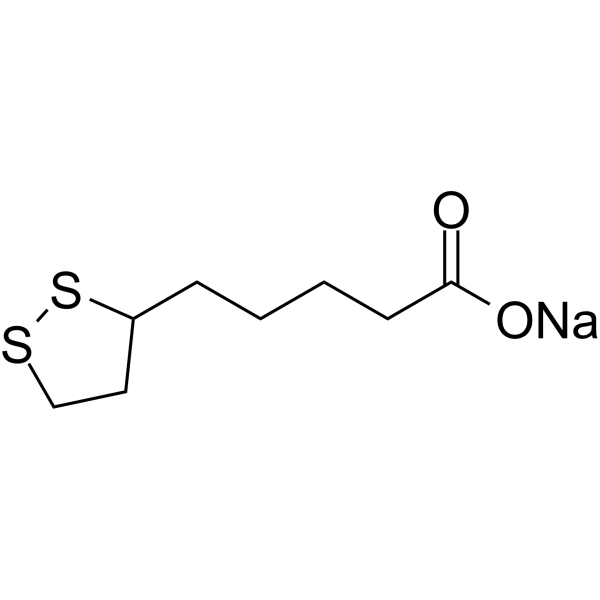 0 ImagesSynonyms: Thioctic acid sodium; (±)-α-Lipoic acid sodium; DL-α-Lipoic acid sodiumα-Lipoic Acid (Thioctic acid) sodium is an antioxidant, which is an essential cofactor of mitochondrial enzyme complexes. α-Lipoic Acid sodium inhibits NF-κB-dependent HIV-1 LTR activation. α-Lipoic Acid sodium induces endoplasmic reticulum (ER) stress-mediated apoptosis in hepatoma cells. α-Lipoic Acid sodium can be used with CPUL1 (HY-151802) to construct the self-assembled nanoaggregate CPUL1-LA NA, which has improved antitumor efficacy than CPUL1.
-
Azvudine
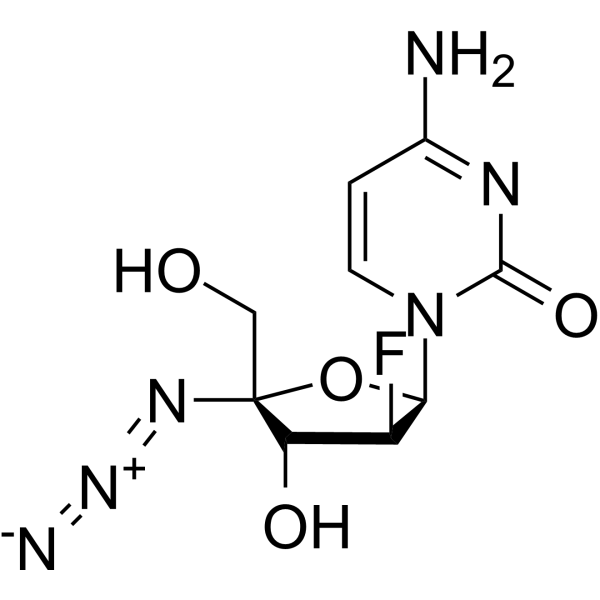 0 ImagesSynonyms: RO-0622; FNCAzvudine (RO-0622) is a potent nucleoside reverse transcriptase inhibitor (NRTI), with antiviral activity on HIV, HBV and HCV. Azvudine exerts highly potent inhibition on HIV-1 (EC50s ranging from 0.03 to 6.92 nM) and HIV-2 (EC50s ranging from 0.018 to 0.025 nM). Azvudine inhibits NRTI-resistant viral strains. Azvudine is a click chemistry reagent, it contains an Azide group and can undergo copper-catalyzed azide-alkyne cycloaddition reaction (CuAAc) with molecules containing Alkyne groups. It can also undergo strain-promoted alkyne-azide cycloaddition (SPAAC) reactions with molecules containing DBCO or BCN groups.
-
Kaempferol (Standard)
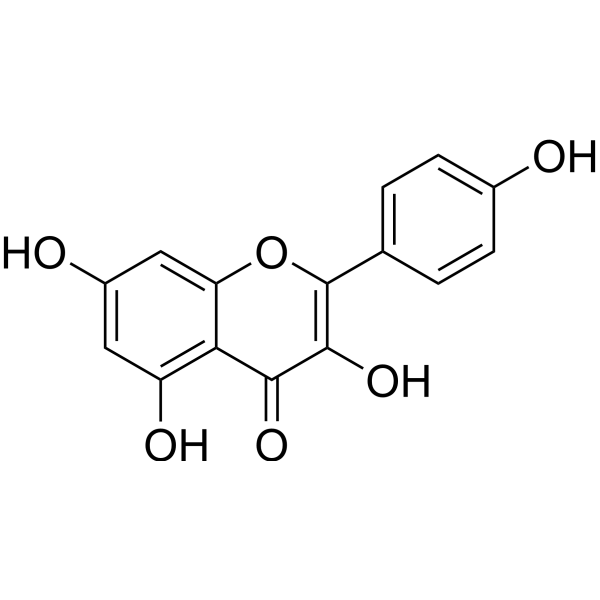 0 ImagesSynonyms: Kempferol(Standard); Robigenin (Standard)Kaempferol (Standard) is the analytical standard of Kaempferol. This product is intended for research and analytical applications. Kaempferol (Kempferol), a flavonoid found in many edible plants, inhibits estrogen receptor α expression in breast cancer cells and induces apoptosis in glioblastoma cells and lung cancer cells by activation of MEK-MAPK. Kaempferol can be uesd for the research of breast cancer.
-
Chloroquine phosphate (Standard)
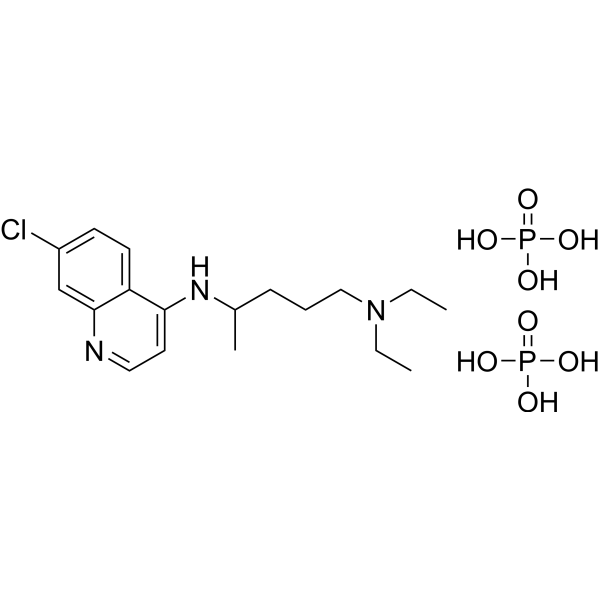 0 ImagesChloroquine (phosphate) (Standard) is the analytical standard of Chloroquine (phosphate). This product is intended for research and analytical applications. Chloroquine phosphate is an antimalarial and anti-inflammatory agent widely used to treat malaria and rheumatoid arthritis. Chloroquine phosphate is an autophagy and toll-like receptors (TLRs) inhibitor. Chloroquine phosphate is highly effective in the control of SARS-CoV-2 (COVID-19) infection in vitro (EC50=1.13 μM).
-
Ditiocarb sodium,98%
 0 ImagesDitiocarb sodium,98% (Sodium diethyldithiocarbamate,98%) is an orally active copper reagent. Ditiocarb sodium,98% exhibits activities such as antioxidation, chelation, anti-tumor effects, immunomodulation, and anti-HIV properties. Ditiocarb sodium,98% can be used in the research of tumors, inflammatory, and immune-related diseases.
-
PF-3450074
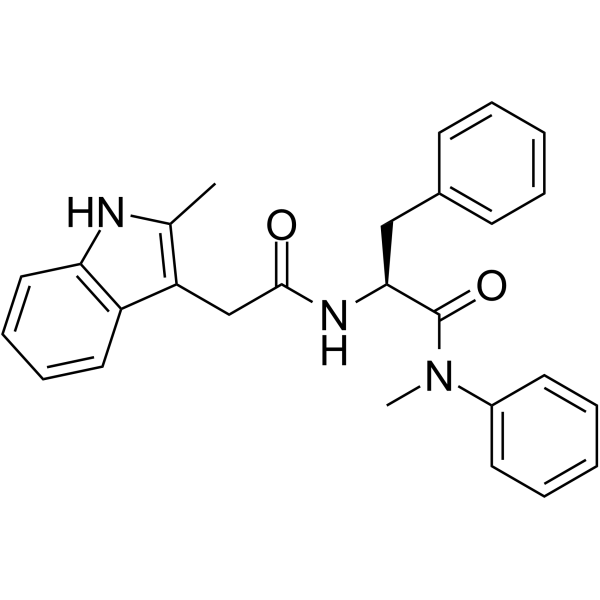 0 ImagesSynonyms: PF-74PF-3450074 (PF-74) is a specifical inhibitor of HIV-1 capsid protein (CA) and displays a broad-spectrum inhibition of HIV isolates with submicromolar potency (EC50=8-640 nM). PF-3450074 (PF-74) acts at an early stage of HIV-1 infection, inhibits viral replication by directly competing with the binding of CPSF6 and NUP153, and blocks the uncoating, assembly, and the reverse transcription steps of the viral life cycle. CPSF6: nuclear host factors cleavage and polyadenylation specific factor 6; NUP153: nucleoporin 153.
-
Cyclotriazadisulfonamide
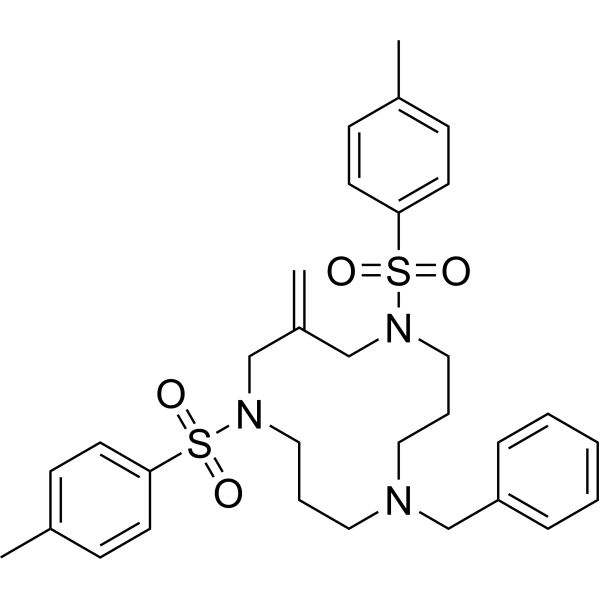 0 ImagesSynonyms: CADA
-
2-Hydroxycinnamic acid
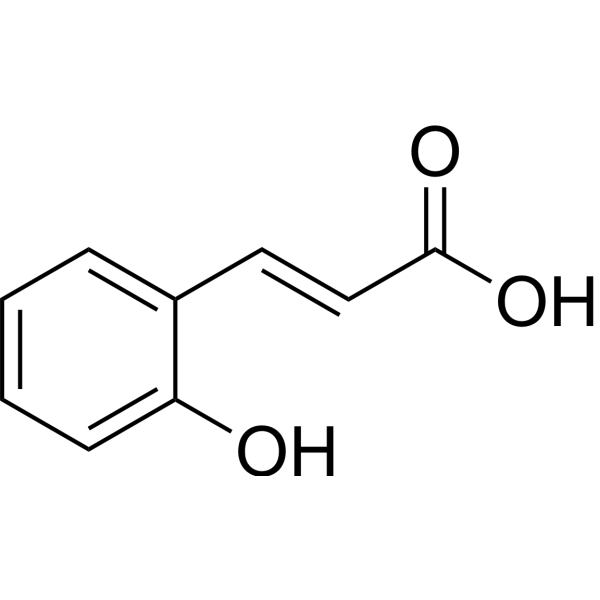 0 Images2-Hydroxycinnamic acid is a phenolic acid with antimicrobial and antioxidant properties. 2-Hydroxycinnamic acid has antimicrobial activity against Staphylococcus aureus and is not susceptible to drug resistance. 2-Hydroxycinnamic acid shows inhibitory effects on infection of HIV/SARS-CoV S pseudovirus with an IC50 of 0.3 mM. In addition, 2-Hydroxycinnamic acid has neuroprotective and antitumor activity.
-
Glycolithocholic acid 3-sulfate
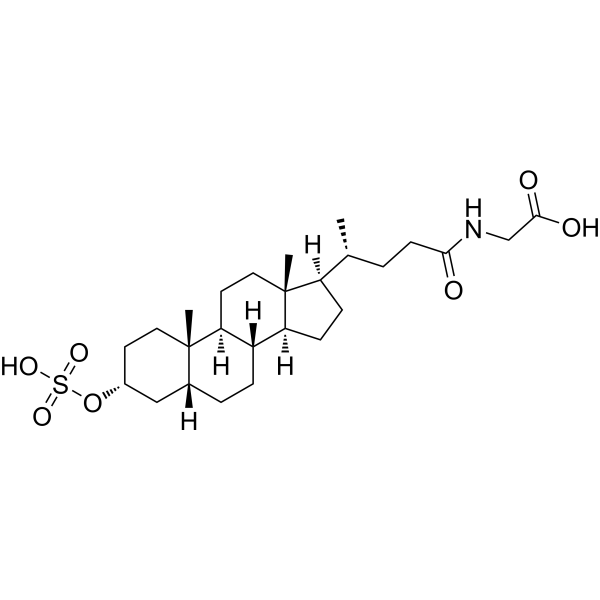 0 ImagesSynonyms: Glycolithocholate sulfate; Sulfolithocholylglycine; SLCG
-
Didanosine
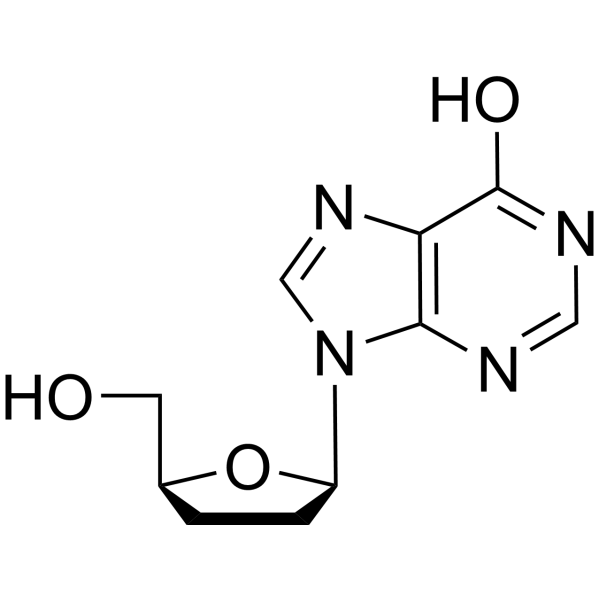 0 ImagesSynonyms: 2',3'-Dideoxyinosine; ddIDidanosine (2',3'-Dideoxyinosine; ddI) is a a potent and orally active dideoxynucleoside analogue, and also is a potent nucleoside reverse transcriptase inhibitor. Didanosine shows antiretroviral activity for HIV.




